Author

Ocean Nightleaf

Browsing

Introduction / Hook

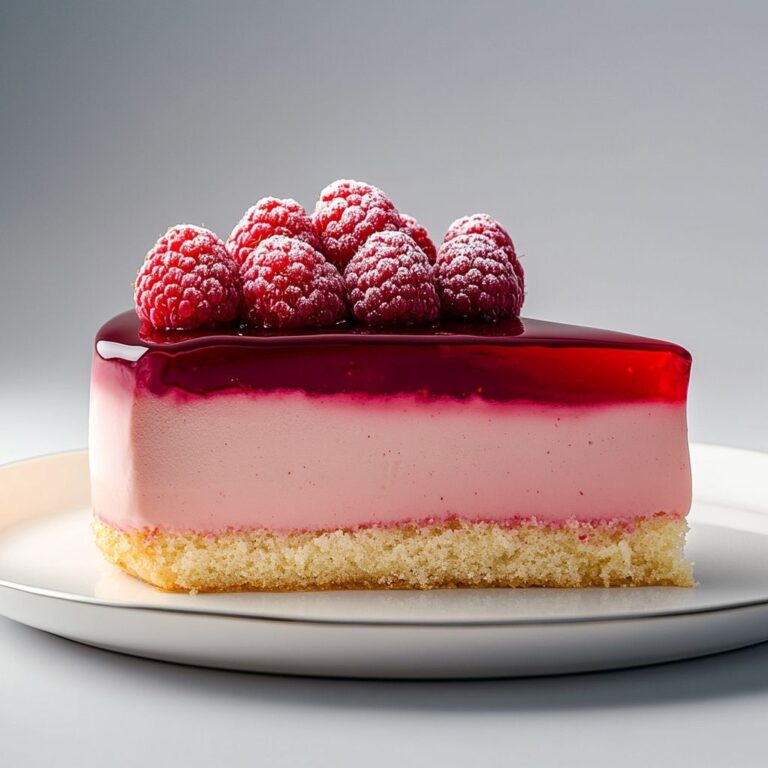
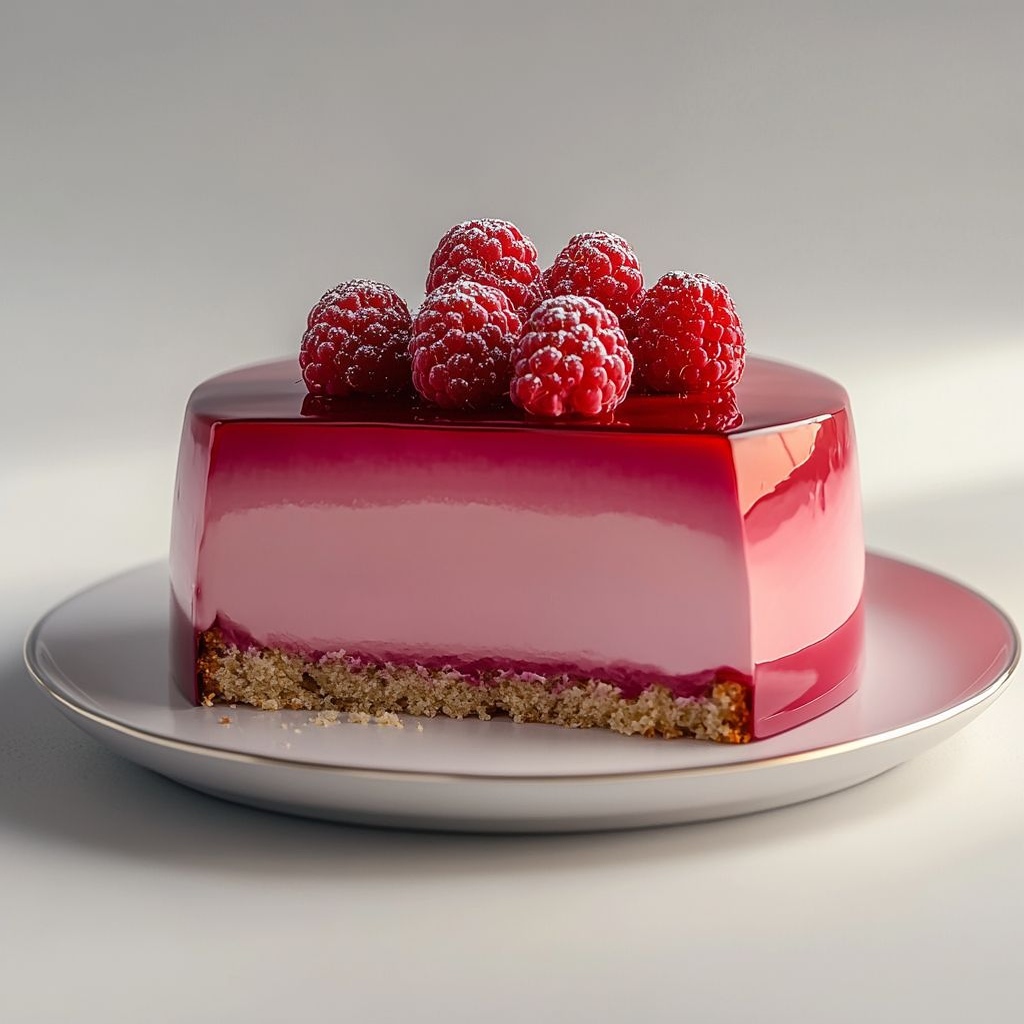
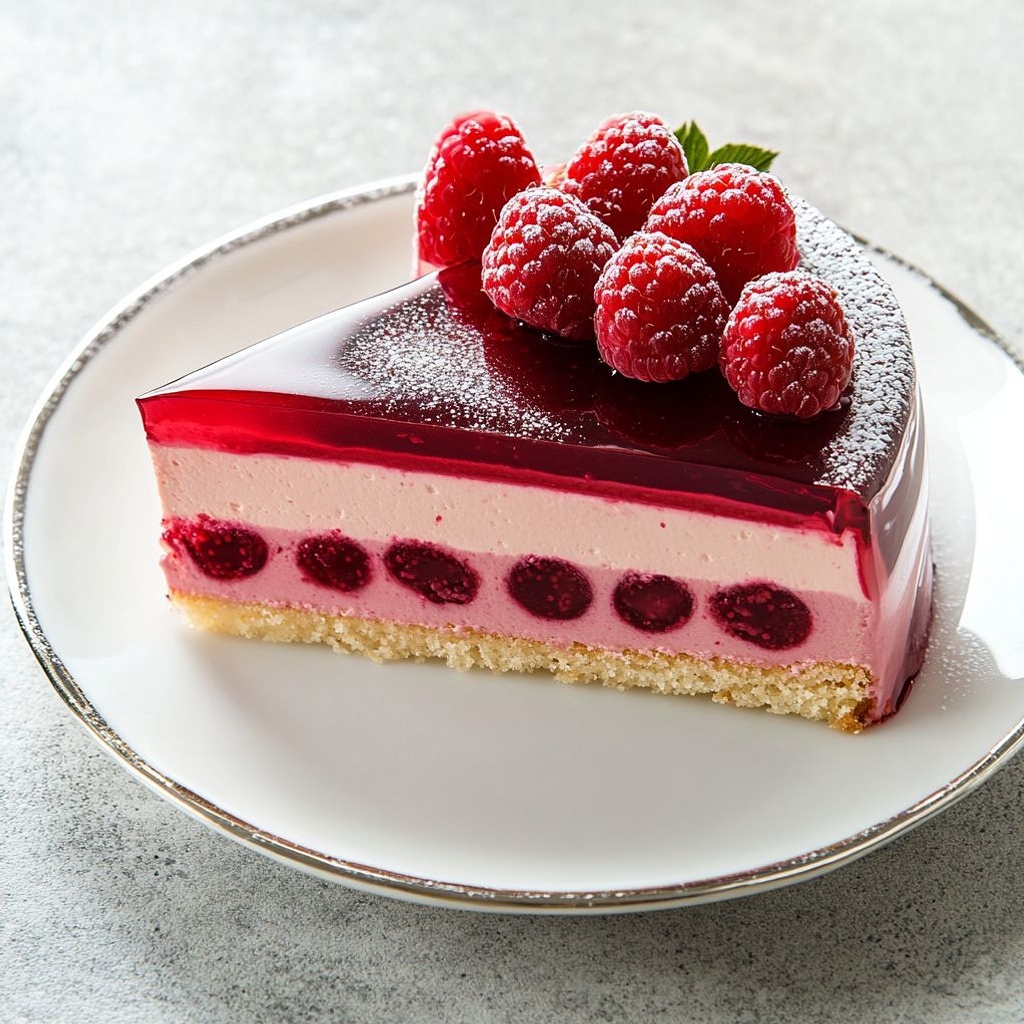
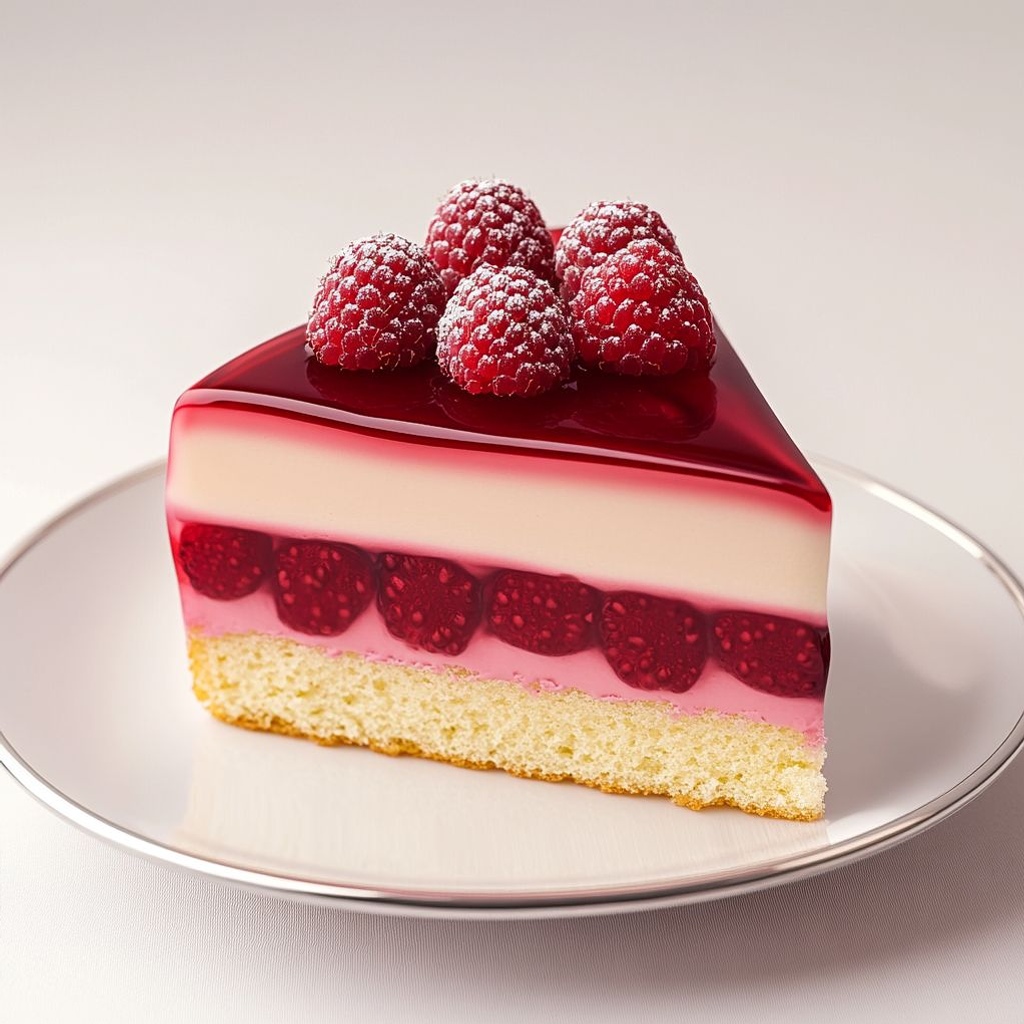
As you cut into a Torta crema vaniglia, a veil of vanilla steam swirls up, and the kitchen fills with the soft glow of sunshine and warm butter. This cake is not just dessert; it’s a memory you can savor in every bite. The sponge is tender as a cloud, the crema vaniglia silky and bright, with a whisper of citrus zest and a kiss of vanilla bean. Imagine a plate on a sunlit table, steam curling from a slice, a cup of espresso at your side, and the gentle clink of a teaspoon against porcelain as you share it with someone you love. The Torta crema vaniglia invites you to slow down, to listen to the quiet hum of a home kitchen, and to taste a moment that feels both timeless and modern. It’s a celebration of vanilla—the most comforting, universal flavor—made into a cake that feels luxurious without being fussy. Each bite carries a story: of old-world patisseries and family kitchens, of long afternoons spent whisking cream and watching the cake rise, and of how a simple ingredient can become something meaningful when given patience and care. This is not merely dessert; it’s a portable hymn to sunshine, warmth, and the art of refined simplicity.

The Story Behind the Dish

Vanilla is a passport ingredient, a scent that travels through time and across oceans, landing in cuisines with a quiet, dependable grace. In Italy, the language of pastry has long spoken in terms of crema—soft, custard-like fillings and silky creams that dress up both simple and grand desserts. The Torta crema vaniglia arrives at the crossroads of tradition and modern indulgence, marrying a light, airy cake with a velvety vanilla crema that glows with eggs, milk, and a generous glint of vanilla bean. This composition is a nod to the beloved crema pasticcera, a staple in many Italian trattorie and pastry shops, where custard is spooned into tarts, layered into pastries, or swirled into delicate cakes. The idea behind this cake is simple yet profound: a sponge that can cradle a cloudlike crema, a union that elevates everyday ingredients into something celebratory. It is the kind of dessert that comforts a tired soul after a long day and sparks a smile when shared with friends and family during a sunlit afternoon.

Historically, vanilla was once a luxury in European kitchens, reserved for the tables of the curious and the well-to-do. Today, it is democratized, embraced by home bakers and grand patisseries alike. In Italian culture, desserts often carry a sense of conversation—an invitation to pause, reflect, and savor. The Torta crema vaniglia embodies that spirit: a conversation starter about flavor, texture, memory, and the simple joy of a well-made dessert. Its lineage is not a single village recipe but a tapestry of stories—grandmothers with stained wooden spoons, pastry chefs whispering to vanilla beans in a warm kitchen, and friends gathering around a plate that feels, for a moment, timeless.

As with many Italian-inspired sweets, the cake invites ritual: the quiet anticipation as you dust the top with a whisper of powdered sugar, the gentle aroma that fills the room before the first slice, and the ceremonial coffee that accompanies the moment of tasting. This dish is less about complexity and more about balance—the balance between a delicate, bouncy sponge and a custard that carries the vanilla bouquet forward, the balance between sweetness and the soft tang of cream, and the balance between homey warmth and café-sophistication. It is, in its essence, a love letter to vanilla and all the comforting memories it can evoke when crafted with care.

Why You’ll Love This Recipe

  • Elegant simplicity: A cake that reads as refined without becoming fussy, perfect for both intimate evenings and celebratory gatherings.
  • Comforting flavor with a bright vanilla glow: The crema vaniglia provides a creamy, luscious center that complements a tender sponge and leaves a clean, lasting impression on the palate.
  • Versatile presentation: Slice it for dessert, serve with a dollop of whipped cream or fresh berries for a lighter finish, or pair with a bold espresso to cradle the flavors of vanilla.
  • Make-ahead-friendly: The components can be prepared separately, making it easier to assemble when time is short, and the flavors often taste better after resting for a day or two.
  • Accessible technique, elevated result: You don’t need to chase complicated steps to achieve a bakery-worthy finish; patience and quality ingredients do all the heavy lifting.
  • Impressive yet approachable: The cake looks sophisticated on a dessert table, inviting admiration, conversation, and of course, seconds and thirds.

Flavor Profile & Texture

The Torta crema vaniglia is an exploration in contrast and harmony. The outer sponge presents a delicate, airy crumb—a pale, sun-kissed crust that yields softly to the fork. It’s not dense or heavy; it carries a subtle butteriness that reminds you of a well-loved pound cake, but with a lighter touch that hints at the presence of whipped air and careful mixing. The interior is where the story really unfolds: a crema vaniglia that glides across the tongue with silken elegance. This vanilla custard, enriched with eggs and milk and coaxed to a luscious, pourable consistency, sets gently into the heart of the cake, like a secret within a present. The custard’s vanilla aroma is warm and luminous, sometimes notes of vanilla bean specks catching the light, sometimes a faint echo of citrus—lemon or orange zest—that brightens the composition and prevents the sweetness from tipping over into cloying territory.

Texture-wise, you’ll notice a pleasing contrast: the sponge’s springy bite against the custard’s smooth, almost satin-like finish. When you take a bite, you experience a multi-layer experience—the initial softness of the cake, the immediate creaminess of the crema, and then a lingering finish that carries faint whispers of almond from the cake’s base or a hint of vanilla bean’s delicate aroma. The overall effect is balanced, comforting, and simultaneously celebratory. It’s a dessert that feels familiar enough to reassure, yet refined enough to delight guests who expect a touch of continental charm. If you’re a believer in the magic of textures—light, creamy, and a touch of crumbly-soft—this cake delivers with grace and generosity.

There are small, almost invisible threads that tie flavors together. The vanilla, sourced from premium beans, releases its perfume in stages—first a gentle sweetness, then a deeper, almost caramel-like warmth as it lingers. Some versions incorporate a whisper of citrus zest in the crema or on the surface, which acts as a bright, cleansing note that resets the palate with every bite. The result is not a single flavor note but a chorus: vanilla at the core, softened by milk and egg, highlighted by a citrus brightness, and surrounded by the comforting embrace of a finely baked sponge. This is a cake that asks you to slow down, to notice the way the vanilla perfume coats your senses, and to appreciate the craft of balancing richness with lightness.

Occasions & Pairings

This cake shines in a variety of moments, from everyday indulgences to special celebrations. Here are some ideas to inspire serving occasions and pairings that elevate the experience:

  • Afternoon tea or coffee breaks: A perfect companion to a hot cup of espresso, cappuccino, or a bright, fruity tea. The vanilla glow resonates with the bitterness and aroma of coffee.
  • Sunday family gatherings: Slice thinly to share on a cake plate with fresh berries, a dusting of powdered sugar, and a few mint leaves for color and freshness.
  • Birthdays and intimate celebrations: The cake’s elegance makes it a standout without being overly fussy. Pair with a sparkling Moscato or a light dessert wine to add a festive sparkle.
  • Holiday dessert spread: Its Vanilla profile can serve as a bridge between chocolate, caramel, and fruit-forward desserts, creating a cohesive dessert table.
  • Brunch or teatime in the spring and summer: Layer with a spoonful of lemon curd or strawberry jam between wedges for a playful twist (if you’re feeling adventurous in the kitchen).

Pairing ideas to consider:

  • Drinks: A glass of dessert wine (like Vin Santo or Moscato d’Asti), a well-pulled shot of espresso, or a sparkling Prosecco to wake the palate.
  • Side accompaniments: Fresh berries, lightly whipped cream, or a drizzle of raspberry coulis for a tangy counterpoint.
  • Fruit companions: Sliced figs, peaches, or ripe strawberries can echo the vanilla’s sweetness while adding color and freshness.

Tips, Variations & Substitutions

Here are ideas to customize the Torta crema vaniglia to fit different diets, occasions, or seasonal ingredients, without losing its essence:

  • Gluten-free version: Use a gluten-free sponge base made with almond flour or a certified gluten-free blend; ensure the crema remains silky, as gluten-free textures can vary.
  • Dairy-free option: Replace dairy with coconut milk or almond milk for the crema (you may need a starch like cornstarch to achieve a smooth consistency). Use a dairy-free butter or oil for the sponge to maintain moisture and richness.
  • Vegan adaptation: A fully vegan crema can be achieved with a combination of plant-based milks, cornstarch or arrowroot as a thickener, and a vegan butter substitute in the sponge; the vanilla aroma remains the star, so opt for a high-quality vanilla and vanilla bean for depth.
  • Citrus variations: Swap or supplement vanilla with orange or lemon zest in the crema to add brightness. A touch of brandy or rum can mimic the warmth of a traditional custard’s aromatics.
  • Chocolate-twist: A light dusting of cocoa powder on top or a very thin layer of white chocolate ganache between layers can create a delightful contrast while preserving the vanilla profile.
  • Texture play: For a slightly sturdier slice, add a gentle crumb contrast by sprinkling a fine almond crumble on top just before serving, which complements the vanilla and adds a nutty aroma.
  • Make-ahead flavor development: Allow the crema to rest overnight in the fridge before assembly—the flavors meld and intensify, making the cake more cohesive when finally stacked.

Storage & Make-Ahead Ideas

This cake is amenable to planning ahead, which is one of its most appealing traits for busy cooks and hosts. Here are practical tips to maximize freshness and flavor:

  • Make-ahead approach: Prepare the sponge, let it cool completely, and store it in an airtight container at room temperature for up to 24 hours. Prepare the crema and refrigerate for up to 2 days. Assemble the cake shortly before serving for the best texture contrast.
  • Fridge life: Once assembled, the cake keeps well in the refrigerator for up to 3 days. The crema can benefit from a short rest after assembly, allowing the flavors to mellow into the sponge.
  • Freezing options: Freeze the sponge layers separately for up to 1 month; wrap tightly to prevent freezer burn. The crema does not freeze as smoothly when thickened; if you need to freeze, consider only freezing the sponge layers and add fresh crema ring when you thaw and assemble.
  • Reheating and serving: If the cake feels a little stiff after refrigeration, let it sit at room temperature for 15–20 minutes to regain softness, or give a gentle 10-second nudge in a microwave to revive the texture (short bursts, if you choose this route).
  • Storage conditions: Keep the cake covered to prevent it from absorbing odors from the fridge. A light, breathable cover or a cake dome is ideal to preserve moisture and aroma.

Fun Facts & Trivia (Optional)

Delightful morsels of trivia can enrich the experience of sharing this dessert. Consider these tidbits next time you plate the Torta crema vaniglia:

  • Vanilla beans come from tropical orchids of the Vanilla genus, and their cultivation is a delicate art involving hand-pollination in some regions. The tiny black seeds you see speckled in a crema are a hallmark of using real vanilla pods rather than artificial flavoring.
  • Crema pasticcera, the heart of many Italian desserts, was historically a custard perfected by pastry chefs who treated it as a blank canvas for flavor and texture. Its timeless appeal lies in its ability to pair with fruit, pastry, and cake alike.
  • In Italian patisseries, a vanilla-forward cake is often considered a symbol of hospitality and warmth—the kind of dessert you present to guests with a smile, inviting them to share a moment of sweetness.
  • The name “torta” simply means cake in Italian, and many regional variations celebrate the same concept—layered textures, creamy fillings, and an elegant balance of flavors—each with its own unique twist.
  • Vanilla’s scent is known to trigger comforting memories; the smell of vanilla wafts to the emotional centers of the brain, often evoking happiness and contentment, which is part of why this cake feels so uplifting when served and shared.

Closing Thoughts

The Torta crema vaniglia is more than a dessert; it’s a storytelling vessel. It carries the gentle sweetness of vanilla, the lightness of a well-made sponge, and the luxurious whisper of a custard filling that never overwhelms the senses. It speaks to the idea that some of the best pleasures in life are simple, crafted with patience and care, and shared in the glow of a warm kitchen. Whether you’re entertaining guests, comforting a friend, or simply treating yourself after a long day, this cake offers a moment of grace—a reason to gather, to savor, and to smile. When you slice into it, you’re not just serving a dessert; you’re inviting a memory to unfold on a napkin, a plate, and in the heart. Enjoy the ritual, the aroma, and the pure pleasure of vanilla perfected in cake form.

Ingredients

Sponge Cake Base

  • 5 large eggs, at room temperature

    → Eggs provide structure, moisture, and lift. Keeping eggs at room temperature helps them whip to a lighter volume and creates a tender crumb when combined with sugar. They should be weighed or measured consistently with other ingredients, and added to the batter gradually to avoid curdling. Do not overmix after adding the flour to preserve air pockets that give the cake height.
  • 150 g granulated sugar

    → Sugar sweetens the batter and helps to tenderize by creaming with fats or whipping with eggs to incorporate air. For best results, sift or whisk to remove clumps, and cream with eggs until pale and fluffy if your method relies on creaming. Avoid dissolving sugar unevenly which can cause graininess.
  • 200 g all-purpose flour, sifted

    → Flour provides structure and body to the sponge. Sift to aerate and remove lumps for a smooth batter. If you want a lighter crumb, sift twice or fold in gently to preserve air. Use all-purpose flour; for a gluten-free version, use a certified gluten-free blend.
  • 80 g unsalted butter, melted and cooled

    → Butter adds richness and moisture, and it helps tenderize the crumb by coating some gluten strands. Use unsalted butter to control salt level; let it cool a bit so it doesn’t scramble the eggs if added to a warm batter. You can omit, but it will be less moist and flavorful.
  • 1 teaspoon vanilla extract

    → Vanilla provides aroma and depth to the sponge. Use pure vanilla extract for best flavor; if you have a vanilla bean, you can scrape seeds and increase to 1/2 teaspoon in addition to the extract for a more intense vanilla note. Stir in with the flour for an even distribution.
  • Pinch of salt

    → Salt enhances sweetness and heightens flavors, balancing the cake. A small pinch helps bring out the vanilla and improves overall crumb. If using salted butter instead of unsalted, reduce accordingly.

Vanilla Pastry Cream (Crema Pasticcera)

  • 500 ml whole milk

    → Milk serves as the base for the custard. Whole milk yields a rich, creamy texture; you can substitute 2% for a lighter result but expect slightly thinner cream. Heat gently to just under a simmer before tempering with the eggs.
  • 6 large egg yolks

    → Yolks provide thickening and velvet texture to the crema. Do not scramble; temper them with hot milk gradually to create a smooth custard. Reserve whites for other uses if desired.
  • 120 g granulated sugar

    → Sugar sweetens the crema and helps with the creamy texture by modifying viscosity as the custard cooks. You can adjust to taste; for a lighter crema, reduce slightly, but not too much to maintain thickness.
  • 40 g cornstarch

    → Cornstarch acts as the primary thickener, giving crema its smooth, spoonable consistency. Dissolve it in a little cold milk or make a slurry before adding to hot milk to prevent lumps; cook until the custard reaches a gentle boil and thickens.
  • 1 teaspoon vanilla extract or 1 vanilla bean, seeds scraped

    → Vanilla infuses the crema with aroma and flavor depth. Vanilla bean provides a more intense, rounded note; if using seeds from a bean, add the pod to the milk while heating and whisk out before finishing. Pure vanilla extract yields reliable sweetness and complexity.
  • Pinch of salt

    → Salt balances sweetness and enhances vanilla. A tiny pinch helps brightens the custard and prevents it from tasting flat. Do not omit if you want a well-balanced crema.

Vanilla simple syrup (for moistened sponge)

  • Vanilla simple syrup (120 ml water, 120 g granulated sugar, 1 teaspoon vanilla extract)

    → This syrup is brushed onto the cooled sponge layers to keep the cake moist and to infuse vanilla aroma throughout. Combine water and sugar; simmer until the sugar fully dissolves; remove from heat, stir in vanilla, then cool completely before brushing on each layer in a thin, even layer. Use within 1 day for best aroma and texture.

Topping and Filling (Whipped Cream)

  • 250 ml heavy cream, cold

    → If you prefer a light whipped cream layer, chill the cream and whip to soft peaks to balance the dense crema filling. Fold gently to avoid deflating. The cream adds lightness and contrast to the rich vanilla crema within the cake; use only when desired and ensure it complements the level of sweetness.
  • 2-3 tablespoons powdered sugar

    → Powdered sugar sweetens the whipped cream with a fine texture and dissolves quickly. You can adjust to taste; sift the sugar if any lumps form and whip until soft to medium peaks depending on the desired thickness.
  • 1 teaspoon vanilla extract

    → Vanilla in whipped cream enhances flavor and pairs with crema without overpowering. Use pure vanilla extract for best aroma; you can add a small pinch of salt to brighten the flavor if desired.

Optional Garnish

  • Confectioners’ sugar for dusting (optional)

    → A light dusting of sugar adds a delicate finish to the cake exterior. Sift evenly over the top just before serving to avoid clumping and ensure a clean presentation.

Instructions

  • Preheat your oven to 350°F (175°C) and line two 8-inch (20 cm) round cake pans with parchment circles and grease the sides well.
    → This ensures even baking and easy release; parchment prevents sticking and makes trimming unnecessary, while greasing avoids tearing the crumb during unmolding.
  • Whisk eggs (5 large, at room temperature), granulated sugar (150 g), vanilla extract (1 teaspoon), and a pinch of salt in a large bowl until the mixture is pale, thick, and ribbons form when you lift the whisk.
    → Air incorporation from the whisking creates volume and a tender, light crumb; keep the tempo steady and avoid overmixing once flour is added to preserve structure.
  • Sift the all-purpose flour (200 g) and fold it into the batter in two additions using a gentle folding motion, so you do not knock out the air.
    → Sifting aerates the flour and flattens any lumps, yielding a smoother batter; folding preserves the delicate air pockets necessary for height.
  • Whisk in the melted unsalted butter (80 g) that has been cooled, in a thin, steady stream as you fold until just incorporated.
    → Butter enriches the crumb and adds moisture; adding it gradually prevents the eggs from curdling and keeps the batter uniform.
  • Divide the batter evenly between the prepared pans and smooth the tops with a spatula to ensure even height and uniform baking.
    → A level batter bakes evenly, avoiding domes or sunken centers that complicate layering and slicing.
  • Bake in the preheated oven for 20–25 minutes, or until the tops are lightly golden and a toothpick inserted into the center comes out with a few moist crumbs; rotate the pans halfway for even heat distribution.
    → This timing yields a soft, moist crumb; rotating prevents hot spots from creating uneven textures.
  • Cool the cakes in the pans for 10 minutes, then invert onto a rack and cool completely before slicing.
    → Resting stabilizes the crumb and prevents crumbling when trimming or layering; complete cooling avoids condensation underneath the layers.
  • Prepare the vanilla crema (crema pasticcera): In a medium saucepan, heat the whole milk (500 ml) with vanilla (1 teaspoon extract or 1 vanilla bean with seeds scraped) just to a simmer.
    → Gentle heating releases vanilla aroma into the milk and provides a smooth base for thickening without scorching the milk proteins.
  • Whisk egg yolks (6) with granulated sugar (120 g) in a separate bowl until pale and thick, then whisk in the cornstarch (40 g) until completely smooth.
    → Yolks supply richness and silkiness; cornstarch gives the custard its stable, spoonable thickness without weeping.
  • Temper the yolks by whisking a small amount of hot milk into them, then gradually whisk the tempered yolks back into the hot milk in the saucepan; continue to cook over medium heat, whisking constantly until the custard thickens and just begins to boil.
    → Tempering prevents scrambled eggs and ensures a smooth crema; constant whisking avoids lumps and ensures even heat distribution.
  • Remove from heat, whisk in vanilla and a pinch of salt, then strain through a fine mesh sieve into a clean bowl and cool rapidly by setting over an ice bath or spreading in a shallow tray; cover the surface with plastic wrap to prevent a skin.
    → Straining removes any lumps and skin formation; rapid cooling helps set the custard without developing a skin that could hinder smooth spreading.
  • Make the vanilla simple syrup: in a small saucepan, combine water (120 ml), granulated sugar (120 g), and vanilla extract (1 teaspoon); simmer until the sugar dissolves completely, then remove from heat and cool completely.
    → The syrup keeps the sponge moist and infuses extra vanilla; use cooled syrup to avoid melting crema or making the cake soggy.
  • Whip the heavy cream (250 ml) with powdered sugar (2–3 tablespoons) and vanilla extract (1 teaspoon) in a chilled bowl to soft peaks; chill until needed.
    → Soft peaks provide enough structure to hold shape for filling and topping without becoming stiff and grainy; chilling helps maintain stability during assembly.
  • Trim the cooled sponge and slice each layer horizontally to create two even strata; use a serrated knife and steady sawing motion to avoid tearing.
    → Even layers ensure clean, visually appealing slices and uniform distribution of crema and syrup.
  • Brush the bottom sponge layer with vanilla syrup using a pastry brush, applying a light, even coat and letting it absorb for a minute to avoid sogginess.
    → Syrup moisture keeps the cake tender and enhances vanilla aroma; avoid oversaturating which can collapse the texture.
  • Spread an even layer of vanilla crema over the syrup-soaked bottom layer, then place the second sponge layer on top and press gently to set.
    → The crema provides a rich, smooth filling that contrasts with the light sponge; a level layer ensures clean slicing and consistent flavor balance.
  • Brush the top surface of the second layer with the remaining vanilla syrup, then apply a thin seal layer of crema around the outer edge to help the whipped cream adhere and to minimize gaps.
    → The sealing layer improves the final exterior appearance and helps stabilize the outer edge when applying the topping.
  • Spread a portion of whipped cream into the crema layer if desired for extra lightness, then dollop or pipe remaining whipped cream over the top and along the sides, smoothing with an offset spatula for a clean finish.
    → The whipped cream adds a bright contrast, soft texture, and a less dense finish that complements the vanilla crema.
  • Chill the assembled torta for at least 30 minutes to set the fillings and allow flavors to meld; this makes slicing cleaner and helps the surface set.
    → Chilling tightens the structure and improves presentation; keeps the toppings intact when portioning.
  • Optional: dust the top lightly with confectioners’ sugar just before serving for a delicate, restaurant-style finish.
    → A subtle sugar finish adds elegance and a touch of sweetness without heavy sweetness or moisture on the surface.

Notes

These Torta crema vaniglia layers showcase a classic vanilla sponge filled with silky crema pasticcera, brushed with vanilla simple syrup to keep the sponge moist, and finished with a light whipped-cream topping. For best results, whip the eggs with sugar until pale and tripled in volume, then fold in the sifted flour and cooled melted butter; avoid overmixing after the flour goes in to preserve air and a tender crumb. If you want a gluten-free version, substitute a certified gluten-free all-purpose flour blend and adjust the bake time as needed. For the crema, temper the yolks with hot milk, then cook with a cornstarch slurry until thick and glossy; vanilla seeds or extract both work—a bean adds a deeper aroma, but remove the pod before finishing. Make a batch of vanilla simple syrup by simmering equal parts water and sugar with a splash of vanilla, cool completely, and brush a thin layer on each cooled sponge layer to lock in moisture and aroma. The filling and topping rely on thick crema and light whipped cream: chill both before assembly, whip the cream to soft peaks, and fold in gently if you prefer a less stiff topping. Assemble with a generous but even layer of crema between the sponges, then a final light coat of whipped cream; dust with a touch of confectioners’ sugar if desired. Store refrigerated, tightly covered, and enjoy within 2–3 days; the flavors deepen after a day or two, making it ideal for make-ahead dessert trays.

Tips

Tips for perfect Torta crema vaniglia

  • Room temperature eggs: Ensure the eggs are truly at room temperature before starting to maximize volume when beating with sugar. This helps create a lighter, more tender sponge crumb.
  • Whipping technique for the sponge: Beat the eggs with the sugar until the mixture is pale and thick (ribbon stage). This incorporates air that will help the cake rise. Sift the flour and fold it in gently in 2–3 additions to preserve the air pockets; overmixing after flour is added will deflate the batter.
  • Butter handling: Add the melted, cooled butter gradually to avoid curdling the batter. If the butter is warm, a small tempering step (a spoonful of batter whisked into the butter) helps emulsify it with the eggs.
  • Pan prep and bake: Line the sponge pan with parchment and grease the sides to prevent sticking and promote even release. Bake until a toothpick or skewer comes out clean or with a few moist crumbs; avoid overbaking which dries the crumb.
  • Creamy crema tempering: When making the crema, temper the egg yolks by adding hot milk gradually in a thin stream while whisking constantly. This prevents scrambling and yields a smooth custard.
  • Thickening the crema: Dissolve the cornstarch in a little cold milk or water before adding to the hot milk. Cook until the mixture just comes to a gentle boil and thickens, then whisk continuously to avoid lumps and scorch marks on the bottom.
  • Vanilla depth: If using a vanilla bean, infuse the milk with the seeds and pod, then remove the pod before finishing. If using extract, add it toward the end for a bright aroma without losing complexity.
  • Salt balance: A pinch of salt enhances vanilla flavor and the overall creaminess. If you use salted butter, reduce the added salt accordingly to avoid oversalting.
  • Syrup absorption: Brush the cooled sponge with vanilla syrup in a thin, even layer to maintain moisture without making it soggy. Apply as you build each layer so the cake stays tender and flavorful throughout.
  • Whipped cream topping: Chill the bowl and beaters, and whip the cream to soft peaks for a lighter layer to pair with the rich crema. For a sturdier topping, whip a bit longer to stiff peaks, but avoid overwhipping which turns it grainy.
  • Layer assembly: Let the vanilla crema cool completely before spreading it on the first sponge layer. A thin crumb coat helps lock in moisture and keeps the final surface smooth; refrigerate briefly between layers to set.
  • Storage and freshness: Refrigerate the assembled cake and keep it well covered. The crema contains dairy, so best eaten within 1–2 days. If making ahead, you can prepare the components separately and assemble shortly before serving.

FAQ

Cos’è la Torta crema vaniglia?

Una torta soffice farcita con crema pasticcera alla vaniglia. Spesso è composta da una base di pan di spagna o torta leggera, farcita con crema vaniglia e talvolta glassata o spolverata di zucchero a velo.

Quali ingredienti servono per la Torta crema vaniglia?

Per la torta: uova, zucchero, farina (00 o farine per dolci), lievito in polvere, latte, burro fuso (oppure olio), vaniglia o estratto di vaniglia, un pizzico di sale. Per la crema vaniglia: tuorli, zucchero, amido di mais (maizena) o farina, latte, vaniglia. Opzionale: burro per una crema più vellutata.

Qual è la procedura di base per la crema vaniglia?

Scalda il latte con la vaniglia. In una ciotola mescola tuorli, zucchero e amido finché sono chiari. Versa poco latte caldo sui tuorli, mescola, poi unisci tutto al resto del latte e cuoci a fuoco medio mescolando finché si addensa. Lascia raffreddare e, se vuoi, aggiungi burro morbido per una crema più setosa.

Come si prepara la base di torta?

Montare uova con zucchero finché diventano chiare e spumose. Incorporare delicatamente la farina setacciata con lievito e un pizzico di sale. Aggiungere latte e burro fuso tiepido (o olio). Versare in una teglia imburrata e infarinata e cuocere in forno preriscaldato a 170–180°C per 25–30 minuti, finché uno stecchino esce asciutto. Lascia raffreddare completamente prima di farcire.

Come farcire e assemblare la torta?

Taglia la torta in strati se ammesso, spalma una generosa crema vaniglia tra gli strati e sui bordi. Se la crema è troppo densa, aggiungi un po’ di latte. Copri con il terzo strato e lascia riposare in frigorifero per almeno 1–2 ore prima di servire.

Come conservare la Torta crema vaniglia?

Se non viene consumata subito, conserva in frigorifero, coperta o in contenitore ermetico, per 2–4 giorni. Puoi anche congelare le basi o le fette già farcite per 1–2 mesi; lascia scongelare lentamente in frigorifero e poi a temperatura ambiente prima di servire.

È possibile fare una versione senza glutine?

Sì. Sostituisci la farina con una miscela senza glutine adatta ai dolci e aggiungi una piccola quantità di xantano o guar per migliorare la tenuta. Controlla i tempi di cottura poiché potrebbero variare leggermente.

Come rendere la crema vaniglia più leggera o diversa?

Per una crema più leggera, usa latte scremato o una parte di latte e una parte di yogurt bianco al posto di tutto il latte. Per una versione più ricca, aggiungi burro morbido montato o panna montata fredda al composto raffreddato. Puoi anche aromatizzare con scorza di limone o arancia.

Quali varianti di gusto si possono aggiungere?

Aggiungi scorza di limone o arancia, gocce di cioccolato bianco, cacao per una crema al cioccolato, pistacchi tritati o scaglie di cioccolato. Puoi anche farcire con una combinazione crema vaniglia e crema al cioccolato per un effetto marengato.
Quali sono i trucchi per una torta perfetta?

Assicurati che gli ingredienti siano a temperatura ambiente, verifica la cottura con uno stecchino e non aprire troppo spesso il forno durante la cottura. Lascia raffreddare la torta nella teglia per 10 minuti, poi sformala su una griglia. Per la crema, raffreddala completamente prima di farcire e coprire la torta.

Introduction / Hook

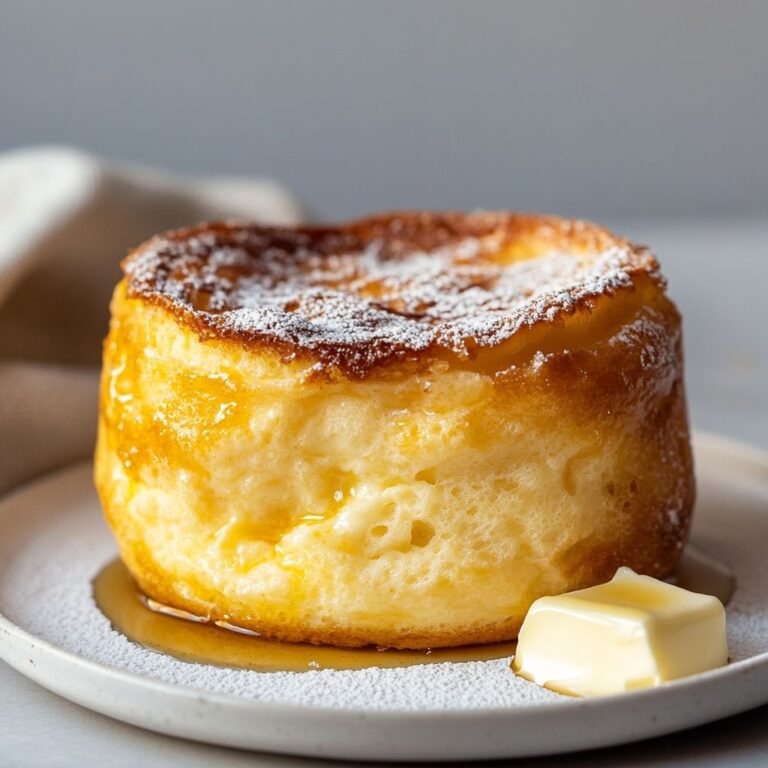
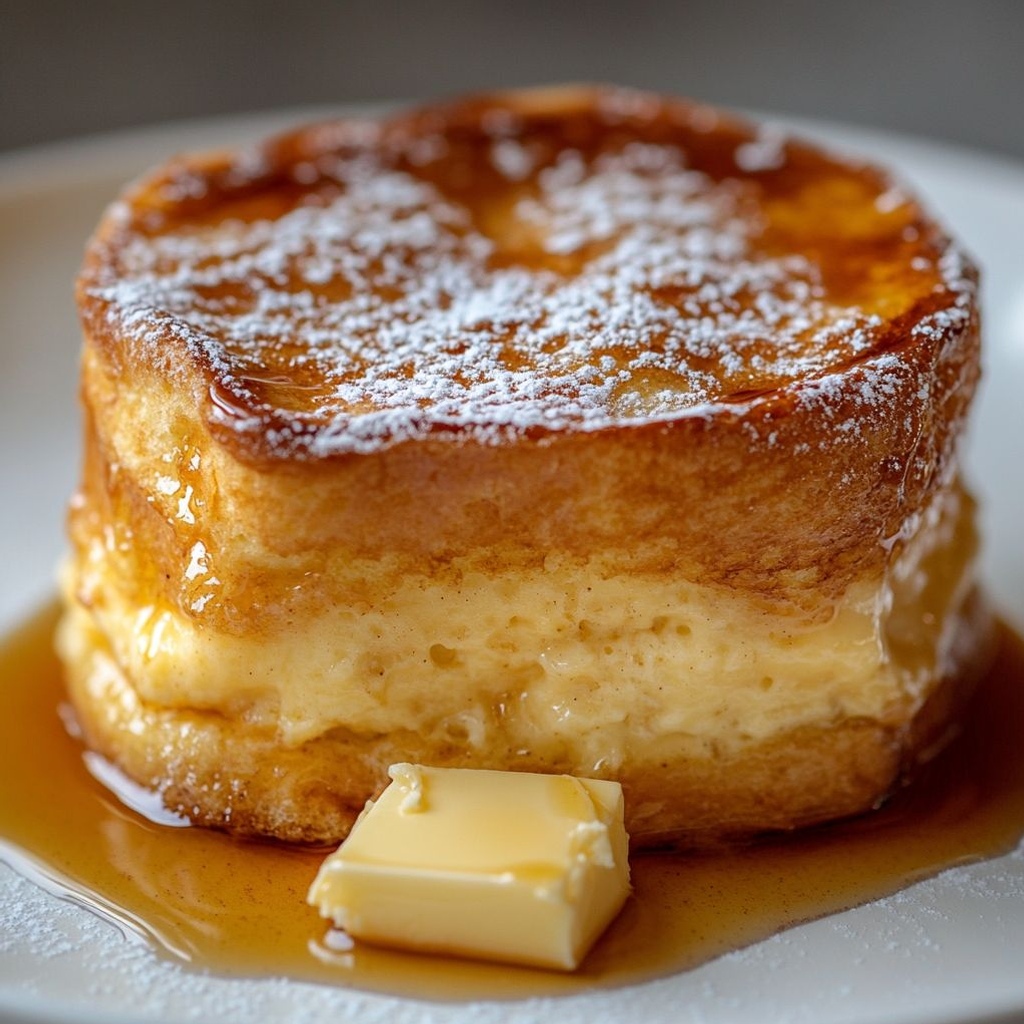
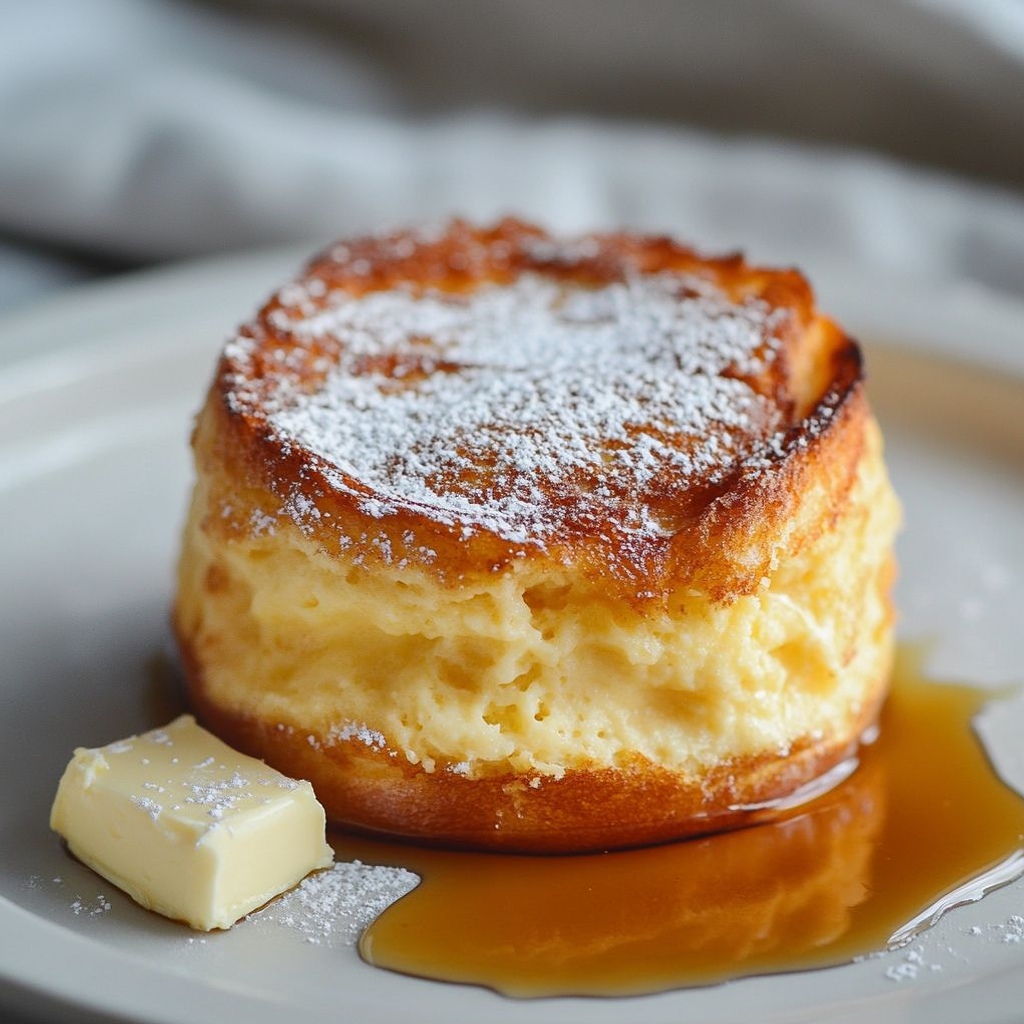
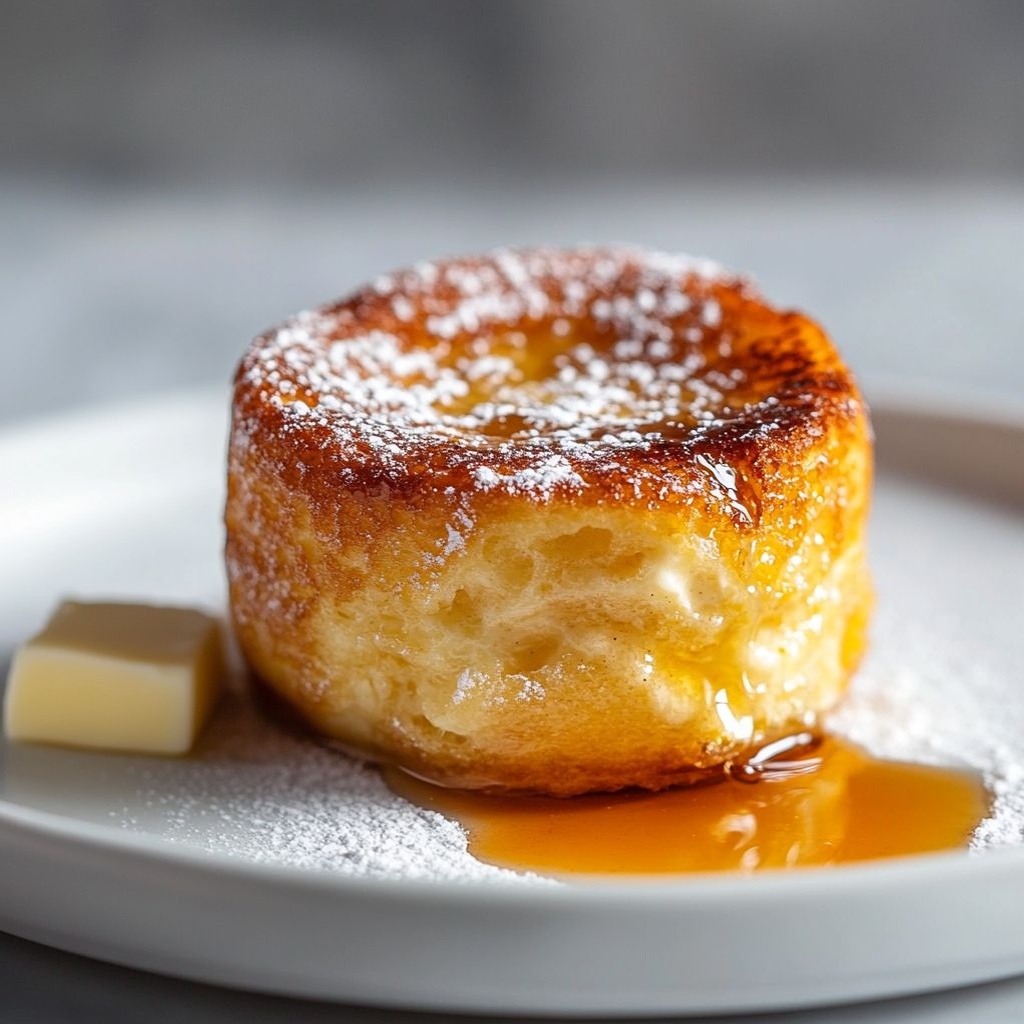
Imagine a sunlit morning where the kitchen hums with the soft rustle of batter and the sweet perfume of vanilla carries through the air. A dish arrives at the table like a warm hug from a favorite aunt, winking with pockets of blueberries that burst with every bite. This is the essence of Casserole pancake ai mirtilli—a blueberry pancake casserole that feels like breakfast, brunch, and dessert all rolled into one comforting, irresistible slice. It’s the kind of dish that makes a weekend feel like a celebration, a little ceremony of coziness you can share with loved ones or savor solo when the world is just a little slower. The aroma alone has a way of waking the senses long before you lift the first forkful: sweet vanilla, bright citrus, and the familiar tang of berries mingling with a soft, custardy kiss. It’s both familiar and exciting—a dish that invites nostalgia while offering a playful, modern twist.

What makes this casserole so special is its effortless charm. There is a surefire balance here: the gentle, pillow-like texture that reminds you of classic pancakes, the lushness of a custard that binds the layers together, and the blueberries that provide pops of jammy sweetness and a whisper of tartness. There’s a sense of generosity in every slice, as if the dish were designed to be shared, to spark conversations across the table, to make ordinary mornings feel special. It’s also remarkably versatile: a crowd-pleaser for weekend gatherings, a comforting option for a holiday brunch, or a cozy weeknight indulgence when you crave something that feels both grounded and special.

Beyond its irresistible flavor, this blueberry pancake casserole is a celebration of texture. The top can offer a delicate crust that yields to a custardy interior, while inside, the blueberries bloom into glossy pockets that release their juice as you slice through. Each mouthful carries a balance of comfort and brightness—the warmth of the pancake base grounding the fruity brightness, the subtle sweetness that never overpowers, and the sheer satisfaction of a dish that looks as inviting as it tastes. It’s the kind of recipe that makes you linger at the table a little longer, savoring the aroma, the warmth, and the sense that the morning has room for something truly comforting.

The Story Behind the Dish

The idea for a casserole that celebrates pancakes and blueberries comes from a marriage of two beloved traditions: the family-style, Sunday-brunch table and the carefree, rustic charm of berry-filled breakfasts. In many cultures, mornings are a canvas for gentle rituals—savory or sweet, simple or indulgent. Blueberries, with their symbolism of abundance and renewal, have long been a staple in early-morning treats, prized for their vibrant color, juicy burst, and healthful notes. When you bring them into a casserole that also embraces the soft, comforting character of pancakes, you’re paying homage to both the old and the new: a classic breakfast favorite reimagined as a shareable, all-in-one dish that remains faithful to its roots while inviting contemporary whimsy.

The dish also carries a touch of memory. Think of dawn-lit kitchens where families gather around a large pan of something warm and comforting, where cousins and grandparents swap stories while the scent of vanilla and citrus lingers in the air. The blueberry pancake casserole as we celebrate it here is a nod to those mornings—bright, communal, and a little indulgent—crafted to be easy enough for a rushed weekend but generous enough to feel celebratory. It’s a modern brunch story told with familiar ingredients, a whisper of nostalgia, and a present-tense promise of happiness on a plate.

In culinary circles, casseroles have a reputation for bringing people together. They’re practical, forgiving, and inherently social. A blueberry pancake casserole embodies that spirit: a single dish that can feed a hungry crew, accommodate different tastes, and still feel like a special treat. The blueberries contribute color and contrast, the pancake base offers a soft, comforting texture, and the overall composition feels approachable—something a home cook can assemble with confidence and share with pride. The dish invites improvisation as well: you might tell a story about origin while you plate, or invite guests to suggest a finishing touch—a dusting of powdered sugar, a dollop of yogurt, a drizzle of something bright and citrusy. The possibilities are part of the charm.

Why You’ll Love This Recipe

  • One-dish comfort: A complete, bake-and-serve option that minimizes cleanup and maximizes cozy moments at the table.
  • Family-friendly and crowd-pleasing: Universally appealing flavors that suit a wide range of ages and tastes, making it ideal for gatherings, weekend breakfasts, or special occasions.
  • Versatile appeal: Works brilliantly as a brunch centerpiece, a lazy-saturday breakfast, or a dessert-like morning treat that doubles as an afternoon snack.
  • Bright and comforting flavor: Blueberries provide a vivid pop of fruitiness, while the pancake base offers a mellow, comforting sweetness that never tires.
  • Easy to customize: The base idea welcomes variations—swap fruit, adjust sweetness, or tailor it to dietary needs without losing its essence.
  • Make-ahead-friendly: The dish is forgiving of prep-ahead ideas and reheats well, making it convenient for busy mornings or hosting.
  • Textural harmony: Expect a gentle crust on top with a moist, custard-like interior and juicy pockets of fruit—each bite a new texture story.
  • Feel-good nourishment: A comforting balance of carbohydrates, fruit sweetness, and a satisfying, hearty feel that leaves you full and satisfied.

Flavor Profile & Texture

The first impression is visual—the blueberries, jewel-toned and glossy, accent the pale, sun-kissed surface of the slice. When you break through the top, you encounter a delicate contrast between a slightly crisp edge and a soft, custardy center. The aroma is a bouquet: warm vanilla, a whisper of citrus brightness, and the unmistakable scent of blueberries beginning to release their juices. The flavor notes unfold in layers. There’s a mellow sweetness that keeps the dish approachable and comforting, like a favorite blanket you can eat. The blueberries contribute a fruity tang and a juicy burst that punctures the creamy, gentle base. If a subtle tang exists, it’s a quiet undercurrent that prevents the dish from tipping too far into sweetness, offering balance that makes each bite feel refreshed rather than heavy.

The texture is where the dish shines. The exterior presents a tender crust that yields to a cushiony interior—almost custard-like but with the airiness characteristic of well-made pancakes. The fruit pockets are syrupy without being syrupy-sweet, providing juicy, tart-sweet pops that keep the palate engaged. The overall mouthfeel is satisfying and substantial without being heavy, making it a dish that can be enjoyed at any pace—from a quick, cheerful morning bite to a lingering brunch experience. The interplay of soft, creamy layers with bright fruit juiciness creates a comforting, almost nostalgic sensation, while the dish’s finish leaves a clean palate ready for the next course—perhaps a tangy yogurt, a citrus zest twist, or a coffee whose aroma lingers in the air.

Aromatics play a crucial role here. Vanilla brings warmth and depth, while a hint of citrus—lemon or orange—lifts the sweetness and makes the blueberries sing. The result is a balance between indulgence and lightness, a dish that tastes rich and comforting but remains bright enough to feel like a morning treat rather than a heavy indulgence. In terms of aftertaste, you’re left with a gentle, creamy satisfaction that invites another bite, followed by the memory of sunlit mornings and a kitchen that smells like a celebration.

Occasions & Pairings

This casserole is the kind of dish that shines in multiple settings, each with its own unique mood:

  • Weekend brunch: A showstopping centerpiece that feeds a crowd without requiring complex logistics. Pair with a sparkling beverage or a lightly sweetened yogurt parfait for a balanced spread.
  • Holiday mornings: Elevate a familiar ritual with a dish that feels special but is still approachable for family cooks and guests of all ages.
  • Weekday treat day: A comforting reward after a long week—slice portions and share with colleagues or family to start the weekend with warmth.
  • Celebrations & gatherings: A delightful addition to breakfast-for-dinners, potlucks, or brunch buffets where guests gravitate toward something both familiar and novel.

Suggested pairings (without listing ingredients) include a light, tangy yogurt or crème fraîche to add a touch of creaminess and brightness, a dollop of whipped cream for a dessert-like finish, or a simple squeeze of fresh citrus to heighten the berry notes. Coffee lovers will appreciate a strong, smooth brew that cuts through the richness, while those seeking a brunchy sparkle might reach for a glass of sparkling water with a twist of citrus. For a more indulgent pairing, a small drizzle of honey or a citrus-infused syrup can add a final flourish that accentuates the fruit’s natural sweetness.

Tips, Variations & Substitutions

One of the most appealing aspects of this dish is its adaptability. Here are ideas to customize, modernize, or tailor it to dietary needs, without compromising its comforting essence.

  • Dairy-free option: Use plant-based milks with a non-dairy butter substitute. The texture remains cozy and comforting, and the flavor can take on a subtly nutty or coconutty note depending on the milk choice.
  • Gluten-free adaptation: Swap in a gluten-free flour blend designed for baking; the result stays light and tender. A touch of almond flour can add moisture and a gentle nuttiness if you like.
  • Vegan approach: Replace eggs with a combination of plant-based milk and a binding agent like a flax or chia gel. The result still holds together well in the oven and carries the same soft, custardy structure.
  • Fruit variations: While blueberries are classic, you can experiment with raspberries, blackberries, or sliced peaches for a different layer of sweetness and acidity. Stone fruits add a juicy contrast that sings with a touch of lemon zest.
  • Seasonal twists: In spring, consider a lemon-ricotta vibe by adding a citrusy note and a touch of tang. In autumn, swap in apples or pears with a pinch of cinnamon for a warm, comforting profile.
  • Herb and aroma accents: A hint of fresh thyme, basil, or lemon balm can lift the dish in surprising ways, especially if you’re serving it as part of a larger brunch spread.
  • Sweetness control: If you prefer a lighter touch, reduce sweet notes subtly and let the fruit flavors carry more of the brightness. If you want more indulgence, a drizzle of a citrusy syrup or a sweet cream topping can be added at serving time.
  • Texture experiments: For a more pronounced crust, you can introduce a light dusting of sugar on top just before serving, which will caramelize as it warms and create a touch more crunch.

Storage & Make-Ahead Ideas

This dish lends itself to thoughtful make-ahead planning, which is part of its appeal as a go-to brunch option or weekend treat. Here are practical ideas to keep it delightful from first slice to last:

  • Storage: Leftovers can be stored in the refrigerator for a couple of days. Keep the pieces covered or in an airtight container to preserve moisture and prevent the top from drying out.
  • Make-ahead: The dish can be assembled ahead of time and refrigerated until ready to bake. This makes hosting easier and reduces morning stress. When ready to serve, bake as usual until the top is lightly firm and the interior feels cohesive and warm in texture.
  • Freezing: Individual slices freeze well. Cool completely, wrap tightly, and freeze. Reheat gently to maintain soft, custardy texture without drying out the interior.
  • Reheating tips: Reheat in a gentle oven to revive the crusty top and creamy interior. If using a microwave for a quick reheat, cover to retain moisture and check for even warming to avoid toughness in the center.

Fun Facts & Trivia (Optional)

– Blueberries are among the few natural foods that are genuinely blue, a color that has fascinated cooks and growers for centuries. Their vibrant hue not only pleases the eye but signals a potent antioxidant profile, which has contributed to their enduring popularity in breakfast dishes and desserts alike. Mirtillo—the Italian word for blueberry—conjures images of sunlit groves and markets brimming with bright produce, a reminder that global cuisines interweave through simple, shared pleasures like a comforting morning bake.

– The concept of a pancake baked into a casserole is a testament to the modern culinary spirit: taking beloved classics and reassembling them into one-pan wonders that honor tradition while embracing convenience. Breakfast casseroles became especially popular in busy households that still value warmth and generosity at the table, and this blueberry version nods to that history with a playful, berry-forward twist.

– Many cultures celebrate blue fruit in breakfast or brunch contexts—think of berries as little edible confettis that announce the start of a meal. In this dish, the blueberries act as both color and flavor accelerants, providing a lively bite that punctuates the soft, comforting kingdom of pancake-like layers. It’s a small reminder that sweetness can feel bright, uplifting, and not at all heavy when balanced with the right textures and aromatics.

Ingredients

Pancake Base
  • 1 cup all-purpose flour (or 1 cup gluten-free all-purpose blend)
    → Purpose: forms the structural backbone of the pancake batter, giving it body and chew. Preparation: measure accurately and whisk with the leavening salt to distribute evenly. Notes: if using gluten-free blend, ensure it is a 1:1 substitute and consider adding a pinch of xanthan gum if your blend lacks it to improve elasticity and bite. For a lighter crumb, sift the flour mixture before combining with wet ingredients.
  • 2 tablespoons granulated sugar
    → Purpose: provides gentle sweetness and helps browning in the oven as the pancake bakes. Preparation: mix into the dry ingredients to ensure even sweetness distribution. Notes: adjust to taste; for a less sweet casserole, reduce to 1 tablespoon or omit entirely if serving with sweet toppings.
  • 2 teaspoons baking powder
    → Purpose: leavening to make the casserole pancake rise and become fluffy during baking. Preparation: whisk with the flour and salt to activate evenly. Notes: use fresh baking powder for maximum lift; test by dropping a pinch into warm water—if it fizzles vigorously, it’s active. If not, replace.
  • 1/4 teaspoon fine salt
    → Purpose: enhances flavor balance and helps with moisture distribution and browning. Preparation: whisk with dry ingredients to ensure even salt distribution. Notes: a little salt makes the sweetness pop; avoid large crystals for even taste throughout.
  • 1 cup milk (dairy or non-dairy)
    → Purpose: provides moisture and tenderness to the batter, enabling a cohesive,Soft crumb. Preparation: measure at room temperature or slightly warmed to help blend with eggs and melted butter. Notes: if using non-dairy milk, consider a slightly higher fat content (e.g., almond milk with added fat) to mimic dairy richness.
  • 2 large eggs
    → Purpose: bind the batter and contribute structure as the pancake sets in the oven. Preparation: beat lightly and whisk into the wet ingredients; notes: for a lighter result, separate and fold in stiffly beaten whites. Bring eggs to room temperature if possible for better emulsification.
  • 2 tablespoons unsalted butter, melted
    → Purpose: adds richness, moisture, and tenderness to the crumb; also helps with browning. Preparation: cool melted butter slightly before whisking into the wet ingredients to prevent scrambling the eggs. Notes: browned butter can add a nutty depth, but keep it moderated to avoid overpowering the berries.
  • 1 teaspoon vanilla extract
    → Purpose: enhances sweetness and aroma, enriching the overall flavor profile. Preparation: stir into the wet ingredients after the liquids are combined. Notes: real vanilla extract yields a deeper, warmer note; for extra depth, scrape in 1/2 vanilla bean and infuse milk briefly in a warm saucepan.
  • 1 teaspoon lemon zest (optional)
    → Purpose: brightens the batter and pairs beautifully with blueberries, balancing sweetness with a touch of citrus tang. Preparation: grate finely, avoiding the white pith. Notes: use fresh zest for best fragrance; if you prefer a stronger lemon presence, increase to 1/2 teaspoon.
  • 1 tablespoon neutral oil or extra melted butter, for greasing the casserole dish
    → Purpose: ensures easy release of the baked pancake from the pan. Preparation: brush the dish lightly and evenly before pouring in the batter. Notes: even greasing prevents sticking and helps achieve a crisp edge around the casserole.
Blueberry Layer
  • 2 cups blueberries, fresh rinsed and patted dry
    → Purpose: the star fruit of the dish, providing juicy bursts of sweetness and tang. Preparation: select firm, evenly sized berries; if using frozen, add straight from the freezer to maintain color; notes: if using frozen, you may want to add an extra tablespoon of lemon juice to balance flavors and help prevent color bleed.
  • 1 tablespoon granulated sugar (optional)
    → Purpose: balances the natural tartness of blueberries and enhances their flavor during baking. Preparation: toss gently with berries to coat evenly without crushing. Notes: adjust to your sweetness preference or skip if berries are very ripe and sweet.
  • 1 tablespoon cornstarch or arrowroot powder (optional)
    → Purpose: helps thicken juices that render from the berries during bake, reducing a overly runny bottom. Preparation: whisk with a small amount of cold water to form a slurry before tossing with berries. Notes: use sparingly; too much thickening can make the layer stiff.
  • 1 tablespoon fresh lemon juice (optional)
    → Purpose: brightens blueberry flavor and helps maintain vivid color during baking. Preparation: strain seeds if desired; notes: pair with vanilla for a clean, bright berry note.
Finish & Toppings
  • Powdered sugar for dusting (optional)
    → Purpose: adds a delicate, sweet finish after baking. Preparation: dust just before serving to keep texture light; notes: a light dusting is typically enough, especially if you plan to serve with syrup or yogurt.
  • Pure maple syrup for serving
    → Purpose: classic pancake accompaniment, adding moisture and sweetness at the table. Preparation: warm slightly if thick to drizzle easily; notes: pairs beautifully with a touch of lemon zest or fresh berries for a balanced plate.
  • Whipped cream or vanilla yogurt for serving (optional)
    → Purpose: adds creaminess and contrast to the soft, custardy bake. Preparation: chill before serving; notes: yogurt offers a tang that contrasts nicely with sweet berries, while whipped cream provides indulgence.
  • Fresh lemon zest for serving (optional)
    → Purpose: finishing brightness to balance the sweetness and enhance berry aroma. Preparation: finely grate and sprinkle lightly over slices just before serving. Notes: use microplane for the finest zest and avoid the bitter white pith.

Instructions

  • Preheat your oven to 350°F (175°C) and lightly grease a casserole dish with 1 tablespoon neutral oil or melted unsalted butter, coating the interior evenly and reaching the corners.
    → This prevents sticking, promotes even browning around the edges, and makes clean slicing possible after baking.
  • In a large mixing bowl, whisk together 1 cup all-purpose flour (or gluten-free 1:1 blend), 2 tablespoons granulated sugar, 2 teaspoons baking powder, and 1/4 teaspoon fine salt until evenly distributed. If using a gluten-free blend that lacks xanthan gum, whisk in 1/8 teaspoon xanthan gum to improve elasticity and crumb structure.
    → Even distribution of dry ingredients ensures uniform rise and a tender crumb; xanthan gum helps GF blends mimic gluten’s elasticity.
  • In a separate medium bowl, whisk together 1 cup milk, 2 large eggs, and 2 tablespoons melted unsalted butter that has cooled slightly to avoid scrambling the eggs.
    → Gentle temperature control preserves emulsion and prevents curdling for a smooth batter.
  • Stir in 1 teaspoon vanilla extract and 1 teaspoon lemon zest (optional) into the wet ingredients after the liquids are combined to preserve the aromatic oils and prevent bitterness from the zest.
    → Vanilla deepens sweetness and aroma, while lemon zest adds bright citrus fragrance that pairs with blueberries.
  • Pour the wet ingredients into the bowl with the dry ingredients and whisk just until combined, stopping when you see no large pockets of flour; a few small lumps are acceptable. Do not overmix.
    → Overmixing develops gluten or tears in gluten-free blends, leading to a tougher texture; a lightly mixed batter bakes up tender and airy.
  • Let the batter rest at room temperature for 5 to 10 minutes to hydrate the flour and relax any formed gluten, which helps create a softer, more uniform crumb once baked.
    → Resting improves tenderness and yields a more even bake throughout the casserole.
  • Spread the batter evenly into the prepared casserole dish, using a spatula to smooth the surface and fill the edges in one consistent layer.
    → An even base ensures uniform cooking and a cohesive slice with balanced texture across the dish.
  • To prepare the blueberry layer, combine 2 cups blueberries with 1 tablespoon granulated sugar (optional), 1 tablespoon cornstarch or arrowroot powder (optional), and 1 tablespoon fresh lemon juice (optional); gently toss to coat without crushing.
    → Sugar moderates acidity, starch helps manage juiciness during bake, and lemon juice brightens berry flavor and helps preserve color.
  • Evenly scatter the prepared blueberries over the batter in a single layer, or drizzle and lightly swirl with a skewer if you prefer a marbled appearance; avoid fully mixing to preserve distinct berry pockets.
    → Layering yields pockets of bright berry sweetness and a visually appealing top.
  • Place the casserole in the center of the preheated oven and bake at 350°F (175°C) for 28 to 34 minutes, or until the top is lightly golden and a toothpick inserted into the center comes out with only a few moist crumbs.
    → Proper bake time ensures a custardy center with a set structure while preventing a gummy middle or overly dry edges.
  • Remove the dish from the oven and let it rest in the pan for 10 minutes to finish setting; this rest helps the slices hold their shape when cut.
    → Resting allows residual heat to complete coagulation and makes slicing neatly through the casserole easier.
  • Dust the surface lightly with powdered sugar just before serving to add a delicate finish without adding excess moisture.
    → A light dusting provides visual appeal and a subtle sweetness that complements the berries.
  • Serve warm with pure maple syrup on the side, and optionally top with whipped cream or vanilla yogurt for a creamy contrast; finish with a pinch of fresh lemon zest if desired.
    → Syrup and dairy toppings enhance moisture and balance flavors, while lemon zest brightens aroma and rounds the plate.

Notes

These blueberry casserole pancakes are a cozy, berry-forward brunch option with a soft, custardy center and a lightly crisp edge. You can customize them by swapping in other berries or stone fruits, adding a little lemon zest for brightness, or folding in a dollop of yogurt into the batter for extra richness. They store well in the fridge for a couple of days and freeze nicely for quick future breakfasts; reheat gently in the oven or microwave. For gluten-free needs, use a 1:1 gluten-free flour blend and consider adding ¼ teaspoon xanthan gum if your blend lacks structure. Always use fresh baking ingredients for best lift, and ensure your berries are dried before layering to prevent soggy patches. If using frozen berries, add a touch more lemon juice to balance sweetness and help preserve color. For dairy-free options, substitute a full-fat almond or coconut milk and use melted dairy-free butter or a neutral oil. Serve with warm maple syrup, a dollop of vanilla yogurt, and a little lemon zest to finish. Let the batter rest 10 minutes before baking to hydrate the flour and improve crumb, and consider baking it in a shallow, greased casserole for a crisp edge around the perimeter.

Tips

Tips for Preparing Casserole Pancake ai Mirtilli

Use these practical tips to optimize texture, flavor, and presentation. They complement the ingredients and can help you achieve a tender, custardy bake with vibrant blueberry pockets.

Pancake Base Tips

  • Measure flour accurately. If using gluten-free all-purpose blends, ensure it’s a 1:1 substitute and consider adding a pinch of xanthan gum if your blend lacks elasticity for a looser, chewier crumb.
  • Whisk dry ingredients (flour, sugar, baking powder, salt) to distribute leavening and seasoning evenly, then whisk in wet ingredients for a smoother batter.
  • Fresh baking powder is essential for lift. Do a quick test: drop a pinch into warm water; vigorous fizz means it’s active. Replace if it doesn’t.
  • Bring milk and eggs to room temperature to improve emulsification and smoothness of the batter. Slightly warm milk can help dissolve sugar and blend with melted butter.
  • Cool melted butter before whisking to prevent scrambling the eggs. If butter is too hot, whisk a small amount of the dry mixture with it first.
  • For a lighter texture, beat eggs separately and fold in stiffly beaten whites at the end, or fold in about half of the whites gently to retain volume.
  • Vanilla (and lemon zest if using) should be added after liquids are combined to preserve their fragrance during baking. If you love depth, infuse some milk with a scraped vanilla bean for a richer aroma.
  • Grease the casserole dish thoroughly with neutral oil or softened butter. A parchment sling can help with releasing the bake cleanly and prevent sticking to corners.
  • Don’t overmix the batter. A few small lumps are fine and can lead to a softer crumb once baked. Overmixing develops gluten or dense texture.
  • Let the batter rest 5–10 minutes before pouring. Hydration time helps the flour absorb liquids and yields a more uniform bake.

Blueberry Layer Tips

  • Choose firm, fresh blueberries and pat them dry to minimize extra moisture in the bake. If using frozen berries, add directly from the freezer to preserve color and avoid messy color bleed.
  • Optional sugar for the berries can balance tartness; adjust to taste and berry sweetness. Toss gently to coat without crushing.
  • Cornstarch or arrowroot helps thicken released berry juices. Make a small slurry with cold water before tossing with berries to avoid clumps.
  • Fresh lemon juice brightens flavor and helps color retention. Strain seeds if desired for a cleaner berry note.
  • Spread berries in an even layer to ensure pockets of berry distribution throughout the bake rather than clumping in one area.
  • If using frozen berries, avoid thawing completely to maintain color and texture; add lemon juice if you want extra brightness and balance.

Finish, Serving & Storage Tips

  • Dust with powdered sugar just before serving to keep the surface light and avoid sogginess. A light dusting is usually enough if you plan to add syrup.
  • Warm pure maple syrup slightly before serving to improve pouring and enhance flavor integration with the berry notes. A touch of lemon zest with syrup can be delightful.
  • Choose whipped cream or vanilla yogurt as toppings. Yogurt adds tang that contrasts with the berries, while whipped cream offers indulgence. Chill yogurt for an extra smooth texture.
  • Finish with fresh lemon zest for brightness. Use a microplane to avoid bitter pith and sprinkle just before serving.
  • Let the casserole rest for about 10 minutes after baking before slicing; this helps set the custardy center for cleaner cuts.
  • Storage: refrigerate leftovers in an airtight container for 2–3 days. Reheat gently in the oven or microwave; cover to prevent drying.
  • Freezing: the baked casserole can be frozen; reheat covered with foil to prevent surface from drying. Slice before freezing for easier portioning.
  • Flavor variations: swap blueberries with raspberries or diced peaches, and adjust sugar and lemon juice to suit the fruit’s sweetness and tartness.

FAQ

Domande frequenti – Casseruola pancake ai mirtilli

Che cos’è la casseruola pancake ai mirtilli?

È una versione al forno della classica pancake: un impasto simile a quello dei pancake viene steso in una teglia, arricchito con mirtilli e cotto fino a doratura, ottenendo una torta soffice e molto comoda da tagliare a porzioni.

Quali sono gli ingredienti base?

Ecco una lista tipica (per 4 porzioni):

  • 200 g di farina (00 o integrale)
  • 2 cucchiai di zucchero
  • 1 cucchiaino di lievito per dolci
  • una pizze di sale
  • 300 ml di latte (latte vaccino o alternativa vegetale)
  • 2 uova
  • 40 g di burro fuso o olio
  • 250 g di mirtilli freschi o congelati
  • 1 cucchiaino di estratto di vaniglia (opzionale)
  • Scorza di limone o scorza di arancia (opzionale)
Posso usare pancake già pronti o devo preparare l’impasto da zero?

È possibile usare impasto di pancake pronto, ma la consistenza e i tempi di cottura potrebbero variare. Per una casseruola più soffice e controllata, è preferibile preparare l’impasto da zero seguendo una ricetta base di pancake.

Come si prepara la casseruola pancake ai mirtilli?

Procedimento base:

  1. Preriscalda il forno a 180°C (statico).
  2. Imburra una teglia da forno (circa 20×20 cm).
  3. In una ciotola, mescola farina, zucchero, lievito e sale.
  4. In un’altra ciotola, sbatti latte, uova, burro fuso (o olio) e vaniglia.
  5. Unisci i liquidi agli ingredienti secchi, mescolando fino a ottenere un impasto omogeneo.
  6. Aggiungi i mirtilli e mescola delicatamente.
  7. Versa l’impasto nella teglia, livellando la superficie.
  8. Cuoci 25–35 minuti, finché la superficie è dorata e uno stecchino esce pulito.
  9. Lascia intiepidire prima di tagliare e servire.
Quanta cottura serve e a quale temperatura?

Cuoci in forno preriscaldato a 180°C per circa 25–35 minuti, finché la superficie è dorata e uno stecchino esce pulito. I tempi possono variare in base al vostro forno, quindi controlla a partire dai 25 minuti.

Posso prepararla in anticipo?

Sì. Puoi preparare l’impasto in anticipo e conservarlo in frigorifero per massimo 24 ore. In alternativa, puoi assemblare la casseruola e conservarla cruda in frigorifero per 8–12 ore, quindi cuocere al momento. Evita di conservare cotta a temperatura ambiente per più di due ore.

Come servirla e quali topping consiglieresti?

Ideale per colazione o dessert. Puoi accompagnarla con:

  • Sciroppo d’acero o miele
  • Zucchero a velo
  • Yogurt o panna montata
  • Un filo di miele o crema di ricotta
  • Frutti freschi extra
È possibile adattarla a diete particolari (gluten-free, dairy-free, ecc.)?

Sì. Ecco alcune varianti:

  • Gluten-free: usa una miscela di farina senza glutine al posto della farina normale.
  • Dairy-free: sostituisci il latte con latte vegetale (soia, avena, mandorla) e usa olio o burro vegetale al posto del burro.
  • Ridurre lo zucchero: usa dolcificanti naturali o una quantità ridotta a piacere.
Come conservare gli avanzi e come riscaldarli?

Conservali in frigorifero in un contenitore ermetico per 3–4 giorni. Per riscaldarla, puoi scaldarla in forno a 150°C per 8–12 minuti o nel microonde a breve intervallo. Puoi anche tagliarla a porzioni e congelarla, poi riscaldarla direttamente dal congelatore.

Posso sostituire i mirtilli con altri frutti?

Certo. Puoi usare lamponi, fragole tagliate, pezzetti di pesca o banane a fette. Alcuni frutti rilasciano più liquido, quindi potresti ridurre leggermente il latte o aumentare un po’ la quantità di farina per compensare la consistenza.

Introduction / Hook

There’s a gentle magic in banana bread that makes a house feel like it’s wrapping you in a warm, comforting hug. The moment you cross the threshold, a soft, inviting sweetness welcomes you—brown-sugared vanilla mingling with the mellow, honeyed scent of ripe bananas. The aroma drifts from the kitchen like a familiar melody, hinting at stories told over sleepy weekend mornings and spontaneous gatherings that turned ordinary days into memories. This banana bread is not just a dessert or a breakfast option; it’s a homecoming, a timeless ritual that says, “You’re welcome here, again and again.”

Beyond its irresistible fragrance lies a texture that seems to melt on the tongue—the crust lightly caramelized at the edges, yielding to a moist, tender crumb that carries just the right kiss of spice. It’s the kind of loaf that forgives the busiest schedules, adapts to the pantry, and rewards both patient bakers and last-minute improv artists. Whether you slice a warm piece for yourself with a pat of butter, or tuck away a few thick wedges for a lunchbox or picnic, banana bread has a way of making the day feel a little brighter, a little calmer, and a lot more delicious.

What makes this particular take on banana bread so inviting is its balance of simplicity and soul. It relies on humble favorites that live in most kitchens—ripe bananas, a splash of vanilla, a touch of sweetness, and a gentle understanding of how heat and time transform fruit into something deeply comforting. It’s a recipe you can nurture, tweak, and grow with, a canvas that welcomes both tradition and personal flair. As you read on, you’ll see how this loaf embodies the quiet pleasures of home—an everyday luxury that makes the ordinary extraordinary.

The Story Behind the Dish

Banana bread is a testament to turning excess into delight. Its origins trace a practical, almost poetic line through the history of American kitchens. In the early to mid-20th century, when bananas arrived in households in surplus, cooks sought ways to savor them beyond immediate consumption. The answer was often simple, reliable, and deeply comforting: a quick bread batter sweetened with ripe fruit, enriched with butter, and baked until the crust turned a kissable bronze. This is how banana bread—sometimes called a “banana loaf” in various regions—found its place beside jarred preserves, steel-cut oats, and Sunday-scented coffee on kitchen tables across the country.

What makes the story even more endearing is the way each family added its own touch. Some swirled in chopped walnuts for crunch, others folded in chocolate morsels for a kiss of indulgence. Some preferred a kinder, lighter sweetness, while others leaned into spices—cinnamon or nutmeg—that amplified the banana’s natural warmth. The loaf became a canvas for memories: a grandmother’s slow-blooming oven, a weekend “let’s bake” ritual with siblings, or a quick fix that turned overripe fruit into a treat that could brighten a hurried weekday morning. The appeal wasn’t just in the taste, but in the shared moments—the slicing, the steam, the soft chatter that rose with the loaf’s aroma—every bite carrying a thread of nostalgia into the present.

Over the decades, banana bread also traveled beyond family kitchens into cafes, school bake sales, and cooking shows, evolving with regional tastes and modern palates. Yet at its heart lies a simple principle: ripe bananas are sweet alchemy, and heat is a gentle, patient alchemist. That combination creates a loaf that is sturdy enough to hold a slice in one hand, yet tender enough to crumble into a spoonful of yogurt or a drizzle of honey. The beauty of this dish is that it remains unpretentious while offering a depth of flavor and a sense of home that can be shared with neighbors, friends, or a sleepy family gathered around the breakfast table.

Why You’ll Love This Recipe

  • Flexible and forgiving: This banana bread embraces the imperfect bananas you have on hand, turning them into a rich, aromatic loaf with minimal fuss.
  • Moist crumb with a lightly caramelized crust: The best of both worlds—soft, almost pudding-like interior contrasted with a gently toasted exterior that provides bite and texture.
  • Pantry-friendly and quick to celebrate a craving: You likely already have the core ingredients in your cupboards, making it a dependable go-to for weeknights or lazy weekends.
  • Perfect for meal prep and sharing: Bake a loaf, slice it into rounds, and enjoy throughout the week or gift to friends and colleagues who could use a little sweetness.
  • Kid-friendly and crowd-pleasing: Subtle spices and a familiar banana sweetness make it appealing to younger palates while still satisfying grown-ups.
  • Endlessly adaptable: The loaf adapts to different dietary needs and flavor cravings, from nutty crunch to chocolatey indulgence, all without losing its comforting identity.

Flavor Profile & Texture

The essence of this banana bread lies in its nuanced balance between sweetness, banana depth, and spice. When you first cut into it, you’re met with a fragrance that seems to rise from the bread itself—ripe bananas mellowed by brown sugar, a whisper of vanilla, and the gentle warmth of cinnamon or nutmeg. The aroma is a promise of what’s to come: a soft, moist interior that clings gently to the crumb and carries a hint of caramelization from the sugar on the crust.

Texture-wise, the loaf offers a comforting contrast. The interior is tender and lush, yet not pudding-soft, with a delicate, almost velvet crumb that yields with a modest press of the fingertips. It’s substantial enough to stand up to a hearty spread of butter or a spoonful of creamy yogurt, yet light enough to feel like a treat rather than a dessert on a busy morning. The crust—thin and subtly crisp—gives a satisfying snap before the chew of the middle, adding dimension to every bite.

Flavor-wise, banana bread is a study in harmony. The banana provides a gentle sweetness and fruit-forward note that remains unmistakably banana-forward rather than sugary. Vanilla contributes roundness, while a spice note—if you choose to include it—lends warmth that lingers on the palate. There’s a soft suggestion of toffee or caramel from the natural sugars that have concentrated as the bananas ripened, often enhanced by a touch of butter. And yes, there’s room for personal expression: chopped walnuts add earthiness and crunch, dark chocolate chips invite a cocoa kiss, and a splash of citrus zest or a dusting of coarse sugar can give the loaf a lively, modern twist. All these elements come together to form a loaf that’s cozy enough for a quiet morning and stylish enough for a weekend brunch.

Occasions & Pairings

Banana bread shines in many settings, from the intimate to the social. It’s a universal crowd-pleaser that thrives on a wide spectrum of occasions, offering a comforting presence without demanding center stage. Here are some ideas to keep in mind as you plan how to enjoy and share this loaf.

  • Weekday breakfasts: Pair a warm slice with a mug of coffee or tea for a nourishing start that feels like a small celebration of the morning.
  • Brunch-friendly centerpiece:Arrange loaf slices on a platter with butter, cream cheese spread, fresh fruit, and a few nuts for a casual, inviting spread.
  • Afternoon tea or coffee break: A slice alongside a creamy latte or a cup of black tea becomes a soothing pause in a busy day.
  • School lunchbox or snackable option: The portable loaf slices travel well and stay sturdily delicious in a lunch bag.
  • Giftable treat: Wrap a loaf in parchment and ribbon; a homemade loaf makes a thoughtful, comforting gift for neighbors or teachers during any season.

Pairings can elevate banana bread from a stand-alone snack to a moment of indulgence. Consider these accompaniments to enhance the experience without overshadowing the loaf’s gentle sweetness:

  • Butter or cultured dairy spreads for a creamy, luxurious finish.
  • Cream cheese with a hint of vanilla or lemon zest for a tangy contrast.
  • Fresh fruit jam or a bright berry compote for a fruity sparkle.
  • Toasted nuts, such as walnuts or pecans, for crunch and earthiness.
  • A glass of cold milk or a robust cup of coffee for a classic pairing that never goes out of style.

Tips, Variations & Substitutions

Tips for Making It Your Own

Banana bread is wonderfully adaptable, and small tweaks can yield big shifts in flavor and texture. Here are ideas to help you customize while keeping the loaf’s comforting core intact:

  • Banana readiness: The riper the bananas, the more pronounced the banana flavor and the deeper the sweetness. Look for bananas with brown speckles; they’re at peak for flavor and moisture.
  • Sugar balance: If your bananas are exceptionally sweet, you can dial back the sweetness a touch. Conversely, if the fruit flavor seems muted, a little extra sugar or a drizzle of honey can help.
  • Fat options: Butter contributes a classic rich note; you can substitute with neutral oil for a lighter texture, or use a mix of butter and yogurt for extra moisture.
  • Spice level: A pinch of cinnamon, nutmeg, or allspice adds warmth. For a brighter profile, consider a trace of orange or lemon zest.
  • Crunch factor: Nuts add texture and a savory, toasty contrast. If you’re including chocolate, dark chips offer a refined sweetness that pairs beautifully with banana.

Vegan, Gluten-Free & Other Variations

Banana bread is particularly forgiving when you need to adapt for dietary preferences. Here are thoughtful variations that preserve moisture and flavor without relying on traditional ingredients:

  • Vegan option: Swap dairy with plant-based butter or coconut oil and use a flax or flax-protein egg substitute. Look for a batter that remains rich and moist even without eggs or dairy.
  • Gluten-free version: Use a high-quality gluten-free flour blend or almond flour in combination with a small amount of a thickener like xanthan gum. The loaf should still have a tender bite and a cohesive crumb.
  • Lower-sugar approach: Puree extra fruit or add a touch of mashed ripe banana to heighten sweetness naturally while reducing added sugars.
  • Low-fat variation: Increase moisture with yogurt or applesauce, using a modest amount to maintain a soft crumb without sacrificing flavor.

Flavor Variations & Add-Ins

Get creative with mix-ins and flavor accents while keeping the banana-forward profile. Try one or more of the following to tailor the loaf to your mood or occasion:

  • Walnuts, pecans, or pistachios for a toasty crunch and earthy nuance.
  • Chocolate morsels or chips for a comforting dessert-like finish that still reads as breakfast-friendly.
  • Dried fruit bits like cranberries or raisins for bursts of sweetness and textural contrast.
  • Zest of orange or lemon for a bright citrus lift that cuts through the richness.
  • A swirl of peanut butter or almond butter for a nutty, indulgent ribbon.

Storage & Make-Ahead Ideas

Banana bread shines in the realm of make-ahead cooking, allowing you to enjoy slices for days or even freeze portions for longer-term storage. Here are practical tips to stretch the loaf’s life and maintain freshness without losing its character:

  • Room temperature storage: Keep the loaf wrapped or in an airtight container at room temperature for several days, maintaining moisture and flavor.
  • Refrigeration: If you won’t finish the loaf within a few days, refrigerate to extend freshness. The crumb may firm slightly, but the loaf remains pleasantly sliceable and flavorful.
  • Freezing: Slice the loaf and freeze individual portions in an airtight bag or wrap. Thaw at room temperature or warm gently to restore softness and aroma before serving.
  • Make-ahead tip: If you’re hosting or packing for a week of breakfasts, you can prepare the batter or dough in advance and finish baking when ready. The result remains deliciously fresh-tacted with the same comforting bite.
  • Storage extras: For longer-term keeping, consider a light dusting of cinnamon or sugar on the crust before storage to maintain a caramelized sheen and a touch of sparkle when served.

Fun Facts & Trivia

  • Banana bread became a favorite during the early-to-mid 20th century, aligning with the rise of quick breads that used chemical leaveners and could be prepared with pantry staples.
  • In many households, the loaf is a symbol of frugality transformed into comfort—banana bread turning surplus fruit into something shareable and beloved.
  • The loaf’s versatility mirrors regional tastes: some families prefer a lightly spiced profile, while others lean into bold chocolate or crunchy nuts for contrast.
  • Bakery menus and cafe counters across the world have their own spins on banana bread, ranging from tropical variants with coconut and lime to decadent versions with espresso and cocoa.
  • Banana bread is often a sentimental staple in school bake sales and church suppers, cherished for its homey appeal and forgiving nature with varied ingredients.
  • Despite its humble reputation, banana bread has demonstrated remarkable staying power in popular culture, appearing in menus, blogs, and cookbooks across generations as a beloved comfort food.

Ingredients

Banana Bread Base
  • 3 cups all-purpose flour
    → Provides the structure and bulk of the loaf. Gluten formed by flour traps air and moisture during baking, yielding a soft, tender crumb. For even distribution of leavening, whisk the flour with baking soda, baking powder, salt, and cinnamon before combining with the wet mix. If you want a lighter, more tender crumb, you can substitute half of the flour with whole wheat pastry flour; avoid overmixing to prevent toughness.
  • 1 teaspoon baking soda
    → The primary leavening agent that reacts with the bananas’ natural acids to produce bubbles and lift. Add to dry ingredients and mix quickly with the wet ingredients after combining to avoid delayed reaction; ensure it is evenly dispersed to avoid uneven rising. Using too much can give a metallic or soapy taste.
  • 1/2 teaspoon baking powder
    → Additional leavening to ensure the loaf rises evenly and creates a lighter crumb, especially if your flour is dense or you’re using a lot of bananas. Sift into the flour with the other dry ingredients.
  • 1/2 teaspoon salt
    → Enhances sweetness and flavor balance, sharpening banana and spice notes. Use fine salt; adjust if you’re using salted butter, which may require less added salt.
  • 1 teaspoon ground cinnamon (optional)
    → Provides warmth and depth that complements banana. It’s best to add to the dry mix for even distribution. If you’re sensitive to spice, omit or reduce.
  • 1/2 cup unsalted butter, melted and cooled
    → Adds richness and moisture; melted butter blends smoothly with sugar and eggs for a uniform batter. Ensure the butter is cooled slightly so it won’t scramble the eggs; if you prefer dairy-free, substitute with an equal amount of neutral oil or applesauce (note: texture will change).
  • 3/4 cup granulated sugar
    → Provides sweetness and helps with browning; when using melted butter, the sugar may not dissolve completely, contributing to a slightly denser crumb. You can adjust to 1 cup brown sugar for more moisture and caramel notes.
  • 2 large eggs, room temperature
    → Bind the ingredients and help form a tender crumb; room-temperature eggs emulsify more effectively, yielding a smoother batter and uniform rise. If eggs are cold, warm them in a bowl of warm water for 5-7 minutes before using.
  • 1 1/2 cups mashed ripe bananas (about 3 medium)
    → The star of banana bread, providing moisture, sweetness, and banana flavor. Use very ripe bananas with dark spots for maximum sugar and moisture. Mash until mostly smooth with a few small lumps for texture; measure after mashing to ensure the correct volume.
  • 1/2 cup sour cream or plain yogurt
    → Adds tenderness and moisture; the acidity can help tenderize the crumb and keep the loaf moist longer. Use full-fat for richer flavor; dairy-free yogurt can be substituted if needed, but reduce extra liquid elsewhere.
  • 1 teaspoon vanilla extract
    → Elevates the banana aroma and overall sweetness; use pure vanilla for best flavor; add to the wet mixture along with eggs and mashed banana for even distribution. If you have a vanilla bean, scrape seeds for extra fragrance.
Optional Add-ins
  • 1/2 cup chopped walnuts (optional)
    → Adds crunch and a nutty depth to the loaf. Chop into small, even pieces so they distribute evenly throughout the batter. To maximize flavor, toast the walnuts lightly (3-5 minutes at 350°F) before adding, then cool before folding in. They also provide healthy fats and protein.
  • 1/2 cup chocolate chips (optional)
    → Create pockets of sweetness; fold in at the end to prevent sinking in the batter. Use semi-sweet or dark chips for a richer flavor; if using mini chips, the distribution will be more even.
  • 1/4 cup shredded coconut (optional)
    → Adds a chewy texture and a hint of tropical aroma. Use sweetened or unsweetened coconut; if desired, toast lightly to enhance flavor and fold in near the end to prevent sinking.
Streusel Topping (optional)
  • 1/2 cup all-purpose flour
    → Forms the crusty, crumbly topping. Combine with sugar and cinnamon, then cut in cold butter to create uneven chunks that melt into a golden, crispy layer during baking. For a lighter topping, use less flour and more butter.
  • 1/4 cup packed light brown sugar
    → Adds moisture and a caramel-like sweetness to the topping; mixing with flour helps create a sandy texture. Using light brown sugar maintains a balanced flavor; darker brown sugar will deepen caramel notes.
  • 4 tablespoons cold unsalted butter, diced
    → Cold butter cut into the dry ingredients creates a crumbly streusel that browns beautifully in the oven. Use a pastry blender or fingertips to rub the butter into the flour until the mixture resembles coarse crumbs; chilling the topping briefly before baking can help maintain crumb structure.
  • 1 teaspoon ground cinnamon
    → Adds warm spice to the topping; complement the banana flavor; if you prefer more cinnamon, increase to 1 1/2 teaspoons or omit entirely.

Instructions

  • Preheat your oven to 350°F (175°C) and grease a 9×5-inch loaf pan or line with parchment for easy removal.
    → Preheating ensures the batter begins baking immediately and rising evenly; greasing or parchment prevents sticking and allows clean removal once cooled.
  • Whisk the dry ingredients together: 3 cups all-purpose flour, 1 teaspoon baking soda, 1/2 teaspoon baking powder, 1/2 teaspoon salt, and 1 teaspoon ground cinnamon (optional) in a large bowl until completely integrated.
    → Even distribution of leaveners and spices prevents pockets of salt or spice that could skew flavor and rise; whisking also aerates the flour for a lighter crumb.
  • In a separate bowl, whisk together 1/2 cup melted and cooled unsalted butter and 3/4 cup granulated sugar until smooth and slightly pale, about 1–2 minutes, then whisk in 2 eggs, one at a time, until fully emulsified.
    → The melted butter emulsifies with the sugar and eggs to create a uniform batter; cooling the butter prevents scrambling the eggs and contributes to a tender crumb.
  • Whisk in 1 1/2 cups mashed ripe bananas, 1/2 cup sour cream or plain yogurt, and 1 teaspoon vanilla extract into the wet mixture until just combined and the batter looks cohesive.
    → Bananas provide moisture and sweetness, while sour cream tenderizes the crumb and vanilla enhances overall aroma when evenly distributed.
  • Pour the wet ingredients into the bowl with the dry ingredients and fold together in two additions with a rubber spatula, mixing just until no dry streaks remain.
    → Mixing gently prevents overdeveloping gluten, which would make the loaf dense; stopping as soon as you see flour disappears preserves a moist, tender crumb.
  • Gently fold in any optional add-ins: 1/2 cup chopped walnuts, 1/2 cup chocolate chips, or 1/4 cup shredded coconut, until evenly distributed without overworking the batter.
    → Even distribution prevents clustering in one area; to maximize flavor, toast walnuts briefly (3–5 minutes at 350°F) before folding for more pronounced nutty notes.
  • If using the streusel topping, combine 1/2 cup all-purpose flour, 1/4 cup light brown sugar, 4 tablespoons cold unsalted butter (diced), and 1 teaspoon ground cinnamon in a bowl and cut the butter into the dry ingredients with a pastry blender or two knives until the mixture resembles chunky crumbs; refrigerate briefly to firm up.
    → Cold butter creates a crumbly topping that browns into a crisp crust; chilling helps the topping stay crumbly rather than sinking into the batter during baking.
  • Spoon the batter into the prepared loaf pan and spread it into an even layer with a spatula, ensuring the edges are filled for uniform rising.
    → A level, even surface promotes balanced heat distribution and a uniform loaf height.
  • Sprinkle the streusel topping over the batter if using, breaking up large clumps to form an even layer.
    → A consistent topping bakes into a golden crust that adds texture and sweetness without overwhelming the crumb.
  • Place the loaf in the preheated oven and bake at 350°F (175°C) for 60–70 minutes, rotating the pan halfway through, until a toothpick inserted into the center comes out with only a few moist crumbs. If the top browns too quickly, loosely tent with foil after about 40 minutes.
    → Slow, even heat yields a moist interior; toothpick testing confirms doneness without overbaking, while rotation ensures even browning.
  • Allow the loaf to rest in the pan for 10–15 minutes after removal from the oven, then transfer to a wire rack and let cool completely before slicing.
    → Resting sets the crumb and prevents crumbling; cooling entirely helps maintain clean, neat slices.
  • Once cooled, slice and store in an airtight container at room temperature for up to 3 days, or refrigerate for up to a week; for longer storage, wrap well and freeze in individual portions.
    → Proper wrapping minimizes moisture loss and freezer odor, preserving flavor and texture for later enjoyment.

Notes

These notes for banana bread are designed to help you bake a moist, flavorful loaf using ripe bananas, with options to make it dairy-free and gluten-free if needed. You can customize them by adding your favorite nuts, seeds, or chocolate chips. They freeze well and make a great grab-and-go treat. For a richer crumb, you can substitute part of the butter with a neutral oil. Always ensure your flour, baking soda, baking powder, and any dairy substitutes are certified gluten-free if you have gluten intolerance.

  • Gluten-free option: If you need a gluten-free loaf, substitute with a 1:1 gluten-free all-purpose flour blend. If your blend doesn’t include xanthan gum, add about 1/2 teaspoon xanthan gum per cup of flour to help mimic the structure provided by gluten.
  • Mixing tips: Whisk the dry ingredients (flour, baking soda, baking powder, salt, and cinnamon) together to ensure even leavening. In a separate bowl, cream the butter and sugar, then mix in eggs, mashed bananas, sour cream or yogurt, and vanilla before gently folding into the dry ingredients. Do not overmix; mix just until combined to keep the crumb tender.
  • Banana preparation: Use very ripe bananas with dark spots for maximum sweetness and moisture. Mash until mostly smooth with a few small lumps for texture. Measure the mashed bananas after mashing to ensure the correct volume.
  • Moisture and fat: Melted butter adds richness and helps create a uniform batter. If you prefer a lighter or dairy-free version, substitute with an equal amount of neutral oil or applesauce (note: texture will change slightly and you may need to adjust the liquid).
  • Dairy-free option: Replace sour cream or yogurt with a dairy-free yogurt alternative. Ensure the total moisture remains balanced; you may need to reduce other liquids slightly to prevent a batter that is too loose.
  • additions: Optional add-ins like 1/2 cup chopped walnuts, 1/2 cup chocolate chips, or 1/4 cup shredded coconut can be folded in after the batter comes together. Toast walnuts before adding for extra flavor, and fold in chips near the end to avoid sinking.
  • Streusel topping (optional): If using a streusel topping, you can prepare it with gluten-free flour if desired. A simple mix of gluten-free flour, brown sugar, cinnamon, and cold butter rubbed into crumbs makes a crisp contrast to the moist loaf.
  • Baking and doneness: Preheat to 350°F (175°C). Bake for about 60-70 minutes, or until a toothpick inserted into the center comes out with a few moist crumbs. If the top browns too quickly, cover loosely with foil during the last 15 minutes.
  • Cooling and storage: Allow the loaf to cool in the pan for 10-15 minutes, then transfer to a wire rack to cool completely. Store wrapped at room temperature for up to 4 days, or freeze slices for longer storage. To freeze, wrap individual slices and place in an airtight container or freezer bag.
  • Flavor boosts: For extra banana aroma, add a pinch more vanilla or a teaspoon of orange zest. If you like warmer spice, increase the cinnamon by 1/4 to 1/2 teaspoon.

Tips

  • Preheat the oven to 350°F (175°C) and prepare a 9×5-inch loaf pan by greasing it or lining with parchment for easy removal.
  • Whisk the dry ingredients (flour, baking soda, baking powder, salt, and cinnamon) together first to ensure even leavening and spice distribution.
  • Use very ripe bananas with dark spots for maximum sweetness and moisture. Mash until mostly smooth with a few small chunks for texture, and measure the mashed bananas after mashing.
  • Since this recipe uses melted butter, make sure it is cooled before mixing with the wet ingredients to prevent scrambling the eggs. If you see sugar grains, whisk vigorously or dissolve the sugar briefly in the warm butter before adding the wet ingredients.
  • Bring eggs to room temperature forbetter emulsification; if they’re cold, warm them in a bowl of warm water for 5–7 minutes.
  • Mix wet ingredients (butter, sugar, eggs, mashed bananas, sour cream or yogurt, and vanilla) until well combined, but avoid overmixing once the dry ingredients are added to keep the crumb tender.
  • For a lighter crumb, you can substitute half of the all-purpose flour with whole wheat pastry flour, but don’t overwork the batter after adding the dry ingredients.
  • Fold in optional add-ins (walnuts, chocolate chips, or shredded coconut) gently and evenly to prevent sinking and to distribute evenly.
  • To maximize flavor from nuts, toast walnuts for 3–5 minutes at 350°F (175°C) before adding them to the batter, then cool before folding in.
  • For a crisp, crumbly streusel topping, keep the butter cold and rub it into the flour with a pastry cutter or fingers until the mixture resembles coarse crumbs; chilling the topping briefly helps it stay distinct while baking.
  • Brown sugar in the streusel adds moisture and caramel notes; adjust the amount to taste, and note that darker brown sugar will deepen caramel flavors.
  • Keep an eye on bake time (about 60–70 minutes). The loaf is done when a toothpick inserted into the center comes out with a few moist crumbs, not wet batter.
  • If the top browns too quickly, tent with foil to prevent over-browning while the center finishes baking.
  • Let the loaf cool in the pan for 10–15 minutes, then transfer to a rack to cool completely before slicing to prevent crumb squishing.
  • Storage: store in an airtight container at room temperature for up to 3 days; freeze slices for longer storage. Wrap well to prevent freezer burn.
  • Flavor variations: if you want more moisture and a deeper caramel note, use 1 cup brown sugar instead of 3/4 cup granulated sugar; you can also omit cinnamon if you prefer a straight banana flavor.
  • Allergies and substitutions: for a dairy-free version, substitute dairy-free yogurt or sour cream and use neutral oil or applesauce instead of butter, noting that texture will differ slightly.

FAQ

Banana bread — FAQ

What ingredients do I need for banana bread?

Here’s a simple base for a classic loaf. You can mix and match with what you have on hand.

  • 3–4 ripe bananas, mashed
  • 2 cups (250 g) all-purpose flour
  • 3/4 cup (150 g) granulated sugar (you can use 1/2 cup brown sugar + 1/4 cup white sugar)
  • 1/2 cup (115 g) unsalted butter, melted (or 1/2 cup neutral oil)
  • 2 large eggs
  • 1 teaspoon baking soda
  • 1/2 teaspoon salt
  • 1 teaspoon vanilla extract
  • Optional: 1/2 teaspoon ground cinnamon
  • Optional add-ins: 1 cup chopped walnuts or chocolate chips
How ripe should the bananas be?

Very ripe is best. Look for bananas with lots of brown spots; they are sweeter and easier to mash, giving more moisture and flavor to the bread. Usually 3–4 bananas are used.

How do I know banana bread is done?

Bake at 350°F (175°C) until a toothpick inserted into the center comes out with a few moist crumbs. Typical loaf time is about 60–65 minutes, but start checking at about 50–55 minutes. The loaf should feel set in the center and lightly browned around the edges. If you have a thermometer, an internal temperature of 200–205°F (93–96°C) is a good target.

Can I make banana bread with gluten-free flour?

Yes. Use a 1:1 gluten-free flour blend that already contains a binding agent, or add 1/4–1/2 teaspoon xanthan gum per cup of flour if your blend lacks it. The texture may be slightly denser. Do not overmix, and monitor bake time as it can vary slightly.

Can I make vegan banana bread?

Absolutely. Replace eggs with flax eggs or applesauce. For flax eggs, mix 2 tablespoons ground flaxseed with 6 tablespoons water per egg, then let thicken. Use 1/2 cup neutral oil or melted vegan butter, and a plant-based milk if needed. Bake as usual at 350°F (175°C).

Can I add mix-ins like nuts or chocolate?

Yes. Fold in about 1 cup (120 g) of chopped walnuts or pecans, or 1 cup (170 g) of chocolate chips. Toast nuts first for extra flavor. Add other favorites like shredded coconut or dried fruit if desired.

How should I store banana bread?

Let it cool completely, then store in an airtight container at room temperature for 2–3 days. For longer storage, refrigerate for up to 1 week (the bread will be slightly drier). Wrap slices or the whole loaf tightly to prevent drying out.

Can I freeze banana bread?

Yes. Wrap the cooled loaf tightly in plastic wrap and foil or place in a freezer bag. Freeze up to 3 months. Thaw overnight in the fridge or at room temperature. You can also freeze individual slices for quick breakfasts or snacks.

Can I bake banana bread as muffins, and how does that change the time?

Yes. Spoon the batter into a lined or greased muffin tin, filling about 2/3 full. Bake at 350°F (175°C) for about 18–22 minutes, or until a toothpick comes out clean with a few crumbs. Makes about 12 muffins.

Introduzione / Hook

Immagina una mattina fredda, il profumo avvolgente della cannella che danza nell’aria, e una teglia che esala vapore dorato. I rotoli alla cannella glassati sono quel tipo di comfort dorato che trasforma un semplice momento in una piccola celebrazione quotidiana. Ogni morso è una sinfonia di morbidezza e calore: un impasto soffice che si disfa al primo contatto, una dolcezza avvolgente che avvolge il palato, e una glassa lucida come una promessa di coccole. Non è solo una ricetta: è una coccola capace di diventare tradizione, una versione casalinga di un rituale che parla di colazione lenta, domeniche di famiglia e sorrisi condivisi attorno al tavolo. Se sei alla ricerca del comfort perfetto per iniziare la giornata o per coccolare i tuoi cari dopo una lunga giornata, questi rotoli non deluderanno mai. Preparali e lascia che il profumo si espanda in casa, trasformando qualsiasi spazio in un piccolo angolo di bakery artigianale.

La storia dietro il piatto

I rotoli alla cannella hanno radici che attraversano continenti e tradizioni, dall’Europa settentrionale agli angoli accoglienti delle cucine americane. Il fascino di una fascia di impasto soffice, spalmata di burro profumato e zucchero speziato, è intrinsecamente legato alla convivialità della colazione domenicale e alle ore trascorse a preparare qualcosa di buono insieme. Nei paesi nordici, versioni simili di dolci lievitati con cannella sono parte integrante della cultura del caffè, dove la semplicità dell’impasto incontra l’intensità aromatica della cannella. Nella tradizione anglosassone, i cinnamon rolls hanno conosciuto una gloria dorata con glasse leggere o crema al formaggio, diventando un simbolo di calore domestico e di momenti di condivisone. La versione italiana che proponiamo intreccia questa eredità con la passione per la cucina di casa: un impasto che si lascia ammorbidire dal calore, una farcitura fragrante che sprigiona aromi avvolgenti, e una glassa lucida che aggiunge una nota di dolcezza vellutata. È una celebrazione della semplicità ben fatta: pochi ingredienti, una tecnica affidabile, e un risultato che sembra quasi una carezza. Ogni volta che li prepari, ricordi e tradizioni si intrecciano, creando una piccola storia di famiglia che può iniziare in cucina e finire sulla tavola di chi ami.

Perché amerai questa ricetta

  • Comfort immediato: la combinazione di impasto arricchito e spezie avvolgenti genera una sensazione di benessere fin dal primo morso.
  • Sensazione di casa: l’aroma di cannella che riempie l’ambiente è spesso associato a ricordi d’infanzia, colazioni domenicali e momenti di condivisione.
  • Versatilità: perfetti per colazioni, merende o dessert; si prestano a essere presentati in modo semplice o più elegante a seconda dell’occasione.
  • Impegno e gratificazione: richiedono un po’ di pazienza con la lievitazione, ma il risultato ripaga con una texture vellutata e una glassa scintillante.
  • Versatilità di abbinamenti: si combinano magnificamente con caffè, tè, cioccolato caldo o persino una crema aromatizzata leggera. Possono essere ridefiniti per soddisfare gusti diversi, dal classic al più goloso.
  • Ingrediente protagonista: la cannella, amata in molte cucine, offre una profondità aromatica che può trasformare una massa semplice in un esperienza sensoriale raffinata.
  • Facilità di condivisione: una teglia piena invita al momento di condivisione, facilitando la creazione di piccoli rituali familiari e amici.

Profilo di sapore e consistenza

Il cuore di questi rotoli è l’impasto soffice, morbido e leggermente alveolato, che si scioglie delicatamente in bocca. L’elemento chiave è la farcitura: una miscela di burro morbido, zucchero e cannella che, durante la cottura, si trasforma in un rivestimento aromatico che profuma l’intera cucina. La nota di burro crea una dolce ricchezza, mentre lo zucchero caramellato rincorre i bordi delle punte degli strati, offrendo una leggera croccantezza che contrasta con la morbidezza interna. Quando i rotoli escono dal forno, la glassa lucida, che può essere una glassa al latte o una crema al formaggio dolcificata, aggiunge una finitura vellutata e fresca, bilanciando la dolcezza con una leggera acidità o una nota di vaniglia. In bocca, si percepiscono strati che si separano in modo delicato, dando una sensazione di densità controllata ma ugualmente leggera. L’aroma è una sinfonia di cannella, burro, vaniglia e zucchero; se si aggiunge una piccola spruzzata di scorza d’arancia o di limone, si ottiene un’apertura aromatica che esalta la spezia e aggiunge una nota fresca e fruttata. Questa combinazione di texture e profumi crea un equilibrio accattivante: la dolcezza confortante del dessert, la ricchezza di una colazione calda e la semplice eleganza di una torta lievitata, tutto in un singolo morso che invita a prendere un altro pezzo.

Occasioni & Pairings

Questi rotoli si adattano a una varietà di contesti, dai momenti intimi della colazione a quelli sociali di brunch. Sono perfetti per:

  • Colazioni lente durante i fine settimana, quando il tempo sembra rallentare e la casa profuma di forno.
  • Brunch con amici o familiari, da servire insieme a una selezione di tè, caffè e yogurt fruttato.
  • Dolci da fine pasto per un twist accattivante rispetto ai classici dolci al cucchiaio.
  • Fiere di cibo casalingo e merende autunnali, quando si cerca un tocco di calore speziato.
  • Regali fatti in casa durante le festività o i momenti di festa, offerti in una teglia o in porzioni singole confezionate con carta colorata.

Abbinamenti consigliati:

  • Bevande: caffè espresso robusto, cappuccino cremoso, tè nero speziato o cioccolata calda. Un piccolo sorso di latte freddo può bilanciare la dolcezza per chi preferisce una nota meno intensa.
  • Contorni: una pallina di crema leggera, yogurt al limone, o frutti di bosco freschi per aggiungere acidità e vivacità al piatto.
  • Dolci di accompagnamento: una leggera torta al limone o una mousse di vaniglia per creare un percorso di gusti tra cremosa, fruttata e speziata.
  • Varianti salate: per una versione “salata” in stile brunch, si possono pensare ripieni di crema al formaggio con erbe, o versioni più robuste che includano noci o scorza d’arancia per un tocco estivo.

Consigli, Varianti & Sostituzioni

La bellezza di questa ricetta è la sua flessibilità. Ecco idee pratiche per personalizzarla, rispettando gusti e restrizioni alimentari.

  • Varianti di farcitura: oltre al classico burro, zucchero e cannella, si possono aggiungere scorza di limone o arancia per una nota agrumata, oppure una piccola quantità di pinoli tostati per una croccantezza sorprendente. Per una versione cacao, si può sostituire una parte dello zucchero con cacao amaro in polvere e aggiungere chips di cioccolato.
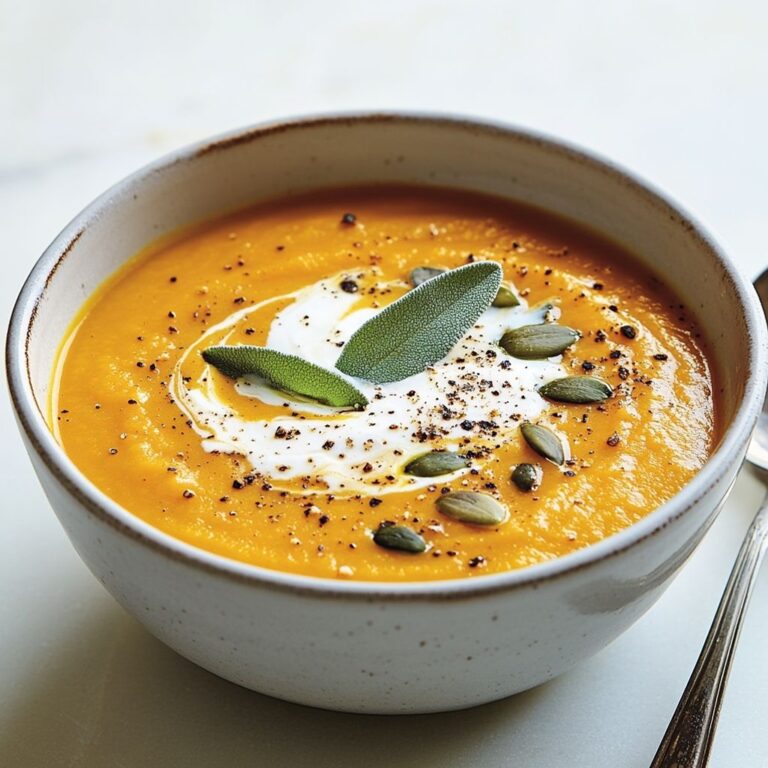
  • Glasse alternative: una glassa al formaggio dolce, classica crema al burro, o una glassa al limone leggera. Per una versione vegan, utilizzare latte di mandorle o soia e una glassa a base di burro di cocco o olio di cocco, con zucchero a velo. Un tocco di vaniglia o di miele può rendere la glassa più ricca o più fresca a seconda delle preferenze.
  • Versione vegana: sostituisci burro con margarina vegana o olio di cocco morbido, latte vegetale per la lavorazione dell’impasto, e una glassa a base di latte vegetale e zucchero a velo. Assicurati che i lieviti utilizzati siano attivi e di buona qualità per mantenere una lievitazione adeguata.
  • Gluten-free: utilizza una miscela di farine senza glutine specifica per lievitati, che contenga amido di mais, patate o riso. Potrebbe essere utile aggiungere una piccola percentuale di gomma xantana per migliorare la struttura dell’impasto.
  • Versione integrale: impasto realizzato con farina integrale al 50-70% e la restante parte di farina bianca per garantire una migliore lievitazione e una texture meno densa. L’aumento della fibra può rendere l’impasto leggermente più compatto, quindi idratare bene l’impasto con liquidi tiepidi e un po’ più di tempo di lievitazione.
  • Aromi e spezie: aggiungere una punta di cardamomo, chiodi di garofano, o una spruzzata di essenza di menta o arancia può offrire nuove dimensioni aromatiche, adatte a occasioni speciali.
  • Versioni regionali: per un tocco italiano, si può sostituire una parte di cannella con una miscela di cannella e noce moscata o anice stellato, offrendo una nota speziata diversa ma familiare.

Conservazione & Idee per preparare in anticipo

Come conservare al meglio i rotoli e come organizzarsi per preparazioni anticipate può cambiare notevolmente l’esperienza di degustazione. Ecco alcuni suggerimenti pratici:

  • Conservazione in frigorifero: una volta raffreddati, possono essere conservati in un contenitore ermetico per 2-3 giorni. Per mantenerli morbidi, scaldali brevemente nel microonde o nel forno a bassa temperatura prima di servirli.
  • Congelamento: sia l’impasto già farcito sia i rotoli cotti possono essere congelati. Per i rotoli crudi, avvolgili singolarmente e congela. Quando sono pronti da cuocere, lasciano lievitare per una seconda volta prima di infornare. Per i rotoli cotti, è preferibile congelare senza glassa e glassa separata da aggiungere al momento del servizio.
  • Make-ahead: l’impasto può essere preparato e lasciato a lievitare in frigorifero per una lievitazione lenta notturna. Il mattino dopo, basta stendere, farcire, tagliare e cuocere. Questo permette di avere una colazione fresca e profumata senza svegliarsi troppo presto.
  • Riscaldamento: per un riscaldamento uniforme, copri i rotoli con un foglio di alluminio e scalda a 150-160°C per circa 10-15 minuti, oppure 10-12 secondi al microonde per porzioni singole, ma attenzione a non seccarli.

Curiosità & Trivia

Il mondo delle preparazioni lievitare è intriso di piccoli aneddoti e curiosità che arricchiscono l’esperienza culinaria. Ecco alcune pillole per gli appassionati di storia e di gusti:

  • La cannella, una delle spezie più antiche, è stata molto amata dalle culture antiche per le sue proprietà aromatiche e medicinali. In molte tradizioni, la cannella simboleggia calore, protezione e conforto.
  • Le glasse brillanti che decorano i rotoli hanno origini diverse a seconda delle culture: alcune preferiscono una glasatura cremosa a base di formaggio, altre una semplice glassa di zucchero. In ogni caso, la glassa serve non solo a dolcificare, ma anche a offrire un tocco visivo attraente che invita a condividere e assaggiare.
  • La tradizione di offrire dolci lievitati a colazione ha radici in numerose culture, dove il rito di alzarsi presto per “prendere la giornata” è stato un segno di ospitalità e cura per la famiglia. I rotoli alla cannella incarnano quella filosofia in un formato pratico e appetibile per chiunque.
  • In molte cucine regionali, varianti di rotoli dolci hanno ispirato confortevoli metafore legate al sudore del forno, al caldo delle cucine e all’abbraccio materno che solo una fragrante teglia può offrire.

Conclusione

Rotoli alla cannella glassati non sono solo una ricetta: sono un invito a rallentare, a sedersi, a respirare l’aroma avvolgente che riempie la casa, e a condividerlo con chi ami. Sono una tela sulla quale si può dipingere la propria memoria familiare: un odore familiare che richiama ricordi, una consistenza che parla di cura artigianale, e una glassa lucida che aggiunge una nota di gioia. Che tu li prepari per iniziare bene la giornata, per coccolare gli amici durante un brunch, o per celebrare una piccola vittoria quotidiana, questi rotoli sanno come conquistare il cuore con la loro semplicità e raffinatezza. Lascia che la tua cucina trovi una nuova tradizione: preparali, condividili, e lascia che la tua casa si riempia di quel profumo che dice tutto senza una parola.

Ingredients

Dough

  • 3 1/2 cups all-purpose flour (or bread flour)
    → This is the structural base of the cinnamon rolls. Flour type affects gluten formation, giving the rolls either a softer crumb (all-purpose) or a chewier bite (bread flour). Sift or whisk the flour before measuring to avoid compacting, then spoon into the cup and level off for accuracy. If you prefer a richer dough, you can replace a portion with whole-wheat flour, but keep the total amount the same to maintain structure. For dairy-free dough, use a plant-based milk and non-dairy butter.
  • 1/4 cup granulated sugar
    → Adds a touch of sweetness to the dough and feeds the yeast, promoting a light rise. If you desire a less sweet dough, reduce to 2 tablespoons. Brown sugar can be substituted for part of this amount for a deeper caramel flavor, though it will slightly affect texture and color.
  • 1 teaspoon salt
    → Balances sweetness and strengthens the dough’s gluten structure. Salt also helps control yeast fermentation for even rising. Add with the flour to distribute evenly; avoid direct contact with yeast before mixing to prevent slowing fermentation.
  • 2 1/4 teaspoons active dry yeast (one standard packet)
    → Primary leavener, producing the fluffy, tender roll crumb. For best results, proof the yeast: whisk it into the warm milk with a pinch of sugar until it becomes foamy. If using instant yeast, you can mix it directly with dry ingredients, but ensure the liquids are warm to activate the dough quickly and evenly.
  • 1 cup warm milk (about 110°F / 43°C)
    → Hydrates the dough and activates the yeast. Milk adds richness and tenderness; dairy-free milk works too but may yield a slightly lighter crumb. Do not exceed the temperature range, or the yeast may be killed and the dough won’t rise properly.
  • 1/3 cup unsalted butter, melted and cooled
    → Provides moisture, flavor, and tenderness; melted butter ensures even distribution and a soft crumb. Let the butter cool slightly before adding to the mix to avoid cooking the egg if you’re using it. For dairy-free versions, substitute with a neutral oil in the same amount.
  • 1 large egg, room temperature
    → Adds structure, moisture, and binds the dough for a supple, cohesive roll. If you need a dairy-free option, you can replace the egg with an equivalent flax egg (1 tablespoon ground flaxseed mixed with 3 tablespoons water; rest 5–10 minutes) for binding and moisture.

Filling

  • 1/2 cup unsalted butter, softened
    → The creamy base that carries the cinnamon-sugar filling, ensuring an even spread and a rich interior swirl. Use soft, room-temperature butter for the smoothest layer. If your kitchen is warm, you can slightly chill the butter so it doesn’t melt too quickly during rolling, which helps maintain defined spirals.
  • 1 1/2 cups light brown sugar, packed
    → Imparts caramel notes and sweetness that caramelize as the rolls bake, forming a gooey center. If you prefer a lighter swirl, substitute with half white sugar. For a deeper molasses flavor, you can use dark brown sugar in part or whole of this amount.
  • 3 tablespoons ground cinnamon
    → The signature aroma and flavor of classic cinnamon rolls. Freshly ground cinnamon offers more intensity; store in a cool, dark place to preserve essential oils. Mix the cinnamon with the softened butter to create a smooth paste that spreads evenly through the dough.

Glaze

  • 1 cup powdered sugar (confectioners’ sugar)
    → Provides the smooth, glossy finish of the glaze. Sift if any lumps remain to avoid gritty texture. The glaze should be pourable but not runny; adjust by adding more sugar for thickness or a touch more milk for looseness.
  • 2–3 tablespoons milk or heavy cream
    → Adjusts glaze consistency. Use milk for a lighter glaze; heavy cream yields a richer, thicker glaze. Add gradually and whisk until smooth to avoid clumps.
  • 1/2 teaspoon vanilla extract
    → Adds warmth and depth to the glaze. Real vanilla extract provides the best aroma; if you’re using vanilla bean paste, you can add a small scrape for extra vanilla flavor. Dairy-free option: use a dairy-free vanilla extract and plant-based milk.

Optional Add-ins

  • 1/2 cup raisins or chopped dates (optional)
    → Provides chewy pockets of sweetness that contrast with the soft dough. If using dried fruit, chop evenly and toss with a teaspoon of flour to prevent sinking. For moister fruit, soak in warm water or juice for 10 minutes, then pat dry before folding into the filling.
  • 1/2 cup chopped walnuts or pecans (optional)
    → Adds a pleasant crunch and nutty flavor. Toast the nuts lightly in a dry skillet or in the oven at 350°F (175°C) for 5–7 minutes to deepen flavor and aroma before folding into the filling. Chop uniformly for even distribution.

Instructions

  • Proof the yeast by whisking 2 1/4 teaspoons active dry yeast into 1 cup warm milk (about 110°F / 43°C) with a pinch of sugar until the mixture is foamy and shows tiny bubbles.
  • → This confirms the yeast is alive and ready to leaven the dough. If no foam forms after 5–10 minutes, discard and start again with fresh yeast for reliable rise.

  • Whisk together the dry ingredients in a large bowl: 3 1/2 cups all-purpose flour (or bread flour), 1/4 cup granulated sugar, and 1 teaspoon salt.
  • → Sifting or whisking aerates the flour and distributes salt evenly, promoting even gluten development and flavor distribution throughout the dough.

  • Whisk in the wet components by adding 1/3 cup melted and cooled unsalted butter and 1 large egg to the foamy yeast mixture until the mixture is smooth and cohesive.
  • → The melted butter adds richness and tender crumb; the cooled temperature prevents cooking the egg and ensures a uniform emulsion.

  • Stir the wet mixture into the dry ingredients to form a shaggy dough, then bring it together with a wooden spoon or dough hook until no large pockets of dry flour remain.
  • → This initial incorporation creates a cohesive dough while minimizing over-handling, which helps keep the final roll tender.

  • Knead the dough until smooth and elastic, about 8–10 minutes by hand or 6–8 minutes with a stand mixer on medium-low, then perform the windowpane test by stretching a small piece of dough until it becomes translucent without tearing.
  • → A well-kneaded dough develops gluten for structure and a light, airy crumb; the windowpane test confirms sufficient gluten strength for stretching without tearing.

  • First rise: lightly oil a large bowl, drop in the dough, cover with plastic wrap or a clean towel, and let it rise in a warm, draft-free spot until doubled in size, about 60–75 minutes.
  • → The yeast ferments and produces gas, which softens the dough and creates the fluffy texture characteristic of rolls.

  • Prepare the filling by beating the 1/2 cup softened butter until creamy, then whisk in 1 1/2 cups light brown sugar and 3 tablespoons ground cinnamon to form a smooth, spreadable paste.
  • → A uniform paste ensures even cinnamon distribution and prevents dry sugar from tearing the dough during spreading. Freshly ground cinnamon offers more aroma; measure and distribute evenly for consistent flavor.

  • Roll the dough into a large rectangle on a lightly floured surface, aiming for about 16×12 inches and a thickness of roughly 1/4 inch, rotating and adjusting as needed to maintain an even surface.
  • → An evenly thick sheet ensures uniform baking and evenly spaced spirals for consistent texture and appearance.

  • Spread the filling evenly over the dough, leaving a 1/2-inch border along one long edge, then chill the dough briefly if the filling is very soft to prevent it from sliding when you roll.
  • → An even layer yields clean spirals and prevents the filling from oozing during baking; chilling slightly helps with handling and maintains roll integrity.

  • Roll the dough tightly away from you along the long edge to form a log, pinch the seam firmly to seal, and then rotate the log so the seam rests on the bottom.
  • → A tight roll prevents the filling from leaking and helps maintain defined spirals during slicing and baking.

  • Slice the log into 12–16 even pieces using a sharp knife or, for a cleaner cut, slide a piece of unwaxed dental floss or a thin string under the log, cross over the top, and pull to cut through without compressing the spirals.
  • → Clean cuts preserve the shape of each roll and prevent squashing the delicate layers; floss gives the neatest separation.

  • Arrange the slices in a greased 9×13-inch baking dish (or lined with parchment) in a single layer with space between them to allow for spreading, or place into lightly greased muffin cups for individual portions.
  • → Leaving space allows the rolls to expand into soft, fluffy centers as they proof again before baking.

  • Second rise: cover the pan loosely and let the rolls rise in a warm place until puffy and nearly doubled, about 30–45 minutes.
  • → The second rise sets the structure and ensures a light, airy crumb and well-defined swirls after baking.

  • Preheat your oven to 350°F (175°C) and ensure the pan is ready for insertion as soon as the dough is fully proofed.
  • → A hot oven provides immediate oven spring and even browning; preheating ensures the rolls bake evenly from the start.

  • Bake the rolls for 25–30 minutes, rotating the pan halfway through, until the tops are golden brown and the centers feel set when touched; if needed, test for doneness with a toothpick—remove when it comes out with a few moist crumbs, not raw batter.
  • → Proper browning indicates caramelization of the sugar and cinnamon, while the center’s tenderness confirms thorough cooking without drying out the edges.

  • Make the glaze by whisking 1 cup powdered sugar with 2–3 tablespoons milk (or heavy cream) and 1/2 teaspoon vanilla until smooth and pourable, adjusting with more sugar or liquid to achieve a gloss that clings to the rolls but does not run excessively.
  • → The glaze provides sweetness and a glossy finish; a pourable but cohesive consistency ensures it sets nicely on the warm rolls.

  • Glaze the rolls while they are still warm by pouring or drizzling the glaze over the top; wait 10–15 minutes for the glaze to set and soak into the ends of the spirals for a cohesive, shiny finish.
  • → Allowing the glaze to sit on warm rolls helps it adhere and infiltrate the layers, creating an appealing, luscious surface.

  • Optional add-ins: if desired, fold 1/2 cup raisins or chopped dates into the filling or scatter 1/2 cup chopped walnuts or pecans over the filling before rolling to introduce texture and contrast flavors.
  • → Dried fruit adds chewy pockets, while nuts contribute a toasty crunch; toast nuts lightly before adding for maximum aroma and to prevent sogginess.

  • Serve the rotoli alla cannella glassati warm or at room temperature; store any leftovers covered at room temperature for up to 2 days or tightly refrigerated for longer storage, and rewarm gently before serving to restore softness.
  • → Cinnamon rolls are best fresh and soft; reheating helps revitalize the tender crumb and render the glaze luscious again.

Notes

These cinnamon rolls with a glossy vanilla glaze are a comforting, indulgent treat perfect for weekend breakfasts or special occasions. For best texture, use all-purpose flour for a soft crumb or bread flour for a pleasantly chewier bite, and be mindful to sift or whisk the flour before measuring to avoid dense rolls. Proof the yeast in warm milk with a pinch of sugar until foamy to ensure a strong rise; if you’re using instant yeast, you can mix it with dry ingredients but keep liquids warm to activate quickly. When making the dough, let the melted butter cool slightly to avoid cooking the egg if used, and knead until smooth; the dough should pass a windowpane test for proper gluten development. The filling should be spread as a smooth paste of softened butter, light brown sugar, and cinnamon, distributed evenly and kept away from the edges to prevent spillover when rolling; roll tightly, cut into even slices, and place them with a bit of space in the pan so they can puff. Allow the rolls to rise in a warm spot until puffy, about 30–45 minutes, then bake in a preheated oven at around 350°F (175°C) until golden and cooked through, about 25–30 minutes; tent with foil if they brown too quickly. For dairy-free versions, substitute plant-based milk and a neutral oil or vegan butter, and you can mix part whole-wheat flour with all-purpose to add nuttiness, keeping total flour weight the same to maintain structure. Let the rolls cool briefly before glazing; whisk powdered sugar with milk or cream to reach a pourable yet not runny consistency, then stir in vanilla extract; adjust thickness with more sugar or milk as needed. The glaze can be made dairy-free with plant-based milk and vanilla extract. Optional add-ins like raisins or chopped dates provide chewy pockets—toss them with a teaspoon of flour to prevent sinking—while toasted walnuts or pecans add a crunchy contrast; you can fold them into the filling or sprinkle on top. For make-ahead options, assemble the rolls and refrigerate overnight to bake fresh the next morning, or freeze unbaked rolls for up to a month and bake from frozen, adding a few extra minutes. Serve warm, with extra glaze if desired.

Tips

Consigli utili per Rotoli alla cannella glassati

Impasto e lievitazione

  • Per una lievitazione affidabile, verifica che il lievito sia attivo: scioglilo nel latte tiepido con un pizzico di zucchero finché diventa spumoso. Se non bolle entro 5–10 minuti, sostituiscilo.
  • Mantieni i liquidi a circa 43°C (110°F). liquidi troppo caldi uccidono il lievito; freddi rallentano la lievitazione.
  • Setaccia o mescola bene la farina prima di misurarla: aiuta a ottenere una mollica soffice e evita impasti sovraccarichi di proteine.
  • Uovo a temperatura ambiente e burro morbido ma non liquido facilitano una consistenza elastica e uniforme.
  • Se l’impasto risulta appiccicoso, aggiungi piccole quantità di farina poco alla volta. Evita di aggiungere troppa farina per non indurire l’impasto.
  • La possibilità di variare: puoi sostituire una parte di farina con integrale per una nota più rustica, mantenendo però lo stesso peso per preservare la lievitazione.

Stendere e riempire

  • Stendi l’impasto in un rettangolo grande e sottile e spalma uniformemente il ripieno di burro, zucchero e cannella, lasciando circa 2 cm di bordo.
  • Usa burro morbido e una spatola per distribuire la pasta di burro e cannella in modo omogeneo; questo evita striature chiare tra le spirali.
  • Se usi uvetta o datteri, asciugali bene prima di aggiungerli. Per evitare che affondino, infarina leggermente i pezzi o mescolali con un cucchiaino di farina prima di distribuirli.
  • Per un tocco di croccantezza, aggiungi noci tostate tritate; distribuiscile in modo uniforme per ogni morso.

Rotolamento e taglio

  • Arrotola l’impasto con una leggera tensione per ottenere giri ben definiti; evita di serrare troppo per non rischiare di spezzare la pasta durante la cottura.
  • Per fette uniformi, usa un filo da cucina o spago: posiziona il filo sotto il rotolo, incrocia le estremità e tiralo verso te per tagliare senza schiacciare la pasta.
  • Sigilla bene i bordi durante l’arrotolamento per evitare la fuoriuscita del ripieno durante la cottura.

Seconda lievitazione e cottura

  • Dopo aver tagliato i rotoli, lasciali lievitare 20–40 minuti in luogo caldo. La seconda lievitazione aiuta a ottenere una mollica più leggera.
  • Cuoci finché sono dorati e ben cotti al centro. Se la superficie si scurisce troppo, copri con un foglio di alluminio e continua la cottura.

Glassa e presentazione

  • La glassa deve essere lucida e facilmente versabile: se risulta troppo densa, aggiungi latte una puntina alla volta; se troppo liquida, incorpora altro zucchero a velo.
  • Versa la glassa sui rotoli ancora tiepidi per favorire l’assorbimento e una finitura glossy.
  • Per una versione senza latticini, usa latte vegetale e una vaniglia di buona qualità; la glassa può essere arricchita con olio di cocco leggero o margarina vegetale per una consistenza diversa.

Conservazione e preparazione in anticipo

  • I rotoli cotti si conservano 2–3 giorni a temperatura ambiente in contenitore chiuso; riscaldali brevemente per riattivare la morbidezza del ripieno.
  • Per preparazioni anticipate, fai l’impasto e la prima lievitazione, poi refrigeralo fino a 24 ore; lascia tornare a temperatura ambiente e lieviti prima di infornare.
  • Si possono congelare: prima della cottura, disporli su una teglia e congelare singolarmente; una volta congelati, trasferiscili in un contenitore. Cuoci direttamente da congelati, aumentando leggermente i tempi di cottura.

Varianti e note su allergie

  • Versione dairy-free: sostituisci latte con latte vegetale e burro con olio neutro o margarina vegetale; mantiene la stessa quantità.
  • Se sei sensibile al glutine, usa una miscela di farine senza glutine adatta a lievitati e segui le istruzioni del produttore per idratazione e lievitazione.
  • Per un sapore intensificato, aggiungi scorza d’arancia o una punta di cannella in più nella miscela di riempimento.

FAQ

Rotoli alla cannella glassati – Domande frequenti

Quali sono gli ingredienti principali per l’impasto dei rotoli?

Per l’impasto: farina (tipo 00 o manitoba), latte tiepido, burro morbido, zucchero, uovo, lievito di birra (fresco o secco) e un pizzico di sale. Per il ripieno: burro morbido, zucchero di canna (o bianco) e cannella. Per la glassa: zucchero a velo e latte o acqua. Opzionali: scorza di limone, uvetta o noci.

Quanto tempo richiede la lievitazione dell’impasto?

La prima lievitazione dura circa 60 minuti in un luogo caldo finché l’impasto raddoppia di volume. Dopo aver formato i rotoli, una seconda lievitazione di circa 30–45 minuti è consigliata prima della cottura. Tempi leggermente diversi possono verificarsi a seconda della temperatura ambiente.

Posso preparare l’impasto in anticipo o congelarlo?

Sì. Puoi preparare l’impasto la sera prima e farlo lievitare in frigorifero per tutta la notte, quindi stenderlo e cuocerlo il giorno seguente. Puoi anche congelare l’impasto dopo averlo formato e prima della seconda lievitazione; scongelalo lentamente in frigorifero e lascia che raddoppi di volume prima di infornare.

Come si prepara la crema per il ripieno?

Mescola burro morbido con zucchero e cannella fino a ottenere una crema uniforme. Aggiungi un pizzico di sale. Spalma questa crema sull’impasto steso prima di arrotolare.

Come si prepara e si usa la glassa?

In una ciotola, unisci zucchero a velo con poco latte o acqua finché ottieni una consistenza cremosa ma fluida. Dopo la cottura e il raffreddamento, versa o spalma la glassa sui rotoli ancora tiepidi per farla aderire. Puoi anche aggiungere scorza di limone per un tocco aromatico.

Si possono fare varianti del ripieno?

Certo. Oltre al classico cannella-burro-zucchero, puoi aggiungere uvette, nocciole tritate, mele a cubetti, gocce di cioccolato o cacao nell’impasto. Prova diverse combinazioni per creare versioni diverse dei rotoli.

Qual è la temperatura e il tempo di cottura?

Cuoci in forno preriscaldato a circa 180°C per 20–25 minuti, finché i rotoli sono dorati e l’impasto è completamente cotto. Se il tuo forno è ventilato, riduci leggermente la temperatura o controlla dopo 18 minuti.

Come si conservano i rotoli glassati?

Una volta freddi, conservali in un contenitore ermetico a temperatura ambiente per 2–3 giorni. Per una conservazione più lunga, puoi congelarli una volta cotti (ben chiusi) per 1–2 mesi. Scongelali a temperatura ambiente e, se vuoi, riscaldali in forno.

Come riscaldare i rotoli già cotti?

Riscaldali in forno a 160–170°C per 5–10 minuti o nel microonde a bassa potenza per 15–20 secondi per rotolo. Per mantenere la glassa lucida, evita surriscaldare troppo.

Quali suggerimenti per ottenere rotoli morbidi e soffici?

Assicurati che la lievitazione sia adeguata: temperatura ambiente stabile e non troppo secca. Usa latte tiepido, non caldo, e un lievito attivo. Stendi l’impasto in uno spessore uniforme, non troppo sottile, e spennella leggermente con burro fuso prima di arrotolare per mantenere morbidezza.

Introduction / Hook

Imagine a bowl of sunshine that glows with the warm, comforting hues of autumn. Zuppa di zucca, a timeless Italian pumpkin soup, arrives at your table like a hug in a bowl. When you slow-cook this dish in a crockpot, the magic deepens: the flavors mellow and mingle until they create a velvety, silken comfort that feels both rustic and refined. The aroma fills the kitchen with notes of sweetness from the pumpkin, a whisper of savory warmth from the aromatics, and a gentle, reassuring earthiness that lingers long after the first spoonful. This isn’t just soup; it’s a ritual for cozy evenings, a reminder that home-cooked meals can be both comforting and uncomplicated. The crockpot does the heavy lifting, letting you set it and forget it while your space fills with a scent that makes it nearly impossible to resist a second helping. Whether you’re feeding a busy family, entertaining friends, or simply treating yourself after a long day, this Zuppa di zucca delivers nourishment, simplicity, and a touch of spa-like luxury in every bowl.

The Story Behind the Dish

Zuppa di zucca belongs to the long-running tradition of Italian family meals that celebrate the harvest. Pumpkins and squashes have fed generations across Italy, turning humble produce into comforting sustenance as the days grow shorter and the nights cooler. In many Italian kitchens, a pumpkin soup is more than a recipe—it’s a memory: the perfumed air of a simmering pot, the clink of ladles against ceramic bowls, the shared warmth of stories told across the table. The dish speaks of regional adaptability, where kitchens from the coast to the countryside would improvise with the ingredients at hand, layering in herbs, a splash of olive oil, a touch of cream, or a savory accent like pancetta when available. The crockpot adaptation is a modern carriage for this story: it preserves the core spirit of the dish—simple ingredients transformed through patience—while offering the convenience that fits contemporary life. There’s something timeless about letting a pot do the work, letting the flavors unfold slowly so that every spoonful carries the memory of time and place. In many homes, a bowl of Zuppa di zucca is the welcome you offer after a day of autumn chores, a dish that makes any kitchen feel like a trattoria on a quiet street in Italy.

Why You’ll Love This Recipe

  • One-pot simplicity with hands-off ease: the crockpot handles the bulk of the work, freeing you to attend to other tasks or simply relax while dinner nears readiness.
  • Rich, comforting texture: a velvety, spoonable consistency that feels indulgent without being heavy, making it ideal for weeknights and weekend gatherings alike.
  • Balanced flavor profile: the natural sweetness of autumn pumpkin meets savory notes from aromatics and herbs, creating a harmonious depth that isn’t overwhelmed by richness.
  • Vegetarian-friendly, with flexible dairy options: you can enjoy a dairy-rich version or opt for a lighter, dairy-free interpretation without sacrificing creaminess or mood.
  • Make-ahead and freezer-friendly: this soup often tastes even better the next day, and it can be portioned and frozen for future meals.
  • Versatile for various occasions: casual family dinners, starter course for a holiday menu, or a cozy weeknight meal paired with crusty bread and a simple salad.
  • Kid-friendly comfort with room for adult refinement: the flavors are gentle enough for younger palates while still offering depth and aroma that adults appreciate.

Flavor Profile & Texture

The essence of Zuppa di zucca rests in its ability to blend sweetness with savory warmth. The pumpkin delivers a natural, caramel-like sweetness that is both bright and comforting, a reminder of harvest moons and sun-warmed fields. When slow-cooked, this sweetness is drawn out and mellowed, evolving into a smooth, lush base that forms the heart of the soup. The aromatics—garlic, onions, or shallots—provide a fragrant backbone, adding a subtle bite that balances the pumpkin’s softness. Herbs such as sage or thyme weave in herbaceous notes that echo rustic Italian cooking, while a gentle drizzle of olive oil adds fruity richness and a silky mouthfeel. If you choose to incorporate dairy, a touch of cream or a swirl of coconut milk lends a luxurious creaminess that envelopes the palate without masking the pumpkin’s inherent flavor. Some versions incorporate a hint of nutmeg or cinnamon, a nod to autumn spice that complements the squash’s natural sweetness without tipping into dessert-like territory. The final texture is where the magic happens: extraordinarily smooth, with a whisper of rustic texture if a portion remains unblended, or completely velvety if fully pureed. The contrast in temperature—hot, steaming liquid with a hint of herbaceous brightness on the finish—makes each spoonful feel like a warm embrace, a momentary pause from the bustle of the day to savor something nourishing and soulful.

Occasions & Pairings

This soup shines in many settings, and its versatility makes it a welcome feature across seasons and occasions. Serve it as a star starter on a holiday table—Thanksgiving, Christmas, or a harvest-focused dinner—where its vibrant color and comforting aroma set the tone for a cozy, shared meal. It’s equally at home as a weeknight supper, paired with a slice of crusty bread or a handful of garlic-rubbed toasts that you can dip into the creamy surface. For a fuller menu, consider pairings that complement the soup’s warmth:

  • Crostini or rustic bread with a light brushing of olive oil and a touch of sea salt; the crunch adds a delightful contrast to the soup’s smoothness.
  • A simple green salad with a tangy vinaigrette to cut through the sweetness and refresh the palate between bites.
  • Grilled vegetables or roasted squash on the side to echo the autumnal theme and deepen the seasonal experience.
  • Beige or pale wines such as Pinot Grigio, Verdicchio, or a lightly oaked Chardonnay; if you prefer red, opt for a lighter, fruit-forward wine like a Dolcetto or a young Chianti that won’t overwhelm the dish.
  • A glass of crisp apple cider or a sparkling water with a twist of lemon for a non-alcoholic pairing that brightens the meal.

Tips, Variations & Substitutions

One of the joys of a crockpot zucchini, err pumpkin dish—sorry, Zuppa di zucca—is how forgiving it is. Here are ideas to tailor the soup to your preferences, dietary needs, or what you have on hand:

Make it vegan or dairy-free

  • Skip dairy altogether or replace dairy with coconut milk for a creamy, dairy-free finish that adds a hint of coconut sweetness.
  • Finish with a drizzle of extra virgin olive oil and a pinch of nutritional yeast for a savory, cheesy-like nuance without dairy.

Enhance texture and depth

  • Roast some pumpkin chunks or squash beforehand to intensify caramelization and deepen the nutty notes; add them toward the end for a subtle texture contrast.
  • Fold in a small amount of pureed white beans or lentils to boost protein content and body without relying on cream.

Herbs and spices

  • Progressively layering herbs like sage, thyme, or oregano can transform the flavor profile; fresh herbs brightening the finish add a lively note to the dish.
  • A light dusting of nutmeg or cinnamon can echo autumn warmth, but use sparingly to avoid leaning toward dessert territory.

Regional twists

  • For a rib-sticking version, add small cubes of softened pancetta or bacon in a separate pan, crisp them, and fold into the soup just before serving for a smoky contrast.
  • In a vegetarian option, replace any meat additions with roasted garlic and a splash of white wine (if desired) to build depth, finishing with a swirl of plant-based cream.

Storage & Make-Ahead Ideas

Good soup can be even better the next day, when flavors have had more time to meld. Here are practical tips to maximize freshness and convenience:

  • Storage: Refrigerate leftovers in airtight containers for 3–4 days. Reheat gently on the stove or in a microwave, adding a splash of broth or water if the soup thickens too much.
  • Make-ahead: You can prepare the soup fully in advance and refrigerate or freeze for later use. Reheating is straightforward—warm slowly, stirring to restore smoothness. If the soup thickens after storage, whisk in a little broth or water to reach the desired consistency.
  • Freezing: Portion the cooled soup into freezer-safe containers or bags. It freezes well for up to 2–3 months. Thaw overnight in the refrigerator, then reheat gently, adjusting consistency with a splash of liquid if needed.

Fun Facts & Trivia (Optional)

Pumpkins have long held a symbolic place in autumnal lore around the world. In Italy, pumpkins and squash are celebrated as seasonal blessings of the harvest, often featured in rustic dishes that showcase the land’s generosity. The word zucca, which means pumpkin or squash in Italian, evokes images of sunlit fields and markets overflowing with produce. Zuppa di zucca, in many families’ kitchens, is less a formal recipe and more a ritual—an expression of care, time, and the desire to nourish loved ones. The crockpot adaptation is a modern nod to the speed and convenience of contemporary life, yet it stays true to the dish’s essence: a humble, homey soup that invites slow savoring and lingering conversations. Some cooks like to finish the soup with a tiny dollop of cream or a swirl of olive oil for an extra touch of richness, while others prefer a dairy-free version that remains bright and comforting. Either way, the dish remains a beloved emblem of autumn’s bounty—simple, soulful, and utterly satisfying.

Closing Notes

Zuppa di zucca crockpot is more than a recipe; it’s a gentle invitation to slow down, to savor a bowl that tastes like home, and to share a moment of warmth with the people you care about. Its appeal lies in its ability to transform modest ingredients into something profoundly comforting. With the crockpot’s patient heat doing the work, you’ll discover how effortless sophistication can be: a creamy, fragrant, deeply satisfying soup that nourishes both body and spirit. Whether you’re feeding a busy family, hosting a casual get-together, or curling up on a chilly evening, this pumpkin soup brings a touch of Italian warmth to your table and a smile to your lips. Embrace the ritual, inhale the aroma, and let each spoonful carry you toward a sense of well-being that only a well-made soup can deliver.

Ingredients

Zuppa di zucca crockpot

  • – 3 cups pumpkin puree (unsweetened) or 2-3 cups roasted pumpkin flesh, peeled and puréed
    → For a smooth, creamy crockpot soup, pumpkin puree yields a consistent texture with less prep time. If using fresh pumpkin, roast the flesh until very tender, then purée until completely smooth. This base provides the pumpkin flavor and body; choose puree for convenience or fresh pumpkin for vivid flavor.
  • – 1 large onion, finely chopped
    → Adds natural sweetness and depth to the soup; finely chopping ensures the onion softens evenly and blends into the base rather than remaining chunky. If you prefer a more robust onion bite, sauté longer before adding to the crockpot.
  • – 2 cloves garlic, minced
    → Garlic infuses the base with aroma and warmth; mince finely to distribute evenly. For a milder garlic note, crush lightly and sauté with onions to mellow its sharpness before adding to the pot.
  • – 1 tablespoon olive oil or unsalted butter
    → Fat helps soften aromatics and carries flavor through the soup; olive oil is dairy-free and lighter, butter yields a richer mouthfeel. If using butter, add after the oil to prevent burning the garlic.
  • – 2 cups low-sodium vegetable stock or chicken stock
    → Forms the flavorful liquid base; choose stock rather than water for depth. Use vegetable stock for a vegetarian version or chicken stock for extra savory richness.
  • – 1 cup water (optional)
    → Adjusts the soup’s thickness; add if the mixture seems too thick after cooking. Use sparingly to maintain pumpkin richness.
  • – 1 teaspoon ground cumin
    → Adds warm, earthy notes that complement pumpkin; start with a smaller amount and adjust after tasting. Toasting the cumin briefly before grinding can boost aroma.
  • – 1/2 teaspoon cinnamon
    → Classic pumpkin spice warmth; use a conservative amount to avoid dessert-like flavors. Freshly ground or high-quality ground cinnamon yields a brighter aroma.
  • – 1/4 teaspoon ground nutmeg
    → Subtle spice that enhances pumpkin; grate fresh if possible for a more vibrant aroma. A pinch goes a long way.
  • – 1 bay leaf
    → Adds a gentle herbal backdrop; remove before serving to prevent any bitter notes.
  • – 1/2 teaspoon salt, plus more to taste
    → Essential to awaken sweetness and balance flavors; add gradually and taste as you go. If using salted stock, start with less and adjust.
  • – 1/4 teaspoon black pepper
    → Provides mild heat and brightness; grind fresh for the strongest aroma. Adjust to taste near the end of cooking.

Optional Add-ins

  • – 1/2 cup heavy cream or full-fat coconut milk (optional)
    → Adds luxurious richness and a velvety texture; add at the end after cooking to prevent curdling if using coconut milk. Dairy cream will emulsify with heat for a silkier finish.
  • – 1 tablespoon maple syrup or honey (optional)
    → Balances pumpkin sweetness and enhances overall depth; adjust to taste based on puree sweetness and stock.
  • – 1 teaspoon lemon juice (optional)
    → Brightens the flavors and helps cut through richness; add after cooking and taste before serving.
  • – Pinch of chili flakes (optional)
    → Adds a subtle warmth that contrasts with the sweetness; start with a pinch and increase gradually to taste.

Garnish/Toppings

  • – 2 tablespoons toasted pumpkin seeds (pepitas)
    → Provide a pleasant crunch and nutty flavor; toast seeds in a dry skillet until fragrant and lightly colored for maximum aroma.
  • – Fresh parsley or chives, chopped (optional)
    → Adds a pop of color and fresh brightness; sprinkle just before serving to preserve aroma.
  • – Dollop of sour cream or plain yogurt (optional)
    → Adds tanginess and extra creaminess when swirled on top; use sparingly to avoid overpowering pumpkin flavors.
  • – Drizzle of extra-virgin olive oil (optional)
    → Finishes the soup with body and gloss; a light drizzle right before serving enhances aroma and mouthfeel.

Instructions

  • Warm a large skillet over medium heat and add the olive oil or butter, letting it shimmer or melt completely.
    → This creates a fat-based flavor foundation that carries the sweetness of the onions and garlic into the soup and prevents scorching the aromatics.
  • Add the finely chopped onion to the skillet and sauté until translucent and just starting to pale golden, about 4 to 6 minutes.
    → Sautéing unlocks the onion sugars, enhances sweetness, and softens texture so the soup develops a smooth body when blended.
  • → Garlic releases its aroma quickly; overheating can make it bitter and overpower the pumpkin’s flavor, so keep the heat moderate.
  • Transfer the aromatics to the crockpot and add the pumpkin puree or freshly roasted pumpkin flesh, spreading it evenly in the pot.
    → Introducing a smooth pumpkin base ensures consistent texture and flavor distribution throughout the soup.
  • Pour in the low-sodium stock (and the optional water) and whisk briefly to combine with the pumpkin and aromatics.
    → The liquid forms the soup’s body; whisking helps break up any lumps and ensures an even, cohesive base for slow cooking.
  • Stir in the ground cumin, cinnamon, nutmeg, bay leaf, salt, and pepper, distributing the spices throughout the pot.
    → Uniform spice distribution prevents hot spots and yields a balanced, warm pumpkin profile from edge to edge.
  • Cover the crockpot and cook on low for 6 to 8 hours or on high for 3 to 4 hours, until the flavors meld and the pumpkin is very tender.
    → Slow, steady simmer softens all components, heightens aroma, and creates a silkier texture; avoid lifting the lid frequently to maintain consistent heat.
  • Remove and discard the bay leaf, then blend the soup until smooth using an immersion blender directly in the crockpot or in batches in a blender.
    → A velvety texture is characteristic of zuppa di zucca; handle hot liquids carefully and blend in intervals to prevent splatters.
  • If the soup seems too thick, add additional stock or water a few tablespoons at a time and blend until the desired consistency is reached; simmer a few minutes after adjusting.
    → Controlling thickness ensures a luxurious mouthfeel without diluting pumpkin flavor, and lets you tailor the soup to be soupier or chowder-like.
  • Stir in any optional add-ins such as heavy cream or coconut milk, maple syrup or honey, and lemon juice to brighten; adjust seasoning with extra salt or pepper after tasting.
    → Cream or coconut milk adds richness, sweeteners balance pumpkin’s natural sweetness, and lemon juice provides a fresh lift; final tasting ensures harmonious flavor balance.
  • Taste again and adjust salt and pepper to your preference, then ladle the soup into warm bowls.
    → Final seasoning should reflect the pumpkin’s sweetness and the stock’s salinity; tasting before serving prevents under- or over-seasoning.
  • Garnish each serving with toasted pumpkin seeds, chopped parsley or chives, a dollop of sour cream or yogurt if desired, and a light drizzle of extra-virgin olive oil.
    → Texture, color, and a finishing sheen enhance presentation and mouthfeel; seeds add crunch and dairy or oil enriches the aroma just before serving.

Notes

These Zuppa di zucca crockpot notes offer a cozy, convenient way to enjoy pumpkin soup with minimal hands-on time. For a smooth, creamy base, use unsweetened pumpkin puree; if you prefer fresh pumpkin, roast the flesh until very tender and purée until completely smooth. Sauté the onion and garlic in olive oil (or butter) before adding to the crockpot if you have time, to deepen aromatics, or simply stir them in raw and let the slow cooker mellow them. Use low-sodium vegetable or chicken stock as the flavor backbone, and add water only if the soup seems too thick once it’s cooked. Start with 1 teaspoon ground cumin, 1/2 teaspoon cinnamon, 1/4 teaspoon nutmeg, a bay leaf, 1/2 teaspoon salt (adjust to taste), and 1/4 teaspoon black pepper, then taste and adjust. Optional add-ins such as heavy cream or coconut milk can be stirred in at the end for extra richness; a tablespoon of maple syrup or honey can balance sweetness; a splash of lemon juice brightens the flavor; a pinch of chili flakes adds subtle warmth. For serving, garnish with 2 tablespoons toasted pumpkin seeds, chopped parsley or chives, a dollop of sour cream or yogurt, and a light drizzle of extra-virgin olive oil. The soup stores well in the fridge for up to 4 days and freezes beautifully for 2-3 months; reheat gently on the stove or in the microwave, thinning with a little stock or water if needed. Always ensure your stock and any add-ins are gluten-free if you have gluten intolerance.

Tips

Tips for Zuppa di Zucca Crockpot

  • Texture and blending: If you use pumpkin puree, you’ll get a smooth, creamy base with less prep time. If you opt for roasted pumpkin flesh, puree until completely smooth before adding to the crockpot to prevent any chunky bits.
  • Aromatics prep: For deeper flavor, sauté the chopped onion (and minced garlic) in olive oil or butter for 5–7 minutes until translucent and lightly golden, then transfer to the crockpot. This step builds sweetness and aroma that the slow cooker can’t fully develop on its own.
  • Blooming spices: Toast the cumin in the hot oil for about 30 seconds before adding other ingredients to release its aroma. The cinnamon and nutmeg also benefit from a brief bloom to avoid flat spice notes.
  • Stock choice: Use low-sodium vegetable or chicken stock for a robust base. Vegetable stock keeps this dish vegetarian; chicken stock adds extra savoriness without overpowering the pumpkin.
  • Potency of salt: Salt is essential to brighten the pumpkin’s sweetness. Start with 1/2 teaspoon and taste toward the end, adjusting as needed, especially if your stock is salted.
  • Thickening/ thinning: The recipe allows optional water to adjust thickness. If the soup is too thick after cooking, whisk in a little additional stock or water, a tablespoon at a time, until you reach your desired consistency.
  • Optional dairy: If using heavy cream, add it at the very end off heat to prevent curdling and to keep a silky texture. If using coconut milk, add after cooking and avoid boiling to prevent separation.
  • Sweetness balance: A touch of maple syrup or honey can balance natural pumpkin sweetness. Start with 1 teaspoon and adjust to taste, especially if your pumpkin puree is particularly sweet.
  • Acidity: A squeeze of lemon juice brightens the soup and cuts richness. Add after cooking and taste before serving; you can skip if you prefer a mellower flavor.
  • Heat and spice: A pinch of chili flakes adds a subtle warmth that complements pumpkin. Add gradually to reach your preferred heat level.
  • Garnish ideas: Toasted pumpkin seeds add crunch, while a drizzle of extra-virgin olive oil adds gloss and aroma. Fresh parsley or chives brighten the top, and a dollop of sour cream or yogurt adds tang and silkiness.
  • Serving texture: For extra creaminess without dairy, blend in a small amount of coconut milk or almond milk at the end and reheat gently.
  • Make-ahead and storage: The flavors often deepen after resting. Refrigerate up to 4–5 days or freeze for up to 3 months. Reheat gently on the stove or in the microwave, then adjust consistency with a splash of stock if needed.
  • Safety tip: If you’re using dairy, avoid boiling after adding cream to prevent curdling. If you notice separation, give the soup a quick blend with an immersion blender to reintegrate the texture.

FAQ

What is Zuppa di zucca crockpot?

Zuppa di zucca crockpot is a silky, comforting pumpkin soup made in a slow cooker. It’s Italian-inspired and easy to customize with pantry staples like pumpkin, onion, garlic, carrot, celery, stock, and a touch of cream or coconut milk for richness. Warm spices such as nutmeg, cinnamon, and sage give it a cozy fall flavor.

What ingredients do I need?

Typical ingredients include:

  • Olive oil or butter
  • 1 onion, chopped
  • 2 cloves garlic, minced
  • 1 carrot, diced
  • 1 celery stalk, diced
  • Pumpkin flesh (about 1.5–2 pounds) or 2 cups pumpkin puree
  • 3 cups vegetable or chicken broth
  • ½ cup cream or coconut milk
  • Salt and pepper
  • Spices: a pinch of nutmeg and/or cinnamon; optional sage or thyme
  • Optional add-ins: apple for sweetness, a splash of white wine, chili flakes
Can I use canned pumpkin?

Yes. Use canned pumpkin puree (unsweetened) about 2 cups. It yields a smooth, creamy soup without needing to cook fresh pumpkin first. You can still add fresh aromatics as directed.

Should I brown the aromatics before adding to the crockpot?

Optional but recommended for deeper flavor. Sauté chopped onion, carrot, celery, and garlic in olive oil for 5–7 minutes until softened and fragrant, then transfer to the slow cooker with the rest of the ingredients.

How long and at what setting should I cook it?

Cook on Low for 6–8 hours or on High for 3–4 hours. If using fresh pumpkin, the time helps soften veggies; canned puree will primarily heat through and blend smoothly.

How do I blend and thicken the soup?

Use an immersion blender directly in the pot to blend until smooth. Alternatively, transfer in batches to a blender and puree, then return to the pot. Adjust thickness with more broth or a splash of cream/Coconut milk. For extra body, whisk in a small amount of cornstarch slurry at the end (1 tsp cornstarch mixed with 1 tbsp water).

Can I make this dairy-free or vegan?

Absolutely. Use olive oil for cooking, vegetable broth, and replace cream with canned coconut milk or omit it entirely. The soup will be dairy-free and still creamy and delicious.

How should I serve and garnish the soup?

Serve hot with your favorite toppings, such as:

  • Drizzle of olive oil or a swirl of cream/coconut milk
  • Roasted pumpkin seeds (pepitas)
  • Croutons or toasted bread
  • Chopped parsley or sage leaves
  • A pinch of nutmeg, cinnamon, or chili flakes
How long does it keep and can I freeze it?

Leftovers refrigerate well for 4–5 days. Freeze for up to 3 months. Thaw in the fridge overnight and reheat on the stove or in the microwave, stirring until warmed through. You may need to loosen with a bit of broth after reheating.

What flavor variations can I try?

Try these ideas:

  • Add grated ginger or curry powder for warmth
  • Stir in a diced apple for sweetness
  • Finish with a splash of white wine for brightness
  • Include crispy pancetta or bacon for non-vegetarian toppings
  • Use cinnamon and nutmeg for a more autumnal note
What are common troubleshooting tips?

If the soup is too thick, add more broth or water and reheat. If too thin, simmer uncovered for a while to reduce. If bland, adjust salt, pepper, and a pinch of nutmeg or cinnamon; a splash of lemon juice or a teaspoon of miso can also brighten flavor. If separation occurs, blend again to restore creaminess.

Introduction / Hook

Imagine a dish that greets the morning with the crackle of fried potatoes, the gentle squeak of cheese curds, and a rich, glossy gravy that dawns like a warm hug. Breakfast poutine is that delightful paradox: a breakfast you can eat with the same enthusiasm you reserve for a late-night treat, yet refined enough to grace weekend brunch tables. It’s the kind of dish that makes your kitchen feel like a small cafe in a bustling city, where steaming plates emerge beneath the soft glow of morning light and the world slows down just a touch to let you savor every bite. Picture a shallow pool of velvety yolk, a crown of crispy edges, and a melty, cheese-whisked center that pulls you in with every forkful. This isn’t merely piling up leftovers on hot fries; it’s a carnival of textures and flavors—a symphony of comfort, brightness, and indulgence that starts your day with confidence and courage to tackle whatever the day holds.

Breakfast poutine takes a beloved late-night staple and gives it a sunny twist: think homey, starchy potatoes meeting the silky richness of a well-seasoned gravy, the playful bite of cheese curds that resist and then melt into submission, and the final flourish of a perfectly cooked egg. It’s a dish that invites conversation, sharing, and a little bit of culinary play. Whether you’re feeding a weekend crowd, treating yourself to a leisurely brunch, or just reinvigorating the standard egg-and-toast routine, breakfast poutine offers a canvas for creativity. You can lean into the rustic charm of crispy potatoes and peppery gravy, or you can elevate it with herbs, sizzled bacon, a spoonful of sautéed greens, and a runny yolk that sighs when you break it open. The beauty of this dish lies in its balance: textures that crunch, melt, and ooze; temperatures that thrill; and flavors that range from comforting umami to bright hints of herbs and pepper. It’s a dish that feels celebratory, grounded, and deeply satisfying all at once.

As you read on, you’ll discover not just a recipe, but a story of breakfast-as-a-meal-and-experience. You’ll encounter the way a simple pan can transform humble ingredients into a dish that tastes like a morning you’ll want to repeat, and perhaps even reimagine. The joy of breakfast poutine is in its adaptability—how it welcomes your pantry, your cravings, and your appetite for something cozy yet exuberant. If you’ve ever wished for a more exciting way to start your day than a cup of coffee and a piece of toast, this is your invitation to step into a dish that feels both familiar and thrillingly new. Let the sizzle of the fry pan be your metronome, the steam your aroma, and the plate in front of you the stage where breakfast becomes something memorable.

The Story Behind the Dish

Poutine, in its classic form, is a quintessential Canadian street-food tradition born in the rural, close-knit kitchens of Quebec in the mid-20th century. It began as a humble combination of French fries, fresh cheese curds, and hot gravy—a simple, satisfying supper that warmed people through the long winters and the long workdays. Over the decades, poutine grew beyond its humble origins, morphing into a canvas for inventive toppings—anything from smoked meat to foie gras, from herbs to spicy sauces. It’s a dish that invites experimentation while staying rooted in texture and savoriness. The beauty of poutine is its sense of place: you can feel the land in the potatoes, hear the sizzle of the fry oil, and taste the salt that carried a memory of family tables and late-night conversations.

Breakfast poutine is a child of that same spirit, a modern reinterpretation that respects the essence of the classic while translating it into morning-friendly flavors and textures. It’s the idea of taking the elements you already love—a perfectly roasted potato, a generous handful of cheese that still has a little bite, and something savory to kiss the plate with—then marrying them to a breakfast sensibility. Some cooks opt for a thick, peppery sausage gravy; others reach for a silky Hollandaise or a lighter mushroom gravy to keep things sunny and bright. Bacon, eggs, scallions, and herbs often swirl into the dish as optional guests, each adding a new layer of fragrance and richness. The result is a dish that feels both nostalgic and new, a bridge between the comfort of a home-cooked breakfast and the indulgent, communal joy of sharing a plate that feels more like a celebration than a meal.

Beyond the kitchen, breakfast poutine mirrors broader cultural shifts: a move toward hearty, shareable brunch dishes that don’t break the bank or steal the show from the conversation. It invites you to slow down, plate up generously, and savor the moment—whether you’re feeding a family after a late Saturday night or inviting friends to linger over mimosas and stories while the eggs poach to perfection. The dish also reflects regional twists that speak to local ingredients and taste preferences—smoked meats in parts of Canada, jalapeños and pepper sauce in the American Southwest, or herb-forward gravies in herb gardens across the Atlantic. Each variation tells a story of place, people, and appetite, all converging on a plate that looks indulgent but feels surprisingly comforting and familiar.

In short, breakfast poutine is the morning version of a well-loved classic: a dish that honors tradition while encouraging improvisation, a plate that tastes like sunshine and late-night conversations, and a meal that makes the day feel a little more adventurous right from the first bite. It’s a culinary wink to the dawn—bold, comforting, a bit cheeky, and endlessly adaptable.

Why You’ll Love This Recipe

  • Quick to assemble, with components you can prepare in advance or on the fly, making it perfect for weekend brunches or relaxed mornings.
  • Textural contrast galore: crisp fries, squeaky cheese curds, creamy yolk, and a savory pool of gravy that ties everything together.
  • Customizable to suit your preferences: swap in different gravies, add greens for color, or lean into meatier toppings for a heartier plate.
  • Comforting and indulgent without feeling heavy, especially when you balance portions and choose lighter gravy options or bake the potatoes for extra crispness.
  • Great for crowd-pleasing gatherings—serve family-style on a large platter or divvy into individual bowls for a playful brunch spread.
  • Ideal for celebrating leisurely weekends, birthdays, or any occasion that deserves a touch of brunch-night magic.
  • Encourages experimentation: whether you’re a purist who loves the traditional pairing of fries and gravy or an innovator who wants to flirt with curry, chiles, or herb oils, this dish welcomes twists.

Flavor Profile & Texture

The flavor profile of breakfast poutine is an artful balance of salty, savory, and slightly tangy notes with a luxurious mouthfeel. The fries bring a starchy, comforting base—golden, crisp on the outside, fluffy inside, with a heat that carries into the room as soon as they hit the pan. The cheese curds contribute a distinctive squeak and a gentle elasticity; they melt into the embrace of hot gravy yet hold their own personality, delivering pockets of creamy bite that surprise with every forkful. The gravy, whether a peppery sausage gravy, a silky hollandaise, or a mushroom-forward blend, anchors the dish with depth and warmth. It’s the kind of gravy that seems to pull the flavors closer, adding umami, pepper, and a touch of sweetness from caramelized onions or roasted vegetables if you choose to incorporate them.

Eggs are the morning’s heartbeat in this dish. A perfectly cooked sunny-side-up or a softly scrambled egg can crown the top, offering a luxurious, velvety moment when you break the yolk and watch the golden richness mingle with the gravy and curds. The egg’s yolk acts as a natural sauce, creating a luscious, silky river that threads through every bite. Herbs such as chives, flat-leaf parsley, or thyme can brighten the dish, while smoky bacon, crumbled sausage, or crisp pancetta adds an extra layer of savoriness. The final seasoning—think cracked black pepper, a pinch of paprika for warmth, and a light salt kiss—ties everything together, ensuring the dish remains vibrant rather than heavy.

Texture is where this dish shines: the initial crunch of the fries gives way to the soft, squeaky cheese, which yields to the decadent, smooth gravy, and finally to the creamy, runny egg yolk that coats the palate. The combination is intoxicating, inviting you to slow down and savor the journey from first bite to last. It’s a mouthful of contrasts that somehow harmonize into one satisfying, comforting experience—like a sunrise you can taste, a morning ritual you’ll want to repeat, and a plate that says, “Yes, you deserve this treat.”

Occasions & Pairings

Breakfast poutine shines in moments when people gather to celebrate the slow pace of weekend mornings or the excitement of a spontaneous brunch plan. Consider these occasions and pairing ideas to maximize enjoyment:

  • Weekend Brunch: A laid-back, crowd-pleasing centerpiece that pairs beautifully with fresh fruit, a light green salad, and a pitcher of sparkling water or mimosas.
  • Holiday Mornings: Elevate the table with a platter of poutine, a dollop of chimichurri or herb oil, and a side of roasted peppers or grilled mushrooms for a colorful, festive spread.
  • Football/Sports Saturdays: Serve in individual portions with a side of pickled vegetables and a cold beer or a robust coffee to balance flavors.
  • Late-Night Wake-Up: When friends crash at your place, this dish offers a comforting encore—reheat the components and assemble just as guests wake up.
  • Family Sundays: A forgiving dish that invites kids and adults alike to customize their plate with their favorite toppings and levels of heat.

Pairings to consider—non-exhaustive but delicious ideas:

  • Drinks: A bright orange juice, a sparkling beverage, a Bloody Mary, or a light, creamy latte or cortado for a morning caffeine and comfort combo.
  • Side dishes: A simple green salad with lemon vinaigrette, quick pickles to cut through richness, roasted tomatoes, or sautéed greens like spinach or kale for color and contrast.
  • Dessert contrast: A light, citrusy fruit salad or a small serving of yogurt parfait with honey and nuts to cleanse the palate after the richness.

Tips, Variations & Substitutions

One of the joys of breakfast poutine is its adaptability. Here are practical ideas to tailor the dish to your pantry, dietary needs, or mood:

  • Cheese options: If cheese curds aren’t available, use small mozzarella pearls, halloumi, or a sharp cheddar crumble that melts well. If you want a milder, creamier finish, experiment with a béchamel or a smooth fondue-style cheese sauce layered over the fries.
  • Gravy variations: For a lighter touch, use a mushroom gravy or a white gravy infused with roasted garlic and thyme. For a bold kick, add smoked paprika, cayenne, or hot sauce to the gravy. If you’re vegan, choose a plant-based gravy with mushroom or miso umami for depth.
  • Fries: Traditional potatoes give you the classic texture, but you can branch out with sweet potato fries for a sweeter, earthier note, or use roasted parsnips and carrots for additional color and nuance. Air-frying can deliver crispness with less oil if you’re aiming for a lighter version.
  • Proteins: Crisped bacon, breakfast sausage, chorizo, or pancetta each contribute different salt, spice, and savoriness. For a vegetarian spin, use sautéed mushrooms, tempeh bacon, or caramelized onions for richness.
  • Eggs: A perfectly runny yolk is a dream, but you can also crown the dish with a poached egg or a soft scramble to tailor the texture to your preference. For a fully baked approach, gently bake the assembled dish with eggs cracked on top until set.
  • Herbs & aromatics: Chives, parsley, dill, or tarragon can lift the dish with a fresh, bright note. A hint of lemon zest over the top adds a surprising brightness that cuts through the richness.
  • Gluten-free: If you’re gluten-sensitive, ensure the gravy is gluten-free (thickened with cornstarch or arrowroot instead of flour), and use gluten-free fries or make your own from scratch with certified gluten-free potatoes and oil.
  • Spice level: Adjust heat with crushed red pepper, jalapeño slices, or a paprika-oil drizzle for a subtle kick that doesn’t overpower the dish’s core flavors.

Storage & Make-Ahead Ideas

Because breakfast poutine thrives on crispness and contrast, plan to store components separately and assemble just before serving whenever possible. Here are practical strategies to make-ahead or store leftovers responsibly:

  • Fries: The best part of poutine is fresh fries. If you need to prepare ahead, bake or air-fry the potatoes until they’re nearly done, then reheat just before serving to regain crispness. Avoid soggy fries by storing them in a low-humidity container and reheating in a hot oven or air fryer.
  • Gravy: Make gravy a day ahead. It often tastes deeper after sitting, and you can reheat gently, whisking in a splash of stock or water if it thickens too much.
  • Cheese: Cheese curds are perishable and can lose their texture with long refrigeration. Measure out portions and grate or chop cheese ahead of time to speed up assembly on serving day.
  • Eggs: Eggs are best cooked fresh. If you must prepare ahead, keep poached or fried eggs separate and reheat them quickly in hot water or a skillet just before plating, being careful not to overcook.
  • Storage: Leftovers should be refrigerated in an airtight container for 1–2 days. Reheat thoroughly, ensuring the final dish remains hot and vibrant. For a lighter carry, store the components and reassemble when ready to eat.

Fun Facts & Trivia

Here are a few tidbits that celebrate the charm of this dish and its broader culinary context:

  • The term “poutine” has a debated origin; many believe it translates to “mess” or “luddle,” reflecting the dish’s rustic, generous nature. The exact etymology is a tasty mystery that adds to the dish’s folklore.
  • National Poutine Day is celebrated on April 11 in some parts of North America, inviting fry lovers to explore new takes on the dish while honoring its iconic roots.
  • Cheese curds, with their distinctive squeak, are essential to classic poutine. The curd’s texture pairs with hot gravy in a way that’s uniquely satisfying and hard to replicate with other cheeses.
  • Breakfast poutine isn’t just a novelty; it’s a versatile concept that mirrors the culinary world’s love for mashups—taking comfort food and elevating it with brunch-friendly flavors and fresh ingredients.
  • From coast to coast, cooks have added regional touches—from smoky maple glazes to herb-forward finishes—showing how a simple plate can become a treasure chest of local flavors and memories.

Conclusion: A Breakfast Worth Celebrating

Breakfast poutine is more than a dish; it’s a delicious invitation to slow down and savor the morning. It holds onto the comforting familiarity of crispy potatoes and melted cheese while inviting playful twists that reflect your tastes and the season. It’s a plate that forgives the occasional indulgence and rewards you with a sensory chorus—the crackle of fry, the soft sigh of the yolk, the comforting hush of gravy—and it begins your day with a mood that says yes to both comfort and creativity. Whether you’re cooking for one or rallying a small crowd, this dish offers plenty of room to improvise, to experiment, and to celebrate the simple joy of breakfast done well. So heat the pan, gather your favorite toppings, and let the morning glow of this breakfast poutine illuminate your table and your appetite. Your day, and your senses, will thank you.

Ingredients

Breakfast Poutine

Base

    – Russet potatoes, peeled and cut into thick fries or chunky home-fry pieces (about 2 pounds / 900 g)
    → The potatoes provide the sturdy, carb-filled base that soaks up the gravy. For best texture, aim for uniform thickness so all pieces fry evenly. Dry the cut potatoes thoroughly after cutting to remove surface moisture, which helps achieve a crisper crust. For traditional texture, double-fry: first fry at around 325°F (165°C) to cook through, then fry again at 375°F (190°C) until golden and crisp. Season the hot fries immediately with salt to lock in flavor and surface moisture for better crunch.

    – Neutral oil for frying (canola, peanut, or sunflower), about 2–3 cups for frying in batches
    → Oil with a high smoke point keeps fries crisp and prevents them from absorbing excess fat. Use enough oil to submerge the potatoes by at least 1 inch (2.5 cm) per batch. Maintain heat with a thermometer and avoid overcrowding the pan to ensure even cooking and a light, crisp exterior.

    – Sea salt, to taste
    → Essential for seasoning the freshly fried potatoes and all components. Salt while the fries are still hot so it adheres to the surface. If using flaky finishing salt, sprinkle just before serving for a pleasant crunch.

    – Freshly ground black pepper (optional)
    → Adds a subtle warmth that complements the rich gravy and cheese. Use a light hand so it doesn’t overpower the dish.

    – Garlic powder (optional)
    → A gentle, savory boost that echoes classic fry seasonings without adding moisture. Use sparingly, especially if your gravy or cheese already carries strong flavors.

    – Smoked paprika (optional)
    → Introduces a faint smoky depth that pairs well with the gravy and cheese. Mix with salt and pepper and dust over the fries for color and aroma.

Cheese

    – Cheese curds (fresh, squeaky), about 2 cups / 200 g
    → The signature texture of poutine, where the curds melt just enough to mingle with the hot fries and gravy while retaining some bite. Keep them cold until assembly to preserve the distinct squeak. If curds aren’t available, you can substitute small cubes of fresh mozzarella or a mild cheddar blend, understanding the texture will be different—mozzarella will melt more uniformly, while cheddar will create a more integrated melt rather than distinct curds.

Gravy

    – Brown gravy (beef or mushroom), about 2 cups / 500 ml
    → The saucy layer that brings moisture, richness, and cohesion to the dish. Heat thoroughly before pouring over the fries and cheese to ensure a smooth, glossy finish. If using store-bought gravy, reheat and whisk well to remove lumps. A mushroom gravy is a great vegetarian option that still delivers depth; taste and adjust with a pinch of salt or a splash of soy sauce if needed.

Toppings

    – Eggs, large (2), fried or poached to your preference
    → Eggs add a luxurious richness and a creamy yolk that mingles with the gravy. Fry in a small amount of oil or butter until the whites set and the yolk reaches your desired level of runniness (sunny-side up for a runny yolk, over-easy for a slightly set yolk). Place on top just before serving so the yolk blends into the hot components without overcooking the yolk.

    – Fresh chives or green onions, chopped (about 2 tablespoons)
    → Bright, herbaceous freshness to cut through the gravy’s heaviness. Slice thinly to keep a delicate texture and sprinkle over the top for color and aroma.

Optional Add-ins

    – Crispy bacon bits or crumbled breakfast sausage (about 2–4 slices bacon, cooked until crisp, or 1/2 cup sausage crumbles)
    → Adds smoky, savory crunch and extra protein. Cook bacon first until crisp and crumble over the assembled poutine just before serving to maintain texture. For sausage, cook through and crumble evenly so every bite gets a bit of meat.

    – Sautéed mushrooms, sliced (about 1 cup)
    → Earthy depth that complements the gravy. Sauté in a hot pan with a little butter or oil until browned and tender; scatter over the top for a meaty, umami note without overpowering the other components.

    – Hot sauce or maple syrup drizzle (optional)
    → A touch of heat or sweetness can brighten the dish. Add a few dashes or a light drizzle to taste to balance the richness; maple syrup works particularly well with breakfast flavors when used sparingly.

Instructions

  • Cut russet potatoes into thick fries or chunky home-fry pieces with uniform thickness to ensure even cooking; dry the cut pieces thoroughly with a clean towel to remove surface moisture and promote crisping in oil.
    → Uniform size ensures consistent heat penetration; thorough drying prevents oil splatter and helps develop a strong crust during frying.
  • Heat neutral oil in a tall, heavy pot to 325°F (165°C) and set up a thermometer for precise control; maintain steady temperature to prevent overloading the oil and to ensure safe, even cooking.
    → A controlled first fry cooks the interior without browning the exterior, forming a foundation for crisp texture in the second fry.
  • Fry the potatoes in batches, lowering them gently into the oil and cooking until the centers are tender and the exterior begins to pale, about 4–5 minutes per batch; remove with a slotted spoon and drain on paper towels.
    → Frying in batches preserves oil temperature and prevents soggy results, while pre-cooking the interior ensures a thorough cook before the final crisp.
  • Increase the oil temperature to 375°F (190°C) and fry the potatoes again in batches until all pieces are golden brown and crisp, about 2–4 minutes per batch; flip once to ensure even color.
    → The hotter second fry creates a light, crackly crust while finishing the interior; overcrowding the oil would lower temperature and soggy the fries.
  • Immediately transfer the fries to fresh paper towels, then season hot fries with sea salt and, if desired, a light dusting of garlic powder and smoked paprika for depth and color.
    → Salting while hot helps adhere flavor, and spices bloom in the heat, enhancing aroma and overall savoriness.
  • Warm the brown gravy in a small saucepan over medium heat until steaming and smooth, whisking occasionally to prevent lumps and achieve a glossy, cohesive sauce.
    → A properly heated gravy coats the fries evenly and pours smoothly, ensuring every bite is saucy without separation.
  • Keep cheese curds cold in a separate bowl and do not thaw; arrange them nearby so they stay perky and provide distinct melt when the hot components are assembled.
    → Cold curds retain a squeaky bite; when hot gravy touches them, they soften without losing their characteristic texture.
  • Fry or poach eggs to your preferred doneness; if frying, use a teaspoon of oil or butter in a small nonstick skillet and cook until the whites are set and the yolk reaches your desired runniness.
    → The eggs add richness and a creamy yolk that mingles with the gravy; timing the yolk prevents overcooking and preserves silkiness.
  • Spread a generous bed of hot fries on a serving platter, then scatter the cheese curds over the top so they begin to melt from the residual heat.
    → Layering curds over hot fries encourages partial melting and creates the signature texture contrast between crisp edges and soft, stretchy cheese pockets.
  • Pour the hot gravy evenly over the fries and curds, using a steady stream to saturate without washing out the cheese; aim for a saucy layer that binds components without drowning the fries.
    → Proper saucing ensures cohesion and that every bite delivers moisture, flavor, and the classic poutine mouthfeel.
  • Top with the prepared eggs, placing them carefully to avoid breaking the yolks; press lightly to let some yolk mingle with the gravy while keeping enough runniness for a luscious bite.
    → The egg yolk acts as a natural sauce, enriching the dish and creating a creamy texture as it blends with the hot gravy.
  • Garnish with chopped fresh chives or green onions and serve immediately to preserve crisp fries and the melt of the curds.
    → Fresh herbs brighten the dish and add a clean, aromatic contrast to the rich gravy and cheese; serve promptly for optimal texture.
  • Optional: If using crispy bacon bits, cook until crisp, crumble over the top just before serving for smoky crunch and extra savory notes.
    → Bacon adds contrast in texture and a deep smokiness that elevates the overall flavor profile of the dish.
  • Optional: If using sautéed mushrooms, cook sliced mushrooms in a hot skillet with a small amount of butter or oil until browned and tender, then scatter over the top for an earthy depth.
    → Mushrooms contribute umami and moisture without diluting the fries’ crispness when added hot and dry.
  • Optional: Finish with a light drizzle of hot sauce or maple syrup to taste; add sparingly to balance richness with a note of heat or sweetness.
    → A subtle kick or a touch of sweetness can brighten the dish and complement the savory components when used in moderation.
  • Serve immediately with the yolk still runny (if chosen) and enjoy the layered textures of crisp fries, squeaky curds, saucy gravy, and luxurious eggs; encourage guests to mix gently for a creamy, cohesive bite.
    → Immediate serving preserves texture contrast and ensures the yolk and gravy meld with the cheese for a classic breakfast poutine experience.

Notes

“Breakfast poutine is a comforting breakfast treat that layers crispy, double-fried potato fries with squeaky cheese curds and a rich gravy, finished with a sunny-side egg for a luxurious start to the day.”

“For best texture, dry the cut potatoes thoroughly after chopping to remove surface moisture, fry in batches to avoid crowding, and use the classic two-stage method: first fry at 325°F (165°C) to cook through, then fry at 375°F (190°C) until deeply golden and crisp.”

“Keep cheese curds cold until assembly to preserve their signature squeak; if curds aren’t available, substitute small mozzarella cubes for a softer melt or a mild cheddar blend for a more integrated melt.”

“Heat the gravy until hot and smooth, whisking as needed, then pour over the hot fries to help the cheese melt slightly; a mushroom gravy is a great vegetarian option that still delivers depth, and if needed, use a gluten-free gravy or thicken with cornstarch to keep it gluten-free.”

“Eggs should be fried or poached to your liking just before serving—sunny-side up for a runny yolk that streams over the cheese and gravy, or over-easy for a softly set yolk; top with freshly chopped chives or green onions for brightness, and consider optional add-ins like crispy bacon or sautéed mushrooms for extra texture.”

“To serve at its best, assemble immediately and enjoy promptly for optimum crunch and ooze; leftovers refrigerate well, but fries will lose their crispness upon reheating; re-crisp in a hot oven or air fryer for best results, and if gluten-free is required, ensure all components (gravy, add-ins, and any sauces) are certified gluten-free and prepared separately to avoid cross-contact.”

Tips

Tips for Breakfast Poutine

  • Achieving crisp, restaurant-style fries

    Uniform thickness is key. Cut potatoes into even sticks or chunky batons. Rinse or soak briefly to remove excess starch, then dry thoroughly with towels. For extra crispness, dry and then double-fry: fry the potatoes in batches at 325°F (165°C) until tender inside, about 3–5 minutes; let them rest 5 minutes, then fry again at 375°F (190°C) until deep golden and crisp. Immediately season with salt while hot to lock in flavor.

  • Oil handling and safety

    Use a high-smoke-point oil (canola, peanut, or sunflower). Heat and maintain the oil at the target temperature with a thermometer. Do not overcrowd the pan; fry in small batches so the temperature stays steady and fries stay crisp rather than soggy.

  • Seasoning tricks

    Season fries as soon as they come out of the oil while surface moisture is still evaporating; this helps salt and any spices adhere. If you like extra aroma, dust with smoked paprika, garlic powder, and a touch of pepper while the fries are hot.

  • Choosing and handling cheese curds

    Keep cheese curds cold until assembly so they resist melting too quickly and retain the signature squeak. If unavailable, mozzarella or mild cheddar cubes are acceptable: mozzarella melts softer and more evenly, cheddar will create a more integrated melt. Don’t thaw frozen cheese curds; use fresh if possible.

  • Gravy prep and texture

    Heat gravy thoroughly to a simmer before assembly for a glossy finish. If using store-bought gravy, whisk well to remove lumps. For a vegetarian option, mushroom gravy adds depth; taste and adjust with a pinch of salt or soy sauce as needed. If the gravy is too thin, whisk in a slurry of cornstarch and water or simmer a bit longer to reduce.

  • Assembling for texture balance

    To keep fries crisp, layer components strategically: spread hot fries on a warmed platter, spoon hot gravy over just before serving, and scatter cold curds on top so they remain a bit chewy. Add eggs on top right before serving to allow the yolk to mingle with the gravy without overcooking.

  • Eggs: timing for your yolk

    Eggs add richness; choose your yolk texture: sunny-side up for a runny center, or poached for a tender, slightly firmer yolk. Fry eggs in a small amount of oil or butter in a nonstick pan until whites are set; slide onto the poutine as soon as possible so the yolk remains glossy and warm.

  • Make-ahead and reheating tips

    Fries are best fresh, but you can par-cook them and re-crisp just before serving: fry to pale stage, then cool completely and store. Re-fry at 375°F (190°C) for 2–3 minutes until crisp. Reheat gravy separately, and if you’re keeping toppings separate, assemble on the plate just before serving to preserve crunch.

  • Variations and add-ins

    For extra savor, add crispy bacon bits or breakfast sausage crumbles after cooking and before serving. Sautéed mushrooms add umami; you can also drizzle a small amount of hot sauce or a light maple syrup over the top to balance richness with a hint of sweetness or heat.

  • Plating and serving notes

    Serve immediately for the best texture. If you need to hold, keep hot components separate and assemble right before plating. A finishing dusting of chopped chives or green onions adds color and a fresh contrast to the rich gravy.

FAQ

What is Breakfast Poutine?

Breakfast Poutine is a morning twist on the classic Canadian dish. It typically layers crispy French fries with hot gravy and squeaky cheese curds, then tops it with breakfast-friendly goodies like eggs, bacon or sausage, and optional herbs.

What ingredients do I need to make Breakfast Poutine?

Core ingredients: fries (homemade or frozen), cheese curds (or substitutes), hot gravy (beef, sausage, mushroom, or veggie), and breakfast toppings like crispy bacon or breakfast sausage, plus eggs (fried, poached, or scrambled). Optional extras: sautéed mushrooms, green onions, jalapeños, avocado, sour cream, and fresh herbs.

Can I make Breakfast Poutine vegetarian or vegan?

Yes. For vegetarian/vegan versions, use a vegetarian or vegan gravy (mushroom or vegetable-based) and plant-based cheese curd substitutes or shredded vegan cheese. Skip meat toppings or replace with sautéed mushrooms, chickpeas, or roasted peppers. For eggs, omit or substitute with tofu scramble.

How do I keep the fries crispy?

Double-fry or bake until very crisp, then keep them hot on a rack. Use hot fries to hold up to the gravy, avoid drowning them in sauce, and serve immediately. If needed, re-crisp in an oven or air fryer for a few minutes before serving.

What gravy should I use?

Traditional poutine uses brown gravy; for Breakfast Poutine, sausage gravy or mushroom/vegetable gravy works well. Quick option: cook breakfast sausage, whisk in flour, then gradually whisk in milk to thicken into a creamy gravy. You can also use store-bought gravy if pressed for time.

Can I make Breakfast Poutine ahead of time?

Prep components separately. Fries and gravy can be made ahead and reheated; cheese curds melt best when added hot at the end. Assemble the dish just before serving to preserve texture, or rewarm fries and gravy separately and add toppings at the last moment.

What cheese works best if cheese curds aren’t available?

Cheese curds are ideal, but if unavailable, use torn fresh mozzarella, white cheddar, or a mild melt-friendly cheese. Avoid pre-shredded varieties that don’t melt as well. Small, soft chunks that melt quickly are ideal.

How can I customize Breakfast Poutine with toppings?

Try different toppings: fried eggs (sunny-side up or over easy), crispy bacon or sausage, avocado, sautéed mushrooms, jalapeños, scallions, sour cream, or hot sauce. For a lighter version, add sautéed spinach or roasted peppers. Feel free to mix and match to your taste.

What sides or drinks pair well with Breakfast Poutine?

Balance the richness with a light side like a green salad or fruit, and pair with coffee, fresh orange juice, or sparkling water. A small pickle or quick pickled onions can add a nice zing beside the dish.

What are common mistakes to avoid when making Breakfast Poutine?

Avoid soggy fries by ensuring they’re hot and crispy, and don’t drown them in gravy—too much sauce makes everything limp. Use cheese curds or melts that pair well with heat, and avoid cold toppings that cool the dish. Assemble just before serving for the best texture and flavor.

Introduction / Hook

Imagine the soft, cloud-like silken texture of a mousse, perched on a hint of sweetness and a whisper of peanut butter—yet it’s not the usual cream-and-chocolate affair. Instead, this delicate indulgence is built on a bright, protein-rich foundation of cottage cheese, blended until it gleams with a satin sheen. The result is a dessert that feels velvety and indulgent, but carries a surprising lightness on the palate. The aroma is a comforting inhale of creamy dairy and roasted peanuts, with a subtle note of vanilla that seems to rise just as the spoon cradles the first bite. The first mouthful is cool and airy, like a spoonful of whipped silk, and as you savor it, you’ll notice a gentle tang that keeps every mouthful lively rather than cloying. This is the kind of dessert you crave when you want something satisfying without feeling weighed down, a treat you can smile about as soon as the first spoonful disappears. It’s a recipe that speaks to both the kid in you who loved smooth peanut butter snacks and the grown-up you who appreciates balanced nutrition and a clean, bright finish. Welcome to a mousse that delivers elegance without pretension—the Cottage Cheese Peanut Butter Mousse.

The Story Behind the Dish

Origins and echoes from the pantry

Desserts built on cottage cheese have a modest, practical lineage. Cottage cheese has long earned a reputation as a versatile, affordable dairy staple—something that could be whipped, blended, or folded into a variety of sweet and savory creations. In many kitchens around the world, cottage cheese was a patient companion, offering texture and creaminess without the heaviness of full-fat creams. It became a quiet hero in post-dinner rituals when families sought something light yet comforting, something that could be enjoyed after a hearty meal without weighing them down. Peanut butter, on the other hand, is a global pantry favorite—its nutty, roasted-sugar profile pairs in countless ways with dairy, fruit, chocolate, and grains. When clever cooks began pairing these two ingredients, they unlocked a dessert that felt familiar and novel at once: a mousse that celebrates two humble ingredients and elevates them through technique and restraint.

There’s a soft, almost culinary folklore surrounding this type of dish—the idea that the simplest components, when treated with care, can yield an experience that feels luxurious. This mousse embodies that principle. It is the kind of recipe you might encounter in a sunny kitchen on a weekend morning, where the air carries whispers of vanilla and toasted peanuts, where a bowl of dairy and a jar of peanut butter meet whisking whirls and patient chilling. Over time, the concept traveled through homes and tiny cafes, evolving with people’s preferences: a touch more vanilla here, a pinch of salt there, a lighter airiness achieved by a proper chill and careful blending. It’s a modern classic in its own right, a dessert that respects the integrity of its two core partners—the bright tang of cottage cheese and the comforting, roasted-savory kiss of peanut butter—while inviting playful experimentation.

For many, making this mousse is less about following a strict recipe and more about inviting your favorite dairy and nut flavors into a smooth, everyday luxury. The dish is iconic in its accessibility: no special equipment needed beyond a blender or mixer, no heavy cream to melt away into fat, and no long simmering or tempering required. It’s dessert on demand, a little flourish of sophistication that still feels like home. And because cottage cheese wears well with a spectrum of flavor enhancers—from dark chocolate and cinnamon to espresso and sea salt—it’s a canvas that welcomes cultural touches and personal memories alike. If you’ve ever found joy in a spoonful of peanut butter swirled into something creamy, you’ll recognize the kinship here: a dessert that does not demand perfection, only a moment of patience and a willingness to let simple ingredients shine.

A personal memory worth sharing

One of my fondest memories of this mousse comes from a small kitchen in late autumn, where the windows fogged softly and the scent of roasted nuts drifted from a nearby oven. My grandmother, a genial archivist of family recipes, taught me to treat cottage cheese not as a dull base but as a living, adaptable ingredient. We would blend until it shone, then fold in a ribbon of peanut butter that swirled through the mixture like a golden thread. It wasn’t about pretension; it was about balance—about coaxing out a creamy, joyous bite while keeping the distinct personality of the ingredients intact. That memory anchors this mousse in warmth and simplicity, reminding us that sometimes the best desserts are not over-engineered but harmoniously composed from things we already know and love.

Why You’ll Love This Recipe

  • Airy texture without heavy cream: the cottage cheese base delivers a light, mousse-like feel that lifts the palate without weighing you down.
  • Balanced sweetness: a gentle, approachable sweetness that lets the nutty depth of peanut butter sing without shouting.
  • Healthy-ish indulgence: higher in protein than many traditional desserts, and satisfying enough for after-dinner or afternoon cravings.
  • Kid-friendly & family-friendly: creamy, mild, and easy to enjoy for tasters of all ages, with room for customization to suit picky eaters.
  • Versatile flavor canvas: play with chocolate, vanilla, coffee, or a touch of cocoa for a color and aroma that suit any mood or season.
  • Simple, quick prep: minimal hands-on time, no baking, no special equipment beyond a blender or mixer, and mostly no-muss or fuss involved.
  • Gluten-free and adaptable: naturally gluten-free if you choose gluten-free peanut butter or add-ins; a foundation that plays well with many dietary preferences.
  • Make-ahead-friendly: ideal for entertaining or meal-prep, as chilling time helps the flavors meld and the texture set beautifully.

Flavor Profile & Texture

The Cottage Cheese Peanut Butter Mousse unites two seemingly divergent taste profiles into a harmonious, memorable bite. Picture a silky, cool bite that carries a whisper of tang from the cottage cheese, offset by the toasty, slightly caramelized aroma of peanut butter. The tang acts as a bright counterpoint to the nutty sweetness, keeping the dessert lively rather than cloying. When you take a spoonful, you’ll notice a gentle graininess characteristic of well-blended cottage cheese—this texture is part of the charm, like tiny pearls of dairy that dissolve into a dreamlike cream as you continue to eat. If the blender runs a touch longer, the mousse morphs into an ultra-smooth, almost velvety satin, a quality you’d expect from a premium delicacy. The peanut butter’s roasted, salty nuance brings depth and a comforting, almost nostalgic savor—think of a peanut-butter cookie without the biscuit, or a smooth, dark-chocolate-dusted peanut praline folded into a cloud. A hint of vanilla ties it all together, lifting the aromatic profile while a pinch of salt can further emphasize the chocolatey or nutty notes, depending on your mood.

Texture is where this mousse truly shines. It is light and spoonable, with enough body to hold shape when scooped but melt-in-your-mouth softness when you release it from the spoon. The blend must be smooth enough to glide, yet retain a subtle texture that whispers of cottage cheese’s presence. The result is a dessert that feels elegant when plated, but effortless in execution—an everyday luxury that seems sophisticated without demanding culinary theatrics. The balance between the brightness of the dairy and the roasted nuttiness of peanut butter is the star, with the optional inflections of cocoa, espresso, or cinnamon acting as tasteful accents rather than overpowering declarations. In the end, the mousse should feel like a confident, comforting kiss of flavors that invites you for another bite rather than a finish that leaves you wanting more complexity. It’s the kind of dessert you could pair with a crisp sparkling beverage on a festive night or with a hot cup of coffee on a quiet afternoon—the versatility is part of the appeal.

Occasions & Pairings

This mousse is a true crowd-pleaser, adaptable to many occasions. Here are ideas to consider when planning a menu or a simple weeknight treat:

  • Weeknight treat: a quick, satisfying finish after dinner when time is short but flavor matters.
  • Casual dinner parties: serve in small coffee cups or ramekins, with a few chocolate shavings or a dusting of cocoa for a refined look.
  • Brunch or a sweet-tinish course: a delicate, lighter dessert option that won’t overwhelm a mid-day meal.
  • Holiday gatherings: pair with seasonal fruits (like berries or sliced pears) and a drizzle of honey or maple for a cozy, festive vibe.
  • Kids’ lunches or after-school treats: the familiar flavors are comforting and approachable, while the protein helps keep energy steady.

Pairings that elevate the mousse include:

  • Fresh berries or sliced bananas for a bright contrast
  • Crushed nuts or a light sprinkling of cocoa powder for textural contrast
  • Dark chocolate shavings or a tiny espresso dust for an adult-friendly twist
  • A dollop of whipped cream or a spoonful of yogurt on the side for extra creaminess
  • Bright citrus zest (orange or lemon) for a zippy finish in warmer months

Tips, Variations & Substitutions

Smart tweaks to customize your mousse

While the core of this dessert is wonderfully simple, there are ample opportunities to personalize it while preserving its charm. Here are some ideas to explore:

  • Flavor boosters: swap a portion of the peanut butter with almond butter for a lighter, more delicate nut note; add a touch of vanilla bean for a richer aroma; introduce a pinch of cinnamon or a drop of espresso for a coffee-kissed depth.
  • Chocolate lovers’ version: incorporate a modest amount of melted dark chocolate into the base to create a chocolate-peanut pairing with the same airy texture.
  • Texture play: if you prefer an ultra-smooth mousse, blend a bit longer and strain the mixture through a fine mesh to remove any tiny curds; for a little rustic charm, leave a few small flecks for texture.
  • Salty-sweet balance: a light pinch of flaky sea salt sprinkled on top can heighten the peanut butter’s savoriness and enhance overall flavor complexity.
  • Fruit-forward variation: fold in a spoonful of puréed ripe banana or mango for a fruity twist that remains creamy and bright.
  • Nut-free version: use sunflower seed butter or tahini as a stand-in for peanut butter to accommodate allergies, adjusting sweetness and salt accordingly.

Dietary considerations

The base recipe is naturally gluten-free, as long as you select peanut butter without gluten-containing additives. For dairy-free or vegan adaptations, you can experiment with silken tofu blended to silkiness, combined with a plant-based butter alternative and a touch of almond or coconut cream—though the texture and flavor will shift slightly, the mousse theme can still shine. If you’re aiming for a lighter vegan dessert, you can lean into cashew cream or coconut yogurt as a partial substitute, balancing sweetness with natural acidity from a squeeze of citrus or a splash of vanilla. Remember, each substitution changes the final mouthfeel, so approach with curiosity and be prepared to adjust sweetness with natural syrups or a touch of salt to keep the profile balanced.

Storage & Make-Ahead Ideas

This mousse is well-suited to make-ahead preparation, making it an excellent choice for entertaining or meal-prep. Here are practical tips to maintain texture and flavor:

  • Chill before serving: after blending, transfer the mousse to serving dishes or a large bowl and refrigerate for several hours, or overnight. The chilling helps the flavors meld and the texture firm up into a scoopable mousse.
  • Storage duration: store tightly covered in the refrigerator for up to 2–3 days. The texture remains pleasant, though it may become slightly more compact over time as moisture settles.
  • Freezing notes: freezing is possible but not ideal for texture. If you do freeze, portion into individual containers and thaw slowly in the fridge. The texture may become denser and less mousse-like, so this is best used when you’re prioritizing portion control or long-term prep rather than a perfect fresh mousse.
  • Make-ahead serving: prepare the mousse a day ahead, then give it a good whisk or a short blend right before serving to restore its satin sheen and lift the flavor.
  • Presentation ideas: for a sophisticated finish, portion into clear glasses and top with a delicate garnish—citrus zest, a dusting of cocoa, or a few crushed roasted peanuts—to create visual appeal that aligns with the dessert’s textures and flavors.

Fun Facts & Trivia (Optional)

Delving into the little-known tidbits surrounding this dessert yields a few charming notes:

  • The combination of dairy and peanut butter has ancient roots in various culinary traditions where nuts and soft cheeses were used together to balance richness with lightness—this mousse is a modern, streamlined homage to those collaborations.
  • Peanut butter became a global pantry staple in the 20th century, famously paired with sweet items as a comforting, protein-rich add-on. When merged with cottage cheese, it creates a dessert that feels satisfying yet unexpectedly buoyant.
  • Texture-wise, cottage cheese can range from curdy to smooth depending on brand and processing. The technique behind achieving a mousse-like silkiness is simple: blend until completely smooth and aerate with a few quick pulses to invite air into the mixture, yielding the characteristic lightness without introducing heavy dairy fat.
  • Vanilla is a tiny but mighty insider—its aroma elevates the overall perception of sweetness and rounds out the nutty and tangy elements, making this dessert feel more refined without adding complexity.
  • In some cultures, a touch of citrus zest is used to brighten dairy-based desserts, creating a refreshing contrast that lingers on the palate long after the last bite.

Ultimately, this Cottage Cheese Peanut Butter Mousse is more than the sum of its two star ingredients. It’s a celebration of balance—the spark of tang from cottage cheese meeting the warm, comforting embrace of peanut butter, all wrapped in a silky, crave-worthy texture. It invites you to experiment, to savor, and to share—with friends, family, and guests who appreciate dessert that feels indulgent yet approachable. Whether you’re serving it after a weeknight meal, presenting it as a light finale to a holiday spread, or simply treating yourself to a moment of quiet pleasure, this mousse offers a reliably delicious answer to the “what’s for dessert?” question. Enjoy the process of whipping up something elegant from pantry staples, and let the creamy, peanut-kissed bite carry you into a moment of calm and delight.

Ingredients

Mousse Base

  • 1 cup cottage cheese (softened)
    → The cottage cheese forms the creamy, protein-rich base of the mousse. For the smoothest texture, blend or process until completely lump-free. If your cottage cheese is very watery, drain briefly or press through a fine-mesh sieve after blending to remove excess liquid.
  • 1/2 cup creamy peanut butter (natural, unsweetened)
    → Provides the rich peanut flavor and contributes to the mousse’s body with healthy fats. Choose a creamy variety without added sugars or hydrogenated oils. If the peanut butter has separated, stir well before measuring, and if it’s very thick, warm gently or whisk with a little dairy or non-dairy milk to loosen.
  • 2-3 tablespoons pure maple syrup or honey
    → Sweetens the mousse and adds a touch of flavor. Maple syrup gives a mellow, rich sweetness, while honey adds floral notes. Start with 2 tablespoons and adjust to taste. If you prefer a lower-sugar version, you can reduce this amount; the cottage cheese and peanut butter provide most of the moisture.
  • 2-4 tablespoons milk (dairy or non-dairy)
    → Helps achieve a scooped, mousse-like consistency. Add gradually; the exact amount depends on the thickness of your cottage cheese and peanut butter. For dairy-free options, use unsweetened almond, soy, or oat milk. Warming the milk slightly can help with blending if the mixture is thick.
  • 1 teaspoon vanilla extract
    → Enhances the overall aroma and rounds the peanut butter flavor. Use pure vanilla extract for best flavor; if you have vanilla bean paste, you can substitute with a small amount for a stronger aroma.
  • Pinch of salt (optional)
    → Elevates the peanut butter and balances sweetness. If your peanut butter is salted, adjust or omit this pinch to taste.

Optional Add-ins

  • 1-2 tablespoons unsweetened cocoa powder
    → Adds a comforting chocolate note to create a chocolate peanut butter mousse. Sift the cocoa and whisk with a little milk to form a smooth paste before folding into the base to avoid lumps; increase or decrease to reach your desired chocolate intensity.
  • 1/4 teaspoon ground cinnamon (optional)
    → Adds warmth and depth that pairs nicely with peanut butter. Omit if you want a pure peanut-butter flavor; allows the chocolate option to shine if using cocoa.
  • 1/4 cup mini chocolate chips or chopped dark chocolate (optional)
    → Introduces pockets of melted chocolate and texture. Fold in at the end after blending to distribute evenly without deflating the mousse.
  • Grated orange zest from 1/2 orange (optional)
    → Provides a bright, citrusy contrast that brightens the richness. Use sparingly to avoid overpowering the peanut butter; zest should be finely grated for even distribution.

Toppings

  • Whipped cream (for serving)
    → A light, airy topping that enhances the mousse’s creaminess. Keep whipped cream cold and fold or pipe lightly on top just before serving; stabilized whipped cream holds its shape longer if made ahead.
  • Chopped roasted peanuts (optional)
    → Adds crunch and a punch of peanut flavor. Toast peanuts briefly to deepen aroma, then chop finely so they spread evenly through each bite.
  • Shaved dark chocolate or cocoa nibs (optional)
    → Finishing touch that intensifies chocolate notes. Store in a cool place to prevent melting; nibs add crunch without too much sweetness.
  • Fresh berries (optional)
    → Provide a tart, fresh counterpoint to the rich mousse. Strawberries, raspberries, or blueberries work well; choose ripe berries for best flavor and color contrast.

Instructions

  • Prepare your mise en place by softening the cottage cheese to room temperature and placing it in a blender or food processor with the peanut butter, maple syrup or honey, milk, and vanilla within reach; have a spatula handy for scraping and a measuring cup for the milk.
    → Softened cottage cheese blends more smoothly and prevents a gritty texture; having all components measured and within reach keeps the blending process efficient and helps you achieve a uniform mousse.
  • Blitz the cottage cheese on high until completely lump-free and creamy, stopping to scrape the sides as needed to ensure even processing; if the mixture appears watery after blending, briefly drain or press through a fine-mesh sieve to remove excess liquid.
    → A smooth base prevents graininess and ensures the mousse sets evenly without separating; draining excess liquid prevents a thin consistency.
  • Add the creamy peanut butter to the blender and process until fully incorporated and silky, with no visible streaks of peanut butter; if the peanut butter is very thick, warm it briefly or whisk in a splash of milk to loosen before blending.
    → Properly incorporated peanut butter provides flavor, fat, and body; loosening a very thick peanut butter improves blending and prevents uneven pockets of color or texture.
  • Pour in 2–3 tablespoons of maple syrup or honey and blend to incorporate, then taste and decide if additional sweetness is desired; remember that cottage cheese and peanut butter contribute substantial savor and sweetness, so adjust sparingly.
    → Sweetness should be balanced to complement the peanut flavor without overpowering the dairy base; tasting helps you tailor the dessert to your preference.
  • Stream in 2 tablespoons of milk while the blender runs, then blend and assess the texture, adding milk in 1 tablespoon increments until the mousse is thick yet scoopable and holds its shape when piped or scooped.
    → The milk loosens the mixture to a mousse-like consistency; adding gradually prevents over-thinning and gives you precise control over the final texture.
  • Add the vanilla extract and a pinch of salt, then pulse briefly to distribute evenly and brighten the overall flavor; if your peanut butter is unsalted, keep the pinch; if it’s salted, omit the pinch or adjust to taste.
    → Vanilla enhances aroma and rounds the peanut butter flavor; salt counters sweetness and enhances depth.
  • If using cocoa powder, whisk 1–2 tablespoons with a small amount of milk to form a smooth paste, ensuring there are no lumps, then fold the cocoa paste into the base until the color is even.
    → This prevents cocoa clumps and yields a uniform chocolate hue throughout the mousse for a balanced chocolate-peanut butter flavor.
  • Gently fold the cocoa paste thoroughly into the mousse using a spatula in a slow, figure-eight motion, stopping as soon as the color and texture are uniform to avoid overworking and deflating the mousse.
    → Gentle folding preserves air and creaminess, giving you a light, airy mousse rather than a dense mixture.
  • If you want warm spice, whisk in 1/4 teaspoon ground cinnamon to the base until evenly dispersed and fragrant, then continue folding; omit if you prefer a pure peanut-butter flavor.
    → Cinnamon adds warmth and depth that complements chocolate and peanut butter without overpowering them; distribute evenly to prevent pockets of spice.
  • Fold in 1/4 cup mini chocolate chips or chopped dark chocolate at the end after blending to preserve pockets of melted chocolate and texture; distribute evenly with a gentle turn of the spatula.
    → Adding chips at the end avoids them sinking or melting completely, giving you distinct bites within the mousse.
  • If using orange zest, fold in finely grated zest from 1/2 orange in small portions to distribute aroma without overpowering the peanut butter; keep zest light to avoid bitterness.
    → A touch of citrus brightens richness and provides a fresh contrast when used judiciously.
  • Spoon the mousse into serving dishes or ramekins, smoothing the tops with a spatula and aligning evenly for a neat presentation; cover and refrigerate for at least 1–2 hours to allow the flavors to meld and the mousse to set.
    → Chilling firms the mousse, intensifies the flavors, and makes it easier to portion and plate when serving.
  • When ready to serve, garnish with toppings such as whipped cream, chopped roasted peanuts, shaved dark chocolate or cocoa nibs, and fresh berries as desired, arranging them neatly on each portion.
    → Toppings add contrasting textures, flavors, and visual appeal, turning the mousse into an inviting dessert.

Notes

These cottage cheese peanut butter mousse is a protein-rich, creamy dessert that comes together in minutes with a blender or food processor. For the smoothest texture, blend the cottage cheese until lump-free, and if your mixture seems watery, briefly drain or press through a fine-mesh sieve before blending with the peanut butter and milk. This mousse is naturally gluten-free; as always, check labels on add-ins like cocoa powder or vanilla extract if gluten intolerance is a concern.

You can customize it with add-ins to suit your mood or dietary goals: unsweetened cocoa powder for a chocolate twist, a pinch of ground cinnamon for warmth, mini chocolate chips or chopped dark chocolate for pockets of melt-in texture, or a hint of orange zest for a bright contrast. Fold add-ins in after blending to avoid deflating the mousse. For a lighter texture, whip the mixture briefly after blending until airy.

Sweetness and texture adjustments: start with 2 tablespoons of maple syrup or honey and adjust to taste. The exact amount depends on your cottage cheese’s tanginess and your peanut butter’s sweetness. If the mousse is too thick, whisk in more milk a little at a time; warming the milk slightly can help blending. For dairy-free options, use unsweetened non-dairy milk such as almond, soy, or oat milk.

Serving and storage: serve chilled, topped with whipped cream, chopped roasted peanuts, shaved chocolate, or fresh berries. This mousse keeps well in the fridge for up to 3 days; cover tightly to prevent absorption of fridge odors. It can be frozen for longer storage, but note that texture may change after thawing; thaw in the fridge and re-whisk briefly before serving.

Tips

Tips for making Cottage Cheese Peanut Butter Mousse

  • Smooth base: Blend or process the cottage cheese until completely lump-free. If you still notice texture after blending, drain briefly or press through a fine-mesh sieve to remove excess liquid for a silkier mousse.
  • Peanut butter consistency: If your peanut butter has separated or is very thick, stir well before measuring and gently warm just until pliable. A splash of dairy or non-dairy milk helps it blend evenly without pinching the mousse’s texture.
  • Sweetness balance: Start with 2 tablespoons of maple syrup or honey and taste. Add more gradually if you prefer a sweeter mousse. For lower sugar, reduce the sweetener and let the cottage cheese and peanut butter carry most of the flavor.
  • Milk incorporation: Add milk gradually; the exact amount depends on the thickness of your base. If your mixture is too thick, a little more milk will help achieve a scoopable mousse. Warming the milk slightly can aid blending and prevent a lumpy texture.
  • Flavor layering: Use pure vanilla extract to round the flavors. A pinch of salt helps elevate the peanut butter; adjust if your peanut butter is already salted.

Optional Add-ins: Chocolate, Cinnamon, and Citrus

  • Chocolate version: Sift 1–2 tablespoons unsweetened cocoa powder and whisk with a small amount of milk to form a smooth paste before folding into the base. This prevents cocoa lumps and lets you control chocolate intensity.
  • Warm spice: A ¼ teaspoon of ground cinnamon adds warmth and depth. Omit if you want a purer peanut-butter flavor, or if using cocoa for a more pronounced chocolate note.
  • Texture boost: Fold in ¼ cup mini chocolate chips or chopped dark chocolate after blending to create pleasant pockets of chocolate without deflating the mousse.
  • Bright contrast: A little grated orange zest (from ½ orange) provides a fresh, citrusy lift. Grate finely and use sparingly to avoid overpowering the peanut butter.

Serving Magic: Toppings and Presentation

  • Whipped cream: Keep it cold and fold or pipe lightly on top just before serving. Stabilized whipped cream holds its shape longer if you’re making ahead.
  • Crunch and texture: Toast chopped peanuts briefly to deepen aroma, then chop finely so they distribute evenly in every bite.
  • Chocolate finish: Shaved dark chocolate or cocoa nibs add a finishing touch and extra texture. Store nibs in a cool place to prevent melting.
  • Fruity balance: Fresh berries provide a bright counterpoint to the rich mousse. Choose ripe berries for best color and flavor.

Make-Ahead, Storage, and Presentation

  • Make-ahead: The mousse can be prepared a few hours in advance and kept covered in the refrigerator. A light whisk or gentle stir before serving helps restore the creaminess if it settles.
  • Portioning: Portion into serving glasses or ramekins for an elegant presentation. Top just before serving to keep toppings crisp.
  • Storage window: Best enjoyed within 2–3 days of preparation. After that, texture and flavor may begin to change slightly, especially if topped with dairy-based whipped cream.

FAQ

Cottage Cheese Peanut Butter Mousse — FAQ

What are the main ingredients?

The mousse is made from cottage cheese, creamy peanut butter, a sweetener (like maple syrup or honey), vanilla extract, and a pinch of salt. For flavor and texture variations, you can add unsweetened cocoa powder or a splash of milk to adjust thickness.

How do you make it?

Blend or process cottage cheese, peanut butter, sweetener, vanilla, and salt until smooth. If the mixture is too thick, blend in a little milk or water until you reach a creamy, mousse-like texture. Chill for 1–2 hours before serving to set.

What is the serving size and texture like?

A typical serving is about 1/2 cup. The texture should be creamy and spoonable with a light, whipped feel. If you prefer it lighter, add a bit more milk during blending; for a thicker mousse, use more cottage cheese or less liquid.

Can I make this ahead?

Yes. Prepare the mousse and refrigerate in an airtight container for up to 3 days. Stir or re-blend briefly before serving to restore the silky texture. It’s best enjoyed within 1–2 days for optimal freshness.

How can I adjust sweetness or texture?

To adjust sweetness, add more or less maple syrup/honey to taste. For texture, thin with a splash of milk or water, or thicken by reducing liquid. If you want a richer, peanut-forward flavor, increase the peanut butter slightly; for lighter mousse, use a bit less.

Can I make this dairy-free or vegan?

Traditional version uses dairy (cottage cheese). To make a vegan-friendly version, substitute silken tofu or crushed extra-firm tofu blended with a dairy-free yogurt or almond milk, and use peanut butter with a vegan sweetener. Note that flavor and texture will differ from the original, but it can still be tasty.

Can I freeze the mousse?

Freezing is not ideal, as texture can become grainy. If you must freeze, portion it and freeze in airtight containers. Thaw in the fridge, then give it a quick blend to restore creaminess. Fresh is best for best texture.

How long does it keep in the fridge?

Stored in an airtight container, it will stay good for about 3 days in the refrigerator. For best texture, enjoy within 1–2 days.

What toppings or flavor variations work well?

Try these: a dusting of unsweetened cocoa powder, shaved dark chocolate, chopped peanuts, sliced bananas, fresh berries, or a drizzle of melted peanut butter. For chocolate lovers, a 1–2 teaspoon of cocoa powder or a bit of melted dark chocolate mixed in adds a chocolatey twist.

Approximate nutrition per serving?

Nutrition varies with exact ingredients and serving size, but a typical 1/2 cup serving may range around 150–190 calories, with roughly 10–15 g protein, 10–15 g carbs, and 6–12 g fat. Use your specific ingredient labels to calculate exact macros.

Introduction / Hook

Imagine a dessert that wears its elegance like a soft, edible cloud. The Vanilla Custard Puff Pastry Cake brings together the crispy, buttery drama of puff pastry with the creamy, whisper-soft charm of vanilla custard, creating a moment of pure sensory delight. The first crackle of the pastry yields to a silk-smooth custard that glows with vanilla specks, a scent that swirls through the kitchen like a warm breeze on a sunny afternoon. It’s a dessert that looks as refined as a slice of couture, yet feels like a beloved, comforting treat straight from a cozy family kitchen. When you serve it, you’re serving more than a dessert—you’re serving a story of contrasts: light versus lush, flaky versus creamy, simple ingredients elevated by time-honored technique. This cake isn’t just something to taste; it’s an experience you’ll want to linger over, a moment to savor long after the last bite.

Vanilla is the quiet star here, a fragrance that invites you closer, while puff pastry provides the architecture—a multi-layered, oven-kissed canvas that becomes a throne for the custard to shine. The result is a dessert that feels celebratory enough for a special occasion and approachable enough for a weekend treat turning a regular day into something a little more memorable. The harmony between textural contrasts and a fragrant, velvety filling makes every bite a reminder that simplicity, when coaxed with care, can be nothing short of magical.

What you’ll notice right away is the balance: the pastry’s crisp, honeyed edges give way to a creamy, vanilla-laced center that’s not too heavy, not too sweet, and wonderfully versatile for different gatherings. You’ll find yourself reaching for a second slice not out of compulsion but because you want to revisit the moment when the exterior yields to the custard’s gentle richness. It’s a dessert that invites slow enjoyment, conversation, and shared delight—the kind of dessert that becomes part of a memory, not just a meal.

The Story Behind the Dish

Two classic culinary ideas converge in this dessert: the art of lamination and the indulgence of custard. Puff pastry—known for its thousands of paper-thin layers created by folding and rolling butter into dough—has long been the workhorse of patisserie around the world. Its magic lies in the way heat wakes the butter pockets between the dough sheets, releasing steam and transforming into a delicate, crisp lattice as it bakes. Vanilla custard, by contrast, traces a lineage through custards and creams that have bridged kitchens across continents—from the regal French pastry traditions to the comforting, everyday desserts of Italy, Britain, and beyond. Custard’s silkiness is a canvas that absorbs warmth and perfume, particularly vanilla, which has drawn admirers for centuries for its creamy, unmistakable aroma and flavor.

In many families, the story of a dessert begins with a simple idea that evolves into something a bit more theater-worthy. This Vanilla Custard Puff Pastry Cake tells that story. It’s a cross-cultural tribute to both the precision of pastry technique and the universal appeal of a generously flavored custard. Some chefs pair custard with fruit compotes or chocolate accents; this version keeps the emphasis on vanilla and the pastry itself, letting the two elements tell their tale with minimal interference. If you imagine the kitchen as a stage, the puff pastry acts as the fluttering, decorative backdrop, while the vanilla custard takes the lead, its creamy voice steady and lyrical. In family kitchens and pastry schools alike, there’s a shared satisfaction in watching layers rise, crack, and soften as the dessert settles on the plate—a small drama that convinces everyone that beauty can emerge from simple ingredients when treated with care.

There’s also a little practical history tucked into the approach. Puff pastry’s technique is about patience and precision, a rhythm of folding and resting that yields a light, airy crumb. Custard, with its gentle thickening and ethereal mouthfeel, represents the comfort of homey dairy traditions. When you combine them, you’re honoring centuries of technique while delivering a modern, crowd-pleasing creation. The cake becomes a bridge between old-world craft and contemporary dining—an edible reminder that some of the best desserts arrive when technique and affection meet in the same pan.

Why You’ll Love This Recipe

  • Textural contrast that excites the palate: crisp, flaky pastry giving way to a velvety, vanilla-scented custard.
  • Elegant presentation without sacrificing approachability—perfect for parties, family gatherings, or a special Sunday dessert.
  • Versatility in flavor emphasis: the vanilla note can be intensified with real vanilla pods, vanilla bean paste, or high-quality extract, adapting to your pantry and preferences.
  • Make-ahead potential: components can be prepared separately and assembled closer to serving time for busy schedules, making entertaining easier.
  • Adaptable for dietary needs or seasonal twists, with opportunities to swap pastry types, milk bases, or sweeteners without losing the core charm.
  • Balanced sweetness and richness that feel indulgent without being overpowering, making it suitable for a wide range of guests, including those who prefer more subtle desserts.

Flavor Profile & Texture

The flavor profile centers on vanilla’s creamy, soft aromatic presence, married to a pastry that offers a gentle, toasty edge. The custard brings a smooth, satin-like mouthfeel, with a custard that’s rich but not cloying—often enhanced by a hint of vanilla bean, counterpointed by a hint of milk or cream that lends depth without heaviness. The puff pastry, baked to a light golden brown, delivers a delicate crunch and a butter-kissed perfume that lingers on the palate as the custard settles in. The combination is akin to biting into a dream of light and luxury: the initial snap of pastry, followed by the slow, luxurious glide of custard, then a final whisper of vanilla warmth. In every bite, you taste the craft of a layered dough and the comforting familiarity of a well-made custard—two elements that, together, feel both indulgent and utterly approachable.

Texture is the secret here. The pastry’s layers behave like a crisp cradle, crisp on the outside with a tender, tender crumb inside, and perhaps a slight caramelization at the edges that enhances sweetness subtly. The custard’s silkiness coats the mouth, providing a creamy bridge between the flaky architecture of the crust and the aromatic backdrop of vanilla. If you close your eyes, you can imagine a bakery’s air—sweet, nutty, and almondy in the pastry’s aroma—complemented by the smooth, almost velvet finish of the custard. The overall effect is clean and balanced: a dessert that feels celebratory but not heavy, refined yet comforting, sophisticated enough for a dinner party and cozy enough for a family dessert table.

Occasions & Pairings

This dessert shines in a variety of settings, from casual weekend gatherings to more formal celebrations. Its presence elevates a tea-time spread, a brunch buffet, or a festive holiday table, while still being approachable for weeknight finales after a simple dinner. The cake’s portable elegance makes it suitable for room-temperature serving, which is a boon for potlucks and picnics alike, as long as the pastry remains crisp and the custard remains luxuriously soft.

  • Occasions: bridal or baby showers, anniversaries, birthdays, Sunday family feasts, and holiday gatherings.
  • Pairings: light fruit compotes (such as peach, strawberry, or citrus zest), a dollop of whipped cream, or a spoonful of berry coulis to add a bright contrast. Pair with a hot beverage like vanilla tea, a lightly roasted coffee, or a dessert wine such as a tawny port or a late-harvest Riesling for a complementary pairing.
  • Seasonal twists: in summer, a citrus zest glaze or a drizzle of berry coulis can add a fresh brightness; in cooler months, a touch of cinnamon or nutmeg can evoke cozy memories.

Tips, Variations & Substitutions

Explore the flexibility of this dessert with ideas that respect the core elegance of the vanilla custard and puff pastry union. The following concepts can help you tailor the dish to your pantry, dietary needs, or flavor mood, without stepping away from the essence of the dish.

Tips for a flawless bake

  • Keep puff pastry cold before baking to maximize lift and flakiness. If you’re working ahead, chill sheets well and avoid over-handling the dough.
  • Use high-quality vanilla or vanilla paste to maximize flavor. Seed-speckled vanilla not only tastes wonderful but visually hints at the custard’s depth.
  • Ensure custard richness is balanced by a touch of milk or cream that suits your dietary preferences; the goal is a glossy, seductively creamy texture that holds its shape without being dense.
  • Allow the pastry to cool slightly after baking. A warm custard can be too runny; a brief rest helps maintain a clean slice and a stable texture.

Variations & Substitutions

  • Vegan option: substitute dairy with a plant-based custard made from almond milk or coconut milk, plus a thickener like cornstarch or arrowroot, and use a dairy-free puff pastry if available.
  • Gluten-free option: use a gluten-free laminated pastry or a gluten-free puff pastry blend designed for lamination; ensure the custard base remains gluten-free and smooth.
  • Nutty accent: fold in a touch of almond extract or add finely chopped toasted almonds between layers for a subtle crunch and aroma.
  • Fruit-forward twist: pair with a citrus zest or berry reduction that complements vanilla without overpowering it; a light drizzle of fruit coulis can brighten the overall profile.
  • Regional flavor notes: a hint of cardamom or orange blossom water can transform the scent into something reminiscent of certain Middle Eastern or Mediterranean desserts.
  • Caramelized top: brush the top with a light glaze of sugar melted to a pale caramel for a gentle lacquer that glints in the light and adds a whisper of sweetness.

Storage & Make-Ahead Ideas

To maintain the best texture and flavor, consider staging the process. You can prepare components separately and assemble close to serving time, which is often ideal for gatherings where timing matters as much as taste.

  • Make-ahead custard: prepare the vanilla custard in advance and refrigerate until ready to assemble. It will thicken slightly as it cools; whisk gently to loosen when ready to use.
  • Make-ahead pastry: baked puff pastry can be cooled and stored in an airtight container at room temperature for a day or two. If you need to preserve crispness, re-crisp briefly in a hot oven just before serving.
  • Assemble closer to serving: the dessert benefits from fresh pastry texture, so consider layering and finishing with custard shortly before you present it to guests.
  • Storage of leftovers: store slices in an airtight container in the refrigerator for up to a few days. Reheat gently in a low oven or toaster oven to refresh the pastry’s crispness, if desired, and allow custard to come back toward a comfortable cool room temperature before serving.

Fun Facts & Trivia

  • Puff pastry, or feuille de pastry, is believed to have originated in medieval Europe and became a beloved canvas for countless desserts through the centuries thanks to its dramatic rise when baked.
  • Vanilla, once a luxury spice, was so treasured that in some eras it was traded at the value of precious metals. Today, it’s a staple that instantly conjures warmth, sweetness, and comfort in countless desserts around the world.
  • The name “custard” itself evokes ancient culinary traditions; early custards were thickened with eggs and milk and enjoyed across varied regions, evolving into many modern interpretations like crème brûlée, pastry cream, and this gentle custard filling you’ll savor here.
  • Texture and temperature play an important role in how this dish is experienced: a slightly warm custard against a crisp, cool pastry creates a sensory contrast that delights the senses in more ways than one.
  • Chilling, waiting, and quiet patience—the essence of laminated pastry work—are values mirrored in this recipe, reminding us that great desserts often rely on timing, temperature control, and a touch of restraint as much as ingredients themselves.

Ingredients

Puff Pastry

    – 2 sheets puff pastry, thawed (unsalted)
    → These sheets form the flaky cake layers. Keep them cold before handling, unfold gently, trim to fit your pan, and dock with a fork to control puffing. Bake on parchment until deeply golden and crisp, then cool completely before assembling to avoid soggy layers.

Vanilla Custard Filling

    – 2 cups whole milk
    → The main liquid for the custard that carries the flavor and gives creaminess. Heat gently until steaming just below a simmer; avoid boiling to prevent curdling. This milk will be tempered with the egg yolks to create a smooth custard.
    – 1/2 cup granulated sugar
    → Provides sweetness and helps achieve a silky texture in the custard. Ensure the sugar dissolves completely in the milk during heating for a uniform custard; you can whisk occasionally to speed dissolve and prevent scorching.
    – 4 large egg yolks
    → Core structure and richness for the custard. Whisk yolks with sugar and cornstarch, then temper with hot milk to prevent scrambling. Strain if you see any lumps after cooking for a ultra-smooth finish.
    – 1/4 cup cornstarch
    → Primary thickener that gives the custard its characteristic set without heaviness. Create a smooth slurry with a few tablespoons of the cold milk before adding to the hot mixture; cook while whisking until the custard is thick and glossy, then remove from heat promptly to avoid thinning as it cools.
    – 1-2 teaspoons vanilla extract
    → Core flavor for the custard; add off heat so the aromatics stay bright. If you prefer, you can use vanilla bean paste or a split vanilla bean instead of extract and scrape seeds for a more intense vanilla note.
    – 1/4 teaspoon fine salt
    → Enhances sweetness and deepens vanilla flavor. Dissolve in the milk mixture early to ensure even seasoning throughout the custard.
    – 2 tablespoons unsalted butter, cut into pieces (optional)
    → Stir in off heat to enrich the custard, add gloss, and help smooth texture. Butter should be added after the custard is removed from heat to prevent separation; it can be omitted if you prefer a lighter finish.

Egg Wash and Finishing

    – 1 large egg + 1 tablespoon water (egg wash)
    → Used to brush puff pastry before baking to develop a glossy, golden crust and help layers seal together. Beat together until smooth; apply lightly with a pastry brush to cold, well-chilled pastry to prevent running into edges; bake until deeply golden.
    – Powdered sugar for dusting
    → Finishing touch after the cake cools, adding a delicate decorative sweetness. Sift evenly after the cake has cooled completely; if you prefer a cleaner look, dust just before serving to avoid moisture from the custard affecting the sugar.

Instructions

  • Preheat your oven to 400°F (200°C) and line two rimmed baking sheets with parchment paper, then keep puff pastry cold until ready to handle.
    → A hot oven ensures maximum lift and crisp pastry; parchment prevents sticking and makes cleanup easier; keeping the sheets cold preserves the layers’ structure as they enter the heat.
  • Gently unfold each puff pastry sheet on a lightly floured surface, trim to fit your pan, and dock the sheets all over with a fork, about every 1 inch, to control puffing and create a stable cake surface.
    → Docking releases steam and prevents large air pockets, giving you evenly baked layers that stack neatly for the cake.
  • Brush each pastry sheet lightly with egg wash (beat 1 large egg with 1 tablespoon water) and place them on the prepared parchment-lined sheets, then chill briefly to set the surface before baking.
    → The egg wash promotes a glossy, golden crust and helps seal the edges so the layers stay intact when baked and cooled.
  • Bake the pastry sheets in the preheated oven until deeply golden and crisp, about 12 to 15 minutes, rotating the sheets halfway for even color; remove and cool completely on a rack before assembling.
    → Fully cooled sheets stay crisp and won’t smear the custard when you assemble the cake, preventing sogginess.
  • Meanwhile, prepare the vanilla custard filling by heating 2 cups whole milk in a heavy saucepan over medium heat until steaming just below a simmer; do not boil to avoid curdling the eggs.
    → Gentle steaming warms the milk without scorching, forming a smooth base for a glossy custard.
  • Whisk 4 large egg yolks with 1/2 cup granulated sugar and 1/4 cup cornstarch until pale and very smooth, then add a pinch of fine salt and continue whisking until there are no lumps.
    → This creates the light, uniform mixture that will thicken into custard without streaks or graininess.
  • Temper the yolks by whisking in about 1/3 of the hot milk, pouring slowly while whisking constantly to prevent scrambling, then pour the yolk mixture back into the pot with the remaining milk.
    → Tempering preserves the delicate egg proteins, ensuring a silky custard instead of scrambled curds.
  • Cook the custard over medium heat, whisking constantly until it thickens and becomes glossy, then immediately remove from heat; whisk in 1-2 teaspoons vanilla extract, 1/4 teaspoon fine salt, and 2 tablespoons unsalted butter (optional) off heat for richness and sheen; strain through a fine-mesh sieve for ultra-smooth texture.
    → Cooling reservoir of fat and vanilla aromatics; straining eliminates lumps and yields a restaurant-quality finish.
  • Let the custard cool to a spreadable consistency, covering the surface with plastic wrap direct to the custard to prevent a skin from forming; stir occasionally to check thickness.
    → A thick, smooth custard spreads evenly between pastry layers without tearing or sliding.
  • Assemble the cake by placing one cooled puff pastry sheet on a serving plate or in a pan, spreading an even layer of cooled custard about 1/2 inch (1.25 cm) thick, then top with the second puff pastry sheet; gently press to seal the edges and smooth the top.
    → Proper layering prevents gaps, seals the custard, and yields a uniform slice with distinct pastry layers.
  • Wrap and refrigerate the assembled cake until the custard is well set and the layers are stable, at least 2 hours or overnight for best slicing; this chilling makes cutting cleanly easier and helps the flavors meld.
    → Chilling firms the custard and helps the pastry layers bond, producing neat portions when served.
  • Dust the top with sifted powdered sugar just before serving for a delicate finish and a visual contrast against the golden pastry; avoid over-dusting to prevent moisture from affecting the texture.
    → Powdered sugar adds a subtle sweetness and a professional finish without masking the custard flavor.

Notes

These vanilla custard puff pastry cake is a show-stopping dessert that layers silky custard between crisp puff pastry sheets. You can make components ahead: bake the pastry sheets and let them cool completely, whisk and chill the custard, then assemble shortly before serving to keep the layers flaky and crisp.

Key tips for best results:

  • Keep puff pastry very cold before baking; unfold carefully, trim to fit your pan, and dock with a fork to control puffing. Bake on parchment until deeply golden and crisp, then cool completely before assembling to prevent soggy layers.
  • Make the vanilla custard by whisking egg yolks with sugar and cornstarch, then gradually whisking in hot milk to temper. Return to the heat and cook, whisking constantly, until thick and glossy. Strain if any lumps remain and remove from heat; also stir in vanilla and optional butter off heat for a glossy finish.
  • If you’re using butter, cut it into small pieces and whisk in off heat; this enriches the custard and helps shine. You can omit butter for a lighter custard.
  • Assemble by spreading a layer of custard between two pastry sheets; repeat if you have more layers. Chill the assembled cake to set the custard and simplify slicing, then dust with powdered sugar just before serving.
  • Use an egg wash (1 egg beaten with 1 tablespoon water) to brush the pastry before baking for a glossy, golden crust and to help the layers seal together. Apply lightly to cold pastry and bake until deeply golden.
  • To finish, dust with powdered sugar right before serving for a delicate look. If you prefer a cleaner presentation, dust just before serving to avoid moisture from the custard dissolving the sugar.
  • Storage notes: refrigerate leftovers in an airtight container for up to 2–3 days. Recrisp slices in a low oven (about 300–325°F) for a few minutes before serving if the pastry softens.

Tips

Tips for Puff Pastry Layers

  • Keep puff pastry sheets cold until you’re ready to use them. Cold fat in the dough creates distinct, crisp layers when baked. If the sheets soften, chill them for 10–15 minutes before cutting and shaping.
  • Docking (pricking) helps control puff and prevent large bubbles. Trim edges to create even layers that stack neatly and bake edges evenly.
  • Line your baking sheet with parchment and bake on a hot sheet for uniform browning. If your oven runs cool, use a convection setting if available and preheat thoroughly.
  • Avoid overworking the dough. Gently handle, cut to shape, and chill again if it becomes pliable; this preserves the butter pockets that create the flaky texture.
  • To prevent a soggy base, bake until deeply golden and crisp. Cool completely on a rack before assembling to maintain texture in the finished cake.

Custard Preparation Tips

  • Heat the milk gently to just steaming, not a full boil. Boiling can cause curdling and a grainy texture.
  • Whisk yolks with sugar and cornstarch until pale and smooth. This helps create a glossy, lump-free custard.
  • Temper the yolks by adding a thin stream of hot milk while whisking, then return to the pan and cook, whisking constantly, until thick and glossy. Remove from heat promptly to avoid thinning as it cools.
  • For deeper vanilla flavor, infuse the milk with a split vanilla bean: simmer with the milk, then strain before mixing with the yolk slurry. If using vanilla bean paste, you can use it in place of extract for a stronger aroma.
  • Off-heat butter is optional but adds rich gloss and a smoother finish. If using, whisk in after removing from heat. If you prefer a lighter custard, omit butter.
  • Strain the finished custard through a fine sieve to remove any lumps. Cool to just warm and cover with plastic wrap directly on the surface to prevent a skin from forming; refrigerate until ready to use (up to 24–48 hours).

Egg Wash and Finishing Tips

  • Whisk the egg wash well and brush a light, even layer on cold pastry just before baking. A heavy wash can pool at edges and cause uneven browning or cracking.
  • Apply the wash only to the surfaces that will be exposed; avoid getting wash on the edges where two sheets seal together to prevent streaks or soggy seams.

Assembly and Finishing

  • Assemble on a flat, clean surface. Start with a cooled pastry layer, spread an even, thin layer of cooled custard, then top with the next pastry sheet. Repeat if your cake has more than two layers; finish with a top sheet.
  • Let the assembled cake chill for 1–2 hours so the custard firms up and the layers set. This makes slicing neater and reduces crumbling.
  • Dust with powdered sugar just before serving to keep the sugar pristine and prevent moisture from the custard dissolving it too soon.

Make-Ahead and Storage

  • Bake pastry layers ahead and store them wrapped in a cool place; refrigerate custard and assemble within 1–2 days for best texture and flavor. If you prefer, you can spread the custard on the assembled cake and chill to set, then dust with sugar before serving.
  • Store leftovers in the refrigerator, covered. Reheat slices gently in a low oven to restore some crispness to the pastry before serving, if desired.

FAQ

Frequently Asked Questions: Vanilla Custard Puff Pastry Cake

What is Vanilla Custard Puff Pastry Cake?

A layered dessert made with flaky puff pastry sheets and a silky vanilla custard. It’s often assembled with whipped cream or a light glaze between the pastry layers and finished with a dusting of sugar or fruit toppings.

What ingredients do I need for the pastry and custard?

You’ll typically need:

  • Puff pastry sheets (store-bought or homemade)
  • Vanilla custard: milk or dairy-free milk, eggs or egg yolks, sugar, vanilla extract, and a thickener (cornstarch or flour)
  • Optional fillings/toppings: whipped cream, glaze or ganache, fresh fruit
  • Egg wash (1 egg beaten with 1 tablespoon water) for golden pastry
Can I prepare components ahead of time?

Yes. Make the custard and let it chill fully in the fridge, then cover tightly. Bake the puff pastry and cool completely, and store in an airtight container. Assemble the cake just before serving to maintain crisp pastry texture.

How do I bake puff pastry so it stays crisp?

Bake at a high temperature (around 400°F/200°C) until puffed and golden. Keep the pastry cold before baking to help it rise properly. Bake on parchment paper or a silicone mat, and avoid overcrowding to prevent sogginess.

How do I make the vanilla custard?

Whisk together milk, eggs (or yolks), sugar, and a thickener (cornstarch works well). Simmer gently while whisking until it thickens to a pourable custard. Stir in vanilla and chill until cooled and set.

How should I assemble and chill the cake?

Layer baked puff pastry with cooled custard (and optional whipped cream). Repeat layers as desired, finishing with a pastry layer on top. Chill for at least 2–4 hours, or overnight, to let flavors meld and the custard set.

How long does it take to make from start to finish?

Active prep and assembly usually take 1 to 1.5 hours, plus 2–4 hours of chilling time. If you bake pastry and cook custard ahead, total time will be closer to 1–2 hours with chilling overnight.

How should I store leftovers?

Store in an airtight container in the refrigerator for up to 2–3 days. For best texture, re-crisp the pastry briefly in a 350°F (175°C) oven for 5–7 minutes before serving after refrigeration.

Can I adapt this recipe for dairy-free or gluten-free diets?

Yes. Use dairy-free puff pastry and dairy-free milk for the custard. Use plant-based butter if a richer texture is desired. For gluten-free, choose a gluten-free puff pastry; note that texture may differ slightly and you may need extra thickening for the custard sauce.

What toppings or variations work well?

Popular options include: fresh berries, sliced peaches or mango, a light dusting of powdered sugar, a glaze (lemon or vanilla), chocolate drizzle, or a thin layer of whipped cream between the pastry layers. You can also brush a simple syrup on the pastry for extra tenderness.

What should I do if the custard is too thin or too thick?

If too thin: cook a bit longer or whisk in a little more cornstarch slurry (1 teaspoon cornstarch mixed with 1 tablespoon cold milk) and simmer until thickened. If too thick: whisk in a splash of milk or cream to loosen, then chill. Always cool custard before assembling.

Introduction / Hook

Imagine a warm, sunlit morning where your first bite is a soft, custard-like cloud of flavor, punctuated by a delicate tang and a kiss of savory herbal brightness. Picture portable morning perfection—tiny, golden cups you can pop in your bag or pop into your mouth on the way out the door. These cottage cheese egg bites are the breakfast equivalent of a warm hug: creamy, airy, and satisfying, with just enough structure to hold their shape and a flavor profile that sings with simplicity. No fuss, no heavy prep—just wholesome goodness that fuels your day. The aroma alone is enough to wake a sleepy kitchen: eggs meeting creamy curds, a hint of salt and herbs drifting through the air, and a caramelized edge hinting at toasty richness. This dish promises convenience without sacrificing indulgence, making it a weekday hero and a weekend showstopper all in one bite-sized package.

What makes this recipe feel special is not just its practicality but its blank canvas nature. It invites conversation and customization, turning everyday ingredients into a small but mighty feast. Whether you’re fueling a busy morning, packing a protein-packed snack for the trail, or assembling a brunch spread that feels both chic and comforting, these bites respond with creamy texture, gentle chew, and a bright, sunlit finish that pairs beautifully with both savory and fresh, crisp counterpoints. As you bite in, you’ll notice a gentle saltiness that doesn’t overwhelm, a whisper of tang that keeps things lively, and a final, satisfying bite that lingers pleasantly on the palate. It’s breakfast and beyond, reimagined as a firm, portable piece of edible joy.

The Story Behind the Dish

The idea of turning eggs and dairy into compact, portable portions is ancient in spirit—people have long sought ways to preserve and share nourishment in easy-to-carry formats. Cottage cheese, with its mellow tang and creamy texture, has been a staple across many cuisines for centuries, celebrated for its versatility and gentle protein punch. Egg bites, on the other hand, are a modern convenience born from the beloved muffin-tin method that many households adopted to batch-cook meals and snacks. When you combine these two elements, you create something that feels timeless yet refreshingly current: a small, nourishing bite that can be enjoyed anywhere, any time, without sacrificing flavor or texture.

There’s a quiet charm to the muffin-tin approach: it elevates simple ingredients into uniform, shareable portions that cook evenly and present beautifully. In many kitchens, this method became a weekly ritual—whipping up a tray of bites on a Sunday to set up weekday mornings, then savoring them with fruit, toast, or a quick dollop of salsa. The cottage cheese adds a gentle, aerated creaminess that lightens the eggs, producing a texture that’s somewhere between a frittata and a custard cup. Over time, cooks have learned to tailor these bites with herbs, spices, vegetables, and subtle cheeses, creating an ever-changing rotation that keeps breakfast exciting while staying resilient to busy schedules.

For many, this recipe is a nod to memories of home: a grandmother’s savory bites served alongside toast soldiers, a Sunday brunch where everyone gathers around a warm pan, or a simple midweek meal that tastes like comfort without the chaos. It’s also a celebration of pantry-friendly ingredients—things you might already have on hand—that come together in minutes to deliver a satisfying, nourishing, and adaptable dish. The story of these bites mirrors a larger food culture shift toward convenience that doesn’t compromise quality, flavor, or nourishment. It’s about crafting small, thoughtful dishes that respect the eater’s time and appetite while inviting creativity in the kitchen.

Why You’ll Love This Recipe

  • High-protein, satisfying start: A hearty combination that helps you feel full longer, supporting steady energy through busy mornings.
  • Make-ahead convenience: Batch-cook once and enjoy all week, reducing morning stress and decision fatigue.
  • Versatile flavor canvas: Neutral base that welcomes a wide range of herbs, spices, vegetables, and optional cheeses for endless variety.
  • Kid-friendly and crowd-pleasing: A gentle texture and balanced flavor that appeals to both picky eaters and adventurous tasters alike.
  • Portable and mess-free: Perfect for school lunches, office snacks, picnics, or travel days—no need for reheating in a crowded kitchen.
  • Light yet comforting: Creamy interior with a slightly crisp edge creates a comforting mouthfeel without heaviness.
  • Low-commitment prep: Simple mixing and quick bake—great for beginners and experienced cooks alike.
  • Diet-friendly options: Naturally adaptable to many dietary needs with careful substitutions (see tips and variations).

Flavor Profile & Texture

The flavor profile of cottage cheese egg bites is a thoughtful balance of mellow dairy tang and delicate savoriness. The cottage cheese contributes a subtle, slightly briny note that plays well with a pinch of salt, a crack of black pepper, and the aroma of gentle herbs. As the bites bake, they develop a pale golden crest—crisp around the edges while the centers stay pillowy and soft, almost custardy. The contrast between the outer rim’s toasty bite and the interior’s creamy melt creates a delightful interplay of textures that keeps every bite interesting.

In terms of taste, think of a gentle savory note that’s brightened by herbs such as dill, chives, or parsley. A hint of pepper, garlic, or onion can wake the palate without overpowering the delicate dairy-sweetness. Some tasters notice a faint sweetness from the eggs, which is nicely balanced by the tang of the cottage cheese. If you prefer a bolder profile, consider a light touch of paprika or smoked paprika for an earthy warmth, or a whisper of green chili for a subtle kick. The result is a well-rounded, comforting bite that feels indulgent but light enough for daily enjoyment.

Texture is where these bites shine. The interior should be soft, pillowy, and almost souffle-like, with enough structure to hold its shape when picked up. The edges, when properly baked, offer a hint of crispness that adds contrast and makes the bites feel substantial rather than airy. This combination is especially appealing in a bite-sized format, where each mouthful delivers a gentle, velvety center with a satisfying exterior bite—a small dish that feels luxurious yet unpretentious.

Occasions & Pairings

These cottage cheese egg bites are incredibly versatile, making them suitable for a wide range of occasions:

  • Weekday breakfasts that spark calm instead of chaos
  • Brunch gatherings with friends or family
  • Post-workout snacks that support recovery without heaviness
  • Picnics, road trips, or school lunchboxes for easy portability
  • Light appetizers for a casual party spread

Pair them with a variety of accompaniments to tailor the meal to the moment:

  • Fresh fruit or a bright salsa for a refreshing contrast
  • Avocado slices or a dollop of yogurt-based sauce for creaminess
  • Whole-grain toast, crispbread, or a warm tortilla for substance
  • Herbed greens salad or roasted vegetables for balance
  • A light, sparkling beverage or a creamy coffee to complement the richness

Tips, Variations & Substitutions

One of the joys of this dish is how forgiving and customizable it is. Here are practical ideas to tailor the bites to your dietary needs, flavor preferences, or pantry inventory:

Herb and Spice Variations

Add a bright twist with fresh dill, chives, parsley, or tarragon. For a Mediterranean vibe, stir in oregano and a touch of sumac. If you love heat, a pinch of cayenne, red pepper flakes, or a dash of hot sauce can wake everything up.

Vegetable Mix-Ins

Small-dice vegetables such as bell peppers, spinach, mushrooms, or zucchini can be folded in for color, texture, and nutrition. Sauté vegetables lightly first to remove excess moisture and to deepen their sweetness before mixing with the base.

Dairy and Cheese Options

Keep the base dairy-forward with a mild cheese crumble or skip cheese for a lighter version. To intensify creaminess, a spoonful of ricotta or a dollop of yogurt can be whisked in for extra silkiness. For a dairy-free version, consider a plant-based cottage-cheese alternative or blend silken tofu with a pinch of salt and lemon juice to mimic a similar tang.

Protein-Packed Variations

If extra protein is your goal, consider adding a small amount of cooked, finely chopped lean meat or smoked fish, or keep it vegetarian with extra eggs and a handful of lentils or chickpeas mashed into a smoother base. Each addition should be finely minced or pureed to maintain the smooth texture of the bites.

Gluten-Free and Low-Carb Adaptations

These bites are naturally gluten-free if no gluten-containing add-ins are introduced. To make them more low-carb, increase the ratio of cottage cheese and eggs while keeping vegetables to a minimum, or incorporate finely chopped leafy greens for volume without excess carbs.

Make-Ahead Flavor Boosts

Prepare a batch, store in the fridge, and reheat gently to refresh the texture. For extra zest, briefly brush with a light olive oil and rewarm in a hot oven or toaster oven to re-create a crisp exterior while keeping the center tender.

Storage & Make-Ahead Ideas

Batch cooking these bites is a smart way to secure balanced, ready-to-go meals. Here are practical storage and reheating suggestions to maximize freshness and flavor:

  • Refrigeration: Store cooled bites in an airtight container for up to 4 days. Layer with parchment between layers to prevent sticking.
  • Freezing: Freeze in a single layer on a baking sheet, then transfer to a freezer bag. They keep well for up to 2 months. Thaw overnight in the fridge before reheating.
  • Reheating: Reheat gently to preserve tenderness. Use a microwave in short bursts (20-30 seconds), or rewarm in a 350°F (175°C) oven for 8-12 minutes until warmed through and the edges regain a touch of crispness.
  • Make-ahead strategy: Mix the base (without any add-ins that may release moisture) and refrigerate; chop vegetables or herbs ahead of time, then combine just before portioning into a muffin-tin or baking dish for quick assembly in the morning.

Fun Facts & Trivia (Optional)

Did you know that the concept of egg bites in muffin-tin form predates modern trendiness by decades? The idea of baking eggs with dairy or cheese in individual cups aligns with classic “frittata cups” and other early morning shows of efficiency. Cottage cheese itself has a long-standing history as a versatile dairy product in many cultures, valued for its mild flavor and contrast with sharper aged cheeses. The gentle tang of cottage cheese can brighten dense breakfasts and enrich textures in unexpected ways, making it a beloved staple for households worldwide. Small kitchen experiments with cottage cheese and eggs have led to comfort-food favorites that feel indulgent without being heavy—precisely the balance many home cooks chase when they seek a satisfying, fast, and wholesome meal.

Another fun tidbit: the mortar and pestle of kitchen experiments—mixing dairy with eggs and baking in little cups—mirrors broader culinary traditions that celebrate compact, shareable bites. From brunch buffets to picnic baskets, bite-sized dishes offer an experience that’s approachable, friendly, and generous, inviting guests to sample, compare, and savor. These bites capture that spirit in a modern, easy-to-make format that suits busy lives and cozy gatherings alike. The result is a recipe that feels both timeless and contemporary—a comforting staple that proves delicious ideas don’t need to be complicated to be truly satisfying.

Ingredients

Cottage Cheese Egg Bites
Egg Mixture

    – 8 large eggs
    → The eggs provide the primary structure and protein that bind the other ingredients together. For fluffier bites, whisk them with the cottage cheese until mostly smooth; if you prefer a chunkier texture, whisk only until just blended. Let eggs come to room temperature for easier mixing and a more even set during baking.
    – 1 cup cottage cheese (low-fat)
    → Cottage cheese adds moisture, a creamy texture, and tenderness to the bites. For an ultra-smooth custard-like result, briefly pulse the cottage cheese in a blender before mixing with the eggs; for a chunkier bite, mash it by hand and fold gently into the eggs.
    – 1/2 cup milk (any dairy or unsweetened non-dairy)
    → Milk loosens the custard, yielding lighter, creamier bites. Use full-fat milk for richer flavor, or unsweetened dairy-free milk for a dairy-free version. If you skip it, expect a firmer, denser set; you can substitute with an extra tablespoon or two of cottage cheese.

Cheeses & Flavorings

    – 1 cup shredded cheddar cheese (or mozzarella)
    → Provides meltable richness and a savory backbone. Cheddar offers a bold flavor, while mozzarella yields a milder, stretchier bite. Grate the cheese just before adding to ensure even melting and distribution throughout the mixture.
    – 1/4 cup grated parmesan (optional)
    → Adds a salty, umami boost and helps with browning and depth of flavor. If using parmesan, reduce the salt slightly elsewhere to avoid overpowering salinity.
    – 1/2 teaspoon salt
    → Essential for seasoning the custard and balancing sweetness from any vegetables. Cottage cheese and cheese contribute saltiness, so adjust if using salted butter or cheese products. Taste the mixture after a brief stir and adjust as needed.
    – 1/4 teaspoon black pepper
    → Adds gentle heat and warmth, enriching the overall flavor. Distribute evenly by whisking into the egg mixture so every bite has a touch of pepper.
    – 1/2 teaspoon garlic powder
    → Imparts a subtle savory aroma that complements eggs and dairy. If you have fresh garlic, sauté one small minced clove in a tiny bit of oil for a brighter flavor, then incorporate into the mixture.
    – 1/4 teaspoon onion powder
    → Enhances overall savoriness without adding extra moisture from fresh onions. If you prefer, substitute with a pinch of granulated onion for the same effect.

Vegetables & Protein

    – 1 cup fresh spinach, chopped
    → Adds color, nutrition, and gentle moisture. To avoid wilting in the bake, sauté the spinach briefly just until wilted and water has evaporated, then cool and drain before mixing. Chopped finely so it distributes evenly in each bite.
    – 1/2 cup red bell pepper, diced
    → Introduces sweetness and crunch, plus vibrant color. Dice uniformly so they distribute evenly; you can sauté briefly to soften if you prefer a mellower texture, but raw peppers provide a nice bite.
    – 1/4 cup yellow onion, finely chopped
    → Adds savory depth; sauté with a touch of oil until translucent to mellow sharpness, then cool before mixing to minimize extra moisture. If you’re short on time, use half a small onion and skip the sauté.
    – 1/2 cup cooked bacon, crumbled (optional)
    → Delivers smoky richness and heft; ensure the bacon is fully cooked and crumbled into small pieces so it distributes evenly. For a lighter or meat-free version, omit or substitute with cooked sausage or turkey bacon.

Fat & Preparation

    – 1 tablespoon olive oil
    → Helps prevent sticking and adds a touch of richness to the bites. Lightly brush muffin cups with oil or lightly whisk a small amount into the egg mixture if you prefer a moister texture. Avoid using too much oil to keep the bites from becoming greasy.

Instructions

  • Preheat your oven to 350°F (175°C) and line a 12-cup muffin tin with paper liners or grease it well.
    → This ensures the bites do not stick to the tin and makes them easier to remove after baking.
  • If using bacon, cook the bacon until crisp in a skillet over medium heat, then drain on paper towels and crumble into small pieces.
    → Crisp bacon renders fat and adds a smoky, crunchy texture that distributes evenly in each bite.
  • Warm 1 tablespoon olive oil in a medium skillet over medium heat. Sauté the finely chopped yellow onion until translucent, about 3-4 minutes, then add diced red bell pepper and cook 1-2 minutes more until slightly softened; add chopped spinach and cook just until wilted, about 30-60 seconds, then remove from heat and let cool and drain any excess moisture.
    → Sautéing softens aromatics and vegetables, concentrates flavor, and removes excess moisture that could make the bites watery.
  • Crack eight large eggs into a blender or large mixing bowl and add one cup cottage cheese. If you prefer an ultra-smooth custard, pulse until the mixture is mostly smooth; for a chunkier texture, pulse briefly or whisk by hand until just blended.
    → Blending with the cottage cheese creates a cohesive custard that binds ingredients while remaining tender; room-temperature eggs emulsify more evenly.
  • Pour in 1/2 cup milk and whisk until the mixture is uniform and lightly airy; the milk loosens the custard so the bites bake up light and creamy rather than dense.
    → Milk loosens the custard for lighter, creamier bites; too little milk yields a firmer, denser texture.
  • Stir in 1 cup shredded cheddar cheese (or mozzarella) and, if using, 1/4 cup grated parmesan; then season with 1/2 teaspoon salt, 1/4 teaspoon black pepper, 1/2 teaspoon garlic powder, and 1/4 teaspoon onion powder, whisking until the cheese is evenly distributed.
    → Cheeses provide melt and depth; even distribution ensures every bite has consistent seasoning and richness.
  • Fold the cooled sautéed vegetables and the crumbled bacon into the egg mixture until evenly incorporated; distribute evenly so each muffin receives vegetables and a hint of smoke.
    → Even distribution prevents pockets of over or under-seasoned filling and ensures consistent texture in every bite.
  • Divide the filling evenly among the prepared muffin cups, filling each about 3/4 full to allow room for expansion during baking.
    → Filling cups to this level prevents overflow and makes domed, uniform bites.
  • Bake in the preheated oven at 350°F (175°C) for 18-22 minutes, or until the custard is set and the edges are lightly golden; test doneness by inserting a toothpick into the center of a bite — it should emerge clean or with a few moist crumbs.
    → The timing yields a custard-like interior with light browning; the toothpick test confirms there is no raw egg remaining.
  • Allow the pan to rest on a rack for 5 minutes, then transfer the bites to the rack to cool completely; this helps the structure finish setting and makes removal easier.
    → Resting prevents them from compressing or steaming in the cups, preserving a light texture.
  • Serve warm or store refrigerated in a covered container for up to 3–4 days; reheat briefly in the microwave or a 300°F (150°C) oven until heated through.
    → Proper storage maintains moisture and prevents the bites from drying out; reheating restores creaminess.

Notes

“These cottage cheese egg bites are a protein-packed, versatile option for quick breakfasts, grab-and-go meals, or light dinners. For the fluffiest results, whisk eight large eggs with the cottage cheese until mostly smooth; if you prefer a chunkier texture, whisk just until blended. Let the eggs and cottage cheese come to near room temperature to help them combine evenly. To keep moisture in check, pat the spinach dry after chopping and sauté the spinach, red pepper, and onion briefly until just softened; cool completely before adding to the mixture. If using bacon, ensure it is fully cooked and crumbled into small pieces so it distributes evenly. Stir in the shredded cheddar (or mozzarella) last so it melts evenly. If using parmesan, add it with the salt but taste first to avoid over-salting. Lightly oil or grease muffin cups or line with silicone liners; fill each cup about three-quarters full for nice domed tops. Bake in a preheated oven at 350°F (175°C) for about 18–22 minutes, until the centers are set and the edges are lightly golden. Let the bites rest in the pan for 5 minutes before transferring to a rack. These bites refrigerate well for 3–4 days and freeze nicely for longer storage; reheat in the microwave in 30–45 seconds or in a 350°F (175°C) oven until heated through. For variations, swap the cheddar for mozzarella for a milder bite, or add extra vegetables or herbs like chives or parsley. To keep things lighter, omit the bacon or use turkey bacon and reduce the cheese slightly. Always ensure any processed add-ins are gluten-free if you have gluten intolerance or celiac disease.”

Tips

Tips for Perfect Cottage Cheese Egg Bites

  • Eggs at room temperature: Bring 8 large eggs to room temperature (about 20–30 minutes) before mixing. This helps them whip with the cottage cheese more evenly and yields a lighter bake. If you’re short on time, gently warm them in warm water for a few minutes.
  • Achieve your preferred texture: For a smoother custard-like bite, blend the cottage cheese with the eggs until mostly smooth. For a chunkier texture, blend only until just blended and fold in any remaining cottage cheese lumps by hand.
  • Moisture management with cottage cheese: If your cottage cheese is very watery, drain or pat it dry briefly with a paper towel to prevent excess moisture from making the bites soggy.
  • Milk impact on tenderness: Milk loosens the custard for lighter, creamier bites. Use full-fat milk for richer flavor or unsweetened non-dairy milk for a dairy-free version. If you skip milk, the bites will be firmer; you can substitute with an extra tablespoon or two of cottage cheese.
  • Cheese timing and melting: Grate cheddar (or mozzarella) just before adding to the mixture to ensure even melting. Stir or fold it in evenly so every bite has cheese distribution.
  • Parmesan caution: If using parmesan, it adds salt and depth. If you include it, reduce other salt in the mix a bit to prevent overpowering salinity.
  • Season evenly: Start with 1/2 teaspoon salt and 1/4 teaspoon black pepper, then taste and adjust after a quick stir. Cheese and bacon can add saltiness, so adjust accordingly.
  • Aromatic layers: Garlic powder and onion powder boost savoriness. If you have fresh garlic, sauté one small minced clove in a little oil first, then add to the mixture for brighter flavor.
  • Vegetables: Spinach should be chopped finely and squeezed of excess moisture after wilted. Red pepper adds color and crunch; sautéing it briefly is optional but helps soften texture. Cook onions until translucent to mellow sharpness, then cool before mixing.
  • Bacon guidance: If using bacon, cook until crisp and crumble into small even pieces. Drain on paper towels to remove excess fat. For a lighter option, omit bacon or substitute with cooked turkey bacon or sausage.
  • Fat for nonstick: Use olive oil to grease muffin cups or whisk a small amount into the egg mixture for extra moisture. Be careful not to add too much oil, or the bites may feel greasy.
  • Pan prep and filling: Lightly grease muffin cups or use silicone liners; fill cups about 3/4 full to give space for rise without overflowing.
  • Baking fundamentals: Preheat to 350–375°F (175–190°C). Bake until centers are set and a toothpick comes out mostly clean, about 18–22 minutes depending on your oven. Do not overbake, or they may become dry.
  • Cooling and storage: Let bites cool in the pan for 5 minutes to set, then transfer to a rack. Refrigerate leftovers in an airtight container within 2 hours. Reheat in the microwave in 20–40 seconds or in a 350°F oven for a few minutes.
  • Make-ahead and freezing: These bites freeze well. Freeze once cool, then reheat directly from frozen; microwave in short intervals to avoid rubbery texture. They also travel well for meal-prep lunches.
  • Flavor variations: Add chopped fresh herbs (parsley, chives) or swap in other cheeses (monterey jack, gruyere) for different profiles. A handful of sun-dried tomatoes or roasted red peppers can boost color and sweetness without adding moisture.

FAQ

What are Cottage Cheese Egg Bites?

Cottage Cheese Egg Bites are small, protein-packed mini omelets baked in a muffin tin. They’re made by blending cottage cheese with eggs (and a touch of milk or water to keep them fluffy), then folding in cheese and your favorite add-ins. The result is a moist, fluffy bite that’s easy to grab on busy mornings or as a snack.

What ingredients do I need to make Cottage Cheese Egg Bites?

Basic (about 6–8 bites):

  • 1 cup cottage cheese (part-skim or full-fat)
  • 4 large eggs
  • 1/2 cup shredded cheese (cheddar, mozzarella, or your preference)
  • 1–2 tablespoons milk or water (optional, for extra fluff)
  • 1/4 teaspoon salt and a pinch of pepper to taste
  • Oil or nonstick cooking spray for greasing the muffin tin
  • Optional add-ins: finely chopped vegetables (bell peppers, spinach, mushrooms), cooked bacon or sausage, herbs (parsley, chives), garlic powder or onion powder
How do I prepare and cook them?

Steps to bake Cottage Cheese Egg Bites:

  1. Preheat the oven to 350°F (175°C). Lightly grease a 6- or 12-cup muffin tin.
  2. In a blender or bowl, blend the cottage cheese and eggs until smooth for a silky base.
  3. Stir in the shredded cheese, milk/water (if using), salt, and pepper.
  4. Fold in any desired add-ins (vegetables, meat, herbs).
  5. Divide the mixture evenly among the muffin cups.
  6. Bake for 18–22 minutes, or until the centers are set and a toothpick comes out clean.
  7. Let the bites cool in the pan for a few minutes, then transfer to a rack or plate.
Can I freeze them after cooking?

Yes. Allow the bites to cool completely, then place them in an airtight container or a freezer‑safe bag. They keep well for about 1–2 months in the freezer. To reheat, microwave 30–60 seconds per bite or warm in a preheated 325–350°F (165–175°C) oven until warmed through.

How should I reheat them for best texture?

For quick reheats: microwave 30–45 seconds per bite until warm. For crisper edges, reheat in a 350°F (175°C) oven or toaster oven for 6–10 minutes. If reheating from frozen, add a few extra minutes.

How can I customize flavors with add-ins?

Get creative with mix-ins. Some tasty options include:

  • Chopped spinach, bell peppers, onions, mushrooms
  • Cooked bacon, sausage, or diced ham
  • Sun-dried tomatoes, olives, or jalapeños for a kick
  • Fresh herbs like parsley, chives, or dill
  • Different cheeses such as feta or pepper jack
Are these bites low-carb or keto friendly?

They can be. Cottage cheese and eggs are protein-rich with relatively low carbs. Depending on your add-ins and cheese choice, each bite typically contains roughly 60–100 calories, around 7–9 g protein, and 2–4 g net carbs. For a stricter keto version, use full-fat cottage cheese, add a bit more eggs, and opt for low-carb veggies and cheese.

Are there dairy-free or vegan options?

Traditional Cottage Cheese Egg Bites rely on dairy. For dairy-free or vegan options, you can:

  • Use a plant-based cottage cheese substitute (if available) or blend firm tofu with a bit of non-dairy yogurt to mimic creaminess.
  • Replace eggs with a vegan egg substitute or use a mixture of silken tofu and 1–2 flax (or chia) eggs as binders.
  • Skip dairy cheese or use vegan cheese alternatives if desired.
  • Note: The texture and flavor will differ from the original, but you can still achieve tasty results with experimentation.
What muffin tin size works best and does it affect bake time?

Both standard (6–12 cups) and mini muffin tins work. Standard cups yield larger bites that bake in about 18–22 minutes. Mini cups bake faster, typically in 12–15 minutes. If you use a larger mold, adjust bake time accordingly and check for set centers with a toothpick.

Troubleshooting tips: my bites are rubbery or underdone

Tips to fix common issues:

  • Rubbery texture: Don’t overmix or overbake. Blend just until smooth, and bake until centers are set but not dry.
  • Underbaked centers: Increase bake time by 2–4 minutes and test with a toothpick.
  • Dry bites: Add a splash of milk or water to the base, or include a small amount of extra cottage cheese for moisture.
  • Gummy surface: Add a pinch more salt or a small amount of grated onion or pepper for flavor and texture contrast.
Serving ideas and ways to enjoy

Pair these bites with a fresh side for a balanced meal:

  • Fresh fruit or a simple salad for breakfast or brunch
  • Salsa or avocado for a quick topping
  • Whole-grain toast or a wrap for a portable meal
  • Yogurt dip or pico de gallo as a dip or topping

Introduction / Hook

Imagine a morning triumph that feels both indulgent and virtuous—a baked dish that greets you with sunshine in a single slice. A warm, custard-soft center gives way to lightly set edges that crack slightly at the tap of a spoon, releasing a perfume that is bright, inviting, and utterly comforting. This is not just a breakfast or a brunch item; it’s a celebration of balance. It’s protein-rich enough to feel nourishing after an early workout, yet delicately sweet and citrus-kissed enough to feel like a dessert you’d happily share with family. The aroma alone has a way of drawing people into the kitchen before the first light of day has fully arrived, promising a moment of calm and a sense of accomplishment before the bustle begins.

The beauty of this bake lies in its simplicity and its ability to transform ordinary pantry staples into something that feels special without requiring a long, complicated routine. It’s a dish designed for mornings when you want to set a positive tone for the day, for weekends when you’re hosting loved ones, or for any time you crave a comforting meal that also respects your wellness goals. Every bite offers a chorus of textures—from a creamy, spoonable interior to a gentle, almost cake-like crumb on top—paired with a bright citrus sheen and little bursts of tart sweetness. It’s the kind of recipe that makes your kitchen smell like sunshine and your heart feel a little lighter.

The Story Behind the Dish

This bake grew out of a kitchen goal: to create something that nourishes the body with high-quality protein while delivering the cheerful, refreshing notes of citrus and the joyful tang of berries. It was born in the shared spaces of family kitchens and cozy cafés where mornings are a little louder, conversations a little longer, and the flip of a timer signals the moment when breakfast becomes something to look forward to all week. The concept nods to timeless comfort foods—baked custards, casseroles, and fruited breakfasts—while reimagining them for modern lifestyles that prize protein, balance, and ease.

Historically, many cultures have embraced dishes that combine dairy with fruit in a single bake, a method that celebrates the way cooling dairy base mingles with the brightness of citrus and the ruby of berries. This particular version is a contemporary homage to those traditions: a protein-forward foundation, a citrus lift that wakes up the senses, and a handful of berries or stone fruits that pop with color and sweetness. It’s a dish that travels well—from a quiet morning at home to a lively brunch with friends—yet remains deeply personal, adaptable, and satisfying.

If you’ve ever started the day with a craving for something that feels both wholesome and satisfying, this bake speaks your language. It’s a reminder that you don’t have to compromise between taste and nourishment; you can have both in one elegant, easy-to-prepare slice.

Why You’ll Love This Recipe

  • Protein-packed and satisfying: A balanced bake that helps keep you full longer, making mornings easier and steadier.
  • Bright and refreshing: The citrus note delivers a lively aroma and a clean finish that cuts through richness without overpowering sweetness.
  • Low-maintenance and make-ahead friendly: Mix, bake, and store—perfect for meal-prep or busy weekdays.
  • Versatile for different diets: Easily adaptable to dairy-free or gluten-free needs with thoughtful substitutions, while preserving texture and flavor.
  • Comforting texture with a sunny crust: A tender interior crowned with a light, delicate top that offers a satisfying bite every time.
  • Beautiful for any occasion: Ideal for weekend brunch, post-workout breakfasts, or a special celebration breakfast in bed.
  • Broad appeal: Great for families, couples, or friends who appreciate a dish that is both wholesome and indulgent in spirit.

Flavor Profile & Texture

This bake presents a harmonious balance of flavors and textures that make each slice memorable. The interior is soft and almost custard-like, providing a gentle creaminess that glides across the palate. Within that creamy base, you’ll find pockets of brightness—an aroma and flavor that come from a citrus note that feels sunny and uplifting. The finish lingers with a slight tartness that cuts through the richness, so the sweetness never feels cloying.

The overall flavor is a carefully orchestrated chorus: a mellow dairy-forward backbone, a lemony or citrus-inflected lift that awakens the senses, and juicy, ruby-red or deeply colored fruit accents that pop with surprising brightness. The textures play a crucial role as well—creamy and smooth on the inside, with a delicate, lightly set top that offers a gentle resistance to the bite. It’s the kind of texture contrast that makes you pause, take another slice, and savor the moment.

In terms of seasoning, think of a light balance between tangy, fresh, and subtly sweet notes. The bake invites you to take it as a canvas: the citrus component shines through while the base remains comforting and familiar. This is a dish that aims to feel almost indulgent while staying clean and nourishing, a testament to how smartly chosen ingredients can work together to deliver a refined, comforting aroma and taste without overwhelming the palate.

Occasions & Pairings

This bake shines at a variety of moments. It is perfectly suited to weekend brunches when friends linger over coffee and conversation, and you want something that looks as thoughtful as it tastes. It also makes a fitting, protein-forward option for a post-workout breakfast that still feels like a treat. Its sturdy, sliceable nature makes it easy to portion for gatherings or to pack into a lunchbox for a tasty mid-morning pick-me-up.

Pairing suggestions lean into balance and contrast. Pair the bake with fresh fruit or a light yogurt for a bright, tangy counterpoint, or serve with a simple green salad and a crisp, sparkling beverage to elevate a casual brunch into something a little more special. For a dessert-like finish on a relaxed weekend, a dollop of lightly whipped cream or a spoonful of a dairy-free alternative can complement the creamy texture without overshadowing the citrus glow.

Tips, Variations & Substitutions

  • Flavor variations: Swap in different citrus notes to tailor the brightness. A more intense citrus profile can lean into a bolder aroma, while a milder fruit note will keep things delicate. You can also experiment with a berry-forward version using seasonal fruits for juiciness and color.
  • Texture tweaks: If you prefer a firmer top, bake a few extra minutes, watching closely to prevent over-browning. For a softer, more custard-like center, reduce the bake time slightly.
  • Dietary adaptations: For dairy-free or vegan adaptations, use a plant-based protein-forward base and a dairy-free creaminess agent. For gluten-free needs, ensure the bake uses a gluten-free compatible base or thickeners that suit your pantry. In all cases, aim to preserve the balance of creaminess and zest that defines the dish.
  • Make-ahead possibilities: This bake can be prepared a day ahead and finished in the oven just before serving. Reheat gently to maintain the tender interior, and consider covering the top lightly to prevent excess browning.
  • Portion-friendly serving: Bake in a shallow pan or sheet pan for wider, thinner slices, or use a deeper dish for thicker, more indulgent portions. The approach gives you control over portions for meal-prep or feeding a crowd.
  • Flavor boosters: A pinch of sea salt or a dash of vanilla can complement the citrus and dairy notes, enhancing depth without overpowering the dish.
  • Regional twists: Introduce a touch of fragrant spice or a herbaceous note to brighten the profile in different regions. A hint of fresh herb can lighten the dish for warmer climates or seasons.

Storage & Make-Ahead Ideas

Leftovers, if there are any, store beautifully in the refrigerator for several days in an airtight container. Reheat gently in the oven or a microwave, depending on your time and texture preference. The gentle heat helps maintain a tender interior while keeping the top pleasantly set. If you’re planning to freeze portions, consider freezing before or after a partial bake; reheat from frozen with a longer, lower-temperature bake to avoid overcooking the edges.

To maximize make-ahead convenience, consider preparing the base mixture a day in advance and storing it chilled. When you’re ready to bake, simply pour into a dish and bake as directed. This approach is ideal for busy mornings when you want to have a ready-to-go breakfast or snack that still feels special.

Fun Facts & Trivia (Optional)

Cottage cheese has long been celebrated as a high-protein, versatile dairy option that lends creaminess to many recipes without being heavy. In many culinary traditions, dairy-based breakfasts and desserts have been tinted by citrus fruits, which help cut through richness and brighten the palate. Citrus zest, in particular, offers essential oils that release aromatic compounds when heated, creating an irresistible kitchen fragrance even before the first bite. The combination of dairy, citrus, and fruit in baked dishes has been a favorite across cultures for centuries, evolving with each era’s taste and dietary preferences.

In modern kitchens, protein-forward bakes like this one reflect a broader trend toward nourishing comfort foods that support active lifestyles. They demonstrate that you can enjoy something indulgent while still prioritizing balance and everyday wellness. The fusion of creamy texture with a lively citrus lift makes this dish not just a meal but an experience—one that invites slow savoring, conversation, and a sense of culinary satisfaction that lingers long after the plate is empty.

Ingredients

Cottage Cheese Base

  • – 2 cups low-fat small-curd cottage cheese, well-drained
    → Role: Provides the high-protein, creamy foundation that keeps the bake filling and satisfying while keeping the crumb light. Preparation: ensure all whey is drained; for a silkier texture, briefly blend until smooth, or leave a few small curds for a rustic bite. Tips: room-temperature cottage cheese blends more evenly; if your cottage cheese is very watery, press it through a fine sieve for a firmer batter.
  • – 1/2 cup plain Greek yogurt (optional)
    → Role: Adds extra tang, richness, and moisture to the batter, helping to create a creamier finish without excess fat. Preparation: whisk yogurt until smooth before incorporating; if very thick, thin with a tablespoon of milk. Tips: substitute with additional cottage cheese if you prefer fewer dairy ingredients; balance with lemon to prevent overly tangy notes.
  • – 3 large eggs
    → Role: Bind and structure the bake; eggs set the custard-like center as it bakes. Preparation: beat lightly and add to the wet mixture to promote even emulsification. Tips: bring eggs to room temperature for better integration; for a lighter, lower-cholesterol version, use 2 whole eggs plus 2 whites.
  • – 2 tsp lemon zest
    → Role: Infuses bright, citrusy aroma that complements the raspberries; Preparation: grate finely with a microplane to release essential oils while avoiding the bitter white pith. Tips: add zest to the wet ingredients to bloom the oils; adjust quantity to taste if you prefer a subtler lemon note.
  • – 2 tbsp fresh lemon juice
    → Role: Adds acidity to balance richness and amplify lemon flavor; Preparation: freshly squeeze and strain to remove seeds. Tips: add gradually to monitor batter consistency—too much can thin the batter and interact with leavening; pair with zest for maximal brightness.
  • – 1 tsp vanilla extract
    → Role: Provides depth and sweetness that rounds the citrus personality; Preparation: mix into the wet ingredients. Tips: use pure vanilla for best flavor; if you want a stronger lemon profile, you can reduce vanilla to 1/2 tsp or omit entirely.

Dry Ingredients

  • – 1 cup gluten-free rolled oats, blended into a fine flour
    → Role: Structure and tenderness; Preparation: process oats in a blender or food processor until flour-like. Tips: if you don’t have a blender, substitute with 1 cup oat flour or 3/4 cup almond flour for a denser crumb; ground oats help create a cake-like but soft texture.
  • – 1/2 cup vanilla or unflavored protein powder (whey or plant-based)
    → Role: Boosts protein content and helps tighten the crumb; Preparation: whisk into the dry mix to distribute evenly. Tips: choose a powder that pairs well with lemon (vanilla or unflavored works best); if the batter becomes too thick, loosen with a tablespoon or two of milk, and avoid overly sweet powders that will dull the lemon brightness.
  • – 1 teaspoon baking powder
    → Role: Leavening to help the bake rise and develop a light crumb; Preparation: sift with the dry ingredients for even distribution. Tips: ensure your baking powder is fresh for maximum lift; test a tiny amount in hot water if unsure of activity.
  • – 1/4 teaspoon baking soda
    → Role: Additional leavening and browning synergy with lemon acidity; Preparation: add to dry ingredients. Tips: balance with the acid from lemon juice to avoid a metallic flavor; use sparingly to maintain structure without adding grit.
  • – 1/4 teaspoon fine sea salt
    → Role: Heightens sweetness and flavors by balancing the citrus; Preparation: blend into the dry mix. Tips: adjust if using salted yogurt or salted toppings; a small amount of salt enhances overall taste without making the bake taste salty.

Sweets & Liquids

  • – 1/3 cup pure maple syrup or honey
    → Role: Provides gentle sweetness and moisture to keep the bake tender. Preparation: measure and whisk into the wet mix with eggs and yogurt. Tips: maple syrup gives a nuanced flavor that pairs beautifully with lemon; if avoiding refined sugar, adjust with a smaller amount of sweetener and rely on the fruit’s natural sweetness; for vegan options, use maple syrup only.
  • – 1/2 cup unsweetened almond milk
    → Role: Additional moisture to reach a thick, pourable batter consistency; Preparation: add gradually as you mix to achieve the right thickness. Tips: if your cottage cheese is very wet, you may need less milk; if using full-fat yogurt, you can reduce or omit the milk slightly to avoid a soupy batter.

Fruits

  • – 1 1/2 cups fresh raspberries, rinsed and patted dry; toss with 1 tablespoon gluten-free flour to prevent sinking
    → Role: Provide tart, vivid bursts of raspberry flavor that contrast with lemon; Preparation: gently fold into batter at the end to maintain whole berries. Tips: fresh berries bleed color and juices; tossing with flour helps suspend berries in the batter and keeps them from sinking; if using frozen berries, thaw fully and drain excess moisture to avoid thinning the batter.

Toppings

  • – 1/2 cup powdered sugar (optional glaze)
    → Role: Finishing sweetness and a glossy finish; Preparation: whisk with lemon juice to form a pourable glaze. Tips: adjust consistency with more sugar for a thicker glaze or more lemon for a brighter, thinner drizzle; drizzle on cooled bake for best setting.
  • – 2 tablespoons lemon juice (optional glaze)
    → Role: Provides acidity to balance sweetness in the glaze; Preparation: combine with powdered sugar and whisk until smooth. Tips: use freshly squeezed lemon juice for the brightest flavor; if glaze is too thin, add a bit more powdered sugar; if too thick, thin with a few drops of water or additional lemon juice.
  • – 2 tablespoons sliced almonds, toasted (optional)
    → Role: Add crunch and a toasty contrast to the soft bake; Preparation: toast in a dry skillet until fragrant and lightly golden. Tips: keep them moving in the pan to prevent burning; chop larger almonds if you prefer finer texture in every bite.

Instructions

  • Preheat your oven to 350°F (175°C) and grease a 9×9-inch baking dish or line it with parchment to ensure even heat distribution and easy removal after baking.
    → This establishes a controlled baking environment and prevents sticking so the bake lifts out cleanly for slicing.
  • Drain cottage cheese thoroughly and press out as much whey as possible using a fine sieve or clean kitchen towel, then optionally blitz briefly in a processor for a silkier texture; this step prevents a watery batter and yields a creamier, more cohesive bake.
    → Removing excess moisture avoids a gummy center and helps set the structure evenly during baking.
  • If using plain Greek yogurt, whisk it until smooth and, if very thick, whisk in a tablespoon or two of milk to reach a pourable consistency; this adds moisture and tang without making the bake greasy.
    → Properly whisked yogurt blends more evenly with cottage cheese, preventing streaks and ensuring a uniform crumb.
  • Beat the eggs lightly, then whisk into the cottage cheese mixture along with the maple syrup or honey, almond milk, lemon zest, lemon juice, and vanilla until the mixture is smooth and well combined.
    → Room-temperature ingredients emulsify more easily and help achieve a cohesive batter with balanced sweetness and brightness.
  • Process gluten-free oats in a blender or food processor until they resemble a fine flour, then whisk in the vanilla or unflavored protein powder, baking powder, baking soda, and fine sea salt to distribute leavening evenly.
    → Grinding oats releases starch and creates a light, cake-like crumb; sift to avoid clumps and ensure consistent rise.
  • Incorporate the dry oat mixture into the wet ingredients gradually, gently folding until just combined to avoid overdeveloping starch and to keep the batter tender.
    → Overmixing can make the bake dense; stopping as soon as the flour disappears preserves a soft texture.
  • Rinse and pat dry the fresh raspberries, then toss them with 1 tablespoon gluten-free flour to coat; this helps suspend berries in the batter and prevents sinking to the bottom.
    → The flour coating acts as a micro-thickener, keeping juices from pooling and maintaining berry distribution during bake.
  • Gently fold the floured raspberries into the batter, reserving a few for a brighter top; fold with precision to maintain berry integrity and visible pops in the final slice.
    → Gentle folding preserves cavities that trap air, contributing to a lighter crumb and preventing berry crushing.
  • Pour the batter into the prepared baking dish and spread it evenly with a spatula; lightly tap the pan on the counter to release air bubbles for a uniform bake.
    → A leveled surface prevents uneven rising and ensures uniform thickness throughout slices.
  • Bake in the preheated oven until the center is set and the edges are lightly golden, typically about 28–34 minutes depending on pan size and the moisture of the berries; test with a clean toothpick—when it emerges with a few moist crumbs, the bake is done.
    → The center should be firm but not dry; toothpick testing avoids under- or over-baking and helps you catch the right moment for removal.
  • Allow the bake to cool in the pan on a rack for 10–15 minutes, which helps the custard center firm up and makes slicing neat without crumbling.
    → Resting sets the structure and makes portioning easier while preventing hot steam from breaking the edges.
  • Prepare an optional glaze by whisking powdered sugar with lemon juice until smooth and pourable; adjust thickness with more sugar or a splash of water to reach a drizzle that clings to the surface without running off.
    → A glaze adds brightness and a desired sweetness that complements the lemon and berries; it should set slightly as the bake cools.
  • Drizzle the glaze over the cooled bake in thin ribbons or a light lattice, then toast the sliced almonds in a dry skillet until golden and fragrant; scatter them over the glaze for added crunch and color.
    → Toasting enhances almond flavor and provides a contrasting texture to the soft cottage cheese crumb; cool slightly before serving so the glaze sets.
  • Slice and serve the High Protein Lemon Raspberry Cottage Cheese Bake, refrigerating any leftovers in an airtight container for up to 3–4 days or freezing for longer storage; bring to room temperature or warm gently before eating for best texture.
    → Chilled or warmed, the bake remains creamy and bright; refrigeration helps maintain freshness and protein stability.

Notes

This high-protein lemon raspberry cottage cheese bake is a bright, protein-packed dessert-like breakfast built on a creamy cottage cheese base enriched with eggs, yogurt, lemon zest and juice, vanilla, and fresh raspberries. You can customize it by adding chopped nuts or seeds for texture, swapping raspberries for blueberries or strawberries if you prefer, or folding in a touch more lemon zest for extra brightness. It stores well in the refrigerator for up to 4 days and freezes beautifully in individual portions for quick breakfasts; reheat gently in the oven or microwave until warmed through. For a dairy-free option, substitute the dairy components with silken tofu blended smooth with a dairy-free yogurt and a splash of lemon juice to maintain tang. Always ensure your oats and baking powder are certified gluten-free if you have gluten intolerance.

Tips

  • Preheat the oven to 350°F (175°C) and bake for about 40–45 minutes, or until the center is just set and the edges are lightly golden.
  • Thoroughly drain the cottage cheese: press it through a fine sieve if it seems very watery or briefly pulse in a blender for a silkier base, then measure without the extra liquid.
  • Let cold ingredients come to room temperature before mixing. Room-temperature cottage cheese, eggs, and yogurt combine more evenly, resulting in a smoother batter.
  • Grate lemon zest finely with a microplane and add it to the wet ingredients to bloom the citrus oils; this intensifies lemon aroma without adding bitterness.
  • Juice lemons fresh and strain out seeds; add lemon juice gradually and taste as you go to avoid making the batter too thin.
  • Whisk the dry ingredients (oats flour, protein powder, baking powder, baking soda, salt) thoroughly. Sifting helps distribute leavening evenly and prevents clumps.
  • Prepare raspberries carefully: toss with 1 tablespoon gluten-free flour to keep them suspended and prevent sinking; fold into batter gently at the end.
  • If your batter seems too thick, add a tablespoon or two of almond milk; if too thin, mix in a little more oats flour or a tablespoon of yogurt.
  • Use certified gluten-free oats if you need the recipe gluten-free; this helps ensure there’s no cross-contamination.
  • For extra lift, you can add an extra 1/2 teaspoon baking powder or a touch more protein powder, but adjust liquids accordingly to keep a thick, pourable batter.
  • Top with the optional toppings (toasted almonds) midway through baking if you want them to stay crisp, or add them after baking for a softer crunch.
  • To drizzle a glaze, whisk powdered sugar with lemon juice; adjust thickness with more sugar or a splash of milk. Drizzle once the bake has cooled slightly for best setting.
  • Make-ahead: the batter can be assembled a day ahead and refrigerated; bring to room temperature before baking for best texture.
  • Storage: refrigerate leftovers in an airtight container for up to 4 days; freeze slices individually for longer storage and reheat gently.
  • Serving ideas: Enjoy warm with a dollop of yogurt or a light lemon-vanilla whipped cream; a sprinkle of lemon zest or additional raspberries makes a pretty finish.

FAQ

What is High Protein Lemon Raspberry Cottage Cheese Bake?

A protein-packed baked dish featuring cottage cheese, eggs, fresh raspberries, and bright lemon zest and juice. It can be enjoyed as a breakfast, brunch, or light dessert—warm or chilled. The result is a creamy, custard-like bake with fruity pockets and a tangy lemon finish.

What ingredients do I need?

Core ingredients typically include:

  • 2 cups cottage cheese (low-fat or full-fat based on preference)
  • 3 eggs or 1/2 cup egg whites
  • 1/2 cup Greek yogurt (optional for extra creaminess)
  • 1/2 cup fresh raspberries (plus extra for topping if desired)
  • 1 lemon (zest and juice)
  • 2–4 tablespoons sweetener of choice (maple syrup, honey, or sugar)
  • 1 teaspoon vanilla extract
  • Pinch of salt
  • Optional: unflavored or lemon-flavored protein powder (adjust liquid if using)
Is this gluten-free, dairy-free, or suitable for vegetarians/vegans?

– Gluten-free: Yes, if you use gluten-free ingredients. The core recipe is naturally gluten-free.

– Dairy-free: Not in its standard form, but you can make dairy-free by using a dairy-free cottage cheese alternative or blended silken tofu with plant-based yogurt and a dairy-free spread to mimic creaminess.

– Vegetarian: Suitable for vegetarians (includes eggs and dairy).

– Vegan: Can be made vegan with substitutes such as silken tofu or dairy-free ricotta, plant-based yogurt, flax eggs, and a dairy-free milk; protein powder should be vegan-friendly if used.

How do I make it (step-by-step overview)?

Overview of steps:

  • Preheat oven to 350°F (175°C) and grease a baking dish.
  • Whisk eggs (or egg whites) with cottage cheese, yogurt (if using), lemon zest, lemon juice, vanilla, sweetener, and salt until smooth.
  • Gently fold in raspberries and optional protein powder.
  • Pour into the prepared dish and bake until the center is set and the edges are lightly golden, about 30–40 minutes.
  • Let cool slightly before slicing and serving.
How long does it take to bake and at what temperature?

Bake at 350°F (175°C) for about 30–40 minutes, or until the center is set and a toothpick inserted into the middle comes out clean or with a few moist crumbs. Time can vary slightly depending on the dish size and oven.

How many servings does it yield and what is the approximate protein per serving?

Typically about 6 servings. Protein per serving depends on the exact ingredients used, but a general estimate is roughly 12–18 grams of protein per slice, driven mainly by cottage cheese and eggs. Using added protein powder can raise the protein per serving further.

Can I customize it for dietary needs or taste preferences?

Absolutely. Suggestions include:

  • Swap in almond, soy, or coconut yogurt if you need dairy-free.
  • Use silken tofu blended smooth in place of cottage cheese for a dairy-free option.
  • Replace raspberries with blueberries, strawberries, or a mix of berries.
  • Add a little cinnamon or vanilla for a different flavor profile.
  • If you like extra lemon brightness, add a bit more zest or a teaspoon of lemon extract.
How should I store leftovers and how long do they last?

Store leftovers in an airtight container in the refrigerator for 3–4 days. Reheat gently in the microwave in 15–20 second intervals or warm in a low oven to maintain texture. You can also enjoy it cold.

Can I freeze the bake or prep ahead?

Yes. You can freeze individual slices wrapped well for up to 2–3 months. Thaw in the refrigerator overnight and reheat gently. You can also assemble the bake in advance and refrigerate overnight; bake as directed the next day.

What are some serving ideas or toppings?

Try these ideas:

  • Top with a dollop of yogurt and a few fresh raspberries.
  • Drizzle with a little maple syrup or honey for extra sweetness.
  • Dust with extra lemon zest or serve with a side of fresh fruit.
  • Pair with a small handful of granola for crunch.
What if the center isn’t fully set after baking?

If the center is a bit jiggly, return the dish to the oven for 5–10 more minutes, then check again. Avoid overbaking, which can make it dry. The texture should be custardy and creamy, not rubbery.