Introduction / Hook
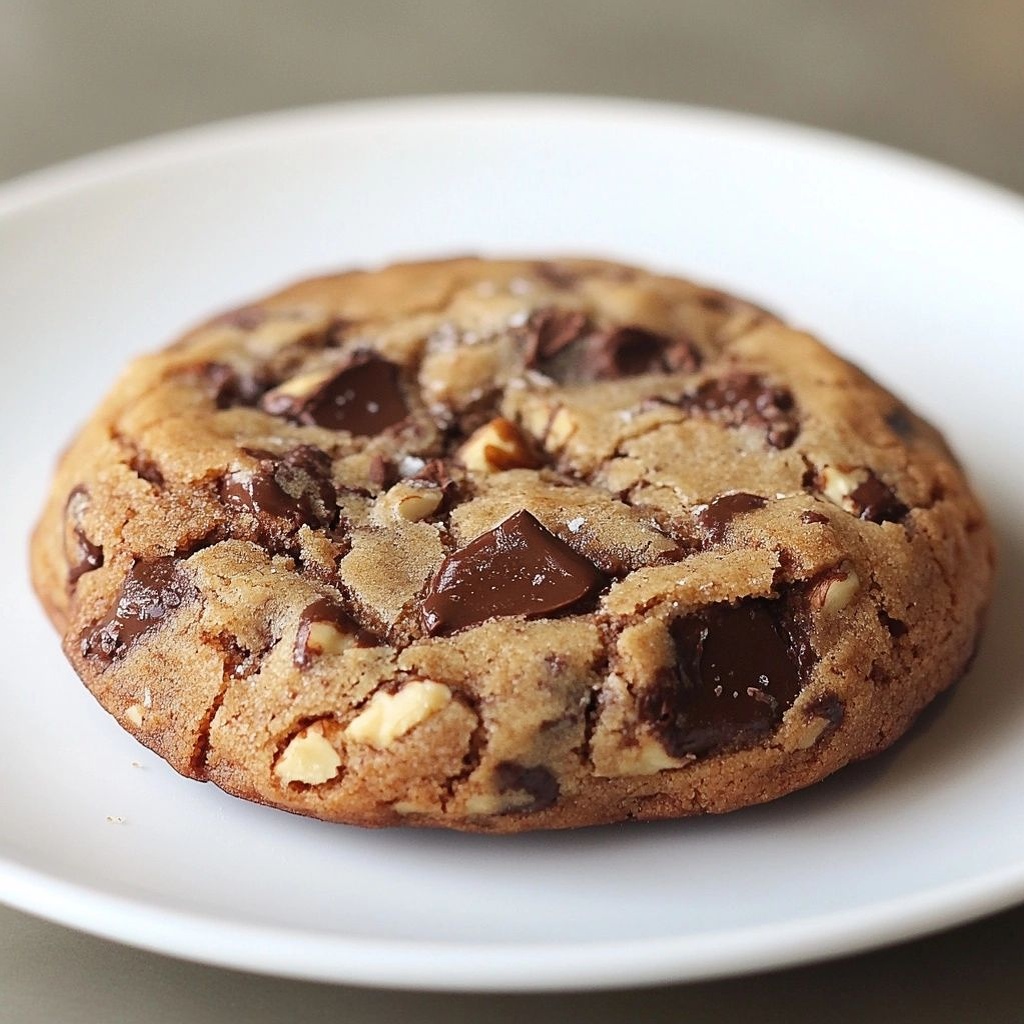
There’s a cookie that has earned its own cult following: a thick, crackly-on-the-outside, gooey-on-the-inside chocolate walnut marvel that seems to melt in your mouth the moment you break through its russet crust. If you’ve ever bitten into a Levain Bakery Chocolate Walnut Cookie in New York and felt the world pause for a heartbeat as molten chocolate caverns revealed themselves, you know the magic we’re chasing here. This is not merely a cookie; it’s an experience—a pillow-soft center that stays tender for hours, crowned with a slightly crisp edge that offers a satisfying snap. The aroma alone—brown sugar caramel, toasted walnuts, a whisper of vanilla, and rich cocoa—invites you to linger in the moment, to savor the anticipation before the first bite, and to revel in a texture contrast that’s as comforting as a warm hug and as decadent as a dessert worth pausing life for.
Crafting a levain-style chocolate walnut cookie at home is like inviting a little piece of bakery nostalgia into your kitchen. You’ll notice that the dough comes together with a quiet, indulgent elegance: creamed butter and sugar that loosen into a light, airy richness, chocola te that pools and sighs into the batter, and walnuts that lend both crunch and toasty depth. The trick is not to rush—let the ingredients harmonize, chill when needed, and bake just long enough to set the exterior into a delicate shell while keeping the center beautifully soft. The result is a cookie that wears its height, its soft center, and its dark chocolate notes with quiet confidence. It’s the kind of cookie you bake when you want to slow down, to treat yourself, to share with friends, or to pass around at a gathering without saying a word about the labor behind it—because the flavor will do all the talking.
The Story Behind the Dish
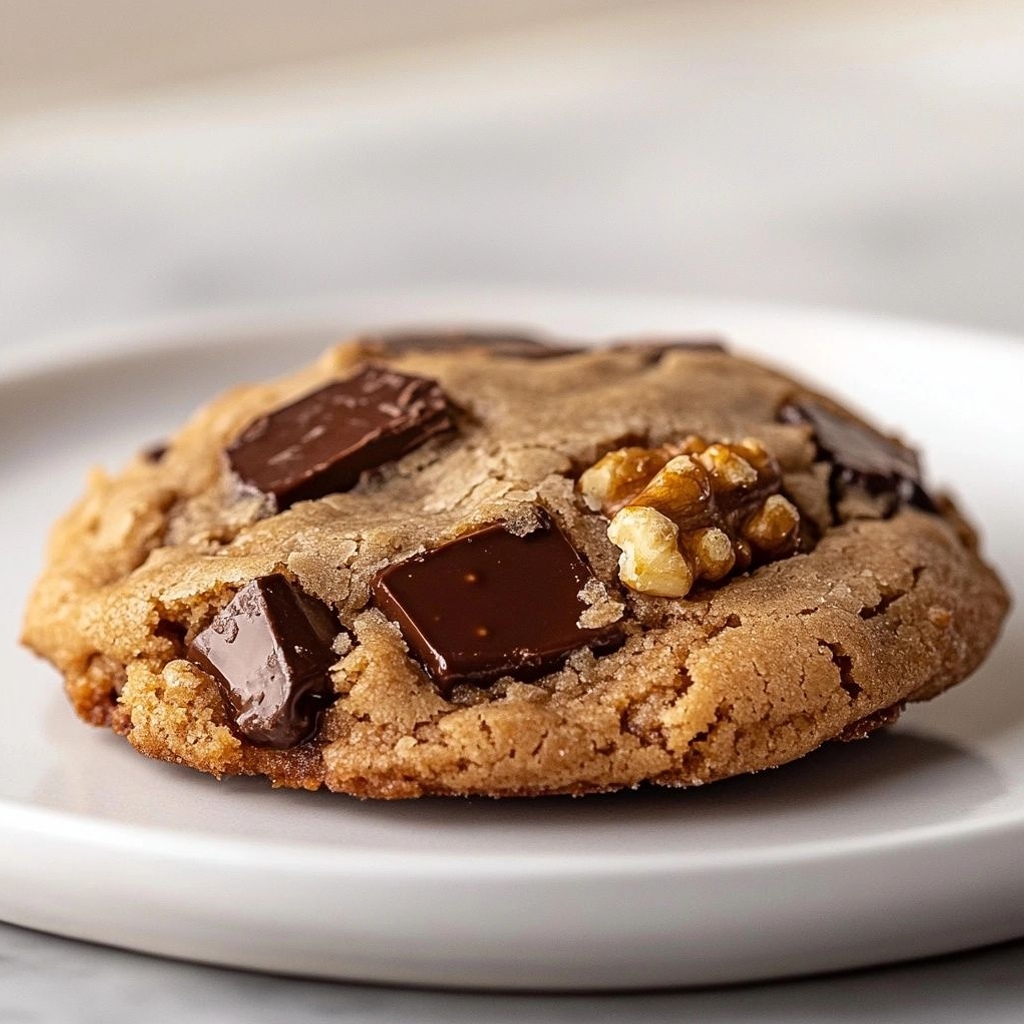
Levain Bakery, a tiny but mighty name in the New York baking scene, built its reputation on a handful of iconic cookies that practically defined the term “cookie sensation.” The Chocolate Walnut Cookie, in particular, sits at the heart of their lineup, celebrated for its stone-cold exterior and a center that’s almost impossibly soft and gooey. The lore around these cookies is as rich as the dough itself: small-batch production, generous chunking of chocolate, and a method that favors a few precise steps over a thousand. The cookies are often described as “immortalized in the best possible way”—a sentiment that stems from the way a Levain cookie feels like a familiar friend even when you’re tasting it for the first time. The original cookies are known for their generous diameter (sometimes over four inches), their puffy, domed top, and that crackly edge that yields to a moist, almost fudge-like interior. The combination of bittersweet chocolate, toasted walnuts, and a slightly underbaked center is a sensory map of comfort and indulgence that’s hard to resist.
While the original Levain chocolate walnut cookies carry their own mystique, home bakers often crave the same aura of bakery quality with the flexibility to customize. The copycat version is less about replicating every minute environmental factor (the oven’s exact heat, the humidity of the air, the precise flour brand) and more about distilling the essential elements: deeply browned butter, a generous hit of chocolate, sturdy walnuts for crunch, and a dough that remains tender at the core. The story of this recipe is, in many ways, a love letter to late-night baking sessions, to the ritual of scooping dough with a heaping tablespoon, and to the delight of sharing something so universally loved with the people who matter most. It’s about recreating a memory, or even a childhood fantasy of stepping into a bakery and walking out with the most delicious, life-affirming cookie you’ve ever tasted.
Why You’ll Love This Recipe
- Impossibly soft centers: The dough is designed to stay tender and almost underbaked in the middle, creating a melt-in-your-mouth experience with each bite.
- Rich, deep chocolate flavor: A generous proportion of high-quality cocoa or melted chocolate lends a robust, bittersweet profile without sacrificing sweetness.
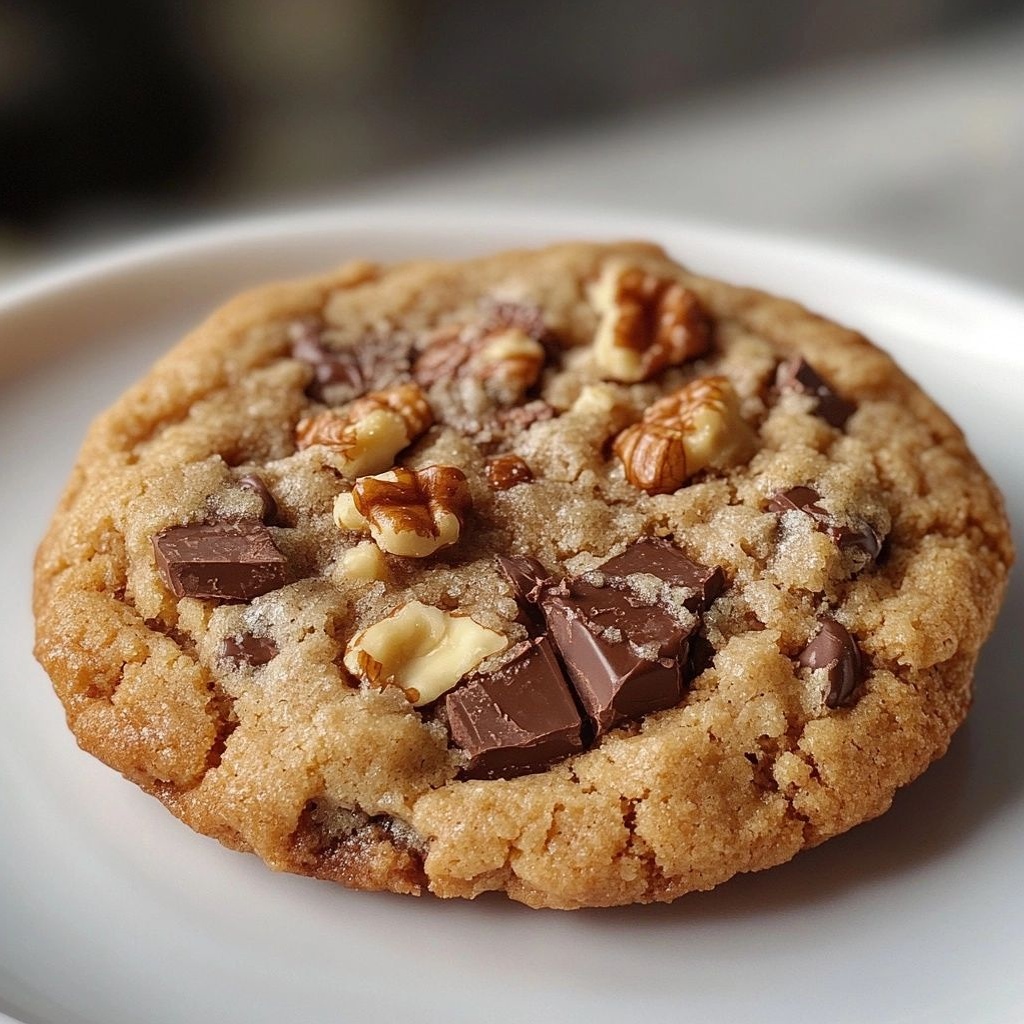
- Crunchy, toasty walnuts: The walnuts are toasted to deepen their flavor and contrast beautifully with the cookie’s soft interior.
- Crackly, shattery edges: The exterior forms a delicate crust that gives way to a luxurious interior—textural magic in every mouthful.
- Versatile indulgence: This recipe scales easily for a few cookies or a baking sheet, and it adapts well to tweaks—whether you prefer more chocolate, extra nuttiness, or dairy-free options.
- Make-ahead friendly: The dough can be chilled to improve flavor and texture, or frozen in portions for later baking sessions.
- Impressive without being fussy: You’ll feel like a bakery wizard without spending hours in the kitchen or relying on specialized equipment.
Flavor Profile & Texture
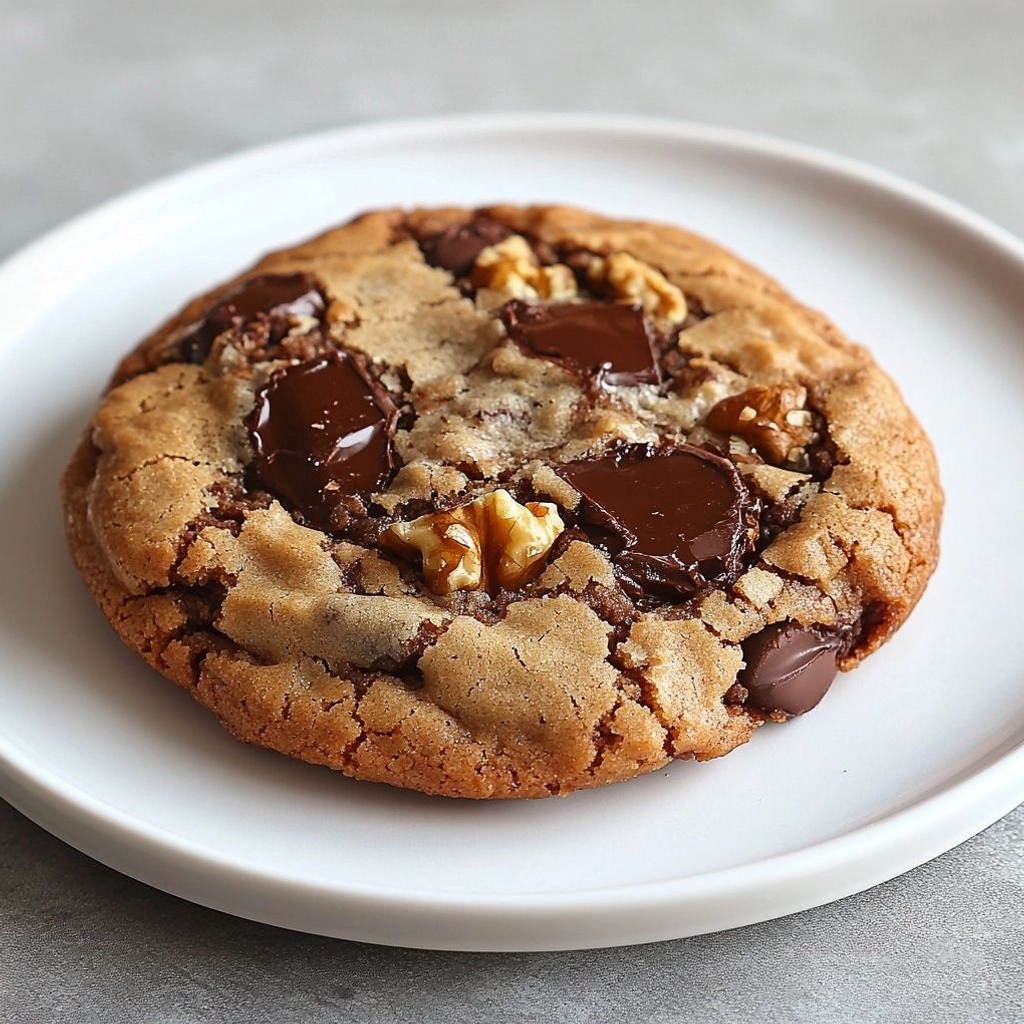
The Levain-inspired chocolate walnut cookie is a study in balance. The first inhale delivers the wafting scent of brown butter, vanilla, and toasted walnuts, a savory-sweet perfume that lures you in before you even bite. The cocoa depth offers a dark chocolate note that’s not cloyingly sweet; it’s tempered by a touch of sugar and a hint of salt that pulls the flavors forward, making them bolder. The walnuts bring a gentle bitterness and a substantial, satisfying crunch that remains audible even as the center collapses under your bite. The cookie’s exterior—thin at the absolute edge, thick toward the center—forms a delicate crust that crackles and shatters when you press into it, releasing a rush of steam and fragrance. Inside, the middle is noticeably soft, almost chewy, with a moist density that seems to defy the cookie’s outward appearance. There’s a slight fudgy quality to the center, softened by the butter and a whisper of vanilla that lingers on the palate. Each mouthful delivers a chorus of textures—crisp snap, tender chew, creamy melt—paired with a flavor symphony of bittersweet chocolate, toasty nuts, caramelized sugar, and a subtle hint of salt that ties everything together.
Consider the role of temperature in the experience. If you pull the cookies from the oven when the centers are just set, they’ll continue to bake slightly on the hot sheet, finishing as they rest and yielding that classic underbaked interior. If you prefer a more defined center, a shorter bake yields a firmer bite with a slightly more structured interior. Either way, the balance remains: a toasted, loud chocolate presence on the outside with a luxuriously soft, almost molten center that makes every bite feel like a small moment of decadence.
Occasions & Pairings
This cookie is remarkably versatile, suited to a range of occasions and moods. On weeknights, it offers a comforting end to a long day; on weekends, it becomes a shareable treat for gatherings, movie nights, or sit-down dessert with friends. It’s also a standout choice for holiday trays, bake sales, or as a thoughtful gift that says you paid attention to the small indulgences that truly matter. Pairing ideas enhance the experience without overshadowing the cookie’s personality:
- Drinks: A robust coffee, espresso, or a dark roast tea pairs beautifully with the chocolate intensity. For an adult twist, a glass of aged port or a small-batch whiskey on the rocks can echo the cookie’s rich flavors.
- Ice cream: A scoop of vanilla, salted caramel, or coffee ice cream creates a delightful contraband pairing—cookie Sundae vibes in every bite.
- Wines: If you’re exploring wine pairings, a slightly sweet red with berry notes can balance the chocolate and nuts, while a crisp sparkling wine can cut through the richness for a refreshing contrast.
- Complementary sides: A shard of dark chocolate or a caramel-drenched apple slice can echo the cookie’s own caramel notes, elevating the overall dessert experience.
Ideal occasions include birthday celebrations, intimate date nights at home, bake-off challenges with friends, or simply the kind of indulgent treat you make when you want to slow down and savor life’s small pleasures. The cookie’s generosity—both in size and flavor—lends itself to sharing, making it the kind of dessert that brightens a room when it’s passed around on a plate, accompanied by murmurs of appreciation and requests for the recipe.
Tips, Variations & Substitutions
Here are practical ideas to tailor this copycat cookie to your preferences, dietary needs, or ingredient availability:
- Chocolate choices: Use a combination of dark chocolate chips and chunks for the best texture. If you prefer, substitute some of the chocolate with cocoa nibs for a more intense chocolate bite and a slight crunch.
- Walnut options: If you’re not a fan of walnuts, chop pistachios, pecans, or hazelnuts to maintain the nutty element. Toast the nuts lightly before adding to intensify their flavor.
- Butter treatment: Brown the butter for a deeper, caramelized note. If you want a lighter profile, use clarified butter or half butter, half neutral oil to keep a bit more moisture.
- Flour variations: Use a combination of all-purpose flour and bread flour for extra chewiness, or swap in 100% bread flour for a more substantial bite. For gluten-free versions, substitute with a 1:1 gluten-free flour blend that’s suitable for cookies and add a pinch of xanthan gum if needed.
- Sweetness balance: Add a pinch more salt or a touch of flaky sea salt on top before baking to heighten the flavor contrast. For a less sweet version, reduce the sugar by a couple of tablespoons and compensate with a touch more vanilla or a splash of coffee.
- Texture control: If you prefer a thicker, more domed cookie, chill the dough for 1-2 hours or overnight. This helps prevent spreading and results in a taller center with a pronounced soft core after baking.
- Make-ahead and storage: Freeze dough balls on a parchment-lined tray, then transfer to a bag for up to 3 months. Bake from frozen, adding an extra minute or two to the bake time. You can also refrigerate dough for up to 72 hours to intensify flavor and improve texture.
- Vegan adaptation: Use a neutral oil or coconut oil in place of butter, and choose dairy-free chocolate and walnuts. A flax egg or aquafaba can be used to replace eggs, though this may alter texture slightly—expect a slightly denser center.
- Low-sugar version: Use dark chocolate with higher cacao content and reduce sugar by 1/4 to 1/3 cup. You may need a small increase in the amount of butter or a touch of corn syrup to maintain moisture and chew.
- Regional twists: For a hint of spice, add a pinch of ground cinnamon or espresso powder to the dough to accentuate the chocolate. A splash of orange zest can introduce a bright, aromatic note that complements the walnuts beautifully.
Storage & Make-Ahead Ideas
To preserve the tenderness and flavor, proper storage matters. Here are practical guidelines to keep your cookies as fresh as possible:
- Short-term storage: Store baked cookies in an airtight container at room temperature for up to 3-4 days. Place a slice of bread in the container to help maintain moisture and softness.
- Long-term storage: Freeze baked cookies in a single layer on a baking sheet, then transfer to a freezer bag. They’ll keep well for up to 3 months. To refresh, reheat in a low oven (around 300°F/150°C) for a few minutes until warmed through and the centers look glossy again.
- Make-ahead dough: You can prepare the dough, portion it into tablespoon-sized balls or larger, and chill for up to 72 hours before baking. The dough’s resting time will deepen flavors and improve texture, especially the center’s tenderness.
- Rehydration trick: If cookies feel a bit dry after storage, a quick blast in a 350°F (175°C) oven for 30-60 seconds can coax surface moisture back and restore that just-baked shine.
Fun Facts & Trivia (Optional)
– The allure of a thick, chewy center with a crackly edge is not new; bakers around the world have long pursued the “cookie that stays soft” while gaining a crisp perimeter for balance. The Levain-inspired style embodies a timeless bakery dream: exterior texture that promises crispness, interior softness that promises warmth.
– Chocolate and walnuts pairings are a classical combination that appears in countless European and American desserts. The pairing leverages the contrast between the dark, slightly bitter cocoa and the toasty, slightly buttery crunch of walnuts, creating a synergy that feels both luxurious and comforting.
– The science behind a soft center lies in precise moisture content and structure: high-fat dough relaxes during baking, while sugar helps create a moisture barrier. When the dough is properly chilled, the butter remains in place long enough to form a thickened center as the cookies bake, producing that signatureLevain bite.
Frequently Asked Questions
Q: Can I make these cookies without walnuts?
A: Yes, you can substitute with your preferred nut or omit nuts entirely for a chocolate-centric version. Keep in mind that walnuts contribute a distinctive crunch and aromatic flavor that makes the original experience special.
Q: How do I achieve the exact center texture?
A: The key is controlling the bake time and dough temperature. Chill the dough before baking, use a high-fat butter, and bake until the edges are set but the centers look slightly underdone. Resting the baked cookies on the sheet for a few minutes after removal also helps the centers stay soft as they finish setting.
Q: What’s the best chocolate to use?
A: A combination of dark chocolate chips and chunks from a good quality bar yields the best texture and flavor. If you want a more intense chocolate punch, increase the chips and slightly reduce the sugar to preserve balance.
Final Thoughts
Crafting a Levain-style chocolate walnut cookie at home is a delicious invitation to slow down and indulge in the sensory pleasures of baking. It’s about the ritual of creaming butter and sugar into a pale, fluffy dream; about the moment you fold in glossy chocolate and toasted walnuts, watching the dough glisten with promise; about chilling and patiently waiting as the oven works its gentle magic; and about letting the cookies cool just enough to reveal a glossy, seductive center before you finally surrender to the first bite. These cookies aren’t just desserts; they’re little, portable experiences that remind you that some of life’s best joys are simple, shared, and a touch decadent. Embrace the process, savor the aroma, and enjoy the payoff—a batch of home-baked levain-inspired chocolate walnut cookies that feel a bit like a hug from a favorite bakery, delivered straight to your kitchen table.
Ready for the Recipe?
As you prepare to bake, remember that the most magical part of a copycat recipe isn’t the exact science of proportions alone—it’s the heart you bring to the kitchen, the patience you invest, and the delight you allow yourself to taste with every bite. This is your invitation to recreate a beloved classic, to make it your own, and to savor a moment of pure, comforting indulgence whenever you crave a cookie that feels like a little celebration in every mouthful.
Ingredients
-
Cookie Dough
– 1 cup unsalted butter, softened (2 sticks)
→ The fat in the dough provides richness, tenderness, and a chewy texture. Soften to room temperature so the butter creams evenly with sugars, which helps incorporate air for structure without overworking the gluten. If you chill the dough later, avoid using melted butter as it can make the cookies too dense.
– 1 cup packed light brown sugar
→ Brown sugar adds moisture, depth of flavor, and chewiness through its molasses content. Pack firmly to ensure accurate measurement. For a slightly drier, crisper cookie, you can substitute part with granulated sugar, but the classic Levain texture hinges on a generous amount of brown sugar.
– 1/2 cup granulated sugar
→ Provides sweetness and helps with spreading and color, balancing the richness of brown sugar. It also contributes to a slightly crisp edge while maintaining a soft center. Ensure it’s fully incorporated by creaming with the butter and brown sugar.
– 2 large eggs + 1 large egg yolk
→ Eggs add structure, moisture, and lift. The extra yolk adds richness and a velvety crumb, while the whole eggs contribute emulsification. Use eggs at room temperature for better emulsification and more even mixing.
– 2 teaspoons pure vanilla extract
→ Enhances the overall flavor with warm, aromatic notes that pair with chocolate and walnuts. For a more intense vanilla presence, use a high-quality extract or vanilla bean paste. Ensure the liquid is evenly distributed by mixing after eggs.
– 2 1/4 cups all-purpose flour
→ Provides the bulk responsible for the cookie’s structure. All-purpose flour balances tenderness and chew. If you want a chewier center, you can reduce by 1/4 cup and add a tablespoon of cornstarch, but keep the recipe proportions in mind to avoid too much tenderness or spread.
– 1 teaspoon baking soda
→ A leavening agent that helps cookies rise slightly and achieve a lighter, airy crumb inside the chewy exterior. It also reacts with the acids in eggs and sugar to create tiny air pockets for texture. Make sure it’s fresh for reliable rise.
– 1/2 teaspoon salt
→ Enhances sweetness and rounds flavors, balancing chocolate and butter. Use fine salt so it disperses evenly; if using flaky salt, add a pinch at the end for a finish twist rather than in the dough mass.
Chocolate and Nuts
– 2 cups semisweet chocolate chunks or large chips
→ The star of the cookie; large pieces create luscious pockets of melted chocolate in each bite. Use high-quality semisweet chocolate for better flavor. If you prefer more chocolate intensity, you can increase to 2 1/2 cups. Keep chunks uniform so they melt evenly during baking.
– 1 cup walnuts, roughly chopped (toasted optional)
→ Provides crunch, nutty depth, and contrast to the soft center. Toasting walnuts enhances aroma and flavor; spread on a sheet and toast at 350°F for 8–10 minutes, then cool before stirring into the dough. Chop into uneven chunks to maximize bite in every cookie.
Optional Toppings
– Flaky sea salt, for finishing (optional)
→ Sprinkling a light amount of flaky salt on hot cookies enhances chocolate flavor and adds a savory contrast to the sweetness. Do this immediately after baking while cookies are warm for best adhesion and flavor balance.
Instructions
- Preheat your oven to 350°F (175°C) and line two baking sheets with parchment paper or silicone mats to prevent sticking and promote even baking.
→ A steady, moderate oven ensures the cookies bake through without scorching the edges, while lined sheets make removal easier and reduce the risk of the bottoms burning. - Cream the softened unsalted butter with the light brown sugar until the mixture is light, fluffy, and fully integrated.
→ Creaming incorporates air into the fat and sugar to help structure the cookie, while melting the brown sugar’s moisture contributes to chewiness. Scrape the bowl sides as needed to maintain even texture. - Add granulated sugar and continue creaming until fully incorporated and smooth.
→ Fully incorporating the granulated sugar ensures a balanced sweetness and helps with spreading and color as the cookies bake. Beat until no gritty crystals remain for a uniform dough. - Beat in the two large eggs and one large egg yolk at room temperature one at a time, allowing each addition to be fully integrated before adding the next.
→ Room-temperature eggs emulsify better, improving crumb structure and moisture distribution; adding one at a time prevents curdling and ensures a smooth dough. - Stir in the two teaspoons pure vanilla extract until evenly dispersed.
→ Vanilla enhances chocolate and nut flavors; mix until the aroma is uniform, which helps prevent pockets of vanilla in the dough. - Sift or whisk together the all-purpose flour, baking soda, and salt, then fold into the wet ingredients just until no dry streaks remain.
→ Gentle incorporation preserves the dough’s tenderness and chewy texture; avoid overmixing to prevent gluten development that could make the cookies tough. - Fold in the semi-sweet chocolate chunks and the roughly chopped walnuts until evenly distributed through the dough.
→ Uniform distribution ensures every bite has chocolate and nuts; if you prefer more pronounced pockets, use slightly larger chunks and mix carefully to avoid overworking the dough. - Chill the dough for at least 30 minutes or up to 2 hours to firm up the fats and enhance flavor development.
→ Chilling slows down spread during baking, yielding a thicker cookie with a gooey center and more pronounced flavors; keep dough covered to prevent drying out. - Scoop generous tablespoons or use a medium cookie scoop to portion dough onto the prepared baking sheets, spacing about 2 inches apart.
→ Proper spacing allows heat to circulate for even baking; a consistent portion also helps achieve uniform cookies with a balanced center and edges. - Bake the cookies for 12–15 minutes, rotating the sheets halfway through if using a conventional oven, until the edges are set and the centers look slightly underdone for a chewy interior.
→ The cookies should be lightly browned at the edges while the centers remain soft; this yields the classic Levain-like chewier center with a rippled edge. Do not overbake. - Remove the sheets from the oven and set them on a wire rack to cool for 5 minutes before transferring the cookies to the rack to finish cooling.
→ Allowing initial cooling on the sheet helps them set and prevents breaking, while transferring to a rack prevents sogginess from trapped steam. - While the cookies are still warm, optionally sprinkle a light pinch of flaky sea salt over the tops to enhance chocolate flavor.
→ A touch of finishing salt elevates the sweetness and depth of the chocolate, providing a balanced contrast when the cookies are warm and pliable. - Let the cookies cool completely before stacking or storing to maintain their structure and chewy texture.
→ Cooling firms the centers and prevents soft cookies from collapsing or sticking together; once cooled, store in an airtight container at room temperature for up to 3 days, or freeze for longer storage.
Notes
“These Levain Chocolate Walnut Cookies copycat cookies are rich, chewy, and loaded with generous chunks of semisweet chocolate and crunchy walnuts for a bakery-style bite. For best texture, ensure butter is softened to room temperature and chill the dough if you want thicker cookies with more defined edges. Measure flour properly by spooning into the cup and leveling off for accurate structure, and don’t overmix once the flour is added to keep a tender crumb. You can customize by increasing chocolate to 2 1/2 cups, swapping walnuts for toasted pecans, or adding a pinch of espresso powder to deepen the chocolate flavor. Toast walnuts before folding them in to boost aroma and crunch. Finish the cookies with a light sprinkle of flaky sea salt while they’re hot to enhance chocolate intensity. These cookies freeze well—portion the dough and freeze on a sheet before transferring to a bag, then bake from frozen with an extra 1–2 minutes of bake time. Store baked cookies in an airtight container at room temperature for up to 4 days or freeze for longer storage. Always use fresh baking soda and high-quality chocolate for the best flavor and texture.”
Tips
- Soften butter to room temperature and cream it well with both brown and granulated sugars to create air pockets for a chewy yet structured cookie. Avoid melted butter, especially if you plan to chill the dough later, as that can make the cookies dense.
- Measure brown sugar firmly packed to maximize moisture and chew; if you want a drier, crisper edge, substitute part of it with granulated sugar, but keep plenty of brown sugar for signature Levain texture.
- Use eggs and an extra yolk at room temperature to improve emulsification and contribute to a richer, velvety crumb. Ensure eggs are well beaten into the butter-sugar mixture for even distribution.
- Vanilla should be evenly dispersed by adding it with the eggs; high-quality vanilla or vanilla bean paste can amplify chocolate and nut flavors.
- A light hand when adding flour helps maintain chewiness. If you want extra chew, consider adding a touch of cornstarch or reducing flour slightly, but avoid overworking the dough once the flour is in.
- Fresh baking soda is key for a slight rise and a tender interior. If your baking soda is old, replace it to ensure proper leavening and air pockets.
- To prevent excessive spreading, chill the dough for at least 30 minutes (or longer). Chilled dough yields thicker cookies with a gooier center and well-defined chocolate pockets.
- For best texture, toast walnuts before folding them into the dough to deepen their flavor. Let them cool completely before mixing in.
- Distribute chocolate chunks and walnuts evenly to ensure every bite has a balance of melt-in-your-mouth chocolate and crunchy nuts.
- When baking, line sheets with parchment or a silicone mat to prevent sticking and promote even browning. Keep batches evenly sized for uniform bake time.
- Finish with a light pinch of flaky sea salt on hot cookies if using optional toppings; the salt enhances chocolate flavor and provides a pleasant contrast as soon as they come out of the oven.
FAQ
What is a Levain Chocolate Walnut Cookie copycat?
A copycat aims to recreate the famous dense, thick, gooey chocolate walnut cookies from Levain Bakery at home. Expect a rich chocolate flavor, a moist center, and plenty of chopped walnuts for crunch.
What ingredients are essential for the classic Levain-style cookies?
Common essentials include: high-fat butter (not margarine), a lot of dark brown sugar, granulated sugar, eggs, good-quality cocoa powder or melted chocolate, all-purpose flour, baking soda, a pinch of salt, semisweet or dark chocolate chunks, and chopped walnuts. Optional vanilla for aroma.
How do I mix the dough to mimic Levain cookies?
Cream the butter and sugars until very light and fluffy, then add eggs one at a time. Mix in vanilla and melted chocolate or cocoa. Stir in dry ingredients just until combined, then fold in chocolate chunks and walnuts. Chill the dough to firm it up before portioning, which helps create the signature thick centers.
What is the recommended baking method and temperature?
Preheat to 350°F (175°C). Scoop large mounds of dough (roughly 1/3 to 1/2 cup per cookie) onto a lined baking sheet, leaving space to spread. Bake until the edges are set but centers look slightly underdone, about 12–15 minutes depending on oven. The cookies will continue to cook a bit as they rest.
How do I achieve the tall, bakery-style shape?
Use very cold dough portions and bake on parchment-lined sheets. Do not press down the dough. Freezing the dough for at least 1 hour (or overnight) helps. You can also lightly press a few walnuts on top for appearance.
What if I want more chocolate intensity?
Use a combination of melted unsweetened or semisweet chocolate with cocoa powder and add extra chocolate chunks. You can also fold in some mini chocolate chips for texture and depth. Darker cocoa (Dutch-processed) yields a richer color and flavor.
What substitutions work well if I can’t find exact ingredients?
Butter can be replaced with unsalted butter at room temperature. If you only have milk or semolina, use 2% milk to adjust moisture. For flour, all-purpose is best; you can mix in a tablespoon of cornstarch for a softer crumb. Walnuts can be swapped with pecans or omitted, though walnuts are traditional in Levain copies.
How should I store leftovers?
Store tightly wrapped at room temperature for up to 3 days, or freeze baked cookies for up to 2–3 months. To refresh, reheat 10–15 seconds in a microwave or warm in a 350°F oven for 5–7 minutes.
Can I scale this recipe for smaller cookies?
Yes. If you portion into 2–3 tablespoon balls, bake at 350°F for 9–11 minutes. They will resemble a thinner, crisper edge with a softer center, rather than the towering centers of the original. Watch closely to avoid overbaking.
What are common troubleshooting tips?
If cookies spread too much, chill dough longer or reduce sugar slightly. If centers are underdone, bake 1–2 minutes longer or add a touch more flour. If too dry, add a teaspoon of milk to the dough and mix. For a thicker center, use more brown sugar and a tad less granulated sugar.