Introduction / Hook
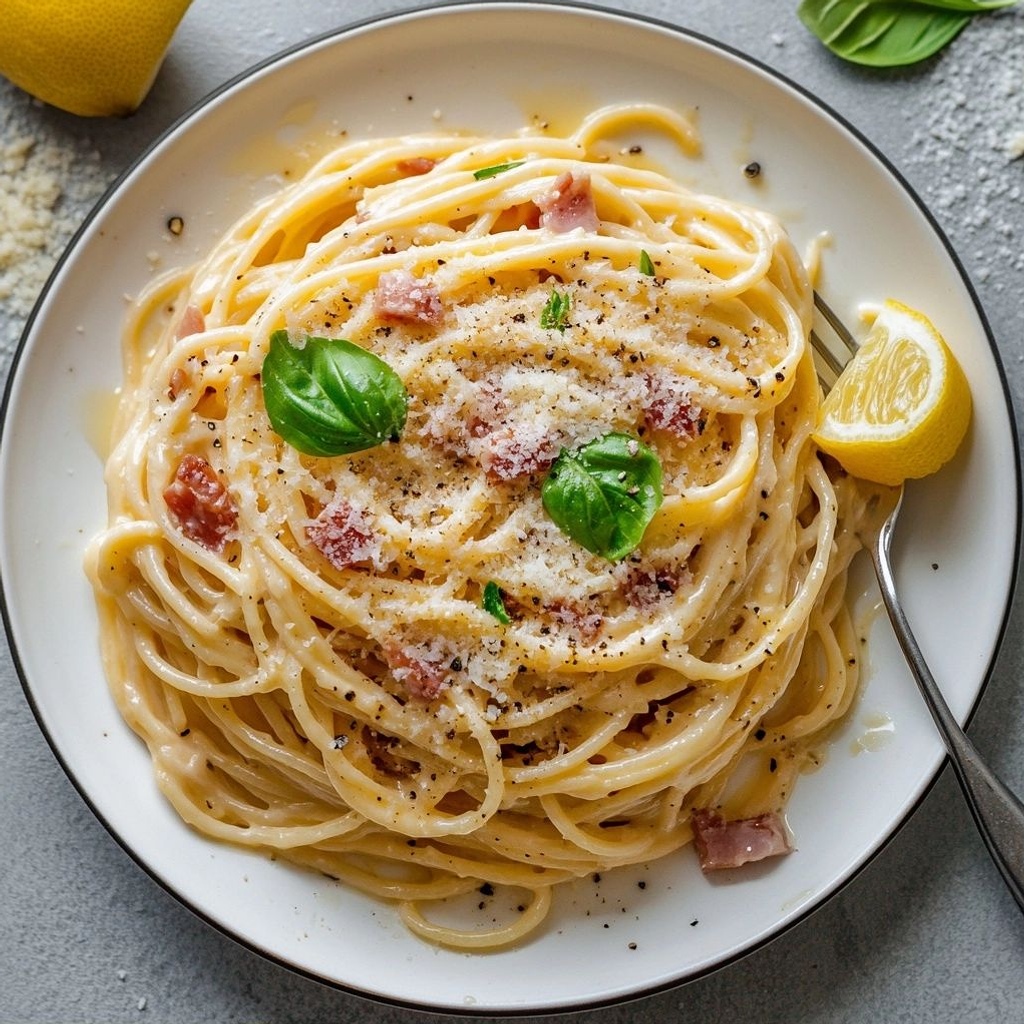
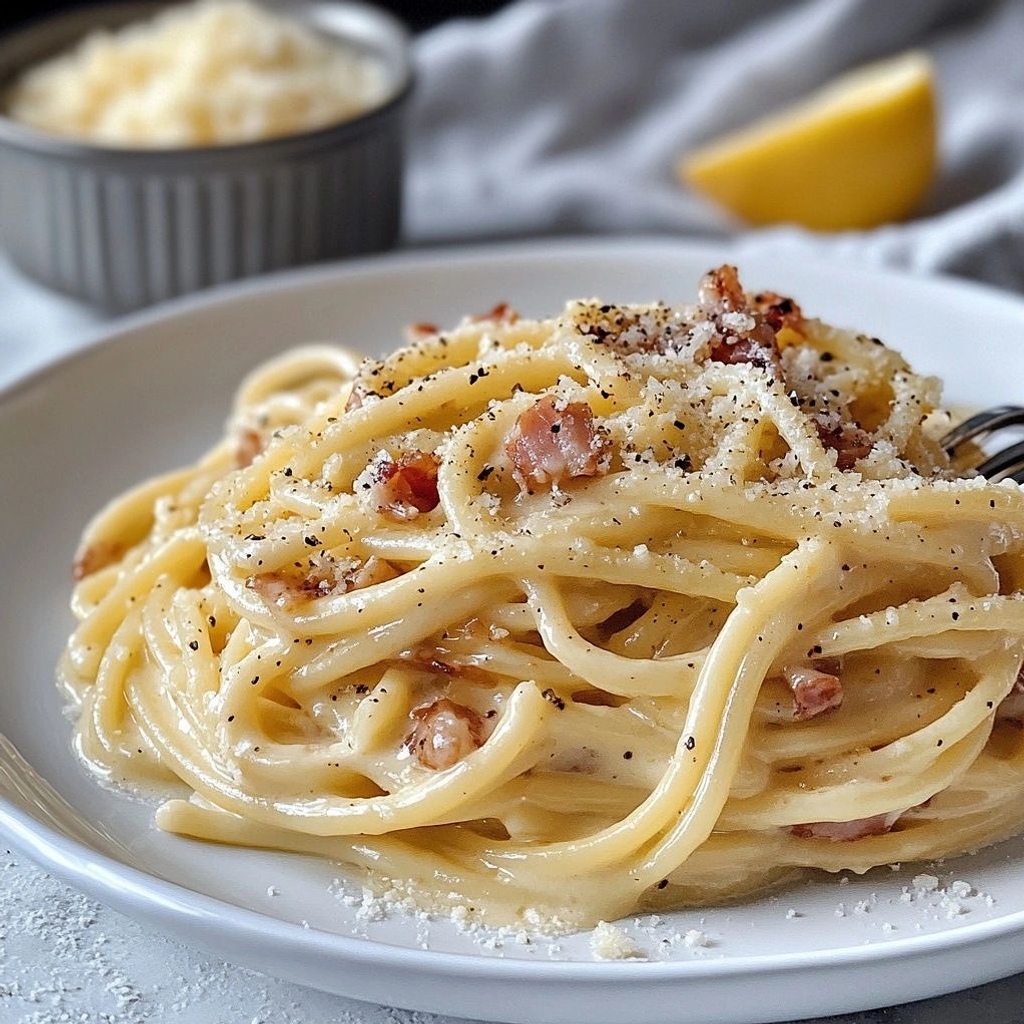
There are certain dishes that feel like a warm handshake from a cherished friend—simple, confident, and instantly comforting. Classic Spaghetti alla Carbonara is one of those dishes. It’s not about showy tricks or fancy ingredients; it’s about balance, timing, and a few pantry staples coming together to create something surprising in its elegance. Imagine glossy strands of al dente spaghetti, cloaked in a glossy, pale robe of eggs and cheese, illuminated by the subtle kiss of pepper and the saltiness of pancetta. The aroma rises in waves: a gentle sizzle of pork, a faint nuttiness from grated cheese, and the irresistible, almost indulgent scent of hot, springy noodles. Carbonara is a recipe that rewards patience and precision—the kind of dish that tastes like it took hours to coax out its depth, even though the core technique can be learned in a single, focused evening.
What makes this classic special is its refusal to rely on cream or heavy sauces to create luxury. The secret lies in emulsifying the eggs and cheese with starchy pasta water, creating a silken sauce that clings to every strand without ever splitting. It’s a dish that celebrates pantry staples—spaghetti, eggs, hard cheese, pancetta or guanciale, black pepper—and turns them into a rich, luminous plate that feels both rustic and refined. The first bite delivers a creamy glow, a peppery kick, and a whisper of salt that lingers on the palate. It’s comfort you can taste, and sophistication you can savor in just a handful of minutes of active cooking.
The Story Behind the Dish
Carbonara’s origins are a deliciously debated corner of culinary history, and that ambiguity is part of its charm. A few generations back, Italian cooks in Rome and its surroundings began to experiment with the pantry staples at hand: dried pasta, cured pork, eggs, and cheese. Some legends say it arose after World War II as American soldiers shared rations of powdered eggs and bacon, which local cooks then transformed into a refined, eggy pasta sauce. Others claim it existed long before that, in rural kitchens where eggs and cheese were common, and pork from a recent butchered pig was readily available. The truth may be a blend of both, but what everyone agrees on is this: carbonara is a dish born from humble ingredients, elevated through technique rather than extravagance.
What’s fascinating about the dish’s evolution is how it travels across borders and cultures, picking up tiny regional notes without losing its core identity. In some places, you’ll see a touch of cream—though purists politely cringe; in others, you’ll encounter variations that swap guanciale for pancetta, or use Pecorino Romano instead of a blend with Parmesan. Yet the heart remains unchanged: high-quality eggs, a righteous amount of pepper, and a balance that favors the sauce more than the garnish. It’s a dish that invites conversation about tradition, memory, and personal taste—the kind of recipe you adjust to honor your own kitchen, your time constraints, and your favorite textures.
Why You’ll Love This Recipe
- Quick and reliable: With a plan and a few ingredients, you can have a restaurant-worthy plate on the table in under 30 minutes.
- Silky, glossy sauce: The emulsion between eggs, cheese, and pasta water creates a luxurious coating that feels indulgent without heaviness.
- Protein-forward, but simple: Pancetta or guanciale provides crisp, savory depth that slices through the creamy sauce with satisfying bite.
- Versatile and forgiving: A well-executed carbonara works with a range of pantry substitutions, making it adaptable for weeknights or special occasions.
- Family-friendly comfort: It’s a dish that invites sharing, conversation, and the sense of tradition that makes a kitchen feel alive.
- Minimal equipment, maximal result: No complicated techniques or hard-to-find ingredients required.
Flavor Profile & Texture
The flavor profile of classic spaghetti alla carbonara is anchored in three pillars: the cheese’s nutty, savory richness; the pepper’s sharp, arresting bite; and the pork’s deep, rendered savoriness. The eggs provide a creamy, custardy body that coats each strand of pasta in satin-smooth comfort. When done right, there’s a light sweetness from the caramelized bits of pancetta, balanced by a peppery zing that brightens the whole plate. The texture is a delightful contrast: first, the crisp crackle of rendered fat and tiny chewy bits from the pork, then the immediate melt-in-your-mouth silkiness of the egg-and-cheese emulsion, followed by the satisfying chew of al dente pasta.
Texture-wise, carbonara should never feel “soggy” or heavy. The sauce must cling to the pasta, forming a cohesive ribbon rather than pooling in the bowl. The cheese, if finely grated, dissolves quickly into the heat of the pan, but enough heat remains to emulsify with a splash of pasta water, producing a glossy sheen that gleams under the kitchen lights. Pepper plays a crucial role: a generous grind adds a peppery spark that cuts through the richness, providing balance and a sense of brightness. The pork contributes a savory, almost smoky backdrop that deepens the overall flavor without overpowering the egg-based sauce. When these elements align, you experience a dish that feels both rustic and refined—a culinary paradox that carbonara pulls off with ease.
Texture Breakdown
- Pancetta/Guanciale: Crisp edges with tender, savory centers; renders fat that enriches the sauce.
- Cheese: A salty, nutty bite that dissolves into the sauce, enriching the mouthfeel.
- Pepper: A lively finish that brightens the dish and heightens aroma.
Occasions & Pairings
Carbonara is incredibly versatile and shines in a variety of settings—from casual weeknight dinners to more festive gathering tables. Here are some ideas to maximize its impact:
- Weeknight comfort: Pair with a simple green salad dressed with lemon and olive oil, and a glass of light to medium-bodied white wine, such as Pinot Grigio or Soave.
- Romantic dinners: Serve with a crisp white wine or a sparkling Prosecco, and finish with a light citrus dessert to keep the palate ready for the next bite.
- Family gatherings: A generous pot of carbonara, shared with crusty bread and a peppery arugula salad, makes for a cozy, unpretentious meal that everyone can enjoy.
- Casual entertaining: Use as a base for add-ins like sautéed mushrooms, peas, or a dollop of “best-in-class” pecorino for an extra tangy zing—simple tweaks that invite conversation and delight.
Suggested pairings:
- Side dishes: A bright green salad, roasted vegetables, or grilled asparagus provide color and contrast.
- Drinks: A dry white wine, such as Vermentino or Chardonnay with moderate oak, or a light red like Pinot Noir can pair interestingly depending on the pork cut and cheese used.
- Desserts: A citrus tart, almond biscotti, or a simple panna cotta keeps the meal balanced without overwhelming the palate after a rich main course.
Tips, Variations & Substitutions
Here are practical ideas to tailor classic spaghetti alla carbonara to your pantry, dietary needs, or mood for the evening:
- Egg options: Traditionally, carbonara uses whole eggs or a mixture of whole eggs and yolks. For a lighter sauce, use more whole eggs and fewer yolks. For a richer results, add an extra yolk or two, but temper the heat to avoid scrambling.
- Cheese choices: A blend of Pecorino Romano and Parmigiano-Reggiano is classic. Pecorino adds a sharp, tangy bite; Parmesan adds a rounded nuttiness. If you’re dairy-free or vegan, try a nutritional yeast-based cheese substitute and a plant-based emulsion using cashew cream, though the texture will differ from traditional carbonara.
- Meat variations: Guanciale is the traditional choice—its fatty richness is unmatched. If unavailable, pancetta is a good substitute. For a lighter or vegetarian version, omit the meat and increase olive oil, add sautéed mushrooms, or use smoky, roasted peppers for depth.
- Gluten considerations: Traditional spaghetti is gluten-containing. To make gluten-free, swap in your favorite gluten-free pasta that holds sauce well, such as a robust gluten-free spaghetti blend.
- Cream-free approach: Do not add cream. The creamy texture should come from the eggs, cheese, and starch from the cooking water. If your sauce seems thin, a tiny amount of pasta water can emulsify and tighten the sauce just before serving.
- Herbs and aromatics: A subtle note of fresh parsley or chives can brighten the dish. However, most purists keep this dish free of herbs to preserve the traditional flavor profile; you can experiment with a tiny amount of chopped flat-leaf parsley if desired.
- Heat control: The sauce is delicate; remove the pan from direct heat when adding the egg mixture to avoid scrambling. A gentle, off-heat toss with a splash of hot pasta water produces the perfect emulsification.
Storage & Make-Ahead Ideas
Spaghetti alla carbonara is best enjoyed freshly prepared, but if you need to plan ahead, here are practical approaches to preserve flavor and texture:
- Make-ahead pasta: Cook the pasta just to al dente, drain, and toss with a small amount of oil to prevent sticking. Store in a lightly oiled container in the refrigerator for up to 1 day. Rewarm in a hot pan with a splash of hot water, then proceed with the sauce steps, adding the egg mixture at the end off the heat to avoid scrambling.
- Sauce prep: The sauce should be prepared to order for best results. If you must prepare ahead, mix the eggs and cheese with a small pinch of salt and refrigerate. Bring to room temperature and whisk once more before combining with hot pasta and rendered pork for service.
- Freezing: Do not freeze the finished carbonara; the emulsion can separate upon thawing. If you’re freezing components, freeze the cooked pork and cheese mixture separately and reassemble with freshly cooked pasta and hot water to emulsify.
- Leftovers: Leftovers tend to thicken as the sauce sits. Reheat gently in a skillet with a splash of hot pasta water, stirring vigorously to re-emulsify. If needed, whisk in a little extra warm water or a spoonful of cheese to restore gloss and creaminess.
Fun Facts & Trivia (Optional)
– The name “carbonara” is believed by some to refer to the coal miners of Italy who needed hearty meals that could be cooked quickly after a long shift; others propose a nod to the black specks of pepper that resemble carbon fragments on the plate.
– There is ongoing culinary debate about whether guanciale or pancetta should be used. Guanciale provides a deeper pork flavor and a different melt, while pancetta offers a crispier bite. Both are delicious; the choice often comes down to regional availability and personal preference.
– A quintessential element of carbonara is the technique, not the ingredients alone. The emulsification process creates a sauce that is neither purely egg nor purely cheese, but a harmonious blend that binds the pasta with a glossy finish—an achievement that is often more about timing than any single component.
Historical Notes & Cultural Context
Carbonara sits at an intersection of tradition and adaptation. In Italian grandmother kitchens, you’ll hear tales of how every family has their own version, sometimes with subtle tweaks that are passed down like cherished heirlooms. The dish’s appeal lies in its accessibility: it uses a handful of ingredients that most people already have, yet it invites experimentation within a respectful framework. This balance—between heritage and personal touch—draws people to carbonara again and again. The dish’s simplicity can be deceptive; mastering it requires understanding when to stop the heat, how to whisk with confidence, and how to measure one’s salt to avoid an over-seasoned result. It is in these details that carbonara transcends being a mere pasta dish and becomes a small act of culinary poetry.
Closing Thoughts
Classic Spaghetti alla Carbonara is more than a recipe; it’s a statement about how great cooking can be: minimal ingredients, maximal impact, and a sense of shared warmth that makes the kitchen feel like home. It invites you to slow down just long enough to coax a glossy, luxurious sauce from a handful of staples, to savor each bite as the textures and flavors unfold, and to appreciate the quiet drama of timing, technique, and taste. Whether you’re cooking for a lone evening meal or a lively dinner with friends, carbonara offers a dependable path to comfort without compromise—an invitation to savor the moment as you stir, taste, and finally sit down to a plate that tastes like a memory in the making.
Ingredients
Classic Carbonara Components
-
– 400 g spaghetti (dry)
→ The pasta forms the base of the dish. Cook it in generously salted boiling water until just al dente to maintain bite and prevent mushiness; reserve a small cup of starchy cooking water before draining to help emulsify the sauce later.
– 150 g guanciale or pancetta, diced
→ This cured pork provides the signature savory, rich, porky fat that coats the pasta. If using guanciale, trim excess fat and dice into small, even pieces so it renders uniformly. Sauté slowly in a cold pan over medium heat to render fat without burning, until edges are crisp and fat is silky.
– 4 large egg yolks and 2 large whole eggs (lightly whisked)
→ Eggs are the primary emulsifying and binding agent, creating the creamy sauce without cream. Use the yolks for richness and the whole eggs to balance texture. Bring eggs to room temperature before whisking; add to hot pasta off the heat to prevent scrambling. For a richer sauce, use 4 yolks plus 2 whole eggs; for a lighter version, use only yolks or more whites as desired.
– 100 g Pecorino Romano cheese, finely grated
→ Pecorino Romano provides the sharp, tangy backbone of the sauce. Freshly grate just before using to maximize aroma and flavor release. Substituting with Parmesan can mellow the bite, but for traditional carbonara keep Pecorino as the primary cheese.
– Freshly ground black pepper, to taste
→ Pepper adds the essential heat and aroma that complements the rich sauce. Grind just before mixing to preserve its volatile oils. Traditional carbonara uses a fair amount of pepper; start with a teaspoon and adjust after emulsification.
– Salt, for the pasta water (and optional light finish)
→ Salt seasons the pasta itself; the sauce will gain most of its saltiness from the cheese and cured meat, so taste as you go. Add enough salt to the boiling water so the pasta tastes pleasantly seasoned when fully cooked. Avoid over-salting the final dish.
– 1 small clove garlic (optional, peeled and smashed)
→ Some cooks include a quick sear of garlic to impart a subtle aroma; this is optional as authentic carbonara typically avoids garlic to keep the pork’s flavor front and center. If used, sauté briefly in the rendered fat until just fragrant, then remove before finishing the sauce.
– 1-2 tablespoons pasta cooking water (reserve)
→ The starch-rich pasta water acts as a natural emulsifier to help the egg and cheese bind into a glossy sauce. Only add a little at a time to reach a silkier consistency; add gradually off the heat to prevent scrambling the eggs.
Instructions
- Fill a large pot with water, bring it to a rolling boil, and salt generously to taste, then set up your mise en place so all components are ready to come together quickly in the hot pan; this ensures the pasta flavor is fully integrated and the final sauce emulsifies smoothly.
- Cook the spaghetti in the boiling salted water until just al dente (about 1 minute less than package directions), stirring occasionally to prevent sticking and to ensure even cooking; reserve 1 cup of the starchy cooking water before draining to aid emulsification of the sauce later.
- Meanwhile, dice the guanciale or pancetta into small, even pieces and heat a cold sauté pan over medium heat, gradually rendering fat until the pieces turn crisp around the edges and the fat becomes luscious and glossy; this renders the pork fat that forms the silky base of the sauce while keeping the meat from burning.
- If using garlic, drop in the peeled and smashed clove into the rendered fat and sauté briefly until just fragrant, then remove and discard the clove to avoid overpowering the pork flavor; this adds a subtle aromatic note without muddying the pork-forward taste.
- Beat the 4 yolks and 2 whole eggs in a bowl, then whisk in the finely grated Pecorino Romano until the mixture is smooth and cohesive, and bring the eggs to room temperature so they emulsify evenly when whisked with the hot pasta; this creates a rich, velvety sauce without cream.
- Season the egg-cheese mixture with freshly ground black pepper and a pinch of salt to taste, considering that the cheese and cured meat will contribute most of the dish’s saltiness, and whisk again to ensure the pepper is evenly distributed for a spicy, aromatic finish.
- As the pasta nears al dente, lift a portion of it from the pot with tongs and transfer it to the pan with the rendered fat (off the heat) along with any melted fat, then quickly add a ladle or two of the hot pasta water to the pan to create a light emulsion, stirring vigorously to coat the pasta with the glossy fat and prevent clumping; this step begins the sauce formation without scrambling the eggs.
- Pour the egg and cheese mixture over the hot pasta off the heat, tossing continuously with tongs to maintain movement and prevent the eggs from curdling, adding more pasta water little by little until the sauce clings to the spaghetti in a satin sheen; the starch from the water helps emulsify the sauce for a smooth, cohesive coating.
- Fold in the crisped guanciale or pancetta pieces along with their rendered fat, distribute evenly, and give the dish a final quick toss; adjust seasoning with pepper and a light touch of salt if needed, then plate immediately to preserve the sauce’s sheen and the contrast between the creamy coating and crisp pork.
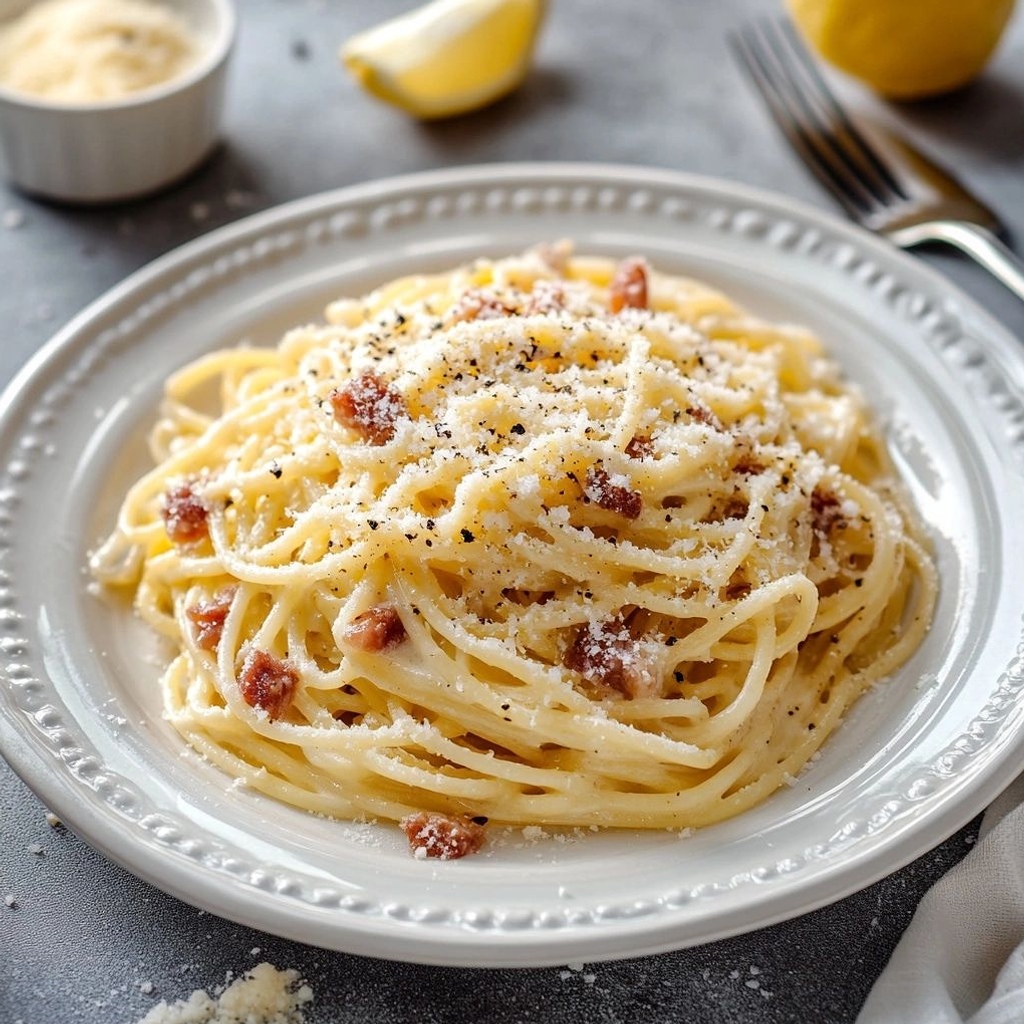
- Serve immediately with an extra sprinkle of finely grated Pecorino Romano and additional black pepper to taste, allowing guests to adjust the level of saltiness and pungency as desired; the dish should be creamy, glossy, and aromatic with the pork’s savoriness front and center.
Notes
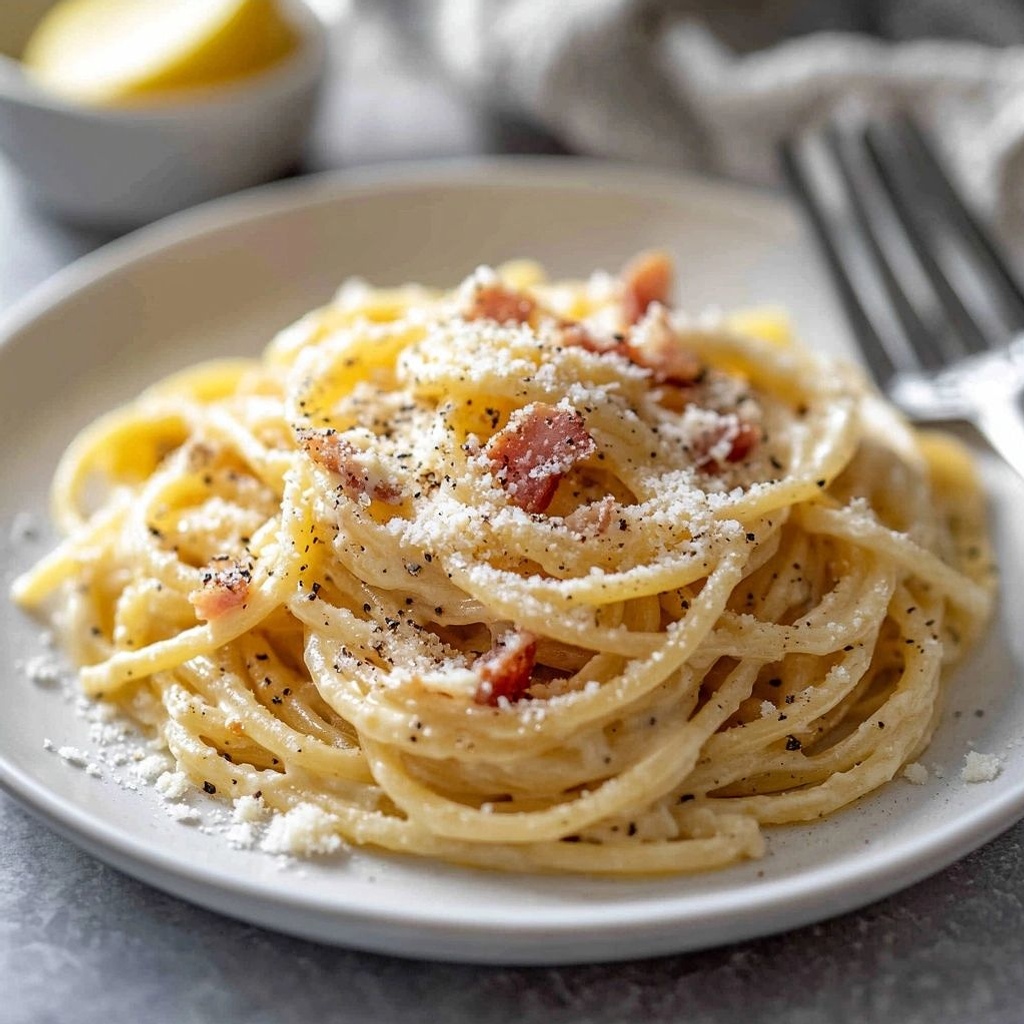
These classic Spaghetti alla Carbonara are a traditional Italian dish that relies on simple ingredients—pasta, guanciale or pancetta, eggs, Pecorino Romano, and pepper—to create a luxuriously creamy sauce without cream. The key is timing and temperature control: the hot, drained pasta should be tossed with the warm fat and eggs off the heat to form a silky emulsion. You can customize by using pancetta if guanciale isn’t available, or adjust cheese to taste, but avoid overworking the sauce to prevent scrambling.
Tips for success:
– Reserve pasta water before draining: the starchy water helps loosen the sauce and achieve a glossy texture. Start with 1 tablespoon and add more as needed, off the heat.
– Temperature control is critical: whisk eggs at room temperature and combine with hot pasta off the heat. If the pan is too hot, the eggs will scramble; remove from heat and add the sauce slowly while tossing vigorously.
– Rendered fat matters: cook the guanciale or pancetta slowly to render fat and crisp edges without burning. The fat is the flavor backbone of the dish.
– Cheese freshness: finely grate Pecorino Romano just before mixing to maximize aroma. A traditional carbonara uses Pecorino; you can mix with a small amount of Parmesan if you prefer a milder bite.
– Pepper philosophy: grind fresh black pepper generously; it adds essential heat and aroma that balance the richness.
– Garlic is optional: authentic carbonara typically omits garlic to keep the pork flavor forward. If using, add briefly to the rendered fat and remove before combining with the pasta.
These gluten-free notes: If you need a gluten-free version, substitute spaghetti with a gluten-free pasta of your choosing. Ensure any cured meat is gluten-free and read labels on cheese and seasonings to avoid hidden gluten. Always taste and adjust salt at the end, since cheese and cured meat contribute most of the dish’s saltiness.
Serving ideas: serve immediately with a final light grating of Pecorino and a generous crack of black pepper. For a richer experience, finish with a small amount of extra-virgin olive oil or a touch of the reserved emulsion, and pair with a crisp white wine like Frascati or Verdicchio.
Tips
- Have all ingredients prepped and ready before you start: render the guanciale first, beat the eggs, and grate the Pecorino Romano. Carbonara comes together quickly once the pasta is hot, so organization is key.
- Use a large pan for rendering the guanciale to avoid crowding; a little bit of fat goes a long way in coating the pasta smoothly.
- Keep the heat gentle when rendering the guanciale and when combining the eggs with the hot pasta to prevent browning or scrambling. The goal is a creamy, glossy sauce, not scrambled eggs.
- Temper the eggs by slowly whisking in a small amount of hot pasta water before adding to the pasta. This helps stabilize the mixture and prevents curdling.
- Grate Pecorino Romano finely right before using to maximize aroma and cheese-sauce integration. If using a mix of Pecorino and Parmesan, adjust the ratio to maintain traditional tang with a touch of creaminess.
- Reserve more pasta water than you think you’ll need. Start with 1 tablespoon at a time and emulsify until the sauce coats the spaghetti evenly. The starch helps emulsification and prevents a greasy finish.
- Toss the hot pasta with the guanciale and rendered fat off the heat before adding the egg mixture. This reduces the risk of scrambling and ensures a smooth, velvety sauce.
- Grind black pepper generously. Freshly ground pepper adds essential heat and aromatic oils that lift the sauce—don’t skimp here.
- Season the pasta water well enough so the pasta is salted to taste when it’s al dente; remember that cheese and cured meat contribute salt in the final dish.
- If you’re using garlic, sauté it briefly in the rendered fat and remove before adding pasta to preserve a subtle aroma without overpowering the pork flavor.
- Keep leftovers in a warm but not hot pan for a quick reheat. Carbonara sauce doesn’t reheat well; it’s best enjoyed fresh, but if needed, add a splash of hot pasta water to loosen and recool gradually while tossing.
- For a lighter version, use 2 yolks plus 2 whites and reduce the cheese slightly, or blend in a small amount of crème fraîche or Pecorino lightened with water—note that this deviates from the classic method.
- If your sauce looks too thick, swirl in more hot pasta water a teaspoon at a time until you reach a glossy, clingy texture that coats the spaghetti.
FAQ
What is Classic Spaghetti alla Carbonara?
A traditional Italian pasta dish from Rome made with spaghetti, guanciale (or pancetta), eggs, Pecorino Romano cheese, and black pepper. It uses a creamy emulsion from eggs and cheese, not cream.
What ingredients do I need for authentic Carbonara?
Spaghetti, guanciale (or pancetta as a substitute), eggs (usually whole eggs and/or yolks), Pecorino Romano cheese, freshly ground black pepper, and salt. Optional: a small amount of pasta water for emulsion.
Should I use cream in carbonara?
No. Traditional carbonara uses only eggs and cheese to create the sauce. Cream was popular in some non-traditional versions, but it isn’t authentic.
How do I avoid scrambling the eggs?
Temper the eggs by slowly whisking in a little hot pasta water, then add to the hot pasta off the heat or on very low heat while stirring quickly to form a silky sauce without curdling.
What cut of meat is best for carbonara?
Guanciale (cured pork cheek) is traditional and preferred for its flavor and fat. If unavailable, pancetta is the closest substitute.
Do I need to cook the eggs with the pasta?
No, you should remove the pan from heat and combine the hot, drained pasta with the egg-cheese mixture off the burners to prevent scrambling; the residual heat finishes cooking the eggs just enough.
How much cheese and pepper should I use?
Typically about 1 cup grated Pecorino Romano and a generous crack of black pepper per pound (450 g) of pasta. Adjust to taste, keeping in mind Pecorino is salty.
Can I use Parmesan instead of Pecorino?
Parmesan can be used, but it is milder. The classic flavor profile relies on Pecorino Romano, which is saltier and sharper. You can mix both if you like.
Should I add garlic or onions?
Traditional carbonara does not include garlic or onions. Any extra aromatics are optional and not part of the classic method.