Introduction / Hook
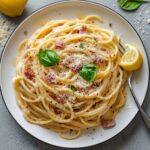
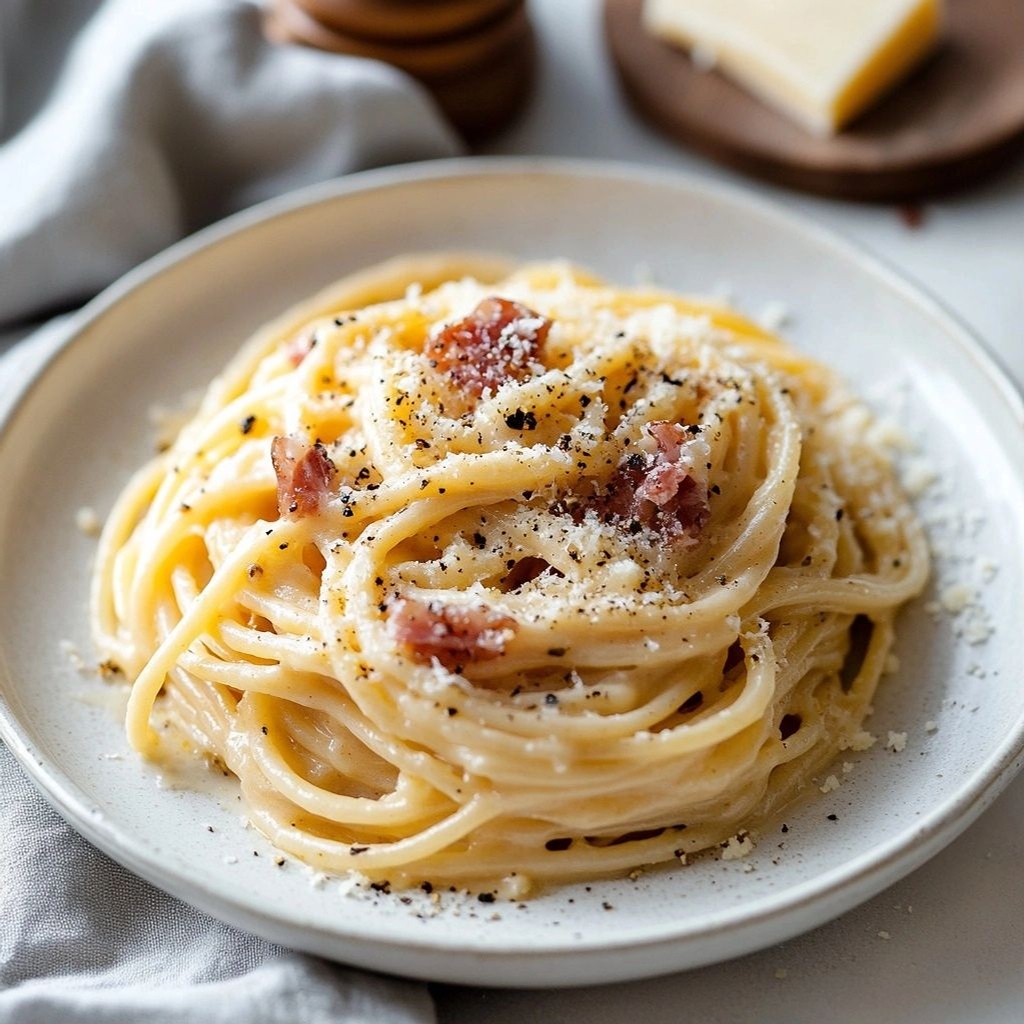
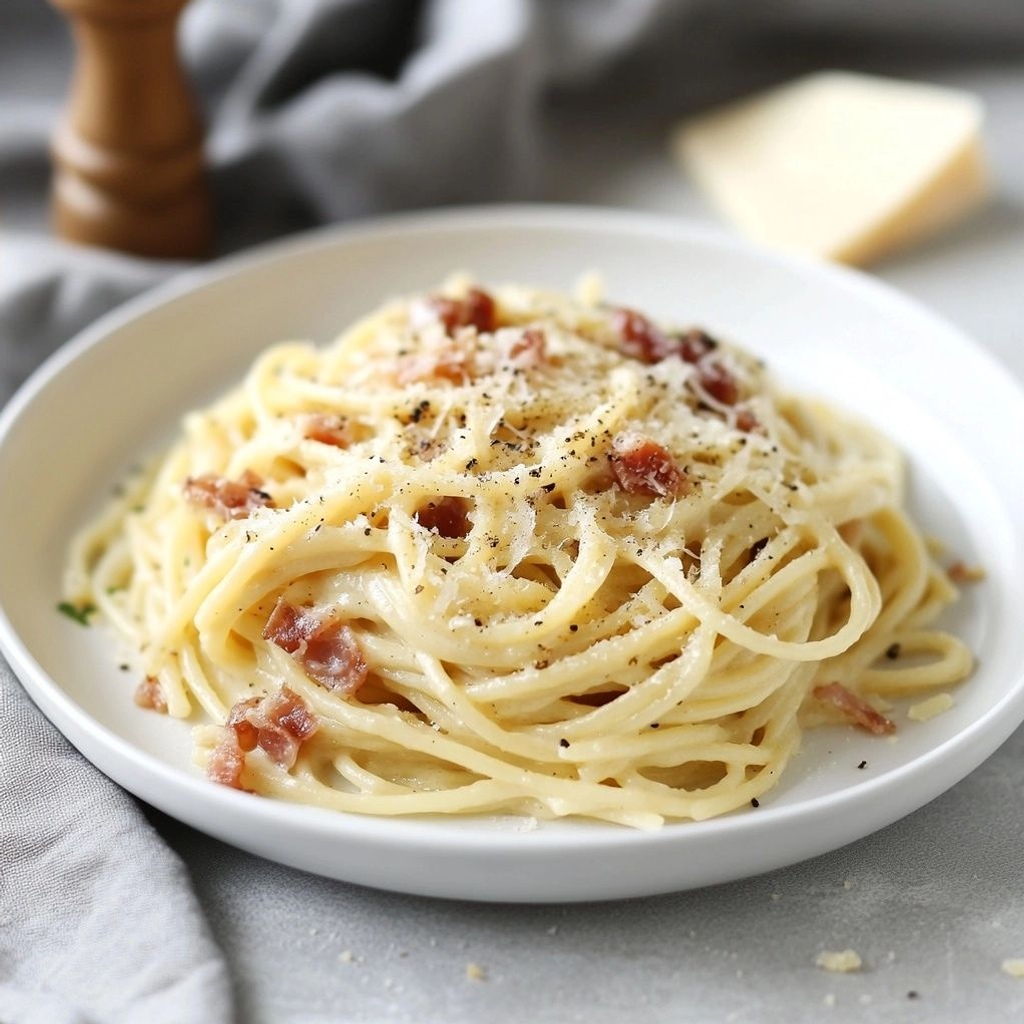
Imagine a plate that wrestles the essence of rustic Roman streets into a single, glossy strand of pasta. Spaghetti alla Carbonara, in its authentic classic form, is not a heavy-handed saucing affair but a whisper-quiet symphony of ingredients that come alive when treated with respect and restraint. Tonight, we invite you to travel to the heart of Italy with a dish that celebrates simplicity: egg, cheese, pepper, and guanciale (or pancetta) gracefully coating every long ribbon of pasta. The aroma as you lift the fork—pancetta fat rendering softly, pepper giving a warm kick, and the cheese creating a creamy, silky veil—will make the kitchen feel like a tiny trattoria in the middle of your home. There’s an almost magical moment when the hot pasta meets the glossy coating, and the sauce clings without being creamy in a dairy-drenched way. This is carbonara that honors tradition while inviting you to savor it tonight, without fuss, just pure, comforting Italian genius.
The Story Behind the Dish
Spaghetti alla Carbonara has a storied and somewhat debated lineage, wrapped in affection and regional pride. Its origins are often traced to Central Italy, with strong associations to Rome, where the dish is considered a quintessential Roman classic. Yet, the precise roots are elusive, and lore ranges from shepherds and coal workers to the postwar culinary scene that embraced borrowed ingredients like guanciale and pecorino with open arms. What remains constant is the reverence for a few high-quality components and a technique that respects their integrity. In Rome, carbonara is not a heavy, saucy spectacle; it’s a glossy couple of minutes of kitchen balance: heat from the pasta, the fat from the cured pork, and the emulsified cheese-egg mixture that creates satin-like cream without ever becoming scrambled or stodgy. The name itself conjures smoky, sunlit evenings spent in trattorias where families gather around steaming pots, trading stories as the sauce swirls. The dish has traveled a long way—widely loved, sometimes adapted, but at its heart it is a celebration of pantry essentials elevated through technique and timing.
There are many variations across households and regions, with debates about guanciale versus pancetta, Pecorino Romano versus Parmesan, and whether pepper should be a welcomed, peppery backbone or a subtle finishing note. Authentic carbonara, though, adheres to a few guiding principles: the use of guanciale, not bacon; the careful blending of raw eggs or yolks with cheese; a hot, starchy pasta water-assisted emulsion; and a quick, attentive cooking process that prevents curdling while delivering a silk sheen. The result is a dish that tastes both humble and luxurious—a reminder that some of the best meals come from a handful of ingredients treated with care and respect for tradition. When you cook this tonight, you’re not just making pasta; you’re reviving a narrative that has traveled through kitchens and generations, inviting you to become part of the ongoing story.
Why You’ll Love This Recipe
- Clarity and confidence: A straightforward technique that yields restaurant-worthy results at home.
- Pure, comforting flavors: The saltiness of cured pork, the sharp bite of Pecorino, and the creamy, cohesive sauce that clings to each strand.
- Ingredient-driven magic: High-quality guanciale or pancetta, fresh eggs, and aged cheese do most of the work; no heavy cream required.
- Speed and simplicity: A dinner plan that comes together in roughly 20 minutes, perfect for busy weeknights or a special weekend treat.
- Versatile and adaptable: You can adjust intensity, salt, and cheese to suit your taste or dietary needs without losing character.
- Texture mastery: The technique yields a glossy, almost satin-like sauce that coats every noodle and stays cohesive as you serve it.
- Tradition with a personal touch: An inviting way to engage with a classic dish while making it your own—without sacrificing authenticity.
Flavor Profile & Texture
Carbonara is a study in balance. The pork provides a savory, slightly chewy bite and a rich, comforting fat that deepens the overall flavor. When guanciale is used, there’s a nuanced porkiness and a touch of sweetness from the rendered fat. Pancetta offers a similar decadence with a different fat-melt character, but both should deliver crisp edges and a soft interior that contribute to contrast in texture. The egg-cheese emulsion creates a luxurious, custardy coating that fuses with the starch released from the pasta, forming a silky sauce that’s neither heavy nor thin. The cheese, typically Pecorino Romano for a brassy tang and bite, plus a hint of Parmigiano-Reggiano for depth, introduces a saltiness and a savory sharpness that anchors the dish. Pepper—a generous crack—brings warmth and a faint peppery zing that punctuates the finish, echoing through the aroma as you twirl the pasta. The overall experience is a dance of textures: a crisp, salty bite from the pork, a creamy, glossy mouthfeel from the emulsion, and the tender chew of spaghetti that holds onto every morsel of sauce. The result is a dish that feels luxurious in its simplicity, memorable in its aroma, and timeless in its appeal.
Occasions & Pairings
This carbonara shines in multiple moments, from weeknight dinners that deserve a special touch to gatherings where you want a confident, crowd-pleasing plate. It’s elegantly simple for a date night, hearty enough for a family meal, and refined enough to serve to guests who expect a touch of classic Italian cooking. Pair it with a light, fresh accompaniment to keep the meal balanced, especially if you’re indulging in a decadently rich sauce. Consider these ideas:
- Wine pairings: A crisp white such as Verdicchio, Frascati, or a young Pinot Grigio can cut through the richness without overpowering the flavors. For red wine lovers, a light-bodied Chianti or a Sangiovese with moderate acidity works nicely.
- Side dishes: A simple green salad with lemon vinaigrette, roasted asparagus, or sautéed broccoli rabe provide brightness and contrast. A crusty loaf of bread is perfect for mopping up any leftover sauce.
- Drinks and desserts: A sparkling aperitif like Prosecco or Aperol Spritz opens the appetite, while a light citrusy dessert such as lemon sorbet or a ricotta-based tiramisu complements the meal without weighing you down.
- Occasions: Ideal for date night, family dinners, holiday menus, or a spontaneous treat when the craving for an authentic Italian plate strikes.
Tips, Variations & Substitutions
Authentic carbonara demands technique more than complexity. Here are practical ways to tailor the dish while keeping its soul intact:
- Guanciale vs. pancetta: Guanciale is the traditional choice, delivering a richer pork flavor and a crisp edge. If unavailable, pancetta is a close second. Avoid bacon, which can introduce smokiness and sweetness that doesn’t align with authentic carbonara.
- Eggs: Use a combination of whole eggs and yolks for a fuller, creamier texture, or rely on yolks for a richer sauce. For a lighter version, some cooks use just eggs, but the true texture shines with a balanced yolk-to-egg ratio.
- Cheese: Pecorino Romano provides the signature tang; Parmigiano-Reggiano adds depth. A 1:1 mix is common, but you can adjust to taste. If you’re dairy-free or need a substitution, nutritional yeast with a splash of miso can mimic some saltiness, though it will alter the flavor profile.
- Milk-free or dairy-free: A traditional carbonara is dairy-rich, but you can experiment with a splash of almond milk or cashew cream to aid emulsification if needed. Expect a different mouthfeel and flavor.
- Texture control: The key to a glossy sauce is timing. Remove the pan from direct heat before whisking in the egg-cheese mixture, then add reserved pasta water gradually to emulsify. The sauce should cling to the noodles, not slide off or turn runny.
- Spice and pepper: Freshly cracked black pepper is essential. Some regions enjoy a light dusting of white pepper or a touch of chili for heat, but keep it moderate to preserve the classic balance.
- Make-ahead note: Carbonara is best enjoyed freshly made, as the emulsion can separate if reheated. If needed, keep each component separate (pork, cheese, eggs) and combine with hot pasta off the heat just before serving.
- Gluten-free option: Use gluten-free spaghetti that withstands emulsification and retains structure. The technique remains the same; check the package directions for cooking times.
- Vegan adaptation: Use plant-based bacon or mushrooms for a savory bite, plus a dairy-free cheese substitute and a combination of silken tofu with miso to mimic the creamy texture. Expect a distinct flavor profile from traditional carbonara.
Storage & Make-Ahead Ideas
Traditional carbonara is best enjoyed immediately after cooking to maintain its luscious emulsion. However, life happens, and you may wish to plan ahead or store leftovers for later. Here are practical guidelines:
- Leftovers: Store any leftover pasta in an airtight container in the refrigerator for up to 1 day. Reheating is best done gently—warm in a pan over low heat with a splash of hot pasta water to help re-emulsify, then toss with a quick whisk to restore sheen. Do not microwave, as it can separate the sauce.
- Make-ahead strategy: Prepare the guanciale/pancetta and the cheese-egg mixture separately. Cook the pasta fresh, rewarm the meat, and then combine with the egg-cheese emulsion off the heat, adding pasta water as needed to achieve the glossy texture.
- Storage for the finished dish: If you plan to store, drizzle a tiny amount of olive oil or water to reduce stickiness before refrigerating. Reheat gently and finish with a bit of grated cheese to refresh the aroma.
Fun Facts & Trivia (Optional)
Delight in little-known tidbits that illuminate carbonara’s charm. Some points to ponder as you plate:
- Guanciale is cured pork jowl or cheek, prized for its delicate fat and rich flavor. It melts beautifully and contributes the essential savoriness that anchors the sauce.
- The name carbonara likely reflects coal miners’ meals in Italy, though this origin story remains a charming legend rather than a proven fact. The “carbon” in carbonara evokes smoke, heat, and the robust character of the dish.
- Authentic carbonara relies on emulsification rather than heavy dairy cream. The creamy texture comes from a careful blend of egg yolks, cheese, and hot pasta water, which binds to the starch and fat to create a luxurious sauce without turning into a custard.
- Regional variations abound, but in Rome, the dish is celebrated for its simplicity and use of high-quality ingredients rather than multiple components. Each element has a voice, and together they compose a harmonious chorus at the table.
Closing Thoughts
Tonight, as you stand at the stove, you are not merely preparing a meal—you are reviving a moment in culinary history. Authentic Classic Spaghetti alla Carbonara Tonight invites you to slow down, savor each step, and honor the craft of balance. It’s a dish that rewards precision and restraint: a thoughtful handful of ingredients transformed by technique into something greater than the sum of its parts. When you serve it, you invite others to taste the confidence of a traditional method, the thrill of a glossy, pepper-kissed sauce, and the comforting warmth of a family-style supper. May every twirl of spaghetti, every bite, remind you that the simplest ingredients—egg, cheese, pork, and pepper—can become a legendary meal when treated with care, patience, and a love of true Italian cooking. Enjoy the moment, share the aroma, and let the classic elegance of carbonara light up your table tonight.
Ingredients
- Pasta & Pantry
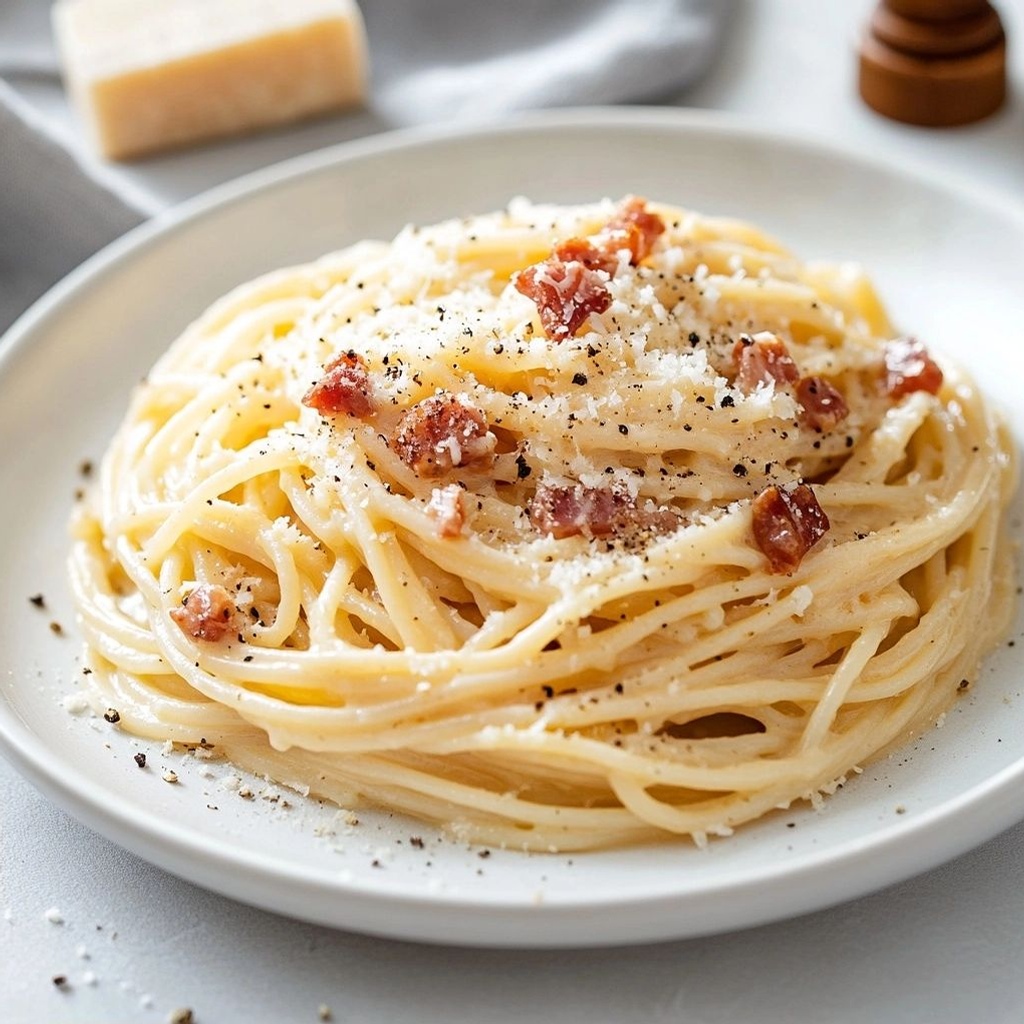
→ Spaghetti is traditional for classic carbonara and provides the perfect, twirler-friendly strands that cling to the savory sauce. Use dry pasta, preferably 100% durum wheat, cooked to al dente so it holds structure when tossed with the hot sauce. Reserve about 1 cup of the starchy cooking water before draining to loosen the sauce if needed and to help emulsify with the cheese and rendered fat. - 400 g spaghetti (dry)
→ Choose dry spaghetti over fresh for better texture and sauce absorption. If you prefer a thinner noodle, linguine can work, but spaghetti is the traditional choice for carbonara. Break a portion if your pot is crowded to ensure even cooking and prevent sticking. - 150 g guanciale, diced (pancetta as substitute)
→ Guanciale provides the signature rich, porky flavor and crisp-edged fat that emulates the classic carbonara. If using pancetta, cut into small, uniform cubes so it renders evenly. Render slowly in a skillet over medium heat until fat is translucent and the edges are crisp for maximum savory fat to coat the pasta. - 4 large eggs (2 whole eggs + 2 yolks)
→ The eggs create the creamy, silky sauce without dairy. Use room-temperature eggs to help the mixture emulsify smoothly when tossed with hot pasta. Lightly whisk until well combined; reserve 1/2 cup of the hot pasta cooking water to adjust consistency if the sauce thickens too much. - 1 cup finely grated Pecorino Romano cheese (plus optional 1/4 cup Parmigiano-Reggiano)
→ Pecorino Romano provides the sharp, tangy bite essential to authentic carbonara. Freshly grate for the best aroma and melt. If you like a milder, creamier finish, fold in a small amount of Parmigiano-Reggiano, but keep the dominant pecorino flavor. Do not heat the cheese directly with the eggs; add off the heat to prevent scrambling. - Freshly ground black pepper, to taste
→ A generous, aromatic crack of pepper is crucial for the peppery kick carbonara is known for. Grind just before using to preserve volatile oils and maximize aroma. Adjust amount after tasting the final sauce to balance saltiness from the cheese and salt in the pasta water. - Salt, for the pasta water
→ Salt the boiling water generously to season the pasta from the inside as it cooks. A well-seasoned water helps build the base flavor; you typically need about 1–2 tablespoons of salt per gallon of water. Do not rely on salt later if the sauce is already salty from cheese and guanciale. - Reserved pasta cooking water (about 1 cup)
→ The starchy water is used to loosen the sauce and help emulsify the eggs, cheese, and rendered fat into a glossy, cohesive coating on the spaghetti. Add gradually, a splash at a time, until the sauce reaches your desired creamy consistency.
- Optional Add-ins
→ Optional enhancements that keep the dish true to its roots while allowing customization. Start with small amounts, then adjust to taste to preserve the classic balance of pork, cheese, and pepper. - Fresh parsley, chopped (for garnish, optional)
→ A little chopped parsley adds a touch of color and a fresh contrast to the rich sauce. Add just before serving to maintain bright green color and avoid wilting from the heat of the pasta. Not traditional but widely used in modern plating. - Crushed red pepper flakes (optional)
→ If you like a subtle heat, a pinch of red pepper flakes can be sprinkled into the hot pasta or mixed into the whisked eggs. Start with a small amount and increase gradually, tasting as you go to avoid overpowering the classic carbonara flavor. - Extra Parmigiano-Reggiano, grated (optional)
→ While Pecorino Romano is traditional, a light dusting of Parmigiano-Reggiano at the end can add a rounder, nuttier finish for those who prefer a slightly milder bite. Use sparingly to avoid muting the core pecorino tang.
Instructions
- Fill a large pot with water and bring it to a vigorous rolling boil, then generously salt it to create a well-seasoned base for the pasta; this ensures the spaghetti flavors permeate the strands from within as they cook and prevents sticking later on.
→ Well-salted water seasons the pasta from the inside and helps it cook evenly so the sauce can cling properly once drained. - Set a wide skillet over medium heat and render the guanciale slowly until the fat is translucent and the edges are crisp, then remove from heat to prevent burning; this renders the savory fat that will emulsify the sauce and contribute the signature porky savor.
→ Slow rendering draws out flavor and creates crisp morsels and fat that coat the pasta without overwhelming it with grease. - Whisk the 4 eggs (2 whole eggs plus 2 yolks) in a bowl until completely combined and slightly pale, then whisk in the finely grated Pecorino Romano with a pinch of black pepper to form a smooth, cohesive base; keep at room temperature to promote even emulsification with the hot pasta.
→ Room-temperature eggs emulsify more smoothly with cheese and fat, yielding a silkier sauce without scrambling. - Grate the Pecorino Romano finely just before using to maximize surface area and aroma, and keep extra Parmigiano-Reggiano on standby if you want a milder finish; fresh grating delivers a brighter, punchier tang that laminates into the sauce.
→ Freshly grated cheese melts quickly and contributes a vibrant flavor that dried pre-grated cheese cannot match. - Drop the spaghetti into the boiling water and cook until al dente according to package directions, then reserve about 1 cup of the starchy cooking water before you drain to provide the necessary emulsifying liquid for the sauce.
→ Al dente pasta retains structure and teeth, which helps the sauce cling and prevents a mushy texture after tossing. - Drain the pasta promptly, reserving the water, and shake it dry to remove excess surface moisture while preserving some starch on the surface to aid emulsification with the egg mixture.
→ A dry surface helps the hot pasta blend with the eggs and cheese without watering down the sauce. - Add the hot pasta directly to the guanciale skillet off the heat, then swirl to distribute the rendered fat evenly along the strands and prevent the eggs from scrambling when added later.
→ Off-heat mixing controls temperature, allowing the fat and starch to coat the noodles without cooking the eggs prematurely. - Pour the egg and Pecorino mixture over the pasta in a slow, steady ribbon while tossing vigorously with tongs, ensuring the sauce thickly coats each strand; maintain a gentle motion to create a glossy emulsion rather than a curdled scramble.
→ Continuous tossing while adding the sauce builds a smooth, creamy coating by emulsifying fat, cheese, and eggs with the pasta’s heat. - If the sauce seems too thick, add small splashes of the reserved hot pasta water, a little at a time, until you reach a silky, clingy consistency that clings to each noodle without pooling; this helps control texture and flavor balance.
→ The starchy water loosens and binds the sauce, creating a cohesive, creamy veil rather than a heavy clump. - Return the pan to the lowest possible warmth just to keep everything warm, but avoid direct heat that could scramble the eggs; the residual heat finishes binding the sauce with the cheese.
→ Gentle heat ensures a stable emulsion and prevents texture separation or scrambling. - Season generously with freshly ground black pepper to build the signature peppery bite, tasting and adjusting salt only after the pasta has absorbed some saltiness from the guanciale and cheese; add sparingly to avoid oversalting.
→ Fresh pepper oils release aroma when ground, intensifying the dish’s aroma and balance. - Plate immediately, optionally dust with extra Parmigiano-Reggiano and a light scatter of chopped fresh parsley for color and a fresh aroma; serve while hot to preserve the creamy texture and bright finish.
→ Fresh garnish adds color and a final aromatic lift without overpowering the core carbonara flavor.
Notes
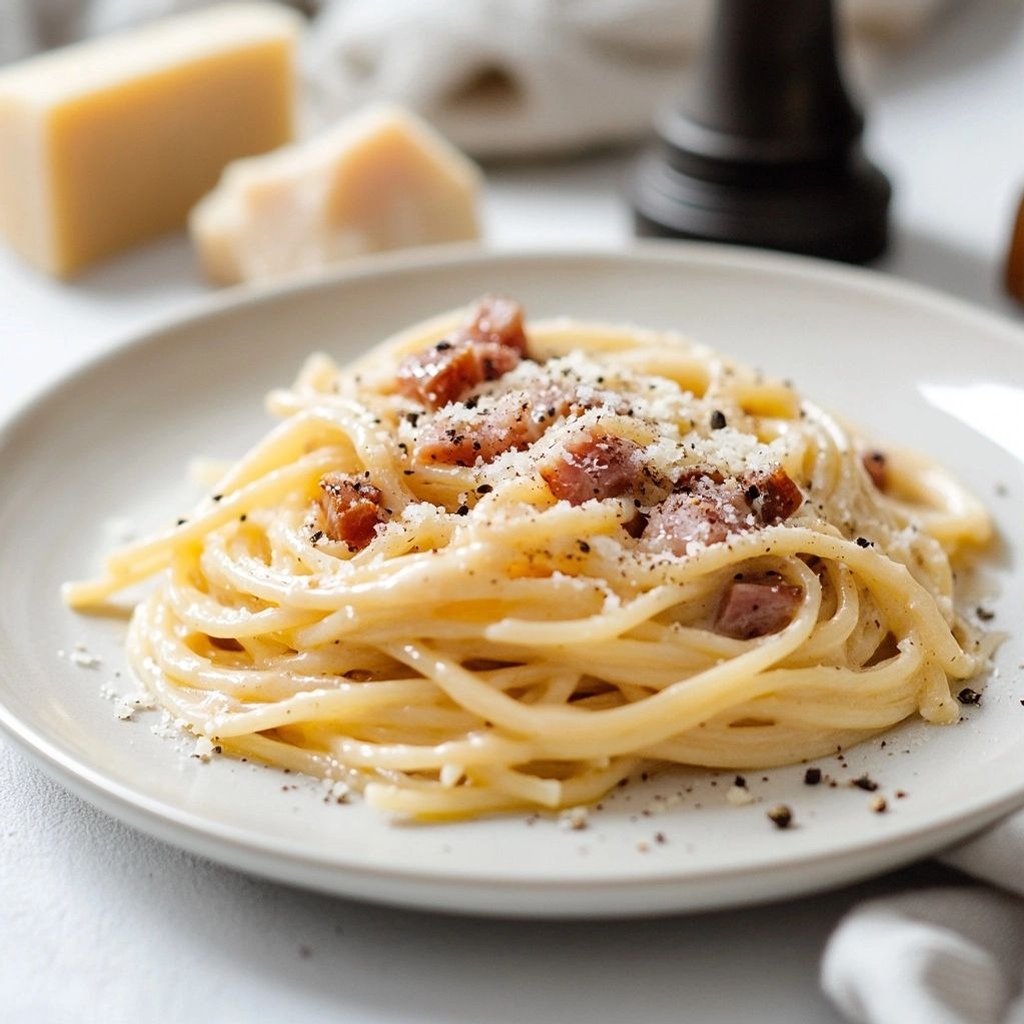
“These authentic classic spaghetti alla carbonara are a celebration of simple ingredients—pork fat, starchy pasta, eggs, and sharp cheese—combined into a silky, glossy sauce without cream.”
“Choose dry spaghetti (100% durum wheat if possible) and cook it to al dente, so it holds its structure when tossed with the hot sauce. Reserve about 1 cup of the starchy cooking water before draining to loosen the sauce if needed and to help emulsify with the cheese and rendered fat.”
“Guanciale is preferred for the signature porky flavor and crisp-edged fat; if you must substitute pancetta, cut it into small, uniform cubes so it renders evenly. Render gently in a skillet over medium heat until translucent and crisp at the edges for maximum savory fat to coat the pasta.”
“The eggs create the creamy, silky sauce without dairy. Use room-temperature eggs and lightly whisk until well combined; reserve 1/2 cup of the hot pasta cooking water to adjust the sauce if it thickens too much.”
“Pecorino Romano provides the sharp, tangy bite essential to authentic carbonara. Freshly grate for the best aroma and melt. If you prefer a milder finish, fold in a small amount of Parmigiano-Reggiano, but keep the dominant pecorino flavor. Do not heat the cheese directly with the eggs; add off the heat to prevent scrambling.”
“A generous crack of freshly ground black pepper is crucial for the peppery kick. Grind just before using to preserve aroma, and adjust after tasting to balance saltiness from the cheese and the pasta water.”
“Salt the pasta water generously to season the pasta from the inside as it cooks; about 1–2 tablespoons of salt per gallon of water. Don’t rely on salt later if the sauce is already salty from cheese and pork.”
“The reserved pasta water is used to loosen and emulsify the sauce into a glossy coating on the spaghetti. Add gradually, a splash at a time, until you reach your desired creamy consistency.”
“Optional add-ins let you tailor the dish while staying true to its roots. Start with small amounts and taste as you go to preserve the balance of pork, cheese, and pepper.”
“Fresh parsley, chopped, can brighten the dish as a garnish; add just before serving to keep the color vibrant and avoid wilting from the heat.”
“If you like a touch of heat, a pinch of crushed red pepper flakes can be added to the hot pasta or whisked into the eggs. Begin with a little and increase gradually to taste.”
“A light dusting of Parmigiano-Reggiano at the end can round out the flavor for those who prefer a milder bite, but use sparingly to avoid overpowering the traditional pecorino tang.”
Tips
Chef’s Tips for Perfect Spaghetti alla Carbonara
- Cook the spaghetti in well-salted water until just al dente. Reserve about 1 cup of the starchy pasta water before draining to help emulsify and loosen the sauce later. If the sauce thickens too much, splash in more hot water a little at a time.
- Use 100% dry durum wheat spaghetti for best bite and sauce absorption. If you must substitute, keep it to a long thin noodle like linguine, but know it will not be traditional.
- Render guanciale slowly over medium heat to melt fat gently and crisp the edges without burning. The rendered fat is a key component of the sauce—don’t rush this step.
- Whisk room-temperature eggs (2 whole eggs + 2 yolks) until smooth and pale. This helps the mixture emulsify smoothly with the hot pasta and guanciale fat; cold eggs can seize and scramble more easily.
- Grate pecorino Romano fresh just before using for the most vibrant aroma and sharp tang. If you prefer a milder finish, fold in a small amount of Parmigiano-Reggiano, but avoid heating the cheese with the eggs to prevent scrambling.
- Keep the sauce off the direct heat when adding the eggs and cheese. Toss the hot pasta with the egg mixture quickly off the flame so the residual heat gently cooks the eggs without curdling.
- Season the pasta water generously with salt; it flavors the pasta from the inside. Remember that cheese and guanciale will add salt later, so taste before final adjustments.
- Use the reserved pasta water gradually to achieve a glossy, cohesive sauce. Add a small splash at a time and emulsify with the cheese and rendered fat until the desired creaminess is reached.
- Keep cracked black pepper fresh. Grind just before use to maximize aroma; peppery heat should balance but not overwhelm the cheese and pork flavors.
- Optional add-ins should be used sparingly. Fresh parsley adds color, crushed red pepper provides a gentle kick, and extra Parmigiano-Reggiano should be used to taste without overpowering the traditional pecorino bite.
- Plate promptly after tossing. Carbonara is best served immediately while the sauce is silky and coats the spaghetti; the sauce can seize or thicken as it cools.
FAQ
What is the traditional sauce for Spaghetti alla Carbonara?
The traditional sauce is made with eggs, hard cheese (Pecorino Romano and/or Parmesan), guanciale (or pancetta as a substitute), black pepper, and hot pasta water to emulsify without using cream.
Which pasta shape is best for Carbonara?
Spaghetti is classic, but guanciale pairs well with rigatoni, bucatini, or fettuccine. Choose a long, sturdy pasta that holds the sauce well.
Can I use pancetta if I can’t find guanciale?
Yes. Pancetta is a common substitute, but it has a different fat content and flavor. Use a bit less fat and render slowly for best results.
Is it authentic to use cream in Carbonara?
No. Traditional Carbonara does not include cream. Cream alters the texture and flavor; the creaminess should come from eggs, cheese, and the emulsion with pasta water.
How do I prevent the eggs from scrambling?
Remove the pan from heat before adding the egg mixture, whisk quickly to form a glossy emulsion, and add hot pasta water gradually. The heat from the pasta gently cooks the eggs.
What type of cheese should I use?
Use Pecorino Romano for a sharper bite, or a mix with Parmesan for a milder, nuttier flavor. Freshly grated cheese yields the best texture and taste.
How much pepper should I use?
Generous freshly ground black pepper is key. Carbonara is pepper-forward, so season to taste, but aim for a noticeable peppery aroma and bite.
Should the eggs be whole eggs or just yolks?
Traditional recipes use a combination of egg yolks and whole eggs (often extra yolks for richness). A common ratio is 2 egg yolks to 1 whole egg per person, but adjust to your preferred richness.
What is the right cooking order for maximum creaminess?
Cook guanciale until crisp and fat is rendered, remove from heat, toss hot, drained pasta with a portion of the rendered fat, then add the egg-cheese mixture off the heat and whisk vigorously to emulsify.
How can I finish and serve Carbonara?
Serve immediately for best texture. Finish with a light shower of cheese and cracked pepper. Reserve a splash of pasta water to adjust the sauce if needed.