Introduction / Hook
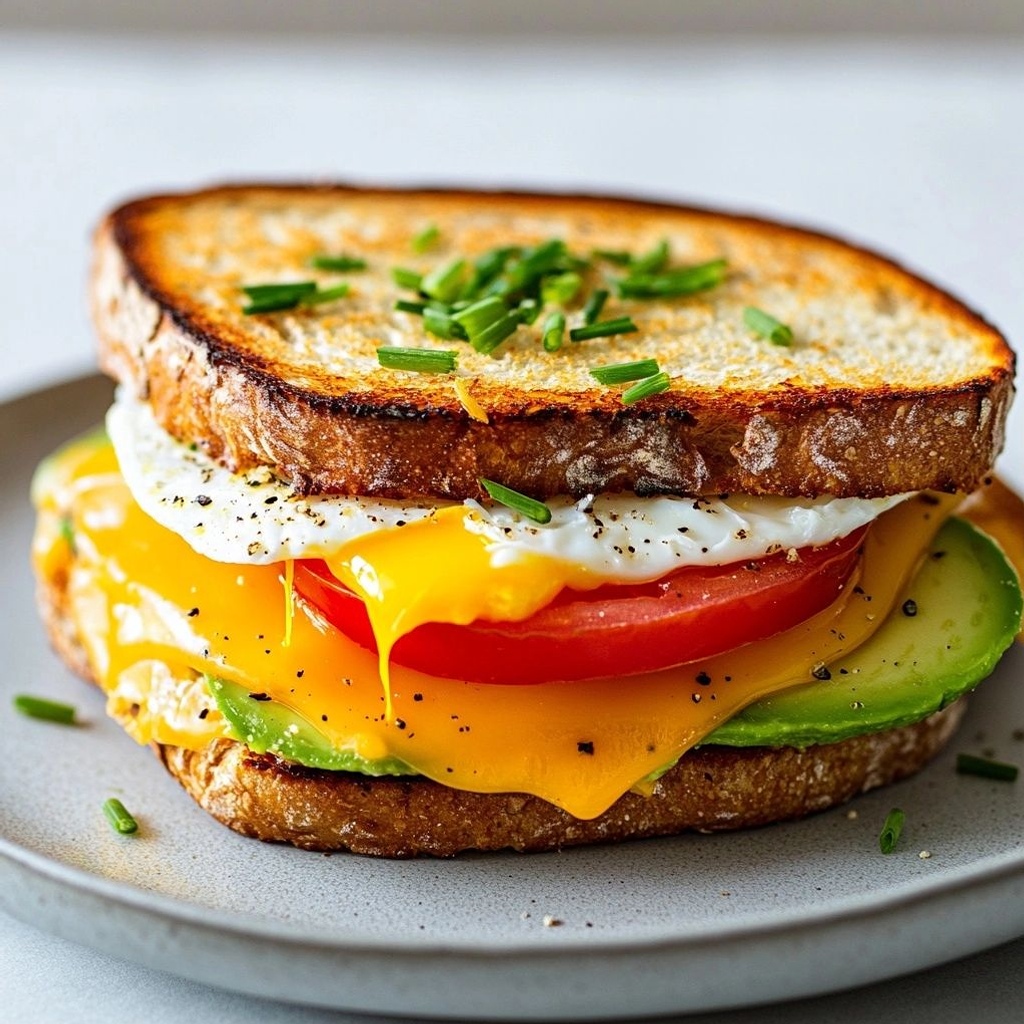
Imagine a lunch that comes together in minutes, yet feels like a small, comforting ceremony—a warm, toasty egg sandwich that turns a busy afternoon into a moment of simple satisfaction. The Easy Egg Sandwich for a quick lunch is not just a fallback meal; it’s a tiny ritual you can rely on when the clock is against you and your hunger is waving a red flag. The aroma of sizzling eggs, the soft embrace of pillowy bread, and a whisper of butter or mayo—these are the signals that a perfect midday bite is within reach. This sandwich is for those who value efficiency without sacrificing flavor, for the home cook who wants a fast, dependable option that still feels homemade and special. It’s versatile enough to become your go-to weekday staple, yet cozy enough to feel like a weekend treat. You’ll be surprised how a few simple ingredients, handled with a gentle touch, can deliver a mouthful of comfort that’s both satisfying and bright.
The Story Behind the Dish
Egg sandwiches have quietly traveled the world, evolving with regional tastes and pantry staples. From classic American diner breakfasts to street stalls in bustling cities, the humble egg between bread has proven its resilience as a universal comfort food. This particular rendition of an Easy Egg Sandwich is born from the idea that speed and heartiness can coexist. In many households, the egg becomes a blank canvas—fried, scrambled, or steamed—adapting to what you have on hand and what you crave in the moment. The quick lunch version often traces its origins to busy mornings that refused to sacrifice nutrition: a way to repurpose breakfast eggs into a midday meal that feels like a hug rather than a hurried bite. The beauty of this dish lies in its adaptability. It invites you to customize with herbs, sauces, and textures that reflect your culture, your pantry, and your mood. Whether you grew up with a dollop of mayonnaise and a sprinkle of chives or you prefer a punchy Dijon and a smear of avocado, this sandwich welcomes your personal touch while delivering a familiar, comforting core: eggs, bread, and a kiss of flavor.
Why You’ll Love This Recipe
- Speed: Ready in minutes, perfect for quick lunch breaks, armed with zero-fuss techniques that still yield great flavor.
- Versatility: Swap in your favorite bread, add cheese, or fold in herbs to tailor the sandwich to your taste.
- Comforting & Satisfying: The combination of warm eggs and soft bread delivers a satisfying bite that nourishes both body and spirit.
- Budget-Friendly: Simple ingredients that won’t break the bank, with room for smart substitutions.
- Kid-Approved: A gentle, familiar flavor profile that appeals to picky eaters while still feeling thoughtful.
- Make-Ahead Potential: Excellent for meal planning—you can prep elements ahead and assemble in seconds.
- Texture Play: The contrast between fluffy egg, creamy spread (if you choose), and a lightly toasted bread adds dimension to every bite.
Flavor Profile & Texture
This sandwich shines because of balance. The eggs offer a delicate richness, whether you choose them softly scrambled, lightly fried, or gently beaten with a touch of milk for a custardy bite. The bread—be it a sturdy whole-grain, a squishy sandwich loaf, or a crusty roll—provides a comforting vehicle that soaks up the egg’s warmth. A thin layer of butter or a dab of mayo adds creaminess and a subtle, indulgent sheen. If you’re feeling adventurous, a whisper of cheese melts into the egg for a gooey, savory note that deepens the overall flavor without overpowering the egg’s natural sweetness. Salt and pepper lift the egg’s flavor, while any added ingredients—like fresh herbs, a dash of hot sauce, or a tangy pickle—bring brightness and an agreeable zing. The texture is key: a crisp, lightly toasted exterior gives way to a pillowy interior; the egg remains tender and juicy, never dry. The result is a comforting, balanced bite that feels homey yet a little luxe for a weekday lunch.
Texture Notes by Component
- Egg: Softly scrambled or sunnily fried, with just enough moisture to stay tender.
- Spread: Butter, mayonnaise, or a light yogurt-based spread adds creaminess and helps meld flavors.
- Extras: Cheese, herbs, or pickles contribute contrasting textures and a pop of brightness.
Occasions & Pairings
This quick lunch shines in a variety of settings. It’s ideal for busy workdays when you need something wholesome and fast. It also fits neatly into a relaxed weekend brunch, a post-workout meal, or a casual picnic when you want something portable yet comforting. For a more gourmet touch, pair the sandwich with a crisp salad or a bowl of soup, turning a simple lunch into a satisfying mini-meal. Drink choices can mirror the mood—sparkling water with lemon for refreshment, a light beer for a casual vibe, or a glass of cold-pressed juice for a vibrant lift. If you want a complete pairing menu, consider these ideas:
- Side dishes: a simple green salad, carrot sticks with hummus, or a cup of tomato soup.
- Drinks: lemon-infused water, iced tea, or a small smoothie bowl for a nourishing duo.
- Dessert: sliced fruit, yogurt with honey, or a small maple-copied cookie to finish on a comforting note.
Tips, Variations & Substitutions
Here are practical ways to personalize and broaden the appeal of this Easy Egg Sandwich:
- Protein Boost: Add a slice of turkey, ham, or crispy bacon for a more substantial lunch.
- Cheese Variations: Cheddar, Swiss, provolone, or feta crumbles bring different melty or tangy experiences.
- Herbs & Freshness: Chives, parsley, dill, or cilantro brighten the egg with a fresh aroma.
- Spice & Heat: A tiny pinch of paprika, cayenne, or hot sauce can wake up the flavors.
- Vegetarian & Vegan Options: Replace eggs with scrambled tofu or chickpea “egg” patties; use vegan mayo and a plant-based cheese to keep it vegan-friendly.
- Gluten-Free: Use gluten-free bread or even baked potato halves for a de-constructed, gluten-free alternative.
- Low-Carb Twist: Skip the bread and serve the egg mixture on lettuce wraps or a cucumber boat for a light, low-carb version.
- Regional Twists: Add kimchi for a Korean-inspired kick, or swap mayo for a tangy yogurt-caper spread for a Mediterranean touch.
Storage & Make-Ahead Ideas
This sandwich is forgiving and unfussy when it comes to storage. You can prep elements ahead and assemble quickly when you’re ready to eat. A few practical ideas to keep in mind:
- Make-Ahead Eggs: Cook the eggs ahead of time (scrambled, lightly fried, or as an omelet) and refrigerate in an airtight container. Reheat gently in a skillet or microwave with a splash of water to retain moisture.
- Prepped Bread: Keep toasted or untoasted bread ready. If you know you’ll make the sandwich soon, you can pre-toast the bread and store in a sealed bag to maintain freshness.
- Spread & Flavor Boosts: Prepare spreads (mayonnaise, yogurt-based spread, or herb butter) in advance and refrigerate in airtight containers. Fresh herbs can be chopped and stored in a little water in the fridge to maintain their brightness.
- Reheating Tips: If the bread has softened, gently toast it again to regain a crisp, comforting exterior. Warm the eggs to a pleasant temperature—hot but not piping hot—to avoid any rubbery texture.
- Freezing Considerations: Freezing assembled sandwiches is not ideal due to texture changes in the bread and egg. It’s better to freeze components separately (eggs and bread) if you need to preserve longer-term.
Fun Facts & Trivia (Optional)
Eggs have been a staple across cultures for centuries, valued not only for their versatility but also as a symbol of nourishment and renewal. The egg’s ability to transform from a simple protein to a luscious filling has inspired countless variations—from the classic French omelette to the quick, comforting egg sandwich you’re about to prepare. In certain cuisines, the combination of egg with a tangy spread or a touch of heat becomes a signature dish, reflecting regional preferences—from the spice-forward flavors of Latin American kitchens to the herb-forward brightness of Mediterranean cooking. Tiny but mighty, the egg is a culinary chameleon that thrives in the simplest of formulations and the boldest of flavor experiments. The quick lunch version you’re about to make celebrates that spirit: uncomplicated, flexible, and deeply satisfying, no matter where you are or what time of day it is. A quick egg sandwich is more than a sandwich; it’s an edible reminder that good things can come together in a heartbeat when you know how to balance a few dependable ingredients with a dash of creativity.
Closing Thoughts & Call to Action
With the Easy Egg Sandwich for a quick lunch, you have a tool in your culinary toolbox: a flexible, reliable, flavorful option that respects your time while still delivering comfort and taste. It’s the kind of recipe that earns its place in your routine because it is forgiving, scalable, and endlessly adaptable. As you explore variations and substitutions, you’ll discover your own signature version—one that reflects your tastes, your pantry, and your day-to-day rhythm. So next time the clock is racing and lunch needs to happen now, reach for the eggs, the bread, and a few smart add-ons. Toast, fold, and season to your heart’s content, and let the simple joy of a well-made egg sandwich carry you through the afternoon with ease. Enjoy the ritual, savor the aroma, and embrace the tiny victory of a lunch that tastes both effortless and thoughtfully crafted.
Ingredients
-
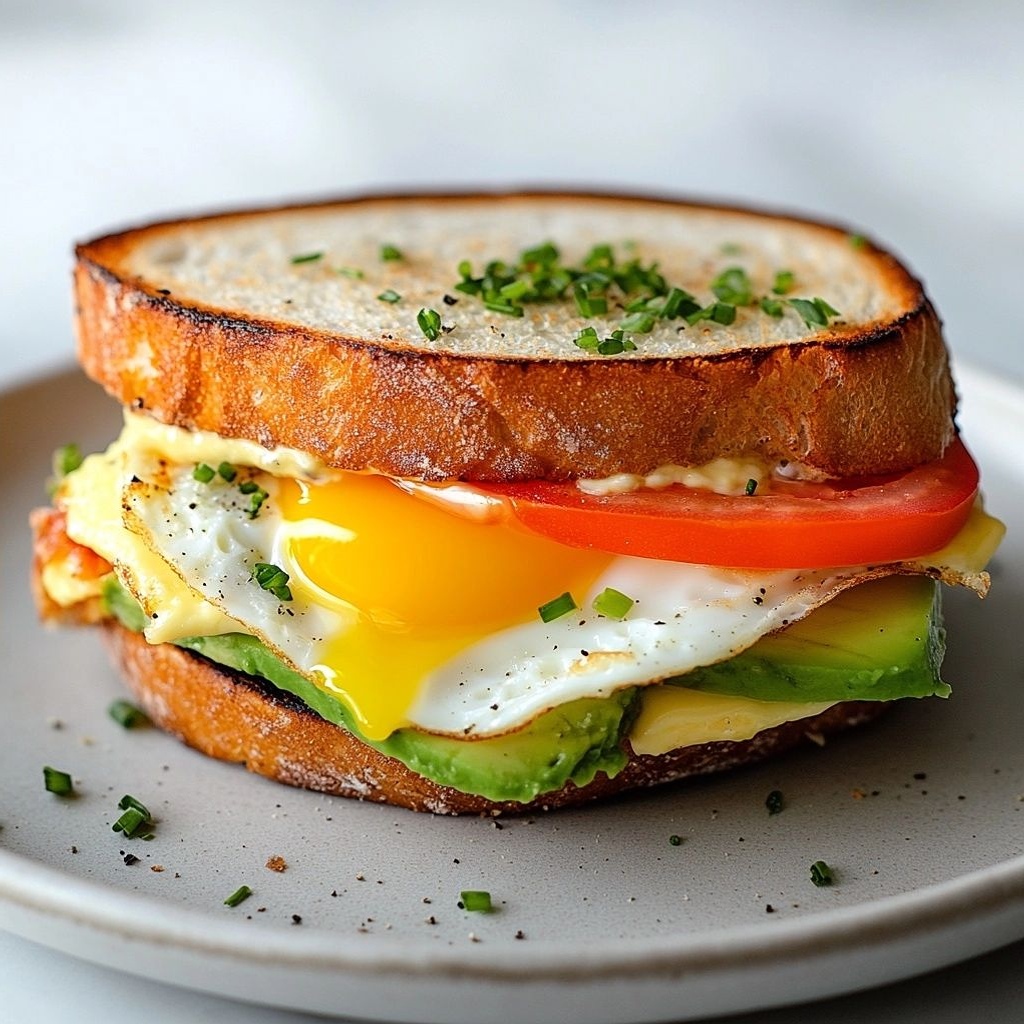
– 2 large eggs, beaten and cooked into a soft scramble
→ Eggs provide the main protein and structure for the sandwich. Beating them lightly with a splash of milk or water and cooking on medium-low heat yields a tender, creamy scramble that stays cohesive when sandwiched. For best results, remove from heat just as they set to a slightly undercooked center to avoid dry texture.
– 1 tablespoon milk or cream
→ Adds moisture and lightness to the eggs, helping them fluff without becoming rubbery. Use cold milk or cream, whisk well before cooking to ensure even texture. If avoiding dairy, a small splash of water works too.
– 1 tablespoon butter or oil for cooking
→ Fat ensures eggs don’t stick to the pan and adds richness. Use butter for flavor or a neutral oil if you’re avoiding dairy. Cook eggs gently to keep them soft and glossy.
– 1/4 teaspoon salt
→ Seasoning at the eggs’ level enhances overall flavor and helps balance any toppings. Add salt gradually and taste before adding more, especially if the bread or cheese is salted.
– 1/8 teaspoon black pepper, freshly ground
→ Adds a mild kick and depth to the creamy eggs. Freshly cracked pepper offers brighter aroma; adjust to taste.
-
– 2 slices sturdy bread (such as whole grain, sourdough, or a tan loaf), toasted lightly
→ Toaster-toasted bread creates contrast with the tender egg filling and helps prevent sogginess. Choose a bread with good structure to hold the fillings without breaking apart.
– 1 tablespoon mayonnaise or yogurt-based spread
→ Provides moisture, fat, and a creamy barrier to keep the sandwich from getting soggy while adding a mild tang. If dairy-free, use a plant-based mayo or thick hummus as an alternative.
– 1 teaspoon Dijon mustard (optional)
→ Adds a subtle sharpness that cuts through the richness of eggs and cheese. Use sparingly if you’re sensitive to heat or prefer milder flavors.
-
– 1 slice cheddar cheese or cheese of choice, about 1/8 inch thick
→ Cheese melts over the warm eggs, providing creamy, savory richness and acts as a glue to keep the layers together. Choose a melt-friendly cheese for a smoother bite.
– 2-3 tomato slices or 1/2 ripe avocado, sliced
→ Tomatoes add juiciness and brightness; avocado contributes creaminess and fat for satiety. If using tomato, pat dry to avoid extra moisture seeping into the bread.
– 1-2 lettuce leaves or arugula (optional)
→ Adds crisp texture and a fresh, peppery note. Tear leaves to avoid tearing the bread and to keep the sandwich balanced in height.
-
– Pinch of sea salt and a grind of black pepper, to finish
→ Finishing salt and pepper heighten the overall flavor, especially after the sandwich is assembled. Taste after the first bite and adjust if needed.
– 1/2 teaspoon hot sauce or a few dashes of sriracha (optional)
→ For a light kick, add a little heat that complements the richness of the eggs and cheese without overpowering the other flavors.
Instructions
- Prepare your workspace by gathering all ingredients and tools, then set a clean cutting board, sharp knife, whisk, nonstick skillet, spatula, toaster or toaster oven, and paper towels within easy reach so you can work efficiently and maintain clean prep space.
→ Having everything ready reduces delays, keeps ingredients at consistent temperatures, and minimizes the risk of overcooking or forgetfulness. - Beat the eggs with milk or cream, salt, and pepper in a small bowl until the yolks and whites are fully incorporated and the mixture is light and slightly frothy, about 20–30 seconds.
→ Even, gentle whisking introduces air for a tender scramble and ensures even seasoning; overbeating can make the eggs airy but unstable when cooked. - Warm the nonstick skillet over medium-low heat, then add butter or oil and let it shimmer or coat the pan, ensuring a thin, even film that prevents sticking and promotes gentle cooking.
→ Fat creates a protective barrier, browns flavor slightly, and helps the eggs stay glossy and cohesive without sticking to the pan. - Pour the egg mixture into the skillet and cook slowly, gently guiding with a spatula in a circular motion to form large, soft curds, cooking until the edges just begin to set and the center remains slightly runny.
→ Low heat yields a creamy scramble that holds together, while preventing the eggs from becoming dry or crumbly when cooled and assembled in the sandwich. - Remove the pan from heat when the eggs are softly set but still glossy, then let them rest for 15–20 seconds to finish cooking with residual heat, ensuring a tender texture.
→ Resting stops carryover heat from turning the scramble rubbery and keeps it moist for layering in the sandwich. - Toast the bread slices lightly to provide structure and a slight crunch, then transfer to a clean surface to cool just enough to handle without crumbling.
→ Toasting adds texture contrast against the soft egg filling and creates a barrier against moisture from fillings seeping into the bread. - Spread mayonnaise or yogurt-based spread on one or both slices while still warm to aid moisture retention and act as a flavor bridge, then if using, spread Dijon mustard on the other side in a thin, even layer.
→ The spread lubricates the bite, adds tang, and creates a barrier to prevent sogginess while tying the components together with a cohesive flavor profile. - Place the cheddar cheese slice on one bread face so it can begin melting with the warm scramble, ensuring the cheese covers most of the surface for even melt and binding.
→ Cheese acts as a glue, melts into the eggs for cohesion, and contributes creamy richness as it slightly oozes into the egg layer. - Distribute the warm scrambled eggs over the cheese, spreading evenly and forming a compact layer that reaches toward the edges without spilling, then allow a few seconds for the eggs to soften and meld with the cheese.
→ An even layer prevents gaps that would create a dry bite and ensures every bite has a consistent texture and temperature. - Top with tomato slices or avocado slices, patting tomatoes dry with a towel if used to minimize extra moisture, and add lettuce or arugula on top to introduce crispness and a fresh note.
→ Juicy toppings add brightness and moisture balance; patting dry prevents soggy bread, while greens provide texture contrast and visual appeal. - Assemble the sandwich by placing the tomato/avocado and greens with the spread-coated slice on top of the egg-cheese layer, pressing gently to secure the structure without compressing so hard that the ingredients squeeze out.
→ Gentle compression helps the sandwich hold together during cutting and eating while preserving the integrity of each filling layer. - Finish with a light pinch of sea salt and a grind of black pepper over the assembled sandwich, and if desired, drizzle or dab hot sauce or sriracha to introduce a controlled heat that complements the richness.
→ Finishing seasoning sharpens flavor perception and balances the creamy texture with a bright or spicy note, adjusting to personal preference after the first bite.
Notes
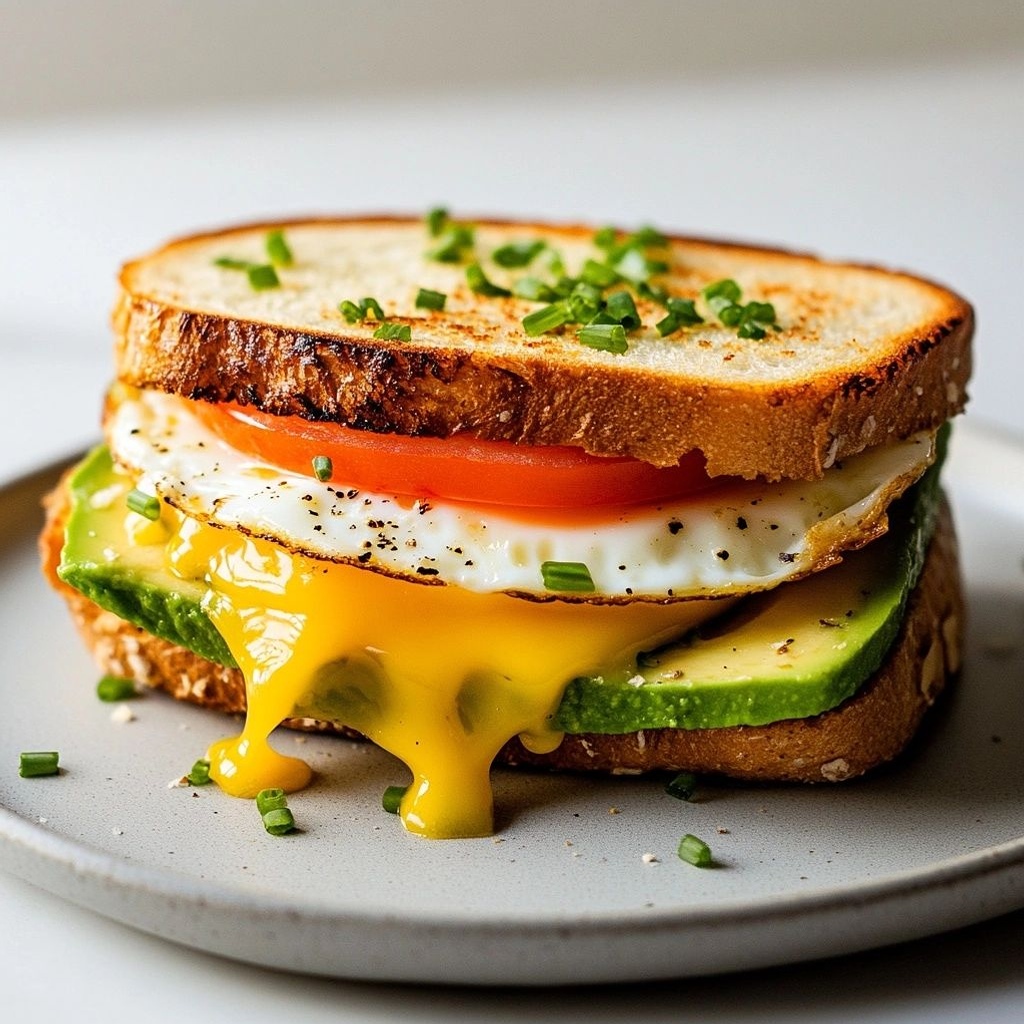
These Easy Egg Sandwich quick lunch notes guide you to a fast, satisfying sandwich with softly scrambled eggs, melty cheese, and fresh toppings. Tips: cook the eggs gently on medium-low heat for a tender scramble; remove from heat just as they set to keep a slightly creamy center. Whisk eggs with a splash of milk or water for lightness; dairy-free alternatives work well too. Toast the bread lightly to create a sturdy base and help prevent sogginess, then spread mayonnaise or a yogurt-based spread to add moisture and act as a moisture barrier. If you like a subtle sharpness, whisk in or add a small amount of Dijon mustard. Choose a melt-friendly cheese like cheddar and layer while the eggs are hot so it melts beautifully. Add tomato slices for brightness or avocado for creaminess, pat tomatoes dry to avoid extra moisture. Include optional greens like lettuce or arugula for crunch and balance. Finish with a pinch of sea salt and freshly ground black pepper; a few dashes of hot sauce add a gentle kick if you enjoy heat. For meal-prep, keep components separate and assemble just before eating; store eggs and bread separately in the fridge and rewarm eggs gently. Substitutions: dairy-free mayo, plant-based butter, or gluten-free bread for dietary needs; bacon or ham can be added for non-vegetarian versions. This sandwich delivers protein, texture, and flavor in a budget-friendly, quick lunch option that travels well.
Tips
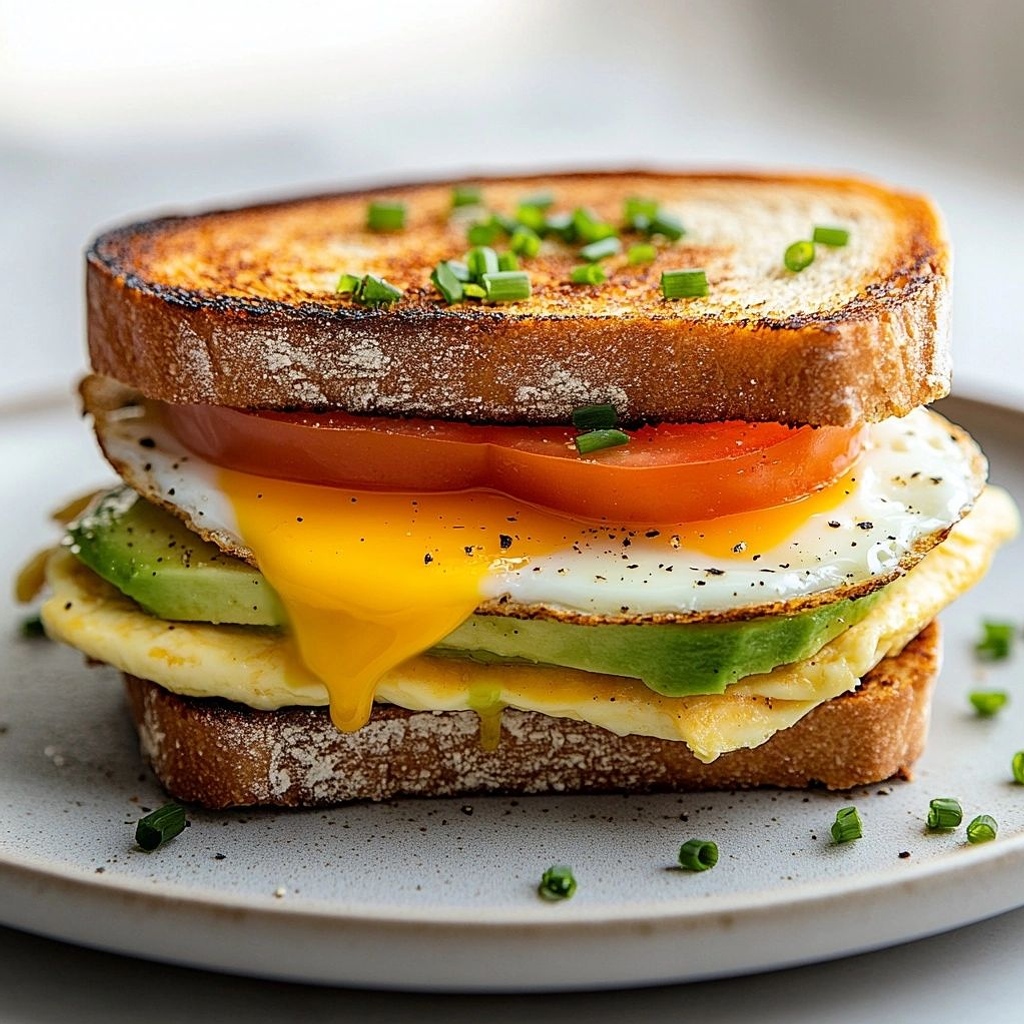
- Whisk eggs with the milk or cream just until combined for a cohesive scramble; overmixing can make them tough. For an ultra-soft result, cook on medium-low heat and remove from heat when they’re still slightly undercooked, as they will carry carryover heat.
- Keep the pan lightly oiled or buttered and maintain gentle heat to avoid browning the eggs too quickly. A glossy, tender finish is easier to slice and sandwich.
- If you’re making ahead, transfer the scrambled eggs to a plate and rewarm gently in a nonstick pan with a splash of water or milk, stirring softly to recreate creaminess.
- For dairy-free options, substitute the milk with a small amount of water or almond milk; you may need to adjust by a few seconds of cooking to keep them fluffy.
- Season the eggs lightly at the start and finish with salt and pepper to balance the richness of the butter and cheese in the sandwich.
- Toast bread until lightly crisp but not hard; this creates a sturdy barrier against moisture and gives a nice contrast to the soft eggs.
- Use a barrier spread (mayo or yogurt-based) evenly on both slices to help prevent sogginess and to add a creamy texture that pairs with the eggs.
- If you like a little tang, mix a tiny amount of mustard into the spread or onto the bread before adding the eggs, but keep it subtle so it doesn’t overpower the filling.
- For dairy-free sandwiches, use a plant-based mayo or a smooth hummus as your spread; they provide moisture and flavor with less risk of sogginess.
- Warm the bread and spread together briefly, so the spread melts slightly against the warm egg filling for a cohesive bite.
- Place the cheese directly on the warm eggs so it melts into the scramble, acting as a glue that binds the fillings.
- Tomatoes should be sliced evenly and patted dry to minimize extra moisture; if using avocado, add lemon juice or lime to prevent browning and to add brightness.
- Layer lettuce or arugula beneath the eggs for a crisp bite that stays put; avoid placing wet toppings directly against warm eggs.
- Choose a cheese that melts well (like cheddar, Swiss, or Gruyère) for a smooth, cohesive bite; thicker slices melt more slowly and may create a sturdier texture overall.
- Finish with a small pinch of sea salt and freshly ground pepper after assembly to refresh the flavors; taste and adjust as needed.
- Introduce a subtle heat with hot sauce or sriracha, but start with a few dashes and increase gradually to avoid overpowering the egg flavor.
- Experiment with extra toppings in small amounts, such as sliced pickles for acidity or caramelized onions for sweetness, to customize your sandwich.
FAQ
What is the easiest way to make an Easy Egg Sandwich?
Cook a couple of eggs to your liking (fried, scrambled, or boiled), toast bread, spread a bit of butter or mayo, and assemble with your preferred toppings.
What ingredients do I need for a basic Easy Egg Sandwich?
Eggs, bread (your choice), butter or oil for cooking, salt and pepper. Optional: cheese, avocado, tomato, lettuce, mayo or sauce, and any preferred condiments.
How long does it take to make this sandwich?
About 10 minutes total: 2–3 minutes to cook the eggs and 4–5 minutes to toast and assemble.
Can I make this sandwich ahead for lunch?
Yes. Cook the eggs and toast the bread in advance. Store them separately in the fridge and assemble just before eating to avoid soggy bread.
What are some tasty variations for this sandwich?
Try adding cheese (American, cheddar, or Swiss), a slice of tomato, avocado, sautéed spinach, bacon, ham, or a smear of pesto or chipotle mayo for extra flavor.
Is this sandwich suitable for a quick vegetarian lunch?
Yes. Use egg as the protein and load with veggies like tomato, spinach, cucumber, avocado, and your favorite cheese or plant-based spreads.
How can I make this sandwich healthier?
Choose whole-grain or whole-wheat bread, use one egg or two whites with one yolk, add lots of veggies, and skip high-calorie sauces. Use avocado or a light mayo if desired.
What are common tips to prevent soggy bread?
Toast the bread a bit longer, use a dry layer (butter or mayo) on the inner sides, and add ingredients that aren’t liquid-heavy, like cheese or sliced tomato, in moderation. Assemble just before eating.
How should I store leftovers if I cook extra eggs?
Store cooled, cooked eggs (if peeled) in an airtight container in the fridge for up to 2–3 days. Reheat gently and assemble fresh to keep texture pleasant.