Introduction / Hook
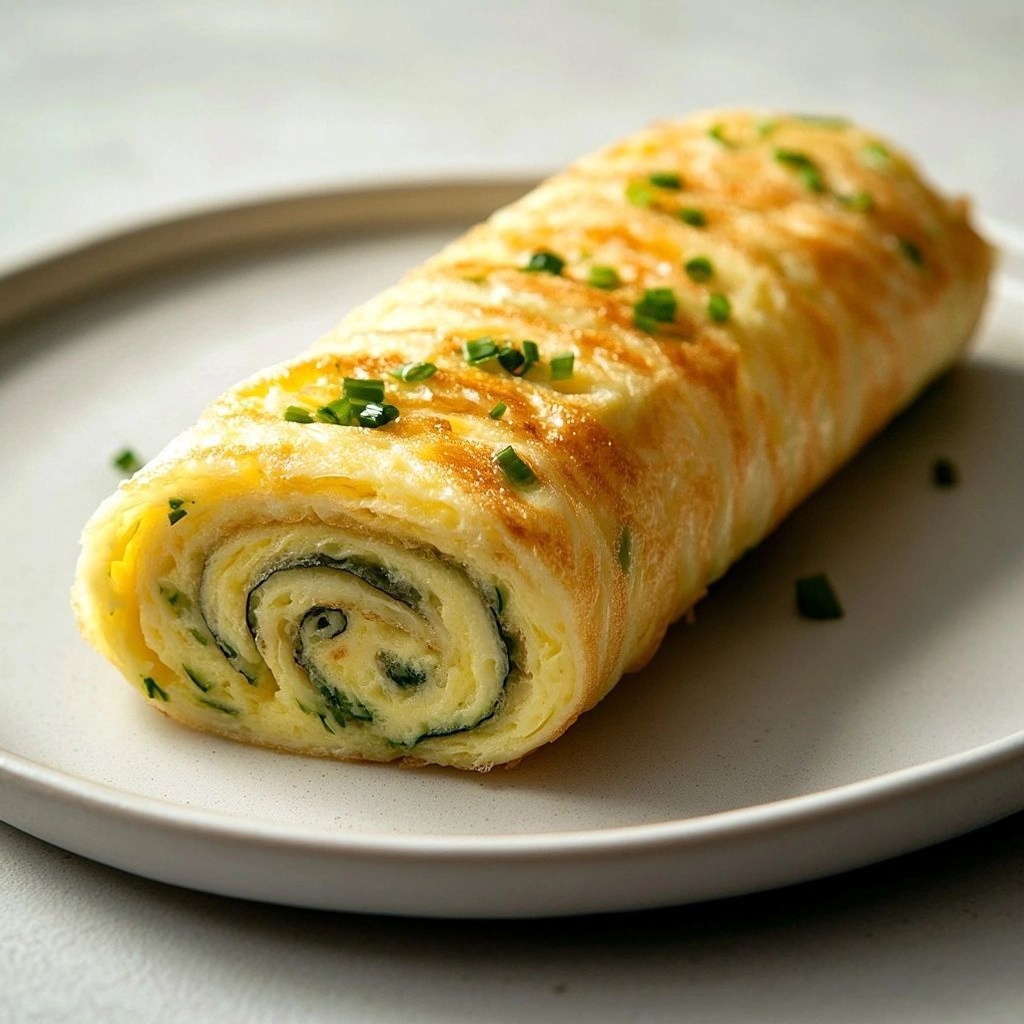
Imagine unrolling a golden, silk-smooth omelette that seems to glow with tenderness as you slice through its delicate layers. The scent is warm and inviting—soft notes of eggs mingled with a whisper of sweetness and a hint of savory depth. This is gyeran mari, the quintessential Korean rolled omelette, a dish that feels like a comforting hug on a plate. Each bite delivers a harmony of texture: a barely custard interior that yields to a light, fluffy exterior, with subtle caramelized edges that bring a kiss of umami. Whether you’re preparing a bento for the week, crafting a celebratory breakfast for friends, or simply exploring Korean flavors from the comfort of your kitchen, gyeran mari offers elegance, simplicity, and a touch of culinary theater. The art of rolling the entire omelette feels almost meditative—a slow, tactile choreography that rewards patience with a perfect, swirled presentation. In this guide, you’ll discover not just a recipe, but a sensory experience that invites you to savor the technique, the balance of flavors, and the cultural warmth behind every fold.
The Story Behind the Dish
Gyeran mari has a storied place in Korean dining, where every household has its own subtle variations and the technique is passed from one generation to the next like a treasured family secret. The dish originates from the broader East Asian tradition of rolled eggs, but Korean gyeran mari is distinctive for its gentle sweetness and the tender, silky texture achieved by carefully layering egg batter. In traditional Korean cooking, the omelette is often prepared in a rectangular pan called a ‘‘gyeran pan,’’ which helps create the uniform shape and clean, straight edges that characterize a perfect roll. While many families have variations—some incorporating finely diced vegetables, scallions, or ham, others keeping it pristine with just eggs—the core idea remains the same: a delicate, slightly sweetened egg sheet that is folded and layered with the care of origami. The dish has long been a staple in school lunches and family gatherings, prized for its kid-friendly texture and the way it can be cut into bite-sized pieces that travel well in lunch boxes. The gentle flavor profile and elegant presentation have helped gyeran mari become a beloved gateway dish for those new to Korean cuisine, offering a friendly introduction to Korean flavors while still feeling special enough for weekend brunch or special-occasion spreads.
Why You’ll Love This Recipe
- Quick and approachable: With a bit of practice, the rolled omelette comes together smoothly and can be on the table in under 30 minutes.
- Low-stress technique: The folding process is satisfying without being complicated, making it perfect for confident beginners and seasoned cooks alike.
- Kid-friendly charm: The texture is soft and easy to bite, with a mild, comforting flavor that appeals to even picky palates.
- Perfect for bento and meal prep: Slices stay neat and hold up well when packed for lunches or picnics.
- Versatile flavor palette: The base egg is lightly seasoned, but you can tailor the sweetness, saltiness, and added aromatics to suit your taste or dietary needs.
Flavor Profile & Texture
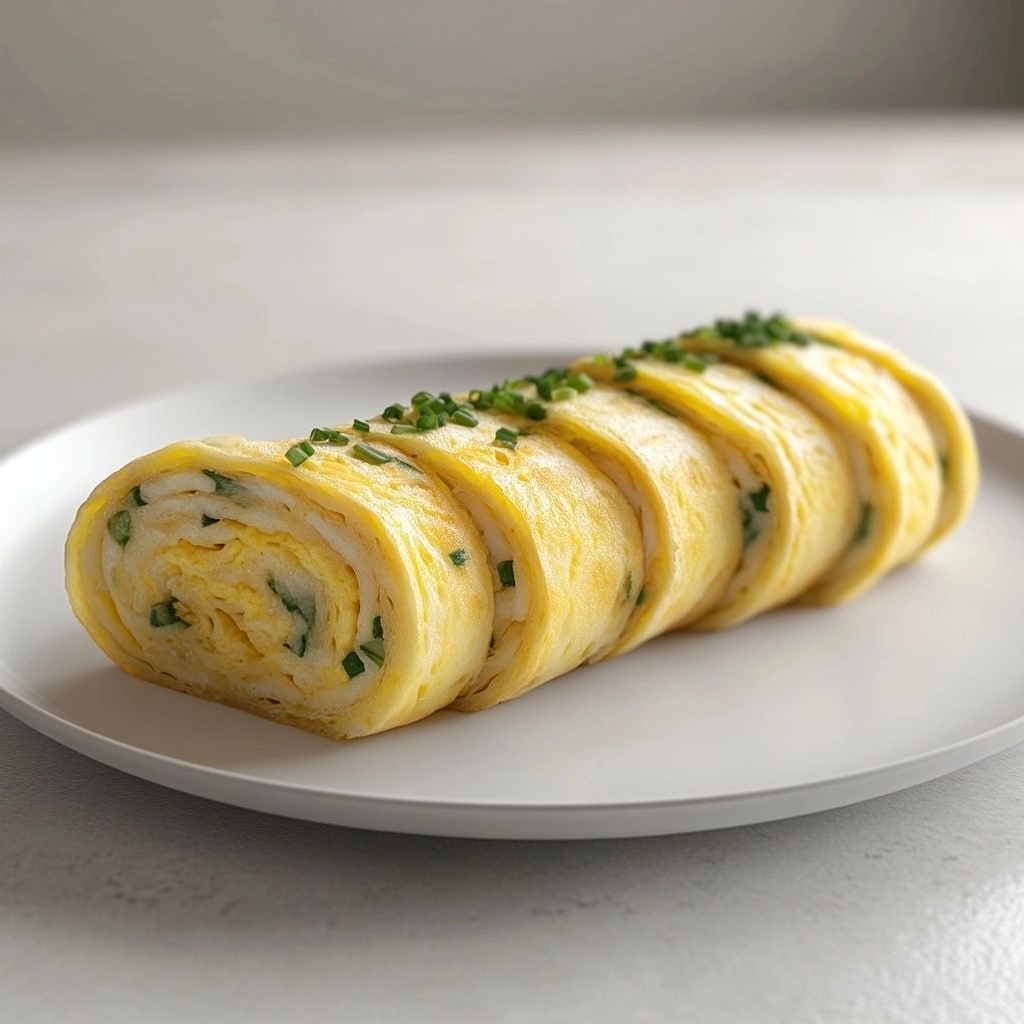
Gyeran mari is a masterclass in contrast and balance. The interior egg layer is tender and almost custard-soft, a result of gentle heat and a careful rolling technique that traps just enough moisture. The exterior becomes a pale, delicate golden crust—lightly browned at the edges, offering a subtle nutty note without losing the dish’s signature silkiness. The traditional seasoning is modest: a touch of sesame oil or neutral oil for sheen, a whisper of sugar or mirin for a hint of sweetness, and a pinch of salt to lift the egg’s natural savoriness. If you opt to include scallions, onions, or other finely chopped fillings, you’ll introduce a gentle aroma and bursts of color that complement the egg’s mild flavor. When sliced, the rolled structure reveals clean, even rings—almost like a tiny edible art piece—inviting both visual and palatable pleasures. The overall experience is comforting and approachable: the sweetness softens the savory notes, the texture surprises with its layered, almost air-light feel, and the aroma draws you in before the first bite.
Occasions & Pairings
Gyeran mari shines in a variety of settings. It’s ideal for weekend breakfasts that feel special without requiring exhaustive effort, for quick weeknight dinners when you want something elegant yet simple, and for gatherings where a visually striking dish makes a table sing.
- Weeknight dinners: Serve with steamed rice, a simple kimchi, and a light, tart dipping sauce for a complete yet comforting meal.
- Bento or lunch boxes: Slice into uniform pieces that stay neat and travel well—great with other proteins and vegetables.
- Brunch spreads: Pair with miso-glazed salmon, pickled vegetables, or a fresh salad to create a balanced brunch plate.
- Special occasions: Present as a centerpiece slice with sesame seeds sprinkled on top and a drizzle of sesame oil for extra aroma.
Pairing suggestions:
- Side dishes: Kimchi, cucumber pickles, steamed greens, or sautéed mushrooms bring contrasting textures and bright acidity.
- Drinks: A light barley tea, cold-pressed green tea, or a crisp white wine can complement the subtle sweetness and eggy depth.
- Desserts: If serving at a brunch, a light citrus dessert or fruit salad can offset the savory-sweet profile pleasantly.
Tips, Variations & Substitutions
mastering gyeran mari is as much about technique as it is about ingredients. Here are practical tips and creative twists to tailor the dish to your kitchen and dietary needs.
Core technique tips
- Pan choice: A non-stick rectangular pan (gyeran pan) is ideal, but a small square or rectangular omelette pan can work. The key is even heat distribution and easy rolling.
- Heat control: Keep the heat medium-low. You’re cooking gently to keep the eggs soft and prevent browning that is too deep.
- Egg mixture: Whisk until smooth and incorporate air—the more you whisk, the fluffier the omelette. Strain if you want an ultra-silky texture.
- Rolling technique: Begin with a thin layer, roll it away from you, then push the rolled portion back, adding another layer of egg to the exposed side. Repeat slowly to build a multi-layered, compact roll.
- Oil sheen: Lightly oil the pan and brush a tiny amount along the surface for a glossy finish without greasiness.
Variations
- Vegetarian/vegan adaptation: Use a plant-based egg substitute if desired. Add finely minced mushrooms, bell peppers, or chives for flavor and color. Some cooks use silken tofu blended with chickpea flour as a base, though the texture will differ.
- Meaty or seafood additions: Incorporate finely diced ham, crab, or shrimp for a protein boost and a richer aroma. Keep the fillings very small so rolling remains easy.
- Herbs and aromatics: Scallions are classic, but chives, parsley, or dill offer fresh contrasts. A tiny pinch of white pepper adds subtle heat without overpowering the egg.
- Sweet undertone: A touch more sugar or a splash of mirin can highlight a gentle sweetness that pairs nicely with a tangy dipping sauce.
- Gluten-free and dairy-free: The dish is naturally dairy-free; simply ensure any added sauces or fillings align with dietary needs.
Regional twists
- Korean-inspired: Add finely minced zucchini and carrot for a colorful, nutrition-packed version that stays crisp in the roll.
- Japanese influence: Adapt by using dashi in the egg mixture for a subtle umami depth and pair with pickled ginger for a bright finish.
- Spice-inflected: A tiny amount of gochugaru (Korean chili flakes) or gosu (Korean chili paste) can introduce a gentle kick without overpowering the eggs.
Storage & Make-Ahead Ideas
Gyeran mari is wonderfully adaptable to make-ahead meal plans or leftover stewardship. Here are practical guidelines to keep it delicious beyond the initial serving.
- Storage: Refrigerate slices in an airtight container for up to 3 days. If you’ve included delicate fillings, store them separately to maintain texture.
- Freezing: Freeze tightly wrapped slices for up to 1 month. Thaw in the refrigerator, then reheat gently in a skillet with a tiny bit of oil to restore the sheen.
- Reheating tips: Reheat on low heat, covered, to preserve moisture. If the surface has lost its glaze, brush a thin layer of oil or sesame oil and warm briefly to refresh the texture.
- Make-ahead strategy: Prepare a base plain egg sheet, roll it, and refrigerate. In a separate session, slice and assemble fillings or sauces to finish just before serving for a fresh, vibrant result.
Fun Facts & Trivia (Optional)
Delightful little details about gyeran mari that enrich the cooking experience:
- The rectangular pan, though not always a strict requirement, is a nod to the precision and elegance valued in Korean cooking. Its shape helps achieve that perfectly even roll with clean edges.
- Sweetness is a characteristic trait in gyeran mari for many families, reflecting a balance in Korean flavor philosophy that often leans toward subtle sweetness in comfort foods.
- Numerous households have signature touches—some add a whisper of sesame oil to the egg, others prefer a splash of soy sauce or mirin for depth. The dish has room for personal tradition without losing its essence.
- In restaurant settings, chefs may present gyeran mari in a fan of tightly rolled sheets. The visual appeal of the layered cross-sections makes it a favored dish for photography and social media posts.
- Beyond the plate, gyeran mari is a hallmark of warm hospitality in Korean households. Offering such a neatly rolled omelette is a gentle invitation to share a moment of comfort and togetherness.
Ingredients
-
– Main Ingredients – Large eggs (6 eggs)
→ The core of gyeran mari; eggs provide structure, binding, and a delicate flavor. Use fresh, room-temperature eggs for easier beating and a lighter omelette. Whisk until the yolks and whites are fully combined with a little air for a fluffy texture, but avoid overbeating to prevent excessive air pockets. For a traditional chewy roll, aim for a smooth, uniform mixture rather than frothy peaks.
– Main Ingredients – Milk or water (2-3 tablespoons)
→ A small amount of liquid loosens the egg mixture, helping create a tender, custard-like interior and a pliable roll. Milk adds a touch of richness; water keeps the flavors clean. Use cold milk or water and whisk in with the eggs until just combined for a soft, foldable omelette.
– Main Ingredients – Salt (1/2 teaspoon)
→ Salt enhances the egg flavor and helps balance the sweetness if you include a hint of sugar in the mix. Dissolve it evenly by whisking into the egg mixture to prevent salty pockets. Adjust to taste if you prefer a milder roll.
– Main Ingredients – Sugar (1-2 teaspoons, optional)
→ A small amount of sugar brightens the quick-set texture and adds a subtle sweetness that complements the savory elements. Dissolve fully in the egg mixture. If you skip sugar, still proceed with salt and pepper to maintain flavor balance.
– Main Ingredients – White pepper or black pepper (pinch, optional)
→ A light touch of pepper adds subtle warmth without overpowering the delicate egg flavor. Sprinkle into the egg mixture or the pan after cooking for a gentle aroma. Leave out if you prefer a completely plain, classic taste.
– Optional Fillings – Scallions (green onions), finely chopped (2-3 stalks)
→ Scallions provide a fresh, crisp contrast and color to the rolled omelette. Use the green and white parts for varied texture. Finely chop so they distribute evenly and don’t poke through the roll. Sauté briefly in a drop of oil if you want to soften their bite, then fold into the egg layer or sprinkle inside the roll for bursts of aroma.
– Optional Fillings – Carrot, julienned (1 small)
→ Carrot adds color, sweetness, and crunch. Julienne into thin matchsticks to ensure they cook quickly and roll smoothly within the omelette. Optionally sauté in a tiny bit of oil until just tender to enhance softness, then place along with other fillings for even layering.
– Optional Fillings – Cheese, shredded (1/4 cup)
→ Cheese contributes richness and a melty interior when rolled. Choose mozzarella, cheddar, or a mild Asian cheese; shred or finely grate so it melts evenly within the egg layer. If using, distribute in a thin, even layer within the roll to avoid a lumpy exterior. Remove if you prefer a classic non-cheesy version.
– Optional Fillings – Diced ham, cooked shrimp, or seafood pieces (if desired, 1/4 cup)
→ Adds protein and savory depth. Use pre-cooked ham or shrimp, cut into small, uniform pieces so they heat quickly and don’t overpower the egg. Distribute evenly in the center or along the roll for pockets of flavor, keeping portions balanced with the egg layer.
– Pan Prep and Cook – Neutral oil for cooking (1-2 teaspoons)
→ A tiny amount of neutral oil prevents sticking and helps create a smooth, evenly colored omelette surface. Wipe the skillet lightly with oil or brush the pan; too much oil will make the outer layer greasy and harder to roll. Use a non-stick skillet for best results and maintain medium-low heat to avoid browning too quickly.
– Pan Prep and Cook – Sesame oil for finishing (optional, 1/2 teaspoon)
→ A whisper of sesame oil adds a toasty aroma and a final touch of flavor after rolling. Brush onto the cut surface just before serving for a subtle nutty finish. Avoid applying before cooking as it can burn at high heat and impart a strong flavor.
Instructions
- Whisk the eggs with the milk or water, ensuring the yolks and whites are fully combined while incorporating a small amount of air for a light texture, but avoid over-beating to prevent large air pockets that could cause uneven rolling.
→ The liquid loosens the mixture for tenderness and helps create a pliable roll without cracks. - Season the egg mixture with salt, optional sugar, and pepper, whisking until the salt is dissolved evenly and the seasoning is distributed to prevent concentrated pockets that would taste uneven.
→ Even seasoning ensures balanced flavor throughout the omelette since the roll is thin and delicate. - Prepare your fillings by finely chopping scallions and julienning the carrot, then have the cheese and any protein ready in small, evenly sized pieces to facilitate even distribution and quick heating within the roll.
→ Uniform pieces ensure consistent texture and prevent lumpy layers that hinder rolling. - Heat a non-stick skillet over medium-low heat and wipe lightly with neutral oil to create a thin, even coating that prevents sticking without greasing the surface heavily.
→ A whisper of oil allows a smooth surface for a uniform roll and easy release of each layer. - Pour a thin layer of the egg mixture into the pan, tilting to cover the entire surface and create a small, even rectangle, then cook until the edges set while the center remains just barely soft.
→ A thin base sets quickly and folds neatly, forming the first sheet of the rolled omelette. - Use chopsticks or a spatula to gently roll the edge closest to you over the cooked layer, applying light pressure to form a tight coil without tearing, then push the roll back to the far edge of the pan.
→ Rolling while the layer is still slightly soft ensures a compact roll that holds together once finished. - Add a second thin layer of egg mixture around and beneath the roll, lifting the roll slightly to allow the liquid to flow under and around it, then cook until the new layer sets and the roll grows in length.
→ Layering creates a continuous structure; keeping heat controlled prevents browning and preserves delicate texture. - Re-roll the omelette in the same direction, applying gentle pressure to form a tighter cylinder, and continue adding thin layers as needed in increments to reach the desired thickness and length.
→ Multiple passes create a fluffy, cohesive roll with distinct, even edges that slice cleanly. - Incorporate fillings by placing a thin line of scallions, carrot, cheese, and any protein along the center of the current roll before the next layer, ensuring even distribution and preventing bulging that would crack the exterior.
→ Evenly distributed fillings deliver balanced flavor and smooth texture in every bite. - Finish rolling until you have a compact cylinder with all layers sealed, then cook for a brief moment more to set the exterior and ensure the roll holds its shape when sliced.
→ A final gentle cook helps the surface set and reduces the risk of the roll loosening during slicing. - Remove the pan from heat and brush a light amount of sesame oil over the surface of the rolled omelette if desired, allowing it to rest briefly to let the aroma marry with the egg.
→ Sesame oil adds a nutty finish and aroma without overpowering the delicate egg flavor when used sparingly after cooking. - Let the gyeran mari rest for 2–3 minutes before slicing into 1 to 1.5 cm (½ inch) thick rounds, using a sharp knife and a gentle sawing motion to maintain clean slices without squashing the roll.
→ Resting stabilizes the structure and resting slices produce neat, restaurant-quality cuts that show the layered interior. - Plate the slices with the cut sides facing up to reveal the colorful layers and serve immediately as a light side or centerpiece, optionally garnishing with a light drizzle of sesame oil or a pinch of chopped scallion for color.
→ Presentation highlights the rolled technique, while fresh aromatics elevate the overall flavor profile.
Notes
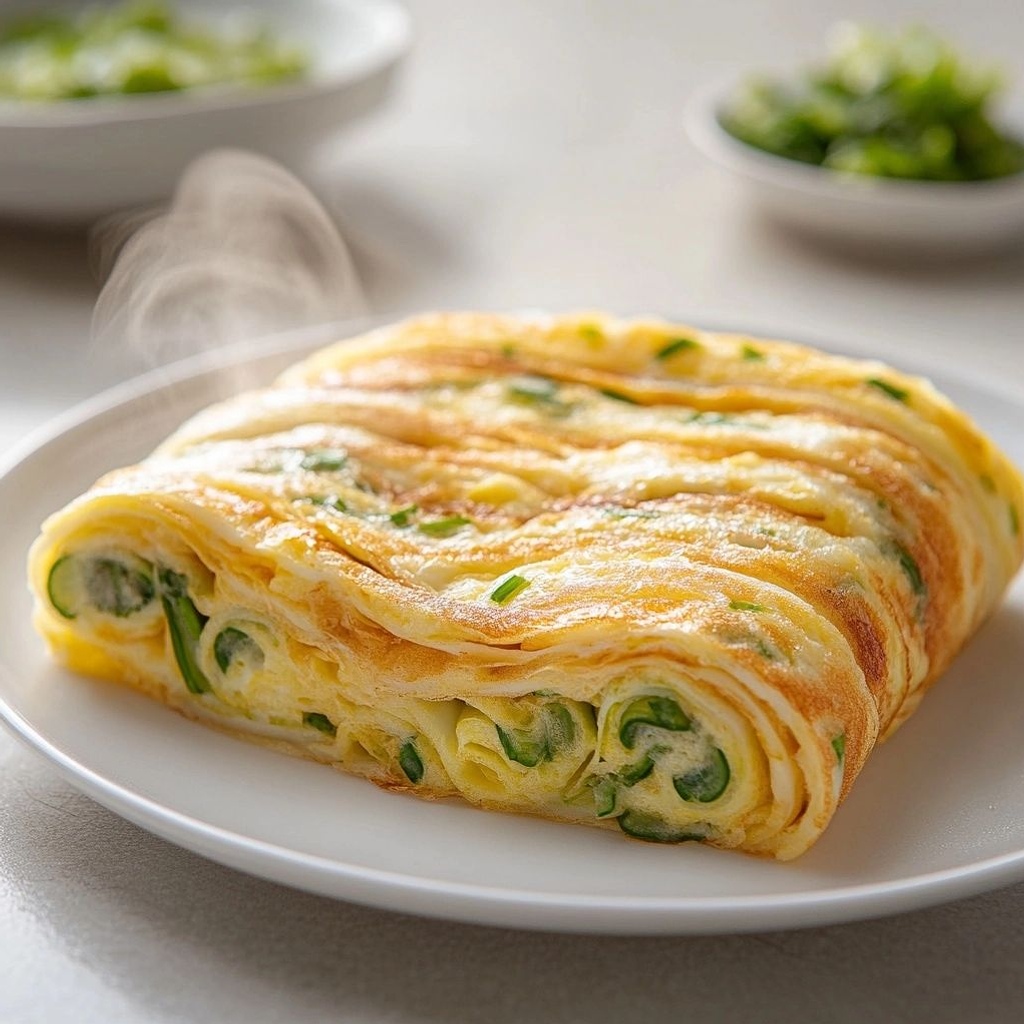
These gyeran mari omelettes are delicate, savory Korean rolled omelettes that showcase a smooth, custard-like interior and a neatly layered exterior. You can customize them by adding fillings such as scallions, carrot, cheese, or small bits of ham or shrimp to create bursts of flavor throughout the roll. For best texture, whisk the eggs just until combined to include a bit of air, but avoid overbeating to prevent large air pockets that can make the roll uneven. Use a non-stick skillet and a light touch of neutral oil to prevent sticking and to achieve a uniform, pale surface that rolls easily. If you prefer a slightly richer interior, use milk; for a cleaner, lighter finish, use water. Roll the omelette tightly using gentle folds and a steady hand, then slice into bite-sized rounds for an elegant presentation. The rolls refrigerate well and can be enjoyed cold or reheated gently; they also pair beautifully with a simple dipping sauce or a side of steamed greens. Always adjust salt and pepper to taste, and finish with a tiny brush of sesame oil on the cut surface just before serving for a fragrant, nutty aroma.
Tips
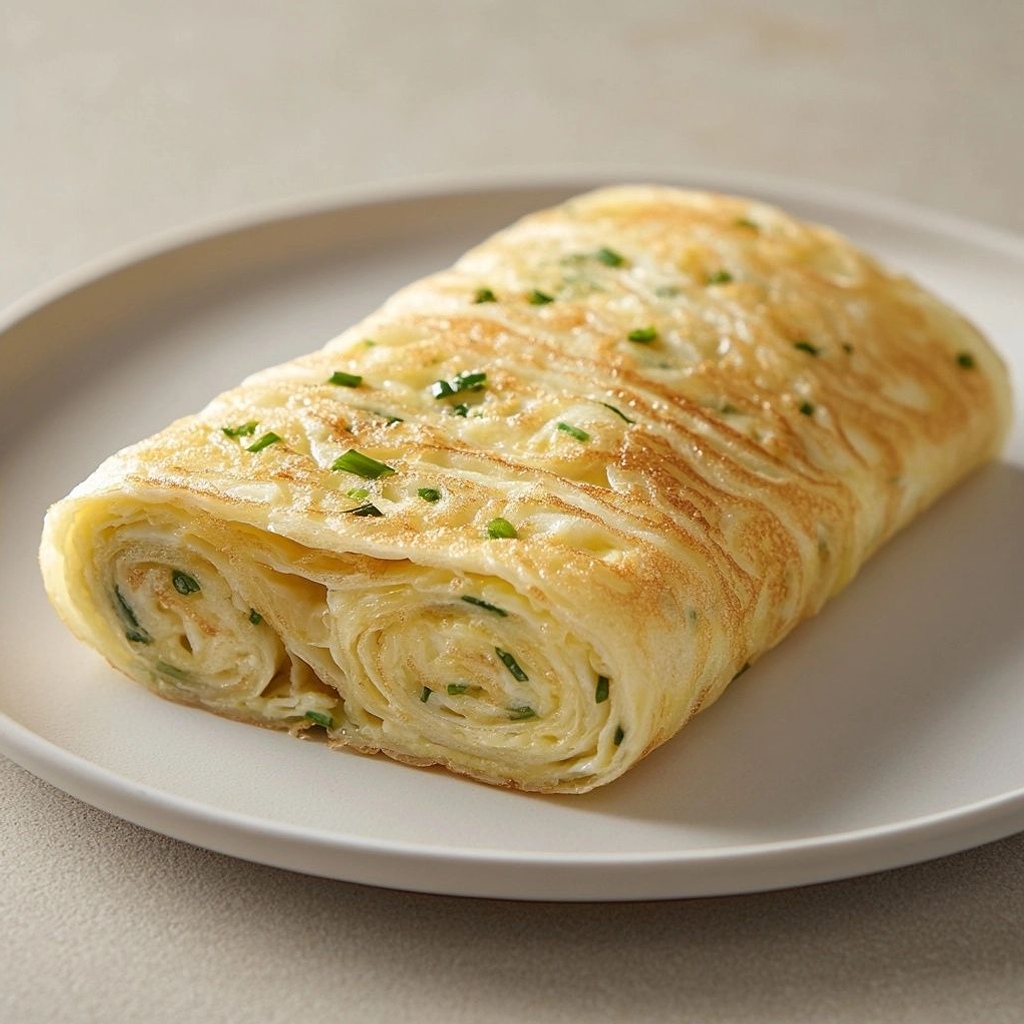
- Bring eggs to room temperature before beating. This helps them whip more evenly and results in a lighter, airier roll that’s easier to shape.
- Whisk just until the yolks and whites are combined with a touch of air. Overbeating can create large air pockets that make rolling difficult and may cause the omelette to collapse.
- Milk or water should be added in small amounts; too much liquid can make the omelette too soft and break apart when rolled. Cold liquid helps maintain structure.
- Season with salt evenly by whisking into the eggs to prevent salty pockets. Taste and adjust salt at the end if needed, especially if you’re using fillings with saltiness.
- Optionally add a small amount of sugar to balance savory notes. If you skip sugar, keep pepper and salt balanced to enhance the egg flavor.
- Use white or black pepper sparingly. A pinch adds warmth without masking the delicate egg flavor; you can also skip pepper entirely for a purer taste.
- Prepare fillings in advance and keep them dry. Moist fillings can disrupt the roll and make it harder to form a neat layer.
- For scallion fillings, sauté briefly to mellow their bite and release aroma, then cool slightly before folding into the eggs.
- Julienned carrots should be sliced thin enough to cook quickly and distribute evenly. Quick sautéing helps them integrate without breaking the roll.
- Shredded cheese should be finely grated so it melts evenly and creates a creamy interior without creating lumps in the roll.
- Cut fillings into uniform small pieces to ensure even distribution and a balanced bite in every slice.
- Use a lightly oiled non-stick skillet and keep the heat medium-low. Too high heat will brown the exterior too quickly and hinder a smooth, pliable roll.
- Wipe or brush only a thin film of oil on the pan to prevent sticking without making the surface greasy.
- Rolls are easier to shape when the egg layer is thin but cohesive. If your pan is small, cook in two or three thin layers rather than a thick single layer.
- Let the rolled omelette rest for a minute after cooking. This helps the interior set and makes slicing cleaner without crumbling.
- Finish with a light brush of sesame oil across the cut surface for a subtle aroma and visual appeal, not during cooking to avoid burning.
FAQ
What is Gyeran Mari?
Gyeran Mari is a Korean rolled omelette made by whisking eggs with a touch of salt and sugar, then cooking thin layers in a pan and rolling them into a cylinder. It’s light, fluffy, and slightly sweet.
What ingredients do I need?
Common ingredients include:
- Eggs (usually 4–6)
- Salt (a pinch)
- Sugar (a pinch to balance flavors)
- Pepper (optional)
- Oil or sesame oil for the pan
What pan works best?
A nonstick rectangular or square pan (teppanyaki-style or makiyakinabe) is ideal because it creates even layers. A small square or oval omelette pan also works. A well-seasoned nonstick skillet can substitute in a pinch.
How do I prepare the eggs for rolling?
Beat the eggs thoroughly with salt and sugar until smooth. Strain the mixture if possible to remove chalazae and ensure a silky texture. You can add finely chopped onions or shredded vegetables for variation, but keep them small to roll nicely.
What’s the step-by-step cooking method?
Basic steps:
- Heat a thin layer of oil in the pan over medium-low heat.
- Pour a thin layer of egg mixture and cook until just set.
- Roll the omelette to one side using chopsticks or a spatula.
- Move the rolled omelette to the far side, add another thin layer underneath, and roll again, repeating until all egg is used.
- Let it rest briefly, then slice into rounds.
How thick should each layer be?
Aim for very thin layers, just enough to set. Thick layers are harder to roll and tend to crack. Thin layers help create the classic, tight spiral roll.
How do I prevent it from sticking?
Use a well-coated nonstick pan and keep the heat low to medium-low. Lightly oil the pan between layers if needed, and avoid overworking the eggs. Allow each layer to set before rolling.
What are some common variations?
Variations include:
- Adding finely chopped scallions, carrots, bell peppers, or cheese
- Incorporating minced kimchi for a spicy twist
- Using sesame oil for a nutty aroma
- Serving with a dipping sauce like soy sauce or gochujang
How should I store and reheat leftovers?
Store sliced Gyeran Mari in an airtight container in the refrigerator for up to 3–4 days. Reheat gently in a microwave in short bursts or briefly in a pan to warm through. It’s best eaten fresh, but reheated slices still taste good.
Is this recipe suitable for kids?
Yes. The flavor is mild and slightly sweet. You can omit any strong seasonings, and add small vegetables or cheese for extra appeal. Cut into bite-sized pieces for easy eating.