Introduction / Hook
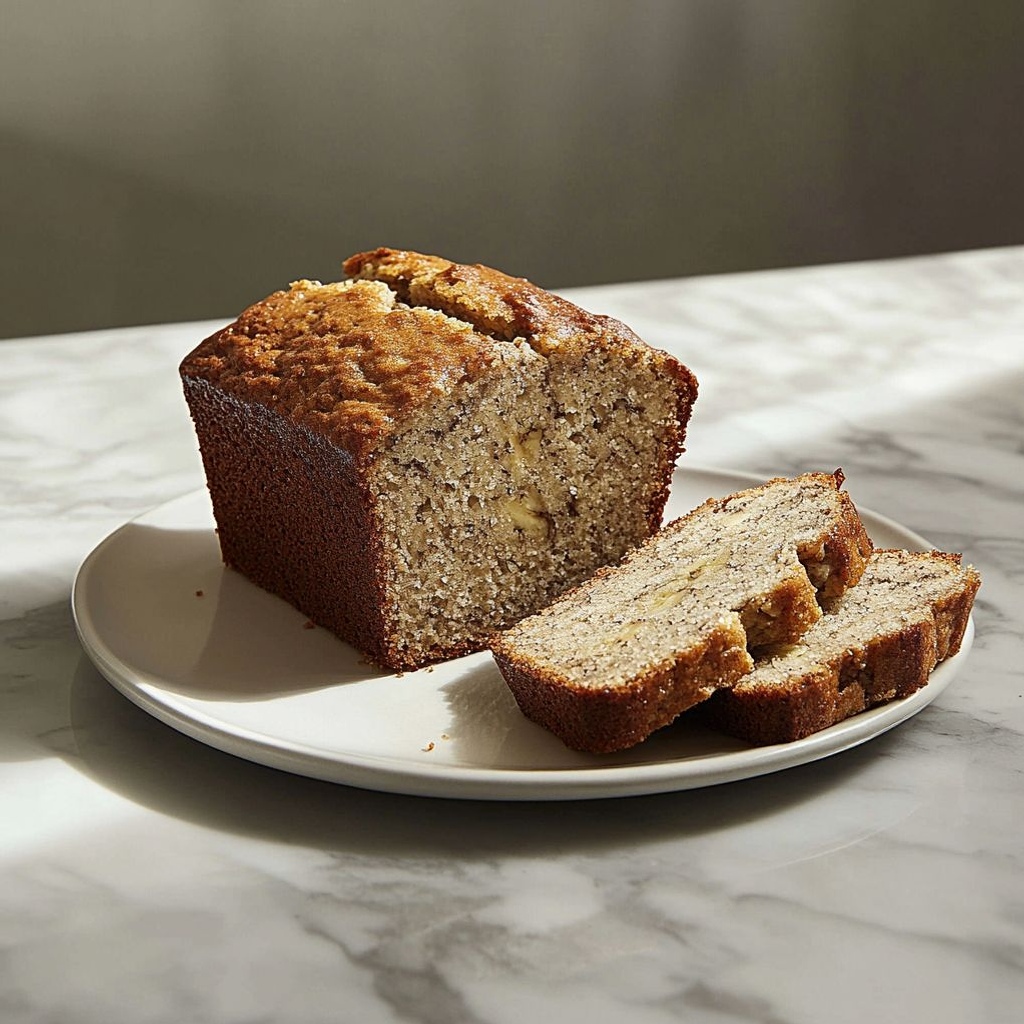
There’s a gentle magic in banana bread that makes a house feel like it’s wrapping you in a warm, comforting hug. The moment you cross the threshold, a soft, inviting sweetness welcomes you—brown-sugared vanilla mingling with the mellow, honeyed scent of ripe bananas. The aroma drifts from the kitchen like a familiar melody, hinting at stories told over sleepy weekend mornings and spontaneous gatherings that turned ordinary days into memories. This banana bread is not just a dessert or a breakfast option; it’s a homecoming, a timeless ritual that says, “You’re welcome here, again and again.”
Beyond its irresistible fragrance lies a texture that seems to melt on the tongue—the crust lightly caramelized at the edges, yielding to a moist, tender crumb that carries just the right kiss of spice. It’s the kind of loaf that forgives the busiest schedules, adapts to the pantry, and rewards both patient bakers and last-minute improv artists. Whether you slice a warm piece for yourself with a pat of butter, or tuck away a few thick wedges for a lunchbox or picnic, banana bread has a way of making the day feel a little brighter, a little calmer, and a lot more delicious.
What makes this particular take on banana bread so inviting is its balance of simplicity and soul. It relies on humble favorites that live in most kitchens—ripe bananas, a splash of vanilla, a touch of sweetness, and a gentle understanding of how heat and time transform fruit into something deeply comforting. It’s a recipe you can nurture, tweak, and grow with, a canvas that welcomes both tradition and personal flair. As you read on, you’ll see how this loaf embodies the quiet pleasures of home—an everyday luxury that makes the ordinary extraordinary.
The Story Behind the Dish
Banana bread is a testament to turning excess into delight. Its origins trace a practical, almost poetic line through the history of American kitchens. In the early to mid-20th century, when bananas arrived in households in surplus, cooks sought ways to savor them beyond immediate consumption. The answer was often simple, reliable, and deeply comforting: a quick bread batter sweetened with ripe fruit, enriched with butter, and baked until the crust turned a kissable bronze. This is how banana bread—sometimes called a “banana loaf” in various regions—found its place beside jarred preserves, steel-cut oats, and Sunday-scented coffee on kitchen tables across the country.
What makes the story even more endearing is the way each family added its own touch. Some swirled in chopped walnuts for crunch, others folded in chocolate morsels for a kiss of indulgence. Some preferred a kinder, lighter sweetness, while others leaned into spices—cinnamon or nutmeg—that amplified the banana’s natural warmth. The loaf became a canvas for memories: a grandmother’s slow-blooming oven, a weekend “let’s bake” ritual with siblings, or a quick fix that turned overripe fruit into a treat that could brighten a hurried weekday morning. The appeal wasn’t just in the taste, but in the shared moments—the slicing, the steam, the soft chatter that rose with the loaf’s aroma—every bite carrying a thread of nostalgia into the present.
Over the decades, banana bread also traveled beyond family kitchens into cafes, school bake sales, and cooking shows, evolving with regional tastes and modern palates. Yet at its heart lies a simple principle: ripe bananas are sweet alchemy, and heat is a gentle, patient alchemist. That combination creates a loaf that is sturdy enough to hold a slice in one hand, yet tender enough to crumble into a spoonful of yogurt or a drizzle of honey. The beauty of this dish is that it remains unpretentious while offering a depth of flavor and a sense of home that can be shared with neighbors, friends, or a sleepy family gathered around the breakfast table.
Why You’ll Love This Recipe
- Flexible and forgiving: This banana bread embraces the imperfect bananas you have on hand, turning them into a rich, aromatic loaf with minimal fuss.
- Moist crumb with a lightly caramelized crust: The best of both worlds—soft, almost pudding-like interior contrasted with a gently toasted exterior that provides bite and texture.
- Pantry-friendly and quick to celebrate a craving: You likely already have the core ingredients in your cupboards, making it a dependable go-to for weeknights or lazy weekends.
- Perfect for meal prep and sharing: Bake a loaf, slice it into rounds, and enjoy throughout the week or gift to friends and colleagues who could use a little sweetness.
- Kid-friendly and crowd-pleasing: Subtle spices and a familiar banana sweetness make it appealing to younger palates while still satisfying grown-ups.
- Endlessly adaptable: The loaf adapts to different dietary needs and flavor cravings, from nutty crunch to chocolatey indulgence, all without losing its comforting identity.
Flavor Profile & Texture
The essence of this banana bread lies in its nuanced balance between sweetness, banana depth, and spice. When you first cut into it, you’re met with a fragrance that seems to rise from the bread itself—ripe bananas mellowed by brown sugar, a whisper of vanilla, and the gentle warmth of cinnamon or nutmeg. The aroma is a promise of what’s to come: a soft, moist interior that clings gently to the crumb and carries a hint of caramelization from the sugar on the crust.
Texture-wise, the loaf offers a comforting contrast. The interior is tender and lush, yet not pudding-soft, with a delicate, almost velvet crumb that yields with a modest press of the fingertips. It’s substantial enough to stand up to a hearty spread of butter or a spoonful of creamy yogurt, yet light enough to feel like a treat rather than a dessert on a busy morning. The crust—thin and subtly crisp—gives a satisfying snap before the chew of the middle, adding dimension to every bite.
Flavor-wise, banana bread is a study in harmony. The banana provides a gentle sweetness and fruit-forward note that remains unmistakably banana-forward rather than sugary. Vanilla contributes roundness, while a spice note—if you choose to include it—lends warmth that lingers on the palate. There’s a soft suggestion of toffee or caramel from the natural sugars that have concentrated as the bananas ripened, often enhanced by a touch of butter. And yes, there’s room for personal expression: chopped walnuts add earthiness and crunch, dark chocolate chips invite a cocoa kiss, and a splash of citrus zest or a dusting of coarse sugar can give the loaf a lively, modern twist. All these elements come together to form a loaf that’s cozy enough for a quiet morning and stylish enough for a weekend brunch.
Occasions & Pairings
Banana bread shines in many settings, from the intimate to the social. It’s a universal crowd-pleaser that thrives on a wide spectrum of occasions, offering a comforting presence without demanding center stage. Here are some ideas to keep in mind as you plan how to enjoy and share this loaf.
- Weekday breakfasts: Pair a warm slice with a mug of coffee or tea for a nourishing start that feels like a small celebration of the morning.
- Brunch-friendly centerpiece:Arrange loaf slices on a platter with butter, cream cheese spread, fresh fruit, and a few nuts for a casual, inviting spread.
- Afternoon tea or coffee break: A slice alongside a creamy latte or a cup of black tea becomes a soothing pause in a busy day.
- School lunchbox or snackable option: The portable loaf slices travel well and stay sturdily delicious in a lunch bag.
- Giftable treat: Wrap a loaf in parchment and ribbon; a homemade loaf makes a thoughtful, comforting gift for neighbors or teachers during any season.
Pairings can elevate banana bread from a stand-alone snack to a moment of indulgence. Consider these accompaniments to enhance the experience without overshadowing the loaf’s gentle sweetness:
- Butter or cultured dairy spreads for a creamy, luxurious finish.
- Cream cheese with a hint of vanilla or lemon zest for a tangy contrast.
- Fresh fruit jam or a bright berry compote for a fruity sparkle.
- Toasted nuts, such as walnuts or pecans, for crunch and earthiness.
- A glass of cold milk or a robust cup of coffee for a classic pairing that never goes out of style.
Tips, Variations & Substitutions
Tips for Making It Your Own
Banana bread is wonderfully adaptable, and small tweaks can yield big shifts in flavor and texture. Here are ideas to help you customize while keeping the loaf’s comforting core intact:
- Banana readiness: The riper the bananas, the more pronounced the banana flavor and the deeper the sweetness. Look for bananas with brown speckles; they’re at peak for flavor and moisture.
- Sugar balance: If your bananas are exceptionally sweet, you can dial back the sweetness a touch. Conversely, if the fruit flavor seems muted, a little extra sugar or a drizzle of honey can help.
- Fat options: Butter contributes a classic rich note; you can substitute with neutral oil for a lighter texture, or use a mix of butter and yogurt for extra moisture.
- Spice level: A pinch of cinnamon, nutmeg, or allspice adds warmth. For a brighter profile, consider a trace of orange or lemon zest.
- Crunch factor: Nuts add texture and a savory, toasty contrast. If you’re including chocolate, dark chips offer a refined sweetness that pairs beautifully with banana.
Vegan, Gluten-Free & Other Variations
Banana bread is particularly forgiving when you need to adapt for dietary preferences. Here are thoughtful variations that preserve moisture and flavor without relying on traditional ingredients:
- Vegan option: Swap dairy with plant-based butter or coconut oil and use a flax or flax-protein egg substitute. Look for a batter that remains rich and moist even without eggs or dairy.
- Gluten-free version: Use a high-quality gluten-free flour blend or almond flour in combination with a small amount of a thickener like xanthan gum. The loaf should still have a tender bite and a cohesive crumb.
- Lower-sugar approach: Puree extra fruit or add a touch of mashed ripe banana to heighten sweetness naturally while reducing added sugars.
- Low-fat variation: Increase moisture with yogurt or applesauce, using a modest amount to maintain a soft crumb without sacrificing flavor.
Flavor Variations & Add-Ins
Get creative with mix-ins and flavor accents while keeping the banana-forward profile. Try one or more of the following to tailor the loaf to your mood or occasion:
- Walnuts, pecans, or pistachios for a toasty crunch and earthy nuance.
- Chocolate morsels or chips for a comforting dessert-like finish that still reads as breakfast-friendly.
- Dried fruit bits like cranberries or raisins for bursts of sweetness and textural contrast.
- Zest of orange or lemon for a bright citrus lift that cuts through the richness.
- A swirl of peanut butter or almond butter for a nutty, indulgent ribbon.
Storage & Make-Ahead Ideas
Banana bread shines in the realm of make-ahead cooking, allowing you to enjoy slices for days or even freeze portions for longer-term storage. Here are practical tips to stretch the loaf’s life and maintain freshness without losing its character:
- Room temperature storage: Keep the loaf wrapped or in an airtight container at room temperature for several days, maintaining moisture and flavor.
- Refrigeration: If you won’t finish the loaf within a few days, refrigerate to extend freshness. The crumb may firm slightly, but the loaf remains pleasantly sliceable and flavorful.
- Freezing: Slice the loaf and freeze individual portions in an airtight bag or wrap. Thaw at room temperature or warm gently to restore softness and aroma before serving.
- Make-ahead tip: If you’re hosting or packing for a week of breakfasts, you can prepare the batter or dough in advance and finish baking when ready. The result remains deliciously fresh-tacted with the same comforting bite.
- Storage extras: For longer-term keeping, consider a light dusting of cinnamon or sugar on the crust before storage to maintain a caramelized sheen and a touch of sparkle when served.
Fun Facts & Trivia
- Banana bread became a favorite during the early-to-mid 20th century, aligning with the rise of quick breads that used chemical leaveners and could be prepared with pantry staples.
- In many households, the loaf is a symbol of frugality transformed into comfort—banana bread turning surplus fruit into something shareable and beloved.
- The loaf’s versatility mirrors regional tastes: some families prefer a lightly spiced profile, while others lean into bold chocolate or crunchy nuts for contrast.
- Bakery menus and cafe counters across the world have their own spins on banana bread, ranging from tropical variants with coconut and lime to decadent versions with espresso and cocoa.
- Banana bread is often a sentimental staple in school bake sales and church suppers, cherished for its homey appeal and forgiving nature with varied ingredients.
- Despite its humble reputation, banana bread has demonstrated remarkable staying power in popular culture, appearing in menus, blogs, and cookbooks across generations as a beloved comfort food.
Ingredients
- 3 cups all-purpose flour
→ Provides the structure and bulk of the loaf. Gluten formed by flour traps air and moisture during baking, yielding a soft, tender crumb. For even distribution of leavening, whisk the flour with baking soda, baking powder, salt, and cinnamon before combining with the wet mix. If you want a lighter, more tender crumb, you can substitute half of the flour with whole wheat pastry flour; avoid overmixing to prevent toughness. - 1 teaspoon baking soda
→ The primary leavening agent that reacts with the bananas’ natural acids to produce bubbles and lift. Add to dry ingredients and mix quickly with the wet ingredients after combining to avoid delayed reaction; ensure it is evenly dispersed to avoid uneven rising. Using too much can give a metallic or soapy taste. - 1/2 teaspoon baking powder
→ Additional leavening to ensure the loaf rises evenly and creates a lighter crumb, especially if your flour is dense or you’re using a lot of bananas. Sift into the flour with the other dry ingredients. - 1/2 teaspoon salt
→ Enhances sweetness and flavor balance, sharpening banana and spice notes. Use fine salt; adjust if you’re using salted butter, which may require less added salt. - 1 teaspoon ground cinnamon (optional)
→ Provides warmth and depth that complements banana. It’s best to add to the dry mix for even distribution. If you’re sensitive to spice, omit or reduce. - 1/2 cup unsalted butter, melted and cooled
→ Adds richness and moisture; melted butter blends smoothly with sugar and eggs for a uniform batter. Ensure the butter is cooled slightly so it won’t scramble the eggs; if you prefer dairy-free, substitute with an equal amount of neutral oil or applesauce (note: texture will change). - 3/4 cup granulated sugar
→ Provides sweetness and helps with browning; when using melted butter, the sugar may not dissolve completely, contributing to a slightly denser crumb. You can adjust to 1 cup brown sugar for more moisture and caramel notes. - 2 large eggs, room temperature
→ Bind the ingredients and help form a tender crumb; room-temperature eggs emulsify more effectively, yielding a smoother batter and uniform rise. If eggs are cold, warm them in a bowl of warm water for 5-7 minutes before using. - 1 1/2 cups mashed ripe bananas (about 3 medium)
→ The star of banana bread, providing moisture, sweetness, and banana flavor. Use very ripe bananas with dark spots for maximum sugar and moisture. Mash until mostly smooth with a few small lumps for texture; measure after mashing to ensure the correct volume. - 1/2 cup sour cream or plain yogurt
→ Adds tenderness and moisture; the acidity can help tenderize the crumb and keep the loaf moist longer. Use full-fat for richer flavor; dairy-free yogurt can be substituted if needed, but reduce extra liquid elsewhere. - 1 teaspoon vanilla extract
→ Elevates the banana aroma and overall sweetness; use pure vanilla for best flavor; add to the wet mixture along with eggs and mashed banana for even distribution. If you have a vanilla bean, scrape seeds for extra fragrance.
- 1/2 cup chopped walnuts (optional)
→ Adds crunch and a nutty depth to the loaf. Chop into small, even pieces so they distribute evenly throughout the batter. To maximize flavor, toast the walnuts lightly (3-5 minutes at 350°F) before adding, then cool before folding in. They also provide healthy fats and protein. - 1/2 cup chocolate chips (optional)
→ Create pockets of sweetness; fold in at the end to prevent sinking in the batter. Use semi-sweet or dark chips for a richer flavor; if using mini chips, the distribution will be more even. - 1/4 cup shredded coconut (optional)
→ Adds a chewy texture and a hint of tropical aroma. Use sweetened or unsweetened coconut; if desired, toast lightly to enhance flavor and fold in near the end to prevent sinking.
- 1/2 cup all-purpose flour
→ Forms the crusty, crumbly topping. Combine with sugar and cinnamon, then cut in cold butter to create uneven chunks that melt into a golden, crispy layer during baking. For a lighter topping, use less flour and more butter. - 1/4 cup packed light brown sugar
→ Adds moisture and a caramel-like sweetness to the topping; mixing with flour helps create a sandy texture. Using light brown sugar maintains a balanced flavor; darker brown sugar will deepen caramel notes. - 4 tablespoons cold unsalted butter, diced
→ Cold butter cut into the dry ingredients creates a crumbly streusel that browns beautifully in the oven. Use a pastry blender or fingertips to rub the butter into the flour until the mixture resembles coarse crumbs; chilling the topping briefly before baking can help maintain crumb structure. - 1 teaspoon ground cinnamon
→ Adds warm spice to the topping; complement the banana flavor; if you prefer more cinnamon, increase to 1 1/2 teaspoons or omit entirely.
Instructions
- Preheat your oven to 350°F (175°C) and grease a 9×5-inch loaf pan or line with parchment for easy removal.
→ Preheating ensures the batter begins baking immediately and rising evenly; greasing or parchment prevents sticking and allows clean removal once cooled. - Whisk the dry ingredients together: 3 cups all-purpose flour, 1 teaspoon baking soda, 1/2 teaspoon baking powder, 1/2 teaspoon salt, and 1 teaspoon ground cinnamon (optional) in a large bowl until completely integrated.
→ Even distribution of leaveners and spices prevents pockets of salt or spice that could skew flavor and rise; whisking also aerates the flour for a lighter crumb. - In a separate bowl, whisk together 1/2 cup melted and cooled unsalted butter and 3/4 cup granulated sugar until smooth and slightly pale, about 1–2 minutes, then whisk in 2 eggs, one at a time, until fully emulsified.
→ The melted butter emulsifies with the sugar and eggs to create a uniform batter; cooling the butter prevents scrambling the eggs and contributes to a tender crumb. - Whisk in 1 1/2 cups mashed ripe bananas, 1/2 cup sour cream or plain yogurt, and 1 teaspoon vanilla extract into the wet mixture until just combined and the batter looks cohesive.
→ Bananas provide moisture and sweetness, while sour cream tenderizes the crumb and vanilla enhances overall aroma when evenly distributed. - Pour the wet ingredients into the bowl with the dry ingredients and fold together in two additions with a rubber spatula, mixing just until no dry streaks remain.
→ Mixing gently prevents overdeveloping gluten, which would make the loaf dense; stopping as soon as you see flour disappears preserves a moist, tender crumb. - Gently fold in any optional add-ins: 1/2 cup chopped walnuts, 1/2 cup chocolate chips, or 1/4 cup shredded coconut, until evenly distributed without overworking the batter.
→ Even distribution prevents clustering in one area; to maximize flavor, toast walnuts briefly (3–5 minutes at 350°F) before folding for more pronounced nutty notes. - If using the streusel topping, combine 1/2 cup all-purpose flour, 1/4 cup light brown sugar, 4 tablespoons cold unsalted butter (diced), and 1 teaspoon ground cinnamon in a bowl and cut the butter into the dry ingredients with a pastry blender or two knives until the mixture resembles chunky crumbs; refrigerate briefly to firm up.
→ Cold butter creates a crumbly topping that browns into a crisp crust; chilling helps the topping stay crumbly rather than sinking into the batter during baking. - Spoon the batter into the prepared loaf pan and spread it into an even layer with a spatula, ensuring the edges are filled for uniform rising.
→ A level, even surface promotes balanced heat distribution and a uniform loaf height. - Sprinkle the streusel topping over the batter if using, breaking up large clumps to form an even layer.
→ A consistent topping bakes into a golden crust that adds texture and sweetness without overwhelming the crumb. - Place the loaf in the preheated oven and bake at 350°F (175°C) for 60–70 minutes, rotating the pan halfway through, until a toothpick inserted into the center comes out with only a few moist crumbs. If the top browns too quickly, loosely tent with foil after about 40 minutes.
→ Slow, even heat yields a moist interior; toothpick testing confirms doneness without overbaking, while rotation ensures even browning. - Allow the loaf to rest in the pan for 10–15 minutes after removal from the oven, then transfer to a wire rack and let cool completely before slicing.
→ Resting sets the crumb and prevents crumbling; cooling entirely helps maintain clean, neat slices. - Once cooled, slice and store in an airtight container at room temperature for up to 3 days, or refrigerate for up to a week; for longer storage, wrap well and freeze in individual portions.
→ Proper wrapping minimizes moisture loss and freezer odor, preserving flavor and texture for later enjoyment.

Notes
These notes for banana bread are designed to help you bake a moist, flavorful loaf using ripe bananas, with options to make it dairy-free and gluten-free if needed. You can customize them by adding your favorite nuts, seeds, or chocolate chips. They freeze well and make a great grab-and-go treat. For a richer crumb, you can substitute part of the butter with a neutral oil. Always ensure your flour, baking soda, baking powder, and any dairy substitutes are certified gluten-free if you have gluten intolerance.
- Gluten-free option: If you need a gluten-free loaf, substitute with a 1:1 gluten-free all-purpose flour blend. If your blend doesn’t include xanthan gum, add about 1/2 teaspoon xanthan gum per cup of flour to help mimic the structure provided by gluten.
- Mixing tips: Whisk the dry ingredients (flour, baking soda, baking powder, salt, and cinnamon) together to ensure even leavening. In a separate bowl, cream the butter and sugar, then mix in eggs, mashed bananas, sour cream or yogurt, and vanilla before gently folding into the dry ingredients. Do not overmix; mix just until combined to keep the crumb tender.
- Banana preparation: Use very ripe bananas with dark spots for maximum sweetness and moisture. Mash until mostly smooth with a few small lumps for texture. Measure the mashed bananas after mashing to ensure the correct volume.
- Moisture and fat: Melted butter adds richness and helps create a uniform batter. If you prefer a lighter or dairy-free version, substitute with an equal amount of neutral oil or applesauce (note: texture will change slightly and you may need to adjust the liquid).
- Dairy-free option: Replace sour cream or yogurt with a dairy-free yogurt alternative. Ensure the total moisture remains balanced; you may need to reduce other liquids slightly to prevent a batter that is too loose.
- additions: Optional add-ins like 1/2 cup chopped walnuts, 1/2 cup chocolate chips, or 1/4 cup shredded coconut can be folded in after the batter comes together. Toast walnuts before adding for extra flavor, and fold in chips near the end to avoid sinking.
- Streusel topping (optional): If using a streusel topping, you can prepare it with gluten-free flour if desired. A simple mix of gluten-free flour, brown sugar, cinnamon, and cold butter rubbed into crumbs makes a crisp contrast to the moist loaf.
- Baking and doneness: Preheat to 350°F (175°C). Bake for about 60-70 minutes, or until a toothpick inserted into the center comes out with a few moist crumbs. If the top browns too quickly, cover loosely with foil during the last 15 minutes.
- Cooling and storage: Allow the loaf to cool in the pan for 10-15 minutes, then transfer to a wire rack to cool completely. Store wrapped at room temperature for up to 4 days, or freeze slices for longer storage. To freeze, wrap individual slices and place in an airtight container or freezer bag.
- Flavor boosts: For extra banana aroma, add a pinch more vanilla or a teaspoon of orange zest. If you like warmer spice, increase the cinnamon by 1/4 to 1/2 teaspoon.
Tips
- Preheat the oven to 350°F (175°C) and prepare a 9×5-inch loaf pan by greasing it or lining with parchment for easy removal.
- Whisk the dry ingredients (flour, baking soda, baking powder, salt, and cinnamon) together first to ensure even leavening and spice distribution.
- Use very ripe bananas with dark spots for maximum sweetness and moisture. Mash until mostly smooth with a few small chunks for texture, and measure the mashed bananas after mashing.
- Since this recipe uses melted butter, make sure it is cooled before mixing with the wet ingredients to prevent scrambling the eggs. If you see sugar grains, whisk vigorously or dissolve the sugar briefly in the warm butter before adding the wet ingredients.
- Bring eggs to room temperature forbetter emulsification; if they’re cold, warm them in a bowl of warm water for 5–7 minutes.
- Mix wet ingredients (butter, sugar, eggs, mashed bananas, sour cream or yogurt, and vanilla) until well combined, but avoid overmixing once the dry ingredients are added to keep the crumb tender.
- For a lighter crumb, you can substitute half of the all-purpose flour with whole wheat pastry flour, but don’t overwork the batter after adding the dry ingredients.
- Fold in optional add-ins (walnuts, chocolate chips, or shredded coconut) gently and evenly to prevent sinking and to distribute evenly.
- To maximize flavor from nuts, toast walnuts for 3–5 minutes at 350°F (175°C) before adding them to the batter, then cool before folding in.
- For a crisp, crumbly streusel topping, keep the butter cold and rub it into the flour with a pastry cutter or fingers until the mixture resembles coarse crumbs; chilling the topping briefly helps it stay distinct while baking.
- Brown sugar in the streusel adds moisture and caramel notes; adjust the amount to taste, and note that darker brown sugar will deepen caramel flavors.
- Keep an eye on bake time (about 60–70 minutes). The loaf is done when a toothpick inserted into the center comes out with a few moist crumbs, not wet batter.
- If the top browns too quickly, tent with foil to prevent over-browning while the center finishes baking.
- Let the loaf cool in the pan for 10–15 minutes, then transfer to a rack to cool completely before slicing to prevent crumb squishing.
- Storage: store in an airtight container at room temperature for up to 3 days; freeze slices for longer storage. Wrap well to prevent freezer burn.
- Flavor variations: if you want more moisture and a deeper caramel note, use 1 cup brown sugar instead of 3/4 cup granulated sugar; you can also omit cinnamon if you prefer a straight banana flavor.
- Allergies and substitutions: for a dairy-free version, substitute dairy-free yogurt or sour cream and use neutral oil or applesauce instead of butter, noting that texture will differ slightly.
FAQ
Banana bread — FAQ
What ingredients do I need for banana bread?
Here’s a simple base for a classic loaf. You can mix and match with what you have on hand.
- 3–4 ripe bananas, mashed
- 2 cups (250 g) all-purpose flour
- 3/4 cup (150 g) granulated sugar (you can use 1/2 cup brown sugar + 1/4 cup white sugar)
- 1/2 cup (115 g) unsalted butter, melted (or 1/2 cup neutral oil)
- 2 large eggs
- 1 teaspoon baking soda
- 1/2 teaspoon salt
- 1 teaspoon vanilla extract
- Optional: 1/2 teaspoon ground cinnamon
- Optional add-ins: 1 cup chopped walnuts or chocolate chips
How ripe should the bananas be?
Very ripe is best. Look for bananas with lots of brown spots; they are sweeter and easier to mash, giving more moisture and flavor to the bread. Usually 3–4 bananas are used.
How do I know banana bread is done?
Bake at 350°F (175°C) until a toothpick inserted into the center comes out with a few moist crumbs. Typical loaf time is about 60–65 minutes, but start checking at about 50–55 minutes. The loaf should feel set in the center and lightly browned around the edges. If you have a thermometer, an internal temperature of 200–205°F (93–96°C) is a good target.
Can I make banana bread with gluten-free flour?
Yes. Use a 1:1 gluten-free flour blend that already contains a binding agent, or add 1/4–1/2 teaspoon xanthan gum per cup of flour if your blend lacks it. The texture may be slightly denser. Do not overmix, and monitor bake time as it can vary slightly.
Can I make vegan banana bread?
Absolutely. Replace eggs with flax eggs or applesauce. For flax eggs, mix 2 tablespoons ground flaxseed with 6 tablespoons water per egg, then let thicken. Use 1/2 cup neutral oil or melted vegan butter, and a plant-based milk if needed. Bake as usual at 350°F (175°C).
Can I add mix-ins like nuts or chocolate?
Yes. Fold in about 1 cup (120 g) of chopped walnuts or pecans, or 1 cup (170 g) of chocolate chips. Toast nuts first for extra flavor. Add other favorites like shredded coconut or dried fruit if desired.
How should I store banana bread?
Let it cool completely, then store in an airtight container at room temperature for 2–3 days. For longer storage, refrigerate for up to 1 week (the bread will be slightly drier). Wrap slices or the whole loaf tightly to prevent drying out.
Can I freeze banana bread?
Yes. Wrap the cooled loaf tightly in plastic wrap and foil or place in a freezer bag. Freeze up to 3 months. Thaw overnight in the fridge or at room temperature. You can also freeze individual slices for quick breakfasts or snacks.
Can I bake banana bread as muffins, and how does that change the time?
Yes. Spoon the batter into a lined or greased muffin tin, filling about 2/3 full. Bake at 350°F (175°C) for about 18–22 minutes, or until a toothpick comes out clean with a few crumbs. Makes about 12 muffins.