
Introduction / Hook
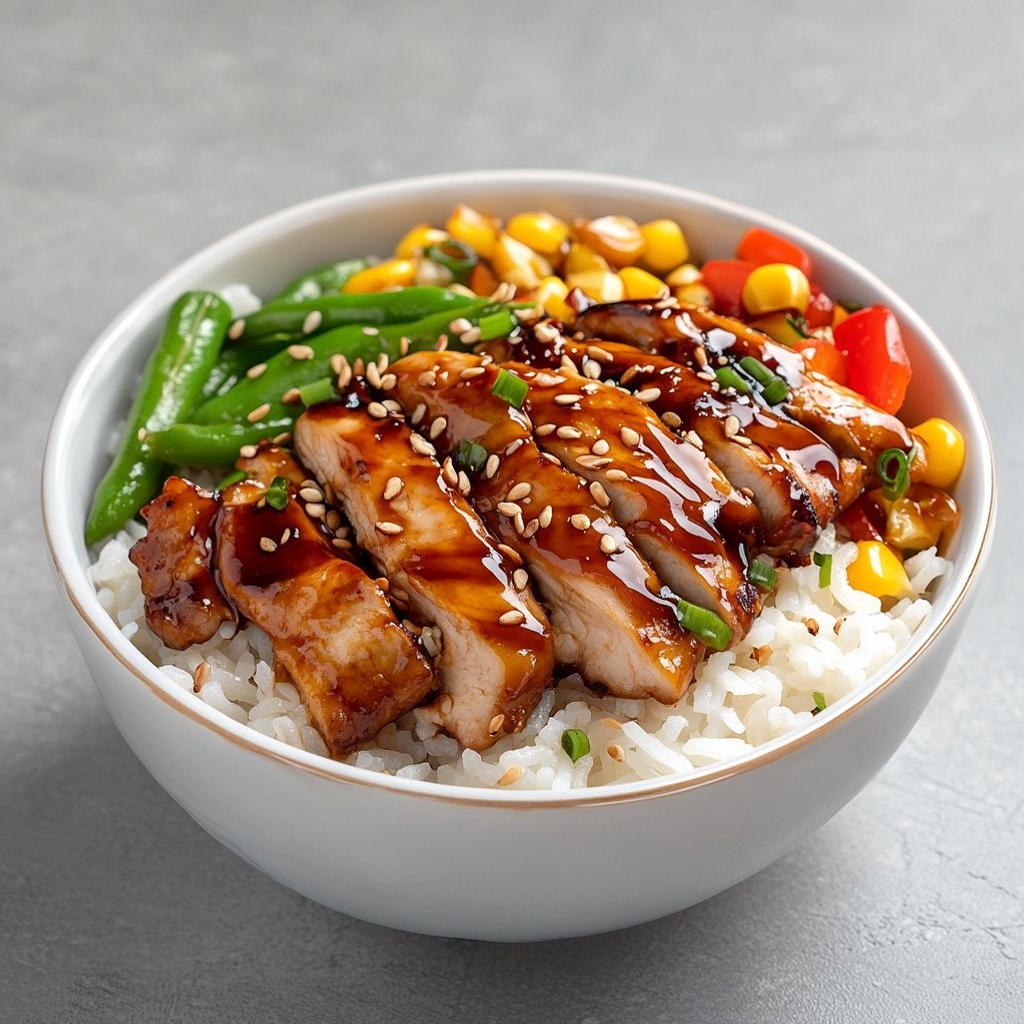
Imagine a sizzling, golden-browned skillet where chicken sings with caramelized edges, vegetables crackle with bright color, and a glossy, savory glaze pulls every element into a harmonious bite. The Hibachi Chicken Rice Bowl is a modern, home-friendly homage to the theater of a teppanyaki grill, delivered in a single comforting bowl. It’s the kind of dish that smells like a friendly kitchen, where butter kisses the hot surface, garlic and ginger perfume the air, and sesame seeds scatter like tiny, toasty confetti. This bowl is not just a meal; it’s an experience: the crackle of the pan, the warmth of seasoned rice, the juiciness of chicken, and the way each forkful delivers a balanced chorus of sweet, salty, tangy, and umami. It’s the kind of dish you crave on busy weeknights, when you want something hearty enough to satisfy a crowd yet nuanced enough to feel like a special treat. And because it’s built to be flexible, you can adjust the rhythm to your kitchen and your cravings—yet the result remains irresistibly cohesive, a true crowd-pleaser in a single, satisfying bowl.
The Story Behind the Dish
Hibachi, as a dining concept, evokes the showmanship and drama of sizzling grills set on American restaurant tables, but its roots reach deeper into Japanese culinary tradition. “Hibachi” literally translates to “fire bowl,” conjuring images of a round or rectangular iron pot and, more commonly in modern dining, a hot griddle where ingredients are seared, sliced, and sauced with a deft, almost choreographed motion. Teppanyaki—the broader cooking method—centers on cooking on a flat iron plate, a technique that allows for rapid caramelization, precise searing, and a glossy finish that binds flavors in a single, glossy glaze. The Hibachi Chicken Rice Bowl takes those Tokyo-to-Tokyo-ramen-night sensations and translates them into a gentle, approachable home kitchen adaptation.
In the United States, hibachi-style meals became synonymous with interactive grilling, showmanship, and a medley of components presented in a single, shareable plate. Over time, home cooks began recreating that multi-component magic: a protein that’s perfectly seared, a bed of fragrant rice, crisp vegetables, and a magnetically savory glaze that ties everything together. The hibachi-inspired rice bowl captures that spirit—an ode to the theater of the hibachi grill but designed to be cooked on a familiar range, in a single pan or skillet, and plated with the same sense of balance and drama. It’s a dish that embraces cultural exchange—the crispness of Japanese searing, the comfort of a familiar bowl, and the modern kitchen’s love for quick, flexible, make-it-your-own recipes.
Why You’ll Love This Recipe
- One-pan or two-pan versatility: Sear the chicken in a hot skillet while sautéing vegetables in a separate pan, then combine with rice for a streamlined workflow, or do it all in one pan for even more simplicity.
- Balanced nutrition in a bowl:Protein, vegetables, and carbohydrates come together in a satisfying, well-rounded meal that keeps you full without weighing you down.
- Weeknight friendly: Quick caramelization, minimal hands-on time, and ingredients you likely already have on hand—perfect for busy evenings.
- Customizable to your tastes: Swap proteins, pick your favorite vegetables, and tailor the sweetness or saltiness of the glaze to your preference.
- Family-friendly yet sophisticated: The dish strikes a gentle balance between comforting familiarity and restaurant-worthy flavor, so it pleases both kids and adults.
- Aromas that linger: The scent of garlic, ginger, and sesame oil mingling with seared chicken is practically irresistible while you plate the bowls and call everyone to the table.
Flavor Profile & Texture
This Hibachi Chicken Rice Bowl is a symphony of textures and flavors designed to delight the senses from the first aroma to the last bite. The chicken—pan-seared to achieve a delicate crust—offers a juicy interior that gives way to a subtly smoky, charred edge. A glossy glaze coats the surface, bringing a savory-sweet note with a depth reminiscent of traditional hibachi sauces, but tuned for home cooking. The glaze often echoes the comforting, familiar harmony of soy-based flavor with hints of onion sweetness and a touch of citrus brightness, all enveloped in a fragrant kiss of sesame oil and garlic.
Vegetables provide vibrant crunch and color: crisp-edged peppers, tender-crisp broccoli, and snap-worthy onions or mushrooms that have soaked up some of the glaze’s glow. Each bite delivers a chorus of textures—the bite of well-cooked chicken, the soft, fluffy rice against your tongue, the crispness of vegetables, and the slight stickiness of the glaze that coats every element without clumping. The rice acts as a neutral yet essential canvas, soaking up the flavored juices and providing a pillowy base that carries the dish forward. Sesame seeds add a gentle nuttiness and a delicate crunch that echoes the dish’s toasty notes. The overall experience is one of balance: salty-savory with a whisper of sweetness, a touch of tang, and a lingering fragrance of toasted sesame and ginger that invites another bite.
Occasions & Pairings
This dish shines in a variety of settings, from casual weeknight dinners to casual entertaining with friends. Its bowl format makes it a natural option for meal prep, lunch leftovers, or a family-style main that can easily become a shared centerpiece on the table. It’s versatile enough to fit into several dining moods:
- Weeknights: A fast, satisfying dinner that doesn’t require turning the kitchen into a full-service restaurant.
- Meal prep / lunches: Cooled and portioned bowls that rehear beautifully, keeping flavors intact and textures pleasant.
- Casual gatherings: A visually appealing centerpiece for a laid-back dinner party with a Japanese-inspired or Asian-fusion theme.
- Kids’ dinners: The components can be plated separately or mixed, allowing kids to customize bites with vegetables they enjoy.
Pairing suggestions to elevate the experience:
- Soups & salads: A light miso soup or a crisp cucumber salad with a tangy rice vinegar dressing pairs nicely and adds a refreshing contrast to the savory bowl. A seaweed salad can also echo the ocean notes often found in hibachi-style sauces.
- Accompaniments: Pickled ginger or quick-pickled vegetables offer a punch of brightness that cleanses the palate between bites. A small portion of edamame on the side can complete the meal with protein and color.
- Beverages: Green tea, cold barley tea, or a light sparkling water with lime complements the dish without overpowering its flavors.
- Wines and other drinks: A crisp, unoaked white such as Pinot Grigio or Sauvignon Blanc can work nicely, or a light lager for a casual vibe.
Tips, Variations & Substitutions
Here are practical ways to customize and adapt the Hibachi Chicken Rice Bowl to your pantry, dietary needs, and personal preferences. Each tip is designed to preserve the bowl’s essence while offering room for experimentation.
Protein Variations
- Chicken thighs vs. breasts: Thighs stay moister and develop deeper color when seared, while breasts offer leaner protein—choose based on your preference for moisture and fat content.
- Other proteins: Shrimp, thinly sliced beef, pork, or firm tofu can be substituted to make a hibachi-inspired bowl with different textures and flavors.
Gluten-Free & Plant-Based Substitutions
- Gluten-free option: Use tamari or coconut aminos in place of traditional soy sauce to keep the glaze gluten-free while preserving depth of flavor.
- Vegan version: Swap the chicken for extra-firm tofu or tempeh, and use a plant-based butter substitute or olive oil for the searing fat.
Flavor Tweaks
- Spice level: Add a pinch of red pepper flakes or a drizzle of chili-garlic sauce to introduce a gentle kick without overpowering the glaze.
- Sweetness balance: If you prefer a sweeter glaze, introduce a touch of honey, maple syrup, or agave. For a more savory profile, lean into a stronger soy reduction.
- Citrus brightness: A splash of yuzu juice, lime, or lemon can brighten the glaze and contrast with the richness of the pan sauce.
Starch & Vegetable Options
- Rice choices: White jasmine rice delivers classic aroma and fluff; brown rice provides more chew and fiber; cauliflower rice makes for a lower-carb option if you want to lighten the dish.
- Vegetable swaps: Bell peppers, broccoli, snap peas, mushrooms, onions, and shredded carrot all work well. You can tailor the mix to what’s in your crisper or what your family loves.
Regional Twists
- Japanese-inspired glaze with a touch of mirin for sweetness and depth, or incorporate a sprinkle of toasted nori for a subtle seaweed note.
- Incorporate sesame-scallion oil or chili crisp as finishing touches to introduce complexity and a gentle heat.
Storage & Make-Ahead Ideas
Preparing components ahead of time makes weeknights effortless, and this bowl benefits from smart staging that preserves texture and flavor. Here are ideas to store, reheat, and even pre-assemble portions for the week.
- Storing cooked components: Hold the cooked chicken, vegetables, and rice separately in airtight containers in the refrigerator for up to 3–4 days. Reheat gently to preserve moisture and texture.
- Reheating tips: Reheat chicken and vegetables in a skillet with a splash of water or broth to re-create the sizzling surface; reheat rice in the microwave with a damp paper towel or in a steamer to revive fluffiness. Toss the components together at the last moment to recapture the glazed finish.
- Make-ahead strategies: Cook a batch of rice in advance and refrigerate; marinate the chicken (or tofu) ahead of time for extra flavor; chop vegetables and store in airtight containers so you can assemble bowls quickly.
- Freezing considerations: For best results, avoid freezing already-cooked vegetables; freeze only the properly cooled rice and protein portions, then reheat with fresh vegetables when ready to serve for best texture.
Fun Facts & Trivia
Delightful tidbits that connect this dish to broader culinary history can enrich your cooking experience:
- The term hibachi refers to the traditional Japanese heating method, but in many Western restaurants, the showmanship on a teppan grill has become the defining feature of hibachi dining, with chefs performing quick flips and sauces poured from height for dramatic effect.
- Teppanyaki-style cooking emphasizes even heating and quick, high-heat searing, which creates the signature caramelized crust that gives hibachi-inspired dishes their distinctive texture and color.
- Sesame oil, a key aroma in many hibachi-inspired dishes, adds a toasty, nuttier note that enhances both the chicken’s crust and the glaze’s depth.
- Rice bowls as a concept have gained global popularity because they offer a portable, customizable vessel that can carry flavors from different cuisines into one satisfying, eat-with-a-fork meal.
- Asian-inspired bowls like this one often emphasize balance—protein, starch, and vegetables in harmony—representing a philosophy of nutrition that’s both flexible and nourishing.
Ingredients
Hibachi Chicken Rice Bowl
Rice Base
-
– 2 cups cooked jasmine rice (cooled)
→ The base of the bowl; cooled rice yields separate grains that fry well and stay fluffy. Use day-old rice if possible; if you must use freshly cooked rice, spread on a sheet tray to cool quickly and fluff with a fork before using.
Hibachi Chicken
-
– 1 lb boneless skinless chicken thighs, thinly sliced against the grain
→ Protein for the bowl; for best sear, slice thinly and pat dry; marinate briefly in a mix of soy sauce, mirin, garlic, ginger, and sesame oil (see related ingredients) for 15–20 minutes to deepen flavor and ensure tender, juicy chicken. If using breasts, adjust cooking time to avoid drying out.
– 2 tablespoons soy sauce (low-sodium)
→ Adds umami and salt; part of the chicken marinade; use low-sodium to keep the dish from becoming overly salty. Best results come from letting the chicken sit in the marinade for 15–20 minutes (refrigerated) before cooking, then patting dry to promote a crisp surface.
– 1 tablespoon mirin
→ Brings gentle sweetness and depth to the flavor; also adds gloss to the glaze; if mirin is unavailable, substitute with a pinch of sugar and a splash of rice vinegar, but the authentic balance may be compromised.
– 1 teaspoon toasted sesame oil
→ Adds a nutty aroma and flavor that is characteristic of hibachi-style dishes; use a little oil in the marinade and a touch to finish; avoid overuse as it can overpower other flavors.
– 2 cloves garlic, minced
→ Aromatic backbone for the marinade and quick-stir base; mince finely to release maximum flavor in a short contact time; can be pressed if you prefer a smoother texture.
– 1 teaspoon fresh ginger, grated
→ Adds heat and brightness; grate finely to extract juice and aroma; balance with garlic to prevent overwhelming the dish; fresh is best.
– 1 tablespoon neutral oil for cooking
→ For searing the chicken at high heat; a high-smoke-point oil (canola, grapeseed, or peanut) helps achieve a crisp exterior without burning; use just enough to lightly coat the pan.
– 1 tablespoon cornstarch (optional)
→ If used, lightly coat the chicken to create a delicate crust as it sears, which helps trapping moisture and gives a tender surface; dust evenly, shake off excess before cooking; omit if a lighter texture is preferred.
Hibachi Sauce
-
– 1/4 cup soy sauce (low-sodium)
→ Core seasoning for the glaze; provides salty umami that ties the flavors together. Simmer with other sauce components to reduce and thicken slightly, creating a glossy finish for the chicken as it comes off the pan.
– 2 tablespoons mirin
→ Adds sweetness and depth; helps balance acidity and salt; heat gently to avoid burning off the sugars; whisk in to dissolve evenly.
– 1 tablespoon rice vinegar
→ Brightens the glaze; adds a touch of tang that cuts richness; if you don’t have rice vinegar, a splash of apple cider vinegar with a pinch of sugar can work.
– 1 tablespoon sugar
→ Sweetens and balances the glaze; dissolve completely in the hot sauce to ensure even flavor; adjust to taste depending on sweetness of mirin.
– 1 tablespoon unsalted butter
→ Finishes the glaze with a silky, glossy sheen; add just after removing from heat and swirl until emulsified; do not boil vigorously after butter is added to prevent separation.
– 1/2 teaspoon chili paste or Sriracha (optional)
→ For heat and warmth; add at the end, tasting and adjusting; start with a small amount and increase gradually to avoid overpowering the other flavors.
Stir-Fry Veggies
-
– 1 small yellow onion, sliced
→ Builds sweetness and aroma; adds depth to the overall flavor; cook with the hot pan first to bloom aroma, then push to the side or remove to maintain texture.
– 1 cup broccoli florets
→ Brings color, nutrition, and crisp-tunct; cut into bite-sized pieces consistent with other vegetables; blanching for 30 seconds or adding to the pan directly on high heat keeps them bright green and crunchy.
– 1 small zucchini, sliced
→ Adds moisture and tenderness; cut into half-moon or matchsticks for quick cooking; season lightly to prevent mushiness.
– 1 cup mushrooms, sliced
→ Provide umami and meaty texture; slices should be even; cook until they release moisture and start to color for best flavor.
– 1 carrot, julienned
→ Color, sweetness, and crunch; julienne allows quick cooking; if you don’t have a julienne cutter, cut into thin matchsticks.
– 1 tablespoon neutral oil for stir-frying
→ For high-heat, quick cooking to achieve a crisp-tender texture without sogginess; oil with high smoke point is ideal to avoid scorching.
Optional Fried Rice
-
– 2 cups day-old cooked rice (preferably chilled)
→ The fried rice foundation; cold grains separate easily and fry evenly without turning mushy. If using freshly cooked rice, spread on a sheet pan to cool completely before frying.
– 2 eggs
→ Adds protein and a silky texture to the fried rice; scramble separately in the pan or push to one side and fold in with rice; cook until just set for best texture.
– 2 tablespoons soy sauce
→ Seasoning for the fried rice; start with less and adjust toward the end to avoid overly salty rice; keep light to preserve color and texture.
– 1/2 cup peas and carrots (frozen or fresh)
→ Color and sweetness; add during the final minute of frying to heat through without overcooking; if using peas from frozen, run under warm water to thaw slightly before adding.
– 1 tablespoon butter or oil
→ For rich flavor and moisture; butter gives classic hibachi aroma, while oil keeps it dairy-free; add near the end and toss to coat evenly.
Garnish & Finish
-
– 1 lemon wedge
→ Brightens the bowl with a quick squeeze before serving, cutting richness and adding a fresh citrus note; place on the side for guests to use as desired.
– 2 green onions, sliced thin
→ Freshness, color, and crisp bite; use both white and green parts for contrast; scatter over the top just before serving for maximum crunch and aroma.
– 1 tablespoon sesame seeds
→ Toasted sesame seeds add nutty aroma and a pleasant crunch; toast before using to deepen flavor, then sprinkle lightly on the bowl for finish.
Instructions
- Prepare the rice base by ensuring the jasmine rice is completely cooled and separated into fluffy grains, using a fork to break up any clumps and spreading on a wide tray if necessary to speed cooling.
→ The base of the bowl; cooled rice yields separate grains that fry well and stay fluffy. Use day-old rice if possible; if you must use freshly cooked rice, spread on a sheet tray to cool quickly and fluff with a fork before using. - Trim the boneless skinless chicken thighs and slice against the grain into thin, even strips about 1/4 inch (6 mm) thick to maximize surface area for quick searing and a uniform bite.
→ Slicing against the grain creates shorter muscle fibers for tenderness; thin strips also sear quickly, developing color and flavor. - Toss the chicken strips with the marinade components: 2 tablespoons low-sodium soy sauce, 1 tablespoon mirin, 1 teaspoon toasted sesame oil, 2 cloves garlic (minced), 1 teaspoon fresh ginger (grated), and 1 tablespoon neutral oil; let marinate in the refrigerator for 15–20 minutes to deepen flavor and keep the meat juicy.
→ Marinade penetrates the surface to carry umami and aromatic notes; chilling slows bacterial growth and allows better absorption. - Optionally dust the marinated chicken with 1 tablespoon cornstarch and shake off any excess to create a light crust that helps browning and moisture retention during searing.
→ A light cornstarch coating promotes a crisp exterior and crisp surface when contacting a hot pan. - Prepare the hibachi glaze by combining 1/4 cup low-sodium soy sauce, 2 tablespoons mirin, 1 tablespoon rice vinegar, and 1 tablespoon sugar in a small saucepan; bring to a gentle simmer over medium heat until slightly reduced and glossy, then remove from heat and whisk in 1 tablespoon unsalted butter until emulsified; if desired, whisk in 1/2 teaspoon chili paste or Sriracha at the end for heat.
→ Simmering concentrates flavors; finishing with butter yields a silky, lacquered glaze that clings to the chicken without breaking emulsification. Add heat gradually to avoid overpowering other flavors. - Heat a large skillet or wok over high heat and add 1 tablespoon neutral oil until shimmering; with a single layer of chicken, sear undisturbed for 1½–2 minutes or until the bottom develops deep browning, then flip and sear 1–2 minutes more to 165°F (74°C) minimum cook temperature; remove to rest briefly to preserve juiciness.
→ A hot pan creates Maillard browning for flavor and texture; resting keeps juices from running out when sliced. - Return the chicken to the pan or transfer to a warm plate and glaze with the prepared hibachi sauce, cooking 1 minute more to coat and glossy, then set aside off heat while you finish the vegetables.
→ Glazing adds the signature hibachi shine and depth; coating evenly ensures every bite has balanced sweetness and saltiness. - Stir-fry the vegetables in the same pan: add a fresh tablespoon of neutral oil if needed, then cook one small onion until translucent and aromatic, 1–2 minutes; add broccoli, mushrooms, carrot, and zucchini, tossing frequently over high heat for 3–5 minutes until vegetables are bright, crisp-tender, and blistered in places; season lightly to taste with salt or soy as needed.
→ High heat preserves color and crunch; uniform slicing ensures even cooking and texture across the mix. - Optionally prepare hibachi-style fried rice: heat 1 tablespoon butter or oil in a clean skillet over high heat; scramble 2 eggs until just set, remove, then add 2 cups day-old rice; stir-fry until grains are heated and separated, adding 2 tablespoons soy sauce in stages to avoid oversaltiness; toss in 1/2 cup peas and carrots during the final minute; finish with a final pat of butter or oil for gloss and moisture.
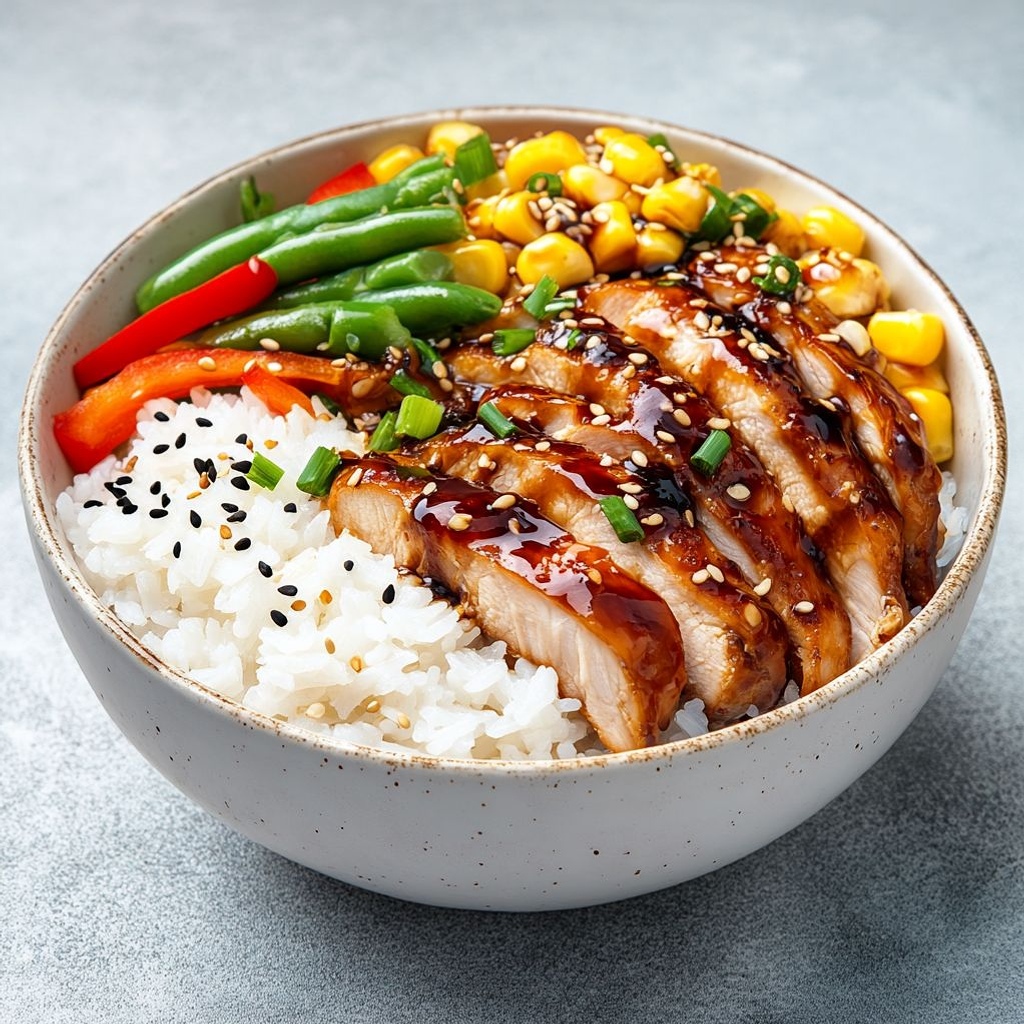
→ Using day-old rice prevents mushiness; keep grains moving to maintain separation and color, and finish with fat to carry flavor. - To assemble, portion a bed of cooled jasmine rice into each serving bowl, arrange hibachi chicken slices on top, then heap the stir-fried vegetables beside or over the rice to create a vibrant, balanced plate. Drizzle a portion of the glaze over the chicken to lacquer it and unify flavors.
→ Layering rice, chicken, and vegetables ensures each bite has contrasting texture and the glaze optimally coats the proteins for visual appeal and taste. - Garnish and finish the bowls by squeezing a lemon wedge over one side for brightness, scattering sliced green onions across the top for aroma and crunch, and toasting sesame seeds in a dry pan until golden before scattering lightly over the bowls.
→ Citrus lifts richness; green onions provide fresh sharpness; toasted sesame seeds add nutty aroma and a final textural contrast.
Notes
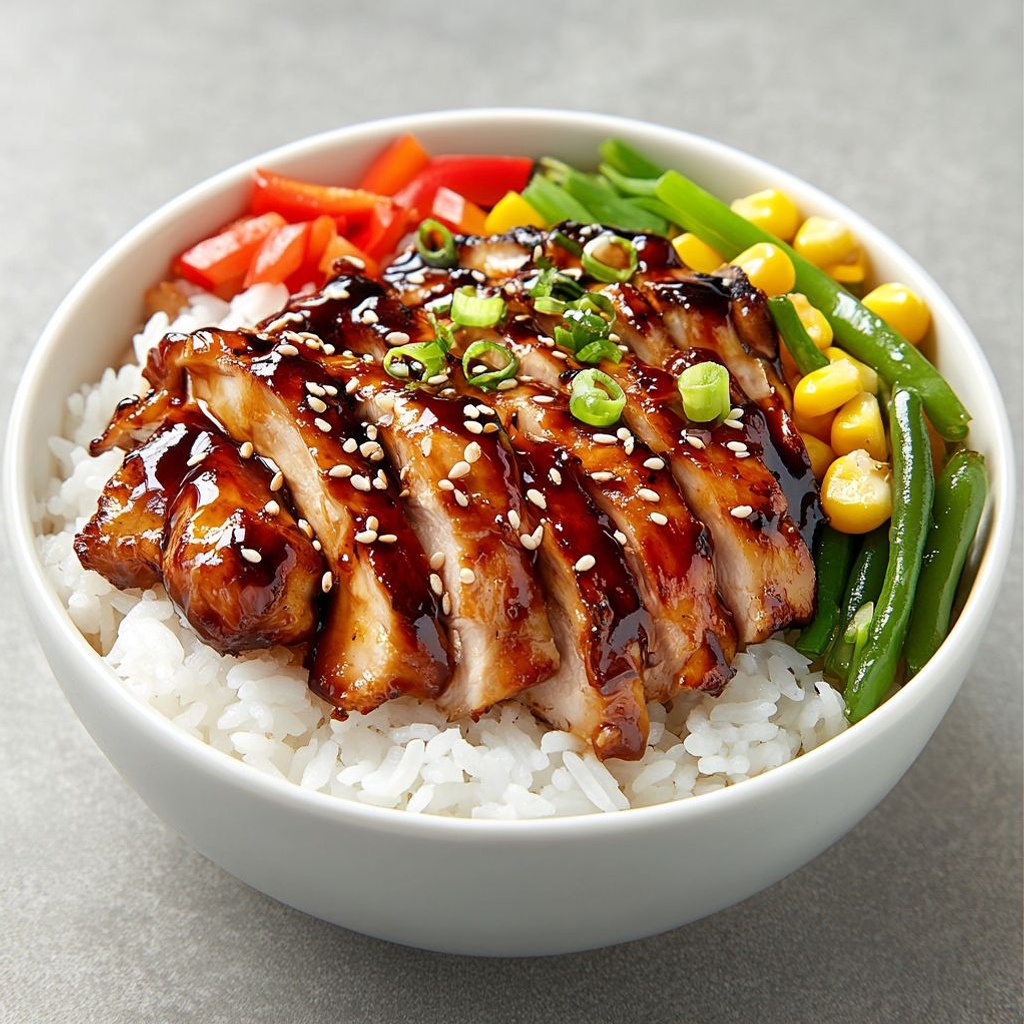
These hibachi chicken rice bowls are a bright, satisfying take on the classic hibachi grill favorites, pairing seared chicken with a glossy glaze over fluffy jasmine rice and crisp-tender vegetables. For best texture, use day-old cooled jasmine rice so the grains stay separate as they fry. Thinly slice chicken against the grain, pat dry, and marinate briefly in a mix of soy sauce, mirin, garlic, ginger, and sesame oil to deepen flavor and ensure tender, juicy meat. Pat-drying helps achieve a crisp sear. The hibachi glaze should be simmered with soy sauce, mirin, rice vinegar, and a touch of sugar until slightly reduced and glossy; finish with a knob of unsalted butter off the heat to emulsify and add silkiness. Stir-fry the vegetables quickly in a hot pan to preserve color and crunch, adding them in stages so everything cooks evenly. If you’re using the optional fried rice, start with day-old rice; fry with eggs, a splash of soy, and peas and carrots until lightly caramelized and just heated through. Finish with a squeeze of lemon, sliced green onions, and toasted sesame seeds for brightness and aroma. For make-ahead meals, prep the chicken, sauce, and vegetables separately and reheat together when serving; leftovers can be stored in the fridge for 3–4 days and reheated in a hot pan to recapture some sear. To accommodate gluten intolerance, use certified gluten-free soy sauce or tamari; adjust salt accordingly and taste as you go.
Tips
Rice Base Tips
- Use cooled jasmine rice or day-old rice; spread freshly cooked rice on a sheet pan to cool quickly and fluff with a fork to keep grains separate for frying.
- Dry grains fry best. If you must use warm rice, let it cool completely before frying to avoid a mushy texture.
- When frying, use a lightly oiled pan and fry in batches to avoid steaming; the goal is a crisp, fluffy texture with individual grains.
Hibachi Chicken Tips
- Pat the chicken dry before slicing; marinate 15–20 minutes in a small amount of marinade (soy, mirin, garlic, ginger, sesame oil) to deepen flavor, then pat dry again to ensure a crisp sear.
- Slice thinly against the grain for maximum tenderness; if using breast, shorten cooking time to prevent drying out.
- Preheat the pan until very hot; arrange the pieces in a single layer without crowding to form a crust.
- If using cornstarch, dust chicken lightly and shake off excess for a delicate crust that traps moisture.
Hibachi Sauce Tips
- Simmer soy, mirin, vinegar, and sugar until slightly reduced to concentrate flavors and create a glossy glaze.
- Finish with unsalted butter off heat and swirl to emulsify; avoid boiling after butter is added to prevent separation.
- Taste and balance; if it’s too salty, add a tiny splash of water or a pinch more sugar; if too sweet, add a bit more vinegar or soy.
Stir-Fry Veggies Tips
- Cut vegetables into uniform pieces for even cooking; start with onion to bloom aroma, then add broccoli, carrots, mushrooms, and zucchini in stages based on their cooking times.
- Preheat the skillet until smoking hot and use a high-heat oil; avoid crowding the pan to keep vegetables crisp-tender.
- Blanch or sear broccoli briefly to maintain bright color; add zucchini toward the end to prevent mushiness.
Optional Fried Rice Tips
- Use day-old rice and break up any clumps for fluffy fried grains; cold rice fries much better than freshly cooked.
- Cook the eggs separately or push them aside; scramble until just set and fold back into the rice for a silky texture.
- Season with soy gradually; adjust to taste to avoid overly dark or salty rice.
- Stir in peas and carrots near the end to keep color and texture bright.
Garnish & Finish Tips
- Finish with a lemon wedge; a quick squeeze brightens richness just before serving.
- Thinly slice green onions (white and green parts) for color and crisp bite; scatter over the top just before serving.
- Toast sesame seeds until fragrant to deepen nutty aroma; sprinkle lightly as a finishing touch.
FAQ
Hibachi Chicken Rice Bowl – FAQ
What is a Hibachi Chicken Rice Bowl?
A Hibachi Chicken Rice Bowl is a restaurant-style, one-bowl meal featuring seared marinated chicken, fluffy rice, crisp-tender stir-fried vegetables, and a savory hibachi-style butter-garlic sauce. It comes together quickly and makes a satisfying weeknight dinner.
What ingredients do I need?
For about 4 servings you’ll typically need:
- 2 large chicken breasts or thighs, cut into bite-sized pieces
- Cooked white or brown rice (or quinoa)
- Vegetables: carrots, zucchini, onions, bell peppers, mushrooms, snap peas
- Marinade: soy sauce (or gluten-free tamari), garlic, ginger, sesame oil, a touch of honey or brown sugar
- Oil for cooking
- Butter and extra garlic for the hibachi sauce
- Optional toppings: sesame seeds, sliced green onions
How do I marinate the chicken?
Whisk together 3 tablespoons soy sauce, 1 tablespoon sesame oil, 1 minced garlic clove, 1 teaspoon grated ginger, and 1 teaspoon honey or brown sugar. Toss with the chicken and let marinate for 15–30 minutes (or up to 2 hours in the fridge) for extra flavor.
What are good vegetables to use?
Use quick-cooking vegetables that stay crisp-tender: thin carrot slices, zucchini coins, sliced onions, bell peppers, mushrooms, and snap peas. You can mix and match based on what you have.
How do I make the hibachi butter-garlic sauce?
In a small pan, melt 2 tablespoons of butter over medium heat. Add 2 minced garlic cloves and cook about 30 seconds until fragrant. Stir in 2–3 tablespoons soy sauce and a splash of mirin or rice vinegar (optional). Finish with a grind of black pepper. Drizzle over the bowls or toss with the chicken and vegetables.
- Tip: keep sauce warm and ready to serve with the bowls.
Can I make this gluten-free or dairy-free?
Yes. Use gluten-free soy sauce or tamari. For dairy-free, use a dairy-free butter substitute or olive oil in the hibachi sauce, or skip the butter and rely on the oil for richness.
How long does it take to make?
About 25–35 minutes total. If you marinate the chicken, add 15–30 minutes of marinating time (or more if you have it). The actual cooking time is usually 10–15 minutes for the chicken and vegetables, plus time to cook the rice.
How do I assemble and serve the bowl?
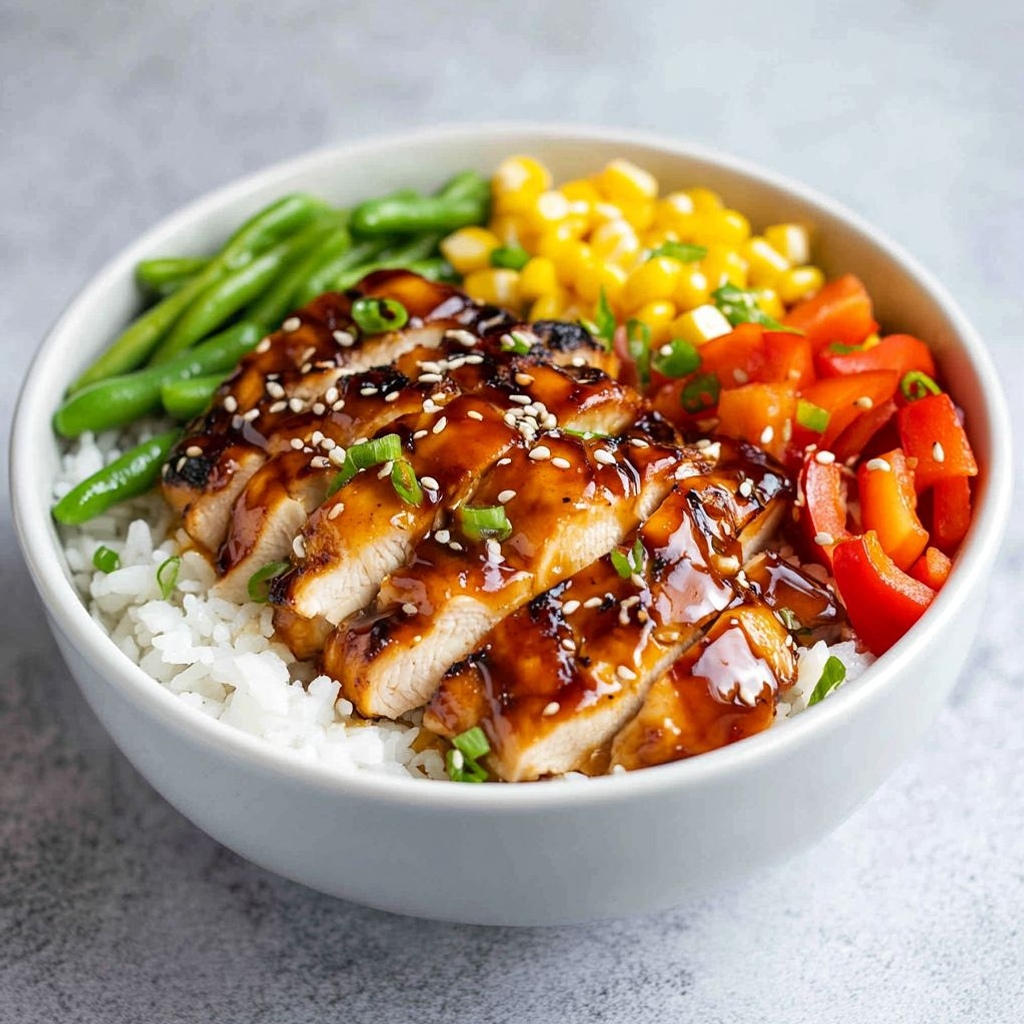
Start with a base of warm cooked rice in each bowl. Top with the sliced chicken and sautéed vegetables. Drizzle with the hibachi butter-garlic sauce and garnish with sesame seeds and sliced green onions. Serve immediately.
How should I store leftovers and reheat?
Store leftovers in an airtight container in the refrigerator for up to 3 days. Reheat in a skillet over medium heat, adding a splash of water or broth if needed to revive moisture, or reheat in short intervals in the microwave. If you kept sauce separate, reassemble with sauce when ready to eat.