Introduction / Hook
Imagine a slice of cake that marries the richness of a classic Italian dessert with the bold, modern appeal of chocolate. The Italian Chocolate Cake is not just a dessert; it’s a celebration of contrast—airy, tender crumb meeting deep, ganache-laden cacao on top; a whisper of espresso nudging the chocolate into velvet-smooth silk; and a sun-drenched aroma of cocoa that lingers long after the last bite. This cake is built to delight in the moment you lift it from the pan or plate a generous wedge onto a saucer, paired with a dollop of softly whipped cream or a scoop of vanilla gelato. It’s the kind of cake that makes a kitchen feel like a small, festive pizzeria or a sunlit trattoria, where conversations melt into the warm sweetness of chocolate and a pinch of nostalgia.
The appeal lies not only in its chocolate intensity but in its balance. It’s not a heavy, cloying fudge bomb; it’s a sophisticated, euro-caffè-inspired confection that welcomes a wide range of palates—from the devoted dark-chocolate purist to the sun-loving, citrus-fanatic who appreciates a subtle harmony with bitter orange zest. The scent alone—cocoa dusted with powdered sugar, coffee-laced steam hovering above, and vanilla-softened air—is enough to turn an ordinary afternoon into a small, edible celebration. This Italian Chocolate Cake invites you to take a moment, exhale, and savor the simple, comforting luxury of a slice that tastes like a memory you’ve almost forgotten, but which you’re eager to create anew.
The Story Behind the Dish
Chocolate reached Italy in a wave of dazzling confectionery from the colonial trade routes, and Italian bakers quickly learned to treat cacao with reverence and play. The concept of an indulgent chocolate cake in Italy intertwines with the nation’s love for simple ingredients elevated by technique and a sense of theatre. In many Italian households, dessert is a place for warmth, family, and conversation, not rush. A well-made chocolate cake in Italian kitchens often carries the memory of Sunday lunches, the scent of cocoa dusting the air as family members gather around, catching up on stories while coffee brews in a tiny moka pot. The Italian Chocolate Cake, in its most beloved form, echoes this spirit: it’s both humble and grand, meant to be shared and repeated with enthusiasm.
There are regional variations that enrich the story even further. In the northern hills, where the air holds a touch of Alpine cool, chocolate cake sometimes embraces a touch of balsamic or a whisper of cherry liqueur to deepen the fruitiness of the cocoa. In the southern countryside, you might find a more rustic approach—less formal, more forgiving, with olive oil adding a subtle fruitiness and a texture that’s almost rustic-chic. What ties these stories together is a dedication to craft: a batter that respects the ingredient’s integrity, a topping that crowns the cake with elegance, and a finish that invites conversation and lingering at the table.
Why You’ll Love This Recipe
- Versatile and crowd-pleasing: perfect for birthdays, Sunday “dolce,” or a chocolate-centric dinner party.
- Luxurious yet accessible: a chocolate-forward dessert that doesn’t require flamboyant technique or exotic ingredients.
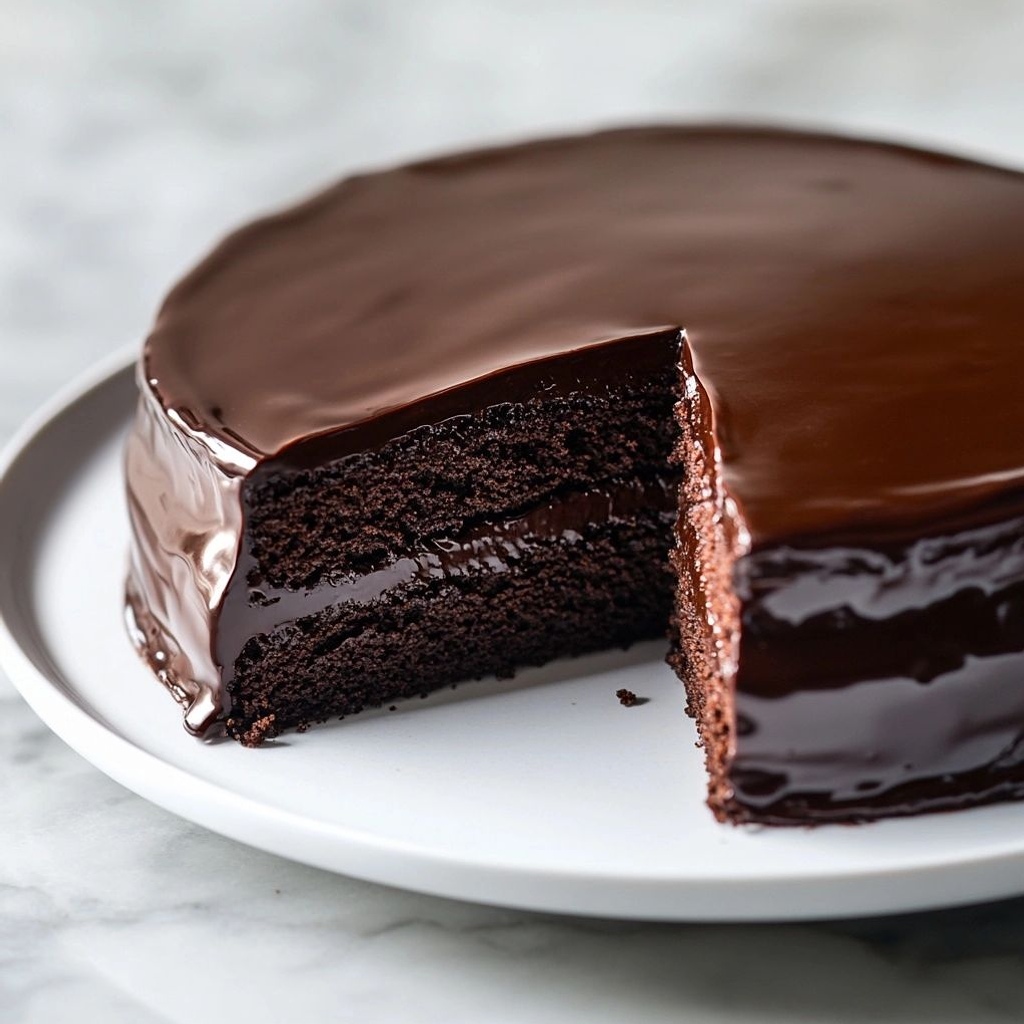
- Texture contrast that excites: a tender, springy crumb beneath a glossy, ganache-worthy top layer.
- Balanced sweetness: espresso or coffee accents deepen the chocolate flavor without overpowering it.
- Make-ahead friendly: the flavors mature nicely overnight, improving with time.
- Pairs beautifully with a range of accompaniments: vanilla gelato, mascarpone cream, or a bright citrus zest dusting to lift the palate.
Flavor Profile & Texture
The core of the Italian Chocolate Cake is a harmonized chorus of richness and brightness. The crumb is tender and moist, with a light spring that yields to the fork with a shy, lingering resistance. This is not a crumb that collapses under a heavy glaze; instead, it breathes and holds its shape, as if it has been serenaded into perfection. The chocolate note is deep—often a blend of dark cocoa with a hint of milk chocolate in the background—creating a velvety, almost satin-like feel on the palate.
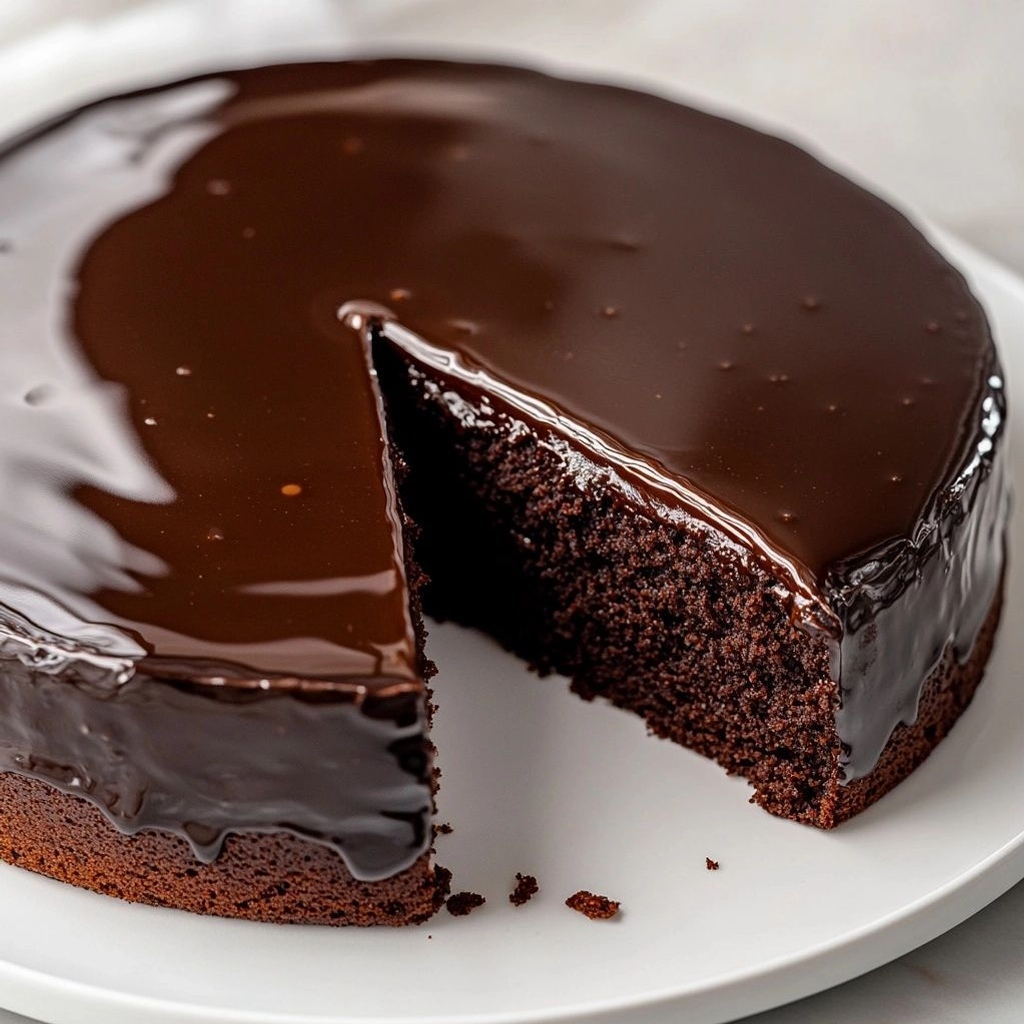
The top layer, typically a glossy ganache or a dark chocolate glaze, adds a velvety sheen that gleams under soft lighting. It carries a subtle bitterness that is essential for balance and a coffee-inflected aroma that lightly perfumes the air as the cake is sliced. If you choose to add espresso powder to the batter, the cake gains a wakeful nuance—like a morning espresso that has already earned its place in the day’s rhythm.
The aroma is a sensory prelude—a fusion of roasted cacao, vanilla’s softness, and the almost imperceptible warmth of melted butter. When combined with optional citrus zest, almond extract, or a splash of liqueur, the flavors become nuanced rather than flat. The texture of the top glaze contrasts beautifully with the crumb: a glossy, slightly tacky surface against a light, airy interior. In every bite you’ll notice a gentle density that never overwhelms, allowing the chocolate to speak softly while still delivering its signature indulgence.
Occasions & Pairings
This cake shines at many moments. It’s equally at home at a formal dinner where a pastry course might feel special but not pompous, as it is at a casual family gathering where a big slice serves as a shared moment of comfort. The chocolate’s intensity makes it a wonderful finale to a meal that features rustic, comforting flavors—roasted vegetables, a hearty pasta, or a simple citrus-driven dessert course that cleanses the palate between bites.
Suggested occasions:
- Weeknight indulgence after a long day, when a little chocolate ritual feels deserved.
- Holiday gatherings and celebratory meals where a show-stopping dessert is a focal point.
- Intimate date nights, where a slice shared over a candlelit table becomes a quiet, sweet ritual.
- Brunch or afternoon coffee hours, paired with espresso, cappuccino, or a glass of dessert wine.
Pairings to consider:
- Vanilla gelato or softly whipped cream for a creamy counterpoint to the chocolate’s depth.
- Mascarpone cream or citrus-basil crema to add brightness and a dairy balance.
- Raspberry, orange, or mocha reduction to echo and lift the chocolate flavor.
- Coarse sea salt flakes on top for a quick, delightful textural surprise.
Tips, Variations & Substitutions
The beauty of an Italian Chocolate Cake lies in its forgiving nature and the opportunity to personalize it. Here are ideas to tailor the cake to your tastes, dietary needs, or the ingredients you have on hand.
- Decadent variation: add a touch of espresso or coffee liqueur to the batter and glaze to intensify the chocolate’s resonance.
- Zest of citrus: a small amount of lemon or orange zest finely grated into the batter brightens the chocolate without overpowering it.
- Nut twist: fold in toasted, finely chopped hazelnuts or almonds for a light crunch and a toasty aroma; replace a portion of flour with finely ground nuts if desired.
- Vegan option: substitute dairy with plant-based milk and applesauce or ground flaxseed as an egg alternative; use vegan butter or coconut oil for the glaze and adjust sweetness to taste.
- Gluten-free approach: use a gluten-free flour blend that performs well in cakes; consider a touch more almond flour for structure if using a dense gluten-free blend.
- Oil-based moistness: replace part of the butter with a neutral oil to yield a slightly lighter crumb with extended moisture retention.
- Frivolous finish: dust with cocoa powder, chocolate curls, or a delicate bi-layer of ganache for a visually striking finish.
- Regional flourish: a splash of Marsala or a small amount of amaretto can evoke Italian dessert traditions and pair beautifully with chocolate.
Storage & Make-Ahead Ideas
This cake behaves graciously when you plan ahead. If you want to enjoy it over several days, consider the following methods to keep it fresh and delicious.
- Room temperature: loosely cover with parchment or a breathable cake dome for up to 2 days. The cake will stay moist and the glaze will set in a pleasant, ganache-like finish.
- Refrigeration: if your climate is humid or you’ve applied a longer-lasting glaze, store the cake covered in the refrigerator for up to 4 days. Bring to room temperature before serving to restore tenderness.
- Make-ahead freeze: freeze unfrosted, cooled cake wrapped tightly in plastic and foil for up to 2 months. Thaw completely, then apply glaze or reheat gently with a light glaze to refresh the surface.
- Glaze stability: if freezing with glaze, ensure the glaze is set completely before freezing; otherwise, frost and rewarm gently if needed to restore gloss after defrosting.
- Portion control: for gatherings, pre-slice the cake into portions and wrap individually; this makes serving easier and helps maintain moisture for each slice.
Fun Facts & Trivia (Optional)
– Chocolate, once considered a luxury and a sacred commodity in ancient civilizations, traveled through the hands of explorers, merchants, and chefs who slowly transformed the bitter cacao into something that could be celebrated in sweet, comforting forms like a chocolate cake. The Italian adaptation of rich chocolate desserts is a testament to the country’s love for balance—where intensity in flavor meets refinement in technique.
– The use of espresso or coffee notes in Italian cakes is a nod to the country’s coffee culture, where the morning ritual of brewing and savoring coffee is as essential as sharing a plate of dessert with friends and family. This cake invites that ritual, letting a gentle coffee aroma mingle with cocoa for a layered, grown-up finish.
– Chocolate collaborations have historically included the pairing of cacao with citrus, nutty tones, and liqueurs—an homage to Italy’s regional diversity and its chefs’ willingness to fuse tradition with contemporary taste. A slice of Italian Chocolate Cake is a passport to that chef’s journey, inviting you to sample a little of every region through the senses.
Conclusion
The Italian Chocolate Cake is more than a dessert; it’s a mood, a memory, and a beacon of Italian dessert craft brought to your table. Its depths of chocolate comfort, coupled with a graceful texture and a thoughtful finish, offer a moment of joy that is both familiar and excitingly new. Whether you’re baking for a quiet night in or presenting a show-stopping dessert for guests, this cake stands ready to charm, surprise, and satisfy. So gather your favorite cocoa, the ingredients you love, and a little patience to let the cake reveal its best self—the kind of recipe that becomes a staple in your home, whispered about with a smile long after the last crumb has vanished.
Ingredients
- Cake Batter
→ 1 3/4 cups all-purpose flour provides the structure for the cake batter, forming the crumb after baking. 3/4 cup unsweetened cocoa powder gives the rich chocolate flavor base; sift to remove lumps and blend evenly with the dry ingredients. 1 1/2 cups granulated sugar adds sweetness and helps create a tender, moist crumb. 1 teaspoon baking powder and 1/2 teaspoon baking soda act as leaveners to help the cake rise and become light and airy. 1/4 teaspoon salt enhances chocolate flavor and tightens the crumb. 2 large eggs bind the batter and provide moisture and richness; at room temperature, they emulsify better with the wet ingredients. 1 cup whole milk adds moisture and tenderness; for a dairy-free option, substitute with almond or oat milk plus a dash of additional fat. 1/2 cup unsalted butter, melted and cooled, contributes richness and a fine crumb; if using oil instead, use 1/2 cup neutral oil plus a tablespoon of extra cocoa for depth. 2 teaspoons vanilla extract deepens the overall flavor. 1/2 cup brewed espresso or strong coffee, cooled, intensifies chocolate aroma and sweetness; omit if avoiding caffeine, but consider a teaspoon of extra cocoa and a pinch more sugar as fallback. - Optional Add-ins
→ 1/2 cup dark chocolate chips or chunks add pockets of extra chocolate and a decadent texture; chop chips into small pieces so they distribute evenly and melt slightly during baking for a glossy finish. If using chips, fold them into the batter last to prevent sinking. For a smoother finish, use finely chopped dark chocolate rather than large chunks. - Glaze/Topping (Chocolate Ganache)
→ 1/2 cup heavy cream creates the glossy, luscious glaze that coats the cake and softens the surface; heat until just steaming and then pour over cooled cake for a silky finish. 6 oz dark or semisweet chocolate, chopped, melts into the warm cream to form a smooth ganache; use a spatula to whisk until completely glossy and lump-free. For a thicker ganache, increase chocolate by a small amount; for a thinner glaze, add a splash more cream. Allow ganache to set slightly before slicing to achieve clean edges.
Instructions
- Preheat your oven to 350°F (175°C) and prepare a 9-inch round cake pan by greasing the sides and lining the bottom with parchment, ensuring the batter releases cleanly after baking; this prevents sticking and helps achieve a smooth, even cake surface.
→ Proper preparation avoids tear-outs when unmolding and contributes to uniform rise around the edges. - Sift together the dry ingredients—1 3/4 cups all-purpose flour, 3/4 cup unsweetened cocoa powder, 1 teaspoon baking powder, 1/2 teaspoon baking soda, and 1/4 teaspoon salt—to remove lumps and create a homogeneous batter that rises evenly; sifting also aerates the mixture for a lighter crumb.
→ Sifting eliminates clumps that could create dense spots and uneven texture in the finished cake. - Whisk the wet ingredients—2 large eggs at room temperature, 1 cup whole milk, 1/2 cup melted and cooled unsalted butter (or 1/2 cup neutral oil with an extra tablespoon of cocoa if using oil), 2 teaspoons vanilla extract, and 1/2 cup brewed espresso or strong coffee (cooled)—until completely combined and homogenous; room-temperature eggs emulsify better, creating a smoother batter.
→ Proper emulsification ensures even distribution of fat and moisture, preventing curdling and a tender crumb. - Pour the wet ingredients into the bowl with the dry ingredients and mix on low speed or with a whisk just until the batter comes together; avoid overmixing to prevent gluten development which can make the cake dense; scrape the bowl and fold any streaks until barely incorporated.
→ Gentle mixing preserves a tender crumb and avoids a tough, rubbery texture. - If using optional add-ins, fold in 1/2 cup dark chocolate chips or chunks at the last moment, distributing them evenly with a light hand to prevent sinking and to ensure pockets of melted chocolate in every slice.
→ Adding chips at the end minimizes their tendency to settle at the bottom and helps them melt into the batter for a glossy finish. - Pour the batter into the prepared pan, tapping the pan firmly on the counter once to release any air pockets and level the surface with a spatula; a flat, even top ensures uniform baking and a straight edge when the cake cools.
→ Even batter distribution prevents doming and promotes consistent crumb structure throughout the cake. - Bake in the preheated oven for 25 to 35 minutes, or until a toothpick inserted into the center comes out with a few moist crumbs and the edges pull slightly away from the pan; this confirms internal doneness without drying the exterior.
→ Checking with a toothpick guarantees the cake is cooked through without overbaking, preserving moisture. - Allow the cake to cool in the pan for 10 minutes, then invert onto a wire rack and peel away the parchment; let it cool completely before glazing to prevent the ganache from sliding off the surface.
→ Proper cooling sets the crumb and makes glazing cleaner and neater. - Prepare the ganache by heating 1/2 cup heavy cream just to a light simmer until tiny bubbles form around the edges; do not boil, as excessive heat can cause the ganache to seize or become grainy.
→ Gentle heating ensures the chocolate melts smoothly into the cream for a glossy finish. - Place 6 oz chopped dark or semisweet chocolate into a heatproof bowl, then pour the hot cream over it and let stand for 2 minutes to begin melting; then whisk until completely smooth and glossy, with no lumps remaining.
→ The resting period allows the cocoa butter to soften and the whisking stage integrates the ganache to a silky texture. - Pour the warm ganache over the cooled cake, using a spatula to spread it to the edges for a uniform gloss; wait 5 to 10 minutes for the surface to set slightly before slicing to achieve clean, neat cuts.
→ A set but still suave ganache makes slices neat and prevents crumbling. - Serve the Italian Chocolate Cake at room temperature, or refrigerate for a stiffer, perfectly sliced presentation; if refrigerating, allow 20 minutes at room temperature before serving to soften the ganache and enhance the chocolate aroma.
→ Temperature control ensures optimal texture and flavor release with every bite.
Notes
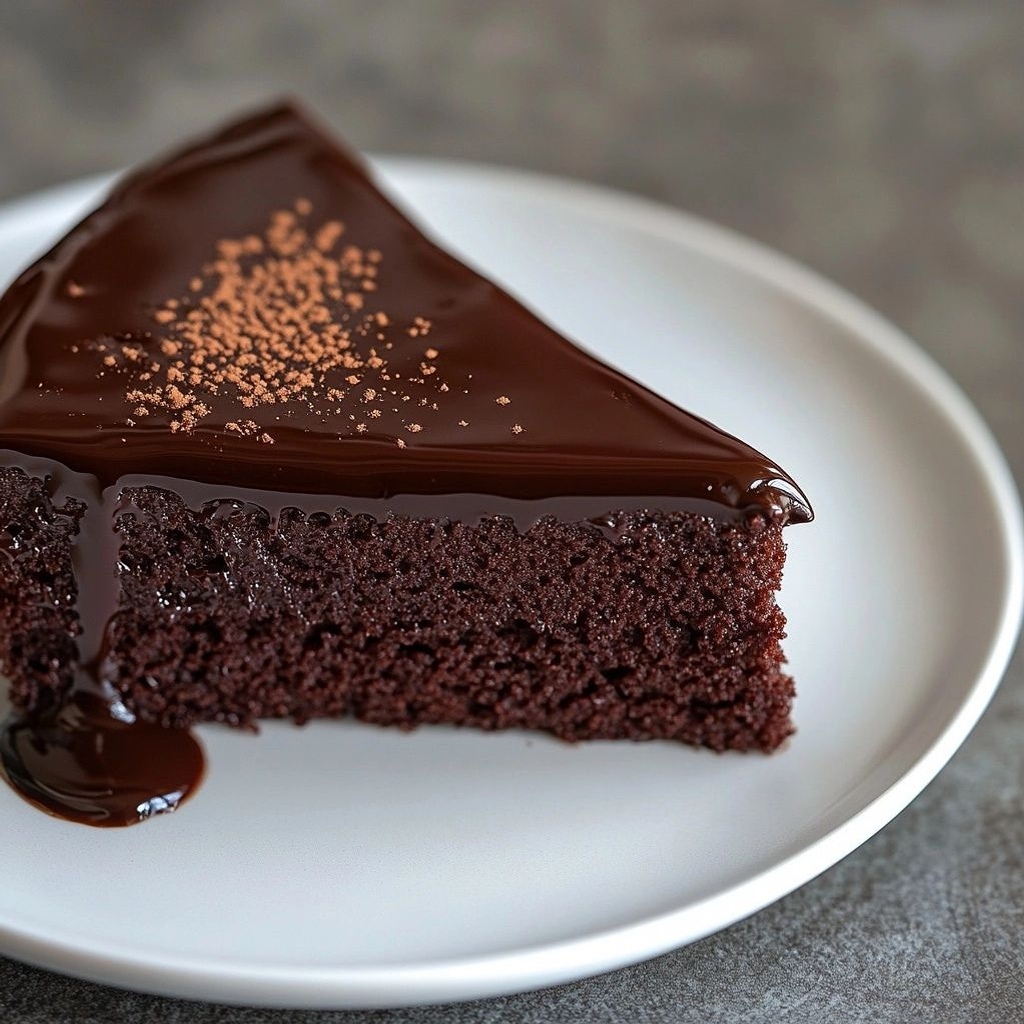
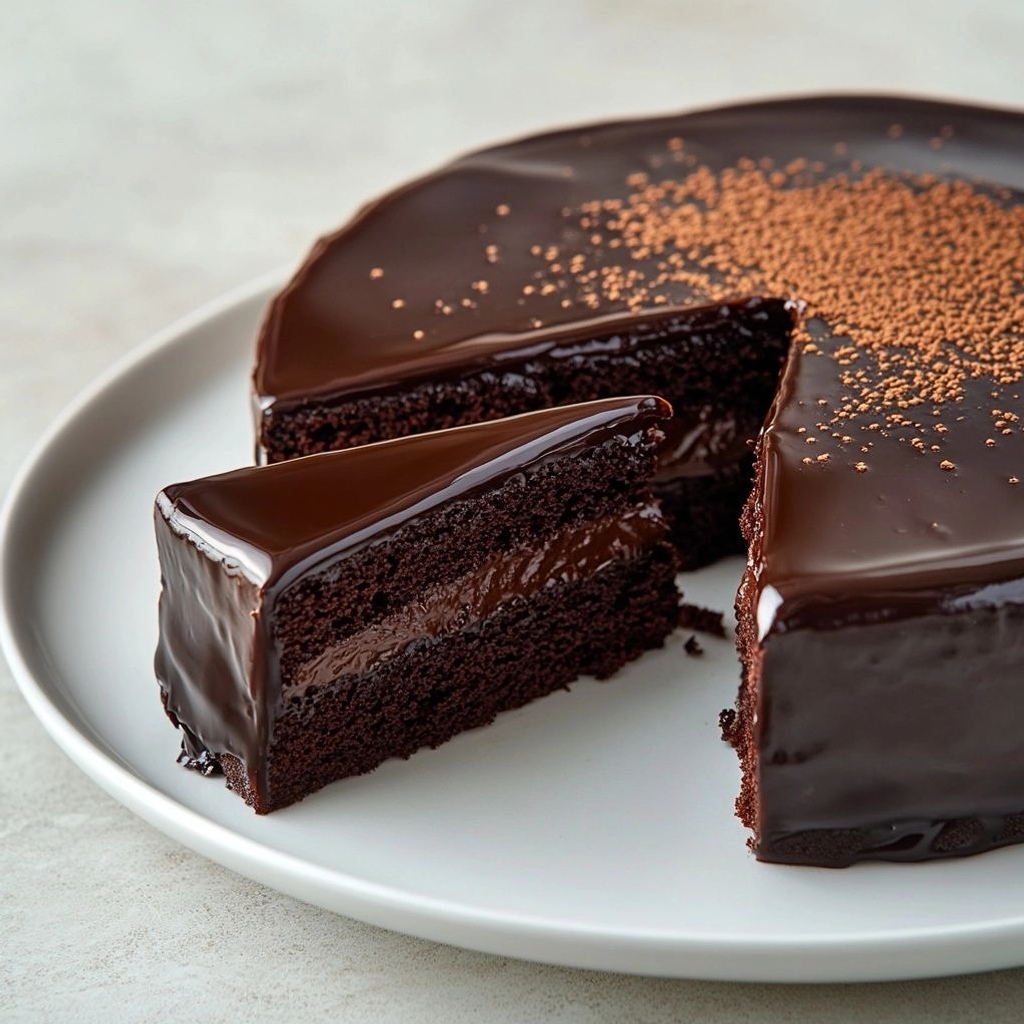
These Italian chocolate cake layers are rich, moist, and deeply chocolatey, thanks to a well-balanced batter that blends cocoa with espresso for a lingering depth of flavor. To ensure a tender crumb, whisk the dry ingredients thoroughly to distribute the leaveners and cocoa evenly, then gently fold in the wet ingredients just until combined to avoid overmixing. Bring eggs, milk, and butter to room temperature for better emulsification and a smoother batter. For best results, sift the cocoa and flour together to prevent lumps and create a finer crumb. Bake in well-greased pans and let the cakes cool completely before assembling with your favorite filling or ganache. If you prefer a dairy-free version, substitute the milk with almond or oat milk and use melted coconut oil or a neutral oil in place of butter, adding an extra tablespoon of cocoa to compensate for fat. Optional add-ins like dark chocolate chips or finely chopped chocolate can be folded in last for pockets of melt-in-the-mouth goodness, but avoid overmixing to keep the cake light. The ganache topping should be prepared warm and poured over cooled cake for a glossy, silky finish; allow it to set briefly before slicing for clean edges. These cakes freeze well between layers or after ganache is set, making advance-prep simple for celebrations. Always store any leftovers covered in the refrigerator and bring to room temperature before serving for the best flavor and texture.
Tips
Tips for Perfect Italian Chocolate Cake
- Room temperature ingredients: Ensure eggs and milk are at room temperature to help the batter emulsify smoothly, resulting in a finer crumb. If you forget, place eggs in warm water for 5–10 minutes and lightly warm milk.
- Sifting and blending: Sift the cocoa powder with the flour to remove lumps and promote even color and flavor. Whisk dry ingredients thoroughly to prevent clumps that could create dense spots.
- Espresso/coffee considerations: The brewed espresso or strong coffee deepens chocolate flavor, but you can omit it entirely and replace with a touch more cocoa and sugar if you want a milder chocolate profile. If you skip caffeine, consider adding 1–2 teaspoons of vanilla extract for aroma.
- Leavening balance: Verify baking powder and baking soda are fresh for reliable rise. If your oven tends to bake unevenly, consider a quick bake test with a small amount of batter to gauge rise before fully baking the cake.
- Moisture management: Butter adds richness, but oil gives a moister crumb that stays tender longer. If using oil, reduce the fat slightly if your batter looks too loose, and adjust with additional cocoa for depth as noted.
- Chocolate distribution: For optional add-ins, fold chips or chunks in last to prevent sinking. If you want an ultra-smooth interior, use finely chopped chocolate or call for a small amount of melted chocolate folded into batter at the end.
- Preventing cracks: Bake at a moderate temperature and avoid opening the oven door frequently. If the top is browning too quickly, tent with foil for the last 5–10 minutes to prevent cracking and keep a moist interior.
- Pan preparation: Grease and flour the pan thoroughly or line the bottom with parchment. This ensures easy release of the cake without tearing the crumb.
- Testing doneness: Insert a toothpick into the center; it should come out with a few moist crumbs, not wet batter. If it still looks wet, bake in 3–5 minute increments and retest to avoid a dry cake.
- Cooling and glaze timing: Let the cake cool completely before applying ganache for a smooth finish. If ganache thickens too much, gently rewarm and whisk before pouring.
- Ganache texture: For a glossy, pourable glaze, use a 1:1 ratio by weight of cream to chocolate. If you prefer a thicker ganache, increase chocolate slightly; for a thinner glaze, add a splash more warmed cream.
- Storage and freshness: Store covered at room temperature for up to 2 days or refrigerate for up to 5 days. Bring to room temperature before serving for the best texture and flavor. Freeze unfrosted cake slices wrapped tightly for longer storage.
- Flavor variations: Add 1–2 teaspoons of espresso powder in place of some cocoa for a more pronounced coffee note. A pinch of cinnamon or orange zest can complement the chocolate nicely.
FAQ
What is Italian Chocolate Cake?
Italian Chocolate Cake is a rich, decadent dessert inspired by Italian flavors. It typically features deep chocolate layers, a silky ganache, and may include optional coffee or liqueur to enhance depth of flavor.
What are the main ingredients?
Common ingredients include cocoa or chocolate, eggs, sugar, butter or oil, flour (or almond flour for a gluten-free version), milk or buttermilk, and a ganache or frosting made with chocolate and cream. Some versions may include espresso, vanilla, or a splash of liqueur like Marsala or amaretto.
Is this cake flourless?
Traditional Italian chocolate cake can be flourless or use a small amount of flour. A flourless version is common for a rich, dense texture; a cake with a little flour yields a lighter crumb. The recipe you follow will specify which approach.
What texture should I expect?
Texture can range from ultra-moist and dense (flourless) to slightly lighter with a delicate crumb (with flour). The ganache topping adds a glossy, creamy finish.
How long does it take to bake?
Active prep time plus bake time typically totals 60–90 minutes, depending on the recipe and whether you’re making a flourless or flour-based version. Always check for a toothpick inserted in the center—no wet batter should remain.
Can I make this ahead?
Yes. The cake benefits from resting overnight to develop flavor. Store tightly wrapped at room temperature for up to 2 days, or refrigerate for up to 5 days. The ganache can be prepared in advance and warmed slightly before coating.
How should I store leftovers?
Keep covered in the refrigerator for up to 5 days. For longer storage, wrap tightly and freeze for up to 2–3 months. Bring to room temperature before serving for best texture.
How can I adapt it for dietary needs?
– Gluten-free: use almond or gluten-free flour, or make a flourless version with cacao, eggs, butter, and sugar.
– Dairy-free: replace butter with olive oil or coconut oil and use dairy-free chocolate and cream alternatives for the ganache.
– Egg-free: use an egg substitute or aquafaba, depending on the recipe’s ratios. Always check your chosen substitution’s effect on texture.
What serving ideas pair well with Italian Chocolate Cake?
Serve with a light dusting of cocoa or powdered sugar, fresh berries, or a dollop of whipped cream. A shot of espresso or a dessert wine like Vin Santo can be a traditional accompaniment.
What common mistakes should I avoid?
Avoid overmixing the batter, which can make the cake dense. Do not overbake; chocolate can seize if overheated. Ensure proper cooling before applying ganache to prevent sliding or cracking.