
Introduction / Hook
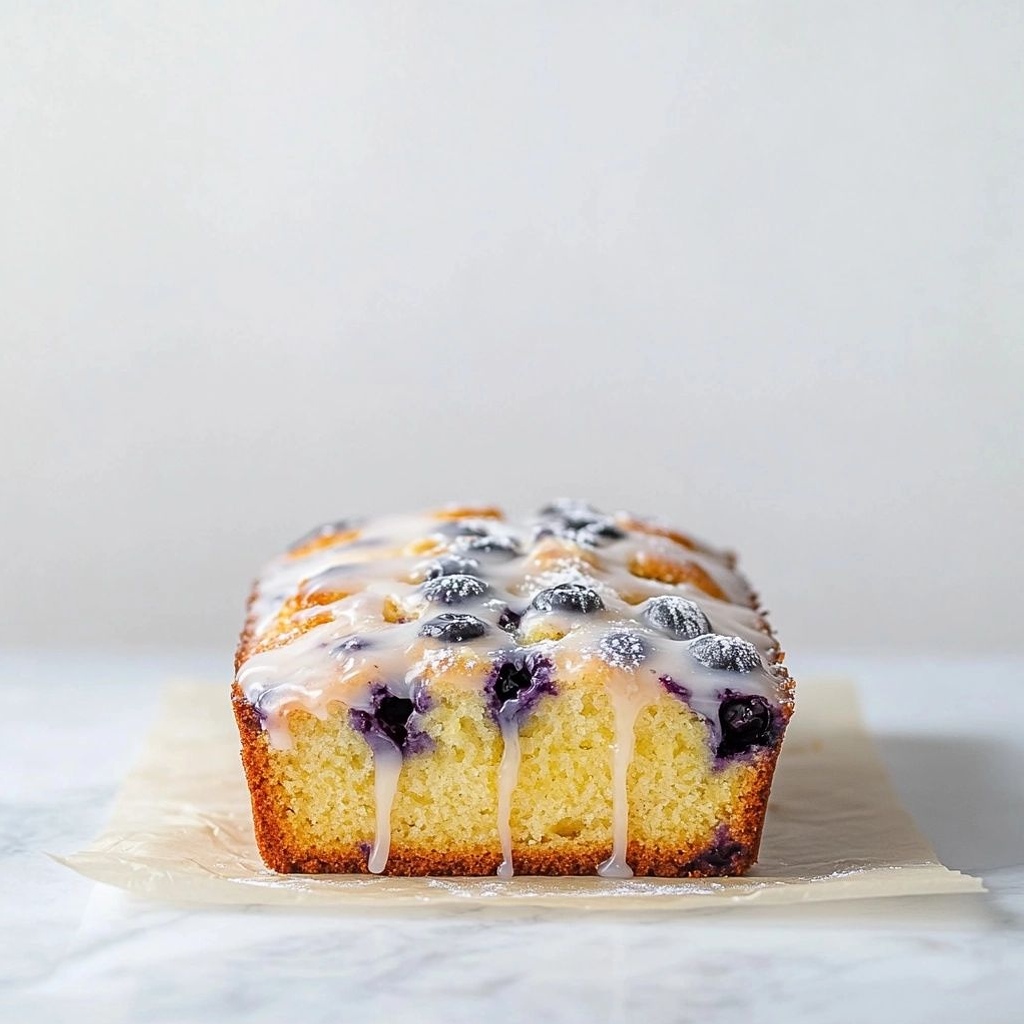
There’s something enchantingly sunny about a lemon blueberry loaf—the bright zing of lemon zest waking up the senses, the juicy pop of blueberries bursting through tender crumb, and the warm fragrance that fills your kitchen like a summer afternoon. This loaf is a citrus-kissed celebration of simple ingredients transformed into something comforting, elegant, and utterly irresistible. It’s the kind of bake that greets you with a gentle crackle of crust as it cools, releasing a perfume of lemon oil and baked berries that makes the whole house feel cozy, inviting, and just a little bit indulgent. Picture slices that melt in your mouth, lemon-sweet glaze or a light dusting of sugar catching the light as you plate them for family breakfast, a tea-time break, or an impromptu dessert. Whether you’re baking solo for a moment of calm or sharing with a crowd, this Lemon Blueberry Loaf delivers sunshine, warmth, and a touch of everyday luxury in every bite.
The Story Behind the Dish
Loaves like this one sit at the intersection of citrus abundance and berry season. The combination of lemon and blueberries has long been a beloved pairing in kitchens across the Mediterranean to the American South, where bright fruit notes echo the memories of sunlit orchards and berry-filled hedgerows. The idea of infusing a soft, cake-like loaf with lemon zest and juice harks back to classic tea-time recipes, where a modest slice could brighten a dull afternoon and pair beautifully with coffee or a gentle pot of tea. In many homes, a lemon loaf represents pantry frugality turned into celebration: a few lemons, a cup of flour, a handful of blueberries, and a simple leavening that turns ordinary ingredients into something special. The blueberries’ natural sweetness mirrors the lemon’s tang, offering balance that feels timeless and comforting. This particular loaf honors that tradition while embracing modern pastry methods—from careful zesting to ensure oils are released without bitterness to a gentle fold of fruit that keeps the berries intact and juicy through baking. The result is a loaf that tastes familiar yet refined, a nod to grandmotherly warmth with a contemporary texture that lovers of comfort baking will adore.
Why You’ll Love This Recipe
- Bright and comforting in one bite: The lemon brings sunshine to every slice while the loaf remains soft, moist, and comforting.
- Easy, weeknight-friendly bake: A straightforward batter with simple ingredients that come together quickly, so you can have bakery-worthy aroma at home without a fuss.
- Juicy bursts of blueberry: Whole blueberries folded into the batter stay juicy and provide delightful pops of sweetness with each bite.
- Versatile for occasions: Perfect for breakfast, brunch, afternoon tea, or a casual dessert, easily elevated with a glaze or dusting of sugar.
- Flexible and forgiving: Tolerates substitutions, whether you’re adjusting for dairy-free, gluten-free, or reduced-sugar preferences.
Flavor Profile & Texture
The aroma of the baked loaf is immediately inviting—the fragrance of lemon zest mingling with toasty vanilla and a hint of blueberry. The crumb is tender and moist, not dense, with a gentle crumb that yields easily under a fork. The lemon’s acidity brightens the flavor without overpowering the fruit, providing a clean, sunny tang. Blueberries, when used fresh, release their juices during baking, creating delicate lilac-blue streaks and pockets of sweetness that contrast with the citrusy bite. The crust offers a light, almost sugary crust that adds a subtle crunch before the soft interior gives way. If you choose to glaze the loaf, a thin lemon glaze enhances the citrus presence and gives a glossy finish that catches the light, adding a final layer of zing without making the loaf overly sweet. The overall experience is balanced, vibrant, and deeply comforting—like a playful morning at a sunlit café that lingers into a cozy afternoon at home.
Occasions & Pairings
This Lemon Blueberry Loaf shines in a variety of settings. It’s equally at home on a breakfast table as it is on a weekend brunch spread, a book club gathering, or a simple treat for guests who drop by. It also makes a thoughtful housewarming gift or a bright addition to a holiday breakfast buffet. For pairing ideas, consider:
- Drinks: A hot cup of tea (earl grey or lemon ginger), a light coffee, or a sparkling lemon-ginger soda to echo the citrus notes.
- Side dishes: A dollop of yogurt or a light ricotta with a drizzle of honey, and a scattering of fresh berries on the side for extra brightness.
- Desserts: A scoop of vanilla ice cream or a spoonful of lemon curd can complement the loaf beautifully if you’re serving it as a more indulgent finish.
- Seasonal twists: For autumn, a pinch of cinnamon or cardamom can add warmth; in spring, you might swap in some vanilla bean for an extra aroma boost.
Tips, Variations & Substitutions
- Fresh vs. frozen blueberries: Fresh berries yield vibrant pockets and hold their shape nicely. If using frozen, add a tablespoon of flour to the batter to prevent them from sinking and turning the loaf greyish; fold them in gently to preserve their texture.
- Glaze options: A simple glaze of powdered sugar and lemon juice provides a glossy finish and extra lemony brightness. For a lighter touch, dust with powdered sugar instead. If you prefer, skip the glaze and sprinkle with a light lemon sugar crust before baking to create a sweet crust edge.
- Dairy substitutions: Use almond milk, soy milk, or oat milk in place of dairy milk. For a richer crumb, replace a portion of the fat with unsweetened yogurt or sour cream, which also helps keep the loaf moist.
- Gluten-free version: Use a 1:1 gluten-free flour blend that includes xanthan gum (check product instructions) to maintain structure. You may need to bake a couple of minutes longer—watch for a clean toothpick test near the center.
- Low-sugar option: Reduce the sugar in the batter by a third and rely on the natural sweetness of the blueberries, then add a lemon glaze that you control. Alternatively, use a sugar substitute suitable for baking, keeping in mind that the lemon’s brightness helps balance sweetness.
- Flavor twists: Add a teaspoon of vanilla extract or a pinch of almond extract to deepen the aroma. A few lemon poppy seeds can add a pleasant crunch and a visual cue of lemony flavor throughout the loaf.
- Make-ahead tips: The loaf can be baked 1–2 days ahead and stored in an airtight container at room temperature. For longer storage, slice and freeze individual portions, then toast or warm gently before serving.
Storage & Make-Ahead Ideas
To keep the loaf at its best, wrap it tightly in plastic wrap or store it in an airtight container at room temperature for up to 3 days. If you prefer, refrigerate to extend freshness for an extra day or two; allow the loaf to come to room temperature before slicing for a tender crumb. For longer storage, freeze slices individually in plastic wrap and place in a freezer bag. They reheat beautifully in a 300°F (150°C) oven for 8–10 minutes or in the microwave for a quick snack. If you plan to glaze, consider applying the glaze just before serving to maintain a glossy, fresh appearance rather than allowing it to soften the crust over time. A well-wrapped loaf can stay delicious in the freezer for up to 2 months. Thaw at room temperature and refresh the slice with a light bake or a warm drizzle of lemon glaze to revive the bright aromas.
Fun Facts & Trivia (Optional)
- The combination of lemon and blueberries is not only delicious but also a celebration of two ingredients that pair well in both sweet and savory dishes across various cuisines.
- Lemons are among the oldest cultivated fruits, with a history rooted in Southeast Asia, later spreading to the Mediterranean and beyond, where citrus-infused desserts became a staple of regional baking traditions.
- Blueberries are one of the few natural sources of antioxidants that remain stable when baked, making them a popular choice in quick breads and loaves.
- For lemon lovers, the zest is where much of the lemon’s essential oils reside. Zesting the rind (instead of scraping) ensures the most fragrant, bright flavor without bitterness.
- Loaves with citrus and berries have become symbolic of warm, welcoming kitchens—simple comfort that can brighten even the grayest day.
Make It Your Own: Personal Touches
Every home has its own culinary signature, and this Lemon Blueberry Loaf is a wonderful canvas for personal touches. Consider adding a handful of chopped pistachios for a textural contrast and a nutty note. If you love a more pronounced lemon presence, increase the zest by a teaspoon or two and reduce the sugar slightly to keep balance. For a more festive look, top the loaf with a pale lemon glaze and a sprinkle of edible pearls or finely grated lemon zest just before serving. If you’re baking for someone with dietary restrictions, this loaf adapts well to vegan and gluten-free kitchens with the right substitutions—oat milk or almond milk, plant-based butter or oil, and a gluten-free flour blend that suits your brand of baking. The flexibility of this recipe makes it a reliable go-to for cooks of all levels, inviting experimentation while preserving the essential lemon-blueberry harmony that makes this loaf so beloved.
Closing Thoughts
In essence, the Lemon Blueberry Loaf is more than a dessert or a quick bread—it’s a mood, a memory, and a promise of warm kitchens and shared moments. It captures the optimism of bright mornings with the comfort of a homemade treat. It invites you to pause, breathe in the lemony aroma, and savor the soft, fruity crumb that lingers on the palate. Whether you’re slicing a piece for yourself with a hot cup of tea or presenting generous wedges to friends and family, this loaf has a knack for making ordinary days feel a little brighter, a little sweeter, and a lot more special. Bake with intention, share with joy, and let the sunny flavors of lemon and blueberry carry you through the day. Enjoy the process as much as the result, and let the aroma do the talking—you’ve created a loaf that makes ordinary moments feel memorable.
Ingredients
- Lemon Blueberry Loaf Batter
– 1 3/4 cups all-purpose flour (sifted)
→ This forms the structure of the loaf. Sifting helps prevent lumps and yields a lighter crumb. If you prefer, you can substitute with 1 1/2 cups all-purpose flour plus 1/4 cup whole wheat flour for a heartier texture, but keep the total weight consistent to avoid a dense loaf. - Lemon Blueberry Loaf Batter
– 2/3 cup granulated sugar
→ Provides sweetness and helps with browning. If you like a less sweet loaf, reduce to 1/2 cup and compensate with a touch more lemon zest for brightness. For a crisper crust, consider using coarse sugar on top just before baking (optional). - Lemon Blueberry Loaf Batter
– 1 tablespoon lemon zest (from about 1 lemon)
→ Infuses vibrant lemon aroma throughout the batter. Use fresh zest before juicing the lemon to maximize essential oils. Avoid the white pith, which is bitter, by zesting only the brightly colored outer layer. - Lemon Blueberry Loaf Batter
– 2 teaspoons baking powder
→ Leavening to help the loaf rise and become light and tender. Do not substitute with baking soda unless accompanied by an acidic ingredient; if you do, ensure the batter still has something acidic like yogurt or lemon juice to activate the soda. - Lemon Blueberry Loaf Batter
– 1/2 teaspoon baking soda
→ Works with the lemon juice to provide lift and a soft crumb. Fresh baking soda is best for consistent results; store in a cool, dry place and check expiration dates if you’ve had it long. - Lemon Blueberry Loaf Batter
– 1/4 teaspoon salt
→ Balances sweetness and enhances fruity flavors. Even a small pinch can sharpen the overall taste and improve crumb structure. - Lemon Blueberry Loaf Batter
– 2 large eggs, room temperature
→ Bind the batter and enrich the crumb. Room-temperature eggs blend more evenly with the dry ingredients, helping to create a uniform, tender loaf. If refrigerated, gently warm eggs in a bowl of warm water for about 5–10 minutes before mixing. - Lemon Blueberry Loaf Batter
– 1/2 cup milk, room temperature
→ Adds moisture and helps dissolve sugars; room temperature promotes better emulsification with the eggs and oil/butter. If using dairy-free milk, almond or oat milk works well here. - Lemon Blueberry Loaf Batter
– 1/3 cup fresh lemon juice
→ Provides tangy brightness and acid that interacts with leavening for a tender crumb. Use fresh juice and strain out seeds. If you want a stronger lemon flavor, increase to 1/2 cup, but adjust sugar slightly to balance acidity. - Lemon Blueberry Loaf Batter
– 1/2 cup vegetable oil or melted unsalted butter, cooled
→ Moisture provider and tenderizer. Oil yields a moister loaf with a softer crumb; butter adds richness and flavor but can make the crumb a touch firmer. If using butter, let it cool slightly so it doesn’t scramble the eggs. - Lemon Blueberry Loaf Batter
– 1 teaspoon vanilla extract
→ Subtle sweetness and depth to the crumb. For a more intense flavor, use vanilla bean paste or add a pinch of lemon extract in addition to the vanilla, but avoid overpowering the citrus notes. - Lemon Blueberry Loaf Batter
– 1 cup fresh blueberries, rinsed, dried, and tossed with 1 tablespoon all-purpose flour
→ Lightly coats the berries to prevent them from sinking and to distribute pockets of berry throughout the loaf. Use gentle folding to avoid bursting the berries; if frozen berries are used, do not thaw to minimize juice leakage, and toss with a bit more flour. - Lemon Blueberry Loaf Batter
– Optional: 2 tablespoons sliced almonds or chopped walnuts, lightly toasted
→ Adds a subtle crunchy contrast and nuttiness that pairs beautifully with lemon. Toast nuts briefly in a dry pan until fragrant to enhance flavor, then fold in just before baking if desired. - Lemon Blueberry Loaf Batter
– Optional: 2 teaspoons poppy seeds
→ Provides delicate texture and visual interest without altering flavor dramatically. If using, fold in with the dry ingredients and ensure even distribution to avoid clumping. - Lemon Blueberry Loaf Batter
– 1 tablespoon lemon juice (additional, for glaze)
→ If you plan to add a lemon glaze, reserve this amount to blend with powdered sugar later for a glossy finish that complements the loaf’s citrus notes. - Lemon Blueberry Loaf Batter
– Optional Glaze (see separate group)
→ The glaze adds a tangy-sweet lemon sheen on top. Prepare separately and drizzle over cooled loaf for a polished look and extra lemon flavor. - Lemon Blueberry Loaf Batter
– 1/2 teaspoon fine zest, for finishing (optional)
→ Extra zest sprinkled on top before serving can amplify lemon aroma and provide a fresh citrusy finish. Use finely grated zest to avoid large peels in bites. - Lemon Blueberry Loaf Batter
– 1/4 teaspoon espresso powder (optional)
→ A pinch enhances the berries’ color and complexity without imparting coffee flavor. This trick helps blueberries pop in baked goods but is entirely optional.
Instructions
- Preheat your oven to 350°F (175°C) and line a 9×5-inch loaf pan with parchment paper or grease it well to ensure the loaf releases cleanly after baking.
→ A steady, even oven and properly prepared pan prevent sticking and enable uniform bake height and crumb structure. - Whisk together the sifted all-purpose flour, baking powder, baking soda, and salt in a medium bowl until the leaveners and salt are evenly distributed.
→ Sifting and whisking aerate the dry mix and ensure even leavening, which helps the loaf rise uniformly and avoids dense pockets. - In a separate large bowl, beat the granulated sugar with the lemon zest and eggs until light and fluffy, about 2 to 3 minutes, to physically aerate and emulsify the mixture.
→ This creates a tender crumb by incorporating air and thoroughly dissolving sugar, which helps with even structure during baking. - Whisk in the milk, lemon juice, and vanilla extract to the sugar-egg mixture until fully combined and smooth.
→ Fresh acidity from the lemon juice interacts with the leaveners for a tender crumb, while the dairy helps emulsify fats for moisture and cohesion. - Stir in the cooled oil or melted butter slowly into the wet mixture until the fat is fully integrated and the batter looks glossy.
→ Properly emulsified fat coats the flour, contributing to a moist, tender crumb and preventing a greasy separation during baking. - Gently fold the wet ingredients into the dry ingredients just until the batter comes together and there are no streaks of flour, being careful not to overmix.
→ Overmixing develops gluten and yields a tougher loaf; mixing just until combined yields a lighter, tender interior. - Fold in the fresh blueberries that have been tossed with 1 tablespoon flour, along with the optional almonds or walnuts and poppy seeds if using, distributing them evenly without breaking the berries.
→ Lightly coating berries with flour helps them suspend rather than sink; fold gently to keep them intact and maintain berry pockets for flavor and color throughout the loaf. - Pour the batter into the prepared loaf pan and smooth the top with a spatula to ensure an even rise, then lightly tap the pan on the counter to floor any large air pockets.
→ A level batter surface and knocked-out air pockets promote uniform baking and a flat top without large domes. - Bake in the center of the oven for 50 to 60 minutes, or until a toothpick inserted into the center comes out with a few moist crumbs and the loaf springs back when gently pressed.
→ The time range accounts for oven variance; testing with a toothpick confirms doneness without overbaking, which can dry the loaf. - If the top browns too quickly, tent the loaf with aluminum foil halfway through baking to prevent scorching while the interior finishes cooking.
→ Foil protection maintains color while allowing the interior to reach proper temperature without burning the crust. - Remove the loaf from the oven and cool in the pan on a wire rack for 10 minutes, then lift it out of the pan using the parchment overhang and continue cooling completely before glazing or slicing.
→ Resting the loaf stabilizes the crumb and makes slicing clean and uniform, while cooling drives moisture equilibrium for better texture. - For a lemon glaze, whisk together the reserved 1 tablespoon lemon juice with powdered sugar until smooth and glossy, then drizzle over the cooled loaf; finish with a light dusting of fine zest if desired.
→ The glaze adds brightness and a polished finish; the glaze should set slightly but remain tack-free for a pleasant bite and visual appeal. - Just before serving, optionally sprinkle 1/2 teaspoon fine lemon zest over the glaze for extra aroma and a fresh finish.
→ Fresh zest enhances citrus aroma and provides a vibrant, citrusy contrast to the sweet glaze and loaf crumb.

Notes
These lemon blueberry loaf treats strike a balance between bright citrus and fruity sweetness, delivering a tender crumb with pockets of juicy berries. To ensure a light, even crumb, sift the flour and avoid overmixing once the wet and dry ingredients come together. Fresh lemon zest and juice amplify the citrus aroma, while a light touch of sugar helps brown the crust for a gently crisp edge. Coating the blueberries in flour helps prevent them from sinking, distributing color and flavor throughout the loaf. You can customize this loaf with toasted nuts or a delicate lemon glaze for an extra glaze that highlights the citrus notes. Store leftovers in an airtight container and the loaf will stay moist for several days; it also freezes well for long-term storage.
- Use room-temperature ingredients to promote a smooth, even batter and a tender loaf.
- Gently fold the blueberries into the batter to minimize bursting; if using frozen berries, do not thaw and mix with slightly more flour to reduce color bleed.
- Coat blueberries with a tablespoon of flour before adding to the batter to help them stay suspended during baking.
- Be mindful with the lemon; zest first to capture the essential oils, then juice and strain to remove seeds for a bright, tart-sweet balance.
- For a moister loaf, choose oil or use melted butter that has cooled slightly; oil tends to yield a softer crumb.
- If you prefer a glaze, reserve a portion of lemon juice to whisk with powdered sugar for a glossy finish that enhances the citrus aroma.
- Let the loaf cool completely before slicing to ensure clean cuts and prevent crumb from crumbling.
- Slice and serve with a dollop of yogurt or a light dusting of powdered sugar for an elegant finish.

Tips
FAQ
What are the main ingredients for Lemon Blueberry Loaf?
You’ll need all-purpose flour, sugar, baking powder, salt, eggs, milk or buttermilk, unsalted butter or oil, fresh lemon zest, lemon juice, and fresh or frozen blueberries. Optional Greek yogurt can add moisture and tang.
Can I use frozen blueberries?
Yes. If using frozen blueberries, do not thaw them before folding into the batter to reduce color bleeding. Gently toss them with a tablespoon of flour to prevent sinking.
How should I measure the flour?
Fluff the flour, spoon it into the measuring cup, and level off with a knife. This helps prevent dense loaves. Alternatively, weigh 120–140 g of flour for accuracy.
How much lemon zest and lemon juice do I use?
Use 1 to 2 tablespoons of finely grated lemon zest and about 2 tablespoons of lemon juice. If you love a stronger lemon flavor, add a little more zest, but avoid overpowering the batter.
What pan size should I use and how long to bake?
Use a standard 9×5-inch loaf pan greased or lined with parchment. Bake at 350°F (175°C) for about 50–65 minutes, or until a toothpick inserted into the center comes out clean or with a few moist crumbs.
Why did my loaf sink in the middle?
Sinking can happen if the loaf is underbaked, the batter was overmixed, or the oven temperature was too low. Ensure your oven is calibrated, don’t overmix once the dry and wet ingredients combine, and bake until a toothpick emerges clean.
Can I substitute yogurt or dairy-free options?
Yes. You can substitute with plain yogurt or dairy-free yogurt (unsweetened). For dairy-free, use a neutral oil (like canola or grapeseed) instead of butter and ensure the milk substitute is unsweetened.
How should I store leftovers?
Let the loaf cool completely, then wrap tightly in plastic wrap or store in an airtight container at room temperature for up to 3 days. For longer storage, refrigerate (up to 1 week) or freeze (slices wrapped individually, up to 3 months).
Can I add a glaze or topping?
Yes. A simple lemon glaze works well: whisk 1 cup powdered sugar with 2–3 tablespoons lemon juice until smooth, then drizzle over cooled loaf. You can also sprinkle with a little extra zest.
What if the blueberries bleed color into the batter?
To minimize bleeding, toss blueberries with a tablespoon of flour before folding them in and fold gently to keep them intact. Bake at the recommended temperature to set the batter quickly.