Introduction / Hook
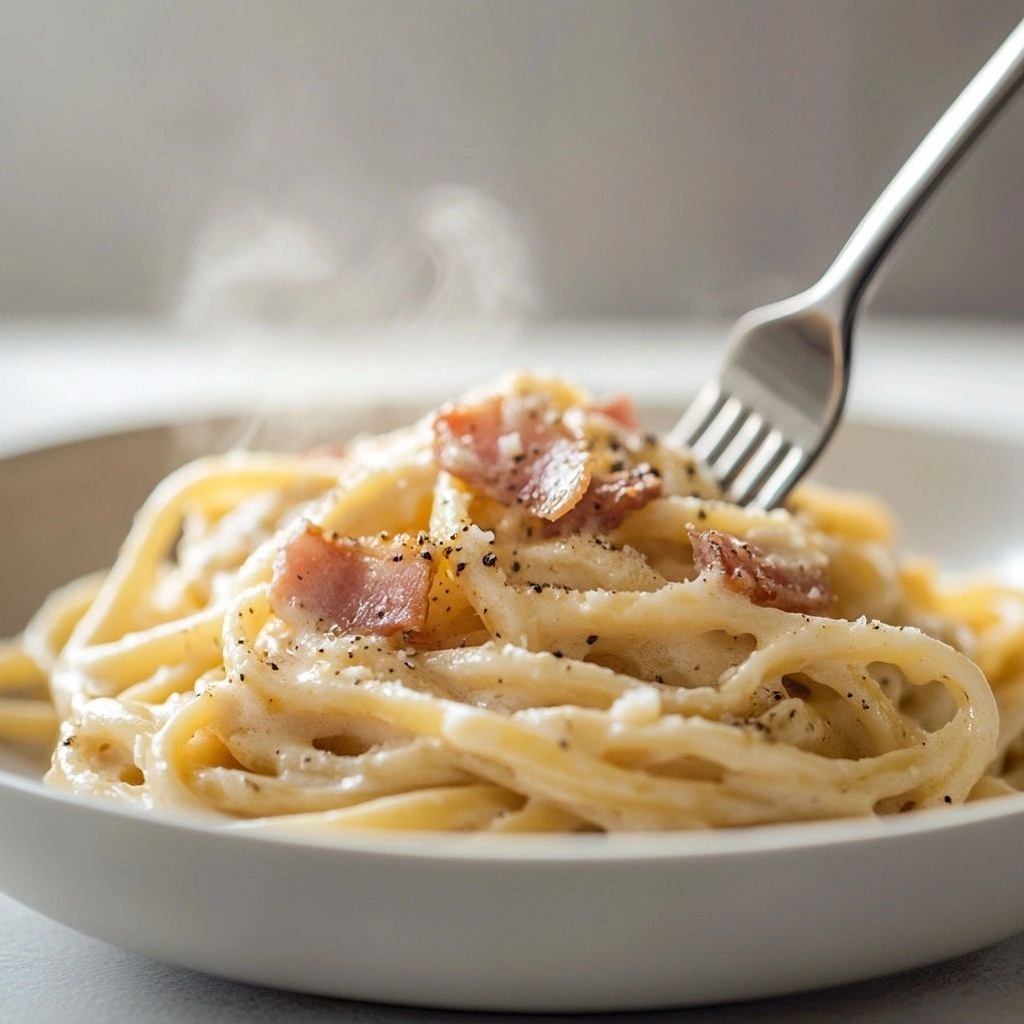
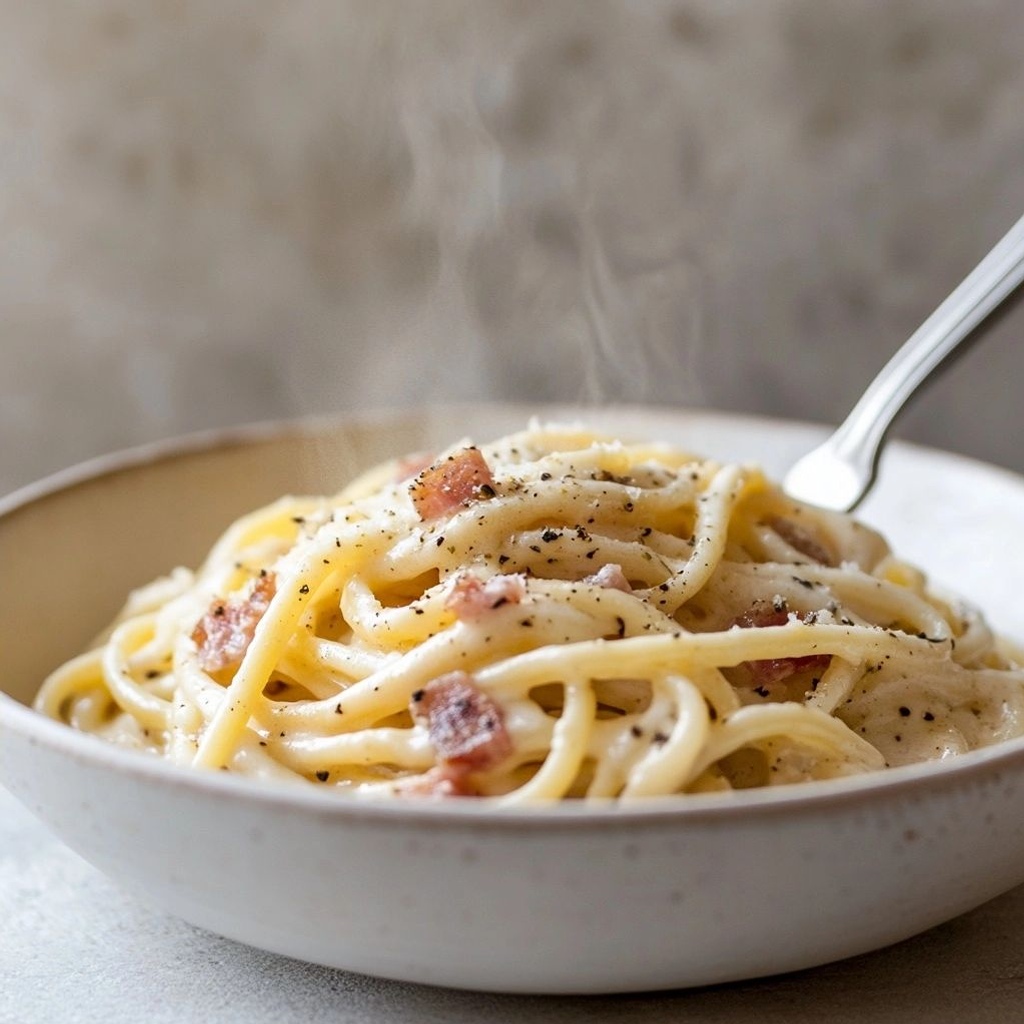
There are dishes that whisper rather than shout, and then there are those that wrap you in a warm, comforting embrace the moment you taste them. Pancetta Pasta Carbonara is very much in the latter category. It’s the kind of recipe that feels timeless, intimate, and utterly satisfying—a creamy, indulgent hug for busy weeknights and special gatherings alike. Imagine strands of perfectly al dente pasta cloaked in a silky, glossy sauce, the savory kiss of pancetta crackling as it releases its salty, porky perfume, and a whisper of grated cheese that melts into the heat to create a luxurious, unctuous finish. No heavy creams, no fuss—just a few pantry-friendly ingredients transformed by technique into something that tastes both decadently luxurious and wonderfully simple. The magic lies in balance: the fat from the pancetta, the starchy pasta water, and the heat that gently finishes the eggs and cheese into a satin-smooth sauce that clings to every noodle. This is comfort, elegance, and a touch of rustic Italian charm all in one plate.
The Story Behind the Dish
Carbonara is a dish with many regional legends and a few playful myths. Its origins are as layered as its sauce. Some narratives trace carbonara to Italian shepherds and coal miners in the Apennines, where simple ingredients—pasta, cured pork, eggs, and cheese—made a robust, satisfying meal after long days outdoors. Others point to Rome as the cradle, where the dish became a quick, economical staple for locals who needed a filling bite without complicated preparation. Pancetta, the unsmoked cured pork belly that provides a distinct, deep pork flavor, is often used in traditional variants, replacing or complementing guanciale, the more authentic Roman counterpart. The essence of carbonara, regardless of the exact lineage, rests on a few pillars: a glossy emulsion created by egg and cheese, the savory salt-and-fat kiss from cured pork, and a pea-less yet deeply satisfying richness that doesn’t require heavy cream. The modern home kitchen has embraced carbonara with gusto, embracing the convenience of pancetta and the immediacy of a hot skillet to marry the ingredients into a dish that feels timeless, yet always fresh. This version honors those traditions while celebrating the accessibility of home cooking—fast enough for a weeknight, elegant enough for a weekend feast, and deeply comforting in every bite.
Why You’ll Love This Recipe
Flavor Profile & Texture
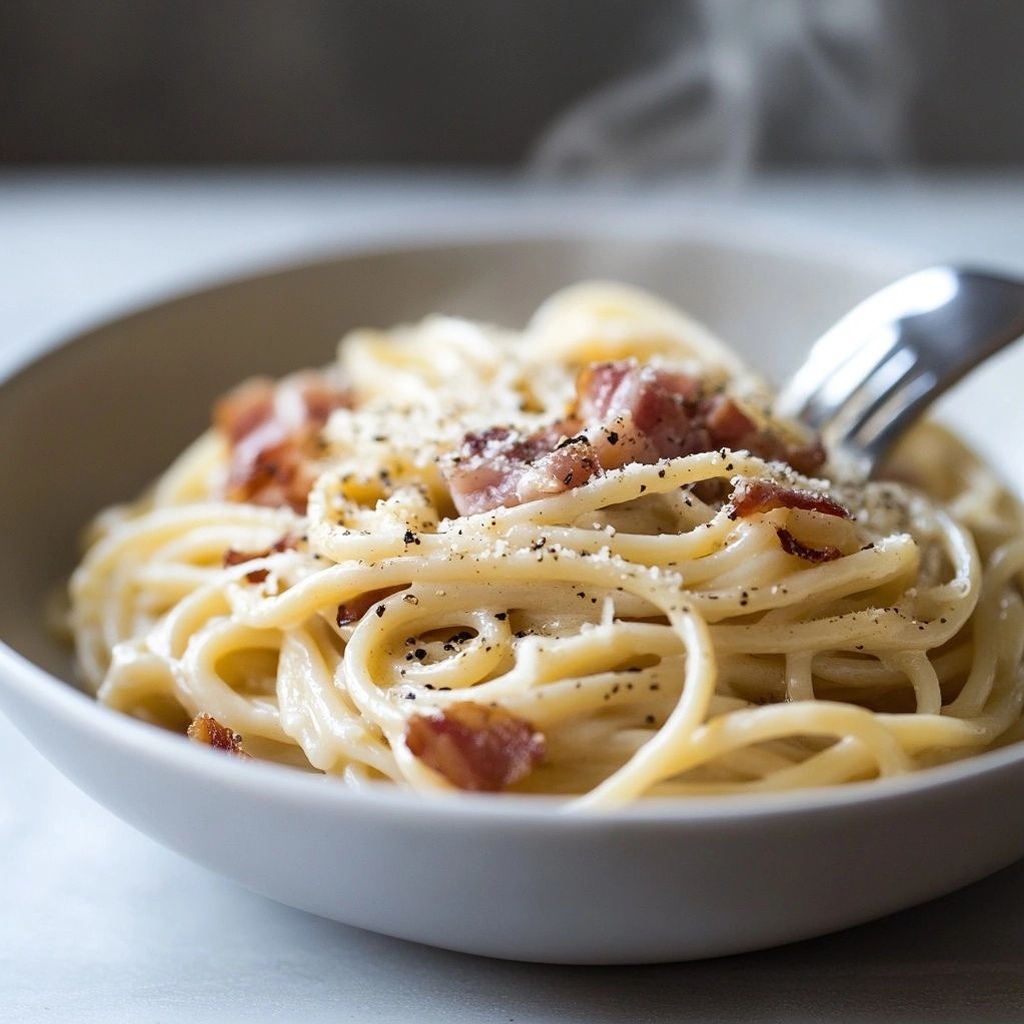
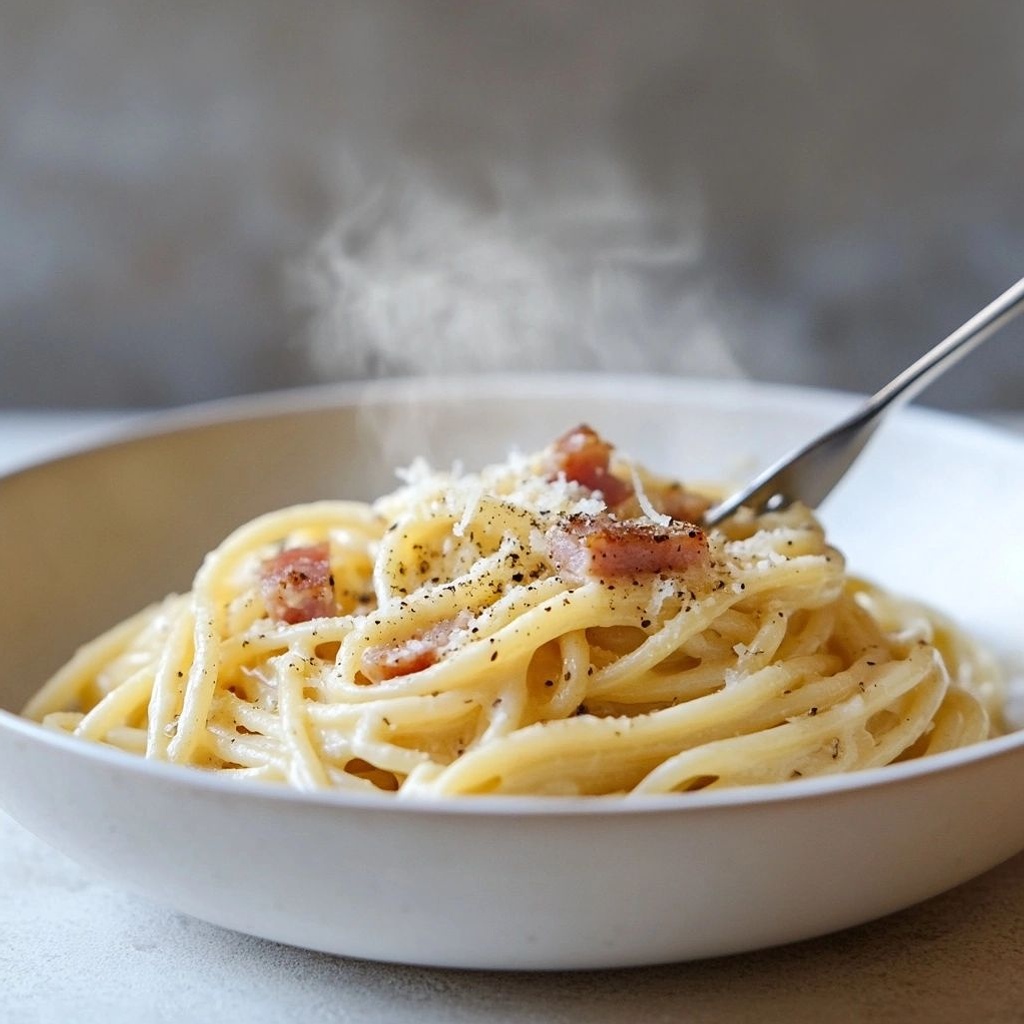
The flavor profile of pancetta pasta carbonara is a carefully choreographed balance of savory, salty, and creamy with a peppery kick. The pancetta imparts a deep, roasted porkiness that ranges from meaty to slightly sweet, depending on its fat content and curing. As it renders, tiny morsels crisp up, releasing fats and a hint of smoke that perfumes the pan. The eggs, when tempered by a splash of hot pasta water, transform into a luxurious, satin-like emulsion that coats each noodle in a soft, custardy glaze. The cheese—usually a sharp Pecorino Romano and/or Parmesan—provides a tangy umami backbone that sharpens the overall savoriness. The result is a sauce that’s rich but bright, silky yet substantial, with a delicate mineral bite from the cheese and a whisper of pepper to wake up the palate. The texture is equally appealing: al dente pasta that resists mushiness, crisp-edged pancetta for contrast, and a velvety sauce that glides across the tongue. The finishing touch of a bit of starchy pasta water is the secret that makes the emulsion cling to the noodles rather than pool at the bottom of the bowl. Each forkful feels like a warm invitation back to a kitchen where simple ingredients are treated with care and a touch of culinary science.
Occasions & Pairings
This carbonara is versatile enough to anchor weeknight dinners or shine at weekend gatherings. Here are a few occasions and pairing ideas to consider:
Tips, Variations & Substitutions
Carbonara is a forgiving canvas for creativity while staying true to its core idea: glossy sauce, savory pork, and proper technique. Here are ideas to customize and adapt:
- Cheese variations — Use Pecorino Romano for a sharper bite, or a mix of Pecorino and Parmesan to balance tang and nuttiness. A grating of aged Grana Padano can also work well.
- Proteins — If pancetta isn’t available, guanciale is ideal and traditional. Pancetta will still deliver rich flavor. For a lighter version, you can use turkey pancetta or even a smoky bacon, though it will alter the character slightly.
- Dairy-free version — Use unsweetened dairy-free yogurt or a silken tofu base blended with nutritional yeast and a touch of cheese alternative, plus a bit of olive oil, to mimic the emulsified sauce. Note that the texture may vary; the key is to heat gently to avoid scrambling the eggs if using dairy-free substitutes.
- Gluten-free — Choose your favorite gluten-free pasta. The technique remains the same; the starchiness still helps create the emulsion.
- Make it lighter — Use a smaller amount of pancetta and mix with mushrooms for a vegetarian-friendly variation (omit the pancetta entirely and add olive oil with sautéed mushrooms and a pinch of smoked paprika for a smoky note).
- Herbal note — A pinch of finely chopped parsley or chives adds freshness just before serving. Some chefs also grate a little lemon zest for brightness, which pairs surprisingly well with rich pork.
- Regional twists — Swap Pecorino with a sharper aged cheese from your region to reflect local traditions, or add a whisper of Italian chili oil for a gentle heat that won’t overwhelm the dish.
Storage & Make-Ahead Ideas
Carbonara is best enjoyed fresh, but you can plan ahead with a few practical strategies:
- Make-ahead components — Prepare the pasta and the pancetta ahead of time. You can temper the eggs and cheese in a separate bowl and have them ready to finish just before serving.
- Storing leftovers — Refrigerate leftovers in an airtight container for up to 2 days. Reheat gently in a skillet with a splash of hot water or stock, stirring constantly, to restore the glossy sauce. Avoid microwaving as it can separate the emulsion.
- Freezing — Freezing is not ideal for carbonara’s sauce, as eggs can separate and sauce texture may suffer. If you must freeze, store the cooked pasta and pancetta separately, then reassemble with fresh eggs and cheese when reheating, but be aware the texture may differ from the freshly made version.
Fun Facts & Trivia (Optional)
Carbonara has sparked plenty of curiosity among cooks and food historians. A few interesting tidbits:
- Despite the name, most modern carbonara recipes in Rome do not include cream. The luxurious texture comes from a carefully emulsified egg-and-cheese sauce that clings to the pasta.
- The choice of cheese can influence the dish’s personality. Pecorino Romano brings a sharper, tangier edge, while Parmesan yields a creamier, nuttier finish. Blending can create a delectable middle ground.
- There is debate about whether garlic belongs in carbonara. Traditional interpretations often omit garlic, focusing on the pure pork flavor and the egg-cheese emulsion. If you enjoy garlic, a light, restrained note—such as a crushed clove removed after flavoring—can be used without overpowering the dish.
- Some cooks finish the dish with a drizzle of olive oil or a light crack of black pepper at the end, elevating aroma and adding a final sheen to the plate.
Conclusion: Crafting a Timeless Favorite
Every plate of pancetta pasta carbonara offers a reminder that cuisine can be both simple and sublime. With a handful of pantry staples, you can coax out a depth of flavor that feels rich yet honest—an homage to tradition that also embraces modern, accessible home cooking. The technique—quickly combining hot pasta with eggs off the heat, letting the heat of the pasta gently cook the eggs into a velvety sauce—transforms ordinary ingredients into something that feels almost magical. It’s a dish that encourages you to trust the process: reserve enough pasta water to emulsify, let the pancetta sizzle just enough to render fat and flavor, and fold with care to avoid scrambling the eggs. The result is a luminous, plate-glossy sauce that clings to each strand, a chorus of textures—from crisp-edged pork to silky noodles—and a flavor profile that lingers, inviting another bite, then another. Whether you’re cooking for one, assembling a family feast, or entertaining guests, pancetta pasta carbonara offers a comforting, luxurious experience that is as quick as it is memorable. Embrace the ritual: boil, render, emulsify, and savor the moment when al dente meets glossy, egg-born creaminess in a single, harmonious bite.
Ingredients
- Pasta and Base
- 12 oz (340 g) spaghetti or linguine, dried
→ The main vehicle for the sauce. Choose long, slim pasta that can coil around and hold the creamy egg mixture. Cook in generously salted water until al dente, reserving some pasta cooking water to loosen the sauce if needed. - 3 large eggs, at room temperature
→ The eggs form the creamy carbonara sauce when tempered with hot pasta. Use room temperature eggs to ensure even cooking and a glossy emulsion. Beat lightly before mixing with cheese; do not scramble. - 1 cup finely grated Pecorino Romano (plus extra for finishing)
→ Provides sharp, salty, tangy body to the sauce and helps emulsion with the egg yolk and pasta water. Freshly grate for the best aroma and a smoother texture. If preferred, substitute part with Parmesan for a milder finish. - 1/4 cup finely grated Parmesan (optional, for a milder balance)
→ Adds a touch of creaminess and depth. Use in combination with Pecorino to taste. Grate finely to avoid graininess in the sauce. - 6 oz (170 g) pancetta, diced (or guanciale, cut into small cubes)
→ Provides salty, porky richness and crisp texture that contrasts with the creamy sauce. Render slowly in a skillet over medium heat until fat is translucent and the edges are crisp. Do not overcook; you want the fat to flavor the sauce without becoming greasy. - 1-2 tsp freshly ground black pepper
→ A generous amount of pepper is essential to the authentic bite of carbonara. Grind just before using to maximize aroma. Add to the pancetta render or to the sauce base for even distribution. - Salt, to taste (for pasta water and final seasoning)
→ Use a large amount of water and salt the pasta water heavily so the pasta flavors are built in. After combining with the eggs and cheese, you may need little to no additional salt due to the pancetta and Pecorino saltiness. Taste before final serving. - Reserved pasta cooking water (about 1/2 cup, optional)
→ A starchy liquid that helps loosen the sauce and create a silky emulsion between the eggs, cheese, and pasta. Add gradually as needed to achieve the desired consistency—aim for a glossy coating rather than a loose sauce. - Optional Garnishes
- Fresh flat-leaf parsley, chopped (for garnish)
→ Adds a bright note and color contrast. Use sparingly to avoid masking the pancetta and cheese flavors. Rinse and pat dry; chop just before serving. - Optional: Garlic, 1 small clove, minced (for a non-traditional touch)
→ If using, sauté briefly with the pancetta for an extra layer of aroma. Be careful not to overpower the dish with garlic; carbonara traditionally relies on cheese and pork fat for depth. - Optional: Crusty bread or garlic bread for serving
→ Great for dipping into the remaining sauce. Lightly toast and rub with a cut clove of garlic if desired for extra aroma.
Instructions
- Fill a large pot with water and bring to a vigorous boil, then season generously with kosher salt to create a flavorful base for the pasta.
- Add the spaghetti or linguine and cook until just al dente according to package directions, stirring occasionally to prevent sticking and to ensure even cooking; reserve about 1/2 cup of the starchy pasta water before draining.
- While the pasta cooks, whisk the 3 eggs in a medium bowl until the yolks and whites are lightly combined and smooth, then set aside at room temperature to prevent shocking the eggs when they meet the hot pasta.
- In a separate large bowl, combine the finely grated Pecorino Romano (1 cup) and the finely grated Parmesan (1/4 cup) if using, whisking to break up any clumps so the cheeses integrate smoothly into the sauce later.
- Place a large skillet over medium heat and add the pancetta (6 oz, diced); render slowly, stirring occasionally, until the fat melts and the pieces become crisp with edges caramelizing, which will flavor the sauce without becoming greasy.
- Turn off the heat and let the pancetta cool slightly in the pan to avoid scrambling the eggs when they are added, preserving a glossy, cohesive sauce texture.
- Just before the pasta finishes, taste the pancetta fat and season with 1-2 tsp freshly ground black pepper, grinding directly over the skillet to release essential oils; this builds the signature bite of carbonara.
- Resrast the drained pasta into the warm skillet with the pancetta, tossing to coat the strands with rendered fat and distribute the crisp bits evenly for a base that will emulsify with the egg mixture later.
- Temper the eggs by slowly whisking in a small amount of hot pasta water (about 1/4 cup) to prevent curdling, creating a silky base that will emulsify with cheese and fat once combined with the hot pasta.
- Pour the tempered egg mixture over the hot pasta off the heat, then quickly toss with tongs to form a creamy coating, adding more pasta water gradually as needed to achieve a glossy, clingy sauce that coats each strand without pooling.
- Fold in the cheese mixture gradually, continuing to toss vigorously so the cheese melts smoothly and integrates with the eggs and pasta water, creating a cohesive emulsion rather than a grainy or greasy finish.
- Adjust seasoning with salt if necessary after tasting, keeping in mind the saltiness from the pancetta and Pecorino; the sauce should taste rich and balanced rather than overly salty.
- Transfer the finished carbonara to a warm serving dish or plates immediately to preserve the emulsion, and finish with a light sprinkle of extra Pecorino Romano and a pinch of freshly ground pepper for aroma and color.
- Garnish with chopped fresh flat-leaf parsley if desired for a bright, fresh contrast, and offer crusty bread or garlic bread on the side for sopping up the remaining sauce; ensure bread is warm and lightly toasted for the best texture.
Notes
These pancetta pasta carbonara are a comforting, crowd-pleasing classic that delivers a creamy, glossy sauce without cream. The key is to temper the egg with hot pasta and to emulsify with the cheese and reserved pasta water for a silky coating that clings to every strand of spaghetti or linguine.
Choose long, slim pasta to coil around the creamy egg mixture, and season the pasta water generously so the noodles absorb depth from the start. Render the pancetta slowly to render out fat without browning too far, as the fat is what flavors the sauce and helps it emulsify.
For the best texture and flavor, use room-temperature eggs and freshly grated Pecorino Romano for sharp, tangy notes. A touch of Parmesan can soften the finish if you prefer a milder profile. Be mindful to whisk the eggs lightly and avoid scrambling; you want a smooth, glossy emulsion that coats the pasta.
As you finish, reserve some pasta water to loosen the sauce gradually—you’re aiming for a lacquered, coat-and-glide texture rather than a loose sauce. Taste and season at the end, because the pancetta and cheeses provide substantial saltiness.
Optional garnishes and extras can elevate the dish: a handful of chopped fresh parsley for color and brightness, a small amount of garlic for a non-traditional aroma, and crusty bread to mop up the last luscious spoonfuls of sauce. If you’re not strictly traditional, you can experiment with guanciale in place of pancetta or adjust cheese ratios to suit your preference.
Tips for success:
– Temper the eggs by whisking with a portion of the hot pasta water before enveloping the pasta to avoid scrambling.
– Remove the pan from heat before tossing with the egg mixture to prevent curdling.
– Use freshly grated cheese to maximize aroma and ensure a smooth emulsion.
– Start with a generous amount of pasta water and add gradually; you can always thin the sauce, but you can’t unreliably tighten it once over-watery.
Tips
Pancetta Pasta Carbonara – Expert Tips
- Temper eggs properly: Take eggs to room temperature and beat lightly before combining with cheese. This helps create a smooth, glossy emulsion and reduces the risk of scrambling when they meet the hot pasta.
- Cook pasta al dente: Salt the water generously and cook pasta just shy of the package recommendation. It will finish cooking in the pan with the sauce and carry more texture.
- Reserve starchy water: Save about 1/2 cup of the pasta cooking water. Add it gradually to loosen the sauce and help the eggs and cheese emulsify with the pasta without becoming thin.
- Render pancetta slowly: Cook pancetta or guanciale over medium heat until fat is translucent and the edges crisp, then remove from heat. Overcooking can make the fat greasy and the meat hard.
- Balance the heat: After draining the pasta, briefly remove it from the heat before mixing with the egg-cheese mixture to prevent scrambling. The residual heat should finish cooking the eggs gently.
- Cheese harmony: Use Pecorino Romano for sharp, salty flavor and mix with a little Parmesan if you want a milder balance. Grate finely just before using for smoother incorporation.
- Season thoughtfully: Start with the pancetta’s saltiness and taste before adding extra salt. The sauce often doesn’t need much additional salt due to cheese and cured meat.
- Adjust pepper: Freshly ground black pepper is essential for authentic bite. Add to the pancetta render or directly into the sauce for even distribution.
- Emulsion technique: Toss the hot pasta with the egg-cheese mixture off the direct flame. Use a generous handful of pasta water to help emulsify into a creamy coating rather than a split sauce.
- Optional garnishes with care: Parsley adds color and brightness but keep it light so the porky, cheesy flavors remain the focus. If using garlic, sauté briefly with the pancetta and use sparingly.
- Serving strategy: Serve immediately to enjoy the velvety texture. If needed, reheat gently with a splash of pasta water to revive the coating—avoid reheating too aggressively.
- Make-ahead notes: The dish is best fresh. You can prep pancetta and grate cheeses in advance, but mix and finish just before serving to maintain the signature creamy texture.
FAQ
What is Pancetta Pasta Carbonara?
A classic Italian pasta dish usually made with spaghetti, pancetta or guanciale, eggs, Pecorino Romano, black pepper, and a starchy pasta water emulsion to create a creamy, silky sauce without cream.
What ingredients do I need for an authentic Carbonara?
Spaghetti or another long pasta, pancetta or guanciale, eggs (whole eggs or yolks plus a whole egg option), Pecorino Romano cheese, freshly ground black pepper, and salt. Optional: a small amount of pasta water to emulsify the sauce.
Can I use pancetta instead of guanciale?
Yes. Pancetta is a common substitute and will work well. Guanciale is traditional and richer; pancetta is usually saltier and fattier, so you may want to adjust the salt and render the fat carefully.
Should I use cream in Carbonara?
Traditional Carbonara does not use cream. The creamy texture comes from eggs, cheese, and hot pasta water. Adding cream is common in some Western adaptations but isn’t authentic.
What type of pasta is best for Carbonara?
Long, hollow or ridged shapes work best to hold the sauce. Classic choices are spaghetti, bucatini, or fettuccine. Avoid very smooth shapes that don’t cling to the sauce.
How do I avoid scrambling the eggs?
Remove the pan from direct heat after adding the hot, drained pasta. Whisk the eggs (and cheese) separately, then toss vigorously with the hot pasta and a splash of pasta water to gently cook the eggs into a silky sauce. If needed, use residual heat.
How much Pecorino Romano should I use?
Typically 1 cup finely grated Pecorino Romano for 4 servings, but you can adjust to taste. If you prefer a milder profile, mix with a smaller amount or add a bit of Parmesan.
Can I make Carbonara ahead of time?
Carbonara is best made fresh. Reheating can cause the eggs to scramble and the sauce to split. You can prep mise en place (grate cheese, chop pancetta) in advance and cook pasta fresh when ready to serve.
What equipment helps make Carbonara easier?
A large skillet or frying pan for rendering pancetta, a pot for boiling pasta, a whisk for eggs, a grater for cheese, and a splash of reserved pasta water. A thermometer is optional to monitor heat, but not required.