Introduction / Hook
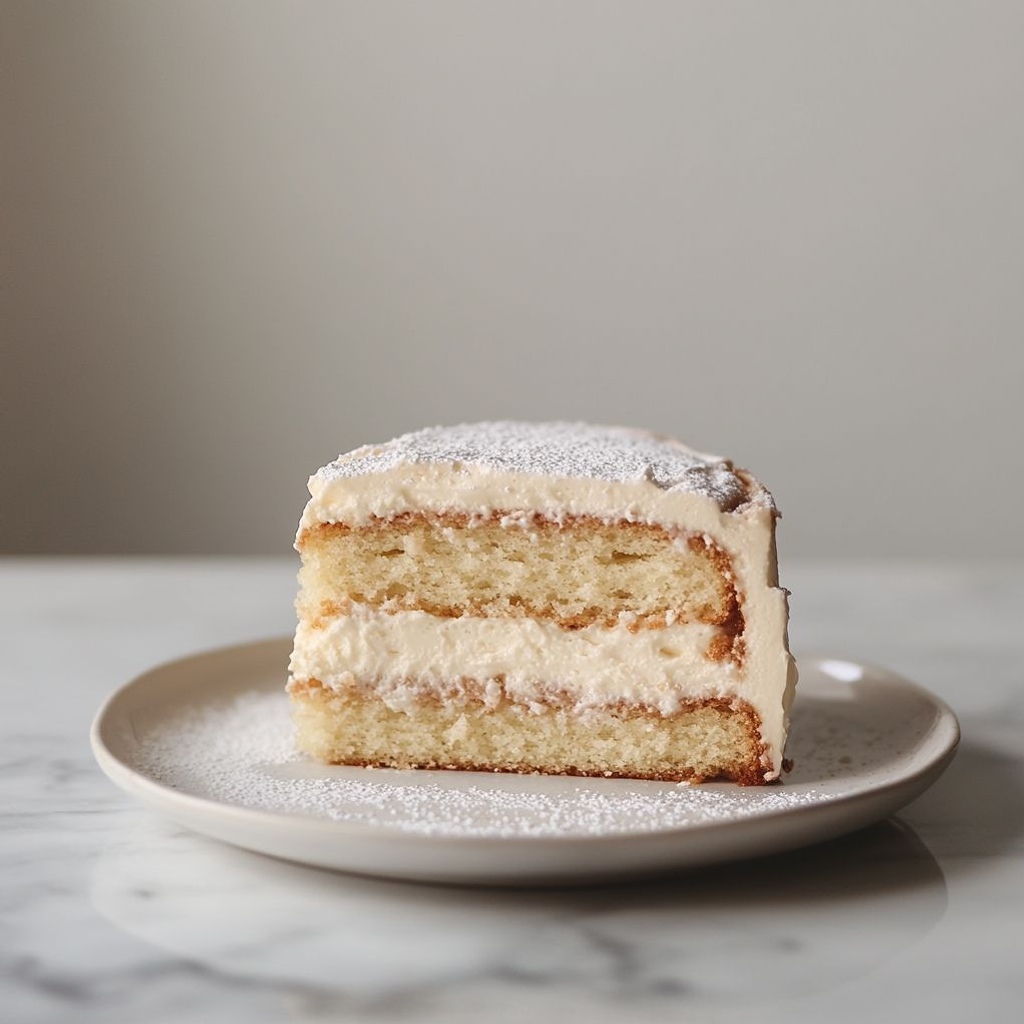
As you cut into a Torta crema vaniglia, a veil of vanilla steam swirls up, and the kitchen fills with the soft glow of sunshine and warm butter. This cake is not just dessert; it’s a memory you can savor in every bite. The sponge is tender as a cloud, the crema vaniglia silky and bright, with a whisper of citrus zest and a kiss of vanilla bean. Imagine a plate on a sunlit table, steam curling from a slice, a cup of espresso at your side, and the gentle clink of a teaspoon against porcelain as you share it with someone you love. The Torta crema vaniglia invites you to slow down, to listen to the quiet hum of a home kitchen, and to taste a moment that feels both timeless and modern. It’s a celebration of vanilla—the most comforting, universal flavor—made into a cake that feels luxurious without being fussy. Each bite carries a story: of old-world patisseries and family kitchens, of long afternoons spent whisking cream and watching the cake rise, and of how a simple ingredient can become something meaningful when given patience and care. This is not merely dessert; it’s a portable hymn to sunshine, warmth, and the art of refined simplicity.
The Story Behind the Dish
Vanilla is a passport ingredient, a scent that travels through time and across oceans, landing in cuisines with a quiet, dependable grace. In Italy, the language of pastry has long spoken in terms of crema—soft, custard-like fillings and silky creams that dress up both simple and grand desserts. The Torta crema vaniglia arrives at the crossroads of tradition and modern indulgence, marrying a light, airy cake with a velvety vanilla crema that glows with eggs, milk, and a generous glint of vanilla bean. This composition is a nod to the beloved crema pasticcera, a staple in many Italian trattorie and pastry shops, where custard is spooned into tarts, layered into pastries, or swirled into delicate cakes. The idea behind this cake is simple yet profound: a sponge that can cradle a cloudlike crema, a union that elevates everyday ingredients into something celebratory. It is the kind of dessert that comforts a tired soul after a long day and sparks a smile when shared with friends and family during a sunlit afternoon.
Historically, vanilla was once a luxury in European kitchens, reserved for the tables of the curious and the well-to-do. Today, it is democratized, embraced by home bakers and grand patisseries alike. In Italian culture, desserts often carry a sense of conversation—an invitation to pause, reflect, and savor. The Torta crema vaniglia embodies that spirit: a conversation starter about flavor, texture, memory, and the simple joy of a well-made dessert. Its lineage is not a single village recipe but a tapestry of stories—grandmothers with stained wooden spoons, pastry chefs whispering to vanilla beans in a warm kitchen, and friends gathering around a plate that feels, for a moment, timeless.
As with many Italian-inspired sweets, the cake invites ritual: the quiet anticipation as you dust the top with a whisper of powdered sugar, the gentle aroma that fills the room before the first slice, and the ceremonial coffee that accompanies the moment of tasting. This dish is less about complexity and more about balance—the balance between a delicate, bouncy sponge and a custard that carries the vanilla bouquet forward, the balance between sweetness and the soft tang of cream, and the balance between homey warmth and café-sophistication. It is, in its essence, a love letter to vanilla and all the comforting memories it can evoke when crafted with care.
Why You’ll Love This Recipe
- Elegant simplicity: A cake that reads as refined without becoming fussy, perfect for both intimate evenings and celebratory gatherings.
- Comforting flavor with a bright vanilla glow: The crema vaniglia provides a creamy, luscious center that complements a tender sponge and leaves a clean, lasting impression on the palate.
- Versatile presentation: Slice it for dessert, serve with a dollop of whipped cream or fresh berries for a lighter finish, or pair with a bold espresso to cradle the flavors of vanilla.
- Make-ahead-friendly: The components can be prepared separately, making it easier to assemble when time is short, and the flavors often taste better after resting for a day or two.
- Accessible technique, elevated result: You don’t need to chase complicated steps to achieve a bakery-worthy finish; patience and quality ingredients do all the heavy lifting.
- Impressive yet approachable: The cake looks sophisticated on a dessert table, inviting admiration, conversation, and of course, seconds and thirds.
Flavor Profile & Texture
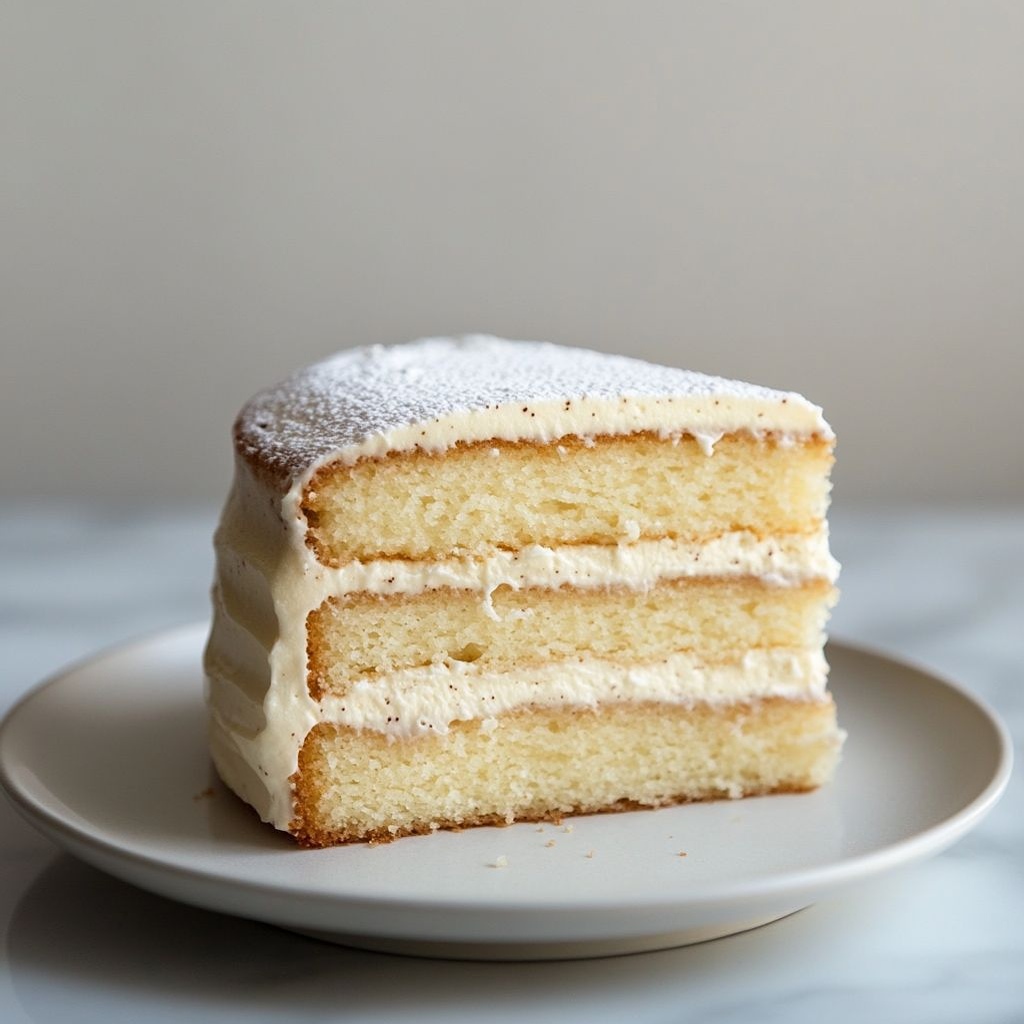
The Torta crema vaniglia is an exploration in contrast and harmony. The outer sponge presents a delicate, airy crumb—a pale, sun-kissed crust that yields softly to the fork. It’s not dense or heavy; it carries a subtle butteriness that reminds you of a well-loved pound cake, but with a lighter touch that hints at the presence of whipped air and careful mixing. The interior is where the story really unfolds: a crema vaniglia that glides across the tongue with silken elegance. This vanilla custard, enriched with eggs and milk and coaxed to a luscious, pourable consistency, sets gently into the heart of the cake, like a secret within a present. The custard’s vanilla aroma is warm and luminous, sometimes notes of vanilla bean specks catching the light, sometimes a faint echo of citrus—lemon or orange zest—that brightens the composition and prevents the sweetness from tipping over into cloying territory.
Texture-wise, you’ll notice a pleasing contrast: the sponge’s springy bite against the custard’s smooth, almost satin-like finish. When you take a bite, you experience a multi-layer experience—the initial softness of the cake, the immediate creaminess of the crema, and then a lingering finish that carries faint whispers of almond from the cake’s base or a hint of vanilla bean’s delicate aroma. The overall effect is balanced, comforting, and simultaneously celebratory. It’s a dessert that feels familiar enough to reassure, yet refined enough to delight guests who expect a touch of continental charm. If you’re a believer in the magic of textures—light, creamy, and a touch of crumbly-soft—this cake delivers with grace and generosity.
There are small, almost invisible threads that tie flavors together. The vanilla, sourced from premium beans, releases its perfume in stages—first a gentle sweetness, then a deeper, almost caramel-like warmth as it lingers. Some versions incorporate a whisper of citrus zest in the crema or on the surface, which acts as a bright, cleansing note that resets the palate with every bite. The result is not a single flavor note but a chorus: vanilla at the core, softened by milk and egg, highlighted by a citrus brightness, and surrounded by the comforting embrace of a finely baked sponge. This is a cake that asks you to slow down, to notice the way the vanilla perfume coats your senses, and to appreciate the craft of balancing richness with lightness.
Occasions & Pairings
This cake shines in a variety of moments, from everyday indulgences to special celebrations. Here are some ideas to inspire serving occasions and pairings that elevate the experience:
- Afternoon tea or coffee breaks: A perfect companion to a hot cup of espresso, cappuccino, or a bright, fruity tea. The vanilla glow resonates with the bitterness and aroma of coffee.
- Sunday family gatherings: Slice thinly to share on a cake plate with fresh berries, a dusting of powdered sugar, and a few mint leaves for color and freshness.
- Birthdays and intimate celebrations: The cake’s elegance makes it a standout without being overly fussy. Pair with a sparkling Moscato or a light dessert wine to add a festive sparkle.
- Holiday dessert spread: Its Vanilla profile can serve as a bridge between chocolate, caramel, and fruit-forward desserts, creating a cohesive dessert table.
- Brunch or teatime in the spring and summer: Layer with a spoonful of lemon curd or strawberry jam between wedges for a playful twist (if you’re feeling adventurous in the kitchen).
Pairing ideas to consider:
- Drinks: A glass of dessert wine (like Vin Santo or Moscato d’Asti), a well-pulled shot of espresso, or a sparkling Prosecco to wake the palate.
- Side accompaniments: Fresh berries, lightly whipped cream, or a drizzle of raspberry coulis for a tangy counterpoint.
- Fruit companions: Sliced figs, peaches, or ripe strawberries can echo the vanilla’s sweetness while adding color and freshness.
Tips, Variations & Substitutions
Here are ideas to customize the Torta crema vaniglia to fit different diets, occasions, or seasonal ingredients, without losing its essence:
- Gluten-free version: Use a gluten-free sponge base made with almond flour or a certified gluten-free blend; ensure the crema remains silky, as gluten-free textures can vary.
- Dairy-free option: Replace dairy with coconut milk or almond milk for the crema (you may need a starch like cornstarch to achieve a smooth consistency). Use a dairy-free butter or oil for the sponge to maintain moisture and richness.
- Vegan adaptation: A fully vegan crema can be achieved with a combination of plant-based milks, cornstarch or arrowroot as a thickener, and a vegan butter substitute in the sponge; the vanilla aroma remains the star, so opt for a high-quality vanilla and vanilla bean for depth.
- Citrus variations: Swap or supplement vanilla with orange or lemon zest in the crema to add brightness. A touch of brandy or rum can mimic the warmth of a traditional custard’s aromatics.
- Chocolate-twist: A light dusting of cocoa powder on top or a very thin layer of white chocolate ganache between layers can create a delightful contrast while preserving the vanilla profile.
- Texture play: For a slightly sturdier slice, add a gentle crumb contrast by sprinkling a fine almond crumble on top just before serving, which complements the vanilla and adds a nutty aroma.
- Make-ahead flavor development: Allow the crema to rest overnight in the fridge before assembly—the flavors meld and intensify, making the cake more cohesive when finally stacked.
Storage & Make-Ahead Ideas
This cake is amenable to planning ahead, which is one of its most appealing traits for busy cooks and hosts. Here are practical tips to maximize freshness and flavor:
- Make-ahead approach: Prepare the sponge, let it cool completely, and store it in an airtight container at room temperature for up to 24 hours. Prepare the crema and refrigerate for up to 2 days. Assemble the cake shortly before serving for the best texture contrast.
- Fridge life: Once assembled, the cake keeps well in the refrigerator for up to 3 days. The crema can benefit from a short rest after assembly, allowing the flavors to mellow into the sponge.
- Freezing options: Freeze the sponge layers separately for up to 1 month; wrap tightly to prevent freezer burn. The crema does not freeze as smoothly when thickened; if you need to freeze, consider only freezing the sponge layers and add fresh crema ring when you thaw and assemble.
- Reheating and serving: If the cake feels a little stiff after refrigeration, let it sit at room temperature for 15–20 minutes to regain softness, or give a gentle 10-second nudge in a microwave to revive the texture (short bursts, if you choose this route).
- Storage conditions: Keep the cake covered to prevent it from absorbing odors from the fridge. A light, breathable cover or a cake dome is ideal to preserve moisture and aroma.
Fun Facts & Trivia (Optional)
Delightful morsels of trivia can enrich the experience of sharing this dessert. Consider these tidbits next time you plate the Torta crema vaniglia:
- Vanilla beans come from tropical orchids of the Vanilla genus, and their cultivation is a delicate art involving hand-pollination in some regions. The tiny black seeds you see speckled in a crema are a hallmark of using real vanilla pods rather than artificial flavoring.
- Crema pasticcera, the heart of many Italian desserts, was historically a custard perfected by pastry chefs who treated it as a blank canvas for flavor and texture. Its timeless appeal lies in its ability to pair with fruit, pastry, and cake alike.
- In Italian patisseries, a vanilla-forward cake is often considered a symbol of hospitality and warmth—the kind of dessert you present to guests with a smile, inviting them to share a moment of sweetness.
- The name “torta” simply means cake in Italian, and many regional variations celebrate the same concept—layered textures, creamy fillings, and an elegant balance of flavors—each with its own unique twist.
- Vanilla’s scent is known to trigger comforting memories; the smell of vanilla wafts to the emotional centers of the brain, often evoking happiness and contentment, which is part of why this cake feels so uplifting when served and shared.
Closing Thoughts
The Torta crema vaniglia is more than a dessert; it’s a storytelling vessel. It carries the gentle sweetness of vanilla, the lightness of a well-made sponge, and the luxurious whisper of a custard filling that never overwhelms the senses. It speaks to the idea that some of the best pleasures in life are simple, crafted with patience and care, and shared in the glow of a warm kitchen. Whether you’re entertaining guests, comforting a friend, or simply treating yourself after a long day, this cake offers a moment of grace—a reason to gather, to savor, and to smile. When you slice into it, you’re not just serving a dessert; you’re inviting a memory to unfold on a napkin, a plate, and in the heart. Enjoy the ritual, the aroma, and the pure pleasure of vanilla perfected in cake form.
Ingredients
Sponge Cake Base
- 5 large eggs, at room temperature
→ Eggs provide structure, moisture, and lift. Keeping eggs at room temperature helps them whip to a lighter volume and creates a tender crumb when combined with sugar. They should be weighed or measured consistently with other ingredients, and added to the batter gradually to avoid curdling. Do not overmix after adding the flour to preserve air pockets that give the cake height. - 150 g granulated sugar
→ Sugar sweetens the batter and helps to tenderize by creaming with fats or whipping with eggs to incorporate air. For best results, sift or whisk to remove clumps, and cream with eggs until pale and fluffy if your method relies on creaming. Avoid dissolving sugar unevenly which can cause graininess. - 200 g all-purpose flour, sifted
→ Flour provides structure and body to the sponge. Sift to aerate and remove lumps for a smooth batter. If you want a lighter crumb, sift twice or fold in gently to preserve air. Use all-purpose flour; for a gluten-free version, use a certified gluten-free blend. - 80 g unsalted butter, melted and cooled
→ Butter adds richness and moisture, and it helps tenderize the crumb by coating some gluten strands. Use unsalted butter to control salt level; let it cool a bit so it doesn’t scramble the eggs if added to a warm batter. You can omit, but it will be less moist and flavorful. - 1 teaspoon vanilla extract
→ Vanilla provides aroma and depth to the sponge. Use pure vanilla extract for best flavor; if you have a vanilla bean, you can scrape seeds and increase to 1/2 teaspoon in addition to the extract for a more intense vanilla note. Stir in with the flour for an even distribution. - Pinch of salt
→ Salt enhances sweetness and heightens flavors, balancing the cake. A small pinch helps bring out the vanilla and improves overall crumb. If using salted butter instead of unsalted, reduce accordingly.
Vanilla Pastry Cream (Crema Pasticcera)
- 500 ml whole milk
→ Milk serves as the base for the custard. Whole milk yields a rich, creamy texture; you can substitute 2% for a lighter result but expect slightly thinner cream. Heat gently to just under a simmer before tempering with the eggs. - 6 large egg yolks
→ Yolks provide thickening and velvet texture to the crema. Do not scramble; temper them with hot milk gradually to create a smooth custard. Reserve whites for other uses if desired. - 120 g granulated sugar
→ Sugar sweetens the crema and helps with the creamy texture by modifying viscosity as the custard cooks. You can adjust to taste; for a lighter crema, reduce slightly, but not too much to maintain thickness. - 40 g cornstarch
→ Cornstarch acts as the primary thickener, giving crema its smooth, spoonable consistency. Dissolve it in a little cold milk or make a slurry before adding to hot milk to prevent lumps; cook until the custard reaches a gentle boil and thickens. - 1 teaspoon vanilla extract or 1 vanilla bean, seeds scraped
→ Vanilla infuses the crema with aroma and flavor depth. Vanilla bean provides a more intense, rounded note; if using seeds from a bean, add the pod to the milk while heating and whisk out before finishing. Pure vanilla extract yields reliable sweetness and complexity. - Pinch of salt
→ Salt balances sweetness and enhances vanilla. A tiny pinch helps brightens the custard and prevents it from tasting flat. Do not omit if you want a well-balanced crema.
Vanilla simple syrup (for moistened sponge)
- Vanilla simple syrup (120 ml water, 120 g granulated sugar, 1 teaspoon vanilla extract)
→ This syrup is brushed onto the cooled sponge layers to keep the cake moist and to infuse vanilla aroma throughout. Combine water and sugar; simmer until the sugar fully dissolves; remove from heat, stir in vanilla, then cool completely before brushing on each layer in a thin, even layer. Use within 1 day for best aroma and texture.
Topping and Filling (Whipped Cream)
- 250 ml heavy cream, cold
→ If you prefer a light whipped cream layer, chill the cream and whip to soft peaks to balance the dense crema filling. Fold gently to avoid deflating. The cream adds lightness and contrast to the rich vanilla crema within the cake; use only when desired and ensure it complements the level of sweetness. - 2-3 tablespoons powdered sugar
→ Powdered sugar sweetens the whipped cream with a fine texture and dissolves quickly. You can adjust to taste; sift the sugar if any lumps form and whip until soft to medium peaks depending on the desired thickness. - 1 teaspoon vanilla extract
→ Vanilla in whipped cream enhances flavor and pairs with crema without overpowering. Use pure vanilla extract for best aroma; you can add a small pinch of salt to brighten the flavor if desired.
Optional Garnish
- Confectioners’ sugar for dusting (optional)
→ A light dusting of sugar adds a delicate finish to the cake exterior. Sift evenly over the top just before serving to avoid clumping and ensure a clean presentation.
Instructions
- Preheat your oven to 350°F (175°C) and line two 8-inch (20 cm) round cake pans with parchment circles and grease the sides well.
→ This ensures even baking and easy release; parchment prevents sticking and makes trimming unnecessary, while greasing avoids tearing the crumb during unmolding. - Whisk eggs (5 large, at room temperature), granulated sugar (150 g), vanilla extract (1 teaspoon), and a pinch of salt in a large bowl until the mixture is pale, thick, and ribbons form when you lift the whisk.
→ Air incorporation from the whisking creates volume and a tender, light crumb; keep the tempo steady and avoid overmixing once flour is added to preserve structure. - Sift the all-purpose flour (200 g) and fold it into the batter in two additions using a gentle folding motion, so you do not knock out the air.
→ Sifting aerates the flour and flattens any lumps, yielding a smoother batter; folding preserves the delicate air pockets necessary for height. - Whisk in the melted unsalted butter (80 g) that has been cooled, in a thin, steady stream as you fold until just incorporated.
→ Butter enriches the crumb and adds moisture; adding it gradually prevents the eggs from curdling and keeps the batter uniform. - Divide the batter evenly between the prepared pans and smooth the tops with a spatula to ensure even height and uniform baking.
→ A level batter bakes evenly, avoiding domes or sunken centers that complicate layering and slicing. - Bake in the preheated oven for 20–25 minutes, or until the tops are lightly golden and a toothpick inserted into the center comes out with a few moist crumbs; rotate the pans halfway for even heat distribution.
→ This timing yields a soft, moist crumb; rotating prevents hot spots from creating uneven textures. - Cool the cakes in the pans for 10 minutes, then invert onto a rack and cool completely before slicing.
→ Resting stabilizes the crumb and prevents crumbling when trimming or layering; complete cooling avoids condensation underneath the layers. - Prepare the vanilla crema (crema pasticcera): In a medium saucepan, heat the whole milk (500 ml) with vanilla (1 teaspoon extract or 1 vanilla bean with seeds scraped) just to a simmer.
→ Gentle heating releases vanilla aroma into the milk and provides a smooth base for thickening without scorching the milk proteins. - Whisk egg yolks (6) with granulated sugar (120 g) in a separate bowl until pale and thick, then whisk in the cornstarch (40 g) until completely smooth.
→ Yolks supply richness and silkiness; cornstarch gives the custard its stable, spoonable thickness without weeping. - Temper the yolks by whisking a small amount of hot milk into them, then gradually whisk the tempered yolks back into the hot milk in the saucepan; continue to cook over medium heat, whisking constantly until the custard thickens and just begins to boil.
→ Tempering prevents scrambled eggs and ensures a smooth crema; constant whisking avoids lumps and ensures even heat distribution. - Remove from heat, whisk in vanilla and a pinch of salt, then strain through a fine mesh sieve into a clean bowl and cool rapidly by setting over an ice bath or spreading in a shallow tray; cover the surface with plastic wrap to prevent a skin.
→ Straining removes any lumps and skin formation; rapid cooling helps set the custard without developing a skin that could hinder smooth spreading. - Make the vanilla simple syrup: in a small saucepan, combine water (120 ml), granulated sugar (120 g), and vanilla extract (1 teaspoon); simmer until the sugar dissolves completely, then remove from heat and cool completely.
→ The syrup keeps the sponge moist and infuses extra vanilla; use cooled syrup to avoid melting crema or making the cake soggy. - Whip the heavy cream (250 ml) with powdered sugar (2–3 tablespoons) and vanilla extract (1 teaspoon) in a chilled bowl to soft peaks; chill until needed.
→ Soft peaks provide enough structure to hold shape for filling and topping without becoming stiff and grainy; chilling helps maintain stability during assembly. - Trim the cooled sponge and slice each layer horizontally to create two even strata; use a serrated knife and steady sawing motion to avoid tearing.
→ Even layers ensure clean, visually appealing slices and uniform distribution of crema and syrup. - Brush the bottom sponge layer with vanilla syrup using a pastry brush, applying a light, even coat and letting it absorb for a minute to avoid sogginess.
→ Syrup moisture keeps the cake tender and enhances vanilla aroma; avoid oversaturating which can collapse the texture. - Spread an even layer of vanilla crema over the syrup-soaked bottom layer, then place the second sponge layer on top and press gently to set.
→ The crema provides a rich, smooth filling that contrasts with the light sponge; a level layer ensures clean slicing and consistent flavor balance. - Brush the top surface of the second layer with the remaining vanilla syrup, then apply a thin seal layer of crema around the outer edge to help the whipped cream adhere and to minimize gaps.
→ The sealing layer improves the final exterior appearance and helps stabilize the outer edge when applying the topping. - Spread a portion of whipped cream into the crema layer if desired for extra lightness, then dollop or pipe remaining whipped cream over the top and along the sides, smoothing with an offset spatula for a clean finish.
→ The whipped cream adds a bright contrast, soft texture, and a less dense finish that complements the vanilla crema. - Chill the assembled torta for at least 30 minutes to set the fillings and allow flavors to meld; this makes slicing cleaner and helps the surface set.
→ Chilling tightens the structure and improves presentation; keeps the toppings intact when portioning. - Optional: dust the top lightly with confectioners’ sugar just before serving for a delicate, restaurant-style finish.
→ A subtle sugar finish adds elegance and a touch of sweetness without heavy sweetness or moisture on the surface.
Notes
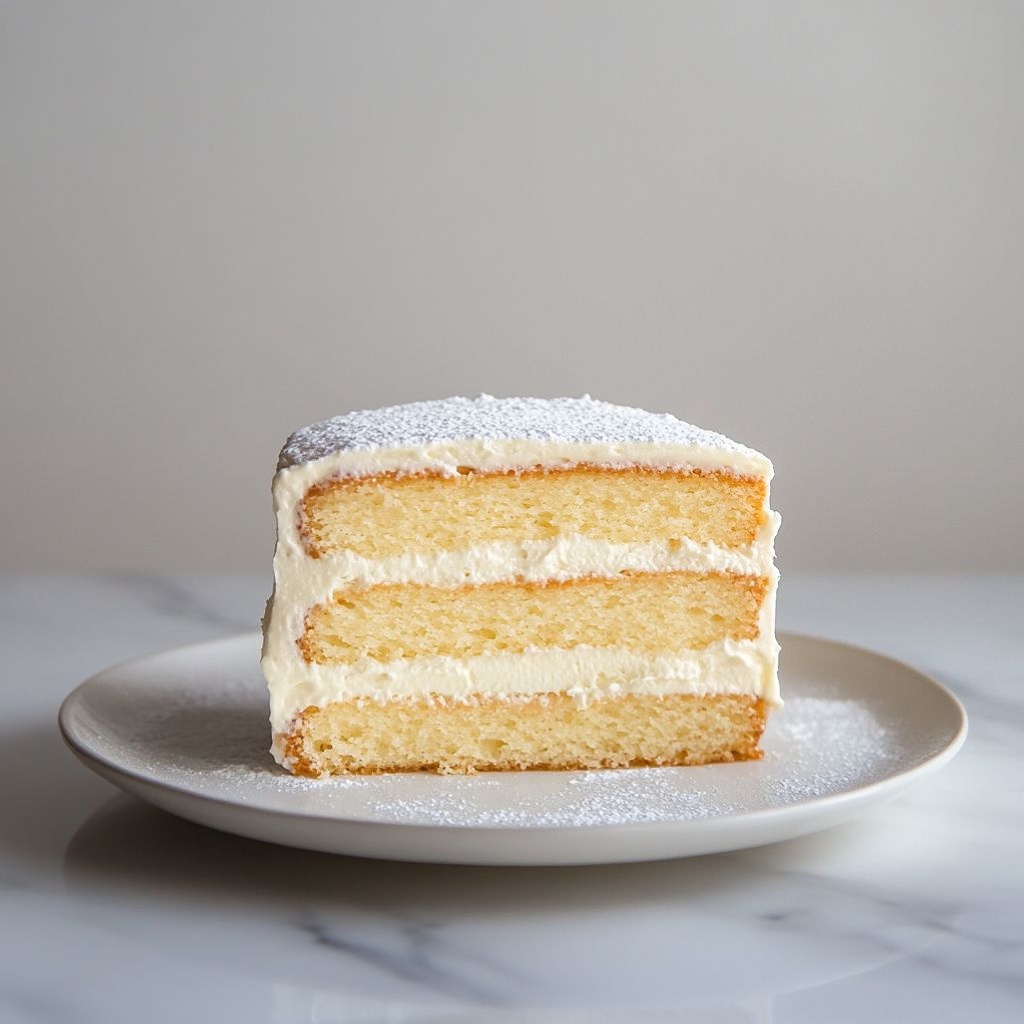
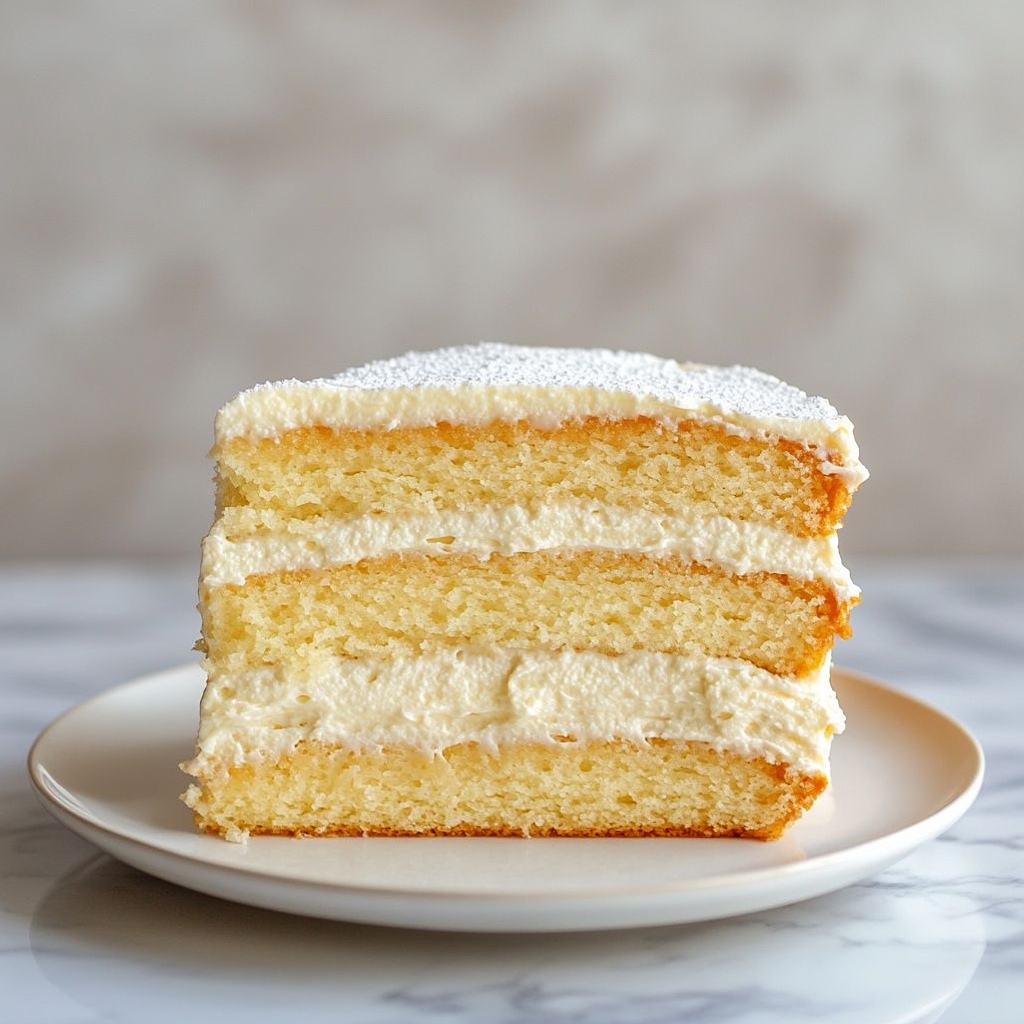
These Torta crema vaniglia layers showcase a classic vanilla sponge filled with silky crema pasticcera, brushed with vanilla simple syrup to keep the sponge moist, and finished with a light whipped-cream topping. For best results, whip the eggs with sugar until pale and tripled in volume, then fold in the sifted flour and cooled melted butter; avoid overmixing after the flour goes in to preserve air and a tender crumb. If you want a gluten-free version, substitute a certified gluten-free all-purpose flour blend and adjust the bake time as needed. For the crema, temper the yolks with hot milk, then cook with a cornstarch slurry until thick and glossy; vanilla seeds or extract both work—a bean adds a deeper aroma, but remove the pod before finishing. Make a batch of vanilla simple syrup by simmering equal parts water and sugar with a splash of vanilla, cool completely, and brush a thin layer on each cooled sponge layer to lock in moisture and aroma. The filling and topping rely on thick crema and light whipped cream: chill both before assembly, whip the cream to soft peaks, and fold in gently if you prefer a less stiff topping. Assemble with a generous but even layer of crema between the sponges, then a final light coat of whipped cream; dust with a touch of confectioners’ sugar if desired. Store refrigerated, tightly covered, and enjoy within 2–3 days; the flavors deepen after a day or two, making it ideal for make-ahead dessert trays.
Tips
Tips for perfect Torta crema vaniglia
- Room temperature eggs: Ensure the eggs are truly at room temperature before starting to maximize volume when beating with sugar. This helps create a lighter, more tender sponge crumb.
- Whipping technique for the sponge: Beat the eggs with the sugar until the mixture is pale and thick (ribbon stage). This incorporates air that will help the cake rise. Sift the flour and fold it in gently in 2–3 additions to preserve the air pockets; overmixing after flour is added will deflate the batter.
- Butter handling: Add the melted, cooled butter gradually to avoid curdling the batter. If the butter is warm, a small tempering step (a spoonful of batter whisked into the butter) helps emulsify it with the eggs.
- Pan prep and bake: Line the sponge pan with parchment and grease the sides to prevent sticking and promote even release. Bake until a toothpick or skewer comes out clean or with a few moist crumbs; avoid overbaking which dries the crumb.
- Creamy crema tempering: When making the crema, temper the egg yolks by adding hot milk gradually in a thin stream while whisking constantly. This prevents scrambling and yields a smooth custard.
- Thickening the crema: Dissolve the cornstarch in a little cold milk or water before adding to the hot milk. Cook until the mixture just comes to a gentle boil and thickens, then whisk continuously to avoid lumps and scorch marks on the bottom.
- Vanilla depth: If using a vanilla bean, infuse the milk with the seeds and pod, then remove the pod before finishing. If using extract, add it toward the end for a bright aroma without losing complexity.
- Salt balance: A pinch of salt enhances vanilla flavor and the overall creaminess. If you use salted butter, reduce the added salt accordingly to avoid oversalting.
- Syrup absorption: Brush the cooled sponge with vanilla syrup in a thin, even layer to maintain moisture without making it soggy. Apply as you build each layer so the cake stays tender and flavorful throughout.
- Whipped cream topping: Chill the bowl and beaters, and whip the cream to soft peaks for a lighter layer to pair with the rich crema. For a sturdier topping, whip a bit longer to stiff peaks, but avoid overwhipping which turns it grainy.
- Layer assembly: Let the vanilla crema cool completely before spreading it on the first sponge layer. A thin crumb coat helps lock in moisture and keeps the final surface smooth; refrigerate briefly between layers to set.
- Storage and freshness: Refrigerate the assembled cake and keep it well covered. The crema contains dairy, so best eaten within 1–2 days. If making ahead, you can prepare the components separately and assemble shortly before serving.
FAQ
Cos’è la Torta crema vaniglia?
Una torta soffice farcita con crema pasticcera alla vaniglia. Spesso è composta da una base di pan di spagna o torta leggera, farcita con crema vaniglia e talvolta glassata o spolverata di zucchero a velo.
Quali ingredienti servono per la Torta crema vaniglia?
Per la torta: uova, zucchero, farina (00 o farine per dolci), lievito in polvere, latte, burro fuso (oppure olio), vaniglia o estratto di vaniglia, un pizzico di sale. Per la crema vaniglia: tuorli, zucchero, amido di mais (maizena) o farina, latte, vaniglia. Opzionale: burro per una crema più vellutata.
Qual è la procedura di base per la crema vaniglia?
Scalda il latte con la vaniglia. In una ciotola mescola tuorli, zucchero e amido finché sono chiari. Versa poco latte caldo sui tuorli, mescola, poi unisci tutto al resto del latte e cuoci a fuoco medio mescolando finché si addensa. Lascia raffreddare e, se vuoi, aggiungi burro morbido per una crema più setosa.
Come si prepara la base di torta?
Montare uova con zucchero finché diventano chiare e spumose. Incorporare delicatamente la farina setacciata con lievito e un pizzico di sale. Aggiungere latte e burro fuso tiepido (o olio). Versare in una teglia imburrata e infarinata e cuocere in forno preriscaldato a 170–180°C per 25–30 minuti, finché uno stecchino esce asciutto. Lascia raffreddare completamente prima di farcire.
Come farcire e assemblare la torta?
Taglia la torta in strati se ammesso, spalma una generosa crema vaniglia tra gli strati e sui bordi. Se la crema è troppo densa, aggiungi un po’ di latte. Copri con il terzo strato e lascia riposare in frigorifero per almeno 1–2 ore prima di servire.
Come conservare la Torta crema vaniglia?
Se non viene consumata subito, conserva in frigorifero, coperta o in contenitore ermetico, per 2–4 giorni. Puoi anche congelare le basi o le fette già farcite per 1–2 mesi; lascia scongelare lentamente in frigorifero e poi a temperatura ambiente prima di servire.
È possibile fare una versione senza glutine?
Sì. Sostituisci la farina con una miscela senza glutine adatta ai dolci e aggiungi una piccola quantità di xantano o guar per migliorare la tenuta. Controlla i tempi di cottura poiché potrebbero variare leggermente.
Come rendere la crema vaniglia più leggera o diversa?
Per una crema più leggera, usa latte scremato o una parte di latte e una parte di yogurt bianco al posto di tutto il latte. Per una versione più ricca, aggiungi burro morbido montato o panna montata fredda al composto raffreddato. Puoi anche aromatizzare con scorza di limone o arancia.
Quali varianti di gusto si possono aggiungere?
Aggiungi scorza di limone o arancia, gocce di cioccolato bianco, cacao per una crema al cioccolato, pistacchi tritati o scaglie di cioccolato. Puoi anche farcire con una combinazione crema vaniglia e crema al cioccolato per un effetto marengato.
Quali sono i trucchi per una torta perfetta?
Assicurati che gli ingredienti siano a temperatura ambiente, verifica la cottura con uno stecchino e non aprire troppo spesso il forno durante la cottura. Lascia raffreddare la torta nella teglia per 10 minuti, poi sformala su una griglia. Per la crema, raffreddala completamente prima di farcire e coprire la torta.