Author

Ocean Nightleaf

Browsing

Introduction / Hook

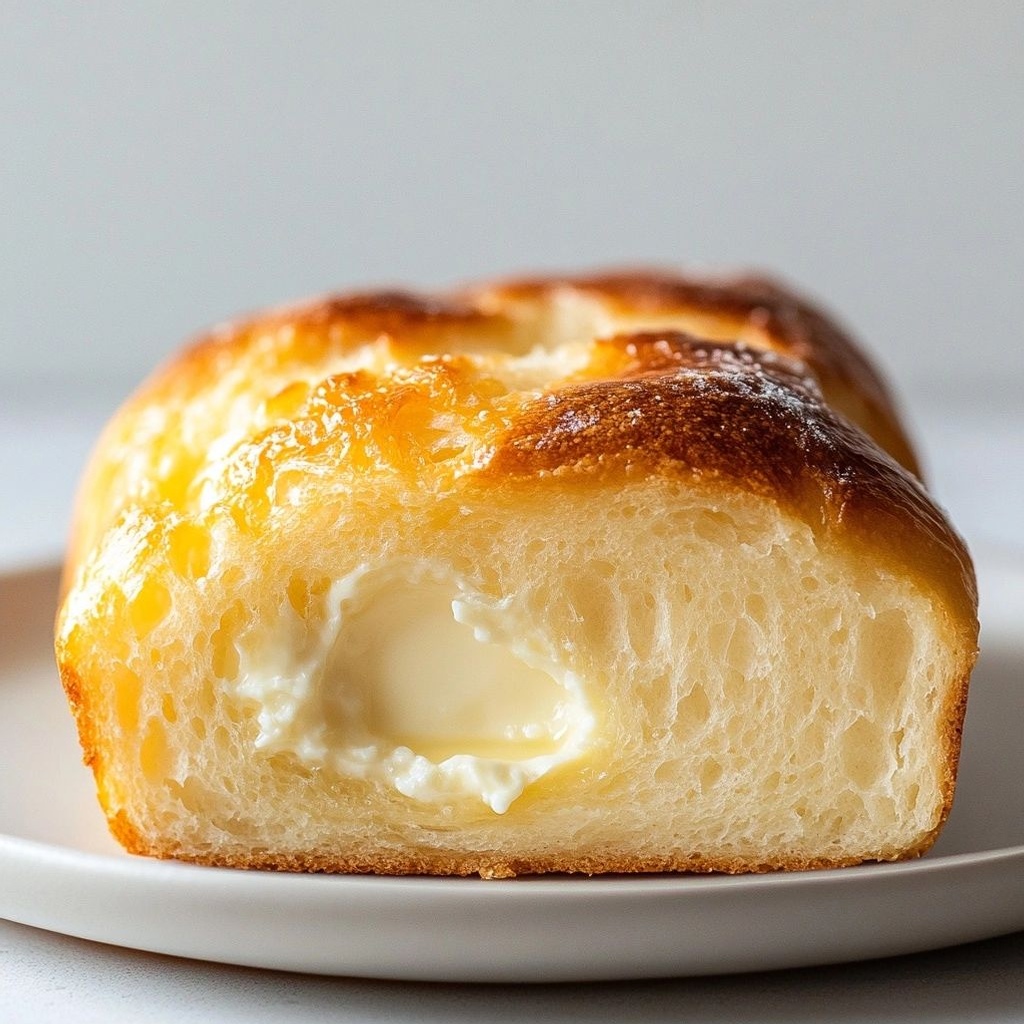
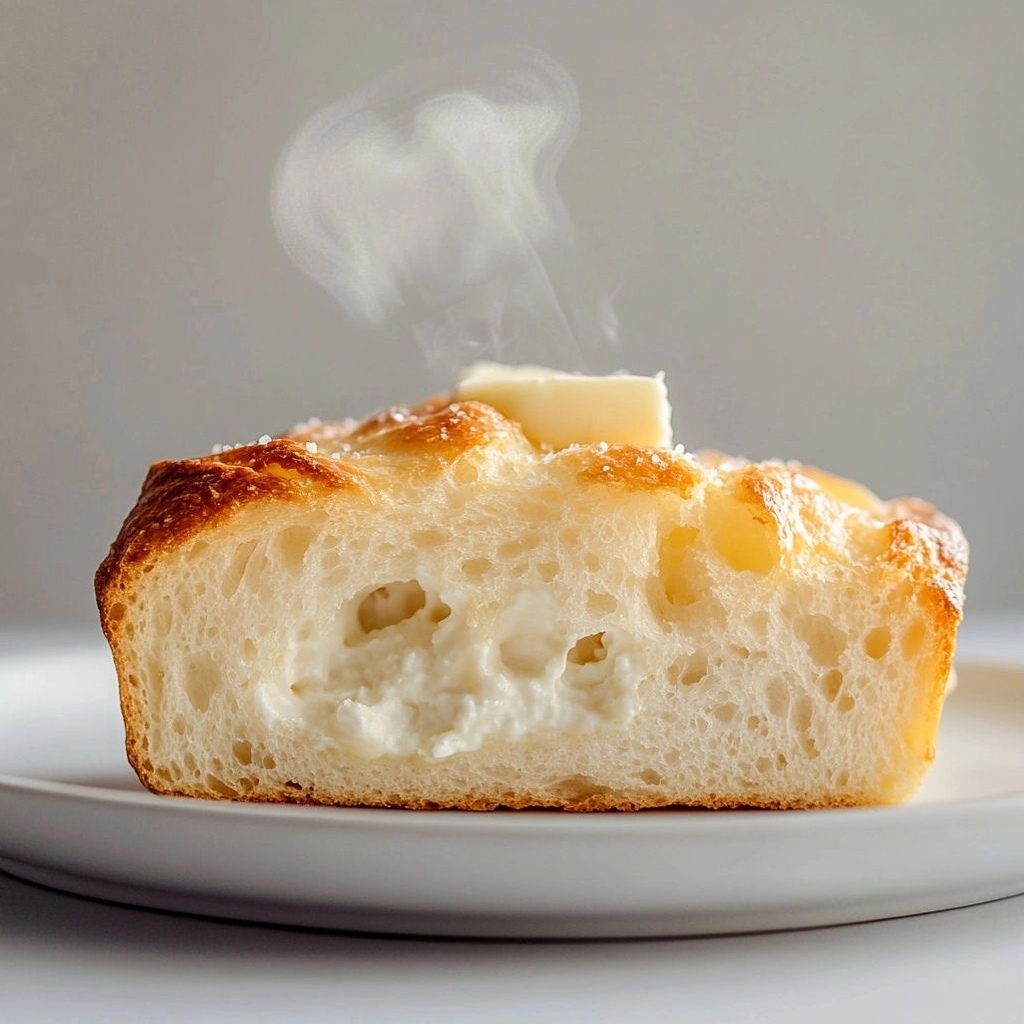
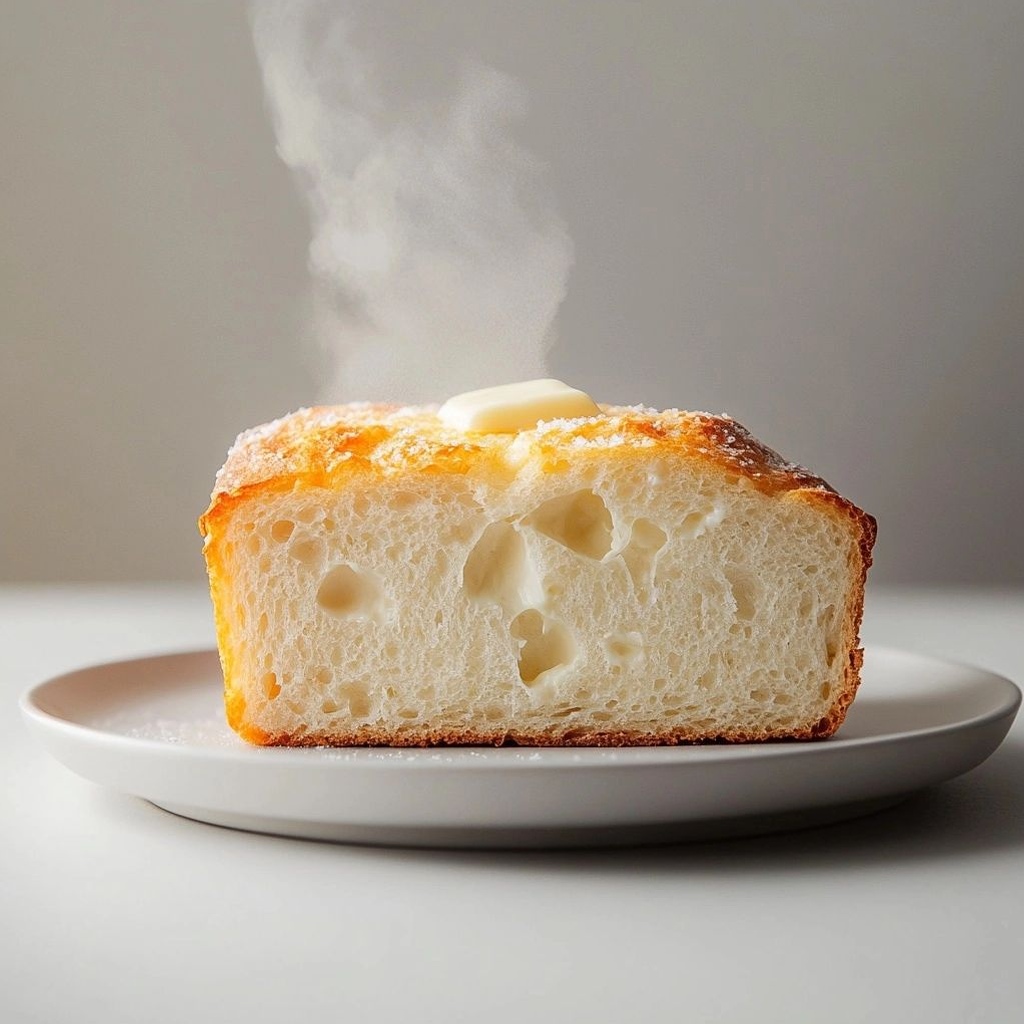
Picture a pastry that greets you with the warm glow of a cinnamon-sugar dream, then lingers with the crisp, nutty bite of biscotti. The Biscotti Cinnamon Roll is a delicious paradox wrapped in pastry: a tender, swirled core that hides a surprising crunch along its edges, achieved by a clever double-bake technique that echoes the ancient tradition of biscotti while paying homage to a classic cinnamon roll’s unhurried melt-in-your-mouth comfort. This isn’t just a treat for weekend savoring; it’s a pastry you’ll want to bake for gatherings, coffee dates, and those mornings when you crave both nostalgia and novelty in every bite. The first inhale invites you to the kitchen where vanilla and cinnamon pirouette with orange zest, almond undertones begin to whisper, and melted butter joins the chorus to set the stage for a texture that surprises with every slice. As you cut into the loaf, the scent swirls through the room—an intoxicating invitation to slow down, savor, and share. And when you finally bite in, you’ll experience that irresistible contrast: the gentle chew of a cinnamon-roll interior balanced by a crisp, biscotti-like crust that crackles softly with each bite. This is the kind of pastry that makes ordinary mornings feel like a celebration and ordinary afternoons feel like a cozy café moment you can recreate at home.

The Story Behind the Dish

The Biscotti Cinnamon Roll is a love letter to two beloved traditions. On one side stands the Italian biscotti, the twice-baked almond biscotti that has traveled across centuries and continents, dipping its dry, crunchy texture into cups of Vin Santo and midnight rituals of conversation and companionship. On the other side stands the cinnamon roll, the quintessential symbol of comfort in American and Northern European home kitchens, where swirls of tender dough are enriched with butter, sugar, and a generous kiss of cinnamon. The union of these two favorites—soft, fragrant bread dough with a biscotti-inspired crunch—emerges from the imagination of bakers who crave texture as much as taste. It’s a fusion born from late-night kitchen experiments, the kind of culinary curiosity that begins with “What if I tried this with that?” and ends in a pastry that treads the line between dessert and indulgent breakfast.

The origin story of this dish is less about a precise date and more about a mood: the desire to turn a cozy, indulgent roll into something that also feels crisp and refined. A pastry chef colleague once described the biscotti always asking the cinnamon roll to slow down and the cinnamon roll begging the biscotti to soften—an amusing anthropomorphism that actually captures the dynamic texture you’ll find here. The result is a pastry that is thoroughly modern in concept yet deeply rooted in tradition: a dough that yields to a generous swirl of warm cinnamon and sugar, then a second bake that transforms part of the surface into a crisp, cookie-like crust. It’s a nod to the way cultures mingle in global kitchens—the way a grandmother’s cinnamon roll recipe travels with a traveler who carries a tin of biscotti for company, and how, after a lot of curious testing, those two worlds finally find harmony in a single, irresistible bite.

Why You’ll Love This Recipe

  • Textural contrast you can’t resist: a soft, aromatic spiral inside with a crisp, biscotti-like exterior for a dual-sensory experience in every bite.
  • Make-ahead friendly: the dough can rest in the fridge, allowing flavors to infuse while you prepare for a weekend brunch or a lazy Sunday bake.
  • Comfort meets sophistication: a familiar cinnamon-sugar profile elevated by almond notes, citrus zest, and a glaze that gleams with glossy sweetness.
  • Versatility by design: ideal as a breakfast pastry, a dessert, or a refined coffee-time treat—great for gifting or entertaining.
  • Customizable to suit diets and taste: you can adjust the flour, dairy, and sugar to accommodate vegan, gluten-free, or dairy-free needs without sacrificing the spirit of the dish.
  • A conversation starter: the idea of biscotti in a roll invites oohs and aahs, plus it gives you a chance to tell a story about tradition, texture, and culinary experimentation.

Flavor Profile & Texture

The Biscotti Cinnamon Roll dances between warm, cozy spices and a bright, crisp surface. The filling is a fragrant chorus of cinnamon, vanilla, and a hint of orange zest, which adds a citrus lift that brightens the deep brown sugar sweetness. Ground almonds or almond extract infuse a subtle, nutty depth that anchors the roll in an earthy warmth, while a whisper of butter lends a luxurious mouthfeel that stays with you as you chew. The crust, formed by a gentle second bake, becomes delightfully brittle in places—like a delicate biscotti shell—where the sugars caramelize and the edge translates into a satisfying crackle. The interior remains tender, pillow-soft, and almost cloud-like, with a springy crumb that readily yields to a fork with a soft sigh.

Texture-wise, imagine biting into a slice and encountering this trio: first, the audible crackle of the biscotti-like crust; then the tender, chewy interior that carries the cinnamon-sugar swirl; and finally, a silky glaze that adds a gloss of sweetness and a subtle moisture that keeps the pastry from feeling too dry. The glaze—whether a simple vanilla or a citrus-kissed maple variant—clings just enough to make each bite gleam, while not overpowering the delicate balance between crunch and chew. The aroma is equally inviting: toasted almond, warm cinnamon, a whisper of vanilla, and the citrus zest rising like a bright note in a well-composed symphony. It’s a pastry that fills your kitchen with fragrance in the best possible way—clouds of cinnamon, the nutty tingle of almonds, and an inviting sweetness that promises comfort and indulgence in equal measure.

The harmony of flavors—cinnamon’s warmth, vanilla’s creamy aroma, orange zest’s brightness, and almond’s subtle earthiness—creates a layered profile that doesn’t tire the palate. You get the cozy familiarity of a cinnamon roll, but with a modern edge that makes every bite feel a little special. The texture ensures this isn’t a dessert-only indulgence; it’s a pastry that can anchor a weekend brunch, pair perfectly with a robust coffee or a creamy latte, and still feel at home as a mid-afternoon treat with a cup of tea. It’s both comforting and exciting, a culinary paradox that delights in the best possible way.

Occasions & Pairings

Where does the Biscotti Cinnamon Roll belong? Everywhere you want to add a touch of sweetness and a spark of texture—without going overboard. It shines on weekend brunch tables, especially when you want to offer guests something a little more memorable than the usual pastry lineup. It’s equally at home as a dessert for a small dinner party, where a warm slice with a glass of dessert wine or a strong espresso can transform the moment into a lingering, cozy experience. For holiday mornings, it becomes a centerpiece that invites conversation and admiration. Gift it in a pretty tin for neighbors, teachers, or friends who appreciate a thoughtful homemade indulgence.

Pairing ideas to elevate the experience:
– Beverages: strong espresso, dark-roast coffee, cappuccino, or a lightly sweetened chai; a glass of dessert wine or a small pour of Vin Santo on the side can echo the biscotti heritage.
– Sides: fresh fruit compote or poached pears to balance the sweetness; a dollop of lightly whipped cream for contrast or a small scoop of vanilla ice cream for a delightful hot-cold contrast.
– Desserts: a light lemon curd or a bright berry coulis to cut through the richness; pistachio brittle or chopped almonds sprinkled on top for extra crunch and color.
– Occasions: Sunday brunch, bridal showers, cozy breakfasts by the fire, or a festive bake sale treat that signals both comfort and craftsmanship.

Tips, Variations & Substitutions

  • substitute a plant-based butter or a neutral oil in the dough and use almond milk or oat milk in place of dairy milk if your recipe calls for it. For a vegan glaze, opt for a simple confectioners’ sugar glaze with plant-based milk or citrus juice.
  • use a gluten-free flour blend that behaves well in enriched doughs; you may need an extra pinch of xanthan gum or guar gum to maintain the roll’s structure; the biscotti-crisp crust can be achieved by drying the dough slightly and using a gentle second bake.
  • swap almonds for pistachios or hazelnuts for a different flavor profile; toasted pistachios on top add color and a delightful crunch.
  • try a citrus-forward version with lemon zest in addition to orange, or a warm-spice variant with cardamom and a touch of cloves; a hint of espresso powder in the dough intensifies the coffee pairing.
  • reduce sugar in the dough for a lighter roll, or up the glaze’s brightness with lemon or orange zest, adding a citrus glaze or a vanilla-bean glaze for a premium finish.
  • to emphasize biscotti-like crunch, extend the second bake just until the crust is deeply golden but not burnt, then let the rolls cool completely; the surface will harden slightly as they rest, creating additional snap when sliced.
  • incorporate a touch of anisette, star anise, or cinnamon-vanilla sugar blends for different cultural spins; a drizzle of dark chocolate in the glaze adds a decadent finish for chocolate lovers.

Storage & Make-Ahead Ideas

One of the practical delights of this recipe is how well it travels from fresh-baked pastry to make-ahead treat without losing magic. After baking and cooling, you can store biscotti cinnamon rolls in an airtight container at room temperature for up to a few days, preserving the contrast between the soft interior and crisp exterior. For longer storage, wrap slices tightly and freeze them; reheat gently in a low oven to revive the crust’s snap and the interior’s tenderness without drying out the pastry. The dough itself can be prepared and refrigerated overnight before the final shaping and bake, letting flavors mingle and the dough relax for easier handling in the morning. If you’re making dough ahead of time, consider a two-stage schedule: day one, prepare and chill the dough; day two, roll, fill, shape, and bake, then finish with a fresh glaze. This approach not only saves time but also deepens the flavor as the ingredients meld during refrigeration.

Make-ahead serving ideas: bake a larger batch of the base cinnamon-roll dough, then wrap and refrigerate; on a celebratory morning, simply slice and perform the final bake to produce an array of freshly crisped edges and tender centers. For brunchmores or potlucks, pre-slice the baked loaf, store the slices in a single layer, and then reheat them quickly in the oven to restore that just-baked aroma and snap. The practicality of this approach keeps the pastry’s luxurious texture intact while ensuring guests are greeted by a warm, inviting scent when the time comes to serve.

Fun Facts & Trivia (Optional)

– The term biscotti comes from the Italian word “biscotto,” meaning twice-baked. This method was historically used to preserve baked goods for longer journeys, particularly along trade routes and across seas.

– Vin Santo, often paired with biscotti in Italy, is a sweet dessert wine whose name translates to “holy wine.” Dipping biscotti in Vin Santo became a ritual of sharing and reflection, a moment where time slows as flavors mingle.

– Cinnamon rolls have a long lineage in Northern and Central Europe, where yeasted doughs were enriched with butter and sugar—an indulgence that marked celebrations as much as daily joy. The Biscotti Cinnamon Roll fuses this celebratory feeling with the disciplined crunch of biscotti, creating a pastry that nods to history while embracing contemporary texture-forward pastry culture.

– Almonds, a common element in both biscotti and many cinnamon-roll variations, add a fragrant nuttiness that becomes more pronounced as the pastry cools. Toasting almonds before grinding or adding almond extract can intensify these flavors even further, offering an almost caramelly depth to the overall profile.

Closing Thoughts

In the end, the Biscotti Cinnamon Roll is more than a recipe; it’s a story told through texture and aroma. It’s a celebration of contrasts—soft and crunchy, sweet and aromatic, familiar and adventurous. It invites you to slow down, savor, and share with loved ones, to explore variations that reflect your pantry and preferences, and to carry forward the comforting ritual of a morning pastry that tastes like a warm embrace. When you bake this dish, you’re not just producing a dessert; you’re curating an experience—a slight twist on tradition that becomes a new tradition in your home. So preheat your oven, gather your best cinnamon, almonds, and a citrus kiss, and let the Biscotti Cinnamon Roll unfold. You’ll discover that sometimes the most memorable pastries come from daring to pair the old with the new, the soft with the crisp, and the everyday with a touch of something delightfully extraordinary.

Ingredients

Biscotti Cinnamon Roll
Dough

  • 3 1/2 cups all-purpose flour (plus extra for dusting)
    → Provides the gluten structure that gives the roll its bread-like chew and helps trap the gas produced by the yeast for a soft, tall spiral. Measure by scooping into a cup and leveling off; dust with a little flour if the dough starts to stick during kneading. For a gluten-free version, use a well-balanced GF all-purpose blend (about 3 1/2 cups) plus 1/2 cup almond flour and a small amount of xanthan gum, then adjust with additional liquid as needed.
  • 1/4 cup granulated sugar
    → Adds gentle sweetness to the dough and feeds the yeast to help the dough rise. If you prefer a less sweet roll, reduce to 2–3 tablespoons, but keep enough sugar to aid browning and flavor. The sugar also contributes to a softer crumb when combined with fat and liquids.
  • 2 1/4 teaspoons active dry yeast
    → The leavening agent that makes the dough rise into a light, airy roll. For best results, proof the yeast in a small portion of the warm milk (about 1/4 cup) with a pinch of sugar until foamy before mixing with the dry ingredients. If using instant yeast, you can whisk it directly with the dry ingredients and skip the proofing step, though rising times may be shorter.
  • 1/2 teaspoon fine sea salt
    → Enhances overall flavor and helps strengthen dough structure. Salt also slows fermentation slightly, balancing sweetness. If you use salted butter, you may reduce this by 1/8 to 1/4 teaspoon.
  • 3/4 cup warm milk (110-115°F)
    → Hydrates the dry ingredients and activates the yeast; choose dairy milk for a richer dough, or plant-based milk with a touch of extra fat (like a teaspoon of melted butter) for similar results. Ensure the liquid is not too hot to avoid cooking the egg or killing the yeast.
  • 1 large egg
    → Provides moisture, richness, and helps bind the dough for a tender, cohesive roll. Bring the egg to room temperature before mixing to promote smoother incorporation and even crumb development.
  • 1/3 cup unsalted butter, melted and cooled
    → Adds richness and tenderness, and helps create a soft, pliable dough that rolls smoothly. Cooling the melted butter prevents any risk of cooking the egg when combined and aids in uniform mixing. For dairy-free versions, substitute with a neutral-flavored oil or dairy-free butter in the same amount (note that the texture may differ slightly).
  • 1 teaspoon vanilla extract
    → Elevates the dough with warm, aromatic notes that pair well with cinnamon. Use pure vanilla extract for the most robust flavor; if desired, add a small amount of citrus zest (e.g., orange) for brightness, but keep it optional.

Cinnamon Filling

  • 1/2 cup unsalted butter, softened
    → Provides a creamy, spreadable layer that forms the signature swirl when rolling the dough. Softened butter ensures an even distribution and prevents tearing the dough when spreading the filling. If you prefer a richer flavor, brown the butter slightly and use it cooled; this adds a toasty note.
  • 3/4 cup light brown sugar
    → Creates the core sweetness and caramelized aroma of the cinnamon swirl. Pack the brown sugar lightly to measure accurately; you can adjust up or down depending on how sweet you like your cinnamon roll, but more sugar will brown more deeply during baking and create a gooier swirl.
  • 3 tablespoons ground cinnamon
    → The star flavor component of the swirl. For a bolder cinnamon flavor, increase to 4 tablespoons; for a milder profile, use 2–2 1/2 tablespoons. Swirl should be evenly distributed, so whisk the sugar and cinnamon together to prevent clumps.
  • 1/4 teaspoon fine sea salt
    → Heights the contrast between sweet filling and dough, helping to prevent the filling from tasting flat. If using salted butter, reduce this by about half.

Biscotti Component

  • 1 cup biscotti, finely crushed
    → Adds a crisp, nutty crunch and flavor to the cinnamon roll, echoing the biscotti theme. Use plain or almond biscotti for a complementary complement to cinnamon; chocolate-dipped biscotti will add extra sweetness and contrast. Crush until fine crumbs but still with a bit of texture to contrast with the soft dough.

Optional Add-ins

  • 1/4 cup finely chopped almonds or hazelnuts (optional)
    → Adds extra crunch and a toasty, nutty depth. Toast the nuts lightly in a dry skillet or oven before chopping to intensify flavor and improve texture in the final bake. Distribute evenly through the filling for pockets of crunch.
  • 1/4 cup mini semisweet chocolate chips (optional)
    → Provides bursts of chocolate within the swirl, balancing the cinnamon with a touch of richness. Use mini chips to ensure even distribution and to avoid large melty pockets; fold into the filling just before spreading.

Glaze

  • 1 cup powdered sugar
    → Creates a smooth, sweet glaze that tightens the surface and adds a glossy finish once set. Sift the sugar if there are lumps to ensure a velvety glaze, and adjust thickness by adding more sugar or a splash of milk as needed.
  • 2-3 tablespoons milk or cream
    → Liquid that brings the glaze to the desired pourable consistency. Start with 2 tablespoons and add more gradually; dairy-free milk or cream alternatives can be used for a lighter or heavier glaze depending on your preference.
  • 1/2 teaspoon vanilla extract
    → Enhances sweetness and rounds the glaze with warm aroma. Add with the sugar to prevent any graininess and achieve a smoother glaze; if you used orange zest in the dough, you can skip vanilla or use a tiny hint of almond extract instead for a different aroma.

Instructions

  • Proof the yeast in a small bowl by warming 1/4 cup of the warm milk to about 105-110°F, whisking in a pinch of granulated sugar, sprinkling over the active dry yeast, and letting it sit 5-10 minutes until the mixture becomes foamy.
    → Proofing confirms the yeast is alive and will actively leaven the dough; if no foam appears, discard and start with fresh yeast for proper rise.
  • Whisk together the 3 1/2 cups all-purpose flour, 1/4 cup granulated sugar, and 1/2 teaspoon fine sea salt in a large mixing bowl to ensure even distribution and to support uniform gluten development during kneading.
    → Even distribution prevents salty pockets and helps the dough rise with a cohesive structure for a tender, bread-like crumb.
  • In a separate bowl, whisk the 1 large egg with the remaining warm milk (adding cap total to about 3/4 cup if needed), then stir in 1 teaspoon vanilla extract and the 1/3 cup melted butter cooled to just warm; whisk until the mixture is smooth and emulsified, then fold in the proofed yeast mixture.
    → This builds a rich, cohesive dough with even fat distribution; cooling the butter prevents cooking the egg and ensures a smooth blend.
  • Pour the wet ingredients into the bowl of dry ingredients and mix on low with a wooden spoon or stand mixer fitted with a dough hook until a shaggy dough forms, adding extra flour, 1 tablespoon at a time, only as needed to achieve a soft, tacky, but manageable dough.
    → Proper hydration and gradual mixing develop gluten gently without tearing, yielding a dough that can rise tall and hold a spiral when rolled.
  • Knead the dough on a lightly floured surface for 8-10 minutes until it’s smooth, elastic, and slightly springy to the touch, then shape into a ball and place it in a lightly oiled bowl, turning once to coat all sides.
    → Kneading develops gluten structure for strength and chew, while oiling the surface prevents sticking and helps the dough rise evenly.
  • Cover the bowl with a clean kitchen towel or plastic wrap and let the dough rise in a warm spot until doubled in size, about 60-90 minutes, depending on room temperature and yeast activity.
    → A proper first rise creates volume and a soft, airy crumb that will become the tall spiral when rolled with filling.
  • Meanwhile, prepare the filling by beating 1/2 cup softened unsalted butter with 3/4 cup light brown sugar, 3 tablespoons ground cinnamon, and 1/4 teaspoon fine sea salt until smooth and well combined, then fold in 1 cup finely crushed biscotti; if using optional add-ins, fold in 1/4 cup chopped almonds or hazelnuts and/or 1/4 cup mini chocolate chips.
    → A uniform, cohesive filling ensures even flavor and texture; biscotti crumbs add crunch that echoes the biscuit theme, while nuts and chips provide pockets of contrast.
  • Roll out the risen dough on a lightly floured surface into a rectangle about 16 by 12 inches and roughly 1/4 inch thick, then spread the filling evenly over the dough, leaving a 1/4 inch border at the far edge.
    → A thin, even layer prevents tearing and ensures a tight roll; edges seal better when the border is brushed with a touch of water before sealing the log.
  • Starting with a long edge, roll the dough tightly into a log, pinch the seam to seal, and use a bench knife to trim the ends for neatness; wrap the log in plastic wrap and refrigerate for 30-60 minutes to firm the filling for clean slicing.
    → Chilling firms the fats and sugar, making slices hold their shape during cutting and baking for uniform spirals.
  • Preheat your oven to 350°F (175°C) and line a sheet pan with parchment paper or a silicone baking mat, preparing a flat surface for the slices to bake without sticking.
    → A hot, well-prepped pan ensures even browning and prevents the rolls from adhering, which helps maintain a clean swirl and neat slices.
  • Remove the chilled log from the refrigerator and cut it into 1 to 1 1/2 inch thick slices with a long serrated knife, then arrange the slices cut-side up on the prepared pan about 1 inch apart to allow space for expansion.
    → Uniform thickness ensures even baking; spacing prevents steam from pooling and keeps the surface from sticking together.
  • Let the cut rolls rise on the pan for 20-30 minutes in a warm spot until puffy and visibly expanded, then bake in the preheated oven until golden brown and set in the center, about 18-25 minutes, rotating the pan halfway if your oven has hot spots.
    → The second rise firming the structure before baking yields distinct, defined spirals and a tender interior; watch closely towards the end to avoid overbrowning.
  • While the rolls bake, whisk 1 cup powdered sugar with 2-3 tablespoons milk (or cream) and 1/2 teaspoon vanilla extract to form a smooth glaze, adding milk or sugar as needed to reach a pourable but thick consistency.
    → A glossy glaze adheres to the warm surface, enhances sweetness, and sets to a gentle sheen as it cools, finished with a touch of vanilla for depth.
  • Transfer the baked rolls to a rack and let them cool 10-15 minutes before drizzling with the glaze, then lightly drizzle or brush the glaze over the tops and sides to create a thin, even coat that sets as the rolls finish cooling.
    → Cooling slightly prevents the glaze from sliding off, and a thin layer helps keep the rolls moist while adding a finished, attractive sheen.

Notes

These biscotti cinnamon rolls are a cozy, indulgent bake that combines a soft, cinnamon-swirl interior with a crisp biscotti-adorned crust. For best results, measure the flour by scooping and leveling, proof the yeast in warm milk with a pinch of sugar until foamy, and keep the melted butter cooled before mixing to help keep the dough tender. If you want a gluten-free version, substitute with a balanced GF all-purpose blend (about 3 1/2 cups) plus 1/2 cup almond flour and a small amount of xanthan gum, then adjust liquids as needed. Roll the dough to a rectangle and spread the cinnamon filling evenly; then sprinkle the crushed biscotti and optional nuts or chocolate chips to add texture. Roll tightly, slice, and bake until the edges are golden. For the glaze, whisk powdered sugar with milk or cream and vanilla until smooth; drizzle while warm so the glaze sets into a glossy finish. You can brighten the aroma by adding orange zest to the dough or a touch of orange extract to the glaze. These keep well in an airtight container for 2–3 days and can be reheated gently for a fresh-baked feel; you can also freeze baked slices for longer storage. Always ensure your ingredients are fresh and measured accurately to achieve the best rise and texture.

Tips

Tips for Biscotti Cinnamon Roll

General prep and equipment

  • Measure flour by scooping into the cup and leveling off. Dust with a little extra flour if the dough starts to stick during kneading.
  • Have a rolling pin, offset spatula, and a sharp knife or bench scraper ready for cleanly rolling and trimming the dough.
  • Use a thermometer to verify milk is in the 110–115°F range for active yeast; liquid that’s too hot can kill the yeast.
  • Proof yeast in a small amount of warm milk with a pinch of sugar until foamy to ensure active leavening; instant yeast can be whisked with dry ingredients if you’re short on time.

Dough handling

  • Bring eggs and milk to room temperature before mixing to promote smoother incorporation and even crumb development.
  • Knead until the dough is smooth and elastic; a windowpane test (stretching a small piece until it becomes translucent) is a good indicator.
  • Keep the dough surface lightly floured to prevent tearing; avoid overworking the dough to prevent a tough crumb.
  • If the dough becomes very sticky, chill it for 15–20 minutes or dust with a bit more flour to facilitate rolling and filling.

Rolling and filling technique

  • Roll the dough into a rectangle of even thickness for uniform filling and even baking.
  • Whisk the filling components (butter, brown sugar, cinnamon, salt) together to a cohesive paste with no clumps, for a smooth, even swirl.
  • Spread filling to within about 1/2 inch of the edges to prevent overflow when rolling; reserve a thin edge to seal.
  • Distribute the biscotti crumbs evenly over the dough to avoid large pockets of crumb in the final roll.

Biscotti component and add-ins

  • Toast nuts (if using) to intensify flavor, then cool before chopping finely for even distribution.
  • Crush biscotti to fine crumbs but retain some texture for contrast against the soft dough.
  • Fold in mini chocolate chips with the filling if you want bursts of chocolate; add just before spreading.

Glaze and finishing

  • Sift powdered sugar to avoid lumps in the glaze; adjust thickness by adding more sugar or a splash of milk.
  • For a dairy-free glaze, use a non-dairy milk and a neutral oil-free fat; adjust consistency as needed.
  • Add vanilla to the glaze at the end or pair with citrus zest in the dough for a bright aroma; otherwise a tiny amount of almond extract can be used for variation.

Baking, cooling, and storage

  • Bake until the edges are lightly browned; rotate the pan if your oven heats unevenly for even browning.
  • Cool completely before glazing to set the glaze and prevent melting.
  • Store in an airtight container; the rolls can be made a day ahead. For longer storage, wrap tightly and refrigerate or freeze; glaze after thawing if frozen unglazed.

Make-ahead and variations

  • Chill the dough between steps if it’s too soft to roll, then proceed with filling and shaping.
  • For gluten-free version, use a well-balanced GF all-purpose blend (about 3 1/2 cups) plus 1/2 cup almond flour and a small amount of xanthan gum; adjust liquids as needed.
  • Try different biscotti flavors or add a citrus zest to the dough for a bright contrast to the cinnamon.

FAQ

What is Biscotti cinnamon roll?

A biscotti cinnamon roll is a hybrid pastry that combines the warm, spiced flavors of a cinnamon roll with the crisp, twice-baked texture of biscotti. The dough is rolled with a cinnamon-sugar swirl, baked as a log, then sliced into diagonal pieces and baked again until crisp. It’s typically finished with a light glaze or icing.

How is it different from regular biscotti or cinnamon rolls?

Regular cinnamon rolls are soft and fluffy, baked once and usually glazed. Traditional biscotti are twice-baked, dry, and cookie-like. Biscotti cinnamon rolls sit between the two: they start with a cinnamon-roll-style dough but are sliced and baked twice to achieve a crisp texture while retaining cinnamon flavor.

What ingredients do I need?

Common ingredients include: all-purpose flour, granulated sugar, baking powder, salt, ground cinnamon, butter (or a dairy-free substitute), eggs (or flax eggs for vegan), milk (dairy or plant-based), vanilla extract, and optional fillings like brown sugar, chopped nuts, and chocolate chips. For finishing: powdered sugar, milk or dairy-free milk, and vanilla for glaze.

  • For the swirl: brown sugar and extra cinnamon can be added.
  • Optional add-ins: chopped almonds or pecans, chocolate chips.
Can I make this gluten-free?

Yes. Use a gluten-free all-purpose flour blend that substitutes one-for-one with all-purpose flour. You may need to adjust moisture slightly; if the dough seems dry, add a little more milk a teaspoon at a time until the dough comes together.

Is it dairy-free or vegan?

It can be made dairy-free or vegan. Use plant-based butter, plant-based milk, and a flax egg or another egg substitute. For the glaze, use dairy-free milk and powdered sugar. Note that texture may vary slightly when substituting.

How do I bake Biscotti cinnamon rolls?

Basic steps:
– Prepare a cinnamon-swirl dough and roll into a log.
– Chill the log briefly to firm up.
– Bake the log until set.
– Let it cool slightly, then slice diagonally into pieces.
– Return the slices to the baking sheet and bake again until crisp.
– Finish with a glaze if desired.

How should I store the finished biscotti cinnamon rolls?

Store in an airtight container at room temperature for up to 5–7 days. For longer storage, freeze baked biscotti slices in a single layer, then transfer to a freezer bag or container for up to 2–3 months. Re-crisp in a 325°F (165°C) oven for 8–10 minutes.

Can I freeze the dough before baking?

Yes. You can freeze the rolled, shaped dough (before the first bake) wrapped tightly. Thaw in the fridge overnight, then bake as directed. Frozen dough may require a few extra minutes of bake time.

Can I customize with add-ins or flavors?

Absolutely. Try adding chopped nuts (walnuts, pecans), chocolate chips, or a lemon zest twist for a brighter flavor. You can also swap some of the cinnamon for cardamom or nutmeg to change the spice profile. For a sweeter glaze, whisk in a pinch of salt and vanilla.

What dipping beverages pair well with it?

Chot a cup of coffee, espresso, or black tea. The crisp biscotti texture goes nicely with a robust drink, but you can also enjoy it with a glass of cold milk or a warm chai latte.

Introduction / Hook

Imagine a breakfast that feels both familiar and delightfully novel at the same time: a warm, golden muffin that tastes like a cozy weekend pancake. The aroma wafts through the house, a soft steam rising from tiny domes that hold the promise of maple sunshine and a kiss of vanilla. Pancake muffin colazione is that comforting paradox—tools of the pantry turned into a portable, melt-in-your-mouth morning ritual. It’s breakfast that travels well, fits in a lunchbox, and still offers the sensory joy you crave when you sit down to eat. Each bite delivers the soft tenderness of a pancake with the sturdy, convenient form of a muffin, a compact package that makes mornings feel like a small celebration rather than a sprint to the door. And because breakfast is the most important meal of the day, why not invest a little extra love into something that tastes like a hug in warm, edible form?

In the next pages, you’ll discover a recipe that feels timeless yet modern, simple yet special. It’s the kind of dish you return to when you want comfort without fuss, familiarity with a sparkle. The batter—elevated by a whisper of vanilla, a hint of citrus zest, and a tender crumb—becomes magic when baked in muffin tins, their points of pastry edges turning a humble breakfast into something that looks almost too good to eat. The muffins rise with a sugary crown, crack slightly as they cool, and offer that delicate balance of sweetness and a touch of restraint that makes them perfect for pairing with coffee, a glass of fresh orange juice, or a bowl of yogurt topped with fruit. Whether you’re feeding a family, packing a lunch for kids, or treating yourself to a quiet morning moment, these pancake muffins are accessible, versatile, and endlessly satisfying.

What makes this concept particularly compelling is its storytelling aspect. It’s breakfast that nods to the classic pancake tradition while embracing the convenience of a muffin. It speaks to busy mornings without asking you to compromise on texture or flavor. And because the recipe blurs the line between two beloved formats, it invites playful variation—you can swirl in a little cinnamon, fold in fruit, or add a whisper of citrus for brightness. The result is a breakfast that travels as well as it comforts, a tiny edible bouquet of morning possibilities that sits on the table like a promise of a good day ahead.

The Story Behind the Dish

Food is often a tapestry of small decisions that, when stitched together, become something greater than the sum of their parts. Pancake muffin colazione is one of those culinary hybrids that came to be from the everyday needs of modern life: the desire for a breakfast that feels indulgent yet practical, the longing for something that can be prepared ahead and enjoyed on the go, and the creative impulse to reimagine two beloved breakfast formats as one. The idea borrows its heart from the humble pancake—soft, pale, comforting, and quick—while borrowing its resilience from the muffin, a sturdy little cake that travels well and holds its shape.

This dish has roots in kitchens around the world where breakfast is treated as both ritual and ritual-in-a-speed-dial. In busy households, a batter that can be portioned into little cups, baked, and then stored for a few mornings offers a tiny miracle: a hot, comforting start without the morning scramble. The muffin’s portability makes it a natural fit for school mornings, desk breakfasts at the office, or a Sunday brunch spread where you want to offer something that looks special but can be prepared with a minimum of effort. The flavor profile—gentle vanilla, a hint of sweetness, a whisper of citrus or spice—speaks to a universal love of comforting breakfasts that feel homemade yet refined enough to serve guests.

Culturally, the concept echoes techniques from quick breads and breakfast pastries that populate Italian, French, and American morning tables. In Italian households, for instance, colazione is not merely a meal but a daily ritual: coffee or tea, a small pastry, perhaps a slice of bread with jam. Elevating that idea into a pancake-muffin form is a playful nod to tradition while embracing modern sensibilities—dairy-friendly or dairy-free, gluten-friendly or gluten-free, vegan or omnivore. The result is a recipe that travels well across tables, cultures, and morning routines, inviting cooks to adapt and personalize while preserving the comforting aura of a warm breakfast.

If you enjoy stories behind simple foods, you’ll appreciate how this dish invites you to imagine tiny kitchens around the world: the aroma of vanilla and butter wafting from a muffin tin in a quiet Italian apartment; the scent of citrus zest lifting the air in a sunlit American kitchen; the soft, forgiving crumb that makes even a beginner feel like a seasoned baker. It’s a celebration of balance—between speed and savor, between nostalgia and novelty, between the soft, tender heart of a pancake and the practical, grab-and-go charm of a muffin.

Why You’ll Love This Recipe

  • Convenience without compromise: Quick batter, bake, and you have breakfast that tastes homemade without hours of prep.
  • Portable pleasure: Muffins that travel beautifully—great for school, work, picnics, or a quick bite on the run.
  • Comforting texture: Lightly tender crumb with a gentle, cake-like bite that melts in your mouth.
  • Balanced sweetness: Just enough sugar to satisfy a morning craving, without overpowering the subtle flavors of vanilla and citrus (or your chosen flavor twists).
  • Customizable: A friendly base that invites add-ins and flavor variations—blueberries, chocolate chips, chopped nuts, citrus zest, or a pinch of cinnamon for warmth.
  • Budget-friendly: Simple pantry ingredients come together to create something special, with potential to stretch for large families or gatherings.
  • Make-ahead versatility: Bake in advance and reheat for a fast breakfast on busy days, or freeze in portions for weeklong breakfasts.
  • Kid-friendly appeal: Soft texture and mild flavors that appeal to curious palates and picky eaters alike.

Flavor Profile & Texture

The flavor profile of pancake muffin colazione is understated yet deeply comforting. A gentle whisper of vanilla coats the crumb, lending a warm sweetness that’s not cloying. If you choose to add citrus zest, orange or lemon, you’ll pick up a bright, uplifting note that enlivens the entire bite, like sunlight breaking through a morning fog. The base batter—soft, tender, and crumbly at the edges—provides that quintessential pancake-y mouthfeel, while the muffin form adds a reassuring density that makes each bite feel substantial. The result is a harmony of lightness and substance: a muffin that feels airy on the tongue but sturdy enough to be enjoyed with hands without crumbling apart.

Texturally, you’ll notice a delicate crust at the muffin’s crown, a gentle crack when you bite, and a moist interior that stays tender for long after it leaves the oven. The texture is designed to be forgiving—perfect for breakfast with a cup of coffee, where the coffee’s bitterness accentuates the muffin’s gentle sweetness. When you bite into one that’s been lightly warmed, you’ll experience a soft steam that releases the fragrance of vanilla and any optional add-ins, making the entire kitchen feel like a cozy café. The muffin’s crumb should be fine enough to melt in the mouth yet resilient enough to hold a bite, avoiding a dense, compact feel. The overall balance is what makes this dish linger in memory long after the last crumb is gone: the warmth, the aroma, the gentle sweetness, and a hint of something reminiscent of a pancake, all wrapped in a muffin’s convenient convenience.

Texture and flavor also depend on the optional mix-ins you may choose. A handful of blueberries will pop with a juicy tang that darkens slightly as they bake, adding a fruity brightness. Chocolate chips contribute pockets of cocoa sweetness that contrast with the vanilla. A pinch of cinnamon or nutmeg can usher in a subtle spice, turning the breakfast into something that feels a bit more indulgent on a chilly morning. If you’re aiming for a dairy-free version, you can rely on plant-based milks and a dash of oil to maintain the crumb’s tenderness, while fruit zest can replace the more indulgent flavorings with something zippy and fresh. The beauty of pancake muffin colazione lies in its ability to adapt while preserving the core essence: soft, comforting, and irresistibly satisfying right from the oven.

Occasions & Pairings

Where does pancake muffin colazione shine? In almost any morning scenario, really. Here are a few occasions and pairings to consider as you plan your week or a special weekend brunch.

  • Weekday mornings: A quick, comforting start that you can batch-bake ahead and reheat in minutes.
  • Brunch gatherings: Serve warm with a variety of toppings—maple syrup, honey, fresh berries, or a dollop of yogurt for a creamy contrast.
  • Family mornings: A shared tray of muffins makes a no-stress, comforting centerpiece that kids and adults will enjoy.
  • School or office snacks: A portable and portion-controlled option that feels like a treat but offers sustaining energy.
  • Holiday mornings: Elevate with seasonal add-ins, like orange zest and dark chocolate or pecans and dried cranberries, for a festive twist.

Pairing ideas to complement the flavors:

  • Drinks: A robust coffee, an silky latte, or a glass of freshly squeezed juice can balance the muffins’ sweetness.
  • Side dishes: A bowl of yogurt with a sprinkle of granola, sliced fruit, or a light ricotta spread can add creaminess and contrast.
  • Dessert-like options: If you’re presenting these as part of a brunch, a light fruit compote or a drizzle of berry reduction can elevate the dish.

Tips, Variations & Substitutions

Here are practical ideas to tailor pancake muffin colazione to your pantry, dietary needs, and taste preferences. The aim is to keep the spirit of the dish intact while offering your own spin.

  • Gluten-free variations: Use a well-balanced gluten-free all-purpose flour blend. Some blends behave differently, so you may need a touch more or less liquid to achieve the same batter consistency.
  • Dairy-free adaptations: Swap dairy milk with almond, soy, oat, or coconut milk. Replace butter with a neutral oil or melted coconut oil to maintain tenderness.
  • Vegan option: Use flax eggs (ground flaxseed mixed with water) or store-bought vegan eggs. Ensure your milk choice is plant-based.
  • Flavor boosters: Add a teaspoon of lemon or orange zest for brightness; a pinch of cinnamon or cardamom can introduce warmth and complexity.
  • Fruit add-ins: Fold in fresh blueberries, chopped strawberries, or diced apples to pair with the vanilla base. Use freeze-dried fruit for a crunchy counterpoint if you like.
  • Chocolate twist: A handful of mini chocolate chips can turn this into a dessert-like breakfast the kids will adore.
  • Custardy center: For a softer, custardy interior, slightly reduce the bake time or lower the oven temperature by 10-15 degrees and bake a touch longer.
  • Nutty crunch: Toasted nuts (pecans, almonds, or walnuts) add texture and a rich, nutty note.
  • Healthful swaps: Replace part of the all-purpose flour with oats flour or almond flour for extra texture and fiber, while maintaining tenderness with a small amount of additional liquid.
  • Make-ahead flavor development: If you’re preparing ahead, consider adding zest and spices while the batter rests to deepen the aroma in the finished muffins.

Note that the base concept remains flexible. You can keep the batter simple or intentionally complex, depending on your mood, your audience, or the ingredients at hand. The goal is to preserve the comforting pancake essence while benefiting from the muffin format’s convenience and versatility.

Storage & Make-Ahead Ideas

One of the strongest selling points of pancake muffin colazione is how well it handles make-ahead planning and storage. You can turn a single batch into multiple morning meals with minimal effort.

  • Short-term storage: Store cooled muffins in an airtight container at room temperature for up to two days. If you live in a warm climate or expect a longer shelf life, refrigerate to maintain freshness, especially if you’ve used dairy products.
  • Freezing: Freeze individual muffins wrapped tightly in plastic wrap and placed in a freezer-safe bag. They will keep for up to 2-3 months. To reheat, warm in the microwave in short 15-20 second bursts or reheat in a toaster oven until warmed through and the crust regains a touch of crispness.
  • Make-ahead strategy: Prepare the batter in advance, refrigerate for up to 24 hours, and bake just before serving. The resting time can even help the flavors meld, especially if you’re adding citrus zest or spices.
  • Reheating tips: If muffins have become a touch dry in storage, brush the tops with a tiny bit of milk or water and reheat briefly to restore moisture. A light drizzle of maple syrup can also revive a slightly dulled sweetness.

For a brunch service or party, you can bake muffins a few hours ahead and keep them warm in a low-temperature oven (around 200°F / 90°C) or in a warming tray. The key is to avoid over-drying them during the hold time, so a quick reheat is often enough to bring back the fresh-from-the-oven feel.

Fun Facts & Trivia (Optional)

Here are a few small, tasty tidbits that add a dash of whimsy to pancake muffin colazione:

  • The concept of combining pancake flavors with muffins isn’t new, but it’s a trend that keeps resurfacing because it satisfies multiple cravings at once: the soft, cozy pancake texture and the portable, sturdy muffin form.
  • Vanilla as a flavor booster has a long history in breakfast baking, lending warmth and sweetness without adding overt sugar or spice. It’s a universal scent that instantly evokes home-cooked mornings.
  • Many cultures have a beloved breakfast staple that doubles as a “grab-and-go” treat. Pancake muffin colazione sits at the intersection, reminding us that comfort foods can be both fast and indulgent when crafted with thoughtful technique.
  • Texture memory matters: the best muffin-pancake hybrids aim for a crumb that’s tender yet resilient—enough structure to hold a bite without crumbling, and enough moisture to feel like a comforting pancake in each mouthful.

In exploring this recipe, you may discover your own favorite variations—perhaps a citrus-vanilla baseline is your preferred canvas, or maybe you love the idea of a chocolate-cinnamon autumn twist. The beauty of pancake muffin colazione lies not only in the final flavor but in the playful possibilities it invites. It’s a dish that respects tradition while enticing you to experiment, a breakfast invitation that says: wake up, treat yourself kindly, and start the day with something truly delicious.

Ingredients

Pancake muffin colazione

Muffin Base

  • 2 cups all-purpose flour (or 2 cups gluten-free all-purpose flour blend)
    → This is the primary structure of the muffins. If you choose a gluten-free blend, ensure it contains a binder like xanthan gum or guar gum; sift the dry ingredients to ensure even distribution and a light crumb. For whole wheat, substitute half of the flour with whole-wheat flour and be prepared for a denser texture.
  • 1/4 cup granulated sugar
    → Provides sweetness and aids browning in the oven. If you prefer a lower-sugar version (especially when serving with maple syrup), reduce to 1–2 tablespoons or replace with maple syrup in the batter. Dissolving sugar in the milk before mixing helps prevent graininess.
  • 2 teaspoons baking powder
    → Leavening agent that makes the muffins rise and stay light. Use fresh baking powder for best lift; avoid overmixing batter once the dry and wet components are combined to prevent a dense crumb.
  • 1/2 teaspoon baking soda
    → Adds extra lift and works with the yogurt/banana to produce a tender, fluffy crumb. If your yogurt is very acidic, you may reduce the baking soda slightly to avoid a metallic or soapy taste.
  • 1/2 teaspoon salt
    → Enhances overall flavor and helps balance sweetness. If you use salted butter, you may reduce this by 1/8 teaspoon to prevent oversalting; distribute evenly by whisking with the dry ingredients.
  • 1 cup milk (dairy or plant-based)
    → Provides moisture and helps hydrate the dry ingredients. If using plant-based milk, unsweetened varieties work best for a balanced flavor. For a richer texture, warm the milk slightly and gently whisk with the eggs to emulsify.
  • 2 large eggs
    → Bind the batter and contribute to structure; they help trap air for a light muffin. Bring eggs to room temperature for easier emulsification; if avoiding eggs, substitute with two flax eggs (2 tbsp ground flaxseed + 6 tbsp water per egg) or 1/2 cup unsweetened applesauce in place of two eggs.
  • 1/4 cup melted unsalted butter or 3 tablespoons neutral oil
    → Adds moisture, flavor, and tenderness. Butter gives a rich pancake-like taste; if using oil, choose a neutral oil (like canola) to avoid affecting flavor. Let melted butter cool slightly before mixing to prevent scrambling the eggs.
  • 1/2 cup plain yogurt (or dairy-free yogurt)
    → Adds moisture and a slight tang, helps activate the baking soda and produce a tender crumb. Use full-fat yogurt for richer texture; if dairy-free, opt for unsweetened plant yogurt and mix with milk to achieve the right batter consistency. If your yogurt is particularly thick, whisk in a little milk to loosen.
  • 1 ripe banana, mashed
    → Imparts natural sweetness, moisture, and a soft pancake-like crumb. Use bananas with heavy brown spots for maximum sweetness and flavor; mash until smooth with few lumps. If bananas are very ripe, you can skip added extra sugar; banana sweetness helps reduce additional sugar in the batter.
  • 1 teaspoon vanilla extract
    → Enhances the overall flavor and complements banana sweetness. Use pure vanilla for best aroma; if you have vanilla beans, scrape seeds from half a bean for extra depth. Add with the wet ingredients to ensure even distribution.
  • 1/2 teaspoon ground cinnamon (optional)
    → Adds warm, pancake-like spice that pairs well with banana. If avoiding cinnamon, you can substitute with a pinch of nutmeg or omit entirely; toast the cinnamon lightly in the dry ingredients to enhance aroma.

Optional Add-ins

  • 1/2 cup blueberries (fresh or frozen)
    → Introduce juicy pockets and a fresh flavor. If using frozen berries, do not thaw to prevent color bleed; toss frozen berries in a bit of flour before folding to reduce sinking and distribute evenly through the batter. If using fresh, fold in gently to avoid breaking berries.
  • 1/2 cup chocolate chips
    → Adds pockets of melted chocolate for a indulgent pancake-muffin experience. Use mini chips for even distribution or regular chips cut in halves; toss with a teaspoon of flour to help keep them suspended rather than sinking to the bottom.
  • 1/4 cup chopped walnuts (optional)
    → Provides crunch and a nutty contrast. Lightly toast the walnuts before adding to boost aroma and flavor; chop to medium-small pieces so they distribute evenly without creating large chunks.
  • 1/4 cup shredded coconut (optional)
    → Adds texture and a islands-inspired notes. Use unsweetened coconut and toast lightly for improved flavor; if using, reduce some of the yogurt by a tablespoon to maintain batter thickness.

Toppings

  • Pure maple syrup for serving
    → The classic pancake topping that pairs perfectly with banana muffins. Warm the syrup slightly for easy drizzle; choose 100% pure maple for depth of flavor rather than pancake-flavored syrups.
  • Fresh berries for serving
    → Brighten the plate and add a fresh balance to the muffin’s sweetness. Rinse gently, pat dry, and pile on the plate just before serving. This is optional but highly recommended for a breakfast presentation.
  • Powdered sugar for dusting
    → A light finish that adds a decorative touch and a hint of sweetness. Sift over cooled muffins right before serving to avoid clumping; you can mix a small amount with a pinch of lemon zest for extra brightness.

Instructions

  • Preheat your oven to 350°F (175°C) and line a 12-cup muffin tin with paper liners or grease it well.
    → This ensures the muffins rise evenly and do not stick to the pan, making removal clean and quick.
  • Whisk the dry ingredients together in a large bowl until evenly distributed: all-purpose flour (or gluten-free blend), granulated sugar, baking powder, baking soda, salt, and the optional ground cinnamon.
    → Sifting or whisking dry components prevents clumps of leavening and salt, promoting a light, uniform crumb once baked.
  • In a separate bowl, whisk the wet ingredients: milk, eggs (brought to room temperature), melted unsalted butter or neutral oil (cooled), plain yogurt, mashed banana, and vanilla extract.
    → Room-temperature eggs emulsify with the dairy fats for a smooth batter; warming the milk helps dissolve the banana and yogurt more evenly for consistency.
  • Make a well in the center of the dry ingredients and pour in the wet ingredients; fold together with a spatula until just combined and no large streaks remain.
    → Minimal mixing avoids overdeveloping gluten or forming an elastic batter, which would yield a tougher muffin while still keeping the tender, pancake-like crumb.
  • If using add-ins, gently fold in blueberries, chocolate chips, walnuts, or shredded coconut until evenly distributed without overworking the batter.
    → Coating berries or chips with a teaspoon of flour before folding helps suspend them rather than sinking to the bottom during baking.
  • Fill the prepared muffin cups two‑thirds to three‑quarters full with batter, using a 1/4-cup measure or an ice cream scoop for uniform portions.
    → Proper filling creates domed tops and ensures even baking without overflow.
  • Place the muffin tin in the center of the oven and bake for 18–22 minutes, rotating once if your oven bakes unevenly.
    → The range accommodates variations in pan type and ingredient moisture; begin testing with a toothpick around 18 minutes to prevent overbaking.
  • Check doneness with a wooden skewer or toothpick; it should emerge with a few moist crumbs but no wet batter.
    → A clean or nearly clean insert indicates a fully set center without drying out the muffins.
  • Remove the muffins from the oven and allow them to rest in the pan for about 5 minutes before transferring to a wire rack to cool completely.
    → Resting helps set the muffin structure and prevents collapsing; cooling on a rack prevents condensation from making the bottoms soggy.
  • Dust the cooled muffins lightly with powdered sugar or serve warm with pure maple syrup, as desired.
    → A delicate sugar finish adds a touch of sweetness and visual appeal; warming maple syrup enhances its aroma and drizzle.
  • Optional serving idea: garnish with additional fresh berries for color contrast and a bright, tart balance to the banana flavor.
    → Fresh fruit elevates the presentation and adds a contrasting texture to the soft muffin crumb.

Notes

These pancake muffin colazione muffins are a versatile breakfast treat that blend the comforting texture of pancakes with the portability of muffins. They’re naturally sweetened by ripe bananas and can be made gluten-free by using a gluten-free all-purpose flour blend with a binder. You can customize them by adding your favorite nuts, seeds, or dried fruits. They freeze well and make a great grab-and-go breakfast or snack. For an extra boost, serve with almond butter or a drizzle of yogurt. Always ensure your flour blend contains a binder and that your baking powder is fresh if you have gluten intolerance.

  • Dry ingredients and gluten-free option – If using a gluten-free flour blend, ensure it contains a binder (such as xanthan gum or guar gum). Sift dry ingredients to distribute evenly and achieve a light crumb. If you prefer whole-wheat, substitute half of the flour with whole-wheat flour for a heartier texture.
  • Sweetness and sugar – 1/4 cup granulated sugar provides sweetness and helps browning. For a lower-sugar version (especially when topping with maple syrup), reduce to 1–2 tablespoons or replace with maple syrup in the batter. Dissolving sugar in milk before mixing helps prevent graininess.
  • Leavening and texture – Use 2 teaspoons baking powder for lift and 1/2 teaspoon baking soda for extra tenderness. Use fresh powder for best rise and avoid overmixing once dry and wet components are combined to prevent a dense crumb.
  • Salt and balance – 1/2 teaspoon salt enhances flavor; if using salted butter, reduce salt by 1/8 teaspoon to avoid oversaltiness. Whisk salt with dry ingredients for even distribution.
  • Milk and moisture – 1 cup milk (dairy or plant-based). Unsweetened plant milks work best for balanced flavor. If needed, warm the milk slightly and whisk with the eggs to emulsify more easily.
  • Eggs and binding – 2 large eggs bind the batter and help trap air for a light crumb. Bring eggs to room temperature for easier emulsification. If avoiding eggs, substitute with two flax eggs (2 tbsp ground flaxseed + 6 tbsp water per egg) or 1/2 cup unsweetened applesauce for the two eggs.
  • Fat and tenderness – 1/4 cup melted unsalted butter or 3 tablespoons neutral oil adds moisture and tenderness. Let melted butter cool slightly before mixing to prevent scrambling the eggs; oil will yield a lighter, neutral-tasting crumb.
  • Yogurt and tang – 1/2 cup plain yogurt (or dairy-free yogurt) adds moisture and a touch of tang, helping activate the baking soda. Use full-fat yogurt for richer texture; for dairy-free, mix unsweetened plant yogurt with a splash of milk to reach the right batter consistency. If yogurt is very thick, whisk in a little milk to loosen.
  • Banana and flavor – 1 ripe banana, mashed, provides natural sweetness and moisture and a soft pancake-like crumb. Use bananas with heavy brown spots for maximum sweetness; mash until smooth with few lumps. If very ripe, the banana sweetness may reduce the need for added sugar.
  • Vanilla and aromatics – 1 teaspoon vanilla extracts enhances overall flavor. Use pure vanilla; if you have vanilla beans, scrape seeds from half a bean for extra depth. Add with the wet ingredients to ensure even distribution.
  • Cinnamon and warm spice – 1/2 teaspoon ground cinnamon is optional but pairs beautifully with banana. If avoiding cinnamon, substitute a pinch of nutmeg or omit; toast the cinnamon lightly in the dry ingredients to enhance aroma.
  • Optional add-ins – 1/2 cup blueberries (fresh or frozen), 1/2 cup chocolate chips, 1/4 cup chopped walnuts, or 1/4 cup shredded coconut. When using frozen berries, do not thaw to prevent color bleed; toss frozen berries in a bit of flour to prevent sinking. For chocolate chips, toss with a teaspoon of flour to keep them suspended.
  • Baking and serving – Preheat to 375°F (190°C). Line muffin cups or grease well. Fill each cup about 3/4 full and bake until a toothpick inserted into the center comes out clean, about 18–22 minutes. Let muffins cool in the pan for 5–10 minutes, then transfer to a rack. Serve warm with pure maple syrup, fresh berries, and/or a dollop of yogurt. A light dusting of powdered sugar can add a decorative finish; for extra brightness, mix a pinch of lemon zest with the sugar before dusting.
  • Make-ahead and storage – These muffins freeze well. Cool completely, then store in an airtight container or freezer bag for up to 3 months. Reheat in a warm oven or microwave for a quick breakfast. To keep muffins moist after freezing, rewarm with a light splash of milk.

Tips

Tips for Perfect Pancake Muffin Colazione

  • Bring eggs and yogurt to room temperature to improve emulsification and batter smoothness. If you’re in a hurry, warm eggs briefly (10–15 seconds) and let yogurt sit at room temperature for 10–15 minutes.
  • Sift the dry ingredients (flour, sugar, baking powder, baking soda, salt) to ensure even distribution and a light crumb; this reduces lumps and helps muffins rise evenly.
  • Wet ingredients: whisk milk, eggs, melted butter or oil, yogurt, mashed banana, and vanilla until smooth. Create a well in the dry ingredients and fold the wet into the dry with gentle motions just until combined.
  • Do not overmix. Stir until you see no dry streaks, then stop; overmixing develops gluten and results in a dense, tougher crumb.
  • Fill muffin cups 2/3 to 3/4 full for domed tops. Use an ice cream scoop for uniform portions and even baking; this helps muffins rise evenly rather than dome or sink.
  • Banana and yogurt provide moisture and tenderness. For extra richness, use full-fat yogurt and, if desired, a touch more mashed banana; you can also add a little grated lemon zest for brightness.
  • Optional add-ins tips:
    • Blueberries: toss frozen berries in a little flour if using frozen to prevent color bleed and sinking; fold in gently if using fresh.
    • Chocolate chips: toss with a teaspoon of flour to keep them suspended.
    • Nuts or coconut: toast nuts lightly to enhance aroma and chop finely to distribute evenly.
  • Make-ahead and substitutions:
    • Gluten-free: use a GF all-purpose blend with a binder (xanthan/guar gum); sift and whisk with dry ingredients.
    • Dairy-free: swap yogurt for unsweetened plant yogurt and use plant milk; choose a neutral oil instead of butter and warm not hot to prevent scrambling eggs.
    • Lower sugar: reduce to 1–2 tablespoons or replace part with maple syrup; keep in mind moisture may increase slightly, so adjust a splash of milk if needed.
  • Baking and doneness:
    • The muffins bake best at 180°C (350°F) for 18–22 minutes; test with a toothpick—clean or with a few moist crumbs is good.
    • If using a dark or nonstick muffin pan, reduce the oven temp by 10–15°C to prevent over-browning; rotate trays halfway through for even browning.
  • Cooling and storage:
    • Let muffins rest in the pan for 5 minutes, then transfer to a rack to cool completely; this stops carryover steam and prevents sogginess.
    • Store in an airtight container at room temperature for 2–3 days or freeze for 1–3 months; reheat in the microwave for 15–20 seconds or in a 160–170°C oven for 5–7 minutes.
  • Serving ideas:
    • Serve warm with pure maple syrup, fresh berries, or a dollop of yogurt; dust with a pinch of cinnamon or powdered sugar for presentation.

FAQ

Che cosa sono Pancake muffin colazione?

È una versione muffin dei pancake: soffici, dorati e facili da preparare per la colazione. L’impasto combina elementi tipici dei pancake (latte, uova, lievito) ma viene cotto al forno in stampi da muffin, così da ottenere porzioni pratiche e gustose.

Quali ingredienti servono?
  • 250 g di farina
  • 2 cucchiaini di lievito in polvere
  • 50 g di zucchero (opinione: meno se si usano + dolci)
  • 1 pizzico di sale
  • 250 ml di latte (oppure latte vegetale)
  • 2 uova
  • 60 ml di olio o 50 g di burro fuso
  • 1 cucchiaino di estratto di vaniglia
  • Opzionali: mix-ins come mirtilli, pezzetti di cioccolato, banana a pezzetti

Vuoi renderli più salutari? sostituisci parte dello zucchero con dolcificante o usa farina integrale.

Quali strumenti servono?
  • Stampi da muffin o pirottini per muffin
  • 2 ciotole (una per gli ingredienti secchi, una per quelli umidi)
  • Frusta o frullatore a immersione
  • Forno preriscaldato a 180°C (350°F)
  • Tovagliolo o spatola per mescolare delicatamente
Come si prepara l’impasto?

In una ciotola, mescola farina, lievito, zucchero e sale. In un’altra ciotola sbatti latte, uova, olio e vaniglia. Unisci gli ingredienti liquidi a quelli secchi, mescolando solo finché appaiono umidi; incorpora delicatamente eventuali mirtilli, banane o cioccolato. Non lavorare l’impasto troppo a lungo per evitare muffin gommosi.

Quanto tempo di cottura e a che temperatura?

Cuoci in forno preriscaldato a 180°C per circa 18–22 minuti, finché uno stecchino inserito al centro esce pulito. Il tempo può variare a seconda del forno e delle caratteristiche degli stampi.

Quante porzioni ottengo?

Con stampi standard, dovrebbero venire circa 12 muffin di dimensioni medie. Puoi dimezzare le dosi per 6 muffin più piccoli.

Come posso variare gli ingredienti o i gusti?

Provali con:
– Mirtilli freschi o surgelati
– Pezzi di banana o mela
– Gocce di cioccolato
– Un pizzico di cannella o scorza di limone/vaniglia extra
– Scegli latte di mandorla o soia per una versione senza lattosio

Esiste una versione senza lattosio o vegana?

Sì. Usa latte vegetale (soia, mandorla, avena), olio al posto del burro, e, se vuoi evitare le uova, aggiungi una miscela di 1 cucchiaio di semi di lino macinati mescolati con 3 cucchiai di acqua come sostituto delle uova, oppure usa banane mature/purea di mele per legare l’impasto.

Come rendere i muffin più soffici?

Consigli:
– Non mescolare oltre il necessario: pochi sbattimenti sono sufficienti
– Lasciare riposare l’impasto 5–10 minuti prima di infornare
– Usare lievito in polvere fresco e forno ben preriscaldato
– Evita di aprire il forno durante la prima parte della cottura

Come conservare e riscaldare?

Conserva i muffin in un contenitore ermetico a temperatura ambiente per 2–3 giorni. Per conservarli più a lungo, congela singolarmente e riscaldali 20–30 secondi al microonde o in forno a bassa temperatura. Sono ottimi anche freddi per una colazione portatile.

Suggerimenti di presentazione e abbinamenti

Servili con sciroppo d’acero, miele, burro, yogurt o frutta fresca. Per una colazione completa, accompagna con una tazza di caffè o latte e una porzione di frutta.

Valori nutrizionali approssimativi?

Dipendono dagli ingredienti scelti. In media, un muffin medio può fornire circa 180–230 kcal, con variabilità a seconda di zucchero, grassi e aggiunte (mirtilli, cioccolato, ecc.). Per una stima precisa, calcola le calorie degli ingredienti utilizzati e suddividile per il numero di muffin prodotti.

Introduction / Hook

Imagine a tray of golden pillows, each one cloaked in a delicate whisper of powdered sugar, the aroma of vanilla drifting through the kitchen like a warm invitation. Beignets alla vaniglia are not just a dessert or a breakfast treat; they are a sensory celebration. The moment you bite in, a crisp crack gives way to a soft, airy interior that melts on your tongue, leaving a subtle kiss of vanilla that lingers with comforting sweetness. The vanilla specks, tiny suns of flavor, glisten within the light crumb, hinting at the careful balance of richness and simplicity. This dish invites you to slow down, to savor the steam rising from the beignet’s heart, and to share a moment of delight with family and friends around a sunlit table or a café-lined street after a long day. Beignets alla vaniglia are the kind of treat that makes ordinary mornings feel like a small celebration and ordinary evenings feel like a tiny vacation—cheerful, elegant, and deeply satisfying in every bite.

The Story Behind the Dish

Beignets have a storied lineage that stretches from France to New Orleans, where the doughy, deep-fried pastries became a beloved staple of Creole and Cajun kitchens. The beignet, in its classic form, is a humble paste—enriched with eggs and milk, coaxed into a supple dough, and fried until the exterior is crisp and the interior stays light and tender. The New Orleans version—square or diamond-shaped, often shaken in a curtain of powdered sugar—has become an iconic symbol of hospitality and festive gatherings, especially during Mardi Gras. But every culture has its own voice within the same idea: a pillow of fried dough that bursts with warmth and sweetness and a simple elegance that makes it feel both timeless and modern.

In the case of Beignets alla vaniglia, that traditional French spirit meets a bright Italian-inspired twist. Vanilla, the most cherished of all aromatics, acts as a bridge between continents. Vanilla beans—mets of fragrant complexity—offer a lush vanilla perfume that elevates the dough without overpowering it. The Italian phrase alla vaniglia evokes a geographical fusion: techniques and textures rooted in European pastry culture, finished with a note of vanilla that feels sun-bright and creamy at once. Some stories say that vanilla was once a rare treasure, traded along grand maritime routes, turning everyday pastries into small luxuries. In this version, vanilla becomes the star—subtle, refined, and accessible—turning a beloved beignet into a sensorial travelogue that invites you to explore the familiar with new nuance.

As you read about this dish, you might imagine a bright kitchen in a seaside town, the windows open to a gentle breeze, a plate of beignets cooling on a linen-dusted rack, and a mug of something steaming on the side. The reality is often cozier: a home kitchen, a bowl of batter resting briefly, and a skillet ready to welcome a batch that fills the room with warmth. The story behind Beignets alla vaniglia is a celebration of cross-cultural kindness—the shared language of butter, milk, eggs, and vanilla that transcends borders and brings people together around the table to enjoy a simple, radiant dessert that feels like a hug in edible form.

Why You’ll Love This Recipe

  • Elegant simplicity: a short list of ingredients, yet a result that feels luxurious and celebratory.
  • Fresh vanilla aroma: vanilla bean seeds or vanilla extract infuse the dough with a warm, creamy fragrance that elevates everyday beignets.
  • Textural magic: a crisp exterior that gives way to an irresistibly airy, melt-in-the-mouth interior.
  • Versatile serving ideas: perfect with a cup of coffee, a glass of dessert wine, or a warm chocolate sauce for dipping; also delightful with a light dusting of cinnamon sugar.
  • Adaptable for many diets: with thoughtful substitutions, you can tailor this recipe to vegan, gluten-free, or dairy-free needs without losing character or charm.
  • Make-ahead friendly: the batter can rest and bloom, making it a convenient option for weekend gatherings or spontaneous entertaining.

Beyond the surface beauty, what truly makes Beignets alla vaniglia special is the way they invite you to slow down and savor. The vanilla note lingers with grace, not overpowering the dough but rather guiding you through a layered experience—crisp shell, cloud-like center, a touch of sweetness, and a comforting warmth that feels like a beloved memory being newly minted with every bite. This dish is a crowd-pleaser yet intimate enough for small, quiet moments of indulgence, a reminder that sometimes the simplest pleasures—fluffy pastry, vanilla, sugar—are the ones most capable of sparking delight across generations.

Flavor Profile & Texture

Beignets alla vaniglia deliver a dance of contrasts that keeps the palate engaged from the first bite to the last crumb. The exterior carries a gentle, almost caramelly crisp—the kind of surface that crackles softly when touched by a fork or a dusting of sugar. This crust is not aggressively crunchy; it’s delicate and perfectly tuned to give way to the interior, which is the true heart of the beignet. Inside, you’ll find a light and tender crumb, airy and almost cloud-like in its softness. The vanilla permeates the dough with a velvety warmth, a creamy undertone that whispers rather than shouts, allowing the pastry to feel refined and comforting at the same time.

The vanilla notes can vary depending on the form you choose—vanilla bean seeds provide dark flecks and a more vivid, aromatic punch, while vanilla extract offers a cleaner, bright sweetness. If you opt for vanilla bean, you’ll notice the tiny specks embedded within the dough, which hints at the extra care and craftsmanship behind each beignet. The subtle sweetness is balanced, never cloying, enabling you to pair the pastry with both a bold coffee and a delicate dessert wine without any one element overpowering the other. The aroma is a layered experience as well: first a perfume of vanilla that seems to envelop the room, then a warm, toasty scent from the fried exterior as the beignets cool slightly and develop that irresistible, lightly sugared crust.

Texture storytelling matters here. The contrast is what makes the dish unforgettable: a crisp, crackly bite giving way to a supple, melt-in-your-mouth interior. Each bite reveals an airy pocket within, proof that the dough has risen enough to create tenderness without becoming heavy. The balance of moisture and air is key; you want a beignet that feels nearly feather-light, with a whisper of richness that lingers after the final bite. When paired with a light dusting of powdered sugar, the sweetness feels buoyant and playful, like a snow-kissed morning in a city where coffee steam mingles with the scent of warm pastry. The end result is more than taste—it’s an experience of texture, aroma, and emotion wrapped in a single, delectable bite.

Occasions & Pairings

Beignets alla vaniglia are versatile enough to shine in a variety of settings, transforming any moment into a small celebration. Here are some ideas for when to serve them and how to pair them to enhance the experience.

  • Weekday breakfast or a lazy Sunday brunch: serve warm with a cup of strong coffee, a dollop of whipped cream, or a drizzle of honey to accentuate the vanilla notes.
  • Bridal or baby showers: their elegant simplicity pairs well with floral décor and soft music, while the vanilla aroma adds a refined sweetness to the ambiance.
  • Holiday mornings or intimate gatherings: dust with powdered sugar and serve with seasonal fruits like berries or citrus segments to brighten the plate.
  • Dessert course: pair with a glass of late-harvest dessert wine, a chocolate dipping sauce, or a fresh fruit coulis to introduce a bright contrast.
  • Kids’ party or weekend treat: set up a dipping station with a couple of enticing sides—vanilla yogurt, chocolate sauce, or berry compote—to make the experience interactive and fun.

Pairings that elevate Beignets alla vaniglia include:

  • Beverages: rich, dark coffee, espresso, chai, or a light, sparkling wine for adults.
  • Sauces and accompaniments: chocolate ganache, vanilla cream, light fruit coulis, or a spoonful of lemon curd for a brightness that counters the sweetness.
  • Garnishes: fresh berries, a few citrus zest shavings, edible flowers for a festive presentation, and a light dusting of cinnamon or nutmeg for warmth.

Tips, Variations & Substitutions

Beignets alla vaniglia are wonderfully forgiving and adaptable. Here are thoughtful ways to customize, accommodate dietary needs, and put your own spin on this classic-inspired treat.

  • Vanilla options: Use vanilla bean seeds for a speckled, intense vanilla flavor or high-quality vanilla extract for a clean, bright aroma. For an extra depth, you can combine both, adding a spoon of vanilla paste to the dough if available.
  • Gluten-free twist: A gluten-free version can be achieved with a blend of gluten-free flours designed for baking, combined with a touch of xantham gum to mimic gluten’s structure. Keep in mind texture may shift slightly, so you may want to adjust resting times or leavening approach to maintain tenderness.
  • Vegan adaptation: Replace dairy with a plant-based milk (almond, soy, oat, or coconut) and use an egg substitute suitable for baking. A small amount of apple sauce or mashed banana can help with moisture and binding, while maintaining the light, airy interior characteristic of a beignet.
  • Flavor variations: Add a citrus twist by including a zest of lemon or orange to the dough, which brightens the vanilla and adds a citrus perfume that cuts through the sweetness. A whisper of almond extract can also complement vanilla beautifully if you enjoy a more aromatic profile.
  • Regional twists: Try incorporating spices such as ground cardamom, a hint of nutmeg, or a pinch of cinnamon for a spiced version that evokes both North African and Mediterranean spice notes while keeping the vanilla core intact.
  • Texture play: If you like a crisper exterior, ensure the oil is sufficiently hot and maintain the right balance of moisture in the dough. If you prefer a lighter crust, a little more resting time in a cool place can help the dough relax and become tender without becoming heavy.
  • Sweetness balance: Dusting with powdered sugar is classic, but you can also finish with a light glaze made from powdered sugar and cream or dairy-free milk for a glossier, more delicate sweetness that lingers pleasantly after each bite.
  • Presentation: For a festive touch, pipe the dough into decorative shapes or squares and dust with a mix of powdered sugar and edible glitter for a celebratory finish at special occasions.

Storage & Make-Ahead Ideas

To make entertaining easier and to preserve the best possible texture and aroma, consider these tips for storage and make-ahead options. The goal is to keep the beignets as fresh and as close to their peak as possible when you serve them.

  • Make-ahead dough considerations: If you’re preparing dough ahead of time, a gentle refrigeration period can help the flavors meld and the dough relax. This can result in a more tender crumb when fried or baked. Allow the dough to come to room temperature before cooking to ensure even texture and proper puffing.
  • Storing cooked beignets: Fresh beignets are best enjoyed the day they’re made. If you have leftovers, store them in an airtight container at room temperature for a short period. Reheat gently in a warm oven or toaster oven to revive some crispness. Avoid microwaving, which can soften the exterior and dull the texture.
  • Storing fried dough for later: If you anticipate making a large batch, you can fry in batches and reheat later. Reheating in a warm oven helps recapture some of the original crispness and warmth while preserving the interior’s tenderness.
  • Freezing: For longer-term storage, you can freeze un-fried dough portions (or fully formed, cooled beignets) and fry from frozen. This requires a bit longer cooking time and careful temperature control to ensure the exterior crisps while the interior remains soft.
  • Make-ahead serving ideas: Prepare toppings and accompaniments in advance. A light dusting of sugar, a small bowl of whipped cream or vanilla cream, and a fruit compote can all be prepped ahead, then assembled right before serving for a beautiful, ready-to-serve plate.

Fun Facts & Trivia (Optional)

Vanilla is one of the world’s most beloved flavorings, with a history as rich as its aroma. Here are a few tidbits that add context and flavor to Beignets alla vaniglia:

  • Vanilla beans come from several species of orchids, with vanilla planifolia being the most common for culinary use. The beans are hand-pollinated in many traditional regions, which contributes to their prized status and, historically, their high price.
  • The scent of vanilla is a sensory memory trigger for many people; its warm, comforting profile is often associated with holidays, family recipes, and cozy mornings.
  • Beignets themselves are a testament to the era of culinary exchange—French pastry that found a second home in Louisiana, where local ingredients, culture, and festive spirit shaped a beloved staple.
  • In Italy, vanilla has a long-standing presence in desserts and pastries, and incorporating vanilla into a beignet fits nicely with Italian sensibilities of fragrance, balance, and light sweetness in pastry.
  • Powdered sugar on beignets is more than decoration; it provides a gentle sweetness that complements the vanilla without overpowering the aroma. It also adds a subtle texture with every bite.

Conclusion: A Celebration of Warmth, Texture, and Vanilla

Beignets alla vaniglia are more than a recipe; they are an invitation to gather, to breathe in the creamy scent of vanilla, and to indulge in a moment of simple, heartfelt pleasure. The marriage of French fried pastry with a vanilla kiss echoes a global conversation about how food travels and evolves, how cultures borrow and blend to create something both familiar and new. This dish holds a promise: that a kitchen can become a stage where we pay homage to tradition while allowing ourselves the delight of subtle, modern touches. Whether you’re cooking for a quiet weekend morning, a family celebration, or a festive brunch with friends, these beignets offer a comforting, luxurious texture and a vanilla glow that lingers long after the last bite. Enjoy them hot, enjoy them with companions, and let the experience remind you of why we bake and fry—why we mix, rest, rest again, and finally share something delicious with the people we love.

Ingredients

Beignets alla vaniglia

Dough Base

  • – 2 1/4 teaspoons active dry yeast (about 1 packet)
    → Yeast is the leavening agent that makes the dough rise and yields the beignets’ light, airy crumb. Dissolve the yeast in the warm milk with a pinch of sugar and let it bloom until foamy, about 5-10 minutes. The milk should be around 105-110°F (40-43°C); if it’s too hot, it will kill the yeast. If it doesn’t foam after 10 minutes, start again with fresh yeast.
  • – 1 1/4 cups warm milk (around 110°F/43°C)
    → Used to dissolve the yeast and hydrate the flour during mixing. Keep the milk warm but not hot to maintain yeast activity. If you mix the dough by hand, warm milk helps; with a stand mixer, it aids even hydration and a softer crumb.
  • – 1/4 cup granulated sugar
    → Provides sweetness and feeds the yeast to promote a good rise. Dissolve a portion of this sugar in the warm milk to help fermentation; you can reduce slightly if you prefer a less sweet dough.
  • – 3 1/2 cups all-purpose flour, plus more as needed
    → Forms the structure of the dough. Sift before use to aerate and yield a lighter crumb. Begin with 3 1/2 cups and add flour gradually if the dough is too sticky; aim for a soft, slightly tacky dough that is still workable.
  • – 2 large eggs, room temperature
    → Add moisture, richness, and help emulsify the dough for tenderness. Beat lightly before adding and ensure they are tempered with the dough to prevent curdling; room-temperature eggs incorporate more smoothly for even distribution.
  • – 1/4 cup unsalted butter, melted and cooled
    → Adds richness and a tender crumb by shortening gluten development. The butter should be cooled to roughly room temperature before mixing to avoid scrambling the eggs; for extra vanilla flavour, infuse the butter with a scraped vanilla bean during melting and strain.
  • – 1 teaspoon pure vanilla extract
    → Key aroma that defines vanilla beignets. If desired, you can substitute with vanilla bean paste or scrape seeds from a vanilla bean for a deeper, more complex vanilla note. Add with the eggs or to the melted butter to ensure even distribution.
  • – 1/2 teaspoon fine salt
    → Enhances overall flavour, balances sweetness, and strengthens dough structure by controlling yeast fermentation. Distribute evenly with the dry ingredients to ensure uniform seasoning.

Frying

  • – Neutral oil for frying (such as canola, peanut, or sunflower)
    → Used for deep frying the dough until puffed and golden. Fill a heavy pot with about 2-3 inches of oil and heat to 360°F (182°C). Maintain the temperature for even cooking; overcrowding the pan drops oil temperature and can result in greasy beignets. Dry the formed dough pieces briefly on a rack before frying to minimize spatter and ensure crisp exteriors.

Toppings

  • – Powdered sugar for dusting
    → Classic finishing touch that adheres best to beignets while they’re still warm. Dust generously right after frying so the sugar clings; sift to avoid clumps. For variation, lightly mix with a pinch of cinnamon or a hint of vanilla sugar to add warmth.

Optional Add-ins

  • – 1/2 teaspoon orange blossom water (optional)
    → Adds a delicate floral aroma that pairs nicely with vanilla. Use sparingly since the scent is potent; a few drops can be whisked into the milk during activation or whisked into the dusting sugar for a fragrance boost. If using vanilla bean paste, balance so the orange note remains subtle.

Instructions

  • Bloom the yeast in the warm milk with a pinch of sugar: In a small bowl, warm 1 1/4 cups milk to about 105-110°F (43°C); whisk in 1/4 cup granulated sugar, then sprinkle 2 1/4 teaspoons active dry yeast over the surface and stir gently. Let sit 5-10 minutes until the mixture is foamy and active.
    → This activates the yeast so it can leaven the dough; if the mixture does not foam within 10 minutes, discard and start again with fresh yeast. Keep the milk warm but not hot to avoid killing the yeast.
  • Sift and whisk the dry ingredients: In a large bowl, sift 3 1/2 cups all-purpose flour with 1/2 teaspoon fine salt to aerate and distribute evenly, then whisk to combine.
    → Sifting introduces air into the flour for a lighter crumb and ensures even seasoning across the dough; this step helps prevent clumps of salt or flour later.
  • Beat the eggs and vanilla: In a separate bowl, lightly beat 2 large eggs until just combined, then whisk in 1 teaspoon pure vanilla extract.
    → Eggs supply moisture and emulsification for tenderness, while vanilla provides the aromatic backbone of vanilla beignets; beating lightly avoids overdeveloping gluten prematurely.
  • Whisk in the cooled melted butter with the eggs: Pour 1/4 cup unsalted butter, melted and cooled to roughly room temperature, into the eggs and vanilla and whisk until the mixture looks uniform and emulsified.
    → Adding fat here helps tenderize the crumb and prevents the dough from becoming dry; ensure the butter is not hot to avoid scrambling the eggs.
  • Combine the wet ingredients with the yeast mixture and dry ingredients: In a large mixing bowl, pour the foamy yeast mixture, then add the egg–butter–vanilla mixture; gradually fold in the dry flour mixture, using a wooden spoon or mixer on low until a shaggy dough forms.
    → This gradual incorporation prevents flour from flying everywhere and helps the dough hydrate evenly for a cohesive structure.
  • Knead the dough to the desired texture: Turn the shaggy dough onto a lightly floured surface and knead for 6–8 minutes, or knead with a stand mixer on low speed with a dough hook for about 5–6 minutes until smooth, supple, and just slightly tacky. If the dough sticks excessively, sprinkle in small amounts of flour; if it feels dry, dampen with a teaspoon of milk.
    → Proper kneading develops gluten just enough to give structure while keeping the beignets tender; a soft, slightly tacky dough yields the light crumb characteristic of beignets.
  • First rise (proof): Lightly oil a clean bowl, place the dough inside, cover with plastic wrap or a damp towel, and let rise in a warm, draft-free spot until doubled in size, about 60–90 minutes. Gently press the dough to check: it should spring back slowly and retain a dome.
    → The first rise creates air pockets and volume; warmth and humidity aid fermentation and the dough’s eventual puff during frying.
  • Deflate, roll out, and cut into shapes: Punch the dough to release built-up gas, then turn it onto a lightly floured surface and roll to about 1/4 inch (6 mm) thickness; trim uneven edges and cut into 2-inch (5 cm) squares or diamonds for uniform frying.
    → A consistent thickness ensures even cooking and color; use a bench scraper to lift and move pieces to prevent sticking, and try to keep shapes uniform for even puffing.
  • Second rise on the cut pieces: Arrange the cut dough pieces on a lightly floured sheet or parchment, cover loosely with a towel, and let rest 20–30 minutes to relax gluten and promote a gentle rise before frying.
    → This short rest minimizes shrinkage during frying and helps the dough puff quickly in hot oil for a tender interior.
  • Prepare the frying setup and heat the oil: In a heavy, deep pot or Dutch oven, pour 2–3 inches of neutral oil (such as canola, peanut, or sunflower) and attach a thermometer; heat to 360°F (182°C) and maintain this temperature while frying.
    → A stable, hot oil temperature ensures immediate puffing and golden color without greasy interiors; too low a temperature causes soggy beignets, too high can burn them.
  • Fry the beignets in batches: Gently slide 4–6 dough pieces at a time into the hot oil, turning occasionally with a slotted spoon; fry about 1–2 minutes per side until puffed and golden brown, then remove and drain on a rack or paper towels.
    → Frying in small batches prevents temperature drop and ensures even browning; turning helps achieve a uniform shell and fully cooked centers.
  • Dust with powdered sugar while still warm: Transfer the fried beignets to a rack and dust generously with powdered sugar, allowing the sugar to cling to the warm surfaces; sift to break up clumps if needed.
    → Powdered sugar adheres best when the pastry is hot, forming a sweet shell that contrasts with the tender interior.
  • Optional vanilla-orange aroma addition: If using orange blossom water, add 1/2 teaspoon to the warm milk during yeast bloom or whisk a few drops into the dusting sugar for a delicate fragrance; use sparingly to avoid overpowering the vanilla.
    → The floral note complements vanilla but can quickly overwhelm the beignets, so balance carefully for a subtle perfume.

Notes

These vanilla beignets are light and airy thanks to properly activated yeast and careful frying, making them a festive treat to enjoy with coffee or hot chocolate. To start, bloom the yeast: dissolve 2 1/4 teaspoons active dry yeast in 1 1/4 cups warm milk (about 110°F/43°C) with a pinch of sugar and let it foam 5–10 minutes; if there is no foam, discard and begin again with fresh yeast. Whisk together 3 1/2 cups all-purpose flour with 1/2 teaspoon fine salt and 1/4 cup granulated sugar; add 2 large eggs at room temperature, 1/4 cup melted and cooled unsalted butter, and 1 teaspoon pure vanilla extract; pour in the bloomed yeast mixture and mix until a soft, slightly tacky dough forms; if it’s too sticky, sprinkle in a little more flour. Knead gently until the dough is smooth and elastic, then cover and let rise in a warm spot until doubled, about 60–90 minutes. Turn the dough out on a lightly floured surface, roll to about 1/4 inch thickness, and cut into rectangles or squares. Heat neutral oil to 360°F (182°C) in a heavy pot; fry the dough pieces in batches until puffed and golden on both sides, about 2–3 minutes per batch; use a slotted spoon to transfer to a rack and drain. Dust with powdered sugar while still warm; for extra warmth, dust with a pinch of cinnamon or vanilla sugar. Optional add-ins: 1/2 teaspoon orange blossom water can be whisked into the milk or added to the dusting sugar for a floral note, and vanilla bean paste or seeds can be used for a deeper vanilla aroma. For gluten-free variants, substitute with a certified gluten-free all-purpose flour blend and adjust with a little xanthan gum if your blend lacks elasticity. Make-ahead and storage: the dough can be prepared a day in advance and refrigerated; beignets fry best fresh but you can freeze shaped dough rounds un-fried on a tray, then transfer to a bag and fry from frozen, adding 1–2 minutes to cooking; fried beignets can be reheated in a 350°F oven for 3–4 minutes. Finish with a drizzle of warm vanilla yogurt or serve with a side of citrus marmalade if desired. Always ensure any gluten-containing ingredients are certified gluten-free if you have gluten intolerance.

Tips

Consejos para Beignets alla vaniglia

  • Activación de la levadura: disuelve la levadura en la leche templada (105–110°F / 40–43°C) con una pizca de azúcar y deja reposar 5–10 minutos hasta que haga espuma. Si no espumea, inicia con levadura fresca.
  • Control de temperatura: usa un termómetro para asegurar que la leche y la mezcla estén a la temperatura adecuada; demasiada calor podría matar la levadura y afectar el levado.
  • Preparación de ingredientes: los huevos deben estar a temperatura ambiente para favorecer una emulsión suave; bate ligeramente antes de agregarlos para una distribución uniforme.
  • Hidratación de la masa: la harina debe sugarse previamente y la masa debe quedar suave y ligeramente pegajosa pero manejable; si está muy pegajosa, añade harina en pequeñas cantidades.
  • Mantequilla y aroma: deja la mantequilla derretida a temperatura ambiente o ligeramente fría antes de incorporarla; para un sabor extra, infunde la mantequilla con vainilla o una vainilla en rama durante su fusión y cuela.
  • Vaina de vainilla: usa extracto, pasta o semillas de vainilla para un aroma intenso; añade con los huevos o a la mantequilla para una distribución homogénea.
  • Sal como saborizante: la sal realza la dulzura y ayuda a controlar la fermentación; mézclala con los ingredientes secos para una distribución uniforme.
  • Amasado y estructura: por tratarse de una masa enriquecida, evita amasar en exceso; busca una masa cohesiva y suave para obtener un interior tierno y ligero.
  • Primera fermentación: coloca la masa en un lugar cálido y sin corrientes hasta que doble su tamaño; si la cocina está fría, usa un horno apagado con luz encendida para acelerar.
  • Desgasificado y porciones: desgasifica ligeramente la masa y córtala en piezas uniformes para una cocción pareja; un poco de harina en la superficie evita que se pegue al cortar.
  • Freído adecuado: utiliza aceite neutro y mantén la temperatura a 360°F (182°C); evita amontonar las piezas para no bajar la temperatura del aceite y lograr un exterior crujiente.
  • Secado previo al freír: seca brevemente las piezas de masa en una rejilla para reducir vapor y obtener una corteza más crujiente.
  • Extremo crujiente y azúcar: espolvorea azúcar glas mientras aún estén tibios para que se adhiera mejor; para variar, añade una pizca de canela o azúcar vainillada.
  • Notas aromáticas opcionales: 1/2 cucharadita de agua de flor de naranja o 1/2 cucharadita de agua de azahar pueden aportar un toque floral; añade con moderación para que la vainilla siga siendo protagonista.
  • Almacenamiento y recalentamiento: lo ideal es comerlos el mismo día; si sobran, congelar los beignets cocidos y recalentarlos en el horno a 180°C durante 5–8 minutos para recuperar la crocancia.

FAQ

Qual è la ricetta base per Beignets alla vaniglia?

Ingredienti per circa 12-16 pezzi:

  • 250 g di farina 00
  • 60 g di zucchero
  • 1 cucchiaino di lievito in polvere (baking powder)
  • ¼ cucchiaino di sale
  • 1 uovo
  • 180 ml di latte
  • 50 g di burro fuso, leggermente raffreddato
  • 1 cucchiaino di estratto di vaniglia (o 1 bustina di vanillina)
  • Olio di semi per friggere
  • Zucchero a velo per spolverare

Procedimento: mescola farina, zucchero, lievito e sale. In una seconda ciotola sbatti uovo, latte e vaniglia, poi incorpora il burro fuso. Unisci i due impasti finché non è liscio. Lascia riposare 15-30 minuti. Stendi l’impasto a circa 1 cm di spessore, taglia in rombi o quadrati. Friggi in olio caldo a 170–180°C finché dorati, rosolando circa 2–3 minuti per lato. Scola su carta assorbente e spolvera con zucchero a velo prima di servire.

Quali ingredienti servono per la versione classica? Posso variare?

Ingredienti base: farina, zucchero, lievito in polvere, sale, uovo, latte, burro, vaniglia. Varianti comuni:

  • Aggiungere scorza di limone o arancia per un profumo agrumato.
  • Usare rum o liquore all’arancia al posto di una parte di latte per un tocco alcolico.
  • Per una versione più leggera, sostituire una parte del latte con yogurt neutro.

Nota: evitare di cambiare drasticamente le proporzioni altrimenti l’impasto potrebbe non lievitare correttamente.

Qual è la temperatura ideale dell’olio e quanto tempo vanno fritti?

Olio sufficiente per coprire i pezzi in una pentola profonda. Temperatura ideale: 170–180°C. Friggi 2–3 minuti per lato o finché dorati. Friggi pochi pezzi alla volta per mantenere la temperatura stabile.

Posso preparare l’impasto in anticipo?

Sì. Puoi preparare l’impasto e lasciarlo riposare in frigorifero per 12–24 ore prima di stenderlo e friggere. Se usi lievito in polvere, non è necessaria una lenta lievitazione; il riposo aiuta solo a rendere l’impasto più elastico.

Come evitare che i Beignets assorbano troppo olio?

Assicurati che l’olio sia alla giusta temperatura (170–180°C) prima di friggere. Non sovraffollare la pentola. Dopo la frittura, adagiali su carta assorbente per eliminare l’olio in eccesso e spolvera subito con zucchero a velo.

Come si conservano e come si riscaldano?

Conservali in contenitore ermetico a temperatura ambiente 1–2 giorni al massimo. Non refrigerare i Beignets fritti, potrebbero diventare molli. Per riscaldarli, disponili su una teglia in forno a 150°C per 5–7 minuti fino a renderli di nuovo croccanti.

Quali varianti di sapore si possono provare oltre la vaniglia?

Prova:

  • Arancia o limone: scorza grattugiata al posto o insieme della vaniglia.
  • Rum o amaretto: 1 cucchiaino nell’impasto al posto di parte del latte.
  • Cannella o noce moscata: una spolverata per una nota speziata.
  • Cioccolato: aggiungi gocce di cioccolato all’impasto o servili con cioccolato fuso.
Come si serve e con quali accompagnamenti?

Tradizionalmente spolverati di zucchero a velo. Servili caldi o tiepidi. Puoi accompagnarli con:

  • Cioccolato fuso o salsa al caramello
  • Frutti di bosco o puree di frutta
  • Una spolverata di cannella
  • Una tazza di caffè o cioccolata calda
Quali sono gli errori comuni e come evitarli?

Principali problemi e rimedi:

  • Impasto troppo liquido: aggiungi poco a poco altra farina fino a raggiungere una consistenza morbida ma gestibile.
  • Olio troppo freddo: allunga i tempi di cottura e assorbono più olio.
  • Olio troppo caldo: doratura rapida ma rischi di bruciarli dentro.
  • Non farli riposare: l’impasto reverbero meno, risultando meno soffice.
Esiste una versione senza lattosio?

Sì. Usa latte di mandorla, soia o avena al posto del latte vaccino e burro senza lattosio o olio di cocco come grasso. La vaniglia e la quantità di zucchero restano invariati.

Introduction / Hook

There are desserts that bloom with sunshine the moment you slice into them, and Torta al limone glassata is nothing if not a sunbeam wrapped in a tender crumb. Imagine a cake so pale and inviting that it gleams with a glossy lemon glaze like a walled citrus orchard after a fresh rain. The aroma—the bright whisper of lemon zest, the buttery warmth of a soft crumb, the kiss of sweetness sealing the tang—fills the kitchen with a sense of afternoon light and slow, comforting joy. This is not just a dessert; it’s a hospitable invitation, a small celebration you can carry to a busy week or a lazy weekend alike. When you bite in, you taste the citrus-sweet balance that makes you pause, smile, and perhaps want to share a slice or two more with someone you love.

Torta al limone glassata is the kind of cake that seems simple on the surface but carries a quiet elegance beneath: a refined citrus brightness, a glaze that catches the light and makes each piece glow, and a texture that remains soft and tender even as it sits on a plate. It’s the kind of dessert that can be served with coffee after a long day, or plated with fresh berries and whipped cream for a festive brunch. The magic lies in how approachable and crowd-pleasing it is, while still feeling special enough for celebrations or little rituals alike. If you’ve ever chased the sun with a slice of lemon cake, you’ll recognize the familiar, comforting contentment this recipe delivers—no fuss, just pure, joyful citrus delight.

In many kitchens around the Mediterranean and particularly along the Italian coast, lemon and sunshine are almost inseparable companions. The Torta al limone glassata draws from that heritage—a simple lemon cake elevated by a glossy glaze that gleams like morning dew on a lemon tree and a crumb that stays moist and light. It invites you to slow down, savor the aroma, and let the flavors transport you to sun-drenched terraces where conversations drift with the breeze. This description isn’t just about eating a dessert; it’s about experiencing a moment: a quiet pause in a busy day, a reminder that happiness can be bright, clean, and comforting all at once.

The Story Behind the Dish

To understand Torta al limone glassata is to listen for the whispers of sunlit citrus and family kitchens. Lemon cakes have long peppered Italian pastry traditions, with Amalfi lemons in particular becoming almost legendary for their perfume—sharp, fragrant zest that feels both tart and sweet, like a memory of summer trapped in zest. The idea of glazing the cake—pale, glassy, almost caramelly in its shine—comes from a desire to preserve moisture and add a final, luminous touch that makes the cake feel almost jewel-like when served. The glaze behaves like a wearable sunshine, a thin, glossy coat that catches the light and gives the cake a playful, celebratory aura. It’s a dessert that travels well in memory too: a bake shared in a sunlit kitchen, a slice passed from hand to hand during a long afternoon, a treat that tastes of easy conversations, cheerful moments, and the promise of sweetness to come.

In telling the story of this cake, one can imagine a grandmother or a devoted home cook who wanted a dessert that could be both everyday pleasure and something a bit more special for guests. The lemon’s brightness pairs with a gentle butteriness that speaks of comforting, familiar flavors, while the glaze brings in an almost magical finish—transparent, delicate, and irresistibly glossy. This cake embodies a bridge between simple technique and sophisticated flavor, a reminder that elegance can be found in a single bowl, a few pantry staples, and a handful of patient minutes. The legacy is not in grand gestures but in the quiet confidence of a well-made lemon cake that brings joy to any table, whether it’s a quick weeknight treat or a centerpiece at a festive gathering.

Why You’ll Love This Recipe

  • Bright, uplifting lemon flavor: The zest and juice awaken the senses without overpowering the crumb, delivering a balanced citrus experience.
  • Glossy, inviting glaze: The glassy finish adds a touch of sophistication and makes the cake look as good as it tastes, perfect for sharing photos with friends and family.
  • Moist, tender crumb: A gentle balance of structure and softness ensures slices that hold together beautifully and stay delicious for days.
  • Versatile texture for many occasions: Suitable for casual afternoons, tea-time elegance, or a dessert that doubles as a brunch highlight.
  • Safety for a range of diets with smart substitutions: The base recipe lends itself to gluten-free or dairy-free tweaks without sacrificing charm.
  • Effortless elegance: You don’t need fussy techniques or elaborate equipment to achieve a cake that feels sunny and refined.
  • Make-ahead friendliness: The cake stores well, so you can bake ahead for gatherings or busy weeks and glaze close to serving time for maximum shine.

Flavor Profile & Texture

The flavor profile of Torta al limone glassata is a bright play of tart and sweet, anchored by a soft, almost custardy crumb. The lemon zest contributes an aromatic, floral citrus perfume that lingers on the palate, while the lemon juice provides a clean, crisp acidity that cuts through the sweetness just enough to keep the dessert lively. The butter or chosen fat in the base lends a creamy mouthfeel, rounding the citrus’s edge and creating a luxurious, comforting bite. When you reach the glaze—thin, glossy, and pale—the bite is transformed into a delicate finish that coats the palate with a whisper of citrus-sugar brilliance. The glaze’s sweetness is restrained so that the lemon remains the star, but the glaze elevates the experience, giving the cake a celebratory sheen that invites you to cut another slice and share it around the table.

The texture is the quiet hero: not dry, not heavy, but with a tender crumb that gives just enough spring under the teeth. The crumb is refined, not coarse, suggesting a cake that knows how to be refined without pretense. The glaze adds a slight snap and a luminous surface that catches the eye. When the cake rests a little after baking, the flavors settle in, and the crumb becomes even more cohesive, making each subsequent slice more satisfying than the last. It’s the kind of cake that feels comforting in the most elegant way: simple ingredients, mindful balance, and a finish that makes every bite feel like a tiny celebration of citrus sunshine.

Occasions & Pairings

This lemon-glazed cake is a versatile companion for many occasions. It shines as a bright centerpiece at afternoon tea, a light dessert after a hearty meal, or a cheerful addition to a weekend brunch with friends. It also makes a thoughtful gift when wrapped with a ribbon and shared with neighbors, teachers, or coworkers who appreciate a slice of sun on a plate. The cake’s cheerful appearance and universal appeal make it appropriate for birthdays, spring celebrations, or just a spontaneous moment of indulgence after a long day.

Suggested pairings to elevate the experience:

  • Aged sparkling wine or a light Prosecco to echo the citrusy brightness.
  • Fresh berries or a handful of pistachios for textural contrast and color.
  • Whipped cream or a dollop of yogurt for a creamy, tangy counterpoint.
  • A simple citrus-infused yogurt or cream cheese spread as an alternate glaze or topping.
  • Herbal notes like thyme or mint can be brushed lightly on the plate as a fragrant accent.
  • Pairs well with light, sunny desserts such as a citrus panna cotta or a tart fruit compote.

Tips, Variations & Substitutions

Tips for a flawless glaze

The glaze should shine, but not be too thick or opaque. A light, glassy coating crowns the cake and enhances flavor without overpowering the lemon’s brightness. If the glaze thickens too much, whisk in a few drops of lemon juice or a tiny splash of water to loosen it to a satin finish. Aim for a consistency that flows slowly off the spoon and coats the surface evenly with a delicate sheen. Let the cake cool slightly before glazing to prevent a dull finish; a still-warm cake can encourage the glaze to self-level into a beautiful, even coat.

Diet-friendly substitutions

  • Gluten-free: Use a blend of gluten-free all-purpose flour with a touch of almond flour for moisture and tenderness. A small amount of xanthan gum helps mimic the elasticity of gluten if your blend doesn’t already contain it.
  • Dairy-free: Replace butter with a neutral-tavored olive oil or a light vegetable oil. The texture remains tender, and the citrus carries the glaze’s brightness beautifully. If using oil, consider adding a teaspoon of vanilla to enrich the aroma.
  • Vegan: Use a dairy-free butter substitute or olive oil, and ensure the glaze uses a dairy-free sugar glaze base (powdered sugar with lemon juice and a splash of plant milk if needed).

Flavor variations

  • Orange or Meyer lemon variation: Swap part of the lemon zest and juice for orange zest and juice for a warmer, sweeter citrus profile with a hint of floral aroma.
  • Herbal citrus twist: Infuse a teaspoon of finely chopped fresh thyme or rosemary into the glaze for a surprising, fragrant note that pairs especially well with berries.
  • Poppy seed or vanilla: Add a tablespoon of poppy seeds for a delightful crunch and visual contrast. A touch of vanilla extract in the batter adds depth without masking the lemon.

Regional twists

  • Coastal Italian bakery style: A touch of extra zest and a slightly thicker glaze to mimic the gleam of seaside pastries.
  • Homey Italian kitchen classic: Slightly denser crumb with a gentle kiss of almond extract for a distinct southern European flair.

Storage & Make-Ahead Ideas

The beauty of this cake is its readiness for make-ahead moments. It can be baked a day or two in advance and glazed just before serving for an impressive finish. Proper storage helps maintain its texture and freshness, ensuring that the glaze remains radiant and the crumb stays moist.

  • Room temperature storage: Wrap the cooled cake loosely in plastic wrap or store it in an airtight container for up to 2 days. Keep it away from direct heat or sunlight to preserve the glaze’s shine and the crumb’s tenderness.
  • Refrigeration: If you live in a warm climate or need to extend freshness, you can refrigerate the cake, but do so in a well-sealed container to preserve moisture. Bring the cake back to room temperature before serving to restore its softness and fragrance.
  • Make-ahead for events: Bake the base a day ahead, wrap well, and glaze shortly before serving. The glaze will still look pristine if applied close to serving time.
  • Freezing: Individual slices freeze well. Wrap slices tightly in plastic wrap and store in an airtight container or freezer bag. Thaw at room temperature and optionally re-torch with a quick glaze touch-up to refresh the sheen.

Fun Facts & Trivia (Optional)

  • Lemons have a long-standing association with freshness in Italian cuisine, often used to brighten both savory dishes and desserts.
  • The gleam of a lemon glaze is not merely aesthetic; it helps seal moisture and adds a gentle sweetness that enhances the fruit’s natural acidity.
  • Traditionally, lemon desserts in Italy are enjoyed across regions, with each kitchen adding its own subtle twist—whether through zest intensity, glaze thickness, or paired accompaniments.
  • Amalfi lemons, famous for their perfume, have inspired countless lemon-focused desserts and beverages, highlighting how a single citrus variety can shape a regional dessert identity.
  • The concept of a “glassata” glaze in Italian pastry culture often signals a celebratory note—glossy, refined, and ready for sharing with friends and family.

As you consider making Torta al limone glassata, envision a moment when the kitchen fills with brightness and the table glows with the pale sheen of a perfectly glazed cake. It’s a dessert that rewards patience, loves to be shared, and invites a gentle smile with every bite. Whether you’re baking for a quiet evening at home, a weekend gathering, or an impromptu tea party, this cake promises to deliver a little slice of sun—delicate, elegant, and unforgettable in its simplicity. If you’re seeking a recipe with classic charm, a modern polish, and a universal appeal, this lemon-glazed treasure is ready to take a place on your dessert repertoire, bringing warmth and brightness to every occasion. Enjoy, savor, and share the sunshine.

Ingredients

Torta al limone glassata

  • 2 cups all-purpose flour (sifted)
    → Provides the cake’s structure and crumb; sift before measuring to ensure a light, even crumb. If you prefer a lighter cake, substitute with 2/3 cup cake flour and 1 1/3 cup all-purpose.
  • 1 1/2 cups granulated sugar
    → Sweetness and moisture retention; creaming with butter creates air pockets that help tenderize the crumb. You can reduce to 1 cup if you prefer a less sweet cake.
  • 1/2 cup unsalted butter, softened
    → Creaming with sugar develops air in the batter, helping the cake rise and stay tender. Use butter at room temperature (softened but not melted). If using salted butter, omit the extra salt in the recipe.
  • 3 large eggs, at room temperature
    → Provide structure, moisture, and binding; room-temperature eggs mix more evenly and trap air when beaten with the sugar. Beat lightly before adding to batter.
  • 1/2 cup whole milk
    → Adds moisture and tenderness to the crumb; use whole milk for richness. If dairy-free, substitute with a fortified plant milk, adjusting fats with a bit of extra oil or yogurt substitute.
  • 1/2 cup fresh lemon juice
    → Provides bright lemon acidity to balance sweetness and activates a gentle rise along with baking powder. Use freshly squeezed juice and strain to remove pulp and seeds.
  • Zest of 2 lemons
    → Zest contains essential oils that deliver intense lemon aroma. Grate finely, avoiding the white pith, and fold into the batter near the end of mixing for a strong citrus fragrance.
  • 2 tsp baking powder
    → Leavening that helps the batter rise into a light, tender crumb. Ensure it is fresh and evenly distributed by whisking with the flour.
  • 1/4 tsp fine sea salt
    → Enhances overall flavor and helps balance the sweetness; use fine grain to dissolve quickly; adjust if you are using salted butter.
  • 1 tsp vanilla extract
    → Adds depth and warmth to the lemon flavor; use pure vanilla for best aroma. If you love stronger vanilla, increase to 1 1/2 tsp.

Glassa al limone

  • 1 cup confectioners’ sugar
    → Forms the base of the lemon glaze; sift to avoid lumps and ensure a smooth, glossy finish when whisked with lemon juice. If it’s too thick, thin with a little extra juice or a splash of water.
  • 2-3 tbsp fresh lemon juice
    → Adds tartness and helps dissolve the sugar; start with 2 tbsp and add more as needed to reach a pourable glaze. Use strained juice to keep glaze clear.
  • 1 tsp lemon zest (optional)
    → Intensifies lemon aroma in the glaze; zest finely and whisk into the glaze for extra fragrance. This is optional but highly recommended for a bright finish.

Optional Add-ins

  • 1/2 cup poppy seeds (optional)
    → Classic lemon poppy seed combination that adds texture and visual appeal to the crumb. If using, toss seeds with a small amount of flour (about 1–2 tsp) before folding to help even distribution and prevent sinking.
  • 1/4 cup sliced almonds (optional)
    → Adds a toasty crunch and elegant appearance. Lightly toast the almonds in a dry skillet until fragrant to maximize flavor, and sprinkle on top after glazing if you want a decorative finish.

Instructions

  • Preheat your oven to 350°F (175°C) and prepare a 9-inch round cake pan by greasing the sides and bottom and lining the base with parchment for easy release.
    → Proper pan preparation prevents sticking and ensures the cake pulls away from the sides evenly for clean slices.
  • Sift together the flour, baking powder, and fine sea salt in a medium bowl, then whisk to aerate and distribute the leavening evenly.
    → Sifting guarantees a light, uniform crumb and prevents dense pockets from forming where dry ingredients clump.
  • In a large bowl, cream the softened butter and granulated sugar on medium-high until light and pale, about 3–5 minutes, then beat in the vanilla extract.
    → Creaming creates air pockets that leaven the cake and yield a tender crumb; do not rush this step or skip the stage where the mixture increases in volume.
  • Beat in the eggs one at a time on medium speed, ensuring each egg is fully incorporated before adding the next, and scrape the bowl to recompose the mixture if needed.
    → Room-temperature eggs emulsify better with the sugar and butter, trapping air for lift and moisture distribution throughout the batter.
  • Zest the two lemons with a fine grater, taking only the yellow zest and avoiding the white pith, then set the zest aside for folding near the end of mixing.
    → The zest provides intense citrus aroma that amplifies the lemon flavor without adding acidity that could thin the batter.
  • Whisk 2–3 tablespoons of the fresh lemon juice and enough of the milk to make a tangy liquid, then set aside for later use; reserve the remaining lemon juice for the glaze and keep it separate in a small cup.
    → Splitting the lemon juice ensures the glaze has the correct tartness while the batter gains brightness and moisture from the lemon-milk mixture.
  • In three additions, alternate folding the dry flour mixture and the lemon-milk mixture into the butter–sugar–egg base, beginning and ending with the dry ingredients, just until the batter comes together; do not overmix.
    → Gentle integration preserves the tender crumb and prevents gluten from developing too much, which would make the cake dense.
  • Fold in the lemon zest and, if using, toss the optional poppy seeds with 1–2 teaspoons of flour before folding to evenly distribute and prevent sinking. If using sliced almonds, toast them in a dry skillet until fragrant and fold them in now.
    → Zest reinforces lemon aroma; flour-coated poppy seeds float more evenly; toasted almonds add texture and aroma without soggy pockets.
  • Pour the batter into the prepared pan, smoothing the top with a spatula, and bake until the cake is golden and a toothpick inserted into the center comes out with only a few moist crumbs, approximately 28–38 minutes, rotating the pan halfway for even browning.
    → Proper oven placement and rotation promote uniform rise and color; testing with a toothpick confirms doneness without overbaking.
  • Meanwhile, make the lemon glaze by whisking the confectioners’ sugar with 2–3 tablespoons of the reserved lemon juice (start with 2 tablespoons and add more to reach a smooth, pourable consistency), and fold in the optional lemon zest if using.
    → The glaze should be bright, glossy, and able to set without being too thick; adding zest intensifies fragrance.
  • Allow the cake to cool in the pan for 10–15 minutes, then transfer to a wire rack to cool completely before glazing for a smooth, even finish; once cooled, drizzle or spoon the glaze over the top and sides, letting it cascade naturally.
    → Cooling stabilizes the crumb so the glaze adheres evenly and won’t slide off a warm cake, while a thin layer of glaze adds a professional sheen.
  • Let the glaze set for about 15–30 minutes before slicing, and finish with a light dusting of additional lemon zest or toasted almonds if desired for a decorative and aromatic touch.
    → A fully set glaze yields clean slices and a polished appearance, while enhancements like zest or almonds provide fragrance and texture.

Notes

These lemon-glazed torta al limone slices are a bright, tender treat with a glossy lemon finish. The batter relies on creaming butter with sugar to trap air for a light crumb, while fresh lemon juice and zest deliver vibrant acidity and fragrance. For best results, bring all ingredients to room temperature, sift the flour, and whisk in the baking powder to ensure even lift throughout the batter.

To prep and bake, preheat your oven to 350°F (175°C). Grease and flour a 9-inch round cake pan (or line with parchment). Beat the softened butter and sugar until pale and fluffy, then add the eggs one at a time and blend well. Mix in vanilla, then alternately add the dry ingredients and milk, finishing with the lemon zest folded in near the end of mixing for a strong citrus aroma. Bake until a toothpick inserted into the center comes out clean, typically about 30–35 minutes, depending on your pan and oven. Allow the cake to cool in the pan briefly before turning out onto a rack.

Glaze guidelines: whisk confectioners’ sugar with 2–3 tablespoons fresh lemon juice to create a smooth, pourable glaze. If the glaze is too thick, add a splash more juice or a tiny amount of water; if too thin, add a little more sugar. Stir in lemon zest if you want an extra burst of aroma. Drizzle generously over the cooled cake for a glossy finish that sets as it stands.

Optional add-ins: 1/2 cup poppy seeds for a classic lemon poppy seed texture, or 1/4 cup sliced almonds for a toasty crunch. If using seeds, toss them with a small amount of flour (about 1–2 teaspoons) before folding to help even distribution and prevent sinking.

Storage, serving, and variations: serve with a light dollop of whipped cream or lemon yogurt for extra tang. The cake keeps well for 2–3 days at room temperature or up to 5 days refrigerated. Freeze slices (well wrapped) for up to 2–3 months. For a gluten-free version, substitute with 2 cups gluten-free all-purpose flour and 2 teaspoons baking powder, and verify that both the flour blend and baking powder are certified gluten-free if needed.

Tips

Consigli utili per la Torta al limone glassata

  • Preparazione degli ingredienti: porta burro, uova e latte a temperatura ambiente prima di iniziare. In questo modo l’impasto si emulsiona facilmente e risulta più morbido.
  • Misurazione e setaccio: setaccia la farina con il lievito in modo che siano ben distribuiti. Se vuoi una torta ancora più leggera, segui l’indicazione di sostituzione con farina per torta come descritto nelle note.
  • Zest di limone: risalta molto l’aroma. Grattugia solo la parte gialla, evita la parte bianca (più amara), e aggiungi la scorza agli ultimi minuti di impasto per conservare l’aroma.
  • Evita di lavorare eccessivamente l’impasto: mescola solo fino a incorporare gli ingredienti secchi. Una miscelazione eccessiva può rendere la mollica meno soffice.
  • Aggiunta di grassi: mantecare il burro morbido con lo zucchero fino a ottenere una crema chiara aiuta a inserire aria nell’impasto, favorendo una torta soffice e ben lievitata.

Consigli sull’impasto e tecnica di montaggio

  • Aggiungi le uova una alla volta, mescolando bene tra un’aggiunta e l’altra per una migliore emulsione e struttura.
  • Alterna l’aggiunta di ingredienti secchi e liquidi: in tre volte, iniziando con la parte secca, terminando con quella secca. Questo aiuta a mantenere una consistenza uniforme.
  • Zest e succo di limone: aggiungi la scorza agli ultimi minuti di mescolamento per preservare l’aroma; inserisci il succo poco a poco se vuoi controllare l’acidità e l’umidità dell’impasto.
  • Controllo lievito: assicurati che il baking powder sia fresco; un lievito inattivo renderà la torta meno soffice. Se sospetti, sostituiscilo o verifica con una piccola prova.

Consigli per la glassa al limone

  • Per una glassa lucida e vellutata, setaccia lo zucchero a velo e aggiungi il succo di limone poco alla volta. Se è troppo densa, aggiungi un cucchiaino di succo o acqua fino a ottenere una consistenza scorrevole ma stabile.
  • Il tocco di aroma: aggiungi 1 cucchiaino di scorza di limone grattugiata alla glassa per una nota ancora più intensa. È facoltativo ma altamente consigliato.
  • Rumore di freddo: versa la glassa quando la torta è ancora tiepida per farla aderire meglio e asciugare con una finitura lucida. Se vuoi una glassa più disciplinata, lasciala raffreddare prima di colarla completamente.

Opzioni di aggiunte (Optional Add-ins)

  • Semi di papavero: se decidi di usarli, mescolali con una piccola quantità di farina prima di aggiungerli all’impasto per evitare che affondino sul fondo.
  • Mandorle affettate: tostale leggermente in una padella asciutta fino a doratura per sprigionare il profumo. Aggiungile alla surface dell’impasto o usale come decorazione dopo la glassa.

Stoccaggio, presentazione e consigli finali

  • Dopo la cottura, lascia raffreddare la torta nello stampo per 10-15 minuti prima di sformarla, poi trasferiscila su una griglia per raffreddare completamente prima di glassarla.
  • Conservazione: una torta al limone glassata si conserva coperta a temperatura ambiente per 2-3 giorni; se vuoi conservarla più a lungo, è meglio fette e conservare in frigorifero in contenitore ermetico (la glassa può perdere lucentezza, ma resta gustosa).
  • Presentazione: spolvera con un po’ di zucchero a velo o scorza di limone grattugiata fresca per un tocco finale brillante; servila con una tazza di tè o caffè per un dessert perfetto.

FAQ

Che cos’è la Torta al limone glassata?

Una torta soffice al limone, aromatizzata con scorza e succo di limone, ricoperta da una glassa lucida al limone. Ideale per colazione, merenda o dessert.

Quali ingredienti servono per la torta al limone glassata?

Ingredienti base:

  • 200 g di farina 00
  • 150 g di zucchero
  • 100 g di burro morbido (o olio di semi per una versione leggera)
  • 3 uova
  • 120 ml di latte (o latte vegetale)
  • 1 cucchiaino di lievito per dolci
  • scorza grattugiata di 1-2 limoni
  • succo di 1 limone (circa 2-3 cucchiai)
  • un pizzico di sale

Per la glassa:

  • 200 g di zucchero a velo
  • 2-3 cucchiai di succo di limone
  • scorza grattugiata di mezzo limone (opzionale)
Come si prepara l’impasto?
  1. Preriscalda il forno a 180°C (statico) oppure 160°C (forno ventilato). Ungi e infarina una teglia (24 cm).
  2. In una ciotola, mescola farina, lievito e sale.
  3. In un’altra ciotola, lavora burro morbido con lo zucchero fino a ottenere una crema soffice.
  4. Aggiungi le uova, una alla volta, mescolando bene dopo ogni aggiunta.
  5. Unisci scorza e succo di limone.
  6. Aggiungi alternando latte e miscela di farina, mescolando fino a ottenere un impasto omogeneo.
  7. Versa l’impasto nella teglia e cuoci per circa 40-45 minuti. Fai la prova stecchino; se esce asciutto, è pronto.
  8. Lascia raffreddare completamente prima di glassare.
Come si prepara la glassa al limone?
  1. In una ciotola, setaccia lo zucchero a velo.
  2. Aggiungi il succo di limone poco alla volta, mescolando, fino a ottenere una glassa lucida e leggermente fluida.
  3. Se la glassa è troppo densa, aggiungi poche gocce d’acqua o altro succo; se è troppo liquida, aggiungi altro zucchero a velo.
  4. Versa o spalma la glassa sulla torta fredda. Lascia rapprendere qualche minuto prima di servire.
Qual è la temperatura e il tempo di cottura?

Cuoci in forno preriscaldato a 180°C per circa 40-45 minuti. Controlla la cottura con uno stecchino: se esce asciutto, la torta è pronta. Se serve, copri con carta stagnola verso la fine per evitare che la superficie bruci.

Come glassare una torta una volta raffreddata?

Versa la glassa uniformemente sulla superficie della torta raffreddata. Se vuoi un effetto lucido, muovi delicatamente lo stecchino o un dorso di cucchiaio per distribuire la glassa. Lascia asciugare prima di tagliare.

Come conservare la torta?

Conserva la torta a temperatura ambiente, coperta o in contenitore ermetico, per 2-3 giorni. In frigorifero dura circa 4-5 giorni. Può essere congelata una volta raffreddata, tagliata a fette e sigillata in contenitori o sacchetti per congelatore.

Posso preparare una versione senza glutine?

Sì. Sostituisci la farina 00 con una miscela per torte senza glutine (circa 240 g). Potrebbe essere utile aggiungere 1 cucchiaino di xantano se non presente nella miscela. Segui le stesse istruzioni: impasto, forno e glassa.

Posso preparare una versione senza lattosio?

Sì. Usa burro non lattosato o olio di semi al posto del burro, e latte vegetale (mandorla, soia, avena, ecc.). La glassa può essere preparata con zucchero a velo e succo di limone senza latte; eventuali aggiunte di liquido si adattano di conseguenza.

Suggerimenti per una torta ancora più soffice?
  1. Aggiungi 1 cucchiaio di yogurt naturale o yogurt vegetale all’impasto per morbidezza extra.
  2. Non lavorare troppo l’impasto dopo l’aggiunta della farina per evitare una torta gommosa.
  3. Per una consistenza ancora più soffice, puoi montare gli albumi a neve e incorporarli delicatamente nell’ultima fase (solo se l’impasto lo permette).
  4. Usa scorza di limone fresca per un aroma più intenso.

Introduction / Hook

Imagine a warm bowl of sunshine perched on a plate, the aroma of caramelized bananas weaving through a tender, sun-kissed cobbler crust. Dessert banana cobbler is the kind of dish that greets you with a hug after a long day—the kind of dessert that whispers comfort while spiking your senses with bright, fruity sweetness and buttery, toasty crust notes. This is not merely a treat; it’s a celebration of ripe bananas at their peak, transformed into something both familiar and unexpectedly indulgent. The first bite melts into a chorus of banana richness, a soft, syrupy fruit layer that holds hands with a flaky, golden-brown topping. You’ll hear the gentle crackle of the crust as it cools, you’ll catch the scent of vanilla and brown sugar flirting with the bananas, and you’ll understand immediately why this dessert has a special place in kitchens across generations. It’s the kind of dish that makes a weeknight feel like a holiday and a Sunday supper feel like a memory in the making.

Banana cobbler is an ideal canvas for personal touches—think a drizzle of caramel, a sprinkle of cinnamon, a splash of citrus zest, or a handful of toasted nuts for crunch. It’s simple enough for a casual weeknight dessert, yet elegant enough to serve to guests who appreciate a little rustic luxury. In its essence, this dessert marries the everyday comfort of overripe fruit with the indulgence of a warm, shattery topping, creating a symphony of textures and flavors that are instantly inviting. It’s the kind of recipe you’ll reach for when you want something effortlessly delicious, a dessert that tastes like it was made with care, even if you whipped it up in a single, focused afternoon. And because bananas carry a natural sweetness with a gentle acidity, they balance beautifully with a hint of vanilla, a whisper of citrus, and the cozy warmth of spices—making every bite a comforting embrace with a bright, summery twist.

As this description unfolds, you’ll sense how this dessert sits at the crossroads of comfort food and bakery-inspired treat. It’s not overly fussy, yet it feels special. It’s not trying to be complicated; it simply wants to be enjoyed, with friends and family gathered around a warm baking dish, steam curling into the air, spoons clinking, and laughter bubbling up as you dig in. The result is a dish that feels familiar enough to reach for again and again, yet special enough to put a little extra effort into plating and presentation. This is dessert banana cobbler: a timeless, versatile, and utterly satisfying take on a classic fruit dessert that speaks to the heart as much as to the palate.

The Story Behind the Dish

Banana desserts have a storied place in culinary history, especially in regions where ripe fruit is plentiful and time-honored techniques meet practical home cooking. The idea of a cobbler—succulent fruit beneath a biscuit-like or cake-like top—grew from humble kitchens where improvised meals evolved into cherished staples. The term “cobbler” itself is thought to derive from a cobblestone-like crust that envelops a bubbling fruit filling, or from the cobbled-together nature of ingredients that homemakers used when balancing budget and appetite. Banana cobbler, in particular, picks up the spirit of this practicality while celebrating a fruit that is available, comforting, and deeply forgiving to bake with. Bananas bring natural sweetness, creaminess, and a moisture that helps the dish come together with minimal fuss, which is why this dessert has endured as a family favorite across generations.

In many households, bananas are a daily staple, a fruit that disappears quickly when ripe and becomes the anchor of a dessert that tastes like a bright, sunlit afternoon. The idea of pairing bananas with a biscuit-like topping has appeared in various cultural adaptations—each region lending its own spices, sweetness level, and texture preferences. Some versions lean toward a crumbly streusel, others toward a soft, almost cake-like top. The common thread remains the same: a fruit layer that succumbs to warmth and a contrasting topping that offers a delicate bite. It’s the kind of dish that invites improvisation, allowing cooks to tailor the sweetness, spice, and texture to their own memory of comfort food. It’s also a dish that travels well—perfect for potlucks, family gatherings, or a cozy night in when you crave something that feels homemade, nourishing, and a little indulgent, all at once.

Personal anecdotes around banana cobbler often involve spontaneous kitchen experiments turned favorites. One such memory might be of a lazy Sunday afternoon when the bananas at the bottom of the fruit bowl had turned just the right shade of caramel, their sugars concentrated and their flavors intensified. A simple flour-based topping came together quickly, and as the dish baked, the whole house filled with a warm, caramel-toasty aroma that seemed to say, “You’ve earned this.” It’s that sense of reward and homecoming that many people associate with banana cobbler—an aroma that wafts through the air, promising comfort and delight in equal measure. The dish becomes a kind of edible diary entry: a reminder of family gatherings, casual celebrations, and the everyday magic of pulling something comforting from the oven with a smile on your face and a fork ready for the first glorious scoop.

Why You’ll Love This Recipe

  • Quick and forgiving: Uses ripe bananas and pantry-friendly ingredients, so you can whip this up with minimal planning and effort.
  • Ultimate comfort with a twist: The banana flavors are familiar and cozy, while the topping provides a light, bakery-inspired bite that adds texture and depth.
  • Versatile sweetness: The natural sugars in bananas shine, but you can customize sweetness with a touch of sugar, maple, or brown sugar to suit your taste.
  • Textural contrast: A bubbling, fruity layer meets a tender, slightly crisp topping—each bite delivers something soft, chewy, and lightly crunchy.
  • Make-ahead friendly: The filling and topping can be prepared in stages or assembled in advance for a quick bake later, ideal for entertaining.
  • Family-friendly appeal: Comforting enough for kids yet satisfying for adults, making it a crowd-pleasing dessert for gatherings.
  • Best served warm: The aroma intensifies as it cools slightly, and a scoop of vanilla ice cream or a dollop of whipped cream elevates the experience (optional, of course).

Flavor Profile & Texture

At its core, this dessert is a study in harmonious contrasts. The banana layer bursts with tropical, caramelized sweetness, carrying notes of vanilla, honey, and a whisper of citrus. Bananas at their ripest release a soft, almost jam-like fruitiness that soothes the palate and lends a creamy mouthfeel to the base. The topping, meanwhile, contributes a delightful textural counterpoint. It’s typically light and somewhat crumbly, with a gentle crumb that gives way to a soft, biscuit-like bite. As it bakes, the edges caramelize and darken slightly, adding a toasty nuance and a subtle edge of crunch that becomes more pronounced as the dish cools.

Spices—often a touch of cinnamon, nutmeg, or even a pinch of allspice—accent the banana sweetness without overpowering it, introducing warmth and depth that evoke cozy fall evenings or sunlit summer afternoons equally well. A hint of vanilla enhances the fruit’s aroma, creating a perfume-like scent that wafts through the kitchen and makes the dish irresistible even before the first spoonful. If you choose to add accents like lemon zest or orange zest, you’ll notice a bright citrus lift that brightens the fruit’s natural acidity, preventing the dessert from feeling cloying and helping the flavors stay lively and well-balanced.

Texture-wise, expect a soft, almost custard-like interior where the fruit remains juicy but melds with its own sugars, while the topping offers a gentle bite and a slight crumbiness that contrasts with the smooth fruit. The overall mouthfeel is comforting and indulgent without being heavy, striking a balance that makes it suitable for a comforting weeknight dessert or a jubilant gathering where everyone deserves a moment of dessert joy.

Occasions & Pairings

This banana cobbler is wonderfully adaptable for a range of occasions. On weeknights, it offers a quick, cozy finish after a simple dinner—especially when you’re craving something homey and comforting but not overly fussy. For weekend gatherings or potlucks, it travels well and can be prepared a bit ahead of time, then finished in a short bake before serving. It also suits holiday menus as a lighter way to end a feast that’s rich with savory dishes. If you want to offer a dessert with broad appeal, this is an excellent choice because it’s approachable yet undeniably delicious.

Pair it with:

  • Vanilla ice cream or a dollop of whipped cream for a classic finish that adds creaminess and a temperature contrast.
  • Caramel sauce or a light drizzle of maple for extra sweetness and a glossy finish.
  • A sprinkle of toasted nuts (pecans, walnuts, or almonds) for crunch and a nutty contrast.
  • A dusting of cinnamon or powdered sugar for a subtle spice lift and a pretty presentation.
  • Afternoon tea or coffee—its warmth pairs beautifully with roasted coffee notes and creates a comforting after-dinner moment.

Seasonal considerations can guide your presentation. In autumn, a touch of nutmeg and cinnamon can channel classic pie flavors, while in summer you can brighten the dish with citrus zest and a light, yogurt-based topping on the side for a tangy contrast. For celebrations or dinner parties, plating becomes an opportunity to showcase the dish: serve scoops in shallow bowls, drizzle a small amount of sauce on the plate, and garnish with a mint leaf or a few sliced banana rounds for a vibrant, inviting presentation.

Tips, Variations & Substitutions

  • Vegan option: Use plant-based butter or oil for the topping, and a dairy-free milk if the recipe uses any. Ensure the topping remains tender by not overworking the dough or batter.
  • Gluten-free option: Replace all-purpose flour with a gluten-free flour blend suitable for baking. Add a tablespoon of tapioca starch for a lighter crumb if desired.
  • Low-sugar version: Use ripe bananas as the natural sweetener primary, and minimize added sugar in the topping. Add a touch of maple syrup or honey if you prefer a deeper caramel note.
  • Spice variations: Introduce ground cardamom, allspice, or a pinch of chili powder for an unexpected warm kick. A splash of vanilla bean paste can intensify the vanilla notes.
  • Nutty twist: Fold chopped toasted pecans, walnuts, or macadamia nuts into the topping or scatter them over the top just before baking for extra crunch.
  • Citrus lift: Add a teaspoon of lemon or orange zest to the banana filling to brighten the fruit’s acidity and keep the flavors vibrant.
  • Texture play: If you like a crisper topping, bake a few minutes longer, or finish under the broiler for a caramelized top—watch carefully to avoid burning.
  • Make-ahead variations: Prepare the banana filling up to 24 hours in advance and refrigerate. When ready to bake, complete the topping and bake as directed for a freshly baked finish.
  • Alcohol-enhanced version: A splash of rum or orange liqueur can be stirred into the banana layer for an adult-friendly twist, balancing the sweetness with a subtle warmth.

Storage & Make-Ahead Ideas

You can store banana cobbler in the refrigerator, covered, for up to 3 days. Reheat individual portions gently in the microwave or rewarm the whole cobbler in a low oven (about 325°F / 165°C) until heated through and the topping regains some of its crispness. If you’re making it ahead for a gathering, assemble the filling and topping separately, refrigerate, then combine and bake just before serving. Freeze baked banana cobbler for up to 2 months; thaw overnight in the fridge, then rewarm gently to restore moisture and warmth. If you prefer a quicker option, reheat individual portions and serve with a scoop of ice cream for a dessert that tastes freshly baked even when it’s been stored.

Fun Facts & Trivia (Optional)

  • Bananas are technically berries, while the peel is often treated as a protective skin; when heated, their natural sugars caramelize, creating that characteristic dessert sweetness.
  • The concept of cobblers appeared in American kitchens as a practical, improvised dish when fruit was in season and pantry staples were limited; the topping evolved from a cross between a biscuit and a crumble.
  • Banana desserts have been a staple in many cultures for centuries, highlighting the fruit’s versatility, accessibility, and comforting sweetness across generations.
  • Pairing roasted bananas with warm spices is a timeless technique in baking, echoing the sensory memories of kitchens fragrant with vanilla, cinnamon, and caramelized fruit.
  • Banana cobbler is a flexible canvas for culinary storytelling—you can honor family traditions, incorporate regional twists, or create new rituals around serving and sharing.

Ingredients

Dessert Banana Cobbler
Cobbler Filling

    – 4 ripe bananas, sliced 1/2-inch thick
    → Bananas provide the fruit base, delivering natural sweetness and moisture. Slice to uniform thickness (about 1/2 inch) so they cook evenly and release a gentle amount of juice during baking. Use very ripe bananas with brown speckles for maximum flavor; if only firmer bananas are available, you can lightly mash a portion to help bind the filling, but keep most slices intact for texture.
    – 1/3 cup granulated sugar
    → Adds sweetness to balance the banana’s natural acidity and supports a soft, syrupy juicy filling as it bakes. Start with this amount and adjust to taste depending on banana ripeness. Dissolving the sugar with the cornstarch helps create a cohesive filling rather than a runny one.
    – 2 tablespoons light brown sugar
    → Introduces deeper caramel notes and moisture from the molasses in the brown sugar, enriching the banana filling. This pairs beautifully with the bananas and the vanilla, while contributing a hint of color as it caramelizes during baking.
    – 2 tablespoons cornstarch
    → Thickening agent that tames the fruit juices as the cobbler bakes, so the filling becomes glossy and scoopable rather than watery. Toss bananas with cornstarch or whisk it with the sugars before mixing to prevent clumps, and ensure an even distribution for a uniform texture.
    – 1 tablespoon fresh lemon juice
    → Brightens the fruit flavor and helps balance sweetness; the acidity also aids the cornstarch in rounding out the filling’s consistency. Use freshly squeezed lemon juice for the best aroma; if unavailable, a small splash of orange juice can work as a substitute.
    – 1/2 teaspoon ground cinnamon
    → Adds warm spice that complements banana without overpowering it. Cinnamon enhances the perceived sweetness and pairs nicely with vanilla. If you’re sensitive to spice, reduce to 1/4 teaspoon or omit.
    – Pinch of salt
    → Elevates all the flavors, helping the sweetness and citrus notes pop. A tiny amount (about 1/8 teaspoon) is enough; if you’re using salted butter in the topping, you can reduce this slightly.
    – 1 teaspoon pure vanilla extract
    → Imparts a rich, aromatic note that unifies the fruit and spice. Use pure vanilla for the best flavor; add to the filling after combining the other wet ingredients to preserve its aroma during baking.
    Cobbler Topping

      – 1 cup all-purpose flour
      → Core structure for a light, biscuit-like topping. If gluten-free is needed, substitute with a 1 to 1 gluten-free flour blend that works for baking biscuits, as the topping should stay tender and not gummy. Avoid overworking the dough to keep it flaky and delicate.

      – 1/2 cup granulated sugar
      → Provides sweetness to the topping and helps with browning. You can adjust to taste, but keep some sugar to achieve a desirable crust color as the topping bakes.

      – 2 teaspoons baking powder
      → Leavening that produces a light, drop-biscuit texture in the topping. Ensure it’s evenly distributed by whisking with the dry ingredients; avoid overmixing the batter once the wet ingredients are added to maintain tenderness.

      – 1/2 teaspoon salt
      → Balances sweetness and enhances overall flavor. If you’re using salted butter in the topping, you may reduce this slightly.

      – 1/2 cup cold unsalted butter, cubed
      → Creates a flaky, crumbly texture by cutting into the flour. Keeping the butter cold ensures pockets of fat that melt during baking, giving the topping a tender, biscuit-like crust. Use a pastry cutter or two forks to work the butter into the flour until the mixture resembles coarse crumbs with pea-sized pieces.

      – 3/4 cup milk
      → Moistens the dry ingredients to form a thick, scoopable batter that will drop over the fruit. Dairy or non-dairy milk can be used; if you prefer a richer crumb, you can substitute with buttermilk or a plant-based milk + a splash of cider vinegar or lemon juice to mimic tangy buttermilk.

      – 1 teaspoon vanilla extract (optional)
      → Adds a subtle vanilla aroma that complements the banana filling. This is optional but recommended for depth; add with the milk if using.

      Optional Add-ins

        – 1/2 cup chopped walnuts (optional)
        → Adds a toasty crunch that contrasts nicely with the soft fruit and tender topping. Toast the walnuts in a dry skillet for 3–5 minutes before chopping to deepen flavor, and chop evenly so they distribute through the topping or on top for a decorative crunch.

        – 1/2 cup dark chocolate chips (optional)
        → Introduces pockets of melted chocolate that pair beautifully with banana. Use semisweet or dark chips and fold into the batter or sprinkle on top before baking for melts you can savor with each bite. If you want a lighter cobbler, omit or reduce chips.

        Instructions

        • Preheat your oven to 350°F (175°C) and generously grease an 8×8-inch baking dish with softened unsalted butter to prevent sticking and ensure clean, even servings.
          → A properly greased pan ensures the cobbler lifts away neatly and the edges stay intact for easy portioning.
        • Slice four ripe bananas into uniform 1/2-inch thick rounds and arrange them in the prepared dish in an even layer to create a consistent fruit base that bakes evenly.
          → Uniform slices promote even heat transfer and juicing, avoiding pockets of overcooked or undercooked fruit.
        • In a small bowl whisk together 1/3 cup granulated sugar, 2 tablespoons light brown sugar, 2 tablespoons cornstarch, 1 tablespoon fresh lemon juice, 1/2 teaspoon ground cinnamon, and a pinch of salt until the mixture is smooth and free of lumps.
          → Thoroughly combining the dry sugars with cornstarch ensures smooth thickening and prevents clumps that could cause a gritty texture in the filling.
        • Pour the sugar-cornstarch mixture over the banana slices and toss gently to coat each piece evenly without breaking the fruit; an even coating ensures the juices set into a glossy, cohesive filling.
          → Even coverage prevents a runny filling and helps the bananas release a steady amount of juice as they bake for a silky texture.
        • Drizzle 1 teaspoon vanilla extract evenly over the banana mixture and give a final gentle toss to distribute aroma; vanilla enhances the fruit’s sweetness and creates a cohesive flavor base for the filling.
          → Vanilla blooms under heat, unifying the banana, citrus, and spice for a bakery-style depth of flavor.
        • Prepare the cobbler topping by whisking together 1 cup all-purpose flour, 1/2 cup granulated sugar, 2 teaspoons baking powder, and 1/2 teaspoon salt in a medium bowl to ensure even leavening and a light, biscuit-like crust.
          → Even distribution of leavening agents prevents dense patches and yields a tender topping that bakes up airy and crumbly.
        • Cut 1/2 cup cold unsalted butter into the dry topping mixture with a pastry cutter or two forks until the mixture resembles coarse crumbs with pea-sized pieces; keeping the butter cold creates pockets that melt during baking for a flaky texture.
          → Cold butter is essential for a tender, flaky topping because the fat melts to form steam pockets that lift and separate the flour layers as it bakes.
        • Stir in 3/4 cup milk and 1 teaspoon vanilla extract (optional) just until the batter comes together and remains thick but scoopable; avoid overmixing to maintain tenderness and crumb structure.
          → A lightly mixed batter yields a soft, drop-biscuit topping that clings to the fruit without becoming dense.
        • Dollop or drop the cobbler batter over the banana filling in even portions, then gently spread or leave uneven so the topping bakes into rustic craggy clumps; aim to cover the fruit but retain distinct topping pieces.
          → A rustic drop-biscuit topping bakes into tender, crumbly pieces that contrast with the fruit’s softness.
        • Optional: If using add-ins, toast 1/2 cup walnuts in a dry skillet over medium heat for 3–5 minutes until fragrant, cool, and roughly chop; fold half into the topping batter or scatter the remainder over the top before baking for texture and aroma.
          → Toasting deepens nutty flavor and enhances crunch; even distribution prevents concentrated pockets of nuttiness.
        • Optional: Scatter 1/2 cup dark chocolate chips over the topping before baking to create pockets of melted chocolate that complement the banana; choose chips that suit your preferred melt level for desired texture.
          → Chocolate provides a luxurious contrast to the fruit’s sweetness and adds a decadent depth to each bite.
        • Bake the cobbler in the preheated oven at 350°F (175°C) for 35 to 45 minutes, or until the topping is golden brown and the banana filling is visibly bubbling around the edges; bubbling indicates the cornstarch has set the juices into a cohesive sauce.
          → The golden crust signifies proper Maillard browning and a crisp-tender texture, while the bubbling filling confirms thorough thickening.
        • Remove the cobbler from the oven and allow it to rest for about 15 minutes before serving to let the juices thicken further and to make portions neater for scooping.
          → Resting helps the filling settle, making it easier to portion without slumping and improves overall texture.
        • Serve the warm banana cobbler with vanilla ice cream or freshly whipped cream for a contrast in temperature and texture; the cold dairy enhances the fruit’s sweetness and provides a silky balance to the warm, fruity topping.
          → The ice cream or cream adds creamy richness and elevates the dessert to a classic, comforting finish.

        Notes

        These banana cobbler notes help you achieve a glossy, fruit-forward filling with a tender, flaky topping. Use very ripe bananas for maximum sweetness and moisture; if your bananas are small or not perfectly ripe, mash a portion to help bind the filling while leaving some slices intact for texture. The cornstarch-based filling thickens as it bakes, so whisk it well with the sugars to prevent lumps and ensure an even, glossy syrup. Fresh lemon juice brightens the fruit and helps balance sweetness, while cinnamon adds warmth without overpowering the banana. To prevent the topping from becoming soggy, keep the butter cold and cut it into the flour until the mixture resembles coarse crumbs; minimal handling yields a lighter crumb. If you need a gluten-free version, substitute the all-purpose flour with a 1:1 gluten-free flour blend and adjust the milk as needed for a scoopable batter.

        These notes also cover serving ideas, make-ahead tips, and add-ins to customize the cobbler. For extra depth of flavor, fold in 1/2 cup chopped walnuts (toasted in a dry skillet) or 1/2 cup dark chocolate chips; both mix well with the banana filling or can be sprinkled on top before baking. Serve warm with vanilla ice cream or a dollop of whipped cream for a classic finish. Leftovers keep well in the refrigerator for 3–4 days and can be reheated in a 350°F oven until bubbly; you can also freeze baked cobbler for up to 2 months. If you’re preparing ahead, assemble the filling and topping separately, chill, and bake when ready; you may need a few extra minutes of bake time to ensure the filling is thick and the topping is fully cooked.

        Tips

        Tips for Dessert Banana Cobbler

        Choosing and preparing the bananas

        • Use the ripest bananas you have—brown speckles mean maximum banana sweetness and moisture. Very ripe fruit will yield a richer flavor without needing extra sugar.
        • Sustain even texture by slicing to about 1/2 inch. If you only have firmer bananas, mash a portion lightly to help bind the filling, but keep most slices intact for texture.
        • Gently toss sliced bananas with a little lemon juice to prevent browning during prep and to brighten the fruit flavor.

        Balancing sweetness and acidity

        • The 1/3 cup granulated sugar and 2 tablespoons light brown sugar provide balanced sweetness and caramel notes from the brown sugar. If fruit is extra ripe, you can reduce sugar by up to 1–2 tablespoons.
        • Fresh lemon juice helps cut sweetness and rounds the filling’s glossiness as it cooks; if lemon is not on hand, a small splash of orange juice can work as a substitute but will alter brightness.
        • Keep a pinch of salt to heighten flavors. If your topping uses salted butter, you can slightly reduce the salt in the filling.

        Thickening and texture

        • Cornstarch is your friend here—2 tablespoons will help create a glossy, scoopable filling. Whisk cornstarch with sugars before combining with the fruit to prevent clumps.
        • If the filling looks too runny after mixing, you can whisk in a little extra cornstarch, but add gradually to avoid overly thick filling.

        Spice and vanilla

        • Half a teaspoon of ground cinnamon adds warmth without overpowering banana flavor. If you’re sensitive to spice, reduce to 1/4 teaspoon or omit.
        • A teaspoon of vanilla extract in the filling deeply enhances aroma; add it after combining the other liquids so the aroma isn’t diminished during baking.

        Topping technique and texture

        • Keep the topping dough cold: use cold unsalted butter and cut it into the flour until the mixture resembles coarse crumbs with pea-sized pieces. Cold butter creates flaky, biscuit-like pockets as the cobbler bakes.
        • Do not overwork the batter once the wet ingredients are added. Mix just until the batter comes together to ensure a tender, not tough, topping.
        • If you want a richer crumb, you can replace part of the milk with a little buttermilk or a plant-based milk plus a splash of cider vinegar or lemon juice to mimic tangy buttermilk.

        Flavor and texture boosters

        • Optional add-ins like walnuts add a toasty crunch; toast them first in a dry skillet for 3–5 minutes for deeper flavor. Chop evenly for distribution.
        • Chocolate chips introduce pockets of melted chocolate. Use semisweet or dark chips and fold into the topping batter or sprinkle on top before baking for bursts of flavor. For a lighter cobbler, reduce or omit chips.

        Baking, serving, and storage

        • Bake until the topping is deeply golden and the filling is bubbling at the edges. If using a convection oven, you may need to reduce heat by about 25°F and watch closely for over-browning.
        • Let the cobbler rest at least 15 minutes after removing from the oven; this helps the filling set for easier scooping and improves texture.
        • Serve warm with vanilla ice cream or whipped cream for a classic contrast of hot fruit and cold cream. Leftovers can be covered and stored in the refrigerator for 2–3 days; reheat gently in a 350°F oven or microwave.

        Make-ahead, substitutions, and dietary tips

        • You can assemble the fruit filling ahead and refrigerate up to 1 day; prepare the topping separately and combine just before baking for best texture.
        • Gluten-free option: use a 1:1 gluten-free flour blend in place of all-purpose flour for the topping. The texture may be slightly different, so adjust the milk to achieve a thick, scoopable batter.
        • Dairy-free option: use a dairy-free butter substitute and your preferred plant-based milk. Check that the optional add-ins (like chocolate) are dairy-free if needed.
        • If the filling seems too thin after mixing, a touch more cornstarch whisked with a splash of water can help. If it’s too thick, thin with a small amount of milk.

        FAQ

        Dessert Banana Cobbler — Frequently Asked Questions

        What is banana cobbler?

        A warm, fruity dessert where sliced bananas are baked with a sweet topping or batter until bubbling and golden. It’s similar to a cobbler or buckle, offering a comforting banana flavor and a soft, spoonable texture.

        What ingredients do I need for a basic dessert banana cobbler?

        For a simple version, you’ll need ripe bananas, flour (all-purpose or gluten-free), sugar, baking powder, salt, milk (dairy or plant-based), butter or oil, vanilla, and cinnamon. Optional add-ins include nuts and a drizzle of caramel or honey.

        • 4–5 ripe bananas, sliced
        • 1 cup all-purpose flour (or 1 cup gluten-free 1:1 flour)
        • 3/4 cup granulated sugar
        • 2 tsp baking powder
        • 1/2 tsp salt
        • 1 cup milk (dairy or non-dairy)
        • 1/4 cup butter, melted (or 3–4 tbsp oil)
        • 1 tsp vanilla extract
        • 1/2 tsp ground cinnamon

        Optional: chopped nuts, lemon juice to brighten bananas, or a caramel drizzle.

        Can I prep this ahead or refrigerate the batter?

        Yes. You can slice the bananas and mix the batter up to a day in advance. Store covered in the refrigerator. Allow the batter to come to room temperature for 15–20 minutes before baking to help it bake evenly.

        Is this recipe gluten-free or dairy-free?

        Both variations are possible:

        • Gluten-free: Use a 1:1 gluten-free flour blend or almond flour with a touch more baking powder.
        • Dairy-free: Use dairy-free butter or coconut oil and plant-based milk.
        What are the best banana ripeness and prep tips?

        Very ripe bananas with dark spots are ideal for sweetness and softness. Slice bananas thickly so they layer nicely. A squeeze of lemon juice on sliced bananas helps prevent browning and keeps the color vibrant.

        How long and at what temperature should I bake it?

        Preheat to 350°F (175°C). Bake for about 40–45 minutes, or until the topping is golden and a toothpick inserted into the batter comes out with a few moist crumbs. If the top browns too quickly, loosely cover with foil for the last 10 minutes.

        What should the texture be like when it’s done?

        The topping should be golden and slightly crisp around the edges, with a soft, saucy banana layer underneath. The batter should be set but moist, not dry. If the center seems undercooked, bake a few more minutes, checking every 5 minutes.

        How do I serve banana cobbler?

        Serve warm or at room temperature. Popular toppings include vanilla ice cream, whipped cream, or a drizzle of caramel sauce. A sprinkle of chopped nuts adds extra crunch. Leftovers reheat well in the microwave or oven.

        How should I store leftovers and can I freeze it?

        Store cooled cobbler in an airtight container in the refrigerator for up to 3–4 days. Reheat gently in the microwave or oven. You can freeze baked cobbler for up to 2–3 months; wrap well and thaw before reheating. For freezing unf baked batter with bananas, freeze together and bake from frozen, adding 10–15 minutes to the bake time.

        Can I customize this recipe with add-ins?

        Absolutely. Try folding in crushed pecans or walnuts, a splash of almond extract, a pinch of ground nutmeg, or swapping half the bananas for sliced peaches for a mixed-fruit version. For a lighter version, reduce sugar by 2–3 tablespoons and use half the butter.

Introduction / Hook

Imagine a warm slice of Torta soffice classica, its pale golden crust catching the morning light as steam rises in delicate rings. The crumb is feather-soft, like a cloud, yet sturdy enough to cradle a dollop of whipped cream or a spoonful of jam without crumbling away. The aroma fills the kitchen with a comforting blend of vanilla, butter, and citrus, inviting you to slow down, take a deep breath, and savor every bite. This is not a flashy dessert meant to steal the show; it is a timeless Italian classic, born of humble ingredients and patient technique. The Torta soffice classica embodies the heart of homemade baking: simple, honest, and deeply satisfying. It invites you to gather around the table, share stories, and watch as a batter transformed by warmth becomes a cake that feels like a hug. In every slice, you’ll taste memories of Sunday mornings, family kitchens, and the quiet pleasure of a well-made crumb that lingers long after the last bite disappears.

The Story Behind the Dish

In Italian homes, “torta soffice” translates to a soft cake—a kind of everyday indulgence that feels like a gentle hug at the end of a long day. While the exact lineage of this particular classic varies from region to region, the essence is universal: a cake that relies on the tenderness of eggs, the richness of butter or oil, and the bright lift of sugar to create a crumb that’s airy yet substantial. This is the kind of cake that grandmother and mother alike would bake when company was coming, when a rainy afternoon called for warmth, or when a child came home hungry after school and needed something comforting to sustain them through homework and play. The technique is deceptively simple: whisk air into a pale, pale batter, fold with care, and bake until the exterior whispers with a gentle crack while the inside remains lush and moist. The result is a cake that holds its own against fruit compotes, creamy fillings, or a simple dusting of powdered sugar. The ritual—measuring, whisking, smelling, and waiting—connects generations, turning a handful of pantry staples into a shared experience that transcends trends.

Why You’ll Love This Recipe

  • Easy, approachable bake: a tranquil project that yields a stunning result with straightforward, pantry-friendly ingredients.
  • Versatile flavor profile: vanilla and citrus notes provide a bright, comforting backbone that pairs with many toppings and accompaniments.
  • Perfect texture: a delicate yet sturdy crumb with a tender interior and a light, slightly crisp crust.
  • Ideal for any occasion: breakfast, tea time, dessert after a meal, or a bring-a-slice-to-a-friend moment.
  • Comforting but refined:; simple enough for weeknights, yet elegant enough to serve to guests without ceremony.
  • Adaptable for different diets: easy to veganize, gluten-free, or dairy-free with thoughtful substitutions (see Variations).

Flavor Profile & Texture

The flavor of the Torta soffice classica is gently sweet, with a soft vanilla lift that carries a whisper of citrus—often lemon or orange zest—zest lending brightness without sharpness. But beyond the taste, it is the texture that makes this cake so memorable. The interior is incredibly tender, almost cloud-like, with a fine, even crumb that melts on the tongue. The outer crust turns a pale golden hue, offering a subtle nutty aroma and a tiny, satisfying crack when sliced. The balance of fat and sugar yields a luxurious mouthfeel, while a hint of salt backstage helps the flavors sing rather than feel sugary. Depending on the bake, you may notice a slightly springy bite near the center, a sign of careful whisking and proper oven temperature. When served simply, with a cup of coffee or a dollop of yogurt, the cake shines in its own right. When paired with fresh berries, a jam, or a cloud of lightly whipped cream, it becomes a more indulgent dessert without ever tipping into heaviness. The aroma—hot butter mingling with citrus oils—invites you to pause, breathe, and prepare your cut with care, because the first bite sets the tone for the entire slice.

Occasions & Pairings

This classic cake is a versatile companion for many moments. Here are some ideas to make the most of it:

  • Weekday mornings: a slice with a mug of strong espresso or a glass of milk to start the day with comfort.
  • Brunch gatherings: layer with mascarpone or lemon curd between two thin rounds, or serve alongside a fruit salad for a bright, light dessert.
  • Afternoon tea or coffee time: pair with a selection of jams, clotted cream, or a spoonful of ricotta for a creamy contrast.
  • Family celebrations: dust with powdered sugar, drizzle with a simple glaze, or serve with seasonal berries for a pop of color.
  • Kids’ parties: cut into small squares and present with a yogurt-dipped fruit skewer for a playful touch.

Pairings to consider include:

  • Drinks: strong espresso, cappuccino, or a light white tea.
  • Frills: fresh berries, a dollop of lightly sweetened whipped cream, or a spoonful of lemon curd.
  • Accompaniments: vanilla or lemon-flavored yogurt, mascarpone, or a simple citrus glaze to add a glossy finish.

Tips, Variations & Substitutions

Here are practical ideas to adapt this classic to different preferences or occasions, without losing the essence of its soft, comforting character.

Vegan Version

To make a vegan Torta soffice classica, replace eggs with a combination of aquafaba or flaxseed meal (1 tablespoon ground flaxseed mixed with 3 tablespoons water per egg is a common binder). Use plant-based butter or a neutral oil (like avocado oil) in place of dairy butter. Opt for a dairy-free milk such as almond, oat, or soy. You’ll still get a tender crumb, especially if you whisk the aquafaba until stiff peaks form and fold it gently into the batter, preserving airiness.

Gluten-Free Version

For a gluten-free approach, use a high-quality gluten-free all-purpose flour blend that already contains xanthan or guar gum, or mix almond flour with a gluten-free starch to mimic structure. Be mindful that gluten-free batters can be denser; you may need to incorporate a touch more air by whisking the eggs well and folding gently. A teaspoon of baking powder should be included to ensure lift, but adjust according to your flour blend’s guidelines.

Flavor Twists

  • Citrus variation: use orange zest with a splash of orange juice for a brighter, sunnier cake.
  • Almond or Amaretto: swap a portion of the vanilla with almond extract or a teaspoon of amaretto for a nutty, inviting aroma.
  • Vanilla-Only Classic: omit citrus to emphasize the vanilla profile for a purer, woolly crumb.

Regional Twists

In some Italian traditions, a small amount of grated lemon zest or orange zest is folded into the batter for fragrance, while others favor a light dusting of almond flour on the top or a delicate glaze. In coastal regions, a touch of limoncello may be brushed onto the cooled cake for a gentle boozy brightness. In the north, you might see a whisper of aromatic vanilla paired with a lemon honey glaze. These regional touches highlight how a single formula can morph into distinctly local flavors while preserving the same tender crumb.

Make-Ahead Flavor Boosts

If you want to plan ahead, prepare the batter (without baking) and refrigerate it for up to 24 hours; bring to room temperature before baking to ensure proper lift. Alternatively, bake the cake, then frost or glaze the next day—the flavors deepen with a little resting time, and the texture can become even more cohesive after a night covered in a light cloth.

Storage & Make-Ahead Ideas

The Torta soffice classica stores well and adapts to make-ahead strategies that suit busy schedules. Here are practical guidelines to keep the cake tasting as fresh as possible:

  • Room temperature: Store covered at room temperature for up to 2–3 days. Keep it in a sealed container or wrapped tightly to prevent drying out.
  • Refrigeration: For longer storage, refrigerate for up to 5 days. Bring slices to room temperature before serving to regain tenderness.
  • Freezing: Freeze individual slices or the whole cake wrapped tightly in plastic wrap and foil. It will keep for up to 2–3 months. Thaw at room temperature and, if desired, warm gently in the oven to refresh the crumb.
  • Make-ahead methods: You can prepare the batter a day in advance and bake it fresh the next day, or bake the cake in advance and reheat slices gently before serving to rejuvenate moisture and aroma.

To maximize moisture and flavor over time, consider pairing leftovers with a lightly sweetened whipped cream, or a fragrant layer of fresh fruit and a drizzle of honey or lemon syrup. If you’re making a lemon or vanilla glaze, brush it over the cooled cake to seal in moisture and add a subtle gloss that makes the surface tempting to cut into.

Fun Facts & Trivia

Did you know that the term “soffice” in Italian desserts broadly describes a texture that melts in the mouth? It’s a word that captures the essence of light, airy cake batters that are gently leavened and baked at a moderate temperature to preserve tenderness. The idea of a simple, comforting cake that can be dressed up or down is deeply ingrained in Italian home baking. Culturally, these cakes often accompany the ritual of a morning espresso, an afternoon tea, or a pastry plate that marks a small celebration—no need for grand occasions to deserve a slice. The Torta soffice classica, with its humble ingredients and generous spirit, embodies the Italian philosophy of making something memorable out of something ordinary. It’s a reminder that baking is not about showy technique alone, but about patience, balance, and the joy of sharing. A single loaf of softly risen cake has the power to turn a quiet moment into a memory and a simple dessert into a conversation starter among friends and family.

Ingredients

Torta soffice classica

    – 4 large eggs, room temperature
    → Eggs act as the main structure and moisture backbone of the batter. In a classic torta soffice, you’ll typically beat the whole eggs with sugar until the mixture is pale and ribbons fall from the whisk, incorporating air for a light, airy crumb. Keep the eggs at room temperature (approx. 20-22°C) for maximum volume; if they’re cold, warm them in a bowl of warm water for a few minutes. After the sugar and eggs are airy, sift and fold in the dry ingredients gently to preserve air you’ve created. Do not overbeat after adding flour, or the cake may become dense.
    – 140 g granulated sugar
    → Sugar tenderizes and sweetens, and it helps create the light texture by aerating with the eggs. Use standard granulated sugar; if you only have superfine sugar, you can use that to dissolve faster, but granulated works fine. Dissolve sugar into the eggs gradually as you whisk; for best results, whisk until the mixture is pale and thick, about 5-7 minutes by hand or 3-4 minutes with an electric mixer. Avoid lumps of sugar; if needed, rub sugar between fingers or sift.
    – 200 g all-purpose flour (or 00 flour)
    → Flour provides the structure of the cake. Sift with the baking powder to evenly distribute leavening and remove lumps. Use all-purpose for a sturdy but tender crumb; 00 flour will yield a softer, finer crumb. Measure by scooping into the bowl and leveling with a knife, or weigh for accuracy. Do not overmix once flour is added; just fold until you no longer see dry streaks, to keep the batter light.
    – 120 ml milk, warmed to lukewarm
    → Milk adds moisture and helps dissolve sugar while activating the fat and gluten in a controlled way. Warm the milk to about 35-40°C (lukewarm) so it blends smoothly with the batter and helps emulsify the butter. If using dairy-free milk, select unsweetened varieties; you may need a touch more or less depending on the brand. Add gradually to maintain batter consistency; stop when it pours slowly off a spoon.
    – 60 g unsalted butter, melted and cooled
    → Butter provides richness, tenderness, and flavor; melted and cooled ensures it blends evenly without splitting the eggs. Add the cooled melted butter gradually after combining the wet and dry ingredients to avoid curdling; if you prefer dairy-free, substitute with a neutral oil like sunflower or canola in the same quantity. For extra tenderness, you can skip the butter for a lighter cake and replace with an equal amount of extra milk, but the texture will change.
    – 1 teaspoon baking powder
    → Baking powder acts as a leavening agent to lift the batter and create that signature airy crumb. Sift with the flour so it’s evenly distributed; do not add too early to the eggs, as you want the air to stay intact. After adding, fold gently to avoid knocking out the air. Do not overuse; too much can cause a soapy taste and collapse.
    – 1 teaspoon vanilla extract
    → Vanilla provides aroma and rounds out sweetness; use pure vanilla and avoid imitation if possible for best flavor. Add to the wet ingredients after beating eggs and sugar, ensuring even distribution. If you like a citrus note, you can substitute with a small amount of lemon zest or orange zest instead of vanilla. For stronger aroma, you can let the batter rest for 10-15 minutes before baking to allow flavors to meld.
    – 1 tablespoon lemon zest (optional)
    → Lemon zest adds bright fragrance and acidity to balance sweetness, enhancing the cake’s aroma and soft crumb. Use only the outer colored layer, avoiding the bitter white pith. Grate it finely and fold into the batter or blend with sugar for faster release of oils. If not using lemon zest, you can substitute with orange zest or omit entirely.
    – 1 pinch salt
    → Salt enhances overall flavor and helps balance sweetness; add a pinch to the egg-sugar mixture or to the dry ingredients. If using salted butter, adjust or omit this pinch accordingly. It also helps strengthen the crumb and make flavors pop.

Optional Add-ins

    – Powdered sugar for dusting
    → Dusting the cooled cake with a light veil of powdered sugar provides a simple, elegant finish and a touch of sweetness without affecting texture. Dust just before serving to prevent caking; keep remaining sugar in an airtight container to avoid moisture clumping.
    – Fresh berries for serving (optional)
    → Fresh berries add brightness, acidity, and color contrast that complements the soft crumb of the torta soffice. Rinse gently and pat dry; cut larger berries as needed and serve on the side or scattered over slices for a vibrant presentation.
    – Chocolate chips (optional)
    → Chocolate chips introduce pockets of melted chocolate and a comforting contrast to the light crumb. Fold them in gently at the end so they distribute evenly without sinking too much; use good quality chips (semi-sweet or dark) so they don’t overpower the delicate vanilla aroma.

Instructions

  • Preheat your oven to 350°F (175°C) and grease an 8-inch (20 cm) round cake pan; line the bottom with a circle of parchment and lightly flour the sides, or dust with flour for extra security.
    → This preparation ensures the delicate torta soffice releases cleanly and bakes evenly without sticking, yielding a smooth exterior for clean slicing.
  • In a large mixing bowl, beat the 4 large eggs and 140 g granulated sugar on high speed until the mixture is pale, thick, and falls from the whisk in glossy ribbons (about 5–7 minutes by hand or 3–4 minutes with an electric mixer).
    → The volume and structure come from aerating the eggs and sugar, which creates the light, airy crumb characteristic of this cake; avoid overbeating after adding flour to preserve that air.
  • Sift 200 g all-purpose flour (or 00 flour), 1 teaspoon baking powder, and 1 pinch salt together into a separate bowl; set aside.
    → Sifting distributes leavening evenly and breaks up any lumps, ensuring a tender, uniform crumb without dense pockets.
  • Warm 120 ml milk to lukewarm (about 35–40°C) and reserve; avoid overheating to prevent curdling and to keep a smooth emulsion with the other ingredients.
    → Lukewarm milk blends smoothly with the eggs and fat, helping to maintain the batter’s structure and prevent shock to the eggs.
  • Stir 1 teaspoon vanilla extract into the eggs-sugar mixture and, if using, fold in 1 tablespoon lemon zest to perfume the batter; whisk gently for about 15 seconds to distribute evenly.
    → Vanilla provides aroma and rounds sweetness; lemon zest adds brightness and a subtle acidity that complements the sponge.
  • Pour in the cooled melted 60 g unsalted butter in a slow, steady stream while whisking to emulsify and prevent the fat from separating.
    → Emulsification traps fat and air together for a smooth batter with a tender, rich crumb; add butter gradually to avoid curdling the mixture.
  • With the mixer on low or using a spatula, fold the dry ingredients into the wet in 2–3 additions, alternating with portions of the lukewarm milk, starting and ending with the flour, until the batter is just combined.
    → Gentle folding preserves the air previously incorporated and prevents toughness; stop as soon as no dry streaks remain for a light texture.
  • If you are using chocolate chips (optional), fold in 60 g to distribute pockets of melted chocolate without sinking; alternatively, for berries, fold in 50–80 g of fresh berries after the batter is just combined.
    → Add-ins provide flavor and texture; folding them in at the end minimizes disruption to the delicate structure and prevents uneven distribution.
  • Pour the batter into the prepared pan and smooth the top with a spatula; gently tap the pan on the counter once or twice to release any trapped air bubbles and ensure an even surface.
    → Leveling and degassing the batter helps the cake rise evenly and slice cleanly later.
  • Bake in the preheated oven for 25–30 minutes, or until the surface is pale golden and a toothpick inserted into the center comes out with a few moist crumbs.
    → The toothpick test confirms doneness without overbaking; avoid opening the oven door early to keep the batter from deflating.
  • Remove the pan from the oven and let it rest on a wire rack for 10–15 minutes; then run a knife around the edge and invert onto the rack to cool completely.
    → Gentle cooling prevents cracking and helps the crumb set so that the cake slices neatly.
  • Dust the cooled torta soffice with a light veil of powdered sugar just before serving, if desired.
    → Powdered sugar adds a touch of sweetness and a polished finish without altering the delicate texture.

Notes

“This classic Torta soffice classica is a tender, airy Italian sponge cake built with whisked whole eggs and sugar, yielding a light crumb and gentle sweetness. You can customize the flavor by adding lemon zest and vanilla, or swap in orange zest for a brighter note. Use room-temperature ingredients and fold the dry ingredients gently to preserve air; do not overmix after adding the flour. The batter should be smooth and pour slowly off a spoon; if it’s too stiff, loosen with a splash of milk. Bake in a preheated oven at about 175°C (350°F) for 25-35 minutes, or until a skewer inserted into the center comes out clean. Let the cake cool in the pan for about 10 minutes, then transfer to a wire rack to finish cooling. Dust with powdered sugar or serve with fresh berries for a simple finish. For a dairy-free version, substitute the melted butter with an equal amount of neutral oil and use dairy-free milk. If you need a gluten-free version, use a 1:1 gluten-free flour blend with 1/4 teaspoon xanthan gum per cup of flour and ensure all ingredients are certified gluten-free. To enhance aroma, add 1 teaspoon vanilla extract or a tablespoon of lemon zest to the batter. Always ensure your ingredients are fresh and measured precisely to achieve the classic light crumb.”

Tips

Consigli utili per Torta soffice classica

  • Uova a temperatura ambiente: porta le uova a circa 20-22°C prima di iniziare. Se sono fredde, immergile per 5-10 minuti in acqua tiepida, poi asciugale bene. Uova a temperatura ambiente favoriscono una montata più volumosa e una mollica leggera.
  • Tecnica di montatura: lavora le uova con lo zucchero fino a ottenere un composto chiaro, spumoso e che forma fili che cadono dalla frusta (la prova a vela). Questo passaggio crea l’aria necessaria per una torta soffice. Evita di montare troppo dopo aver aggiunto la farina.
  • Incorporare le polveri: setaccia insieme farina e lievito e aggiungili al composto a cucchiaiate, piegando delicatamente dall’alto verso il basso per mantenere l’aria intrappolata nel batters.
  • Latte e burro: scalda il latte a 35-40°C e fai raffreddare il burro fuso. Avere liquidi tiepidi e burro raffreddato aiuta a creare un’emulsione stabile e impedisce curdling o separazioni.
  • Aggiunta del burro: aggiungi il burro fuso a filo, mescolando o versando a filo mentre la miscela è in movimento. Un’emulsione ben fatta conferisce una mollica morbida e uniforme.
  • Scelta della farina: usa farina 00 per una torta più soffice o farina 00/all-purpose se preferisci una struttura leggermente più robusta. Misura con bilancia per precisione e evita di lavorare troppo una volta aggiunta la farina.
  • Aromi e scorze: la vaniglia è classica, ma puoi utilizzare scorza di limone (o arancia) per un freschezza extra. Grattugia la scorza finemente e incorporala all’inizio con lo zucchero; se usi scorza, lascia riposare 10-15 minuti per esaltarne gli oli aromatici.
  • Sale: una presa di sale valorizza i sapori e bilancia la dolcezza. Se usi burro salato, diminuisci o ometti il sale.
  • Preparazione della teglia: oliata e infarinata o foderata con carta forno, preferibilmente stampo rotondo da 20-22 cm. Assicurati che i bordi siano ben presenti per una stratificazione uniforme dell’impasto.
  • Cottura: usa il forno statico, posiziona lo stampo al centro e preriscaldalo. Evita di aprire lo sportello nelle prime fasi per non far collassare l’impasto; se la superficie si scurisce troppo, copri con un foglio di alluminio. Verifica la cottura con uno stecchino: deve uscire pulito o con briciole asciutte.
  • Raffreddamento e conservazione: lascia intiepidire nello stampo per 10-15 minuti, poi sforma e raffredda su una griglia. Conserva la torta in contenitore ermetico a temperatura ambiente per 2-3 giorni, o refrigerala per 4-5 giorni. Puoi anche congelare le fette ben sigillate.
  • Varianti e arricchimenti: aggiungi gocce di cioccolato, frutti di bosco o scorza di limone all’ultimo terzo dell’impasto per varietà di gusto. Per una presentazione diversa, spolvera con zucchero a velo prima di servire o accompagna con una salsa di frutti di bosco.
  • Sostituzioni per diete: per una versione senza lattosio, usa latte di mandorla o avena non zuccherato e burro vegetale o olio neutro al posto del burro. La texture cambierà leggermente, ma il risultato sarà comunque soffice.

FAQ

Che cosa è la Torta soffice classica?

È un dolce semplice e morbido, con una mollica soffice e umida. È la base perfetta per varianti al limone, al cacao o farcite con crema. Si prepara con pochi ingredienti comuni come uova, zucchero, farina, latte e burro (o olio).

Quali ingredienti servono per la Torta soffice classica?

Ingredienti base (per una tortiera di circa 22–24 cm):

  • 4 uova grandi
  • 150 g di zucchero
  • 120 g di farina 00 (o farina debole)
  • 60 g di burro fuso raffreddato (o olio neutro)
  • 60 ml di latte
  • 1 cucchiaino di lievito per dolci
  • Un pizzico di sale e un aroma a piacere (vaniglia, scorza di limone)
Qual è la base di dosi tipiche?

Una base comune è: uova 4, zucchero 150 g, farina 120 g, burro fuso 60 g, latte 60 ml, lievito per dolci 1 cucchiaino, sale e aroma. Queste proporzioni producono una torta soffice senza essere troppo compatta.

Posso fare senza burro? Quali alternative usare?

Sì. Puoi sostituire il burro con olio neutro (girellando 1:1) o con yogurt/olio di cocco per una versione più leggera. Se usi olio, la torta potrebbe risultare leggermente più umida.

Posso prepararla in anticipo? Conservazione?

Sì. Si conserva bene a temperatura ambiente, coperta, per 2–3 giorni. In frigorifero dura 4–5 giorni. Per conservarla più a lungo, avvolgila bene e congelala tagliata a porzioni; scongelala a temperatura ambiente.

Quali utensili servono?

Stampo rotondo da 22–24 cm, carta forno, ciotola capiente, fruste elettriche o a mano, setaccio, spatola, mestolo per mescolare, e eventualmente una griglia per far raffreddare.

Come si prepara l’impasto? Passaggi base

Procedimento tipico:

  • Preriscalda il forno a 170–180°C (statico).
  • Imburra e infarina una tortiera o rivestila con carta forno.
  • In una ciotola, monta le uova con lo zucchero finché diventano chiare e spumose.
  • Aggiungi miele/trucco di aroma (vaniglia) e mescola. Incorpora la farina setacciata con il lievito, alternando con il latte e il burro fuso raffreddato.
  • Unisci delicatamente dal basso verso l’alto fino ad avere un impasto omogeneo.
  • Versa nello stampo e cuoci per circa 25–35 minuti, controllando con uno stecchino.
  • Lascia raffreddare nello stampo 10 minuti, poi trasferisci su una griglia.
Perché la torta potrebbe non lievitare bene? Problemi comuni

Cause frequenti: lievito non attivo o scaduto, forno troppo basso, mescolamento eccessivo dopo l’aggiunta della farina, uova troppo fredde, stampo troppo grande o troppo piccolo, o mancanza di aria durante la montatura. Assicurati che il lievito sia fresco, mescola delicatamente e non aprire il forno durante i primi 20 minuti.

Posso variare aromi o aggiunte?

Certo. Alcune varianti popolari includono:

  • Scorza e succo di limone o arancia
  • Aroma di vaniglia o rum
  • Cacao in polvere per una versione al cioccolato
  • Gocce di cioccolato o scorze di agrumi
  • Frutta secca o crema al centro per farcire

Introduction / Hook

Imagine stepping into a sunlit kitchen where the breeze carries the scent of citrus, oregano, and warm olive oil. Ciambelle pollo greco unfolds on the stove like a small festival of sound and color: rings of golden crust, a delicate crackle as the dough meets heat, and the soft, savory center releasing a rush of juicy chicken aromatics. This dish is a celebration of two culinary worlds colliding in a single, joyful bite: the rustic charm of Italian ciambelle—those comforting ring-shaped breads and pastries—meets the sun-drenched, herb-laden flavors of the Greek table. It’s not just a recipe; it’s a memory made edible. As you bite through the crisp exterior, you hear the sigh of dough yielding to a succulent interior, scented with garlic, oregano, lemon, and a whisper of feta. The aroma invites everyone to gather: a casual weeknight supper that feels like a festive gathering, a weekend treat that tastes like a holiday. The first bite carries a balance of brightness and warmth, a little crunch followed by a tender, almost pillowy bite, and the lingering kiss of Mediterranean herbs that makes you smile from the inside out.

The idea behind Ciambelle pollo greco is to capture the essence of a Greek tzatziki-friendly, herb-forward chicken preparation and present it in the playful, approachable form of a ring-shaped pastry or bread. The crust is baked or fried to a delicate, honey-gold finish that holds its structure while giving way to a juicy interior studded with olive oils, citrus zest, and a chorus of aromatics. It’s a dish that invites conversations—about family memories, travel stories, and the joy of bright, balanced flavors. Whether you’re gathering friends for a casual night in, feeding a hungry family after a long day, or planning a memorable centerpiece for a tapas-style spread, Ciambelle pollo greco delivers not just sustenance but an experience.

In every bite, you’ll sense the marriage of two Mediterranean traditions: the Italian love affair with dough rings, which provide a comforting, forgiving canvas, and the Greek palette, which embraces bold herbs, citrus lift, and the tang of local dairy. The result is a dish that feels both familiar and adventurous—the best of both worlds wrapped into a single, shareable bite. It’s as much about memory-making as it is about flavor: the sizzle of hot oil, the glint of a lemon on a plate, the soft hum of a room full of people who are delighted to pause, nibble, and swap stories.

As you prepare to make Ciambelle pollo greco, you’ll notice how it invites creativity without overwhelming your kitchen. The concept is flexible—you can adjust herbs, citrus, and dairy accents to suit your pantry or dietary preferences, all while maintaining that core Greek-Italian fusion that makes the dish sing. The result is a versatile centerpiece that works beautifully as an appetizer for a crowd, a comforting main in a casual weeknight dinner, or a show-stopping plate for a small, joyful celebration.

The Story Behind the Dish

The tale of Ciambelle pollo greco begins in the sunlit lanes where Italian bakery traditions mingle with Greek tavern culture. Imagine a family traveling along the coast of the Ionian Sea, stopping at a bustling market where the scent of orange blossoms, garlic, and fresh herbs fills the air. A grandmother, renowned for her soft, forgiving ciambelle dough, crosses paths with a chef who honors the Greek table with oregano, lemon, dill, and feta—the flavors that define the region’s comfort foods. They trade stories and techniques: how to coax tenderness from dough, how to balance bright acidity with a creamy, salty note, and how to present a dish that feels both familiar and exciting.

In this culinary crossroads, they co-create a dish that breathes life into a classic Italian shape—the ciambella, a ring-shaped form that evokes celebration and togetherness—while embedding the soul of Greek cuisine. The dough becomes a versatile vessel that can cradle a savory filling or become a light, airy crust that yields to a juicy interior. The filling is inspired by Greek flavors: a chorus of garlic, oregano, lemon zest, olive oil, and crumbly feta that hints at the sea air and hillside vineyards. It’s a dish that speaks of shared meals, of tavern tables and kitchen counters where cousins laugh, where recipes travel as easily as stories, and where the ring shape serves as a playful reminder to come back to the table again and again.

Over time, Ciambelle pollo greco found a home in the idea that cooking is a dialogue between places. A dish can carry the memory of a summer in Santorini and the comfort of a grandmother’s Sunday bake. It can be adapted to reflect what’s fresh in the market or what a family loves to eat any night of the week. The ring, after all, is symbolic: unity, continuity, and the idea that a good meal should always bring people together in a circle of conversation, laughter, and shared bites.

Why You’ll Love This Recipe

  • Brings together two Mediterranean classics: the comforting form of ciambelle and the bright, herb-forward flavors of Greek cuisine.
  • Versatile and crowd-pleasing — perfect as an appetizer, a weeknight main, or a party finger food.
  • Layered flavors that are accessible and doable with pantry staples—no exotic ingredients required.
  • Textural contrast that excites the senses: a crisp exterior with a juicy, flavorful interior.
  • Adaptable to dietary preferences (lighter, dairy-friendly, gluten-conscious options) without sacrificing flavor.
  • Audibly impressive presentation: the ring shape catches the eye and invites dipping and sharing.

This dish isn’t just about eating well; it’s about savoring the experience of cooking that feels both comforting and adventurous. It rewards you with a satisfying, well-rounded bite and leaves room for curiosity—about how changing a single herb or dairy accent can tilt the flavor profile toward brighter citrus notes or deeper, cheesier richness. It’s a recipe that invites improvisation and personal touch, making it as much your story as it is the story of the dish.

Flavor Profile & Texture

The flavor profile of Ciambelle pollo greco is a chorus of brightness, salt, and warmth. The crust offers a gentle crunch and a toasty aroma, a result of dough meeting hot oil or oven heat until it develops a honey-gold sheen. Inside, the chicken delivers succulence—tender, juicy, and infused with aromatic notes. The presence of feta adds a creamy, tangy saltiness that balances the lemon zest and garlic, while oregano and dill weave herbal, almost meadow-like perfume throughout. A hint of olive oil ties everything together, glistening the surface and carrying the herbs through every bite.

Citrus brightness—primarily lemon—brightens the dish without dominating, providing a clean contrast to the savory depth of the meat and dairy. Garlic lends a familiar warmth, while oregano contributes a Mediterranean sweetness that doesn’t overwhelm the palate. If you choose to add a yogurt component, it can introduce a creamy tang that echoes tzatziki, but the core remains: a savory, aromatic, and satisfying bite that feels both rustic and refined.

Texture-wise, Ciambelle pollo greco moves from crisp to tender with ease. The exterior crackles slightly as you bite, giving way to a moist interior where the chicken’s juices mingle with herbs and a whisper of feta. When done well, each ring feels light on the bite, with enough structure to hold its shape for sharing, yet soft enough to yield to a fork or to the muted pressure of teeth. The interplay between crust and center, along with the herbal-sour-salty balance, creates a multi-sensory experience that makes this dish memorable beyond the plate.

Occasions & Pairings

Ciambelle pollo greco shines in a range of occasions, from casual weeknight dinners to festive gatherings. It’s a playful centerpiece for a Mediterranean-inspired buffet, a tapas spread, or a shared table with friends and family. Its ring shape makes it naturally shareable and visually appealing on a communal platter. Because the flavor profile is bright and accessible, it pairs beautifully with a variety of sides and drinks.

  • Pairings: a crisp Greek salad with cucumbers, tomatoes, olives, and feta; roasted vegetables; lemony rice or herbed quinoa; and a simple cucumber-dill yogurt sauce or tzatziki for dipping.
  • Drinks: a chilled white wine such as Assyrtiko or Pinot Grigio, a light rosé, or a citrus-forward sparkling water with a splash of lemon or orange for non-alcoholic options.
  • Desserts: a light lemony baklava-inspired bite or a honeyed yogurt dessert to echo the dairy and citrus notes.

For holiday tables, this dish can be plated as a finger-food centerpiece with lemon wedges and olive oil drizzle. For weeknights, pair with a simple cucumber salad and a yogurt-lemon sauce to keep the flavors bright without adding complexity. It also works well as a brunch or late-afternoon snack—imagine a sunlit table, friends chatting, and rings of golden goodness making the rounds.

Tips, Variations & Substitutions

The beauty of Ciambelle pollo greco lies in its adaptability. Here are ideas to tailor the dish to your kitchen, dietary needs, and taste preferences:

  • Herb and citrus swaps: If you don’t have oregano, try marjoram or thyme. For a brighter note, increase lemon zest or add a touch of orange zest for sweetness.
  • Dairy variations: Use feta crumbles for a salty bite, or substitute a milder cheese like ricotta folded with a bit of yogurt to create a creamy interior element.
  • Make it vegan or vegetarian: Substitute finely shredded mushrooms or chopped artichokes with a plant-based protein or a chickpea-based “meat” crumble to mimic the texture and savoriness. Use a dairy-free feta alternative or sun-dried tomato and herb filling for color and depth.
  • Gluten-free adaptation: Use a gluten-free flour blend or almond flour in the dough ring to preserve the light, airy texture while accommodating gluten sensitivities.
  • Spice it up: A pinch of red pepper flakes or Aleppo pepper can add a gentle heat that complements the lemon and feta without overpowering the dish.
  • Herb-forward twist: Add chopped parsley and dill to brighten the filling and echo Greek flavors even more distinctly.
  • Make-ahead: Shape the rings and refrigerate them on parchment-lined trays for up to a day. Bring to room temperature before cooking for best texture.

If you’re preparing for a crowd, consider making a few different fillings—one more lemony and herb-forward, another with a feta-olive riff, and perhaps a dairy-free version. The rings will still present beautifully and allow guests to choose their preferred profile.

Storage & Make-Ahead Ideas

Leftovers, if you’re lucky enough to have them, benefit from proper storage and gentle reheating. For best results:

  • Storage: Once cooled, store Ciambelle pollo greco in an airtight container in the refrigerator for up to 3 days. If possible, keep the rings separated to maintain their crispness on reheat.
  • Freezing: Freeze cooked rings on a parchment-lined tray, then transfer to a freezer-safe bag for up to 1 month. Reheat in a 350°F (175°C) oven until warmed through and crust is re-crisped.
  • Reheating tips: Recrisp in the oven or an air fryer rather than microwaving, which can soften the crust. If using the microwave, finish with a quick hot-sesh in a hot skillet to recapture some texture.
  • Make-ahead strategy: Prepare the dough or the filling in advance and keep refrigerated. Assemble and finish cooking before serving to ensure the most appealing texture and aroma.

Fun Facts & Trivia (Optional)

– The ciambelle shape has long symbolized unity and continuity in Italian culinary culture, often associated with festive occasions and family gatherings. Rings are inclusive by design, inviting everyone to the table.

– Greek flavor elements—oregano, dill, lemon, olive oil, and feta—are reflected in countless coastal dishes across the Mediterranean. This fusion recipe is a celebration of how regional ingredients can travel and transform when placed into a beloved structure from another cuisine.

– If you’re curious about similar rings in other cultures, think of savory doughnuts or bread rings found in Middle Eastern and Balkan cuisines, where herbs and dairy often play a central role in the flavor profile. Ciambelle pollo greco sits at the intersection of these culinary conversations, offering a familiar comfort with an adventurous twist.

Ingredients

Dough/Base

  • – 3 cups all-purpose flour (bread flour works for a chewier crumb)
    → Purpose: provides the framework and gluten structure for the ciambelle, giving elasticity and shape. Preparation: whisk with salt to distribute evenly, then gradually combine with the yeast mixture to form a soft dough. Tips: if you’re aiming for a lighter crumb, you can substitute up to 1 cup of flour with a gluten-free 1:1 blend, but the texture will differ; avoid overworking the dough to prevent toughness.
  • – 1 packet active dry yeast (2 1/4 tsp)
    → Purpose: leavening agent that makes the dough rise, creating a light, airy interior suitable for ring-shaped breads. Preparation: bloom in warm water (about 110°F/43°C) with a pinch of sugar until foamy (5–10 minutes). Tips: if it doesn’t foam, the yeast may be dead; use fresh yeast and confirm water isn’t too hot, which can kill the yeast.
  • – 1 cup warm water (110°F / 43°C)
    → Purpose: hydrates the dough and activates the yeast; helps develop a supple, workable dough. Preparation: warm to a comfortable touch; do not use boiling-hot water. Tips: adjust by adding small amounts of water if the dough feels dry, or a little flour if it’s too sticky during mixing.
  • – 2 tablespoons extra-virgin olive oil
    → Purpose: adds moisture, tenderness, and Mediterranean flavor; aids in dough handling. Preparation: whisk into the wet ingredients and incorporate during kneading. Tips: use a good-quality EVOO for richer flavor; oil helps keep the dough from sticking and improves crumb texture.
  • – 1 tablespoon sugar
    → Purpose: feeds the yeast for a good rise and promotes browning; mild sweetness pairs nicely with feta. Preparation: dissolve in the warm water with the yeast. Tips: brown sugar will impart a deeper color and slight molasses note; adjust to taste.
  • – 1 teaspoon fine salt
    → Purpose: enhances flavor and strengthens gluten structure; balances the filling. Preparation: add with the flour before hydrating. Tips: distribute evenly to avoid direct contact with yeast; salt can slow fermentation if not mixed well.
  • – 1/4 cup Greek yogurt (full-fat)
    → Purpose: adds moisture, tenderness, and a subtle tang that complements feta and olives. Preparation: whisk into the wet ingredients or blend with water before mixing with flour. Tips: use full-fat yogurt for richer crumb; dairy-free yogurt can be substituted but may change texture slightly.

Filling

  • – 2 cups cooked chicken, finely chopped
    → Purpose: main protein filling that provides savoriness and texture to the ciambelle. Preparation: use cooled, cooked chicken; chop into small, uniform pieces. Tips: for the best bite, avoid over-processing; you can pulse briefly for a finer texture if desired.
  • – 1/2 cup feta cheese, crumbled
    → Purpose: salty, tangy Greek cheese that adds creaminess and crumbly texture. Preparation: crumble from block rather than precrumbled to better control saltiness. Tips: adjust overall salt by reducing added salt if feta is very salty.
  • – 1/4 cup Kalamata olives, pitted and chopped
    → Purpose: briny, fruity Mediterranean note that complements the chicken and cheese. Preparation: pit and finely chop. Tips: rinse briefly if very salty; substitute green olives if Kalamata aren’t available.
  • – 1 small red onion, finely minced
    → Purpose: adds sweetness, aroma, and moisture to the filling. Preparation: mince finely; optional to soak in ice water for a few minutes to mellow sharpness. Tips: drain well before mixing to avoid soggy dough rings.
  • – 2 cloves garlic, minced
    → Purpose: aromatic depth and savory backbone. Preparation: mince finely; for milder garlic, sauté briefly in olive oil with the onion before mixing. Tips: fresh garlic has the strongest flavor; adjust according to taste.
  • – 1 teaspoon dried oregano
    → Purpose: classic Greek herb that delivers the signature flavor. Preparation: stir into the filling. Tips: if you have fresh oregano, you can use 1 tablespoon chopped instead of dried for a brighter aroma.
  • – 1/2 teaspoon dried dill
    → Purpose: herbal note that complements yogurt and lemon; adds brightness. Preparation: mix into filling. Tips: fresh dill may be used as a substitute; use about 1–2 tablespoons chopped if fresh is preferred.
  • – 1 tablespoon lemon juice
    → Purpose: acidity to balance richness and bring a fresh, zesty note. Preparation: squeeze fresh; seeds removed. Tips: a touch of lemon zest can boost fragrance if desired but keep to 1 teaspoon to avoid overpowering the filling.
  • – 1 tablespoon olive oil
    → Purpose: moisture and helps blend the filling into a cohesive mixture. Preparation: drizzle over filling ingredients and mix well. Tips: extra-virgin olive oil enriches flavor; use a neutral oil if you want a milder taste.
  • – Fresh pepper to taste
    → Purpose: rounds out the seasoning with a touch of heat and aroma. Preparation: freshly grind over the mixture. Tips: consider the saltiness of feta and olives; start with a small amount and adjust.

Coating & Finish

  • – 2 tablespoons sesame seeds
    → Purpose: optional exterior coating to provide a subtle crunch and appealing appearance. Preparation: lightly press seeds onto the formed rings before baking. Tips: toasted sesame seeds offer more pronounced flavor; ensure even coverage for a uniform crust.
  • – 1 beaten egg (for brushing, optional)
    → Purpose: acts as an egg wash to seal seams and give a glossy, golden finish during baking. Preparation: whisk until smooth; brush lightly on the exterior of each ring. Tips: avoid pooling wash in the inner ring to prevent soggy centers; for a vegan version, brush with olive oil instead.
  • – 1 teaspoon lemon zest (optional)
    → Purpose: bright citrus aroma that enhances the Greek profile at the finish. Preparation: zest over the rings just before baking using a microplane. Tips: avoid the white pith for a clean lemon note; use sparingly if you’re sensitive to citrus.

Instructions

  • Bloom the yeast in warm water: in a small bowl, combine 1/4 cup warm water (110°F/43°C) with 2 1/4 teaspoons active dry yeast and 1 tablespoon sugar; stir to dissolve and let stand 5–10 minutes until the mixture is foamy.
    → Foaming indicates active yeast and readiness to leaven the dough; if no foam forms within 10 minutes, discard and start with fresh yeast and ensure the water is not hotter than 115°F/46°C, which can kill the yeast.
  • Whisk the flour and salt together: in a large bowl, sift or whisk 3 cups all-purpose flour with 1 teaspoon fine salt until evenly distributed.
    → Even distribution of salt with flour ensures gluten development proceeds smoothly and flavor is balanced throughout the dough.
  • Prepare the wet base: in a separate bowl, whisk together the remaining 3/4 cup warm water, 1/4 cup Greek yogurt, and 2 tablespoons extra-virgin olive oil until smooth.
    → This wet base hydrates the flour, contributes tenderness from the yogurt, and the oil improves dough handling and crumb softness.
  • Combine wet and dry components to form a soft dough: pour the foamy yeast mixture into the wet base, then gradually fold in the flour mixture to form a soft, cohesive dough; use a spatula to bring in flour from the sides as needed.
    → Gradual incorporation prevents dry pockets and ensures even hydration; aim for a smooth, slightly tacky dough that passes the windowpane test when stretched.
  • Knead until smooth and elastic: turn the dough onto a lightly floured surface and knead for 8–10 minutes, adding only small amounts of flour if necessary to prevent sticking; you should be able to stretch a thin edge without tearing.
    → Gluten development from kneading gives the ciambelle structure and chew; the dough should spring back slightly when pressed.
  • Ferment the dough: place the dough in a lightly oiled bowl, cover with plastic wrap or a damp towel, and let rise in a warm, draft-free place until doubled in size, about 60–90 minutes.
    → Proper fermentation builds gas pockets that create a light crumb and enhances flavor; avoid overproofing which can weaken the dough’s structure.
  • Prepare the filling: while the dough ferments, in a large bowl combine 2 cups cooked chicken (finely chopped), 1/2 cup feta cheese (crumbled), 1/4 cup Kalamata olives (pitted and chopped), 1 small red onion (finely minced), 2 cloves garlic (minced), 1 teaspoon dried oregano, 1/2 teaspoon dried dill, 1 tablespoon lemon juice, 1 tablespoon olive oil, and fresh pepper to taste; mix until evenly distributed.
    → Chilling or resting the filling briefly helps meld flavors; ensure chicken is cooled so it won’t melt or make the dough soggy when filling.
  • Divide and pre-shape the dough: punch down the risen dough to release gas, then divide it into 12 equal portions and shape each into a smooth ball; keep the dough balls covered to prevent surface drying.
    → Even portions ensure uniform ring size and baking; covering preserves moisture on the surface for easier shaping.
  • Roll and fill the rings: for each dough portion, roll into an 8–10 inch long strip, lay a line of filling down the center, fold the sides over to enclose the filling, pinch and seal the edges well, and gently join the ends to form a circular ring; space rings on a parchment-lined baking sheet.
    → Rolling creates a stable pocket for the filling, proper sealing prevents leakage, and forming a ring yields the classic ciambelle silhouette suitable for Greek-inspired stuffing.
  • Finish with glaze and seeds: brush the formed rings with beaten egg and press sesame seeds onto the outer surface; if desired, grate a little lemon zest over the tops just before baking.
    → The egg wash gives a glossy, golden finish and helps sesame adhere; zest adds a bright citrus note that complements the feta and olives.
  • Proof the shaped rings: preheat the oven to 375°F (190°C) and let the rings proof on the sheet for 20–40 minutes in a warm place until noticeably puffed.
    → Final proof ensures a light, airy interior after baking; avoid over-proofing which can cause a collapsed center in the hot oven.
  • Bake until golden and cooked through: bake on the middle rack for 22–28 minutes, rotating the sheet halfway for even browning; test doneness by a deep golden crust and an internal temperature around 190°F (88°C).
    → Even browning signals thorough cooking; a thermometer confirms that the filling and dough are fully cooked without being underdone or dry.
  • Cool and rest before serving: remove the ciambelle from the oven, transfer to a wire rack, and let cool 10–15 minutes before serving; this allows the steam to escape and the crumb to set.
    → Resting prevents a gummy interior and makes slicing or biting into the rings easier while preserving structure.

Notes

These Ciambelle pollo greco are a savory, Mediterranean-inspired ring loaf filled with lemony feta, olives, and tender chicken. The yogurt in the dough adds moisture and tenderness, while the feta and olives give a bright, briny character that pairs beautifully with oregano and dill in the filling. For best results, ensure the yeast is active and the dough rises until doubled; handle it gently to keep the crumb light and airy, and seal the seams well when shaping to prevent filling from leaking during baking.

  • Make-ahead: prepare the dough through the first rise, then refrigerate the dough and filling separately. Bring to room temperature before shaping and baking for the best rise and texture.
  • Yeast readiness: proof the yeast in warm water (about 110°F/43°C) with a pinch of sugar until foamy (5–10 minutes). If it doesn’t foam, start with fresh yeast and re-check the water temperature to avoid killing the yeast.
  • Dough handling: if the dough feels too sticky, lightly flour your hands and work surface, but avoid over-flouring which can lead to a denser crumb. Add flour gradually as needed to maintain a soft, tacky dough.
  • Filling prep: cool the chicken and finely chop, then mix with feta, olives, onion, garlic, oregano, dill, lemon juice, olive oil, and pepper. Taste and adjust salt carefully, considering the saltiness of feta and olives.
  • Shaping: divide the dough, roll into portions, fill with a portion of the filling, and seal to form rings. Pinch the seams firmly to prevent the filling from seeping out during baking. Optionally brush with a beaten egg for a glossy finish and sprinkle sesame seeds for extra crunch.
  • Finish and aroma: a little lemon zest brushed on top just before baking adds a fresh citrus aroma that enhances the Greek profile.
  • Baking guidance: bake until the rings are golden and the crust is set and crisp at the edges. If using an egg wash, avoid pooling inside the inner ring to prevent soggy centers.
  • Make-ahead and freezing: cooled rings can be stored in an airtight container for 2–3 days. Freeze unbaked rings on a tray, then transfer to a bag; bake from frozen, adding a few extra minutes. You can also freeze baked rings and reheat gently to preserve moisture.
  • Variations: swap Kalamata olives for green olives if preferred, or add roasted peppers, spinach, or sun-dried tomatoes to the filling. For a lighter version, substitute part of the feta with a lower-fat cheese, understanding it may alter texture.
  • Serving ideas: serve warm with a dollop of Greek yogurt or tzatziki and a squeeze of lemon; pair with a simple cucumber-tenned salad and a crisp white wine for a complete Greek-inspired meal.
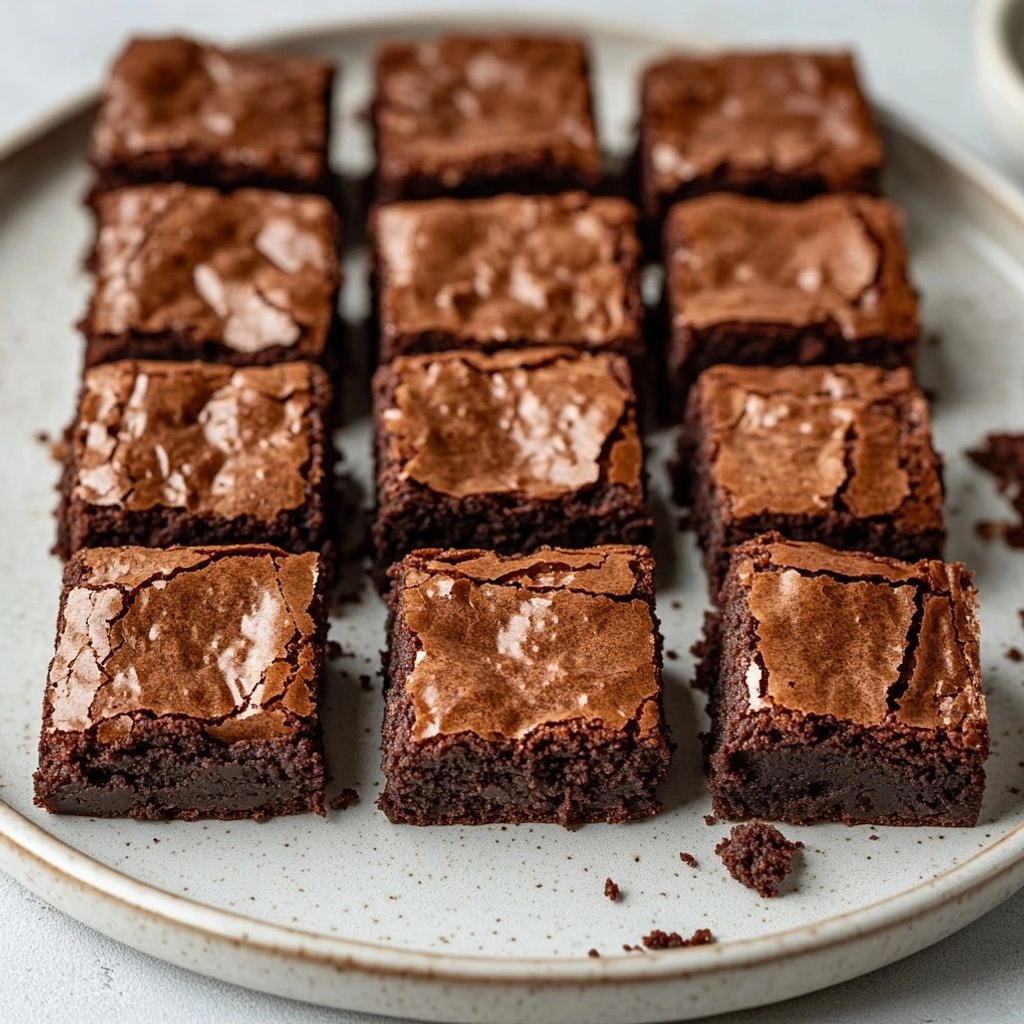
Tips

Tips for Ciambelle Pollo Greco

  • Dough handling: The dough should be soft and tacky but not sticky. If it sticks to your hands, sprinkling a little flour or oil on your palms helps. If it’s too dry, add water a teaspoon at a time until it comes together; if too sticky, rest for 5–10 minutes and knead again with lightly oiled hands.
  • Yeast activation: Bloom the yeast in warm water (not hot) with a pinch of sugar until foamy. If it doesn’t foam after 10 minutes, discard and start with fresh yeast—the dough won’t rise properly otherwise.
  • Gluten development: Knead until the dough is smooth and elastic. Perform a windowpane test by stretching a small piece between your fingers; you should be able to thin it without it tearing. If it tears easily, give it a few more minutes of kneading and resting.
  • Flavor integration: The yogurt adds tenderness and tang; ensure it’s fully incorporated into the wet mix before adding flour. Use whole-fat yogurt for a richer crumb; dairy-free yogurt can be used but may alter texture slightly.
  • Filling prep: Let the chicken cool completely before mixing with feta, olives, and onions to prevent the dough from getting soggy. Drain excess moisture from onions; pat olives dry to avoid releasing too much brine into the filling.
  • Salt balance: Feta and olives are salty; taste the filling before adding extra salt. If feta is very salty, reduce added salt in the dough or filling to prevent over-seasoning.
  • Herb and citrus tuning: Dried oregano and dill bring classic Greek notes. If you have fresh oregano, use about 1 tablespoon chopped and 1–2 teaspoons fresh dill for a brighter aroma. A small amount of lemon zest can elevate scent without overpowering the filling.
  • Shaping technique: Roll the dough into a long rope, then cut into uniform pieces. Shape each piece into a ring by joining the ends with a touch of water and pinching to seal. For even cooking, flatten slightly to maintain uniform thickness and create a stable ring shape.
  • Sealing and moisture: Lightly brush the seams with water or a little olive oil to help seals hold during baking. If you’re using an egg wash, apply sparingly to avoid pooling inside the ring which can make the center soggy.
  • Coating and finish: Sesame seeds provide a pleasant crunch and look. If you prefer a vegan option, brush with olive oil instead of egg wash and skip the seeds or use chia seeds for texture. Toast seeds briefly for deeper flavor before pressing onto dough.
  • Baking and browning: Position rings on a parchment-lined tray for easy handling and even browning. Bake until the exterior is golden and the filling is heated through; if the tops brown too quickly, loosely tent with foil to prevent burning.
  • Make-ahead and storage: The dough can be fermented in the fridge overnight to deepen flavor. Assemble and fill the rings, then refrigerate; bake them from cold for a slower, more developed rise. Leftovers refrigerate well for a couple of days; reheat gently to preserve tenderness.
  • Variations and substitutions: If gluten isn’t available, you can try a gluten-free 1:1 blend, but expect a different crumb and texture. You can also swap Kalamata olives for green olives if preferred, or add a handful of chopped fresh parsley for color and brightness.
  • Serving ideas: Serve warm with a light dollop of yogurt or tzatziki on the side and lemon wedges for squeezing. A simple Greek salad complements the filling without overpowering the flavors.

FAQ

Cos’è Ciambelle pollo greco?

Una ricetta salata che propone ciambelle (anelli di impasto) riempite o farcite con un ripieno di pollo condito in stile greco: pollo cotto con cipolla, aglio, origano, scorza e succo di limone, feta e magari olive, racchiuse in ciambelle soffici da cuocere al forno o fritte. Perfette come antipasto o piatto principale.

Quali ingredienti servono?
  • Impasto: 300 g farina 00, 1 cucchiaio zucchero, 1 cucchiaino lievito di birra secco, 180 ml acqua tiepida, 2 cucchiai olio extravergine d’oliva, ½ cucchiaino sale
  • Ripieno pollo greco: 300 g pollo (petto), 1 cipolla piccola, 1 spicchio d’aglio, 1 cucchiaino origano secco, scorza e succo di 1 limone, 100 g feta, olive nere (facoltativo), olio d’oliva, sale e pepe
  • Per rifinire: olio per friggere o per spennellare, semi di sesamo o papavero (facoltativi)
Quante porzioni rende e tempi di preparazione?

Con queste quantità si ottengono circa 12 ciambelle. Tempo di preparazione totale: circa 60–90 minuti (lievitazione inclusa). Tempo di cottura: 12–15 minuti se fritte; 18–22 minuti se cotte al forno a 190°C.

Come si prepara l’impasto e la farcitura?

Procedimento generale:
– Impasto: sciogli il lievito in acqua tiepida con un pizzico di zucchero, unisci la farina, l’olio e il sale. Impasta finché è liscio ed elastico. Lascia lievitare finché raddoppia di volume.
– Ripieno: rosola cipolla e aglio in un filo d’olio, aggiungi pollo tagliato a pezzi e cuoci finché è ben cotto. Aggiungi origano, scorza e succo di limone, sale e pepe. Spezzetta la feta e, se vuoi, unisci olive tritate.

Posso fare delle varianti per diete particolari?

Sì. Varianti comuni includono:
– Senza glutine: usa una miscela di farine senza glutine con lievito adeguato.
– Senza latticini: ometti la feta o sostituiscila con formaggio vegano o una crema di mandorle.
– Versione leggera: riduci la quantità di olio e preferisci la cottura al forno.

Si possono cuocere al forno o fritti?

Entrambe le modalità funzionano. Per croccantezza superiore, friggi in olio caldo (170–180°C) per 3–4 minuti e lascia asciugare su carta assorbente. Per una versione più leggera, cuoci al forno su teglia leggermente unta a 190°C per 18–22 minuti, girando a metà cottura.

Come conservare gli avanzi e come riscaldarli?

Conserva in frigorifero, coperti, fino a 2 giorni. Per riscaldarli: in forno a 180°C per 6–8 minuti o in microonde per 30–60 secondi. Evita di lasciare a temperatura ambiente per più di 2 ore.

Quali errori comuni evitare?

Possibili errori: impasto troppo compatto o troppo idratato (non lievita bene); farcia troppo bagnata che fa fuoriuscire il ripieno durante la cottura; chiusura non sigillata bene che provoca perdite di ripieno; cuocere troppo a lungo la farcia o le ciambelle diventano secche o, al contrario, crude al centro.

Quali abbinamenti o varianti di gusto consigli?

Abbinamenti classici: tzatziki, insalata greca, limone a spicchi, olive nere. Varianti di sapore: aggiungere menta o aneto, sostituire feta con formaggio di capra, oppure includere peperoncino per una versione piccante. Puoi anche aggiungere pomodori secchi tritati o spinaci al ripieno.

Introducción: un bocado que despierta los sentidos

Imagina una mesa soleada, risas en el aire y el irresistible crujir de una corteza caramelizada que cede al primer mordisco. Este Pollo BBQ con patate arrosto es una invitación a una experiencia culinaria que parece sencilla y audaz a la vez: una pieza de pollo jugosa y ahumada cubierta por una capa de sabores profundos, acompañada de patatas doradas que estallan en cada bocado con notas de hierbas y aceites que liberan su dulzura natural. La magia está en el equilibrio entre lo tierno y lo crujiente: una piel que cruje al morder, un interior que se deshilacha con suavidad, y patatas que, por dentro, conservan su cremosidad, mientras por fuera se vuelven irresistiblemente crujientes. Este plato no necesita una elaboración rebuscada para brillar; es la clase de comida que convierte una cena cualquiera en una celebración. Sus aromas, que combinan humo suave, ajo tostado, mimbres de limón y un toque ahumado de la parrilla, te llaman desde la cocina sin pedir permiso. Si buscas una cena que combine confort y un ligero aire de festividad, este Pollo BBQ con patate arrosto es la respuesta. Es, al fin y al cabo, comida que se come con los ojos antes de entrar por la garganta: colores cálidos, brillos dorados y una presencia que invita a sentarse y disfrutar sin prisas. Prepárate para una experiencia que recuerda a las barbacoas de verano, a los asaderos de domingo y a los desayunos tardíos que se convierten en comidas compartidas. Cada bocado promete una memoria de sabor que quedará grabada en la mesa de tu casa, lista para repetirse cuando quieras envolver a tu familia y a tus amigos en un abrazo culinario que se siente como casa.

The Story Behind the Dish

Este plato nace en la encrucijada de tradiciones: la cocina de asados que se disfruta al aire libre y la sencillez reconfortante de una buena cena familiar. En muchas culturas —desde los patios soleados de América Latina hasta las trattorias de la cuenca del Mediterráneo— el pollo se transforma en una estrella cuando se le agrega humo y una capa de glaseado. La idea de reunir pollo y patatas en una misma bandeja es, de hecho, una celebración de la simplicidad y la abundancia; dos ingredientes que pueden brillar por sí solos, pero que, cuando se juntan, se elevan mutuamente. A nivel histórico, el asado de aves con acompañamientos aromáticos tiene raíces profundas en tradiciones de reunión comunitaria: cada familia aporta su toque, cada región imprime su carácter con hierbas, especias y métodos de cocción, y el resultado es una sinfonía de aromas que convoca a la memoria y al deseo de compartir. El uso del término “patate arrosto” añade un toque de herencia mediterránea a la experiencia: una alusión a las patatas asadas que, enteras o troceadas, se doran con el aceite de oliva, el ajo y las hierbas, absorbiendo el calor del horno o de la parrilla hasta volverse deliciosamente crujientes por fuera y tiernas por dentro. Este plato, por tanto, viaja entre continentes y tradiciones, tomando lo mejor de cada una para presentar una comida que se siente como un viaje corto sin salir de casa. Es el tipo de receta que se cuenta con un vaso de vino o una cerveza fría a un costado, mientras el aroma invita a detenerse, respirar hondo y dejar que el cuerpo se rinda ante el placer sencillo de una comida bien hecha.

Por qué te encantará esta receta

  • Comodidad y sabor en una sola bandeja: pollo tierno y patatas crujientes que se cocinan juntos, reduciendo tiempos y lavando menos utensilios.
  • Versatilidad de cocción: ideal para horno o parrilla, lo que te permite adaptar la receta a lo que tengas a mano o a la temporada.
  • Equilibrio perfecto entre dulce y salado: notas ahumadas, toques de ajo y hierbas que se funden con la riqueza del pollo y la suavidad de las patatas.
  • Apto para reuniones y noches en familia: una cena que se disfruta en comunidad, con una presentación bonita y colores que invitan a compartir.
  • Fácil de personalizar: admite variaciones de sabor, desde un toque cítrico y herbáceo hasta una versión más picante o dulce, para adaptarse a distintos paladares.
  • Con ingredientes familiares y accesibles: no necesitas técnicas complicadas ni ingredientes raros; el resultado es reconfortante y memorable.

Perfil de sabor y textura

La experiencia sensorial de este Pollo BBQ con patate arrosto es un juego de contrastes que se conjugan para crear un sabor complejo sin esfuerzo. La piel del pollo, cuando se cocina con una capa de glaseado o especias, desarrolla una corteza dorada que cruje al primer mordisco. Justo debajo, el interior permanece jugoso y tierno, gracias a una cocción cuidadosa que evita el reseco. El humo suave aporta una nota terrosa y ligeramente dulce, que se equilibra con la acidez suave si hay un toque de limón o vinagre en la salsa o adobo. En las patatas arrosto, la superficie recibe el calor directo hasta formar una capa crujiente y dorada—un exterior dorado y fragante que oculta un corazón jugoso y cremoso. El aceite o la grasa que se usa para asarlas ayuda a que cada trozo desarrolle una capa de sabor caramizada, mientras que las hierbas aportan frescura y una fragancia que recuerda a la cocina casera de verano. En conjunto, obtienes un plato donde cada mordisco ofrece un abanico de sensaciones: el calor ahumado del pollo, la fragancia aromática de las hierbas, el acento punzante del ajo tostado y la suavidad reconfortante de las patatas recién horneadas. Es una experiencia que se siente a la vista, se escucha en el crujido y se saborea con una cadencia que invita a la conversación, la risa y la repetición de la primera porción.

Ocasiones & Maridajes

Este plato brilla en una variedad de escenarios. Es perfecto para una cena de semana en casa cuando quieres algo que sea delicioso pero sin complicaciones, y se adapta muy bien a reuniones informales donde nadie quiere pasar horas en la cocina. También funciona para barbacoas de fin de semana, desayunos tardíos que se convierten en almuerzos o cenas, o para cuando recibes a amigos que llegan con hambre después de un día de excursión. En cuanto a maridajes, piensa en bebidas que complementen el carácter ahumado y el perfil clásico de la comida reconfortante: una cerveza rubia o una lager fresca para equilibrar la grasa y realzar la crocancia, o un vino tinto ligero o un rosado seco que no opaque la sutileza de las patatas y la jugosidad del pollo. Si prefieres algo sin alcohol, una limonada casera con un toque de menta o una aguas con toques de cítricos pueden ser aliados refrescantes. Para completar la mesa, acompaña con una ensalada verde crujiente, pan artesanal para recoger los jugos de la bandeja y quizá una salsa de yogur con hierbas para aportar una nota cremosa y fresca. Este plato, en definitiva, invita a una experiencia social cálida y relajada, donde la comida sirve como hilo conductor para la conversación, la risa y la conexión entre personas.

Consejos, Variaciones & Sustituciones

Consejos prácticos

  • Para lograr patatas arrosto más crujientes, seca bien las patatas tras cortarlas y asegúrate de distribuirlas en una sola capa para que el calor circule uniformemente.
  • Si el pollo parece dorarse demasiado rápido, cubre ligeramente con papel de aluminio durante la cocción para evitar que se queme la piel mientras el interior se cocina a su ritmo.
  • Un toque de acidez, como jugo de limón o un chorrito de vinagre suave, puede realzar los sabores sin abrumarlos.

Variaciones de sabor

  • Toque dulce: añade una pizca de miel o jarabe de arce al glaseado para una capa glaseada con destellos de melaza y caramelo.
  • Con textura más picante: incorpora chiles secos o pimienta de cayena a la mezcla de especias para un golpecito cálido y reconfortante.
  • Herbáceo y cítrico: añade romero o tomillo fresco con ralladura de limón para un perfil más fresco y aromático.

Sustituciones y opciones para diversas dietas

  • Versión vegana/vegetariana: sustituye el pollo por tofu firme o garbanzos asados y añade una capa de aceite aromático y especias para obtener un sabor similar con textura satisfactoria.
  • Sin gluten: la receta base ya es adecuada, pero evita utilizar salsas o adobos con gluten oculto; elige opciones etiquetadas sin gluten.
  • Colesterol reducido: utiliza pechuga de pollo sin piel para reducir la grasa saturada, y controla la cantidad de aceite utilizado para las patatas arrosto.

Storage & Make-Ahead Ideas

Este plato se presta a preparaciones con antelación y a una buena vida en la nevera. Si quieres planificar con anticipación, puedes marinar el pollo con anticipación y almacenar la mezcla en el refrigerador para que los sabores se concentren; sin embargo, evita marinar demasiado temprano para no perder la textura de la piel durante la cocción. Una vez cocido, el pollo y las patatas se mantienen bien en un recipiente hermético en el refrigerador durante 3–4 días. Para recalentar, puedes hacerlo con calor suave en el horno o en una sartén a fuego medio para que la piel recupere algo de su crujido. Si tienes que congelar, es mejor hacerlo en porciones separadas una vez cocidos; descongélalos en el refrigerador durante la noche y vuelve a calentarlos en horno o microondas con cuidado para conservar la jugosidad sin resecar. Un consejo práctico: conserva los jugos de cocción y úsalos como base para una salsa ligera que puedas verter sobre las porciones re calentadas, añadiendo un toque de acidez para equilibrar.

Datos curiosos & Trivia

El término barbacoa tiene raíces que se remontan a prácticas culinarias antiguas que se extendieron por varias culturas. En algunas regiones, la idea de cocinar lentamente una pieza de carne sobre brasas o humo se convirtió en una forma de celebrar, de reunir a la familia y de compartir historias. En el corazón de muchas cocinas, pollo y patatas han sido protagonistas de mesas festivas precisamente por su disponibilidad y por la capacidad de absorber sabores. Las patatas arrosto, con su nombre suave y evocador, son un recordatorio de las técnicas simples que pueden transformar ingredientes humildes en una experiencia gastronómica especial. Este plato, que fusiona el cariño del asado con la comodidad de una guarnición clásica, es un reflejo moderno de esa tradición: una receta que celebra tanto la rusticidad como la sofisticación de los sabores que se vuelven memorables gracias a su equilibrio y ejecución. También es un ejemplo de cómo una idea aparentemente simple puede convertirse en un lienzo para la creatividad: cada cocinero puede añadir su toque personal, y cada mesa puede convertir la receta en una historia propia para contar en cada cena.

Ingredients

Pollo BBQ

  • 4 muslos de pollo con piel (aprox. 1.2 kg)
    → El muslo con piel ofrece jugosidad y una capa crujiente al hornearse o asarse. Secar ligeramente la piel con papel de cocina antes de marinar ayuda a que la salsa se adhiera mejor y a lograr un dorado uniforme durante la cocción.
  • 1 taza de salsa BBQ (240 ml)
    → Base de sabor y formación de glaseado. Elige una salsa de BBQ con equilibrio entre tomate, humo y dulzor; si la usas casera, ajusta el contenido de sal y azúcar para evitar que quede demasiado salada o dulce. Marinar con parte de la salsa realza el sabor y la cohesión de la capa externa.
  • 2 cucharadas de miel
    → Aporta brillo y un toque de dulzor al glaseado, ayudando a caramelizar la superficie. Mantén la cocción a temperatura moderada para evitar que se queme; aplica en las últimas etapas de cocción para obtener un acabado brillante.
  • 2 dientes de ajo picados
    → Aportan aroma y profundidad al marinado. Pueden ser triturados o rallados para liberar más sabor; para un sabor más suave, sofríelos ligeramente en el aceite antes de mezclar con la salsa.
  • 1 cucharada de aceite de oliva
    → Ayuda a distribuir el marinado de manera uniforme y facilita que la piel quede crujiente durante el horneado o asado. Usa aceite de oliva extra virgen para un sabor más intenso.
  • 1 cucharadita de pimentón dulce
    → Aporta color y un ligero toque ahumado sin picante. Si prefieres más humo, usa pimentón ahumado en lugar del dulce, ajustando la cantidad para evitar un sabor demasiado marcado.
  • 1/2 cucharadita de comino molido
    → Añade notas cálidas y terrosas que complementan la salsa BBQ. Combínalo con el pimentón para un perfil de sabor más completo; úsalo con moderación para que no opaque el sabor de la salsa.
  • Sal y pimienta negra al gusto
    → Realzan el sabor de todo el conjunto. Ten en cuenta que la salsa BBQ ya puede contener sal; ajusta la sal adicional después de mezclar con la salsa para evitar salinidad excesiva.

Patatas asadas

  • 1.5–2 kg de patatas medianas, cortadas en cuartos o gajos uniformes
    → Trozos de tamaño similar aseguran una cocción pareja y dorado uniforme. Las patatas Yukon Gold o rojas funcionan bien por su buena textura al asarse.
  • 3 cucharadas de aceite de oliva
    → Cierra y crujiente la superficie de las patatas; concentra el sabor y ayuda a distribuir los condimentos de manera homogénea. Usa aceite de oliva de buena calidad para obtener un mejor aroma y color.
  • 2 dientes de ajo picados
    → Aporta sabor aromático a las patatas. Puedes mezclar con las patatas en la bandeja para una distribución uniforme o triturarlos y frotarlos con las patatas antes de hornear para un sabor más intenso.
  • 1 cucharadita de romero seco (o 2 ramitas de romero fresco)
    → Proporciona un aroma campestre y elegante. Si usas romero fresco, retíralo antes de servir para evitar fibras largas entre los dientes; si es seco, espolvoréalo uniformemente para una cocción homogénea.
  • 1/2 cucharadita de tomillo seco
    → Complemento herbáceo suave que realza el sabor terroso de las patatas. Combina bien con el romero y el ajo, sin dominar el plato.
  • Sal y pimienta negra al gusto
    → Condimenta las patatas para realzar su sabor natural. Agrega sal al gusto tras mezclar con aceite y hierbas para distribuir igualitariamente.

Guarnición y acabado

  • Perejil fresco picado para espolvorear (opcional)
    → Añade color y un toque de frescura al plato al servir. Picar justo antes de servir para conservar sabor y aroma.
  • Limón en rodajas para servir (opcional)
    → Un toque ácido que equilibra la grasa del pollo y aporta frescura. Sirve a un lado para quien quiera añadir un poco de acidez según su gusto.

Instructions

  • Precalienta el horno a 200°C (390–400°F) y forra una bandeja amplia con papel de hornear o engrásala ligeramente para que la piel del pollo se dore uniformemente sin pegarse.
    → Este paso crea una superficie antiadherente y una base de calor constante para un dorado parejo tanto del pollo como de las patatas.
  • Mezcla la marinada de forma homogénea: en un tazón grande combina 1 taza de salsa BBQ, 2 cucharadas de miel, 2 dientes de ajo picados, 1 cucharada de aceite de oliva, 1 cucharadita de pimentón dulce y 1/2 cucharadita de comino molido; añade sal y pimienta al gusto y bate hasta crear una salsa brillante y uniforme.
    → Esta emulsión aporta sabor, brillo y cohesión para un glaseado que se adherirá durante la cocción sin perder sus notas aromáticas.
  • Separa la marinada en dos porciones iguales y reserva una parte para glasear durante la cocción; marina el pollo con la otra mitad golpeando ligeramente la piel para que la salsa se adhiera mejor.
    → Compartir la marinada de esta forma evita que tengas que manipular el pollo con la salsa caliente y garantiza que el interior absorba sabor sin perder la textura de la piel.
  • Seca los muslos de pollo con papel de cocina para eliminar humedad superficial y así favorecer un dorado crujiente; unta la piel con la porción reservada de marinada para crear una capa inicial de sabor y color.
    → La piel seca evita que la grasa genere vapor excesivo, permitiendo que se caramelice mejor y se forme una capa glaseada atractiva.
  • Lava y corta las patatas en cuartos o gajos uniformes para garantizar cocción homogénea; repartir trozos similares evita que some se cocinen demasiado rápido o queden crujientes por fuera y crudos por dentro.
    → Trozos de tamaño uniforme facilitan un dorado parejo y una textura tierna por dentro.
  • En un bol grande, mezcla las patatas cortadas con 3 cucharadas de aceite de oliva, 2 dientes de ajo picados, 1 cucharadita de romero seco (o 2 ramitas de romero fresco), 1/2 cucharadita de tomillo seco y sal y pimienta al gusto; removér para que cada pieza quede cubierta de grasa y hierbas.
    → El aceite actúa como conductor de calor y las hierbas liberan aromas que impregnan las patatas durante la cocción.
  • Extiende las patatas sazonadas en una bandeja grande en una única capa para lograr contacto directo con el calor y obtener dorado y crujiente por igual.
    → Una distribución plana evita que los trozos se amontonen, lo que provoca vapor en lugar de dorado.
  • Coloca los muslos de pollo con la piel hacia arriba sobre las patatas en la bandeja; vierte el resto de la marinada sobre el pollo para que se adhiera y desarrolle un glaseado durante la cocción.
    → El contacto directo entre pollo y salsa permite que el azúcar de la miel caramelice y se forme una capa brillante.
  • Hornea a 200°C (400°F) durante 35–40 minutos sin abrir el horno con frecuencia para mantener una temperatura constante que favorezca un dorado uniforme.
    → Mantener el calor estable evita cocción desigual y ayuda a que la piel se torne crujiente y la carne se cocine de forma segura.
  • A mitad de la cocción, voltea las piezas de pollo y remueve ligeramente las patatas para asegurar que todos los lados reciban calor y se doran de forma homogénea.
    → Girar evita que una cara quede poco dorada y promueve un color uniforme en toda la bandeja.
  • Con aproximadamente 15–20 minutos restantes, cepilla la piel del pollo con la porción restante de marinada para reforzar el glaseado y fomentar un acabado brillante; repite la aplicación si es necesario para una capa más gruesa.
    → Glasear en los últimos minutos intensifica el sabor, añade brillo y crea una capa caramelizada que mejora la textura.
  • Verifica la cocción interna del pollo usando un termómetro; la temperatura debe alcanzar al menos 74°C (165°F) en la parte más gruesa del muslo y las patatas deben estar tiernas al pincharlas.
    → Alcanzar la temperatura segura garantiza que el pollo sea comestible y jugoso, mientras la patata esté cocida sin ser blanda.
  • Retira la bandeja del horno y deja reposar el pollo y las patatas 5–10 minutos antes de cortar para que los jugos se redistribuyan y el sabor se asiente.
    → El reposo es crucial para evitar jugos escapando al cortar y para obtener una textura más jugosa y consistente.
  • Espolvorea perejil fresco picado y sirve con rodajas de limón al lado para un toque de frescura y acidez que contrarresta la riqueza del plato.
    → El perejil añade color y aroma, mientras el limón aporta un contraste ácido que realza los sabores del pollo BBQ y las patatas.

Notes

Estos muslos de pollo BBQ con patatas asadas ofrecen jugosidad gracias a la piel y un glaseado brillante que se carameliza al hornearse. Marina el pollo con la salsa BBQ, miel y ajo picado, más una cucharada de aceite de oliva, al menos 30 minutos (idealmente 2-4 horas) para que la carne absorba sabor y la piel se adhiera mejor al glaseado. Para las patatas, corta en cuartos o gajos uniformes, mézclalos con el aceite de oliva, ajo, romero y tomillo, y espolvoréalos con sal y pimienta; reparte en una bandeja amplia para que se doren por igual. Hornea todo a temperatura alta (190-220°C) hasta que el pollo alcance una temperatura interna de 74°C y la piel esté dorada y crujiente; durante la cocción, baña el pollo con la salsa para formar una capa glaseada y, en los últimos 5-10 minutos, pincela con miel para un acabado brillante. Sirve con limón en rodajas y perejil picado para un toque de frescura; si necesitas que el plato sea libre de gluten, utiliza una salsa BBQ certificada sin gluten y revisa que el resto de ingredientes lo sean.

Tips

Selección y preparación del pollo

  • Seca bien la piel de los muslos con papel de cocina antes de marinar. Una piel seca se dorará y crujirá mejor durante la cocción.
  • Para un sabor más intenso, deja marinar el pollo en la nevera al menos 1–2 horas y, si puedes, toda la noche. Si tienes poco tiempo, una hora ya mejora mucho el sabor y la adherencia de la salsa.
  • Si al marinar te parece que falta cohesión en la capa externa, mezcla la salsa BBQ con la miel y el ajo picado para crear un glaseado uniforme que se adhiera mejor al pollo.

Glaseado, sabor y equilibrado

  • Antes de hornear, reserva un poco de salsa BBQ para pincelar durante la cocción y lograr un brillo uniforme sin que se queme la miel.
  • Para un gloss más intenso y equilibrado, añade un toque de ácido: unas gotas de limón o una pequeña cantidad de vinagre de manzana al glaseado.
  • Si la salsa BBQ casera es muy salada, reduce la sal en la marinada y prueba el sabor después de mezclar con la miel; ajusta con una pizca de azúcar si falta balance entre dulce y ácido.

Cocción y dorado

  • Precalienta el horno a temperatura moderada (aprox. 190–200°C) para favorecer dorado sin quemar la salsa. Hornear a una temperatura estable ayuda a que el glaseado se caramelice de forma uniforme.
  • Coloca las patatas y el pollo en una bandeja amplia para permitir una buena circulación de aire. Evita amontonar para obtener un dorado crujiente tanto de la piel como de las patatas.
  • Durante la cocción, gira las piezas de pollo a la mitad para un dorado homogéneo. A los últimos 5–10 minutos, pincela el pollo con el glaseado de miel para obtener brillo sin que se despegue.

Patatas asadas

  • Asegúrate de cortar las patatas en tamaños uniformes y secarlas ligeramente si están mojadas; esto favorece un dorado más parejo.
  • Extiéndelas en una sola capa sobre la bandeja y no las muevas de vez en cuando; voltea a mitad de cocción para alcanzar un dorado uniforme de todos los lados.
  • Si quieres más sabor, añade media cebolla cortada en gajos o una pizca extra de romero fresco al repartirlas en la bandeja.

Aromas y hierbas

  • El romero fresco aporta notas elegantes, pero retíralo antes de servir para evitar fibras difíciles; si usas romero seco, espolvoréalo uniformemente para una cocción homogénea.
  • El ajo en las patatas puede ser picado y mezclado con el aceite para distribuir mejor el aroma; para un sabor más suave, sofríe ligeramente el ajo en el aceite caliente antes de mezclar con las patatas.

Sal, seguridad y servicio

  • Ajusta la sal tras mezclar la salsa BBQ con el pollo para evitar que quede salado; recuerda que la salsa ya aporta sal.
  • Deja reposar el pollo 5–10 minutos tras salir del horno antes de cortar; esto ayuda a reabsorber jugos y facilita el corte limpio.
  • Guarda las sobras en un recipiente hermético en la nevera y consúmelas en 2–3 días. Recalienta lentamente para evitar resecar la carne.

Variaciones y sustituciones

  • Si no tienes miel, usa jarabe de arce o sirope de gran cantidad en menor intensidad; ajusta la acidez con un chorrito de limón.
  • Para un toque picante opcional, añade una pizca de pimentón picante o unas gotas de salsa picante al glaseado, teniendo en cuenta el equilibrio general de sabor.

FAQ

Quali sono gli ingredienti principali?

Ingredienti base per Pollo BBQ con patate arrosto:

  • Cosce di pollo con osso e pelle (o sovracosce)
  • Salsa BBQ (fatta in casa o confezionata)
  • Patate (preferibilmente rosse o Yukon Gold)
  • Olio d’oliva
  • Aglio
  • Rosmarino fresco o secco
  • Sale e pepe
  • Paprika dolce (opzionale paprika affumicata)
  • Cipolla in polvere e pepe nero
Quanto tempo richiede la preparazione?

Tempo stimato:

  • Preparazione: circa 15-20 minuti
  • Marinatura: 2-4 ore (opzionale ma consigliata)
  • Cottura: circa 35-45 minuti sul BBQ a calore moderato oppure in forno a 220°C, girando a metà
  • Riposo: 5-10 minuti prima di servire
Qual è la temperatura interna consigliata per il pollo?

La temperatura interna deve raggiungere circa 74-75°C (165°F) nel pezzo più spesso. Verifica con un termometro per carne vicino all’osso senza toccarlo per non ottenere letture fuorvianti.

Posso utilizzare un forno se non ho una griglia BBQ?

Sì. Preriscalda il forno a 220°C. Disponi pollo e patate su una teglia grande, spennella con la salsa BBQ e cuoci per 35-45 minuti, girando a metà cottura. Per una finitura lucida e croccante, attiva la funzione grill o passa gli ultimi 2-3 minuti sotto il grill del forno.

Come si preparano le patate arrosto?

Procedimento consigliato:

  • Taglia le patate a pezzi di circa 3-4 cm.
  • Opzionale: sbollentale 5-7 minuti per renderle morbide dentro.
  • Asciugale bene, poi mescola con olio d’oliva, sale, pepe, aglio tritato e rosmarino.
  • Distribuiscile su una teglia in uno strato unico (non sovraffollare).
  • Cuoci finché sono dorate e croccanti, girando a metà cottura.
Come posso variare la salsa BBQ?

Varianti suggerite:

  • Classica: ketchup o passata, aceto, zucchero di canna, senape, salsa Worcestershire
  • Piccante: aggiungi pepe di cayenna o peperoncino in polvere
  • Dolce: usa miele o sciroppo d’acero
  • Affumicata: paprika affumicata o qualche goccia di essenza affumicata
  • Leggera: dimezza la quantità di zucchero e diluisci con un po’ di succo di pomodoro
Quali strumenti sono utili per questa ricetta?

Strumenti consigliati:

  • Griglia BBQ o forno con funzione grill
  • Teglia da forno o placca alta
  • Pinze da cucina
  • Pennello per spennellare la salsa
  • Termometro per carne
  • Tagliere e coltello
Come ottenere patate croccanti e pollo saporito?

Consigli pratici:

  • Non sovraffollare la teglia: spazio sufficiente aiuta la doratura
  • Assicurati che patate e pollo siano asciutti prima di oliare
  • Rimuovi l’umidità in eccesso dalle patate, poi usa ampio olio
  • Cuoci in forno preriscaldato su teglia calda o in forno con calore alto
  • Spennella la salsa BBQ verso la fine della cottura per una glassa lucida
Come conservare gli avanzi?

Avanzi: conservare in frigorifero in contenitore chiuso per 3-4 giorni. Riscaldare in forno a 180°C finché sono ben caldi; la patata potrebbe perdere un po’ di croccantezza, ma resta gustosa. Evita di lasciare a temperatura ambiente troppo a lungo.

Posso preparare in anticipo o congelare?

Sì:

  • Marinare la carne in anticipo e conservarla in frigorifero, oppure congelare porzioni di pollo crudo marinate per 1-2 mesi (scongelare in frigorifero prima della cottura).
  • Le patate cotte non congelano bene: è meglio prepararle fresche al momento.
  • Se vuoi, congela solo la salsa BBQ fatta in casa per un paio di mesi.

Introduction / Hook

Imagine a bite-sized treat that tastes like a sun-drenched slice of blueberry cheesecake, but fits in your palm and travels with you wherever you go. Energy balls cheesecake ai mirtilli are not just a snack; they are a small, decadent moment of dessert-level joy without the fuss. In one glossy bite, you’ll feel the creamy tang of cheesecake meeting the bright lift of blueberries, all bound together by a satisfying chew and a delicate crumb that melts on the tongue. It’s a symphony of flavors and textures—cool, creamy, and subtly tart—wrapped in a portable form that whispers, “grab one more, it’s healthier than it looks—and gloriously indulgent.” As the aroma of blueberry wanders from the kitchen to the sunlit balcony, you’ll sense that you’re about to indulge without derailing the day. This is comfort, convenience, and a touch of nostalgia in a modern, no-bake package.

The Story Behind the Dish

No-bake treats have long traveled the globe as a practical solution for busy lives and spontaneous cravings. The energy ball, in particular, emerged from the desire to combine nutrition, portability, and pleasure in a single, grab-and-go bite. It’s a craft that grew as snack culture evolved—from pantry staples turned inventive, to tiny indulgences that could power a hike, a study session, or a busy afternoon. The cheesecake ai mirtilli variation draws on affectionate memories of summertime desserts: the first blueberries of the season, the cool, creamy tang of a classic cheesecake, and the simple joy of a handheld treat that doesn’t require utensils. This dish isn’t trying to impersonate a full cheesecake; it’s capturing its essence—the smooth, slightly tangy center and the fruity brightness—into an energy-dense, convenient format. The blueberry is more than a flavor note here; it’s a nod to the fruit’s long association with celebrations, harvests, and weekend baskets, lending a summery, vibrant color and a refreshing bite that cuts through richness with a crisp finish. As you bite in, you may recall picnics, kitchen counters dusted with flour from family baking sessions, and the comforting sense that a simple, well-balanced snack can still feel special.

Why You’ll Love This Recipe

  • Fast and no-bake: A delightful treat that comes together without turning on the oven, perfect for warm days or when you want a quick sweet fix.
  • Portability and portion control: The bite-sized form is ideal for lunchboxes, gym bags, purse pockets, or a desk drawer—no crumbs, no mess, just a ready-to-enjoy reward.
  • Balanced indulgence: A satisfying blend of creamy richness with fruity brightness, designed to satisfy cravings without tipping the scales.
  • Kid-friendly and family-friendly: Simple flavors that appeal to little taste buds while still feeling indulgent for adults.
  • Customizable for various diets: Easily adaptable to vegan, gluten-free, or dairy-free preferences with thoughtful ingredient swaps and substitutions.
  • Longer-lasting nutrition: A compact snack that can provide a quick energy lift when you need it—protein, fiber, and healthy fats come together for sustained satisfaction.

Flavor Profile & Texture

This blueberry cheesecake-inspired energy bite is a study in contrasts that harmonize beautifully. The exterior typically offers a light, slightly chewy crust-like texture—think a gentle bite with a subtle crumb that gives way to a creamy, velvety center. The creaminess evokes the classic cheesecake flavor, but the sweetness is balanced by a gentle tartness that mirrors the natural acidity of blueberries. The blueberry notes range from fresh and floral to subtly jammy, delivering a bright, fruity perfume that lingers on the palate. You may notice a whisper of vanilla and a hint of tang, which together create that quintessential cheesecake aura without veering into cake territory. The overall mouthfeel is luxurious yet approachable: a comforting, ever-so-slightly sticky finish that you’re happy to lick from your fingers (or wipe gently on a napkin) after every bite. The textures work in concert: a soft interior with a faintly crisp, delicate exterior that makes each bite feel like a mini dessert experience rather than a simple snack. The balance of richness and fruitiness makes this treat versatile—enjoyable as an afternoon lift, a post-workout reward, or a sweet ending to a light meal.
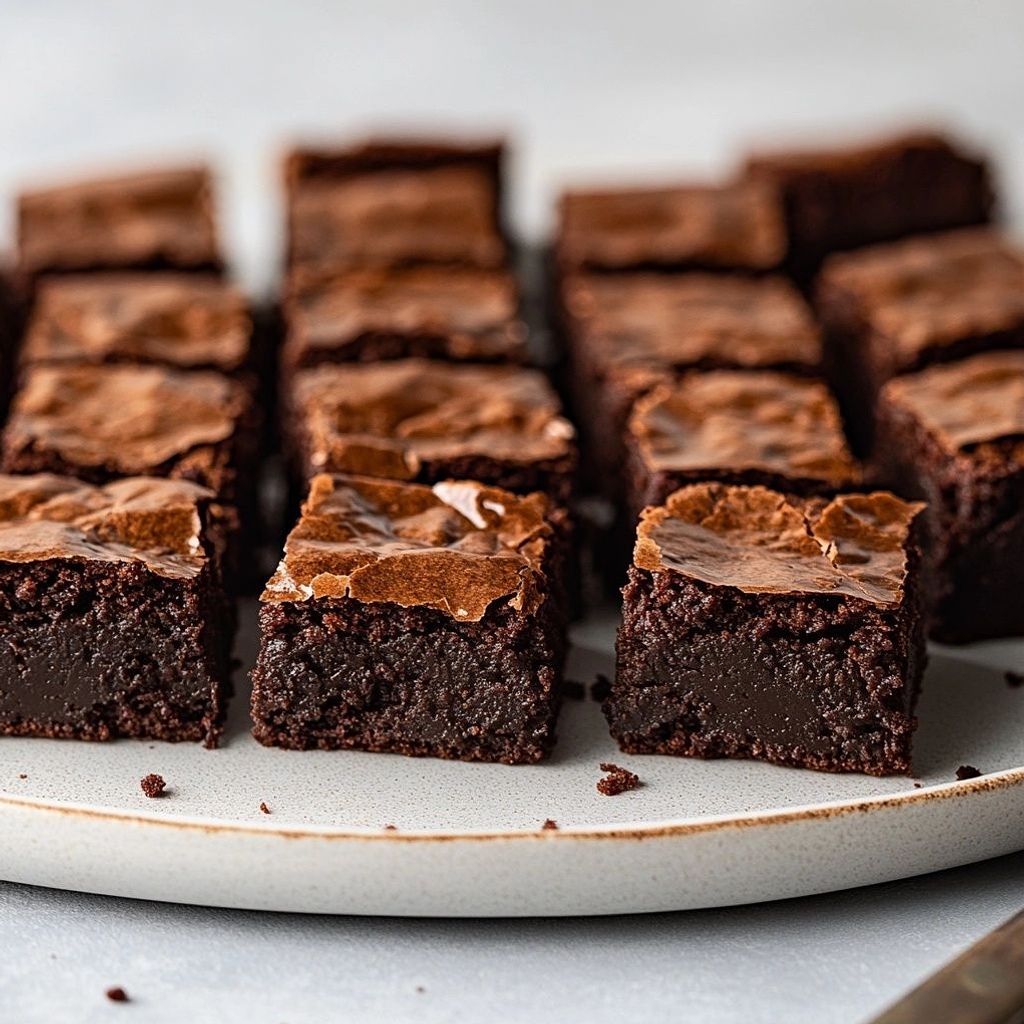
Occasions & Pairings

Energy balls cheesecake ai mirtilli shine in moments that call for something polished yet effortless. They are equally at home on a casual family snack board as they are at a more refined brunch table. Consider these occasions and pairing ideas:

  • Weeknight treat: A quick finish after dinner or a mid-evening pick-me-up that won’t derail your routine.
  • Picnics and on-the-go moments: A sturdy, handheld dessert that won’t crumble mid-journey and won’t require utensils.
  • Lunchbox-friendly indulgence: A small, satisfying end to a midday meal, helping to curb sweet cravings until dinner.
  • Special occasions with a casual vibe: A simple, elegant addition to dessert tables or party trays that feels thoughtful yet approachable.
  • Pairings:
    • Hot beverages: A bold espresso or a creamy latte can deepen the cheesecake flavors and contrast the brightness of the blueberries.
    • Cold drinks: A glass of sparkling water with a twist of lemon, or a light, fruit-forward white wine or a delicate dessert wine.
    • Accompaniments: A small dollop of yogurt or a spoonful of whipped cream on the side can echo the cheesecake vibe without adding heaviness.

Tips, Variations & Substitutions

The beauty of energy bites lies in their forgiving nature. While you won’t find a precise ingredient list here, you can imagine a few thoughtful directions to tailor the concept to your pantry, dietary needs, or flavor whims. Use these ideas to customize your blueberry cheesecake energy bites while preserving their core appeal.
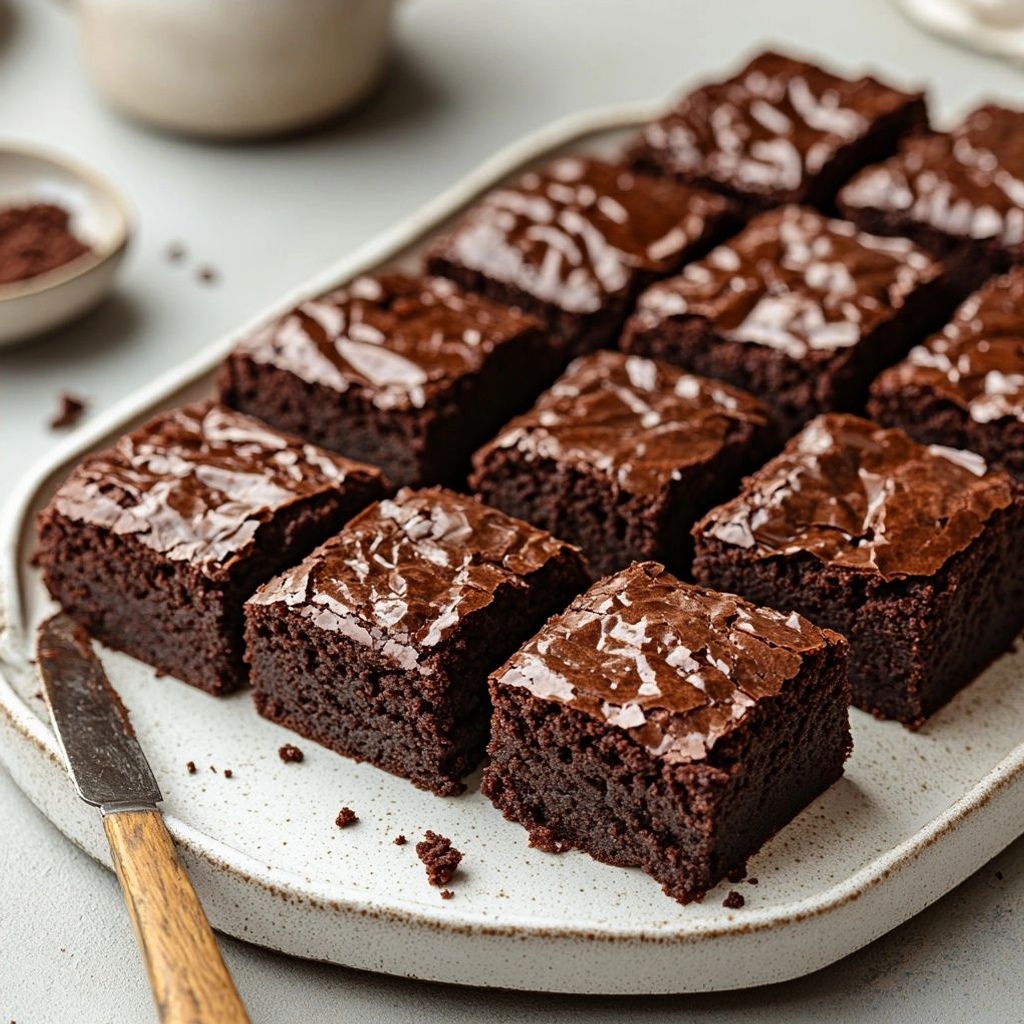
  • Vegan and dairy-free: Seek dairy-free cream-cheese alternatives and use plant-based binding agents that mimic the creaminess. The resulting flavor remains indulgent and comparable to the classic cheesecake experience.
  • Gluten-free and grain-free options: If you’re avoiding gluten or grains, lean into alternatives that provide structure and chew without gluten. The texture can stay soft and satisfying, with the blueberry brightness shining through.
  • Nut-free or seed-based for allergies: Swap typical nuts or seeds with safe, allergy-friendly bases that still give you a satisfying bite and energy pull.
  • Flavor twists: While blueberries are central, you can explore other berry notes or citrus zest to vary brightness. A hint of lemon or orange zest can elevate the cheesecake impression without complicating the balance too much.
  • Sweetness control: Depending on your preferred level of sweetness, pick compatible natural sweeteners that align with your dietary goals. The key is to retain a gentle tang that echoes cheesecake without becoming overpowering.
  • Texture play: If you desire a crisper exterior, a brief chill after shaping or a light rolling in a fine, fragrant dusting (like a neutral-tiber or a zest) can add a delicate finish.
  • Make-ahead strategies: These bites generally keep well in the refrigerator for several days and freeze securely for longer storage. Consider freezing individual portions for truly grab-and-go convenience later.

Storage & Make-Ahead Ideas

Smart storage is part of the appeal of no-bake bites. To keep their texture and flavor at their best, consider these practical strategies:

  • Refrigeration: Store in an airtight container in the refrigerator. The chill helps the center stay luxuriously firm while maintaining a creamy feel when bitten into.
  • Separation for freshness: If you’re layering on a tray or stacking in a container, use parchment or a thin separator to prevent sticking. This keeps each bite pristine for a longer time.
  • Make-ahead planning: Assemble a batch in advance and portion it into convenient serving sizes. This is especially handy for busy weeks, workout days, or when you anticipate guests.
  • Freezing: Freeze individual bites on a tray before transferring to a freezer-safe bag or container. Frozen bites are handy for stocking up; thaw briefly at room temperature to regain their ideal texture.
  • Portion control: Pre-portioning helps with mindful eating and ensures consistent texture and sweetness across servings.

Fun Facts & Trivia (Optional)

Delightful little bites often carry little tidbits that add to their charm. Here are a few fun notes you might enjoy:

  • No-bake desserts became especially popular during summers and on hot days when turning on the oven was impractical, turning kitchens into creative laboratories of texture and flavor with minimal heat.
  • Blueberries are celebrated not only for their taste but also for their color, which can brighten any dessert and evoke a sense of freshness and vitality. They pair particularly well with creamy, tangy flavors that mimic the experience of cheesecake.
  • The idea of “energy” in energy bites comes from the combination of fats, proteins, and fibrous carbohydrates designed to provide a quick, satisfying lift. While not a meal replacement, they can be a thoughtful part of a balanced day when enjoyed in moderation.
  • Food culture often blends traditional flavors with modern convenience. Turning a classic cheesecake concept into a portable bite is a nod to that fusion—honoring beloved flavors while embracing on-the-go living.

Conclusion

Energy balls cheesecake ai mirtilli offer a delicious bridge between dessert indulgence and everyday practicality. They invite you to savor the nostalgic charm of cheesecake—without the fuss, and with the flexibility to fit your lifestyle. This is a treat that celebrates the best parts of fruit, creaminess, and a gentle, satisfying chew, all wrapped in a neat, portable package. Whether you’re planning a casual gathering, packing a lunchbox, or simply craving a moment of sweet happiness, these bites deliver with finesse. Remember, the magic is in the balance: the tang of blueberries meeting the creamy undertone, the sturdy bite that gives way to a creamy center, and the sense that a little indulgence can be both delightful and smart. Enjoy experimenting with textures, flavors, and twists, and let these little energy bites become a reliable favorite that you reach for again and again, season after season.

Ingredients

Energy Ball Base

  • 1 cup pitted Medjool dates, chopped
    → These dates act as the primary natural sweetener and binding agent, helping to hold the balls together without added sugar. For best texture, use soft, sticky Medjool dates. If your dates are a bit dry, soak them in warm water for 5–10 minutes, then drain well before measuring. Chopping before blending ensures a smooth, cohesive dough rather than a crumbly mix.
  • 1 cup raw cashews, soaked 2-4 hours, drained
    → Soaking softens the cashews to create a creamy, cheesecake-like base when blended. They provide a rich, dairy-free creaminess and help with binding. Drain thoroughly after soaking; pat dry if needed to prevent excess moisture. For a quicker option, you can use 1 cup store-bought cashew cream, but whole soaked cashews give more control over texture.
  • 1/2 cup gluten-free rolled oats
    → Oats add structure and a subtle chew to the energy balls, helping them hold together while adding fiber. If you want a smoother texture, pulse the oats in a blender to a coarse meal before mixing. Make sure they are certified gluten-free if gluten sensitivity is a concern.
  • 2 tablespoons coconut oil, melted
    → Coconut oil adds moisture and helps bind the mixture, giving the balls a glossy finish and a light richness reminiscent of cheesecake crust. Use melted liquid oil for even distribution; if you prefer a neutral fat, you can substitute refined almond oil or light tasting vegetable oil, though coconut oil also contributes a faint coconut note that complements the blueberry flavor.
  • 1 teaspoon pure vanilla extract
    → Vanilla enhances the overall sweetness and depth, tying together the date, cashew, and oat flavors. Use high-quality pure vanilla extract rather than imitation for best aroma. If you desire extra vanilla, you can add a pinch of vanilla bean powder for intensified flavor without added liquid.
  • Pinch of sea salt
    → Salt balances sweetness, heightens flavors, and improves the perception of blueberry and cheesecake notes. It also helps with the texture by tightening the dough slightly. For a more pronounced contrast, use coarse sea salt flakes and sprinkle lightly on the dough before rolling.

Blueberry Cheesecake Swirl

  • 1/2 cup raw cashews, soaked 2-4 hours, drained
    → Additional cashews in the swirl create a smooth, tangy cheesecake-like center when blended with lemon and a touch of lemon zest. Soak until soft so they blend completely; drain thoroughly. This layer adds authentic tang and creamy contrast to the oat-date base.
  • 2 tablespoons lemon juice (fresh)
    → Fresh lemon juice introduces a bright tang that mimics classic cheesecake. It also helps balance the sweetness from dates and blueberries. If you prefer a milder tang, reduce to 1 tablespoon. Avoid bottled juice if possible, as fresh preserves more nuanced citrus flavors.
  • 1 tablespoon maple syrup or honey
    → Provides gentle sweetness to the swirl; choose maple syrup for a vegan option or honey for a more mellow sweetness. Adjust to taste after blending; the aim is tangy creaminess, not overly sweet.
  • 1/2 cup blueberries, fresh or frozen
    → Blueberries supply the characteristic blueberry cheesecake flavor and color. If using frozen, thaw and drain well to prevent adding extra moisture to the mix. For a more intense color, you can blend half the berries into a puree and stir through the swirl while reserving the other half for chunks or design.

Optional Add-ins

  • 1/4 cup chopped nuts (e.g., almonds, walnuts, pecans)
    → Adds crunch and varying texture; choose a mix for more interest or stick to one nut for a clearer flavor. Chop finely so they distribute evenly and don’t overpower the dough. If toasting prior to mixing, do so lightly to bring out aroma but cool completely before folding in.
  • 2 tablespoons chia seeds or ground flax
    → Introduces a little extra binding and nutrition, helping the dough hold together and providing omega-3 fats and fiber. If using whole chia seeds, you may notice a bit of texture; ground flax will blend more smoothly. Increase liquid slightly if the mixture feels dry.
  • 1/4 cup unsweetened shredded coconut
    → Adds a light, tropical note and pleasant texture; toasting coconut lightly before folding in yields more pronounced aroma. If you want a smoother bite, pulse the coconut to a finer size or mix it with the oats instead of adding raw for more even distribution.
  • 1/4 cup mini dark chocolate chips (optional)
    → Creates little bursts of chocolate that pair well with blueberry cheesecake flavors. Use dairy-free chips if you need a vegan option. Fold in gently to prevent crushing the chips and to maintain a uniform dough; you can also sprinkle on top after rolling for a decorative finish.

Instructions

  • Soak the raw cashews for 2–4 hours in plenty of water, then drain thoroughly and pat dry; this softens the nuts to create a creamy, cheesecake-like base when blended.
    → Soaked cashews hydrate and become silky, essential for a smooth, dairy-free filling and cohesive texture in the energy balls.
  • If your Medjool dates are a bit dry, soak them in warm water for 5–10 minutes, then drain well before chopping; this plumps the fruit and improves binding so the dough comes together without crumbling.
    → Soft, plump dates blend smoothly and provide natural sweetness without added sugar.
  • Chop the pitted Medjool dates finely by hand or pulse briefly in a processor until they form a thick paste; this creates a uniform binding mass that distributes sweetness evenly.
    → Finely chopped dates minimize dry pockets and help the dough come together smoothly.
  • Measure the gluten-free rolled oats and, if you prefer a smoother texture, pulse them briefly in a blender to a coarse meal before mixing; this helps the dough bind and gives a gentle chew.
    → Oats add structure and chew; pulsing them adjusts texture to your preference.
  • Melt the coconut oil until fully liquid and smooth, either in a small saucepan over low heat or in 15–20 second bursts in the microwave; this ensures even distribution in the dough.
    → Liquid coconut oil blends evenly with the other ingredients, aiding binding and creating a glossy finish.
  • In a high-powered blender or food processor, blend the dates, soaked cashews, oats, melted coconut oil, vanilla extract, and a pinch of sea salt on high until the mixture forms a cohesive, sticky dough with no large crumbs.
    → Proper blending builds a smooth, uniform base that holds together when rolled into balls.
  • If the dough seems too dry to come together, add a teaspoon of water or a few drops of coconut oil at a time and blend briefly; continue until the dough forms a cohesive mass.
    → A small amount of liquid prevents cracking and ensures easy shaping without making the dough greasy.
  • Transfer the base dough to a bowl and fold in optional add-ins such as chopped nuts, chia seeds or flax, shredded coconut, or dairy-free chocolate chips; distribute evenly without overmixing to preserve texture.
    → Add-ins provide texture and nutrition; gentle folding avoids breaking down the dough’s cohesion.
  • In a separate blender, prepare the blueberry cheesecake swirl by blending 1/2 cup soaked cashews, 2 tablespoons fresh lemon juice, 1 tablespoon maple syrup (or honey), and 1/2 cup blueberries until creamy; for a smoother swirl, blend until very smooth, or leave a few small berry bits for texture.
    → This mixture gives the tangy cheesecake note and blueberry flavor that contrasts with the oat-based base.
  • Reserve a portion of the blueberries if you want extra visible specks in the swirl, and keep the rest ready for folding into the swirl or for decoration.
    → Reserved berries add pops of color and texture in the final appearance.
  • Gently portion the base dough and roll into round balls about 1 inch (2.5 cm) in diameter on a parchment-lined tray; keep your palms slightly damp to prevent sticking and maintain smooth spheres.
    → Uniform spheres ensure even chilling and a professional finish.
  • Create a small indentation in the center of each ball with your fingertip, spoon a small amount of the blueberry cheesecake swirl into the impression, then pinch the dough around to enclose the filling and roll back into a smooth ball.
    → Encasing the swirl yields a marbled center effect and prevents leakage during chilling.
  • Place the filled balls back on the parchment-lined tray and refrigerate for 1–2 hours, or until firm; chilling solidifies the fats (coconut oil and cashews) so the balls hold their shape.
    → Chill sets the structure, making the bites easy to handle and preventing squashing the swirl.
  • Optional: after chilling, roll the finished balls in extra shredded coconut, chopped nuts, or additional blueberries for decoration and added texture; press lightly to help adherence.
    → A decorative coating enhances texture and presentation while adding a complementary flavor note.
  • Store the blueberry cheesecake energy balls in an airtight container in the refrigerator for up to 1 week, or freeze for up to 1 month; thaw briefly in the fridge before serving.
    → Cold storage maintains firmness and freshness, preserving flavor and texture over time.

Notes

These gluten-free energy balls with blueberry cheesecake swirl are naturally sweetened with Medjool dates and creamy cashews, delivering a dairy-free cheesecake-like bite with no added sugar. For best texture, soak the cashews for 2–4 hours and drain well, and soften the dates in warm water if needed before blending. If you prefer a smoother base, pulse the gluten-free oats to a coarse meal. The lemony swirl comes from cashews blended with fresh lemon juice and a touch of maple syrup or honey to balance tartness; you can adjust the sweetness and tang to taste. Customize with chopped nuts, chia or flax, shredded coconut, and dairy-free chocolate chips for extra crunch and flavor. The bites freeze well—store them in an airtight container in the freezer for 1–3 months and thaw briefly before eating; refrigerate leftovers for up to a week. If gluten sensitivity is a concern, ensure all ingredients (especially oats) are certified gluten-free, and keep the blueberries either fresh or thawed well to avoid extra moisture in the swirl.

Tips

  • Soaking and texture: Ensure cashews are well softened (2–4 hours). If time is tight, soak in hot water for 15–20 minutes and drain completely before blending.
  • Dates quality: Use soft Medjool dates. If they’re a bit dry, soak 5–10 minutes, then drain well and pat dry to avoid a crumbly base.
  • Chopping vs blending: Chop dates before blending to achieve a smooth, cohesive dough rather than a crumbly mix. Scrape the sides of the blender frequently for an even texture.
  • Oats and gluten: Use certified gluten-free rolled oats to keep the recipe gluten-free. If you want a smoother bite, pulse oats briefly to a coarse meal before mixing.
  • Fat and binding: Melted coconut oil helps with moisture and shine. If you prefer a neutral fat, substitute refined almond oil or light-tasting vegetable oil, but note coconut aroma pairs well with blueberry.
  • Flavor depth: Use high-quality vanilla and a pinch of sea salt to intensify sweetness and balance acidity from the lemon and blueberries.
  • Blueberry swirl tang: Fresh lemon juice provides brightness; if you prefer milder tang, start with 1 tablespoon and adjust after blending. Don’t skip the lemon zest if you have it for extra zing.
  • Texture balancing: If the swirl is too thick, add a tiny splash of lemon juice or water. If it’s too loose, blend in a little more soaked cashews or chill the filling before swirling.
  • Blueberry handling: Thaw frozen blueberries completely and drain well to avoid excess moisture bleeding into the dough. Reserve some berries for chunky texture in the swirl.
  • Binding boosters: If the dough feels crumbly, add 1–2 teaspoons of cashew cream or a little extra date paste. For a firmer bite, refrigerate the rolled balls 20–30 minutes before serving.
  • Optional add-ins: Toast nuts lightly before folding in to enhance aroma; chopped dark chocolate chips should be folded gently to keep small chocolate pockets intact.
  • Nut-free option: If avoiding nuts, substitute with roasted seeds (pumpkin or sunflower) and add a touch more oats and dates to maintain binding.
  • Storage and freshness: Store in an airtight container in the fridge for up to 1 week, or freeze for up to 3 months. Thaw in the fridge or at room temperature for 15–20 minutes before eating.
  • Serving ideas: For extra flair, dust with cacao powder, drizzle with a little blueberry jam, or roll in crushed freeze-dried blueberries for color and extra blueberry punch.

FAQ

Che cosa sono le energy balls cheesecake ai mirtilli?

Sono palline dolci, no-bake, dal gusto cheesecake ai mirtilli. Si preparano con una base di datteri, noci/mandorle e fiocchi d’avena, arricchita da una crema al formaggio o crema vegetale al sapore di mirtilli, poi modellate e raffreddate in frigorifero.

Quali sono gli ingredienti principali?

Ingredienti tipici: datteri, noci o mandorle, fiocchi d’avena, crema di formaggio spalmabile (o crema vegana a base di anacardi), yogurt greco o yogurt vegetale, mirtilli, scorza di limone, vaniglia, dolcificante (miele o sciroppo d’acero) e un pizzico di sale.

È necessario cucinare qualcosa per questa ricetta?

No. Le energy balls cheesecake ai mirtilli si preparano a freddo e si fanno rassodare in frigorifero.

Come si preparano passo-passo?

Procedimento indicativo:

  • Frulla datteri e noci fino a ottenere una pasta appiccicosa.
  • Aggiungi fiocchi d’avena, scorza di limone, vaniglia e un pizzico di sale; mescola finché l’impasto è omogeneo.
  • Mescola la crema di formaggio (o crema vegetale) con dolcificante e un po’ di vaniglia in una ciotola.
  • Forma piccole palline con l’impasto di base; appiattiscile leggermente e aggiungi al centro una piccola quantità di crema al formaggio e qualche mirtillo; richiudi formando una pallina.
  • Riponi in frigorifero almeno 30–60 minuti prima di servire.
Quante palline si ottengono e quanto durano?

Dipende dalle dimensioni, in genere 12–16 palline da circa 20–25 g ciascuna. Conservazione: in frigorifero 3–5 giorni oppure congelate fino a 1–2 mesi.

Posso rendere la ricetta vegana o senza latticini?

Sì. Sostituisci la crema di formaggio con crema di anacardi o yogurt vegetale spalmabile, e usa miele o sciroppo d’acero come dolcificante. Puoi omettere anche il latte animale se presente nella crema.

Posso usare altri tipi di frutti di bosco al posto dei mirtilli?

Certamente. Fragole, lamponi o more funzionano bene e mantengono il sapore cheesecake-fruttato. Puoi anche aggiungere una combinazione di bacche.

Come ottenere la giusta consistenza dell’impasto?

Se l’impasto risulta secco, aggiungi poco latte vegetale o acqua fine: poche gocce alla volta. Se è troppo appiccicoso, metti l’impasto in frigorifero per 15–20 minuti o aggiungi un po’ di fiocchi d’avena per assorbire l’umidità.

È possibile una versione senza zuccheri aggiunti?

Sì. Usa datteri ben maturi come dolcificante principale e, se necessario, riduci o ometti il miele/sciroppo d’acero. Per una nota dolce naturale, puoi aumentare leggermente la quantità di mirtilli o aggiungere un pizzico di stevia naturale equivalente al tuo gusto.

Quali utensili servono?

Robot da cucina o frullatore per tritare gli ingredienti, ciotole, spatola, carta forno e un cucchiaio per modellare le palline. Per una presentazione finale, una griglia o un piatto da dessert.

Come posso presentarle al meglio?

Disponile su un piatto o in coppette singole; guarnisci con una scorza di limone grattugiata, qualche mirtillo fresco e una spolverata leggera di cacao o cocco grattugiato per un tocco decorativo.

Introduction / Hook

Close your eyes and imagine a spoon gliding through velvet. This is more than dessert; it’s a moment suspended between warmth and delight. Dessert cremoso invites you into a world where dairy sings softly, where sweetness is a graceful companion rather than a loud shout, and where texture becomes a language all its own. The first touch on the tongue is a whisper—silky, tender, and faintly glossy—like satin melting on a quiet afternoon. As it unfolds, you sense a nuanced balance: richness that acknowledges luxury, yet restraint that keeps the experience approachable for a weeknight treat or a celebratory finale. This dessert asks for nothing dramatic to shine, only the quiet confidence of cream, a touch of sweetness, and a canvas for your favorite flavor accents. It is the kind of dessert that transforms an ordinary moment into something memorable, a sensory pause that lingers long after the last spoonful. In its simplest form, dessert cremoso becomes a ritual of indulgence—soft enough to spoon with ease, substantial enough to feel satisfying, and endlessly adaptable to your mood, season, or pantry. The name itself—”dessert cremoso”—hints at a mood: creamy, comforting, and irresistibly smooth. Welcome to a dessert that invites you to slow down, to savor, and to discover new depth in what seems like a familiar, beloved texture.

The Story Behind the Dish

Every culture carries a version of the creamy finale that crowns a meal, and dessert cremoso is a celebration of those shared pleasures. Think of the Italian panna cotta with its glassy shimmer, the Spanish crema catalana with its delicate crust, the French crème légère that feels like whipped clouds, and the Latin American flan that glides wobbly and rich across the palate. This dish is a quiet synthesis of those traditions, a modern homage to the universal love of a dessert that glides, not sticks, on the tongue. The origin story is as comforting as the dish itself: in a sunlit kitchen perched on a hill, a home cook—perhaps a grandmother, perhaps a neighbor, perhaps you—grants milk and cream permission to mingle with vanilla, citrus zest, or a whisper of cocoa. A gentle thickener joins the party, not to overpower, but to hold the dream together. Over time, the recipe is passed along, adapted to different climates, royal to casual tables, and always inviting a little improvisation. A squeeze of lemon brightens the night, a dusting of cocoa deepens the memory, and a few berries offer a lively counterpoint. In this lineage, dessert cremoso becomes more than a dessert; it becomes a tradition you can customize, a canvas for celebration, and a comforting routine when life feels hurried. The story is not fixed; it evolves with the cook who revives it, the pantry at hand, and the flavor you crave in the moment.

Why You’ll Love This Recipe

  • Versatility that rewards improvisation: start with a creamy base and finish with your preferred flavor accents, whether vanilla, citrus, coffee, chocolate, or fruit.
  • Long finish, short effort: the dessert feels indulgent and luxurious, yet the hands-on time is approachable and forgiving, making it ideal for both weeknights and special occasions.
  • Make-ahead friendliness: this dessert can set in advance, allowing you to prepare a stunning finale without last-minute rush.
  • Silky texture that adapts to your mood: firm enough to hold a delicate slice or spoonable enough for dessert cups, it delivers a consistently creamy mouthfeel.
  • Customizable sweetness: you can dial in sweetness to suit any audience—from those who crave a gentle sweetness to those who love a more pronounced dessert profile.
  • Comforting nostalgia with a modern twist: while reminiscent of classic custards and creams, it embraces contemporary techniques and flavor pairings for a fresh take.
  • Kid-friendly, adult-approved: its gentle flavor profile makes it accessible to younger palates while evolving with bolder toppings for grown-ups.
  • Elegant presentation opportunities: the smooth surface and glassy sheen lend themselves to beautiful serving ideas—layered in透明 cups, topped with fruit, or finished with a glossy chocolate glaze.

Flavor Profile & Texture

At its heart, dessert cremoso is a study in contrast and harmony. The base offers a whisper of dairy richness—a blend of milk and cream that feels light on the tongue yet substantial enough to evoke indulgence. If vanilla plays the lead, you’ll notice a gentle orchestration of its warm, comforting perfume—a reminder of creamy custards and old-fashioned desserts enjoyed on cozy evenings. Introduce citrus zest for a lift: lemon or orange brings a bright, sunny acidity that keeps the sweetness from feeling cloying and adds a refreshing edge that cleanses the palate between bites.

When chocolate or coffee enters the scene, the texture remains impossibly smooth, but the flavor takes on a deeper, more intimate character. Dark chocolate lends a velvet, slightly bitter echo that pairs beautifully with a hint of vanilla, while coffee or espresso notes add a caramelized, roasted nuance that can be both comforting and sophisticated. If you opt for a fruit-forward approach, the creamy base becomes a stage for berries, stone fruits, or tropical treasures—each bite releasing a burst of acidity or sweetness that lifts the entire dish.

Texture-wise, dessert cremoso sits between a panna cotta’s gentle jiggle and a custard’s stable, spoon-friendly body. It’s a soft-set dream that holds its shape just enough to be elegant in presentation, yet yields easily to a spoon with a sigh. The mouthfeel is silky and luxurious, with a velvety coating that lingers. The finish can be long and satin-smooth, sometimes with a whisper of sweetness that feels like a fond memory returning. The technique behind the creaminess matters: a delicate balance of dairy, a patient set, and a light touch with thickeners to avoid a rubbery or chalky aftertaste. The result is a dessert that feels creamy, airy, and luxurious—an experience you’ll want to repeat again and again, adjusting the flavors to suit the season or the company you keep.

Occasions & Pairings

This dessert is the perfect closer for a wide range of gatherings. It shines as a finale to a casual dinner with friends, a refined end to a formal meal, or a comforting year-end treat when the weather turns cool. Its versatility makes it equally at home at weeknight dinners and weekend celebrations. For a dinner party, present individual servings in elegant coupe glasses or ramekins for a polished, shareable look. For a family meal, larger dishes or a shallow dish that’s easy to scoop from can create a warm, rustic vibe.

Pairings enrich the experience without overpowering the creamy base. Consider these ideas:
– Fresh berries or citrus segments to provide brightness and a contrasting texture.
– A light fruit coulis (raspberry, passion fruit, mango) drizzled over the top for color and acidity.
– A sprinkle of toasted nuts (walnuts, almonds, pistachios) for a gentle crunch and earthy aroma.
– A dusting of cocoa powder, espresso powder, or cinnamon to accentuate chocolate or spice notes.
– A crisp cookie or tuile on the side, offering a contrasting texture that complements the softness of the dessert.
– A sparkling dessert wine, Moscato, Prosecco, or a lightly brewed coffee to round out the sensory experience, depending on the chosen flavor profile.
For holidays or special occasions, you can elevate the presentation with decorative edible flowers, gold leaf accents, or a glossy fruit mirror that adds color and sophistication while enhancing the creamy base’s appeal.

Tips, Variations & Substitutions

  • Vegan and dairy-free version: swap dairy milk with almond, oat, or coconut milk and replace cream with a plant-based cream or coconut cream. Use a thickener like agar-agar or arrowroot to achieve a stable set while maintaining a creamy mouthfeel. You can also blend silken tofu with a splash of plant milk for a silkier texture if you want to keep the dessert airy and entirely plant-based.
  • Gluten-free considerations: this dish typically doesn’t rely on gluten-containing ingredients, but always check thickeners and flavorings. Cornstarch, arrowroot, or tapioca starch are gluten-free options for a smooth set.
  • Flavor variations: classic vanilla-citrus is timeless, but you can experiment with almond extract, miso-caramel for a savory-sweet intrigue, or a hint of espresso for a coffee-forward version. For a chocolatey twist, fold in finely melted dark chocolate or cocoa powder into the warm base before chilling.
  • Fruit-forward twists: swirl in a fruit puree (strawberry, raspberry, mango) before chilling, creating a marbled effect and a bright flavor note that pairs beautifully with the creamy base.
  • Lightened texture: to maintain creaminess while reducing fat, use a higher proportion of milk and a gentle thickener, ensuring you do not overcook the mixture, which can break the emulsion.
  • Texture play with toppings: a crisp tuile, brittle shards, or roasted nuts add a contrasting bite to the smoothness for an elevated finish.
  • Gelatin vs. agar-agar: gelatin yields a richer, more classic custard-like set, while agar-agar provides a firmer, vegan-friendly set that still feels luxurious. Use the appropriate amount and follow the recommended blooming or simmering steps for best results.
  • Make-ahead guidance: prepare the base and chill in individual serving glasses or molds up to 1 day ahead. If you’re layering flavors, assemble just before serving to keep distinct textures and colors.

Storage & Make-Ahead Ideas

Love a dessert you can prepare ahead? This creamy creation shines with that approach. After chilling until fully set, store it in the refrigerator, covered, for up to 3–4 days. Individual servings in clear glasses not only look elegant but also help you manage portions and keep surfaces pristine. If you plan to layer or glaze the dessert, it’s best to assemble the base a day ahead and add any toppings, sauces, or decorations right before serving to preserve texture and visual appeal.

Freezing a true custard-style crema can be tricky; some versions do freeze well if stabilized with the right amount of thickener, but the texture may change slightly after thawing. If you want to freeze, consider freezing in individual portions, then thaw slowly in the refrigerator and re-whip lightly or whisk to restore creaminess. For vegan or dairy-free versions using coconut cream or nut milks, freezing tends to alter texture more noticeably, so plan to serve fresh or refrigerate only for best results.

Make-ahead strategies by flavor: you can prepare a vanilla base ahead of time, then reserve flavor additions (citrus zest, espresso, fruit purée) separately and add just before serving. This keeps the dessert vibrant and ensures you always have a ready-made canvas for different menus or dietary needs.

Fun Facts & Trivia (Optional)

– The concept of creamy desserts spans cultures and culinary traditions—from the Italian panna cotta to the Spanish crema catalana and the French crème légère—each with its own approach to achieving that silky texture.

– The word crema in many Romance languages evokes creaminess and richness, a reminder that the appeal of a creamy finish is a shared human affection across continents.

– In pastry and dessert lore, the gentle art of thickening without breaking the cream is considered a mark of finesse. The science behind a smooth set—careful heat control, proper tempering, and mindful thickening—turns simple ingredients into a luxurious mouthfeel.

– Creamy desserts often rely on small amounts of stabilizers or thickeners to achieve that glossy, custard-like set. The choice of thickener—gelatin, agar-agar, cornstarch, or arrowroot—shapes not only texture but also dietary suitability and mouthfeel.

– A well-chilled dessert cremoso can feel almost weightless, yet its impact on the palate is lasting, which is why it pairs so beautifully with bright fruit, bitter chocolate, or a robust coffee.

Ingredients

Dessert cremoso

  • 2 cups whole milk

    → The base of the custard and the primary source of moisture and body. Use whole milk for a creamy texture; heat gently with the cream and chocolate, but do not boil to prevent scorching or curdling. For a lighter version, you can substitute part of the milk with a low-fat option, but the result will be less rich.
  • 1 cup heavy cream

    → Adds richness and silkiness to the custard, helping to create a smooth, spoonable texture. Warm with the milk (and chocolate) but avoid a full boil. If you prefer a lighter feel, you can reduce the amount slightly, but the cream is key for that velvety finish.
  • 150 g dark chocolate (70% cacao), finely chopped

    → Provides the dominant chocolate flavor and depth. Finely chop so it melts quickly and evenly when whisked into the warm milk-cream. Use high-quality chocolate for a pronounced aroma and glossy finish; add after removing from heat to prevent scorching, then whisk until completely smooth.
  • 3 large egg yolks

    → Thickens and enriches the custard, giving a luxurious, creamy mouthfeel. Whisk yolks with the sugar to create a pale, airy mixture, then temper with hot milk gradually to avoid scrambling. This step is crucial for a smooth, stable dessert.
  • 1/4 cup granulated sugar

    → Balances the bitterness of the chocolate and helps create a luscious custard when combined with the yolks. Whisk in with the yolks to dissolve fully; if you prefer less sweetness, you can decrease to 2–3 tablespoons, but this will affect overall balance.
  • 2 tablespoons cornstarch

    → Thickening agent that aids in setting the custard to a luscious, spoonable consistency. Make a smooth slurry with a little cold milk before whisking into the hot mixture to prevent lumps. If you want a firmer texture, you can increase to 3 tablespoons, but test in small batches.
  • 1 teaspoon pure vanilla extract

    → Adds warmth and rounds out the chocolate flavor. Use vanilla extract for a bright, aromatic note; add with the hot liquids or off the heat after thickening for maximum fragrance. If available, a vanilla bean split and scraped seeds can be infused into the milk for a deeper flavor.
  • 1/4 teaspoon salt

    → Enhances sweetness and intensifies the chocolate while balancing richness. A small pinch is sufficient; it helps suppress any bitter aftertaste from the chocolate. Add to the milk along with the sugar.

Optional Add-ins

  • 1 tablespoon instant espresso powder (optional)

    → Deepens and intensifies the chocolate flavor with a mocha nuance. Dissolve directly in the warm milk/cream mixture and whisk until fully incorporated. Start with 1 teaspoon if you’re unsure about coffee notes; adjust to taste to avoid overpowering the chocolate.
  • 1 tablespoon orange zest (optional)

    → Imparts a bright citrus contrast that pairs beautifully with dark chocolate. Zest only the colored part of the peel, avoiding the white pith. Add to the milk as it heats to infuse aroma, or fold in after cooking for a milder hint. If you like a stronger citrus note, you can steep the zest briefly and strain before finishing the custard.
  • 2 tablespoons chopped toasted hazelnuts or almonds (optional)

    → Adds a pleasant crunch and a toasty, nutty aroma. Toast nuts until fragrant, cool, then finely chop. Fold into the custard off heat for texture, or sprinkle on top just before serving to preserve crunch. For nut-free versions, omit.

Toppings

  • Whipped cream or chantilly cream (to serve)

    → Provides a light, airy contrast to the dense, creamy base. Whip cold heavy cream with a touch of sugar and a splash of vanilla until soft to medium peaks, then pipe or spoon over the dessert just before serving for an elegant finish.
  • Cocoa powder or shaved dark chocolate (to garnish)

    → Finely dust with unsweetened cocoa powder or scatter curls/shavings for a polished surface and an extra chocolate aroma. Garnish right before serving to keep the texture and appearance pristine.
  • Fresh berries (optional)

    → Adds a bright, tart counterpoint to the rich custard. Choose berries like raspberries, strawberries, or blueberries; serve a few alongside or on top for color and balance. If using frozen berries, thaw and drain well to avoid extra moisture.

Instructions

  • Gather your ingredients and equipment: 2 cups whole milk, 1 cup heavy cream, 150 g dark chocolate, 3 large egg yolks, 1/4 cup granulated sugar, 2 tablespoons cornstarch, 1 teaspoon vanilla extract, 1/4 teaspoon salt, and optional add-ins such as espresso powder, orange zest, or chopped toasted nuts; also prepare a medium saucepan, a whisk, a heatproof bowl, a fine-mesh sieve, ramekins or a shallow serving dish, plastic wrap, and a spatula.

    → This ensures you have everything in reach and prevents interruptions that could cause uneven heating or curdling.
  • Whisk the egg yolks with granulated sugar until the mixture turns pale and slightly thickened, creating a smooth base for the custard; this stage helps to incorporate air and dissolve sugar for a silkier finish.

    → A pale, airy yolk-sugar base ensures the custard thickens evenly without graininess when heated.
  • Make a smooth cornstarch slurry by whisking 2 tablespoons of cornstarch with a few tablespoons of cold milk until completely lump-free; set aside for later incorporation to help the custard set firmly without curdling.

    → The slurry prevents lumps and provides a controlled thickening that yields a spoonable texture.
  • In a medium saucepan, combine 2 cups whole milk, 1 cup heavy cream, and 1/4 teaspoon salt; heat gently over medium-low, whisking occasionally, until the mixture is just steaming with tiny bubbles at the edge—do not boil; if using espresso powder, whisk it in now to dissolve completely; if using orange zest, add to infuse aroma.

    → Gentle heating extracts the chocolate flavor and prepares the dairy for emulsification; avoid boiling to prevent scorching and curdling.
  • Remove the warm dairy from heat, then whisk in the finely chopped dark chocolate until completely melted and the mixture looks glossy and uniform; this prevents chocolate scorching and ensures a smooth, velvety base.

    → Off-heat addition minimizes scorching risk and promotes a glossy, even melt for a rich chocolate aroma.
  • Slowly ladle a small amount of the hot dairy into the yolk-sugar mixture, whisking constantly to temper and gradually raise the yolk temperature; then whisk the tempered yolks back into the saucepan with the remaining hot dairy.

    → Tempering prevents the yolks from scrambling and creates a cohesive custard once thickened.
  • Whisk the prepared cornstarch slurry into the custard and continue to cook over low heat, stirring constantly with a spatula until the mixture thickens enough to coat the back of a spoon; this should take 2–4 minutes and requires patience to avoid lumps.

    → Proper thickening yields a luscious, spoonable texture and helps the custard hold its shape when chilled.
  • Remove the custard from heat and stir in the vanilla extract; if you infused orange zest and strained it, the zest has already imparted aroma, so whisk until smooth; taste and adjust a pinch more salt if needed.

    → Vanilla brightens the chocolate and balances the richness; a touch of salt enhances depth and counteracts sweetness.
  • If using optional add-ins like chopped toasted nuts, fold 2 tablespoons of them into the warm custard off the heat so they retain some crunch without becoming soggy.

    → Folding in nuts off the heat preserves texture and aroma, adding pleasant contrast to the creamy base.
  • Strain the custard through a fine-mesh sieve into a clean bowl to remove any lumps or bits of zest, ensuring a perfectly smooth final texture for a refined dessert.

    → Straining guarantees a glassy, uniform custard and removes any curdled remnants for a silky finish.
  • Divide the smooth custard evenly among ramekins or a shallow serving dish; smooth the tops with a spatula and lightly tap to release any trapped air bubbles; cover the surface directly with plastic wrap to prevent a skin from forming.

    → Portioning evenly aids even chilling and presentation, while plastic wrap minimizes the formation of a skin on the custard.
  • Chill the custard in the refrigerator for at least 4 hours, or overnight, until set and spoonable; the cold environment firms the texture and enhances the chocolate flavor.

    → Slow chilling prevents cracking and ensures the custard maintains its creamy, smooth mouthfeel when served.
  • Prepare toppings: whip cold heavy cream with a touch of sugar and a splash of vanilla until soft to medium peaks, then refrigerate until ready to serve; this yields a light, billowy contrast to the dense custard.

    → Chantilly or lightly whipped cream adds a luxurious, airy balance to the rich chocolate base when spooned on top.
  • Just before serving, dust the surface with unsweetened cocoa powder or scatter shaved dark chocolate curls; if desired, cap with fresh berries to add brightness and color; garnish right before serving to maintain texture and visual appeal.

    → Garnishes heighten aroma, provide visual appeal, and offer a refreshing counterpoint to the velvety chocolate custard.
  • To serve, spoon or pipe a portion of the chilled dessert into individual glasses or on plates, crown with whipped cream, and present immediately to enjoy the contrast between the cool, creamy center and the crisp garnish.

    → Immediate serving preserves the intended texture contrast and ensures the dessert looks and tastes its best.

Notes

These dessert cremoso is a silky, chocolate-forward custard that comes together by gently warming whole milk and heavy cream with finely chopped dark chocolate, then thickening it with egg yolks, sugar, and a touch of cornstarch for a spoonable set. For best results, heat the dairy gently and never let it boil; melt the chocolate off the heat and whisk in until glossy, then temper the yolks with the hot milk to avoid scrambling. Use high-quality chocolate (70% cacao) to maximize depth, and season with a pinch of salt to balance sweetness. If you want a deeper mocha note, dissolve 1 tablespoon instant espresso powder in the warm milk/cream; for a citrus contrast, fold in 1 tablespoon orange zest. Optional toasted nuts (hazelnuts or almonds) add crunch; fold in off heat or sprinkle on top just before serving. Serve with whipped cream and a light dusting of cocoa or shaved chocolate, and pair with fresh berries for brightness. Chill the custard to set; it will thicken as it cools, and refrigerating for at least 2–4 hours helps develop flavor. Troubleshooting tips: if lumps form, whisk vigorously or strain; if you prefer a firmer set, increase cornstarch to 3 tablespoons and test in small batches. Storage: keep in the fridge for up to 3–4 days; reheat gently over low heat, stirring, and avoid boiling. Always handle eggs safely and consider using pasteurized yolks if desired.

Tips

Consejos prácticos para Dessert cremoso

  • Control de temperatura: calienta la leche y la crema a fuego medio-bajo y evita que hiervan. El objetivo es que la mezcla esté tibia y lista para mezclar con el chocolate, no un hervor rápido que puede curdlear los huevos.
  • Tempering de las yemas: bate las yemas con el azúcar hasta que blanqueen, luego añade poco a poco una cantidad de la leche caliente mientras sigues batiendo. De este modo las yemas se aclimatan y no se cuajan al incorporarlas al resto de la crema.
  • Disolución de la maicena: disuelve la maicena en un poco de leche fría hasta obtener una solución suave sin grumos antes de mezclarla con la mezcla caliente. Esto evitará grumos en el custard.
  • Uso del chocolate: añade el chocolate finamente picado justo después de retirar del calor para que se funda con el calor residual. Remueve con energía hasta lograr una mezcla lisa y brillante. Si ves pequeños grumos, pasa la crema por un colador.
  • Textura sedosa: evita hervir la mezcla una vez que espese; cuando alcance el punto deseado, retira del fuego y deja que el calor residual termine de crear la textura cremosa.
  • Aromas y sal: la vainilla y la sal realzan el sabor del chocolate. Añádelas al final o fuera del fuego para mantener el aroma. Si usas una vaina de vainilla, infusiona la leche caliente y luego cuela antes de mezclar.
  • Colado final: para una crema extremadamente lisa, cuela la mezcla caliente a través de un colador fino antes de enfriar. Esto elimina posibles grumos de las yemas o del cacao.

Consejos sobre chocolate y sabores

  • Elige chocolate de buena calidad (70% cacao recomendado) para un sabor profundo y un brillo suave. Los chocolates de baja calidad pueden dejar un sabor a recalentado o aceitoso.
  • Si deseas intensificar el sabor a chocolate, añade una pizca adicional de cacao en polvo tamizado a la mezcla caliente junto con la maicena, pero prueba para no desequilibrar la textura.
  • Para toques mochas, incorpora el espresso en polvo como se indica en la sección opcional, disuelto en la leche caliente y ajusta al gusto para evitar que domine el chocolate.

Variaciones y añadidos opcionales

  • Orilla cítrica: la ralladura de naranja aporta un contraste brillante. Añade la ralladura a la leche durante el calentamiento para infusionar aroma, o espolvorea una pequeña cantidad al final para un aroma más suave.
  • Frutos secos: los 2 cucharadas de frutos secos tostados añaden crujiente y aroma. Tuéstalos ligeramente y pícalos finamente; agrégalos fuera del fuego para conservar la textura.
  • Notas de cacao extra: si te gusta más intenso, añade una pizca de cacao en polvo sin azúcar al paso de la maicena y mezcla bien.

Consejos de enfriado, almacenamiento y servicio

  • Una vez lista la crema, pásala por un colador fino y cúbrela con film (toque de contacto) para evitar formación de película superficial. Deja atemperar a temperatura ambiente y luego refrigera al menos 2–4 horas, o toda la noche, para una textura más firme.
  • Para servir, puedes acompañar con nata montada fría y una lluvia ligera de cacao o virutas de chocolate para un acabado profesional.
  • Si sobran porciones, guarda en recipientes herméticos en el refrigerador hasta 2–3 días. Para recalentar, hazlo a fuego muy suave o en microondas en intervalos cortos, removiendo entre them para evitar cuartear.

FAQ

¿Qué es exactamente un “dessert cremoso”?

Es un postre suave y sedoso, con textura parecida a una crema, mousse o pudín. Se obtiene combinando una base cremosa (leche, crema, yogur o leche vegetal) con un espesante (yemas, maicena, gelatina o agar) y saborizantes. Se sirve frío y su cuerpo debe mantenerse estable sin descomponerse.

¿Qué ingredientes son típicos en un dessert cremoso?

Base cremosa: leche o crema (o leche vegetal para versiones sin lácteos). Endulzante: azúcar, miel o estevia. Enriquecedores: huevos o yemas (en versiones cocidas), chocolate, vainilla, cacao, café o fruta. Espesantes: maicena, harina de maíz, fécula de patata, o gelatina/agar. Toques: sal y ralladura de cítricos. Opcional: galletas trituradas o fruta para textura y presentación.

¿Se puede hacer sin lactosa o en versión vegana?

Sí. Usa leche vegetal (soya, avena, almendra o coco) y crema vegana. Para espesar, emplea agar-agar o gelatina vegetal y, si quieres cremosidad sin huevo, añade puré de tofu sedoso o yogur vegetal. Evita la mantequilla y utiliza una pequeña cantidad de aceite neutro si es necesario.

¿Necesita cocción o se puede hacer sin horno?

Depende de la receta. Muchos dessert cremosos requieren cocción suave (crema pastelera o pudín). También existen versiones sin horno que se fijan con gelatina/agar o se montan como mousse con batido de crema. Elige según la consistencia deseada y los ingredientes disponibles.

¿Cómo lograr una textura cremosa sin grumos?

Tips prácticos: tamiza el espesante; calienta la base sin llegar a hervir; añade el espesante caliente poco a poco a la base caliente, batiendo constantemente; si usas yemas, tempúrarlas antes para evitar grumos; luego cuela para eliminar grumos; usa batidora o blender para una textura aún más suave.

¿Cuánto tiempo hay que enfriar o refrigerar?

En general, 2-4 horas para mousse o rellenos ligeros; 4-6 horas para cremas más densas; y preferible toda la noche para que cuaje y tome cuerpo. Mantén siempre en refrigeración a 4°C y cubre para evitar absorción de olores.

¿Cómo variar sabores y recetas de crema?

Prueba combinaciones como vainilla con chocolate, coco con mango, limón con merengue, café con chocolate, frutos rojos, o cacao y plátano. Añade puré de fruta, ralladura de cítricos, especias (canela, cardamomo) o toppings como frutos secos, galletas trituradas o salsa de caramelo para distintos perfiles.

¿Qué sustitutos usar para alérgicos o dietas especiales?

Para gluten-free: usa espesantes sin gluten (la maicena es una opción común). Para sin lactosa o vegano: leche vegetal y crema vegetal; gelatina vegetal (agar-agar) en lugar de gelatina animal. Evita huevo o utiliza sustitutos como tofu sedoso o puré de plátano para cremosidad. Usa chispas o chocolate sin leche si es necesario.

¿Cómo almacenar y cuánto dura?

Guárdalo en un recipiente hermético en el refrigerador a 4°C. Dura típicamente 2-4 días para cremosos lácteos; 3-5 días para versiones veganas. Evita dejarlo fuera del refrigerador más de 2 horas. Congelar no suele ser recomendable para mousses cremosos; pueden separarse al descongelarse.

¿Cómo servir y decorar un dessert cremoso?

Sirve frío en copas o cuencos. Decora con nata batida, frutas frescas, trocitos de chocolate, ralladura de cacao, hojas de menta o trocitos crujientes. También puedes añadir una salsa de frutas, caramelo o chocolate para realzar el sabor.

¿Qué errores comunes ocurren y cómo solucionarlos?

Errores típicos: 1) textura líquida: puede deberse a cocinar demasiado o a poco espesante; solución: recalentar con más espesante o gelatina adequada. 2) Grumos: colar o usar licuadora/blender. 3) Separación de capas: mezclar bien al preparar y enfriar gradualmente; asegurarse de que la base no esté demasiado fría al añadirla. 4) Falta de sabor: ajustar con más vainilla, cacao, ralladura, o un toque de sal.