Introduction / Hook
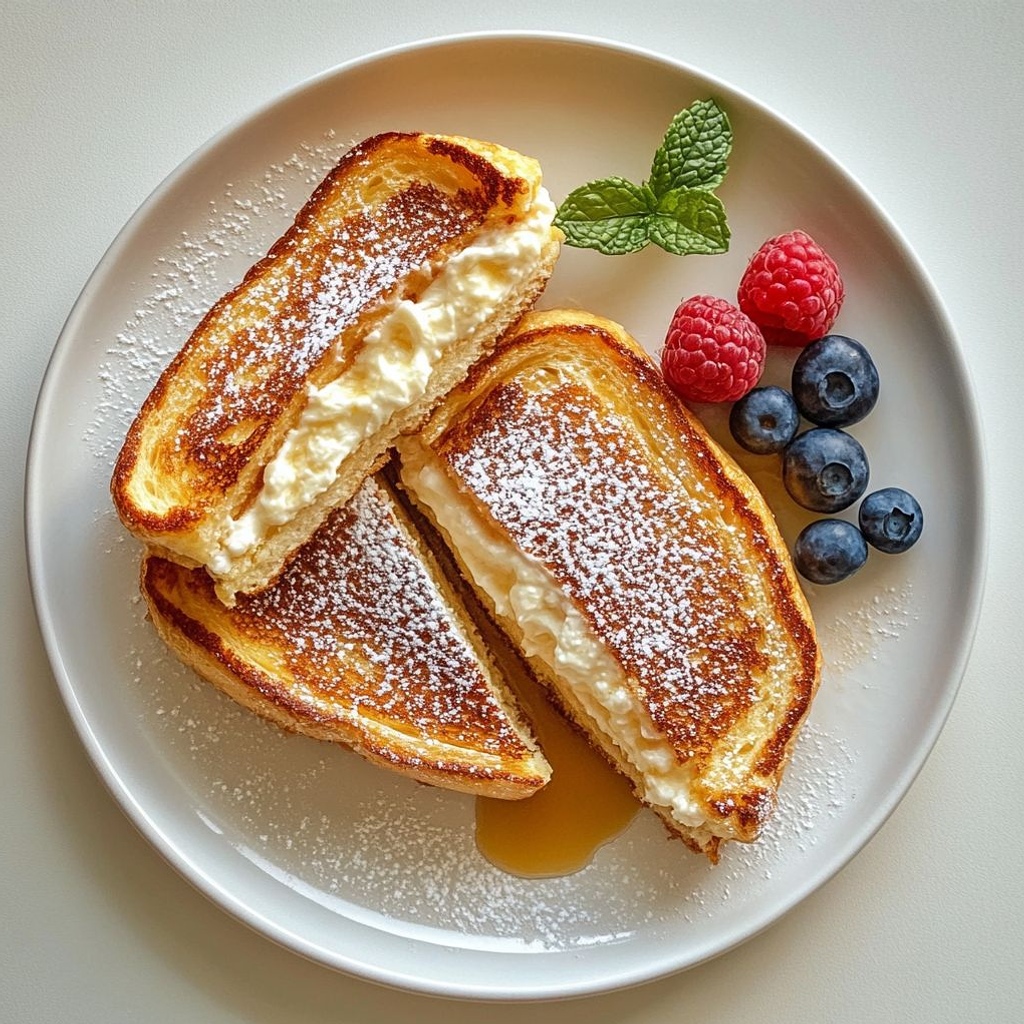
Picture this: a breakfast that tastes like a pastry, yet feels like a warm hug you can sink into with every bite. Stuffed Cream Cheese French Toast takes the best of both worlds—the indulgent, creamy richness of a luxurious pastry and the comforting, crowd-pleasing charm of classic French toast—and elevates it to brunch-worthy perfection. The bread, tender and airy, cradles a luscious cream cheese filling that lightly tangs with vanilla and just a whisper of citrus. When seared to a caramelized, golden crust, each slice offers a molten center that glides across your palate, followed by a hint of cinnamon, a kiss of butter, and a drizzle of maple syrup that brings everything into blissful harmony. This is not just a dish; it’s an invitation to linger at the table, to savor the morning, and to watch as the room fills with the heady aroma of warm bread, sweet dairy, and comforting spice. Whether you’re planning a leisurely weekend brunch, a festive holiday breakfast, or a spontaneous celebration with friends, stuffed cream cheese French toast is a showstopper that feels both special and incredibly easy to pull off. The scent alone can spark conversations, the texture can spark smiles, and the flavor can spark a new favorite morning ritual. Let this recipe be your go-to, a timeless twist that remains endlessly adaptable to seasons, moods, and guests.
The Story Behind the Dish
French toast has a storied past that stretches across centuries and continents, a humble solution born of necessity, sweetened by memory, and refined into a beloved brunch icon. The concept—slices of day-old bread soaked in a custardy mixture and fried until caramelized—has appeared in kitchens from medieval Europe to modern breakfast spots around the world. It’s a dish that grew out of practicality: bread that might otherwise go stale found new life when bathed in eggs, cream, and a round of heat until its exterior turned to a gentle lacquer and its interior remained soft and custardy. Over time, cooks began to experiment with fillings, glazes, and accompaniments, transforming what could have been a simple thrift dish into a celebration of breakfast.
The stuffed variation we’re celebrating here is a natural evolution of that curiosity. Cream cheese—velvety, slightly tangy, and wonderfully adaptable—offers a luxurious contrast to the bread’s toasty exterior. The idea of tucking a soft cheese filling inside a slice of bread echoes traditions from various cultures where dairy and bread co-create a comforting texture and a mellow sweetness. In many families, this kind of stuffed French toast becomes a weekend ritual, a way to gather round the table with loved ones and share stories over a plate of steaming slices. The flavors whisper of warm kitchens, early mornings full of potential, and the simple joy of turning ordinary ingredients into something memorable. It’s a dish that honors the past while inviting modern twists—a perfect canvas for seasonal fruits, zests, and syrups that reflect the moment and the mood.
No matter where your kitchen sits, stuffed cream cheese French toast has a universal appeal: it feels indulgent without being pretentious, it’s not fussy to make, and it scales beautifully for crowds. The technique—pan-searing until a bronzed crust forms, then letting the interior rest in a gentle warmth—creates a contrast that’s irresistible: crisp edges that crackle softly beneath your fork, and a creamy heart that melts away with the first bite. It’s a dish that tells a story with every slice: of family breakfasts, of late-night cravings turned into morning joy, of the way simple ingredients can become a little moment of magic when treated with care and imagination.
Why You’ll Love This Recipe
- Decadence meets everyday practicality: a luxurious, creamy filling inside everyday bread creates a restaurant-worthy breakfast that you can replicate at home.
- Impressive yet approachable: it looks special on the table, but the method is straightforward and forgiving, making it perfect for cooks of all levels.
- So adaptable: the cheese filling, the bread choice, and the toppings can be tuned to taste, dietary needs, and seasonal fruit availability—no two batches are the same.
- Make-ahead friendly: you can assemble or prep components in advance, allowing you to enjoy the moment with guests rather than rushing around the kitchen.
- Great for crowds: a single batch serves many, and you can keep the slices warm with a gentle finish in the oven while you mingle.
- Comforting aroma: the kitchen will fill with the scent of caramelized bread, vanilla, and warm dairy—an irresistible invitation to breakfast.
- Kid- and family-friendly: familiar flavors and a playful twist make it a hit with children and adults alike, encouraging shared plates and conversation.
Flavor Profile & Texture
Expect a symphony of textures and a tapestry of flavors that balance sweetness with gentle tang. The first impression is the crust: a crisp, honeyed edge that sings when it meets a fork. Underneath, the bread remains wonderfully soft and tender, surprisingly light, with just enough structure to hold the creamy center without collapsing. The star filling—cream cheese—introduces a subtle tang that cuts through the sweetness, creating a refined balance rather than a cloying dessert-like sensation. Vanilla threads through every bite, mingling with a whisper of citrus zest and warm spices to lift the richness into something bright and inviting. Cinnamon adds a familiar warmth that evokes weekend brunches and cozy mornings, while a light drizzle of maple syrup or honey invites a gentle sweetness that doesn’t overpower the cheese’s tang.
The custard around the stuffed bread gently soaks in, resulting in a texture that is custardy but not soggy—airy enough to feel light, yet decadent enough to feel special. Each slice delivers a harmonious blend: the creamy center glides with ease, the bread retains a delicate chew, and the exterior offers a satisfying crispness. When you bite into it, you’ll notice layers of flavor and texture unfolding in sequence—the initial sweetness of the glaze, the subtle tang of the cream cheese, the warm kiss of cinnamon, and the comforting, almost nostalgic scent that rises as the dish rests and the heat does its quiet finishing work. The overall effect is a comforting, elegant breakfast that feels both luxurious and heartwarming at once.
Occasions & Pairings
This versatile dish shines in a variety of settings:
- Weekend brunch with family or friends: a centerpiece that invites relaxed conversation and leisurely serving.
- Holiday mornings: a glamorous addition to a celebratory spread, pairing beautifully with fresh berries and sparkling drinks.
- Brunch potlucks: easy to transport and keep warm, making it a dependable crowd-pleaser.
- Romantic mornings or special occasions: a refined twist on a beloved favorite that feels thoughtful without being fussy.
Pair it with a few complementary elements to elevate the experience. Consider creamy whipped cream or a dollop of mascarpone for extra richness, a scattering of fresh berries for brightness, or a citrus compote to introduce a tart contrast. For beverages, you can offer a lightly sparkling orange mimosa, a smooth, medium-roast coffee, or a velvety latte. If you want to push the indulgence, a glass of crisp champagne or a sparkling rosé can turn the breakfast into a festive moment. For a comforting finish, serve with a side of lightly sautéed apples or pears, perhaps with a hint of brown butter and cinnamon to echo the flavors in the toast itself. The beauty of this dish is that it pairs well with simple, bright accompaniments or with more luxurious touches—the choice belongs to your mood and the occasion.
Tips, Variations & Substitutions
Here are ideas to tailor stuffed cream cheese French toast to your tastes, dietary needs, and the seasons:
- Bread choices: brioche or challah give the most cushiony, plush texture, but sturdy sandwich bread or thick-cut French loaves also work well. For a lighter feel, try a premium white bread with a tender crumb.
- Cheese filling variations: classic cream cheese is the star, but you can mix it with a spoonful of lemon curd for brightness, or blend in a touch of ricotta for extra creaminess. A small amount of yogurt can add tang and silkiness as well.
- Flavor twists: add orange or lemon zest to the filling or to a light glaze for a citrusy lift. A pinch of nutmeg or cardamom can offer a deeper spice note that complements the cheese.
- Sweetener options: maple syrup, honey, or brown sugar can be mixed into the filling for a deeper sweetness. A light dusting of powdered sugar just before serving adds a delicate finish.
- Vegan option: use full-fat vegan cream cheese and plant-based milk in the custard-like soak. Choose a sturdy bread such as a thick-cut gluten-free loaf to maintain structure.
- Gluten-free version: select a well-made gluten-free loaf with good density and moisture-retention so it absorbs the flavors without falling apart.
- Low-carb approach: substitute a low-carb bread or cloud bread concept and use a low-carb cream cheese filling; keep the cinnamon and vanilla for balance.
- Regional twists: fold in a spoonful of vanilla-bean paste, or swap maple for a regional honey or date syrup to reflect local flavors.
- Texture play: finish the slices under a hot broiler for a few seconds to intensify that caramelized crust if your pan yields a lighter crust.
Storage & Make-Ahead Ideas
To keep this dish feeling fresh and vibrant, consider these practical options for planning and leftovers:
- Make-ahead assembly: you can prepare the stuffed slices a few hours ahead and keep them covered in the refrigerator until you’re ready to cook. They’ll absorb some of the milk-and-egg soak during this rest, contributing to a richer texture.
- Short-term storage: refrigerate any cooked leftovers in an airtight container for up to 3 days. Reheat gently in a skillet over low heat with a splash of milk to restore moisture and a crisp exterior.
- Freezing: assembled, unbaked stuffed slices can be frozen on a parchment-lined tray, then transferred to a freezer bag. Thaw in the refrigerator before cooking. Cooked leftovers can also be frozen and reheated, though the texture of the bread may be more delicate after freezing.
- Make-ahead serving: if you’re hosting a brunch, you can keep a batch warm in a low oven (around 200°F/93°C) on a sheet pan, loosely covered with foil, while you mingle with guests. This helps maintain warmth without overcooking the exterior.
Fun Facts & Trivia (Optional)
Delightful tidbits that add depth to the dish and spark conversation at the table:
- Pain perdu, the French name for French toast, translates to “lost bread.” It’s a playful nod to turning stale bread into a delicious new dish, a reminder that clever cooking can transform leftovers into something extraordinary.
- French toast appears in countless cultures with their own unique twists. Some versions, like the German “Armer Ritter” (Poor Knights), use bread soaked in egg batter and fried to a golden finish, while others emphasize fruit fillings, syrups, or liqueur finishes for celebrations.
- The combination of bread, cheese, and sweet toppings is a reminder of how dairy and grain have long been partners in the culinary world, offering comfort and satisfaction across breakfast and beyond.
- A little vanilla in a dish as common as French toast has the magical effect of enhancing the perception of sweetness and depth, which is why it’s a staple in so many breakfast classics.
- Seasonality can shape this dish into something that reflects the moment—think peaches in late summer, apples and cinnamon in autumn, or citrus zest in winter—giving you a reason to reinvent the same comforting dish with new flavors each season.
Ingredients
Stuffed Cream Cheese French Toast
Bread
- 6 slices thick-cut brioche or challah bread (about 3/4 inch thick)
→ The bread should be sturdy and slightly stale to absorb the custard without becoming soggy. Day-old bread is ideal; if using fresh, toast lightly or dry in a low oven (250°F / 120°C) for 5–8 minutes to dry the surface before soaking.
Cream Cheese Filling
- 8 oz (1 cup) cream cheese, softened at room temperature
→ The creamy center of the stuffed toast. Softening at room temperature ensures the filling spreads evenly and can be piped or pressed between slices. For easier spreading, whip with a fork until smooth. - 2 tablespoons powdered sugar (or granulated sugar) to sweeten and smooth the filling
→ Powdered sugar yields a silkier texture; adjust sweetness to taste. If you prefer, replace with a small amount of honey or maple syrup for a different flavor. - 1 teaspoon vanilla extract
→ Enhances the flavor of the cream cheese filling. Use pure vanilla for best aroma; you can add a pinch of lemon zest for brightness if desired. - Pinch of salt
→ Balances the richness of the cream cheese and helps the flavors pop. A little goes a long way. - 1 tablespoon milk or heavy cream (optional) to loosen the filling
→ If the mixture is too thick to spread, whisk in a small amount of milk or cream until it reaches a spreadable consistency for even filling between slices.
French Toast Batter
- 4 large eggs
→ The foundation of the custard that coats the bread. Beat until fully combined to prevent streaks; whisk to emulsify with the dairy for a smooth texture. - 1 cup whole milk or half-and-half
→ Adds creaminess and moisture to the batter. Half-and-half gives richer flavor; use lower-fat milk if you prefer lighter toast. Avoid ultra-thin milk to prevent soggy bread. - 1 teaspoon vanilla extract
→ Flavor booster for the batter; use pure vanilla for best aroma. If you like, combine with a pinch of almond extract for a different profile, but keep amounts small to avoid overpowering the dairy. - 1/2 teaspoon ground cinnamon
→ Provides warmth and spice that complements the cream cheese filling. Increase to 3/4 teaspoon for stronger spice; optional nutmeg can be added too. - 2 tablespoons granulated sugar
→ Subtle sweetness in the batter that helps browning; adjust to taste. Omit if the filling is already quite sweet. - Pinch of salt
→ Balances sweetness and enhances overall flavor.
Cooking
- 2 tablespoons unsalted butter, for the pan
→ Creates a flavorful, golden crust and prevents sticking. Use a nonstick skillet and melt butter before adding the soaked bread; wipe between batches to maintain even browning.
Serving and Toppings
- Pure maple syrup for serving
→ Classic accompaniment; real maple syrup provides depth and sweetness to balance the richness. Warm before serving for easier pouring. - Powdered sugar for dusting (optional)
→ A light dusting adds a pretty finish and extra sweetness. Sift just before serving to avoid clumping. - Fresh berries or sliced fruit (e.g., strawberries, blueberries, raspberries)
→ Fresh fruit adds brightness and contrast to the richness. Use ripe, in-season fruit for best flavor; you can macerate with a splash of lemon juice for extra juiciness. - Whipped cream (optional)
→ Adds a light, creamy contrast to the dense stuffed toast. Pipe in small rosettes or serve a dollop on top for an elegant finish.
Instructions
- Gather and bring all ingredients to room temperature before mixing to ensure smooth emulsions and even distribution of flavors. This includes the cream cheese, eggs, milk, vanilla, cinnamon, sugar, and butter for cooking, as well as the brioche or challah slices and any toppings you plan to serve with the dish.
→ Room-temperature ingredients blend more evenly, preventing lumps in the filling and custard and ensuring a cohesive texture in the final toast. - Prepare the cream cheese filling by blending the softened cream cheese with powdered sugar, vanilla, and a pinch of salt until the mixture is smooth and pliable; if the mixture feels thick, whisk in 1 teaspoon of milk or cream at a time until it is easily spreadable.
→ A smooth, spreadable filling ensures even distribution between slices and prevents chunky pockets that can burst through the bread during cooking. - Prepare the bread by arranging 6 slices of thick-cut brioche or challah, each about 3/4 inch thick; verify uniform thickness for even soaking and browning, and if any slices are dry or stale, lightly toast or dry in a 250°F (120°C) oven for 5–8 minutes to prevent soggy interiors.
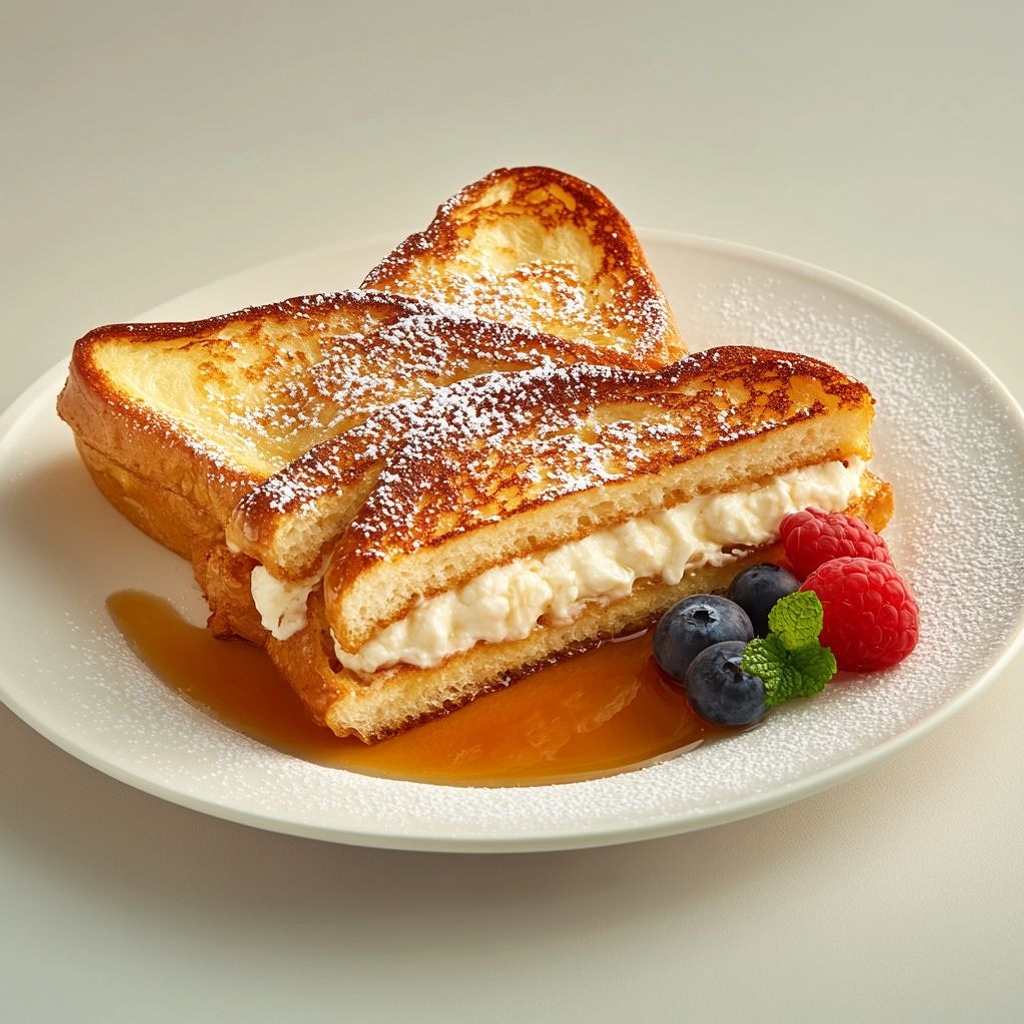
→ Uniform, sturdy bread soaks evenly and holds the cream cheese filling without collapsing during cooking. - Assemble three stuffed sandwiches by spreading a generous, even layer of the cream cheese filling on the flat side of 3 bread slices, then topping each with a second slice to form sandwiches; press gently to seal and minimize filling leakage during soaking.
→ A consistent filling layer prevents uneven flavor and helps the sandwiches hold together while soaking and cooking. - Whisk the French toast batter in a shallow dish by combining 4 large eggs, 1 cup milk or half-and-half, 1 teaspoon vanilla, 1/2 teaspoon ground cinnamon, 2 tablespoons sugar, and a pinch of salt until completely blended and smooth; whiskers should show no separate fat or streaks for a uniform custard.
→ A well-emulsified batter coats the bread evenly and browns evenly, producing a creamy interior without separate curds of egg or dairy. - Dip each stuffed sandwich into the batter, turning to soak both sides for about 20–40 seconds per side; lift with tongs and let excess custard drip back into the dish; lightly press on the sandwich to help the custard permeate the crust without tearing the bread.
→ Proper soaking ensures the interior becomes custardy while the exterior still forms a crisp, golden crust; avoid oversoaking which can cause the filling to leak and the bread to become mushy. - Preheat a large nonstick or cast-iron skillet over medium heat and melt 1 tablespoon unsalted butter, swirling to coat the surface evenly; allow the butter to foam but not burn, and wipe the pan between batches if needed to maintain consistent browning.
→ A properly preheated, well-greased pan prevents sticking, promotes an even sear, and contributes to a golden crust.\ - Cook the first soaked stuffed sandwich in the hot skillet for 3–4 minutes on the first side, then carefully flip with a wide spatula and cook another 3–4 minutes on the second side until the bread is deeply golden and the filling is warmed through; avoid pressing down hard to prevent squeezing out the cream cheese.
→ Even browning yields both texture and flavor, while gentle turning preserves the delicate filling and prevents it from oozing out. - Remove the first sandwich to a warm plate and repeat the soaking and cooking process with the remaining two sandwiches, adding additional butter to the pan as needed to maintain even browning and prevent sticking; avoid crowding the pan to keep heat stable.
→ Cooking in batches ensures each slice browns properly and cooks through without steaming, which can dull the crust color and texture. - Keep finished stuffed French toast warm in a 200°F (90°C) oven on a wire rack set over a baking sheet while you complete all servings, ensuring the crust remains crisp and the interiors stay warm without sweating.
→ A gentle warm hold preserves crispness and heat distribution without sogginess from stacked pieces. - To serve, transfer the stuffed French toast to plates and drizzle with warm pure maple syrup; dust with a light coat of powdered sugar and garnish with fresh berries or sliced fruit; offer whipped cream on the side if desired to add a creamy contrast.
→ Warm maple syrup complements the rich filling, while fruit and whipped cream add brightness, acidity, and a luxurious finish that balances the dish.

Notes
These stuffed cream cheese French toast are decadently rich with a creamy vanilla center encased in lightly crisp, golden bread, making them a luxurious brunch that feeds a crowd.
- Bread prep: Choose sturdy thick-cut brioche or challah (about 3/4 inch thick). Slightly stale bread absorbs the custard without becoming soggy; day-old bread is ideal. If your bread is fresh, lightly toast or dry in a low oven (250°F / 120°C) for 5–8 minutes to dry the surface before soaking.
- Cream cheese filling: Soften the cream cheese at room temperature and whip with powdered sugar and vanilla until smooth. Add a pinch of salt to balance richness, and whisk in a small splash of milk or cream if the filling feels thick and won’t spread evenly. For easier filling, pipe the mixture between the slices or spread evenly with a spatula.
- Optional flavor boosters: A tiny pinch of lemon zest or orange zest can brighten the filling; a light pinch of almond extract in the batter adds a subtle aroma—use sparingly to avoid overpowering the dairy.
- French toast batter: Whisk 4 large eggs with 1 cup whole milk or half-and-half, 1 teaspoon vanilla, 1/2 teaspoon ground cinnamon, 2 tablespoons sugar, and a pinch of salt until completely combined and pale. Let the mixture rest 5–10 minutes to bloom the spices, then whisk again before dipping.
- Dip and soak: Dip each bread slice into the custard briefly, about 15–20 seconds per side, allowing it to saturate without turning gummy. For very thick slices, you can let soak a few extra seconds, but avoid oversoaking to prevent a soggy center.
- Assemble: Spread a generous amount of the cream cheese filling on one slice and top with another slice to form a sandwich. If you prefer, pipe the filling in a neat line down the middle and press the other slice on top to seal.
- Cooking: Heat a skillet or nonstick pan over medium heat and melt 1–2 tablespoons unsalted butter. Cook the stuffed sandwiches 2–3 minutes per side, or until the outside is deeply golden and the center is warm. Wipe the pan between batches to avoid uneven browning. Keep cooked pieces warm in a low oven (around 200°F/90°C) while you finish the rest.
- Make-ahead and storage: Cream cheese filling can be made up to 2 days ahead; assemble the sandwiches just before cooking, or prepare fillings and bread slices in advance and assemble in the moment. Refrigerate assembled sandwiches for up to 2 hours if needed; do not let them sit in custard too long before cooking, or the bread may become soggy.
- Serving and toppings: Serve hot with pure maple syrup and a dusting of powdered sugar. Fresh berries or sliced fruit add brightness; a dollop of whipped cream or a dollop of yogurt can balance the richness. For added flair, garnish with citrus zest or a light dusting of cinnamon.
- Variations and substitutions: For dairy-free or vegan options, use dairy-free cream cheese, plant-based milk, and a flax or aquafaba-based binder. For gluten-free, ensure the bread is certified gluten-free; thick-cut GF bread works best with similar soaking times. If you want a lighter version, use reduced-fat cream cheese and less sugar in the filling.
Tips
Tips for Stuffed Cream Cheese French Toast
- Bread selection: Use 6 slices of thick-cut brioche or challah about 3/4 inch thick. The bread should be sturdy and slightly stale to absorb the custard without becoming soggy. Day-old bread is ideal; if using fresh, toast lightly or dry in a low oven (250°F / 120°C) for 5–8 minutes to dry the surface before soaking.
- Cream cheese filling: Soften the cream cheese at room temperature so it spreads evenly between slices. For a silkier filling, whip with a fork until smooth or transfer to a piping bag to limit leakage. Sweeten with powdered sugar (or granulated sugar) to taste, and add 1 teaspoon vanilla extract and a pinch of salt. If the mixture is too thick, whisk in 1 tablespoon milk or heavy cream until spreadable.
- Flavor balance: A pinch of salt in the filling enhances richness. Consider a tiny splash of lemon zest for brightness, or a light fold of lemon/orange zest into the filling for a citrusy note that complements the sweetness.
- Batter prep: whisk 4 large eggs with 1 cup whole milk (or half-and-half) and 1 teaspoon vanilla until fully combined. Add 1/2 teaspoon ground cinnamon, 2 tablespoons granulated sugar, and a pinch of salt. For deeper warmth, increase cinnamon to 3/4 teaspoon or add a pinch of nutmeg. Keep the batter at room temperature for easier dipping.
- Custard texture: If your batter seems too thin, whisk in another egg or a tablespoon of milk. If it’s too thick, thin with a splash of milk until it coats the bread evenly without running off in thick globs.
- Assemble smartly: Spread a generous layer of cream cheese filling on one bread slice, place a second slice on top, and press gently to seal. For neater edges, trim crusts or use a small offset spatula to guide the filling to the center while sealing.
- Soaking approach: Dip the stuffed sandwich into the custard, coating both sides, and let excess drip back into the bowl. Because the filling is inside, avoid letting the bread soak far too long or the edges may leak. If you’re unsure, a quick 10–20 second dip per side is enough for thick slices.
- Pan prep: Use a nonstick skillet or well-seasoned cast iron and 2 tablespoons unsalted butter. Melt the butter and maintain a medium-low heat to allow the centers to set without burning the exteriors. Wipe the pan between batches to maintain even browning.
- Cooking time: Cook until the underside is golden and the center is just set, typically about 3–4 minutes per side. If the bread browns too quickly, lower the heat and cook longer to prevent the filling from oozing out.
- Finish options: For a crispier exterior, finish the slices briefly under a hot broiler or in a 350°F (175°C) oven for 6–8 minutes to ensure the filling is warm and cheese melted through the center.
- Serving temperature: Serve immediately for the best texture. If needed, keep cooked pieces warm in a low oven (about 200°F / 95°C) on a sheet pan, loosely covered with foil to retain moisture without steaming the crust.
- Make-ahead ideas: Cream cheese filling can be prepared a day in advance and stored in the fridge; bring to room temperature before assembling. Assemble stuffed sandwiches and refrigerate up to 2 hours before cooking. For longer storage, freeze assembled sandwiches (well wrapped) and thaw in the fridge before dipping and cooking.
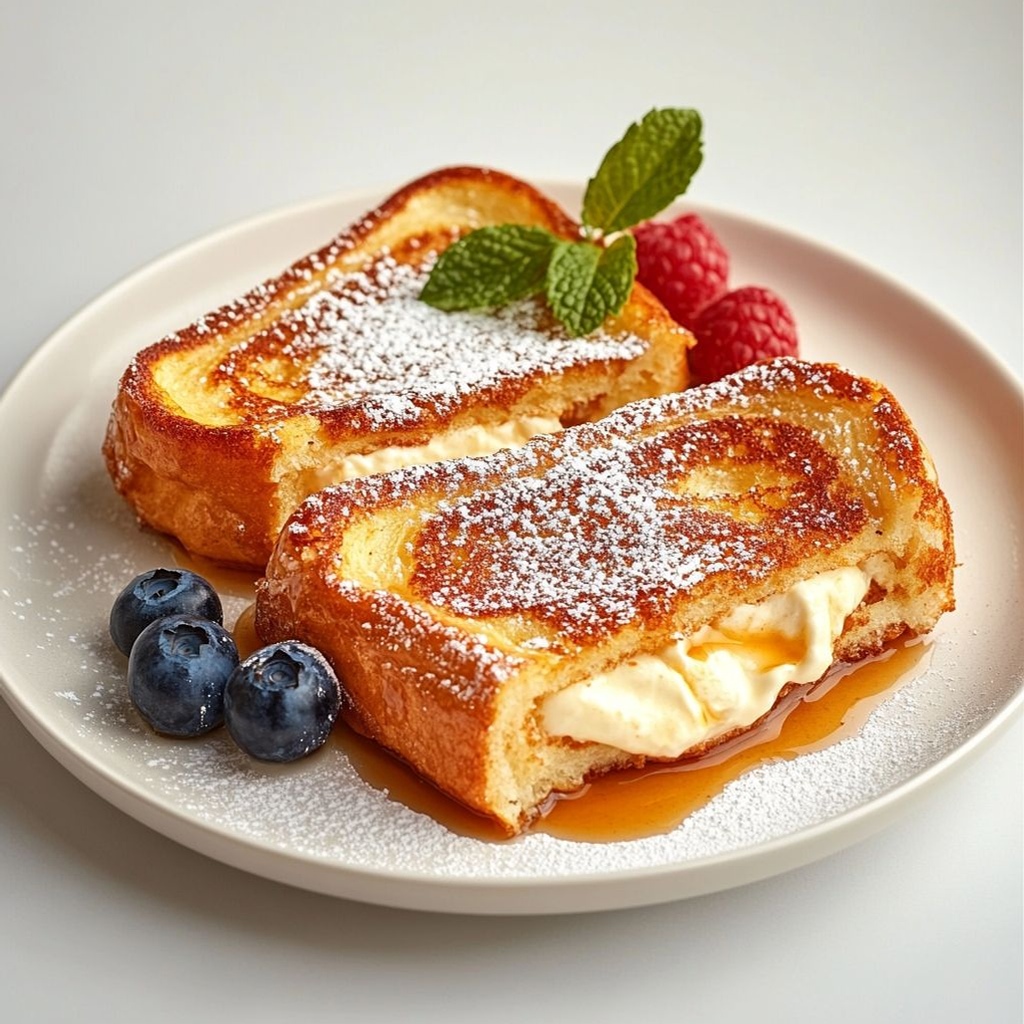
- Glaze and toppings: Warm pure maple syrup before serving so it flows easily. A light dusting of powdered sugar looks pretty and adds a touch of sweetness. Fresh berries or sliced fruit provide brightness and cut through richness; whipped cream adds a luxurious contrast if desired.
- Diet-friendly twists: For a dairy-free version, use dairy-free cream cheese and a non-dairy milk (like almond or oat) in the batter. For a gluten-friendly option, ensure the bread is gluten-free and keep the batter free of wheat-containing thickeners; the technique remains the same.
- Troubleshooting quick fixes: If the filling leaks while cooking, check that the edges are well-sealed and the pan isn’t too hot. If the toast seems too soggy, reduce soaking time or use slightly drier bread next time. If the center isn’t setting, finish in the oven for a few minutes to ensure the filling warms through.
- Flavor variations to try: Add a teaspoon of almond extract to the batter for a nutty aroma, or fold in a teaspoon of orange zest to the cream cheese filling for a citrusy twist. A pinch of ground cardamom can also add a fun, warm spice note.
FAQ
What is Stuffed Cream Cheese French Toast?
Stuffed Cream Cheese French Toast is a breakfast treat where thick slices of bread are spread with a creamy cream cheese filling, sandwiched together, then dipped in a cinnamon-vanilla egg custard and cooked until golden. The result is a tender interior with a creamy center and a crisp, caramelized exterior. It’s typically served with maple syrup and fresh fruit.
What ingredients do I need?
Serves about 4–6 depending on portion size. You’ll need:
- 6–8 slices thick-cut bread (brioche, challah, or Texas toast)
- 8 oz cream cheese, softened
- 2–4 tbsp granulated sugar (adjust to taste)
- 1 tsp vanilla extract
- 1/2 tsp ground cinnamon
- Pinch of salt
- 3–4 large eggs
- 1 cup milk or dairy-free milk
- 2 tbsp butter or oil (for cooking)
- Optional fillings: jam, fresh berries, sliced fruit, or chocolate chips
Can I make it ahead?
Yes. You can prepare the filling in advance and refrigerate. For best results, assemble the stuffed sandwiches and refrigerate up to 24 hours before cooking, then bake or fry just before serving. If soaking bread in custard overnight, shorten the soak time a bit the next day to avoid sogginess.
How do I assemble the stuffed French toast?
Spread the cream cheese filling on one slice, add any desired fillings (jam, fruit, chips), then top with another slice to make a sandwich. Repeat with the remaining slices. Whisk together the custard: eggs, milk, vanilla, and cinnamon. Dip each sandwich in the custard for about 15–30 seconds per side, letting it soak slightly. Cook on a greased skillet or griddle until golden on both sides.
What is the best bread to use?
Thick-cut brioche or challah is ideal for tenderness and soaking capability. Texas toast is a good budget option. Day-old or slightly stale bread works well because it soaks up the custard without falling apart. Avoid very thin sandwich bread unless you’re short on time.
How long does it take to cook?
On the stove: about 3–4 minutes per side, depending on thickness, until golden and the center is set. In the oven: bake at 350°F (175°C) for 25–35 minutes if assembled as a bake, or 18–22 minutes if you prefer open-faced slices, flipping once if needed.
Can I bake it or pan-fry it?
Both methods work. Pan-frying in butter over medium heat gives a crisp exterior and tender center. Baking is convenient for feeding a crowd: place the assembled sandwiches on a parchment-lined sheet and bake until golden and set, or bake as individual stuffed slices for even browning.
How do I reheat leftovers?
Store leftovers in the fridge for up to 2–3 days. Reheat in a toaster oven or regular oven at 350°F (175°C) for 8–12 minutes until warmed through and the crust is still crisp. If using a microwave, expect softer results.
What flavor variations can I try?
Get creative with fillings and toppings. Ideas include:
- Orange or lemon zest added to the cream cheese
- Swirls of fruit preserves or jam inside the filling
- Mini chocolate chips or chopped nuts
- Berries or sliced bananas cooked with the filling
- Spiced maple syrup or a dusting of powdered sugar
- A savory twist: cream cheese mixed with herbs and a pinch of salt