Introduction / Hook
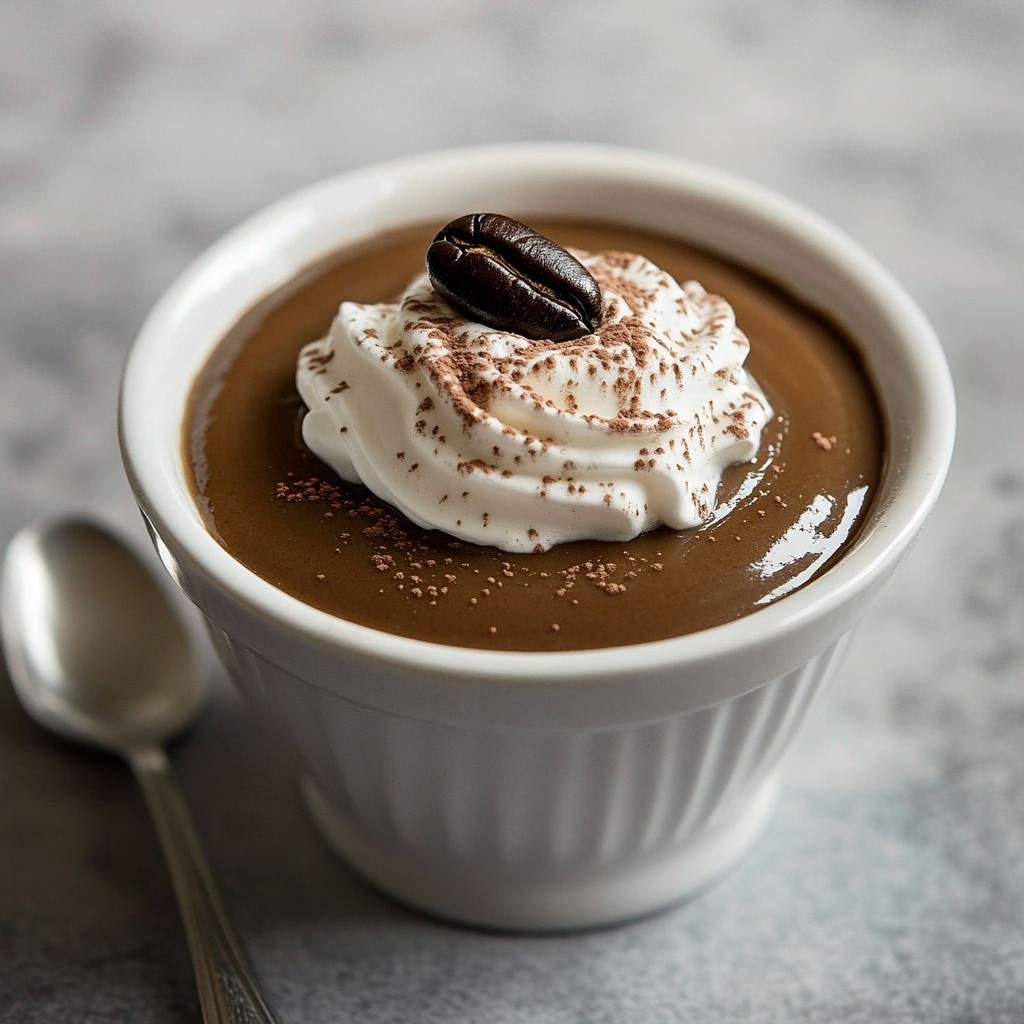
Imagine waking up or winding down with the soft, comforting glow of coffee carried into a silk-smooth pudding. The aroma of roasted beans lingers in the air, curling around a spoonful of indulgence that is neither a dessert nor a beverage, but something wonderfully in between. Coffee pudding invites you to slow down, to savor the contrast between a velvety, custard-like texture and the bold, roasted notes of coffee. It’s a dessert that understands your love for caffeine without overwhelming it—gentle enough for a leisurely brunch, yet rich enough to crown a late-night indulgence. When you crack into its glossy, pudding-y surface, you’re met with a quiet, satisfying jiggle that confirms you’ve found something truly special: a dessert that whispers rather than shouts, offering warmth, comfort, and a touch of café elegance in every bite.
The beauty of coffee pudding lies in its balance. It’s not a coffee drink turned into dessert, nor is it a heavy custard that drifts into cloying territory. It sits at the intersection of smooth creaminess and the dark, complex flavors of coffee. The first bite carries a gentle caffeine kiss, followed by a luxurious mouthfeel that lingers on the tongue. There’s a subtle sweetness that never competes with the coffee; instead, it enhances it, like a chorus supporting the lead singer. The result is a dessert that feels sophisticated enough for a dinner party, approachable enough for a weekend treat, and comforting enough for a quiet Tuesday night alone with a good book or a warm conversation with someone you love.
In a world of quick, flashy desserts, coffee pudding asks for a moment of attention. It doesn’t demand applause after the first spoonful; it rewards patience with a more nuanced flavor as it meets the palate in waves. The top might gleam with a delicate sheen, promising something luscious beneath, while the spoon reveals a custardy core that holds its shape with a gentle resistance. It’s the kind of dessert that makes you pause—almost ceremonial in its simplicity—before you dive back in for another spoonful, and then another, until the last bite leaves you with a lingering coffee warmth that feels like a soft memory you want to revisit tomorrow morning.
The Story Behind the Dish
Coffee and dessert have a long, intimate history, each borrowing flavors from the other and creating rituals around them. Puddings and custards, in their many forms, have traveled across continents, adapting to local milk, cream, and spice profiles. Coffee pudding can be traced to kitchens where dairy and coffee met in a gentle, domestic harmony. It’s a dessert that knows how to honor both its ingredients—coffee for its depth and aroma, and dairy for its silkiness—without letting one overpower the other.
There’s a certain nostalgia to coffee pudding. It echoes late-night study sessions, early mornings at the cafe corner where a barista knows your order by heart, and the quiet joy of sharing something comforting after a long day. In some cultures, similar puddings are treated as everyday luxuries—simple, unpretentious, yet deeply satisfying. The dish you’re about to read is a modern take that invites experimentation: a classic canvas that can be tinted with seasonal spices, a splash of vanilla, or a hint of chocolate. It’s both timeless and flexible, a reflection of how coffee itself has become a global, everyday indulgence that still feels special.
If you’ve ever stood in a kitchen imagining what a grown-up pudding should taste like—rich, creamy, with a hint of espresso—then you already know the spirit of this recipe. It respects tradition while inviting you to make it your own. The story of coffee pudding is really the story of coffee culture meeting homey comfort, a bridge between the quick energy of a morning cup and the slow, indulgent pleasure of dessert. And like the best stories, it invites you to participate: to whisk, to taste, to adjust, and to serve with a ceremonious flourish that makes a simple bowl feel like a shared moment.
Why You’ll Love This Recipe
- Silky, spoonable texture that melts on the tongue and clings softly to the memory.
- Bold coffee flavor balanced with a gentle sweetness that never overwhelms the palate.
- Versatility that fits many occasions—from elegant after-dinner finales to cozy brunch highlight reels.
- Make-ahead friendly: this is a dessert you can prepare in advance and serve chilled, allowing flavors to mellow and flourish.
- Adaptable to different diets and taste preferences with thoughtful substitutions (vegan, dairy-free, or lower-sugar options) without sacrificing character.
- Beautiful presentation possibilities: a glossy top, a dusting of cocoa or cinnamon, and optional toppings that enhance texture and aroma.
- Pure comfort with a touch of café sophistication—perfect for anyone who adores the fragrance of freshly brewed coffee as much as the first bite of dessert.
Performance Benefits
Beyond taste, this dessert suits busy lives. It is forgiving in practice, forgiving in texture as a set custard, and forgiving of small adjustments. It’s a dessert you can scale up for a dinner party without fear of getting bogged down in complicated technique. The process remains accessible, and the reward is consistently satisfying. If you’ve ever wanted a dessert that feels both intimate and impressive, coffee pudding offers that dual appeal with minimal drama and maximal comfort.
Flavor Profile & Texture
The flavor profile of coffee pudding centers on a deep, roasted coffee foundation that acts as the backbone for every bite. Depending on the coffee used, you might notice notes of dark chocolate, toasted hazelnuts, or even a whisper of caramel. The sweetness, while present, is carefully moderated so that it doesn’t mask the coffee’s natural complexity. Vanilla often threads through the base, adding a soft floral/creamy nuance that makes the overall impression round and inviting.
The texture is where coffee pudding shines. It’s not as dense as a heavy custard nor as light as a gelatinous mousse. It sits in a happy middle ground—creamy enough to coat the spoon with ease, yet firm enough to hold a gentle shape on the plate. When chilled properly, it develops a delicate glaze on top, a mirror-like sheen that invites the next spoonful. The mouthfeel carries a luxurious silkiness, punctuated by the subtle grain of fine coffee grounds or dissolved coffee particles depending on the method used. Some versions offer a faint, satisfying contrast in texture with a light whipped topping or a crunchy crumble of chocolate cookies or toasted nuts. These textural variations can transform the dessert from something everyday to something that feels like a moment of indulgence worthy of celebration.
Pairing this with a companion bite can elevate the experience. A sliver of dark chocolate or a shard of brittle biscuit can emphasize the bitter-sweet edge of coffee, while a dollop of softly whipped cream brings brightness and a cloud-like counterpoint to the dense pudding. For those who love warmth, a pinch of cinnamon or cardamom can awaken the senses and lend a subtle spice that makes the aroma even more inviting as it warms the room. The overall sensory journey—from the nose to the tongue to the lingering finish—should feel like a comforting, familiar hug with a touch of café luxury.
Occasions & Pairings
This versatile dessert shines in a variety of settings. Consider serving it for:
- Elegant dinner parties, where its quiet sophistication complements a refined menu.
- Weekend brunches, pairing beautifully with light pastries, fruit, and a good pot of coffee.
- Celebrations and holidays, offering a grown-up dessert option that’s not overly fussy.
- A cozy weeknight treat when you want something special but not overly complex.
Suggested pairings (flavors and textures that complement coffee pudding):
- Chocolate elements: a drizzle of dark chocolate sauce, cocoa-dusted cookies, or a shard of chocolate praline.
- Nutty accents: toasted almonds, hazelnuts, or pistachios add crunch and depth.
- Fresh contrasts: a lightly whipped cream or creme fraiche dollop, or citrus zest adding brightness.
- Caramel and toffee notes: a caramel ribbon or a few flakes of sea salt to create a thrilling sweet-salty balance.
- Coffee companions: serve alongside biscotti, coffee biscotti triangles, or a robust espresso on the side to extend the experience.
Occasion-specific ideas:
- For a dinner party, plate individual portions with a glossy top and a delicate dusting of cocoa, paired with a small almond tuile for textural contrast.
- For a weekend brunch, layer the pudding in parfait glasses with fruit compote and a light whipped topping to create a visually appealing, multi-layer dessert.
- For a winter gathering, lightly infuse the pudding with cinnamon or cardamom to evoke cozy, spicy notes that feel seasonally appropriate.
Tips, Variations & Substitutions
Every kitchen has its own personality, and this coffee pudding welcomes a range of tweaks to suit dietary needs, flavor preferences, or what you have on hand. Here are some ideas to customize without turning the dessert into a different dish entirely.
- Vegan or dairy-free version: Use a plant-based milk (almond, soy, oat, or coconut) and a dairy-free thickener (such as cornstarch or agar-agar depending on the recipe approach). A splash of vanilla bean extract adds the creamy note that dairy often provides.
- Lower-sugar approach: Reduce the sweetener slightly and rely on the natural bitterness of espresso to balance. Consider using a natural sweetener like maple syrup or coconut sugar for a nuanced flavor.
- Flavor twists: Add a pinch of spices such as cinnamon, cardamom, or nutmeg to the base for a warm, aromatic profile. A whisper of orange zest or a small amount of vanilla bean can lift the pudding with a bright finish.
- Espresso intensity: Use a stronger coffee concentrate or a mix of espresso and a dark roast to deepen the flavor. If you prefer milder coffee notes, you can dilute with additional milk or water to your liking.
- Texture play: For a velvety, ultra-smooth finish, strain the liquid before setting. If you enjoy a bit of bite, aim for a slightly less firm set. If you crave silk, whisk vigorously during the cooling stage to incorporate air and create lightness.
- Regional twists: In some cultures, a touch of caramelized sugar or a hint of smoky flavor can be introduced by using a smoked sugar or by briefly toasting the top burnished layer with a torch for a caramelized finish.
- Gluten-free friendly: The dessert itself is naturally gluten-free if prepared with gluten-free thickeners and using ingredients that do not introduce gluten-containing components. Always check labels if you are purchasing pre-made thickeners or flavor enhancers.
- Make-ahead variations: Prepare the base the day before and gently rewarm before setting, if your approach allows. Some people enjoy serving coffee pudding at a slightly warmer temperature, which can accentuate aroma and mouthfeel.
Storage & Make-Ahead Ideas
One of the most appealing aspects of a well-crafted coffee pudding is how well it plays with advance planning. Here are practical tips to ensure your dessert remains as delightful on day two as it was on day one.
- Make-ahead: Coffee pudding generally sets best when made ahead. Prepare the base, allow it to cool to room temperature, then refrigerate in a covered container until you’re ready to serve. This approach allows flavors to meld and develop depth.
- Storage duration: In the fridge, the pudding typically keeps well for 2 to 4 days when stored properly. For best texture, avoid frequent reheating while maintaining a cool, even environment that preserves its silkiness.
- Air exposure: Cover the surface with plastic wrap to prevent a skin from forming. If a skin does develop, you can whisk gently to reintroduce a smooth surface before serving.
- Freezing considerations: Freezing pudding that contains dairy can lead to texture changes. If you prefer the option to freeze, consider versions adapted with dairy-free milk and appropriate thickeners. Thaw slowly in the fridge and gently whisk to restore creaminess if needed.
- Make-ahead serving ideas: Present individual portions in clear glass cups or ramekins. When ready to serve, you can top with a touch of whipped cream, a dusting of cocoa, or a few chocolate shavings for an elegant finish.
Fun Facts & Trivia (Optional)
Did you know that coffee has inspired countless desserts around the world, from tiramisu to affogato? Coffee’s bold, roasted profile transitions seamlessly into the realm of desserts, where it can impart warmth without overpowering the dish. Puddings, not unlike custards, have a storied history dating back centuries, with roots in European kitchens before spreading across continents and cultures. The combination of coffee and dairy has long been celebrated for its ability to create a comforting, almost nostalgic experience—one that evokes early morning conversations over a shared cup or late-night study sessions punctuated by a sweet reward. The modern coffee pudding you’re about to enjoy is a nod to that heritage, updated with a contemporary sensibility that emphasizes balance, texture, and room-temperature elegance as part of the overall dining experience.
In culinary lore, pudding has often served as a bridge between everyday family meals and special occasions. Its adaptability makes it a canvas—one you can paint with spice, citrus, or chocolate in subtle ways, depending on the mood and the season. Coffee, meanwhile, has grown from a simple beverage into an emblem of social ritual across the globe. When these two elements meet in a dessert, they create a small, universal moment: the satisfaction of something creamy and rich, punctuated by the crisp, invigorating scent of coffee that invites you to linger at the table just a little longer.
Another fun fact: many cultures have their own variations of coffee desserts that emphasize different textures and flavors. Some lean more into creamy custards, others into airy mousses, and some strike a balance that sits somewhere in between. The coffee pudding described here is deliberately versatile, designed to honor that cross-cultural spirit while offering a straightforward, dependable method to achieve a luxurious result at home. It’s the kind of dessert that invites conversation—about coffee, about technique, about personal preferences—and leaves you with the sense that you’ve uncovered a small secret to making sweetness feel intimate and refined.
Final Thoughts
Coffee pudding is more than a dessert; it’s an invitation to slow down and savor texture, aroma, and the quiet pleasure of a well-balanced bite. It celebrates the way coffee can be both robust and comforting, a drink that can spark energy and soothe at the same time when transformed into something meant to be enjoyed with a spoon. Whether you’re curling up with a good book, hosting friends for a dinner party, or simply treating yourself after a long day, this pudding offers a touch of café elegance that feels accessible, timeless, and deeply satisfying. Embrace the ritual: brew a strong cup, pour a silky mixture into the dish, let it set, and serve with a flourish. The moment you lift the spoon and release that first wave of aroma, you’ll understand why coffee pudding endures in kitchens around the world—because it invites you to pause, smile, and take pleasure in something wonderfully simple and utterly delicious.
Ingredients
-
Coffee Pudding
Pudding Base
– 2 cups whole milk (480 ml)
→ This is the primary liquid that gives the pudding its body and a smooth, gentle mouthfeel. Whole milk provides natural creaminess without being too rich. Warm the milk before combining with the other ingredients to help the starch dissolve and to prevent lumps. If you’re dairy-free, substitute with 2 cups unsweetened almond, soy, or oat milk, but expect a lighter texture and adjust thickener accordingly.
– 1/2 cup heavy cream (120 ml)
→ Adds rich, velvety texture and a luxurious mouthfeel, helping the pudding set firmer and feel silky on the palate. If you omit, the pudding will still set thanks to the cornstarch and yolks, but it will be lighter; for a dairy-free version, you can substitute with an additional 1/4 cup of coconut cream or use a moisture-balanced plant-based milk and a touch more butter at the end if desired.
– 1/3 cup granulated sugar (67 g)
→ Provides sweetness and helps dissolve evenly into warm milk for a smooth custard. Using superfine sugar aids quick dissolution and avoids graininess. You can adjust to taste or replace with a mix of white and brown sugar for a deeper caramel note; remember that brown sugar will add moisture and a hint of molasses.
– 3 tablespoons cornstarch (24 g)
→ Primary thickening agent that yields a glossy, custard-like texture. Make a slurry by whisking the cornstarch with a few tablespoons of the cold milk to prevent lumps, then whisk the slurry into the hot milk. Cook gently, stirring constantly, until the mixture thickens and just coats the back of a spoon. Overcooking can cause a slightly starchy or gummy finish.
– 2 large egg yolks
→ Contribute richness and a smooth, velvety custard texture. Temper the yolks by whisking in a small amount of the hot milk before returning to the pot to prevent scrambling. If avoiding eggs, you can increase cornstarch to 4 tablespoons and use a bit more butter for gloss, but you will lose some custard depth and creaminess.
– 2 tablespoons instant espresso powder (or 60 ml strong brewed espresso)
→ Delivers the signature coffee aroma and flavor. Dissolve the espresso powder in a small amount of hot water or whisk in strong brewed espresso to distribute evenly through the mixture. For a milder cup, start with 1 tablespoon and adjust to taste. If using decaf, use decaf espresso powder or decaf brew.
– 1 teaspoon vanilla extract
→ Enhances the coffee notes and rounds the sweetness with a warm aroma. Use pure vanilla extract for the best depth; add after removing the pudding from heat to preserve the aroma. If using vanilla bean, scrape the seeds into the milk and simmer with the milk and bean for extra complexity.
– 1/4 teaspoon fine salt
→ Balances sweetness and enhances the overall flavor, helping the coffee notes to pop. A small amount goes a long way; omit only if you are using salted butter elsewhere, but keep the rest to maintain balance.
– 1 tablespoon unsalted butter, cut into small pieces (optional, for finishing)
→ Optional step to finish with a glossy, smooth surface and an extra-soft mouthfeel. Stir in off the heat until melted and the mixture is silky. If dairy-free, substitute with a small amount of neutral oil or coconut oil, but texture and sheen may differ slightly.
Optional Toppings
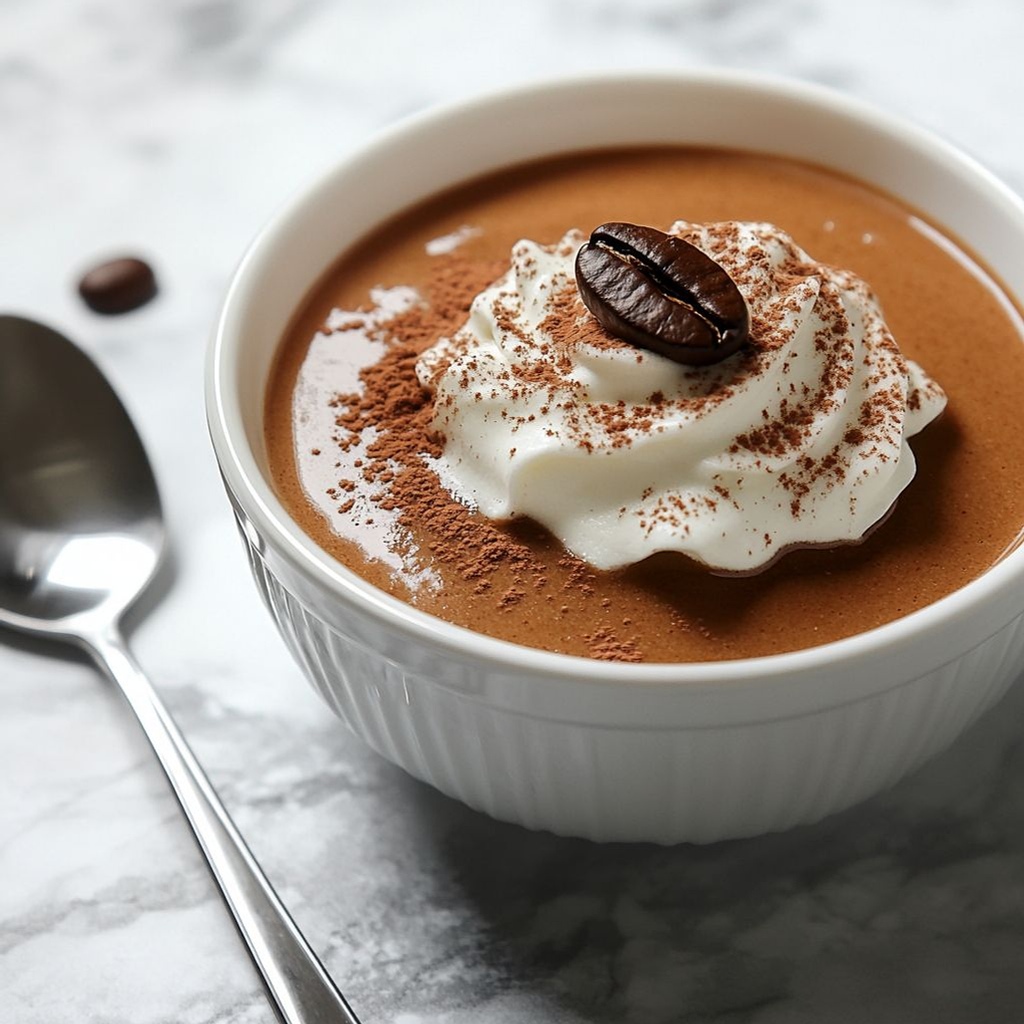
– 1/2 cup lightly sweetened whipped cream
→ Adds a light, airy contrast to the rich pudding. Whip cold heavy cream with a touch of sugar and vanilla to soft peaks, then dollop on top just before serving. For dairy-free, use coconut cream whipped to soft peaks with a touch of sweetness and vanilla.
– Cocoa powder or chocolate shavings
→ Provides a visual contrast and a finishing coffee-chocolate note. Sift a light dusting of cocoa powder or shave dark chocolate over the top for a polished presentation. If desired, drizzle a thin amount of espresso syrup for an extra coffee kick.
Instructions
- Assemble your mise en place and equipment: set a heavy-bottom saucepan, a whisk, a heatproof spatula, a fine-mesh sieve, a medium bowl for tempering yolks, and six 4-ounce ramekins or serving cups within easy reach. This organization ensures a smooth workflow, minimizes the chance of scorching, and keeps your ingredients in the correct order for a proper custard base.
→ Organized setup reduces missteps and lets you maintain even heat and consistent texture throughout the cooking process. - Combine the dairy and sugar: whisk together 2 cups whole milk, 1/2 cup heavy cream, 1/3 cup granulated sugar, and 1/4 teaspoon fine salt in the heavy-bottom saucepan; heat gently over medium, stirring occasionally until the mixture is warm and the sugar has dissolved, just shy of simmering. This preheats the base and begins flavor blooming, while ensuring the cornstarch will hydrate evenly when added later.
→ Warming the dairy helps the cornstarch hydrate and prevents lumps, while dissolving sugar ensures a cohesive custard without gritty grains. - Whisk a smooth cornstarch slurry: in a small bowl, whisk 3 tablespoons cornstarch with 2 to 3 tablespoons cold milk until completely smooth and free of lumps; this slurry will thicken the custard evenly without forming starch pockets in the hot liquid.
→ Using cold milk prevents premature thickening and ensures the cornstarch disperses evenly when added to the hot mixture. - Temper the yolks: in a separate bowl, whisk 2 large egg yolks until pale, then gradually whisk in 1/2 cup of the warm milk to raise their temperature; continue whisking until the yolks look uniform, then pour back into the saucepan with the rest of the base.
→ Tempering prevents the yolks from scrambling when they meet the hot custard, yielding a silky, cohesive texture. - Thicken the custard: whisk the tempered yolks, cornstarch slurry, and the hot dairy mixture together over medium-low heat; keep stirring with a wooden spoon or silicone spatula, scraping the bottom and sides, until the mixture thickens and just coats the back of the spoon, about 4 to 6 minutes; avoid boiling to preserve a glossy finish.
→ The thickened custard should hold a line when traced with your finger on the spoon; this indicates proper gel formation of the starch and egg proteins. - Strengthen coffee flavor: whisk 1 tablespoon instant espresso powder with 1 tablespoon hot water until dissolved, then whisk the coffee solution into the hot pudding off the heat to distribute evenly; if you prefer a stronger coffee presence, increase to 2 tablespoons espresso powder.
→ Dissolving espresso ensures even distribution and prevents gritty sediment; adding off heat preserves aroma and flavor. - Finish the custard with vanilla and butter: stir in 1 teaspoon vanilla extract and 1/4 teaspoon fine salt, then, if using, whisk in 1 tablespoon unsalted butter cut into small pieces until melted and glossy; this adds sheen, richness, and a rounded aroma.
→ Vanilla heightens the coffee notes and the butter enriches the mouthfeel, creating a smoother, more luxurious pudding. - Strain and cool the base: pour the hot custard through a fine-mesh sieve into a clean bowl to remove any lumps, then set the bowl over an ice bath for a few minutes or chill briefly at room temperature until it stops steaming; this helps prevent skin formation and speeds up setting.
→ Straining yields a perfectly smooth texture, and rapid cooling reduces carryover heat that could degrade the custard’s texture. - Chill the pudding to set: cover the surface with plastic wrap directly on the pudding to prevent a skin, then refrigerate for at least 2 hours or until fully set and cold; the starch and egg proteins will firm up, giving clean, sliceable portions.
→ Direct contact with wrap prevents skin formation; cold temperature encourages the custard to set evenly for clean presentation. - Prepare optional whipped cream topping: in a chilled bowl, whip 1/2 cup heavy cream with a pinch of sugar and a drop of vanilla to soft peaks; keep cold until service to maintain structure and a light texture that contrasts the pudding.
→ Soft peaks provide a delicate, airy counterpoint to the dense pudding, enhancing mouthfeel and presentation. - Unmold or portion and garnish: just before serving, portion the chilled pudding into bowls or glasses, optionally piping or dolloping the whipped cream on top, and dust with a light sprinkle of cocoa powder or shave dark chocolate for a polished finish and extra aroma.
→ Finishing with cocoa or chocolate shavings adds color, aroma, and a complementary bitter note that highlights the coffee flavor.
Notes
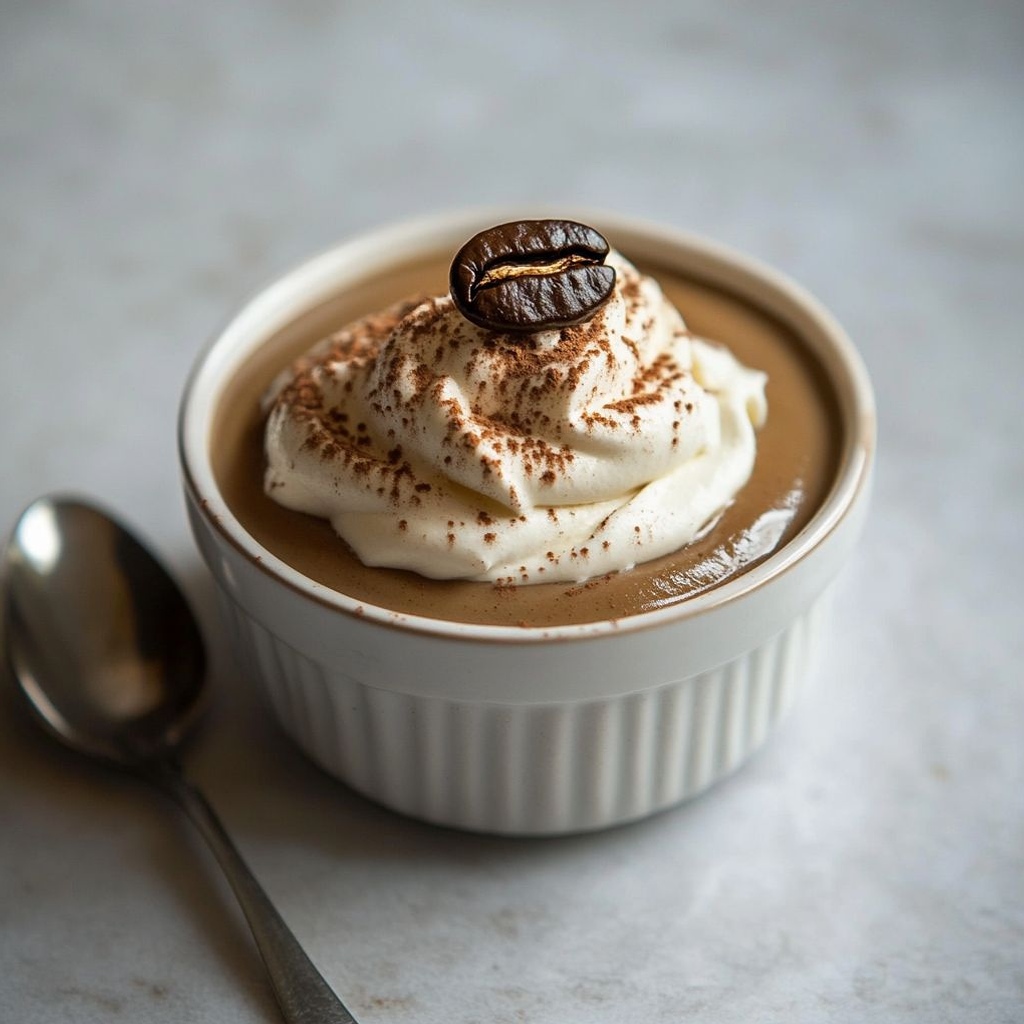
These coffee puddings are a silky, espresso-kissed dessert built from a warm milk custard thickened with cornstarch and enriched with egg yolks for depth. Start by warming the whole milk (and cream if using) to help dissolve the cornstarch and prevent lumps; whisk a slurry of cornstarch with cold milk and whisk it into the simmering milk, then cook gently until the mixture coats the back of a spoon. Temper the yolks by whisking in a small amount of the hot milk before returning them to the pot to avoid scrambling, then cook just until the custard thickens. For the strongest coffee flavor, dissolve the instant espresso in a small amount of hot water or use strong brewed espresso; taste and adjust the strength before finishing. Remove from heat and stir in vanilla, salt, and the butter if using to create a glossy surface and extra silkiness; whisk until the butter is fully incorporated, then strain if you want an ultra-smooth pudding. Pour into serving dishes and chill at least 2–4 hours until set. Optional toppings like lightly sweetened whipped cream and a dusting of cocoa or chocolate shavings add contrast, while espresso syrup can intensify the coffee note. If you prefer a dairy-free version, substitute the 2 cups of milk with a plant-based alternative (unsweetened almond, soy, or oat milk) and omit the butter or replace with a small amount of neutral oil; expect a lighter texture and adjust thickener slightly. The pudding will keep in the fridge for several days; serve cold for a refreshing finish.
Tips
Tips for Perfect Coffee Pudding
- Warm the milk before combining with the other ingredients to help the starch dissolve and prevent lumps. Keep the heat gentle so you don’t scorch the dairy.
- Make a smooth cornstarch slurry by whisking the cornstarch with a few tablespoons of cold milk (or a bit of cold milk from the base). Stir this into the hot milk gradually to avoid clumps.
- Temper the egg yolks: whisk a ladle of the hot milk into the yolks, then whisk the yolk mixture back into the pot. This prevents scrambling and yields a silkier custard.
- Cook gently and continuously stir with a wooden spoon or silicone spatula. As it thickens, scrape the bottom and sides to prevent scorching and ensure even cooking.
- Test doneness by coating the back of a spoon; if you run your finger across it and the line stays clean, the pudding is thick enough. Don’t overcook, or it may taste starchy or become gummy.
- For extra gloss and richness, remove from heat and whisk in the unsalted butter (optional). It adds shine and a velvet mouthfeel. If dairy-free, substitute with a neutral oil or coconut oil and adjust for sheen.
- Seasoning and flavor: add vanilla after removing from heat to preserve aroma. A pinch of fine salt helps the coffee notes pop; you can adjust sweetness or coffee strength with the espresso powder or brewed espresso.
- If you want ultra-smooth texture, strain the warm pudding through a fine-mine sieve before dividing into serving dishes.
- Dairy-free option: use 2 cups unsweetened plant milk and increase cornstarch to 4 tablespoons. Use coconut cream or a bit more plant-based butter/oil for gloss, and consider a dash of vanilla for depth.
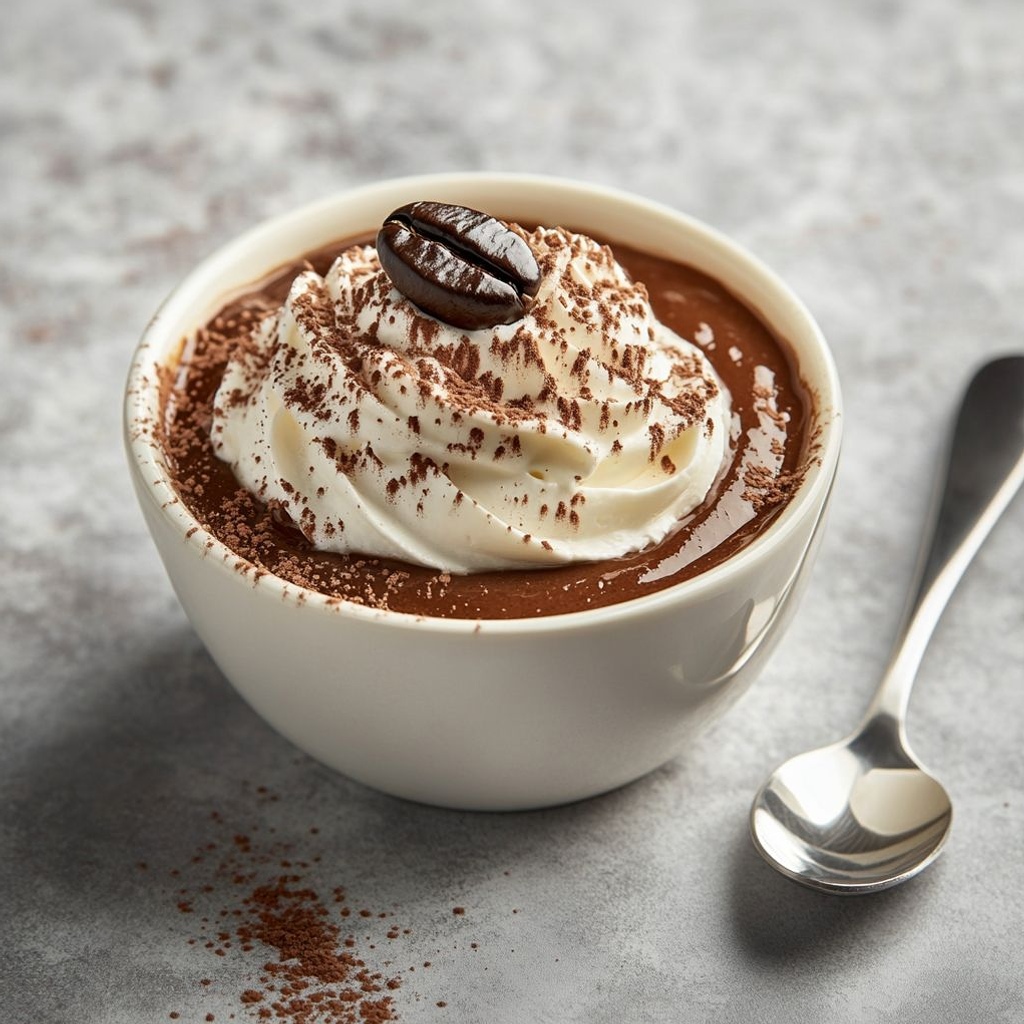
- Serving toppings: lightly whipped cream or coconut whipped cream pairs beautifully with the pudding. Finish with a dusting of cocoa powder, chocolate shavings, or a drizzle of espresso syrup for extra coffee aroma.
- Chill and storage: refrigerate the pudding for 2–4 hours to set. To prevent a skin from forming, press plastic wrap directly on the surface after it cools, then re-cover. The pudding keeps well for up to 3–4 days.
- Make-ahead tips: the pudding is forgiving and can be prepared a day in advance. Reheat gently on the stove or in a low-powered microwave, stirring and thinning with a splash of milk if needed.
FAQ
What is coffee pudding?
Coffee pudding is a creamy dessert flavored with coffee, typically thickened with cornstarch (or eggs for a custard-like texture). It can be served chilled or slightly warm and topped with whipped cream, chocolate, or a dusting of cocoa.
What ingredients do I need?
Common ingredients include strong brewed coffee or espresso, milk (dairy or plant-based), sugar, a thickener (cornstarch for a dairy-free option or egg yolks for a custard-like version), vanilla extract, and a pinch of salt. Optional additions: butter or vegan butter for richness.
Can I make it dairy-free or vegan?
Yes. Use plant-based milk (like almond, soy, oat, or coconut) and cornstarch as the thickener. Skip butter, and you’ll have a dairy-free version. If you want a richer texture, add a splash of coconut cream or a bit of oil.
What thickening options are best?
Cornstarch is the easiest and gluten-free option for a smooth pudding. Other choices include tapioca starch or arrowroot. If you want a custard-like texture with eggs, use egg yolks and temper them before adding to the hot mixture.
Is it gluten-free?
Yes, as long as you use gluten-free thickeners (like cornstarch, tapioca, or arrowroot) and keep other ingredients gluten-free. Avoid any flavored add-ins that contain gluten.
How do I make it step by step?
1) Brew a strong coffee or espresso. 2) In a saucepan, whisk sugar with a small amount of milk and the chosen thickener to form a slurry. 3) Add the rest of the milk and the coffee; heat over medium heat, whisking constantly. 4) If using cornstarch, cook until the mixture thickens and coats the back of a spoon; if using eggs, temper yolks with hot liquid, then return to pot and cook until thickened but not boiling. 5) Remove from heat, stir in vanilla and optional butter, and strain if needed. 6) Pour into serving dishes and chill until set.
How long does it take to make?
Active prep and cooking typically take 15–25 minutes. Afterward, chill time is usually 1–4 hours (or overnight) to fully set, depending on your desired firmness.
How do I prevent lumps?
Whisk the slurry (cornstarch with a little cold milk) until smooth before adding to hot liquid. If using eggs, temper the yolks by gradually whisking in a small amount of hot mixture before returning to the pot. If lumps form, strain the pudding through a fine-mesh sieve.
How should I store leftovers?
Store covered in the refrigerator for up to 3–4 days. Keep it covered to prevent a skin from forming. Gently reheat or serve cold; add a splash of milk if it thickens too much after chilling.
Can I make it ahead or freeze it?
You can make it a day ahead and chill until set. Freezing is not recommended for best texture, as freezing can alter the pudding’s consistency; if you must freeze, do so in a well-sealed container and expect some texture changes.
How can I serve or garnish?
Serve chilled in small cups or ramekins. Top with whipped cream, a dusting of cocoa powder or cinnamon, chocolate shavings, or a drizzle of chocolate or caramel sauce. A dash of espresso or coffee syrup also pairs nicely.
Can I adjust the coffee strength or sweetness?
Yes. Use a stronger coffee concentrate or adjust the amount of sugar to taste. Start with less sugar and add more after chilling if needed, so it dissolves evenly.
Can I use instant coffee or just espresso?
You can use either. Espresso or freshly brewed strong coffee yields the best flavor, but instant coffee dissolved in a little hot water works well too. If using instant coffee, dissolve fully before adding to the milk mixture and adjust sweetness to taste.