Introduction / Hook
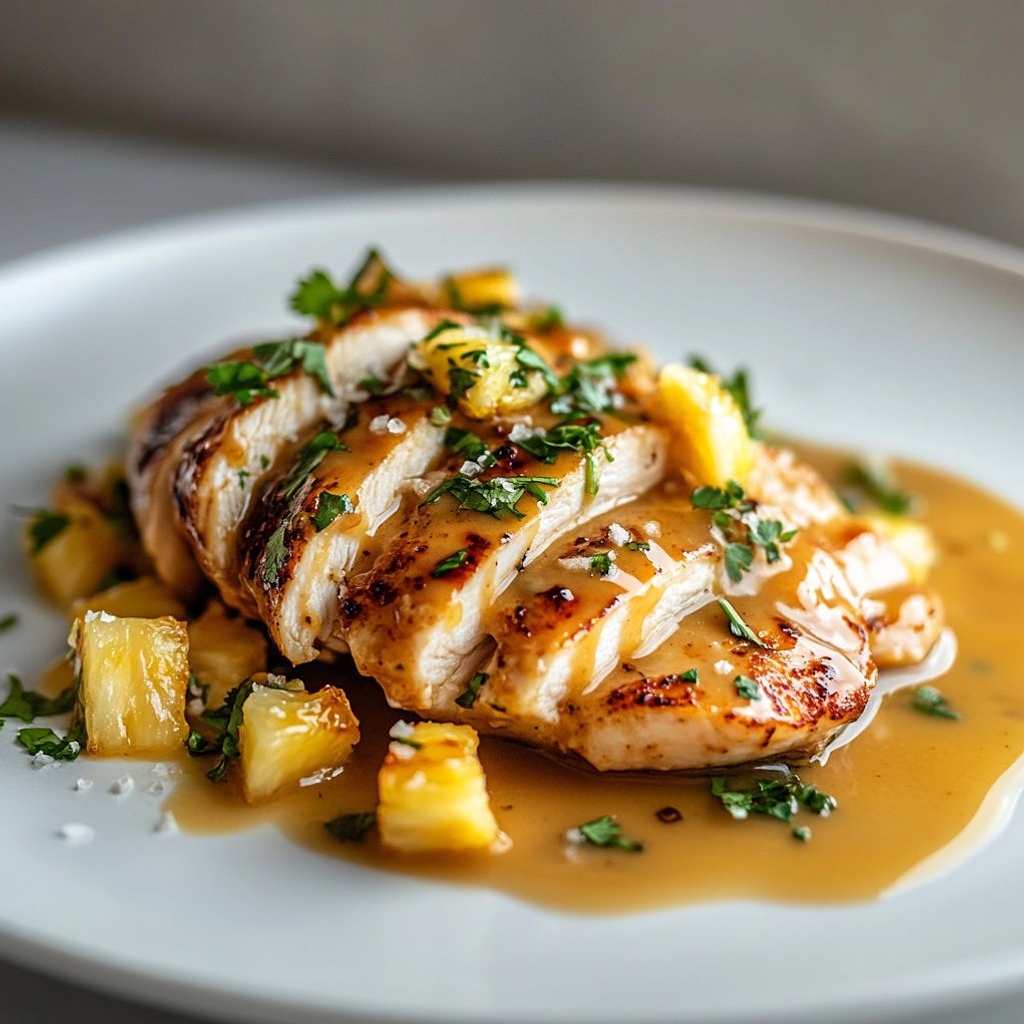
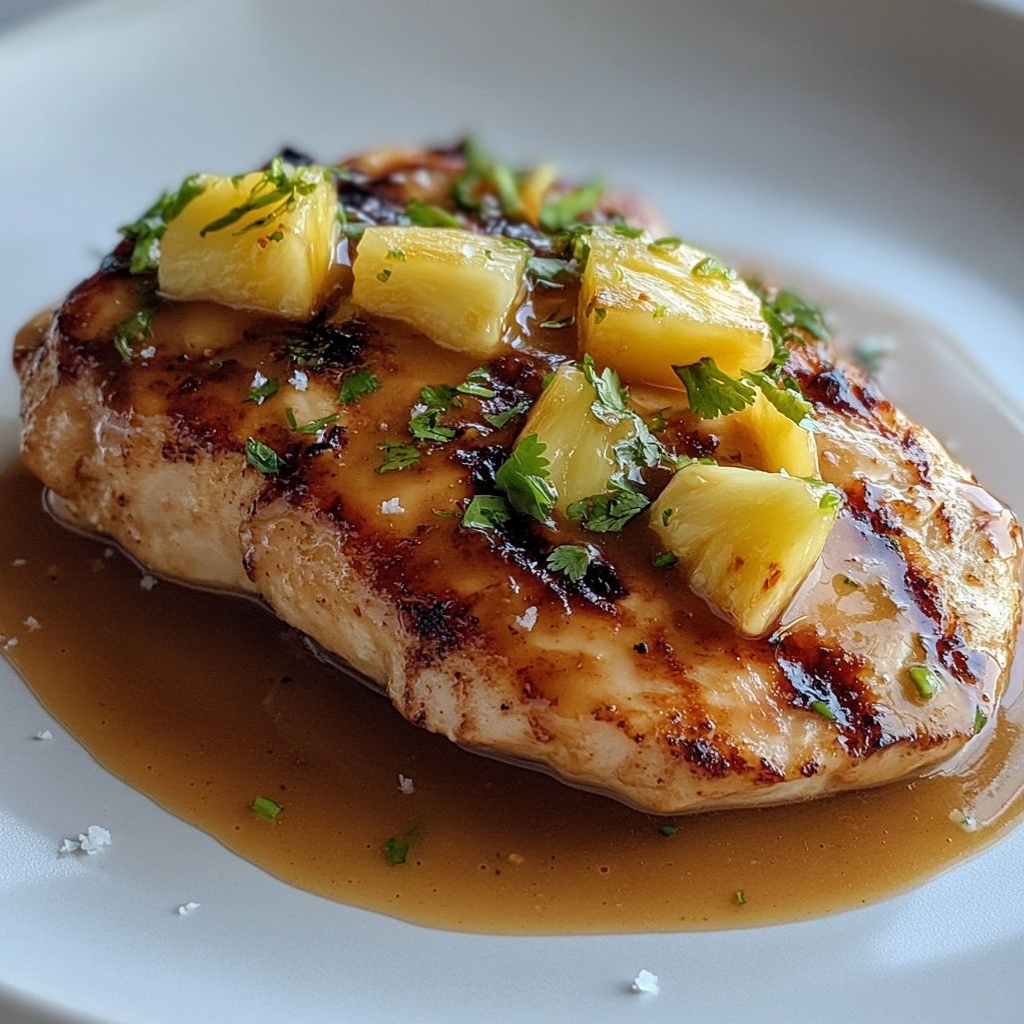
Imagine stepping onto a sun-warmed California shoreline, where the scent of salt air mingles with the sizzle of a hot pan and the sound of waves whispering in the distance. Malibu Chicken is the kind of dish that makes a busy weeknight feel like a weekend escape. It’s a celebration of contrasts: a crisp, golden crust giving way to juicy, tender chicken, the oozy pull of melted cheese, and a bright, tropical glaze that tastes like a vacation in a single bite. The moment you lift a fork, you’ll hear a little crackle from the exterior, feel the heat on your fingertips, and sense the balance of savory depth with sunshine sweetness. This dish doesn’t pretend to be fancy for the sake of it; it elevates everyday ingredients into something memorable, familiar, and irresistibly crave-able.
There’s something inherently coastal about Malibu Chicken: it feels breezy and relaxed, yet thoughtfully crafted. It’s the sort of recipe that invites you to gather with loved ones, to plate something that looks elegant on a casual weeknight and special enough for guests. The flavors are direct and bright—savory backbone with a tangy twist—so you get a little sunshine in every bite, even when the weather outside isn’t cooperating. It’s comfort food with a touch of glamour, a dish that tastes like a memory you haven’t quite lived yet but can feel approaching with every sizzling sound and every aromatic wave of steam rising from the pan.
Beyond the texture and taste, Malibu Chicken offers a mood: it encourages you to take a moment for yourself in the kitchen, to savor the process as much as the result, and to share something that feels indulgent without being complicated. In a world that moves quickly, this recipe invites you to slow down just enough to appreciate the caramelized edges, the melt-in-your-mouth cheese, and the way the pineapple’s brightness cleanly cuts through the richness. If you’re craving a dish that feels both worldly and comforting—tropical without being over-the-top, refined without being fussy—Malibu Chicken is your invitation to a small culinary vacation right at home.
The Story Behind the Dish
Malibu Chicken grew from a love letter to the coast and a kitchen that loves to play with warmth and brightness. Picture a sun-drenched market along the Pacific Highway, where a home cook notices how locals pair simple, high-quality ingredients with a touch of coastal flair. The idea is to take a classic, familiar preparation—pounded chicken or a sturdy chicken breast, a little cheese, a quick pan-sizzle—and infuse it with the sunny spirit of Malibu: the scent of pine trees after a rain, the sweetness of ripe pineapple, the aromatic lift of citrus, and a hint of spice that nods to the ocean’s brine. The result is a dish that feels both timeless and modern, a tribute to seaside dining that can be recreated in a home kitchen anywhere, any time of year.
In the lore of this dish, a family gatherings table became the catalyst: a plate passed around, cheese bubbling, sweet-sour notes dancing in harmony, a pineapple glaze shimmering under the kitchen lights. It’s told as a story of warmth—of friends and family sharing not just a meal but a moment. The name itself—Malibu—becomes less about geography and more about a mood: open skies, gentle winds, sun-warmed evenings, and the comforting certainty that a well-prepared chicken dish can feel like a little celebration. The recipe evolved through small, thoughtful adjustments—balancing salt and sweetness, ensuring the crust crackles without overpowering the chicken, and letting the cheese melt into a velvet embrace that binds the components together. This is not a complicated origin tale; it’s a reminder that great coastal flavors can be captured in a skillet with patience, care, and a dash of playful charm.
Over the years, cooks and home chefs added their own touches—substituting cheeses, experimenting with glazes, and swapping components to suit dietary needs or pantry availability. The core remains the same: a well-seared chicken breast, a luscious melt of cheese, and a glaze that carries the brightness of tropical fruit and lemony citrus. It’s a dish that travels well—from a weeknight dinner to a casual dinner party—because its essence is simple: balance, brightness, and a satisfying, sun-kissed finish.
Why You’ll Love This Recipe
- Quick and weeknight-friendly: you can have a warm, impressive-looking plate on the table in a short time, with minimal fuss and maximum flavor.
- Comforting yet elevated: the dish delivers familiar, cozy notes, while the presentation and flavors feel polished enough for guests.
- Versatile and accommodating: it’s easy to tailor to dietary preferences (gluten-free, dairy-free, or vegan adaptations) without losing the spirit of the dish.
- Bright, tropical balance: the pineapple and citrus tones cut through richness, leaving a lively, fresh aftertaste that lingers pleasantly on the palate.
- Textural fun: a crisp exterior gives way to a juicy interior, while melted cheese creates a creamy, gooey contrast that pulls everything together.
- One-pan-friendly or grill-friendly: the concept scales up or down, and it adapts to pan-searing, oven finishing, or even a quick grilled finish for extra char.
- Great for any occasion: weeknights, casual gatherings, or a sunny weekend brunch with a tropical twist—Malibu Chicken fits in beautifully.
- Make-ahead friendly: you can prep components in advance and finish assembly when you’re ready to serve, making it ideal for entertaining.
- Kid-friendly with grown-up charm: the flavors are approachable for little palates, but the glaze and cheese bring a touch of sophistication that adults appreciate.
Flavor Profile & Texture
At first bite, you’ll notice the satisfying crackle of a well-seared exterior giving way to a succulent, tender interior. The chicken carries a gentle caramelization that adds a whisper of smoky depth, which is perfectly complemented by the pull of melted cheese that threads through the dish in long, satisfying strings. The cheese—whether a creamy Swiss, a mellow Provolone, or something tangier like a mild mozzarella—acts as a silky bridge between the savory chicken and the fruit-forward glaze. Speaking of the glaze, think tropical brightness: pineapple sweetness meets a citrus zing, all tempered by a touch of salt and a hint of warmth from subtle aromatics. The overall effect is a harmonious blend of savory, sweet, tangy, and a little sunny warmth, like a coastal breeze on a mild summer evening.
The texture narrative is just as important as the flavor. The outer crust has a crisp bite that resists the first bite but yields readily, releasing the steam and perfume of caramelized edges. Inside, the chicken remains juicy and plump, a testament to careful searing and not overcooking. The pineapple tones provide a soft acidity that cleanly cuts through the richness of the cheese, ensuring the dish stays lively rather than heavy. If you opt for a ham layer, it adds a delicate, smoky saltiness that plays with the cheese and glaze, creating a delicious triad of textures: crisp, creamy, and juicy with a hint of chew from the meat. In every mouthful, you’ll experience a small symphony—fruity, cheesy, briny, and bright—all working together to evoke a seaside dinner that still feels rooted in comforting, homey flavors.
What makes Malibu Chicken particularly appealing is how the components honor each other rather than compete. The glaze doesn’t overpower the chicken; instead, it lifts it. The cheese doesn’t swallow the glaze; it smooths its tang and rounds the flavors into a cohesive bite. And the chicken’s natural savoriness balances the sweetness of the fruit, so you’re left with a rounded profile that sticks with you long after the plate is empty. It’s a dish that teaches your palate to expect contrast in the best possible way: a little sweetness with a confident, savory backbone, a little moisture with a crisp, appealing exterior, and a finish that lingers with a citrusy sparkle.
Occasions & Pairings
Malibu Chicken shines in a variety of settings, from weeknights when you want something comforting yet special, to casual gatherings where guests appreciate a dish that feels polished but not fussy. It’s equally at home as a main event on a summer menu or as a punchy, midweek celebration when you want to elevate your usual chicken routine without turning the kitchen into a culinary lab.
- Weeknights with flair: a fast, satisfying option that still feels like a treat.
- Casual parties and get-togethers: pair with a light playlist, relaxed conversation, and a bright salad or grain side.
- Summer dinners: serve with grilled vegetables, pineapple-mres salsa, or a vibrant mango salsa for extra tropical notes.
- Holiday dining with a coastal twist: present as a main with a simple green vegetable and a citrusy starch for contrast.
Recommended pairings to round out the meal:
- Side dishes: coconut rice, lemon herbed quinoa, or a crisp cucumber-tennelle salad; roasted asparagus or green beans add a pop of color and freshness.
- Drinks: a dry white like Sauvignon Blanc or Pinot Grigio, a sparkling citrus beverage, or a non-alcoholic pineapple-ginger cooler; for a more indulgent pairing, a light, not-too-sweet beer can echo the tropical vibe.
- Desserts: something light and citrusy, such as lemon panna cotta or a tropical fruit salad with a hint of mint, to finish on a refreshing note.
Tips, Variations & Substitutions
One of the beauties of Malibu Chicken is its flexibility. Here are a range of ideas to tailor the dish to your preferences, dietary needs, or mood for the day. Each variation keeps the spirit of the dish intact while offering new textures and flavor balances.
Make it vegan
Swap the chicken for thick-cut tofu or tempeh, and use a plant-based cheese substitute. You can still achieve that melty-cheesy finish by choosing a vegan mozzarella that melts well. For the glaze, use pineapple juice or crushed pineapple with a touch of maple or agave and a squeeze of lime to maintain brightness. If you miss the “crust,” consider a light crust of crushed almonds or panko made from gluten-free grains for texture.
Gluten-free & dairy-free options
Choose gluten-free breading or a crust that doesn’t rely on gluten-containing ingredients. For the dairy-free version, use a non-dairy cheese that melts smoothly. The glaze can be naturally dairy-free as well, relying on the pineapple’s acidity and citrus to provide balance. Ensure any adjuncts (like sauces or marinades) are certified gluten-free if needed, and you’ll have a dish that’s accessible to a wide range of guests or household needs.
Regional twists
Play with regional flavors to suit your pantry or the season. For a Mediterranean note, add zested lemon and a sprinkle of oregano. For a Southeast Asian tilt, incorporate a touch of ginger, garlic, and a splash of tamari or soy sauce into the glaze, enriching the umami fold while preserving the dish’s brightness. A jalapeño addition can bring a mild kick for those who like a little heat. Both the fruitiness and the heat can be balanced with fresh herbs—cilantro, basil, or chives—to finish the dish with a fragrant lift.
Cooking methods
The concept works well across different techniques. Sear the chicken on the stovetop for a crisp crust, then finish under a broiler to melt the cheese to perfection. For a grilling approach, use a medium grill to sear the chicken, add a slice of cheese during the final minutes, and brush with the glaze to caramelize lightly. An air fryer can deliver a crisp exterior with less oil, while still delivering a juicy interior. The glaze can be brushed on at the end to avoid over-cooking the sugars, preserving brightness and preventing excessive browning.
Make-ahead ideas
Prepare the glaze or the sauce portion ahead of time and refrigerate. You can also pre-sear the chicken to a tight, golden crust and finish the melt and glaze just before serving, making for a quick and elegant finish. Assemble with cheese and glaze just before diners arrive for a dish that appears freshly made with minimum last-minute effort.
Storage & Make-Ahead Ideas
Leftovers can be stored in the refrigerator for up to 3–4 days in an airtight container. Reheat gently to preserve moisture and avoid drying out the chicken. A quick method is to rewarm in a skillet over medium heat with a splash of broth or water and a light cover to retain moisture, finishing with a quick melt of cheese if needed. You can also reheat in the oven at a low temperature, or in a covered pan on the stove to keep the exterior crisp while the interior stays tender.
To make ahead for a party, prepare the components separately: sear the chicken and melt the cheese in a tray, cover with the glaze, and refrigerate. When it’s time to serve, rewarm gently and finish with a final glaze brush and a brief broil or oven finish to re-crisp the exterior. You can also pre-assemble individual portions, chill them, and finish with a short bake or grill session for quick serving at a gathering.
For freezing, it’s best to freeze the cooked chicken with minimal cheese and glaze, then finish with a cheese melt after thawing to ensure the texture remains appealing. If you anticipate freezing, consider freezing the chicken separately from the cheese and glaze, so you can reassemble and reheat with better control over texture and moisture.
Fun Facts & Trivia (Optional)
- The name Malibu brings to mind sunlit beaches and palm trees, but the dish itself is a clever fusion that could easily be plated anywhere—from a cozy kitchen island to a breezy backyard deck.
- Cheese and pineapple pairings have long been a crowd-pleaser in tropical-inspired dishes; the combination balances salt and sweet while keeping the palate lively and engaged.
- Many cultures celebrate chicken with fruit-based glazes or sauces—the California coastal influence here is about bright, citrusy notes and a light, tropical sweetness that doesn’t overpower the meat’s natural savoriness.
- Malibu Chicken is a versatile concept: while it’s delicious on its own, it also makes a sensational sandwich when served on toasted bread with a dollop of the glaze and a layer of melted cheese.
- If you ever visit Malibu, you’ll notice the culinary philosophy there often leans toward fresh, vibrant ingredients prepared simply—this dish embodies that approach: big flavor with minimal fuss.
Ingredients
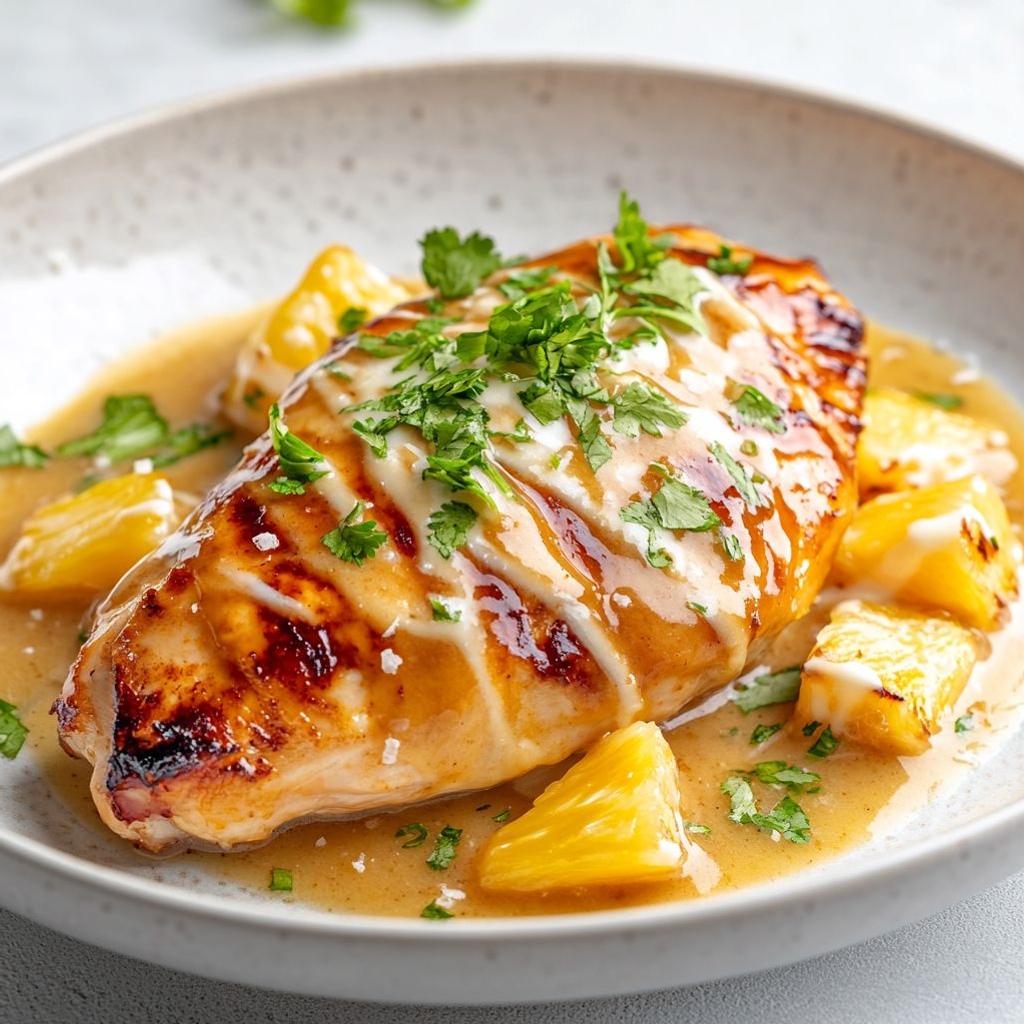
- Malibu Chicken
- 4 boneless, skinless chicken breasts, about 1 1/2 pounds total, pounded to an even 1/2 inch thickness
→ Role: Main protein base and canvas for toppings; Preparation: Place each breast between two sheets of plastic wrap and gently pound to a uniform 1/2 inch thickness with a meat mallet or rolling pin. If you don’t have a mallet, use the flat side of a heavy skillet. Tips: Chill the breasts 15 minutes before pounding to prevent tearing and achieve even browning; if very large, slice in half horizontally to create thinner cutlets. - 4 slices deli ham (thin-cut)
→ Role: Adds savory layer and moisture; Preparation: lay one slice on top of each pounded chicken breast, trimming to fit if needed. Tips: thin-cut ham works best to avoid bulky topping and ensures even baking. - 4 pineapple rings, canned in juice, drained
→ Role: Brings tropical sweetness and a tangy balance to the salty ham; Preparation: drain well and pat dry; If rings are large, trim to fit over the chicken. Tips: reserve 1–2 tablespoons of the juice to whisk into the sauce for extra zing. - 4 slices Swiss cheese (or Gruyère)
→ Role: Melty topping that seals in moisture and adds creamy, tart layers; Preparation: place one slice on top of each pineapple ring, aligning to cover ham and chicken. Tips: use evenly thin slices for uniform melt; for extra gooeyness, shred cheese and evenly distribute. - 2 tablespoons olive oil
→ Role: Helps sear the chicken and prevent sticking; Preparation: brush or rub on both sides of each breast before searing or baking. Tips: preheat pan to medium-high heat and avoid overcrowding to achieve a nice browning. - Salt and black pepper to taste
→ Role: Basic seasoning to enhance all flavors; Preparation: season chicken on both sides before searing and adjust the final dish seasoning after assembling with sauce. Tips: be mindful of the salt in ham and cheese to avoid oversalting. - 1 teaspoon garlic powder (optional)
→ Role: Aromatic depth and savory note; Preparation: mix into the chicken seasoning or sprinkle on the chicken before cooking. Tips: if you prefer fresh garlic, substitute with 1–2 minced garlic cloves sautéed briefly in the oil for extra aroma. - 1 teaspoon onion powder (optional)
→ Role: Layer of sweetness and depth; Preparation: mix into the dry seasoning for the chicken. Tips: can be swapped for a small amount of finely minced onion sautéed until translucent for more texture. - Sauce and Assembly
- Cream of mushroom soup (condensed), 10.5 oz
→ Role: Creamy, indulgent base that binds with the cheese and pineapple while baking; Preparation: whisk the condensed soup with milk or half-and-half until smooth before pouring over the assembled chicken. Tips: for a lighter version, mix with an equal amount of chicken broth; if you prefer more tang, add a splash of pineapple juice. - 1/2 cup milk or half-and-half
→ Role: Thin the soup to a pourable sauce that coats the chicken without being runny; Preparation: gradually whisk into the soup until you reach a velvety consistency. Tips: use whole milk or half-and-half for richer sauce; dairy-free substitution can be coconut milk with a touch of cornstarch. - 1/4 cup pineapple juice (optional)
→ Role: Brightens the sauce with tropical sweetness; Preparation: measure from the pineapple can and whisk into the sauce if desired. Tips: add gradually to control sweetness and thickness; omit if you want a purer cream sauce. - Fresh parsley, chopped (for garnish, optional)
→ Role: Adds color and a fresh aroma to the finished dish; Preparation: finely chop after washing; Tips: sprinkle right before serving to keep color vibrant; can also substitute with chives for a mild onion note.
Instructions
- Pound each chicken breast to an even 1/2 inch thickness by placing it between two sheets of plastic wrap and gently flattening with a meat mallet or rolling pin.
→ This ensures uniform cooking and browning; chilling the breasts for 15 minutes before pounding helps prevent tearing and achieves cleaner edges; if very large, split horizontally to create thinner cutlets. - Preheat your oven to 350°F (175°C) and lightly grease a 9×13-inch baking dish or line it with parchment.
→ A hot, steady oven ensures predictable cooking; greasing or parchment prevents sticking as the sauce and cheese melt, making cleanup easier. - Season the chicken on both sides with salt and black pepper, and sprinkle with optional garlic powder and onion powder.
→ Layering dry seasonings builds flavor into the meat; be mindful of the salt in ham and cheese to avoid oversalting, and distribute evenly for consistent taste in every bite. - Brush each pounded breast on both sides with olive oil to improve browning and prevent sticking during baking.
→ Oil promotes a golden crust and prevents the chicken from sticking to the pan; use a light, even coat and avoid pooling oil in one area. - Lay one thin slice of deli ham on top of each oiled chicken breast, trimming to fit if needed.
→ Ham adds moisture, salt, and a savory layer that infuses the chicken as it bakes; trimming ensures full coverage without edges extending beyond the breast. - Top each ham-covered breast with a pineapple ring, trimmed to fit and patted dry if necessary.
→ Pineapple provides tropical sweetness and acidity to balance the salty ham; patting dry prevents excessive moisture from diluting the sauce and keeps toppings neat. - Place one slice of Swiss cheese (or Gruyère) over each pineapple ring, aligning to cover the ham and chicken.
→ Cheese melts to seal in moisture and create a creamy, cohesive top; evenly sized slices promote uniform melt across all portions. - Whisk the condensed cream of mushroom soup with 1/2 cup milk or half-and-half until smooth, and whisk in 1/4 cup pineapple juice if you want brightness.
→ This creates a creamy, pourable sauce that binds the toppings and keeps the chicken moist; diluting the soup with dairy prevents a thick, claggy sauce, and pineapple juice adds a lively tang if desired. - Pour or spoon the sauce evenly over the assembled chicken so each piece is coated and the sauce comes up to the edges of the dish without pooling excessively.
→ The sauce acts as a creamy binder, ensuring every layer stays moist during baking; use a spatula to spread the sauce to the edges for uniform coverage. - Bake, uncovered, in the preheated oven at 350°F (175°C) for 25–35 minutes, or until the chicken reaches 165°F (74°C) and the sauce is bubbling.
→ Safe internal temperature ensures doneness and food safety; bubbling sauce indicates proper thickness and heat distribution; if the top browns too quickly, loosely tent with foil to finish. - If desired, broil on high for 1–2 minutes at the end to finish browning the cheese, watching closely to prevent burning.
→ Quick high-heat finish enhances visual appeal with a golden top and adds a final layer of crispness to the cheese; remove as soon as you see the desired color. - Let the dish rest for 5 minutes before serving to allow juices to redistribute and the sauce to set slightly.
→ Resting makes slicing neater and helps the toppings stay in place when plated; it also thickens the sauce a touch for a smoother bite. - Garnish with chopped fresh parsley for color and aroma, adding it just before serving.
→ Parsley provides a vibrant green contrast against the creamy sauce and melted cheese; chopping finely and sprinkling at the last moment preserves its brightness. - Serve Malibu Chicken with greens or a grain side of your choice, and consider spooning any remaining sauce over the portions for extra flavor.
→ A balanced plate with vegetables or starch completes the dish, while extra sauce ties all elements together on the plate for a cohesive finish.
Notes
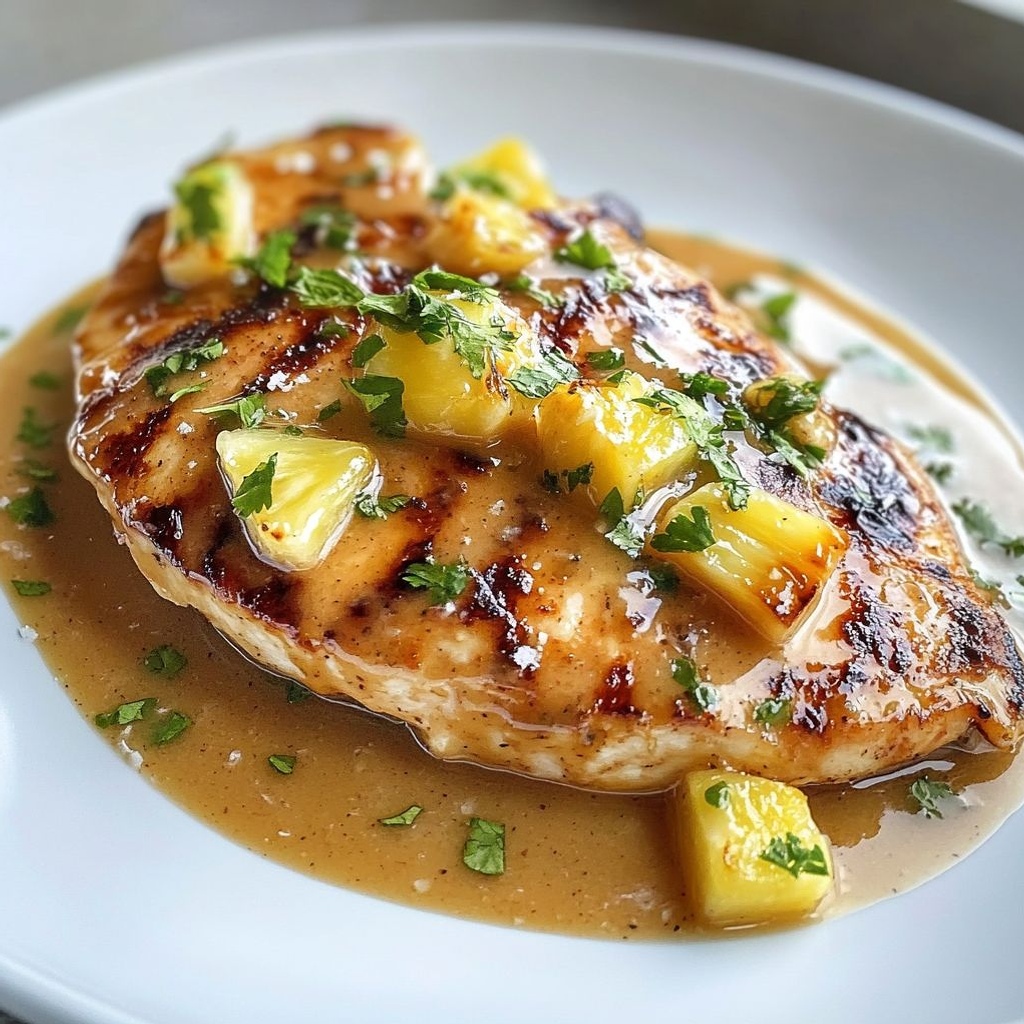
These Malibu Chicken are a comforting, crowd‑pleasing bake that layers pounded chicken breasts with ham, pineapple, and Swiss cheese, all bathed in a creamy mushroom sauce for a savory-sweet, tropical twist. For gluten-sensitive diners, use a gluten-free condensed mushroom soup and verify every ingredient is gluten-free; you can also lighten the sauce by using broth in place of part of the dairy. Customize with Gruyère, extra pineapple, or a dash of hot sauce for a subtle kick. To maximize browning, chill the breasts briefly before pounding and avoid overcrowding the pan when searing.
- Make-ahead and storage: You can assemble up to the point of pouring on the sauce, then refrigerate covered for up to 24 hours. Bake when ready; the dish re-warms well in the oven or microwave. The sauce can be prepared in advance and gently reheated before combining with the assembled chicken.
- Sauce tips: Whisk the condensed mushroom soup with milk or half-and-half until smooth; for extra brightness, whisk in a little pineapple juice. If the sauce thickens too much while baking, whisk in a splash of milk or broth to reach the desired consistency.
- Cooking notes: Pound chicken to 1/2 inch for even cooking; sear in olive oil over medium-high heat until lightly browned on both sides. Layer ham, pineapple, and Swiss cheese on each breast before baking to ensure even melting and flavor distribution.
- Flavor variations: Swap Swiss for Gruyère for a nuttier note, or add thinly sliced bell peppers, a pinch of red pepper flakes for warmth, or a dash of garlic powder mixed into the seasoning for deeper aroma.
- Serving ideas: Garnish with fresh parsley or chives for color; pair with rice, mashed potatoes, or a simple green salad to balance richness.
- Storage: Refrigerate leftovers in an airtight container for up to 3–4 days. Reheat gently in the oven or microwave to preserve creaminess; note the sauce may thicken slightly after refrigeration and can be thinned with a little milk or broth.
- Gluten-free reminder: Always check labels and use gluten-free ingredients (especially the condensed mushroom soup) if you have gluten intolerance.
Tips
Tips for Malibu Chicken
- Pound for even cook: Chill chicken breasts 15 minutes before pounding to prevent tearing; place between two sheets of plastic wrap and pound to a uniform 1/2 inch. If very large, slice horizontally to create thinner cutlets for even browning.
- Ham layering: Use thin-cut deli ham and trim to fit each breast. The ham adds moisture and savory flavor—avoid overly thick slices that can bulk the topping.
- Pineapple prep: Drain canned pineapple rings well and pat dry. If rings are large, trim to fit. Reserve 1–2 tablespoons of the juice to brighten the sauce later, if desired.
- Cheese melt: Place a Swiss cheese slice over each pineapple ring to cover ham and chicken. For extra gooeyness, shred the cheese evenly instead of laying whole slices.
- Oil and sear: Brush both sides of the chicken with olive oil and sear in a preheated pan over medium-high heat until browned on both sides (about 2–3 minutes per side) before assembling. Do not overcrowd the pan to maintain browning.
- Seasoning balance: Salt and black pepper the chicken lightly before cooking. Remember ham and cheese contribute salt, so taste and adjust after baking to avoid oversalting.
- Optional aromatics: If using garlic powder and onion powder, mix into the dry seasoning. For a stronger garlic note, substitute with 1–2 minced garlic cloves sautéed briefly in the oil.
- Sauce base: Whisk the condensed cream of mushroom soup with milk (or half-and-half) until smooth. For a lighter version, substitute an equal amount of chicken broth; for tang, add a splash of pineapple juice.
- Texture and thickness: Gradually whisk in the milk until the sauce is velvety; if you add too much, simmer briefly to reduce. Dairy-free option: coconut milk with a touch of cornstarch can work as a substitute.
- Brighten the sauce: If using pineapple juice, whisk 1/4 cup into the sauce gradually to control sweetness and thickness; omit if you want a purer cream sauce.
- Assembly care: Layer chicken, ham, pineapple, and cheese so the top is evenly covered for uniform melt and browning in the oven.
- Baking tips: Bake until the chicken reaches 165°F internal temperature. If the cheese browns too quickly, loosely tent with foil for the last 5–10 minutes.
- Serving ideas: Garnish with chopped fresh parsley or chives for color and aroma; serve with rice, mashed potatoes, or steamed vegetables to soak up the sauce.
- Make-ahead and storage: The assembled dish can be prepared a few hours in advance and kept, covered, in the fridge; bake a bit longer if it’s cold from the fridge. Leftovers store in an airtight container for 2–3 days.
- Tips for leftovers: Reheat gently in a skillet over low heat or in the oven covered to prevent drying; add a splash of milk to loosen the sauce if needed.
FAQ
Malibu Chicken – Frequently Asked Questions
What is Malibu Chicken?
Malibu Chicken is a stuffed chicken dish typically made by coating or wrapping chicken breast with fillings like ham, pineapple, and cheese, then baking or pan‑frying. It’s often served with a creamy tropical-style sauce that complements the sweet and savory flavors.
What are the common ingredients for Malibu Chicken?
Common ingredients include chicken breasts, ham slices, pineapple (rings or chunks), cheese (such as Swiss or cheddar), and a creamy filling (like cream cheese or mayonnaise). Optional components include breadcrumbs for a light crust, garlic/onion powder, salt, pepper, and a coconut- or cream-based sauce.
How do you prepare Malibu Chicken?
Typically, you pound the chicken to an even thickness, layer ham, pineapple, and cheese inside, and roll or secure it. It can be breaded or simply baked. Cook until the chicken reaches a safe internal temperature (165°F/74°C), and finish with the creamy sauce if desired.
Can I use chicken thighs instead of breasts?
Yes. Chicken thighs can be used for juicier, more forgiving meat. They may require a few extra minutes of cooking to reach 165°F (74°C) depending on thickness.
Is Malibu Chicken dairy-free?
Yes, with substitutions. Use dairy-free cheese and a dairy-free creamy filling (e.g., coconut milk or almond-based cream). Skip any dairy-based sauces or replace them with a dairy-free alternative.
Is Malibu Chicken gluten-free?
It can be. If you’re avoiding gluten, use gluten-free breadcrumbs or omit the breading entirely. Always check labels on any processed ingredients for hidden gluten.
Should I bake or pan-fry Malibu Chicken?
You can choose either. Baking is common for ease and even cooking (around 375°F/190°C for 25–30 minutes). Pan-frying gives a crisper exterior; you can sear first, then finish in the oven to ensure the center is cooked through.
How long does Malibu Chicken take to cook?
Total time varies by method and thickness. Plan about 40–50 minutes total: 10–15 minutes prep, and 25–30 minutes baking (plus extra minutes if pan-frying first). Always check that the internal temperature reaches 165°F (74°C).
How should I store leftovers?
Store cooled leftovers in an airtight container in the refrigerator for up to 3–4 days. For longer storage, you can freeze cooked portions for 1–2 months. Reheat in the oven at 350°F (175°C) until hot, or warm in the microwave in short intervals.
What should I serve Malibu Chicken with?
Popular pairings include rice (white or coconut rice), mashed or roasted potatoes, steamed vegetables, or a fresh green salad. A extra pineapple salsa or a light creamy sauce complements the tropical flavor profile well.
Can I prepare Malibu Chicken ahead of time?
You can assemble the rolls ahead of time and refrigerate them for up to several hours before baking. If you plan to bake later, add a few extra minutes to the baking time to ensure thorough cooking.
Can I freeze Malibu Chicken before cooking?
Yes. Assemble the rolls (without the sauce) and wrap tightly before freezing. Bake from frozen, adding extra 5–15 minutes to the total time. Note that freezing may affect texture slightly, especially if pineapple is used.
Is Malibu Chicken spicy or can I adjust the heat?
Traditional Malibu Chicken is not very spicy, but you can adjust heat easily by adding black pepper, crushed red pepper flakes, or a small amount of jalapeño to the filling. For milder flavor, stick with herbs and sweet pineapple.
Does Malibu Chicken have a traditional sauce?
Many versions feature a creamy sauce made from dairy or dairy-free alternatives, sometimes with pineapple juice, cream, or mayonnaise. The sauce adds richness that pairs with the tropical flavors of the filling.