Introduction / Hook
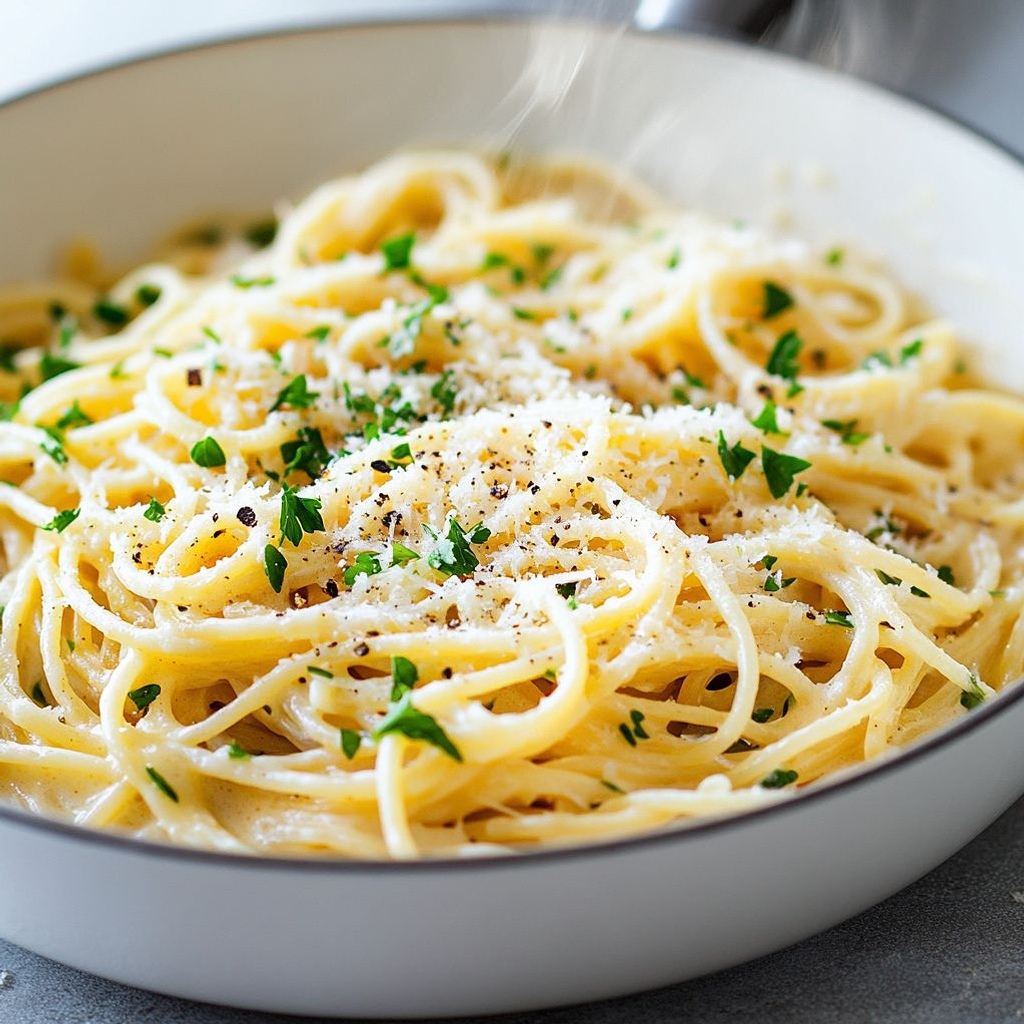
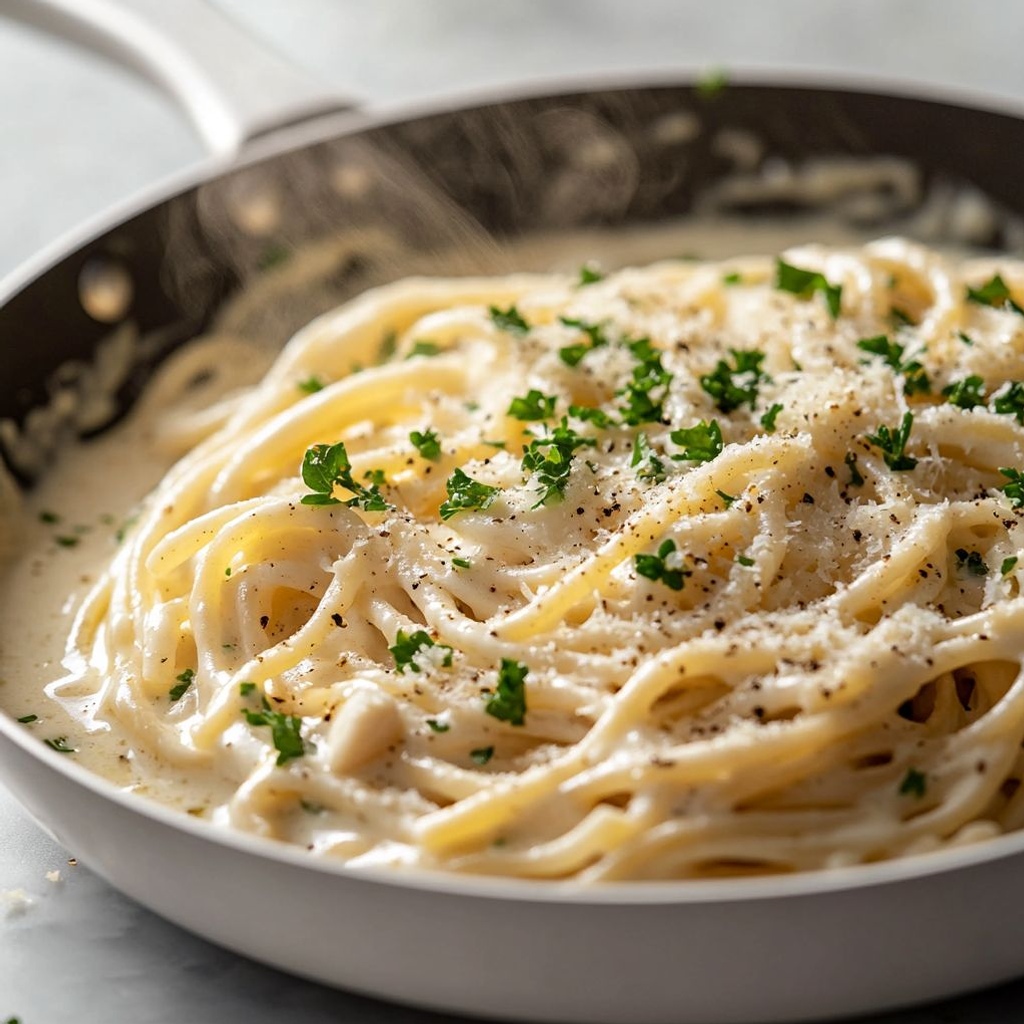
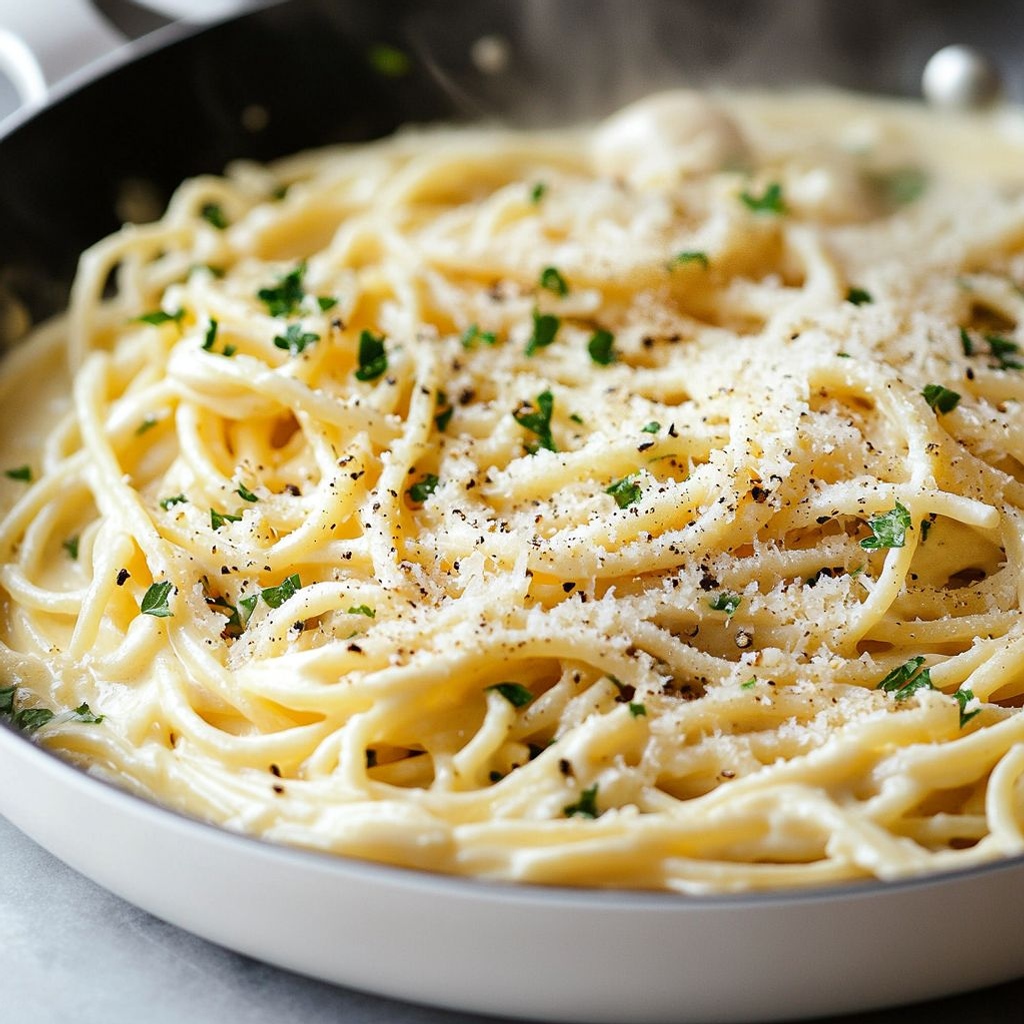
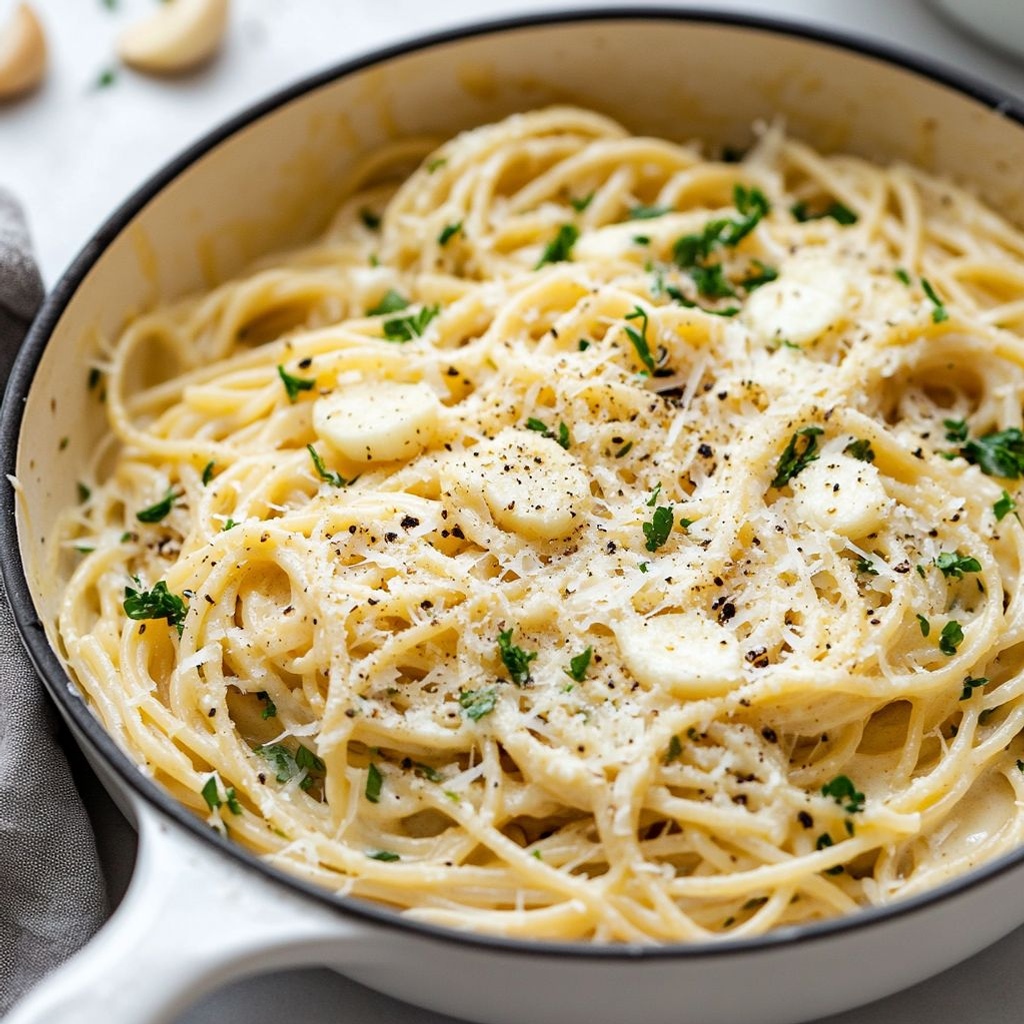
Imagine a dish that turns the busiest weeknights into a tiny celebration in your kitchen. A single pan, a handful of simple ingredients, and a method that feels almost magical: you sauté, simmer, and emerge with a glossy, velvet sauce that clings to every strand of pasta. The aroma curls through the air like a warm embrace, inviting everyone to the table before the first bite even leaves the spoon. This One Pan Creamy Garlic Pasta is not just a meal; it’s a moment—an invitation to slow down, inhale deeply, and savor the comforting harmony of creamy richness, a delicate kiss of garlic, and the satisfying chew of perfectly cooked pasta. It’s the kind of supper that makes you want to linger at the table, share stories, and wipe the last traces of sauce from the pan with a crusty piece of bread, all while feeling a sense of accomplishment for having pulled off something flashy with minimal effort. In the end, the dish isn’t merely about taste; it’s about experience—the ease of clean-up after dinner, the glow on everyone’s faces, and the quiet satisfaction of serving something crowd-pleasing and utterly doable in under an hour.
The Story Behind the Dish
This creamy one-pan pasta has its roots tangled in modern home cooking—the kind of recipe born from necessity, ingenuity, and a desire to keep flavors bright without spending hours at the stove. It grew from a simple truth: pasta loves moisture, creaminess loves contact, and one pan can be your best ally when time is short and appetite is big. In countless kitchens, cooks discovered that by letting the pasta’s starch mingle with a softly simmering sauce in a single pot, you could create a lush, cohesive dish where every bite carries the same indulgent texture. The technique echoes the spirit of alchemy in the home kitchen—taking humble pantry staples and, through a little patience and kinetic energy, turning them into something that feels indulgent and restaurant-worthy without the pressure of multiple pots and pans to scrub afterward. There’s a warmth in this dish that mirrors the comfort of a familiar family recipe, yet it remains refreshingly flexible—able to tilt toward lightness or richness as you please. The story of this creamy pasta is, in many homes, the story of a family around a table—sharing a dish that tastes like love and practicality in equal measure, with just enough luxury to feel special on a busy night.
Why You’ll Love This Recipe
- Quick and hands-on: everything comes together in one skillet, reducing prep time and post-meal cleanup.
- Silky, restaurant-worthy texture: a creamy sauce that feels indulgent without being heavy, wrapping around each strand of pasta for every bite to feel cohesive and luxurious.
- Flexible and forgiving: adaptable to what you have on hand, easy to tweak for different tastes, and friendly to a range of dietary preferences with simple substitutions.
- Kid-friendly and crowd-pleasing: familiar flavors that appeal to little palates while offering depth for adults to enjoy as well.
- Budget-conscious comfort: uses pantry staples and modest ingredients to deliver big flavor without a big price tag.
- Perfect for weeknights and casual gatherings: elegant enough to feel special, simple enough to serve after a long day.
Flavor Profile & Texture
The dish presents a layered flavor profile that feels both comforting and bright. The base is creamy and silky, a sauce that coats each piece of pasta with a smooth, nearly luxurious gloss. There is a gentle warmth that comes from aromatics blooming in the pan, offering subtle sweetness and a comforting savory undertone. The balance between richness and lightness is carefully calibrated so the dish feels indulgent without heaviness. Then there is a soft, glossy finish that carries a whisper of acidity or brightness, which helps keep the flavors from feeling heavy and allows the dish to sing as a cohesive chorus rather than a single dominant note.
Texture-wise, you’ll experience a pleasing contrast: the pasta is tender and confident, not mushy, while the sauce clings in a way that makes each bite feel cohesive and satisfying. If you prefer a bit more bite, you can choose a sturdier shape—one that holds onto the sauce with a little more texture. If you crave extra creaminess, the sauce can be coaxed to silkier perfection with a few extra stirs and patience in the simmering stage. The saltiness will feel balanced, never overpowering, with a gentle finish that lingers on the palate. The overall sensory story is one of creamy comfort, aromatic warmth, and a lingering, savory-satisfying afterglow that makes you reach for seconds without thinking twice.
Occasions & Pairings
This versatile dish shines in a variety of settings, from weeknights that demand simplicity to casual gatherings where you want to impress without stress. It’s an ideal centerpiece for a cozy family dinner, a date-night-in option when you want something intimate yet unpretentious, or a quick crowd-pleaser at a casual potluck. The one-pan nature makes it a practical choice for limited kitchen space, small apartments, or any time you crave a minimal cleanup aftermath.
Pair it with a light, crisp salad to introduce a fresh contrast that cleanses the palate between bites. A slice of warm, crusty bread or garlic loaf is a natural companion, offering a rustic texture to soak up every last bit of sauce. For drinks, a glass of white wine with crisp acidity or a sparkling water with citrus notes can elevate the experience without overpowering the dish’s delicate balance. If you’re serving guests with different dietary needs, the dish adapts gracefully: consider a side of sautéed greens for color and nutrition, or a simple roasted vegetable medley to add depth and earthiness to the plate.
Tips, Variations & Substitutions
Here are practical ideas to tailor this One Pan Creamy Garlic Pasta to many tastes, occasions, and dietary requirements without stepping outside the one-pan workflow:
- Make it vegan: use a plant-based cream or coconut cream and a dairy-free cheese or nutritional yeast for a cheesy note. A splash of pasta water can help emulsify the sauce just as effectively as dairy.
- Gluten-free option: swap in your favorite gluten-free pasta. Keep an eye on the cooking time, since gluten-free varieties can vary in texture; you may want to test a bite a minute or two earlier than the package suggests and adjust the simmering time accordingly.
- Protein boost: for a heartier meal, fold in pre-cooked protein such as grilled chicken, shrimp, or sautéed mushrooms for an earthy savor that pairs beautifully with the creaminess.
- Herbaceous lift: finish with fresh chopped parsley, chives, or basil to brighten the dish and add a pop of color. A squeeze of lemon at the end can introduce a clean, aromatic citrus note.
- Cheesy finish (optional): a light sprinkle of grated cheese on top just before serving adds a final, glossy sheen and extra depth of flavor—avoid overdoing it if you’re aiming for a lighter version.
- Spice it up: a pinch of chili flakes or a few drops of hot sauce can awaken the richness without overwhelming the dish.
- Make-ahead tweak: the flavor deepens when made a bit in advance. Rewarm gently with a splash of water or broth to loosen the sauce as needed.
- Regional twists: experiment with a touch of herbs typical to regional cuisines—thyme in a classic European-inspired version, or a hint of oregano or paprika for a Mediterranean or smoky vibe.
Storage & Make-Ahead Ideas
Leftovers can be a pleasant surprise the next day if stored properly. Cool the pasta briefly, transfer to an airtight container, and refrigerate within two hours of cooking. It’s best consumed within 3–4 days for optimal texture and flavor. When reheating, add a splash of water, broth, or plant-based milk to loosen the sauce and re-emulsify it, then warm gently over low heat, stirring frequently to prevent sticking or separation. If you’re planning ahead, you can assemble elements on parchment-lined sheet pans or in containers—store the pasta and any add-ins separately and combine and finish in a single pan when ready to serve. Freezing is possible, but the texture of dairy-rich sauces can change after thawing; for best results, freeze the sauce base separately and reassemble with fresh pasta when reheating, allowing the sauce to re-emulsify before serving. If you’re cooking for a crowd, consider making a double batch and keeping one portion chilled for later—this one-pan option scales up nicely without complicating the kitchen workflow.
Fun Facts & Trivia (Optional)
Did you know that the concept of one-pan meals has roots in practical, time-saving cooking traditions that emerged across many cultures? The idea is simple: minimize dishes, maximize flavor, and embrace the beauty of ingredients that can mingle in a single vessel until they become something greater than the sum of their parts. Pasta itself is a universal canvas, capable of absorbing sauces and releasing starch to naturally emulsify a sauce, creating that signature sheen you see in glossy, restaurant-style dishes. The fascination with creamy pasta sauces has a long culinary lineage—from early methods of emulsifying fats with starch-rich pasta to modern techniques that coax patience and gentle heat to produce a velvety texture without the need for complex equipment. A one-pan approach embraces the modern kitchen ethos: speed, efficiency, and delicious results without sacrificing depth of flavor. The story of this particular dish, though simple on the surface, carries the momentum of countless cooks who learned that comfort and elegance can coexist in a single, well-timed simmer.
Conclusion: A dish that feels like a hug
One Pan Creamy Garlic Pasta is more than a meal; it’s a warm invitation to slow down, savor, and share. With its creamy, velvety sauce that clings to each strand of pasta, and its single-pan simplicity that keeps your kitchen calm and uncluttered, this dish offers a rare blend of luxury and practicality. It is the kind of recipe you reach for when you want to feed a family, comfort a tired palate, or treat yourself to something satisfying after a long day. The beauty lies not just in taste, but in the experience—the aroma that swirls around the room, the gleam of the sauce in the pan, the moment of anticipation as you plate the dish for your table. By keeping the method straightforward and the flavors accessible, this One Pan Creamy Garlic Pasta becomes a reliable go-to that you’ll return to again and again, for weeknights that demand ease, weekends that crave indulgence, and everything in between.
Ingredients
One Pan Creamy Garlic Pasta
One Pan Base
- 12 oz dried spaghetti (or linguine)
→ These dried strands form the starch backbone of the dish and will cook in the pan’s flavorful broth, absorbing the sauce to become glossy and cohesive. For best results, use a wide, deep skillet and keep the pasta below the surface when starting; if needed, break long strands to fit. Cook until just al dente as it will finish cooking in the sauce. - 3 cloves garlic, minced
→ Garlic provides the aromatic foundation of the sauce. Mince finely so the flavor disperses quickly; sauté in hot oil just until fragrant and lightly golden to avoid bitterness. If you prefer milder garlic, crush or grate instead of mincing; use fresh garlic for the strongest aroma. - 2 tablespoons olive oil
→ The oil carries the garlic’s flavor and helps emulsify the sauce. Use extra-virgin olive oil for fruitier notes; you can substitute with 1 tablespoon butter for richness. Keep the heat medium to prevent browning beyond the garlic and to avoid scorching. - 2 cups low-sodium chicken broth (or vegetable broth)
→ The broth is the cooking liquid that flavors the pasta and forms the base of the sauce. Choosing a low-sodium version helps control salt since the cheese will add salt as well. If you only have water, add a pinch of salt and perhaps a splash of soy sauce or miso to mimic depth. Reserve a splash of broth to adjust sauce thickness at the end. - 1 cup heavy cream
→ Cream provides the luxurious body of the sauce and helps emulsify with the cheese to coat the pasta. Simmer gently after adding to avoid curdling; if you want a lighter version, substitute half-and-half and a touch of cornstarch slurry to stabilize the sauce. If sauce thickens too much, splash in a little broth. - 1/2 cup grated Parmesan cheese, plus more for serving
→ Parmesan adds rich umami and helps thicken the sauce as it melts into the cream. Add most of the cheese after the sauce has simmered and off the heat to prevent clumping; freshly grated cheese yields a brighter, smoother finish. Reserve a small handful to finish at the end for a glossy, flavorful finish on each plate. - 1/2 teaspoon kosher salt, or to taste
→ Salt balances the richness of dairy and the savoriness of cheese and broth. Parmesan and broth contribute salt, so start with a modest amount and adjust after tasting. If you used salted broth, you’ll need less salt. - 1/4 teaspoon freshly ground black pepper
→ Black pepper adds a warm, subtle bite that complements garlic and cheese. Use freshly ground pepper for maximum aroma; adjust to taste after combining with the pasta. - 1 tablespoon lemon juice (optional)
→ A bright squeeze of lemon lightens the rich sauce and enhances overall flavor. Add at the end off heat so the citrus stays vibrant. If preferred, use 1 teaspoon lemon zest in place of juice for fragrance without extra liquid.
Optional Add-ins
- 8 oz shrimp, peeled and deveined (optional)
→ Shrimp add protein and a delicate sweetness that pairs perfectly with garlic and lemon. Pat dry, season lightly, and sear in a hot pan for 1–2 minutes per side until pink and opaque; fold into the sauce toward the end so they finish gently and don’t become rubbery. - 1 cup cooked chicken breast, sliced (optional)
→ Adds heartiness; use leftovers or cook a chicken breast separately, then slice thinly to heat through quickly in the sauce. If using raw chicken, add with the broth to cook through before adding cream; ensure it reaches a safe internal temperature. - 2 cups fresh spinach (optional)
→ Spinach adds color, nutrition, and brightness; it wilts quickly in the hot sauce. Add in the last 1–2 minutes of cooking to retain vibrant green color and tender texture. - 1 cup cremini mushrooms, sliced (optional)
→ Mushrooms bring earthy depth and texture. Sauté them with a pinch of salt until browned to maximize flavor before combining with the sauce, or cook with the garlic to release their moisture for a richer finish. - 1/4 cup sun-dried tomatoes (optional)
→ Provide tangy sweetness and depth; chop finely so they distribute evenly. If dry, rehydrate briefly in warm water or a splash of broth and drain well to avoid greasiness. Fold into the sauce in the final minutes for even distribution. - 1/2 teaspoon red pepper flakes (optional)
→ Adds heat; adjust to taste. Stir into the sauce early if you want the heat to infuse, or reserve to add at the end for a milder finish.
Finish & Garnish
- 2 tablespoons chopped fresh parsley (optional)
→ Adds a pop of color and fresh herbal note; sprinkle over the finished dish just before serving to preserve brightness. If using basil, it can be substituted for a different aroma. - Extra grated Parmesan for serving (optional)
→ Finishing cheese provides extra sharpness and creaminess at the table. Grate fresh just before serving for best aroma and melt-in texture. - Lemon wedges for serving (optional)
→ A final squeeze of lemon at the table boosts brightness and cuts through the richness; serve on the side so guests can control acidity.
Instructions
- Heat a large, wide skillet over medium heat and swirl in 2 tablespoons olive oil; allow the oil to shimmer before adding any aromatics.
→ A hot, shimmering oil base ensures even cooking of the garlic and any add-ins, and prevents sticking as the pasta begins to soften in the pan. - If you are using mushrooms, add 2 cups sliced cremini to the skillet with a pinch of kosher salt and sauté until deeply browned and their moisture has evaporated, about 4–5 minutes.
→ Browning mushrooms concentrates flavor and adds a savory backbone to the sauce; avoid overcrowding the pan to achieve proper sear rather than steaming. - Add the minced garlic to the skillet and sauté for 30–60 seconds, stirring constantly, until the aroma is bright and the garlic is just pale gold; remove from direct heat if the pan is very hot.
→ Finely minced garlic disperses quickly, delivering even fragrance without burning, which would impart bitterness to the sauce. - Pour in 2 cups low-sodium chicken or vegetable broth and bring to a gentle simmer, maintaining a steady, modest bubble.
→ The broth is the cooking liquid that flavors the pasta and forms the base of the sauce; a gentle simmer prevents splatter and controls starch release for a creamy finish. - Drop in 12 oz dried spaghetti (or linguine), breaking long strands if needed to fit the pan, and submerge them in the bubbling broth while using tongs to loosen any knots.
→ Submerging and loosening the pasta ensures even hydration and flavor absorption, while breaking prevents crowding that can cause uneven cooking. - Maintain a lively simmer and cook the pasta in the broth until the strands are just al dente and most of the liquid has been absorbed, about 8–10 minutes, stirring occasionally to separate the strands.
→ Cooking in the flavorful liquid builds a cohesive base for the sauce; avoid overcooking now so the pasta finishes beautifully in the creamy coating later. - If you are using shrimp or chicken add-ins, push the pasta to one side of the skillet, pat the proteins dry and season lightly, then sear them in the exposed area until just cooked through (shrimp 1–2 minutes per side; chicken until cooked through), folding the proteins back into the sauce once they’re browned.
→ Searing in the same pan concentrates flavor and keeps the dish unified; cooking proteins separately would require extra cookware and risk overcooking the pasta. - Reduce the heat to medium-low and pour in 1 cup heavy cream, stirring to incorporate and prevent curdling; let the mixture heat gently without a full boil.
→ Gentle heating preserves the cream’s velvety texture and allows it to emulsify with the starch from the pasta for a glossy sauce. - Off the heat, gradually whisk in 1/2 cup grated Parmesan cheese in small additions, allowing each addition to melt completely before adding the next; this promotes a smooth emulsion and prevents clumping.
→ Adding cheese off heat or with a slow whisk avoids gritty textures and yields a luxurious, cohesive sauce that clings to every strand. - Season with 1/2 teaspoon kosher salt and 1/4 teaspoon freshly ground black pepper, tasting as you go and adjusting to balance the richness of dairy and the salinity of the broth and cheese.
→ The cheese and broth contribute salt, so incremental tasting ensures the final dish is well-seasoned but not oversalted. - If the sauce thickens too quickly, splash in a few tablespoons of the remaining warm broth or a touch more cream to reach a glossy, coatable consistency that clings to the pasta.
→ Controlling thickness at this stage prevents a heavy, claggy coating and maintains a silky finish that coats every noodle. - Stir in the optional lemon juice (1 tablespoon, added off the heat) to brighten the sauce, or substitute with 1 teaspoon lemon zest for fragrance without additional liquid.
→ A touch of citrus lifts the richness and provides contrast, enhancing overall flavor and perception of freshness. - If using spinach, sun-dried tomatoes, or red pepper flakes, fold in greens (1 cup) in the last 1–2 minutes, fold in chopped sun-dried tomatoes near the end, and integrate red pepper flakes early if you desire heat; these additions should remain vibrant and not lose their character.
→ Timing preserves color and texture, ensuring the greens stay bright, the tomatoes remain tart-sweet, and the heat is balanced. - Finish the dish with 2 tablespoons chopped fresh parsley (or basil) scattered over the skillet, plus extra grated Parmesan for serving, then remove from heat and plate immediately.
→ Fresh herbs and finishing cheese provide a bright aroma and a glossy, appealing finish at the table; serve quickly so sauces remain silky. - Serve with lemon wedges on the side for guests to add brightness as desired, ensuring the dish remains vibrant and balanced after tasting.
→ A final squeeze of lemon allows each diner to tailor acidity to their preference, cutting the richness when needed.
Notes
Tips
Tips for Perfect One Pan Creamy Garlic Pasta
- Pan choice and pasta layout – Use a wide, deep skillet or sauté pan so the spaghetti can lie in a mostly even layer. Start with enough liquid to cover about half the pasta, and push long strands under as they soften. Break very long noodles if needed to fit and cook until just al dente, since they’ll finish cooking in the sauce.
- Garlic handling – Mince finely so the aroma distributes quickly. Sauté in hot oil just until fragrant and lightly golden; avoid letting it brown too much or it can taste bitter. If you prefer milder garlic, crush or grate instead of mincing.
- Oil and heat management – Use extra-virgin olive oil for a fruity, balanced base. Keep the heat mid to medium so the garlic and pasta don’t scorch. You can swap in 1 tablespoon butter for extra richness, but add it after the garlic to avoid separating.
- Broth amount and salt control – Low-sodium broth keeps the final sauce from becoming overly salty. If you only have water, add a pinch of salt and a splash of soy sauce or miso for depth. Reserve a splash of broth to adjust the sauce consistency at the end.
- Cream handling – Add the heavy cream and let it simmer gently to emulsify with the starch from the pasta. This prevents curdling and yields a silky sauce. For a lighter version, use half-and-half with a small cornstarch slurry to stabilize the sauce, and thin with broth as needed.
- Cheese timing and texture – Most of the Parmesan should be stirred in after the sauce has simmered and off the heat to prevent clumping. Freshly grated cheese melts smoother and gives a brighter finish. Reserve a small amount to finish each plate for a glossy, flavorful sheen.
- Seasoning rhythm – Start with the suggested salt and pepper, then taste after the pasta has absorbed some liquid. The broth and cheese contribute salt, so you may need less than expected.
- Lemon brightness – If using lemon, add the juice only at the end off heat to keep the citrus bright. Alternatively, lemon zest can provide a fragrant lift without extra liquid.
- Seafood and poultry options – For shrimp, pat dry and sear 1–2 minutes per side until pink. Fold into the sauce near the end so they stay tender. If using cooked chicken, slice thin and warm through in the sauce. If using raw chicken, cook it with the broth until it reaches a safe internal temperature before adding the cream.
- Vegetable add-ins – Spinach should be added in the last 1–2 minutes to maintain color. Mushrooms can be sautéed with a pinch of salt until browned to deepen their flavor. Sun-dried tomatoes add tang and depth; chop finely and fold in during the final minutes so they’re evenly distributed.
- Heat level for spicy additions – If you like heat, add red pepper flakes to the sauce early so the flavor infuses. Taste and adjust toward the end for a milder plate.
- Finish and plating – Finish with chopped fresh parsley for color, extra Parmesan at the table for those who want more cheese, and lemon wedges on the side for a bright, optional finish.
- Make-ahead and storage tips – This dish is best eaten fresh, but leftovers can be stored in an airtight container for 1–2 days. Reheat gently with a splash of broth or water to loosen the sauce; stir vigorously to bring back gloss and coherence.
- Common pitfalls to avoid – Don’t boil the cream directly at high heat; keep it gentle to prevent separation. Don’t overload the pan with pasta or add too much liquid at once; you want a cohesive sauce that clings to the noodles.
FAQ
What is One Pan Creamy Garlic Pasta?
A cozy pasta dish cooked entirely in one skillet. Garlic, cream, and Parmesan create a silky sauce that envelops the pasta without the need for a separate pot of sauce.
What ingredients do I need?
Common ingredients include:
- Pasta (penne, fusilli, or spaghetti work well)
- Garlic (minced)
- Butter and/or olive oil
- Heavy cream (or a dairy-free alternative)
- Chicken or vegetable stock
- Parmesan cheese (grated)
- Salt and pepper
- Optional add-ins: spinach, peas, mushrooms, sun-dried tomatoes, cooked chicken or shrimp, red pepper flakes
Can I use gluten-free or whole-wheat pasta?
Yes. Use your preferred gluten-free or whole-wheat pasta. Cooking times may vary—start checking a minute or two earlier or later than the package directions. You may need to adjust the amount of liquid slightly to accommodate different pasta shapes.
Is this dish vegan or dairy-free?
You can make it dairy-free and vegan with substitutions: use olive oil instead of butter, a dairy-free cream (such as almond, soy, or oat cream), and nutritional yeast or a dairy-free parmesan substitute in place of cheese. For best flavor, add a splash of garlic-infused oil or miso for depth.
How do I cook it step by step?
Basic method:
- Heat butter and/or oil in a wide skillet over medium heat. Add minced garlic and sauté until fragrant, about 30–60 seconds.
- Add pasta and stock (and any quick-cooking add-ins like chopped vegetables). Bring to a gentle boil.
- Simmer, stirring occasionally, until the pasta is al dente and most of the liquid is absorbed.
- Reduce heat to low, stir in cream and grated cheese, and cook until the sauce thickens and coats the pasta. Season to taste with salt and pepper.
- Finish with any add-ins (spinach, peas, cooked chicken, etc.) and serve.
What pan size should I use?
Use a wide, shallow 12-inch (30 cm) skillet or sauté pan with high sides so the pasta has room to cook and the liquid reduces evenly.
How long does it take to make this?
Approximately 20–25 minutes from start to finish, depending on your stove and pasta type.
Can I add protein like chicken or shrimp?
Yes. Sauté diced chicken or shrimp separately until cooked, then set aside and stir back in toward the end. You can also cook small pieces of pancetta or bacon for extra flavor.
How should I store and reheat leftovers?
Store chilled in an airtight container for up to 3 days. Reheat gently on the stovetop with a splash of stock or water to loosen the sauce, or reheat in the microwave, stirring halfway through.
Can this be frozen?
Creamy pasta sauces can separate after freezing. It’s best to refrigerate leftovers and reheat, or freeze the components separately (pasta al dente and sauce separately) and combine during reheating. If you do freeze, expect some texture changes upon thawing.
What are some tasty variations or add-ins?
Try these:
- Baby spinach or arugula for greens
- Peas or chopped sun-dried tomatoes
- Sautéed mushrooms
- Lemon zest for brightness
- Red pepper flakes for heat
- Extra parmesan or vegan cheese for a richer finish
What should I do if the sauce is too thick or too thin?
Too thick: whisk in a little more stock, milk/cream, or pasta water until you reach the desired consistency. Too thin: simmer a bit longer to reduce and thicken, or add a touch more cheese.