
Introduction / Hook
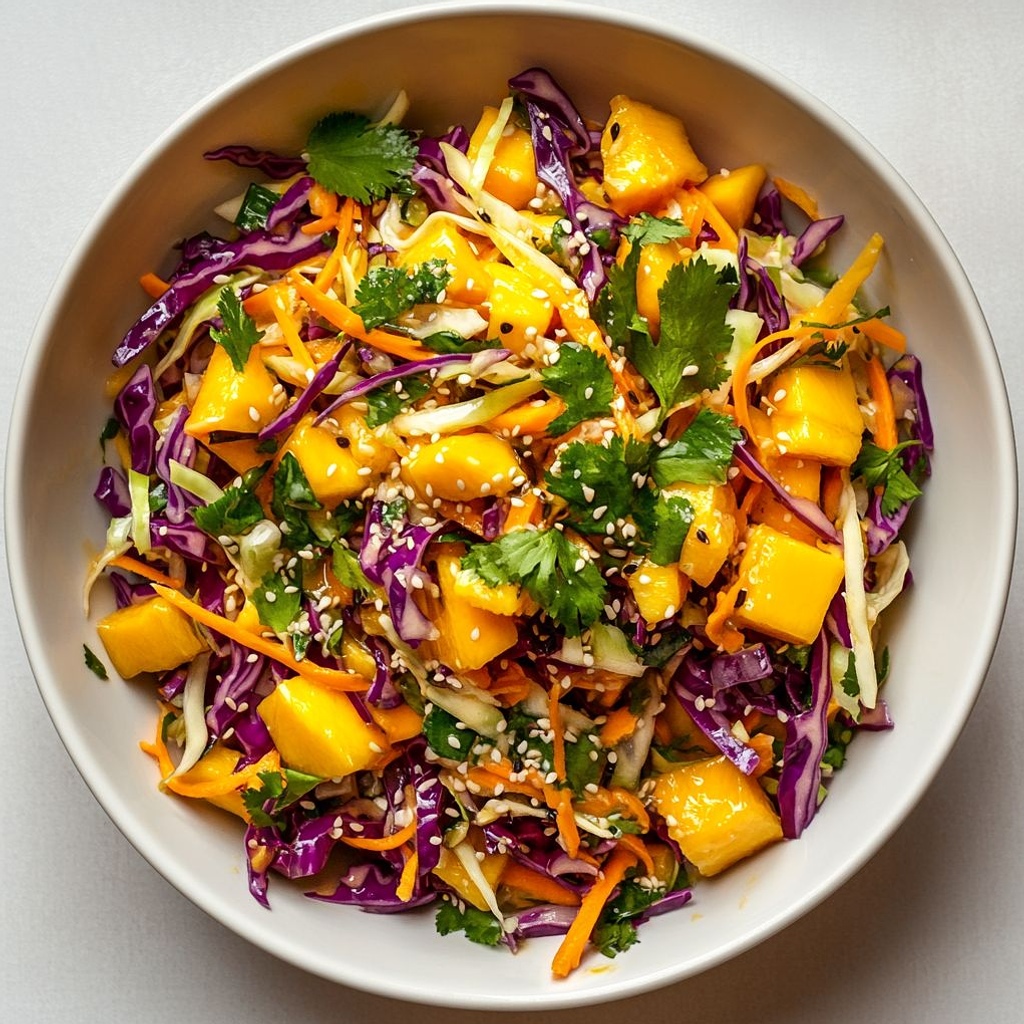
Picture a sun-drenched plate that tastes like a breeze on a tropical afternoon: crisp emerald cabbage, ribbons of golden mango, and the zippiness of lime dancing with delicate herbs. Mango slaw is not just a side dish; it’s a bright, celebratory moment on a plate. Every bite crackles with the satisfying snap of fresh vegetables, the natural sweetness of ripe mango, and a whisper of tangy dressing that ties everything together without overpowering it. It’s the kind of dish that makes a summer lunch feel like a vacation and a casual weeknight meal feel festive. The aroma alone—citrus, green herbs, and a hint of the outdoors—invites you to slow down, take a breath, and savor the moment. If you’ve ever craved something that’s both light and luscious, crunchy and lush, tangy and tropical, this mango slaw is your new kitchen confidant.
Beyond its immediate allure, mango slaw carries a sense of versatility and simplicity that makes it a beloved staple across many tables. It’s the kind of recipe that thrives on high-quality produce, minimal intervention, and the magic of balance—sweetness tempered by acidity, heat tempered by cool crunch, and herbs that lift every component to something both comforting and exciting. It’s a dish that invites you to experiment, to modulate the brightness with different citrus, to adjust heat with a sliced chili or a pinch of jalapeño, and to tailor the texture with the choice of cabbage and any add-ins you adore. In its most honest form, mango slaw is sunshine in a bowl, ready to brighten weeknights and weekend gatherings alike.
The Story Behind the Dish
The mango slaw is more than a combination of ingredients; it’s a narrative stitched from flavor memories across continents. Mango, the beloved stone fruit that grows with such exuberance in tropical climates, traces its origins to South Asia, where diverse varieties have delighted palates for centuries. From India to Southeast Asia, mangoes have been cherished not only for their sweetness but for their ability to mingle with spices, herbs, and bright citrus, creating culinary melodies that are both familiar and exotic. As mangoes traveled through trade routes and ships, they found homes in kitchens around the world—in chutneys that spark with mustard seeds and chili, in salsas that wake up grilled fish, and in fresh slaws that bring a crisp, juicy note to the table.
The slaw element, on the other hand, has roots in European and American traditions, where shredded cabbage dressed in tangy sauces became a staple accompaniment to hearty meats and smoky grills. Slaw is a study in texture and contrast: sturdy cabbage fibers meeting a glossy, moment-of-truth dressing that forgives nothing but enhances everything it touches. When you marry the two—mango’s tropical sweetness with the slaw’s crisp backbone—you obtain a dish that feels both bright and grounded, summery yet adaptable to any season. The idea of mango slaw as a modern favorite likely emerged in coastal and barbecue cultures where quick, fresh salads offered a respite from heavy meals while complementing grilled proteins, fried staples, and everything in between. It’s a dish that has evolved with the times, staying true to its roots while inviting new iterations—much like holidays and everyday gatherings alike.
In my own kitchen, mango slaw became a bridge between cultures—a simple bowl that could accompany creole-seasoned fish, pair with Japanese-inspired sesame chicken, or brighten a vegan burrito bowl. It’s the kind of recipe that makes you smile as you prepare it, not because it’s flashy, but because it captures a universal truth: that balance—sweet, tart, crunchy, and fragrant—can transform ordinary meals into small celebrations. The dish invites you to slow down, notice the contrast between the soft, succulent mango and the crisp cabbage, and savor the moment when lime, cilantro, and a hint of spice bring all the elements into a delicious harmony.
Why You’ll Love This Recipe
- Bright, fast, and entirely scalable: Mango slaw comes together quickly, making it perfect for weeknights or last-minute dinners.
- Year-round appeal with seasonal flexibility: While mango delivers tropical sunshine, you can easily swap in pineapple, papaya, or cucumber for a similar fresh-crisp experience.
- Colorful, nutritious, and satisfying: A medley of green, gold, and orange not only looks gorgeous but also provides fiber, vitamins A and C, and a satisfying crunch.
- Versatile pairing genome: It seamlessly elevates seafood, grilled meats, tacos, bowls, and even grain-based salads, adding a bright contrast to hearty flavors.
- Customizable to different diets: The dish naturally leans vegetarian and gluten-free, and it’s simple to adapt with dairy-free dressings or vegan alternatives.
- Low-effort, high-reward texture: The contrast between the crisp cabbage and the juicy mango creates a lively mouthfeel that keeps the palate engaged.
- Herbal brightness that lifts the dish: Fresh cilantro or mint brings a clean finish, while lime or lemon juice introduces the essential tang that defines the slaw.
- Make-ahead friendly (with a caveat): You can chop components in advance and combine close to serving, or keep the dressed slaw chilled for a refreshing midweek option.
Flavor Profile & Texture
Mango slaw is a study in balance. The first bite reveals a crisp snap from shredded cabbage and perhaps a whisper of carrot or jicama threads. Then the mango enters—ripe, honeyed, and fragrant—its juices creating a natural glaze that coats the vegetables without turning them soft or heavy. The dressing, a bright and lightly acidic veil, ties everything together with lime or lemon juice, a touch of sweetness, and a kiss of oil. If you choose to add herbs, they release a fresh, almost garden-like aroma that lifts the entire dish and makes it feel light on the palate even as you savor the last bite.
Texture is central here. The cabbage offers backbone and crunch; the mango lends juiciness and softness that contrasts beautifully with the crispness of the vegetables. Red onion adds a mild peppery bite and a sharp note that brightens the sweetness of the fruit. If you opt for cucumbers or jicama, you add extra hydration and a different kind of crispness. The dressing—often a simple fusion of citrus, oil, and a pinch of salt—introduces gloss and cohesion without feeling heavy. The overall effect is a refreshing, palate-cleansing dish that feels almost celebratory in its simplicity. Taste-wise, you’ll notice a dance between sweet, tart, and aromatic herbal notes, with a hint of heat if you choose to include peppers or a dash of chili. The beauty of this dish is that you can tilt the scale toward brighter acidity or toward lusher sweetness depending on what you crave or what you’re pairing it with.
In essence, mango slaw delights the senses: the visual impact of vibrant orange against emerald greens; the aroma of fresh lime zest and cilantro; and the mouthfeel that alternates between crisp and succulent. It’s a dish that feels like a vacation in a bowl, even when served on a weeknight, and it offers a refreshing counterpoint to richer center-of-the-plate mains.
Occasions & Pairings
This slaw shines in warm-weather feasts, but it easily makes its way into any season that craves brightness and balance. Here are occasions and pairing ideas to inspire you:
- Summer barbecues and picnics: A cooling, crunchy contrast to grilled meats, ribs, and smoky poultry. It also works beautifully with pulled pork and jerk-seasoned dishes.
- Taco night and street-food vibes: Perfect adornment for fish tacos, shrimp tacos, or even a vegan corn taco with black beans.
- Grilled seafood: Think lime-grilled salmon, citrus-kissed shrimp, or white fish with a touch of chili—mango slaw adds a fresh balance to the seafood’s richness.
- Bowls and grain-based meals: Ladle it over quinoa, farro, brown rice, or cauliflower rice for a complete, bright, crunchy element.
- Late-summer lunches and light dinners: A standalone side that doubles as a main when you add avocado, chickpeas, or toasted nuts for extra heft.
- Holiday tables and celebrations: A colorful, lighter option that complements roasted poultry or seafood-centric menus without competing with richer dishes.
Pairings to consider—whether you’re cooking a big spread or a simple weeknight dinner—include:
- Proteins: Grilled or baked fish (such as tilapia, cod, or salmon), shrimp, chicken with citrus, pork loin with herbs, or tofu for a vegan option.
- Sides: Grilled corn, black beans, avocado slices, cilantro-lime rice, or a fresh cucumber tomato salad for additional crunch and brightness.
- Drinks: A sparkling limeade, tequila-based cocktails with citrus notes, a crisp Sauvignon Blanc, or a light lager to mirror the dish’s refreshing vibe.
- Desserts: A light lime sorbet, tropical fruit salad, or coconut yogurt with ripe mango pieces to echo the fruit-forward theme.
Tips, Variations & Substitutions
Tips for Perfect Mango Slaw
- Choose the right mango: For best results, select ripe but firm mangoes. Ataulfo (Honey or Champagne) mangoes are wonderfully creamy and sweet, while Ataulfo or Keitt varieties provide a robust flavor that stands up to the tangy dressing and crunchy vegetables.
- Prep for texture: Use a sharp knife or a mandoline to achieve thin, even shreds of cabbage and mango. Uniform cut ensures every bite has a balanced mix of textures and flavors.
- Dress when ready to serve: If you’re making this ahead, keep the dressing separate and toss just before serving to maintain crunch and prevent sogginess. If you must dress early, consider a lighter dressing and a slightly longer cooling time to help the flavors meld without turning the slaw mushy.
- Balance the acidity: The acid from lime or lemon is essential, but you can fine-tune with a touch of honey or agave for sweetness if the mango isn’t as ripe as you’d hoped. Taste as you go and adjust salt at the end for a clean finish.
- Herb choices: While cilantro is the traditional partner for lime-forward slaws, you can substitute parsley for a milder, greener note or add mint for a sensorial lift that echoes tropical cocktails.
Variations
- Hot and tangy version: Add a finely minced jalapeño or serrano pepper to the slaw to introduce a gentle kick that brightens the tropical fruitiness.
- Creamy mango slaw: Use a dairy-free yogurt or light maple-mustard dressing to create a creamy texture without heaviness. This works well with crusty bread or as a topping for spicy bowls.
- Herbal abundance: Introduce chopped basil or Thai basil with a grating of lime zest to layer in another dimension of aroma and flavor.
- Root-forward crunch: Include shredded jicama or carrot in higher ratios for extra crunch and a different sweetness profile that complements mango beautifully.
- Gluten-free, dairy-free swap: Most traditional dressings are naturally gluten-free and dairy-free if you use olive oil, citrus, and a touch of salt. For vegan diners, avoid honey and choose agave or maple syrup as a sweetener.
Dietary Alternatives
- Vegan: Use a plant-based dressing (olive oil + lime + a touch of agave) and omit any dairy ingredients. The dish remains vibrant and fresh.
- Gluten-free: Naturally gluten-free when using fresh produce and simple dressings; be mindful of any bottled sauces you might add for extra flavor.
- Low-sodium: Skip salt in the dressing or use a low-sodium lime juice; rely on the mango’s natural sweetness and acidity to carry the flavor.
- Low-carb: Keep the cabbage base generous and consider skipping starchy add-ins. The slaw’s fiber and crunch keep it satisfying even with fewer carbs.
Storage & Make-Ahead Ideas
Storage and make-ahead strategies can help you embrace this dish as a go-to staple rather than a one-off side. Here are practical tips to maximize freshness and flavor without compromising texture.
- Chop in advance: You can wash and cut the cabbage, mango, and any additional vegetables a day ahead. Store them in separate airtight containers or a single container divided into sections to keep flavors distinct and ready for quick tossing with dressing just before serving.
- Dress carefully: If possible, mix the dressing and the vegetables closer to serving time to preserve crunch. If you dress in advance, store the dressed slaw in the fridge for up to 1 day, but expect the cabbage to soften a bit and the flavors to mellow slightly.
- Storage duration: Un-dressed chopped components will stay fresh for 2–3 days in the fridge. Once dressed, aim to eat within 24 hours for optimal texture and brightness.
- Make-ahead ideas: For gatherings, assemble the base (shredded cabbage, mango, onion, herbs) a day ahead and store in the fridge. Prepare the dressing separately, and toss the slaw right before serving. If you’re planning to reuse leftovers in another dish (tacos, bowls, or wraps), keep dressing separate and mix with the slaw just before serving them in a new context.
Fun Facts & Trivia (Optional)
Did you know that mangoes have an impressive cultural and culinary footprint across many regions? A few tidbits that enrich the Mango Slaw story:
- The word “mango” is believed to come from the Tamil word “māṅgā,” reflecting the fruit’s long-standing cultural significance in South Asia before it spread across continents through trade and colonization.
- Ataulfo mangoes, often described as the “king of mangoes,” are particularly prized for their creamy texture and buttery sweetness—qualities that pair beautifully with a crisp, tangy dressing in slaw form.
- In many tropical regions, mango is celebrated not only for its flavor but for its versatility in both sweet and savory dishes, from chutneys and salsas to smoothies and bold salads.
- Slaw, with roots in European and American kitchens, is, in a sense, a culinary chameleon: cabbage-based, crisp, and adaptable enough to hold any dressing—from creamy mayo-based to bright vinaigrettes inspired by citrus and herbs.
- Combining mango with cabbage is a festive reminder that the simplest ingredients, when balanced thoughtfully, can create a sensory experience reminiscent of a summer breeze—sweet, tart, green, and deeply satisfying.
Conclusion
Mango slaw is more than a side dish; it’s a celebration of texture, color, and balance that travels gracefully from casual weeknights to special gatherings. It embodies the idea that great food can be quick, healthy, and deeply satisfying without sacrificing depth of flavor. By embracing the natural sweetness of mango, the crisp bite of fresh cabbage, and the bright lift of citrus and herbs, you craft a dish that elevates everything it accompanies. Whether you’re serving it atop smoky grilled fish, tucked into a vibrant taco, or spooned over a hearty grain bowl, mango slaw brings a ray of sunshine to the table and a smile to the table’s end. So gather a few ripe mangoes, fresh cabbage, and a handful of herbs, and let this dish transform your meal into a moment you’ll want to repeat again and again.
Ingredients
- Mango Slaw Base
- – 4 cups shredded green cabbage
→ The base crunch and bulk of the slaw. Shred the cabbage finely into ribbons about 1/8 inch wide so the dressing can cling and the mango can mingle evenly. Core the cabbage before shredding and avoid thick chunks to ensure uniform texture. Store dressed slaw in the fridge for up to 1 day to maintain crispness. - – 2 cups diced ripe mango
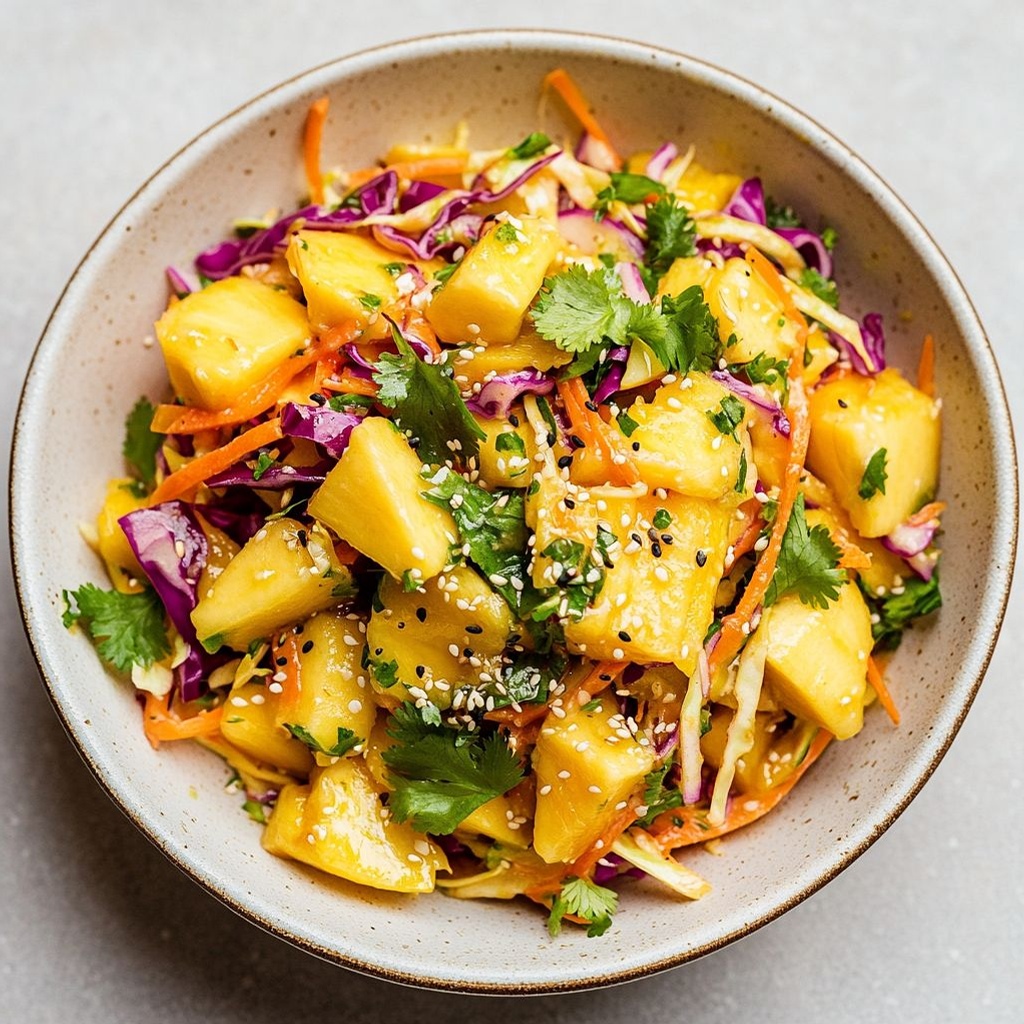
→ Adds tropical, sweet-sour contrast to balance the cabbage’s bite. Choose mangoes that yield slightly to pressure but are not mushy. Peel, slice away from the pit, and dice into ~1/2-inch cubes. Dice sizes should be uniform for even mouthfeel; handle gently to preserve the mango’s juicy texture. - – 1 cup shredded carrot
→ Provides color, sweetness, and extra crunch. Use fresh carrots; peel if desired and shred into thin matchsticks or ribbons for even distribution. For a more uniform look, use a mandoline. Store the carrot any leftovers with the rest to keep the slaw vibrant. - – 1/2 cup thinly sliced red onion
→ Introduces a sharp aromatic note that contrasts the sweetness. Slice very thinly to blend with the slaw; to mellow bite, soak the slices in cold water for 5–10 minutes, then drain thoroughly and pat dry before mixing. - – 1/4 cup chopped fresh cilantro leaves
→ Bright, citrusy-herb note that lifts the overall flavor. Roughly chop leaves and fold into the slaw just before serving to preserve aroma; cilantro stems can be included if tender. If you dislike cilantro, substitute chopped parsley for a milder green. - – 1 small jalapeño, seeded and minced (optional)
→ Adds subtle heat and a fresh peppery kick. Remove seeds and membranes for milder heat, or leave them in for more punch. Mince finely and stir into the slaw; wear gloves when handling peppers to avoid irritation. Adjust amount to taste. - Dressing
- – 2 tablespoons fresh lime juice
→ Provides bright acidity to balance the sweetness of mango and cabbage. Freshly squeezed lime juice is essential for a clean, vibrant flavor. Roll the lime first to maximize juice, then juice and strain to remove seeds; adjust to taste by adding more if desired. - – 1 tablespoon extra-virgin olive oil
→ Creates a light emulsion with lime juice, helping the dressing coat the slaw evenly rather than pooling at the bottom. Use a good-quality extra-virgin olive oil for a fruity, subtle flavor. Whisk with lime juice and adjust with a touch more oil if you prefer a richer mouthfeel. - – 1 teaspoon honey or agave nectar
→ Adds gentle sweetness to balance acidity and highlight mango flavor. Choose honey for a richer sweetness or agave/maple for a vegan option. Stir into the dressing and taste; adjust the amount to achieve your preferred balance between sweet and sour. - – 1/4 teaspoon salt
→ Seasoning base that helps draw out moisture from vegetables and unify flavors. Add gradually, tasting as you go; the cabbage will release some moisture as it sits, so adjust accordingly. If using salted ingredients, adjust the amount of additional salt. - – 1/8 teaspoon freshly ground black pepper
→ Subtle warmth that enhances the brightness of the dressing. Freshly ground pepper yields better aroma compared to pre-ground; add to taste or omit for a milder version. - Optional Add-ins
- – 2 tablespoons toasted pepitas (pumpkin seeds)
→ Adds crunchy texture and nutty flavor that contrasts with the soft mango. Toast in a dry skillet over medium heat for 2–3 minutes until fragrant, then cool completely before sprinkling over the slaw. Store leftovers separately to preserve crunchiness. - – 2 tablespoons chopped fresh mint leaves (optional)
→ Provides a cooling, bright herbal note that pairs well with mango. Roughly chop mint leaves and fold in just before serving to preserve aroma; if preparing ahead, add minted at the end to avoid wilting. - – 1/4 cup dried cranberries (optional)
→ Introduces chewy sweetness and color contrast. If very dry, soak briefly in warm water then drain well before adding to the slaw to keep plump. This adds another layer of sweetness that complements the mango.
Instructions
- Prepare the green cabbage by removing any wilted outer leaves, washing under cold running water, and patting dry; core the cabbage if necessary, then shred finely into ribbons about 1/8 inch wide to maximize dressing cling and to ensure the mango and carrot distribute evenly throughout the slaw.
→ Removing surface dirt and producing uniformly fine shreds prevents large, chewy bites and helps the dressing emulsify evenly across the entire mixture. - Dice the ripe mango into uniform ~1/2-inch cubes after peeling and removing the pit; handle gently to preserve juicy flesh and prevent mushy pieces that could break the slaw’s texture.
→ Even mango pieces provide consistent sweetness and color in every bite, while gentle handling preserves juice and prevents browning. - Shred the carrot into thin matchsticks or ribbons using a sharp knife or a mandoline; aim for even thickness to promote uniform moisture absorption and a cohesive mouthfeel when dressed.
→ Consistent carrot size ensures the color and crunch carry through the dressing without overpowering the mango. - Thinly slice the red onion and soak the slices in cold water for 5–10 minutes to mellow the sharp bite; drain thoroughly and pat dry before mixing with the slaw.
→ Soaking reduces pungency while preserving the onion’s aromatics, so the final slaw remains balanced and not overpowering. - Roughly chop cilantro leaves and stems (tender stems included) and set aside until just before serving to preserve bright aroma.
→ Cilantro provides a fresh, citrusy note; chopping roughly helps release essential oils, but adding at the end keeps the aroma lively. - Mince the jalapeño finely, seeding and deveining for milder heat or leaving seeds for more punch; wear gloves to protect skin and avoid irritation, then fold into the slaw to distribute heat evenly.
→ Fine mincing ensures the jalapeño disperses without large chunks; removing seeds moderates heat to suit a broader palette. - Prepare the dressing by whisking fresh lime juice and extra-virgin olive oil in a small bowl until the mixture becomes emulsified; then whisk in honey, salt, and pepper, tasting as you go to balance acidity, sweetness, and savoriness.
→ Emulsification helps the dressing cling to the vegetables rather than separating; balancing sweet and sour creates a bright, cohesive flavor foundation for the slaw. - Adjust the dressing by adding a touch more lime juice or olive oil if you desire brighter acidity or richer mouthfeel, ensuring the emulsion remains stable and coat evenly without pooling.
→ Fine-tuning the dressing ensures you achieve your preferred flavor profile and consistent coverage on all components. - Toast the pepitas in a dry skillet over medium heat for 2–3 minutes until fragrant, shaking the pan frequently to prevent burning, then cool completely before scattering over the slaw.
→ Toasting intensifies nutty notes and adds a satisfying crunch that contrasts with the juicy mango and cabbage; cooling stops carrying residual heat into the slaw. - Optionally rough-chop fresh mint leaves and set aside; fold in just before serving to preserve a cooling aroma and bright flavor.
→ Mint adds a refreshing contrast to mango; adding at the end prevents wilting and aroma loss. - Optionally rehydrate the dried cranberries by soaking briefly in warm water, then drain well and pat dry before adding to the slaw for chewy sweetness and color; this step prevents excessive drying and saltiness from concentrated fruit.
→ Plumped cranberries provide juicy pockets that complement the mango’s sweetness and introduce a pleasing textural variation. - Assemble the slaw by placing the shredded cabbage, mango dice, carrot shreds, red onion, jalapeño, cilantro, and any optional add-ins in a large mixing bowl; toss gently with clean hands or tongs to distribute evenly without mashing the fruit.
→ Gentle tossing maintains the integrity of the mango and carrot while ensuring every piece gains even access to the dressing. - Dress the slaw by pouring the prepared dressing over the mixture and tossing thoroughly until all components are evenly coated and glistening; use a two-fork folding motion to lift from the bottom and turn over the top for uniform coverage.
→ Proper coating prevents dry edges and ensures every bite is flavorful, not dry or soggy, while maintaining the slaw’s crisp texture. - Let the prepared slaw rest in the refrigerator for 10–20 minutes before serving to allow the flavors to meld and the cabbage to slightly soften while still remaining crisp; cover if not serving immediately to prevent moisture loss.
→ Resting gives the dressing time to permeate the vegetables, enhancing harmony between tart lime, sweet mango, and fresh herbs. - Serve the mango slaw promptly, preferably chilled or at room temperature, and refrigerate any leftovers in an airtight container, consuming within 1 day to preserve crispness and vibrant mango flavor.
→ Freshness matters for texture and brightness; the slaw can lose crunch and aroma as mango oxidizes and cabbage releases moisture over time.
Notes
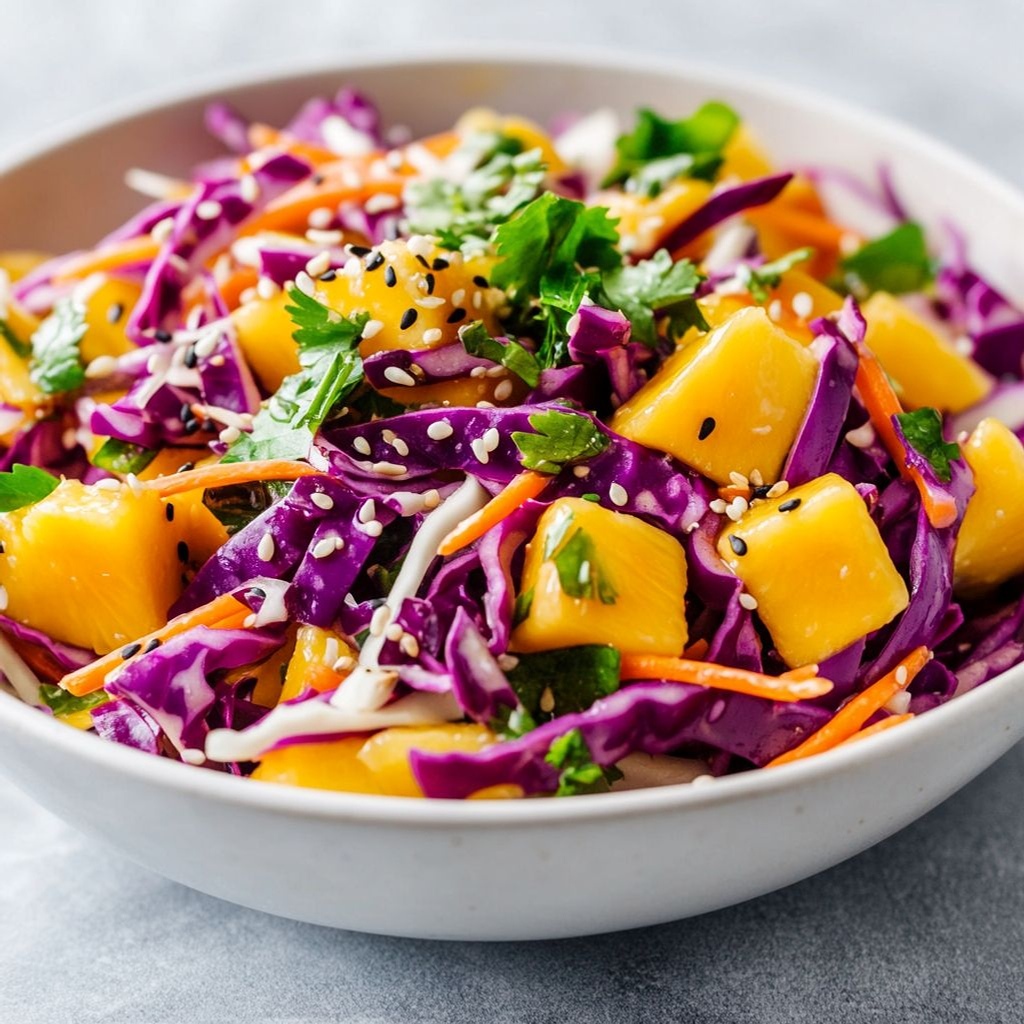
These Mango Slaw notes emphasize keeping the base crisp and bright: the combination of shredded green cabbage, juicy mango, and crunchy carrot is lifted by a limey dressing and a touch of honey for balance.
Prep tips: shred the cabbage finely into ribbons so the dressing clings and the mango mingles evenly; dice mango into uniform ~1/2-inch cubes to maintain a consistent mouthfeel; slice carrot into thin matchsticks or ribbons for color and crunch; thinly slice red onion (or soak in cold water 5–10 minutes to mellow its bite); mince jalapeño if using, removing seeds and membranes for milder heat; roughly chop cilantro leaves just before serving to preserve aroma (cilantro stems can be included if tender; substitute parsley for a milder green if preferred).
Dressing notes: whisk together fresh lime juice, extra-virgin olive oil, and honey or agave; season with salt and freshly ground black pepper, then taste and adjust sweetness or acidity as needed. Roll the lime before juicing to maximize extract and strain out seeds for a smooth dressing.
Make-ahead and serving: the slaw is best served fresh for maximum crunch, but it can be chilled for up to 1 day if dressed lightly or stored components separately and tossed just before serving to preserve texture. This makes a vibrant side for grilled seafood, shrimp, tacos, or a bowls with proteins and grains.
Variations and add-ins: add 2 tablespoons toasted pepitas for extra crunch, 2 tablespoons chopped fresh mint for a cooling note, or 1/4 cup dried cranberries for chewy sweetness; cilantro stems can be included if tender; for more heat, keep the jalapeño seeds; if preparing ahead, keep the dressing separate to avoid sogginess and add fresh herbs just before serving.
Tips
Tips and Techniques for Mango Slaw
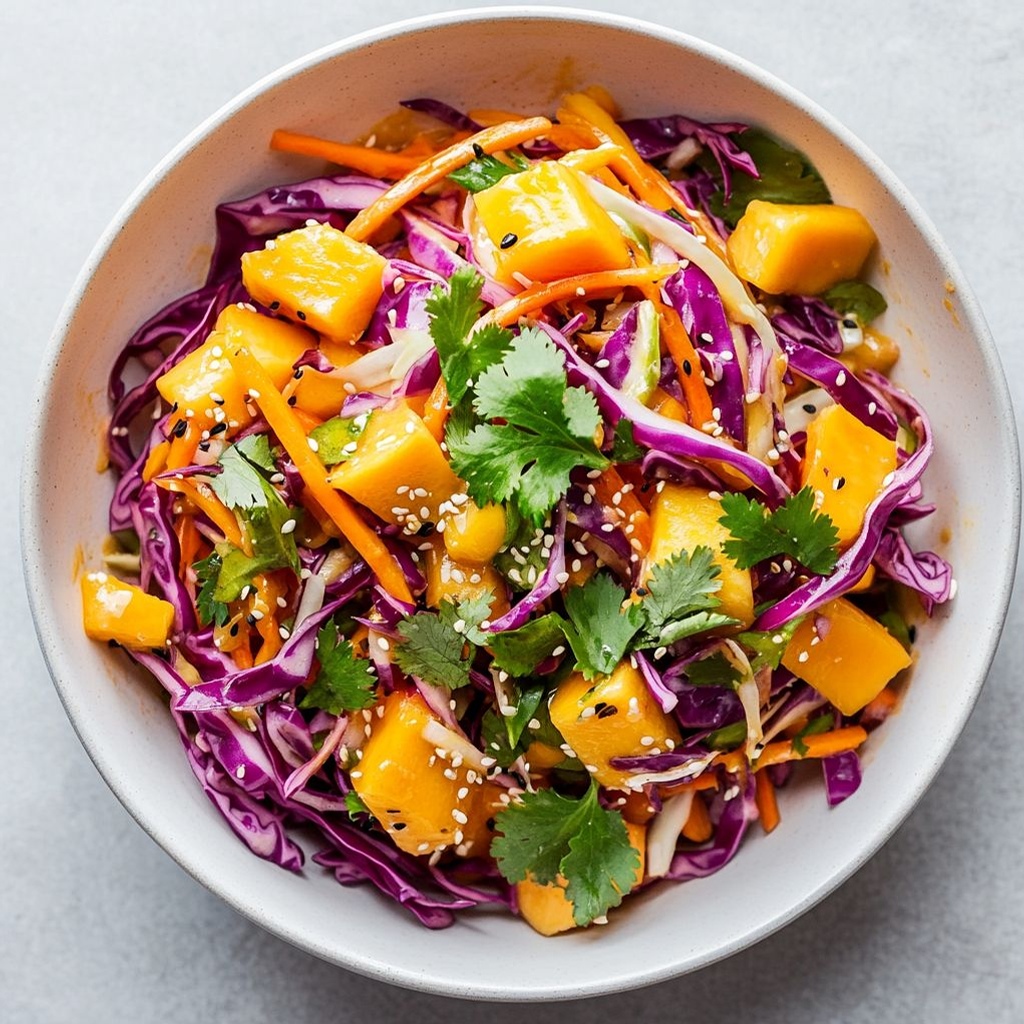
- Choose mangoes that yield slightly to gentle pressure but aren’t mushy. A ripe mango will be sweet with a hint of tropical aroma; overripe fruit can turn the slaw mushy.
- Prepare the cabbage base a bit a head of time and store loosely covered in the fridge to preserve crispness. When shredding, aim for ribbons about 1/8 inch so the dressing clings and the mango cooks evenly with the cabbage.
- Keep mango dice uniform at roughly 1/2-inch. This ensures every bite has balanced sweetness and texture, and prevents large chunks from overpowering the slaw.
- Thinly slice red onion and consider a quick cold-water soak (5–10 minutes) to mellow sharpness. pat dry before mixing to avoid extra moisture diluting the dressing.
- For cilantro, rough-chop just before serving to preserve aroma. If cilantro isn’t preferred, substitute chopped parsley for a milder green note, and consider adding mint for brightness.
- Handle jalapeño with care. If you want milder heat, thoroughly remove seeds and membranes; for more kick, leave them in. Use gloves to avoid irritation and wash hands well afterward.
- Toast optional add-ins like pepitas in a dry skillet over medium heat for 2–3 minutes until fragrant. Let cool completely before sprinkling to maintain crunch in the slaw.
- Dressing emulsification: whisk lime juice, olive oil, honey, salt, and pepper vigorously, or shake in a mason jar until the mixture is glossy and evenly combined. If you like a richer mouthfeel, whisk in a touch more oil.
- Fresh lime juice should be rolled before juicing to maximize yield. Strain to remove seeds; taste and adjust acidity with more lime or a touch more honey if needed.
- Balance is key: start with small amounts of salt and sweetness, then taste. Remember cabbage will release some moisture as it sits, so you may want to reduce the added salt slightly and adjust after mixing.
- To maintain crunch, dress the slaw just before serving or keep the dressing separate. If you’ve already dressed it, refrigerate and consume within 1 day for best texture and flavor.
- Storage tips: If you’re prepping ahead, keep the base (cabbage, mango, carrot, onion, herbs) refrigerated and toss with dressing and optional add-ins right before serving. This preserves texture and brightness.
- Flavor variations: splash in a pinch of chili flakes for warmth, or add a splash of orange juice to accent the mango. You can also mix in grilled corn or black beans for a heartier slaw.
- Pairing ideas: Mango slaw works beautifully as a side with grilled shrimp, fish tacos, or roasted chicken. It also doubles as a vibrant topping for tacos or bowls, adding color and crunch.
FAQ
What is mango slaw?
A bright, crunchy slaw made with shredded cabbage, juicy mango, and a tangy lime dressing. It’s a tropical, refreshing side or topping that pairs well with grilled proteins and tacos.
What ingredients do I need?
You’ll need a mix of crunchy greens and tropical fruit, plus a simple dressing.
- Green cabbage, shredded
- Red cabbage, shredded
- Ripe mango, diced
- Carrot, shredded
- Red onion, thinly sliced
- Fresh cilantro (optional)
- Lime juice
- Olive oil or neutral oil
- Honey or agave syrup (or sugar for vegan version)
- Rice vinegar or apple cider vinegar
- Salt and pepper
- Optional: jalapeño or chili for heat, corn kernels, sesame seeds, avocado
Is mango slaw vegan and dairy-free?
Yes. It’s naturally dairy-free and can be made vegan by using a plant-based sweetener (like maple syrup or agave) instead of honey.
Can I make mango slaw ahead of time?
Yes, but to keep it fresh, dress the slaw just before serving or store the components separately and combine right before serving. If you assemble it in advance, keep the mango separate or toss with a little lime juice to slow browning.
How do I keep mango from browning?
Toss the diced mango with a small amount of lime juice as soon as you cut it. This helps prevent browning and keeps the fruit vibrant.
How can I customize the recipe?
Customize by swapping or adding ingredients to suit your taste:
- Use napa or purple cabbage for different textures
- Add corn kernels, bell pepper, or cucumber for extra crunch
- Incorporate avocado for creaminess
- Adjust heat with jalapeño or chili pepper
- Vary the herbs: cilantro, mint, or basil all work
What are good pairings or how should I serve it?
Mango slaw shines as a side to grilled chicken, fish, or shrimp, or as a topping for tacos, pulled pork sandwiches, or bowls. It also works well as a bright accompaniment to spicy dishes.
How do I adjust sweetness and heat?
Control sweetness with honey/agave or sugar to taste. For more heat, add minced jalapeño or chili; for less heat, omit the pepper or use milder peppers. A bit more lime juice can balance sweetness if needed.
How long does mango slaw keep in the fridge?
About 2–3 days in an airtight container. For best texture, add mango and dressing just before serving or keep dressing separate and combine when ready.
Can I freeze mango slaw?
Freezing is not recommended. Freezing can change the texture of cabbage and mango, making the slaw soggy or watery when thawed. Refrigerate and enjoy fresh.