Introduction / Hook
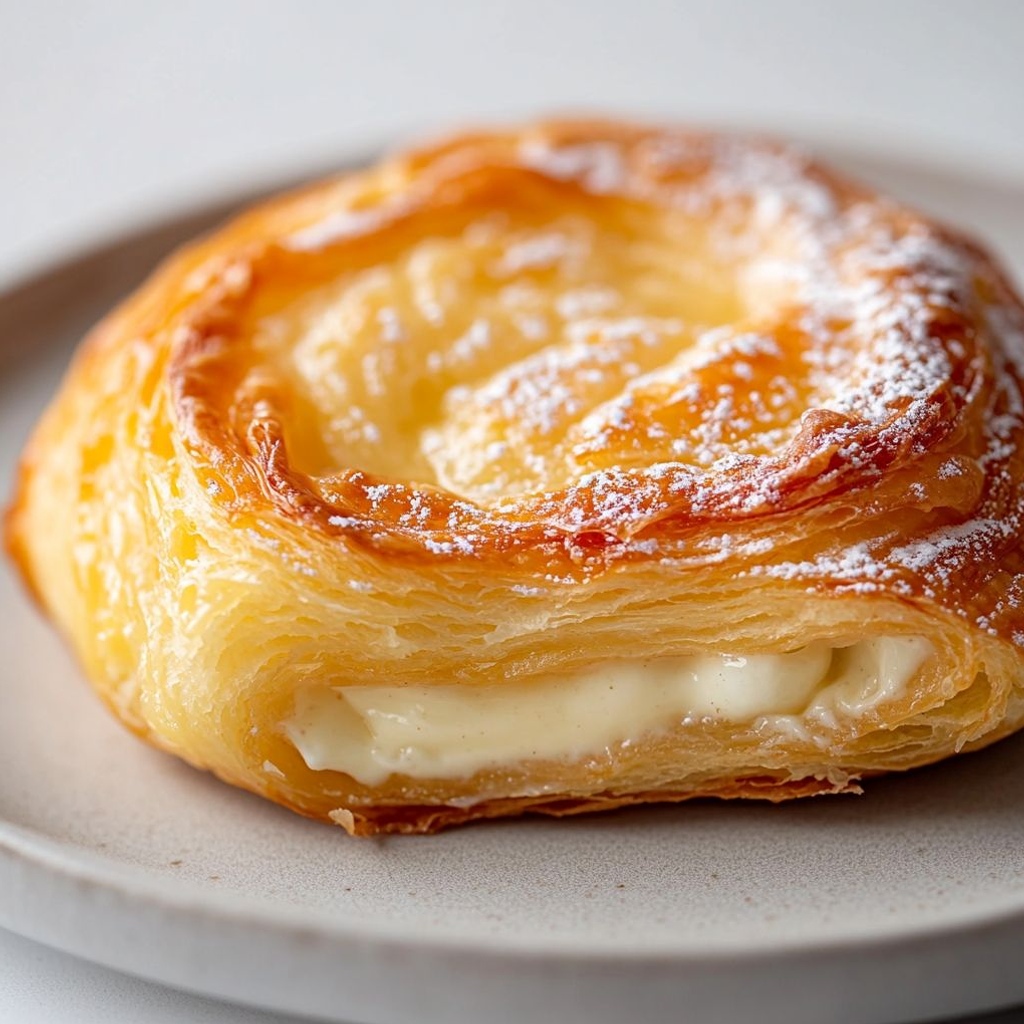
In the quiet tempo of early morning, the kitchen fills with the soft murmur of butter meeting dough, a promise of crisp, flaky layers and a center that gleams with creamy tang. A Cream Cheese Danish is not merely a pastry; it’s a small, aromatic ritual that invites you to slow down, take a breath, and savor the moment. The dough—laminated into countless delicate sheets—unfolds with a satisfying crackle as you bite, releasing a lush, buttery aroma that wraps around your senses like a warm blanket. Inside, the cream cheese filling offers a silk-smooth contrast: slightly tangy, subtly sweet, and enriched with vanilla and a whisper of citrus that brightens every bite. There’s a play of textures here—the outer crispness that gives way to a tender, almost pillow-soft interior, and the way the filling stays glossy and mellow, never cloying, always reassuring. It’s the kind of pastry that makes coffee taste better, conversation sweeter, and ordinary mornings feel like an occasion worth celebrating. Whether you’re treating yourself after a long week or presenting a centerpiece for a weekend brunch, this Danish pastry has an irresistible magnetism: it looks elegant enough for guests, yet it carries the comforting familiarity of a beloved homemade treat.
The allure of a Cream Cheese Danish lies in its balance—flaky pastry that whispers of butter and patience, paired with a cream cheese center that sings with a gentle tang. It’s a celebration of contrasts: light and rich, crusty and tender, sweet and slightly citrusy. When warmed just enough, the pastry’s layers reveal their inner softness, and the filling glistens like satin, inviting you to take a bite that feels both indulgent and comforting. This is not a heavy dessert masquerading as a pastry; it’s a thoughtfully composed morning pastry that understands the art of transformation: simple ingredients coaxed through time and technique into something that feels special, yet achievable in a home kitchen. If you’ve ever wondered how morning pastries could feel less hurried and more intimate, a Cream Cheese Danish offers a delicious answer—a pastry that makes ordinary breakfasts feel like a quiet celebration of craft, care, and flavor.
The Story Behind the Dish
The story of the Cream Cheese Danish is really a story of cultural exchange and culinary evolution. Danish pastries—the layered, lamination-led marvels that tempt pastry lovers worldwide—originate from European techniques that date back to the era of butter-forward, yeast-based doughs. The technique, often described as lamination, folds cold butter into dough, then folds and rests repeatedly to create a mosaic of ultra-thin sheets. When baked, those layers puff, separate, and crisp, yielding a texture that feels almost ethereal. The name “Danish” in North America reflects a lineage of pastry tradition that traveled across borders and continents, influenced by Austrian lamination methods that were refined by bakers across Scandinavia and the Baltic region. Over time, this approach met a distinctly American palate—a palate that sought a creamier, lighter filling that could pair beautifully with the pastry’s perfume of vanilla, citrus, and butter.
In this cross-cultural narrative, the cream cheese filling entered the scene as a modern, indulgent complement to the flaky dough. Cream cheese itself has its own American origin story: in the late 19th century, dairy producers in the United States began producing soft, spreadable cheeses that could be used to spread on bagels, toast, and pastries. By the early to mid-20th century, brands that would become household names popularized cream cheese as a versatile, tangy counterpoint to sweeter flavors. Combine that with a dream of café-style pastries that could be produced at home, and the Cream Cheese Danish emerges as a delicious fusion—European technique, American dairy, and an appetite for comforting yet refined morning indulgence.
Beyond the historical arc, there’s a personal resonance for many bakers. The dough’s patience—resting, chilling, rolling, folding—mirrors the care we put into mornings with loved ones. The fillings offer a canvas for flavors that echo family recipes, memories of bakery cases, and the quiet joy of pulling a perfectly baked pastry from the oven while the air smells of butter and vanilla. Each iteration of the Cream Cheese Danish carries a hint of local tradition—the slight variations in sugar, the citrus zest that lifts the filling, the way a glaze catches the light—that makes this pastry feel familiar yet ever-so-slightly new, a reminder that great baking is a conversation across kitchens and generations.
Why You’ll Love This Recipe
- Versatility that fits many occasions—from a quiet weekend breakfast to a festive brunch with friends.
- Elegant but approachable, offering the sophistication of laminated dough with the comforting familiarity of a creamy center.
- Texture play that delights: crisp, flaky exterior yielding to a tender crumb and a luxuriously smooth cream cheese core.
- Customizable flavors so you can tailor the filling and aroma to your mood—vanilla, citrus, or a hint of almond.
- One pastry, many memories: great for sharing, gifting, or indulging yourself without feeling extravagant.
- A crowd-pleaser for both sweet-tooth friends and those who prefer a more refined pastry approach.
- Impressive enough for guests, yet forgiving enough for confident home bakers who want a “wow” pastry with a friendly learning curve.
- Make-ahead potential: with planning, you can prepare dough or shaped pastries ahead of time for a stress-free bake day.
Flavor Profile & Texture
The flavor of a Cream Cheese Danish dances between several well-balanced notes. The pastry itself delivers a buttery aroma and a near-nutty richness from the butter layers. When you bite into it, you experience the signature snap of crisp, lacquered edges that give way to a delicate, almost pillowy interior—a texture you crave when you think of a perfect morning pastry. In the very heart of the pastry lies the cream cheese filling, a velvet-soft component that carries a gentle tang, offset by a touch of sweetness and a subtle hint of vanilla. The tang is not sharp; it’s mellow, like a soft echo that lingers after the initial sweetness has faded, leaving a refreshing finish on the palate. Citrus zest—often lemon or orange—adds a bright ring of aroma and a whisper of citrus oil that lifts the entire bite, preventing the richness from feeling heavy and inviting you back for another taste.
The glaze, when present, adds a glossy surface that catches the light and a delicate sweetness that complements the cheese’s tang rather than competing with it. The interaction between the hot-from-the-oven pastry and the cool, silky cream cheese filling can feel almost luxurious: a contrast of temperature, texture, and flavor that intrigues the senses. The balance is key—enough sweetness to satisfy as a morning treat but tempered by the tang and citrus that keep it lively and elegant. In combination, these elements create a pastry that feels refined, yet comforting; a pastry you can savor slowly or enjoy in a quick, joyful bite with a cup of coffee. The overall impression is one of harmony: layers of light, crisp pastry that frame a creamy center, all infused with the warmth of vanilla and the brightness of citrus, leaving a lingering, memorable aftertaste that invites another bite.
Occasions & Pairings
A Cream Cheese Danish shines in many settings. It’s a star at weekend brunches, a refined option for a holiday breakfast spread, and a delightful indulgence for a quiet morning at home with a newspaper, a mug of coffee, or a pot of tea. Its portability makes it ideal for potlucks and office breakfasts, where something both elegant and comforting is welcomed. For special occasions, serve warm pastries with a light fruit compote or fresh berries to amplify the brightness and provide contrast to the pastry’s richness. If you’re hosting a coffee-tue or afternoon tea, the Cream Cheese Danish pairs beautifully with a robust dark roast or a fragrant Earl Grey, allowing the pastry’s sweetness to balance the tea’s tannins.
Pairings matter for a complete experience. Consider a simple fruit salad with citrus to echo the zest in the filling, or a creamy yogurt parfait to add a different texture and tang. A glass of sparkling wine or a lightly sweet sparkling beverage can elevate a celebratory breakfast without overpowering the pastry’s delicate flavors. For non-alcoholic options, a vanilla latte, a rich cappuccino, or a lightly steeped black tea offers a complementary backdrop that highlights both the pastry’s buttery notes and its cheese filling. If you’re aiming for a more seasonal angle, lemon or orange zest—paired with berries or a drizzle of berry coulis—can transform the classic Danish into a bright spring or summer treat. The versatility of this pastry makes it a dependable choice whether you’re feeding a crowd or enjoying a cozy morning for two.
Tips, Variations & Substitutions
Here are ideas to adapt the Cream Cheese Danish to different diets, flavor preferences, or occasions without losing its signature charm.
- Vegan version: swap in vegan butter and vegan cream cheese, and use a plant-based milk if needed. The lamination technique remains the same, though the result may skew slightly toward a lighter, dairy-free richness. For a firmer filling, consider adding a touch of dairy-free cream cheese with a hint of lemon or vanilla.
- Gluten-free option: gluten-free puff pastry or a gluten-free laminated dough can be used. Expect a slightly different flake and structure, but you can still achieve a satisfying, pastry-like texture with careful chilling and handling.
- Flavor twists: add lemon or orange zest to the filling for brighter aromatics; fold in a teaspoon of almond extract for a nuanced, nutty note; swirl in a spoonful of strawberry or raspberry preserves for a fruit-forward variation.
- Texture tweaks: for a crisper exterior, extend the bake time a touch or brush with a light glaze to enhance the surface shine; for a softer finish, slightly reduce the baking time and allow more internal steam to soften the center.
- Low-sugar or sugar-free option: use a lower-sugar pastry dough and a sugar-free filling. Balance with extra vanilla and citrus to maintain depth of flavor without relying on sweetness alone.
- Regional twists: incorporate cardamom with vanilla in the filling for a Nordic-inspired aroma; fold in finely chopped toasted almonds or pistachios for a crunchy contrast; layer with a thin jam swirl to echo regional pastry traditions.
- Make-ahead variations: you can prepare the dough and refrigerate it overnight to relax the gluten and deepen the flavor; or shape the pastries and freeze them on a tray, then bake from frozen for a quick, fresh result.
Storage & Make-Ahead Ideas
To keep the Cream Cheese Danish at its best, consider these practical storage and make-ahead strategies. Baked pastries will stay fresh in an airtight container at room temperature for up to two days; for longer storage, refrigerate for up to three days. When reheating, a quick warm-up in a 350°F (175°C) oven for a few minutes will refresh the layers and revive the aroma, but avoid overheating which can dry out the center. If you prefer freezing, wrap individual pastries tightly and freeze for up to one month. Reheat directly from frozen in a moderate oven, allowing the layers to re-crisp and the filling to soften as it thaws.
For make-ahead planning, you can chill the shaped dough overnight before baking. This not only helps with easier handling but also allows the flavors to mingle as the dough rests. If you’re preparing a larger batch for a gathering, consider freezing unbaked shapes on a parchment-lined tray and then bagging them for later baking. When you’re ready to serve, bake from frozen, adding a few extra minutes to the bake time. This approach gives you the luxury of a fresh-from-the-oven pastry with minimal last-minute effort, ensuring you can greet guests with a warm, inviting aroma as the table comes together.
Fun Facts & Trivia (Optional)
- The term Danish pastry in the United States reflects a lineage of laminated dough that arrived with immigrant bakers who carried European techniques to new shores, evolving into the familiar, creamy-filled version many know today.
- Cream cheese was developed in the United States in the 19th century, with early producers refining the soft, spreadable texture that makes it ideal for fillings and spreads. The association with American dairy brands helped popularize its use in pastries and desserts.
- The hallmark of a great Danish pastry is the lamination process—repeated folding and rolling to create thousands of thin butter layers. When baked, those layers puff and separate, delivering that signature crackle and flake.
- Lemon or orange zest in the filling is a classic touch because citrus oils are carried through the creamy cheese, brightening the palate and helping balance the richness of the dough.
- glaze can vary in sheen and sweetness; a light glaze not only enhances appearance but also adds a delicate sweetness that harmonizes with the tang of the cheese.
- Many bakeries offer regional twists on the Cream Cheese Danish by adding fruit compotes, nuts, or espresso-inspired fillings, reflecting local tastes while honoring the traditional laminated pastry technique.
Ingredients
Cream Cheese Danish
Puff Pastry Base
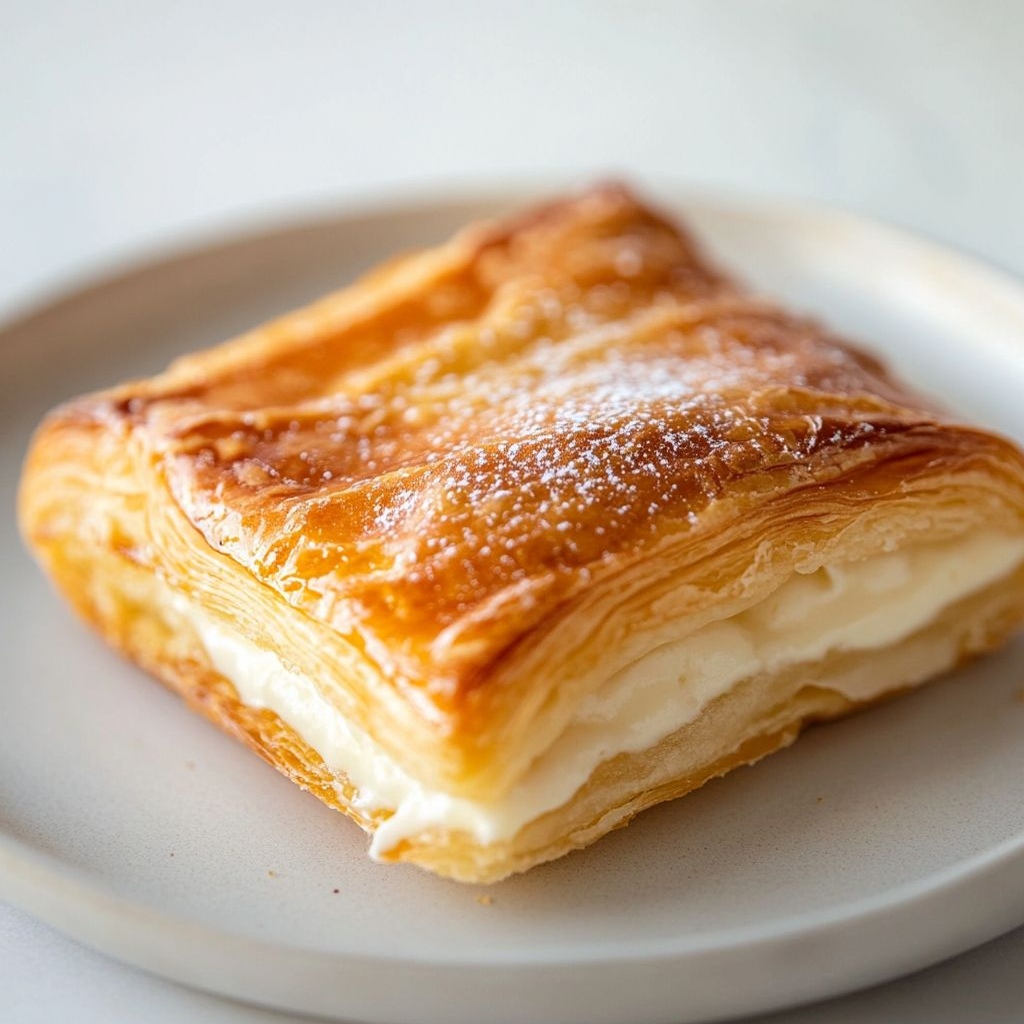
- – 1 sheet puff pastry (thawed)
→ Puff pastry forms the flaky, laminated base for the Danish. Keep it cold until shaping; lightly flour the work surface to prevent sticking; cut into rectangles or squares to fit your baking sheet. For best results, keep the sheet chilled until it’s time to bake, and avoid overworking to preserve flakiness.
Cream Cheese Filling
- – 8 oz cream cheese, softened
→ Cream cheese provides the tangy, creamy center. Soften to room temperature to blend smoothly with sugar and vanilla; beat until completely smooth, but avoid overmixing to prevent air pockets or cracking during bake; scraping down the sides helps achieve a silky texture. - – 1/4 cup granulated sugar
→ Sweetens the filling, balancing tanginess. Adjust to taste; measure accurately to maintain the right texture; mixing thoroughly with the cream cheese prevents graininess and ensures a uniform sweetness. - – 1/2 teaspoon vanilla extract
→ Adds aroma and depth; use pure vanilla for best flavor. If you have vanilla bean, scrape seeds for extra fragrance. - – 1/8 teaspoon salt
→ Enhances overall flavor and balances sweetness; a pinch of salt helps emphasize the other flavors in the filling. - – 1 large egg, beaten
→ Adds structure to the filling, helping it set during baking and hold shape. Beat into the cheese mixture until smooth and uniform; avoid overmixing to prevent air pockets. - – 1 tablespoon lemon zest (optional)
→ Brightens the filling with citrus aroma; zest is preferred over juice to avoid adding extra moisture that could affect pastry texture. Use fresh zest for best flavor.
Jam Center
- – 2 tablespoons fruit jam or preserves (raspberry, apricot, or strawberry)
→ Adds a fruity center that contrasts with the tangy cheese. Use a small amount to prevent overflow; place jam in the middle of each pastry and lightly press cheese on top to help keep it contained. If using jam with seeds, consider seedless or strain slightly before use to avoid texture issues in the filling.
Egg Wash
- – 1 large egg, for egg wash
→ Creates a glossy, golden-brown finish and helps seal pastry edges. Beat and brush lightly over exposed pastry edges after filling, keeping cheese away from the edges to prevent leaks. For a lighter color, mix with a teaspoon of water. - – 1 tablespoon water, for egg wash
→ Dilutes the egg to produce a smoother, more even glaze; add to the beaten egg if you want a thinner wash. This helps prevent streaks and ensures a uniform shine.
Finish
- – Powdered sugar, for dusting
→ A delicate dusting adds sweetness and a decorative finish after the pastries have cooled. Best applied once pastries are completely cooled or just warm to prevent melting into the surface. - – Pearl sugar (optional) 1 tablespoon
→ For a classic Danish look and extra crunch, press into the dough after applying the egg wash so it adheres properly and bakes into the surface. If you don’t have pearl sugar, coarse sugar can be used as a substitute.
Instructions
- Preheat your oven to 400°F (200°C) and line a baking sheet with parchment paper to prevent sticking and promote even browning.
→ A hot, well-preheated oven ensures the puff pastry’s laminated layers puff properly, creating a flaky Danish crust, while parchment prevents sticking and makes cleanup easier. - Prepare the puff pastry by keeping it cold, then unfold on a lightly floured work surface and roll to about 1/8 inch (3 mm) thick. Cut into six equal rectangles approximately 3×4 inches; trim the edges and score a shallow 1/4-inch border around each rectangle with a dull knife to form a moat that will keep fillings in place.
→ Maintaining a thin, even thickness ensures consistent bake time and flakiness; the border acts as a containment ridge for the fillings. - Transfer the rectangles to the parchment-lined sheet and chill for about 15 minutes to re-chill the fat and set the borders before baking.
→ Chilled pastry holds its shape during heating, preventing gaps at the edges and preserving the defined moat. - In a medium bowl, beat the softened cream cheese with the granulated sugar, vanilla, and salt until completely smooth and free of lumps; then beat in the beaten egg just until incorporated.
→ Softened cream cheese blends uniformly with sugar and flavorings; adding the egg gradually builds structure so the filling sets without cracking during baking—avoid overbeating to prevent air pockets. - If you are using lemon zest, fold in 1 tablespoon of fresh zest at the end to brighten the flavor, being careful not to add too much moisture.
→ Zest gives a bright citrus aroma without introducing extra liquid that could soften the pastry’s layers. - Prepare the jam by thinning it slightly if it is very thick and transferring to a small piping bag or a teaspoon for easy placement; if seeds are present, strain to a smooth consistency.
→ A smooth center prevents textural interruptions and helps the cheese layer seal around it. - Pipe or spoon about 1.5 tablespoons of the cream cheese filling into the center of each pastry rectangle, forming a neat mound that stays within the border.
→ A compact mound ensures the pastry bakes evenly and stays tender rather than collapsing under the weight of the filling. - Dollop 1/2 to 1 teaspoon of jam in the center of the cheese mound, creating a bright fruit focal point that contrasts with the tangy cheese.
→ The jam provides sweetness and tang, and a small center prevents overflow during baking. - Lightly press a small amount of the remaining cream cheese over the jam to seal it and prevent the center from leaking, using the back of a spoon to spread evenly.
→ Sealing the center keeps jam from running into the pastry during heat, preserving neat Danish shapes. - Brush the exposed pastry edges with the prepared egg wash, applying a light, even coat and steering clear of the cheese to avoid sealing the fillings to the brush.
→ Egg wash promotes browning and helps the edges seal for a clean, golden finish. - Sprinkle 1 tablespoon pearl sugar over the top of each pastry after brushing the egg wash so it adheres while baking; if you do not have pearl sugar, substitute with coarse sugar for a similar crunch and sparkle.
→ Sugar crystals on the surface bake into the pastry, adding texture and a classic Danish appearance. - Bake the Danishes in the preheated oven for 15 to 18 minutes, rotating the pan halfway through to ensure even browning; bake until the pastry is deeply golden and puffed, and the filling looks set.
→ The high heat activates the layers in the puff pastry, while rotation prevents hot spots and ensures uniform color and doneness. - Remove from the oven and cool the pastries on a wire rack for 10 to 15 minutes before dusting with powdered sugar; allow them to finish setting as the center cools slightly.
→ Resting gives the filling time to firm up and reduces the risk of oozing when you dust with sugar. - Dust the cooled Danishes lightly with powdered sugar just before serving to add a delicate sweetness and a professional, polished finish.
→ Powdered sugar adds a decorative touch and balanced sweetness without adding moisture to the pastry.
Notes
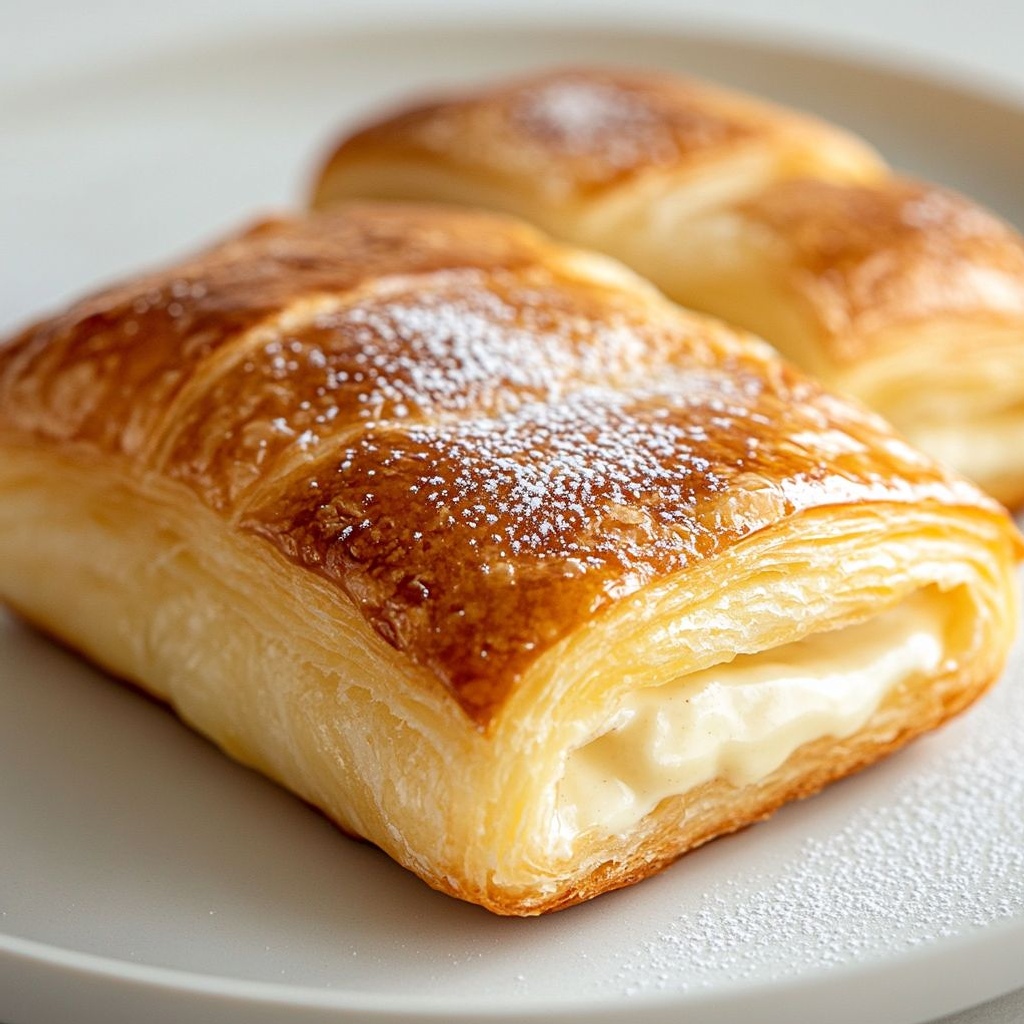
These Cream Cheese Danish are a classic, flaky pastry featuring a tangy cream cheese filling and a fruity jam center. To get the best flakiness, keep the puff pastry cold, handle it lightly, and cut into uniform rectangles that fit your baking sheet. Work quickly during assembly to maintain the cold butter layers, and avoid overworking the dough to preserve the pastry’s characteristic loft.
Tips for filling and baking: beat the cream cheese, sugar, vanilla, salt, and the beaten egg until smooth and fully combined; soften the cheese to room temperature so it blends easily. Place a small amount of jam in the center of each pastry, then top with the cheese mixture and lightly press to help seal. Brush only the pastry edges with egg wash to create a glossy finish and help seal the edges; if you’re using lemon zest, fold it into the cheese filling for brightness. Bake until the pastry is golden and the filling is set, about 20–25 minutes depending on oven.
Make ahead and storage: assembled pastries can be refrigerated briefly before baking to help them hold shape, or frozen unbaked on a sheet and then bagged. You can bake from frozen, adding a few extra minutes. Once baked, cool completely before storing in an airtight container or freezing for up to a month. Rewarm gently in a low oven or toaster oven and dust with powdered sugar just before serving.
Variations and substitutions: for gluten-free diets, use a gluten-free puff pastry or a crust alternative and note that texture may differ. Try different jams or preserves (raspberry, strawberry, apricot) and consider seedless options to avoid texture issues. If you’d like a sweeter glaze, dust with powdered sugar or a light drizzle of icing after cooling. For a more pronounced lemon note, increase optional lemon zest slightly or add a tiny squeeze of lemon juice, but be mindful of moisture.

Tips
Tips for Making Cream Cheese Danish
Puff Pastry and Assembly
- Keep the puff pastry cold and firm. If it softens while you work, return it to the fridge for 10–15 minutes before cutting to maintain flakiness.
- Lightly flour the work surface and avoid overworking the dough to prevent toughness and shrinking during baking. Cut into uniform rectangles or squares for even baking.
- Consider a shallow border: lightly score a 1/2-inch (1 cm) border around each rectangle to help contain the filling and create a defined edge. Brush the border with egg wash to seal and promote browning.
Cream Cheese Filling
- Soften cream cheese completely to room temperature for a smooth, lump-free filling. Cut it into chunks and beat until creamy before adding sugar.
- Beat cream cheese with sugar, vanilla, and salt until silky. Scrape the bowl as needed to maintain a smooth texture. Add the beaten egg in two additions to avoid curdling and ensure a cohesive filling.
- Optional lemon zest adds brightness; grate it finely so it نمی introduces minimal moisture. If using zest, fold in just before filling.
Jam Center
- Use about 2 tablespoons of jam per pastry and avoid overfilling to prevent overflow during baking. If your jam has seeds, strain or use seedless jam to keep the center creamy.
- Whether jam is piped or spooned, place it in the center and gently press the cheese mixture on top to help keep it contained during bake.
Egg Wash and Finishing
- Seal pastry edges by brushing the exposed edges with egg wash after filling to prevent leaks while the pastry rises.
- To keep the color lighter, dilute the egg wash with a teaspoon of water. Apply a thin, even coat to avoid pooling, which can cause soggy spots.
- Dust cooled pastries with powdered sugar for a delicate finish. If you want extra shine, whisk a small amount of apricot jam with water and brush lightly after cooling.
- If using pearl sugar, press it into the dough after applying the egg wash so it adheres and bakes in for a classic Danish look. Coarse sugar can be a good substitute.
Baking, Storage, and Make-Ahead
- Bake at 190–205°C (375–400°F) until puffy and golden, about 15–20 minutes depending on your oven and pastry thickness. Use parchment paper on the baking sheet for easy removal and cleanup.
- Allow pastries to cool completely before dusting with sugar to prevent melting the finish.
- Make-ahead tips: assemble unbaked pastries, freeze on a sheet pan, then transfer to a freezer bag. Bake from frozen, adding 3–5 minutes to the bake time. Store baked pastries in an airtight container for 1–3 days at room temperature or refrigerate up to 5 days; reheat gently to restore flakiness.
- Add depth by including almond extract or a touch of orange zest in the cream cheese filling. For a richer center, replace part of the cream cheese with mascarpone, but keep the egg for structure.
- If filling cracks as it cools, let the Danish rest at room temperature for a few minutes after baking and before slicing. Ensure the pastry is fully baked and cooled to set the center properly.
FAQ
Cream Cheese Danish – FAQ
What is a Cream Cheese Danish?
A Cream Cheese Danish is a flaky pastry filled with a smooth, lightly sweetened cream cheese mixture. It’s often flavored with vanilla and citrus and can be topped with fruit preserves or a light glaze.
What dough should I use for the best results?
Traditionally, Danish pastry dough is laminated with butter, creating many thin, flaky layers. If that’s too time-consuming, you can use store-bought puff pastry as a convenient shortcut. The puff pastry will still bake up nicely and yield a delicious result.
What are the filling ingredients?
Typical filling ingredients include:
- Softened cream cheese
- Granulated or powdered sugar
- Vanilla extract
- Optional: lemon zest or a splash of lemon juice for brightness
- Optional: a spoonful of sour cream or yogurt for extra creaminess
How do I assemble Cream Cheese Danishes?
Using rolled-out dough (or puff pastry sheets), cut into rectangles. Create a shallow indentation in the center (a light press with a finger or the back of a small spoon). Mix the filling ingredients until smooth, then spoon a generous amount into each indentation, keeping a clear border around the edges. If using puff pastry, you can add a small well to prevent overflow and pre-score edges to help them rise neatly.
What are the baking temperature and time?
Preheat the oven to 375–400°F (190–200°C). Bake until the pastries are golden and puffed, typically about 15–20 minutes (times vary with dough type and oven). If using a full sheet of puff pastry, check around 18–22 minutes.
How can I prevent the filling from leaking out?
Tips to reduce leaking:
- Keep the filling slightly thick (avoid runny mixtures).
- Apply a light border of dough around the edges so the filling stays contained.
- Chill assembled pastries briefly before baking to firm up the filling.
- A small indent helps hold the filling in place.
Can I make Cream Cheese Danishes ahead or freeze them?
Yes:
- Unbaked: Assemble and refrigerate for up to 24 hours before baking. Bake slightly longer if they’re cold.
- Frozen (unbaked): Freeze on a baking sheet until solid, then transfer to a freezer bag. Bake from frozen, adding a few extra minutes.
- Baked: Cool completely, then freeze (up to 2–3 months). Thaw and rewarm in a low oven or microwave until warm.
What variations and toppings work well?
Great options include:
- Raspberry, blueberry, or apricot preserves in the center
- Swirl in lemon curd or fruit jam for a tangy twist
- Glaze made from powdered sugar and milk or lemon juice
- Sliced almonds or pearl sugar for texture
Are there dairy-free or vegan options?
Yes, with some substitutions:
- Use dairy-free cream cheese (or a vegan cream cheese spread) and dairy-free butter
- Choose a vegan puff pastry or a dairy-free laminated dough
- Be sure to check labels, as some puff pastries contain dairy; look for vegan-certified options