Introduction / Hook
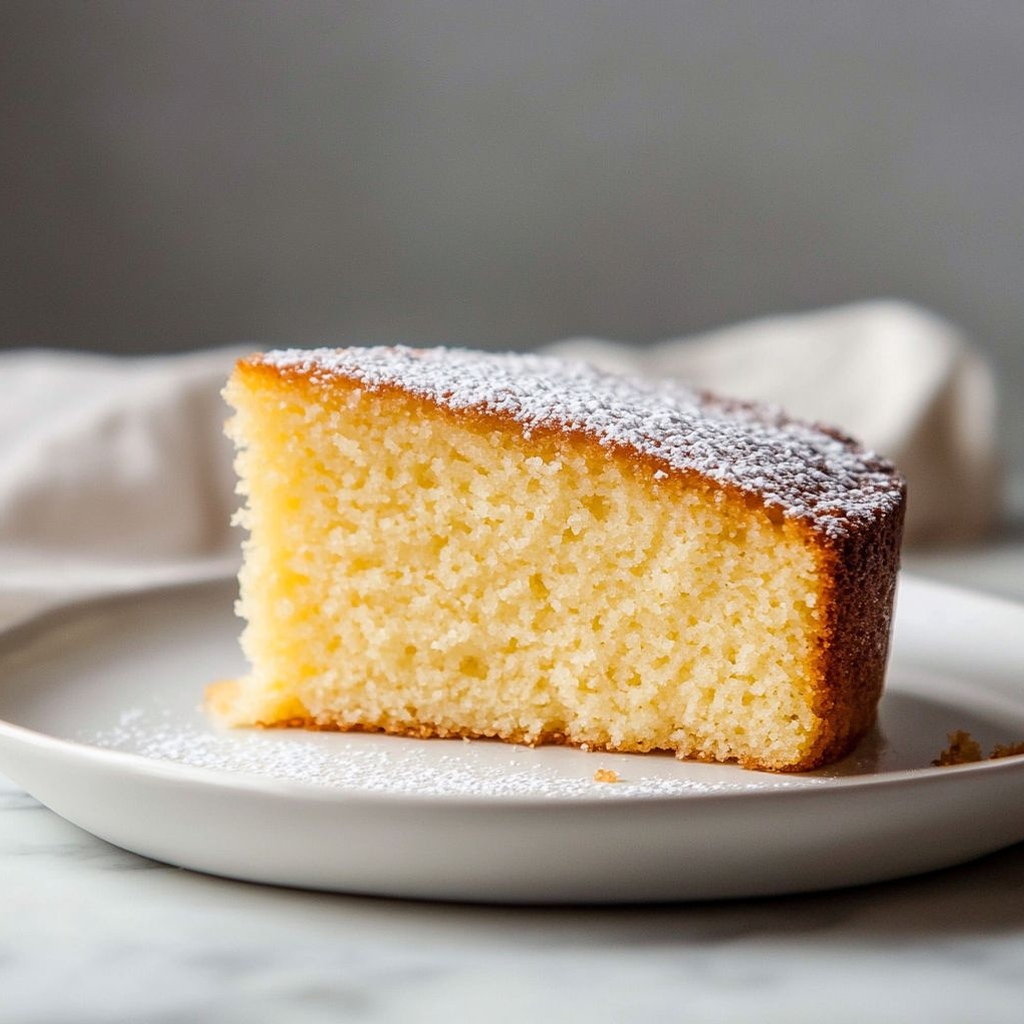
Imagine a slice of cake that feels like a warm hug from a sunny Italian afternoon. A delicate, cloud-light crumb that melts on the tongue, carried by the gentle richness of ricotta, lifted by bright lemon zest, and kissed with a whisper of vanilla. This is the essence of a Ricotta Cake: a humble, friendly dessert that looks modest in its simplicity but unfurls a bouquet of comforting, celebratory flavors with every bite. It’s not merely a cake; it’s a memory-maker—one that invites you to slow down, slice a piece, and let the aroma travel through the kitchen like a promise of togetherness. The beauty of this cake lies in its balance: the ricotta keeps the crumb incredibly tender and moist, while a citrusy brightness keeps it feeling fresh rather than heavy. It can be enjoyed with a cup of coffee in the morning, served as a finale to a sunny lunch, or offered as a gentle, crowd-pleasing dessert after a weeknight dinner. Once you taste it, you’ll understand why this recipe has a quiet way of becoming a staple, a pantry friend you reach for when you want to bring a little sunshine to the table.
Whether you’re a baking novice or a kitchen adventurer, this Ricotta Cake welcomes you with open arms. The batter is forgiving, the bake time forgiving, and the result universally loved. There’s something almost magical about the way the flavors unfold: the subtle sweetness of the cake, the creamy sotto-voice of the ricotta, and the citrus notes that poke through like a bright chorus. It’s a cake that respects your time, your pantry, and your guests, delivering a comforting slice without demanding a complicated procedure. And the best part? It’s already primed to become a canvas for your creativity—a blank page on which you can doodle with citrus, nuts, berries, or a delicate glaze as your mood dictates.
As you prepare to bake, you’ll notice how this cake responds to the moment: a quick zest of lemon to wake up the batter, a touch of vanilla to add warmth, and perhaps a handful of add-ins to suit the season. It’s a dessert with a personality as adaptable as your kitchen. The aroma alone is enough to draw people to the table, and the first forkful confirms what the senses have been hinting at—the cake is tender, the texture refined, and the balance of ingredients impeccably intuitive. In short: this Ricotta Cake is comfort with a refined edge, sophistication without stiffness, and a guarantee of smiles around the table. That’s the promise you’re about to indulge in.
The Story Behind the Dish
Ricotta has long been a beloved ingredient in Italian cooking, cherished for its light, slightly creamy character and its ability to marries well with both sweet and savory dishes. The term ricotta itself comes from the Italian phrase “ricottare,” meaning “to recook” or “to cook again.” This name harkens back to the traditional process of reheating whey to coax every last drop of cheese from it, yielding a fresh, delicate curd that’s perfect for a dessert like this. In many Italian households, ricotta is a staple that appears in cannoli and cassata, as well as in simple, comforting cakes that celebrate the cheese’s milky sweetness. The Ricotta Cake, in its most charming form, embodies this tradition by turning humble, readily available ingredients into a cake that feels both rustic and refined.
There is a timeless thread that runs through Southern and Central Italian baking—the use of ricotta to give a moist, tender interior without relying solely on butter or cream. This technique is especially beloved in regions that celebrate citrus, almonds, and fresh eggs in the spring and early summer. A traditional torta di ricotta in many Italian towns is not a showpiece but a daily pleasure: a modest pan filled with a light batter, a clean oven, and a slice that tastes of sunshine. The modern Ricotta Cake you’ll bake today pays homage to that sensibility while embracing contemporary textures and flavor pairings. It’s a bridge between eras—a recipe that feels both timeless and current, simple enough for a weekend kitchen but elegant enough to grace a special occasion table.
Beyond its Italian roots, Ricotta Cake has found a beloved global audience because it answers a universal craving: something that’s sweet without being cloying, indulgent yet approachable, and versatile enough to be dressed up or kept simple. In many homes, a sheet pan or loaf pan of ricotta cake becomes a star at Easter gatherings, a comforting shade of gold at casual Sunday dinners, or a bright, lemon-dusted centerpiece for spring celebrations. The story is less about a single origin and more about a shared experience—the way ricotta transforms ordinary ingredients into something that feels like a gift to your senses. In that spirit, this cake invites you to craft your own narrative with each bake, adding your own favorite twists and letting the results speak to your pantry and your palate.
Why You’ll Love This Recipe
- Creamy, cloud-soft crumb: The ricotta lends a gentle, almost cheesecake-like tenderness that stays moist for days without becoming heavy.
- Bright, balanced flavor: Lemon zest or orange zest lightens the richness, while vanilla adds warmth and depth.
- Very approachable: A forgiving batter that yields dependable results even for bakers new to cake-making.
- Versatile base: A perfect canvas for add-ins like citrus glazes, fresh berries, toasted nuts, or a dusting of powdered sugar.
- Make-ahead friendly: bake ahead for gatherings; the flavors deepen and the texture improves with time.
- All-purpose appeal: Friendly to a wide range of palates, from kids to guests who appreciate a refined but not fussy dessert.
- Minimal pantry drama: Often, you already have the core ingredients on hand—ricotta, eggs, sugar, flour, a citrusy zing, and a pinch of salt.
- Comfort factor without heaviness: It delivers comfort and satisfaction without weighing you down, making it ideal for celebrations or everyday dessert cravings.
Flavor Profile & Texture
The flavor of Ricotta Cake is a delicate harmony of milky richness and bright citrus, with a subtle sweetness that lands softly on the palate. The ricotta provides a gentle creamy foundation that feels almost indulgent, yet because it’s made from whey rather than full-fat cream, the finish remains light and approachable. This is not a dense, heavy dessert; it’s a tender, inviting slice that invites you to linger and savor the seconds. The zest from lemon (or orange) is your bright counterpoint—sunny and fragrant, it amplifies the cake’s aroma and brightens the overall flavor, preventing the richness from tipping into heaviness.
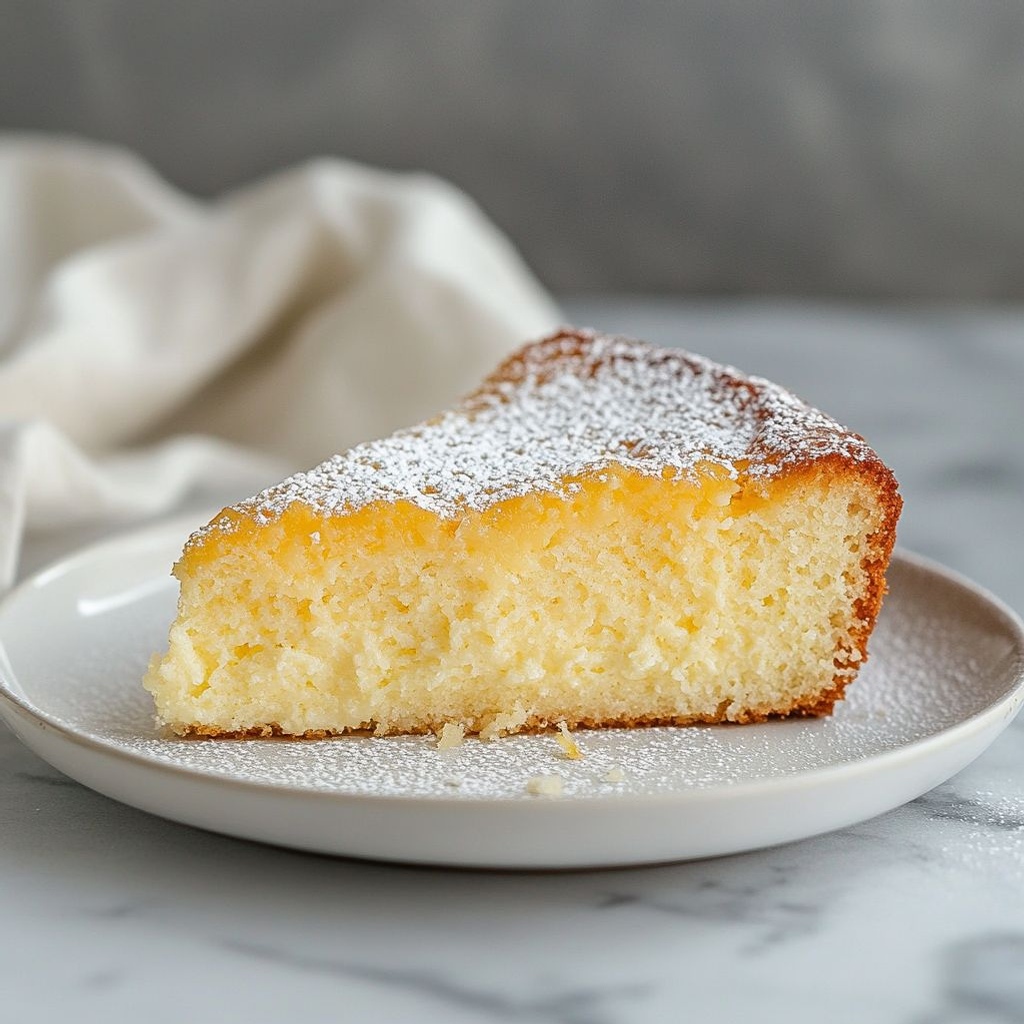
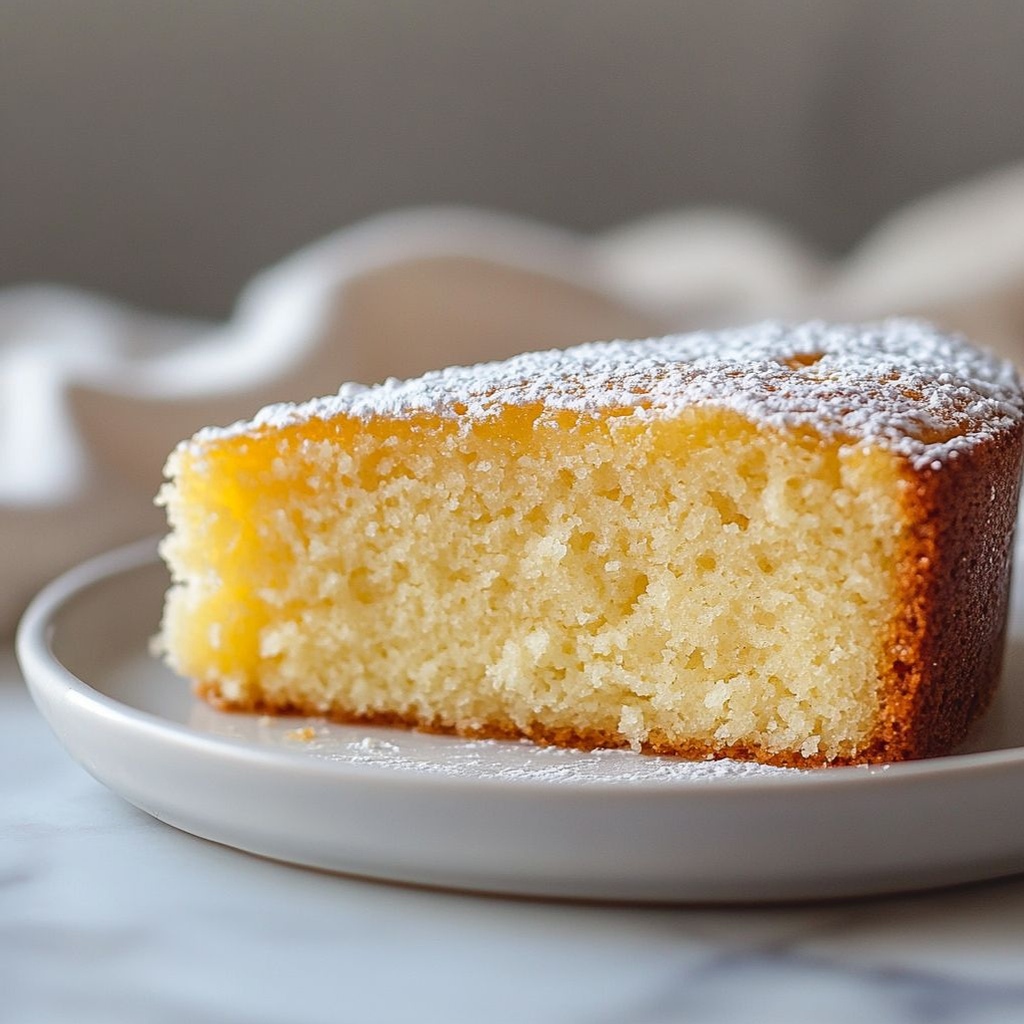
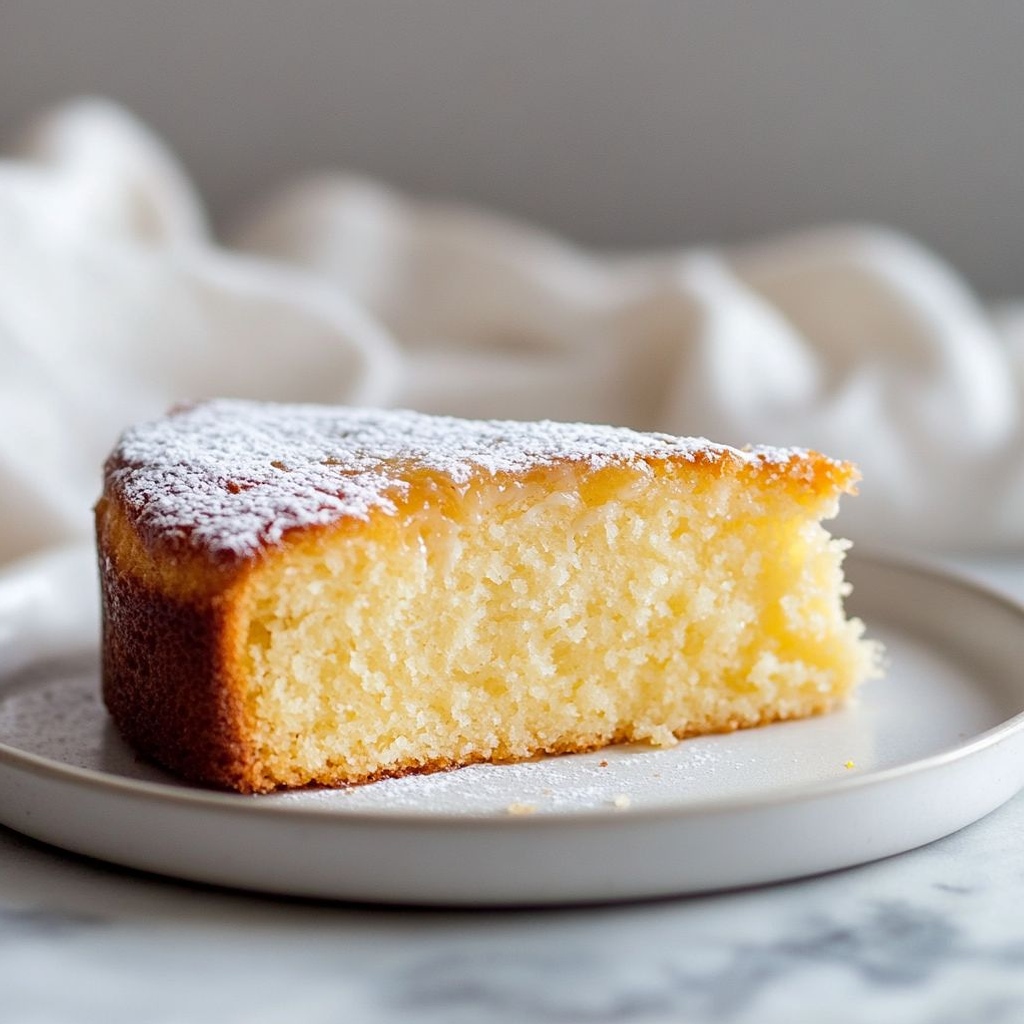
Texture-wise, think of a cake that dissolves into a soft, airy crumb with a subtle spring on the bite. The interior should feel moist but not wet, with a fine, even crumb that almost melts as you chew. The surface of the cake can present a delicate, barely crackled crust, especially if a light glaze or dusting of sugar is added. A glaze—whether lemon, vanilla, or a delicate citrus syrup—can glaze the top with a glassy sheen, adding a touch of sweetness and a hint more moisture. If you’re more inclined toward a rustic finish, a gentle dusting of powdered sugar or a scatter of toasted almonds provides crunch and visual appeal while complementing the cake’s refined tenderness. The aroma alone—warm vanilla, citrus zest, and the faint, comforting scent of baked cake—often feels like a small celebration in the kitchen, a sensory reminder of why baking can feel like a love letter to those you care about.
When you take a bite, the creamy interior interacts with the crisp, aromatic exterior, creating a pleasing duality: the soft, almost custard-like center and the light, slightly crisp edges that offer a gentle contrast. The lemon or citrus notes are not overpowering but act as a refreshing beacon, lifting the dish and ensuring it remains vibrant rather than verbose. If you decide to fold in add-ins—such as white chocolate chips, sliced almonds, or blueberries—the texture shifts in delightful ways: the chocolate or nuts introduce gentle crunch or bursts of sweetness, while berries add a tiny tang and bursts of juiciness. The cake’s forgiving nature encourages experimentation, inviting you to discover your preferred balance between creamy richness and citrus brightness, all without losing its characteristic lightness.
Occasions & Pairings
This Ricotta Cake is the kind of dessert that shines in a crowd without demanding a formal setting. Its adaptability makes it perfect for a range of occasions, from intimate family dinners to holiday gatherings, and from casual weekend brunches to Easter tables where citrus and spring flavors take center stage.
- Weeknight dessert: A comforting, quick-to-minish slice after dinner with a cup of tea or coffee.
- Brunch centerpiece: Slice it generously, pair with fresh berries, a dollop of whipped cream, or a light lemon glaze for a bright finish.
- Spring celebrations: The citrus note pairs beautifully with spring flowers and lighter fare, making it an ideal seasonable choice.
- Easter and holiday desserts: A refined but unfussy cake that complements a variety of festive flavors without feeling overly indulgent.
- Tea-time companion: Serve alongside a pot of Earl Grey or a citrus-infused black tea for a cozy afternoon ritual.
Pairings to consider, depending on your mood and occasion:
- Fresh fruit compotes or a berry coulis brushed lightly on the slices for a pop of color and acidity.
- A silky vanilla- or citrus-glaze drizzle that adds a glossy finish and a touch more sweetness.
- Light whipped cream or a cloud of lemon-infused mascarpone on the side for extra richness.
- Plain or vanilla ice cream to create a delightful contrast of temperatures and textures.
- A glass of sparkling wine, Moscato d’Asti, or a crisp Prosecco to elevate celebrations without overpowering the cake’s delicate flavors.
Tips, Variations & Substitutions
- Flavor boosters: Add a teaspoon of vanilla extract and a tablespoon of lemon zest for a more pronounced citrus aroma. A pinch of almond extract can introduce a subtle nutty nuance that pairs beautifully with ricotta.
- Gluten-free option: Substitute with a high-quality gluten-free flour blend and a touch of cornstarch (about 1 tablespoon) to help mimic the structure of regular flour. Ensure the blend you choose performs well in cakes for best results.
- Dairy-free option: Use a plant-based ricotta alternative (almond, coconut, or soy-based) and a dairy-free butter or neutral oil. You may need a little extra moisture from dairy-free yogurt or a splash of dairy-free milk to achieve the same tenderness. A flax or aquafaba egg-replacer can help with structure if you’re adapting the recipe for vegan diets.
- Nutty twists: Fold in toasted chopped almonds or pistachios for crunch. A sprinkle of almond meal on top before baking can create a delightful crust and extra aroma.
- Fruit-forward variations: Fold in fresh blueberries, thinly sliced strawberries, or finely chopped rhubarb for a seasonal twist. Ensure fruit is dry to avoid excess moisture in the batter.
- Chocolate note: A handful of white chocolate chips or finely chopped dark chocolate creates a delightful contrast with the citrus and ricotta.
- Alcoholic accent: A splash of limoncello, orange liqueur, or a dash of sweet Marsala can deepen the flavor profile and give the cake a celebratory flair.
- Make it extra light: To boost the cake’s lightness, fold in soft whipped egg whites at the very end. This technique preserves airiness while keeping the cake tender.
- Bottom-line texture: If you want a slightly denser crumb, substitute half of the ricotta with a smooth yogurt (dairy) or a plant-based yogurt for a different mouthfeel while maintaining moisture.
Storage & Make-Ahead Ideas
One of the most appealing aspects of Ricotta Cake is how well it holds up and even improves with a little aging. The flavors mellow and meld, and the crumb remains tender, making it a fantastic candidate for advance planning.
Storage tips:
- Refrigeration: Store the cake, well wrapped or in an airtight container, in the refrigerator for up to 3–4 days. The interior will stay moist, and the citrus notes will continue to brighten with time.
- Room temperature: If you live in a cooler climate or plan to serve within a day, the cake can stay at room temperature for several hours in a covered container. Just be mindful that ricotta can feel a touch firmer at room temperature after sitting for several hours.
- Freezing: Slice the cake and wrap individual portions tightly in plastic wrap, then freeze for up to 2–3 months. Thaw in the refrigerator overnight or at room temperature for a few hours, and glaze or dust with sugar if desired before serving.
- Make-ahead strategy: If you want to plan a bake-for-ahead scenario, you can prepare the batter, refrigerate for up to 24 hours before baking, and then bake as usual. The resting time can intensify the flavors and improve the crumb.
Glazing and finishing ideas:
- Fresh glaze: Whisk together lemon juice with powdered sugar until glossy; drizzle over cooled cake for a bright finish.
- Simple dusting: A light snowfall of powdered sugar offers a classic, elegant touch without masking the cake’s tenderness.
- Berry topping: Spoon a berry compote over the slices for a fresh, vibrant finish that contrasts with the creamy interior.
Fun Facts & Trivia (Optional)
- The word ricotta literally means “recooked” in Italian, a nod to the traditional method of reheating whey to extract more curd. This history is directly tied to the way ricotta achieves its characteristic brightness and light texture in desserts and beyond.
- Ricotta is a versatile ingredient across Italian sweets, from cannoli fillings to soft, creamy cheesecakes. Its gentle flavor acts as a blank canvas that happily accepts citrus, vanilla, nuts, and fruits without clashing, making it a favorite for both everyday and festive baking.
- Although associated with Italy, similar cheese-based, light-textured desserts appear in various cultures, illustrating a shared love for tender, comforting sweets that celebrate dairy and citrus in balance.
- Cassata, a well-known Sicilian cake, also centers on ricotta but layers it with candied fruit and sometimes marzipan or chocolate. While cassata is often more elaborate, the basic principle—light ricotta with a sweet, aromatic profile—connects it to the humble Ricotta Cake you’ll bake at home.
- Classic Italian desserts frequently pair citrus and ricotta to brighten the palate. The lemon zest in Ricotta Cake echoes this tradition, providing a fragrant aroma that instantly evokes sun-kissed hills, olive trees, and the zest of morning zest on a gentle sea breeze.
Ingredients
- Ricotta Cake Base
- – 1 1/2 cups all-purpose flour (unbleached)
→ Provides the main structure and crumb for the cake. If you need a gluten-free version, substitute with 1 1/2 cups gluten-free all-purpose flour and add 1/2 teaspoon xanthan gum per cup to mimic gluten’s elasticity. Sift the flour lightly and spoon into the measuring cup, leveling off for accuracy. - – 1 cup ricotta cheese, well-drained
→ Core moisture and creaminess; ricotta gives the cake its signature light yet rich texture. To ensure a smooth batter, drain the ricotta in a fine sieve for 20–30 minutes to remove excess whey. If you see excess moisture, pat gently with paper towels, but do not press; a very wet batter can cause sinking in the middle. - – 3 large eggs, at room temperature
→ Structure and binding; room-temperature eggs emulsify better with the fat and sugar for a smooth batter. Beat the eggs with sugar until pale and slightly thick to incorporate air for a lighter crumb. - – 1 cup granulated sugar
→ Sweetness and to balance the tang of the ricotta; helps with browning on the surface. If you prefer a less sweet cake, reduce by 2–3 tablespoons and compensate with a touch more zest or vanilla. Ensure even mixing to prevent grainy texture. - – 1/2 cup unsalted butter, melted and cooled
→ Adds richness, moisture, and a tender crumb; melted butter blends easily into the batter. Let it cool slightly before mixing to avoid cooking the eggs; if you prefer, you can substitute with 1/2 cup neutral oil, though this will subtly change flavor and crumb. - – 1/4 cup milk (optional)
→ Adjusts batter consistency and moisture; add if the batter seems very thick. Use whole milk for richer flavor or a non-dairy milk for dairy-free versions, adjusting other fats if needed to maintain moisture balance. - – 1 teaspoon pure vanilla extract
→ Flavor backbone that enhances the overall sweetness and complements citrus; use high-quality vanilla or vanilla bean paste for a deeper aroma. If using vanilla bean, scrape the seeds and add with the extract. - – Zest of 1 lemon (finely grated)
→ Bright, fresh citrus aroma that lifts the ricotta and butter; grate finely and avoid the white pith. The zest can be added with the flour and sugar to distribute evenly; if you like extra brightness, add a touch of lemon juice (see optional). - – 1 tablespoon lemon juice (optional)
→ Adds acidity to balance richness and enhance brightness; use sparingly to avoid curdling. If used, mix in with the wet ingredients after zest to distribute evenly. - – 2 teaspoons baking powder
→ Leavening that helps the cake rise and achieve a light crumb; whisk with the flour to ensure even distribution and to prevent lumps. Adjust slightly if using GF flour blends as directed on the package. - – 1/4 teaspoon salt
→ Amplifies sweetness and flavors, enhances the lemon and ricotta notes; use fine table salt for even distribution.
- Optional Add-ins
- – 1/2 cup mini chocolate chips or fresh berries (optional)
→ Adds bursts of flavor and texture; fold in gently to avoid breaking berries or bleeding color. If using chocolate chips, a light toss with a teaspoon of flour helps keep them from sinking. - – 1/4 cup chopped almonds or toasted nuts (optional)
→ Provides crunch and a nutty contrast to the creamy cake. To maximize aroma, toast the nuts in a dry skillet or oven until golden and fragrant, then cool and chop to even pieces. - – 1/2 teaspoon almond extract (optional)
→ Enhances an almond note that pairs well with lemon and ricotta. Use sparingly; omit if nut allergies are a concern or if you prefer a purer flavor.
- Glaze / Toppings (Optional)
- – 1/2 cup powdered sugar
→ Light dusting adds a touch of sweetness and a polished finish. If you plan to glaze, this serves as the base for a simple lemon glaze. - – 2 tablespoons fresh lemon juice (for glaze)
→ Turns powdered sugar into a bright lemon glaze that complements the ricotta cake. Whisk with sugar until smooth; adjust with a few drops of water or milk if needed to reach a pourable consistency. Drizzle over cooled cake after it’s completely cooled to set nicely.
Instructions
- Preheat your oven to 350°F (175°C) and grease a 9×5-inch loaf pan or line it with parchment for easy removal.
→ This ensures the cake releases cleanly and slices neatly without tearing the crust. - Drain the ricotta in a fine-mesh sieve set over a bowl for 20–30 minutes, pressing lightly to remove excess whey without squeezing, to prevent a runny batter and soggy crumb.
→ Extra moisture weakens structure; draining concentrates the creamy texture essential for a light, tender crumb. - Sift the all-purpose flour with the baking powder and salt into a medium bowl to distribute leavening evenly and prevent lumps.
→ Sifting aerates the dry mix and ensures an even rise, while salt enhances flavor balance. - In a large bowl, whisk the eggs with the granulated sugar until the mixture is pale, thick, and ribbons form when you lift the whisk, about 2–3 minutes; this emulsification traps air for a lighter crumb.
→ Proper aeration is crucial for height and a tender texture in a ricotta-based cake. - Slowly whisk in the melted and cooled butter in a thin, steady stream while the eggs and sugar are whisking, so the fat emulsifies smoothly and prevents curdling.
→ Emulsification ensures a cohesive, moist batter without oily streaks. - Stir in the drained ricotta, then add the vanilla extract, lemon zest, and lemon juice (if using) and mix until the batter is uniform and creamy; if you include milk, whisk in 1–2 tablespoons at this stage to loosen the batter as needed.
→ Ricotta provides moisture and a delicate crumb, while citrus adds brightness; adding milk only as needed maintains balance. - Gently fold in the sifted dry ingredients into the wet mixture in 2–3 additions, using a folding motion with a spatula until just combined; stop as soon as you see flour streaks disappear to avoid overdeveloping gluten.
→ Overmixing makes the cake dense; gentle folding preserves tenderness. - If using optional add-ins, toss 1/2 cup mini chocolate chips or berries with 1 teaspoon of flour, then fold them in evenly to distribute without sinking; also fold in 1/4 cup chopped almonds if desired.
→ Coating add-ins with flour helps them stay suspended rather than gravitating to the bottom during baking. - Pour the batter into the prepared loaf pan and smooth the top with a spatula to ensure even height and uniform bake; tap the pan once on the counter to expel large air pockets.
→ An even surface bakes more consistently and prevents doming or hollow centers. - Bake in the preheated oven for about 45–55 minutes, or until a toothpick inserted into the center comes out with a few moist crumbs; if the top over-browns, tent loosely with foil for the last 10–15 minutes.
→ This provides a moist interior with a delicate crumb and prevents a dry, overcooked crust. - Cool the cake in the pan for 15 minutes, then run a knife around the edges and invert onto a rack to cool completely before glazing or dusting.
→ Resting the cake stabilizes the crumb and makes slicing clean and tidy. - If using the glaze, whisk 1/2 cup powdered sugar with 2 tablespoons fresh lemon juice until smooth and pourable, then drizzle over the completely cooled cake and let the glaze set briefly.
→ The glaze adds a bright, acidic counterpoint that complements the ricotta and lemon notes, while setting to a glossy finish.
Notes
This ricotta cake is a light, creamy dessert with a bright citrus note and a tender crumb thanks to the ricotta and lemon zest. For best texture, drain the ricotta well (about 20–30 minutes) to remove excess whey, and let the eggs, butter, and milk come to room temperature so the batter emulsifies evenly. Beat the eggs with the sugar until pale and slightly thick to introduce air, then whisk in the melted cooled butter, ricotta, vanilla, lemon zest, and lemon juice before folding in the sifted flour and baking powder.
If you need a gluten-free version, substitute with 1 1/2 cups gluten-free all-purpose flour and add 1/2 teaspoon xanthan gum per cup to mimic gluten’s elasticity. Sift the GF flour with the baking powder to ensure even rise, and measure by spooning into the cup and leveling off for accuracy to prevent dense results.
Optional add-ins like 1/2 cup mini chocolate chips or fresh berries can be folded in gently to maintain the cake’s delicate crumb. A 1/4 cup chopped almonds or toasted nuts add a pleasant crunch. If using almond extract, add 1/2 teaspoon sparingly to avoid overpowering the lemon and ricotta flavors.
To bake, grease and line your pan (an 8×8-inch square or a 9-inch round works well) and spread the batter evenly. Bake at a moderate heat until the center is set and a toothpick comes out with a few moist crumbs, then rotate the pan halfway through for even browning. Start checking around 40–45 minutes; baking times vary with pan size and flour type, so rely on doneness rather than time alone.
For a simple glaze, whisk 1/2 cup powdered sugar with 2 tablespoons fresh lemon juice until smooth, then drizzle over a completely cooled cake. You can also dust with a light shower of powdered sugar and a little extra lemon zest for freshness. This cake stores well refrigerated for up to 3 days and can be frozen in slices for longer keeping; thaw at room temperature before serving for the best texture.
Tips
Tips for Ricotta Cake
- Drain the ricotta well: place the ricotta in a fine sieve over a bowl and let it drain for 20–30 minutes to remove excess whey. Pat gently with paper towels; do not press. A very wet batter can cause the cake to sink in the center.
- Use room-temperature ingredients: eggs and butter should be at or near room temperature for better emulsification and a smoother batter. If any ingredient is cold, give it a few extra minutes to come to temperature before mixing.
- Prepare dry ingredients properly: whisk the flour, baking powder, and salt together, then sift lightly to distribute the leavening evenly. This helps the cake rise evenly and prevents lumps, especially if using gluten-free flour blends.
- Mixing technique matters: beat the eggs with the sugar until pale and slightly thick to introduce air. Add the ricotta and liquids gradually, then fold in the dry ingredients just until combined. Avoid overmixing after adding flour to keep the crumb tender.
- Balance flavor with zest and vanilla: lemon zest adds brightness that complements the ricotta and butter. Add vanilla early to let its aroma develop. If using lemon juice, add sparingly to avoid curdling.
- Optional add-ins go in carefully: if you use berries or chocolate chips, toss them with a teaspoon of flour first to prevent sinking or color bleed. Fold them in gently at the end of mixing.
- Texture and hydration tips: if the batter seems very thick, whisk in a tablespoon or two of milk to loosen it. If you’re aiming for a lighter crumb, rest the batter 10 minutes before baking to let the flour hydrate.
- Pan and bake guidance: grease and line your pan (8×8 inch or 9-inch round are common choices) for easy removal. The cake should rise to a light crust; it will continue to set as it cools.
- Doneness and finishing: test with a toothpick in the center—aim for a few moist crumbs rather than raw batter. If using the glaze, ensure the cake is completely cooled before applying it so the glaze sets nicely.
- Glaze and topping tips: whisk 2 tablespoons lemon juice with 1/2 cup powdered sugar to make a bright lemon glaze; adjust to a pourable consistency. Drizzle over cooled cake and let it set before slicing.
- Storage and make-ahead: store leftovers airtight in the refrigerator for up to 3 days. Bring to room temperature before serving, or rewarm briefly to refresh the crumb. Slices can be frozen for longer storage.
FAQ
Ricotta Cake – FAQs
What is Ricotta Cake?
Ricotta Cake is a moist, tender dessert that uses ricotta cheese to create a rich crumb. It often features citrus zest and vanilla, giving it a light cheesecake-like texture without being overly dense.
What ingredients do I need for a basic Ricotta Cake?
A typical lineup includes:
- Ricotta cheese (full-fat works best)
- Granulated sugar
- Eggs
- All-purpose flour (or gluten-free 1:1 flour)
- Baking powder
- Zest of lemon or orange
- Vanilla extract
- Neutral oil (or melted butter)
- Salt
- Optional: a splash of milk to loosen the batter
Can I make this gluten-free?
Yes. Use a gluten-free 1:1 baking flour blend in place of all-purpose flour. You may need to add a little extra liquid if the batter seems dry, as some gluten-free blends absorb more moisture. Keep an eye on bake time since gluten-free batters can behave a bit differently.
Can I make it dairy-free or vegan?
Yes, with substitutions. Use a dairy-free ricotta (made from almonds, cashews, or tofu-based) and replace eggs with flax eggs (1 tablespoon ground flaxseed + 3 tablespoons water per egg) or other vegan egg substitutes. Use a plant-based oil and dairy-free milk if your recipe calls for it. The texture may be slightly different, but you can achieve a moist, flavorful cake.
How do I bake it and how long does it take?
Preheat to 350°F (175°C). Grease a 9-inch round cake pan. Bake for about 40–55 minutes, or until the top is golden and a toothpick inserted in the center comes out with a few moist crumbs. If the top browns too quickly, loosely tent with foil for the last 10 minutes.
What flavors and add-ins work well?
Great options include:
- Fresh citrus zest (lemon, orange)
- Vanilla extract
- Blueberries or sliced strawberries
- Chocolate chips
- Slivered almonds or poppy seeds
- A pinch of cinnamon or almond extract
Dust with powdered sugar before serving for a finishing touch.
How should I store leftovers and how long do they keep?
Let the cake cool completely, then cover or refrigerate. It will keep 3–4 days in the fridge. Bring slices to room temperature before serving for the best texture. You can freeze individual slices for 2–3 months; wrap well and thaw in the fridge or at room temperature.
Can I make this ahead of time or freeze the batter?
You can mix the batter and refrigerate it for up to 24 hours before baking. Bake as directed the next day. Freezing the batter is less common, but you can freeze prepped batter for shorter periods and bake directly from frozen with a few extra minutes of bake time, watching for doneness.
What pan size should I use, and how does it affect bake time?
The classic choice is a 9-inch round cake pan. If you use a loaf pan (8×4 inches), expect a longer bake time (roughly 50–70 minutes) and a denser crumb. Always check doneness with a toothpick in the center.