
Introduction / Hook
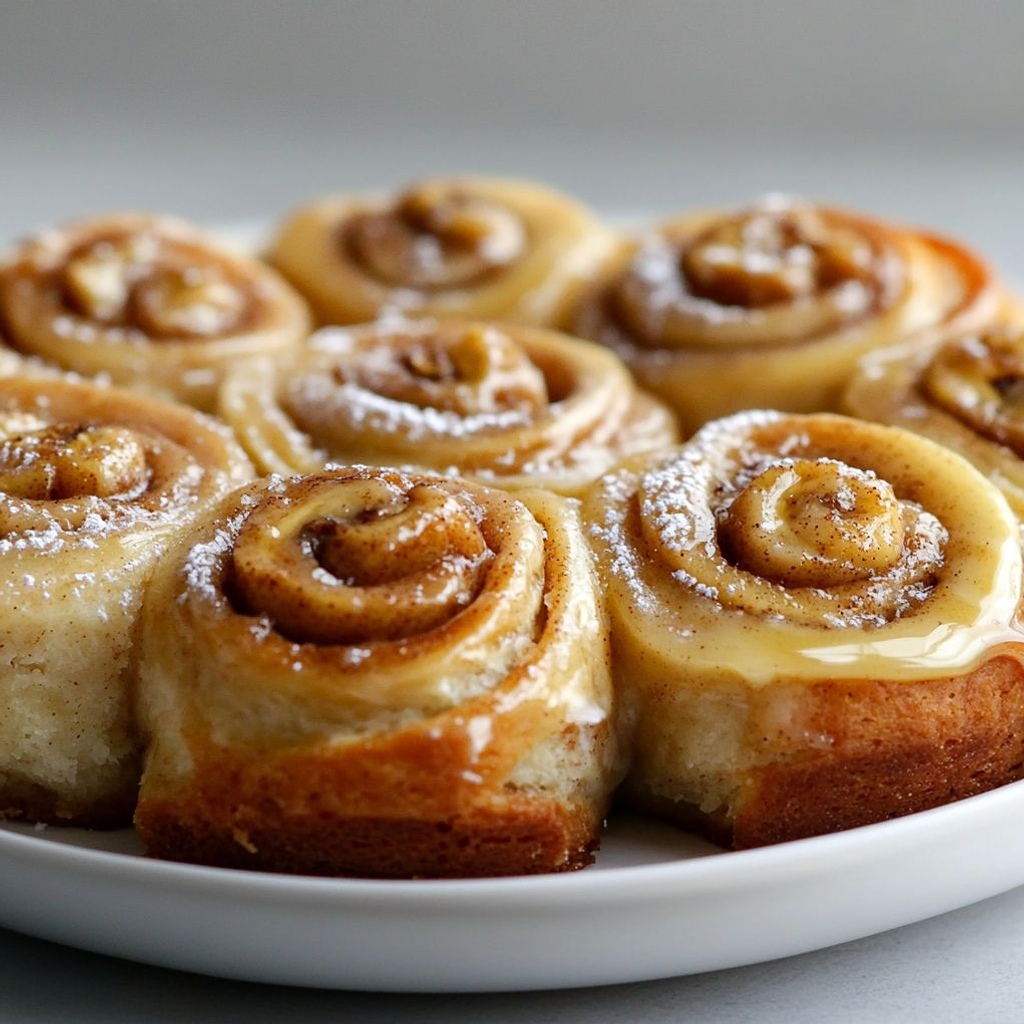
Picture a morning in which the air itself feels like a hug: the scent of ripe bananas mellowing into sweetness, a gentle swirl of warm spices waking the senses, and a soft, cloud-like dough that gives just a touch when you press it. Bananas meet cinnamon in a kiss of comfort that’s somehow both nostalgic and novel. Banana Bread Cinnamon Rolls are the kind of treat that makes a kitchen feel alive—an invitation to slow down, breathe in, and savor a moment that tastes like home and adventure all at once. In every bite, you’ll encounter the familiar, the familiar with a playful twist, and a lingering note of coziness that lingers long after the last bite. It’s a celebration of two beloved classics, fused into one irresistible experience that feels like a weekend brunch and a bedtime story all rolled into one glorious pastry.
These rolls aren’t just dessert or breakfast; they’re a ritual you’ll want to repeat on rainy mornings, celebratory Sundays, and spontaneous moments when you crave the loud whisper of happiness. The aroma is a preface to joy—the kind that draws people to the kitchen, invites a friend to linger at the counter, and makes a quiet home feel suddenly festive. The texture is a delicate balance: a tender, pillow-soft interior that reveals a secret, ribbon-like swirl of sweetness as you cut through the layers, balanced by a gentle chew on the outside and a lingering, comforting depth from the banana notes. The flavor profile is an artful conversation between two classics—the fruit-forward sweetness of banana with the toasty warmth of cinnamon—creating a profile that feels both familiar and pleasantly surprising.
If you’re seeking a bake that’s indulgent without being overbearing, intimate enough for two and bold enough for a crowd, this banana-bread-meets-cinnamon-roll hybrid delivers. It invites sharing, yet it’s also perfectly suited for solitary decadence on a quiet morning. And because it’s built on the idea of layering—soft, fruity core with a cinnamon-kissed exterior—each bite offers a new angle: a warmly spiced edge, a banana-tinged midsection, and a soft, moist center that seems to melt into the memory of your favorite banana bread while still carrying the playful, swirled charm of a cinnamon roll. Welcome to a pastry that redefines what it means to start your day with something comforting and bright, a sweet escape you can feel in your fingertips, your nose, and your heart.
The Story Behind the Dish
Every beloved dish has a story, and Banana Bread Cinnamon Rolls tell two intertwined ones. On one side sits the venerable banana bread, a quick-bread favorite born from frugal kitchens and the urge to transform overripe fruit into something tender, moist, and deeply comforting. Banana bread traveled through families and communities, a staple that softened the hardest mornings and sweetened the longest days. It is the scent of Sundays, the echo of kitchens where flour dust hangs in the air, and the memory of watching a loaf rise with quiet patience. On the other side stands the cinnamon roll—a testament to patience and technique, a pastry that began in Nordic and Central European baking traditions and found a global audience through the warmth of cardamom-kissed sweetness and the magic of a slow-rise, well-formed spirals. The cinnamon roll is the ritual of a morning, the ceremonial unrolling of scent and hope as your hands work dough into a glossy, inviting surface, and the moment you bite through the soft layers to meet the caramelized edge that holds the secrets of a dozen spices.
Put these two together, and you have a culinary story that speaks to generosity and shared joy. The concept behind Banana Bread Cinnamon Rolls grew from a simple realization: ripe bananas bring a soft, fruity note that can transform a roll from good to unforgettable, while cinnamon adds a toasty, comforting warmth that makes morning meals feel like a celebration. The fusion is not about complicating a classic; it’s about honoring the soul of both by letting them coexist in a way that feels entirely natural. In family kitchens and bustling brunch spots alike, you’ll find the same instinct at play: take what you love, layer it with care, and present it in a way that invites people to gather, talk, and linger. When you slice into one of these rolls, you’re not just tasting a pastry—you are stepping into a moment that feels timeless yet new, familiar yet full of a playful spark that makes every bite feel like a small, edible miracle.
There is also a gentle thread of nostalgia threaded through this dish. It nods to grandmotherly afternoons when a warm oven perfumed the house and a plate of something sweet waited on the table as a quiet reward for a job well done or a story well told. It nods to modern mornings when brains are busy and hearts are tired, offering a comforting gesture that says: you deserve something comforting and uplifting, and it’s right here, waiting to be shared. The resulting rolls become a bridge between eras—an homage to the past, a celebration of the present, and a hopeful invitation to imagine the future in a bakery window’s glow.
Why You’ll Love This Recipe
- Comfort in every bite: the combination of banana sweetness and cinnamon warmth delivers a soothing, familiar taste you’ll crave again and again.
- Impressive without being intimidating: visually stunning swirls and layers make a bold statement, even though the technique remains approachable for home bakers.
- Perfect for crowds or intimate mornings: these rolls scale beautifully, inviting family gatherings, brunches, or a serene solo treat with a cup of coffee.
- Flexible by nature: the concept invites gentle adaptations—slightly altering sweetness, spice, or texture to suit your mood or pantry without derailing the magic.
- Texture harmony: a soft, tender core meets a gently resinous outer texture; the contrast is memorable without feeling heavy.
- Make-ahead friendly: you can coax the dough—if you’re inclined—to a prepared stage that lets you bake fresh rolls with ease when the moment calls.
- Giftable and shareable: the swirl’s beauty and generous size make these rolls an ideal homemade gift for neighbors, hosts, or colleagues.
Flavor Profile & Texture
The flavors intertwine with a graceful balance. The banana sweetness offers a nuanced, fruit-forward softness that never overpowers; it feels like the natural sweetness of fruit, amplified by gentle toasting and careful maturing in the oven. Cinnamon introduces a warm, toasty note with a whisper of wood and spice, uplifting the lay of the dough rather than hiding behind it. If there’s a chorus here, it’s the way banana and spice co-create a comforting depth that lingers—never cloying, always inviting another bite. The dough itself contributes a delicate tenderness—an interplay between moistness and a tidy, resilient bite that holds its shape when sliced yet yields to the teeth with a sigh of softness. The way the roll unfurls reveals a hidden seam of sweetness, a silent ribbon that runs through the layers, providing a consistent, pleasing sweetness without becoming sugary or overpowering.
Texturally, these rolls present a satisfying contrast. The outer crust has a subtle caramelized edge—slightly crisp, lightly chewy, and fragrant with toasty spice. The interior remains moist, almost velvety, like a well-made banana bread that’s been coaxed into a more elegant form. Each bite delivers a gentle spring from the dough, a melt-in-your-mouth moment that aligns with the fruit’s mellow sweetness and the spice’s confident warmth. The overall experience is generous in feel without sacrificing complexity, a delicate balance between comfort and indulgence. The aroma plays a supporting role here as well, filling the room with a sense of anticipation that makes the first bite feel almost ceremonial. In short, Banana Bread Cinnamon Rolls offer a symphony of soft fruitiness, warm spice, and comforting bakery fragrance—an interior texture that’s forgiving and an exterior that’s gratifying to bite into.
Occasions & Pairings
These rolls shine in moments that call for a little celebration of the ordinary. They are ideal for weekend brunches, a comforting centerpiece for a holiday morning, or an indulgent treat to share with friends after a long week. Their generous size makes them an excellent centerpiece for a breakfast spread or a coffee-and-conversation moment that somehow feels both nostalgic and newly minted. They also work beautifully as a dessert to accompany a slow evening, especially when paired with a hot beverage or a glass of something creamy and cool to contrast the warmth.
Pairings, when you’re serving them for a crowd or for a simple kitchen coffee klatch, can elevate the experience without adding complexity. A robust coffee or a spiced tea plays well with the cinnamon notes, while a milky or almond-backed beverage helps balance the sweetness. If you’re serving these as a brunch highlight, consider a simple fresh fruit accompaniment or a light yogurt-based side to offer a bright counterpoint to the deep flavors. For celebrations, a delicate citrus note—moments of orange zest-influenced aroma or a light citrus glaze in the distance of the flavor profile—can lift the sweetness and bring a refreshing brightness to the plate.
Beyond beverages, these rolls pair nicely with a handful of simple accompaniments. A delicate fruit compote, a scoop of light vanilla yogurt, or a dollop of whipped cream can provide a gentle, soothing contrast where sweetness returns with ease. For a more decadent moment, a small glass of milk or a warm latte rounds out the palate, letting the banana’s fruitiness carry through with the comforting spice in perfect balance.
Tips, Variations & Substitutions
- Vegan and dairy-free options: you can explore a plant-based approach by choosing milks and fats that align with a dairy-free lifestyle; the key is preserving the tenderness of the interior while maintaining a slightly crisp exterior.
- Gluten-free or alternative flours: if you prefer a gluten-free approach or want to experiment with different textures, consider blending gluten-free flours that yield a soft, springy crumb and avoid overworking the dough to keep it light.
- Sweetness and spice adjustments: you can tailor the sweetness and spice level to your taste by adjusting the perceived balance between fruit notes and cinnamon warmth. A hint more cinnamon or a touch of vanilla can alter the aroma in delightful ways.
- Make-ahead ideas: for an easier morning, you can set up the dough in advance and refrigerate at the appropriate stage until you’re ready to bake, allowing you to wake up to the smell of rolls without a hectic start.
- Texture and finish variations: if you enjoy a slightly crisper edge, you can let the rolls proof a touch longer before baking, or finish with a delicate, glossy touch that readies the surface for a gentle, flavorful finish without naming specific ingredients.
- Regional twists: a pinch of additional warmth can be explored through regional spice blends; simply think of how the spice profile can be reimagined without losing the core banana-cinnamon harmony.
- Substitutions in spirit: this concept lends itself to an adapted flavor journey—consider an accent of nutty notes or a citrus brightness that complements the banana and cinnamon without overshadowing them.
Storage & Make-Ahead Ideas
To keep these rolls at their best, store any leftovers in a cool, dry place or in the refrigerator if you won’t be enjoying them within a day or two. When you want to enjoy them again, gentle reheating helps restore the softness and aroma—the goal is to bring back the roll’s tenderness and the cinnamon’s inviting warmth without drying out the interior. If you’re making ahead, you can prepare the dough and the swirl in stages, refrigerating until you’re ready to bake, then finish with a final rise and bake. For longer-term planning, freezing individual portions after cooling can be a convenient way to have a ready-made, comforting bite when the craving strikes; just ensure they are well wrapped and protected to preserve moisture and aroma.
Another Make-Ahead idea is to portion the rolls into baking pieces and let them rest in a covered, cool environment until you’re ready to bake. This allows you to present a hot, freshly baked experience with minimal morning effort. When you reheat, a gentle warming process—enough to coax out the fragrance and to restore a soft interior—will bring back the bakery-like quality that makes these rolls so alluring. If you’re planning for a crowd, you can bake a larger batch, slice, and refresh as needed so everyone arrives to the same irresistible aroma and the same inviting texture.
Fun Facts & Trivia (Optional)
- Banana bread became a staple in American kitchens during the Great Depression, when resourceful home cooks used overripe fruit to create moist, flavorful loaves. Its enduring popularity reflects a cultural memory of frugality meeting comfort.
- Cinnamon has stood as a prized spice for centuries, revered across many cultures for its warmth and fragrance. Its pairing with fruit and bread forms a timeless duo that resonates in many traditional pastries around the world.
- The cinnamon roll’s spiral is more than a pretty shape—it’s a symbol of layering, patience, and the joy of pulling apart a warm, airy interior to reveal its swirled heart. The method celebrates the tension between exterior crispness and interior tenderness that many pastry lovers seek.
- Fusion pastries like Banana Bread Cinnamon Rolls embody the idea that culinary boundaries can be both honored and playfully expanded; they invite bakers to reimagine classics with a gentle, respectful twist.
- Sharing a tray of these rolls often goes beyond nourishment; it signals a moment of connection—neighbors stopping by, friends lingering in conversation, and families gathering to celebrate the everyday magic of a well-made dough.
Ingredients
Dough
- 3 1/2 cups all-purpose flour (plus extra for dusting)
→ Provides the fundamental structure and gluten network that traps gas and gives the rolls their chewy, tender crumb. Dust the work surface lightly and knead until the dough is smooth; if it sticks, sprinkle in small amounts of flour as you go. For a slightly chewier texture, you can substitute part of the all-purpose flour with bread flour. - 2 1/4 teaspoons active dry yeast (1 packet)
→ Yeast ferments the dough, producing the bubbles that create light, fluffy layers. Activate in warm liquid (about 105–110°F/40–43°C) with a pinch of sugar if your yeast is older or you’re unsure of its vitality; if the mixture doesn’t foam after 5–10 minutes, refresh with new yeast. - 1/4 cup granulated sugar
→ Feeds the yeast and adds a touch of sweetness to the dough. It also helps with browning and contributes to a tender crumb. If you prefer, you can reduce slightly for a less sweet dough. - 1/2 teaspoon salt
→ Enhances flavor and helps strengthen gluten development. Don’t skip; if using salted butter, adjust accordingly. - 1/2 cup warm milk (about 110°F/43°C)
→ Hydrates the dough and activates the yeast; the temperature is important to avoid killing the yeast. If dairy-free, choose an unsweetened, neutral-tavored option like almond or soy milk; avoid flavored milks that could affect texture. - 1/4 cup unsalted butter, melted and cooled
→ Enriches the dough for a rich, tender crumb and adds depth of flavor. Allow it to cool slightly so it doesn’t kill the yeast when mixed. - 2 large eggs, room temperature
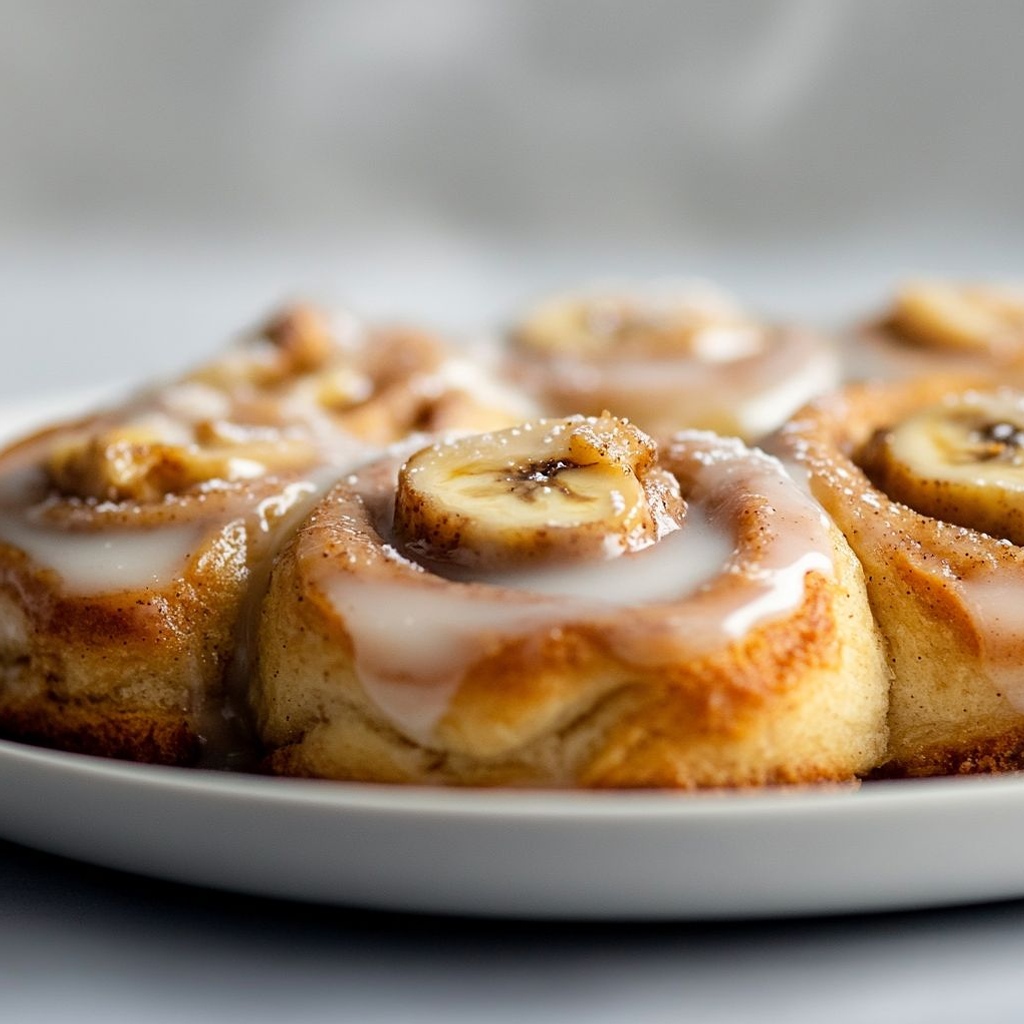
→ Provide structure, moisture, and richness. Room-temperature eggs blend more evenly into the dough, resulting in a smoother, cohesive texture. - 1/2 cup mashed ripe bananas (about 1–2 bananas)
→ Imparts natural sweetness, moisture, and banana-forward flavor reminiscent of banana bread. Use very ripe bananas for maximum aroma and sweetness; if they’re very watery, drain briefly on a paper towel to avoid a overly loose dough.
Filling
- 1/2 cup unsalted butter, softened
→ Soft butter spreads evenly to create a lush, glossy filling that melts into the rolls during baking. Keep butter at room temperature; if your kitchen is warm, chill the filling slightly to prevent sliding. - 1/2 cup light brown sugar, packed
→ Adds moisture, caramel-like depth, and sweetness that pairs perfectly with cinnamon. Packing ensures consistent sweetness throughout each swirl. - 2 teaspoons ground cinnamon
→ The signature spice for cinnamon rolls. To intensify the aroma, you can toast the cinnamon briefly in a dry pan for a few seconds, then grind if using whole sticks or shards. Avoid overpowering the banana flavor with too much spice. - 1/4 teaspoon salt
→ Balances the richness and sweetness in the filling. If using salted butter, adjust the salt accordingly. - 1/4 cup mashed ripe banana (optional for extra banana flavor)
→ Boosts banana-forward notes and moisture. If using, ensure the banana mash isn’t too wet to prevent soggy rolls; drain briefly if needed.
Cream Cheese Frosting
- 4 oz cream cheese, softened
→ Provides a tangy, creamy glaze that complements the banana and cinnamon beautifully. Soften to room temperature for smooth mixing; avoid overheating the cheese. - 2 tablespoons unsalted butter, softened
→ Adds richness and helps achieve a silky, spreadable frosting when whisked with the cream cheese. Keep at room temperature for easy blending. - 1 1/2 cups powdered sugar
→ Gives body and sweetness to the frosting. Sift to remove lumps for a smooth finish; adjust quantity for your preferred sweetness and thickness. - 1 teaspoon vanilla extract
→ Enhances the frosting aroma and rounds the tang of the cream cheese. Use real vanilla for best flavor; almond extract can be used as a subtle alternative if desired. - 1–2 tablespoons milk or heavy cream to thin
→ Adjust to reach your desired drizzle or spread consistency. Start with 1 tablespoon and add more a little at a time until it pours or glazes smoothly.
Optional Add-ins
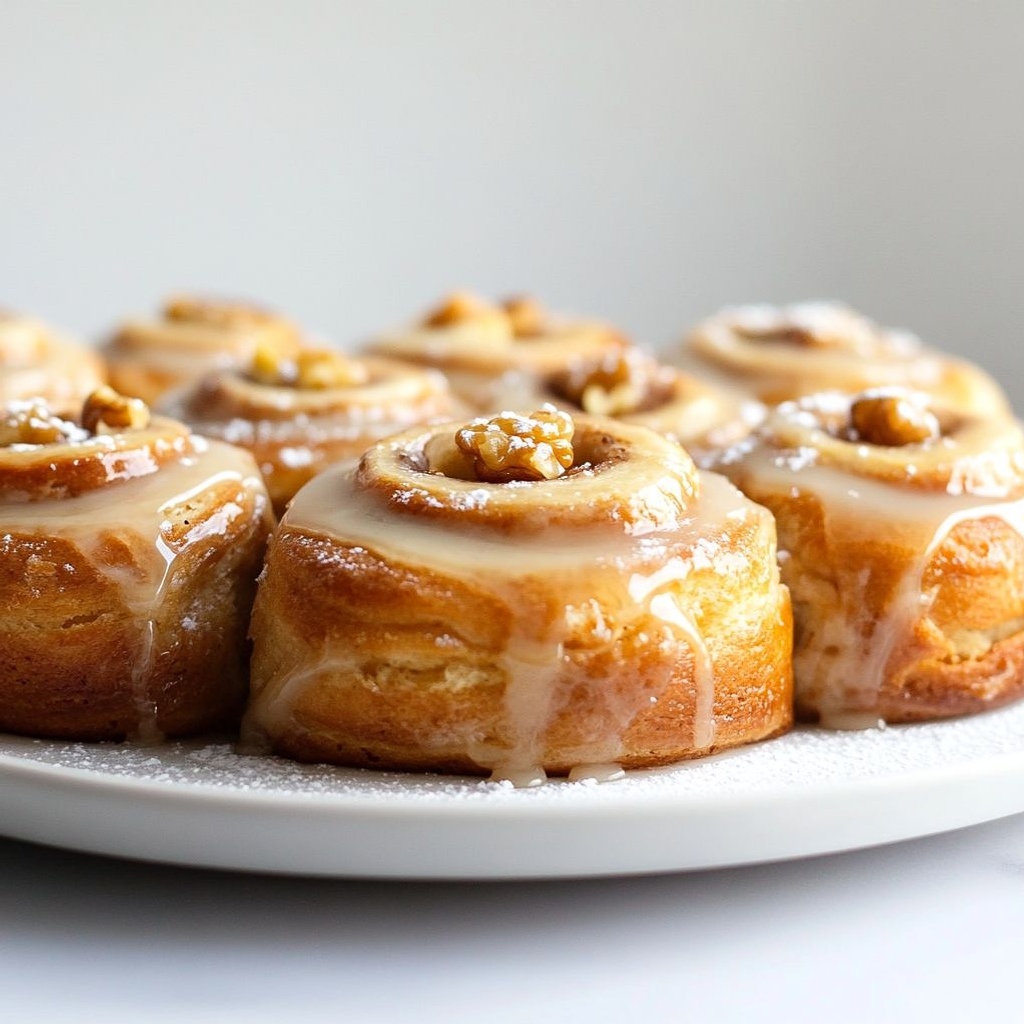
- 1/2 cup chopped walnuts (optional)
→ Adds crunch and a nutty depth that contrasts nicely with the soft crumb. Toast the walnuts lightly before chopping to boost flavor; fold into the filling or sprinkle on top before rolling to distribute evenly. - 1/4 cup raisins or chopped dates (optional)
→ Provide bursts of chewy sweetness and extra texture. If very dry, soak briefly in warm water or juice to plump; drain well before adding to the filling to prevent soggy rolls.
Instructions
- Proof the yeast in the warm milk with a pinch of sugar for 5–10 minutes until the mixture becomes foamy; this confirms the yeast is alive and ready to leaven the dough.
→ Foaming indicates active fermentation; if no foam appears after 10 minutes, discard and start with fresh yeast to avoid a dense, flat dough. - Whisk together the dry ingredients: flour, granulated sugar, and salt in a large bowl to ensure even distribution and proper gluten development.
→ Sifting or whisking prevents clumps and ensures the salt is evenly dispersed, which enhances flavor and helps control sweetness across the dough. - Whisk the eggs, mashed bananas, and cooled melted butter in a separate bowl until smooth and homogeneous.
→ This creates a uniform wet base so the banana flavor is evenly distributed and the fat helps tenderize the crumb; ensure the butter is not hot to avoid scrambling the eggs. - Add the foamy yeast mixture to the banana–egg mixture and stir until combined.
→ The yeast needs the sugar and moisture from this mixture to begin fermentation; mixing before adding the flour helps distribute the yeast evenly. - Add the dry ingredient blend to the wet mixture in portions, stirring gently to form a soft, cohesive dough; then turn it out onto a lightly floured surface.
→ Gradual incorporation prevents tough gluten development and makes the dough easier to knead; stop when a shaggy, slightly sticky dough forms. - Knead the dough until it becomes smooth and elastic, about 8–10 minutes by hand or 5–7 minutes in a stand mixer with a dough hook on low speed; you should be able to perform a windowpane test (stretch a small piece until translucent without tearing).
→ Proper kneading develops gluten structure that traps gas for airy layers; stop when the dough passes the windowpane test and springs back slowly. - Brush a clean bowl with a thin layer of oil, place the dough inside, cover with plastic wrap or a damp towel, and let it rise in a warm, draft-free spot until doubled in size, about 1 to 1 1/2 hours.
→ A proper first rise builds flavor and airy crumb; avoid letting it overproof or it may collapse during baking. - Meanwhile, prepare the filling by beating the softened butter, light brown sugar, ground cinnamon, and salt in a bowl until fluffy and evenly blended; fold in the optional mashed banana if using.
→ A well-emulsified filling ensures a creamy, even swirl; softening the butter prevents lumps and helps achieve a glossy spread; the banana adds moisture and banana-forward aroma. - If desired, stir in optional add-ins such as chopped walnuts or raisins into the filling or sprinkle them on top of the rolled dough for texture and contrast.
→ Nuts and dried fruit add crunch and sweetness; to maximize flavor, toast nuts briefly before adding and drain any excess liquid from raisins to avoid soggy rolls. - Generously grease a 9×13-inch baking dish or line it with parchment paper to prevent sticking, then set it aside.
→ A properly prepared pan ensures easy removal and clean slicing after baking; parchment helps prevent scorching and yields tidy edges. - Turn the risen dough out onto a lightly floured work surface, gently press it into a roughly 16-by-9-inch rectangle, keeping the edges square and the surface evenly thick.
→ A uniform sheet ensures consistent filling thickness and even baking; avoid over-flouring, which can dry the dough. - Spread the prepared filling evenly over the dough, leaving about a 1/2-inch border along the far edge; use the back of a spatula to smooth it into a thin, even layer.
→ An even layer prevents gaps in the rolls and ensures each bite has balanced banana–cinnamon flavor; don’t overload, or the roll may leak while baking. - Roll the dough away from you into a tight log along the long edge, pinching the seam to seal and tucking in the ends to prevent leakage.
→ A tight roll creates neat, uniform spirals and prevents the filling from oozing out; rotate the log to seal well and maintain shape. - With a sharp knife or unflavored dental floss, cut the log into 12–14 even rolls, wiping the blade occasionally to keep cuts clean; place them cut-side up in the prepared pan with spacing so they can expand.
→ Even slices ensure uniform bake and presentation; using floss slices cleanly through the dough without squashing it, and spacing prevents sticking as the rolls rise. - Cover the pan loosely and let the rolls undergo a second rise at room temperature until puffy and nearly doubled, about 30–45 minutes.
→ A second rise adds volume and softens the crumb for a light, tender bite; if your kitchen is cool, a longer rise may be needed. - Preheat your oven to 350°F (175°C) and bake the rolls in the center rack for 25–30 minutes, rotating the pan halfway through for even browning; bake until the edges are golden and the centers are set.
→ Proper browning and set indicate the rolls are fully baked, while rotating ensures uniform heat distribution for even color and texture. - While the rolls bake, prepare the cream cheese frosting by beating the softened cream cheese and softened butter until smooth and creamy; sift in powdered sugar and beat until light, then mix in vanilla and enough milk or cream to reach a pourable, spreadable consistency.
→ A smooth frosting clings to the warm rolls and melts into the crevices; sifting sugar prevents lumps, and adding liquid gradually helps control thickness. - When the rolls come out of the oven, let them cool on a rack for 10–15 minutes, then spoon or drizzle the frosting over the tops so it slightly melts into the gaps; if you prefer a firmer glaze, let the rolls cool longer before frosting.
→ Timing affects texture: a warm roll helps the frosting spread, while waiting longer yields a thicker glaze that sets more firmly.
Notes
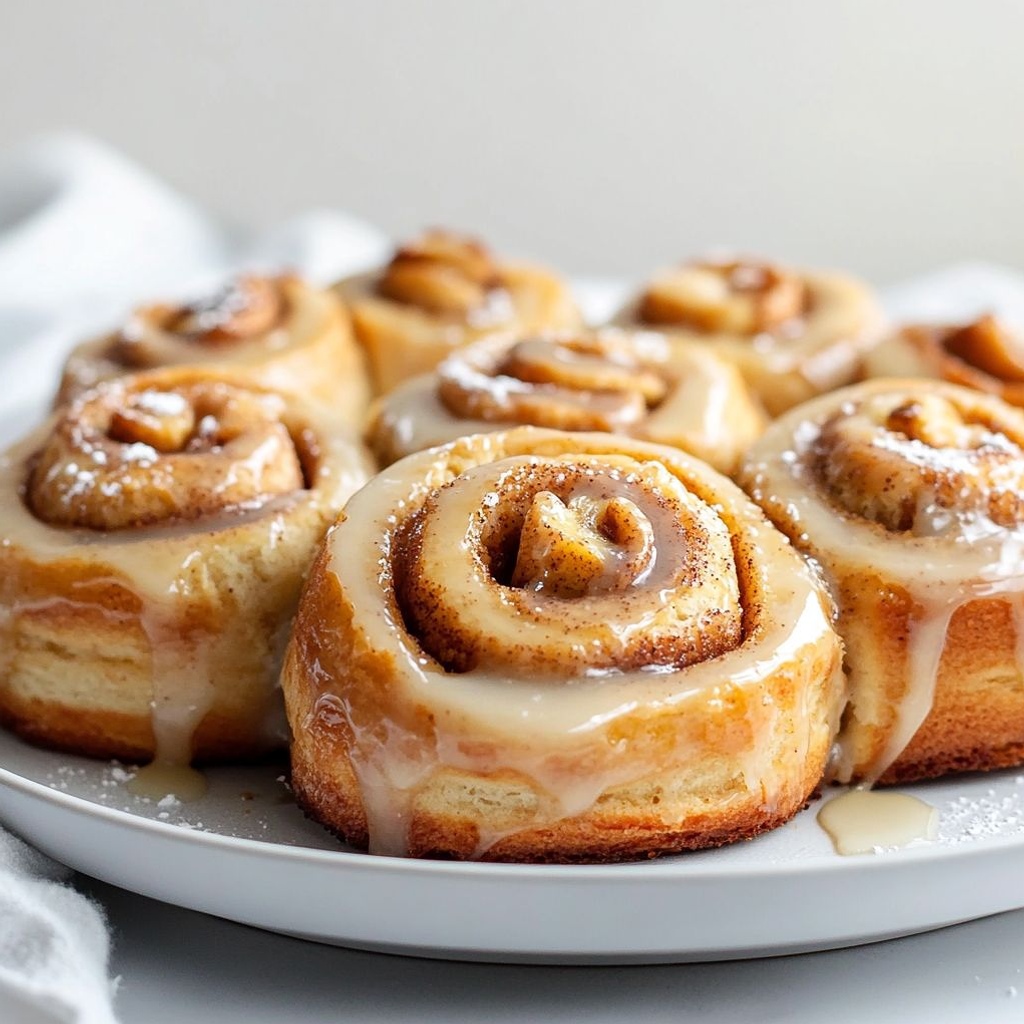
These banana bread cinnamon rolls are a decadent, comforting treat with soft, tender spirals of banana-sweet dough and a luscious cream cheese frosting. You can customize them by adding chopped walnuts or pecans, chocolate chips, or raisins to the filling. They freeze well and make a great make-ahead option for weekend breakfasts or brunches; reheat individual rolls in a low oven or microwave until warm. For extra aroma, toast the cinnamon briefly in a dry pan before grinding. If you want a lighter glaze, you can thin the frosting with a little milk or use less sugar. For gluten-free tweaks, substitute an equal amount of gluten-free all-purpose flour (plus a bit more liquid as needed) and ensure your yeast is active; start with warm milk and check that the dough rises. Always proof the yeast in warm liquid first and avoid letting it exceed 110°F (43°C) in order to keep the dough’s rise consistent.
Tips
Tips for Perfect Banana Bread Cinnamon Rolls
- Dough development: Perform a windowpane test to gauge gluten readiness. Gently stretch a small piece of dough; if it forms a thin, translucent membrane, the gluten is well-developed. If it tears, knead a bit longer.
- Yeast activation: Keep the warm liquid around 105–110°F (40–43°C). If the mixture doesn’t foam after 5–10 minutes, refresh with fresh yeast and a touch more sugar, then try again.
- Temperature matters: Avoid temperatures above about 120°F (49°C) when combining with yeast, as heat can kill yeast activity. If using dairy-free milk, choose an unsweetened, neutral option to avoid off-flavors.
- Flour and dough texture: If dough feels sticky, dust the work surface and hands with a little flour and knead until smooth. If it seems dry, add small amounts of warm milk or water until it comes together.
- Banana handling: Very ripe bananas give stronger flavor and moisture. If bananas are watery, drain briefly on paper towels to prevent a runny dough; whisk or mash smoothly to avoid lumps.
- Butter handling in dough: Use cooled melted butter to avoid prematurely warming the dough, which can slow yeast activity. If the butter is too warm, it can weaken the dough’s structure.
- Filling texture: Soften butter to a spreadable consistency. If the kitchen is warm and the filling becomes glossy or runny, chill it briefly to keep edges neat during rolling.
- Rolling technique: Roll dough into a rectangle approximately 16×12 inches. Keep the filling in the center, leaving a margin along the edges to seal. Chill the roll briefly if it becomes too soft to handle.
- Even slicing: Use unflavored dental floss or a sharp, non-serrated knife to cut rolls evenly. Wipe the blade between cuts to prevent dragging and squashing.
- Second rise: After cutting, let the rolls rise in a warm spot until puffed and about doubled in size (roughly 45–60 minutes). If you’re short on time, a shorter rise will yield tighter spirals.
- Baking tips: Preheat to 350°F (175°C). Bake until tops are golden and the center reaches about 190–200°F (88–93°C). If the tops brown too quickly, tent with foil for the last 5–10 minutes.
- Cream cheese frosting: Soften cream cheese and butter to room temperature for smooth blending. Sift powdered sugar to avoid lumps, and whisk with vanilla. Add milk or cream gradually to reach your desired drizzle or spread consistency.
- Make-ahead option: Assemble rolls, refrigerate overnight, then bake the next day for fresh results. Alternatively, freeze unbaked rolls after shaping; thaw and rise briefly before baking.
- Storage: Fresh rolls keep well, covered, at room temperature for 2–3 days. For longer storage, freeze baked rolls or the assembled but unbaked rolls, reheating gently before serving. Reheat slices in the microwave or a low oven until warm.
- Optional add-ins: Toast walnuts before chopping to boost aroma; if using raisins or dates, plump them briefly in warm water or juice, then drain well to avoid soggy filling.
FAQ
What are Banana Bread Cinnamon Rolls?
Banana Bread Cinnamon Rolls are soft, enriched rolls flavored with mashed bananas folded into the dough and filled with a cinnamon-sugar butter mixture. They’re rolled up like classic cinnamon rolls and topped with a creamy cream cheese frosting for a banana-bread-inspired breakfast or dessert.
What ingredients do I need to make Banana Bread Cinnamon Rolls?
Here’s a basic list to start. You can adjust sweetness and banana flavor to taste.
- Dough (yeast version): 3 cups all-purpose flour, 2 ripe bananas mashed (about 1 cup), 1/4 cup granulated sugar, 2 1/4 tsp active dry yeast, 1/2 cup warm milk, 1/4 cup melted unsalted butter, 1 large egg, pinch of salt
- Filling: 1/2 cup brown sugar, 2 tsp ground cinnamon, 2 Tbsp melted butter
- Frosting: 4 oz cream cheese, 2 Tbsp unsalted butter, 1 cup powdered sugar, 1/2 tsp vanilla extract, pinch salt
Notes: Quantities are guidelines. For a dairy-free version, use dairy-free butter and cream cheese substitutes; for a gluten-free version, use a suitable GF all-purpose flour blend.
Should I use a yeast-based dough or a quick (no-yeast) version?
You can choose either.
- Quick version: Biscuit- or bread-dough style using baking powder for lift. No long proofing needed, but texture will be a bit different.
Both produce delicious banana-scented cinnamon rolls; pick the one that fits your schedule.
How do I prepare the yeast dough and what should I proof it in?
For the yeast version: Combine warm milk, a pinch of sugar, and yeast; let it sit 5–10 minutes until foamy. Mix with mashed bananas, melted butter, egg, salt, and flour. Knead until smooth, cover, and let rise in a warm spot until doubled (about 60–90 minutes).
How do I roll, fill, and shape the rolls?
On a lightly floured surface, roll the dough into a 12×8 inch rectangle. Brush with melted butter, then evenly sprinkle with the cinnamon-sugar filling. Roll tightly from the long edge, pinch seam closed, and cut into 12 even slices. Place slices on a greased baking dish, cut-side up. Let them rise 20–30 minutes before baking (if using yeast dough).
How long and at what temperature should I bake the rolls?
Preheat to 350°F (175°C). Bake yeast-version rolls for about 20–25 minutes, or until lightly golden and cooked through. Quick-version rolls may bake in about 18–22 minutes. If the tops brown too quickly, tent with foil.
How do I make the cream cheese frosting?
Beat together 4 oz cream cheese and 2 Tbsp butter until smooth. Add 1 cup powdered sugar, 1/2 tsp vanilla, and a pinch of salt. Adjust thickness with a splash of milk or more powdered sugar to reach your desired consistency. Spread generously on warm rolls.
Can I make these ahead or freeze them?
Yes. For best results:
- Assemble the rolls, wrap well, and refrigerate overnight. Bake the next day, adding a few extra minutes if needed.
- Unbaked rolls can be frozen: wrap tightly and freeze. Thaw fully, then bake as directed (you may need a few extra minutes).
- Alternatively, bake completely, cool, refrigerate, and reheat in a 350°F oven for 10–15 minutes or until warm.
How should I store leftovers and how do I reheat them?
Store baked rolls in an airtight container at room temperature for up to 2 days, or refrigerate up to 5 days. Reheat in the microwave in 15–20 second bursts until warm, or reheat in a 300–325°F oven for 5–10 minutes.
Can I customize the flavors or add-ins (like nuts or chocolate)?
Absolutely. Try these ideas:
- Add chopped walnuts or pecans to the filling for crunch.
- Stir in chocolate chips or dried raisins with the filling for extra sweetness.
- Replace half of the banana with a spoonful of peanut butter or almond butter for a different swirl.
- Finish with a glaze made from powdered sugar and a splash of milk or coffee for a different finish.