Introduction / Hook
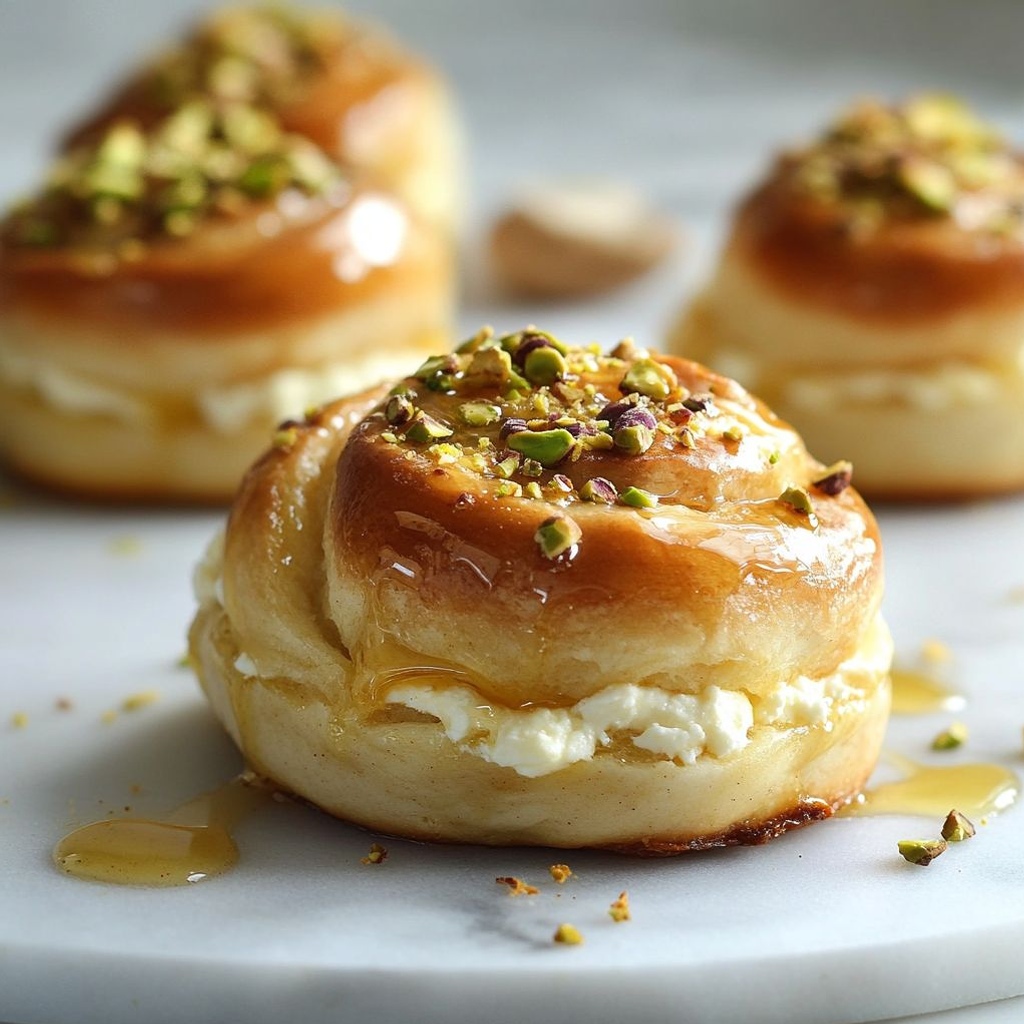
Imagine a morning where the world slows down just enough for a bite of golden pastry, warm with honeyed sweetness and crowned with the creamy softness of ricotta. The aroma swirls through the kitchen like a welcoming invitation: roasted pistachios crackle under the crust, a whisper of vanilla floats in the air, and the first bite delivers a hush of airy tenderness that dissolves on your tongue. Ricotta Pistachio Honey Buns are not just breakfast; they are a small celebration that invites you to linger at the table, to savor textures that contrast lightly crunching pistachio with a cloud-like interior, and to feel a little recipe-euphoria in every mouthful. This is the kind of pastry that makes weekend mornings feel like a holiday, and it travels well—from a leisurely brunch with friends to a quiet, comforting treat on a weeknight. The honey glaze or drizzle—however you choose to finish them—adds a glossy kiss that ties the whole experience together, turning simple ingredients into something memorable. The beauty of these buns lies not only in their flavor but in the way they invite curiosity: what other little twists could you weave into their tender crumb, what nutty accent would sing best with your afternoon tea, and which pantry staples transform into something extraordinary when treated with a touch of warmth and patience?
The Story Behind the Dish
Ricotta, pistachios, and honey are three ingredients whose paths cross in kitchens around the world, each bringing a different cultural whisper to the table. The ricotta brings a mellow, creamy veil that lightens richness without sacrificing that comforting dairy backbone. Pistachios, with their emerald-green glow and distinct aroma, evoke centuries of nut-laden desserts, from Middle Eastern baklava to Italian pastries that celebrate the endearing crunch of a well-toasted nut. Honey, in its various whispers—wildflower, clover, orange-blossom—has been the universal language of indulgence, a natural glaze that glints like sun on a summer afternoon. When these elements meet in a bun, they carry a sense of travel and shared history: a European pastry technique meeting a Mediterranean pantry, all stitched together with the gentle sweetness of honey. You can picture bakers and home cooks alike improvising with what’s at hand—soft cheese stirred into doughs, nuts chopped or whole, glazes brushed on in the final moments—creating something comforting yet adventurous. The origin story of a dish like this is not a single tale but a chorus of influences: a whispered nostalgia for Sunday breakfasts, a nod to markets where pistachios are abundant and honey jars gleam, and a celebration of the idea that simple, quality ingredients can become something transcendent with care, time, and heat. As you bite into a freshly baked Ricotta Pistachio Honey Bun, you’re tasting a page from that ongoing culinary dialogue—a small, fragrant bridge between cultures and kitchens, a reminder that food is one of our most intimate storytellers.
Why You’ll Love This Recipe
- Comforting yet sophisticated: a bakery-worthy pastry you can make at home without needing a professional oven or equipment.
- Texture harmony: a light, fluffy interior complemented by a delicate crust and a satisfying pistachio crunch.
- Sweet but balanced: ricotta provides creamy contrast to honey’s amber sweetness, creating a mellow, not cloying finish.
- Versatile for occasions: perfect for weekend brunch, special celebrations, or a slow-finished weekday morning treat.
- Make-ahead friendly: these buns can be prepared in stages or stored for future indulgence, making weekday mornings easier.
Flavor Profile & Texture
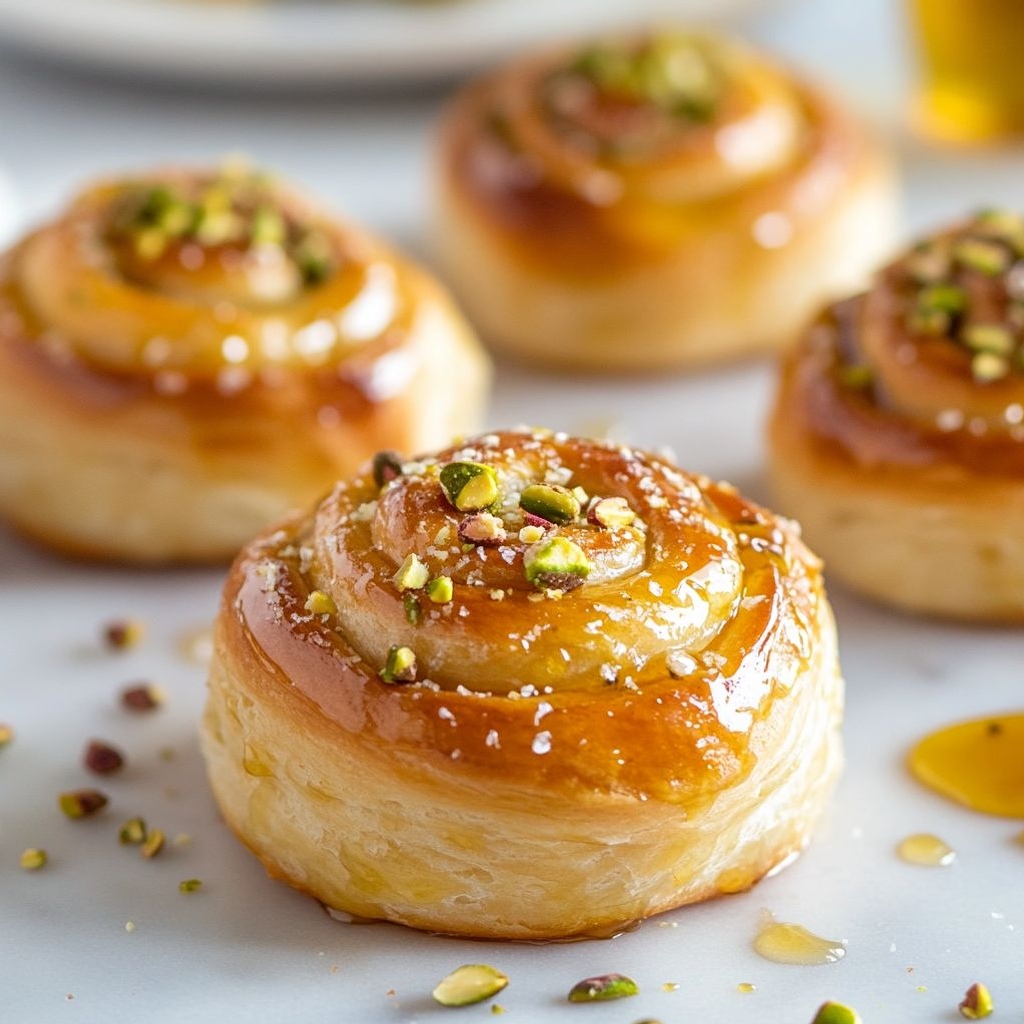
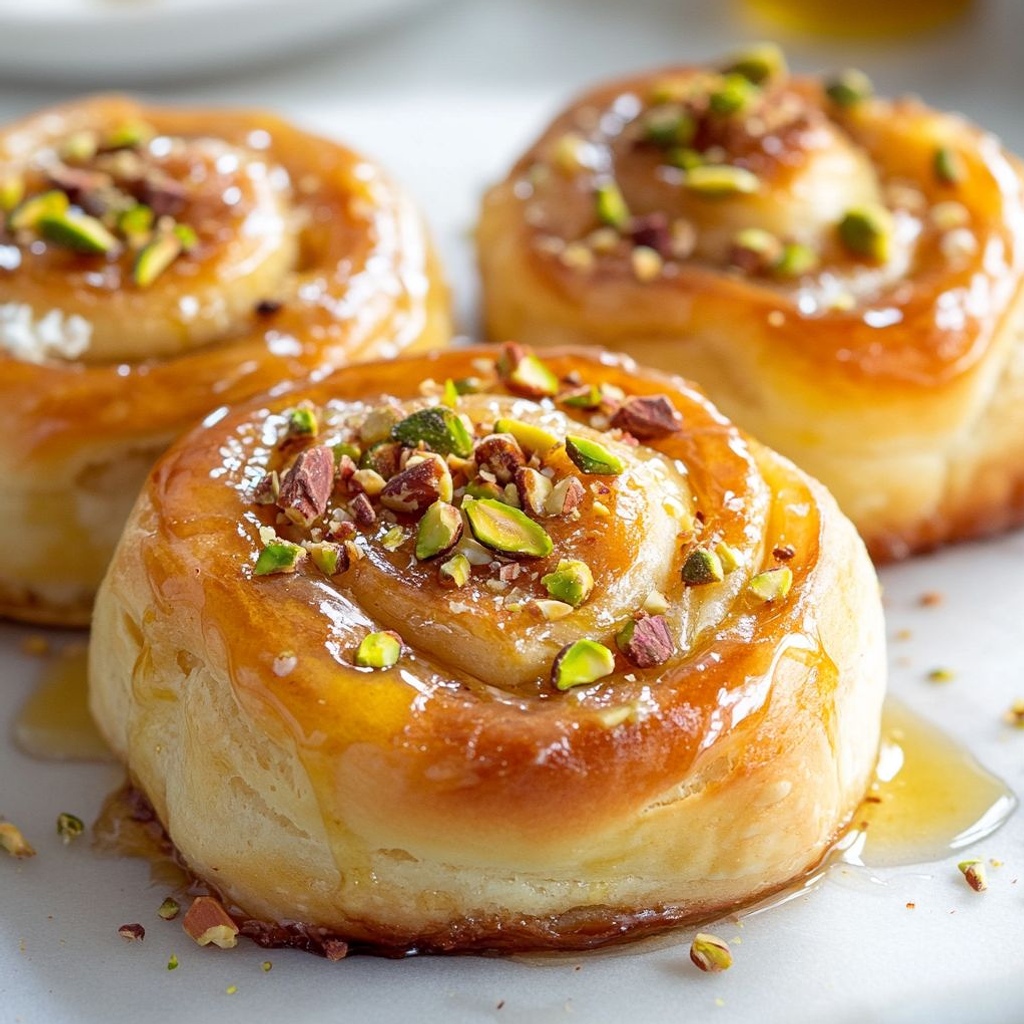
The first impression of a Ricotta Pistachio Honey Bun is visual—a gleaming glaze and a speckled crumb that hints at the nutty interior. When you bite in, the bun offers a tender, almost cloud-like bite that melts with a gentle sigh of moisture from the ricotta. The ricotta acts as a softening agent, lending creaminess that keeps the crumb light rather than dense. In the background, the pistachios add a toasty, subtly sweet note with a distinctive green hue and a reassuring crunch that punctuates each mouthful. The honey glaze—whether brushed on as a light finish or stirred into a delicate syrup—glosses the surface and introduces a floral or mellow sweetness that lingers pleasantly on the palate. The interplay of textures is key: the initial snap of the crust against the soft interior, followed by the creamy finish, and punctuations of nutty crunch. Aromatically, you’ll notice faint hints of vanilla, a kiss of salt that enhances sweetness, and a mild dairy aroma that signals comfort and homeliness. The flavor is balanced and refined, never garish; it invites you to slow down and enjoy the small, exquisite details—the way the pistachios release their oils as you chew, the way the honey coats your tongue, and how the ricotta keeps each bite from becoming overly sweet. In short, these buns deliver a symphony of taste and texture that feels both familiar and exciting—a pastry that satisfies the morning hunger and sparks a curiosity to explore subtle tweaks in future batches.
Occasions & Pairings
These buns are flexible enough to elevate a breakfast or brunch without demanding a grand setup. They work beautifully as a centerpiece for a weekend brunch with friends, a thoughtful dessert option after a light dinner, or a cozy morning treat when you want to feel pampered but without a long prep. Their refined yet approachable profile makes them a wonderful invitation for experimentation—serve them warm with a dollop of ricotta-whipped cream, or drizzle with extra honey and a pinch of sea salt for a slightly more pronounced flavor profile. Pairing ideas can enhance the experience without overshadowing the pastry’s delicate character. A cup of stout coffee or a bold espresso brings out the nutty and toffee-like notes, while a lightly spiced chai or a simple black tea lets the honey and ricotta shine. For occasions, consider presenting them alongside a seasonal fruit compote or fresh berries to add brightness and acidity that cut through the pastry’s creaminess. They also pair nicely with a glass of sparkling wine or a light, citrusy cocktail if you want a celebratory edge. For family gatherings, set out a small cheese board alongside the buns, including a mild brie or a gentle goat cheese, so guests can experiment with bites that combine pastry, cheese, and fruit. If you’re hosting a holiday brunch or baby shower, these buns bring a sense of indulgence that’s not overly rich, making them accessible to a wide range of palates.
Tips, Variations & Substitutions
One of the joys of a pastry like this is its adaptability. You can tweak textures, intensities, and flavors to suit your preferences or dietary needs, all while preserving the essence of ricotta, pistachio, and honey. Below are ideas to customize without complicating the core concept.
- Vegan and dairy-free options: experiment with a plant-based ricotta substitute and a dairy-free glaze. Cashew ricotta or almond-based cheeses can offer a similar creaminess, while aquafaba-based glazes can still achieve a glossy finish.
- Nut alternatives: if pistachios aren’t your favorite, swap in almonds, hazelnuts, or walnuts for a different but equally delightful nuttiness. Toast the nuts lightly to intensify their aroma before adding.
- Gluten considerations: for a gluten-free version, use a well-balanced gluten-free flour blend designed for pastries. Expect a slightly different crumb texture, but you can preserve the lightness by handling the dough gently and not overworking it.
- Flavor twists: a pinch of citrus zest (lemon or orange) can brighten the filling without overpowering the nutty and dairy notes. A hint of cinnamon or cardamom adds warmth; use sparingly so the spices don’t mask the honey’s sweetness.
- Sweetness adjustments: if you prefer a drier bake with more pronounced crust, brush on a thinner glaze or skip the glaze entirely and finish with a dusting of powdered sugar just before serving.
- Texture variations: for an even lighter crumb, incorporate a touch of yogurt or buttermilk into the robe of the dough (if you’re adapting a full recipe), or experiment with a sprinkling of coarse sugar on top for a crunchy top layer.
- Make-ahead tweaking: You can prepare the dough portion or rolling stage a day ahead; refrigerate and complete the shaping and baking the next day. This is a great way to bring a bakery-style experience to a busy morning.
Regional twists
Consider honoring regional flavors by pairing the buns with regional condiments or garnishes. For a Nordic touch, serve with a dollop of thick crème fraîche and a few raspberries. For a Middle Eastern-inspired variation, incorporate a light orange blossom note in the glaze and sprinkle with sesame seeds for extra fragrance and crunch. An Italian influence might entail a delicate citrus zest in the interior and a pistachio dust on top instead of glaze—a nod to the country’s famed nut varieties and citrus fruits. Remember, the aim is to keep the core balance intact—creamy, nutty, honey-sweet—while letting regional accents weave their own stories into each bite.
Storage & Make-Ahead Ideas
To maintain freshness and maximize flexibility, think ahead about how you’ll store and reheat these buns. Proper storage helps preserve the texture of the crumb and the gloss of the glaze, ensuring that every bite remains satisfying even when you’re enjoying leftovers later in the week.
Freshly baked buns: store at room temperature in an airtight container for up to two days. If your home is warm or humid, consider refrigerating to maintain texture, then gently rewarm before serving to refresh the crust and bring back the softness of the interior.
Make-ahead and freezing options: you can freeze fully baked and cooled buns, ideally in a single layer first, then wrapped tightly to prevent freezer burn. Thaw at room temperature and rewarm gently in a low oven to restore softness. Alternatively, you can freeze unbaked dough portions or shaped buns and bake them directly from the freezer, adding a few minutes to the bake time as needed. Freezing stages may produce a slightly different texture, but with careful handling, you’ll still enjoy a delicious result.
Reheating tips: a brief warm-up in a low oven or a few seconds in a microwave followed by a gentle glaze touch can revive shine and softness. If you’ve prepared extra glaze, a light brush while they’re warm can reintroduce gloss and moisture that makes the experience feel freshly baked.
Fun Facts & Trivia (Optional)
Honey has been a food ally for centuries, prized not only for its sweetness but for its perceived medicinal properties in many cultures. Pistachios have a long association with celebration and abundance in various traditions, often appearing in festive pastries and sweets during holidays. Ricotta, which literally means “recooked” in Italian, is a dairy byproduct that takes on a delicate texture when folded into batters or fillings. When you bring these elements together, you’re tapping into a lineage of dessert and pastry traditions that celebrate comfort, warmth, and the joy of sharing something sweet with the people you love. Some pastry chefs enjoy pairing ricotta-based buns with a small hint of citrus zest or a tiny pinch of sea salt to heighten the contrast between the creamy interior and the crisp edges. The result is a pastry that feels both timeless and wonderfully fresh, a reminder that good ingredients and thoughtful technique can transform a simple dough into a memorable experience.
Ingredients
Dough
- – 3 1/2 cups all-purpose flour (plus more for dusting)
→ The flour provides the structure for the buns. In this enriched dough, gluten development gives a soft yet capable crumb. If you want more chew, substitute part of the flour with bread flour. Lightly dust your work surface to prevent sticking during kneading. - – 1/4 cup granulated sugar
→ Sugar feeds the yeast, contributes to browning, and adds a touch of sweetness to the crumb. Dissolve evenly in the wet ingredients and can be adjusted to taste, especially if you prefer a less sweet bun. - – 2 1/4 teaspoons active dry yeast
→ Leavening agent that makes the dough rise. Bloom it in 1/4 cup warm milk with 1 teaspoon sugar for 5–10 minutes until foamy. If using instant yeast, you can mix with dry ingredients and skip the bloom step. - – 1/2 cup warm milk (110°F/43°C)
→ Provides moisture for the dough and helps activate the yeast. Keep the temperature warm but not hot to avoid killing the yeast. Reserve a small amount to adjust dough consistency if needed. - – 2 large eggs
→ Add protein and richness, helping with structure and tenderness. Eggs should be at room temperature for smooth incorporation. Beat lightly before adding to the dough. - – 1/4 cup unsalted butter, melted and cooled
→ Adds richness and softness to the crumb. The butter should be cooled so it doesn’t cook the eggs or kill the yeast; whisk into the dough after the wet ingredients. - – 1/2 cup ricotta cheese (whole-milk), room temperature
→ Enriches the dough with moisture and a velvety crumb. It helps keep the buns moist and tender. Beat until smooth before mixing into the dough. - – 1/2 teaspoon salt
→ Enhances flavor and helps control yeast activity for a balanced rise. Salt also tightens gluten slightly to improve dough strength; do not omit. - – 1 teaspoon vanilla extract
→ Adds aromatic sweetness; use high-quality vanilla for best flavor. If you have vanilla bean, scrape the seeds for extra depth.
Filling
- – 1 cup ricotta cheese (full-fat)
→ Creates a creamy, luscious filling that pairs beautifully with pistachios. If the ricotta is very watery, drain it briefly (15–20 minutes) and whisk until smooth before mixing with other filling ingredients. - – 1/3 cup finely chopped pistachios, toasted
→ Provides crunch and a robust pistachio flavor. Toasting deepens aroma; chop into small pieces so they distribute evenly in the swirl. For a finer texture, pulse a few seconds in a processor. - – 2-3 tablespoons honey
→ Sweetens and adds moisture to the ricotta filling. Adjust to taste; warming the honey slightly helps it blend smoothly with the ricotta. - – Zest of 1/2 lemon
→ Bright citrus note to balance richness; zest is preferred to juice here to avoid extra moisture. Use fresh zest for best aroma. - – Pinch of salt
→ Enhances the pistachio and lemon flavors; a tiny amount helps balance sweetness.
Finish
- – 1 large egg + 1 tablespoon water (egg wash)
→ Gives the buns a glossy, golden crust. Brush onto the risen buns just before baking for even color. If omitted, crust will be paler; avoid thick washes to prevent soggy tops. - – 2-3 tablespoons honey (for glaze)
→ Glazes the buns for shine and extra sweetness. Warm slightly to mix with a little water or lemon juice if desired, then brush onto warm buns after baking for a glossy finish. - – 1-2 tablespoons finely chopped pistachios (for topping)
→ Adds color and crunch on the surface. Sprinkle on top after applying the egg wash so they adhere; toast them lightly first for the best aroma.
Instructions
- Preheat your oven to 350°F (175°C) and lightly grease a 9×13-inch baking dish or line it with parchment paper.
→ Starting with a properly prepared pan ensures the baked buns release intact and bake evenly without sticking. - Bloom the active dry yeast in 1/4 cup warm milk (about 110°F/43°C) with 1 teaspoon sugar for 5–10 minutes until foamy.
→ The warm milk activates the yeast and the sugar feeds it, guaranteeing a reliable rise and a tender crumb. - Whisk the 2 large eggs into the remaining 1/4 cup warm milk and let the mixture come to a slight body temperature before combining with the rest of the dough.
→ Tempering the eggs prevents curdling and helps achieve a smooth, cohesive dough when mixed with the flour. - In a large bowl, whisk together the 3 1/2 cups flour, 1/4 cup granulated sugar, and 1/2 teaspoon salt, then create a well in the center for the wet ingredients.
→ Dry ingredients form the structure, while the salt moderates yeast activity and enhances flavor; a well prevents premature gluten development and ensures even hydration. - Add the wet components—bloomed yeast mixture, milk-egg blend, 1/4 cup melted cooled butter, 1/2 cup ricotta cheese, and 1 teaspoon vanilla extract—into the flour and mix until a soft, cohesive dough forms.
→ Proper integration of fats, dairy, and eggs creates a supple, extensible dough with tenderness and rich flavor; avoid pockets of flour by scraping the bowl as you go. - Knead the dough on a lightly floured surface or with a stand mixer on low speed for 8–10 minutes until smooth, elastic, and just slightly tacky to the touch.
→ Kneading develops gluten for structure while keeping the crumb soft; stop when the dough passes the windowpane test (thin, translucent film without tearing). - Oil or lightly grease a large bowl, place the dough inside, cover with plastic wrap or a damp towel, and let it rise in a warm spot until doubled in size, about 1 to 1 1/2 hours.
→ The first rise builds flavor and structure; a gentle, warm environment prevents overproofing and ensures a light, airy crumb. - Meanwhile, prepare the ricotta pistachio honey filling by combining 1 cup full-fat ricotta, 1/3 cup finely chopped toasted pistachios, 2–3 tablespoons honey, the zest of 1/2 lemon, and a pinch of salt; whisk until smooth and spreadable. If the ricotta is watery, drain briefly (15–20 minutes) and whisk again.
→ This creates a creamy, balanced filling with crunch, brightness, and just enough sweetness to complement the dough without overpowering it. - Punch down the risen dough on a lightly floured surface, then roll it into a rectangle approximately 12×18 inches with the long side facing you.
→ Rolling to a generous rectangle ensures even distribution of filling and achievable, uniform slices for buns. - Spread the ricotta pistachio honey filling evenly over the dough, leaving a 1/2-inch border all around to prevent filling from seeping out during baking.
→ An even layer ensures each bun gets flavor in every bite and helps the dough seal properly when rolled. - Roll the dough tightly along the long edge to form a log, pinch the seam to seal, then cut into 12 equal slices with a sharp knife or bench scraper.
→ A tight roll prevents the filling from leaking and yields uniform buns that bake evenly; equal slices promote consistent rise and color. - Arrange the slices cut-side up in the prepared pan, placing them close but not touching to allow space for expansion.
→ This layout promotes even heat transfer and a soft, connected crumb with a slight pull-apart texture, while still allowing individual buns to rise and bake uniformly. - Cover the pan loosely with a towel or lightly with plastic wrap and let the buns proof for 30–45 minutes, or until puffy and almost doubled.
→ Second proofing develops the final shape and tenderness; do not overproof or they may collapse during baking. - While the buns proof, preheat the oven to 350°F (175°C) if you haven’t already and prepare the egg wash by whisking 1 large egg with 1 tablespoon water.
→ The egg wash will give the buns a glossy, golden crust and helps any toppings adhere for extra color and texture. - Brush the risen buns with the egg wash, then bake in the center of the oven for 25–30 minutes, or until the tops are deeply golden and an inserted skewer comes out with only a few moist crumbs.
→ The color indicates caramelization of the sugars and proper baking; the skewer test confirms the interior is cooked through without being dry. - Prepare a glossy honey glaze by warming 2–3 tablespoons honey with a teaspoon of water or a splash of lemon juice until it flows smoothly; brush the warm glaze onto the buns as soon as they come out of the oven.
→ The glaze adds shine and a touch more sweetness while the buns are still warm, helping the surface stay moist and appealing. - While the glaze sets, sprinkle 1–2 tablespoons finely chopped toasted pistachios over the tops for contrast and aroma.
→ The pistachio topping adds color, crunch, and a nutty fragrance that enhances the pistachio-forward filling. - Let the buns cool in the pan for about 15 minutes, then transfer to a wire rack to finish cooling; serve warm or at room temperature as desired.
→ Cooling on a rack prevents condensation from softening the crust and allows the interior crumb to set for clean slicing.
Notes
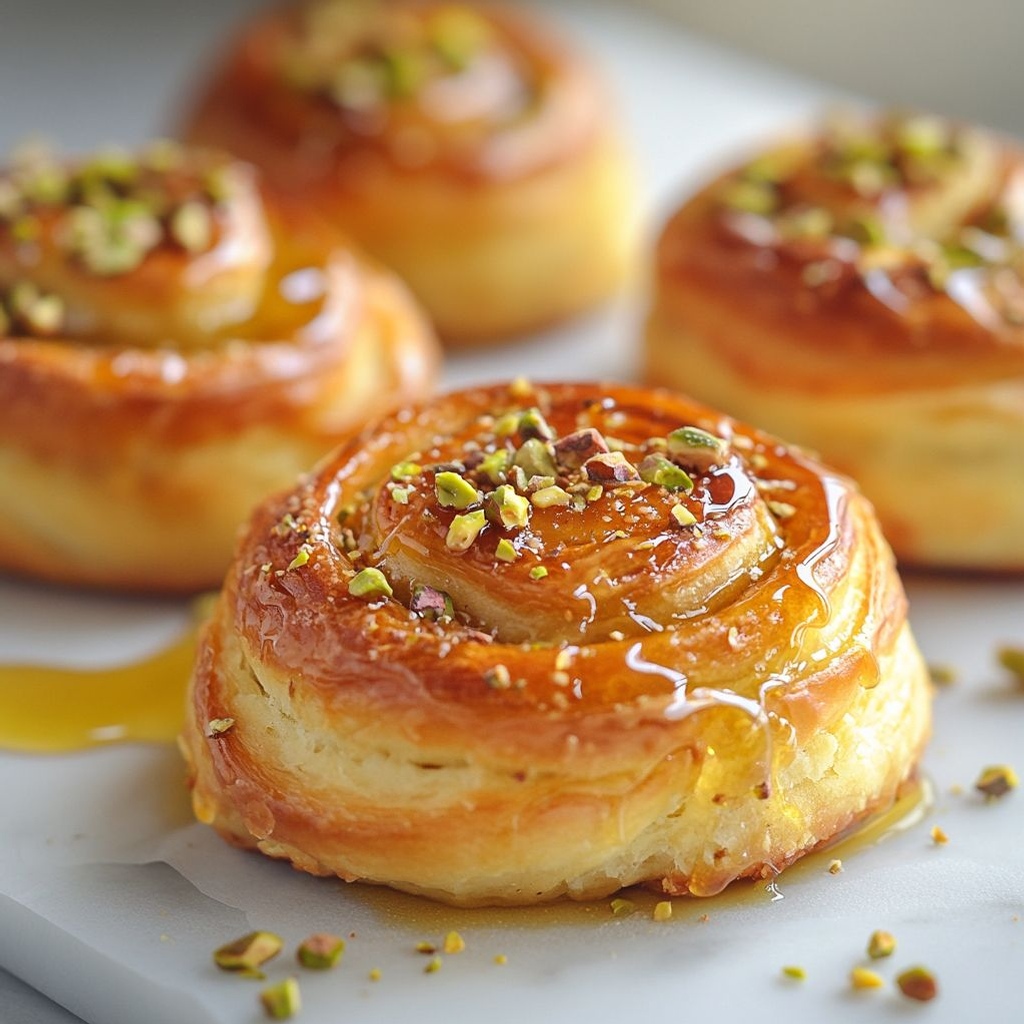
These Ricotta Pistachio Honey Buns are tender, enriched buns filled with a creamy ricotta-and-pistachio center and a subtle honey-sweetened crumb, perfumed with lemon zest. To build the dough, bloom the yeast in warm milk with a pinch of sugar until foamy, then whisk in the eggs and cooled melted butter before combining with the flour, ricotta, and salt; knead until smooth and elastic. After the first rise, roll the dough into a rectangle, spread the ricotta filling (ricotta, chopped pistachios, honey, lemon zest, and a pinch of salt), roll tightly, and cut into evenly sized buns. Let them proof until puffy, then brush with egg wash for a glossy crust and bake until golden. When the buns are hot from the oven, glaze with honey and scatter extra chopped pistachios if desired for shimmer and crunch. You can customize the filling by adding a little orange zest or swapping part of the pistachios for almond slivers; you can also tweak sweetness by adjusting the honey in the filling. These buns taste wonderful warm with coffee or tea and freeze well once cooled—reheat gently to restore softness. If the ricotta is very watery, drain briefly and whisk until smooth before mixing with the other filling ingredients. Always ensure your flour, yeast, and dairy are fresh for best rise and flavor.
Tips
Tips for Making Ricotta Pistachio Honey Buns
- Proof and temperature matter: Keep your liquid ingredients warm (around 105–115°F / 40–46°C) to wake the yeast without killing it. If your kitchen is cool, let the dough rise in a warm spot or near a low oven light.
- Test freshness of yeast: If your yeast is older, proof it first: bloom 1/4 cup warm milk with 1 tsp sugar until foamy. Instant yeast can be mixed directly with dry ingredients.
- Hydration and dough feel: If the dough seems sticky, add flour in small increments; if it’s dry, splash in a little warm milk. The goal is a soft, tacky dough that passes the windowpane test.
- Ricotta moisture matters: If the ricotta filling is watery, drain 15–20 minutes and whisk until smooth. Pat with a clean towel to remove excess moisture before mixing with honey and lemon zest.
- Enhance the lemon and pistachio flavor: Rub lemon zest with a pinch of sugar between your fingers to release oils before mixing in; toast pistachios until fragrant and chop finely for even distribution.
- Chill the dough for easier rolling: After cutting the dough into a rectangle, chilling for 15–20 minutes makes it easier to spread filling and roll tightly without squeezing out filling.
- Even filling distribution: Spread filling to the edges but leave a small margin; sprinkle chopped pistachios evenly so every bite has crunch.
- Roll tightly for defined swirls: Roll the dough toward you into a log; seal the seam and chill briefly to help maintain even spirals when sliced.
- Slice cleanly: Use a sharp knife or remove a piece of dental floss under the log and pull through to make clean, equal slices without smearing the filling.
- Second rise control: After shaping, cover and let rise until the buns look puffy but not doubled. Over-proofing can cause a flat top after baking.
- Even baking surface: Bake on a parchment-lined sheet or in a parchment-lined pan. Ensure even heat distribution by rotating the pan halfway through baking.
- Egg wash technique: Beat egg with water thoroughly and brush the risen buns lightly; a thick wash can weigh down the tops and lead to soggy surfaces.
- Glaze timing and texture: Warm honey with a splash of water or lemon juice to loosen; brush onto warm buns after they come out of the oven for a shiny finish, not when they’re too hot or cooled, which can cause the glaze to harden unevenly.
- Top with pistachios at the right moment: Sprinkle chopped pistachios onto the glaze while it’s still tacky for best adherence and color.
- Make ahead and storage: Buns can be assembled and refrigerated overnight; bake fresh in the morning. Store leftovers airtight up to 2–3 days; rewarm gently in a low oven or microwave with a damp paper towel to restore softness.
- Flavor variations: For a richer crumb, substitute part of the all-purpose flour with bread flour; for a lighter texture, use a touch of cake flour. You can also add a pinch of cinnamon or cardamom to the dough for warmth.
FAQ
What are Ricotta Pistachio Honey Buns?
A soft, rich yeasted bun filled with creamy ricotta, chopped pistachios, and a honey glaze. These buns are mildly sweet with a nutty crunch, perfect for breakfast, brunch, or dessert.
What ingredients do I need to make them?
Overview of components:
- Dough: all-purpose flour, active dry yeast, warm milk, unsalted butter, granulated sugar, a pinch of salt, and an egg.
- Filling: ricotta cheese, powdered sugar, vanilla extract, lemon zest (optional), and chopped pistachios.
- Glaze: honey (or a honey-lemon glaze) for drizzling.
Can I make these ahead or freeze the dough?
Yes. You can prepare the dough and refrigerate overnight for a slow rise, then shape and bake the next day. You can also freeze shaped but unbaked buns on a tray, then transfer to a bag and bake from frozen (add a few extra minutes).
How do I shape and bake the buns?
Steps:
- Make the dough and let it rise until doubled.
- Roll the dough into a rectangle, spread the ricotta filling, sprinkle pistachios, then roll into a log.
- Slice the log into buns and place them on a lined baking sheet.
- Let the buns proof until puffy, then brush with egg wash if desired.
- Bake at 350°F (175°C) for 20–25 minutes until golden.
- Drizzle with honey glaze while warm, if you like.
How do I make the ricotta filling?
Mix ricotta with powdered sugar, vanilla extract, and a touch of lemon zest (optional) until smooth. Fold in chopped pistachios. If the ricotta seems watery, drain briefly to thicken the filling.
Can I adjust sweetness or use different nuts?
Yes. You can adjust the powdered sugar in the filling and the glaze to taste. For different nuts, substitute chopped almonds, walnuts, or pecans. If you prefer no nuts, simply omit them from the filling. If using part whole wheat flour, substitute up to 1/2 cup with a slight increase in liquid.
How should I store leftovers?
Store cooled buns in an airtight container at room temperature for 1–2 days, refrigerate for up to 4 days, or freeze for 2–3 months. Reheat briefly in the oven or microwave before serving for best texture.
What if I don’t have pistachios?
Substitute with chopped almonds, walnuts, pecans, or leave them out entirely. Toasting nuts beforehand enhances flavor. If nut-free is required, you can still enjoy the ricotta filling without nuts.
How do I know when the buns are done?
The tops should be golden brown. A toothpick or skewer inserted into a bun should come out clean or with a few moist crumbs. If you want a glossy glaze, drizzle honey while the buns are still warm and increase aroma.
Can I use dairy-free options or other milk alternatives?
For dairy-free, substitute plant-based milk (unsweetened almond or soy) and use a dairy-free butter substitute. These substitutions may slightly affect rise and texture, but the buns will still be delicious.