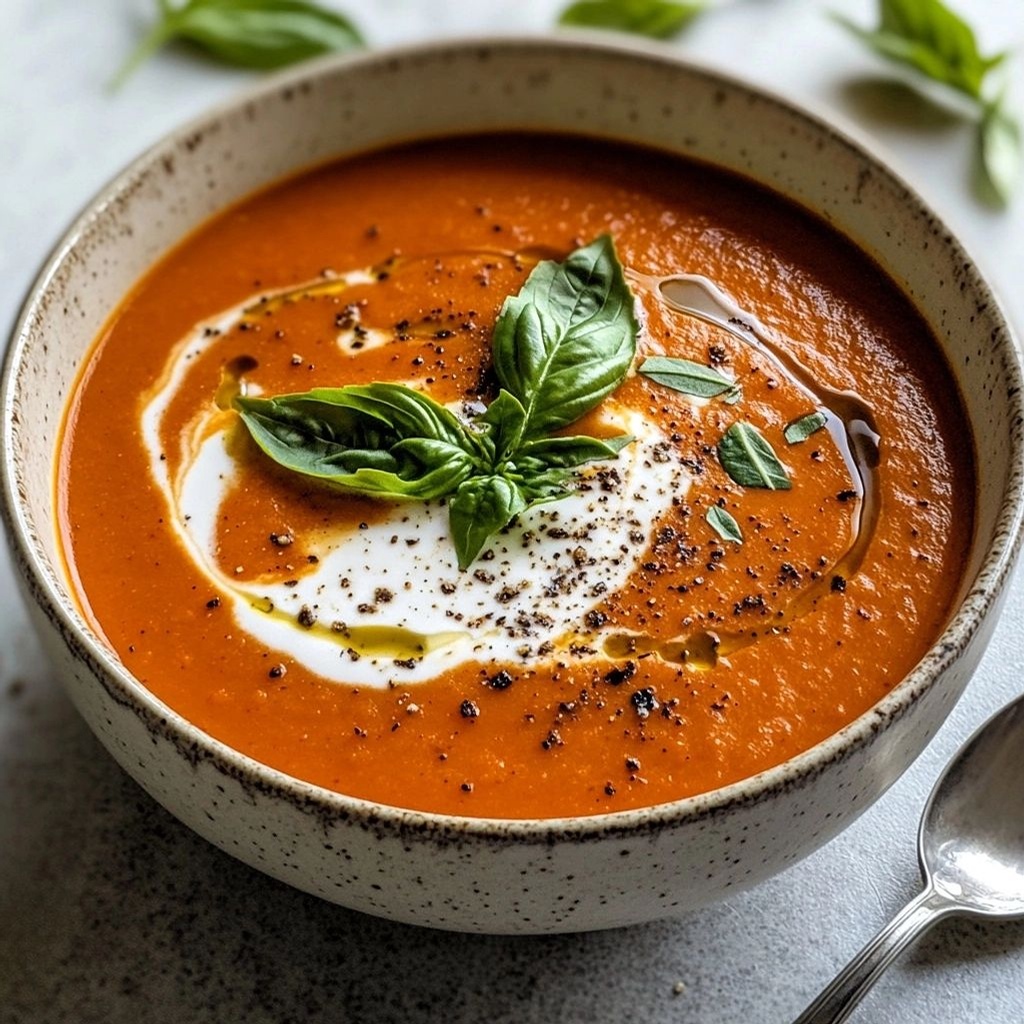
Introduction / Hook
Imagine a bowl that tastes like sunshine captured in a warm, comforting embrace — even when the world outside is gray and the days are short. This Middle-of-Winter Tomato Soup, made with pantry-friendly canned tomatoes, is the kind of dish that turns a chilly afternoon into a moment of everyday celebration. It’s not fancy in the sense of needing rare ingredients; it’s generous in flavor, deeply satisfying, and incredibly forgiving. The aroma of simmering tomatoes, garlic, and a whisper of herbs fills the kitchen, wrapping you in a cozy, nostalgic hug. Each spoonful is bright with tomato brightness, rounded by creamy texture and a subtle sweetness that balances acidity without masking it. This soup isn’t just food; it’s a hug you can sip, a bowl of sunshine you can hold, a reminder that comfort can be simple, affordable, and weeknight-friendly.
What makes this tomato soup truly special is its resilience and accessibility. Canned tomatoes deliver a consistent, robust flavor that shines whether you’re cooking for one, feeding a family, or serving a crowd. It’s a trusty canvas that welcomes variations, so you can tailor the soup to your mood or pantry: smoky, creamy, tangy, or herby—whatever you crave. And because it sits happily on the stove or in the fridge, it’s a perfect partner for busy days, lazy Sundays, and any moment you want to nourish body and spirit with something both familiar and comforting.
The Story Behind the Dish
Tomato soup has deep roots in many culinary traditions, from rustic family dinners to elegant bowls shared in a café on a rainy day. The humble tomato, once a novelty in many kitchens, has become a global midpoint where simple ingredients meet bold flavor. This interpretation—the Middle-of-Winter Tomato Soup with Canned Tomatoes—leans into the pantry-first philosophy that many cooks rally around during the colder months. It’s the kind of dish that travels well in memory: the way a grandmother would simmer tomatoes with a pinch of sugar, onion, and garlic; the way a friend would wave a spoon to demonstrate the soup’s creamy richness without heavy cream; the way a cold afternoon is warmed from the inside out by a bowl that tastes like home.
Historically, tomato soups have enjoyed a charm as versatile as the fruit itself. In some cuisines, tomatoes are roasted or charred to deepen their sweetness; in others, they’re simmered with herbs and stock to become a comforting, nourishing staple. This version nods to that tradition while embracing modern simplicity: canned tomatoes, a few pantry aromatics, and a gentle simmer that coaxes out natural sweetness and a bright, sunshiny tang. It’s a nod to the everyday cook who wants something reliable, nourishing, and delicious—the kind of dish that becomes a family favorite and a memory you return to when you need a little warmth in your day.
Why You’ll Love This Recipe
- Zero-fuss pantry ingredients: canned tomatoes form the base, making it easy to whip up any time.
- Velvety texture: a gentle blitz or a partial blend yields a creamy soup without heavy cream.
- Bright, comforting flavor: balanced acidity, a touch of sweetness, and aromatics create a well-rounded tomato profile.
- Budget-friendly: economical ingredients that still feel cozy and luxurious.
- Weeknight friendly: quick to prepare, adaptable, and forgiving if you improvise.
- Make-ahead potential: tastes even better the next day as flavors meld.
- Customizable: easily vegan, dairy-free, gluten-free, or more indulgent with a swirl of cream or coconut milk.
Flavor Profile & Texture
The soup carries a bright, sun-kissed tomato aroma, tempered by the warmth of onions and garlic. The natural sweetness of tomatoes shines through, gently balanced by a pinch of sugar or a dash of honey if you prefer a deeper, rounded sweetness. A hint of onion powder or celery seed can add a subtle, savory depth, while a pinch of smoked paprika or a whisper of chili flakes introduces a delicate smokiness or gentle heat that lingers on the palate. The body of the soup is silky and comforting, achieved through a light pureé or a quick blend with a blender or immersion stick. If you like extra creaminess, a small swirl of heavy cream, half-and-half, or coconut milk can be stirred in at the end, but the base is deliciously smooth even without dairy.
Texture-wise, you’ll experience a pleasing contrast between a smooth, velvety soup and tiny bits of tomato or herb that remain. Some people prefer a near-purée consistency, while others enjoy a little more texture with softened onion bits and tomato chunks. The finish is bright yet mellow, with a delicate balance of acidity softened by the soup’s inherent sweetness, often enriched by a drizzle of olive oil or a handful of fresh herbs like basil or parsley for an extra layer of aroma and color.
Occasions & Pairings
This soup shines in multiple settings, from quiet weeknights to casual gatherings. It’s ideal for:
- Weeknight dinners when you want something comforting without spending hours at the stove.
- Cold, wintry days that call for a nourishing bowl to warm up from the inside.
- Casual lunches that pair beautifully with grilled cheese, garlic bread, or a simple crostini.
- Potlucks or small gatherings where a comforting soup can serve as a cozy starter.
Pair it with a variety of accompaniments to tailor the experience:
- Grilled cheese sandwiches or toasted cheese-and-tennels layered on rustic bread.
- A crisp green salad with a tangy vinaigrette to cut through the richness.
- Crusty bread brushed with olive oil for dipping, or a grilled cheese crouton for added crunch.
- Herbed croutons or a spoonful of pesto swirled in for vibrant aroma.
- Wine or beverage pairings: a light white like Sauvignon Blanc or a sparkling water with a splash of lemon to brighten the palate.
Seasonal suggestions
In midwinter, when fresh produce is scarce, this soup becomes a reliable canvas for seasonal add-ins. Consider a handful of roasted carrots or a few slices of roasted peppers stirred in for color and sweetness. A few chopped spinach leaves stirred in toward the end add a green note without overpowering the tomato base. For a heartier bowl, a small amount of cooked quinoa, rice, or barley can be folded in to add texture and substance, turning it into a satisfying meal on a chilly evening.
Tips, Variations & Substitutions
- Vegan and dairy-free: skip any dairy additions. Use olive oil or a dairy-free milk alternative for creaminess if desired.
- Creamier without cream: blend a portion of the soup until smooth and then stir back into the pot; or add a splash of coconut milk or almond milk for richness.
- Herbal lift: add fresh basil, parsley, or thyme for a different aromatic profile. A bay leaf added during simmering can also deepen flavor (remove before blending).
- Smoky variation: stir in a pinch of smoked paprika or a drop of liquid smoke for a barbecue-inspired twist.
- Herbaceous brightness: a teaspoon of chopped fresh oregano or marjoram can brighten the tomato sweetness.
- Sweetness control: if your tomatoes are particularly acidic, a touch more sugar or a carrot grated and cooked with the onions can mellow the tang.
- Texture tweaks: for a chunkier soup, reserve some tomato chunks before blending and stir them back in after blending.
- Regional twists: add a pinch of garam masala for a subtle Indian-inspired note or a pinch of cumin for warmth.
Storage & Make-Ahead Ideas
This soup stores beautifully, making it a practical staple for meal prep. Here are tips to maximize flavor and convenience:
- Make ahead: prepare a large batch, cool completely, then refrigerate for up to 4 days. Reheat gently on the stove, stirring to reincorporate any separated fats or creaminess.
- Freezing: portion into freezer-safe containers or bags and freeze for up to 3 months. Thaw overnight in the fridge and reheat gently, adding a splash of broth or water if needed to reach the desired consistency.
- Reheating: reheat on the stove over medium-low heat, stirring frequently. If using dairy, add it after reheating to avoid curdling. If frozen, thaw before reheating for best texture.
- Make-ahead flavor development: soups often taste even better after resting, as the flavors continue to meld. Consider making a day ahead and gently reheating before serving.
Flavor Enhancers & Serving Ideas
Explore ways to elevate the soup with simple add-ins or toppings that transform the experience without complicating the recipe:
- Swirl of dairy or non-dairy cream: a thin ribbon on top adds silkiness and a cozy finish.
- Herb freshness: chopped basil, parsley, or chives sprinkled on just before serving for color and aroma.
- Crunchy contrast: toasted croutons, crispy garlic chips, or a sprinkle of toasted seeds add texture.
- Bright finish: a squeeze of lemon or a splash of red wine vinegar can lift the tomato brightness just before serving.
- Umami depth: a teaspoon of nutritional yeast or a tiny amount of miso whisked in at the end for savory depth.
Fun Facts & Trivia (Optional)
– Tomatoes are technically fruits, but in cooking, they’re treated as vegetables. This soup embraces that dual nature by celebrating the natural sweetness and acidity of tomatoes in a comforting, savory form.
– Canned tomatoes often taste more consistent year-round than fresh tomatoes, which makes them a reliable base for soups, sauces, and stews no matter the season.
– The color and aroma of simmering tomato soup are sometimes described as “sunlight in a bowl,” a reminder that comfort foods can feel bright and uplifting even on the coldest days.
– Many families have a version of tomato soup that holds sentimental value: a bowl that conjures memories of school lunches, a favorite cafe, or a grandmother’s kitchen table. This recipe is designed to be flexible enough to capture those memories while staying practical for modern life.
Ingredient-Independent Inspiration
Although this description intentionally focuses on the experience, you can imagine how different pantry staples can subtly alter the finished dish. If you have a few extra pantry items in mind, picture them folded into this soup at key moments: a spoonful of roasted red peppers for a smoky-sweet layer; a small amount of sun-dried tomatoes for concentrated tang; or a pinch of chili threads adding a gentle heat that lingers on the palate. The beauty of this soup lies in its adaptability—the canvas is wide, and the flavor palette is invitingly forgiving. Each variation invites you to make the dish your own while preserving the core of what makes it a comforting winter staple: tomatoes, warmth, and the satisfaction of a homemade meal that fills the kitchen with fragrance and the heart with contentment.
Closing Thoughts
In the midst of midwinter, when days are short and hunger for bright, comforting flavors grows stronger, this Middle-of-Winter Tomato Soup shines as a dependable, versatile, and deeply satisfying choice. It’s the kind of dish you reach for when you want something simple yet sophisticated enough to serve to guests or to savor alone after a long day. With canned tomatoes lending their robust character and a few well-chosen aromatics guiding the way, this soup proves that comfort can be both effortless and memorable. It invites you to breathe in the warm, tomato-scented air of a kitchen that has embraced you, to savor the first spoonfuls as the world outside remains cold, and to tuck into a bowl that feels like a small celebration of resilience, simplicity, and home-cooked warmth.
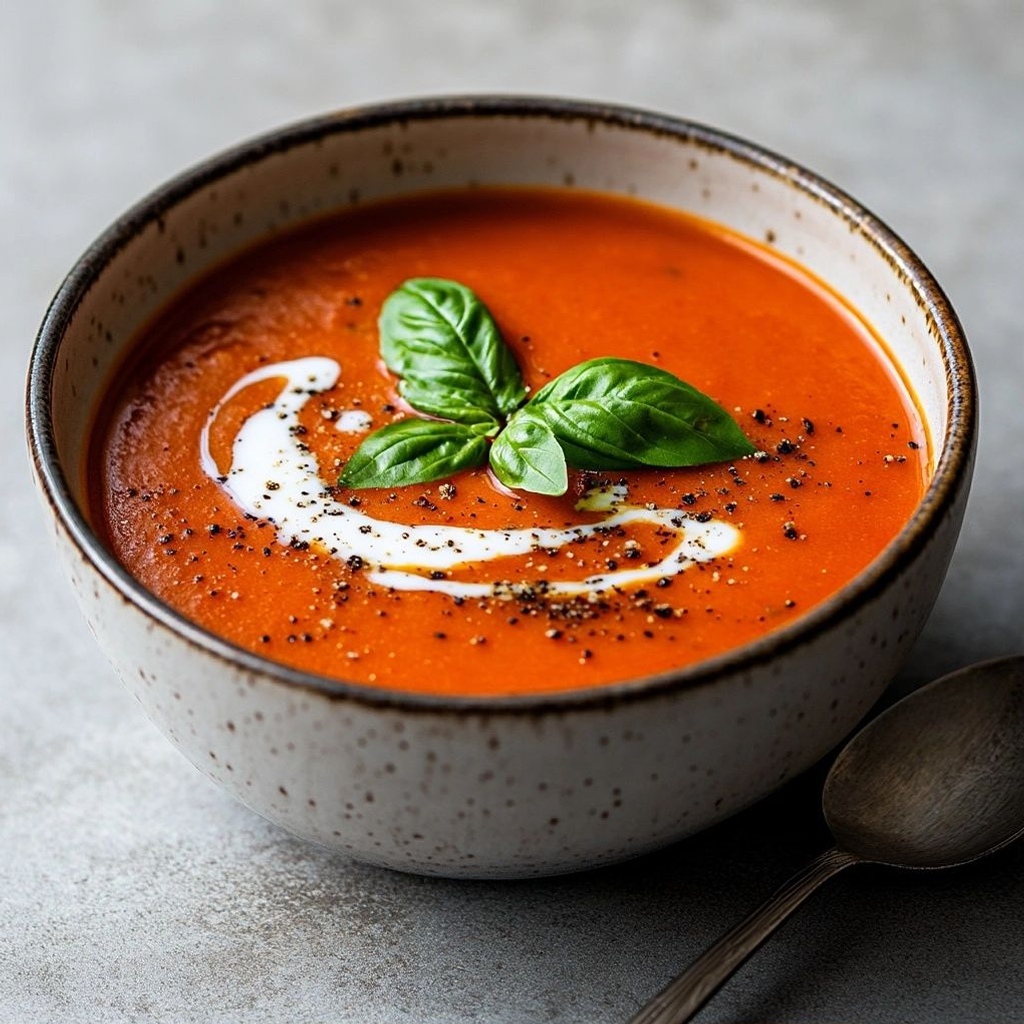
Ingredients
-
– 2 tablespoons olive oil
→ Olive oil is the foundational fat that gently sautés the aromatics without scorching, creating a sweeter, deeper tomato flavor. Use extra-virgin olive oil for better aroma and a smoother finish.
– 1 medium onion, finely chopped
→ Onions provide sweetness and body to the soup. Finely chopping helps them melt into the base, contributing flavor without visible chunks. Sauté until translucent for optimal sweetness.
– 2 garlic cloves, minced
→ Garlic adds sharp, warming notes that complement the tomatoes. Mincing ensures even distribution and fast, uniform releasing of flavors. Avoid burning by adding after the onion has softened.
– 1 carrot, finely chopped
→ Carrots add natural sweetness and body, balancing acidity from the tomatoes. Finely chop so they soften quickly and integrate into the soup.
-
– 2 cans (28 oz each) whole peeled tomatoes, with juices
→ Whole peeled tomatoes break down during simmering; blending later yields a smooth, velvety soup. Choose high-quality tomatoes or fire-roasted for a richer flavor.
-
– 2 cups vegetable stock or water
→ Provides the necessary body and simmering liquid. Use low-sodium stock to better control salt; adjust later after adding tomatoes.
– 1/2 cup heavy cream or coconut cream (for non-dairy)
→ Adds luxurious, creamy texture and a touch of richness. If using coconut cream, whisk until smooth and adjust quantity to avoid overpowering the tomato flavor. For a lighter version, substitute with extra 1/2 cup stock and a splash of milk.
-
– 1 teaspoon sugar (optional)
→ A small amount of sugar can balance the natural acidity of tomatoes, especially in mid-winter varieties. Add to taste after simmering and tasting.
– 1 bay leaf
→ Bay leaf adds a subtle earthy aroma during simmering. Remove before blending for a clean texture.
– Salt to taste
→ Essential for bringing out tomato sweetness. Add gradually, tasting as you go to avoid oversalting. If using salted stock, reduce the added salt accordingly.
– Freshly ground black pepper to taste
→ Adds a gentle bite and rounds out the soup’s flavors. Grind just before serving for maximum aroma.
-
– Fresh basil leaves, torn (optional)
→ Basil provides a bright, herby finish that pairs beautifully with tomato. Tear rather than chop to release essential oils and aroma.
– Croutons or crusty bread for serving (optional)
→ Adds contrasting crunch and makes the soup more substantial. Toast the bread in olive oil with a pinch of salt for extra flavor.
– Grated Parmesan or vegan parm (optional)
→ A light dusting enhances savory depth; use as a finishing note rather than mixing in.
Instructions
- Warm a heavy-bottomed pot over medium heat and add 2 tablespoons of olive oil, allowing it to shimmer before adding the aromatics.
→ Olive oil acts as the fat that transports and moderates heat, preventing scorching and creating a smooth base for sweetness from the onions and carrots. - Add the finely chopped onion to the oil and sauté until translucent and just starting to caramelize at the edges, about 5–7 minutes, stirring occasionally.
→ This develops natural sugars, deepening flavor and mellowing the onion’s sharpness for a balanced soup. - Stir in the finely chopped carrot and cook for 3–4 minutes until it begins to soften and sweeten, then add minced garlic and sauté for an additional 30–60 seconds until fragrant.
→ Carrots contribute gentle sweetness and body; garlic should be added after the onions to prevent bitterness from direct high heat. - Pour in the two cans of whole peeled tomatoes with their juices, breaking up any large pieces with a wooden spoon as they warm, and bring the mixture to a gentle simmer.
→ Breaking down the tomatoes early ensures a uniform texture later and releases their flavor gradually during simmering. - Add 2 cups of vegetable stock or water, reduce the heat to a gentle simmer, and simmer uncovered for 20–25 minutes to meld flavors and soften the vegetables.
→ Slow simmering integrates aromatics with tomatoes, creating a cohesive base without rushing texture or brightness. - Remove the bay leaf from the pot, then use an immersion blender to purée the soup until smooth, or carefully transfer to a blender in batches and blend until velvety.
→ A smooth texture is characteristic of this soup; blending after simmering preserves the gentle, even mouthfeel and avoids graininess from unblended fibrous bits. - Return the soup to a gentle simmer and stir in 1/2 cup heavy cream (or coconut cream for non-dairy), folding it in slowly to create a rich, uniform color and texture.
→ The cream imparts silkiness and balance to the acidity, while blending evenly prevents separating or curdling when heated. - Season with 1 teaspoon sugar (if desired), 1 bay leaf, and salt to taste, simmering for an additional 5 minutes while adjusting seasoning to achieve a balanced sweetness and tomato brightness.
→ Sugar helps counteract high acidity in winter tomatoes; salt should be added gradually to avoid oversalting as flavors concentrate during simmering. - Remove the bay leaf, taste the soup, and finish with a few grinds of freshly ground black pepper just before serving to awaken the flavors.
→ Fresh pepper adds a subtle bite that brightens the overall flavor profile without masking the tomato’s sweetness. - If the soup is too thick for your preference, thin with a small splash of stock or water and adjust salt after thinning; if too thin, simmer a few minutes longer to reduce slightly.
→ Controlling viscosity ensures a luscious, spoonable texture that coats the palate without feeling heavy. - Just before serving, tear fresh basil leaves and fold them in or scatter on top as a fresh, aromatic finish; offer croutons or crusty bread toasted with a pinch of salt for texture.
→ Fresh basil provides a bright, herbal contrast that complements tomato sweetness, while toasted croutons add satisfying crunch and warmth from the bread. - Serve the soup hot with a light dusting of grated Parmesan or vegan parm if desired, allowing guests to adjust richness to taste.
→ A finishing grate adds savory depth and a delicate saltiness that enhances the soup’s overall balance.
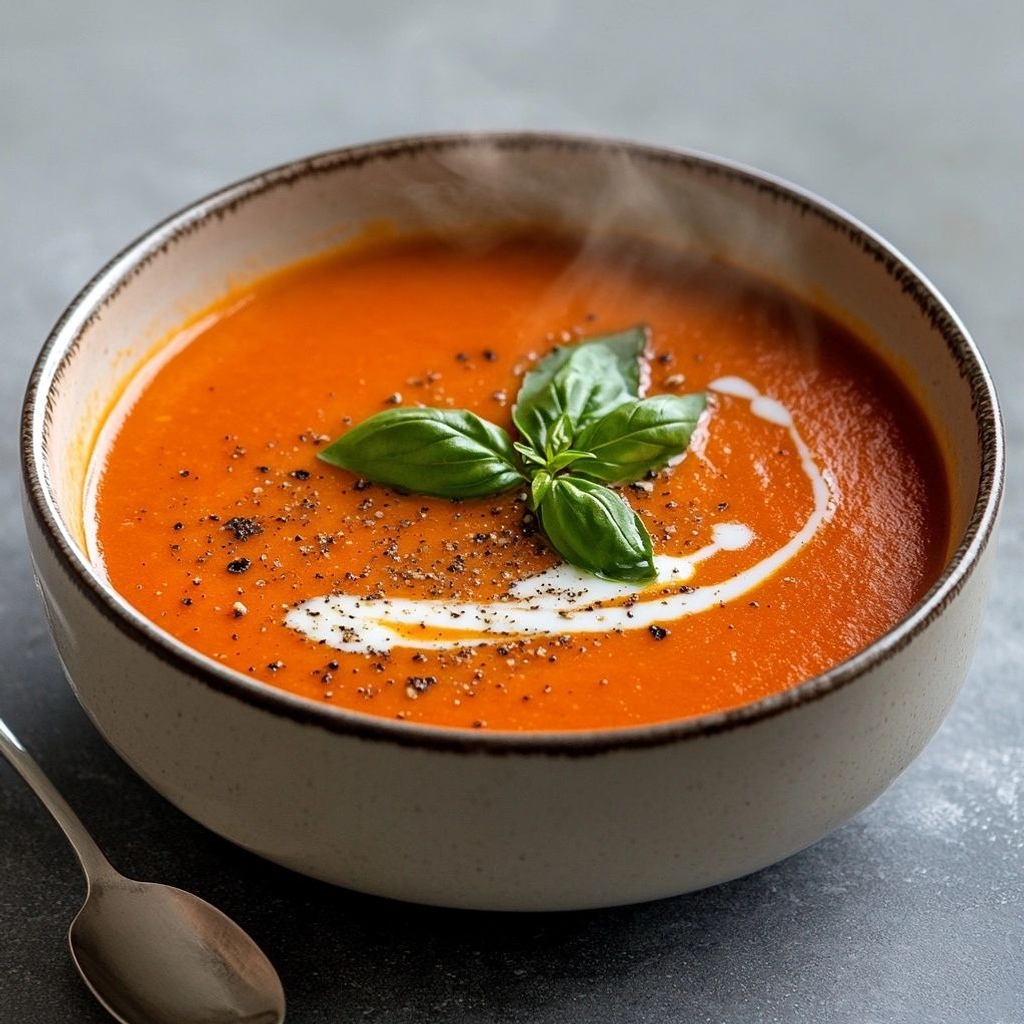
Notes
These middle-of-winter tomato soup with canned tomatoes is warm, comforting, and built around pantry-friendly ingredients. For best flavor, sauté the onion first until translucent to soften its natural sweetness, then add garlic so it releases aroma without scorching.
Choosing good canned tomatoes matters: use whole peeled tomatoes for a smooth, velvety base once blended, and consider a fire-roasted variety for deeper, roasted-notes without extra effort.
Adjust the liquid and creaminess to your preference. If you prefer a lighter soup, use extra stock and less dairy, or swap in coconut cream for a dairy-free version. If you want a thicker texture, simmer a little longer to reduce or mash some of the tomatoes while cooking.
Season thoughtfully: a touch of sugar can balance natural acidity in winter tomatoes, but taste before adding salt. Begin with modest salt and pepper, and increase gradually after tasting. Remove the bay leaf before blending to keep the texture clean.
Finish with fresh garnishes to brighten the dish. Tear basil by hand for fragrance, and serve with croutons or crusty bread for textural contrast. A light dusting of Parmesan or vegan parm adds a savory finish as you plate.
Storage and make-ahead tips: this soup keeps well in the fridge for 3–4 days and can be frozen for up to 3 months. Reheat gently on the stove, whisking in a splash of stock or water if the soup has thickened too much.

Tips
Tip 1: Sauté aromatics gently Start the soup base by heating the olive oil over medium heat and adding the onion. Sweat until translucent and just beginning to caramelize at the edges before adding garlic to prevent bitterness and scorching.
Tip 2: Fine chopping for smooth texture Finely chop the carrot and onion to help them melt into the broth. This yields a silkier soup without visible chunks after blending.
Tip 3: Garlic timing matters Add minced garlic after the onions have softened to prevent raw garlic bite. If you add it too early, it can burn quickly and impart a bitter flavor.
Tip 4: Choose quality canned tomatoes Whole peeled tomatoes break down beautifully during simmering and blending. If possible, opt for high-quality or fire-roasted tomatoes for deeper flavor.
Tip 5: Balance acidity with a touch of sweetness A teaspoon of sugar can mellow sharpness from winter tomatoes. Start with a small amount, then taste and adjust after simmering.
Tip 6: Manage the salt levels Use low-sodium stock or water and season gradually, especially if your stock is salted. Taste after each adjustment to avoid oversalting.
Tip 7: Bay leaf benefits The bay leaf infuses a gentle earthiness; remove before blending to keep the texture clean. You can also tie it in a cheesecloth for easy removal.
Tip 8: Cream choices and texture Heavy cream gives a rich, silky finish. If using coconut cream, whisk until smooth and balance with a little extra stock if needed to avoid overpowering tomato flavor. For a lighter version, use half the cream and add more stock.
Tip 9: Perfectly creamy without dairy For a non-dairy option, blend the soup and whisk in 1/4 to 1/2 cup coconut cream at the end, or swirl with a splash of olive oil for richness.
Tip 10: Blending method For a velvety soup, blend in batches using a high-speed blender or an immersion blender. Blend until completely smooth, then pass through a fine-mesh sieve if you want an ultra-smooth texture.
Tip 11: Thickness control If the soup is too thick, thin with a little more stock or water. If too thin, simmer uncovered a bit longer to reduce and concentrate flavors.
Tip 12: Finishing touches Fresh basil torn just before serving adds bright aroma. For a crunchy contrast, toast croutons in olive oil with a pinch of salt and scatter on top.
Tip 13: Flavor layering Consider finishing with a splash of red wine (about 1/4 cup) after sautéing the vegetables and before adding tomatoes for deeper depth, if you like.
Tip 14: Storage and reheating Tomato soup keeps well in the fridge for 3–4 days. Reheat gently on the stove over low heat, whisking to re-emulsify the cream if separation occurs.
Tip 15: Make ahead advantage The soup develops flavor as it rests. Prepare up to this stage, refrigerate, and rewarm with fresh cream and a final salt/pepper check before serving.
FAQ
What makes this Middle-of-Winter Tomato Soup special?
This soup uses canned tomatoes to create a bright, comforting tomato flavor even when fresh tomatoes aren’t in season. It’s quick, creamy without heavy dairy, and customizable with pantry staples.
What ingredients do I need?
Common pantry items: canned crushed tomatoes, onion, garlic, olive oil, vegetable or chicken stock, salt, pepper. Optional add-ins: a splash of cream or coconut milk, a pinch of sugar, dried herbs, chili flakes.
Can I use fresh tomatoes instead of canned?
Yes, if you have ripe tomatoes. Use about 2 pounds fresh tomatoes, peeled and chopped, and replace some of the liquid with water or stock to reach the desired consistency.
Is this soup dairy-free or vegan?
The base is dairy-free. If you want a creamier texture, you can stir in a tablespoon or two of cream, milk, or coconut milk. For a vegan version, skip dairy and use coconut milk or a dairy-free cream.
How do I adjust the thickness of the soup?
For a thinner soup, add more stock or water while simmering. For a thicker soup, simmer longer to reduce, or blend with a bit less liquid. You can also add a small amount of tomato paste for body.
What can I add to boost flavor?
Sautéed onions and garlic add sweetness and depth. A bay leaf, a pinch of sugar, smoked paprika, or a touch of balsamic vinegar can enhance tomato flavor. Fresh basil or thyme near the end brightens the soup.
How do I make it creamy without dairy?
Blend the soup until smooth and swirl in a little coconut milk, almond milk, or olive oil for a silky texture. Alternatively, whisk in a tablespoon of cashew cream.
How long does it keep, and can I freeze it?
It keeps well in the fridge for 3–4 days. It freezes nicely for up to 3 months. Thaw in the fridge overnight and reheat gently, adding a splash of stock if needed.
What should I serve with this soup?
Classic pairing is a grilled cheese sandwich. You can also top with croutons, a swirl of cream, roasted pepper strips, or a spoonful of pesto for extra flavor.
What equipment is needed?
A medium pot for sautéing and simmering, a wooden spoon for stirring, an immersion blender (or regular blender) to blend to the desired texture, and measuring cups/spoons.