Introduction / Hook
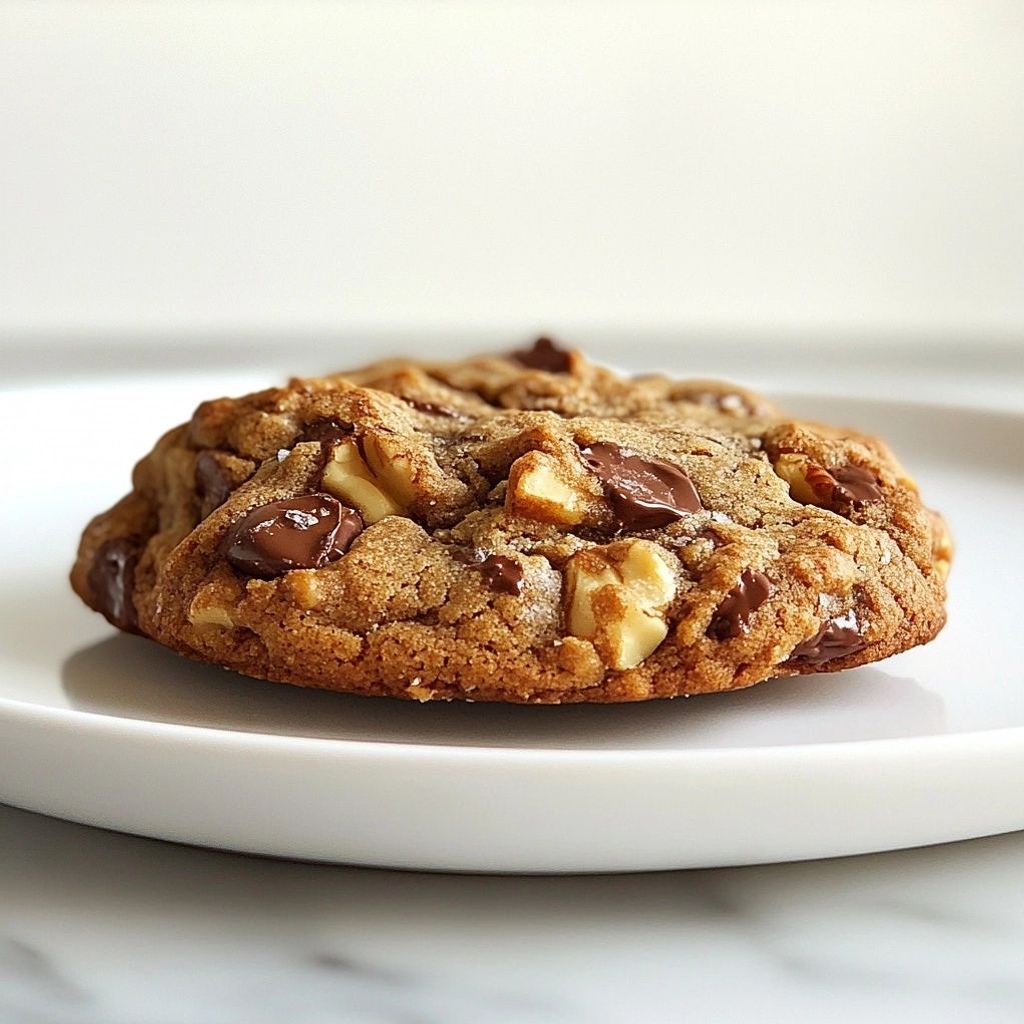
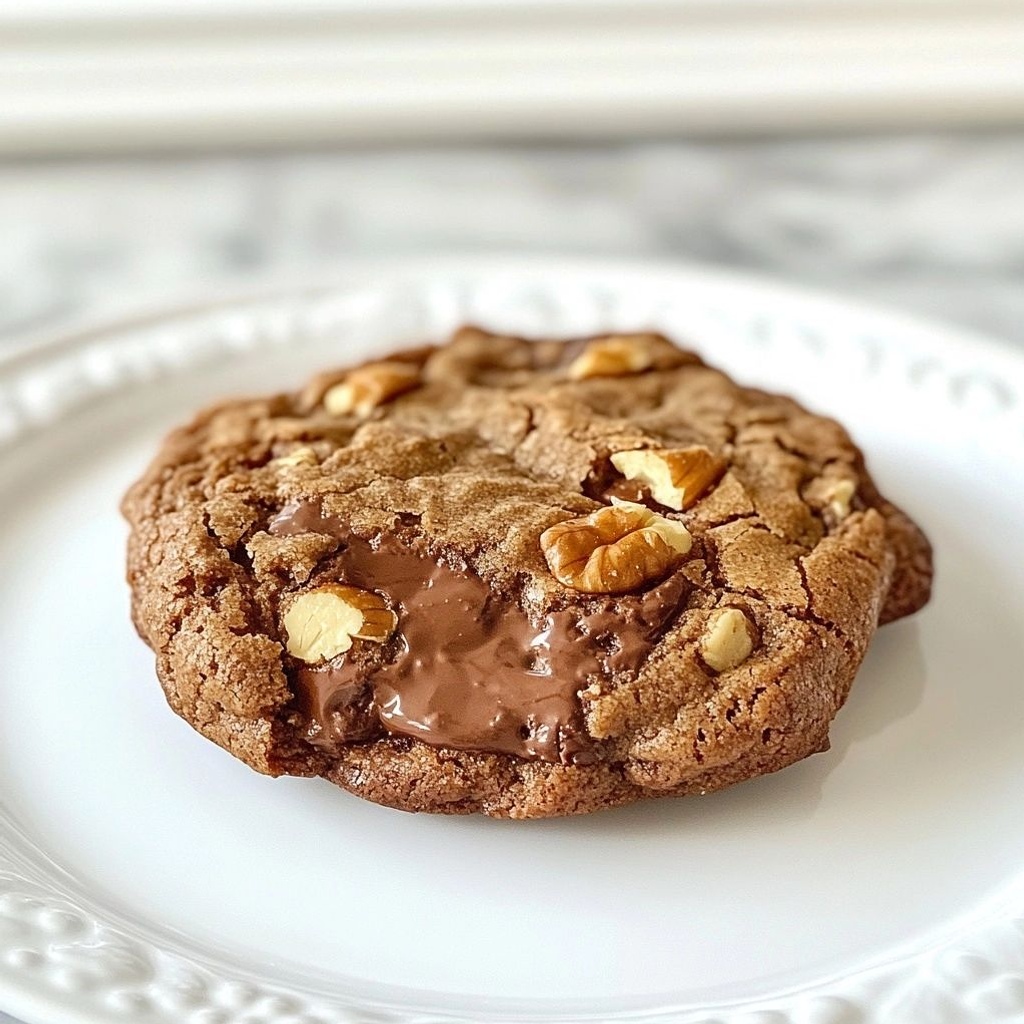
Imagine a warm, crackly-edged cookie that bursts with molten chocolate as you bite into it, only to reveal a luxurious, chewy center studded with toasted walnuts. The Levain Chocolate Walnut Cookie is not merely a treat; it’s an experience that blankets the senses in a chorus of rich cocoa, toasty crunch, and comforting sweetness. When you bake or savor this cookie, you’re stepping into a moment of pure indulgence—where the outside crust shatters with a satisfying snap, releasing a cloud of aroma that tastes like a bakery filled with melty chocolate and candy-bar nostalgia. The scent alone—brown butter, vanilla, and a whisper of sea salt—begs to linger in the air, signaling that something extraordinary is about to happen. This is the kind of cookie that earns “favorite” status in a heartbeat, drawing people in for a story of texture, warmth, and a touch of decadence. It’s not just a dessert; it’s a memory in the making, a little ritual you’ll crave again and again.
The Story Behind the Dish
The Levain-style chocolate walnut cookie has a folklore all its own—a tale of rustic technique meeting a modern craving for comfort and shareable sweetness. Its name evokes a bakery culture that cherishes time-tested methods, generous portions, and the joy of bite-sized rituals that feel extraordinary without being fussy. The original Levain Bakery in Harlem became renowned for cookies that carried a bold promise: a heavy, generous center bordered by a crisp exterior and a molten heart, a texture that seems almost magical in its contrast. While the exact recipe may be closely guarded, the spirit lives on in countless home kitchens inspired by that emblem of indulgence. The chocolate walnut version adds a layer of earthy nuttiness that deepens the flavor and provides textural balance—a reminder that some pleasures are best when they combine contrasts: soft and crisp, sweet and slightly bittersweet, mellow and bright. Walnut brings a roasted, almost caramelly note, a grassy richness that pairs beautifully with dark chocolate, creating a symphony of flavors that feels both timeless and precisely tuned for modern appetites. This dish embodies the idea that a single, well-made cookie can be a passport to a memory—the smell of a kitchen, the glow of a oven light, the moment you break through the crust and discover a river of melted chocolate waiting inside.
Why You’ll Love This Recipe
- Bold chocolate flavor: A generous amount of chocolate, with notes of cocoa and a touch of sweetness that doesn’t overpower the bite.
- Luxurious texture: A crisp, slightly crackly exterior yields to a soft, almost fudgy center—an addictive contrast that keeps people coming back for more.
- Toasty walnut aroma: Roasted walnuts introduce an irresistible depth and a pleasant crunch that complements the chocolate perfectly.
- Versatile centerpiece: Perfect for bake sales, family gatherings, or a comforting weekend treat served with a cold glass of milk or a cup of coffee.
- Impressive yet approachable: Looks indulgent, but the technique is accessible to home bakers who want a bakery-style result without fuss.
- Make-ahead potential: You can freeze the dough portions and bake them off as needed, ensuring fresh cookies whenever craving strikes.
- Adaptable for occasions: Equally at home on a holiday platter or as a casual weeknight treat, it fits a wide range of moments.
Flavor Profile & Texture
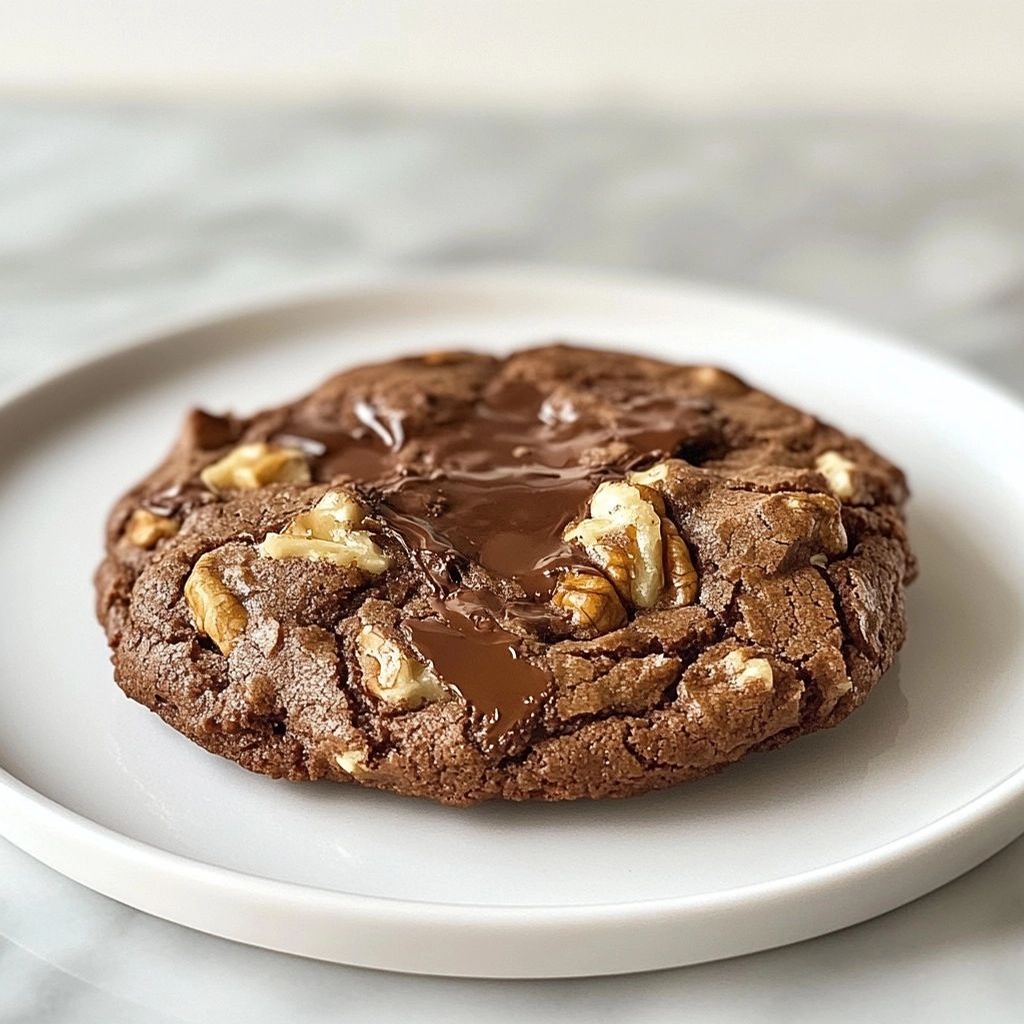
There’s a careful balance at play here. The exterior is a delicate dance of edges that crisp and whisper with caramelized sugar, a light crack as you bite, and a warm, inviting aroma. The inside is where the magic happens: a velvety, thick center that feels almost underbaked in the best possible way—soft, luscious, and richly chocolaty. The walnuts offer a toasty, slightly savory counterpoint that keeps the sweetness grounded, preventing the cookie from feeling cloying. The chocolate itself—ideally a mix of semisweet and dark—melts into ribbons of gooey decadence, weaving with the butter and a hint of vanilla to create a chorus rather than a solo performance. A touch of salt is the unsung hero here, pulling out the depth of the cocoa and tightening the flavors so they feel vibrant rather than sugary. The overall mouthfeel is a revelation: a crust that crackles, a center that stays luxuriously soft, and a lingering aftertaste that invites the next bite. Texture-wise, the cookie is both sturdy and tender, offering relief with each crack and then surrendering to a long, luxurious finish.
Occasions & Pairings
This cookie is a universal crowd-pleaser and shines in a variety of settings. On special occasions, it serves as an anchor for dessert tables with its dramatic break-open moment and the aroma that travels across a room. For weeknight comfort, it offers a quick, satisfying retreat from the day. It also plays well with other elements as part of a dessert ensemble, such as ice cream, a drizzle of caramel, or a dollop of whipped cream for a minimal-but-luxe finish. Pair it with:
- Drinks: A glass of cold milk, a robust coffee, or a dark stout can both balance and highlight the cookie’s Chocolate Walnut profile.
- Ice cream & toppings: Vanilla bean or coffee ice cream, a spoonful of dulce de leche, crushed pretzels for a salty crunch, or flaked sea salt for a finishing touch.
- Sides & accompaniments: A simple berry compote or a bright citrus zest can provide a refreshing contrast to the deep chocolate tones.
- Occasions: Holiday cookie exchanges, bake sales, potlucks, weekend gatherings, or a special treat to welcome guests after a long day.
Tips, Variations & Substitutions
Every cook loves a tweak that makes a recipe feel personal. Here are ideas to customize and refine the Levain Chocolate Walnut Cookie to suit your pantry, dietary needs, or flavor preferences:
- Make it vegan or dairy-free: Use plant-based butter and dairy-free chocolate. Ensure the sugar is vegan (not all white sugars are). Consider a small amount of coconut oil to mimic the tenderness that butter provides.
- Gluten-free option: Swap in a gluten-free all-purpose flour blend designed for cookies. You may want to add an extra tablespoon of flour to achieve the same structure if your blend lacks xanthan gum or guar gum.
- Nut variations: If walnuts aren’t your favorite, try pecans or hazelnuts for a complementary toasty flavor. For extra crunch, lightly toast the nuts before adding.
- Chocolate variations: Use a mix of chocolate chunks and chips, or incorporate a small amount of 70% dark chocolate for a more intense flavor. A hint of cocoa nibs can add a subtle espresso-like bite.
- Texture tuning: If you prefer a crisper center, bake a touch longer or chill the dough to allow more time for structure to set. For an even fudgier center, reduce the bake time slightly and keep the dough well-chilled before baking.
- Flavor boosters: A teaspoon of espresso powder or a splash of vanilla bean paste can deepen the chocolate notes. A pinch of flaky sea salt on top just before baking elevates the overall profile.
- Make-ahead variations: Freeze dough scoops on a baking sheet, then transfer to a bag. Bake from frozen, adding a minute or two to the total bake time.
Storage & Make-Ahead Ideas
Storing cookies properly helps maintain that crisp edge and gooey center you love. Here are practical tips to keep your Levain Chocolate Walnut Cookies at their best:
- Room temperature: Store in an airtight container for up to 4 days. Place a piece of parchment between layers to prevent sticking, and add a slice of bread or a shortbread cookie to maintain softness if you notice the edges hardening a bit.
- Freezing baked cookies: Once cooled, layer cookies with parchment and seal in an airtight container. They keep well for up to 2 months. Reheat gently in a 350°F (175°C) oven for 5–7 minutes to restore that just-baked texture.
- Make-ahead dough: You can portion the dough into mounds, freeze on a tray, then transfer to a bag. Bake cookies directly from frozen, adding 2–3 extra minutes to the bake time. This is perfect for spontaneous gatherings or stocking the freezer with bakery-style treats.
- Storage tips: Keep away from strong-smelling foods to prevent flavor transfer. Use airtight containers and, if possible, seal with a thin layer of plastic wrap to preserve moisture balance.
Make-Ahead Rituals
Consider turning the cookie into a small ritual of anticipation. Mix the dough in advance, chill it deeply, and portion into generous mounds. On the day you’re craving a comforting bite, slide a batch into the oven and let the aroma fill your kitchen. The waiting time becomes part of the dessert experience—an almost ceremonial moment where the house warms up, the chocolate melts, and the walnuts begin to perfume the air.
Fun Facts & Trivia (Optional)
Delightful details can add a spark of curiosity to your baking routine. Here are a few tidbits about chocolate, walnuts, and classic cookies that might enhance your appreciation:
- Chocolate in cookies often benefits from a touch of salt, which enhances the bitterness of the cocoa and clarifies the chocolate flavor, making the cookies taste more complex rather than merely sweet.
- Walnuts, especially when lightly toasted, release oils that deepen their aroma and amplify their nutty, buttery notes. Toasting is a small step that pays big flavor dividends.
- The classic “Levain” cookie style aims to deliver a thick, hearty center with a crisp exterior—an iconic contrast that is both visually dramatic and texturally satisfying.
- Chilling the dough before baking allows the fat to solidify, which helps the cookies hold their shape and develop a more pronounced flavor during the bake.
- For cookie aficionados, the balance of chocolate, butter, sugar, and nuts is a delicate equilibrium. Even a slight adjustment in sugar or flour can shift the texture from fudgy to cakey, so precise measurements matter when you’re chasing that bakery-like result.
Final Thoughts
In the end, the Levain Chocolate Walnut Cookie is more than a recipe—it’s a celebration of texture, aroma, and memory. It invites you to slow down, savor the moment, and share something deeply satisfying with others. It’s a recipe that travels well, adapts to different kitchens, and never loses its ability to bring people together around a plate of warm, glossy chocolate and roasted walnut goodness. Whether you’re baking for a crowd or just for your own evening retreat, this cookie promises a moment of pure bliss: a crack followed by a soft heart, a chorus of chocolate, and the comforting crunch of walnuts that make every bite feel like a small, joyful victory. Bake with attention, savor with gratitude, and let this timeless cookie become a beloved staple in your dessert repertoire.
Ingredients
- Cookie Dough Base
– 2 1/2 cups all-purpose flour (unbleached)
→ Provides the structure and body for the cookies. All-purpose flour has the ideal gluten development to achieve a chewy yet sturdy crumb that can hold the generous mix-ins. If you want a richer flavor, you can substitute up to 1/4 cup of bread flour, but avoid too much to keep the classic Levain-like texture. - Cookie Dough Base
– 1/2 teaspoon baking soda
→ A leavening agent that helps the dough rise slightly and spread just enough to create a soft, chewy interior with a lightly crisp exterior. Ensure it is evenly distributed by whisking with the flour before combining with the wet ingredients. - Cookie Dough Base
– 1/2 teaspoon salt
→ Enhances the sweetness and intensifies chocolate flavor by balancing sugars. Use fine table salt for even distribution; if using flaky salt, add a pinch at the end for a delicate crunch, if desired. - Cookie Dough Base
– 1 cup (2 sticks) unsalted butter, softened to room temperature
→ Creates the rich, tender crumb and helps emulsify with sugars for chewy cookies. Do not melt; softened butter allows proper creaming with sugars for depth of flavor and moisture. If you want more spread, slightly warmer butter can help, but avoid melted butter which yields different texture. - Cookie Dough Base
– 1 cup granulated sugar
→ Contributes sweetness and a crisp edge when baked. Creaming with butter aerates the dough, helping with structure and a slightly cakier interior. For a denser texture, you can reduce granulated sugar and increase brown sugar slightly. - Cookie Dough Base
– 3/4 cup light brown sugar, packed
→ Adds moisture, chewiness, and molasses-like depth to the cookie. The moisture from brown sugar keeps the center soft. If you run out, coconut sugar can substitute with a slight flavor change. - Cookie Dough Base
– 2 large eggs, at room temperature
→ Bind the dough and contribute moisture and richness. Room-temperature eggs blend more evenly with butter and sugar, creating a smooth, cohesive dough. If very cold, gradually warm them to avoid curdling when added to the butter. - Cookie Dough Base
– 2 teaspoons vanilla extract
→ Enhances sweetness and aroma; vanilla complements chocolate and nut flavors. Use real vanilla extract or vanilla paste for a more intense, true vanilla note. If using vanilla bean, add the seeds from one bean for extra depth. - Cookie Dough Base
– 1 1/2 cups semisweet chocolate chips or chocolate chunks
→ The primary chocolate component that yields the signature pockets of melty chocolate. Chunks provide bigger chocolate bites and more melt; chips offer a uniform distribution. For a richer cookie, use a mix of chips and chunks (about 1 cup chips and 1/2 cup chunks). - Cookie Dough Base
– 1 cup walnuts, toasted and roughly chopped
→ Adds a toasty, nutty contrast to the sweet chocolate and tender crumb. Toasting enhances flavor and crunch; chop into uneven pieces to maximize surface area for flavor release. If you prefer a milder nut flavor, use pecans instead—or omit for a nut-free version. - Optional Add-ins
– 1/2 cup extra chocolate chips or chunks (optional)
→ Additional chocolate intensifies the cookie’s melty centers and can balance with the nutty texture. If using, fold in after combining dough to avoid overworking. Tempering the chocolate slightly before adding can help distribute evenly in very cold dough. - Optional Add-ins
– Flaky sea salt for finishing (optional)
→ A light pinch on top after baking enhances sweetness contrast and chocolate flavor. Sprinkle just before baking to adhere, or after about 5 minutes of cooling to avoid excessive salt transfer. Use a light hand; a little goes a long way.
Instructions
- Preheat your oven to 350°F (175°C) and line two baking sheets with parchment paper or silicone mats to ensure even browning and easy release; this prevents sticking and helps cookies bake uniformly.
→ A stable, controlled heat from a fully preheated oven yields consistent spread and the characteristic chewy interior with a lightly crisp edge. - Whisk together the all-purpose flour, baking soda, and salt in a medium bowl until evenly dispersed and light, then set aside to prevent clumping when you combine with wet ingredients; this ensures even leavening and a uniform crumb.
→ Distributes leavening and seasoning evenly so every cookie has consistent texture and flavor. - Cream the softened unsalted butter with granulated sugar in a large bowl using a paddle attachment or a sturdy whisk on medium speed until pale, fluffy, and emulsified, which takes about 3 to 5 minutes; scrape the bowl as needed to incorporate all butter and sugar.
→ Proper creaming introduces air for structure and helps the dough spread and set with a tender, chewy interior. - Add the light brown sugar and continue beating on medium speed until well combined and smooth, about 2 to 3 minutes; the brown sugar adds moisture and a deeper, molasses-like flavor.
→ The moisture from brown sugar contributes chewiness and helps retain softness in the center after baking. - Beat in the eggs, one at a time, and then add the vanilla extract until the mixture is glossy and cohesive; ensure each addition is fully incorporated before adding the next to prevent curdling.
→ Room-temperature eggs blend more evenly with the butter mixture, creating a stable emulsion for uniform dough. - Gently fold in the dry ingredients in two additions using a spatula or mixer on low speed until just combined; stop as soon as you no longer see flour to avoid overworking the dough, which can make cookies tough.
→ Minimal mixing prevents gluten overdevelopment, yielding a chewy yet tender cookie with a sturdy structure for mix-ins. - Fold in the 1 1/2 cups semisweet chocolate chips or chunks and the 1 cup toasted walnuts, distributing evenly without overmixing; if using up to 1/2 cup extra chocolate chips, fold them in after the dough comes together to prevent overworking.
→ Even distribution of chocolate and nuts creates pockets of melt and crunch in every bite while preserving dough integrity. - If desired, fold in the optional 1/2 cup extra chocolate chips or chunks after the main dough comes together to intensify chocolate distribution without risking overworking the dough.
→ Adds bursts of chocolate flavor and visual appeal without compromising texture. - Chill the dough, covered, for 30 minutes to 2 hours (or longer if possible) to solidify the fats and reduce excessive spreading during baking; the chilling also helps flavors meld and makes scooping neater.
→ Chilled dough retains shape on the sheet, yielding thick, bakery-style cookies with a chewy center. - Scoop the dough using a 2-tablespoon (about 1.5-ounce) portion or a porcelain/metal scoop, spacing them 2 inches apart on the prepared sheets to give room for spreading; use a gentle rise to maintain the classic Levain-like dome.
→ Proper spacing ensures even heat exposure and prevents cookies from merging into one another as they spread. - Optional: Sprinkle a light pinch of flaky sea salt on top of each dough ball just before baking to contrast sweetness and enhance chocolate aroma; use sparingly so it does not dominate.
→ Finishing salt heightens flavor perception and creates a refined, chocolate-forward profile. - Bake the cookies in the preheated oven for 9 to 11 minutes, rotating the sheets halfway through, until the edges are set and lightly golden while the centers remain soft and slightly underbaked for a chewy interior; avoid overbaking to preserve moisture.
→ The balance between set edges and soft centers yields the signature Levain-like texture: crisp outside with a gooey, molten center. - Let the cookies rest on the baking sheets for 5 to 10 minutes after removal from the oven to firm up enough to transfer without breaking, then move them to a rack to cool completely; this gentle resting helps set the structure and prevents breakage.
→ Resting prevents the center from collapsing and ensures the cookies hold their shape as they cool and set their final texture. - Repeat with any remaining dough, ensuring the oven remains at 350°F (175°C) and the sheets are properly spaced so each batch bakes evenly; cooldown between batches prevents temperature drop that can affect bake times.
→ Consistent oven temperature and sheet spacing guarantee uniform browning and texture across batches.
Notes
These Levain-style chocolate walnut cookies are tall, deeply chocolatey, and chewy on the inside with crisp edges. For best texture, make sure the butter is softened to room temperature and creamed with the sugars until pale and fluffy, then beat in the eggs one at a time and only whisk in the dry ingredients until just combined. Chilling the dough for at least 1 hour (or up to 2 days) helps control spread and intensify flavor. Toast the walnuts to unlock their nutty aroma and chop them unevenly for varied crunch. If you want an extra chocolate hit, fold in an additional 1/2 cup of chips or chunks after mixing the dough, being careful not to overwork. For a gluten-free option, substitute the 2 1/2 cups all-purpose flour with a 1:1 gluten-free flour blend that includes xanthan gum, then proceed as directed; you may need to slightly increase the flour if the dough is too sticky. Bake at 350°F (175°C) until the edges are set and the centers look just shy of soft, about 12–14 minutes, then let cookies rest on the sheet for 5 minutes before transferring to a rack to finish cooling. Store in an airtight container for up to 5 days, or freeze dough balls or baked cookies for longer storage. If you like, finish with a light sprinkle of flaky sea salt to enhance the chocolate and balance sweetness.
Tips
- Chill the dough (optional but recommended): For thicker cookies with more pronounced edges, chill the dough for at least 30 minutes or up to 24 hours. This helps control spread and enhances flavor development as the dough rests.
- Butter temperature: Use softened butter that yields to the touch but is not melting. Proper creaming with sugar creates air pockets that contribute to a chewy yet sturdy cookie crumb.
- Creaming method: Beat butter and sugars on medium speed until pale and fluffy before adding eggs. This step builds structure and contributes to a chewy center with crisp rims.
- Egg temperature: Room-temperature eggs blend more evenly and prevent a split emulsion. If using cold eggs, warm them briefly in a bowl of warm water before adding.
- Even flour distribution: Whisk flour, baking soda, and salt together first to ensure even leavening and salt distribution, then add to the creamed mixture for uniform texture.
- Chocolate distribution: Use a mix of chips and chunks or fold in extra chips after the dough comes together to maximize melt-in-the-mouth pockets without overworking the dough.
- Toasting walnuts: Toast walnuts until fragrant and just barely brown for maximum nutty flavor. Cool completely before chopping to keep textures defined.
- Don’t overmix after adding flour: Overmixing after the flour is introduced can develop gluten too much, leading to denser cookies. Stir until just combined, then fold in chocolate and nuts.
- Portioning for uniform cookies: Use a cookie scoop (about 2.5 tablespoons) or portion with a scale for uniform sizes. This ensures even baking and consistent texture across batches.
- Oven temperature and rack position: Bake at a moderate heat (around 350°F/175°C) with the rack in the middle. If cookies spread too much, try a slightly cooler oven or chill the dough longer before baking.
- Cooling time: Let cookies rest on the baking sheet 5–10 minutes before transferring to a rack. This helps set the structure and prevents breakage while still allowing a tender interior.
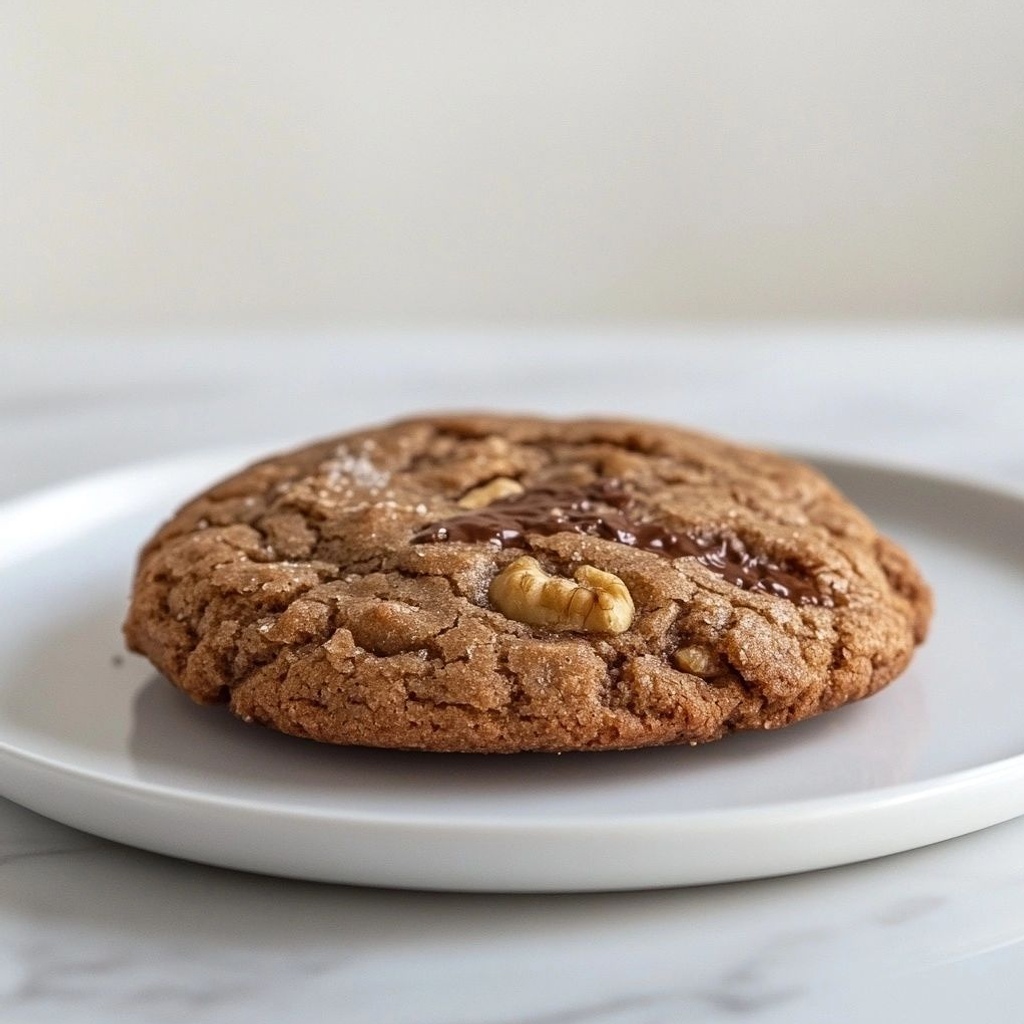
- Finishing salt: A light sprinkle of flaky sea salt on top before baking enhances chocolate and nut flavors. If using after baking, add a pinch only to taste to avoid overpowering sweetness.
FAQ
What is a Levain Chocolate Walnut Cookie?
A Levain-style cookie is a thick, bakery-style chocolate walnut cookie known for a deeply crisp exterior and a gooey, melt-in-the-mouth center. It typically features a high butter-to-flour ratio and generous mix-ins like dark chocolate chunks and walnuts.
What ingredients do I need?
– All-purpose flour
– Baking soda and a pinch of salt
– Unsalted butter (softened)
– Granulated sugar and dark brown sugar
– Large eggs
– Pure vanilla extract
– Semi-sweet or dark chocolate chunks or chips
– Chopped walnuts
– Optional: a pinch of espresso powder to enhance chocolate
What equipment is required?
A mixing bowl, whisk or electric mixer, spatula, measuring cups/spoons, a baking sheet, parchment paper or a silicone mat, and an oven. You may also want a cookie scoop to portion evenly.
What is the best oven temperature and bake time?
Bake at 350°F (175°C) for about 12–14 minutes, or until the edges are set but the centers remain soft. For a chewier center, bake a touch less; for a firmer center, bake a bit longer.
Why is the center so soft and underbaked in Levain-style cookies?
Levain cookies are intentionally underbaked in the center to stay soft, fudgy, and thick. The high butter and brown sugar content helps retain moisture, creating a gooey middle after cooling.
How should I portion and shape the dough?
Use a cookie scoop to form uniform mounds about 3–4 inches apart on a parchment-lined sheet. Keep the dough balls tall and maintain a round, compact shape for a bakery-style look.
Can I freeze the dough or baked cookies?
– Dough: Yes. Scoop dough into balls, freeze on a tray until solid, then transfer to a freezer bag. Bake from frozen, adding a couple of extra minutes.
– Baked cookies: Freeze on a tray until solid, then store in an airtight container. Reheat briefly in a 300°F (150°C) oven to regain softness.
How do I store leftovers?
Store cookies in an airtight container at room temperature for up to 3–4 days. For longer storage, refrigerate up to 1 week or freeze for up to 2–3 months.
Can I customize the mix-ins?
Yes. Swap in chopped walnuts with pecans or use a mix of dark chocolate chunks and chips. You can also add a handful of kosher salt sprinkled on top before baking for a salted finish.
What makes Levain cookies different from regular chocolate chip cookies?
Levain cookies are typically thicker, taller, and more puffy with a deeply caramelized crust and a gooey center, achieved by higher butter and sugar ratios, and a shorter bake time compared to standard cookies.