
Introduction / Hook
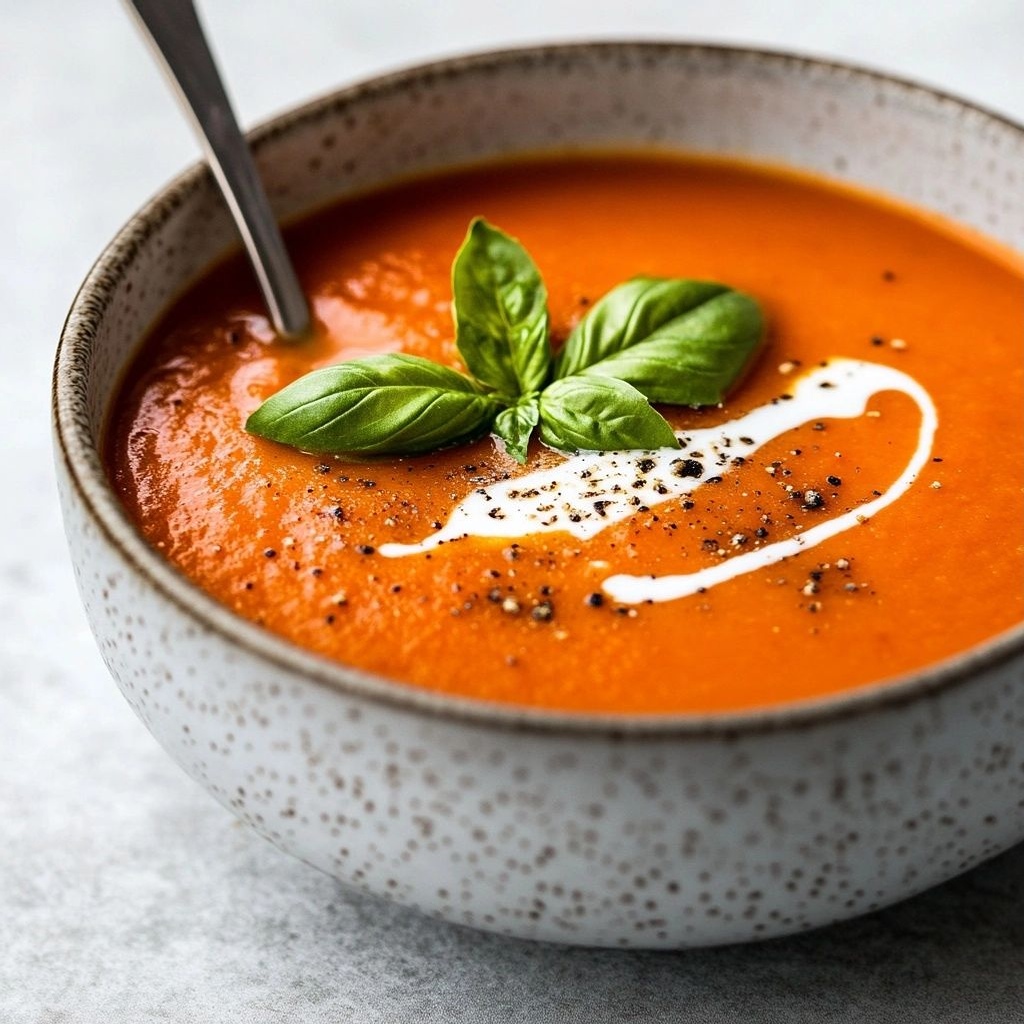
There’s something warm and inviting about a bowl of tomato soup on a chilly day—the way its rich aroma fills the kitchen, the way the steam fogs the windows, and the way a simple spoonful feels like a hug you can sip. This tomato soup is your cozy go-to, crafted with pantry-friendly canned tomatoes that deliver bold, sunny flavor without fuss. It’s the sort of recipe that welcomes you after a long day, transforming humble staples into something comforting, nourishing, and deeply satisfying. The scent alone—ripe tomato sweetness mingling with garlic, onion, a whisper of herbs, and a touch of cream or olive oil—promises comfort in every sip. And the best part? It’s easy enough to whip up when you’re tired but tasty enough to feel like a small celebration of having made something delicious from shelves you always keep stocked.
The Story Behind the Dish
Tomato soup has a storied place in kitchens around the world, evolving from rustic peasant meals into a pantry-friendly classic. The tomato itself, born in the Americas and brought to Europe, became a staple in many culinary traditions. Canned tomatoes entered the scene as a salvation for home cooks: a reliable, year-round ingredient that preserves the bright, sun-kissed sweetness of summer regardless of the weather outside. This soup taps into that long lineage—the idea that you can craft a comforting, satisfying meal from pantry staples and a handful of aromatics. It’s a modern nod to traditional, hearty soups that families would simmer on the stove for hours, with the realization that today, we can capture that same depth and warmth in a fraction of the time. There’s a quiet nostalgia in each spoonful—the memory of kitchens where a pot bubbled gently, where a crumb of bread found its dip, and where warmth was the universal language of home.
Anecdotes from the Kitchen
Many cooks have their own tomorrows-to-today version of tomato soup. Some toast the garlic in olive oil until it perfumes the room; others simmer the onions until they’re jammy and sweet. In certain households, a swirl of cream or a spoonful of coconut milk leaves the finished bowl with a velvety body, while in others a pinch of smoked paprika or chili flakes adds a gentle kiss of heat. This particular rendition honors those intimate kitchen memories: it’s adaptable, forgiving, and designed to turn a humble, canned-tomato base into something deeply satisfying—whether you’re feeding a family, a couple, or a solo cook who deserves a nourishing moment. The container of canned tomatoes becomes a canvas, and every extra ingredient—garlic, onion, stock, herbs, and finishing touches—paints a story that’s uniquely yours.
Why You’ll Love This Recipe
There are several reasons this tomato soup shines for home cooks and hungry souls alike:
- Speed and simplicity: Pantry-friendly ingredients come together quickly, making a cozy meal in under 30 minutes.
- Comfort in a bowl: The creamy, tangy, and subtly sweet profile is endlessly comforting on cold days, offering a sense of warmth and nourishment.
- Versatility: It’s adaptable to different dietary needs and flavor preferences with easy substitutions and add-ins.
- Budget-friendly: Canned tomatoes are economical, and the recipe uses a few straightforward, affordable pantry staples.
- Make-ahead friendly: The soup stores well and freezes beautifully, making it ideal for meal prep and batch cooking.
- Family-friendly: It’s a gentle, approachable flavor that both kids and adults enjoy, with room to tailor the heat and richness.
- Core pantry resilience: It’s a reminder that delicious meals can come together from what you already have on hand, reducing waste and transforming staples into something special.
Flavor Profile & Texture
This soup offers a balanced, comforting flavor experience. The tomato base provides a bright, slightly tangy note that evokes sunshine—especially when using high-quality canned tomatoes with a robust tomato character. Garlic and onion deepen the aroma, lending savory warmth that fills the room as the pot simmers. Stocks or water bring body, while a hint of cream or a drizzle of olive oil adds silkiness and depth. Herbs—such as basil, thyme, or a bay leaf—introduce a layer of freshness that cuts through the richness just enough to keep the flavor lively. A pinch of sugar can enhance the natural sweetness of the tomatoes, especially if you’re using a variety from the can that leans more savory. The texture is smooth and velvety with a gentle, comforting thickness; you may choose to leave it silky or to leave a few spoonfuls chunky for a more rustic bite. If you like a bolder finish, a whisper of smoked paprika or a splash of balsamic vinegar can illuminate the flavors and add a subtle complexity that lingers on the palate.
Texture Play: Smooth vs. Chunky
Depending on your mood, you can blend the soup completely for a glassy, cafe-style finish, or leave it partly blended to preserve a soft cushion of tomato pulp. A stand mixer or an immersion blender works beautifully, and blending in a small amount of cream at the end can turn it into a satin-smooth comfort. For texture lovers, reserve a portion of the can’s tomato chunks and blend them separately before returning them to the pot, creating a gentle contrast that speaks to both tenderness and bite.
Occasions & Pairings
This tomato soup is a versatile star that fits many occasions:
- Weeknight warmth: A quick, cozy dinner when you want something comforting without spending hours in the kitchen.
- Weekend brunch or lunch: Pair with a grilled cheese sandwich, a crusty loaf, or a simple солe of bread and butter for a nostalgic, satisfying pairing.
- Cold-season gatherings: Serve alongside a light salad or roasted vegetables to anchor a comforting spread.
- Meal-prep hero: Make a big pot, portion into containers, and reheat for a fast lunch or dinner later in the week.
Suggested Pairings
To elevate the experience, consider these companions:
A timeless pairing; the crisp, toasty bread contrasts beautifully with the soup’s smoothness. - Croutons or garlic bread: Add a satisfyingly crunchy texture and a toasty aroma.
- Herbed yogurt or a dollop of sour cream: A tangy finish that brightens the bowl and adds a creamy counterpoint.
- Salad of greens with lemon vinaigrette: A simple, zesty side to cut through the richness.
- Wine or beverage pairing: A light, crisp white wine or a sparkling water with a squeeze of lemon complements the acidity of the tomatoes nicely.
Tips, Variations & Substitutions
These ideas help you tailor the recipe to your preferences, dietary needs, or what you have on hand:
- Make it vegan or dairy-free: Skip the cream or use a plant-based milk (coconut, almond, or oat) added at the end for a silky texture. Olives or a splash of olive oil can also contribute richness without dairy.
- Gluten-free: This soup is naturally gluten-free when using stock that doesn’t contain gluten; pair with gluten-free bread for dipping.
- Spice it up: Add red pepper flakes, a pinch of cayenne, or smoked paprika to lean into a subtle heat and depth.
- Herb variations: Fresh basil adds brightness; thyme or oregano provides an earthy nuance. A bay leaf during simmering lends a gentle, comforting aroma; remove before serving.
- Creamy contrast without dairy: A swirl of coconut cream or a spoonful of cashew cream can deliver decadence while keeping the dish dairy-free.
- Richer finish: A touch of cream, half-and-half, or a drizzle of browned butter can elevate the soup to a more luxurious texture and flavor.
- Vegetable boost: Add finely chopped carrots or celery at the start for extra sweetness and depth. A handful of spinach stirred in at the end provides color and nutrition.
- Roasted note: For a deeper, roasted flavor, briefly caramelize the onions and garlic, and consider finishing with a splash of balsamic vinegar.
- Regional twists: A pinch of garam masala or curry powder can transform the tomato base into a warm, spiced soup reminiscent of certain global soups that celebrate tomatoes in new ways.
Storage & Make-Ahead Ideas
Tomato soup handles storage well, making it a reliable choice for meal planning:
- In the fridge: Refrigerate in an airtight container for up to 3-4 days. Reheat gently on the stovetop, adding a splash of stock or water if it thickens too much.
- Freezing: Freeze in freezer-safe containers for up to 3 months. Thaw overnight in the fridge and reheat on the stove, whisking to restore smoothness if needed. A small amount of dairy or dairy-free milk can help regain creaminess after thawing.
- Make-ahead technique: Start with the base of onion and garlic, then stop before adding the tomatoes. Store the base separately and combine with tomatoes when you’re ready to finish. This can cut your final cooking time even further on busy days.
- Slow cooker or Instant Pot: The flavors deepen with extended simmering; you can adapt the base to a slow cooker or an electric pressure cooker for a hands-off version, still using canned tomatoes as the star.
Fun Facts & Trivia (Optional)
Did you know that canned tomatoes can sometimes taste more vibrant than fresh tomatoes in winter? Modern canning processes capture and preserve the tomato’s peak sweetness and acidity, making canned tomatoes a dependable ingredient year-round. In many kitchens, the simple can and a handful of aromatics become a portal to memory—the memory of cold days warmed by a bowl of soup, the glow of a windowpane, and the sense that comfort can be created in minutes with pantry staples. The humble tomato, once met with skepticism in some early European households, has proven to be a versatile and beloved foundation for countless soups, sauces, and comforting dishes. This recipe pays homage to that versatility, reminding us that warmth, flavor, and nourishment can come from items you already keep in your cupboards.
Closing Thoughts
In the quiet rhythm of a cold day, a pot of tomato soup can feel like a thoughtful, generous gesture—from your kitchen to your table. It invites you to slow down, to savor the aroma, and to take pleasure in a simple act of cooking that yields a deeply satisfying result. The beauty of this recipe lies not just in its delicious taste, but in its accessibility—the way it honors the pantry, respects your time, and delivers a comforting bowl that feels like a small triumph. Whether you’re feeding yourself after a long day, warming up a family, or sharing a simple, cost-effective meal with friends, this canned-tomato tomato soup proves that greatness can come from humble ingredients when you treat them with care, balance, and curiosity. So set a pot on the stove, breathe in the welcoming scent, and let the warmth spread from your hands to your heart as you ladle out the first silky spoonful.
Ingredients
-
Soup Base
– 2 cans (28 oz each) crushed tomatoes in juice
→ The tomato foundation of the soup. Crushed tomatoes provide a smooth body and a bright tomato flavor without needing fresh tomatoes. If you only have whole tomatoes, crush them by hand or with a blender before simmering to achieve a similar texture.
– 1 medium onion, finely chopped
→ Onion adds sweetness and depth to the soup base as it sweats during sautéing. For a smoother texture, finely dice; for a chunkier soup, keep slightly larger dice. Cook until translucent and fragrant but not burnt to prevent bitterness.
– 2 cloves garlic, minced
→ Garlic introduces aromatics and a savory backbone. Mince finely to distribute evenly and release maximum flavor during sauté. Add with onions to prevent burning; lower heat if necessary.
– 2 tablespoons olive oil
→ Used to sauté onions and garlic, building flavor and helping to extract sweetness from the vegetables. Use a good quality extra-virgin olive oil for best aroma; don’t overheat to avoid bitter notes.
– 1 tablespoon tomato paste
→ Intensifies tomato flavor and adds a touch of sweetness and body to the soup. Sauté briefly with onions to caramelize slightly for depth; this also helps thicken the soup slightly.
– 2 cups vegetable broth (or chicken broth for non-vegetarian)
→ Liquid base to loosen the tomatoes and create the soup’s body. Use low-sodium broth to better control salt; adjust with salt at the end to taste. For a richer flavor, substitute part of the broth with water plus a splash of white wine.
– 1 teaspoon sugar (optional)
→ Balances acidity from canned tomatoes, especially if they’re very tart. Add gradually and taste; skip if using very ripe, naturally sweet tomatoes or if you’re avoiding added sugar.
– Salt and pepper to taste
→ Fundamental seasonings to bring out tomato sweetness and balance. Add in stages: taste after simmering for a richer, more even flavor. Consider finishing with a light pinch of sea salt just before serving.
Optional Add-ins
– 1/2 cup heavy cream or full-fat coconut milk (optional)
→ Adds creamy texture and a mild richness to the soup. For dairy-free, coconut milk works well; add after simmering and heat gently to avoid curdling. If using cream, temper it by whisking in a little hot broth before stirring in to prevent separation.
– 1 teaspoon dried oregano or dried basil (optional)
→ Dried herbs provide an earthy aroma that complements tomato. If using fresh, add at the end to preserve brightness. Use sparingly to avoid overpowering the tomato flavor.
– 1/4 teaspoon red pepper flakes (optional)
→ A gentle warm kick that enhances depth without making the soup spicy. Adjust to taste; omit for a milder version aimed at all ages.
Toppings
– Fresh basil leaves, torn or chopped (optional)
→ Fresh basil adds a bright, aromatic finish. Tear leaves just before serving to preserve oils and color; this keeps the soup feeling fresh and vibrant.
– Croutons or toasted bread cubes (optional)
→ For texture and a satisfying contrast to the smooth soup. Use homemade or store-bought croutons; if using, toss with a little garlic powder and olive oil before toasting for extra flavor.
– Grated parmesan or nutritional yeast for topping (optional)
→ Adds a savory, umami finish. Parmesan can be sprinkled lightly for a traditional touch; nutritional yeast is a dairy-free alternative with a similar savory profile.
Instructions
- In a large pot set over medium heat, combine 2 tablespoons olive oil and allow it to heat until shimmering; this step starts the flavor development by gently sweating aromatics without burning them.
→ Heating the oil now ensures onions will soften evenly and release sweetness, forming a rich base for the soup. - Add the finely chopped onion to the pot and cook, stirring frequently, for 5–7 minutes until translucent and just starting to brown at the edges; this browning adds depth and caramel notes.
→ Gentle caramelization concentrates sweetness and contributes a velvet texture to the soup’s foundation. - Stir in the minced garlic and 1 tablespoon tomato paste; cook for 1–2 minutes, stirring constantly to prevent scorching and to bloom the garlic’s aroma.
→ This blooms the garlic’s oils, intensifying the savory backbone and deepening tomato flavor without biting raw notes. - Pour in the 2 cans of crushed tomatoes with their juice and whisk to combine with the aromatics; simmer briefly to integrate flavors.
→ Crushing tomatoes provides a smooth body; simmering helps the acid and sweetness balance before adding liquid. - Reduce heat to a gentle simmer and add 2 cups vegetable broth (or chicken broth for non-vegetarians); stir to distribute evenly and prevent scorching on the bottom.
→ A steady simmer evenly distributes heat, extracting more tomato sweetness and creating a cohesive soup texture. - If using, stir in 1 teaspoon sugar and season with salt and pepper to taste; adjust gradually and taste after simmering to achieve balanced acidity.
→ Sugar mitigates acidity from canned tomatoes; salting in stages builds a more nuanced flavor profile without oversalting early. - Let the soup simmer uncovered for 20–25 minutes, stirring occasionally; this reduces excess moisture and allows flavors to meld while remaining fragrant.
→ A controlled simmer concentrates flavor and improves mouthfeel; avoid vigorous boiling which can scald tomatoes and dull color. - Optional: for a smoother texture, use an immersion blender directly in the pot to blend the soup to your desired consistency, stopping to check texture frequently.
→ Blending tailors the soup to a velvety finish preferred on cold days; be careful not to splatter and blend in batches if needed. - Optional: whisk in 1/2 cup heavy cream or full-fat coconut milk after blending if you desire a creamy, richer soup; heat gently to avoid curdling.
→ Cream or coconut milk adds indulgence and a luscious mouthfeel; tempering (warming slightly before adding) helps prevent separation. - If using dried oregano or basil, add 1 teaspoon at this stage; otherwise, plan to add fresh herbs at the end to retain brightness.
→ Dried herbs release aroma during simmer, while fresh herbs brighten the final bowl with vibrant oils; balance to avoid overpowering tomato flavor. - Taste and adjust seasoning with salt, pepper, and a pinch more sugar if needed; this ensures the final seasoning remains balanced after all ingredients have melded.
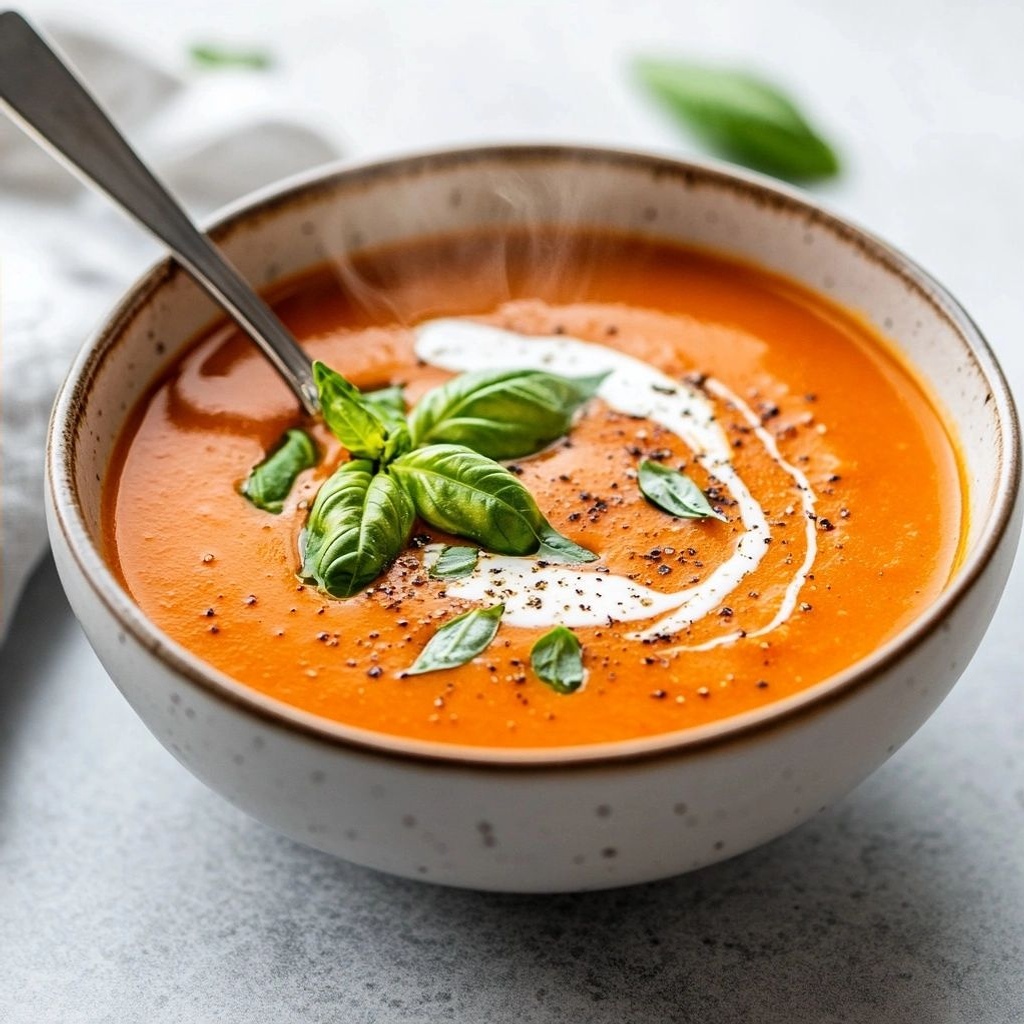
→ Final tasting ensures the soup is properly seasoned for finishing toppings and any dairy additions. - Serve hot in bowls topped with optional fresh basil, croutons, and grated parmesan or nutritional yeast as desired; these add texture, aroma, and a savory finish.
→ Toppings provide contrasting textures and umami; tear basil just before serving to preserve essential oils and color.
Notes
These tomato soup for cold days with canned tomatoes is a cozy, pantry-friendly dish that comes together quickly and delivers bright, comforting flavor. The bases of crushed tomatoes, onions, garlic, and tomato paste create a rich foundation, while the optional cream or coconut milk adds luxurious creaminess. Using low-sodium broth helps you control salt while building depth through simmering and a gentle sauté of aromatics.
For the best texture, sauté the onions and garlic until translucent and fragrant, then stir in the tomato paste to caramelize slightly and deepen the tomato flavor. If you prefer a smoother soup, blend the soup (either with an immersion blender in the pot or in batches in a blender) until silky, then return to the pot to warm through. If you like a chunkier consistency, reserve a portion of the crushed tomatoes before blending and fold them back in after simmering.
Herbs and heat can transform the soup in minutes. A teaspoon of dried oregano or dried basil echoes classic tomato flavors; add fresh herbs at the end for brightness. If you enjoy a touch of heat, sprinkle in red pepper flakes to taste, starting with 1/4 teaspoon. For a dairy-free option with extra richness, use full-fat coconut milk stirred in after simmering and heated gently to prevent curdling.
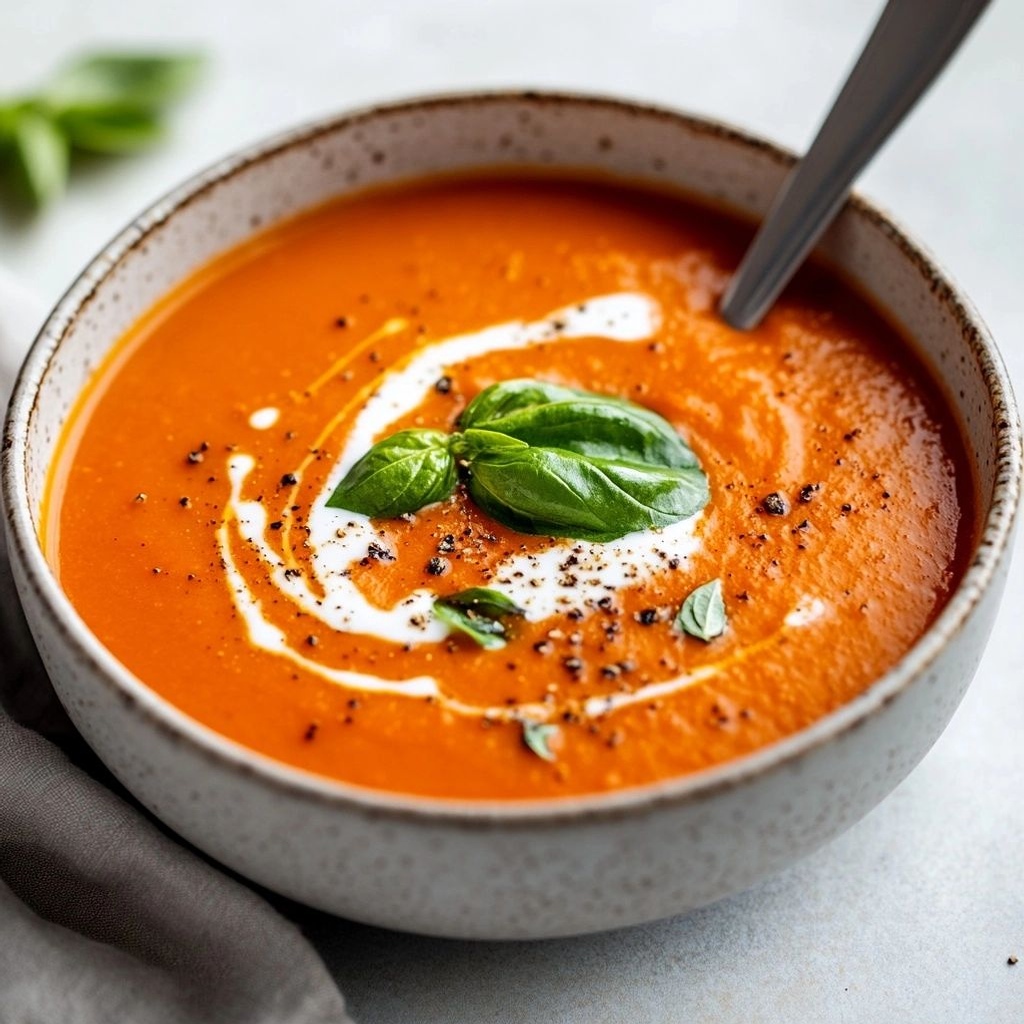
Notes on customization and toppings: finish with fresh basil for a fragrant aroma, or sprinkle grated parmesan for a traditional, savory finish. If you prefer crunch, serve with croutons or toasted bread cubes. The soup also freezes well; cool completely, then store in airtight containers for up to 3 months, thaw overnight in the fridge, and reheat gently on the stove or in a microwave. If using cream, add it at the end or after reheating to avoid separation.
Storage and dietary tips: this soup is naturally gluten-free, but be mindful of any add-ins like croutons or parmesan that may contain gluten. Use low-sodium broth to better control salt, and taste and adjust seasoning after simmering. For a lighter version, skip the optional cream and rely on the natural sweetness of the onions and the tomato paste to carry the flavor.
Tips
Chef’s Tips for Tomato Soup with Canned Tomatoes
- Choose high-quality crushed tomatoes in juice labeled “no added sugar” or “mild” for a cleaner tomato flavor. If the tomatoes taste a touch acidic, a pinch more sugar can balance, but taste as you go.
- Proper sautéing of the aromatics is key: cook onions until just translucent and fragrant, not browned. If you see any browning, reduce the heat to prevent bitterness and maintain a bright tomato base.
- For a smoother soup, blend parts of the soup after simmering. You can use an immersion blender directly in the pot or blend a portion and return it to the pot to achieve a velvety texture without losing all body.
- To intensify tomato flavor without adding extra salt, toast the tomato paste in the oil for 1–2 minutes before adding the tomatoes. This caramelization deepens sweetness and umami.
- If using dairy or coconut milk, add it after the soup has simmered and slightly cooled to avoid curdling. Temper dairy by whisking in a small amount of hot broth before stirring into the pot.
- Low-sodium broth helps control salt level. If you use regular broth, taste the soup after 15 minutes of simmering and adjust with salt gradually.
- Balance acidity with sweetness carefully. Start with ½ teaspoon sugar, taste, then adjust in small increments. Remember that dairy, broth, or coconut milk can mellow acidity as well.
- For a richer mouthfeel without dairy, simmer the soup longer to reduce slightly, or add a splash of olive oil at the end to give a silky finish.
- Herbs: dried oregano or dried basil add warmth, but add fresh basil at the end to preserve brightness. If using fresh herbs, tear or chop finely and stir in just before serving.
- Heat management: if sauce seems too thick, thin with more broth or water. If too thin, simmer uncovered for a few extra minutes or whisk in a teaspoon of tomato paste to deepen body.
- Storage: allow the soup to cool before refrigerating. It keeps well for 3–4 days in an airtight container. For longer storage, freeze in portions; it freezes beautifully and thaws quickly.
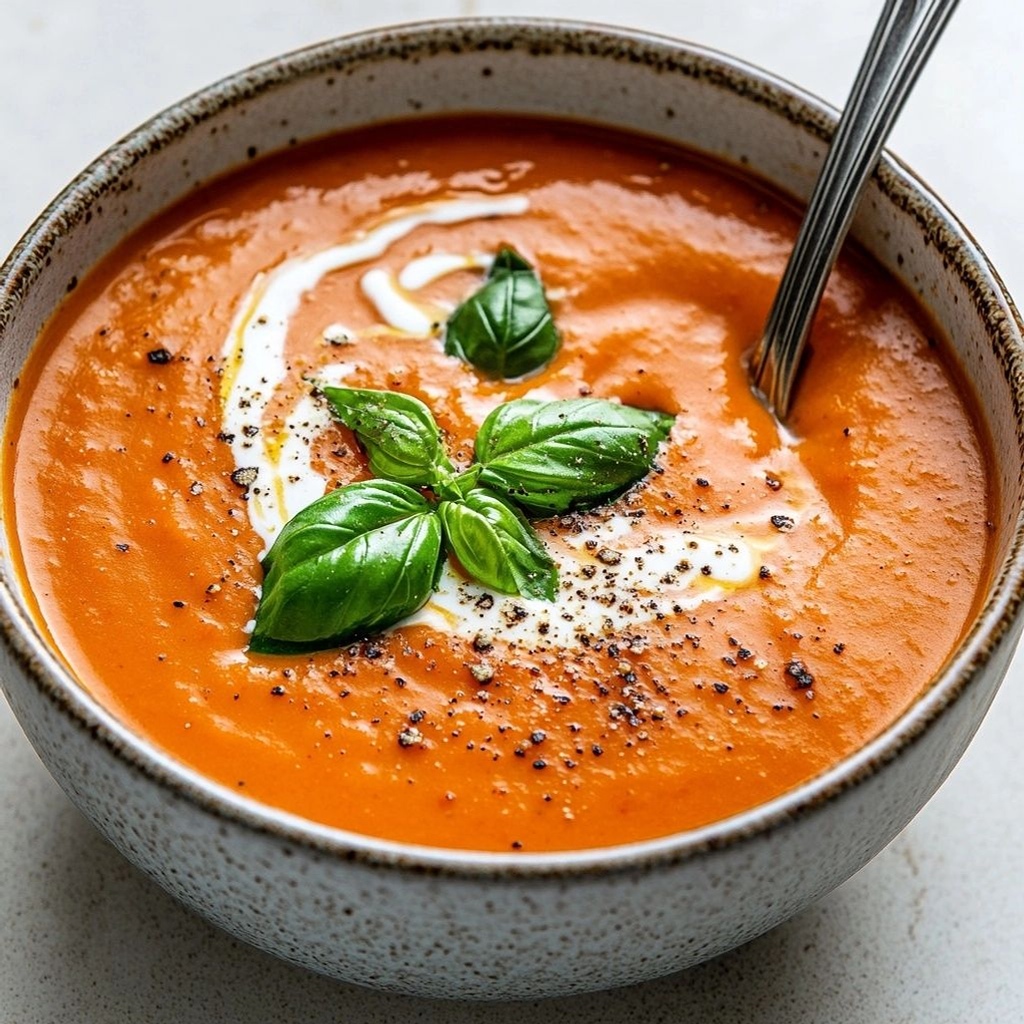
- Serving ideas: serve with a drizzle of olive oil, a few torn fresh basil leaves, and a light dusting of grated parmesan or nutritional yeast. Pair with toasted garlic bread or croutons for crunch.
- If serving to kids or those sensitive to spice, omit red pepper flakes. You can offer them on the side so individuals can customize heat.
- For a creamier version without dairy, use half-and-half or a plant-based cream alternative and blend until smooth. Adjust seasoning after adding cream.
- If you have time, simmer the base longer (20–30 minutes) to deepen flavors, then finish with salt, pepper, and a final splash of broth to adjust consistency just before serving.
FAQ
What ingredients do I need for tomato soup using canned tomatoes?
You’ll typically need canned diced or crushed tomatoes, onion, garlic, vegetable or chicken broth, olive oil, salt, pepper, and optional cream or milk for richness. Fresh basil or oregano, a pinch of sugar, and a splash of balsamic vinegar can enhance flavor.
Can I make this tomato soup vegan?
Yes. Use vegetable broth instead of chicken broth and omit any dairy. For a creamy texture, blend in cooked white beans, coconut milk, or a small amount of olive oil instead of cream.
How do I adjust the taste if the canned tomatoes are too acidic?
Balance acidity with a pinch of sugar or a splash of cream or a small amount of grated carrot. A tiny amount of baking soda can neutralize acidity, but add it gradually and taste as you go.
What equipment do I need?
A medium pot, a wooden spoon or spatula, a blender or immersion blender if you want a smooth soup, and a ladle. A fine-mesh strainer is optional for a very smooth texture.
How can I make this soup creamy without dairy?
Blend with a can of coconut milk, cashews soaked and blended, or a tablespoon of olive oil emulsified into the soup. You can also use a splash of almond or oat milk at the end.
What spices work well in this tomato soup?
Common additions include garlic, onion, paprika, dried oregano or basil, black pepper, and a pinch of chili flakes for heat. A bay leaf simmered with the soup adds depth; remove before blending.
How do I prevent the soup from tasting metallic from the can?
Use high-quality canned tomatoes, add a pinch of sugar or a splash of balsamic vinegar to brighten the flavor, and finish with fresh herbs. Rinsing the can is not necessary and may waste flavor.
Can I make this soup in advance or freeze it?
Yes. It stores well in the refrigerator for up to 4 days. Freeze in airtight containers for up to 3 months. Thaw and reheat gently, thinning with broth if needed.
What toppings or garnishes pair well with tomato soup?
Grilled cheese croutons, a drizzle of olive oil or cream, fresh chopped basil, a swirl of yogurt or sour cream (or dairy-free yogurt), cracked black pepper, or Parmesan shavings (omit for vegan).
Any tips for beginners to ensure a smooth texture?
Sauté the onions and garlic until soft and translucent to build flavor, then simmer the tomatoes with broth for 15–20 minutes before blending. Blend in batches if using a regular blender, and pass through a fine sieve for extra smoothness.