Introduction / Hook
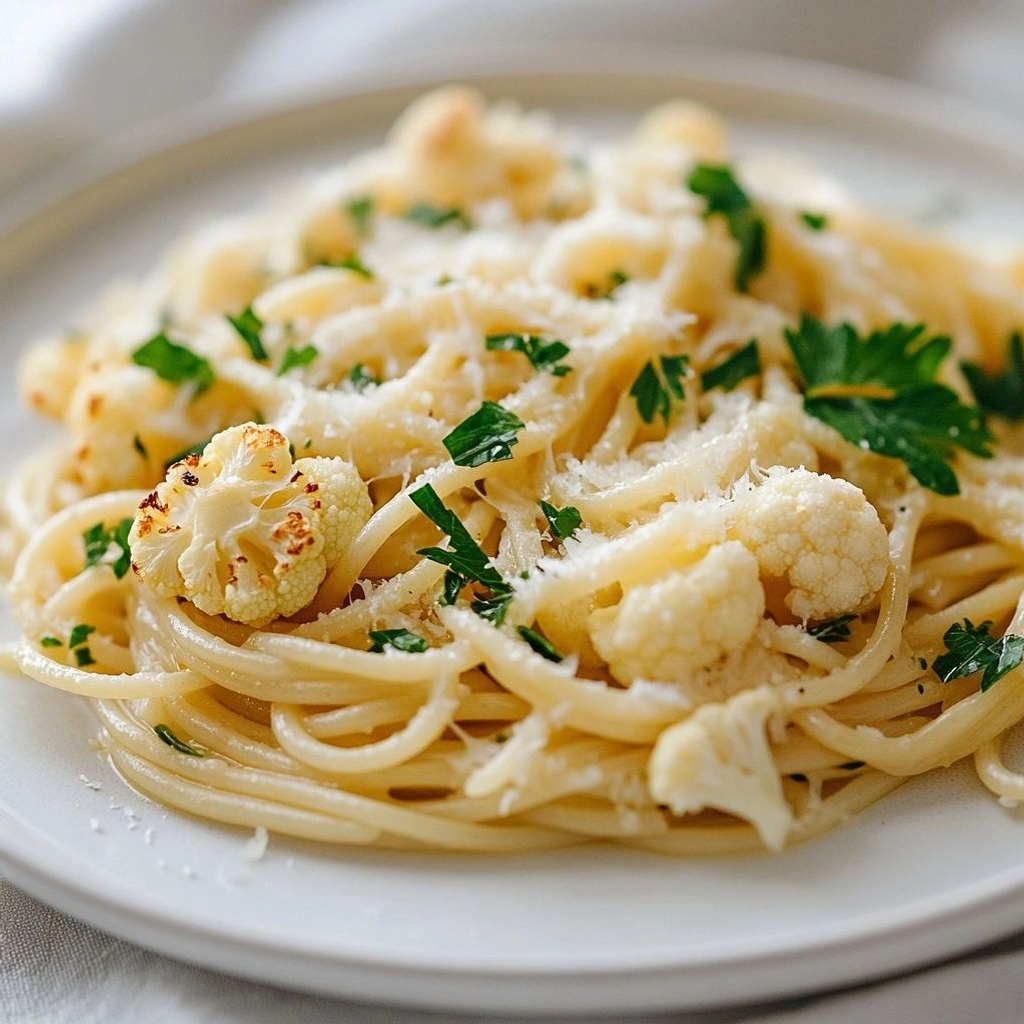
Picture a bustling kitchen, a clock ticking softly as sunlight spills across a wooden table. You gather a handful of ingredients that feel almost ordinary at first glance, yet together they conjure a symphony of aroma and comfort. Aglio e Olio Pasta with Cauliflower dinner is a luminous play between simplicity and soul. It starts with a kiss of olive oil, the warm whisper of garlic, a sigh of red pepper flakes, and the gentle, nutty sweetness of roasted cauliflower. In minutes, the kitchen fills with toasty garlic, the edge of heat, and the comforting scent of caramelized cauliflower browning in the pan. This is weeknight magic—restaurant-like flavor without the fuss, a dish that makes you feel like you’ve discovered a secret shortcut to joy. It’s the kind of meal that invites you to slow down, savor the moment, and realize that sometimes the most extraordinary dinners are born from a few humble ingredients treated with care.
The Story Behind the Dish
Aglio e Olio, a classic Italian preparation from Naples, celebrates the beauty of pantry staples—garlic, olive oil, chili, and pasta—transformed by technique and timing rather than by extravagant abundance. It’s a dish that whispers of memory and place: the cathedrals of olive groves in southern Italy, the late-night kitchens where cooks toss strands of pasta with their ladle, letting the oil warm and coax out the garlic’s perfume. Our twist with cauliflower adds a modern, plant-forward sensibility without compromising the dish’s soul. Cauliflower, once dismissed as a mere vegetable side, steps into the spotlight here. When roasted, it develops a caramelized edge that carries a toasty depth, echoing the nutty, fruity olive oil and the peppery brightness of garlic. This pairing feels both timeless and contemporary—classic technique meeting a bold, vegetable-forward statement that fits perfectly in today’s dining culture, where balanced plates and bright flavors are celebrated in equal measure.
Why You’ll Love This Recipe
- Speed and simplicity: A dinner that comes together in roughly the time it takes to boil pasta, with no complicated steps.
- Vegetable-forward beauty: Cauliflower takes center stage, offering texture, color, and a subtle sweetness that harmonizes with the garlic and chili.
- Rich flavor, light feel: The dish relies on the integrity of high-quality olive oil and the aroma of toasted garlic rather than heavy sauces.
- Flexible & budget-friendly: Uses pantry staples, adaptable to what you have on hand, and forgiving for substitutions.
- Comforting yet sophisticated: It delivers a comforting, homey vibe while feeling polished enough for a dinner party or date night.
- Vegetarian-friendly, plant-forward: A satisfying, meatless main that doesn’t skimp on flavor or texture.
Flavor Profile & Texture
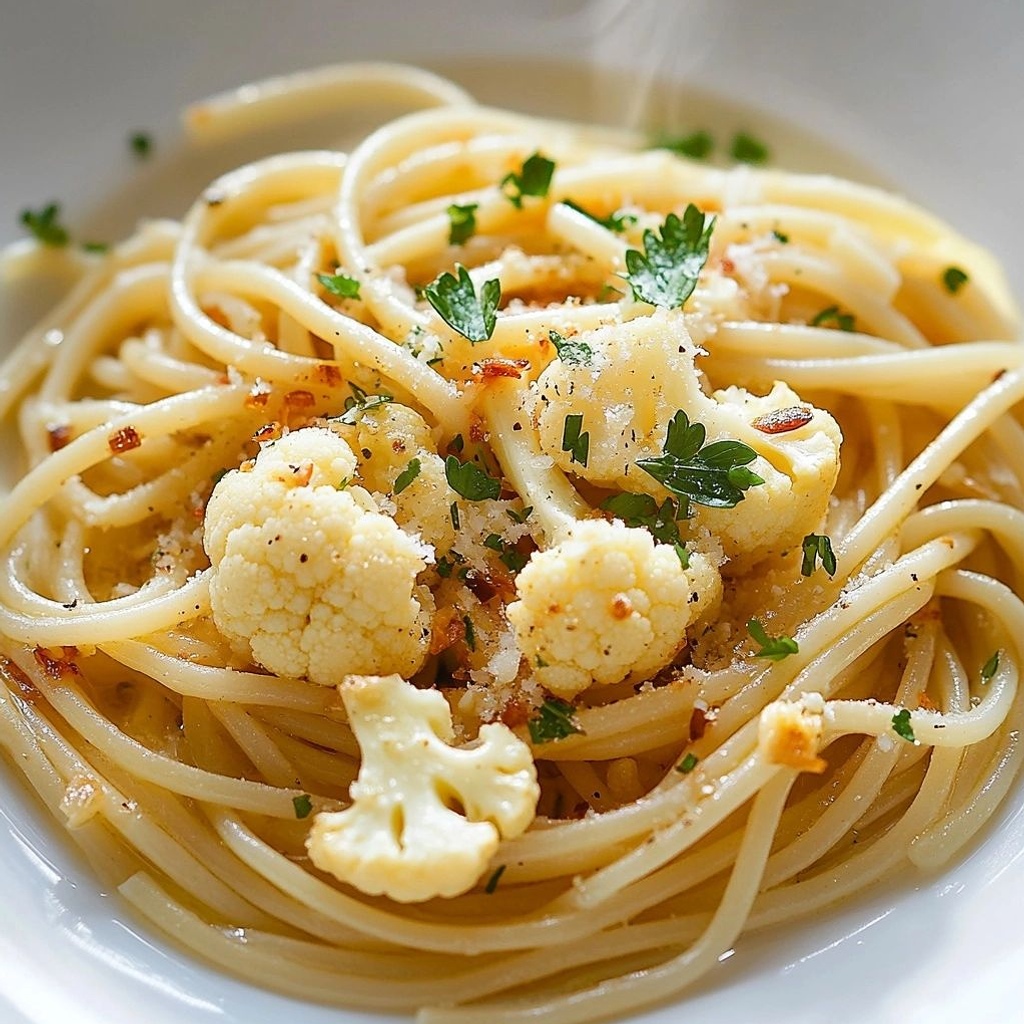
This dish is a study in contrast and balance. The pasta—plump and satisfying—serves as a blank canvas that soaks up the glossy, emerald-green olive oil infused with garlic. The garlic itself is your main aroma—thinly sliced or minced, depending on texture preference—sautéed just until fragrant and lightly golden, never burnt, to release a mellow, toasty aroma. The chili flakes bring a gentle, warming heat that lingers on the palate without overwhelming the garlic’s sweetness. The roasted cauliflower introduces a caramel note and a delicate nuttiness that complements the oil’s fruitiness. When the pasta meets the skillet, the starchy strands cling to the oil, garlic, and cauliflower like a velvety embrace, each bite delivering a chorus of textures: crisp-tender florets with a slight char, silk-smooth pasta, and an oil sheen that glistens with peppery heat. If you crave a brightness that lifts the whole plate, a squeeze of lemon or a handful of parsley can be folded in at the end, adding a citrusy lift that wakes the flavors without interrupting the harmony. The overall sensation is comforting yet vibrant—a dish that feels both rustic and refined, familiar-but-new with every mouthful.
Occasions & Pairings
This dish is versatile enough for a quiet weeknight supper, a casual weeknight date at home, or a dinner party where you want to deliver high impact with minimal effort. It shines in seasons when cauliflower is at its peak, whether roasted in winter with warm spices or brightened with a spring garnish. Pair it with:
- Crusty bread or garlic knots to scoop up every last bit of olive-oil-slicked goodness.
- A crisp green salad with lemon vinaigrette to contrast the dish’s warmth.
- A light white wine such as Pinot Grigio, Vermentino, or a chilled Sauvignon Blanc to mirror the olive oil’s fruitiness and the garlic’s perfume.
- Roasted vegetables or a simple grilled lemony fish for a more substantial meal.
- Parmesan shavings or pecorino for a salty, umami boost if you’re not avoiding dairy.
Tips, Variations & Substitutions
Elevate or adapt this dish with a few thoughtful tweaks. Here are ideas to customize according to taste, dietary needs, or what’s in your kitchen:
- Oil quality matters: Use a good extra-virgin olive oil with fruity notes for a lush flavor. A peppery oil can add a pleasant bite, while a milder oil keeps things delicate.
- Garlic technique: For a toasted, nutty flavor, gently brown the garlic until just golden and aromatic. If you prefer a stronger garlic presence, sauté with a touch of minced shallot or onion for depth.
- Cauliflower prep: Try tossing florets with a light drizzle of olive oil, salt, and pepper, then roasting at a high temperature (around 400-425°F/200-220°C) until edges are caramelized and centers are tender. This adds a smoky, caramelized dimension to the dish.
- Heat level: Adjust the chili to your heat tolerance. A pinch of red pepper flakes goes a long way; for more bite, add a touch of cayenne or crushed chili paste.
- Texture twists: If you love crunch, add a handful of toasted breadcrumbs tossed in olive oil and garlic just before serving for a crunchy contrast.
- Vegan version: Use a vegan cheese crumble or nutritional yeast for a cheesy note without dairy, and ensure the pasta is egg-free if needed.
- Gluten-free option: Choose gluten-free pasta with a similar texture to durum wheat pasta; many options hold up well when tossed with oil and roasted cauliflower.
- Herb and citrus variations: Finish with chopped fresh parsley, lemon zest, or a splash of lemon juice to brighten the dish further. A few torn basil leaves can add a Mediterranean fragrance.
- Regional twists: Add capers for a briny pop, or include a handful of sautéed mushrooms for an earthier vibe. A touch of anchovy is a classic Italian addition for deep savory notes (omit for vegetarian versions).
Storage & Make-Ahead Ideas
This dish is surprisingly forgiving when it comes to make-ahead and storage. Here are some practical tips to keep flavors vibrant and textures intact:
- Make ahead: The roasted cauliflower can be prepared a day in advance. Reheat gently in a skillet with a splash of olive oil to refresh its caramelized edges before tossing with hot pasta.
- Leftovers: Store any leftovers in an airtight container in the refrigerator for up to 2 days. Reheat gently on the stove with a splash of olive oil or a bit of water to loosen the sauce.
- Freezing: This dish is not ideal for freezing, as the texture of roasted cauliflower and pasta can become softer upon thawing. If you must freeze, keep the components separate and reheat together with a touch of water or broth to re-emulsify the oil.
- Make-ahead strategy: Cook the cauliflower and the pasta separately, then combine with the garlic oil just before serving. This helps you assemble a fresh-tish meal in minutes on busy evenings.
Fun Facts & Trivia (Optional)
Delight in these little nuggets about Aglio e Olio and the humble cauliflower:
- The essence of Aglio e Olio is its minimalism. In Italian cooking, fewer ingredients often means more attention to technique—gentle heat, timing, and the quality of each component carry the dish.
- Cauliflower is a relative of broccoli, kale, and cabbage. Its delicate flavor and creamy texture when roasted make it a versatile partner for olive oil and garlic in many modern Italian-inspired dishes.
- Olive oil is not only a cooking fat but a flavoring agent. The aroma of warm olive oil releasing its fruity, grassy notes can evoke sunlit groves and rustic kitchens from the Mediterranean coast.
- Red pepper flakes in Italian cuisine are a gentle reminder that heat can be a companion, not a distraction. The goal is to enhance, not overwhelm, the other flavors on the plate.
- In many households, Aglio e Olio becomes a canvas for improvisation—leftover vegetables, a squeeze of lemon, or a finished dish with a dusting of herbs can emerge as a new favorite each time you cook it.
A Final Thought: The Quiet Joy of Everyday Dinner
There’s something profoundly satisfying about a dish that respects the ingredients, the moment, and the people sharing the table. Aglio e Olio Pasta with Cauliflower dinner invites you to slow down, savor the aroma that fills the room, and celebrate the simple joy of turning pantry staples into something memorable. It’s a reminder that luxury can be found in restraint—olive oil gleaming, garlic perfume in the air, cauliflower roasting to a perfect caramel, and pasta strands winding around a fork in a warm, glossy embrace. As you plate this dish, you’re not just serving a meal—you’re inviting stories to unfold at the table: conversations about flavor, memories tied to family dinners, and the quiet thrill of tasting something truly delicious that came together with ease. Welcome to a dinner that feels special, yet remains wonderfully approachable, a recipe you’ll reach for again and again when you want something comforting, bright, and truly satisfying.
Ingredients
- Pasta and Cauliflower Base
– 12 oz spaghetti (or your preferred long pasta)
→ Use good-quality dry pasta and cook in heavily salted water until just shy of al dente. The pasta will finish cooking in the pan with the cauliflower and garlic, so aim for a bite that is firm but not hard. Save a cup of starchy cooking water to help emulsify the sauce and loosen as needed. - – 1 small head cauliflower, florets broken into bite-sized pieces
→ Cauliflower provides a light, nutty contrast to the garlic oil. Trim the stem ends, rinse, and dry the florets well. If you like more texture, reserve a few florets to be added later for a slight crunch. Roast or simmer briefly to tender-crisp in the final sauce, depending on your texture preference. - – 2–3 tablespoons extra-virgin olive oil (plus more to finish)
→ The olive oil forms the base of the emulsion that carries the garlic and cauliflower flavors. Use a good-quality, fruity EVOO for best aroma and depth. Warm gently to release aroma but not burn the garlic. - – 4 garlic cloves, thinly sliced or slivered
→ Garlic is the defining flavor of this dish. Slice thinly to maximize surface area for even toasting in the oil. Cook slowly over medium-low heat until the edges are golden and fragrant; avoid browning too quickly to prevent bitterness. - – 1/2 teaspoon red pepper flakes (adjust to heat preference)
→ Red pepper flakes add a subtle heat that complements the cauliflower and garlic without overpowering the dish. Start with a conservative amount and taste as you go, especially if serving to a sensitive palate. - – Zest of 1 lemon and 1–2 tablespoons fresh lemon juice
→ Lemon brightens the dish and helps balance the richness of the olive oil. Zest before juicing; add juice toward the end of cooking to preserve its fresh aroma and prevent bitterness. If you prefer deeper citrus notes, you can add a touch more juice. - – Salt and freshly ground black pepper, to taste
→ Season gradually as you build the sauce. Sea salt enhances the pasta water’s salinity; adjust the final seasoning after adding cheese and pasta water to achieve a balanced, not salty, finish. Pepper adds subtle bite and depth. - Finish and Garnish
– 2 tablespoons fresh flat-leaf parsley, chopped
→ Parsley adds color and freshness to the dish. Add just before tossing with the pasta to maintain bright green color and crisp aroma. If desired, reserve a few chopped leaves for a fresh scatter at the end. - – 1/4 cup finely grated Parmigiano-Reggiano or Pecorino Romano (optional)
→ Cheese adds savory depth and helps emulsify the sauce when stirred with hot pasta water. If you prefer a dairy-free version, omit or substitute with nutritional yeast for a cheesy note. Add gradually to avoid clumping and to control saltiness. - – 1–2 tablespoons breadcrumbs (optional, for crunch)
→ Toasted breadcrumbs provide a delightful textural contrast. If using, lightly toast in a pan with a small amount of olive oil until golden, then sprinkle over the dish just before serving to maintain crunch.
Instructions
- Preheat a large skillet over medium-low heat and set a pot of heavily salted water to boil for the pasta, ensuring the oil and garlic will have a gentle base to infuse without scorching and that the pasta will finish cooking in the pan with the cauliflower; this builds a cohesive emulsion and prevents overcooking the garlic later.
→ Gentle heat prevents browning bitterness and preserves aroma; the salted water seasons the pasta from the inside out. - Trim the cauliflower florets, rinse, and pat dry, then cut into bite-sized pieces and set aside a few small florets for added crunch if desired; this yields a uniform texture that roasts or cooks quickly in the sauce and ensures even flavor distribution.
→ Dry florets will brown more uniformly and prevent steaming in the pan from excess moisture. - Boil the spaghetti in the salted water until just shy of al dente, about 1 minute less than package directions, then reserve 1 cup of starchy pasta water and drain the pasta; finishing in the pan with the cauliflower requires extra starch to emulsify the sauce.
→ The reserved water acts as a natural emulsifier, helping the olive oil cling to the pasta and cauliflower for a glossy coating. - Warm 2–3 tablespoons of extra-virgin olive oil in the skillet over medium-low heat, allowing the oil to become glossy without smoking so the garlic will toast gently rather than burn; this base flavor is critical for a balanced aglio e olio.
→ A warm, fragrant oil releases aromatics from garlic and creates a silky sauce when emulsified with pasta water. - Add the sliced garlic to the warm oil in a single layer and cook slowly, stirring occasionally until edges are just golden and aromatic, about 4–6 minutes; keep the heat steady and avoid high heat to prevent bitterness from burnt garlic.
→ Slow toasting maximizes sweetness and aroma, ensuring the garlic flavor is evenly distributed throughout the dish. - Stir in the red pepper flakes and cook for 15–30 seconds to bloom their heat, then add the cauliflower florets, tossing to coat with oil and garlic; this builds a nutty, peppery foundation that stays balanced with the pasta.
→ Blooming spices releases essential oils, enhancing the dish without overwhelming the delicate cauliflower. - Raise the heat to medium and roast the cauliflower briefly until it begins to color lightly and become tender-crisp, about 4–6 minutes, stirring occasionally; this adds depth and texture that contrasts with the soft pasta.
→ A touch of caramelization amplifies flavor and provides a pleasing bite. - Add the lemon zest and lemon juice to the pan, stirring to incorporate and brighten the sauce; season with a pinch of salt and a few grinds of black pepper, then taste and adjust as needed; citrus should lift the richness without becoming tart.
→ Zest carries essential oils that perfume the dish, while juice adds a fresh acidity that balances fat. - Pour in a portion of the reserved pasta water (start with 1/4 cup) and add the drained pasta to the skillet, tossing vigorously to emulsify the oil with the water and form a glossy sauce that coats every strand; continue adding water as needed to reach a silky, clingy texture.
→ The starch in the water helps the oil cling to pasta and cauliflower, creating a cohesive sauce rather than a greasy film. - Fold in the chopped flat-leaf parsley and the finely grated Parmigiano-Reggiano (or Pecorino Romano) if using, stirring until just melted and creamy; this adds savoriness and helps emulsify the sauce further.
→ Cheese deepens umami and, when dissolved with hot pasta water, thickens the sauce for a luxurious finish. - Taste and adjust seasoning with salt and pepper, then if desired, sprinkle toasted breadcrumbs over the dish just before serving for a contrasting crunch; this completes the dish with texture and a note of toasty nuance.
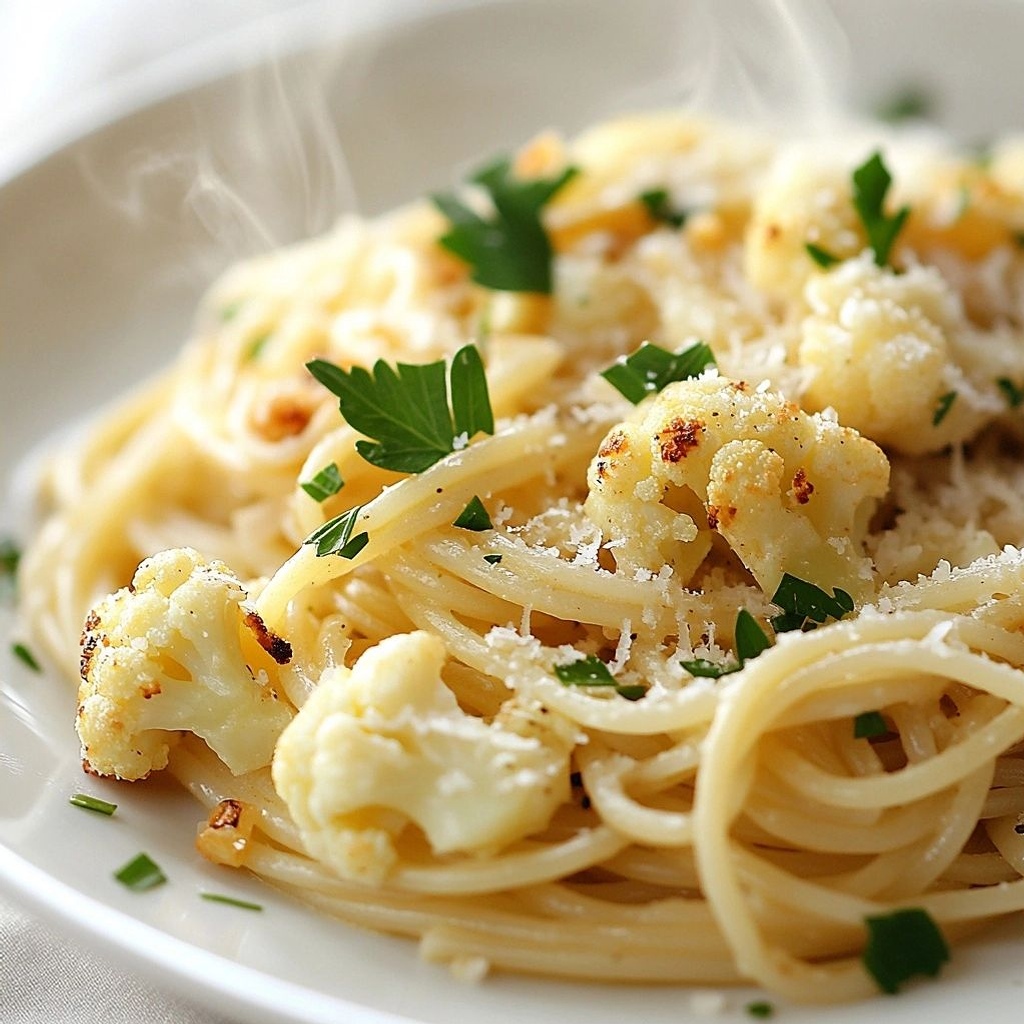
→ Final seasoning ensures balance after cheese and pasta water are incorporated; breadcrumbs provide a delightful counterpoint to the silky sauce. - Plate the pasta with generous cauliflower pieces and a light drizzle of olive oil, finishing with a final scatter of parsley and optional extra cheese for presentation; this ensures vibrant color and an inviting aroma at the table.
→ Visual appeal and aroma elevate the dining experience, signaling freshness and balance before tasting.
Notes
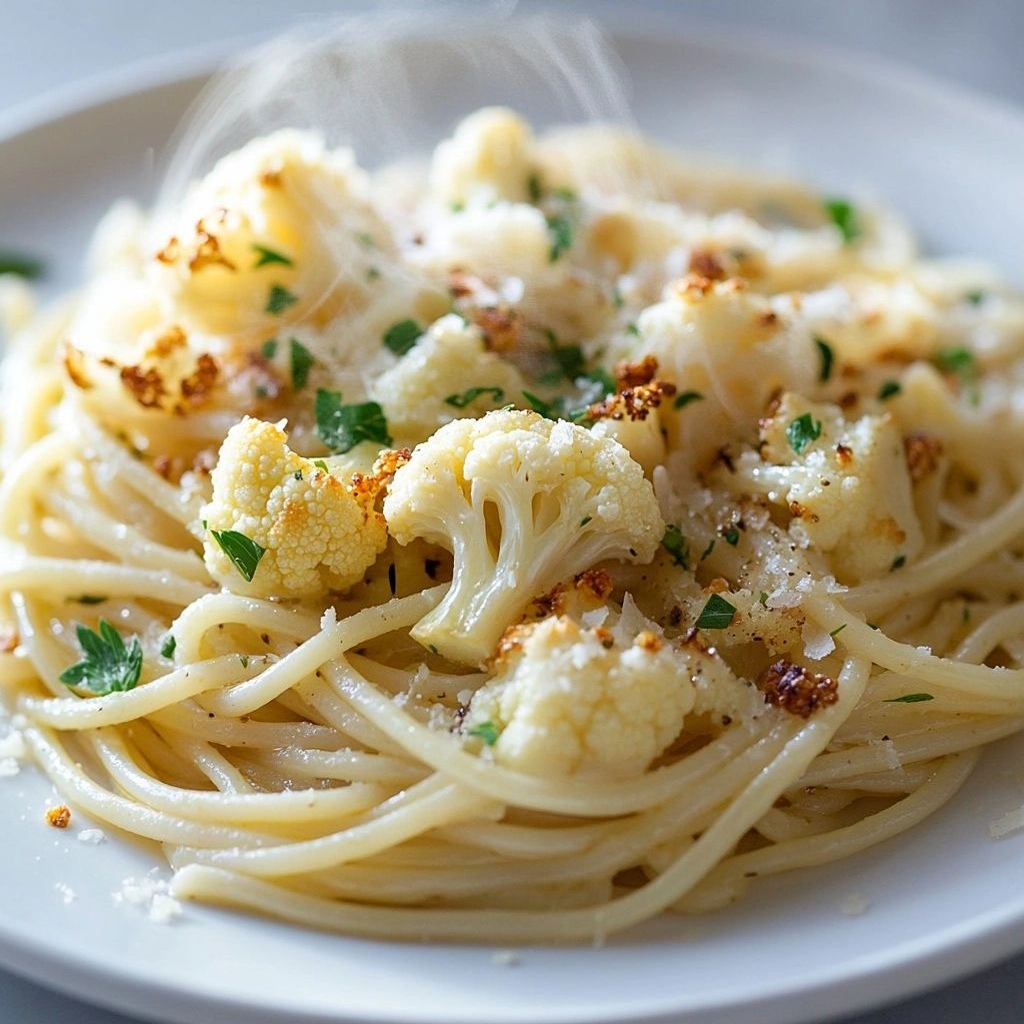
These Aglio e Olio Pasta with Cauliflower is a bright, garlicky weeknight dinner that comes together quickly and makes great use of simple pantry ingredients. For best results, use good-quality dried pasta and save a cup of the starchy cooking water to emulsify the sauce and loosen it if needed. You can customize the dish by adding a few anchovies for savoriness, chili oil for extra heat, or nutritional yeast for a dairy-free cheesy note. If you prefer a deeper cauliflower flavor, roast the florets until they develop a light char before tossing with the pasta. Toast the garlic slowly in the olive oil to perfume the oil without burning; this is where most of the aroma comes from. Zest the lemon before juicing and add the juice toward the end to preserve brightness and prevent bitterness. Finish with fresh parsley for color and a hint of herbal freshness, and sprinkle Parmesan or Pecorino if you enjoy a cheesy finish. To keep textures distinct, reserve a small portion of florets to add at the end for a light crunch. This dish stores well when kept separate (pasta, cauliflower, and garlic oil) and reheats nicely; add a splash of pasta water to bring it back to silky consistency. If you’re avoiding gluten, substitute with gluten-free pasta and check any added toppings (breadcrumbs or cheese) for gluten content.
Tips
Helpful Tips for Aglio e Olio Pasta with Cauliflower
- Choose a high-quality, dry pasta and salt the cooking water generously. The salted water seasons the pasta from the inside-out, reducing the amount of salt you need in the sauce later.
- Reserve a cup of the starchy pasta water before draining. It’s essential for emulsifying the olive oil with the garlic and cauliflower, helping the sauce cling to the pasta.
- For the cauliflower, blanch or lightly steam florets until just tender if you prefer a milder flavor and softer bite. If you want more texture, keep some florets raw or fry them a bit longer for extra caramelization before adding to the pan.
- Warm the olive oil gently over medium-low heat and add garlic slices in a single layer. This helps the garlic release flavor without scorching. If the oil splatters, decrease the heat and be patient—the goal is fragrance, not browning too quickly.
- Red pepper flakes can be adjusted at the end. Start with a small amount, taste, then add more if you’d like extra heat. For a milder version, omit them entirely or substitute with a pinch of paprika for a smokier note.
- When adding lemon zest, zest first to capture the essential oils. Add lemon juice toward the end of cooking to maintain brightness and prevent bitterness from prolonged exposure to heat.
- Season progressively. Start with a little salt in the pasta water, then season the sauce as you build it. Remember that cheese (if used) and the reserved pasta water will affect saltiness, so taste before finalizing.
- To emulsify the sauce, whisk or toss vigorously while slowly adding a little pasta water at a time. The starch helps bind the oil and cauliflower into a glossy, cohesive sauce that clings to the pasta.
- If you plan to finish the dish with cheese, add it off heat or with a small amount of hot pasta water to prevent clumping. Stir until creamy and glossy, then adjust with more pasta water if needed.
- For extra aroma and color, reserve a few reserved cauliflower florets to toss in at the end for a burst of texture and a fresh green parsley finish for brightness.
- Breadcrumbs add crunch: toast them in a little olive oil until golden. Sprinkle just before serving to maintain their crunch and contrast with the soft pasta.
- Leftovers store well in the fridge for up to 2 days. Reheat gently in a skillet with a splash of olive oil or a splash of reserved pasta water to revive the emulsion.
FAQ
What is Aglio e Olio Pasta with Cauliflower?
A vegetarian Italian dish typically made with pasta tossed in garlic (aglio) and olive oil (olio), enhanced with roasted or sautéed cauliflower for added texture and flavor.
Can I make this dish vegan?
Yes. Use extra-virgin olive oil, garlic, cauliflower, pasta, chili flakes, lemon juice, and parsley. Skip any cheese or use a plant-based parmesan if desired.
Which pasta type works best?
Spaghetti or linguine are classic choices, but any long-cut pasta works well. For a heartier meal, you can use penne or rigatoni.
How do I roast or sauté the cauliflower?
Slice cauliflower into small florets. Toss with a little oil, salt, and pepper. Roast at 425°F (220°C) for 15-20 minutes until golden and tender, or sauté in a skillet with a splash of oil until browned.
What can I do to add more flavor?
Enhance with red pepper flakes for heat, lemon zest or juice for brightness, and chopped parsley for freshness. A small splash of anchovy oil or capers can add depth if you eat fish.
How long does it take to prepare?
About 25-30 minutes total: 10-15 minutes to prep cauliflower and sauté aromatics, 10-15 minutes to cook pasta and finish the dish.
Can I make this ahead?
Best enjoyed fresh, as the pasta may soak up oil and lose some texture if stored. You can prepare roasted cauliflower ahead and reheat, then toss with freshly cooked pasta and oil just before serving.
How do I store leftovers?
Store in an airtight container in the refrigerator for up to 2-3 days. Reheat with a splash of olive oil or a little water to loosen the sauce.
Is this recipe gluten-free?
If you use gluten-free pasta, the dish becomes gluten-free. Ensure any added sauces or flavorings are also gluten-free.
What are optional toppings or variations?
Top with toasted breadcrumbs for crunch, grated vegan Parmesan, or a handful of sautéed mushrooms. You can also add olives or capers for a briny contrast.