Introduction
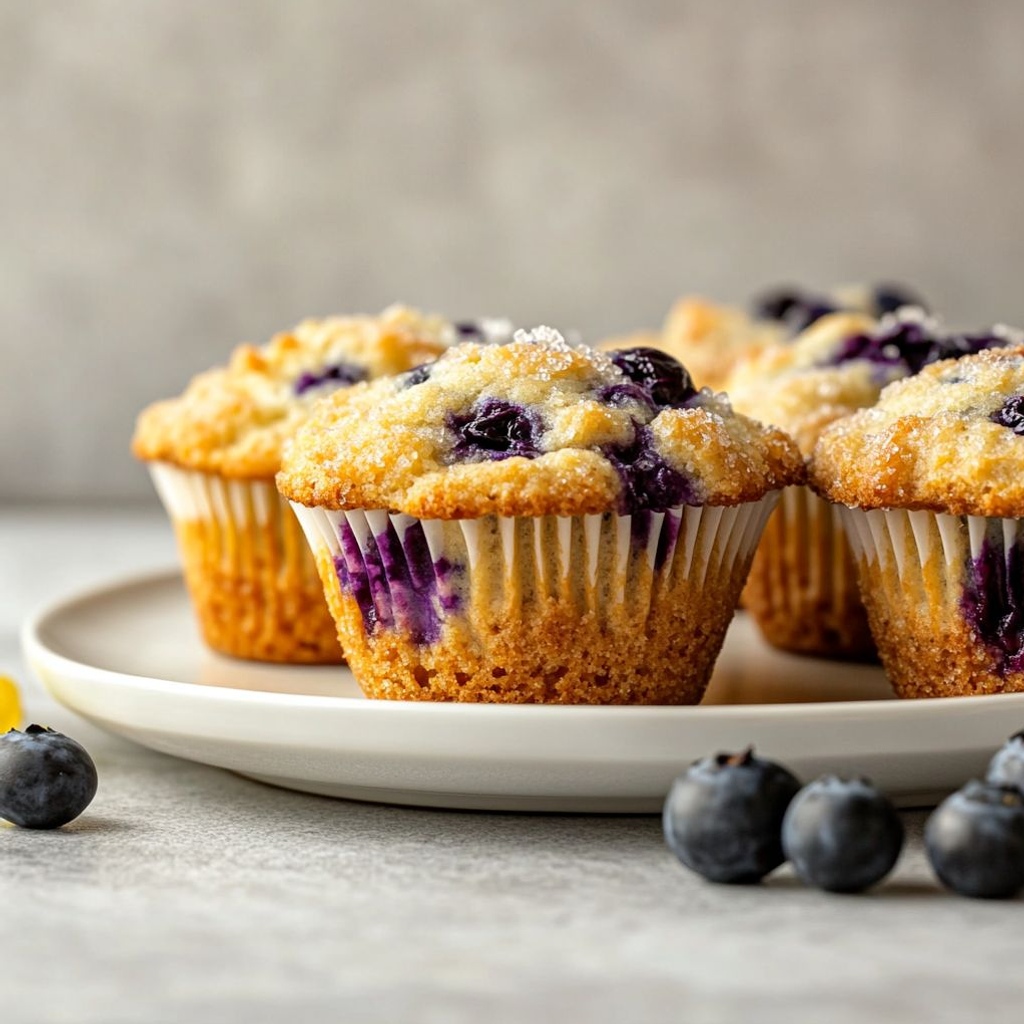
In a sunlit kitchen, the morning air carries a whisper of vanilla, a hint of citrus, and the warm, inviting scent of blueberries waking from their sleepy hush. Blueberry Cottage Cheese Muffins are more than a simple breakfast option; they are a sensory invitation to slow down, savor the moment, and treat restraint with a smile. Picture a soft, pillowy crumb that stays tender long after the oven has cooled, each bite releasing a little berry burst that blooms with juicy sweetness. The secret magic here is cottage cheese, folded into the batter to lend a creamy, velvety moisture that clings to every crumb without weighing the muffin down. It’s a comforting balance of indulgence and practicality—a mug of coffee or a sunny cup of tea, a light dusting of sugar, and you’ve got a moment of pure, unpretentious joy. Whether you’re rushing through a busy weekday or lingering on a lazy weekend, these muffins offer a sense of home in every bite, a reminder that great flavor doesn’t demand complexity; it demands care, quality ingredients, and a little bit of play with texture and contrast.
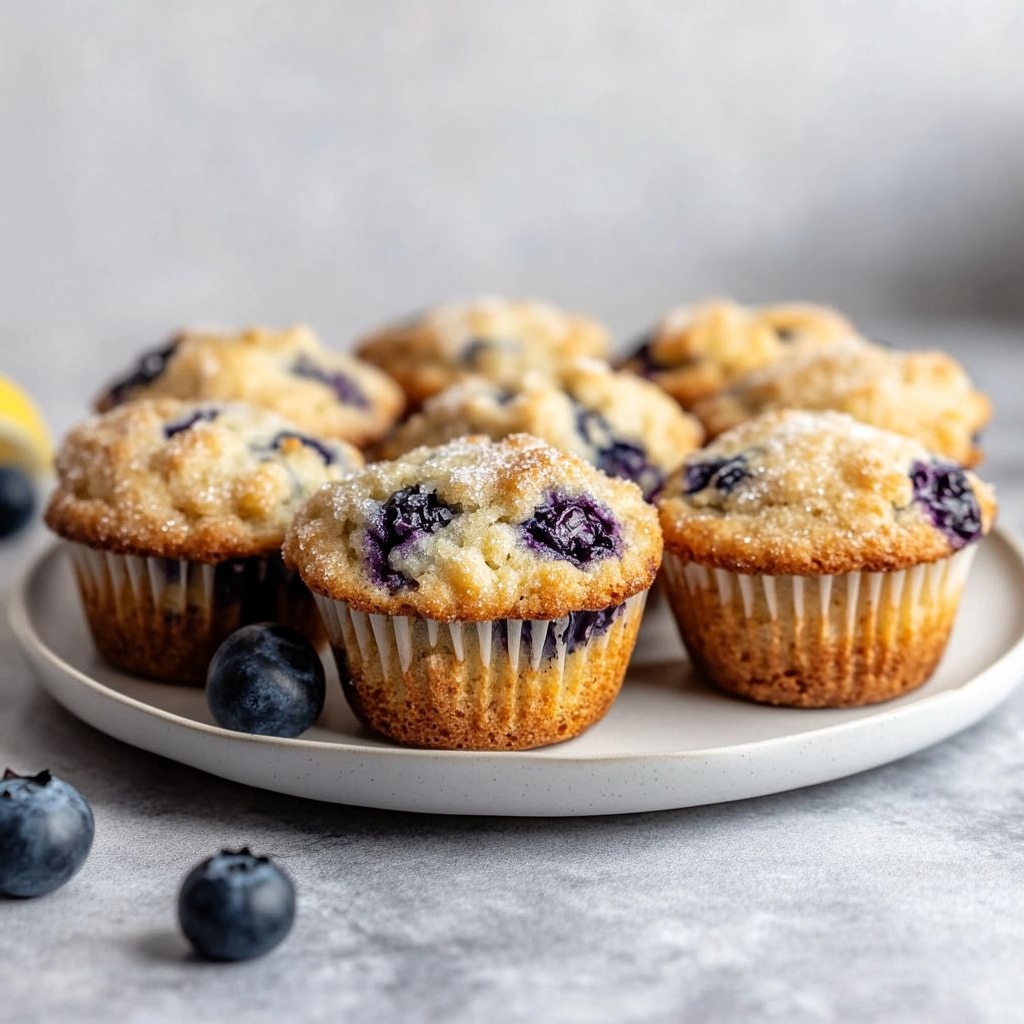
The beauty of these muffins lies in their versatility: a classic blueberry sweetness meets a creamy, almost cheesecake-like center; a tender, moist crumb that forgives a crowded breakfast schedule; and a scent that makes your kitchen feel like a cozy café. The batter behaves kindly, forgiving a few imperfect lumps and small deviations in temperature, so even if you’re not a flawless baker, you’ll still emerge with muffins that look and taste like they came from a cheerful bakery corner. Aromas of vanilla and citrus drift through the air as they bake, while the blueberries glisten like tiny suns tucked into the batter, ready to burst their juice with the first warm bite. This is comfort food, reimagined with a contemporary note of lightness, perfect for sharing with neighbors, friends, or simply enjoying alone with a moment of quiet morning bliss.
The Story Behind the Dish
The idea for Blueberry Cottage Cheese Muffins grew out of a kitchen tradition that celebrates the simplest ingredients transformed by care. It starts with a family kitchen where cottage cheese sat in a cool bowl on the counter as a quick swirl for creamy toast, a savory addition to a pasta sauce, and a surprising secret for keeping baked goods moist and soft. The grandmother who owned that kitchen believed in the science of texture—the way a little protein from dairy could suspend moisture in a crumb, the way dairy’s gentle tang could balance fruit sweetness, and the way a handful of berries could turn a humble batter into a morning celebration. When that kitchen met bright blueberries at the height of their season, the idea of a muffin that carried cottage cheese’s creaminess into a light, airy muffin was born.
As this concept traveled from the family table into test kitchens and home bakers’ ovens, it took on a life of its own. Cooks began to appreciate how the cottage cheese not only adds moisture but also contributes to a rich, inviting crumb that doesn’t crumble under the weight of berries or the heat of the oven. The result is a muffin that feels both familiar and fresh—a nod to traditional blueberry muffins, but with a modern, texture-forward twist that makes them feel a little indulgent yet surprisingly everyday-friendly. It’s a recipe that welcomes experimentation: different berries, a touch of citrus zest, a broader range of flours, and even dairy-free adaptations that keep the spirit of cottage cheese while honoring dietary needs. The story is really about texture meeting fruit, about a kitchen’s memory becoming a flexible, welcoming recipe that thrives in kitchens across the world, day after day, batch after batch.
Why You’ll Love This Recipe
- Superbly moist, tender crumb: The cottage cheese infuses the batter with moisture and a soft, luscious texture that remains plush as it cools, so even the last bite feels just as good as the first.
- Bright, juicy pockets: Blueberries settle into the batter and release bursts of sweet-tart juice as you bite through the crust, creating a lively contrast with the creamy interior.
- Simple yet elegant flavor: Classic vanilla warmth, a whisper of citrus zest, and the pure blueberry flavor come together without any heavy frosting or glaze needed—perfect for everyday breakfasts and snack times alike.
- Versatile and forgiving: This recipe is approachable for bakers of all levels. It tolerates slight shifts in timing or temperature, making it a reliable choice when you’re juggling morning routines or weekend gatherings.
- Balanced nutrition: The inclusion of cottage cheese adds protein and creaminess, helping to create a more satisfying muffin that won’t leave you craving a sugary snack soon after.
- Make-ahead and freezer-friendly: Baked muffins can be enjoyed fresh or frozen for later, making them a smart option for meal prep and busy weeks.
Whether you’re seeking a comforting weekend bake, a kid-friendly school morning, or a light brunch component, these muffins fit the bill with style and warmth. They invite you to pair them with a steaming cup of coffee, a drizzle of honey on top, or a dollop of yogurt to elevate the breakfast experience. The charm lies in how approachable they are: a little batter, a handful of berries, and a patient wait as the oven transforms it into something that feels like a small celebration every time you reach for one.
Flavor Profile & Texture
The flavor profile is a delicate balance of bright fruit, creamy dairy, and comforting vanilla. The blueberries provide a natural sweetness with occasional tang, their juice creating tiny ripples in the batter that dye the crumb with small bursts of purple-blue. The cottage cheese contributes a mild tang that harmonizes with the fruit rather than competing with it, lending a subtle dairy depth that elevates the muffin from ordinary to memorable. Vanilla offers a warm, inviting aroma that blankets the kitchen as the muffins bake, while a touch of citrus zest—typically lemon or orange—lifts the overall sensory experience with a fragrant hello that wakes up the palate without overpowering the fruit.
In terms of texture, expect a two-layer experience. The exterior forms a soft, slightly crisp edge that provides a pleasant contrast to the center, which remains remarkably moist and tender. The crumb is finely structured but not overly tight, thanks to the dairy’s moisture-retaining properties and the balance of leavening agents. The result is a muffin that feels substantial enough to satisfy a morning appetite yet light enough to be enjoyed with a light beverage. You might notice that the bite is not crumbly but rather cohesive, with the blueberries distributing sweetness and tang in an almost jammy way as they warm in the oven. The overall mouthfeel is plush and comforting, akin to a cross between a muffin and a custard-tilled treat, but with the portability and comfort of a morning staple.
Texture, aroma, and taste all work in harmony. The crust offers just a touch of browning and a delicate crispness, which enhances the sensory experience when you bite through to the soft interior. The aroma—vanilla, baked fruit, and a faint citrus note—draws you in from across the room, turning breakfast into a small ceremony rather than a rushed routine. These muffins don’t shout; they invite you to lean in, take your time, and savor the nuanced layers of sweetness, tang, and creaminess that define them.
Occasions & Pairings
These muffins shine in a variety of contexts, from weekday mornings to leisurely weekend brunches. They are friendly enough for a family kitchen yet refined enough to stand as a centerpiece of a small gathering. Consider these occasions and pairing ideas:
- Weekday mornings with coffee or tea: a gentle, satisfying start to a busy day.
- Brunch gatherings: pair with a light salad, yogurt parfaits, or smoked salmon appetizers for a balanced spread.
- School lunchbox or snack time: a wholesome, energizing bite that travels well.
- Garden parties or tea-time moments: serve warm with unsalted butter or a dollop of citrus curd for a touch of luxury.
- Picnics or potlucks: simple to transport, easy to share, and sure to disappear quickly.
Pairing ideas beyond the muffins themselves can elevate the experience. A bright citrus-infused yogurt or a dollop of whipped honey butter can complement the muffins nicely without overshadowing their delicate flavors. If you’re serving them as part of a brunch, consider a light fruit salad with crunchy nuts or seeds to add texture and color, creating a visually appealing and texturally varied plate. A mild, lightly caffeinated coffee or a jasmine or green tea provides a clean counterpoint to the muffins’ sweetness. For dessert-inspired occasions, a small spoonful of lemon ricotta or vanilla custard on the side can add an extra layer of indulgence without turning the muffins into a heavy dessert.
Tips, Variations & Substitutions
One of the joys of a muffin recipe like Blueberry Cottage Cheese Muffins is how adaptable it can be while still preserving its core character. Here are ideas to customize, tweak, or elevate the experience, all while keeping the essence of the dish intact.
Flavor and Texture Tweaks
- Enhance brightness with citrus: a little lemon or orange zest adds fragrance and a fresh zing that pairs beautifully with blueberries.
- Spice it up lightly: a pinch of cinnamon or nutmeg can add warmth without overwhelming the fruit.
- Vanilla depth: using real vanilla bean or a good quality extract can deepen the aroma and flavor of the crumb.
Flour and Dairy Variations
- Whole-wheat or oat flour: for a heartier crumb and a nuttier flavor, substitute a portion of all-purpose flour with whole-wheat or oat flour. Expect a slightly denser texture and a toasty aroma.
- Gluten-free options: gluten-free flour blends or almond flour can be used to accommodate gluten sensitivities. The texture may shift slightly, possibly becoming crumblier if using a single flour; pairing with a gluten-free blend or adding a touch more moisture can help.
- Dairy-free adaptation: while cottage cheese contributes creaminess, you can experiment with dairy-free alternatives such as silken tofu blended with a splash of plant-based milk or coconut yogurt to mimic creaminess. The result will be different in texture but can still deliver a satisfying muffin experience.
Fruit Variations
- Mix berries: blueberries pair beautifully with raspberries, blackberries, or chopped strawberries for varied sweetness and color.
- Seasonal fruits: swap in ripe peaches, diced apples, or pomegranate seeds for a different seasonal twist while maintaining the soft crumb and moist interior.
Texture and Topping Options
- Streusel topping: a light crumble of flour, sugar, and butter adds a gentle crunch on top for those who love a little texture contrast.
- Sugar dusting: a light sprinkle of granulated sugar or decorator sugar before baking can give a fine caramelized top.
- Glaze variations: a thin vanilla or lemon glaze can be drizzled sparingly after cooling for a touch of gloss and sweetness—be mindful not to overwhelm the muffin’s delicate balance.
Make-Ahead and Batch Variations
- Batch prep: you can prepare the batter ahead of time and refrigerate for up to a day, allowing the flavors to mingle. Bake fresh when ready for the oven.
- Freezer-friendly: bake and cool completely, then freeze in a single layer before transferring to a bag or container. Reheat gently to retain moisture and tenderness.
Storage & Make-Ahead Ideas
If you’ve made more muffins than you planned to eat in a single sitting, there are simple ways to keep them tasting fresh and appealing. Proper storage helps preserve their texture and flavor, ensuring that every bite remains as satisfying as the first.
Storing baked muffins at room temperature is suitable for a couple of days, provided they’re kept in an airtight container away from direct heat. For longer storage, refrigeration or freezing is your friend. When stored in the fridge, muffins stay moist and flavorful for several days; for longer-term freshness, wrap individual muffins or lay them in a single layer on a tray to freeze before transferring to a freezer-safe bag. Reheating gently—either in a low oven or briefly in the microwave—rejuvenates the crumb, reviving the aroma of fresh-baked goodness without drying them out. If you prefer a crisper edge again, a quick warm-up under the broiler for a minute or two can return that delicate outer texture while leaving the center soft and moist.
Make-ahead tip: if you anticipate busy mornings, consider a plan where you prepare the batter the night before and allow the batter to rest in the refrigerator. The resting period can help the flavors meld; in the morning, you simply portion and bake. This approach keeps the kitchen calm and the muffins fresh, ready to brighten the day with minimal effort. For passive meal prep, you can also bake a batch in advance and store them, so you always have a comforting, reliable option on hand when time is tight.
Fun Facts & Trivia
- Blueberries are not only delicious but also packed with antioxidants, which contribute to their reputation as a “superfruit.” Their purple-blue hue is the telltale sign of flavonoids that researchers associate with various health benefits.
- Cottage cheese has a long-standing role in many kitchens as a versatile, protein-rich ingredient. Its mild tang helps balance sweet baked goods and can contribute to a richer, moister crumb without needing heavy fats.
- Blueberry muffins have a storied place in culinary history, with various regional twists. The addition of dairy such as cottage cheese is a modern riff that emphasizes texture and moisture, showcasing how traditional favorites can be reimagined to fit contemporary tastes and dietary preferences.
- Texture, not just taste, matters in muffins. A well-balanced crumb—soft and tender with a slight resistance at the crust—can elevate a simple muffin into a comforting everyday luxury, reminding us that great baking often comes from attention to feel as much as flavor.
Conclusion / Final Thoughts
Blueberry Cottage Cheese Muffins celebrate the joy of uncomplicated ingredients working in harmony. They are a reminder that a kitchen’s best moments often arrive with the simplest ideas—creamy texture from cottage cheese, the bright burst of blueberries, a kiss of vanilla, and the patient warmth of the oven transforming batter into something that feels cherished. They invite you to linger at the stove’s edge as the scent fills the room, to share with neighbors and friends, or to reward yourself with a quiet, well-deserved morning treat. If you’re seeking a reliable, comforting muffin that carries a touch of elegance without fuss, this recipe is your answer: approachable, versatile, and deeply satisfying every time you bake. May every bite remind you of cozy mornings, kind conversations, and the unspoken magic that happens when good ingredients meet a thoughtful hand in the kitchen.
Ingredients
Muffin Base
- 1 1/2 cups all-purpose flour
→ This flour provides the primary structure and crumb of the muffins. Gluten formation helps trap air and moisture during baking, giving the muffins their lift and a tender interior when mixed gently. If you’re avoiding gluten, substitute with a 1:1 gluten-free flour blend and add 1/2 teaspoon xanthan gum per cup of flour; whisk dry ingredients thoroughly to ensure even distribution and a consistent rise. - 1/2 cup granulated sugar
→ Sugar sweetens the batter and aids in browning and moisture retention. It also helps tenderize the crumb by interfering slightly with gluten formation. For a lighter touch, you can reduce to 1/3 cup, or swap part of it for brown sugar to add subtle molasses notes and extra moisture; keep in mind this will affect texture and flavor slightly. - 1 teaspoon baking powder
→ A leavening agent that creates lift and a soft, cake-like texture. It reacts with moisture and heat to release gas, helping the muffins rise. Avoid overmixing once the wet ingredients are added, as this can cause a dense crumb; if you use a different flour (e.g., gluten-free blends), ensure the blend includes a suitable leavening interaction for best lift. - 1/2 teaspoon baking soda
→ Additional leavening and browning that complements the acidity in cottage cheese and citrus zest. This helps the muffins rise a bit more and yields a slightly airier crumb. Make sure there’s enough acid in the batter (from cottage cheese or zest) to activate it; otherwise, the crust may not brown as well. - 1/4 teaspoon fine salt
→ Enhances overall flavor and helps balance sweetness. Salt also strengthens gluten formation just slightly, contributing to a more structured crumb. If using salted butter, adjust by reducing the added salt to avoid overt salinity. - 1 cup cottage cheese (blended until silky smooth)
→ Provides moisture, richness, and moisture-laden protein that yields a tender, compact crumb without being heavy. Blending the cottage cheese ensures there are no lumps, which can interfere with even mixing and moisture distribution. For a lighter crumb, you can use part-skim cottage cheese but blend until completely smooth; allow it to come to room temperature before mixing for easier emulsification. - 2 large eggs (room temperature)
→ Eggs provide structure, moisture, and help emulsify the batter for a uniform crumb. Room-temperature eggs whisk more smoothly with cold ingredients, improving lift. If you’ve just taken them out of the fridge, warm them in a bowl of hot tap water for about 5 minutes or let them sit at room temperature for 15–20 minutes before mixing. - 1/3 cup unsalted butter, melted and cooled (or 1/3 cup neutral oil)
→ Fat contributes moisture, tenderness, and flavor. Melted butter yields a richer crumb and slightly crisper edges, while oil gives a moister, more uniform crumb and is easier to mix in. Do not add hot melted butter directly to eggs; let it cool to barely warm to prevent curdling and keep the batter cohesive. - 1/2 cup milk (whole or 2%)
→ Hydrates dry ingredients and helps create a smooth, pourable batter. Use whole milk for a richer flavor and tender crumb; for a lighter version, 2% works well. If you’re dairy-free, substitute with a unsweetened plant milk, but you may want to add a touch more fat (e.g., 1 teaspoon of oil) to maintain moisture. - 1 teaspoon vanilla extract
→ Adds depth of flavor and rounds out the dairy notes; pure vanilla extract is preferred for the best aroma. If you only have vanilla bean paste or a vanilla bean, you can replace with an equal amount of paste or half the quantity of extract to avoid overpowering the berries. - Zest of 1 lemon (optional)
→ Brightens the batter with citrus oils, lifting the blueberry flavor without adding liquid. Use fresh lemon zest and avoid the white pith, which is bitter. If you don’t have a lemon on hand, orange zest can work nicely as a substitute.
Blueberries
- 1 cup fresh blueberries (washed, patted dry)
→ Blueberries provide bursts of fruity sweetness and color throughout the muffins. Gently fold them in to prevent breaking the skins and color from bleeding into the batter. For best results, wash and dry thoroughly to minimize draining of juice into the batter; if using frozen berries, do not thaw before mixing to prevent color bleed and soggy crumb. - 1 tablespoon all-purpose flour (to coat blueberries)
→ Lightly coating berries in flour helps suspend them in the batter and reduces sinking during baking, ensuring more even distribution of fruit. After tossing the berries with flour, add them to the batter last and fold gently to avoid bursting the berries and turning the batter purple.
Optional Add-ins
- 1/2 cup chopped walnuts or pecans (optional)
→ Adds a pleasant crunchy contrast and nutty flavor. To maximize flavor, toast the nuts in a dry skillet or oven at 350°F (175°C) for 5–7 minutes until fragrant, then cool and fold into the batter with the blueberries. Chop into roughly 1/2-inch pieces to distribute evenly without overpowering the muffin texture. - 1/4 cup mini chocolate chips (optional)
→ For chocolate lovers, mini chips distribute more evenly and melt slightly during baking, creating little pockets of chocolate. If you’re using dairy-free chips or a vegan option, verify the coating and emulsifiers align with your dietary needs. Toss with a teaspoon of flour if the batter seems very wet to prevent sinking.
Toppings (optional)
- 1 tablespoon coarse sugar (optional)
→ Sprinkling coarse sugar on top before baking adds a subtle crunch and a sparkly finish as the muffins bake. It also helps create a light, crisp crust. If you omit this, the muffins will still bake beautifully, but you’ll miss a little texture contrast on the crust.
Instructions
- Preheat your oven to 350°F (175°C) and line a 12-cup muffin tin with paper liners or grease it well.
→ This ensures the muffins do not stick to the tin and makes them easier to remove after baking, while the liners provide separation for clean, even domes. - Whisk the dry muffin base ingredients together: 1 1/2 cups all-purpose flour, 1/2 cup granulated sugar, 1 teaspoon baking powder, 1/2 teaspoon baking soda, and 1/4 teaspoon fine salt.
→ Even distribution of leavening agents and salt prevents clumps and ensures a uniform crumb; whisking aerates the flour to promote a lighter, more even rise. - Blend the cottage cheese until silky smooth using a blender or food processor, scraping the sides to ensure a uniform texture.
→ A lump-free dairy base hydrates the batter evenly and prevents pockets of moisture that can create uneven texture or graininess in the muffins. - Whisk the eggs (room temperature) with the melted and cooled butter (or oil), milk, vanilla extract, and lemon zest (if using) in a separate bowl.
→ Room-temperature eggs emulsify more smoothly with fat and dairy, while cooled fat prevents curdling; vanilla and lemon zest build layer flavors that complement blueberries. - Gently fold the wet mixture into the dry ingredients just until the batter comes together with a few streaks of flour remaining; do not overmix.
→ Minimal mixing preserves a tender crumb by limiting gluten development and prevents dense, heavy muffins; the batter should look slightly shaggy rather than completely smooth. - Toss 1 cup fresh blueberries with 1 tablespoon all-purpose flour in a small bowl to coat; this helps suspend the berries in the batter and reduces sinking during baking.
→ The light flour coating slows berry juice release and helps keep the batter uniformly colored and speckled with fruit. - If using optional add-ins, toast 1/2 cup chopped walnuts or pecans in a dry skillet or oven at 350°F (175°C) for 5–7 minutes until fragrant, then cool and fold into the batter with the blueberries; or toss 1/4 cup mini chocolate chips with 1 teaspoon flour to prevent sinking and fold in.
→ Toasting nuts amplifies aroma and flavor; coating chips with flour improves distribution and prevents them from sinking in the batter. - Fold the coated blueberries (and any add-ins) into the batter just until evenly distributed, using a gentle, over-under motion with a spatula.
→ Gentle folding keeps berries intact to maintain color and texture while ensuring even fruit distribution throughout each muffin. - Spoon or scoop the batter into the prepared muffin tin, filling each cup about 2/3 to 3/4 full to allow space for doming; avoid overfilling which can cause overflow and undercooked centers.
→ This portion size balances rise and crumb structure, giving a domed top without spilling over mid-bake. - Sprinkle 1 tablespoon coarse sugar on top of each muffin if desired for a subtle crunch and attractive sparkle.
→ Sugar on top promotes a crisp crust and an appealing finish; omit if you prefer a softer, matte crust. - Bake in the preheated oven for 18–22 minutes, rotating the pan halfway through for even browning, until the muffins are lightly golden and a toothpick inserted into the center comes out with a few moist crumbs.
→ Rotating ensures uniform heat exposure; testing with a toothpick confirms doneness without overbaking, which would dry the muffins. - Cool the muffins in the pan on a rack for 5 minutes, then transfer to a wire rack to cool completely; this prevents soggy bottoms and helps set the crumb as steam escapes.
→ Resting briefly in the pan allows the structure to stabilize, while transferring to a rack prevents condensation from sogging the crust.
Notes
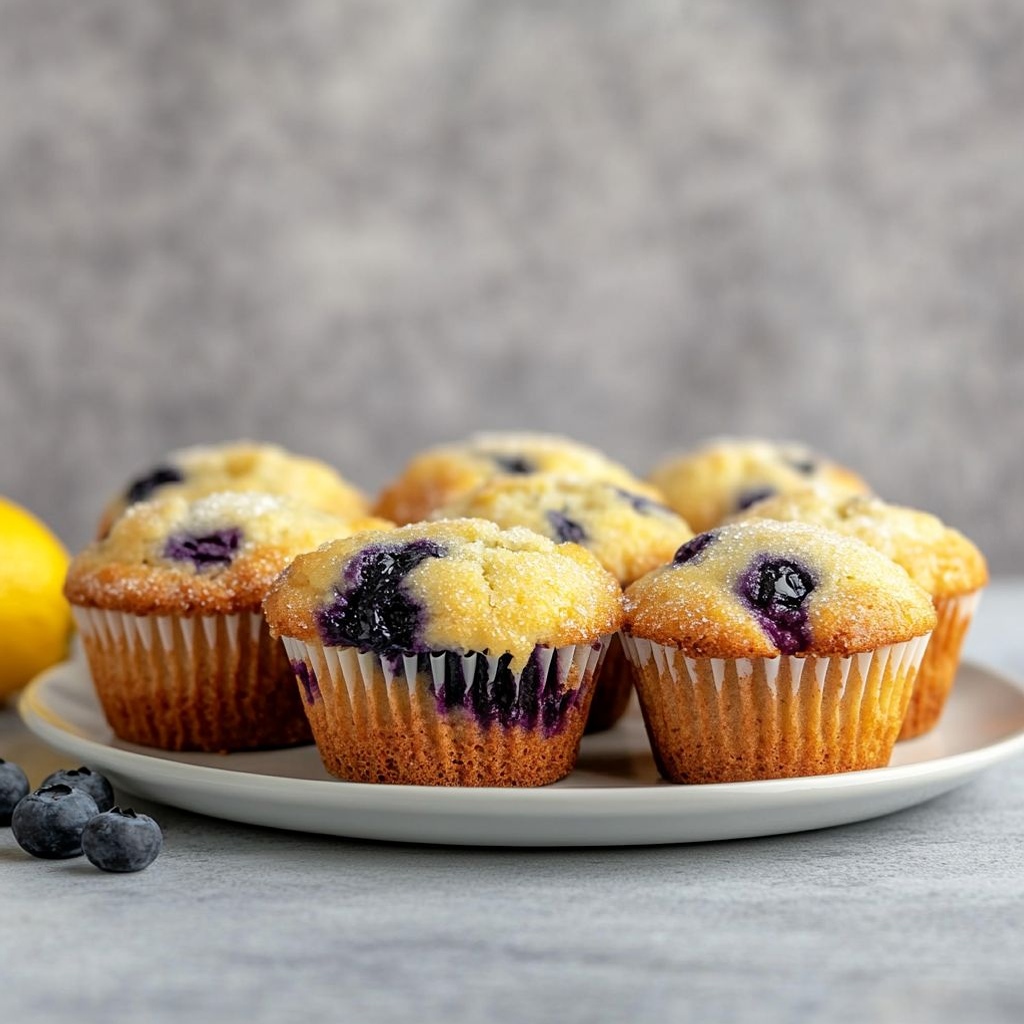
These blueberry cottage cheese muffins are tender and protein-rich thanks to blended cottage cheese and eggs, with bright lemon zest and juicy blueberries folded through for even distribution. For customization, you can fold in 1/4 cup chopped walnuts or pecans for a toasty crunch, or sprinkle in 1/4 cup mini chocolate chips; you can also swap lemon zest for orange zest or use part-skim cottage cheese for a lighter crumb. They freeze well and make a great grab-and-go snack or quick breakfast; reheat gently in a 350°F (175°C) oven for about 8-10 minutes or microwave in 20-25 seconds for a soft, warm muffin. For an extra boost, serve with a dollop of yogurt, a light drizzle of honey, or a smear of almond butter. Always ensure your flour and baking powder are certified gluten-free if you have gluten intolerance. If baking gluten-free, substitute with a 1:1 gluten-free flour blend and add 1/2 teaspoon xanthan gum per cup of flour; whisk dry ingredients thoroughly to ensure even distribution and a consistent rise.
Tips
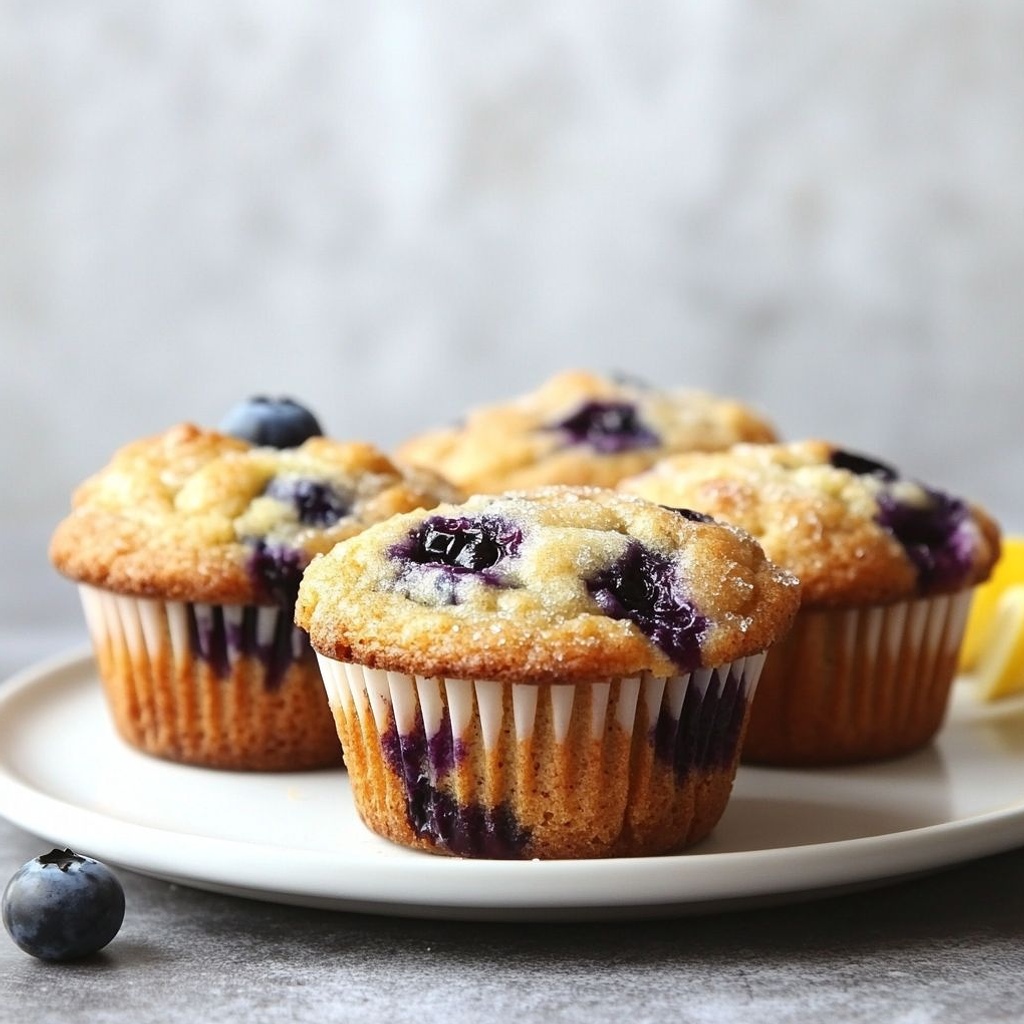
General tips for perfect muffins
- Bring eggs, milk, and cottage cheese to room temperature before starting to improve emulsification and rise.
- Blend cottage cheese until silky smooth to prevent lumps that can interrupt even moisture distribution.
- Whisk dry ingredients thoroughly and combine wet and dry ingredients with a light hand—mix just until the batter comes together to keep the crumb tender.
- Use a gentle folding motion when mixing in the blueberries to keep them intact and prevent color bleeding.
- Let melted butter cool to barely warm before adding to the eggs to avoid curdling; oil is a good alternative for a moister, more uniform crumb.
Flour, dairy, and sugar substitutions
- Gluten-free option: substitute with a 1:1 gluten-free flour blend and add 1/2 teaspoon xanthan gum per cup of flour; whisk thoroughly to ensure even distribution and rise.
- For a lighter or dairy-free version, replace dairy with unsweetened plant milk and a dairy-free butter substitute or oil; ensure the fat content maintains moisture.
- To vary sweetness, reduce sugar to 1/3 cup for a lighter muffin or swap part of it for brown sugar to add moisture and a slight molasses note; this will alter texture and flavor slightly.
Blueberries: handling and distribution
- Wash and thoroughly dry blueberries to minimize runny juice bleeding into the batter; fresh berries hold shape better than thawed frozen ones.
- Coat blueberries with 1 tablespoon of flour to help suspend them in the batter and reduce sinking; add the berries to the batter at the end and fold gently.
- If using frozen berries, keep them frozen and fold in at the end to prevent color bleed and soggy crumb.
Mixing technique and batter texture
- Mix wet ingredients separately, then add to dry in two additions, stirring just until incorporated to avoid a dense crumb.
- Let the melted butter cool to barely warm to prevent curdling; alternatively use neutral oil for a consistently moist crumb.
- Don’t overmix after adding wet ingredients; a few small lumps are okay and help maintain tenderness.
Optional add-ins and flavor tweaks
- For a bright citrus note, include lemon zest (as in the recipe) or substitute with orange zest; zest should be evenly distributed to avoid concentrated bursts.
- Toast nuts (walnuts or pecans) before adding for enhanced flavor and crunch; chop coarsely to balance texture with the muffins.
- Mini chocolate chips distribute well and melt slightly during baking; toss with a teaspoon of flour if the batter seems very wet to prevent sinking.
Baking, cooling, and storage
- Fill muffin cups about 2/3 to 3/4 full to allow for rise without overflow; bake until tops are golden and a toothpick comes out with a few moist crumbs.
- Rotate the pan halfway through baking for even browning; tent with foil if the tops brown too quickly.
- Cool muffins in the pan for 5 minutes, then transfer to a wire rack to cool completely before storing.
- Store baked muffins in an airtight container for up to 4 days in the fridge; freeze for up to 3 months and reheat briefly before serving.
FAQ
What ingredients are in Blueberry Cottage Cheese Muffins?
Typical ingredients include:
- 1 cup cottage cheese, drained
- 1 cup all-purpose flour (or 1:1 gluten-free flour)
- 1/2 cup granulated sugar
- 2 teaspoons baking powder
- 1/4 teaspoon salt
- 1/2 cup milk (dairy or non-dairy)
- 1/4 cup melted butter or neutral oil
- 2 large eggs
- 1 teaspoon vanilla extract
- 1 cup fresh or frozen blueberries (frozen should be thawed and drained)
- Optional: 1 teaspoon lemon zest or 1/2 teaspoon cinnamon
What makes these muffins moist and tender?
Chocolate? No—cottage cheese adds moisture and protein, helping tenderness. Use room-temperature ingredients, mix just until combined, and fold in blueberries gently to keep the structure light.
Can I make them gluten-free?
Yes. Use a 1:1 gluten-free flour blend that contains xanthan gum or add 1/4 teaspoon xanthan gum per cup of flour. Ensure your baking powder is gluten-free. The texture will be similar, just watch for any blend-specific instructions.
Can I use low-fat or nonfat cottage cheese?
Yes, you can, but the muffins may be a touch lighter and less moist. If you want to compensate, you can add a tablespoon or two more milk or a spoonful of yogurt to maintain moisture.
How should I mix the batter to avoid toughness?
Whisk dry ingredients in one bowl and wet ingredients in another. Pour the wet into the dry and mix just until combined—lumps are okay. Gently fold in blueberries to avoid breaking them. Do not overmix, or the muffins can become dense.
How can I prevent muffins from sinking in the middle?
Fill muffin cups about 2/3 full. Bake at a steady temperature (around 375–400°F / 190–200°C) and avoid opening the oven door during the first 15 minutes. Bake until the edges are set and a toothpick comes out with a few moist crumbs.
How long do they last and how should I store them?
Store at room temperature in an airtight container for 2–3 days. For longer storage, refrigerate for up to 5–7 days. Reheat briefly before serving. You can also freeze baked muffins for 2–3 months.
Can I freeze the muffins or the batter?
Both are possible. Freeze baked muffins in individual bags for 2–3 months. To bake from frozen, add 5–10 minutes to the usual bake time. You can also freeze the batter in a covered container; bake as needed after thawing and giving it a gentle stir.
Can I substitute blueberries with other berries or add-ins?
Yes. Raspberries, blackberries, or chopped strawberries work well. You can also stir in a handful of chopped nuts (like walnuts) or a teaspoon of lemon zest for brightness. If using frozen berries, thaw and drain to avoid coloring the batter too much.
What is the best bake temperature and time?
Preheat to 375°F (190°C). Bake regular muffins for about 18–22 minutes, or until the tops are lightly golden and a toothpick inserted into the center comes out clean with a few moist crumbs. Adjust time slightly if using GF flour or mini muffins.