Introduction / Hook
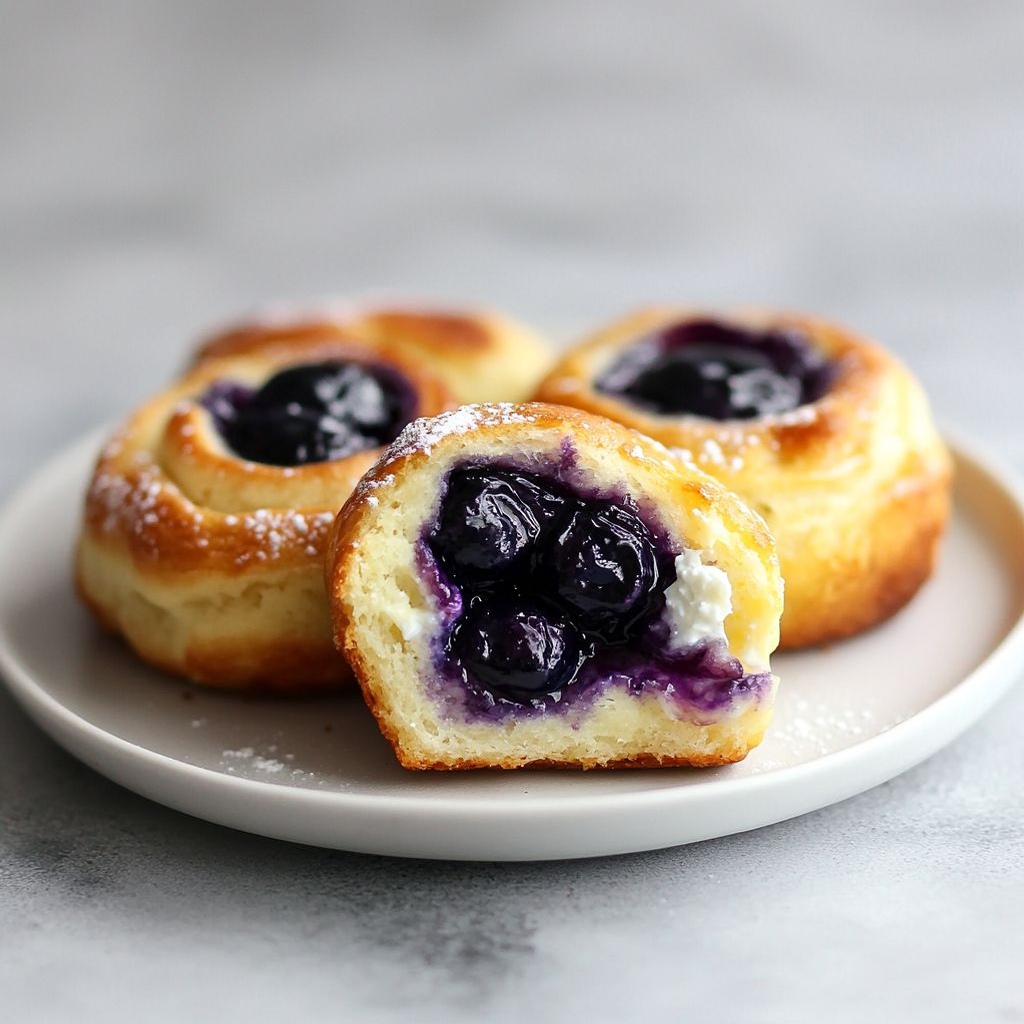
In the quiet calm of a morning, a tray of warm, golden rolls can feel like a first hug of the day. Baked Blueberry Cottage Cheese Breakfast Rolls are more than just a dish; they’re a little ritual that signals joy before the day properly begins. Imagine waking to the soft crackle of a crust that gives way to a cloud-soft interior, the air perfumed with vanilla and bright lemon zest, and the sweet-sour pop of blueberries releasing their juice in every bite. The cottage cheese tucked inside adds a sly creaminess, a gentle tang that keeps the sweetness in check, so each mouthful feels indulgent yet balanced. This recipe invites you to take a slow breath, savor the aroma, and linger at the table a few minutes longer than you intended. It’s breakfast as a celebration, a bright start that doesn’t demand perfection but rewards curiosity with texture, aroma, and comfort in equal measure.
What makes these rolls truly special is their versatility. They work beautifully as a weekend brunch centerpiece, a cozy family breakfast, or a make-ahead treat for busy mornings when you still want something homemade and comforting. The dough feels indulgent without being heavy, and the blueberries pop with bursts of sweetness that wake up the senses. The cottage cheese provides a creamy, slightly tangy contrast that keeps the rolls interesting from bite to bite. You don’t need complicated equipment or a long, fussy process; this recipe comes together with simple pantry staples, a little patience as the dough rises or rests, and a lot of warmth as you watch the oven work its magic. By the time the rolls emerge from the oven, the kitchen is filled with a scent that promises happiness: sweet vanilla, citrus brightness, and the comforting hint of dairy that makes you feel at home no matter where you are.
As you prepare to bake, you’ll notice how the recipe invites a playful touch. You can swirl in extra lemon zest for brightness, fold in a touch of cinnamon for warmth, or swap in a dairy-free cream cheese to suit dietary needs. The beauty is in the balance—the soft, tender crumb contrasts with that delicate crust, and the blueberries offer little bursts of juicy sweetness that keep each bite lively. If you’re feeding a crowd, these rolls scale up with ease; if you’re cooking for two, the recipe can be halved with minimal fuss. And because they’re wonderful at room temperature too, they’re a charming option for a brunch table where guests linger and chat while the coffee keeps its steam rising. The experience is about more than eating; it’s about the mood you create together—a little moment of warmth, sweetness, and shared time that makes every morning feel like a fresh start.
The Story Behind the Dish
Every recipe has a memory, and these rolls carry a bright dairy-and-fruit memory that travels across kitchens and generations. The idea started on a sunlit weekend when the berry bushes outside the kitchen window were heavy with plump, midnight-blue fruits, and a refrigerator shelf held a tub of cottage cheese that somehow felt too sturdy for breakfast alone. The notion of combining these two ingredients—blueberries that spark joy with their juicy, tart-sweet bite, and cottage cheese that brings a gentle, almost malty creaminess—felt instinctive, like a harmony waiting to happen. The dough, soft and forgiving, was designed to cradle those flavors without overwhelming them, so the fruit could shine while the cheese provided a creamy counterpoint. In many cultures, breakfast rolls have a place at the table, an invitation to gather and start the day with something comforting yet refined. This recipe draws on that tradition and reimagines it with a bright, modern twist: a roll that’s not overly sweet, that pairs well with coffee or tea, and that feels special enough to serve to guests but simple enough to make on a busy weekday if you plan ahead a little.
There’s a touch of nostalgia here, too—the idea that a well-made roll can be as comforting as a warm blanket on a chilly morning. The cottage cheese is a nod to culinary memories of markets and breakfasts where dairy was a daily pleasure, and the blueberries bring a reminder of summer days when the fruit is at its peak and the kitchen smells like sun-warmed berries. The combination is thoughtful rather than flashy, allowing the natural flavors to do most of the talking while the butter, vanilla, and citrus provide a gentle, coaxing chorus. Over time, this simple concept evolved into a brunch-friendly roll that’s at once familiar and uplifting—a recipe you reach for when you want something homemade that feels like a little celebration, without requiring a pastry chef’s precision or a long, complicated process.
Why You’ll Love This Recipe
- Soft, pull-apart texture: a tender crumb with a light, bread-like chew and a delicate crust that crackles at the edges.
- Bright, fruit-forward flavor: blueberries provide juicy bursts, balanced by the tang of cottage cheese and a kiss of vanilla and citrus.
- Protein boost from cottage cheese: a comforting, creamy bite that helps make these rolls feel satisfying rather than indulgent.
- Make-ahead versatility: they can be prepared ahead of time and baked when you’re ready, making weekend plans feel breezier.
- Customizable to suit dietary needs: easy to adapt with gluten-free flours or dairy-free fillings without losing the essence of the dish.
- Perfect for a crowd or a quiet morning for two: scales up or down with ease, and leftovers reheat beautifully.
- Great partner for coffee, tea, or a simple yogurt pairing: a balanced breakfast that appeals to both sweet-toothed and savory-preferring palates.
- Cozy, comforting aroma: vanilla, lemon, and warm dairy scent waft through the kitchen, turning breakfast into an event.
Flavor Profile & Texture
Taste Notes
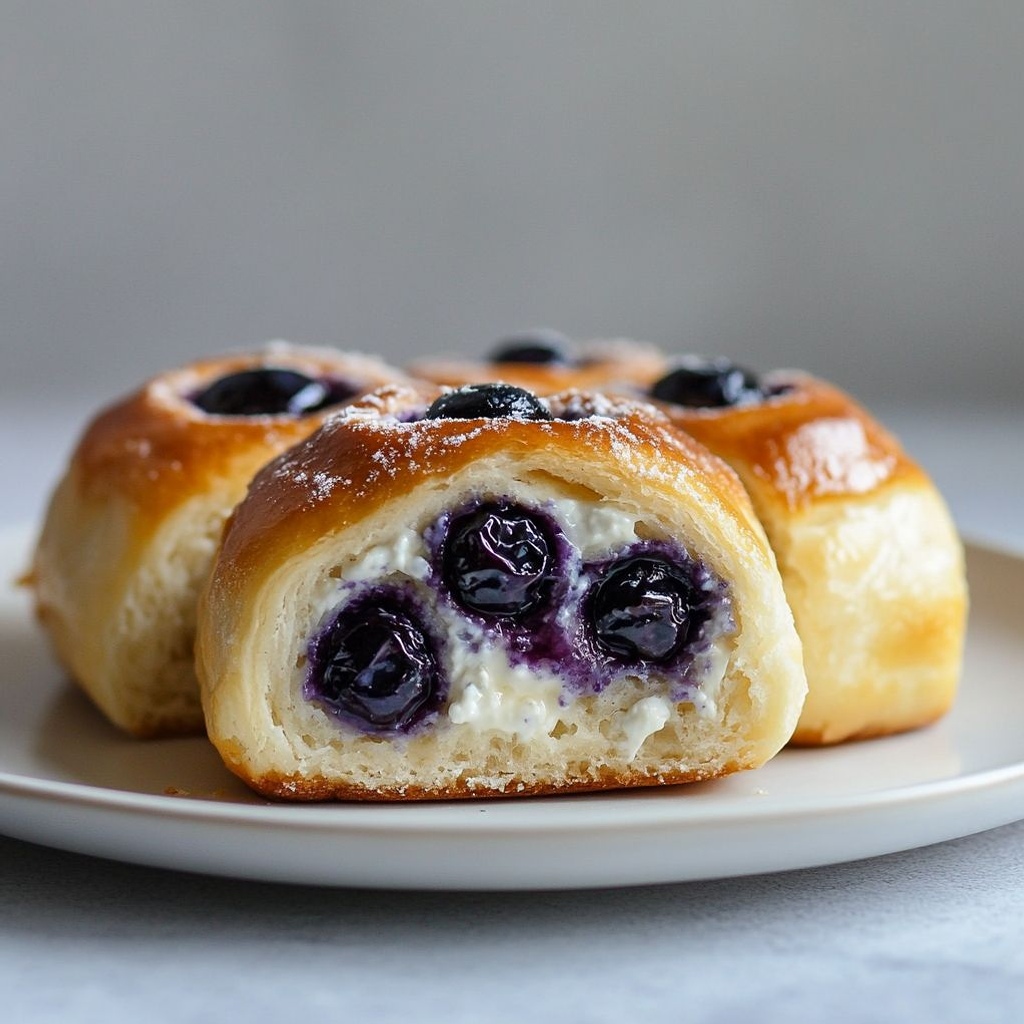
The flavor profile of these rolls is a careful orchestra of sweetness, tang, and brightness. The blueberries lend a natural sweetness with occasional tang depending on ripeness, releasing juice that teases the taste buds as you bite in. The cottage cheese contributes a mild, creamy tang that plays off the fruit and rounds out the sweetness, preventing it from tipping too far into sugary territory. A hint of vanilla infuses the dough and filling, while lemon zest adds a zing of citrus that lifts the whole experience, so the rolls feel fresh rather than heavy. If you enjoy a warmer spice note, a light dusting of cinnamon can be introduced, creating a cozy aroma that evokes bakery mornings without overpowering the fruit’s brightness.
Texture
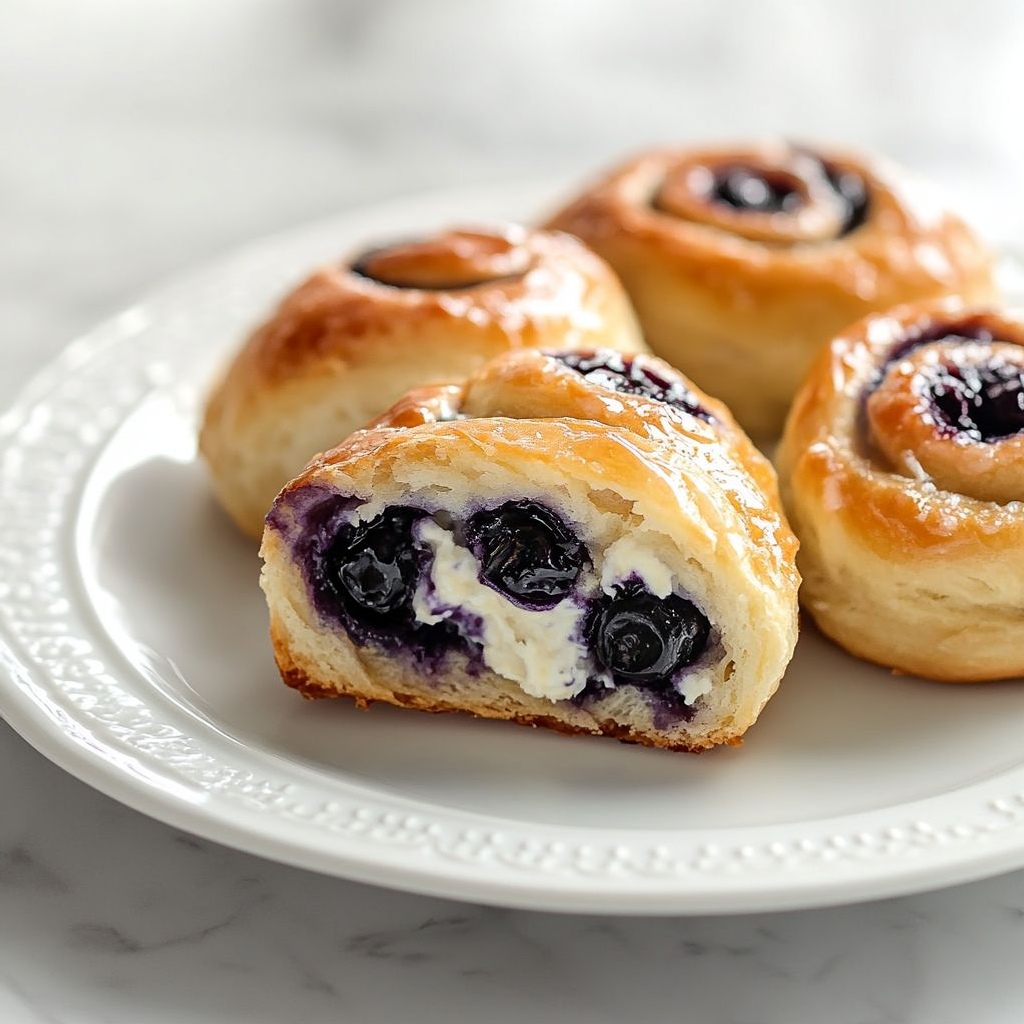
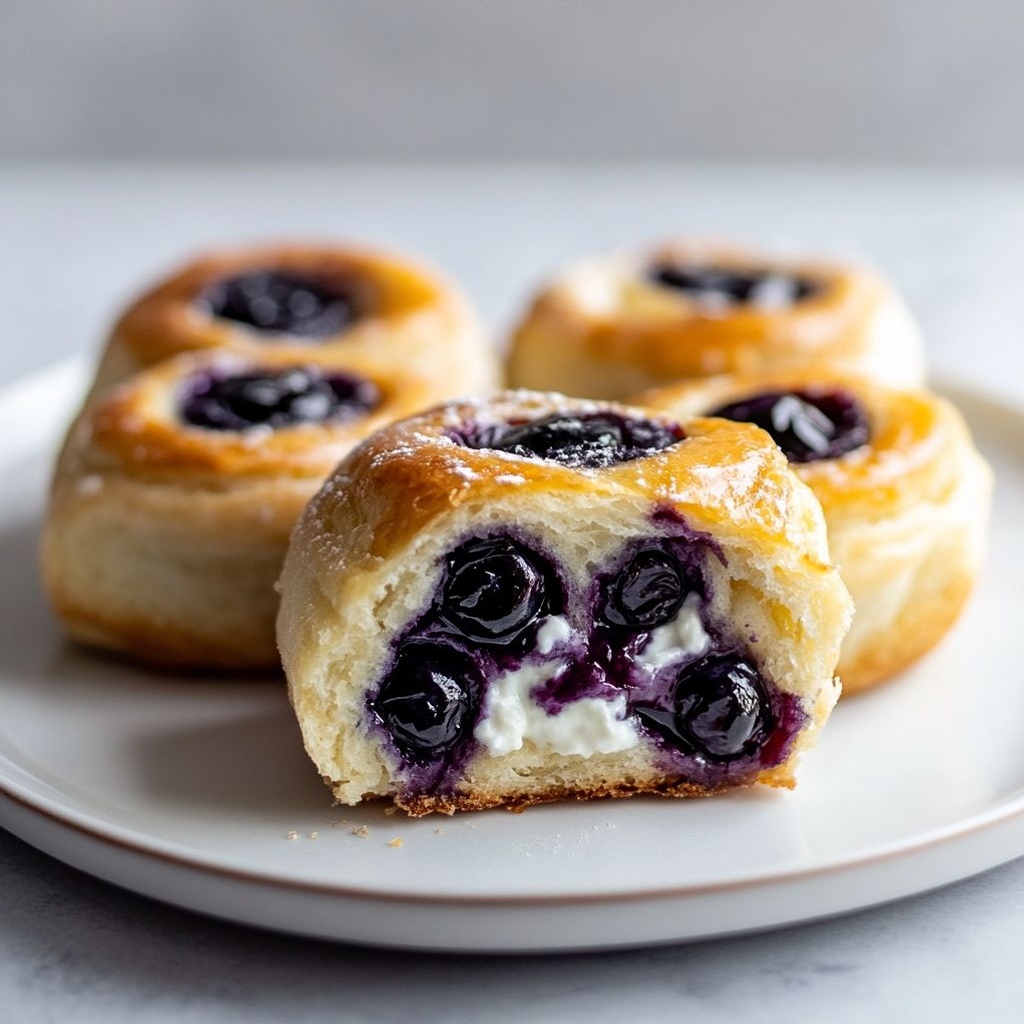
The texture is where this dish truly shines. The exterior presents a delicate, crisp-edged crust that yields to a pillowy interior, almost cloudlike in its tenderness. The moment you bite through, you encounter layers of soft bread that cradle tiny pockets of melted butter and sweet-tart blueberry juice. The cottage cheese pockets create tiny, creamy centers that surprise the palate with their smoothness, offering a counterpoint to the fruity bursts. The combination is both comforting and refined: a roll that feels substantial enough to satisfy and elegant enough for a special morning treat. If you’re one who appreciates contrast, you’ll relish the way the crumb remains moist yet airy, with the occasional fruit dot delivering a lively pop as you chew.
Occasions & Pairings
These rolls are built for a moment—a brunch that lingers, a weekend family gathering, or a thoughtful weekday breakfast when you want something special without fuss. They shine in moments when you want to create warmth around the table and share a smile with those you love.
- Weekend brunch centerpiece: display warm rolls on a platter with fresh fruit and a light yogurt or yogurt-based sauce for dipping.
- Holiday mornings: pair with a simple sparkling beverage or a pot of strong coffee to elevate the table while keeping the menu approachable.
- Family breakfasts: bake a batch in advance and reheat portions so everyone can customize with optional toppings like lemon glaze or vanilla yogurt.
- Brunch-to-go: a delightful option for potlucks or picnics, easily transported in a covered container and served at room temperature.
Pairings to consider (without committing to specific ingredients): a light dollop of yogurt or crème fraîche, a drizzle of a simple vanilla glaze, a side of fresh fruit like sliced peaches or berries, and a beverage selection that ranges from black coffee to citrus-scented water or a sparkling tea. If you want a more indulgent pairing, a light chardonnay or a small glass of dry sparkling wine can complement the roll’s crisp crust and fruity notes for a celebratory brunch moment.
Tips, Variations & Substitutions
Make-Ahead Tips
Prepare the rolls up to the point of baking, then refrigerate overnight. In the morning, let them come to room temperature briefly, then bake as directed. If you prefer, you can fully bake the rolls, cool completely, and refrigerate; reheat gently in a low oven to restore warmth and softness. To maximize flavor, let the lemon zest and vanilla flavor infuse for a few minutes before rolling, allowing the oils and aromas to bloom in the dough.
Dairy-Free / Vegan Variations
Choose a plant-based cream cheese or yogurt substitute in place of cottage cheese. Coconut or almond milk can replace dairy, and a touch of lemon juice can help mimic the tang. For the dough, look for a vegan-enriched dough option or a simple olive oil-based dough that yields a soft, tender crumb. Note that texture and rise may vary slightly with substitutions, but the result remains delightfully comforting.
Gluten-Free Options
Opt for a high-quality gluten-free flour blend that’s designed for yeast-based doughs, or try a gluten-free biscuit-style version with a tender crumb. You may need to adapt the hydration and resting times, so start with a mix that’s proven for pastries and adjust with a touch more liquid if the dough feels too dry. The dreamy combination of blueberries and cottage cheese translates beautifully into gluten-free formats with careful handling.
Flavor Twists
- Orange zest instead of lemon for a brighter citrus note.
- Ground cinnamon or cardamom stirred into the filling for a warm spice dimension.
- Swirls of light cream cheese or ricotta folded into the cottage cheese for extra lushness (adjust sweetness accordingly).
- Stir in a handful of chopped almonds or walnuts for a crunchy contrast.
Storage & Make-Ahead Ideas
These rolls store well and reheat nicely, making them a practical choice for busy mornings. If you have leftovers, allow them to cool completely before sealing in an airtight container. They keep well in the refrigerator for up to 3 days and freeze beautifully for longer storage. For freezing, place cooled rolls on a parchment-lined tray to freeze individually, then transfer to a freezer bag. To reheat, warm gently in a low oven or toaster oven until the center feels warm to the touch. If you’re making ahead, consider freezing unbaked rolls after shaping; bake them directly from the freezer—add a few extra minutes to the bake time to ensure the centers are fully cooked.
Tip: if you prefer a crisper crust after storage, brush the tops with a very light amount of melted butter or oil before the final bake, then rewarm until the edges re-crisp while the centers stay soft.
Fun Facts & Trivia
- Blueberries are one of the only naturally blue foods, a color that comes from anthocyanins, compounds that may have antioxidant properties.
- Cottage cheese has a long history as a simple, protein-rich food that cultures around the world have enjoyed for centuries; its mild flavor makes it a versatile addition to both sweet and savory dishes.
- Rolls like these echo a classic breakfast idea found in many cultures—soft, yeast-raised pastries filled or mixed with fruit—demonstrating how universal comfort can translate into modern twists.
- Vanilla, a hallmark of many desserts and baked goods, derives from orchids native to Mexico and Central America, and its scent is often associated with warmth and cozy mornings across cuisines.
- The combination of fruit, dairy, and bread has a long culinary lineage—fruit-filled pastries and stuffed breads appear in many traditions, each with its own regional touches and techniques.
Notes
As you explore this recipe, feel free to tailor the sweetness and tang to your taste. A touch more lemon zest, a hint of vanilla, or a sprinkle of spice can transform the flavor profile without requiring any major changes to the dough or filling. The beauty of these rolls lies in their forgiving nature and the way simple ingredients come together to create something comforting, bright, and deeply satisfying. Enjoy them as a weekend treat, a comforting weekday breakfast, or a brunch centerpiece that happily invites conversation as the oven warms the room.
Ingredients
Dough
- 3 1/2 cups all-purpose flour (plus extra for dusting)
→ Purpose: Provides the main structure and crumb for the rolls. Handling: The dough will be kneaded until smooth and elastic; measure flour accurately (spoon and level or weigh ~440 g). If dough is sticky, sprinkle in small amounts of flour as you knead, but avoid adding too much, which can make the rolls dense. Temperature: Use room-temperature ingredients; activate the yeast with warm milk (not hot) to ensure proper rise. - 2 1/4 tsp active dry yeast (1 standard packet)
→ Purpose: Leavening agent that makes the dough rise and become fluffy. Handling: Sprinkle in warm milk with a pinch of sugar and let proof until foamy (about 5-10 minutes). If using instant/rapid yeast, you can mix it with dry ingredients and skip proofing; dough may rise faster or slower depending on yeast freshness. - 1/4 cup granulated sugar
→ Purpose: Feeds the yeast and adds gentle sweetness to the dough. Handling: Dissolve with warm milk when activating yeast or mix into dry ingredients for even distribution; use sugar to balance the tang of cottage cheese. Tip: Slightly warmer sugar (not hot) can speed yeast activity. - 1/2 tsp fine salt
→ Purpose: Enhances flavor and helps strengthen gluten; balances sweetness. Handling: Add to flour to distribute evenly; salt should not directly contact yeast without mixing with flour. Tip: Use fine salt for even distribution and bite-size saltiness. - 1/2 cup warm milk (about 110°F/43°C)
→ Purpose: Hydrates the dough and activates the yeast; provides moisture for gluten formation. Handling: Use thermometer to ensure correct temperature; if too hot, kills yeast; adjust amount if you plan to use less or more flour. Tip: For dairy-free option, use almond or oat milk and consider a bit more sugar to compensate for flavor. - 1/3 cup unsalted butter, melted and cooled
→ Purpose: Enriches the dough with fat to tenderize crumb and add flavor. Handling: Cool melted butter before adding to warm liquids to avoid killing yeast; mix gradually with other wet ingredients. Tip: If dairy-free, substitute with coconut oil or olive oil; the crumb may be slightly different. - 1/2 cup cottage cheese, blended smooth
→ Purpose: Adds moisture, protein, and a soft crumb; blending eliminates curds for even distribution. Handling: Blend until completely smooth; incorporate into wet mix to keep dough tender. Tip: For even softer texture, whisk cottage cheese with egg before adding to dough to ensure emulsification. - 1 large egg, beaten
→ Purpose: Acts as a binder and contributes structure; helps trap air for a tender crumb. Handling: Beat lightly and bring to room temperature; ensure even distribution when adding to dough; vegan option: flax egg or aquafaba can be used but crumb changes. - 1 tsp vanilla extract
→ Purpose: Provides aroma and depth to the dough, complements blueberry flavor. Handling: Use pure vanilla extract for best flavor; if using vanilla bean, scrape seeds for more intensity. Tip: Avoid using too much vanilla to keep attention on blueberries. - Zest of 1 lemon (optional)
→ Purpose: Adds bright citrus notes that pair with blueberries and cottage cheese; lifting fragrance. Handling: Zest before juicing the lemon; avoid the white pith. Tip: If lemon flavor is too strong for preference, omit.
Filling
- 1 cup fresh blueberries
→ Purpose: The star filling; provides juicy pockets and tart-sweet flavor. Handling: Use ripe but firm berries; if using frozen, thaw and drain well to prevent soggy dough and color bleed. Lightly toss with sugar and lemon juice to intensify flavor; handle gently to avoid breaking all berries. - 2 tbsp granulated sugar
→ Purpose: Sweetens and helps draw out moisture from berries during baking; aids in slight syrup formation as filling cooks. Handling: Mix with blueberries evenly; adjust to taste depending on berry sweetness. Tip: If berries are very sweet, reduce sugar to prevent overly sweet rolls. - 1 tsp lemon juice
→ Purpose: Brightens berry flavor and helps prevent dullness; acid balance with added sweetness. Handling: Freshly squeezed is best; add to blueberries and stir gently. Tip: Avoid lemon juice if you want a milder filling; keep as optional. - 1 tsp cornstarch
→ Purpose: Thickens the berry mixture so it doesn’t run out of the dough during rolling. Handling: Mix with an equal amount water to form slurry before adding to berries; heat slightly to dissolve starch if needed. Tip: If you skip cornstarch, you may get runnier filling; adjust accordingly. - 1 tsp water (to make slurry)
→ Purpose: Used to thinly dissolve cornstarch to create a smooth filling. Handling: Combine with cornstarch until a smooth paste; add to berries and gently warm to help thicken. Tip: Use cold water if you want slower thickening. - 1/2 tsp vanilla extract (optional)
→ Purpose: Adds extra depth to berry filling. Handling: Stir into filling after thickening; taste and adjust sweetness. Tip: Vanilla enhances overall aroma; omit if you prefer pure berry flavor.
Finishing and glaze
- 2 tbsp melted butter (for brushing)
→ Purpose: Adds flavor and helps create a glossy, soft crust after baking. Handling: Brush onto hot rolls as soon as they come out of the oven to seal in moisture; do not let butter pool. Tip: For dairy-free, brush with olive oil or a light vegetable oil instead, though the shine and flavor will differ. - Optional: 1-2 tbsp coarse sugar or pearl sugar (top)
→ Purpose: Adds a sparkly, crunchy top that enhances texture and appearance. Handling: Sprinkle on the dough just before baking so it adheres; use coarse sugar for more crunch and glare. Tip: Don’t overdo; too much sugar can overwhelm the blueberry notes. - 1/2 cup powdered sugar
→ Purpose: Finishing glaze to add sweetness and a glossy finish; pairs well with blueberry. Handling: Sift to remove lumps; whisk with a little milk until smooth and pourable. Tip: Adjust thickness with more sugar or a splash of milk; a touch of lemon juice can brighten the glaze if desired. - 1-2 tbsp milk (dairy or non-dairy)
→ Purpose: To adjust the glaze to the desired consistency. Handling: Add gradually; warm slightly to dissolve sugar for a smoother glaze. Tip: For a thicker glaze, use less milk; for a thin glaze, use more milk and a touch of vanilla. - 1/4 tsp vanilla extract
→ Purpose: Adds warmth to the glaze. Handling: Stir into glaze after sugar has dissolved; optional. Tip: Use vanilla paste for deeper flavor without adding liquid.
Instructions
- Preheat your oven to 350°F (175°C) and line a 12-c cup muffin tin with paper liners or grease it well.
→ This creates individual portions that bake evenly, prevent sticking, and make removal cleaner once the rolls are baked. - Proof the active dry yeast in 1/2 cup warm milk (about 110°F/43°C) with a pinch of sugar until foamy, approximately 5–10 minutes.
→ Foamy activity confirms the yeast is alive and ready to ferment the dough; if your yeast is instant, you can skip this step and whisk it with the dry ingredients instead. - Whisk together 3 1/2 cups all-purpose flour, 1/4 cup granulated sugar, and 1/2 tsp fine salt in a large bowl to ensure even distribution and to develop a uniform crumb; sift lightly if you prefer a lighter texture.
→ Even distribution of salt and sugar throughout the flour helps control fermentation, sweetness, and gluten development for a tender but structured roll. - Blend 1/2 cup cottage cheese in a blender or with a whisk until completely smooth, then whisk in 1 large beaten egg, 1/3 cup melted and cooled unsalted butter, 1 tsp vanilla extract, and zest of 1 lemon (optional) until the mixture is uniform and emulsified.
→ Smooth cottage cheese prevents curds from creating uneven pockets in the dough; emulsifying the fat and egg ensures an even, tender crumb and bright aroma from the vanilla and lemon. - Add the wet mixture to the dry ingredients and mix just until a shaggy dough forms, then turn the dough onto a lightly floured surface and knead until smooth and elastic, about 6–8 minutes.
→ Kneading develops gluten strands for structure and chew; aim for a slightly tacky but not sticky dough and use a few flour dustings as needed to avoid over-flouring. - Lightly oil a clean bowl, place the dough inside, turn to coat with oil, cover with plastic wrap or a damp towel, and let rise in a warm, draft-free spot until doubled in size, about 1 hour.
→ Proper bulk fermentation builds flavor and volume; if your kitchen is cool, allow extra time or use a proofing setup to maintain warmth without overheating. - Meanwhile, prepare the blueberry filling by tossing 1 cup fresh blueberries with 2 tbsp granulated sugar and 1 tsp lemon juice; mix 1 tsp cornstarch with 1 tsp water to form a slurry and stir into the berries; set the mixture aside and heat very gently (optional) until it thickens slightly, then cool completely.
→ The sugar sweetens and draws moisture while the lemon juice brightens flavor; the cornstarch slurry thickens the filling so it stays put inside the rolls rather than leaking out during baking. - On a lightly floured surface, roll the risen dough into a rectangle about 12 by 18 inches (30 by 45 cm) and roughly 1/4 inch (6 mm) thick.
→ A uniform thickness ensures even baking and that the filling distributes without creating thin or overly thick spots that bake unevenly. - Spread the cooled berry filling in an even, thin layer over the dough, leaving a 1/2 inch (1 cm) border along one long edge to seal when rolling; avoid overloading to prevent bursting during baking.
→ An even, restrained layer ensures the rolls stay intact and the filling remains visible and tasty rather than oozing out. - Beginning with the long edge, roll the dough up tightly to form a log, pinch the seam to seal, and cut into 12 equal slices using a sharp knife or dental floss; place each slice, cut-side up, into the prepared muffin tin cups.
→ Tight rolling traps air for a uniform crumb; equal slices ensure consistent bake; placing in cups helps the rolls keep their shape and makes portioning simple. - Cover the filled muffin tin and let the rolls proof for 25–40 minutes until puffy and nearly doubled; avoid over-proofing to prevent collapse during baking.
→ The second rise lightens the crumb and helps the rolls hold their shape in the hot oven; a gentle finger poke should reveal a slight bounce back when ready. - Bake in the preheated oven for 18–22 minutes, or until the tops are deeply golden and the centers are set; rotate the pan halfway if your oven has hot spots and test for doneness with a toothpick.
→ Proper browning indicates Maillard reactions and flavor development; a clean toothpick means the dough is cooked through and not gummy. - As soon as the rolls come out, brush them with 2 tbsp melted butter to add flavor and help create a soft, glossy crust; let the butter melt into the surface for moisture retention.
→ Butter adds richness and a sheen that enhances appearance and mouthfeel; if dairy-free, substitute with a light oil and expect a slightly different crust. - If desired, sprinkle 1–2 tbsp coarse sugar or pearl sugar over the tops just before baking to create a sparkly, crunchy finish that complements the blueberry filling.
→ The extra crunch provides textural contrast and visual appeal; use sparingly so it does not overpower the berry flavor. - Prepare the finishing glaze by whisking 1/2 cup powdered sugar with 1–2 tbsp milk and 1/4 tsp vanilla until smooth and pourable; adjust thickness with more sugar or milk as needed.
→ A glossy glaze adds sweetness and cohesion across the tops; warming the milk slightly helps dissolve the sugar completely for a silky finish. - Drizzle the glaze over the warm rolls and allow it to set for a few minutes before serving; the glaze will firm a touch as it cools, giving a pleasant shine.
→ The glaze ties flavors together and provides a classic breakfast pastry finish; if you prefer a lighter finish, omit the glaze or dust with powdered sugar instead.
Notes
“These baked blueberry cottage cheese breakfast rolls are soft, fluffy, and subtly tangy from the cottage cheese, with juicy blueberries in every bite—perfect for a comforting weekend breakfast or a make-ahead morning treat.”
To start, activate the yeast in warm milk (about 110°F/43°C) with a pinch of sugar until foamy, about 5–10 minutes. Use 2 1/4 teaspoons active dry yeast (one standard packet). For best results, measure the flour accurately (about 440 g) and keep the dough at room temperature while mixing. If the dough is sticky, dust with small amounts of flour as you knead, but avoid adding too much, which can make the rolls dense. Knead until the dough is smooth and elastic and passes a gentle windowpane test.
Filling and flavor: Blend the cottage cheese until completely smooth and whisk in the beaten egg and vanilla. This provides moisture, protein, and a tender crumb. Prepare the blueberry filling by tossing 1 cup fresh blueberries with 2 tablespoons sugar and 1 teaspoon lemon juice; if you prefer a thicker fill, mix 1 teaspoon cornstarch with 1 teaspoon water to create a slurry and stir into the berry mixture. If using frozen berries, thaw and drain well to prevent soggy dough and color bleed. A optional 1/2 teaspoon vanilla in the filling can deepen aroma; lemon zest could also brighten the flavor if desired.
Rolling, proofing, and baking: Roll the dough into a rectangle, spread the smooth cottage cheese mixture over it, then sprinkle the berry filling evenly. Roll tightly, cut into evenly sized rolls, and place seam-side down on a greased pan. Let the rolls rise until puffed and nearly doubled in size. Preheat the oven and bake until golden and cooked through, about 25–30 minutes depending on your oven. Brush with 2 tablespoons melted butter as soon as they come out of the oven to seal in moisture and add shine. If you like extra sparkle and a crunchy top, sprinkle 1–2 tablespoons coarse or pearl sugar just before baking.
Glaze and serving: Whisk 1/2 cup powdered sugar with a splash of milk (start with 1–2 tablespoons) and 1/4 teaspoon vanilla until smooth and pourable. Drizzle the glaze over warm rolls for a glossy finish and a touch more sweetness. For dairy-free options, use a plant-based milk and a neutral oil or dairy-free butter substitute, and brush the rolls with oil instead of melted butter if you prefer. This recipe can be adapted to gluten-free by using a certified gluten-free all-purpose flour blend and, if needed, 1/2 teaspoon xanthan gum to help structure.
Storage and make-ahead: These rolls freeze well once baked—cool completely, wrap tightly, and freeze. Reheat in a 350°F (175°C) oven until warm, about 8–12 minutes, or reheat individual portions in the microwave for quick mornings. The flavors develop with a brief rest; you can refrigerate shaped rolls for up to 24 hours before baking to make-ahead breakfasts.
Tips
Tips for Dough
- Measure flour accurately: spoon into the cup and level off, or weigh about 440 g. Too much flour makes the rolls dense. If the dough feels sticky during kneading, add flour in small increments rather than dumping a lot at once.
- Yeast activation: proof active dry yeast in the warm milk with a pinch of sugar until foamy (about 5–10 minutes). If you use instant/rapid yeast, you can mix it with dry ingredients and skip proofing, but expect the rise to vary with freshness and ambient temperature.
- Temperature control: keep ingredients at room temperature for better gluten development. Use a thermometer to keep milk around 105–110°F (40–43°C) when activating yeast; milk that is too hot will kill the yeast.
- Butter handling: melt and cool the butter before adding to the warm liquids to avoid killing the yeast. Add the butter gradually with the wet ingredients for an even distribution.
- Cottage cheese: blend until completely smooth to avoid curds that can interrupt the dough’s texture. For an even softer crumb, you can whisk the cottage cheese with the egg before mixing.
- Egg and dairy options: use a room-temperature egg for better incorporation. If you need a vegan variant, substitute with a flax egg or aquafaba, but note the crumb and rise may be different.
- Flavor boosters: add vanilla and optional lemon zest after the initial mix to prevent overpowering the dough; zest adds a bright note that complements blueberries.
- Dough hydration: if the dough is drying out or very stiff, add a tablespoon of milk at a time. If it’s very wet, sprinkle in tiny amounts of flour as you knead.
- Kneading and gluten development: knead until the dough is smooth and elastic (windowpane test helps). In a stand mixer, 5–7 minutes on medium speed is often enough; by hand, 8–10 minutes.
- First rise: let the dough rise in a warm, draft-free place until doubled in size, about 60–90 minutes depending on temperature. If you’re short on time, you can refrigerate the dough after the first rise for later shaping.
- Shaping prep: after the dough has risen, gently deflate and roll into an even rectangle. Ensure even thickness to avoid uneven filling and uneven baking.
Tips for Filling
- Berry prep: use ripe but firm blueberries. If using frozen berries, thaw and drain well to prevent too much moisture from making the dough soggy and to reduce color bleed.
- Sugar balance: toss berries with 2 tablespoons sugar and 1 teaspoon lemon juice to enhance flavor. If your berries are very sweet, reduce the sugar slightly to avoid overly sweet rolls.
- Thickening: make a quick slurry with 1 teaspoon cornstarch and 1 teaspoon water, then stir into the berry mixture to keep filling from running during baking.
- Avoid breaking berries: mix the filling gently to keep some whole berries intact for pretty pockets of color and flavor.
- Flavor depth: add 1/2 teaspoon vanilla extract to the filling after thickening for a richer aroma; lemon zest can be added for extra brightness.
- Moisture control: if your berries release a lot of juice, thicken the mixture a bit more or cook the filling briefly on the stove to reduce moisture before filling the rolls.
- Optional variations: for a more tart note, add a pinch of finely grated lemon zest to the filling; for a fruitier profile, substitute a portion of blueberries with raspberries.
Tips for Finishing and Glaze
- Butter brushing: brush melted butter on the rolls as soon as they come out of the oven while they’re still hot to lock in moisture and add shine. Do not let butter pool in any one spot; distribute evenly.
- Topping sugar: if using coarse or pearl sugar, sprinkle just before baking so it adheres and creates a sparkly, crunchy top without overwhelming the berry flavor.
- Powdered sugar glaze: sift the powdered sugar to remove lumps, then whisk with 1–2 tablespoons milk to reach a pourable consistency. Add a splash of vanilla or a teaspoon of lemon juice for brightness.
- Glaze adjustments: for a thicker glaze, use less milk; for a thinner glaze, add a touch more milk and a bit of lemon juice. Warm milk slightly to help dissolve sugar for a smoother glaze.
- Dairy-free options: use dairy-free butter substitutes and non-dairy milk in both the dough and glaze; liquids may be adjusted slightly to achieve the right thickness.
- Storage and reheating: store baked rolls in an airtight container at room temperature for up to 2 days, or freeze unfrosted rolls for longer storage. Reheat gently in a 350°F (175°C) oven for 8–10 minutes or warm in the microwave just before serving.
FAQ
What is Baked Blueberry Cottage Cheese Breakfast Rolls?
A soft, lightly-sweet breakfast roll made with an enriched dough folded with cottage cheese and blueberries, then baked until golden. They’re easy to grab-and-go and pair well with coffee or yogurt.
What ingredients do I need to make them?
Common ingredients include:
- Flour (all-purpose or whole wheat, or a mix)
- Baking powder and a pinch of salt
- Milk (dairy or non-dairy)
- Egg
- Butter or oil
- Cottage cheese
- Blueberries (fresh or frozen)
- Vanilla extract and optional lemon zest or cinnamon
- Sugar or honey for sweetness
Can I substitute cottage cheese?
Yes. You can use ricotta or thick Greek yogurt in place of cottage cheese. For ricotta, drain excess whey if very wet. For yogurt, use thick strained yogurt to reduce moisture. The texture will be slightly different, but still delicious.
Are these gluten-free or whole wheat friendly?
You can adapt with gluten-free all-purpose flour (use a blend with xanthan gum and follow the blend’s guidance) or use 100% whole wheat flour for a denser, nuttier roll. Gluten-free doughs may require a bit more liquid and a short rest to hydrate the flour.
What temperature and baking time should I use?
Preheat to 350°F (175°C). Bake for about 20–25 minutes, or until the tops are golden and a toothpick inserted into a roll comes out clean. If you make larger rolls, you may need a few extra minutes;
Can I make these ahead or freeze the dough?
Yes. Assemble the rolls and refrigerate the unbaked rolls overnight, then bake the next day. You can also freeze shaped rolls (on a tray first, then transfer to a bag). Bake from frozen, adding 5–10 minutes to the bake time. If freezing batter, freeze in portioned balls and bake as needed once thawed.
Can I use frozen blueberries?
Yes. Use 1 cup of frozen berries (not thawed). Toss them in a little flour to reduce color bleed and moisture. If berries are very icy, pat them dry after thawing slightly to avoid excess moisture from soaking into the dough.
How should I store leftovers and reheat?
Store baked rolls in an airtight container in the refrigerator for up to 3 days. Reheat in a 300–350°F (150–175°C) oven for 5–7 minutes, or briefly in the microwave (20–30 seconds per roll) to warm through. They’re best fresh, but reheat well.
How many rolls does this yield and what are typical servings?
The recipe typically yields 8–12 rolls, depending on how thick you roll the dough and how you cut it. One roll makes a satisfying breakfast portion, often served with fruit or yogurt.
Are there dairy-free or lower-sugar variations?
Dairy-free: Use non-dairy milk (almond, soy, oat) and dairy-free butter or oil. Replace cottage cheese with a thick dairy-free cottage cheese alternative or mashed silken tofu with a touch of lemon juice for tang. Lower-sugar version: reduce sugar in the dough and skip added sweeteners in the filling; you can rely on the natural sweetness of blueberries.