Introduction / Hook
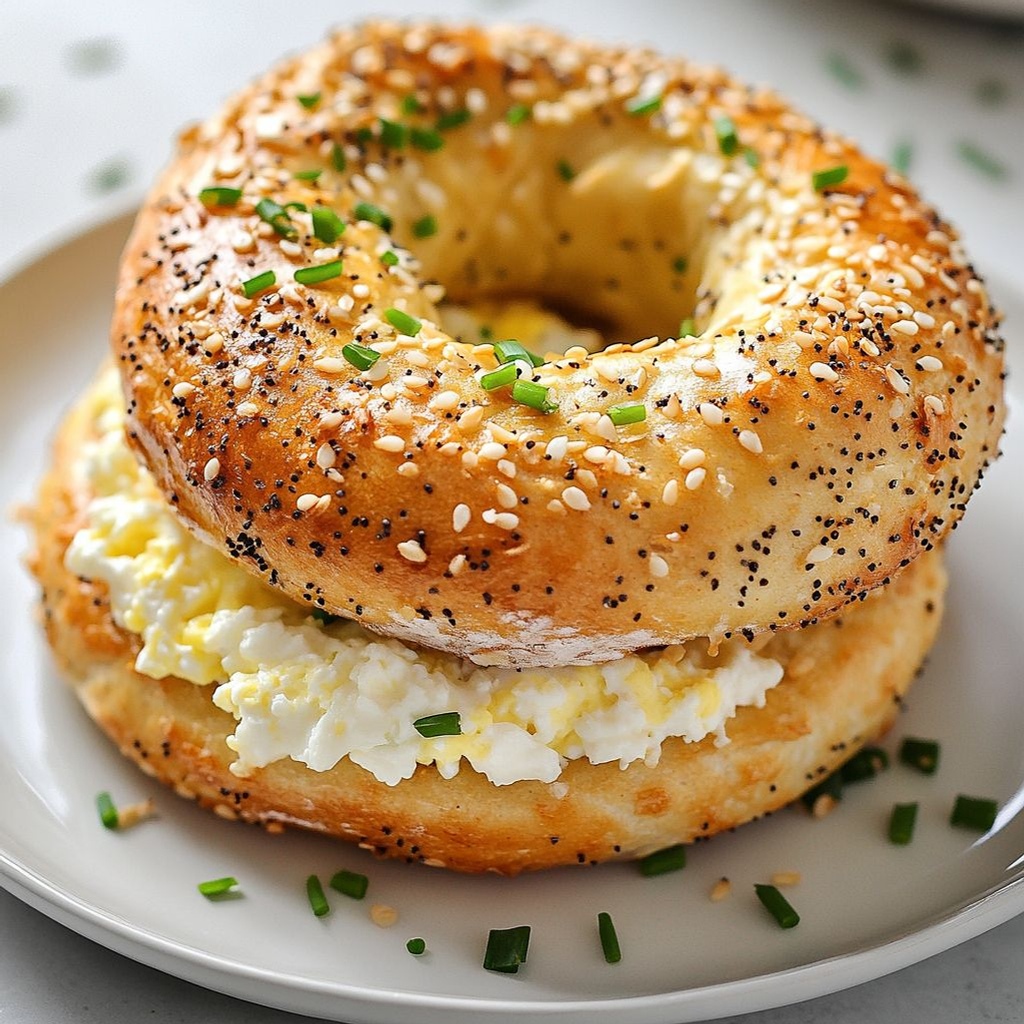
Picture a morning where the first bite dissolves into a gentle chorus of textures: a tender, almost custardy inner pocket of cottage cheese folded with eggs, cradled by a subtly crisp, golden-brown bagel ring. The aroma alone can coax a smile from even the most reluctant alarm clock. This is not your ordinary breakfast; this is a comforting, crave-worthy ritual that turns a rushed weekday into a pause that feels like a weekend. The beauty of Baked Cottage Cheese Egg Bagels lies in how it balances simplicity and indulgence—humble pantry staples transformed into something unexpectedly luxurious, a dish that tastes like you spent hours in the kitchen while you actually worked with pantry staples in a single, satisfying bake. The contrast between the creamy tang of cottage cheese and the mild, yeasty backbone of a bagel, kissed by a gentle egg sheen, invites a first bite that lingers on the palate and beckons for more.
As the oven works its quiet magic, you’ll notice the room filling with a warm, toasty aroma that feels like home—slightly nutty, softly savory, with a whisper of dairy sweetness that hints at comfort and nourishment. The texture is where this dish truly shines: a sturdy outer edge that crackles just enough to provide a satisfying snap, while the interior remains wonderfully soft and custardy, a creamy center that melts around the eggs and folds the bagel’s familiar chew into something new and memorable. It’s a dish that rewards a slow approach—each bite revealing a balance of contrasts, a gentle fusion of tradition and honest, wholesome ingredients. And because it’s baked rather than pan-fried, the dish feels approachable yet refined enough for a weekend brunch, a lazy Sunday breakfast, or a confident weekday meal that still feels like a little celebration.
Beyond the sensory appeal, this recipe invites creativity. It’s a canvas that celebrates pantry staples while offering a wealth of customization options. You can lean into herbal brightness with chives and dill, amplify savoriness with smoked paprika or garlic, or lean into lighter, high-protein vibes with low-fat cottage cheese. The technique—baking rather than scrambling or frying—lends a clean finish and a uniform texture that’s easy to portion for family breakfasts or meal-prep lunches. In short, Baked Cottage Cheese Egg Bagels are about taking something familiar and elevating it with a simple method, turning everyday ingredients into something that feels both wholesome and deliciously indulgent.
The Story Behind the Dish
The idea for Baked Cottage Cheese Egg Bagels grew from a quiet weekend experiment, a kitchen where odds and ends from the fridge met imagination at the edge of the oven. It’s a story of contrasts coming together: the rustic charm of a bagel—its chewy bite and the subtle sweetness of malted crust—paired with the light, tangy creaminess of cottage cheese and the comforting sturdiness of eggs. Bagels have a storied history rooted in Eastern European baking, their dense crumb and glossy crust shaped by centuries of tradition and craft. Cottage cheese, meanwhile, has long been a pantry staple in regions where dairy was cherished and preserved, a gentle tang that brightens dishes and lends a creamy texture without heaviness. The marriage of these two ingredients with the hum of the oven gives rise to a modern breakfast that respects both heritage and simplicity.
In many homes, mornings come with a rush: the clock ticks, the coffee brews, and breakfast often becomes a hurried scramble. This recipe was born from the desire to slow that moment, to create something that feels like a special treat while still relying on everyday items. It’s a nod to the way many families improvise—mixing a little cottage cheese with eggs for protein, rolling out a bagel or two, and letting the oven do the rest. The result is a dish that feels familiar yet new, comforting but not indulgent, a cross-cultural breakfast that could easily belong on a Sunday brunch table or a busy weekday kitchen alike. It’s a reminder that great flavors don’t always require elaborate techniques; sometimes they come from thoughtful pairing and patient heat, yielding a dish that is satisfying, nourishing, and infinitely adaptable.
There’s a personal thread in every bite: the recognition that breakfast can be a moment of care, a small ritual that sets a positive tone for the day ahead. This dish invites you to slow down, to appreciate the way textures mingle—the way the cottage cheese breaks into delicate curds inside the egg’s embrace, the bagel crust catching a kiss of butter or olive oil, the herbs whispering brightness at the finish. It’s the kind of dish that you’ll return to when you want something heartwarming yet quick, something you can tailor to your mood or the season, and something that makes mornings feel a little more generous, a little more worth waking up for.
Why You’ll Love This Recipe
- High-protein, satisfying breakfast: Cottage cheese and eggs deliver protein to help you power through the morning, keeping you full longer without heaviness.
- Comforting texture with a modern twist: The creamy interior contrasts beautifully with the toasted, bagel-like exterior for a refreshing take on a familiar bite.
- One-dish ease with make-ahead potential: Assemble and bake in batches, then refrigerate or freeze portions for quick breakfasts throughout the week.
- Versatile and customizable: Swap herbs, spice profiles, and dairy options to suit your dietary needs or cravings without losing the essence of the dish.
- Great for family-friendly meals: Kids happily tuck into the familiar bagel form, while adults appreciate the savory depth and balanced nutrition.
- Budget-conscious and pantry-friendly: Uses simple, accessible ingredients that you’re likely to have on hand, reducing food waste and simplifying weekly planning.
- Elegant enough for brunch: Present them on a warmed platter with a spread of toppings for a stylish, approachable brunch centerpiece.
Flavor Profile & Texture
The flavor profile of Baked Cottage Cheese Egg Bagels is a thoughtful composition of tang, savoriness, and a hint of sweetness from the bagel’s crust. The cottage cheese contributes a gentle tang and a soft, almost creamy texture that contrasts with the more pronounced eggy taste. When the eggs cook with the cottage cheese, they weave into a light custard-like interior that stays moist and tender. This pairing creates a mild, comforting flavor that isn’t overwhelmed by heavy dairy or strong spices, making it a versatile base for different toppings and seasonings.
Texture-wise, you’ll experience a delightful progression. The outer edge offers a subtle crisp—the product of roasting and the natural sugars of the bagel crust caramelizing slightly—while the interior remains rich and soft, with the cottage cheese forming delicate curds that melt against the tongue. The eggs provide structure and stability, ensuring the bagel-like form remains intact with each bite. The overall mouthfeel is both hearty and elegant: a kitchen comfort that’s substantial enough to satisfy a hungry morning appetite, yet refined enough to feel like a thoughtful, home-cooked meal.
Herbs, spices, and optional toppings play a crucial role in the flavor balance. Fresh chives or dill add a bright, almost grassy note that cuts through the tang of cottage cheese. A pinch of garlic powder or smoked paprika introduces a subtle warmth without overpowering the delicate balance of dairy and egg. Salt and pepper are the quiet performers that bring everything together, ensuring the flavors aren’t shy but rather confident in their harmony. When you drizzle a touch of olive oil or a light smear of cream cheese beneath a toasted top, you introduce a new dimension that elevates the entire dish without overshadowing the core flavors.
Occasions & Pairings
This dish shines in a variety of settings, from casual mornings to festive gatherings. Here are thoughtful occasions and pairing ideas that complement Baked Cottage Cheese Egg Bagels:
- Weekend brunch with friends or family: Serve on a warm platter with an array of toppings—sliced tomatoes, cucumber ribbons, smoked salmon, capers, and a bowl of herb cream cheese for guests to customize.
- Weekday breakfasts that feel special: Bake in advance, then reheat gently. Pair with a citrusy juice or a robust cup of coffee to balance the rich interior.
- Post-workout or busy mornings: A protein-forward option that travels well in lunch boxes or meal-prep containers.
- Egg-free or dairy-light gatherings: Offer a dairy-free or vegan-friendly variation by using a plant-based cottage cheese substitute and an egg-free binding option, ensuring everyone can enjoy a similar texture and experience.
Pairings to consider:
- Herb-forward toppings: Chives, dill, parsley, or chervil for brightness.
- Smoked fish options: Smoked salmon or trout add a luxurious touch and a subtle saline contrast.
- Fresh produce: Sliced tomatoes, cucumber rounds, arugula, avocado slices, or microgreens for crunch and color.
- Cheese and spreads: A light smear of cream cheese, ricotta, or a tangy onion dip to accent the cottage cheese’s tang.
- Drink pairings: A bright sparkling water with lemon, a light orange juice, or a cup of strong coffee—choose what suits your morning rhythm.
Tips, Variations & Substitutions
Flavor and texture tweaks
To tailor this dish to your taste, consider these adjustments:
- Herbs and aromatics: Swap or mix in chives, dill, parsley, or oregano. A hint of lemon zest can brighten the dish beautifully.
- Cheese choices: Use full-fat cottage cheese for a richer mouthfeel, or experiment with small curd low-fat varieties for a lighter version. If you prefer creamier texture, a touch of ricotta can be folded in.
- Spice and warmth: A pinch of smoked paprika, garlic powder, or white pepper adds depth without overpowering the dairy notes.
- Sweet touches: A tiny drizzle of honey or maple syrup on the surface before baking can yield a caramelized, slightly sweet crust—balance carefully so it remains a savory breakfast.
Dietary adaptations
- Gluten-free: Use gluten-free bagels or bake the batter into rounds on a sheet to mimic a bagel’s circular form. The texture will be different from traditional bagels, but the result remains delicious and satisfying.
- Low-fat or dairy-free: Choose a low-fat or plant-based cottage cheese substitute and a dairy-free “egg” binding option if needed. For vegan or dairy-free, replace cottage cheese with a blended silken tofu mixture that mimics creaminess, and use a plant-based egg substitute or chickpea flour batter to bind the eggs.
- Higher protein or lower carbs: Opt for a high-protein bagel variety or use cloud bread or almond flour-based “bagel” rounds to reduce carbs while preserving bite and form.
Regional twists
Add a touch of regional character with toppings typical to the area. For a Mediterranean vibe, top with chopped olives and sun-dried tomatoes; for a Nordic profile, stir in chopped dill and a touch of sour cream on the side; for a Latin influence, incorporate cilantro and a squeeze of lime at serving time. The bagel shell remains the canvas, and the filling adapts to the palette you’re craving.
Storage & Make-Ahead Ideas
Make-ahead functionality is one of the greatest strengths of this dish. The baked form stores well, and the flavors often deepen after a night in the fridge. Here are practical tips to maximize freshness and convenience:
- Fridge storage: Refrigerate leftover baked bagels in an airtight container for up to 3-4 days. Reheat gently in the oven or a toaster oven to restore a bit of crispy edge while keeping the interior moist.
- Freezing: Freeze individual portions wrapped in plastic wrap or placed in a freezer-safe container for up to 2-3 months. Thaw in the fridge, then rewarm in the oven or toaster oven until heated through and lightly crisped.
- Make-ahead assembly: Prepare the cottage cheese-egg mixture and the bagel rounds in advance. In the morning, combine, bake, and enjoy hot. This approach works beautifully for busy weekdays or overnight guests.
- Storage tips: If the texture seems dense after refrigeration, give it a brief reheat with a touch of steam or a light spray of water on the surface before warming to help restore tenderness.
Fun Facts & Trivia (Optional)
Did you know that bagels have a storied history tied to Ashkenazi Jewish communities in Poland? The characteristic bagel shape is not merely aesthetic; the hole was originally practical, enabling bakers to store and transport the bread more efficiently. Cottage cheese, meanwhile, has ancient roots in dairying traditions across Europe, celebrated for its mild tang and versatility in both savory and sweet dishes. The combination of these two ingredients in a baked, custardy-meets-chewy format offers a contemporary reinterpretation of traditional staples, bridging comfort and creativity in a single, satisfying bite. If you’re curious about how modern breakfasts borrow from distant culinary lineage, this recipe is a small, tasty example of that ongoing dialogue between past and present in the kitchen.
Conclusion / Final Thoughts
Baked Cottage Cheese Egg Bagels invite you to experience breakfast as a small, daily celebration. They’re accessible, adaptable, and deeply comforting, with a texture and flavor profile that feel both familiar and novel. Whether you’re cooking for a crowd or feeding a hungry morning crew, these bagels offer a balanced, nourishing option that doesn’t require complicated techniques or long prep times. The dish rewards a little experimentation—try different herbs, toppings, or dairy options, and you’ll discover a family-friendly staple that can morph with the seasons and your cravings. In the end, this is a recipe about making the most of simple ingredients, about turning pantry staples into something more special, and about starting the day with something that tastes like care, warmth, and a touch of culinary curiosity.

Ingredients
Dough Base
-
– 1 cup cottage cheese, well-drained and blended until smooth
→ Cottage cheese provides the creamy, high-protein base and acts as a binder and moisture source. For best results, drain well and blend until completely smooth to avoid a grainy texture in the final bagels.
– 2 large eggs, lightly beaten
→ Eggs bind the dough, add structure, and help trap moisture. Beat them well before mixing to ensure even distribution; they will emulsify with the cottage cheese and cheese to form a cohesive dough.
– 1 cup shredded mozzarella cheese
→ Mozzarella provides moisture, melt, and chew, helping bind the dough and giving a classic bagel texture. Use low-moisture mozzarella for a firmer dough, or mix with cheddar for extra flavor.
– 1 1/2 cups all-purpose flour
→ The flour builds the dough structure and body. Start with 1 1/2 cups and add 1–2 tablespoons more if the dough is too sticky. For gluten-free, substitute with a gluten-free all-purpose blend and adjust as needed to reach a workable dough.
– 1 teaspoon baking powder
→ Since this recipe uses a quick-cook method without yeast, baking powder provides lift and a lighter crumb, helping the bagels hold shape during baking. Use fresh baking powder for best results.
– 1/2 teaspoon salt
→ Enhances flavor and helps balance the richness of the cheese and cottage cheese. Sprinkle evenly and adjust if using salted cheese.
– 1 tablespoon olive oil
→ Adds moisture and tenderness, making the dough easier to work with and shaping easier. If you prefer, use another neutral oil; this also helps prevent sticking and yields a softer crumb.
– 1 teaspoon granulated sugar (optional)
→ A touch of sugar promotes browning and can improve crust color. Omit if you want a strictly savory bagel.
Optional Add-ins
-
– 1/4 cup chopped fresh chives (optional)
→ Adds onion-like aroma and a pop of green. Finely chop and fold in so pieces distribute evenly without tearing the dough.
– 2 tablespoons grated Parmesan cheese (optional)
→ Imparts a salty, nutty bite and helps with browning. Mix into the dough or sprinkle on top before baking for extra flavor and color.
Toppings
-
– Sesame seeds
→ Classic topping that adds a toasty crunch and subtle sweetness. After shaping, press seeds onto the surface to ensure they adhere during baking.
– Poppy seeds
→ Provides a delicate, nutty crunch. Lightly press into the dough surface so seeds stay attached as the bagels bake.
– Everything bagel seasoning
→ A ready-made mix of sesame, poppy, garlic, and onion flavors that delivers the iconic “everything” profile. Sprinkle generously on the surface before baking for a traditional crust.
Instructions
- Preheat your oven to 400°F (204°C) and line a large baking sheet with parchment paper or a silicone baking mat.
→ This ensures even browning and prevents the cheese dough from sticking, making it easier to lift the bagels after baking. - Drain the cottage cheese very well through a fine-mesh sieve or a clean cheesecloth, pressing to remove as much whey as possible.
→ Excess moisture makes the dough too slack and can lead to flat, loafy bagels rather than the characteristic chewy, domed shape. - Blend the well-drained cottage cheese in a blender or food processor until completely smooth and lump-free.
→ A smooth base prevents graininess in the final bagels and ensures even distribution of moisture and flavor throughout the dough. - Beat the eggs in a separate bowl until they are lightly foamy and uniform in color.
→ Foaming traps air and helps emulsify with the cottage cheese, contributing to a light yet cohesive dough structure. - Stir the cottage cheese purée into the beaten eggs until the mixture is fully combined and uniform in texture.
→ Full integration prevents pockets of egg or cheese that can tear the dough during shaping. - Fold in the shredded mozzarella cheese until evenly dispersed throughout the mixture.
→ Mozzarella provides melt and helps bind the dough; even distribution avoids uneven pockets that could affect texture. - Stir in the all-purpose flour, baking powder, salt, olive oil, and optional sugar, mixing just until a cohesive dough forms.
→ Sifting the flour with baking powder helps distribute leavening evenly; avoid overmixing to keep a tender crumb. - Turn the dough out onto a lightly floured surface and knead gently for about 60 seconds until it comes together without stiffness.
→ A brief, gentle knead develops just enough gluten for structure while keeping the mixture tender and cheese-forward. - Cover the dough and let it rest at room temperature for 10 minutes to relax the gluten and hydrate the flour.
→ Resting reduces elasticity that can spring back when shaping and helps you form clean bagel rings. - Divide the dough into eight equal portions and roll each portion into a smooth ball.
→ Uniform portions ensure even baking and consistent bagel size across the sheet. - Using your thumb, poke a hole in the center of each ball and gently widen to create a ring about 1 to 1.5 inches in diameter, ensuring the ring is evenly thick.
→ Properly shaped holes prevent the center from sealing shut during baking and promote even rise and browning. - Place the shaped bagels on the prepared sheet with at least 1 inch of space between them; cover briefly with a clean towel if you’re not baking immediately.
→ Spacing prevents sticking and allows hot air to circulate for even cooking; a light cover keeps the surface from drying. - If using toppings, press sesame seeds, poppy seeds, or Everything bagel seasoning onto the surface of each bagel, applying gentle pressure so they adhere during baking.
→ Toppings add flavor and texture, and proper adhesion prevents them from flaking off during the bake. - Bake in the preheated oven for 14–18 minutes, rotating the sheet halfway through for even browning, until the bagels are golden and the edges are set.
→ The quick-bake method relies on the baking powder for lift; rotating ensures uniform color and crumb development. - Remove the baking sheet from the oven and transfer the bagels to a wire rack to cool for at least 10–15 minutes before slicing.
→ Cooling lets the crumb finish setting so the interior slice holds together and doesn’t gum up the knife. - Serve warm or store cooled bagels in an airtight container for up to 2 days, or freeze for longer storage; reheat briefly in a toaster or toaster oven before serving for best texture.
→ Proper storage maintains moisture, while reheating restores the chewy bagel texture you expect from this high-protein, cheese-forward dough.
Notes
These baked cottage cheese egg bagels are a protein-packed, quick alternative to traditional yeast bagels. The cottage cheese creates a creamy, moist base, while the eggs and mozzarella provide structure and chew. For gluten-free diets, substitute a certified gluten-free all-purpose flour blend and consider adding 1–2 teaspoons xanthan gum to improve elasticity; drain the cottage cheese well and blend until completely smooth to avoid a grainy crumb.
- Shape and dough handling: divide the dough into 6–8 portions, roll each into a ball, then poke a hollow center and stretch to form a bagel ring. If the center closes, gently re-open it with your finger. Lightly wet your hands or dust with a tiny amount of flour to prevent sticking, but avoid adding too much flour or you’ll dry the crumb.
- Baking temperature and time: preheat the oven to 425°F (220°C). Bake for 12–15 minutes, flipping halfway if you like even browning, until the tops are golden and the bagels feel firm to the touch.
- Texture and moisture tips: if the dough feels too sticky, chill it for 15–20 minutes to firm up, then reshape. If it’s too dry, fold in a small splash of water or an extra tablespoon of cottage cheese; the dough should be pliable but not tacky.
- Gluten-free option: use a certified gluten-free all-purpose blend and consider adding 1 teaspoon xanthan gum per cup of flour to mimic gluten’s elasticity. Expect a slightly crumblier crumb if not using gluten.
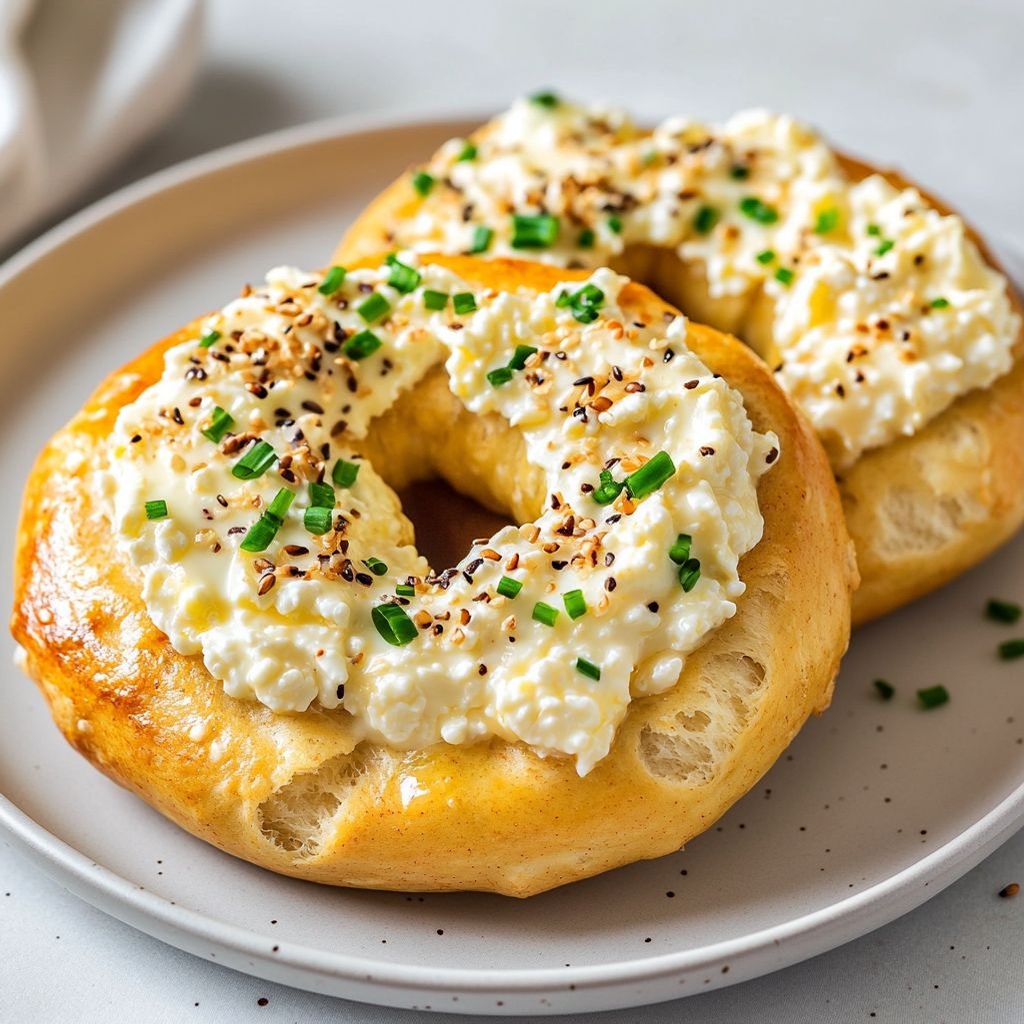
- Add-ins and toppings: fold in 1/4 cup chopped fresh chives or 2 tablespoons grated Parmesan for extra flavor. Press sesame seeds, poppy seeds, or Everything bagel seasoning onto the surface before baking for a classic crust and visual appeal.
- Storage and reheating: cool completely, then store in an airtight container for 3–4 days in the fridge or freeze for up to 1 month. Reheat in a toaster oven or skillet until warmed through and the crust is crisp.
- Serving ideas: slice and toast, then top with cream cheese, smoked salmon, avocado, or an egg-and-cheese combination for a satisfying savory breakfast or lunch.
Tips
Tips and Techniques for Baked Cottage Cheese Egg Bagels
- Drain cottage cheese thoroughly and press out as much moisture as possible. Use a fine-mesh sieve or cheesecloth and let it drain for 15–20 minutes, then pat dry with paper towels. This helps prevent a soggy dough and a dense crumb.
- Blend the cottage cheese until completely smooth. Any small lumps can translate into texture irregularities in the finished bagels—pulse longer or pass the mixture through a fine sieve after blending.
- Beat the eggs well before mixing. Even emulsification with the cottage cheese and mozzarella creates a cohesive dough that holds its shape during shaping and baking.
- Choose mozzarella wisely: low-moisture mozzarella yields a firmer dough and nicer melt. If you want extra flavor, mix in a portion of cheddar or provolone.
- Start with the stated 1 1/2 cups flour and add 1–2 tablespoons more only if the dough is very sticky. Work the dough until it’s soft and pliable but not overly tacky; too much flour will make the bagels dense.
- Use fresh baking powder. Old powder can yield a flatter, denser crumb. If you’re unsure about freshness, do a quick fizz test by mixing a pinch with hot water; it should foam vigorously.
- Salt enhances flavor; since cheese can be salty, taste the dough and adjust as needed. If your cheese is very salty, reduce the added salt to prevent over-seasoning.
- Olive oil adds moisture and helps with shaping. If you prefer, you can substitute another neutral oil. Lightly oil your hands and work surface to prevent sticking.
- Sugar is optional. It promotes browning and a deeper crust color; omit for a strictly savory flavor profile.
- Optional add-ins like chives or Parmesan should be folded in gently. Finely chop herbs so they distribute evenly without tearing the dough. Parmesan can be mixed into the dough or sprinkled on top for a toasty bite.
- For toppings to stick, lightly moisten the formed bagels and press on sesame, poppy seeds, or everything bagel seasoning. A brief brush with water or a light egg white wash helps seeds adhere during baking.
- Shaping technique matters. Divide the dough into 8 equal portions, roll into smooth balls, then poke a hole with your finger and gently widen to form a ring. If the dough resists, let it rest 5–10 minutes to relax the gluten.
- Let the shaped bagels rest briefly before baking to relax the surface and reduce shrinkage while baking.
- Line your baking sheet with parchment or use a silicone mat and space bagels evenly to allow good air circulation and even browning.
- Bake until the bagels are deep golden and firm to the touch. If tops brown too quickly, tent with foil and continue baking until done. Rotate the tray halfway for even color.
- Cool on a wire rack for at least 10 minutes before slicing; this helps set the crumb and makes the bagels easier to cut.
- Storage and reheating: store cooled bagels in an airtight container at room temperature for 2–3 days, or freeze for longer storage. Reheat in a toaster or warm oven to restore crustiness.
- Gluten-free option: if making GF, substitute with a gluten-free all-purpose blend and consider adding 1/4 teaspoon xanthan gum per cup of flour to improve texture and elasticity. You may need to adjust hydration slightly with a splash of water or a bit more cheese.
FAQ
Baked Cottage Cheese Egg Bagels – FAQ
What are Baked Cottage Cheese Egg Bagels?
A protein-packed breakfast or snack featuring bagel halves filled or topped with a creamy cottage cheese and eggs mixture, then baked until the eggs are set and the bagels are lightly golden.
What ingredients do I need?
Basic ingredients include bagels, cottage cheese, eggs, and a pinch of salt and pepper. Optional add-ins include shredded cheese, fresh herbs (chives, dill), spinach, diced vegetables (peppers or onions), and sun-dried tomatoes for extra flavor.
Can I use low-fat or fat-free cottage cheese?
Yes. Low-fat or fat-free cottage cheese works, but full-fat cottage cheese yields a creamier texture. Choose based on your dietary needs and texture preference.
Can I make these ahead?
Yes. You can mix the cottage cheese and eggs ahead and store in the fridge for up to 1 day, then fill the bagel halves and bake. You can also assemble and refrigerate the assembled halves for up to 24 hours before baking.
How do I bake them (temperature and time)?
Preheat to about 350°F (175°C). Bake the assembled bagels for 15–20 minutes, or until the eggs are set and the tops are lightly golden. For a crisper finish, you can broil for 1–2 minutes at the end, watching closely.
Any tips for getting the texture right?
Whisk the eggs with the cottage cheese until mostly smooth for a cohesive filling. If you prefer chunkier texture, blend the cottage cheese briefly before mixing. Lightly toast the bagel halves beforehand for extra structure, and don’t overbake to avoid rubbery eggs.
Can I customize with add-ins?
Definitely. Try fresh herbs like chives or dill, chopped spinach, sautéed mushrooms, bell peppers, or sun-dried tomatoes. A sprinkle of shredded cheese on top before baking also adds a nice crust.
Can I make a gluten-free version?
Yes. Use gluten-free bagels. All other ingredients are naturally gluten-free, but check labels to avoid hidden gluten in processed products. Avoid cross-contamination if you’re highly sensitive.
How should I store and reheat leftovers?
Store any leftovers in an airtight container in the refrigerator for 3–4 days. Reheat in a 350°F (175°C) oven, toaster oven, or microwave until warmed through. For the best texture, reheat in the oven for a few minutes.
Can these be frozen and reheated later?
Yes. Freeze baked bagels or assembled halves (before or after baking). Reheat in a 350°F (175°C) oven until hot, usually 10–15 minutes from frozen. They can be frozen for up to 1–2 months.
How many calories or nutrition should I expect per serving?
Calories vary with bagel size and toppings. A typical serving (one bagel half with filling) can range from about 250 to 350 calories and provides a good amount of protein. For precise numbers, calculate based on the exact brands and portions you use.