Introduction / Hook
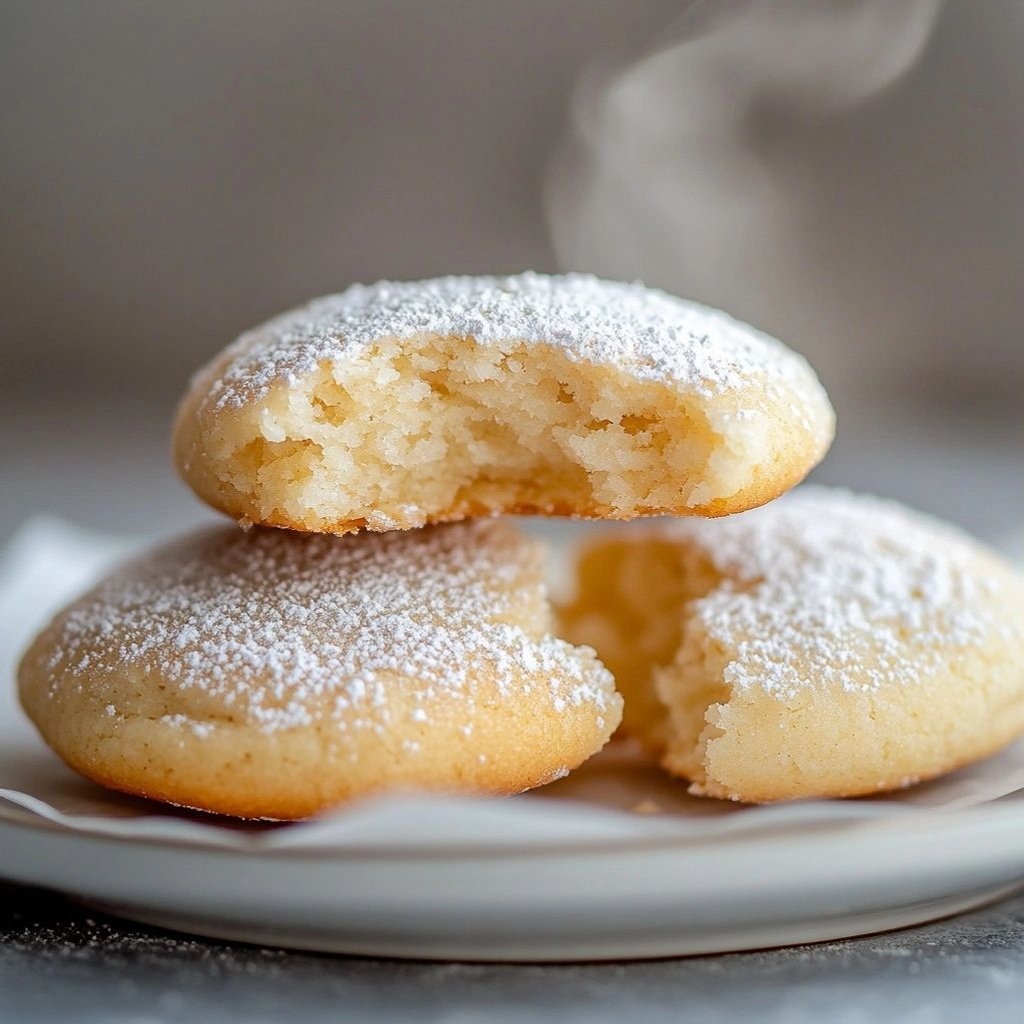
Imagine a cookie so tender that it barely yields to the press of your fingertip, yet holds its shape with a gentle, melt-in-your-mouth softness that hints at vanilla clouds and a kiss of butter. Soft Sugar Cookies are the kind of sweet treat that invites you to pause, breathe in the warm aroma of vanilla and baked sugar, and savor the lingering sweetness that doesn’t overwhelm, but rather invites you back for another bite. This is the cookie you reach for when you want comfort without heaviness, a classic that feels like a cozy kitchen memory, even on the busiest weekdays. The texture is a tender, cake-like crumb that stays soft for days, provided you seal in freshness, and the flavor is a clean, bright balance of butter, vanilla, and a hint of citrus that wakes up the sweetness rather than masking it. It’s the perfect blank canvas for playful toppings, vibrant frostings, or simply a dusting of confectioners’ sugar for a finish that gleams with innocence and charm.
In this guide, we’ll explore how to craft soft sugar cookies that rise to the occasion—whether you’re baking for a casual weeknight treat, a family gathering, or a holiday cookie tray that needs something timeless and delightful. You’ll learn how to achieve that quintessential softness without crumbling apart, how to keep the cookies tender for days, and how to customize their flavor and appearance to suit your mood or the season. From the first whiff of vanilla as the dough comes together to the moment you bite into a perfectly soft center, these cookies deliver a comforting sweetness that feels like a hug with every bite. Let’s step into a warm, flour-dusted kitchen and bring this beloved classic to life with tips, tricks, and a touch of culinary wisdom that will make your Soft Sugar Cookies the star of your dessert repertoire.
The Story Behind the Dish
Soft Sugar Cookies are a staple in many culinary traditions, a modern heirloom that traces its roots to the early days of home baking when sugar, butter, and flour formed the basis of everyday treats. They emerged from a desire for cookies that were approachable, forgiving, and universally loved—cookies that could be rolled and cut into shapes for holidays, parties, and school lunches, yet still deliver a comforting softness that made them feel like a family secret. In the United States, sugar cookies became a canvas for celebration: sugar-dusted animals for children’s birthdays, cut-out shapes for Christmas, and simple rounds that pair beautifully with a glass of milk any day of the week. The beauty of Soft Sugar Cookies lies in their simplicity and their ability to adapt to culture, cuisine, and season with only a few tweaks in flavoring or frosting.
Beyond American culinary history, the idea of a tender, sweet shortbread-like cookie with a bright vanilla note is echoed in many cultures—with variations that emphasize butter richness, a touch of citrus zest, or a whisper of almond. The soft sugar cookie is a gateway to creativity: you can frost it with royal icing for an elegant presentation, dust it with citrus zest for a morning brightness, or sandwich two cookies with buttercream for a delicate sandwich cookie that’s both playful and refined. In family kitchens around the world, these cookies are often the first “grown-up” baking project a child learns—hands getting sticky, corners slightly miscut, and the joy of tasting dough while the oven works its magic. The story of Soft Sugar Cookies is really a story about togetherness, about the way warm kitchens bring people close, and about how a few simple ingredients can transform into a timeless ritual of sharing sweetness.
Why You’ll Love This Recipe
- Effortless, dependable texture that stays soft for days when stored properly.
- Clean, bright vanilla flavor with a hint of butter and a whisper of citrus for depth.
- Versatile base that welcomes a variety of frostings, decorations, and seasonal twists.
- Easy to scale up for cookies of all sizes, from dainty bite-sized treats to generous sandwich cookies.
- Low-stress comfort baking—great for beginners yet sophisticated enough for entertaining.
- Compatible with dietary tweaks (gluten-free, vegan) with simple substitutions without sacrificing texture.
- Perfect pairing with tea, coffee, or chilled milk, making it ideal for everyday indulgence or special occasions.
Flavor Profile & Texture
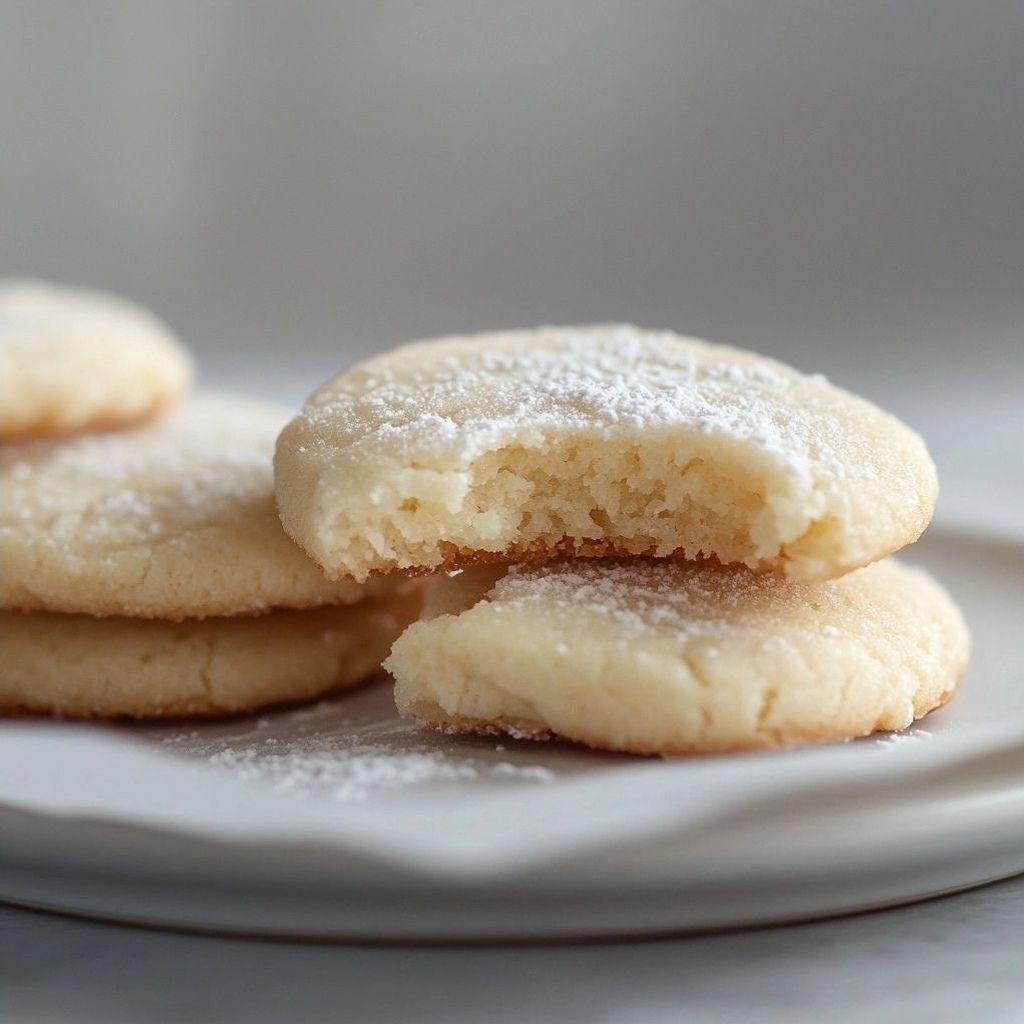
The hallmark of a Soft Sugar Cookie is its tender crumb—a gentle, cake-like bite that seems to melt on the tongue. The flavor is clean and comforting, anchored by real butter and a generous vanilla presence. If you’re using a hint of citrus zest (lemon or orange), you’ll notice a bright lift that keeps the sweetness from feeling cloying, almost like a citrus kiss that brightens the vanilla notes rather than competing with them. The exterior often sports a delicate, pale surface with a faint sugar sheen, which gives way to a soft, chewy interior. Depending on thickness and bake time, you may enjoy a slightly crisper edge that provides a pleasing contrast before the center yields to a soft, airy center. When frostings or royal icing are added, the flavors expand: a lemon glaze introduces sunshine; a vanilla buttercream adds extra creaminess; and a spicy cinnamon-sugar topping offers a cozy autumnal warmth. The texture is what makes these cookies so approachable: not crumbly or dry, but resilient enough to hold a gentle shape and to be enjoyed by both kids and adults alike.
Occasions & Pairings
Soft Sugar Cookies are versatile enough to fit a wide range of occasions. They shine on holiday cookie plates, as homemade gifts tucked into a mason jar with a ribbon, or as a comforting after-school treat. Their simple flavor makes them suitable for birthday parties, baby showers, and office celebrations, where you want something familiar and crowd-pleasing without heavy richness. For everyday enjoyment, they pair beautifully with a tall glass of milk, a cup of chai, or a steaming cup of coffee. If you’re entertaining, consider rotating toppings to suit the season: sugared cranberries and white chocolate for winter, lemon zest and poppy seeds for spring, orange-glazed cookies for summer, and cinnamon-sugar with a pinch of nutmeg for autumn.
Suggested pairings:
– Beverages: milk, almond milk, coffee, hot chocolate, chai, black tea.
– Desserts: a light fruit compote, yogurt parfait, vanilla bean ice cream, or a simple berry salad.
– Add-ons: royal icing, buttercream frosting, lemon glaze, chocolate drizzle, sprinkles, sugar crystals, edible glitter for festivities.
Tips, Variations & Substitutions
Here are practical ways to tailor Soft Sugar Cookies to your pantry, dietary needs, or flavor preferences:
- Gluten-free version: Use a 1:1 gluten-free flour blend that’s designed for cookies. Avoid overworking the dough to keep it tender.
- Vegan option: Replace butter with a soft, high-fat plant-based butter substitute and use a flax egg or 1/4 cup applesauce in place of eggs, plus dairy-free milk as needed.
- Lemon or orange twist: Add 1-2 teaspoons of finely grated citrus zest and a tablespoon of citrus juice to the dough for a bright, aromatic note.
- Extra-soft texture: Chill the dough for at least 30 minutes before baking to maintain thickness and prevent spreading, which helps keep cookies soft inside.
- Great for rolling and cutting: If you want precise shapes, chill the dough well, roll between parchment papers to a uniform thickness, and re-roll scraps gently to avoid toughness.
- Frosting variations: Classic vanilla buttercream, lemon buttercream, or a simple powdered sugar glaze with a splash of vanilla or citrus juice all pair beautifully with the cookie base.
- Flavor boosters: A pinch of almond extract or a dab of white chocolate chips folded into the dough can add depth without overpowering the vanilla.
- Texture play: Bake for slightly longer to achieve a firmer edge while keeping the center soft, or bake a touch shorter for a more cake-like crumb.
- Seasonal coatings: Cinnamon-sugar for autumn, peppermint sprinkle for winter holidays, or shaved coconut for a tropical touch.
Storage & Make-Ahead Ideas
Soft Sugar Cookies are forgiving when stored properly, making them ideal for advance planning. Here are best practices to keep them soft, fresh, and ready to enjoy:
- Storage: Once completely cooled, store cookies in an airtight container at room temperature for up to one week. Place a slice of bread in the container to help maintain moisture and softness.
- Freezing dough: Freeze cookie dough balls (unbaked) on a tray, then transfer to a freezer bag. Bake directly from frozen, adding an extra 1-2 minutes to the bake time.
- Freezing baked cookies: Freeze cooled cookies in an airtight container with parchment between layers for up to 2 months. Reheat on a low oven (about 300°F / 150°C) for a few minutes to refresh softness.
- Make-ahead frosting: If you’re frosting later, store frosting separately in an airtight container in the fridge for up to a week. Bring to room temperature and re-whip before use.
- Holiday prep: Prepare large batches of dough, portion into evenly sized balls, and freeze. When you’re ready to bake, place on parchment-lined sheets and bake as directed, adding a minute or two if baking from frozen.
Fun Facts & Trivia (Optional)
Did you know that the term “sugar cookie” has roots in several cultures, reflecting the universal love for a simple, sweet, and comforting treat? Sugar cookies have been a staple on holiday trays for generations, with countless families embracing each year’s unique designs—from hand-cut shapes to elaborately decorated masterpieces. The versatility of sugar cookies makes them a stage for creativity; you can transform them with frostings, drizzles, or edible decorations, turning a humble dough into edible art. In some regions, softer cookies like these are compared to “shortbread” due to their tenderness, yet the inclusion of a bit more sugar and vanilla gives them a distinct, celebratory profile. The joy of sharing soft sugar cookies is a tradition that transcends borders, a reminder that sometimes the simplest ingredients—flour, butter, sugar, vanilla—can yield the most comforting experiences when prepared with care and a little baking love.
Seasonal Inspirations
As the seasons shift, so can the flavor profile of your Soft Sugar Cookies. In spring, swap some of the white sugar for a hint of lemon zest and drizzle with a light lemon glaze to evoke fresh citrusy mornings. In summer, add a touch of almond extract and sprinkle with edible gold dust for a sunny, elegant treat. Autumn calls for warm spices—cinnamon, nutmeg, and a pinch of cloves—paired with a cinnamon-sugar topping or a maple glaze. Winter is perfect for peppermint, chocolate drizzle, or a rich vanilla buttercream to complement the cozy ambiance of a fireside gathering. Regardless of the season, these cookies remain a reliable canvas for your culinary creativity, inviting you to explore flavor and texture while maintaining that signature soft, tender crumb that makes them so irresistibly comforting.
Closing Thoughts
Soft Sugar Cookies are more than just a dessert; they are a warm invitation to slow down and savor the little pleasures. They embody the idea that happiness can be achieved with a simple recipe that brings people together—baking becomes an act of care, sharing, and connection. The soft crumb, the delicate vanilla aroma, and the ability to customize memories with frosting, decorations, or seasonal flavors make these cookies a perennial favorite. Whether you’re baking for a cozy night in, a festive gathering, or a thoughtful gift, these cookies deliver a timeless sweetness that feels both nostalgic and refreshingly fresh. So dust your workspace with a little flour, whisk in a generous spoonful of vanilla, and let the dough come together with patience and joy. The oven will do the rest, and you’ll be rewarded with a batch of Soft Sugar Cookies that invite smiles, compliments, and, most of all, seconds—and maybe thirds—of pure, comforting bliss.
Ingredients
- Cookie Dough Base
- 2 3/4 cups all-purpose flour
→ The main structure of the cookies. All-purpose flour provides the balance of protein needed for a tender yet sturdy crumb. Do not over-measure; spoon into the cup and level off for accuracy. If you want a slightly softer texture, you can substitute 1/2 cup of the flour with cake flour, but this is optional. - 1/2 teaspoon baking powder
→ Acts as a gentle leavening agent to help cookies puff slightly during baking, creating a light, soft interior. Do not skip if you want a more plush cookie; otherwise, you’ll get a flatter, crisper result. - 1/4 teaspoon baking soda
→ Works with the acid in other ingredients to lift the dough and contribute a bit of spread. Not much is needed; measure precisely for consistent results. - 1/4 teaspoon salt
→ Enhances overall flavor and helps to balance sweetness. Salt also strengthens dough and can improve the cookie’s snap and flavor depth when balanced with sugar. - 1 cup unsalted butter, softened to room temperature
→ Provides moisture, richness, and tenderness. Softened butter mixes evenly with sugar, creating air pockets that help yield a soft cookie. Do not melt; softened (not overly warm) is ideal for creaming with sugar. - 1 cup granulated sugar
→ Sweetens and contributes to the delicate crumb and slight spread of the cookies. Creaming sugar with butter creates air that lightens the texture. If you prefer milder sweetness, you can reduce by 2–3 tablespoons, but start with the standard amount for best results. - 1 large egg
→ Binds the dough and helps with structure and moisture. Use at room temperature to ensure even incorporation; if your fridge is cold, temper the egg in warm water for a few minutes before mixing. - 2 teaspoons vanilla extract
→ Imparts classic cookies’ aroma and depth of flavor. Pure vanilla extract is preferred over imitation for a richer, more nuanced profile. If using vanilla bean, scrape the seeds for extra vanilla specks and flavor. - 2 tablespoons milk or heavy cream
→ Adds moisture and helps create a softer, puffier texture. Use whole milk or cream for a richer dough; if you use milk, you may need a touch more to reach a cohesive dough consistency. Use sparingly to avoid cookies becoming too cakey or greasy. - 1/2 teaspoon cream of tartar
→ Helps keep cookies soft and tender, stabilizes the egg protein, and contributes to a slightly chewy crumb. Optional but recommended for softness; if omitted, cookies will still bake fine but a touch crisper. - 1 tablespoon cornstarch
→ Adds tenderness by weakening gluten just a bit, resulting in a softer, melt-in-the-mouth cookie. This is a common trick for sugar cookies to achieve a crumblier, more delicate texture without sacrificing structure. - Optional Mix-ins
- 1/2 cup festive sugar crystals or colored sprinkles (optional)
→ For decorative sugar cookies, sprinkle on top before baking to add sparkle. They don’t melt during baking and provide a slight crunch and visual appeal. Do not add to dough if you want completely smooth surfaces; sprinkle only on the tops. - 1/2 cup white chocolate chips or mini chocolate chips (optional)
→ Adds pockets of rich sweetness and variety in texture. Fold them in gently to avoid overworking the dough and to prevent clumping. - Glaze or Icing (Optional)
- 1 1/2 cups powdered sugar
→ Base for a smooth, sweet glaze that sets to a gentle crust. Powdered sugar blends into a silky icing when whisked with liquid; sift if clumps form. - 2–3 tablespoons milk, as needed
→ Adjusts glaze consistency; start with 2 tablespoons and add a little more if you want a thinner glaze. For a glossy finish, use a bit more milk; for a thicker, more opaque finish, use less. - 1/2 teaspoon vanilla extract
→ Flavor-enhances the glaze and ties it to the cookie’s vanilla profile. Use pure vanilla for best aroma; if using almond flavor, a drop or two can pair nicely but may alter the traditional sugar-cookie taste. - Optional additional flavor for glaze: 1/4 teaspoon lemon zest or a tiny dash of almond extract
→ Adds a bright citrus note or a delicate almond nuance to the finish. Balance so it does not overpower the vanilla base.
Instructions
- Preheat your oven to 350°F (175°C) and line two large baking sheets with parchment paper or silicone mats to ensure the cookies release evenly and do not spread too much during baking.
→ A consistent oven temperature and prepared sheets prevent sticking, promote uniform browning, and make transfer of cookies easy without tearing delicate edges. - Whisk together the all-purpose flour, baking powder, baking soda, salt, and cornstarch in a medium bowl to evenly distribute leaveners and salt for a tender, uniform crumb.
→ Sifting or whisking aerates the flour mixture and prevents pockets of baking powder or soda from causing uneven rising or speckled texture in the dough. - Cream the softened unsalted butter and granulated sugar in a large bowl with an electric mixer on medium speed until pale, fluffy, and well aerated, about 2–3 minutes, stopping to scrape the bowl once.
→ Creaming creates air pockets that map to a light, soft cookie crumb; avoid melting or heating the butter, which would flatten the texture. - Add the egg to the butter-sugar mixture and beat on medium until fully incorporated and glossy, about 30–45 seconds, then beat in the vanilla extract.
→ The egg binds moisture and structure; room-temperature egg blends more smoothly, ensuring an even dough without streaks. - Pour in the milk or heavy cream and beat on low just until incorporated, then turn the mixer to medium-low for a few seconds to integrate completely.
→ The liquid loosens the dough slightly for a tender crumb and helps the dough come together without overworking the gluten. - Gradually add the dry flour mixture to the wet mixture on low speed, mixing until just combined and no dry streaks remain, being careful not to overmix.
→ Gentle incorporation preserves a delicate texture and prevents toughness that comes from overdeveloped gluten. - Fold in the optional white chocolate chips or mini chocolate chips with a spatula, distributing evenly without overworking the dough.
→ Chips add pockets of sweetness and texture; folding evenly avoids clumping and ensures consistent distribution in each cookie. - If using optional festive sugar crystals or colored sprinkles, sprinkle them lightly over the dough and fold very gently to embed a touch of color without deflating the dough.
→ Decorative toppings pinch visual appeal without compromising dough structure; press them slightly so they adhere during baking. - Chill the dough, covered, for 30–60 minutes to firm up fat, reduce spreading, and enhance flavor development, then proceed to portioning; cold dough holds shape better for uniform cookies.
→ Chilled dough minimizes spreading and yields thicker, more evenly shaped cookies with a softer center. - Scoop or roll the dough into rounded tablespoons or use a 1–inch (25 mm) ball and space 2 inches (5 cm) apart on the prepared sheets to allow for even spreading.
→ Proper spacing prevents cookies from merging into one another and ensures even bake lines on the edges. - Bake in the preheated oven for 9–11 minutes, rotating the pans halfway through if using multiple racks, until the edges are lightly golden and the centers still look slightly underbaked for a soft interior.
→ Slightly underbaking creates the classic soft sugar cookie interior; they continue to set as they cool on the sheet. - Remove the cookies from the oven and let them rest on the baking sheets for 3–5 minutes before transferring to a wire rack to cool completely, to prevent breakage and to finish setting.
→ Resting allows the cookies to firm gently without cracking and makes handling easier when cooling. - Prepare the optional glaze by whisking the powdered sugar with 2 tablespoons milk and vanilla until smooth; adjust with more milk a teaspoon at a time to reach a thick pourable consistency, then drizzle or dunk cooled cookies for a glossy, set finish.
→ A properly balanced glaze provides a smooth sweetness and a quick-setting sheen that complements the cookies without overpowering their vanilla flavor. - For a thinner glaze, whisk in additional milk sparingly until you reach your desired consistency, then apply it promptly while the cookies are warm enough to absorb moisture but not so hot that the glaze slides off.
→ Temperature and viscosity control dictate glaze behavior; a warm surface helps the glaze set with a satin finish. - Finish with a light touch of vanilla extract in the glaze or an optional lemon zest or almond extract, balancing so the vanilla base remains prominent and the final aroma is bright and cohesive.
→ Flavor harmony between the cookie and glaze anchors the overall palate and elevates the classic sugar-cookie profile. - Let the glaze set completely at room temperature before storing the cookies in an airtight container at 60–65°F (15–18°C) to maintain softness, layering parchment between rows to prevent sticking.
→ A rested glaze seals into a gentle crust and helps cookies stay soft for several days when kept properly covered.
Notes
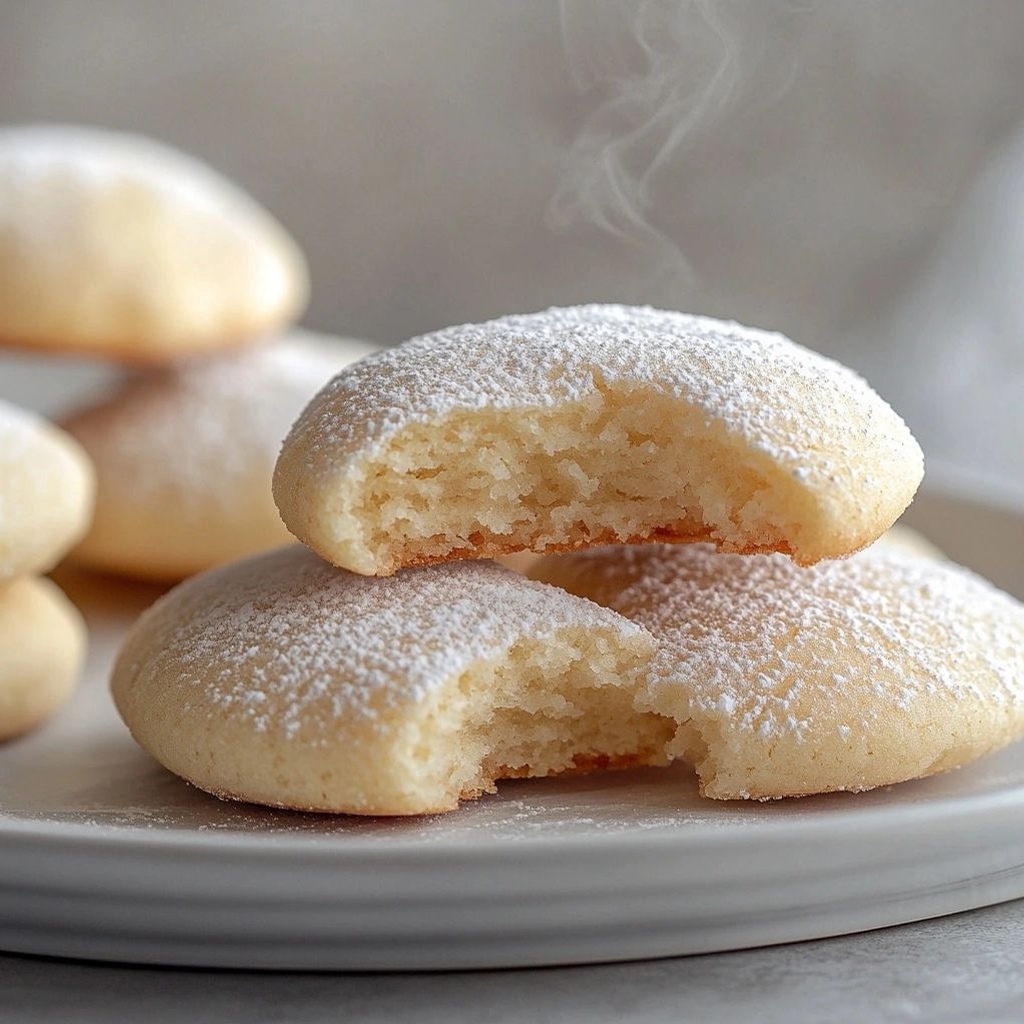
These soft sugar cookies are tender, buttery, and lightly chewy, with a delicate vanilla aroma and a melt-in-your-mouth crumb. The combination of creamed butter and sugar, plus a touch of cream of tartar and cornstarch, helps create a cookie that stays soft even days after baking. You can customize them with festive sprinkles, white chocolate chips, or mini chips for pockets of sweetness. For a glossy finish, drizzle with a simple glaze that hardens to a gentle crust.
- Technique matters: Soften the butter to room temperature and cream it thoroughly with the granulated sugar until pale and fluffy. This traps air and yields a softer, lighter texture. Avoid melting the butter; if it’s too warm, the cookies may spread too much.
- Measuring flour: Spoon the flour into your cup and level off for accuracy. Too much flour will make the cookies dry. If you want an even softer crumb, you can substitute a portion of all-purpose flour with cake flour, but this is optional.
- Chill the dough: After mixing, chill the dough for at least 1 hour (or up to 2 days) to prevent excessive spreading and to deepen the vanilla flavor. Cold dough bakes into rounder, more uniform cookies with softer centers.
- Portioning: Use a standard tablespoon or a small cookie scoop to form uniform balls. Roll lightly if you want smoother surfaces. For perfectly smooth tops, you can roll dough balls in a pinch of extra sugar before baking.
- Baking time: Bake at 350°F (175°C) until edges are just set and centers look slightly underdone. This typically takes 9–12 minutes depending on oven and cookie size. Do not overbake; residual heat will continue to cook the centers as they rest.
- Texture notes: The cream of tartar helps keep cookies soft, while the cornstarch tenderizes the crumb. If you omit these, cookies will still bake, but they may be a touch crisper.
- Glaze or icing: For a classic glaze, whisk 1 1/2 cups powdered sugar with 2–3 tablespoons milk and 1/2 teaspoon vanilla. Adjust with more milk for thinner glaze or more sugar for thicker coverage. Optional lemon zest or a drop of almond extract can add a bright or complementary note—use sparingly to balance the vanilla.
- Mix-ins and decorations: If using sprinkles or colored sugar, sprinkle on top before baking for decorative sparkle. White chocolate chips or mini chips can be folded in gently at the end for bursts of sweetness.
- Storage: Store cooled cookies in an airtight container at room temperature for up to 5 days. For longer storage, freeze baked cookies or dough portions—place separated on a tray to freeze then transfer to a bag or container.
Tips
FAQ
What are soft sugar cookies?
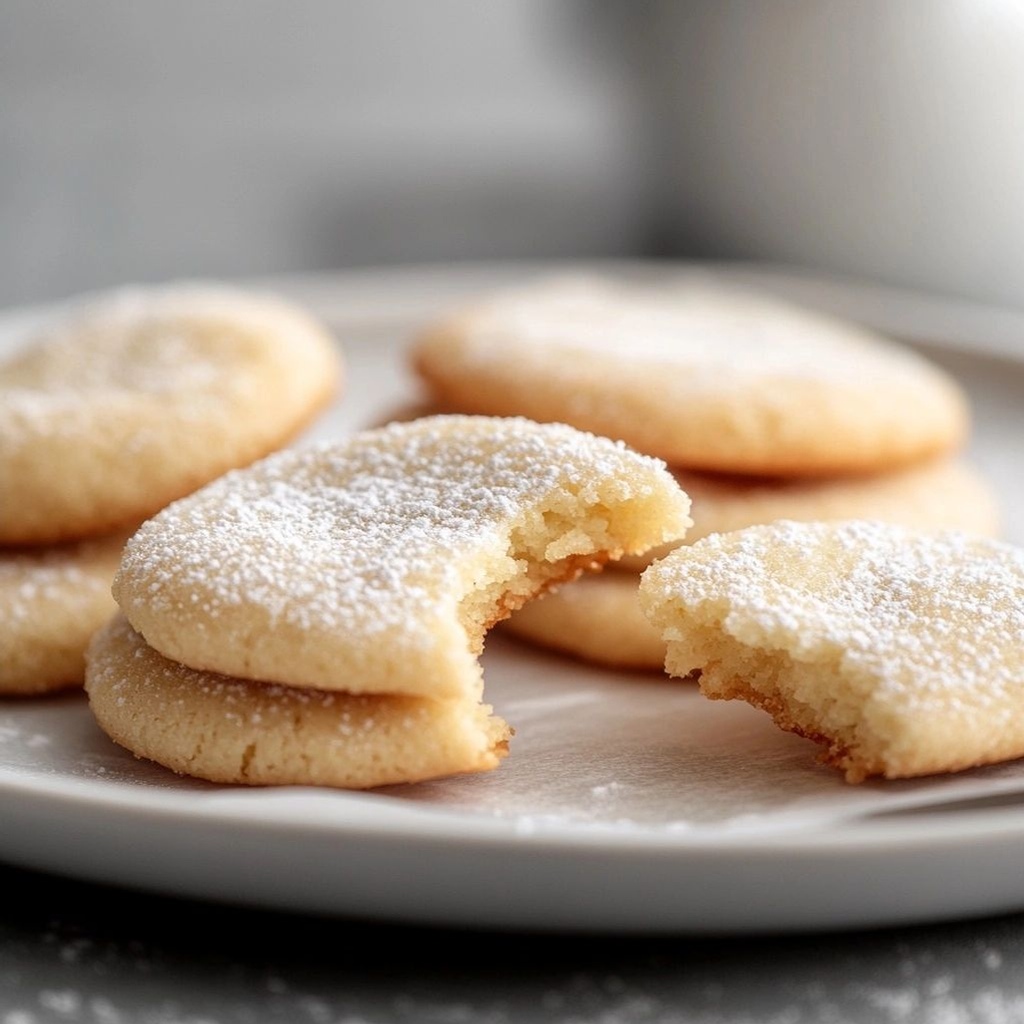
Soft sugar cookies are tender, chewy cookies with a delicate crumb and a melt-in-your-mouth texture. They stay soft when properly baked and stored, often achieved with a higher ratio of butter and a touch of cornstarch or cream of tartar.
What ingredients do I need for Soft Sugar Cookies?
You’ll typically need all-purpose flour, granulated sugar, unsalted butter, eggs, vanilla extract, baking powder, a pinch of salt, and optional cream of tartar or cornstarch to enhance softness. Some recipes add milk or sour cream for extra tenderness.
Can I substitute margarine or oil for butter?
You can substitute with margarine, but cookies may be less rich and soft. For best results, use unsalted butter. Avoid using oil alone; if you must, reduce the sugar slightly and add an extra egg yolk to maintain structure.
Why are my cookies not soft and chewy?
Do I need to chill the dough?
Chilling helps prevent spreading and improves flavor. Refrigerate for at least 30 minutes, or up to 2 hours. For even thicker cookies, chill longer; overnight chilling can yield richer flavor.
How long should I bake Soft Sugar Cookies?
Bake at 350°F (175°C) for about 9–11 minutes, depending on thickness. The edges should be pale and the centers slightly soft. They will firm up as they cool.
Can I frost or decorate these cookies?
Yes. Once completely cooled, frost with buttercream or royal icing. For softer cookies, use a light, melt-in-your-mouth frosting. Powdered sugar glaze or sprinkles work well too.
How should I store Soft Sugar Cookies?
Store in an airtight container at room temperature for up to 5 days. For longer storage, freeze baked cookies or dough balls; wrap well and thaw at room temperature before serving. Separating layers with parchment helps prevent sticking.
Can I make these cookies dairy-free or egg-free?
To make dairy-free, use plant-based butter and dairy-free milk if the recipe calls for it. For egg-free, you can substitute with 1/4 cup (60 ml) unsweetened applesauce per egg, or use flax eggs (1 tablespoon ground flaxseed + 3 tablespoons water per egg). Note that texture may vary slightly.