
Introduction / Hook
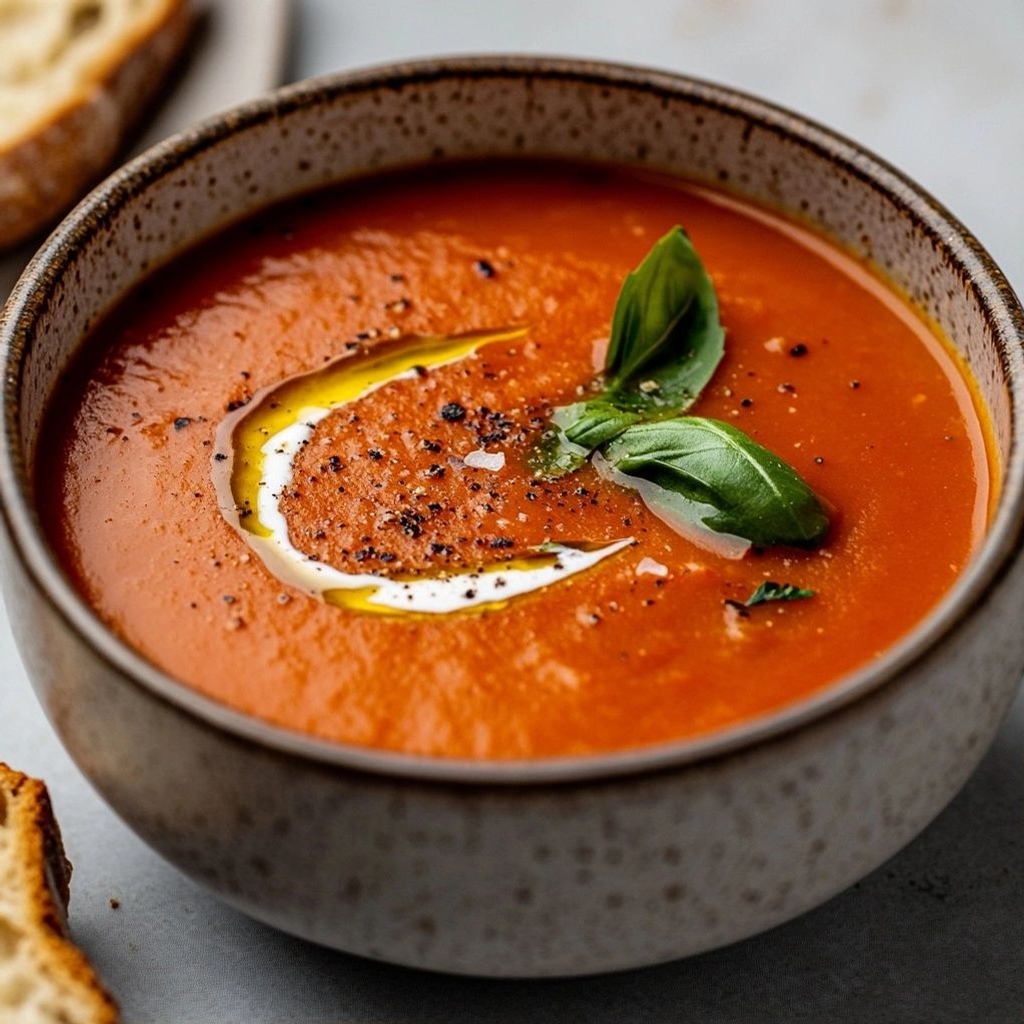
Imagine bowls of velvety warmth that cradle you after a long day, the kind of soup that feels like a soft blanket for your senses. Roasted Tomato Soup For Weeknight Comfort is more than a quick meal; it’s a promise of cozy evenings, a hug in a bowl, and the kind of dish that makes you linger at the table just a little longer. The magic begins with tomatoes that have spent a little time browning in the oven, their sugars concentrating to amplify sweetness and deepen their tang into a rich, comforting chorus. Add a whisper of garlic, a splash of olive oil, a hint of herbs, and the result is a silky-smooth elixir that carries the brightness of sun-ripened fruit, the warmth of roasted edges, and a chorus of aromatics that fill the kitchen with an inviting, homey scent. This is weeknight cooking elevated—simple, nourishing, and deeply satisfying.
In a world of takeout and rushed dinners, the joy of tomato soup lies in its familiarity and its ability to adapt to how you feel on any given evening. It’s a soup you can personalize in minutes: a touch of cream for velvet richness, a pinch of chili flakes for a gentle kick, a swirl of herb oil for brightness, or a dollop of pesto to introduce a surprising, fragrant layer. The roasted version intensifies every note—tomatoes that taste like sunshine after a late harvest, onions softened to sweetness, garlic that whispers rather than shouts, and a stock that supports without overpowering. When you lift the spoon and catch that first, warm, fragrant sip, you’ll understand why this tomato soup has earned its place in the pantry as a weeknight staple and a weekend comfort ritual alike.
The Story Behind the Dish
Tomato soup has long been a kitchen confidant, a recipe that travels through families and seasons with a quiet dignity. Its roots are humble: ripe tomatoes, a handful of pantry staples, and a method that honors the fruit’s natural sweetness. The roasted variation you’re about to enjoy isn’t about complicated technique but about elevating the everyday with a small, thoughtful step. Roasting tomatoes concentrates their sugars and caramelizes their edges, creating depth that raw, simmered tomatoes alone seldom achieve. The idea is simple: we coax as much flavor as possible from the ingredients we already love, then present it in a soothing, spoonable form that feels indulgent without being heavy.
Storytelling in kitchens often gives us clues about why a dish endures. For many home cooks, tomato soup is a memory of a grandmother’s stove, a winter lunch during a busy week, or a quiet moment after school when a warm bowl felt like a small ceremony. The roasted technique is a nod to those nostalgic meals while embracing modern weeknight practicality: you can assemble the components in minutes, allow the oven to work its gentle magic, and finish with a bright, velvety finish that glides across the palate. It’s the kind of recipe that travels well in memory—from a bright summer tomato harvest to a comforting fall supper—reminding us that great flavor often begins with simple, patient steps and a willingness to let heat do the work.
There’s also a cultural cadence to tomato soups around the world. In some traditions, the soup is served as a starter that clears the palate for richer entrées; in others, it’s a meal in itself when paired with a crusty loaf. The roasted version respects that versatility. It holds onto the idea that soup can be both nourishing and luxurious, everyday and special, light enough for a quick weeknight but robust enough to carry the aroma of an extra splash of olive oil and a whisper of cream. It’s a dish that can be adapted to reflect regional pantry favorites—smoky paprika for a Spanish hint, cumin for a touch of warmth in a Middle Eastern style, or a drizzle of pesto for an Italian brightness—without losing the essence of its comforting identity.
Why You’ll Love This Recipe
- Quick and flexible: A weeknight-friendly cooking timeline that respects your time while delivering depth of flavor.
- Intensely flavorful: Roasting concentrates natural sweetness and adds a caramelized, roast-tomato character that’s hard to resist.
- Comforting texture: A creamy, silky texture that feels luxurious yet light enough to enjoy on a busy evening.
- Customizable: Easily adaptable with dairy-free, vegan, gluten-free, or extra-creamy variations to suit dietary needs and preferences.
- Bright and balanced: A gentle acidity from tomatoes balanced by a touch of sweetness, a hint of garlic, and a final drizzle of olive oil or cream for richness.
- Versatile pairing: Complements a wide range of sides and toppings, from crusty bread to a crisp green salad or a grilled cheese sandwich for a nostalgic pairing.
- Nutrition-forward without compromise: Rich in vegetables and honest flavor, providing nourishment that satisfies without heaviness.
Flavor Profile & Texture
The roasted tomato soup greets you with a chorus of aromas—roasted tomatoes that carry a faint smokiness from the oven, a whisper of garlic that has softened into sweetness, and the aromatic echo of onions caramelizing gently. The first sip reveals a balanced brightness: the natural acidity of ripe tomatoes tamed by roasting and rounded by a subtle sweetness, with a creamy undertone that makes the soup feel luxurious. The body is smooth and velvety, yet you may notice a slight farm-fresh texture that hints at rustic charm, depending on whether you blend completely or leave a touch of rustic texture intact.
The taste narrative unfolds with layers. The tomato sweetness is the lead, bright and sunny, but never sharp. Next comes a savory depth from onions and garlic, tempered by herbs and a light stock or water. A gentle olive oil finish adds a fruity, ripe note that lingers on the palate, while a final swirl of cream or a splash of dairy-free alternative introduces silken richness that makes the soup feel indulgent without becoming heavy. If you prefer a bit of heat, a pinch of crushed red pepper or chili flakes introduces a warm, lingering ember that harmonizes with the tomato’s natural tang. For those who adore aroma as a flavor, a quick tumble of fresh basil, thyme, or a bay leaf during the simmer stage can deliver fragrant notes that peek through with each spoonful.
Texture wise, the goal is a smooth, spoon-coating mouthfeel with a gentle body—enough heft to feel satisfying but not so thick that it weighs you down after a long day. If you crave more texture, you can selectively blend only part of the soup and fold it back, creating a satin-smooth base with occasional bits of roasted tomato for an occasional bite. Alternatively, a touch of cream or a swirl of olive oil at service softens the edges even further, turning the soup into a glossy, restaurant-worthy bowl that still feels homey and approachable.
Occasions & Pairings
This soup shines across a spectrum of occasions, from weeknights when you want something comforting but not heavy, to weekend dinners when you’re entertaining a small crew and want a warm, crowd-pleasing starter. It’s equally at home as a light lunch paired with a simple salad or a crisp baguette. For seasonal versatility, it adapts with the time of year: in cooler months, it feels like a balm after a chilly day; in early spring, it can be brightened with a squeeze of lemon and fresh herbs for a fresh, vibrant note.
Pairing ideas to elevate the experience:
- Crusty bread or garlic bread for dipping and texture contrast.
- A grilled cheese sandwich, classic and comforting, for a nostalgic pairing.
- A dollop of sour cream, Greek yogurt, or a vegan yogurt for extra creaminess and tang.
- A drizzle of high-quality extra-virgin olive oil or a swirl of cream to finish near the rim of the bowl.
- A light salad with citrus vinaigrette to balance the richness and provide a refreshing counterpoint.
- A crisp white wine or a sparkling water with a squeeze of lemon for a bright pairing on a weeknight menu.
Seasonal and cultural variations can also guide pairing choices. In a Mediterranean-inspired version, serve with warm pita wedges and a spritz of lemon. In a Nordic-inspired take, pair with rye bread and a touch of dill oil for buoyant green notes. The beauty of this soup is that it accepts these evolutions gracefully without losing its core comforting essence.
Tips, Variations & Substitutions
- Vegetarian and vegan: Use vegetable stock and skip any dairy that you don’t need. Use a splash of olive oil or a dairy-free cream alternative to achieve a creamy finish.
- Gluten-free: The soup itself is naturally gluten-free; ensure your bread or croutons accompany it are gluten-free if needed.
- Creamy finish: For extra silkiness, blend the soup until ultra-smooth, then stir in a small amount of cream, almond milk, or coconut cream to reach your preferred richness.
- Roasting variations: Add a touch of smoked paprika or chipotle powder to the roasting stage for a smoky depth that pairs beautifully with the tomatoes.
- Herbal brightness: Finish with fresh basil, thyme, or parsley to introduce a fresh, green note that brightens the dish at the end of cooking or at service.
- Acidity adjustment: A small splash of balsamic vinegar or lemon juice can brighten the tomatoes, especially if your tomatoes are on the sweeter side.
- Allium options: If you’re sensitive to onions, you can substitute shallots or use a smaller amount of onions with garlic for a gentler base.
- Texture preference: If you want more body without dairy, blend half of the soup and leave the rest chunky, then reintroduce to achieve the preferred texture.
- Regional twists: Add a pinch of curry powder for an Indian-inspired warmth, or a pinch of za’atar for a Middle Eastern aroma that lifts the dish.
Storage & Make-Ahead Ideas
This soup stores beautifully, making it an excellent candidate for make-ahead lunches or a prepared dinner during a busy week. Once cooled, transfer to an airtight container and refrigerate for up to 4 days. For longer storage, portion into microwave-safe or freezer-friendly containers and freeze for up to 3 months. When reheating, warm gently over low heat, adding a splash of stock or water if the soup thickens too much. If you’re reheating from frozen, thaw in the refrigerator overnight before warming to preserve the smooth texture. A delicate swirl of cream or a drizzle of olive oil can be added just before serving to refresh the finish after storage.
Make-ahead strategies for a stress-free weeknight:
- Roast tomatoes and onions in advance: Roast a larger batch, cool, and refrigerate or freeze. Use them as a base for this soup later in the week or for a quick pasta sauce.
- Prep toppings: Have croutons, herbs, garlic oil, or dairy alternatives ready to finish the soup right before serving for an instant flavor upgrade.
- Stock on hand: Keep a light, flavorful stock in the fridge for quick reheats, turning leftovers into a cozy second meal in minutes.
Fun Facts & Trivia (Optional)
Tomatoes have a storied history that stretches across cultures and centuries. Once regarded with caution in European kitchens as a potentially poisonous plant, tomatoes gradually moved from a ornamental curiosity to a staple in roasts, sauces, and soups. The roasting technique that flavors this soup is a testament to how heat can transform fruit into a more complex, deeply satisfying ingredient. The gentle caramelization of tomatoes, the softening of onions, and the mellowing of garlic are not just culinary steps—they’re little acts of culinary alchemy that reveal why simple ingredients can become extraordinary when treated with care. Some cooks even roast aromatics separately, blending them into a more vibrant, aromatic base that reads as bright and comforting in equal measure. The act of roasting also reduces the necessary simmering time, allowing weeknight cooks to coax maximum flavor in a shorter period, which is a clever trick that has kept this approach popular across many kitchens around the world.
Another fun note: soup, in many cultures, is a social experience as much as a meal. A steaming bowl invites conversation, shared bread, and a moment of pause in the day. In traditional settings, soup is often the first course that prepares the palate for what follows, inviting neighbors and family to gather around a table. The roasted tomato soup, with its universal appeal and approachable technique, embodies this communal spirit: it welcomes anyone at the table, respects different dietary needs, and provides a blank canvas for personal touches that reflect family customs or seasonal ingredients.
Closing Thoughts
Roasted Tomato Soup For Weeknight Comfort is a celebration of everyday ingredients crafted with intention. It honors the pantry’s staples and the humble beauty of tomatoes, allowing their brightness to shine through a soft, comforting veil. It’s a dish you can trust to deliver warmth on a cold evening, to provide a satisfying lunch when you need a gentle lift, or to serve as a thoughtful starter when you’re hosting friends and family. The beauty lies in its versatility: it respects tradition while inviting modern twists, it blends the familiar with the new, and it remains remarkably forgiving—perfect for cooks who want flavor without fuss, nourishment without guilt, and a bowl that feels like a small, delicious victory at the end of a long day.
Ingredients
Roasted Tomato Soup Base
-
– 2 pounds ripe plum tomatoes, halved and cores removed
→ Tomatoes form the vibrant, sweet-tart backbone of this soup. Roasting concentrates their natural sugars and deepens flavor. Halving and lightly salting before roasting helps draw out moisture and caramelization without burning. If you prefer a chunkier texture, reserve a handful of roasted tomatoes to stir back in at the end.
– 1 red bell pepper, seeded and chopped
→ Adds a gentle sweetness and extra umami to the soup, balancing acidity from the tomatoes. Roasting softens it so it blends smoothly with the tomatoes. If you like more smokiness, char the pepper slightly before roasting.
– 1 small onion, roughly chopped
→ Provides foundational sweetness and depth; onions caramelize during roasting, boosting savory notes. For a milder flavor, use a sweet onion, and ensure the pieces are evenly sized to roast uniformly.
– 3 cloves garlic, whole but peeled
→ Garlic introduces aromatic richness; roasting mellowens its sharpness and adds a roasted, slightly sweet bite. You can crush the cloves after roasting to release more flavor if desired.
– 2 tablespoons extra-virgin olive oil
→ Used to coat vegetables for roasting, aiding caramelization and even browning. A good quality oil enhances flavor; drizzle evenly to avoid burning and promote crisp edges rather than soggy patches.
– 1 teaspoon salt (adjust to taste)
→ Balances sweetness and acidity; salt should be added gradually, especially since roasted vegetables concentrate flavors. Taste after blending and adjust accordingly.
Liquid and Cream Considerations
-
– 2 cups vegetable stock (or chicken stock for non-vegetarian version)
→ Provides body and moisture for the soup; use a lightly seasoned stock to avoid over-salting. If you want a deeper roasted flavor, simmer the stock with a splash of soy sauce or miso for umami boost.
– 1/2 cup coconut milk or heavy cream (optional for creaminess)
→ Adds silkiness and rounds acidity; coconut milk yields a dairy-free, subtle sweetness, while cream creates a rich, velvety texture. If using dairy, whisk in at the end to avoid separating when reheated.
– 1 tablespoon balsamic vinegar or apple cider vinegar (optional brightness)
→ A touch of acidity lifts and balances the sweetness of roasted tomatoes. Add gradually and taste, as too much can overwhelm the soup. It’s best added near the end of cooking or just before serving.
Seasoning and Balance
-
– 1 teaspoon sugar or maple syrup (optional, to balance acidity)
→ Tomatoes can be tangy after roasting; a small amount of sweetness helps round the acidity without making the soup sweet. Start with a pinch, then adjust to taste.
– 1/2 teaspoon smoked paprika (optional for depth)
→ Adds a subtle smokiness that complements roasted vegetables without overpowering the tomato flavor. If you don’t have smoked paprika, use regular paprika plus a pinch of cumin for warmth.
– 1/2 teaspoon freshly ground black pepper
→ Enhances overall flavor and adds gentle heat. Freshly grind just before serving for the most vibrant aroma. Adjust to preferred heat level.
– Pinch chili flakes or a dash of cayenne (optional)
→ For a light kick that wakes the palate; add sparingly and taste as you go, since spicy notes can intensify with roasting.
Finishing and Garnish
-
– Fresh basil leaves, torn (for serving)
→ Bright, herbaceous aroma freshens the soup at the end. Tear rather than chop to release essential oils; add just before serving or as a topping.
– 1 tablespoon extra-virgin olive oil (for finishing)
→ A light drizzle on top enhances mouthfeel and gloss; choose a high-quality olive oil to impart a fruity finish. Drizzle just before serving to preserve aroma.
– Salt to taste (adjust after blending)
→ The final salt check ensures balance after the soup has been blended and cooled slightly. Taste after resting for a few minutes, as flavors can intensify as the soup sits.
– Optional toppings: croutons, yogurt or sour cream, roasted chickpeas, or toasted seeds
→ Toppings add texture and extra richness. For a dairy-free option, use a swirl of coconut yogurt or almond yogurt; for crunch, add plain roasted chickpeas or seeds just before serving so they stay crisp.
Instructions
- Preheat your oven to 425°F (220°C) and arrange the halved plum tomatoes, halved red bell pepper, and roughly chopped onion on a large rimmed baking sheet, ensuring space between pieces for even caramelization.
→ High heat encourages rapid Maillard browning and sugars concentration, which deepens sweetness and creates a richer depth in the soup. Give vegetables a light toss with 1 tablespoon of olive oil and a pinch of salt to promote even browning. - Tuck the whole peeled garlic cloves among the vegetables and drizzle with the remaining 1 tablespoon olive oil before roasting, then spread in a single layer to maximize surface contact.
→ Whole garlic will roast softly here; the oils render, infusing the vegetables with roasted garlic aroma without risking bitter notes from over-crisping. - Roast for 25 to 30 minutes, turning the pan halfway through, until the tomatoes blister and the peppers and onions are deeply caramelized; remove from the oven and let cool 5 minutes.
→ Caramelization concentrates natural sugars and creates a balanced smoky sweetness; cooling slightly prevents steam from thinning the soup when you blend. - Squeeze the softened garlic from its skins and reserve, then transfer the roasted vegetables to a heavy-bottomed pot, tipping in any released juices from the baking sheet.
→ The juices carry concentrated flavors and a touch of acidity; transferring to the pot helps integrate all the roasted flavors evenly. - Add the vegetable stock to the pot and bring to a gentle simmer over medium heat, stirring to loosen any browned bits and integrate flavors, then season with 1/2 teaspoon of salt and taste before adjusting.
→ Stock provides body; simmering helps flavors meld while you manage salt so the final dish isn’t oversalted. - Puree the roasted vegetables with an immersion blender until smooth, starting on low speed and gradually increasing to high to avoid splatter, then adjust the texture with more stock if a thinner consistency is desired.
→ Blending emulsifies the roasted sugars with the stock; gradually increasing speed yields a silkier texture and prevents hot splashes. - Stir in the 1/2 cup coconut milk or heavy cream if using, warming gently and whisking to incorporate evenly, then taste and adjust acidity with the optional balsamic or apple cider vinegar in small increments.
→ Creamy additions add silkiness and round acidity; whisking prevents separation and ensures a cohesive mouthfeel across the soup. - Add the optional 1 teaspoon sugar or maple syrup, the 1/2 teaspoon smoked paprika, and 1/2 teaspoon freshly ground black pepper; whisk and simmer a few minutes to bloom the spices and integrate sweetness with inherent tomato acidity.
→ A touch of sweetness balances acidity from roasted tomatoes, while paprika adds gentle warmth; fresh pepper should be added near the end of simmering for maximum aroma. - Taste the soup and adjust seasoning with additional salt if needed, letting it rest a minute before final tasting to allow flavors to settle and intensify.
→ Resting helps flavor development; a final salt correction ensures correct balance after blending and any dairy additions. - Stir in the 1 tablespoon balsamic or apple cider vinegar (if using) off the heat and taste again, aiming for a bright lift that does not overpower the tomato base.
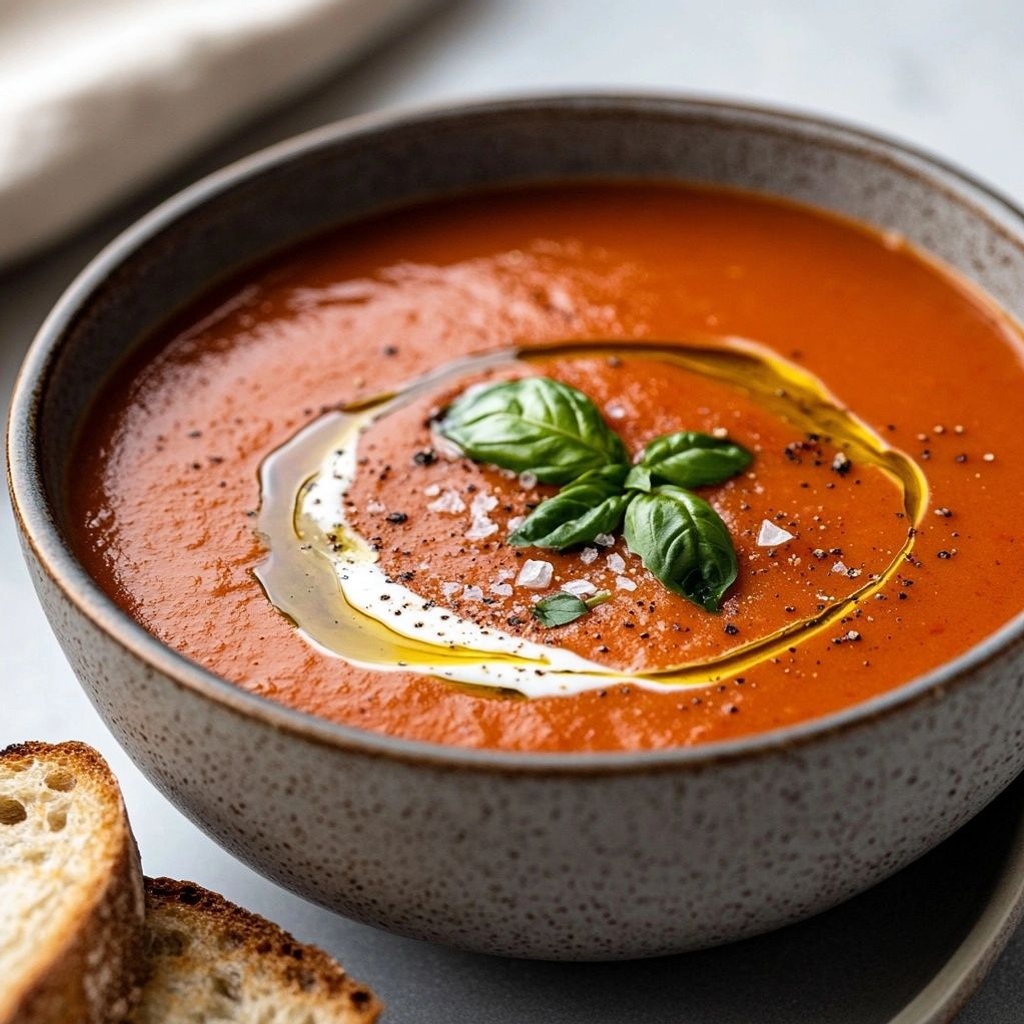
→ A subtle acidic lift can cut through richness and highlight roasted notes; add gradually to avoid souring the balance. - To finish and serve, tear fresh basil leaves and drizzle 1 tablespoon extra-virgin olive oil over the soup just before serving, then ladle into bowls and offer optional toppings.
→ Fresh basil provides aromatic contrast and brightness; a finishing oil adds glossy sheen and a hint of fruitiness that enhances mouthfeel.
Notes
These roasted tomato soup is a comforting weeknight staple that relies on the deep, concentrated flavors built from caramelized tomatoes and vegetables. Roasting the plums, pepper, onion, and garlic first helps build a naturally sweet, savory backbone without needing heavy prep later. If you prefer a chunkier texture, reserve a handful of roasted tomatoes to stir back in at the end for contrast.
Roasting technique tips: preheat your oven to 425°F (220°C). Toss the halved tomatoes, chopped red pepper, onion, and whole garlic with the olive oil and a light sprinkle of salt. Spread in a single layer on a sheet pan to ensure even caramelization. Roast until deeply golden and slightly charred at the edges, about 25–30 minutes. If you like extra smokiness, give the pepper a quick char under the broiler for 1–2 minutes before mixing with the rest.
Liquids and cream: start with a lightly seasoned stock to avoid oversalting. For a richer, dairy-free version, blend in coconut milk toward the end and adjust with a splash more stock if needed. If using dairy, add the cream or milk after blending and warm through; avoid boiling to prevent separation. A splash of balsamic or apple cider vinegar at the end brightens the soup and helps balance the roasted sweetness.
Seasoning and balance: a small amount of sugar or maple syrup can gently round the acidity from the tomatoes—add a little at a time and taste as you go. Smoked paprika adds depth; if you don’t have it, use regular paprika with a pinch of cumin for warmth. Freshly ground black pepper should be added at the end for a vibrant aroma, and a pinch of chili flakes or cayenne can wake the palate if you enjoy a gentle heat.
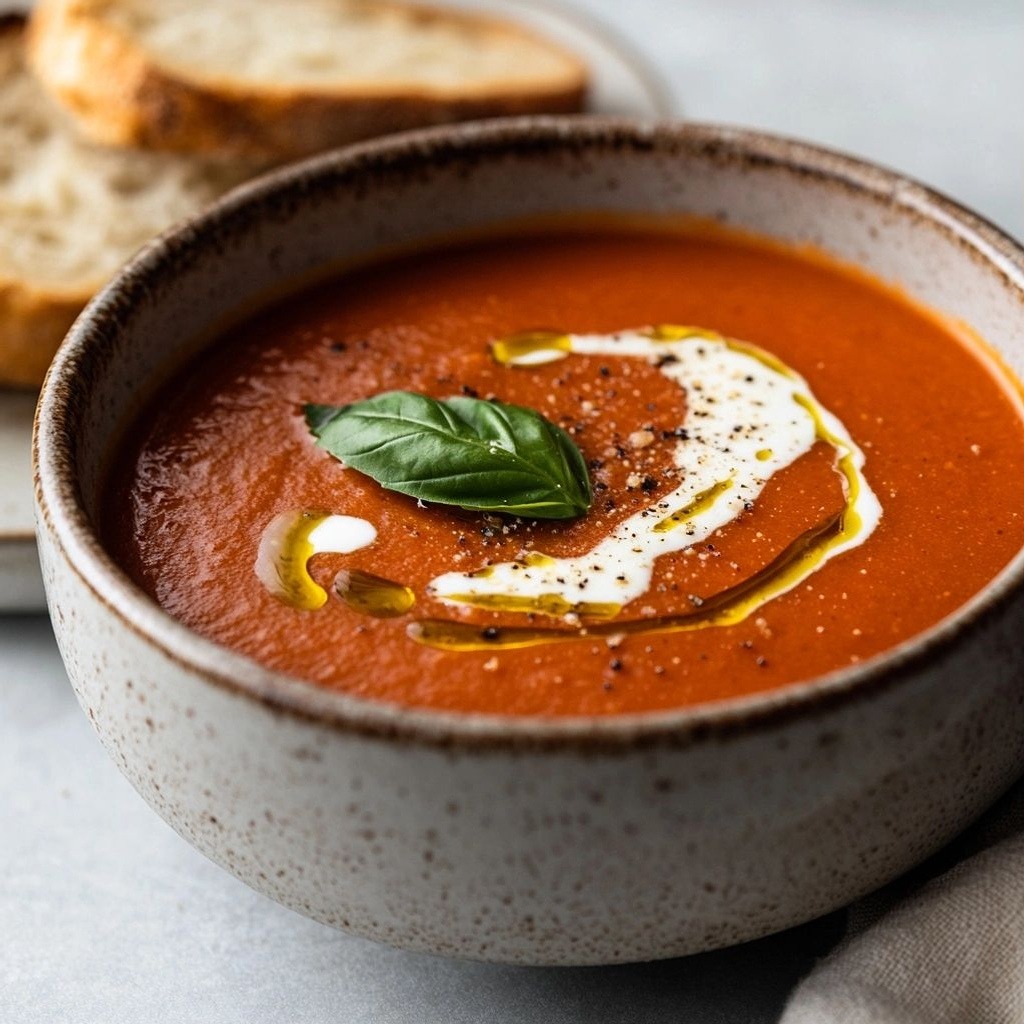
Finishing touches and serving: tear fresh basil leaves to release essential oils and scatter over the top just before serving. A final drizzle of extra-virgin olive oil adds a silky mouthfeel and gloss. Taste and adjust salt after blending and resting, as flavors intensify as the soup sits. For textural contrast, top with croutons, a dollop of yogurt or sour cream, roasted chickpeas, or toasted seeds. For dairy-free accompaniments, use a swirl of coconut yogurt or almond yogurt just before serving.
Make ahead and storage: the soup flavors deepen after a rest, so larger batches freeze well or keep for up to 3–4 days in the refrigerator. Reheat gently over low heat, whisking to maintain a silky texture. If the soup thickens upon reheating, loosen with a bit of hot stock or water and adjust seasoning before serving.
Tips
Tips for Roasted Tomato Soup
- Salt the vegetables lightly before roasting to draw out moisture and promote caramelization; taste the soup later and adjust salt accordingly since roasted flavors intensify.
- If you prefer a chunkier texture, reserve a handful of roasted tomatoes and chopped peppers to fold back in at the end for a vibrant, rustic finish.
- To deepen the soup’s umami, simmer the stock with a splash of soy sauce or miso for 10 minutes before combining with the roasted vegetables.
- Roast the garlic with the skins on for the first 15 minutes, then squeeze the softened garlic out of the skins into the pot; this keeps the garlic smooth without burning.
- For a dairy-free version with extra richness, use coconut milk but add it at the end and warm gently to avoid curdling. If using cream, whisk in off the heat just before serving.
- If using balsamic or apple cider vinegar, start with a small amount and taste after blending; a little acidity brightens the tomatoes without sharpening the sweetness.
- Smoked paprika adds a subtle background depth. If you don’t have it, use paprika with a pinch of cumin to hint at warmth.
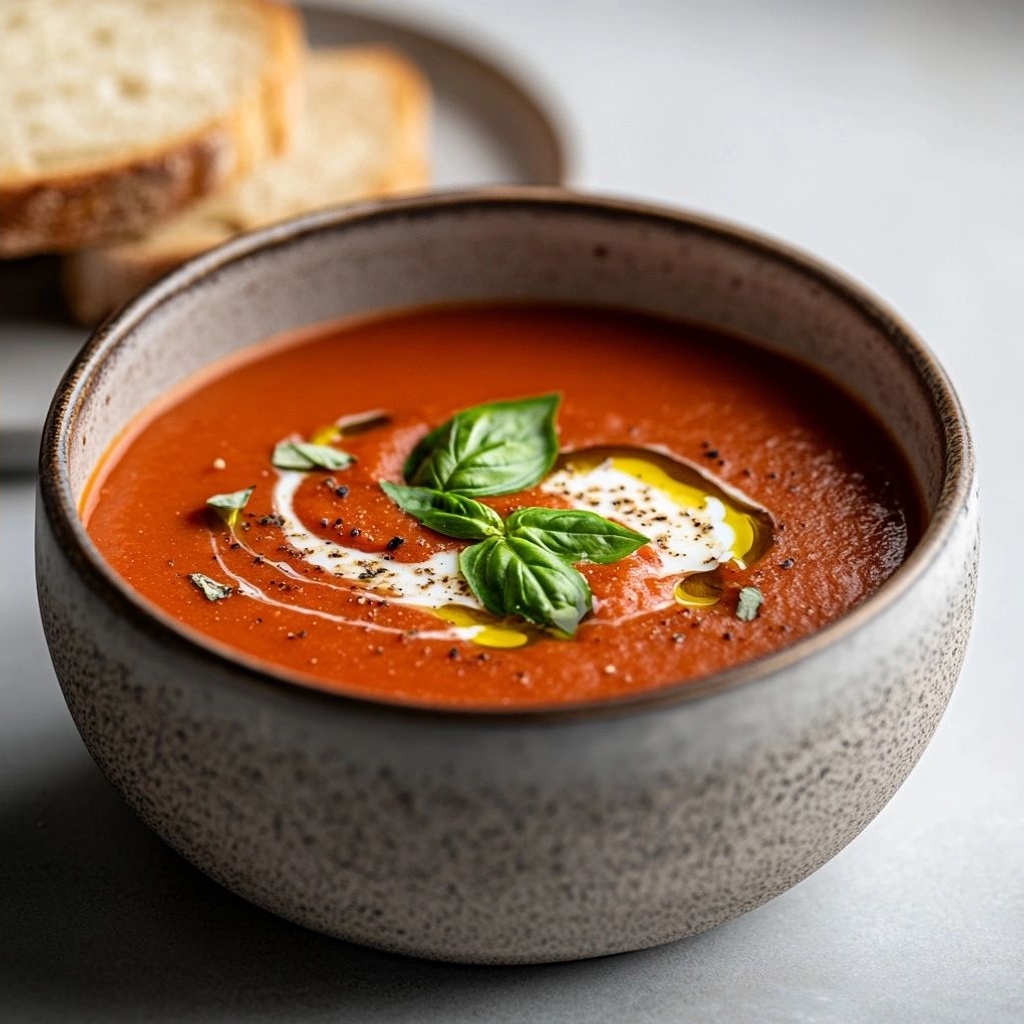
- Finish with a drizzle of high-quality extra-virgin olive oil and torn fresh basil right before serving to lift the soup’s aroma and color.
- For topping ideas, choose croutons for texture, a dollop of yogurt or coconut yogurt for creaminess, or toasted seeds to add crunch—add toppings just before serving to keep them crisp.
- Taster’s tip: let the soup rest 5–10 minutes after blending; flavors often deepen as the soup cools slightly, making it easier to judge seasoning.
FAQ
What is Roasted Tomato Soup for Weeknight Comfort?
A creamy, comforting tomato soup made by roasting ripe tomatoes with garlic and onions, then blending with stock for a smooth, weeknight-friendly meal. It’s naturally gluten-free and quick to prepare.
How long does it take to make this soup?
Approximately 30 to 40 minutes total: about 20–25 minutes to roast the vegetables and 5–10 minutes to simmer and blend, plus a few minutes for reheating and adjustments.
What ingredients are needed?
Main: ripe tomatoes, onion, garlic, olive oil, vegetable or chicken stock, salt and pepper. Optional: cream or coconut milk for creaminess, basil or thyme for aroma, a pinch of sugar. Optional finishing touches include a splash of balsamic vinegar or chili flakes.
Can I make this soup dairy-free?
Yes. Omit dairy or use a dairy-free cream substitute (unsweetened almond or coconut milk). You can also blend with extra olive oil to add richness without dairy.
Can I use canned tomatoes instead of fresh?
Yes. Use high-quality crushed or whole peeled tomatoes. If using whole tomatoes, crush them by hand or with a blender before roasting or simmering. Roasting times may be shorter when using canned tomatoes.
Is it okay to roast the vegetables ahead of time?
Absolutely. You can roast the tomatoes, onions, and garlic a day in advance and refrigerate. Reheat briefly before blending, or blend after reheating with stock.
What can I add to customize flavor?
Try adding fresh basil, a pinch of chili flakes for heat, a teaspoon of sugar to balance acidity, a splash of balsamic vinegar for depth, or a swirl of cream or coconut milk at the end for richness.
How do I store leftovers?
Store cooled soup in an airtight container in the refrigerator for up to 4 days. It also freezes well in portions for up to 3 months; reheat gently on the stove or in the microwave.
What toppings pair well with this soup?
Grated parmesan or a vegan cheese, a drizzle of olive oil, toasted croutons, fresh shaved basil, or a swirl of cream. A dollop of Greek yogurt also works for extra richness.
What is the best way to blend the soup for a smooth texture?
Use a blender or immersion blender to blend until silky. If using a blender, blend in batches and vent to avoid pressure buildup. Return to the pot and reheat to serving temperature, adjusting salt as needed.