
Introduction / Hook
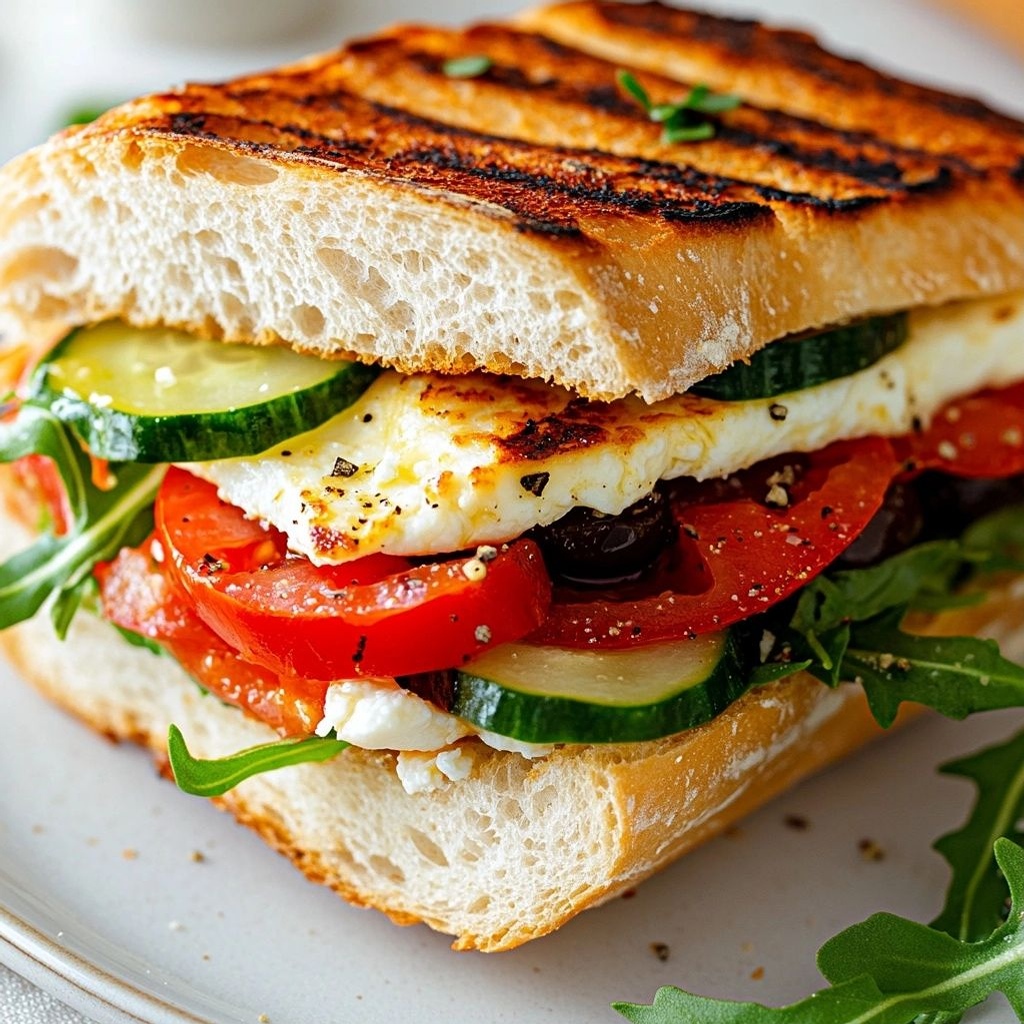
Imagine a warm afternoon by the Mediterranean coast, where sunlit citrus mingles with the scent of herbs carried on a gentle breeze. Now translate that experience into a single, satisfying bite: a Mediterranean Panino that feels like a feast in every mouthful. This isn’t just a sandwich; it’s a portable celebration of bright vegetables, briny olives, creamy feta, and tender meats or veggie fillings wrapped in crusty bread. The magic lies in how simple, everyday ingredients come together with a touch of toasty warmth to create something that’s comforting, vibrant, and endlessly adaptable. Each bite delivers layers of color and texture—the crackle of grilled bread, the satin silk of olive oil, the pop of sun-ripened tomatoes, the herbal kiss of oregano and basil, and the tangy brightness of feta or ricotta—culminating in a savory symphony that feels both familiar and exciting.
Whether you’re packing a picnic, planning a weeknight dinner, or hosting a casual gathering, this Mediterranean panino is your passport to a quick, memorable meal. It invites creativity: layer grilled vegetables, citrusy marinated proteins, or fragrant spreads to suit your mood and pantry. The result is a dish that looks as good as it tastes, with a balance of acidity, salt, fat, and a hint of sweetness that lingers pleasantly. Get ready to embrace the aroma of toasted bread mingled with garlicky olive oil, the brightness of lemon zest, and the unmistakable charm of Mediterranean flavors that never go out of style.
The Story Behind the Dish
Panini, or paninos, have a long history that stretches across Italy and the broader Mediterranean region. The concept of grilling sandwiches to meld flavors and soften textures likely emerged from the practical need to transform everyday ingredients into something heartier and more satisfying. The Mediterranean version of the panino draws on a diverse pantry: briny olives from coastal towns, tangy feta or fresh goat cheese, sun-dried tomatoes, marinated artichokes, and herbs that thrive in sun-drenched climates. This fusion embodies the spirit of the region—simple, seasonal, and deeply flavorful.
In many Mediterranean cultures, bread is more than sustenance; it’s a canvas for regional ingredients. A panino becomes a portable, shareable meal that preserves the convivial nature of Mediterranean dining. The freshness of cucumber, the brightness of lemon, and the backbone of olive oil pay homage to sun-soaked fields and bustling markets. The dish’s adaptability reflects the Mediterranean pantry—olive oil, herbs, citrus, cheeses, vegetables, and protein choices that can be sourced locally or adapted to dietary preferences. Whether you prefer a meaty twist with grilled chicken or a vegetarian celebration with roasted peppers and marinated artichokes, this panino invites you to tell your own story with every bite.
Why You’ll Love This Recipe
- Quick and flexible: Assemble fillings from what you have on hand, then toast to order for a warm, comforting sandwich in minutes.
- Bright and balanced: A harmonious blend of acidity, salt, fat, and herbaceous freshness keeps each bite interesting.
- Crowd-pleasing versatility: Suitable for weeknights, picnics, lunch boxes, or casual entertaining with minimal equipment.
- Vegetarian or meat-friendly options: Easily adapted to dietary preferences without sacrificing flavor.
- Textural contrast: The contrast between crisp grilled bread, tender fillings, and creamy cheese creates a satisfying mouthfeel.
- Make-ahead potential: Pre-assemble fillings or assemble the panino for a quick finish when you’re ready to eat.
- Economical and seasonal: Uses everyday pantry staples and seasonal produce to keep costs down while delivering big flavor.
Flavor Profile & Texture
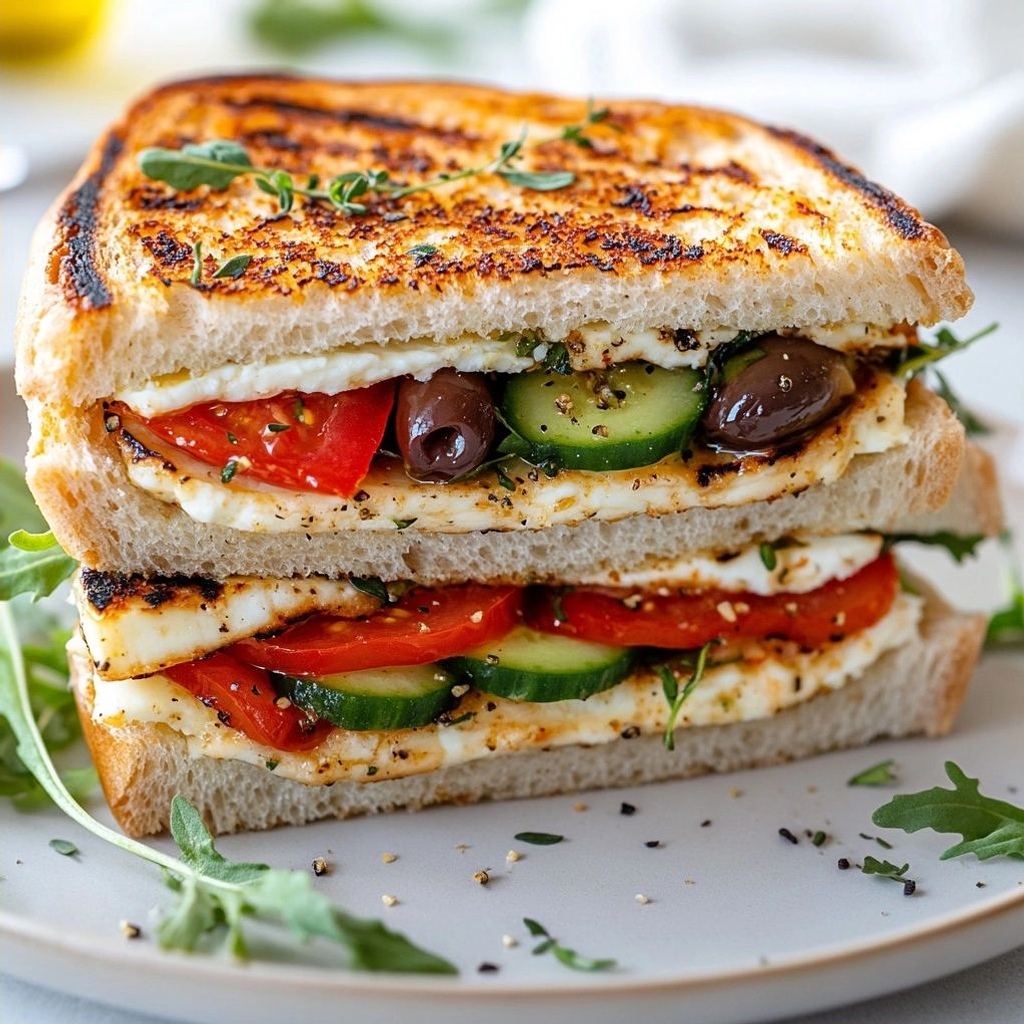
This panino delivers a vibrant spectrum of tastes and textures that weave together to create a memorable eating experience. The bread provides a toasty, caramelized crust with a soft, fluffy interior, offering a delicate crunch that punctuates each bite. The olive oil infuses the bread with fruitiness and a gentle richness, helping to carry flavors across every layer. The vegetables—think ripe tomatoes, cucumbers, red onion, roasted peppers, or artichokes—bring brightness, crispness, and a touch of sweetness that brightens the palate.
Cheese adds a luscious, creamy dimension: feta offers a saline tang that pairs beautifully with lemon and herbs, while mozzarella or ricotta bring a milky, smooth comfort. The protein, if included, anchors the filling with savoriness and a satisfying bite, whether it’s grilled chicken, garlicky shrimp, or simply a hearty mushroom medley. Aromatics such as garlic, oregano, basil, and thyme create a fragrant backbone that lingers after eating, while lemon zest or a squeeze of lemon juice brightens the entire composition. Salt and pepper are the finishing touches that pull everything together, ensuring no element overpowers another.
The end result is a Mediterranean sandwich that feels light yet hearty—perfect for savoring slowly or devouring quickly on a busy day. The flavor profile also scales with your fillings: a peppery arugula note adds a peppery lift, while a drizzle of balsamic glaze can introduce a hint of sweetness for a more complex finish. Overall, the panino delivers a well-rounded, sun-kissed flavor that celebrates fresh vegetables, quality cheese, and the wondrous simplicity of good bread and olive oil.
Occasions & Pairings
This panino shines in a multitude of scenarios and is a flexible centerpiece for many occasions:
- Weeknight dinners: A fast, satisfying main or a crowd-pleasing option for a casual family meal.
- Picnics and outdoor lunches: Assemble and wrap for easy transport, then grill on-site if you have access to a portable grill or panini press.
- Brunch gatherings: Substitute a lighter cheese and add some greens for a refreshing morning option.
- Lunch boxes: A comforting, flavorful option that can be enjoyed cold or warmed briefly at work or school.
- Casual parties or tapas-style spreads: Offer a variety of fillings so guests can customize their own paninos.
Pairing ideas to elevate the experience:
- Drinks: A chilled white wine with good acidity (such as a Verdicchio or Sauvignon Blanc), a light rosé, or sparkling water with a squeeze of lemon.
- Side dishes: Crisp leafy greens with a lemon vinaigrette, grilled vegetables, or a light Mediterranean-style salad with cucumbers, tomatoes, olives, and feta.
- Desserts: Fresh fruit, a yogurt-based dessert, or lemon shortbread to echo the brightness of the panino.
Tips, Variations & Substitutions
One of the joys of a Mediterranean panino is how forgiving and customizable it is. Here are practical ideas to tailor this dish to your pantry, preferences, and dietary needs:
- Protein options: Grilled chicken, turkey, lamb, falafel, or shrimp can be used. For a vegetarian route, consider grilled zucchini, roasted peppers, marinated artichokes, and roasted eggplant.
- Cheese variations: Use feta for a briny bite; halloumi for a chewy, satisfyingly salty bite; ricotta for a soft, creamy layer; mozzarella for melty stretches; or a tangy goat cheese to add depth.
- Vegetable mix-ins: Roast peppers and zucchini for a richer flavor, or pile on quick-pickled onions for tang. Fresh cucumber and tomato provide brightness; add arugula or spinach for leafy crunch.
- Herb and aromatics: Oregano, basil, thyme, dill, and mint all play well here. A hint of garlic, either as a spread or a light rub on the bread, enhances the savoriness.
- Spreads and sauces: A pesto smear, a lemon-yogurt sauce, or a garlicky olive tapenade can boost moisture and flavor. A touch of harissa or chili crisp adds heat if you like it spicy.
- Gluten-free or vegan adaptations: Use gluten-free bread or wrap; choose a vegan cheese or whipped almond ricotta; replace meat with plant-based proteins like marinated mushrooms or chickpeas sautéed with spices.
- Flatbread or half-panino option: If you don’t have sandwich bread, use a sturdy flatbread or ciabatta and press it for a panino-like result.
- Make-ahead tips: Assemble the fillings in advance and keep the bread separate. When ready to serve, spread, assemble, and grill for a hot, melty finish.
- Regional twists: Incorporate sun-dried tomatoes from sun-drenched regions, capers from coastal towns, or feta infused with herbs for a localized touch.
Storage & Make-Ahead Ideas
The beauty of this panino lies in its flexibility when it comes to storage and make-ahead planning. Here are practical strategies to keep the flavors vibrant and textures just-right:
- Storing fillings: Keep prepared fillings in an airtight container in the refrigerator for up to 2 days. If your filling includes cut vegetables, toss with a little lemon juice or olive oil to prevent browning and maintain a fresh taste.
- Assemble and grill: For best results, assemble just before serving to preserve bread crust and cheese melt. If you must prepare ahead, keep fillings and bread separately, then combine and grill when ready.
- Freezing: Most fillings can be frozen, especially roasted vegetables and marinated proteins. Reheat gently to avoid sogginess; cheese should be added after reheating to maintain texture.
- Reheating tips: Use a grill pan, skillet, or panini press to re-crisp the bread and re-melt the cheese. A brief final press helps the interior soften and blend flavors.
- Make-ahead pantry prep: Pre-make a flavorful olive oil and herb brush for the bread, or prepare a small batch of a yogurt-lemon spread to quickly finish sandwiches before serving.
Fun Facts & Trivia (Optional)
– The word panino (plural panini) comes from the Italian word pane, meaning bread, and suggests a small, handheld sandwich that’s perfect for on-the-go living. The concept of grilling bread with fillings has roots in ancient culinary practices across the Mediterranean and beyond.
– Olive oil is a cornerstone of Mediterranean cuisine, not only for flavor but also for its role in helping to carry and meld flavors when used as a spread or brush on bread. A good extra-virgin olive oil with fruity notes can elevate even simple fillings.
– Feta cheese, with its tangy bite and crumbly texture, has a long history in Greek and broader Mediterranean cooking. Its saltiness works harmoniously with lemon, cucumber, and fresh herbs in this panino, making it a quintessential flavor anchor.
– This panino is a prime example of how regional ingredients can be combined in comforting, accessible ways. It’s a culinary canvas that invites you to explore your pantry and customize without losing the essence of Mediterranean flavor.
Conclusion / The Perfect Bite
Crafting a Mediterranean Panino while reflecting the warmth of sunlit shores is more than making a sandwich—it’s about capturing a mood: relaxed, vibrant, and generous. It’s about transforming simple staples into something that feels celebratory and wholesome, a dish you can share with family and friends or savor alone as a moment of culinary joy. By embracing this panino’s flexibility, you invite a world of textures and flavors to dance in your mouth: the crackle of toasted bread, the silken kiss of cheese, the brightness of citrus, the perfume of fresh herbs, and the satisfying sustenance of thoughtfully chosen fillings. So, gather your best ingredients, heat your pan, and let the aroma guide you toward a memorable feast you can hold in your hands and in your heart as you take that first, unforgettable bite.
Ingredients
- Mediterranean Panino Base
- 2 large ciabatta loaves, split horizontally
→ This sturdy bread provides a chewy crust and soft interior to hold the fillings without becoming soggy. If you prefer a lighter texture, use classic focaccia or a sturdy sandwich roll. Toasting the cut sides lightly helps maintain crunch. - 1 tablespoon extra-virgin olive oil (for brushing)
→ Oils the exterior to promote browning and add a subtle fruity richness. Use high-quality extra-virgin olive oil for best flavor; brush only the cut surfaces. - 1 garlic clove, halved (optional, for rubbing on cut sides)
→ Rubbing a garlic clove onto the warm cut surfaces imparts a gentle aromatic note without overpowering the fillings. If avoiding raw garlic, skip this step. - Fillings
- 1/2 cup hummus, smooth and spreadable
→ Provides a creamy base that acts as a moisture barrier and helps hold other fillings in place. For extra flavor, use olive oil or lemon-infused hummus. Let hummus come to room temperature before spreading for easier coverage. - 1 cup marinated artichoke hearts, drained and roughly chopped
→ Artichokes bring tangy, earthy notes and a tender bite. If using marinated variety, rinse briefly to reduce excess oil and salt. Chop into bite-sized pieces to distribute evenly. - 1/2 cup roasted red peppers, sliced
→ Adds sweetness and color, plus a juicy crunch. For best texture, choose peppers packed in oil; drain lightly before adding to avoid soggy sandwiches. - 1/2 cup cucumber, thinly sliced or ribbons
→ Freshness and crunch help balance the richness of feta and hummus. If you prefer crisper bite, salt the slices briefly and pat dry to remove excess moisture. - 1/2 cup Kalamata olives, pitted and halved
→ Briny, fruity flavor that is quintessential to Mediterranean sandwiches. Pit olives carefully or use pre-pitted to speed prep; chop to desired size to distribute flavor in every bite. - 1/2 cup feta cheese, crumbled (or dairy-free feta alternative)
→ Provides salty, tangy creaminess that pairs beautifully with hummus and olives. Choose block feta and crumble just before assembling to avoid moisture pooling. - Grilled chicken breast, thinly sliced (optional)
→ Adds protein and a satisfying heartiness. If using, season lightly with oregano, lemon, and pepper before grilling. For a vegetarian version, substitute with falafel or roasted chickpeas. - 1/2 cup falafel patties, baked or pan-fried, slightly flattened (optional)
→ A flavorful vegetarian protein option that complements hummus and feta. If using store-bought falafel, warm before assembling to keep them crisp. - Sauce, Fresh Herbs & Seasoning
- 2 tablespoons tzatziki sauce (or garlic yogurt sauce)
→ Adds cool creaminess with a garlicky brightness that lifts the savory fillings. If making from scratch, combine Greek yogurt, grated cucumber, garlic, lemon juice, and a pinch of dill. - 1 tablespoon fresh lemon juice
→ Brightens the overall flavor and helps balance the richness of cheese and hummus. Use freshly squeezed juice for the best aroma and zing. - 1 tablespoon chopped fresh dill
→ Dill provides a delicate, herbal aroma that complements olives and feta. Add just before assembly to keep the herb fresh and vibrant. - 1 tablespoon chopped fresh parsley
→ Adds color and a mild, peppery note that brightens the sandwich. Finely chop to distribute evenly in each bite. - Salt and freshly ground black pepper, to taste
→ Essential to season fillings and balance tangy feta and briny olives. Be prudent with salt because feta and olives are already salty; adjust at the end after tasting the assembled sandwich. - Optional Add-ins
- 1/4 cup pickled red onions, thinly sliced
→ Introduces a sweet-sour note and crunch that contrasts creamy fillings. If not available, you can quick-pickle sliced onions in vinegar, sugar, and salt for 10–15 minutes. - 1/4 cup arugula or baby spinach
→ Fresh greens add peppery bite and a refreshing finish. Toss with a light drizzle of lemon juice and a pinch of salt just before layering if desired for extra brightness. - Optional: sliced cucumber, sun-dried tomatoes
→ Additional textures and Mediterranean flavors. If sun-dried tomatoes are oil-packed, pat dry to avoid sogginess; slice thinly to distribute evenly.
Instructions
- Preheat your oven to 400°F (200°C) and line a baking sheet with parchment or a reusable silicone mat to ready for toasting the bread and warming fillings; this prevents sticking and ensures even browning on the cut surfaces.
- Split the two ciabatta loaves horizontally and brush only the cut sides with 1 tablespoon of extra-virgin olive oil to promote crisp browning and a glossy, flavorful crust; apply with a light, even pass to avoid pooling oil that could sog the bread.
Brushing the cut surface helps create a barrier against moisture from fillings and gives the sandwich a golden, crispy exterior. - If desired, rub the warm cut sides with the halved garlic clove to impart a delicate aroma; press gently and wipe away any excess to avoid overpowering the fillings; this step is optional for a milder flavor.
- Stir the hummus in a small bowl to restore its spreadable texture if it has separated, then season lightly with a pinch of salt and a drizzle of lemon juice to brighten its flavor; spreading at room temperature helps achieve a smooth, even layer on the bread.
- Roughly chop the marinated artichoke hearts into bite-sized pieces and pat dry with a clean towel to remove excess oil; this prevents soggy sandwiches and ensures even distribution of tangy flavor in every bite.
- Slice the roasted red peppers into uniform strips and pat dry if they are oily; layering evenly prevents pockets of moisture that could make the sandwich soggy while maintaining vibrant color and sweetness.
- Thinly slice or ribbon the cucumber lengthwise for delicate, crisp texture; if you prefer a firmer bite, salt the slices lightly, let stand 5 minutes, then pat dry to reduce excess moisture that could leach into the bread.
- Chop the Kalamata olives into small pieces so their briny flavor is dispersed in every bite; this also helps prevent large bites of concentrated saltiness and keeps the sandwich balanced.
- Crumble the feta cheese by hand just before assembly to keep some larger curds for texture and to minimize moisture release; crumbly feta coats fillings more evenly and distributes tanginess throughout the sandwich.
- If using grilled chicken, season thinly sliced breast with a pinch of oregano, lemon zest or juice, and black pepper; grill quickly until just cooked through, then let rest a minute before layering to keep the slices juicy and flavorful.
- For optional falafel, bake or pan-fry the patties until crisp and warmed through, then gently flatten them; this creates a sturdy layer that won’t squish under the weight of toppings while delivering a pronounced Mediterranean flavor.
- Spread the hummus over the cut sides of the bread first to form a moisture barrier; this base layer helps prevent sogginess from vegetables and cheese and adds creaminess to every bite.
- Distribute the chopped artichokes, roasted peppers, cucumber ribbons, olives, and feta evenly over the hummus layer; aim for a balanced, multi-directional pattern so each bite contains a little of each filling without overcrowding.
- Scatter the lemon juice, chopped dill, and chopped parsley over the fillings, then season with salt and freshly ground black pepper to taste; this builds brightness and herb-forward aroma that lifts the entire sandwich while controlling salt levels.
- Layer the protein components (grilled chicken and/or falafel) over the vegetables if using, ensuring even coverage; this adds heartiness and helps hold the sandwich together when sliced.
- Place the remaining bread halves, cut sides touching the fillings, and press gently to compact; this encourages even warmth distribution and helps the sandwiches hold their shape when grilled or pressed.
- Transfer the assembled panini to the prepared baking sheet and bake for 6–8 minutes, or until the edges are golden and the fillings are heated through; this step lightly toasts the bread, melds flavors, and ensures the cheese settles nicely without overmelting.
- Alternatively, preheat a heavy skillet or grill pan over medium heat and press the sandwiches with a weighted spatula or panini press for 2–4 minutes per side, until the bread is deeply golden and the fillings are warmed through; this method provides a crisp exterior and a warm, melty interior.
- Remove from heat, let rest for 1–2 minutes, then slice each panino diagonally into portions to reveal the colorful filling arrangement; resting helps moistened fillings settle and makes clean slicing easier without oozing.
- Serve immediately with extra tzatziki on the side for dipping or a light drizzle over the cut surfaces to enhance freshness; this finish adds a cool, tangy contrast that complements the briny and creamy components of the sandwich.
Notes
These Mediterranean panino notes walk you through building a vibrant, crowd-pleasing sandwich with a balance of creamy hummus, briny olives, tangy feta, and bright herbs. Start with the strongest structure: use ciabatta for a sturdy bite, or swap in focaccia or a sturdy sandwich roll if you prefer a lighter texture. Toasting the cut sides lightly helps maintain crunch and prevents sogginess as the fillings nestle inside.
To ensure even spread and cohesive flavor, let the hummus come to room temperature before assembling. It acts as a moisture barrier and keeps fillings from sliding. If you want extra richness, drizzle a touch of olive oil over the hummus just before adding the fillings.
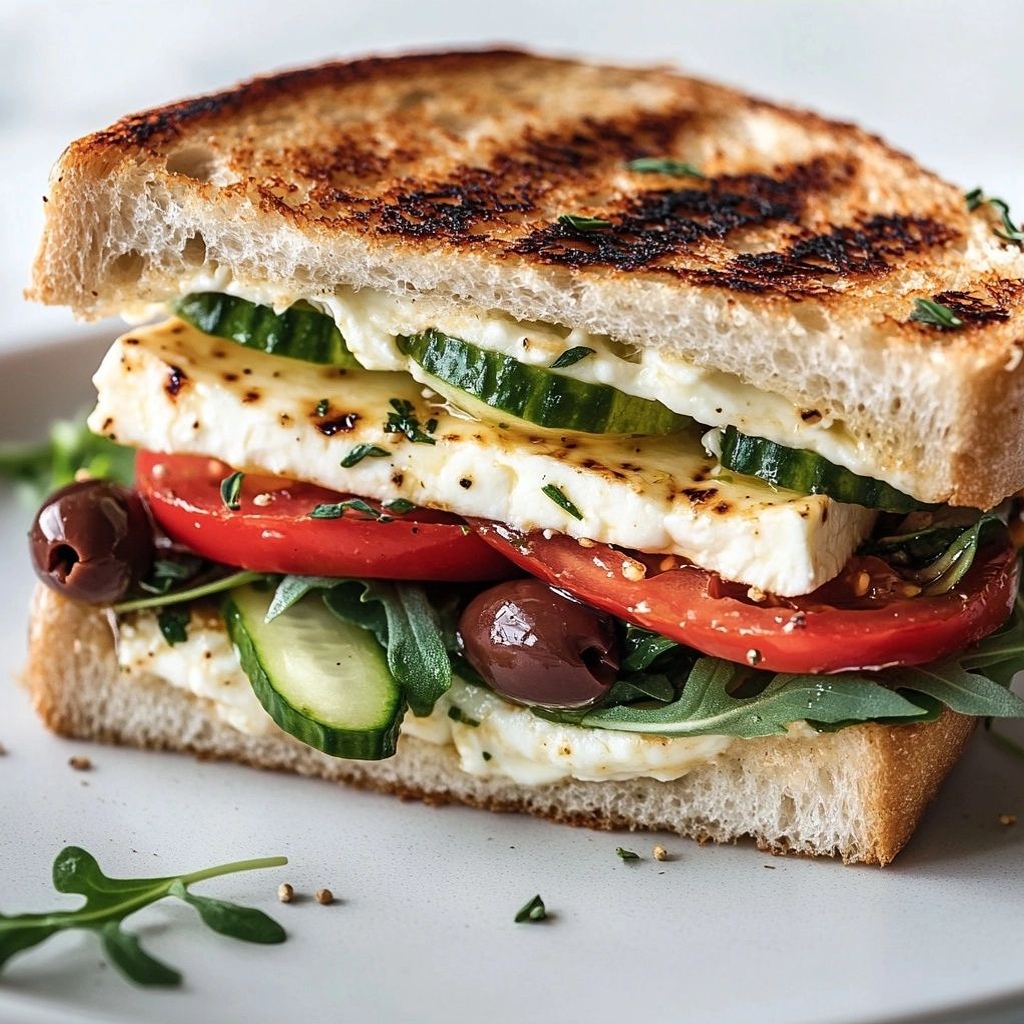
Layer the fillings thoughtfully: spread hummus on the cut sides, then scatter marinated artichoke hearts, roasted red peppers, cucumber, Kalamata olives, and feta. Chop olives and artichokes into bite-sized pieces so every bite delivers the full spectrum of salty, tangy, and bright flavors. The cucumber provides crunch and freshness to balance the richness of feta and hummus.
Flavor boosters like tzatziki or a garlic yogurt sauce bring cool creaminess and lift the savory components. Fresh lemon juice brightens the overall profile—use freshly squeezed juice for a vivid zing. Add chopped fresh dill and parsley just before assembly to preserve their delicate aroma and color.
For protein-powered variations, add grilled chicken sliced thinly (season with oregano, lemon, and pepper) or include falafel patties for a vegetarian option. If you opt for falafel, warm them just before assembly to keep them crisp and prevent soggy sandwiches.
Optional add-ins offer texture and color: pickled red onions bring sweet-sour crunch, arugula or baby spinach adds a peppery bite, and extra veggies like cucumber slices or sun-dried tomatoes can elevate the Mediterranean vibe. If sun-dried tomatoes are oil-packed, pat them dry to avoid sogginess and slice thinly for even distribution.
When assembling, consider the order to optimize texture: spread hummus, add vegetables and proteins, drizzle tzatziki or yogurt sauce, fold in herbs, then season lightly with salt and pepper after tasting. Remember that feta and olives are inherently salty, so taste first before adding more salt at the end.
Make-ahead and serving tips: you can prep the fillings in advance and refrigerate (except for the freshly chopped herbs) and assemble just before serving. If you’re packing for a picnic, wrap each panino tightly in parchment or foil to keep them intact and prevent leakage. For a warm version, reheat the assembled sandwich briefly in a pan or grill press to re-crisp the bread and melt the feta slightly.
Tips
- Prep in stages: Chop artichoke hearts, slice roasted red peppers, cucumber, olives, and feta first. Have hummus at room temperature for easy spreading. This speeds up assembly and helps keep the panino from cooling too quickly.
- Toasting tips: Lightly toast cut sides of ciabatta (or focaccia/roll) to create a crisp foundation. Brush with olive oil on the outside for even browning and a richer crust, then rub the cut sides with the halved garlic if using. Wipe away any garlic residue after toasting if you don’t want a garlic-forward bite.
- Hummus strategy: Use a thick, smooth hummus and spread a generous layer on both halves to act as a moisture barrier. If your hummus is thick, thin with a teaspoon of olive oil or water to spread evenly. Room-temperature hummus will adhere better and prevent soggy fillings.
- Layering for balance: Start with hummus, then artichokes, peppers, cucumber, olives, feta, and optional proteins. Place delicate greens (arugula or spinach) on top of the fillings to prevent wilting. Finish with tzatziki or garlic yogurt sauce on the inner top layer to keep the exterior from becoming soggy.
- Flavor boosters: Drizzle a light squeeze of lemon juice over the cucumber and feta to brighten without making the bread soggy. Fresh dill and parsley should be added just before assembly to preserve their vibrant aroma.
- Salt management: Because feta and olives are naturally salty, taste the assembled sandwich before adding extra salt. Add pepper and optional pickled onions to give a tangy contrast without over-salting.
- Protein options: Thinly sliced grilled chicken adds heft; season lightly with oregano, lemon, and pepper before grilling. For a vegetarian version, substitute falafel or roasted chickpeas. If using falafel, warm them to retain crunch before assembling.
- Texture contrasts: For crunch, keep cucumber ribbons thin and crisp, and lightly pat dry after slicing. Quick-pickling onions (10–15 minutes) provides a sweet-sour bite that complements the briny elements.
- Make-ahead and storage: Assemble up to 2 hours ahead and wrap tightly in parchment or foil to keep the bread from drying out. If making for a party, prepare components separately and assemble just before serving to maintain textures.
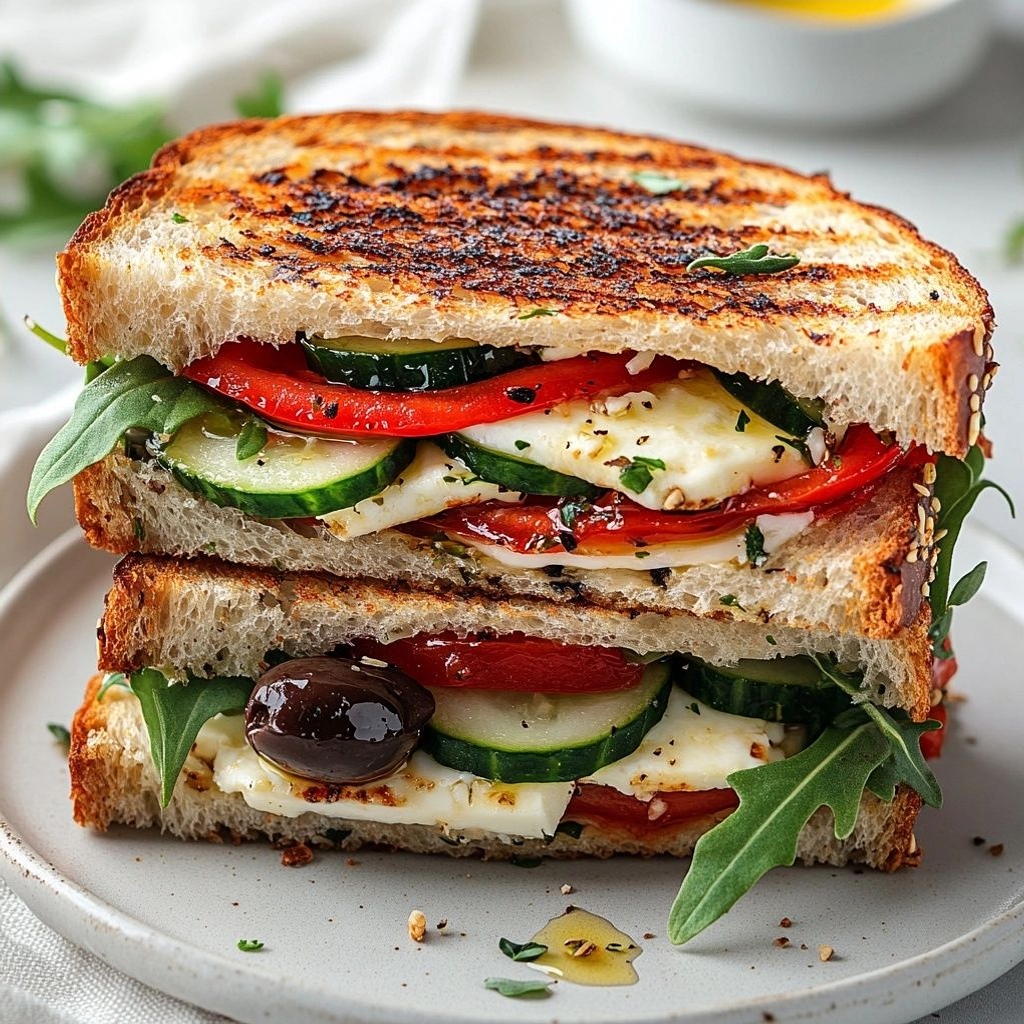
- Serving ideas: Slice the panino on a slight diagonal for an appealing presentation. Serve with a light side salad, olives, or pickles to echo the Mediterranean theme.
- Dietary swaps: Use dairy-free feta or omit cheese for a vegan option. Ensure gluten-free bread alternative if needed, and confirm that falafel or hummus are certified dairy-free if required.
FAQ
What is a Mediterranean Panino and what makes it special?
A Mediterranean Panino is a pressed or grilled sandwich inspired by coastal flavors from the Mediterranean region. It typically features ingredients like fresh tomatoes, cucumbers, feta or ricotta salata, olives, hummus or steppe-style spreads, roasted red peppers, artichokes, and herbs, all stacked on crusty bread and toasted to meld flavors.
What bread works best for this panino?
Choose a sturdy bread that toasts well, such as ciabatta, focaccia, baguette, or whole-grain Panino rolls. Lightly oiling or brushing the outside helps achieve a crisp, golden crust.
What are essential fillings for a Mediterranean flavor?
Key fillings include hummus or mashed chickpeas, feta or marinated olives, roasted red peppers, cucumber ribbons, fresh tomatoes, spinach or arugula, marinated artichokes, and a drizzle of olive oil or balsamic. Add fresh herbs like oregano or parsley for brightness.
How do I assemble and press the panino?
Split the bread, lightly toast or warm the inside, spread a base layer of hummus or feta, add fillings in layers (greens first, then vegetables, then cheese/olives), close the sandwich, optionally brush the outside with olive oil, and press in a panini press or grill pan until the bread is crisp and cheese (if used) is melted.
Can I make this vegetarian or vegan?
Yes. For vegan: omit feta or use a plant-based feta, ensure spreads are vegan (check hummus ingredients), and use olive oil instead of dairy-based spreads. For vegetarian, feta is fine. Add cucumber, tomatoes, olives, artichokes, and herbs to keep a bright flavor.
What are good protein add-ins or substitutes?
Grilled chicken, falafel, or sliced roasted turkey can be added for protein. For a vegetarian version, add marinated chickpeas, white beans, or a bean-based patty. Paneer or halloumi can also work well when lightly grilled.
How can I customize for a quick lunch or meal prep?
Prepare components separately: portion the spread (hummus or feta), chop veggies, and keep bread halves ready. Assemble and press just before serving, or store preferred fillings in containers and assemble the night before for a quick grab-and-go panino.
How long does it keep and how should I store leftovers?
Assembled paninos are best eaten fresh. If storing, keep components separately in the fridge for up to 2 days, then assemble and grill just before eating to maintain texture. Refrigerate any dairy-containing fillings promptly.
What sauce or drizzle enhances the Mediterranean flavor?
A lemon-tahini sauce, garlic yogurt sauce, or olive oil with lemon juice and oregano adds brightness. A light balsamic glaze or a drizzle of extra virgin olive oil with sumac can also elevate the flavors.
Are there gluten-free or low-carb options?
For gluten-free, use gluten-free bread or grilled flatbreads and ensure fillings are gluten-free. For a lower-carb version, use lettuce wraps or large portobello mushroom caps as “bread” and fill with the same ingredients, then grill lightly.