Introduction / Hook
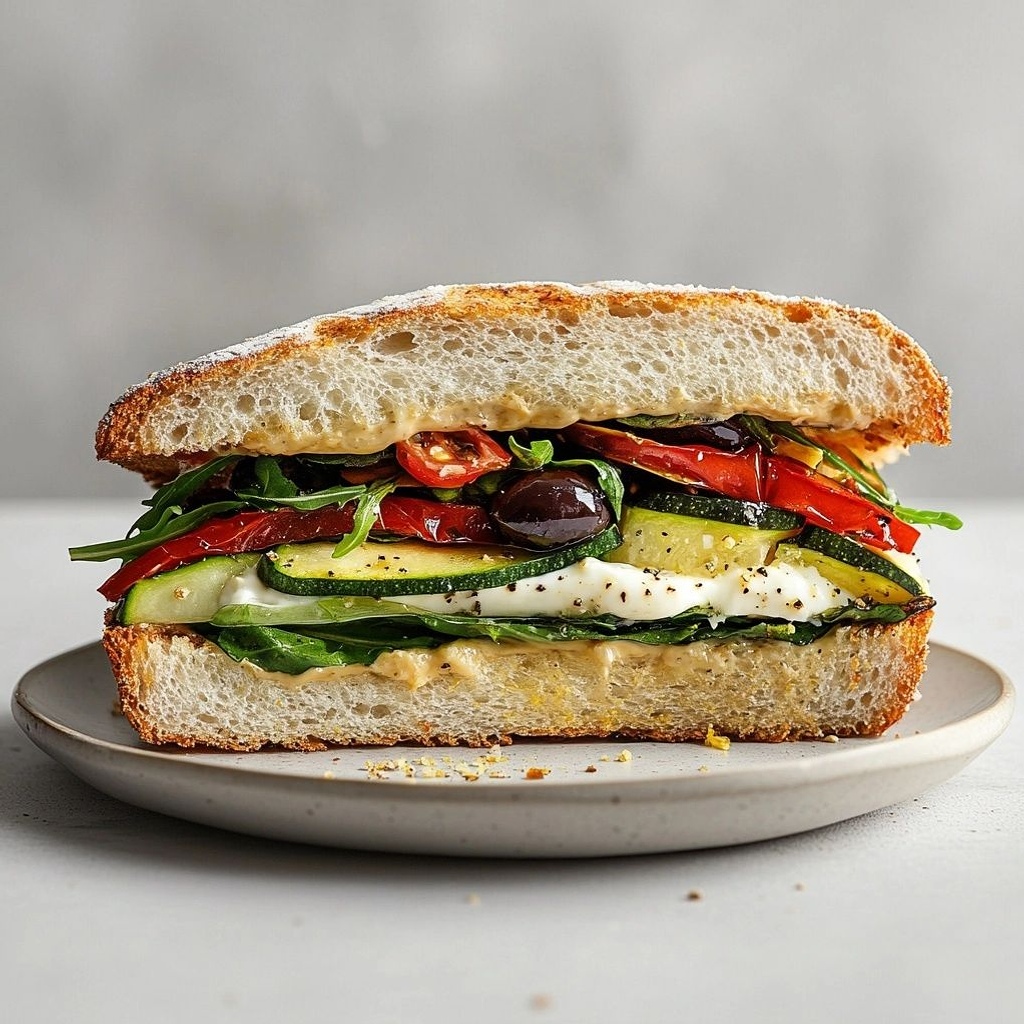
Imagine a warm, sun-kissed bite that captures the essence of the Mediterranean in a single, satisfying mouthful. The Mediterranean Panino is more than a sandwich; it’s a passport to coastlines lined with palm trees, markets brimming with fragrant herbs, and tiles glazed by the sea breeze. The crusty exterior gives way to a soft, aromatic interior where caramelly roasted vegetables, tangy cheese, and briny olives perform a harmonious dance. Each bite releases a chorus of flavors—olive oil shimmering like afternoon light, roasted peppers glowing with sweetness, and herbs that flutter on the palate like a gentle sea breeze. This panino is both playful and sophisticated, suitable for a casual weeknight supper and elevated enough to impress guests. It invites you to slow down, savor the moment, and let your senses travel without leaving the kitchen.
The Story Behind the Dish
The Mediterranean Panino draws inspiration from the diverse landscapes that fringe the sea—from the sun-drenched shores of Italy to the vibrant markets of Greece, and the bustling lanes of southern France. It’s a celebration of regional flavors that share a common love for fresh produce, olive oil, citrus zest, and cheese that melts into silk. In many seaside towns, simple lunches are elevated by the quality of ordinary ingredients—ripe tomatoes warmed by a whisper of heat, pungent cheeses that soften with a touch of warmth, and breads crusted to a golden hue after a quick press on a hot griddle. The idea behind this panino is to fuse those memories into one portable, shareable meal. The name itself evokes a panino culture that values speed without sacrificing depth—where a humble sandwich becomes a canvas for bright acidity, smoky aroma, and sun-drenched produce. If you’ve ever tasted a slice of summer shaped into a handheld, you understand the heart of this dish: nourishment, simplicity, and a wink of Mediterranean charm.
There’s a gentle romance to the ingredients commonly found in this panino: roasted peppers that carry a whisper of char, marinated artichokes that lend a briny sweetness, olives that provide a salty chorus, and mozzarella or feta that melt into creamy ribbons. All these elements are tied together with a ribbon of fresh herbs—oregano, basil, thyme—and a splash of lemon or orange zest that brightens the profile like a sunlit citrus grove. The sandwich isn’t about complexity for its own sake; it’s about letting each ingredient shine and harmonize with the others. The panino becomes a small travelogue—one that you can close with a bite and reopen with another. It’s the kind of dish that makes you want to recreate it again and again, tweaking the balance of flavors to reflect the season and your mood.
Why You’ll Love This Recipe
- Versatile and approachable: A crowd-pleasing sandwich that feels special without requiring a long shopping list.
- Bright, balanced flavor: A lively mix of tangy, earthy, smoky, and creamy notes that pair beautifully with a wide range of sides.
- Texture play: A crisp, toasty crust contrasting with a melty interior and softened vegetables for a satisfying bite.
- Make-ahead friendly: Components can be prepared in advance and assembled when ready to crunch into a perfect panino.
- Vegetarian-friendly and adaptable: Easily accommodates vegan or dairy-free tweaks, while still delivering fullness and satisfaction.
- Seasonal flexibility: Works with readily available produce across many markets, from summer tomatoes to roasted vegetables in winter.
- Perfect for gatherings: A shareable, hand-held dish that travels well for picnics, potlucks, or casual dinner parties.
Flavor Profile & Texture
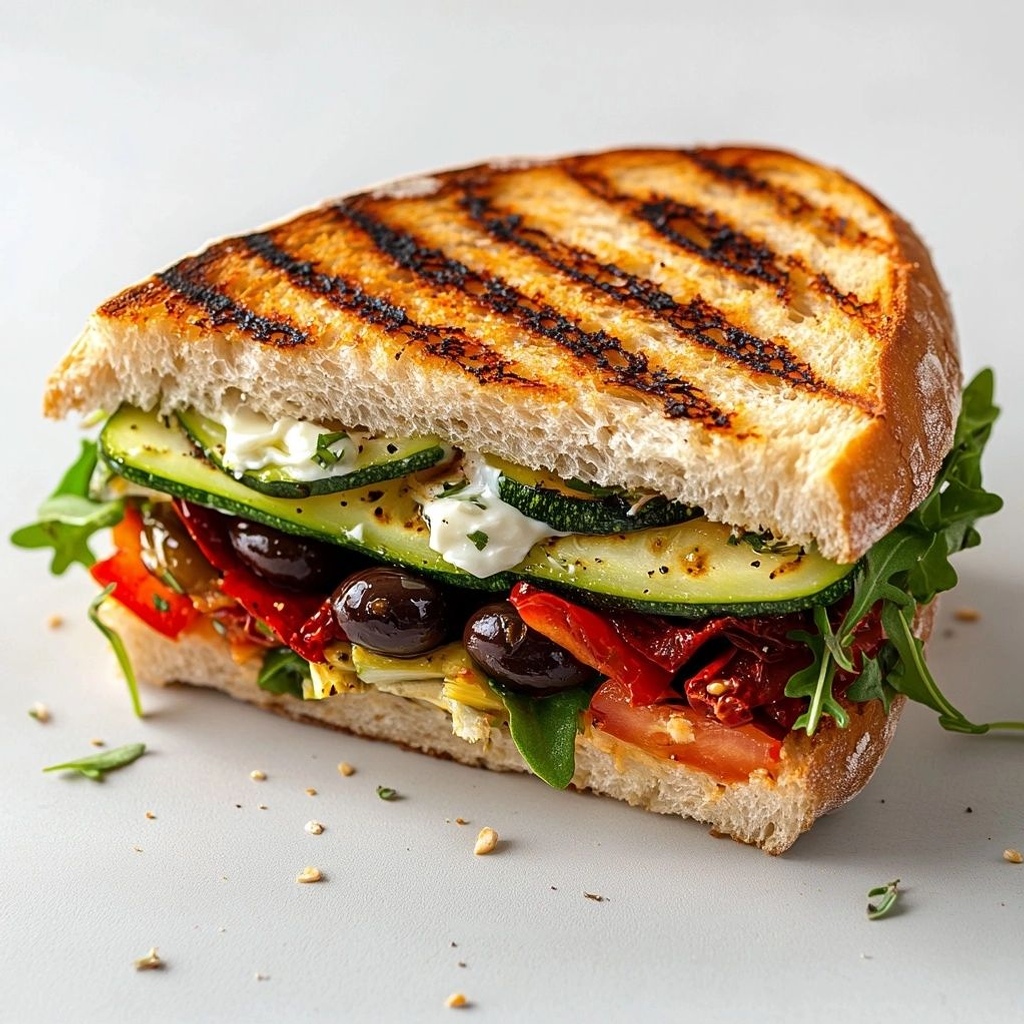
The Mediterranean Panino presents a symphony of contrasts designed to keep the palate intrigued. The bread—crisped on the outside with a tender, airy crumb inside—adds a comforting, toasty character that anchors the sandwich. Inside, you’ll find a blend of ingredients that deliver a brightness and depth in equal measure. Sweet roasted peppers offer a caramelized undertone that plays off the salt and complexity of olives. Sun-kissed tomatoes contribute acidity and a juicy pop, while artichoke hearts lend a delicate sweetness and a tender bite. The cheese layer, whether creamy mozzarella, tangy feta, or a melt of mild provolone, provides a luscious cohesion that binds the components together as it softens under heat. A drizzle of high-quality olive oil or a brushed gloss of lemon-infused olive oil injects a fruity brightness that lifts every flavor.
Herbs and aromatics—fresh basil, oregano, thyme, perhaps a whisper of rosemary—infuse the filling with an herbaceous perfume that feels almost Mediterranean in scope. A touch of lemon or orange zest adds a citrus brightness that awakens the richness and keeps the sandwich from feeling heavy. Salt and a hint of black pepper tie the flavors together, while a few capers or artichokes can introduce a briny note that intensifies the overall savoriness. The overall sensation is one of balance: roasted, smoky sweetness, crisp, herbaceous lift, and a lactic, creamy finish that makes each bite feel indulgent yet bright. The textures work in harmony—the crisp crust giving way to a yielding, aromatic center, with vegetable bits that provide gentle chew. It’s a sandwich that feels substantial and comforting without tipping into heaviness, a culinary hug from the sea.
Occasions & Pairings
This panino shines in multiple settings, adapting to the moment with ease. For weeknights, it becomes a fast and satisfying dinner when you’re craving something hearty yet fresh. For weekend gatherings, it can be sliced into elegant mini sandwiches for a bite-sized grazing board or served as a main with a simple side salad. It’s also ideal for picnics or al fresco lunches, where the sturdy bread holds up and flavors brighten in the cooler air. If you’re entertaining, pair it with a crisp white wine with citrus notes or a lightly effervescent rosé to mirror the citrus and olive oil brightness. For non-alcoholic options, a sparkling lemon-water with a sprig of thyme or a grape- or citrus-based soda can complement the dish’s acidity and richness.
Side dish ideas to accompany the panino:
– A simple Greek salad or a tomato-m cucumber salad for freshness and crunch.
– Roasted potatoes with herbs and a squeeze of lemon.
– Grilled vegetables or a light, peppery arugula salad to echo the Mediterranean theme.
– A small dish of olive oil-based dip or a yogurt-based sauce for added creaminess.
Dessert options are light and citrusy to balance the savory richness, such as lemon yogurt cake, orange-almond biscotti, or fresh fruit with honey and mint.
Tips, Variations & Substitutions
- Protein options: Add grilled chicken, turkey, or a brief fold of sliced salumi if you want a non-vegetarian version. For a vegan route, skip cheese or choose a plant-based cheese that melts well.
- Cheese choices: Mozzarella provides a classic creamy melt, feta offers a tangy bite, and provolone adds a subtle sharpness. Try a combination for depth.
- Bread options: Use a rustic Italian loaf, a ciabatta roll, or a sturdy country bread. For vegan options, ensure the bread doesn’t contain dairy or eggs.
- Vegetable variations: Swap in grilled zucchini, eggplant, or roasted mushrooms for added heft and complexity. A handful of spinach or arugula adds greens and freshness.
- Herb and citrus twists: Add lemon zest, orange zest, or a splash of white balsamic for more brightness. Fresh mint or parsley can also lift the aroma.
- Vegan/dairy-free: Use dairy-free cheese that melts, and brush the bread with olive oil or a citrus-infused olive oil to replicate the gloss and savoriness.
- Gluten-free: Choose a sturdy gluten-free bread that holds up to grilling; you may need to layer ingredients slightly differently to prevent sogginess.
- Make-ahead idea: Assemble the sandwich components (except for the final toasting) and refrigerate. Toast just before serving to maintain crunch and warmth.
- Grilling technique: For a perfect panini press effect, use a heavy skillet and press the sandwich with another heavy pan or a grill press. The goal is even heat to create a deep, golden crust without drying out the interior.
Storage & Make-Ahead Ideas
Leftovers can be a treasure if stored properly. If you’ve assembled a panino ahead of time, wrap it tightly in parchment and then in foil to maintain moisture balance. Refrigerate for up to 24 hours before toasting. If you have roasted vegetables prepared in advance, you can store them in an airtight container for up to 3 days—the flavors deepen with a little time and become more cohesive when heated. The cheese will melt and become wonderfully elastic once reheated, and the bread can regain its crisp texture with a quick press on the pan or in a toaster oven. For freezing, consider freezing roasted vegetables in individual portions to avoid sogginess upon reheating; assemble fresh for the final toasting step.
Make-ahead strategies for entertaining:
– Prepare a “panino bar” with pre-sliced bread, roasted peppers, olives, cheese, and herbs. Guests can build their own combinations, and you can finish them with a quick toasting session together.
– Have a few different fillings ready: one more traditional (with mozzarella and tomatoes), and one more robust (with artichokes and a strong cheese), so guests can choose their preferred flavor profile.
– Pre-make a few small batches of fillings and refrigerate; reheat gently to preserve texture, then assemble and press just before serving.
Fun Facts & Trivia (Optional)
The concept of “panino” or “panini” hails from Italy, where grilled sandwiches gained widespread popularity in cafes, markets, and family kitchens. The press—originally a simple heavy plate or pan—has evolved into sleek, electric devices that yield those signature grill marks and the perfect balance of crackle and melt. The Mediterranean region, with its mosaic of culinary traditions, celebrates ingredients that are affordable, bright, and accessible—think pantry staples that transform into comforting meals with minimal fuss. In many households across the Mediterranean, a panino isn’t just a lunch option—it’s a social ritual: friends gather, a loaf is sliced, olive oil is drizzled, herbs are torn by hand, and the pan is heated as stories and laughter travel with the steam. The panino embodies a philosophy of “cooking with lightness and flavor” that resonates with modern dining: satisfying, flavorful, and uncomplicated.
Historically, Mediterranean cuisine has thrived on combining simple ingredients in clever ways. A dish like the Mediterranean Panino pays homage to the regional love for tomatoes, olives, and fresh herbs—a trio that has defined the sun-drenched cooking traditions of the region for centuries. The act of grilling a sandwich with a touch of olive oil is, in many ways, a nod to the age-old methods of preserving summer’s bounty for the months ahead. The result is a timeless experience: a portable meal that tastes like a sunlit holiday even on a busy weeknight.
Conclusion – A Versatile Classic
The Mediterranean Panino is more than just a recipe; it’s a celebration of coastal abundance, a celebration of shared meals, and an invitation to play with flavors that feel both timeless and modern. It invites you to gather, to experiment with the ingredients you love, and to savor a sandwich that feels indulgent without being heavy. The beauty of this dish lies in its adaptability: a canvas for your culinary preferences, a conduit for seasonal produce, and a reminder that the best meals often arrive in humble, flavorful packages. Whether you’re cooking for a family dinner, a casual get-together with friends, or a solo culinary moment, this panino promises to deliver satisfaction with every bite. Let the first bite transport you to a sunlit Mediterranean afternoon, and let the last bite linger like the afterglow of a perfect, restorative meal.
Ingredients
- Ciabatta loaf or rustic Italian bread (split lengthwise)
→ The foundation of the panino. Choose a sturdy, airy loaf with a crisp crust to hold the fillings without bending or becoming soggy. Slice horizontally just before serving, or toast briefly open-face if you prefer extra crunch. - Extra virgin olive oil (for brushing)
→ Adds moisture and a fruity, peppery note to the bread. Brush lightly on the cut sides to help toast and prevent the bread from drying out. Use high-quality EVOO for the best flavor. - Garlic cloves (minced)
→ Infuses the bread with a gentle garlic aroma that complements the Mediterranean flavors. Mince finely and mix with olive oil or rub directly on the cut bread surface for even distribution. If you prefer a milder finish, rub the bread with a clove and discard before assembling. - Fresh mozzarella (sliced)
→ Provides creamy, mild richness and binds the fillings. Use thin slices or tear into bite-sized pieces. Pat with a paper towel if very watery to prevent soggy panino. Room temperature mozzarella melts more evenly. - Tomato slices (ripe, medium thickness)
→ Adds juicy acidity to balance the cheese and oil. Use fully ripe, firm tomatoes for structure; remove some seeds if they are very juicy to prevent sogginess. Season lightly with salt just before assembling to intensify sweetness. - Roasted red peppers (sliced)
→ Introduce sweetness and a smoky note. Use jarred marinated peppers or roast fresh peppers until charred, then peel and slice. Pat dry if they’re too wet to avoid making the bread soggy. - Marinated olives (pitted and sliced)
→ Add briny depth and texture. Choose a mix of Nocellara or Gaeta olives for balanced flavor. Slice evenly so every bite has olive pieces, and pat dry if they carry excess marinade. - Arugula or baby spinach (washed and dried)
→ Provides peppery freshness and a light crunch. Ensure greens are well dried to prevent extra moisture from soaking into the bread. Add just before serving to retain crunch and color. - Fresh basil leaves (whole or torn)
→ Bright herbal lift that ties the components together. Use leaves whole for a cleaner bite or tear for more aroma. Add immediately before serving to preserve aroma. - Balsamic glaze (optional)
→ Finishing sweetness and acidity that complements tomatoes and mozzarella. Drizzle sparingly over the assembled panino or serve on the side for dipping. If using, consider reducing regular balsamic with a touch of honey for a thicker glaze. - Salt (to taste)
→ Enhances all flavors. Lightly season each component as you assemble so the filling isn’t under-seasoned. Remember that olives and feta (if used) bring their own saltiness, so adjust accordingly. - Black pepper (freshly ground, to taste)
→ Adds subtle heat and depth. Grind over the tomatoes and olives for a fresh finish just before closing the sandwich. A light hand works best to avoid overpowering delicate flavors. - Optional: Artichoke hearts (drained and chopped)
→ Introduce a tangy, tender texture that complements the cheese and peppers. Use canned or jarred artichokes; rinse if packed in oil and pat dry to reduce greasiness. Chop into small pieces for even distribution. - Optional: Feta cheese crumbles (lightly crumbled)
→ Adds salty tang and creamy texture. Use sparingly so the core Mozzarella remains the star. Crumble just before closing the sandwich to prevent the bread from becoming overly dense.
Instructions
- Preheat your panini press or a heavy skillet over medium-high heat (about 375–400°F / 190–205°C if using a skillet).
→ This ensures the bread sears quickly, developing a crisp crust while melting the fillings evenly without sogginess. - Open the ciabatta loaf and lightly brush the cut sides with extra virgin olive oil, then rub the garlic on the cut surfaces evenly or mix minced garlic with a touch of oil and brush.
→ The oil provides moisture and flavor, while the garlic distributes aroma throughout the bread for a cohesive bite. - Season the tomato slices with a light sprinkle of salt just before assembling, letting them sit 1–2 minutes to draw out moisture.
→ This concentrates sweetness and prevents excessive moisture from soaking the bread during grilling. - Layer thinly sliced fresh mozzarella on one side of the bread, patting with a paper towel if any moisture is present, to avoid a soggy sandwich.
→ The mozzarella should be evenly distributed to melt uniformly and bind the layers without pooling liquid. - Arrange ripe tomato slices over the mozzarella in a single layer, adding a few cracks of black pepper over them.
→ Tomatoes provide acidity and brightness; pepper adds a hint of heat that lifts the filling. - Scatter sliced roasted red peppers over the tomatoes, then distribute marinated olives in an even layer.
→ Peppers contribute sweetness and smokiness, while olives add briny complexity and texture throughout the sandwich. - If using artichoke hearts, sprinkle chopped pieces evenly over the olives, followed by a light crumble of feta if desired.
→ Artichokes introduce tangy tenderness; feta adds a salty creaminess without overpowering the mozzarella. - Top with fresh basil leaves, then add arugula or baby spinach next so greens retain their bite and color.
→ The greens provide peppery freshness that contrasts the rich cheese and oils without wilting during grilling. - Close the sandwich by laying the upper bread half over the fillings and pressing gently to compact without squeezing out the ingredients.
→ Gentle pressure helps the cheese melt evenly and the fillings meld without spillage. - Brush the exterior of the assembled panino with a thin coating of olive oil for a golden, crackly crust, then season the outside with a touch of salt and pepper.
→ The outside oil aids browning and flavor development while the salt enhances the crust’s color and taste separation. - Grill the panini for 3–4 minutes per side in the panini press, or 4–6 minutes per side in a skillet, flipping halfway, until the bread is deeply golden and the cheese is melted.
→ Proper grilling time ensures a crisp exterior, a tender interior, and a melted, cohesive filling without overheating delicate components like tomatoes and greens. - Remove from heat and let the panino rest for 1–2 minutes before slicing crosswise into portions.
→ Resting helps the cheese set slightly so it doesn’t ooze immediately when cut, giving cleaner slices and better structure. - Slice and serve with a light drizzle of balsamic glaze if desired, applying sparingly to avoid overpowering the fillings.
→ A touch of sweetness and acidity enhances the Mediterranean flavors, tying the components together without masking them.
Notes
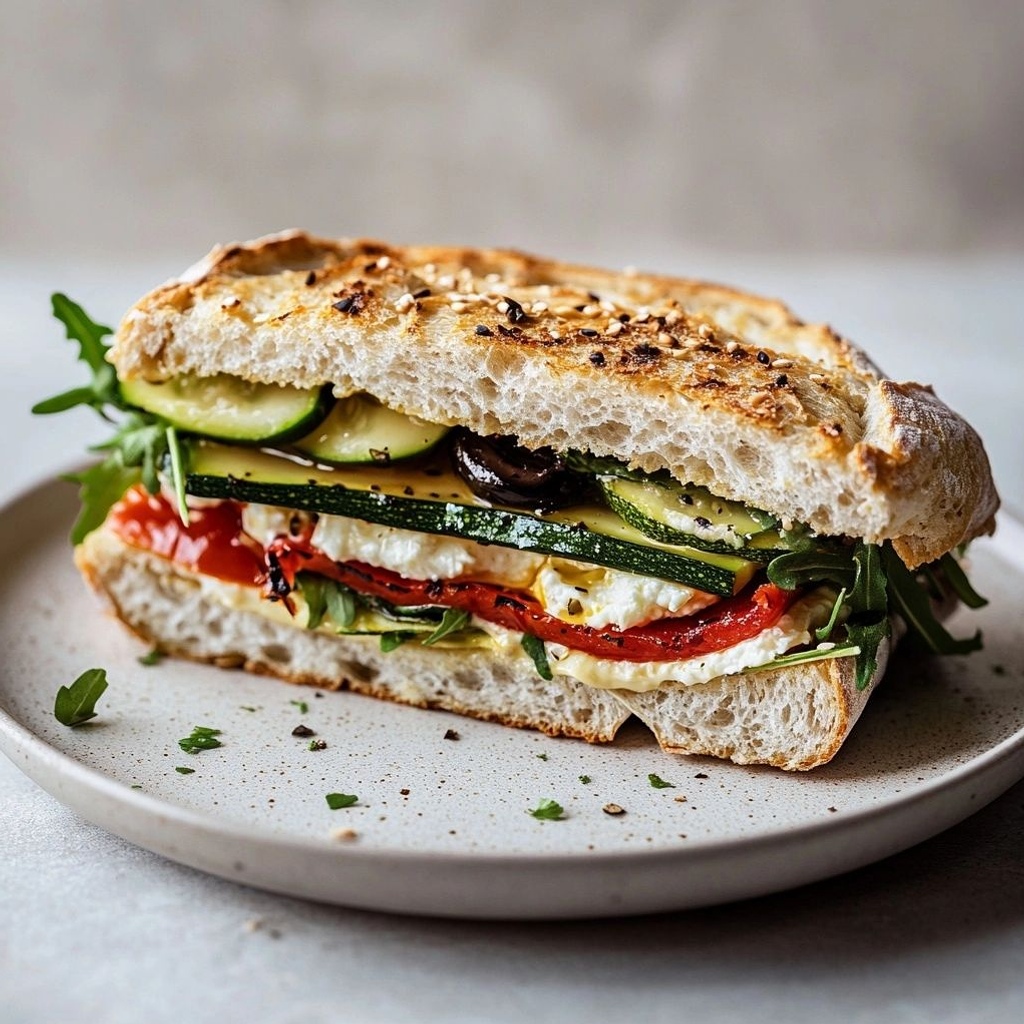
These Mediterranean panini are a vibrant assembly of fresh mozzarella, ripe tomatoes, smoky roasted peppers, tangy olives, and peppery arugula on a sturdy Italian loaf. They come together quickly for a satisfying lunch or light dinner, and you can customize the fillings to suit your taste or what you have on hand.
To start, choose a bread that is strong enough to hold the fillings without becoming soggy. A ciabatta loaf works beautifully for its open, airy crumb and crisp crust; if you prefer a lighter bite, a rustic Italian loaf sliced horizontally will also perform well. Slice the bread just before assembling to preserve its texture, or toast it open-face for extra crunch.
Prep the flavor foundations: mince garlic and mix with a little extra virgin olive oil to brush on the cut sides, which helps the bread toast and adds a subtle garlic note. Let the mozzarella come to room temperature so it melts evenly. Pat tomatoes dry after slicing to reduce excess juice, which can weigh the sandwich down. If using canned roasted peppers, pat dry to minimize moisture transfer to the bread.
As you layer, aim for balance: mozzarella provides creamy richness, tomatoes add bright acidity, peppers contribute sweetness, and olives deliver briny depth. Add greens just before serving to maintain crunch, and finish with fresh basil for a fragrant, herbal lift. If you like a touch of sweetness, a light drizzle of balsamic glaze can tie the elements together—use sparingly to avoid overpowering the cheese.
Season thoughtfully: olives and feta (if used) bring salt, so season the components lightly and taste as you go. Grind black pepper over the tomatoes and olives right before closing the sandwich for a fresh, zippy finish. For extra texture, you can fold in optional artichoke hearts or feta crumbles, added just before closing to prevent over-mushing the bread.
Cooking method tips: brush the cut sides with olive oil, then toast briefly in a hot panini press or skillet—press gently to compact without squeezing out moisture. If you don’t have a press, weigh the sandwich with a heavy pan to mimic the pressure and achieve an even, golden crust. Serve immediately while the cheese is melty and the bread is crisp. Leftovers can be refrigerated for a quick reheat, but enjoy them soon for the best texture and flavor.
Tips
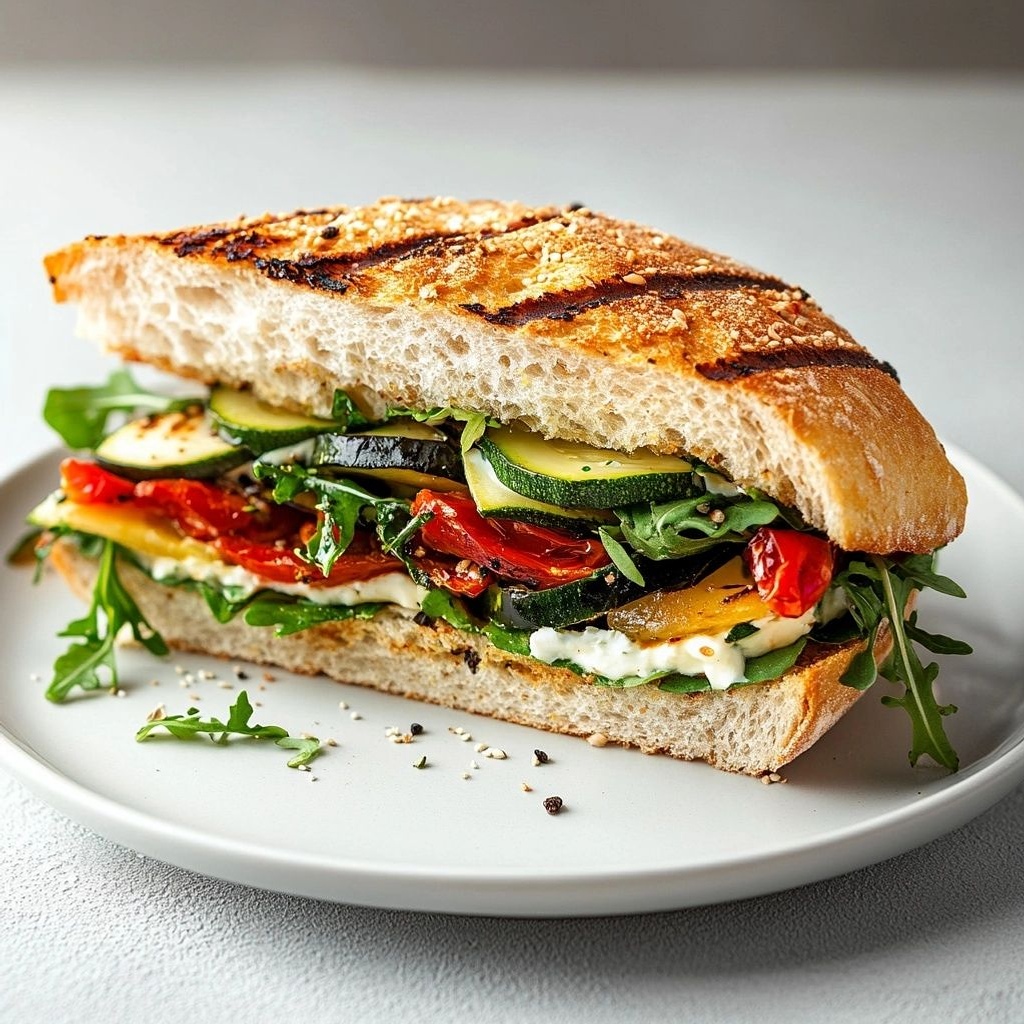
Tips for Perfecting the Mediterranean Panino
- Toast strategy: Lightly toast the cut sides of the bread with olive oil to create a crisp barrier that resists sogginess. If you have time, briefly grill the assembled panino on a hot pan or press to meld flavors and intensify the crust.
- Garlic mindfulness: For a gentler garlic perfume, rub the cut bread with a clove and discard; or mix minced garlic with olive oil and brush evenly for a subtle, consistent flavor distribution.
- Moisture control: Pat mozzarella and roasted peppers dry before layering to prevent excess moisture from soaking into the bread. If tomatoes are very juicy, blot lightly with a paper towel and consider salting a few minutes ahead to draw out excess liquid.
- Layering logic: Start with a light olive oil and garlic base on the bread, then add mozzarella, tomatoes, peppers, olives, and greens in order to create distinct flavor zones that don’t collapse into one another when pressed.
- Seasoning cadence: Season components as you assemble, but taste caution with olives and feta. They bring salt; adjust salt level accordingly to avoid over-seasoning the whole sandwich.
- Greens timing: Add arugula or spinach just before serving or right after warming to retain brightness and crunch. If you’re not serving immediately, keep greens separate and add at the last moment.
- Herb aroma: Add fresh basil right before serving to preserve its aromatic oils. If you’re making ahead, keep basil in a small container to rest on top right before slicing.
- Optional ingredients: Artichoke hearts and feta add tang and depth. Use sparingly to avoid overpowering the mozzarella. If using artichokes packed in oil, pat dry well to prevent soggy bread.
- Finishing glaze: If using balsamic glaze, drizzle sparingly after assembling or serve on the side for dipping. For a thicker glaze, simmer regular balsamic with a touch of honey until slightly syrupy.
- Serving cut: Slice the panino diagonally for a more elegant presentation and easier eating. If the filling is loose, chill briefly after assembling to help it hold together when cut.
- Make-ahead approach: For a relaxed start, prep fillings in advance and refrigerate. Assemble and grill just before serving to maintain texture and vibrant colors.
FAQ
What is a Mediterranean Panino?
A Mediterranean Panino is a hot, pressed sandwich inspired by Mediterranean flavors. It typically features ingredients like hummus, feta, olives, roasted vegetables, sun-dried tomatoes, and fresh herbs on crusty bread, then grilled or pressed until crispy and melted.
What bread is best for this panino?
A loaf with good structure like ciabatta, baguette, or foccacia works well. For a lighter option, use a sturdy sandwich roll. The bread should be able to hold the fillings without becoming soggy when grilled.
What are the key fillings and spreads?
Common fillings include: hummus or pesto as a base, feta or goat cheese, marinated olives, roasted red peppers, grilled zucchini or eggplant, sun-dried tomatoes, fresh spinach or arugula, and a drizzle of olive oil or lemon-tahini dressing. Fresh herbs like basil or parsley add brightness.
Can I make it vegan or dairy-free?
Yes. Use dairy-free cheese or omit cheese entirely. Replace feta with a plant-based feta or more olives and hummus. Ensure any spreads are vegan (e.g., hummus, olive oil with lemon, or tahini dressing).
Is this panino served hot or cold?
Traditionally, it’s hot and pressed, which melts the cheese and crisps the bread. You can also assemble it cold for a quick sandwich, but grilling enhances flavor and texture significantly.
What equipment do I need to grill it?
A panini press or pan/griddle skillet works well. If you don’t own a press, you can use a heavy skillet and a spatula to press the sandwich, flipping halfway, or weigh it down with a clean brick wrapped in foil.
What are some good variations or substitutions?
Variations include adding roasted tomatoes, artichoke hearts, grilled halloumi, or pepperoncini. Swap feta for mozzarella, ricotta, or goat cheese. For a seafood twist, add canned tuna with olive oil and capers. Use olive tapenade for a punchy spread.
How long does it take to make?
Prep time is about 10–15 minutes, depending on chopping. Grilling or pressing typically takes 5–8 minutes, until the bread is golden and the fillings are heated through and cheese is melted. Total time: around 15–25 minutes.
How should I store leftovers?
Let the panino cool fully, then wrap tightly and refrigerate for up to 2 days. Reheat in a toaster oven or skillet to restore crispiness. If you already assembled and grilled, store halves separately and reheat just before serving.