
Introduction / Hook
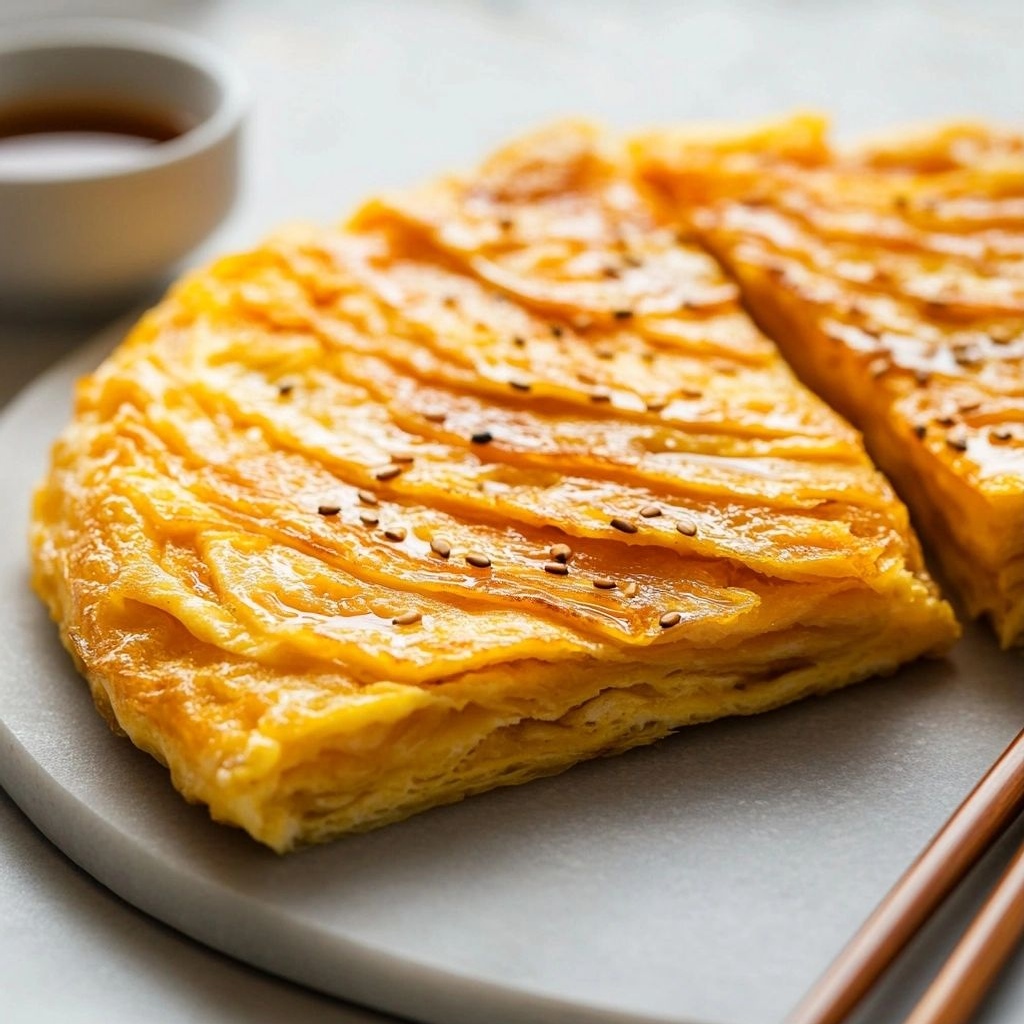
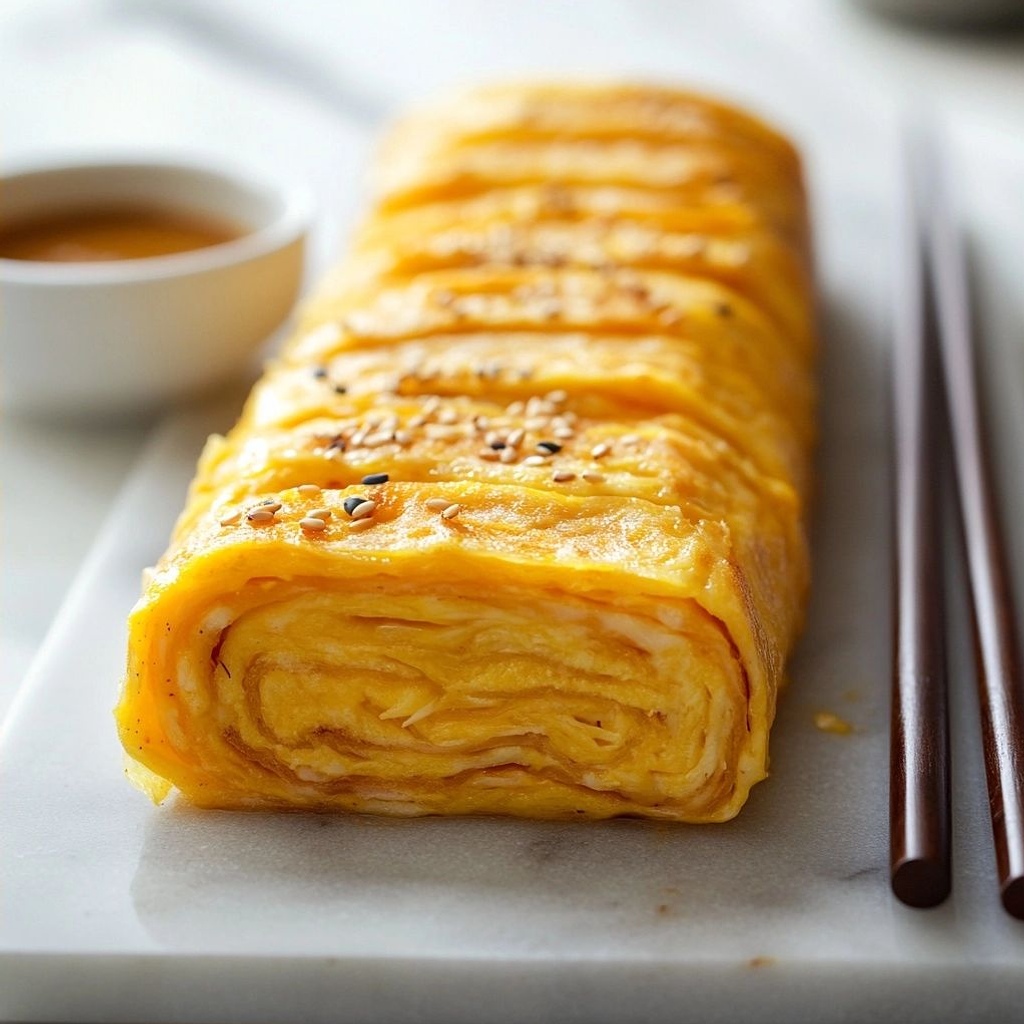
Imagine a delicate, cloud-soft omelette that unfurls like a sunrise over a quiet kitchen counter. The first bite melts gently, revealing a ribbons-and-sheets structure that holds gentle savory notes and a whisper of sweetness. This is gyeran mari, the Korean style rolled omelette that turns a humble breakfast staple into an elegant, comforting centerpiece. It’s a dish that speaks in layers—literally and figuratively. The outer layer offers a tender, slightly glossy finish, while the interior reveals pale gold strands that behave like a map of memories: childhood mornings, family dinners, the bustling rhythm of a kitchen that knows how to coax the best from simple ingredients. As you slice into it, the omelette reveals a mosaic of flavor—savory, subtly sweet, with a kiss of sesame and a hint of green onion—that invites second and third helpings without overpowering the palate. Gyeran mari is not just food; it’s a quiet performance, a practiced technique that rewards patience, timing, and a playful eye for color and texture. It’s also remarkably versatile: perfect for a cozy weekend brunch, a bring-anywhere picnic roll, or a quick weekday meal that feels like you’ve turned a tiny, ordinary moment into something memorable.
What makes gyeran mari particularly enchanting is its technique. You don’t simply whisk eggs and cook them; you layer and roll them, creating a spiral of tenderness that carries delicate fillings within. The result is a light, almost soufflé-like bite, tempered by a subtle chew from small additions like scallions, peppers, or cheese. The process rewards precision—gentle heat, careful rolling, and a rhythm that becomes meditative—yet it remains accessible to home cooks who are new to Asian egg-prep methods. The aroma alone—egg mingling with sesame oil, a touch of soy, and the mild perfume of sesame seeds—conjures a warm, inviting kitchen where everyone wants to gather around the stove. If you’ve ever wondered how to elevate a simple egg to something that feels special, gyeran mari is your gateway.
The Story Behind the Dish
Gyeran mari is deeply rooted in Korean home cooking, a dish that quietly travels through generations as a staple on banchan (the little side dishes that accompany a meal). Its name literally translates to “rolled omelette,” and its technique echoes a long history of Japanese tamagoyaki influence mingling with Korean flavors. Across Korean households, the rolled omelette became a practical canvas for using leftover or small amounts of ingredients—think scallions, diced carrots, or ham—creating a tidy, portable inclusion that fits neatly into lunch boxes (dosirak) or quick weekday breakfasts. The simplicity of the method belies a certain elegance: a gentle pan, a thin layer of egg, a precise few seconds of cooking, a careful roll, and a soft return of the next layer to wrap the roll. It’s a discipline that rewards practice, making each attempt feel like a personal ritual rather than a rushed task. In many homes, gyeran mari is a dish that travels between mothers and daughters, siblings and friends, shared over a kitchen table where stories are exchanged as freely as tips for perfect flip and roll. The result is a timeless comfort food that remains relevant in the fast-paced modern kitchen, offering a sense of continuity and heartiness that nourishes both body and spirit.
Over time, gyeran mari has absorbed regional twists—some cooks favor carrot and green onion in neat julienne ribbons for a colorful interior, others fold in cheese for a creamy melt, and a few traditions honor a lighter, almost custardy egg texture with a hint of sesame oil. The dish’s adaptability makes it a chameleon on the plate: it can be delicate and refined for a formal brunch, or bright and playful for a casual family breakfast. Yet the core essence remains: the egg is gently coaxed into a tender, layered structure, the surface slightly lacquered with a whisper of soy sauce or sesame oil, and the interior glowing with pale gold and soft fractal lines of rolled egg. This balance—simple ingredients treated with care, a technique that rewards patience—gives gyeran mari its enduring charm and universal appeal.
Why You’ll Love This Recipe
- Versatile and forgiving: Works for breakfast, lunch, or a light dinner, and can be adapted with pantry-friendly fillings.
- Texture mastery: Achieves the characteristic soft, springy layers with a delicate outer surface that’s lightly glossy from sesame oil.
- Balanced flavor: Subtle sweetness, savory depth from soy or sesame, and a gentle onion note that stays well within gentle Korean flavors.
- visually appealing: The rolled layers create an attractive spiral when sliced, making any meal feel special and instagram-worthy.
- Make-ahead friendly: It stores well in the fridge and can be served cold or reheated, making it ideal for meal prep.
- Kid-friendly and crowd-pleasing: Its mild profile is approachable for children while still satisfying adults with its nuanced texture.
- Gluten-friendly options: Naturally gluten-free when prepared with gluten-free soy sauce or omitted sauces.
- Healthy fats and protein: Eggs provide quality protein, and a small amount of sesame oil adds flavor with a modest fat contribution; you can tailor this with a lighter oil if desired.
Flavor Profile & Texture
Gyeran mari offers a nuanced flavor profile that lies at the intersection of comforting warmth and refined simplicity. The eggs contribute a gentle richness, their flavor amplified by a touch of soy sauce or a whisper of salt, plus sesame oil that brings a toasty, nutty aroma. The interior layers carry a faint sweetness that is often balanced with a subtle umami from any optional fillings or seasonings. When you bite into a freshly cooked piece, you’ll notice a soft, almost custardy innermost texture that yields to a tender springiness. The rolled layers create delicate lines and a light, airy chew rather than a dense, heavy bite. If you add scallions or peppers, you’ll encounter fresh, peppery notes that punctuate the dish with brightness—an earthy, herbal lift that prevents the eggs from feeling flat. The outer surface is typically smooth and glossy, often enriched by a small amount of oil that gives it a gentle sheen and a lightly crisp edge if cooked with a touch more heat. Overall, gyeran mari is a celebration of gentle contrasts: soft vs. slight chew, mild sweetness vs. savory depth, and a comforting warmth that lingers on the palate after the last bite.
Occasions & Pairings
This dish shines at a multitude of occasions. For weekend brunch, gyeran mari pairs beautifully with a pot of hot tea or a lightly caffeinated coffee that balances the eggs’ creamy texture. It also makes a delightful addition to a Korean-inspired spread featuring kimchi, steamed rice, and a few banchan favorites. For lunch boxes, the neat rolls travel well and slice cleanly into portions that are easy to pack and reheat. It’s equally at home as a quick weekday breakfast that feels special, a comforting dish for rainy mornings, or a simple, elegant option for a small dinner gathering. Pair it with:
- Steamed rice and a side of kimchi for a classic Korean-style meal.
- Lightly pickled vegetables or a fresh cucumber salad to add brightness and crunch.
- A green salad with sesame vinaigrette to echo the sesame notes in the omelette.
- Beer or a cold sake for a playful, brunch-to-dinner transition that’s surprisingly harmonious.
- Gujacha or a mild fruit tea to finish with a refreshing palate cleanse.
Tips, Variations & Substitutions
- Technique first: The key to gyeran mari is patience and a gentle hand. Use a wide, nonstick pan, heat on medium-low, and keep the egg thin in each layer to achieve the classic rolled effect.
- Fillings: Traditional options include finely chopped scallions, thin carrot slivers, and ham or cheese. For a vegetarian version, use mushrooms, spinach, or bell peppers; for a protein boost, add a small amount of shredded chicken or crab meat if desired.
- Seasoning: A light touch of soy sauce or salt is enough; you can also incorporate a pinch of sugar for a hint of sweetness that plays well with the egg’s natural flavor. Sesame oil adds a characteristic nutty aroma—use sparingly.
- Vegan option: Use a plant-based egg substitute designed for folding and rolling, or create a tofu-egg mantle using chickpea flour as a base for a faux-egg texture. However, note that traditional rolled texture is challenging with vegan substitutes.
- Gluten-free note: Ensure any soy sauce used is gluten-free if you’re avoiding gluten altogether. Tamari is a common gluten-free option.
- Regional twists: Some cooks add a tiny amount of grated cheese to the egg layer for a creamy interior, while others fold in finely shredded zucchini for moisture and color.
- Colorful interior: Use julienned carrots, peas, or bell peppers for a vibrant interior that makes the dish more visually appealing, especially for kids.
- Make-ahead variations: Roll and chill the omelette, then slice into rounds for quick serving. Reheat gently in a lightly oiled skillet to restore a tender surface.
Storage & Make-Ahead Ideas
Gyeran mari stores well when properly cooled and refrigerated. For best results, wrap the rolled omelette in plastic wrap or place it in an airtight container to prevent it from drying out. Here are some practical guidelines:
- In the fridge: Slice after cooling completely and store in an airtight container for up to 3 days. Reheat gently in a pan with a tiny splash of water or steam briefly to restore moisture.
- Freezing: While not ideal for texture, you can freeze sliced portions for up to 1 month. Thaw in the fridge and reheat slowly to avoid toughening the eggs.
- Make-ahead strategy: Prepare the fillings and the egg mixture separately, then roll just before serving to maintain optimal texture. If you’re serving a crowd, set up a quick assembly line where each person can tailor their own fillings before rolling.
- Reheating method: Warm in a nonstick skillet with a small amount of oil over low heat and cover for a minute to reintroduce tenderness and gloss to the surface.
Fun Facts & Trivia (Optional)
Gyeran mari is not only a culinary craft but also a reflection of Korean efficiency and resourcefulness. The egg, a staple in many cultures, becomes a medium for creativity when presented as a rolled omelette. The technique of rolling layers recalls the artful Japanese tamagoyaki, but gyeran mari is uniquely Korean in its balance of delicate texture and flexible fillings. Some households consider the perfect roll a small triumph—an edible compass that indicates a cook’s patience and practice. The dish’s appearance in children’s lunch boxes has made it a symbol of care and home, a comforting reminder that great flavors can arise from simple ingredients arranged with intention. And while the method might seem intricate at first glance, the steps are approachable with a little practice, turning a familiar breakfast into a moment of ritual and joy.
Conclusion: Embrace the Quiet Joy of a Rolled Omelette
Gyeran mari invites you to slow down just enough to coax the best from a handful of ordinary ingredients. It rewards calm, precise technique and a willingness to experiment with small, thoughtful variations. The result is more than a dish; it’s a memory-in-the-making, a plate that can carry the warmth of morning conversations, the satisfaction of a well-executed kitchen routine, and the simple pleasure of tasting something that has been carefully layered and lovingly prepared. As you serve slices of this Korean-style rolled omelette, you invite others to experience a moment of comfort, a shared bite that signals welcome, nourishment, and the quiet triumph of cooking with intention. Whether you’re a kitchen novice or a seasoned home cook, gyeran mari offers a delightful canvas to explore, tweak, and perfect—one roll at a time.
Ingredients
- Gyeran Mari Base
– 6 large eggs (room temperature)
→ The foundation of the dish; eggs provide structure, binding, and richness. Let eggs sit at room temperature before whisking so they beat more evenly and fold smoothly into thin, uniform layers when cooked. For a lighter texture, whisk until completely blended and a few small bubbles disappear. - Gyeran Mari Base
– 2-3 tablespoons water (or milk)
→ Adds moisture and helps create a soft, silky roll. Water yields a lighter, firmer finish, while milk adds subtle richness. Use cold water or milk to preserve gentle steam during cooking, and whisk with the eggs until fully incorporated. - Gyeran Mari Base
– 1/2 teaspoon salt
→ Provides even seasoning throughout the layers of thin omelette. Salt in the egg mixture helps enhance the egg flavor without needing excessive salt later. Adjust to taste if you’re serving with other salty fillings. - Gyeran Mari Base
– 1-2 teaspoons sugar (optional)
→ A traditional touch in some recipes to balance savory notes with a slight sweetness. If you prefer a more neutral profile, omit. Dissolve the sugar completely in the whisked eggs for even distribution. - Gyeran Mari Base
– 1-2 teaspoons neutral oil for cooking (or more as needed)
→ Prevents sticking and creates a smooth, thin layer of eggs during rolling. Add to the pan between folds as needed; choose a high-smoke-point oil like canola or grapeseed for best results. Wipe excess oil for a lighter roll if desired. - Gyeran Mari Base
– 1 teaspoon sesame oil (optional, for flavor)
→ Imparts a distinct Korean aroma and depth. Use sparingly to avoid overpowering the egg taste; mix into the egg batch or brush lightly onto the pan before pouring the first layer. - Fillings and Seasonings (choose any or mix)
– 2-3 stalks green onions (scallions), thinly sliced
→ Adds fresh color, mild onion flavor, and a crisp bite that contrasts with the soft egg layers. Slice thinly so they distribute evenly and roll smoothly without tearing the omelette. - Fillings and Seasonings
– 1 small carrot, julienned (very thin)
→ Contributes color and subtle crunch. Julienne finely or grate lightly to ensure it layers evenly and doesn’t obstruct rolling. You can sauté briefly to soften or leave raw for extra texture. - Fillings and Seasonings
– 2-3 slices cooked ham, finely chopped (or turkey)
→ Adds savory depth and protein. Use a fine dice so the diced bits distribute evenly within the layers and don’t poke through the roll. For a non-meat version, omit or replace with extra vegetables or cheese. - Fillings and Seasonings
– 1-2 tablespoons shredded cheese (optional; Swiss, cheddar, or mozzarella)
→ Melts inside the omelette to create a creamy, gooey center. Use a mild-flavored cheese so it doesn’t dominate the eggs. Sprinkle evenly over the eggs before rolling or tuck into layers as you cook. - Fillings and Seasonings
– 1 teaspoon sesame seeds (optional)
→ Adds extra aroma and a subtle crunch. Lightly toast sesame seeds beforehand to boost flavor; then sprinkle across the egg surface before rolling for a speckled, appetizing finish.
Instructions
- Whisk the eggs with water (or milk), salt, and sugar (if using) until completely blended and smooth, ensuring no streaks remain; this creates a uniform base that folds evenly into thin layers and prevents overbeating, which can toughen the omelette.
→ Gentle mixing promotes a light, tender texture and helps the layers roll smoothly without tearing. - Prepare the fillings by trimming and thinly slicing green onions, julienning the carrot into very fine strands, finely chopping the ham, and shredding the cheese (if using); set these components within easy reach along the far edge of the work surface to assemble quickly as you cook.
→ Ready fillings prevent overcooking the egg while you roll and maintain even distribution. - Warm a nonstick skillet or a well-seasoned tamagoyaki pan over medium-low heat and brush it with a light film of neutral oil to prevent sticking and to help the omelette form thin, even layers; keep the heat steady to avoid browning or scorching.
→ A controlled, moderate heat yields delicate, rollable layers that cook through without browning. - Pour a thin, even layer of the egg mixture into the pan, tilting the pan to spread it to a uniform sheet roughly 1/8 inch (3 mm) thick; use a spatula to gently sweep any bubbles toward the edges for a smooth surface.
→ A uniform, thin layer ensures clean folds and consistent rolling texture throughout the dish. - Cook the first layer until the surface is just set and slightly shimmering but not fully firm, then brush or wipe a tiny amount of oil around the pan’s surface to maintain a smooth roll and prevent sticking; rotate the pan if needed to keep the edge light browning.
→ A just-set surface allows the roll to form without tearing while the oil helps separate layers. - Scatter a light, even line of green onions, a few carrot juliennes, a modest amount of ham, and a pinch of cheese over the set egg layer; keep fillings thin and evenly distributed to avoid bulky folds that disrupt rolling.
→ Even distribution prevents lumps and ensures each bite has balanced flavor and texture. - With the edge closest to you, start rolling the omelette away from you using the pan edge or a spatula to guide the roll into a tight cylinder, pressing gently to seal; slide the finished roll to the far side of the pan and keep it warm.
→ A snug roll forms a compact center that holds together during subsequent folds and helps maintain shape. - Wipe the pan lightly and add another very small drizzle of oil; pour another thin layer of egg over the exposed surface, lifting the roll slightly to let the new layer meet the sides and form a seamless second layer; cook until just set.
→ Layering repeatedly builds the classic multi-slice texture characteristic of gyeran mari while preventing gaps in the roll. - Roll the existing omelette over the new layer, repeating the process as you add more egg layers, evenly distributing fillings on the innermost layer each time, and maintaining a gentle, steady heat to avoid cracking or dry edges.
→ Rolling in stages creates the distinctive stacked, stripe-like appearance and ensures each layer cooks through without drying out. - Continue alternating layers and rolling until all egg mixture is used and the omelette stack reaches desired thickness, usually about 3 to 4 folds; keep the roll compact and adjust heat as needed to prevent browning.
→ A consistent thickness across layers yields a uniform bite and a visually appealing final roll. - Turn the finished roll onto a clean cutting board and let it rest for 1–2 minutes to set and relax the proteins, which makes slicing neater and reduces chances of cracking; then slice into 3/4 to 1-inch rounds with a sharp knife.
→ Resting allows the internal steam to distribute and firms the structure for clean, even slices. - Arrange the slices on a plate and dust with sesame seeds if desired, adding a final aroma while serving; serve warm with steamed rice or as part of a bento, and note that the balance of sweet and savory can be adjusted by the sugar and fillings used.
→ A finishing touch provides aroma and a pleasing visual, while serving temperature preserves tender texture.
Notes
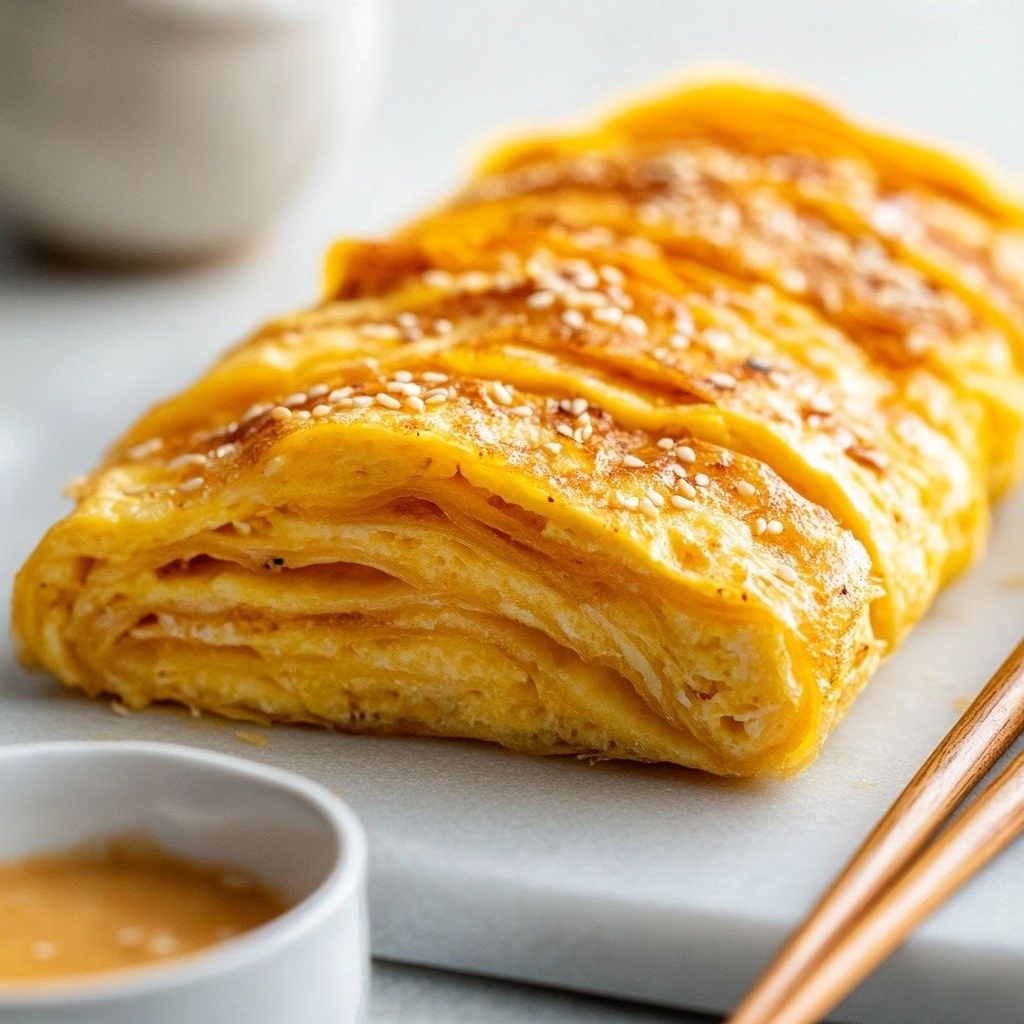
These Gyeran Mari (Korean style rolled omelette) are best made with eggs at room temperature for the most flexible, silky layers. Use a nonstick pan or a well-seasoned skillet and a gentle hand to pour thin layers that just coat the surface. Keep the heat medium-low to ensure even cooking without browning and to help each layer roll smoothly into a tight cylinder. If you prefer a slightly sweeter touch, the optional sugar in the base can be adjusted or omitted to suit your taste.
- Technique tip: Whisk the eggs thoroughly with the water (or milk), salt, and optional sugar until fully combined and a few small bubbles disappear. This helps achieve a uniform, light texture when folded into thin layers.
- Pan prep: Lightly oil the pan with neutral oil, wiping away excess to prevent greases spots. If using sesame oil for aroma, add a tiny drop to the egg mixture or brush onto the pan before the first layer for a distinct Korean aroma without overpowering the eggs.
- Layering: Pour a small amount of egg mixture to just cover the pan, swirl to form a thin sheet, and let it set before adding the next light layer. Repeat, adding fillings (green onions, julienned carrot, ham, cheese, sesame seeds) between layers or tucked into the center as you roll, ensuring every layer is barely cooked before the next.
- Fillings guidance: Slice fillings thinly and evenly so they distribute without tearing the omelette. If you’re adding cheese, sprinkle a small amount to melt within the roll rather than piling on top.
- Rolling technique: Once a layer is set, start rolling from one edge using the pan’s edge or a spatula, tightening the roll as you go. Push the finished roll back to the far edge and pour a new layer underneath, letting it envelop the previous roll for a continuous roll. Repeat until all the mixture is used.
- Storage and serving: Let the finished roll rest a minute before slicing to help it hold together. Slice into 1/2-inch rounds and serve warm or at room temperature. They pair well with soy sauce or a touch of gochujang for dipping.
- Variations: For a lighter vegetarian version, omit ham and cheese or substitute with extra vegetables like bell pepper or zucchini. For a protein boost, add finely chopped cooked crab or shrimp.
- Make-ahead: The omelette rolls well when refrigerated. Wrap tightly and refrigerate up to 2 days; reheat gently in a pan or steam to preserve the soft texture. You can also chill the egg mixture before cooking for slower, steadier cooking if you’re new to rolling.
Tips
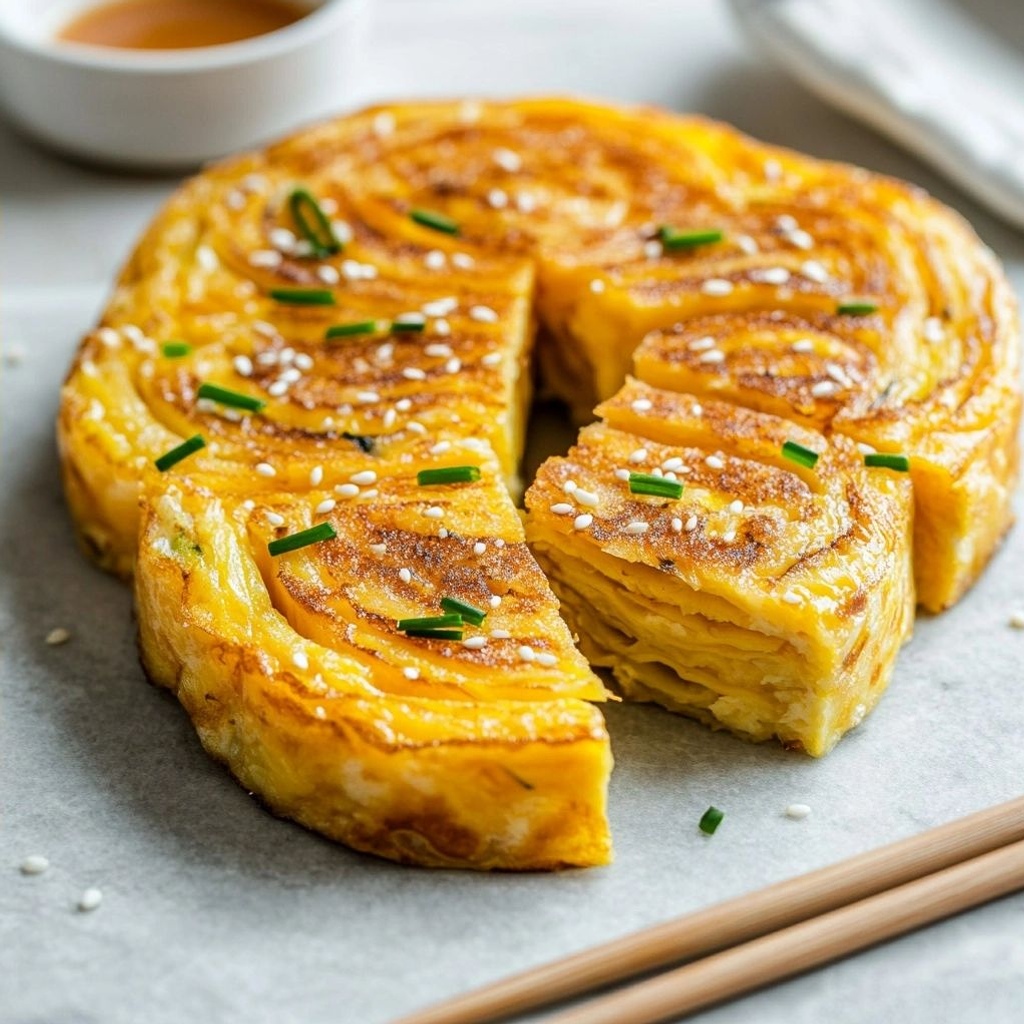
Tips for Perfect Gyeran Mari (Korean Rolled Omelette)
- Room-temperature eggs whisk more evenly. If you’re short on time, place eggs in warm water for a few minutes to take the chill off before beating.
- Whisk just until combined with no harsh overbeating. A few tiny bubbles are fine; too much air can make the layers fragile and prone to cracking when rolled.
- Control the pan temperature: cook on medium-low. A hot pan cooks the egg too quickly and makes tearing or uneven layers; slow, steady heat yields uniform, delicate sheets.
- Keep the oil thin and evenly distributed. Wipe the pan with a paper towel between layers to prevent sticking and to maintain a smooth rolling surface.
- When adding water or milk, mix well to avoid pockets. This ensures a cohesive roll with soft, even texture from edge to edge.
- Season the eggs evenly rather than salting after rolling. A well-seasoned mixture helps keep the rolls cohesive and flavorful throughout.
- If using sugar, dissolve it completely in the eggs to prevent gritty texture and to maintain even sweetness across layers.
- Prepare fillings in advance: slice green onions thinly, julienne carrots finely, and dice ham small enough to nestle within the layers without causing gaps.
- Lay fillings in a single thin layer as you pour each new sheet of egg. This promotes even distribution and prevents bulges that can crack the roll.
- Roll gradually with a gentle, continuous motion. Use a bamboo mat or a folding technique to guide the roll; sharp edges can split delicate layers.
- For a lighter omelette, skip or reduce cheese. If using cheese, sprinkle a thin layer so it melts within the rolls without leaking out.
- Sesame oil adds authentic aroma but is potent. Start with a few drops in the mix or pan, then adjust to taste to keep the egg flavor forward.
- To store leftovers, wrap tightly in plastic wrap and refrigerate up to 2 days. Reheat gently in a warm pan or microwave in short bursts to avoid tough texture.
- Slice the finished roll with a very sharp knife. Wipe the blade between cuts to keep slices clean and intact for a neat presentation.
- Experiment with fillings: broccoli florets, mushrooms, bell peppers, or cheese blends. Be mindful of moisture; dry fillings roll better and prevent soggy eggs.
FAQ
What is Gyeran Mari?
Gyeran Mari is a Korean-style rolled omelette. It’s light, fluffy, and slightly sweet, made by layering thin egg mixtures and rolling them into a log. It’s commonly served as a side dish or part of a Korean breakfast.
What ingredients do I need?
You’ll typically need:
- Eggs (4–6 for a standard batch)
- Salt or sugar (a pinch to taste; some prefer a pinch of sugar for sweetness)
- Milk, water, or broth (a small amount to loosen the mixture; optional)
- Vegetables or add-ins (optional): chopped scallions, diced carrots, peas, bell peppers
- Cooking oil or non-stick spray
What equipment do I need?
You’ll need:
- A non-stick frying pan (ideally a square or rectangular tamagoyaki pan, but a regular skillet works)
- A chopstick or spatula for rolling the omelette
- A small bowl for beating eggs
- Paper towels for oiling the pan
How do I beat the eggs for a fluffy texture?
Whisk the eggs until just homogeneous, about 20–30 seconds. Do not overbeat to avoid too much air. If using sugar or salt, mix evenly. For a lighter texture, add a small amount of milk, water, or broth (about 1–2 tablespoons per 4 eggs).
Should I add vegetables or fillings?
Yes, you can add finely chopped fillings. Common options include scallions, carrots, peas, bell peppers, or cheese. Sauté any watery vegetables briefly to remove excess moisture before mixing with eggs to prevent a soggy omelette.
How do I cook the rolled omelette?
Steps:
- Heat a lightly oiled pan over medium-low heat.
- Pour a thin layer of egg mixture to coat the bottom; let it set just until barely firm.
- Begin rolling from one edge using a spatula or chopsticks, shaping a log.
- Push the rolled log to one side, re-oil the exposed pan, and pour another thin layer of egg under/around the roll.
- Lift the roll to let the new layer flow underneath, then roll again. Repeat until all egg is used.
- Cook until fully set and evenly browned on the outside.
How do I keep the roll compact?
Keep the heat medium-low to avoid browning too quickly. Roll tightly with the spatula as you go, and let the final omelette rest for a minute in the pan off the heat to set before slicing.
How do I slice and serve?
Let the omelette cool for a minute, then slice into 1/2 inch to 1 inch rounds. Gyeran Mari is often served with a dab of sesame oil, a pinch of salt, or dipping sauce. It pairs well with steamed rice, kimchi, or a simple salad.
What are common variations?
Variations include:
- Sweet version with more sugar and a touch of honey
- With cheese folded into layers
- Incorporating finely chopped crab sticks or tuna for protein
- Adding spinach or other greens for color and nutrition
What is the best pan for authentic results?
A rectangular tamagoyaki pan (makiyakinabe) is ideal for traditional rolled omelets, but a well-seasoned non-stick frying pan works well too. The key is low heat and a thin, even egg layer that can roll smoothly.
Can I make Gyeran Mari ahead of time?
Yes. You can cook and roll the omelette, then refrigerate for up to 2 days. To reheat, slice and gently warm in a pan or microwave, being careful not to overcook.