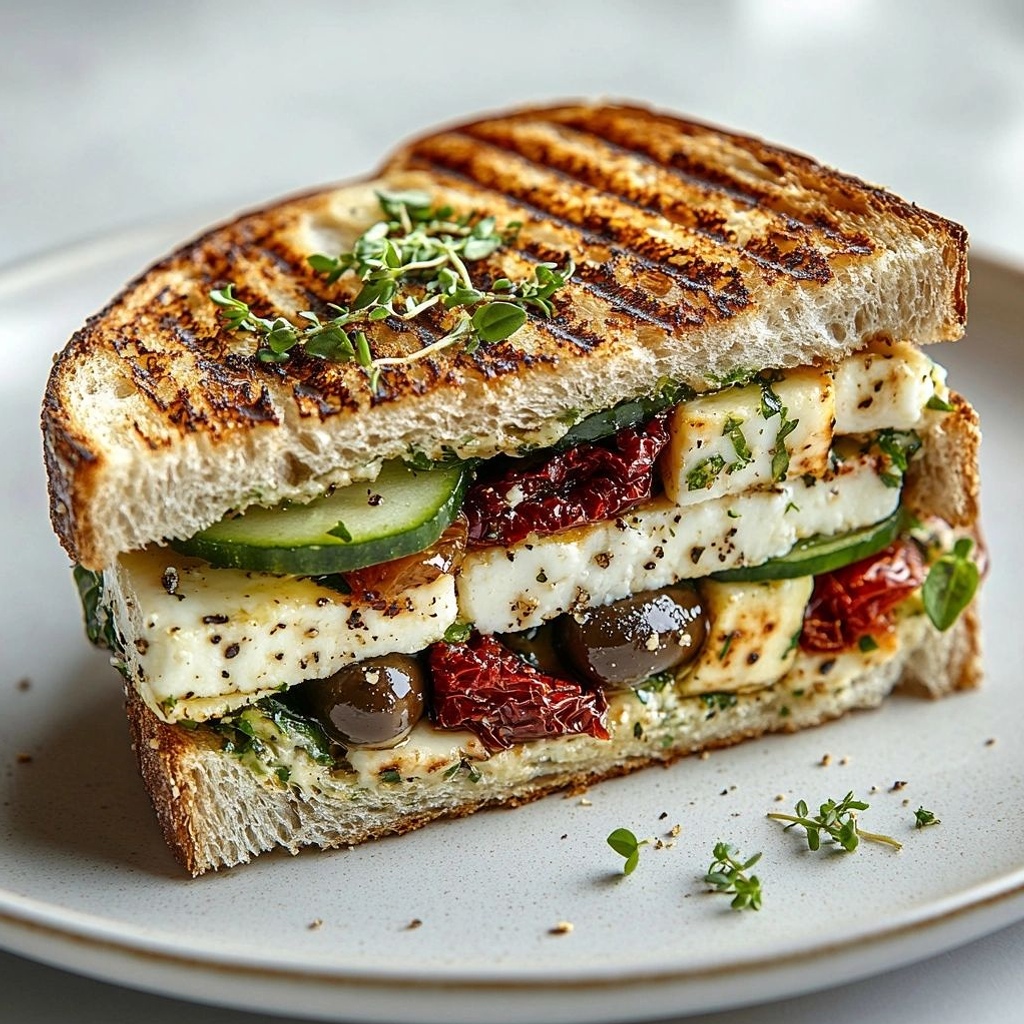
Introduction / Hook
Picture a sun-drenched Mediterranean afternoon where olive groves meet the sparkling coastline, and the air is perfumed with citrus, herbs, and the inviting scent of grilled bread. This is the moment you capture in a single bite with the Gourmet Mediterranean Panino—an elevated, crowd-pleasing sandwich that feels both casual and indulgent at once. It’s the kind of dish that turns ordinary get-togethers into mini celebrations: vibrant colors, sizzling textures, and a chorus of flavors that sing together in harmony. The panino is more than a sandwich; it’s a portable herb garden, a snack that travels well, and a statement of simple luxuries—bright, sunny, and surprisingly indulgent without being fussy. When you bite through the crisp, lightly charred exterior, you are met with a melty interior where salty cheeses meet marinated vegetables, peppery greens, and thoughtfully seasoned proteins. It’s the aroma that pulls people in first—the warm bread toasting, the perfume of oregano and garlic, the citrusy lift from preserved lemons or lemon zest, and a whisper of smokiness from grilled vegetables or charred bread edges. This panino is designed to be your go-to party pleaser: easy to assemble in batches, impressive to look at, and versatile enough to suit a wide range of palates and dietary needs. It’s a celebration of the Mediterranean pantry you already love, elevated with a gourmet touch that makes every bite feel special, every bite worth sharing, and every bite a little memory in the making.
The Story Behind the Dish
The Mediterranean coast has long been a crossroads of cultures, where traders, sailors, and home cooks exchanged ideas, spices, and techniques that enriched regional cuisines. The panino, a humble cousin to the timeless wrap and sandwich, arrived in this coastal tapestry as a practical, flavorful answer to feeding a crowd with minimal effort and maximum impact. The idea behind the Gourmet Mediterranean Panino fuses two traditions: the artful, chef-inspired approach to layering flavors and the democratic, communal spirit of sharing food at a table or terrace. The bread—rustic yet refined—serves as a canvas, absorbing olive oil and citrus without becoming soggy. The fillings borrow from sun-kissed markets: marinated vegetables that retain a lively snap, briny olives that provide a saline kiss, soft cheeses that melt into a creamy pocket, and greens that contribute herbaceous brightness. If you’ve ever walked through a bustling seaside promenade and noticed a line of cooks shaping dough, brushing it with olive oil, and layering ingredients with measured care, you’ll understand the philosophy behind this dish: make something that looks and tastes both effortless and thoughtfully crafted. The panino stands as a modern ambassador of Mediterranean flavors—versatile enough to fit a casual picnic as well as a sophisticated party spread, yet rooted in the rustic joy of sharing a single, delicious thing that everyone can enjoy together.
Why You’ll Love This Recipe
- Fast, flexible, and scalable for crowds: Assemble a tray of fillings and let guests customize their own panini, making it ideal for parties, potlucks, or weeknight gatherings.
- Gourmet flavor without complexity: Think marinated vegetables, peppery greens, briny olives, subtle heat from pepperoncini or chili, and a luxurious melt of cheese—crafted to feel special without requiring advanced technique.
- Vegetarian-friendly options with optional proteins: The core can be fully vegetarian or easily upgraded with grilled chicken, flat iron steak, or roasted fish for extra richness.
- Bright, balanced flavor profile: Citrusy acidity from lemon or preserved lemon contrasts with the richness of olive oil and cheese, while herbs like oregano, mint, or basil brighten every bite.
- Textural variety that excites the palate: A crackly-crisp exterior contrasts with a tender, melty interior and crisp vegetables—an irresistible layering of textures.
- Perfect for make-ahead prep: Components can be prepared in advance, chilled, and then quickly assembled or heated just before serving, freeing you up to mingle with guests.
- Elegant presentation with a casual vibe: When cut into diagonal wedges and fanned on a platter, the panino looks irresistible—colorful, glossy, and gallery-worthy for social feeds or a dinner party.
Flavor Profile & Texture
This panino orchestrates a symphony of Mediterranean notes, each component playing its part to create a cohesive, deeply satisfying bite. The first impression is the aroma: olive oil warmed just enough to release its fruitiness, garlic mellowed into fragrant sweetness, and herbs releasing their aromatics. The bread offers a toasty, slightly charred edge that echoes the grilled or pan-seared preparation common in sun-soaked coastal towns. When you bite through, the exterior provides a gentle crunch that gives way to a soft, pillowy interior—especially if the cheese has melted just enough to bind the layers without becoming heavy.
Flaunting the Mediterranean trifecta of brightness, savoriness, and richness, the fillings offer a curated balance:
- Briny and creamy: Olives, artichokes, or capers provide a salt kiss that awakens the palate, paired with a cheese that melts into a creamy pool, creating a luscious mouthfeel.
- Herbal freshness: Fresh herbs such as oregano, basil, mint, or parsley lend a note of garden-fresh aroma, cutting through richness with a lively, almost citrusy brightness.
- Roasted or marinated vegetables: Grilled peppers, zucchini, eggplant, or sun-dried tomatoes bring depth, sweetness, and a subtle smokiness that evokes sunny terraces and shared meals.
- Acidity and zing: A touch of lemon, preserved lemon rind, or a splash of vinegar brightens the ensemble, preventing richness from tipping into heaviness.
- Proteins optional but impactful: If you choose to add meat or seafood, a light sear or grill adds a caramelized crust that enhances texture and rounds out the flavor spectrum.
Texture-wise, the contrast is key. The bread remains warm and inviting, with a crisp edge that gives way to a soft, almost pillowy crumb. The melted cheese binds the layers into a cohesive bite, while the vegetables provide crunchy, chewy, and tender notes all at once. The result is a sandwich that feels both refined and comfortingly familiar—a “gourmet” experience that still feels like something you’d reach for during a casual gathering.
Occasions & Pairings
Where does the Gourmet Mediterranean Panino shine? Everywhere you want a dish that feels special yet approachable. Here are some ideal occasions and suggested pairings to maximize its impact:
- Weeknight gatherings: A quick, satisfying meal that doubles as a conversation starter. Serve with a simple green salad and a light vinaigrette to echo the brightness of the fillings.
- Brunch or lunch parties: Pair with citrusy beverages like sparkling water with lemon, a dry sparkling wine, or a light rosé. Add a platter of olives, fresh fruit, and whipped feta for an elevated spread.
- Picnics or outdoor entertaining: Assemble ahead, wrap in parchment, and transport in a cooler. Pair with a crisp white wine or herbal tea, and a yogurt-dill dip for dipping vegetables on the side.
- Celebrations and tapas-style menus: Slice into smaller portions and arrange as a mosaic of colors and textures on a board, alongside small plates like hummus, marinated olives, and grilled pita wedges.
- Holiday gatherings: Elevate with a drizzle of high-quality extra-virgin olive oil, a brush of garlic-infused oil on the bread, and a handful of microgreens or arugula for peppery lift.
Suggested pairings to enhance the Mediterranean vibe:
- Side dishes: A light chickpea-tomato salad, cucumber-yogurt raita, or a fennel-and-orange salad to echo citrus and herb notes.
- Drinks: A bright Sauvignon Blanc, Vermentino, or a sparkling mineral water with a twist of lemon and mint.
- Desserts: A delicate lemon yogurt tart, orange blossom cookies, or pistachio baklava bites to continue the citrus-nut theme.
Tips, Variations & Substitutions
Customizing the Gourmet Mediterranean Panino is part of the fun. Here are practical tips to tailor the dish to your preferences, dietary needs, or available ingredients:
- Vegetarian and vegan options: Replace cheese with a vegan cheese that melts well, or use a thick layer of crushed white beans with olive oil and herbs to provide creaminess and binding. Add roasted peppers, marinated artichokes, olives, cucumbers, and baby greens for structure and brightness.
- Gluten-free variation: Use a gluten-free flatbread or sturdy gluten-free baguette. Ensure fillings are gluten-free, especially any marinated products or sauces that might include gluten-based thickeners.
- Birch-smoked or pepper-flake accents: Introduce a whisper of heat with roasted red pepper flakes or a light drizzle of smoked olive oil to add depth without overpowering the delicate flavors.
- Regional twists: Swap in regional favorites—for example, sun-dried tomatoes and goat cheese for a Sicilian vibe; or roasted eggplant, halloumi, and mint for a Levantine touch.
- Proteins that work well: Grilled chicken, lamb, or seafood (shrimp or tuna) can be added for a heartier version. Cook proteins with Mediterranean spices (cumin, coriander, paprika, oregano) to maintain the theme.
- Cheese options: A mild, creamy cheese like mozzarella or fontina melts beautifully; feta crumbles add tang and salt when used alongside olives and cucumber slices.
- Vegetable options: Grilled zucchini, caramelized onions, roasted peppers, marinated artichokes, and sun-dried tomatoes create a mosaic of color and texture.
- Preserved lemon or citrus twists: A subtle note of preserved lemon rind or a light squeeze of fresh lemon juice can lift the entire sandwich, providing a bright finish that echoes Mediterranean coastal flavors.
Storage & Make-Ahead Ideas
To keep the dish as vibrant as possible, plan for practical storage and make-ahead strategies. The key is to preserve texture and brightness so that the panino remains appealing when served:
- Make-ahead fillings: Prepare vegetables, marinate components, and slice proteins ahead of time. Store in airtight containers in the refrigerator. Assemble just before serving to maintain a crisp exterior.
- Assembling tips for service: If hosting a crowd, lay out an assembly line with bread halves, fillings, cheeses, and greens. Guests can customize, and you can toast or press as needed in batches to maintain warmth and melty cheese.
- Storage of leftovers: Wrap finished panini in parchment, then in foil and refrigerate for up to 2 days. Reheat in a hot, dry skillet or a panini press to restore crust and melt. If freezing, freeze unassembled components instead of assembled panini for best texture upon thawing and reassembly.
- Reheating tips: A quick reheat in a toaster oven or skillet with a light brush of olive oil on the bread helps recreate the toasted exterior and craving-worthy crunch.
Fun Facts & Trivia (Optional)
Delighting in little-known details can deepen your appreciation for this dish. Here are some tasty tidbits related to Mediterranean flavors and panini traditions:
- The word “panino” is the Italian diminutive of “pane,” meaning bread. A panino is essentially a small, bread-centric sandwich bite—though in practice, it can be as hearty as you like, especially when loaded with gourmet fillings.
- Traditionally, panini are pressed or griddled, which gives the exterior a signature golden-brown crust. This toasting technique isn’t just about texture; it helps meld the flavors, oils, and cheeses so you get a cohesive bite.
- Olives, a staple in Mediterranean cuisine, are more than a garnish in this dish. They provide a saltiness and depth that balance the acidity of citrus and the sweetness of grilled vegetables, creating a lasting aroma and palate profile.
- Preserved lemons, common in North African and Middle Eastern cooking, are often used to introduce a bright, resinous citrus note that isn’t as sour as fresh lemon juice. If you can’t find preserved lemon, a light zest of lemon and a splash of lemon juice can approximate the effect.
- Herbs make more than fragrance—they’re mood lifters in the kitchen. Oregano, mint, and basil each bring a distinct personality: oregano adds warmth and earthiness, mint brings cool brightness, and basil adds a peppery sweetness that pairs beautifully with cheese and olive oil.
Closing Thoughts
The Gourmet Mediterranean Panino is more than the sum of its parts. It’s a celebration of how simple ingredients—great bread, bright vegetables, briny olives, and creamy cheese—can be combined with a chef’s touch to produce something that feels both comforting and refined. It’s a dish that travels well, scales for crowds, and shines at casual gatherings and more polished affairs alike. The beauty of this panino lies in its adaptability: it invites improvisation, invites shared meals, and invites your guests to participate in the assembly, making everyone part of the experience. When you plate these panini or lay them out with a few bright sides, you invite conversation, laughter, and a sense of togetherness that is at the heart of good Mediterranean cooking. So gather your ingredients, fire up the grill or skillet, and let the aromas begin. The rest is history in the making: a series of little bites that remind us that good food is often about balance, generosity, and the joy of sharing something truly delicious.
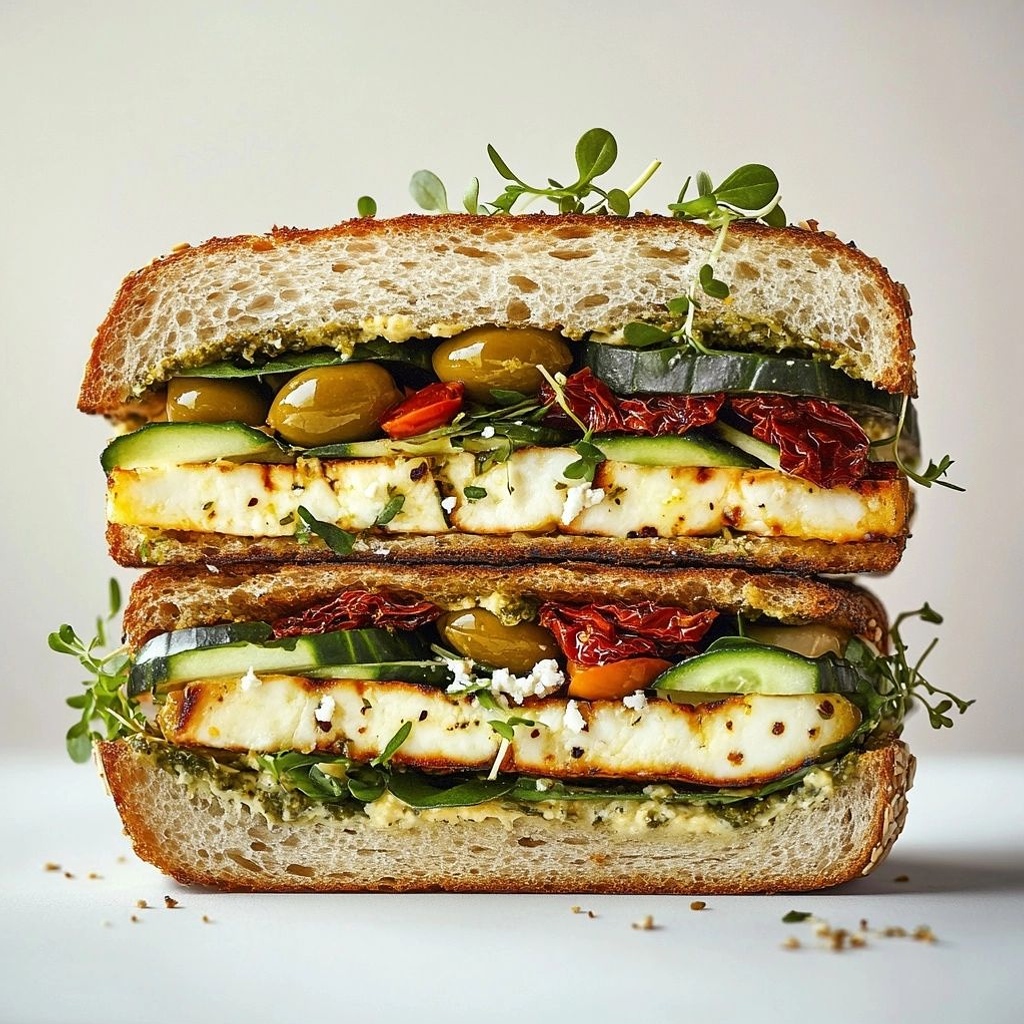
Ingredients
-
Panino Base – Rustic ciabatta or olive loaf
→ The bread forms the sandwich’s structure and texture. Choose a sturdy, crusty loaf with a soft interior to hold fillings without collapsing. If using a baguette, slice thickly and hollow lightly to cradle fillings. Toast or grill the cut sides for extra crunch and aroma. -
Extra-virgin olive oil (for brushing)
→ Used to lightly brush the cut surfaces for moisture, sheen, and flavor during toasting. Use a high-quality, fruity EVOO to complement Mediterranean fillings. Brush generously but not soaked to avoid soggy bread; heat the bread slightly to help the oil bloom. -
Garlic clove (1 small, halved)
→ Adds a subtle fragrant kiss to the bread when rubbed or brushed on prior to toasting. Simple and traditional; rub the cut side lightly on the toasted bread to infuse a gentle allium note without overpowering fillings. -
Fresh mozzarella or burrata (sliced)
→ Provides creamy richness and mild functionality as a binding layer that melts with warmth. Slice thickly and arrange evenly; if using burrata, place dollops rather than slices for a luxurious texture. Bring to room temperature before assembling for best melt. -
Roasted red peppers (jarred or homemade, sliced)
→ Adds sweetness, color, and a soft, glossy texture that blends with feta and olive flavors. Drain well if using jarred peppers; pat dry to prevent soggy bread. If homemade, roast until lightly charred for depth. -
Kalamata olives (pitted, halved)
→ Contributes briny, fruity complexity and a savory punch. Rinse briefly if overly salty. Chop into small pieces to distribute evenly in each bite. For a milder profile, pulse briefly in a processor, then mix with peppers. -
Sun-dried tomatoes (packed in oil, drained and chopped)
→ Intensely flavored morsels that provide tangy sweetness and chew. Drain excess oil, pat dry, and chop finely to distribute across the sandwich without overpowering other fillings. For a fresher note, use tomato halves sun-dried in the sun rather than oil-packed. -
Feta cheese (crumbled)
→ Adds salty, tangy creaminess and structure that contrasts with mozzarella. Crumble just prior to assembly to maintain texture; if preferred, use a milder sheep’s milk feta for a smoother bite. Keep refrigerated until ready to use, then sprinkle evenly. -
Hummus (classic or lemon-garlic)
→ Acts as a creamy, flavorful spread that helps bind fillings and adds moisture without mayo. Use at room temperature for easier spreading; smear a thin even layer on bread halves. For brighter taste, mix in a touch of lemon zest before applying. -
Pesto (basil or arugula)
→ Provides herbal brightness and a juicy, oily coating that ties fillings together. Use fresh pesto with a good olive oil emulsion; spread lightly to avoid soggy bread. If homemade, pulse to a coarse consistency to keep texture; store in the fridge to preserve color and flavor. -
Fresh arugula or baby spinach leaves
→ Adds peppery bite and crisp freshness to balance rich cheeses. Wash and dry thoroughly; add a generous handful to each panino for greens that won’t wilt under heat. Consider trimming stems for a cleaner bite. - Optional Add-ins:
-
Sunflower or pine nuts (toasted, optional)
→ Provides crunch and a toasty nutty note that contrasts with creamy cheese. Toast in a dry skillet until fragrant and golden; scatter on top or within layers to prevent clumping. For a nut-free version, skip this item. -
Pepperoncini or mild pickled peppers (sliced, optional)
→ Adds bright tang and a mild heat that brightens the Mediterranean flavor profile. Remove seeds if you prefer less heat; slice thinly to distribute evenly. Store in brine and pat dry before adding to the sandwich. -
Balsamic glaze (drizzle, optional)
→ Finishing touch that adds a kiss of sweet acidity and sheen, making the panino feel more gourmet. Use sparingly; a quick drizzle over the assembled panino just before serving preserves the crisp bread and prevents sogginess.
Instructions
- Preheat your grill pan or skillet over medium-high heat and lightly oil the surface to prevent sticking and to achieve a crisp, golden crust on the bread.
→ A properly preheated pan ensures even searing and helps to develop an appealing crust without tearing the bread. - Slice the rustic ciabatta or olive loaf into equal sandwich-width halves and toast the cut sides lightly on the grill pan to bloom the aroma and create a sturdy, crisp foundation for fillings.
→ Toasting enriches flavor, enhances texture, and prevents sogginess as the fillings are added. - Brush the warm cut sides with extra-virgin olive oil in a thin, even layer and rub the halved garlic clove over the surface to impart a subtle, fragrant allium note.
→ The oil carries flavor into the bread, while the garlic hint should be delicate enough not to overpower the fillings. - Spread a thin, even layer of hummus on the bottom half and a separate thin layer on the top half to act as a moisture barrier and binding binder for the fillings.
→ Hummus provides creaminess and helps the fillings stay cohesive without relying on mayo. - Layer fresh mozzarella or burrata slices on the bottom half in an even pattern, allowing some spaces for air to circulate and ensuring the cheese melts uniformly.
→ Uniform layering prevents pooling of cheese and promotes consistent melt and bite throughout the sandwich. - Distribute sliced roasted red peppers over the cheese in a single layer, patting them dry if they are wet to prevent sogginess.
→ Drier peppers keep the bread from becoming soggy and contribute sweet, smoky notes to the flavor profile. - Scatter halved Kalamata olives and chopped sun-dried tomatoes across the peppers so they are evenly dispersed in each bite.
→ Even distribution ensures every mouthful delivers briny, tangy contrast without clustering in one area. - Crack and crumble feta cheese over the olives and tomatoes to introduce a salty tang and a creamy bite that complements the mozzarella.
→ Crumbling just before assembly preserves texture and prevents the feta from becoming mushy when heated. - Add a dollop or ribbon of pesto across the fillings, then spread a light layer over the inner face of the top half to bind the components without oversaturating the bread.
→ Pesto provides herbal brightness and a luscious oil emulsion that carries flavors together. - Top the pesto with a handful of fresh arugula or baby spinach, washed and thoroughly dried to avoid soggy greens, and distribute evenly.
→ Greens add peppery bite and freshness that cuts richness when heated. - Optionally sprinkle toasted sunflower or pine nuts over the greens for a crunchy texture, or omit for a nut-free version.
→ Nuts introduce a dynamic crunch and toasted aroma; toast in a dry skillet until fragrant and cool before use to avoid burning. - Place the top half of the bread over the assembled fillings and press gently to compact without crushing the ingredients, then brush the exterior lightly with olive oil for an even sear.
→ Gentle pressure helps the sandwich hold together during grilling while the oil promotes a uniform crust and sheen. - Grill the assembled panino in the hot pan, pressing with a heavy spatula or a grill press, for 3–4 minutes per side or until the bread is deeply golden and the cheese starts to melt.
→ A balanced cook time ensures a crisp crust, warmed fillings, and a soft, elastic interior without drying out or burning. - Remove the panino from the heat and let it rest for 1–2 minutes before slicing crosswise into portions to allow the cheese to set slightly and prevent ooze.
→ Resting helps the fillings rebind for cleaner cuts and easier handling at the table. - Finish with a light drizzle of balsamic glaze over the cut side of the sandwich or serve it on the side for dipping, applying sparingly to preserve crust integrity.
→ The glaze adds a kiss of acidity and sweetness that brightens the Mediterranean flavors without making the sandwich soggy.
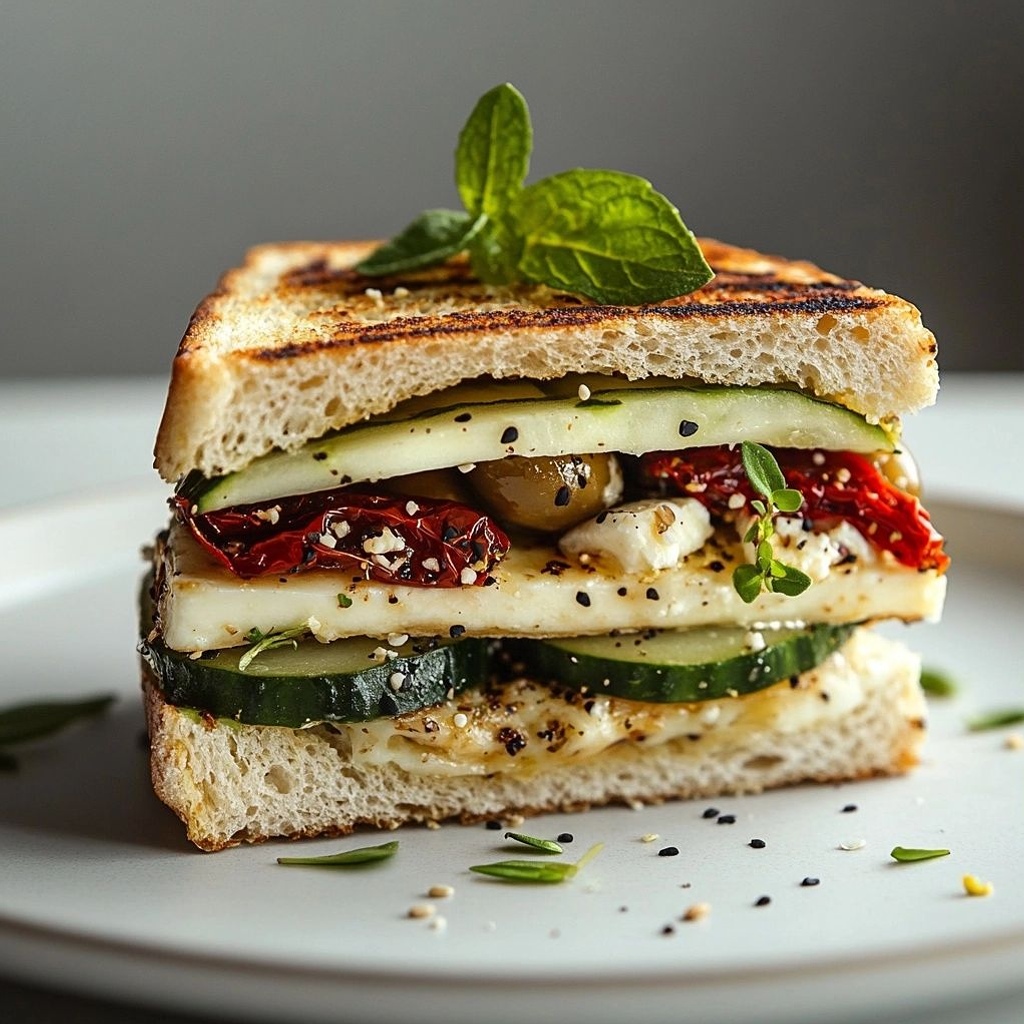
Notes
These gourmet Mediterranean panino party pleasers are built around a sturdy, crusty loaf and a chorus of bright, creamy, and briny fillings that come together for crowd-pleasing finger sandwiches. The secret is to toast the bread with a light brush of high-quality extra-virgin olive oil and a hint of garlic to awaken aroma without overpowering the fillings.
To assemble, lightly toast the cut surfaces of the bread for extra crunch and spread a thin layer of hummus as a binding moisture layer. Layer fresh mozzarella or burrata (bring to room temperature before assembling) with roasted red peppers, sun-dried tomatoes, and feta for a luscious, melty interior. Add Kalamata olives and pesto for herbal brightness and savory depth. A handful of fresh arugula or baby spinach provides peppery bite that offsets the rich cheese.
For added texture and flavor, consider optional add-ins like toasted sunflower or pine nuts, or pepperoncini for a bright, tangy kick. If you’re serving a crowd with varied tastes, set out mix-and-match toppings so guests can customize their panini to their liking.
Serving tips: slice the panino on an angle for elegant presentation and easier handling. Keep fillings balanced so no single element overwhelms the others. If making ahead, keep components refrigerated and assemble shortly before serving to maintain crust and freshness. For a gluten-free version, use a sturdy gluten-free loaf or baguette and ensure all spreads and toppings are gluten-free. Freshness matters—assemble close to serving time to preserve the bread’s crunch and the fillings’ vibrant textures.
Storage and reheating: this panino is best enjoyed the day it’s assembled. If needed, store components separately and assemble just before serving. To reheat, warm the bread lightly to revive aroma, then press the assembled panino briefly in a hot grill or pan to re-melt cheeses and meld flavors without sogginess.
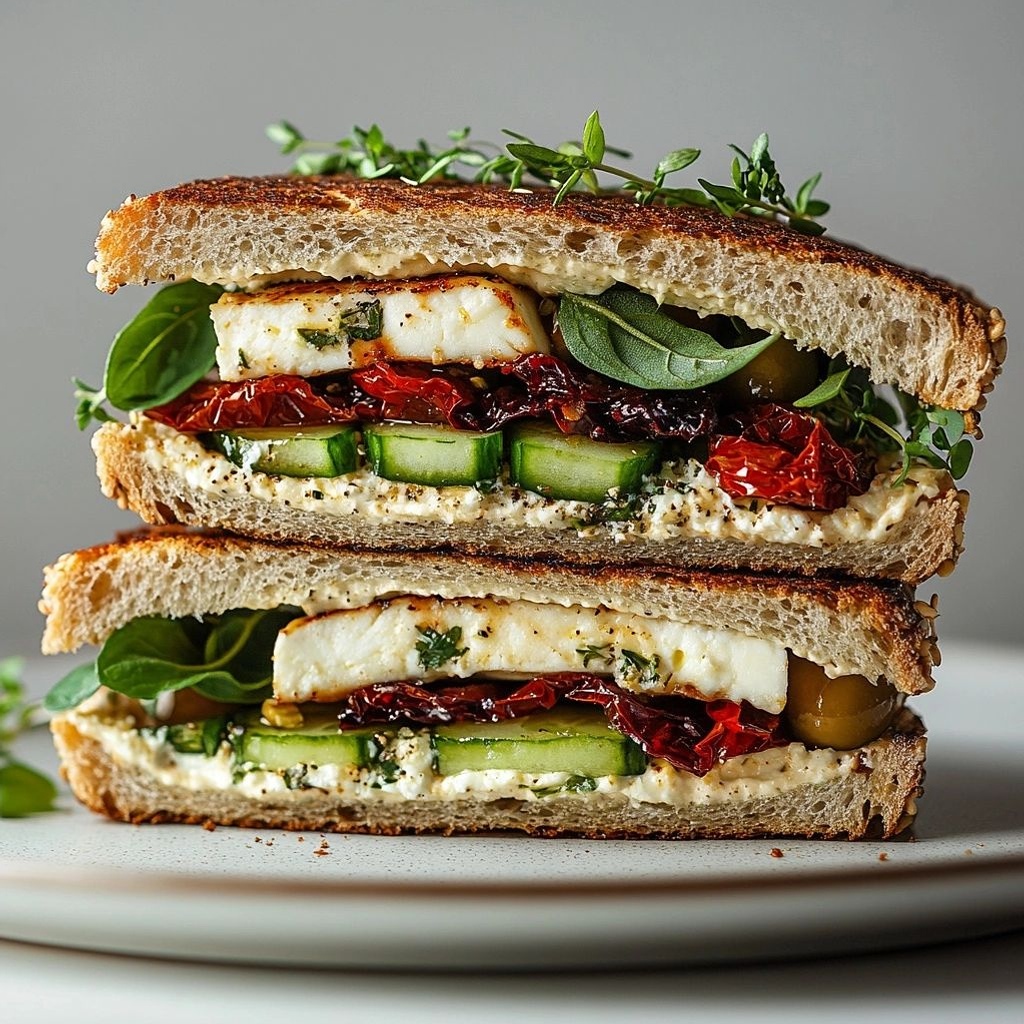
Tips
Tips for Perfect Gourmet Mediterranean Panino
- Prep your bread and fillings in order: slice and lightly toast the bread first, then rub with garlic and brush with olive oil while still warm to bloom its aroma.
- Bring mozzarella or burrata to room temperature before assembly to ensure creamy melting and better flavor distribution.
- Drain and pat dry all vegetables and condiments that come in oil or brine to prevent soggy bread; a quick dab with a paper towel helps.
- Spread hummus and pesto in thin, even layers on each cut side to act as moisture barriers and to help bind fillings in place as you slice.
- Layer fillings strategically: place greens closest to the bread to shield them from direct heat, then cheeses, then moist fillings like roasted peppers and sun-dried tomatoes.
- When using olives and sun-dried tomatoes, chop finely or pulse briefly to distribute flavor evenly and avoid overpowering any single bite.
- Toasting technique: toast the cut sides on a hot grill or skillet until the edges are golden and aromas are toasted. Finish with a brief press or weigh-down to help melt cheese and meld flavors.
- Optional add-ins like nuts and pickles add texture and brightness; toast nuts separately and scatter just before serving to retain crunch.
- For a lighter touch, skip hard-to-work ingredients like burrata in favor of ricotta or a lighter feta crumble; adjust saltiness accordingly.
- Season bites sparingly: a light pinch of salt after assembly can heighten flavors, especially with feta, olives, and sun-dried tomatoes.
- If making ahead, assemble without greens and add them just before serving to preserve crunch and vibrant color.
- For gluten-free versions, substitute the bread with a sturdy gluten-free loaf or grilled eggplant or portobello as a base with the same fillings.
- Serving suggestion: cut the panino diagonally into halves or thirds for elegant presentation; serve with a small bowl of extra balsamic glaze on the side for dipping.
- Storage tip: wrap cooled panini tightly in foil or parchment and refrigerate for up to 24 hours; rewarm in a hot skillet for best texture before serving.
FAQ
What is a Gourmet Mediterranean Panino Party Pleaser?
A crowd-pleasing assortment of warm, pressed sandwiches filled with vibrant Mediterranean flavors like feta, olives, sun-dried tomatoes, roasted peppers, cucumber, and herb-infused spreads. Perfect for parties, potlucks, and casual gatherings.
What ingredients are essential for the base panino?
Crusty bread (ciabatta, focaccia, or baguette), creamy cheese (feta, ricotta, or mozzarella), olive oil, garlic, and a core combination of Mediterranean flavors such as roasted red peppers, Kalamata olives, cucumber, tomato, and fresh herbs.
Can I make these ahead for a party?
Yes. Assemble the fillings and brush the bread with olive oil. Chill the assembled sandwiches (unpressed) up to 4 hours. Press and toast them just before serving to keep them warm and crispy.
What equipment do I need?
A skillet panini press or grill pan, a sharp knife for slicing, a cutting board, and parchment paper or a sheet pan for organizing the ingredients. Optional: a sample toaster oven for keeping warm.
What are good fillings to include for a Mediterranean vibe?
Feta or goat cheese, hummus or herbed ricotta, roasted red peppers, sun-dried tomatoes, marinated olives, cucumber ribbons, sliced olives, fresh herbs (parsley, oregano, mint), and optional proteins like grilled chicken or falafel for a vegetarian option.
How do I make the panino extra flavorful?
Brush the bread with a mix of olive oil, lemon juice, and minced garlic. Add a layer of herb spread (parsley-masil), sprinkle crumbled feta, and finish with a drizzle of balsamic glaze or a light olive tapenade for depth.
Are there vegetarian or vegan version options?
Yes. Use plant-based cheeses (vegan feta or almond ricotta), hummus or olive tapenade as the spread, and balanced fillings like cucumber, tomato, roasted peppers, olives, and herbs. Use vegan bread to keep it dairy-free.
What is the best way to serve these at a party?
Prepare a variety of fillings and breads, press and warm them just before serving, and arrange on a platter with labeled fillings. Offer dipping sauces like tzatziki or extra-virgin olive oil with herbs for dipping.
How long do the paninos stay fresh after cooking?
Best eaten within 2-3 hours of assembly while still warm and crispy. If needed, keep them wrapped in foil to maintain warmth, but avoid soggy textures by serving promptly.