Introduction / Hook
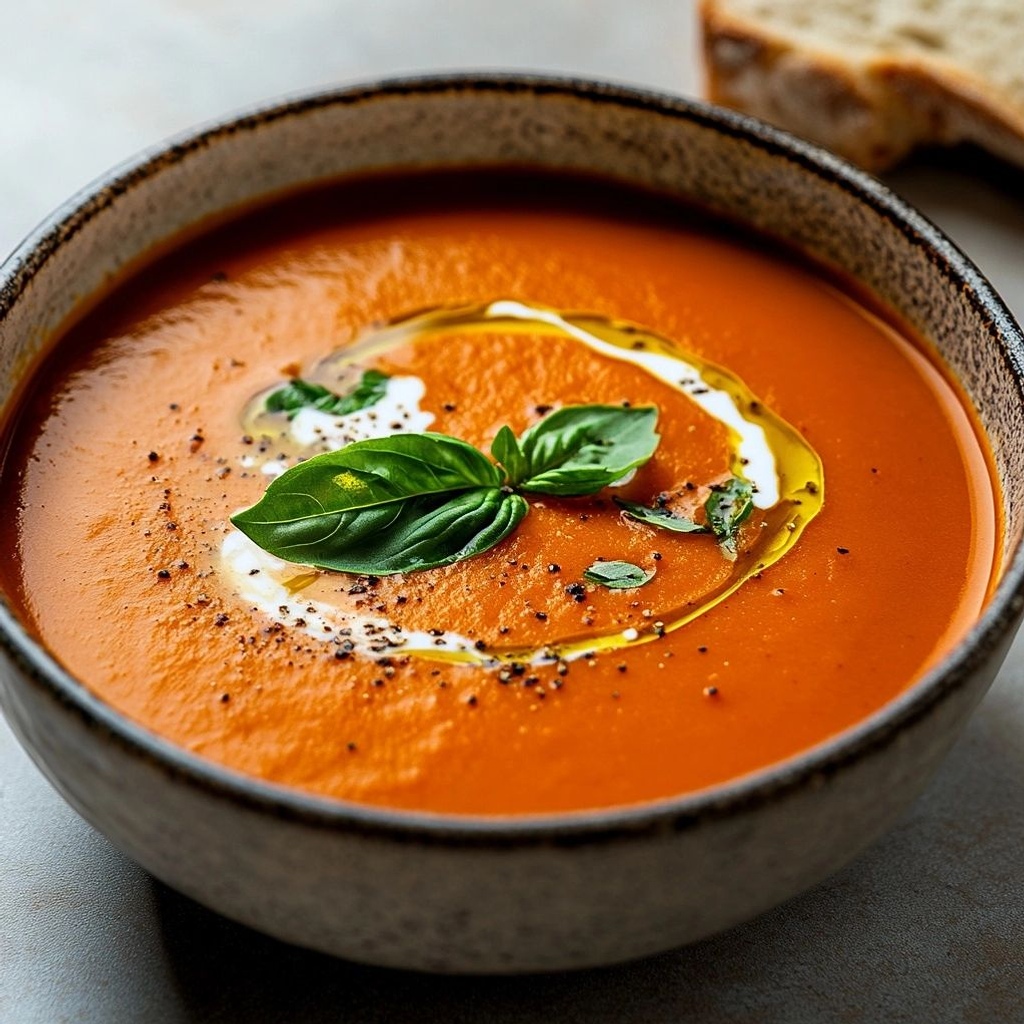
There’s something undeniably comforting about a bowl of tomato soup that feels like a warm hug on a chilly day. The aroma of simmering tomatoes, garlic, and a whisper of basil wrapping the kitchen in a gentle veil of aroma—it’s the kind of dish that invites you to slow down, breathe, and savor the moment. This Cozy Best Homemade Tomato Soup is not just a recipe; it’s an invitation to experience home-cooked warmth in its purest form. Imagine spoonfuls that glide across the tongue with a natural sweetness from ripe tomatoes, a velvety body that comes from a touch of cream or coconut milk, and a brightness that comes from a hint of lemon or a splash of balsamic. It’s the kind of soup that suits a quiet weeknight, a family table after a long day, or a weekend lunch when you deserve something truly soul-satisfying. The first sip carries you to a sunlit garden on a late summer afternoon, then back to a cozy kitchen where the stove hums softly and your favorite crusty bread waits within reach. This is comfort, simplicity, and flavor all in one bowl—made from pantry staples, ready in under an hour, and designed to taste like it’s been simmering for hours while you tended to other things. If you’ve ever wished for a soup that’s both sophisticated enough to serve to guests and forgiving enough for a casual weeknight, you’ve found your new go-to. Let the warm glow of this tomato soup steady your mood as the day winds down, and let it remind you that the simplest ingredients, treated with patience and care, can yield the most memorable meals.
The Story Behind the Dish
Tomato soup has a storied place in kitchens around the world, often evolving with regional twists and beloved family memories. Its lineage stretches back to times when tomato cultivation became widespread and kitchens embraced the vibrant fruit (yes, fruit) as a staple ingredient rather than a novelty. In many households, a pot of tomato soup was a symbol of nourishment after a long day, a practical way to stretch a few pantry items into a comforting meal, and a canvas for a touch of cream, a swirl of olive oil, or a handful of herbs that turned simple ingredients into something distinctly memorable.
The version you’re about to savor draws on classic techniques: roasting or high-heat sautéing to deepen flavor, a gentle simmer to meld the tomatoes with aromatics, and a final velvet finish that elevates the texture without masking the tomatoes’ natural brightness. The beauty of this recipe lies in its versatility and the sense of familiarity it evokes—the kind of soup a grandmother might ladle with a wink, or a friend might describe as “the perfect pick-me-up.” If you grew up dipping grilled cheese into a warm bowl of tomato soup, you’re already feeling a thread of nostalgia tug at your heart. This rendition respects tradition while offering a few modern tweaks—culinarily respectful but relaxed enough for today’s busy lives.
A Personal Touch
Across kitchens and cultures, people add their own touches to tomato soup—roasting the tomatoes first to deepen their sweetness, adding a pinch of smoked paprika for a subtle warmth, or finishing with a splash of cream to create a silken texture. Our version honors those variations while keeping the path straightforward: vibrant tomatoes, a handful of aromatics, a gentle simmer, and a touch of richness that yields a soup you’ll want to recreate again and again. If you’re cooking for a crowd, this soup scales beautifully, and its homely scent tends to draw people to the kitchen like a beacon, ready to gather around bowls and toasted bread for a shared moment of comfort.
Why You’ll Love This Recipe
- Easy, approachable, and couldn’t be more comforting—perfect for weeknights and lazy Sundays alike.
- Made from pantry-friendly ingredients, with options to customize based on what you have on hand.
- Velvety texture that feels indulgent without needing heavy cream; you can choose dairy-free options and still enjoy depth of flavor.
- Bright, balanced flavor profile: sweet tomatoes, savory aromatics, a kiss of acidity, and a soothing finish.
- Pairs wonderfully with grilled cheese, crusty bread, or a light salad for a complete, satisfying meal.
- Free from unnecessary fuss—simple steps that deliver a restaurant-quality result at home.
- Highly adaptable for dietary needs: vegetarian, vegan, gluten-free, and dairy-free variations are easy to implement.
Flavor Profile & Texture
This soup is a study in harmony: the core is bright and tomato-forward, the body is smooth and comforting, and the finish lingers with warmth. The sweetness comes from ripe tomatoes and a touch of caramelization from onions and garlic, while a pinch of salt and a whisper of acidity (lemon juice or a splash of balsamic) keep the flavors from feeling flat. If you roast the tomatoes or gently sauté them with onions, you’ll intensify the depth of flavor, bringing a roasted-note sweetness that’s hard to resist.
Texture plays a central role. The soup is typically blended to a silky-smooth consistency that clings to the spoon, yet remains light and easy to drink. Some prefer a partial blend, leaving a few gentle tomato chunks for a heartier mouthfeel; others opt for a completely velvety texture. A small amount of cream or coconut milk creates a luxurious mouthfeel and a gentle sheen that makes the color glow. For a dairy-free version, you can finish with olive oil or a splash of plant-based milk to achieve a similar silkiness without dairy. The aromatics—garlic, onion, a bay leaf, and perhaps a hint of thyme or basil—add layers of fragrance that rise with the steam, inviting you to take a deeper breath and settle into the moment.
Occasions & Pairings
This soup shines in a variety of settings. It is the quintessential weeknight rescue—quick to prepare, deeply satisfying, and nourishing. It also makes a warm, family-friendly option for weekend lunches or as a comforting starter for a casual dinner party. Pair it with:
- Grilled cheese sandwiches or a crusty baguette for a classic, beloved combination.
- A simple green salad with a bright vinaigrette to balance the richness.
- Roasted vegetables or a light grain such as quinoa or farro for a heartier meal.
- Herbed croutons or a swirl of olive oil infused with garlic for extra texture.
- A glass of crisp white wine or a light, fruity red if you enjoy wine with tomatoes.
- For a festive touch, a dollop of pesto on top or a sprinkle of grated parmesan.
Seasonality adds its own charm. In colder months, this soup becomes a hearth-like centerpiece that invites the family to gather around and share stories while dipping crusty bread. In early fall, the dish carries the sunshine of late-summer tomatoes, balancing harvest sweetness with a comforting warmth that feels inevitable as days grow shorter. It’s also a versatile starter for holiday menus, where its familiar flavors can set a welcoming tone without overshadowing more elaborate main dishes.
Tips, Variations & Substitutions
- Tomato variety: Use a mix of plum and vine-ripened tomatoes for a robust flavor, or simply use canned crushed tomatoes for consistent results when fresh tomatoes aren’t in season.
- Roast for depth: For a deeper, roasted flavor, roast halved tomatoes with a little olive oil and salt before simmering, then blend.
- Herbal accents: Basil is classic, but thyme or oregano add a delightful layer. A bay leaf during simmering offers subtle warmth; remove before blending.
- Creaminess: Add a splash of cream, half-and-half, coconut milk, or a dairy-free alternative during the final minutes for a luxurious texture. Start with a few tablespoons and adjust to taste.
- Vegan and dairy-free option: Use olive oil as the fat base and finish with a drizzle of extra virgin olive oil or a splash of unsweetened plant milk for creaminess.
- Gluten-free and allergen-friendly: This soup is naturally gluten-free as written; just ensure any bread accompaniments are gluten-free if needed.
- Thickness control: If you prefer a thinner soup, add more stock or water during blending. For a thicker, chowder-like texture, reduce the liquid by a few tablespoons or simmer longer to reduce.
- Heat level: A pinch of red pepper flakes can add a gentle kick if you like a mild heat. Start small and adjust to taste.
- Garnishes: A swirl of cream, a drizzle of olive oil, fresh basil chiffonade, or a spoonful of chimichurri can elevate the final presentation and flavor.
- Make-ahead: The flavors deepen after a night in the fridge; this soup reheats beautifully and can be made a day or two ahead.
Storage & Make-Ahead Ideas
Tomato soup stores well and often tastes even better the next day as the flavors meld. Here are practical tips to maximize its life and taste:
- Refrigeration: Store in an airtight container for up to 4 days. Reheat gently on the stovetop, stirring to restore the velvety texture.
- Freezing: Freeze in individual portions (or a larger freezer-safe container) for up to 3 months. Thaw in the fridge overnight and reheat gently, whisking in a splash of stock or water to regain the desired consistency.
- Make ahead: Prepare the soup base up to the simmering stage, refrigerate, and finish with stock and blending just before serving to ensure optimal texture.
- Leftover art: If you have other vegetables to spare, you can blend them into the soup or add a handful of roasted red peppers for a smoky twist.
- Grain or protein add-ins: For a heartier meal, stir in cooked quinoa, lentils, or small pasta after reheating.
Fun Facts & Trivia (Optional)
Tomato soup has not only warmed millions but also sparked culinary curiosity. In some cultures, tomatoes were historically thought to be poisonous or indecisive fruits, which makes their journey to every kitchen shelf all the more remarkable. The name tomato itself comes from the Nahuatl word tomatl, reflecting the dish’s journey from the Americas to kitchens around the world. Tomato soup gained iconic status in the United States with both canned versions and homemade varieties becoming staples in households, lunchrooms, and family dinners. Its versatility is a testament to the tomato’s natural sweetness and brightness, a bright pop of color that instantly boosts mood and appetite. Whether served as a simple starter or a comforting main when paired with a grilled cheese, tomato soup offers a timeless reminder that good food often arrives in unassuming bowls, ready to be cherished in moment and memory alike.
Additional Notes on Flavor Development
One of the most delightful aspects of this recipe is how small changes can transform the entire experience. A longer, slower simmer allows the flavors to marry more completely, creating a deeper, more resonant soup. Finishing with a touch of acidity—like a squeeze of lemon or a small splash of balsamic—brightens the tomato sweetness, preventing the dish from feeling heavy. If you prefer a more neutral profile, omit the acidity, but don’t shy away from bright finishing notes if you crave that lively, garden-fresh character. When you blend until ultra-smooth, you’ll get a satin-like texture that coats the palate in a soft, luxurious veil. If you’re a texture aficionado, you can reserve a portion of the soup before blending and then fold it back in after blending to introduce a gentle, rustic chunkiness.
Serving Suggestions
To elevate your serving experience, consider these ideas:
- Pairing: Serve with a golden, crispy grilled cheese sandwich or a toasted slice of country bread with olive oil and a sprinkle of sea salt.
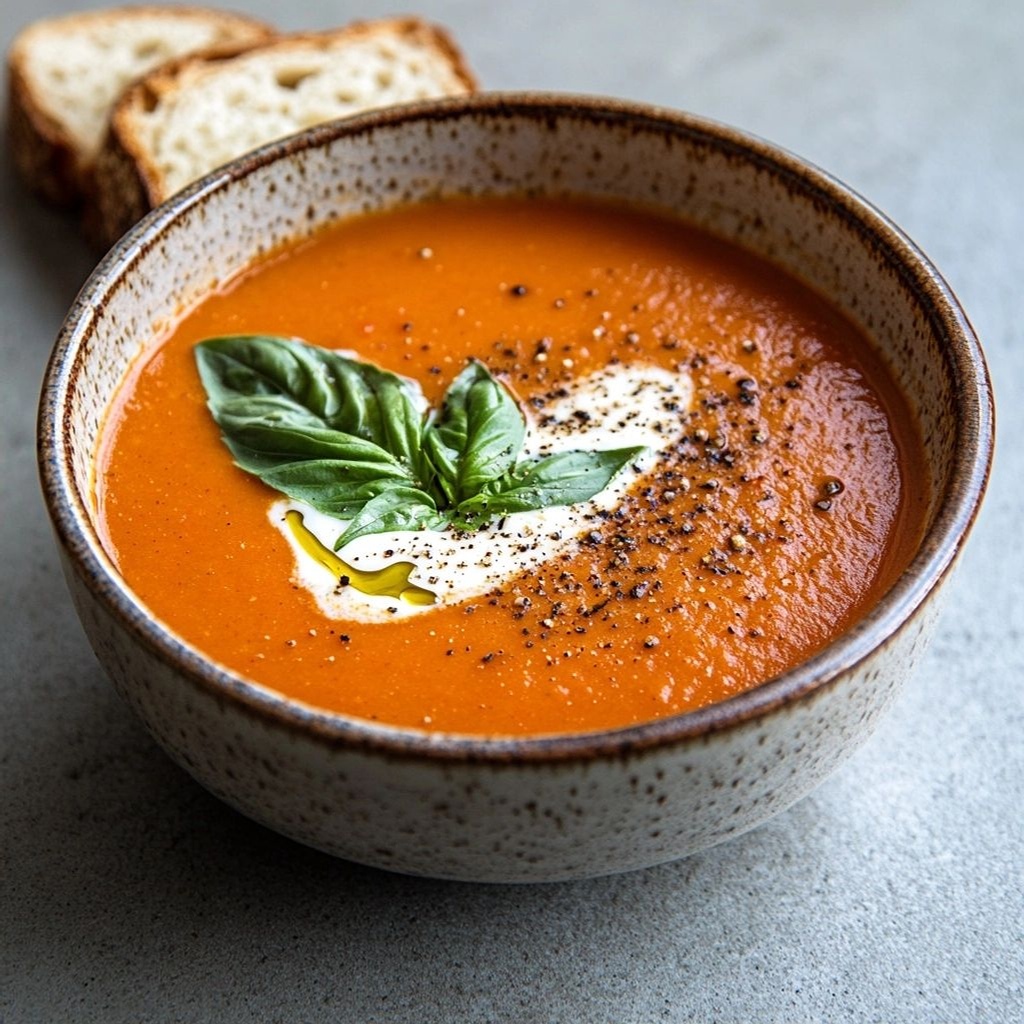
- Garnish: Finish with a swirl of cream or coconut milk, a few fresh basil leaves, and a light dusting of cracked black pepper or smoked paprika for warmth.
- Accompaniments: A simple side salad with a lemony vinaigrette, roasted vegetables, or a small serving of quinoa can turn this into a complete meal.
- Pairing beverage: A light, citrusy white wine or a sparkling water with a touch of lemon makes a refreshing contrast to the creaminess of the soup.
Conclusion
In the end, Cozy Best Homemade Tomato Soup is more than a recipe; it’s an invitation to savor the small rituals of cooking and sharing. It reminds us that nourishing food doesn’t have to be complicated to feel special. With a handful of pantry staples, a little patience, and a spoonful of your favorite toppings, you can create a bowl that feels like a warm embrace, a quiet moment of comfort, and a celebration of flavor all at once. Whether you’re cooking for one, feeding a bustling household, or gathering friends for a cozy lunch, this soup offers a dependable, heartwarming foundation that invites you to slow down, notice the aroma, and enjoy the simple pleasure of a well-made bowl of tomato soup.
Ingredients
-
2 tablespoons extra-virgin olive oil
→ The oil provides the initial fat to carry flavor from aromatics and helps prevent sticking. It also contributes a silky mouthfeel to the soup. Use olive oil with a fruity, robust flavor for best results. Warm the oil gently before adding vegetables to avoid browning too aggressively. -
1 medium onion, finely chopped (about 1 cup)
→ Onions build the natural sweetness and depth of the soup as they soften and caramelize. Finely chopping ensures quicker, even cooking and a smoother texture in the final soup. For a milder flavor, cook until translucent; for deeper sweetness, let them lightly brown. -
2 cloves garlic, minced
→ Garlic adds sharp, aromatic notes that lift the tomatoes. Mince finely to distribute evenly and prevent stray chunks. If you’re sensitive to raw garlic, sauté until fragrant but not burnt to avoid a bitter finish. -
1 large carrot, finely grated or minced
→ Carrots contribute natural sweetness and a touch of body to the soup. Grating or mincing increases surface area for quicker integration and a smoother texture. For a thicker soup, you can skip grating and add more carrot later. -
2 cups canned crushed tomatoes (preferably San Marzano or whole peeled, crushed by hand)
→ Tomatoes are the star of this soup, delivering brightness and acidity. If using whole peeled, crush them by hand or with a spoon for a rustic texture; for a velvety soup, blend after simmering. Choose a brand without added sugar or heavy additives for clean tomato flavor. -
2 cups vegetable or chicken broth (low-sodium)
→ Broth provides the liquid and body for the soup. Low-sodium helps you control saltiness; adjust at the end. If aiming for a richer flavor, substitute part of the broth with tomato juice or a splash of water with a pinch of sugar. -
1/2 cup heavy cream or coconut cream (optional for creaminess)
→ Cream adds a luxuriously silky texture and rounds acidity. Use in moderation if you want a lighter soup. For a dairy-free version, use full-fat coconut cream or a dairy-free milk with a small amount of cornstarch slurry to thicken the soup. -
1 teaspoon sugar or to taste (optional)
→ A small amount of sugar can balance the natural acidity of tomatoes and brighten the final flavor. Only add if your tomatoes are particularly tart. Taste as you go and adjust gradually to avoid oversweetening. -
1 teaspoon dried or fresh basil, chopped (or to taste)
→ Basil provides an herbaceous brightness that complements tomato. Fresh basil gives a more vibrant aroma; add dried basil earlier in cooking to maximize extraction of flavor. If using fresh, you can stir in at the end for a cleaner bright note. -
1 bay leaf (optional)
→ Bay leaf adds a gentle, earthy undertone during simmering. Remove before blending to keep the texture smooth and avoid any sharp, soapy aftertaste. Remove after about 15–20 minutes if you want a lighter aroma. -
Salt and ground black pepper to taste
→ Salt enhances overall flavor, while pepper lends a mild heat and depth. Start with a small amount and increase gradually after tasting the finished soup. If you used low-sodium broth, you’ll likely need more salt. -
Pinch of red pepper flakes (optional)
→ A tiny amount of heat can balance the sweetness of tomatoes and cream. Add sparingly and adjust to your spice tolerance. Remove if you prefer a mild soup. -
Fresh parsley or chives for garnish (optional)
→ Fresh herbs add a pop of color and a hint of brightness when sprinkled on top just before serving. Chop finely so they distribute evenly and don’t overwhelm the soup’s flavor. -
Grated parmesan or vegan parmesan for serving (optional)
→ A touch of sharp cheese elevates the flavor with a savory, umami note. Grate right before serving to maximize aroma. For a dairy-free option, skip cheese or sprinkle nutritional yeast for a cheesy, nutty finish.
Instructions
- Prepare your workspace by measuring and arranging all ingredients within easy reach so you can cook smoothly without searching for items mid-step.
→ This minimizes interruptions and helps maintain consistent heat and timing for a cleaner, more even cooking process. - Warm the extra-virgin olive oil in a heavy-bottomed pot over medium heat until it shimmers but does not smoke.
→ Heating the oil gently allows aromatics to release flavor without burning, ensuring a silky base for the soup. - Add the finely chopped onion to the pot and sauté until translucent and lightly softened, about 5 to 7 minutes.
→ Sweat the onion to develop natural sweetness and depth; stirring occasionally prevents sticking and browning that could dominate the flavor. - Stir in the minced garlic and grated carrot, cooking for another 1 to 2 minutes until fragrant.
→ Garlic and carrot build sweetness and aromatic complexity; minced carrot increases surface area for quicker blending into a smooth texture. - Pour in the crushed tomatoes and broth, stirring to combine; bring the mixture to a gentle simmer.
→ Tomatoes provide brightness and acidity, while broth adds body; a gentle simmer prevents scorching and preserves fresh flavors. - Drop in the bay leaf and add the sugar if using, then reduce the heat to maintain a calm simmer for 15 to 20 minutes.
→ Bay leaf infuses subtle earthy notes; simmering allows flavors to meld and tomatoes to soften without becoming harsh. - Stir in the dried or fresh basil, adjusting the amount according to taste, and cook for an additional 5 minutes to extract herbaceous aroma.
→ Basil provides brightness that enhances tomato’s acidity; cooking with it helps release essential oils and integrate flavor. - If you prefer a smoother soup, remove the bay leaf and use an immersion blender to puree until silky, then continue to step 9.
→ Blending creates a velvety texture that coats the palate; ensure you blend in short intervals and vent steam to avoid splatter. - Alternatively, leave the soup chunky by using a potato masher to break up chunks to your desired consistency, then proceed to simmer.
→ A rustic texture highlights tomato pieces and vegetables; mashing gives you control over chunk size without introducing air. - Stir in the heavy cream or coconut cream gradually, tasting as you go to achieve your preferred level of creamy richness.
→ Cream softens acidity and adds silkiness; adding slowly prevents thinning or overpowering the tomato base. - Season with salt, ground black pepper, and a pinch of red pepper flakes to balance acidity and add a subtle warmth.
→ Proper seasoning elevates the dish; adjust gradually after tasting since broth and tomatoes contribute saltiness variably. - Remove the pot from heat, ladle the soup into bowls, and garnish with chopped fresh parsley or chives and a light grating of parmesan or vegan parmesan.
→ Fresh herbs add color and a bright finish, while finishing cheese or nutritional yeast supplies a savory, umami lift just before serving. - Serve immediately with crusty bread or a grilled cheese sandwich for a comforting, complete meal.
→ The soup tastes best hot and fresh; pairing with toast provides contrasting textures and enhances the overall dining experience.
Notes
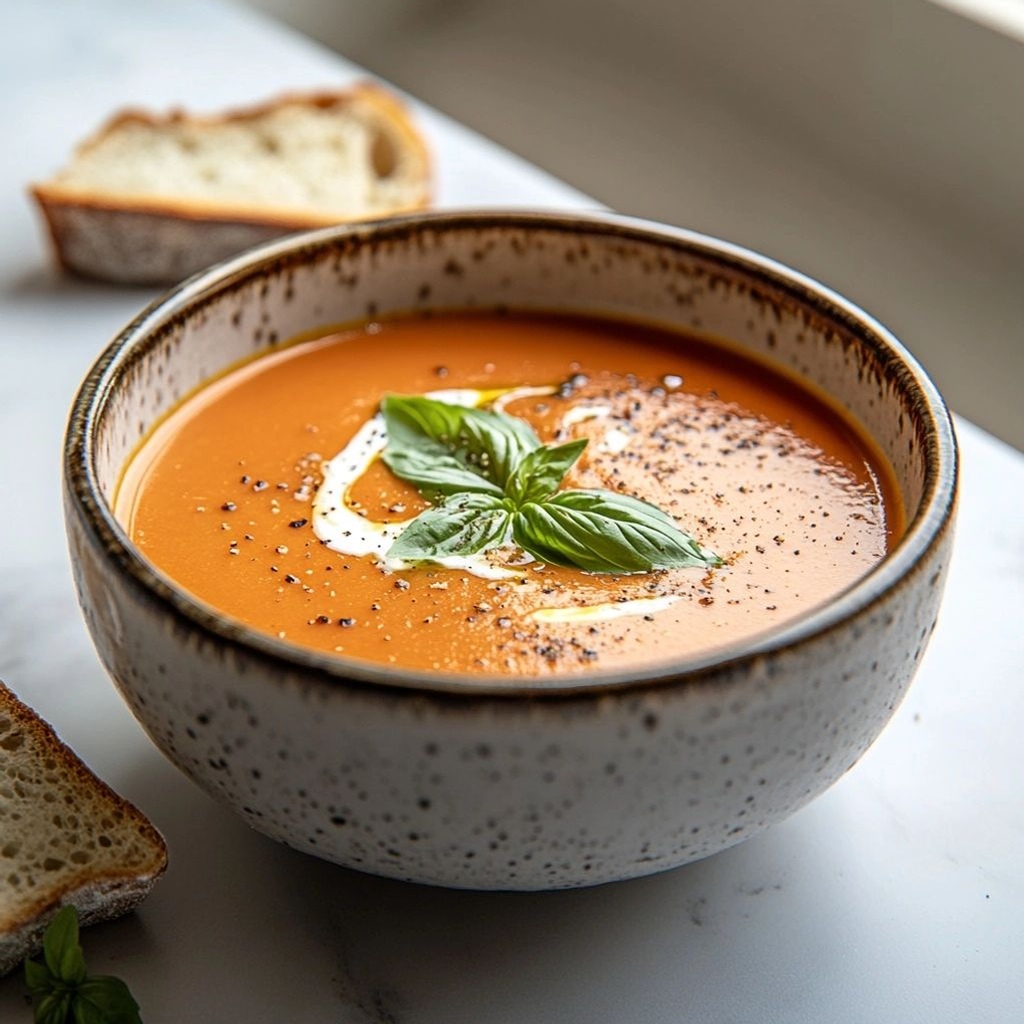
These cozy homemade tomato soup notes help you achieve a silky, comforting bowl with depth of flavor. The aromatics (onion, garlic, carrot) build sweetness and body, while simmering with tomatoes and broth develops bright, natural tang without relying on added sugar. You can tailor the creaminess by adjusting the amount of heavy cream or coconut cream, or leave it out for a lighter, dairy-free version.
Tips for best results: warm the olive oil gently to release aromatics without browning them too aggressively, and finely chop onions and grate or mince carrot for quicker, even cooking. If you prefer a smoother texture, blend the soup after simmering and then return to the pot to reheat. For a rustic finish, crush whole peeled tomatoes by hand rather than using crushed tomatoes from a jar.
Flavor variations: add a pinch more basil or a splash of balsamic vinegar at the end for extra brightness. If you like a little heat, increase the red pepper flakes gradually and taste as you go. Fresh parsley or chives make a bright, herbal finish just before serving. Grated parmesan or vegan parmesan adds a savory kick; for dairy-free, nutritional yeast offers a similar umami note.
Storage and freezing: this soup stores well in the fridge for up to 4 days and freezes nicely for up to 3 months. Reheat gently over low heat, adding a splash of broth or water if it thickens too much. Keep salt and pepper to taste after reheating, as flavors can intensify in storage.
Gluten-free note: this recipe is naturally gluten-free as written, but always check that your broth and any pre-made crushed tomatoes are certified gluten-free if you have a gluten intolerance.
Tips
Tips for Perfect Cozy Tomato Soup
- Start with a gentle sauté: Warm the olive oil over medium-low heat and add onions first. Sweat them slowly until translucent before adding garlic to prevent browning that can introduce bitterness.
- Carrot prep matters: If you grate the carrot, it dissolves into the soup quickly, contributing sweetness and body. If you prefer a chunkier texture, dice finely instead and reserve a few carrot shreds for garnish.
- Tomato handling for best depth: Crush whole tomatoes by hand or with a spoon for rustic texture, or blend after simmering for a velvety finish. Taste the tomatoes first; if they’re very acidic, a pinch more sugar can balance brightness.
- Broth choice and salt strategy: Use low-sodium broth and taste at the end to avoid over-salting. If using canned tomatoes with added salt, you may need less salt overall.
- Creaminess without heaviness: Add cream (or coconut cream) off the heat to preserve smoothness and prevent separation. For a lighter version, whisk in a splash of milk at the end or blend with more broth until you reach your desired consistency.
- Texture control: For a silky soup, blend using an immersion blender directly in the pot until smooth. For a chunkier texture, roughly blend half the batch and leave the rest chunky.
- Herb timing matters: Fresh basil should be added toward the end to preserve its bright aroma. Dried basil can go in earlier to steep and release flavor during simmering.
- Bay leaf usage: If you’re using a bay leaf, remove it after 15–20 minutes of simmering to avoid a soapy or overly earthy note. If you’re short on time, skip it.
- Spice balance: A pinch of red pepper flakes adds warmth and depth. Start small, taste, and adjust. Remove flakes entirely for a mild version or guests sensitive to heat.
- Seasoning in stages: Season with a light touch during cooking and finish with a final taste test after blending. This avoids over-seasoning and ensures the tomato tang remains balanced.
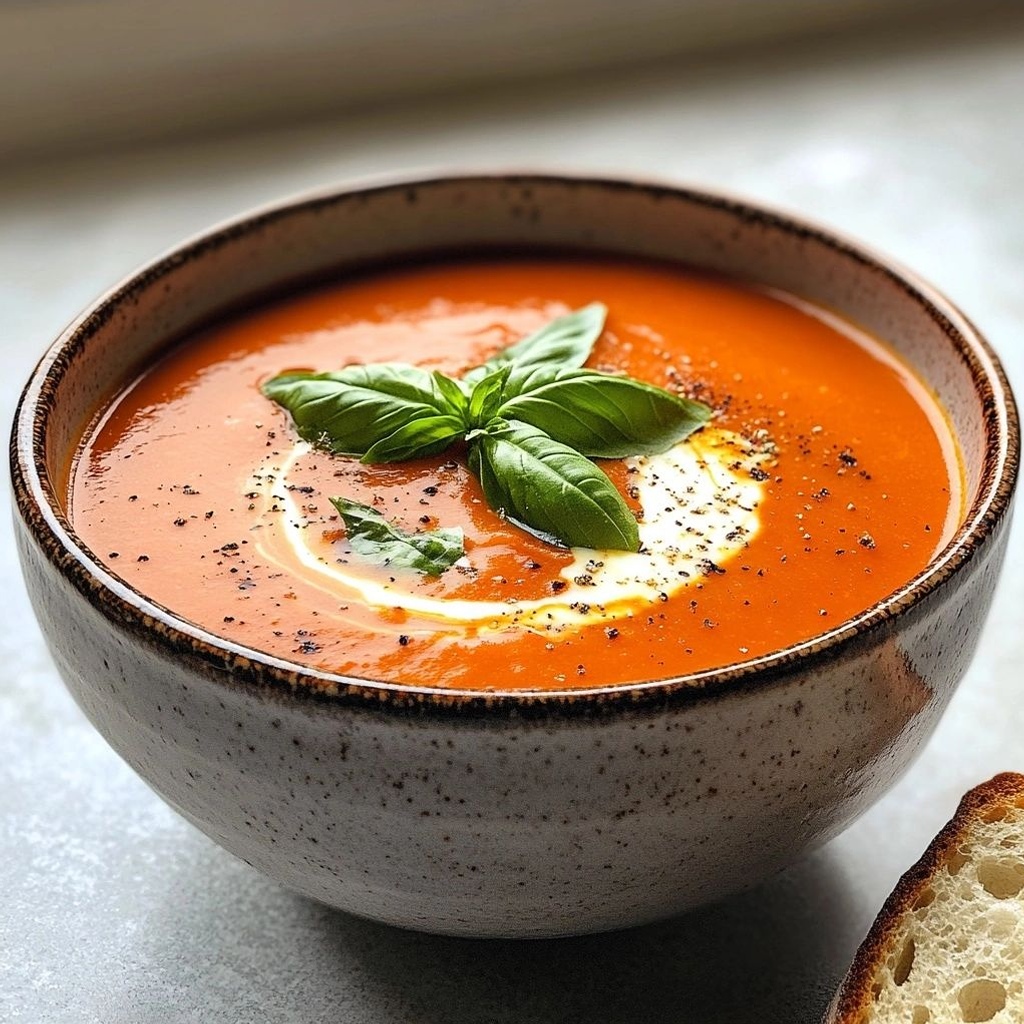
- Garnish ideas: Finish with fresh parsley or chives for color and a fresh aroma. A sprinkle of grated parmesan or vegan parmesan adds a savory note; nutritional yeast works well for dairy-free finish.
- Make-ahead and storage: The soup tastes even better the next day as flavors meld. Store in airtight containers for up to 4 days in the fridge or freeze for up to 3 months. Reheat gently on the stove or in a microwave, adding a splash of broth if it thickens.
- Serving suggestions: Pair with a grilled cheese, a crusty baguette, or garlic croutons. If you’re dairy-free, drizzle a little olive oil or coconut cream on top just before serving for extra richness.
FAQ
What ingredients do I need for Cozy Best Homemade Tomato Soup?
Typical ingredients include olive oil, onions, garlic, canned crushed tomatoes or fresh tomatoes, vegetable or chicken broth, a splash of cream or coconut milk for creaminess, salt, pepper, and optional basil or thyme. Optional add-ins: a pinch of sugar to balance acidity, a pinch of paprika, and a butter finish for extra richness.
Is this soup dairy-free or vegan?
Yes, you can make it dairy-free by omitting cream or using a plant-based milk (unsweetened) or coconut milk. For a vegan version, use olive oil instead of butter and dairy-free cream or skip cream altogether for a lighter texture.
Can I use fresh tomatoes instead of canned?
Absolutely. Use ripe, peeled tomatoes if possible. Simmer them with a bit more broth to achieve a smooth, pourable consistency. Fresh tomatoes can yield brighter flavor; roasting them beforehand enhances sweetness.
What are the steps to cook the soup?
Sauté chopped onions and garlic in olive oil until translucent. Add tomatoes and broth, simmer 20–30 minutes. Use an immersion blender to puree until smooth. Stir in any cream or dairy-free alternative, season with salt and pepper, and finish with fresh herbs if desired.
How long does it take to make this soup?
Approximately 40–45 minutes from start to finish: 10 minutes prep, 20–30 minutes simmering, and 5 minutes for blending and final seasoning.
Can I make this soup ahead of time or freeze it?
Yes. It stores well in the refrigerator for 3–4 days. For freezing, freeze in airtight containers for up to 3 months. Thaw and reheat gently, adding a splash of broth or milk to adjust the texture.
How can I thicken or thin the soup to my liking?
For a thicker soup, simmer longer to reduce liquid or add a bit of tomato paste. For a thinner consistency, add more broth or water while reheating. A small amount of cream can also help achieve a silky texture.
What toppings or garnishes work best?
Croutons, a drizzle of olive oil or cream, chopped fresh basil, cracked black pepper, parmesan shavings, or a swirl of cream. A pinch of chili flakes adds a nice warming kick.
Can I add protein or make it a heartier meal?
Yes. Add cooked shredded chicken, chopped cooked bacon, or white beans for extra protein. Serve with a side grilled cheese or inside a bowl over quinoa or rice for a filling meal.