Introduction / Hook
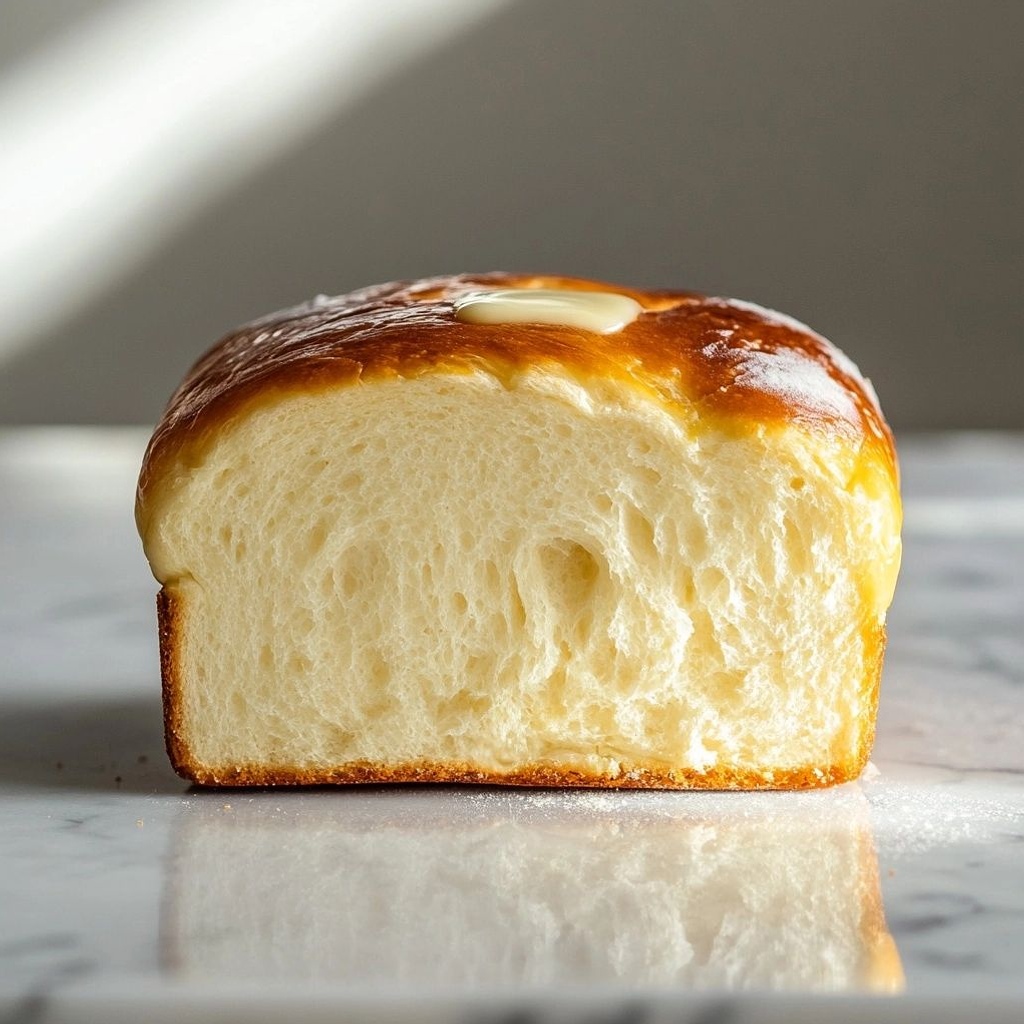
Imagine a loaf that carries the soft, cloud-like tenderness of a pillow with the rich, buttery aroma of a bakery waking up at dawn. Fluffy brioche is not just bread; it’s a celebration of butter, eggs, and a gentle, patient rise that rewards you with a soft crumb, a delicate sheen, and a subtly sweet flavor that somehow pairs beautifully with both jam and savory toppings. The first bite melts on the tongue with a creamy, almost satin-like texture, while the crust offers a whisper of caramelized warmth that echoes the indulgence of a pastry—yet it’s bread through and through. This is the kind of bread that makes everyday breakfasts feel special, Sunday breakfasts feel ceremonial, and simple sandwiches taste like a miniature feast. If you’ve ever wanted to bake something that feels both luxurious and approachable, this Fluffy Brioche Bread Recipe invites you to take a slow, rewarding journey from kitchen to table.
What makes this brioche so inviting isn’t just the ingredient list; it’s the method. The dough relies on a high fat content and a long, patient fermentation that builds a depth of flavor and an ultra-soft crumb that stays tender for days. It’s the kind of bread that rewards you for planning ahead: a little planning yields a lot of reward. The end result is an incredibly versatile loaf that shines whether you slice it thick for a classic buttered toast, pull-apart for a brunch pastry moment, or shape into elegant buns for dinner rolls. The joy of brioche begins with the feel of the dough—silky, supple, and slightly tacky in a way that invites touch. It ends with that first, satisfying bite that makes you realize you’ve just discovered a new ordinary bread that feels extraordinary.
The Story Behind the Dish
Brioche, in its most cherished form, traces its roots to the nutrient-rich soils and vibrant markets of France, where bakers began weaving butter and eggs into dough to create a bread that tasted as indulgent as a pastry but felt like a loaf. The term “brioche” appears in historical records dating back to the medieval era, evolving from simple enriched dough to the plush, airy version we adore today. Across regions—Parisian boulangeries, the coastal towns of Brittany, and the countryside of Normandy—brioche took on subtle regional personalities, guided by the hands of bakers who understood that time, temperature, and spirit (the levain-like lift of patience) matter as much as the ingredients themselves. The story of brioche is really a story about craftsmanship, about honoring the science of fermentation while embracing the artistry of flavor and texture.
For many, brioche also carries family memories: the warm scent of fresh bread wafting through a home on a weekend morning, the joy of sharing fluffy slices at a table crowded with chatter and laughter, the way a simple buttered slice becomes a small ceremony of comfort. In this recipe, we honor that timeless tradition while adapting it for modern kitchens: a forgiving, approachable method that yields bakery-worthy results with accessible equipment, and a dough that becomes even more forgiving as you practice. The essence remains the same—an enriched dough that yields a luxurious crumb, a delicate crust, and a sense that you’ve achieved something genuinely special with your own hands.
Why You’ll Love This Recipe
- Ultra-soft crumb: The enriched dough structure traps moisture for a tender slice that lasts for days.
- Buttery richness without heaviness: A balanced amount of butter and eggs gives depth without weighing you down.
- Versatility in shape and use: Slice for toast, pull-apart rolls for brunch, or form into loaves for gifting.
- Impressive aroma: The kitchen fills with a warm, sweet, creamy fragrance as the brioche bakes, turning ordinary mornings into a sensory celebration.
- Beginner-friendly, with room to grow: It’s approachable for confident home bakers, yet flexible enough to reward patient experimentation.
- Make-ahead friendly: The dough develops flavor with resting periods, and you can freeze portions or the shaped dough for later baking.
- Great for pairing: Works with sweet toppings like jam and honey as well as savory toppings like butter, smoked salmon, or cheese.
Flavor Profile & Texture
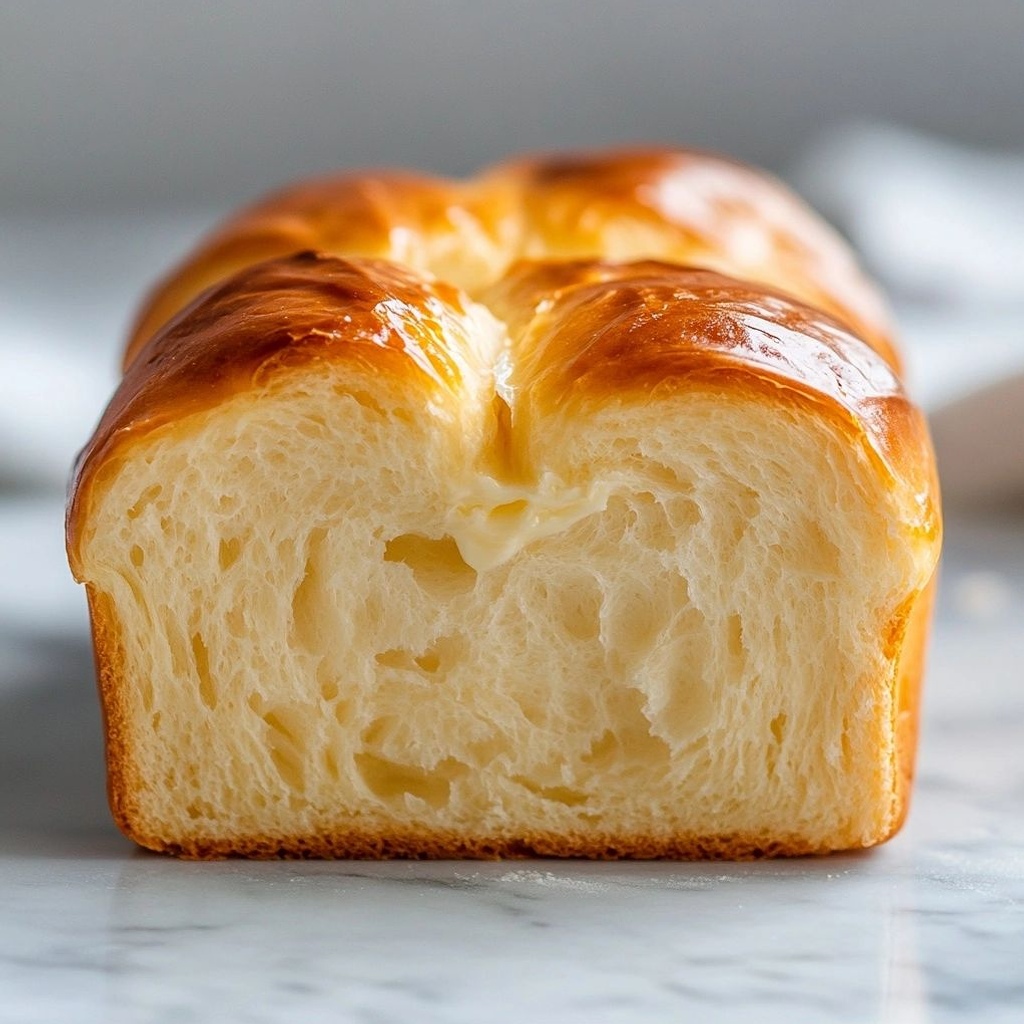
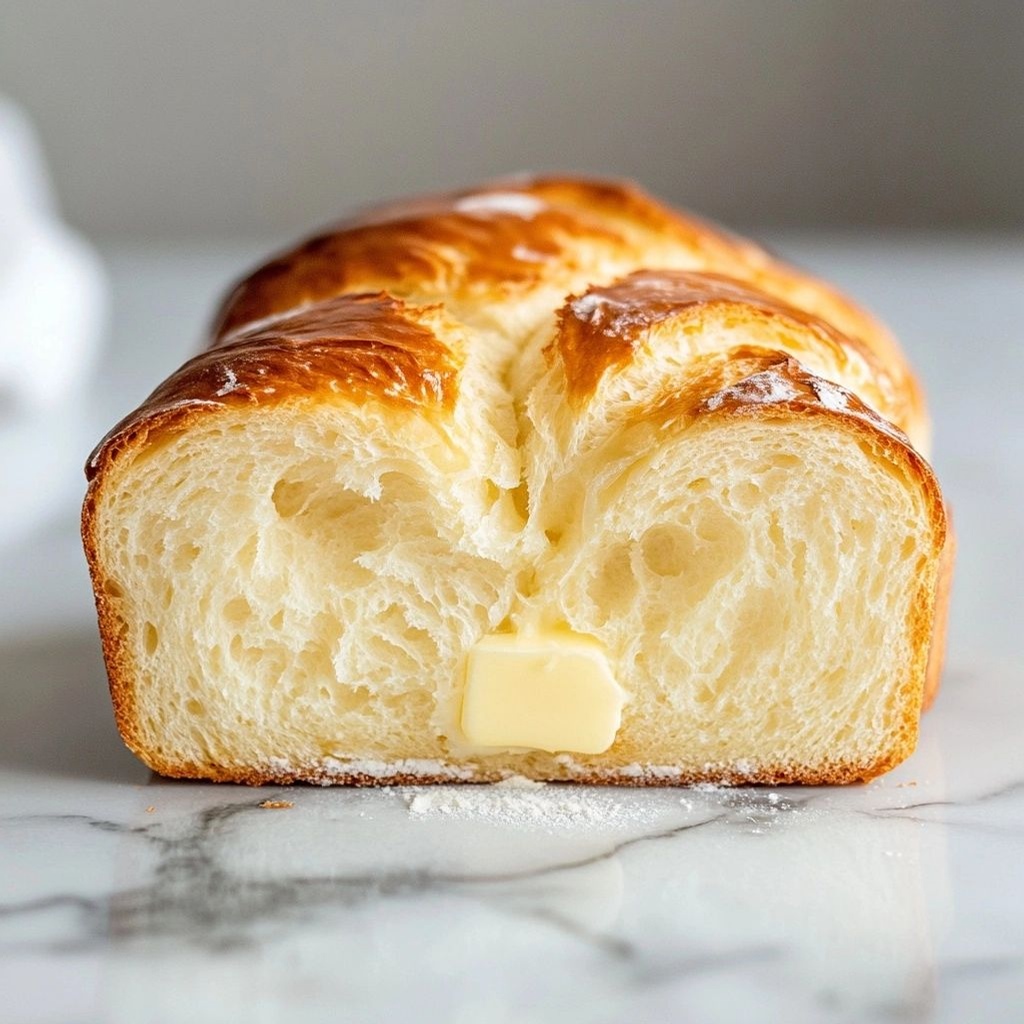
The flavor of brioche sits at a delightful crossroads between sweet and savory. It presents a gentle, ambient sweetness derived from the natural sugars in the flour and the butter, with a comforting dairy note that lingers on the palate. As you bite, you’ll notice the crumb is extraordinarily tender—almost cushion-like—because the dough is enriched with eggs and a generous amount of butter. The crust is thin and sun-kissed, often with a delicate sheen that hints at the richness inside. When you slice into it, you reveal a soft, airy interior punctuated by tiny, almost imperceptible holes that whisper of careful kneading and proper fermentation.
The texture is the star here. The bread melts in your mouth, offering a light, velvety feel that’s surprisingly resilient—stays soft for days without drying out when stored properly. The aroma is intoxicating: a warm, dairy-forward scent with a hint of vanilla or citrus zest—depending on how you flavor the dough—that lingers long after you remove it from the oven. The overall profile invites you to experiment: a small squeeze of lemon zest can brighten the flavor; a touch of cinnamon can nudge it toward a brunch pastry; and a light glaze adds a gentle sweetness that still remains balanced with the bread’s natural savoriness.
In terms of mouthfeel, brioche offers a dish-like experience within bread. It’s not crumbly; it’s cushion-soft, with a slightly elastic bite that holds up to toppings yet remains delicate enough to disappear in a single, satisfying chew. The buttery richness is distributed through the dough in a way that feels luxurious but not overwhelming, making it suitable for both simple breakfasts and more elaborate dishes. The balance of textures—airy crumb, tender interior, and lightly crisp crust—creates a sensory symphony that makes this brioche a memorable centerpiece for any table.
Occasions & Pairings
Fluffy brioche bread shines on a wide spectrum of occasions. It’s equally at home on a casual weekend brunch as it is on a celebratory holiday breakfast table. Here are some ideas to maximize its charm:
- Brunch standout: Serve thick slices with fruit compote, clotted cream, or a dollop of mascarpone for a decadent start to the day.
- Toast for every mood: Buttered toast with a drizzle of honey or a smear of jam makes a comforting morning ritual, while avocado toast with a chili lemon sprinkle offers a modern twist.
- Cheese board companion: Brioche pairs beautifully with soft cheeses like brie or camembert, a tangy goat cheese, or a rich, aged cheddar. Add fig jam or honey for a contrast of sweet and savory.
- Savory applications: Turn slices into mini grilled cheese sandwiches, or serve warm rolls with a simple herb butter, roasted garlic, or a fancy beurre monté for dipping.
- Holiday breakfasts: A loaf shaped into a festive braid or loaf and colored with poppy seeds or orange zest can become a centerpiece for holiday tables.
Pairing suggestions by mood or course:
- With drinks: A light sparkling wine or a mimosa for brunch; a cup of rich coffee or a warm chai for a cozy morning; or a glass of aged sherry for a more sophisticated flair.
- Side dishes: Fresh fruit compotes, lemon-scented yogurt, crispy bacon or prosciutto, sautéed mushrooms, tomato-basil salad, or a simple herb-butter sauce.
- Desserts: A light drizzle of chocolate, vanilla yogurt, or a fruit‑based custard can complement the brioche’s rich sweetness without overpowering it.
Tips, Variations & Substitutions
The beauty of brioche lies not only in its indulgence but also in its flexibility. Here are tips and variations to tailor the dish to your pantry, dietary needs, or creative whim:
- Fat and richness: If you prefer a lighter version, reduce the butter slightly and substitute part of it with a neutral oil. The texture will still be tender, though the classic brioche mouthfeel will be somewhat muted.
- Eggs and lactose considerations: Traditional brioche uses eggs and butter. For a dairy-free version, substitute with plant-based butter and an egg replacer appropriate for enriched dough, though the outcome will be more akin to brioche-flavored rolls than classic brioche.
- Flavors to weave in: Add vanilla extract, orange zest, or lemon zest for bright aromatics. A touch of almond extract can lend a subtle marzipan note that complements the butter and egg richness.
- Sweet vs. savory: If you’d like a sweeter end product, consider a light glaze or a sprinkle of sugar on top just before baking. For savory applications, skip the glaze and brush with butter infused with herbs or garlic after baking.
- Glazing ideas: A light wash of egg before baking yields a shiny, golden crust. After baking, a maple or honey glaze applied while the bread is slightly warm can add a glossy finish and extra depth of flavor.
- Shape variations: Instead of a loaf, shape the dough into small buns for pull-apart rolls, or create a braided loaf for an impressive presentation. The braiding technique adds a decorative touch and helps with portion control.
- Timing tweaks: Brioche dough is forgiving. If you’re short on time, you can shorten the first rise by gently warming the dough and watching carefully. For more flavor, refrigerate the dough for a longer cold fermentation overnight and bake the next day.
- Gluten-free alternate: A gluten-free enriched bread can be tricky, but you can experiment with a gluten-free flour blend designed for enriched dough, adding extra moisture and a careful balance of fats to maintain tenderness. Expect a different texture, closer to a soft cake bread.
Storage & Make-Ahead Ideas
One of the best things about brioche is how forgiving it becomes when stored properly. The tender crumb remains enjoyable for days, and it can even be made ahead to streamline busy mornings or gatherings.
- Room temperature: Store cooled brioche in an airtight container or wrapped tightly in plastic wrap for up to 2–3 days. To maintain softness, refresh gently by warming slices in a low oven or toaster before serving.
- Refrigeration: If you won’t finish it within a few days, keep it in the fridge. It will stay fresh but may benefit from a brief warm-up before consumption to revive its aroma and texture.
- Freezing: Brioche freezes well. Wrap individual slices or the whole loaf tightly with plastic wrap, then place in a freezer bag. Freeze for up to 2–3 months. Thaw at room temperature and rewarm gently to restore softness. A quick toast can rejuvenate the crust and crumb.
- Make-ahead strategies: You can prepare the dough ahead of time and refrigerate it after the initial mixing. The dough often benefits from a longer cold fermentation, which develops flavor. When you’re ready to bake, bring it to room temperature, shape, proof, and bake as directed. Alternatively, shape into rolls and freeze on a tray; once frozen, transfer to a bag and bake from frozen, adding a few extra minutes to the bake time.
- Practical tips for busy mornings: If you’re short on time, prepare the dough the night before and let it rise slowly in the fridge. In the morning, bring it to room temperature, shape, proof, and bake. The result is a fresh, home-baked brioche with minimal morning effort.
Flavor Enhancers & Taste Experiments
Want to push your brioche beyond the standard? Try these small, safe experiments to create a signature loaf that reflects your family’s tastes:
- Herb butter swirl: Mix softened butter with minced herbs (parsley, chives, or thyme) and roll into the dough for a subtle savory surprise in the center of the loaf.
- Fruit add-ins: Fold in finely chopped dried fruit (apricots, cranberries) or citrus zest for a gentle sweetness that complements breakfast toppings.
- Nutty crunch: Add finely chopped toasted almonds or pecans into the dough or sprinkle on top for a delicate crunch and extra aroma.
- Caramelized glaze: After baking, brush with a light caramel glaze made from sugar and a splash of cream for a glossy, dessert-like finish.
Fun Facts & Trivia (Optional)
Did you know that brioche’s luxurious texture is achieved not just by butter and eggs but by the science of air and fat distribution? The dough’s fat coats the gluten strands, tenderizing the crumb, while the eggs enrich the structure, producing a bread that feels almost like a custard-filled pastry when baked well. The process often involves a technique known as “folding in” or lamination of sorts, where the fat is incorporated in layers to ensure even pockets of tenderness. Historically, brioche was a staple for French royalty and the upper classes because it could be enriched with high-fat ingredients without overpowering the palate, making it a symbol of indulgence that remained accessible with careful technique.
Throughout Europe and beyond, adaptions of brioche reflect local preferences—soft, rich loaves in France; lighter, more bread-like versions in other regions; and sweet variations that lean into cream, citrus, or almond flavors. The flexible nature of brioche means you can tailor it to seasons and celebrations, turning a simple loaf into a treasured tradition. In many homes, the aroma of baking brioche signals a pause in the day—a moment to gather with family, pour a cup of tea, and savor the slow craftsmanship that turns basic ingredients into something memorable.
Ingredients
Brioche Dough Base
– 4 cups bread flour (not cake or all-purpose)
→ Bread flour supplies high gluten development, which gives brioche its characteristic tall, airy crumb and strong structure to hold the rich butter and eggs. Be sure to measure by weight for accuracy, and avoid overworking the dough in early mixing to prevent toughness.
– 1/3 cup granulated sugar
→ Sugar feeds yeast and adds gentle sweetness that balances the rich dairy and butter. If you prefer a subtler sweetness, reduce to 1/4 cup. For a more pronounced golden color, you can increase slightly, but don’t exceed 1/2 cup for a classic brioche texture.
– 1 1/2 tsp fine sea salt
→ Salt enhances flavor and tightens gluten structure, improving dough resilience and crumb. Add at the same time as the flour. If using salted butter later, adjust salt accordingly to avoid oversalting.
– 2 1/4 tsp active dry yeast (about 7 g; 1 packet)
→ Yeast is the leavening agent that creates brioche’s lift and lightness. Proof the yeast in a portion of the warm milk (not too hot) with a pinch of sugar for best activity. If using instant yeast, you can mix it directly with the flour, reducing proof time slightly.
– 1 cup warm whole milk (about 110°F/43°C)
→ Milk hydrates the flour and provides fats and sugars that feed the yeast, contributing to a soft, tender crumb. If you prefer dairy-free, you can substitute with a neutral plant milk, but the flavor and texture will differ slightly; warm the milk to just above body temperature to avoid killing the yeast.
– 4 large eggs (room temperature)
→ Eggs provide structure, richness, and moisture. If you want extra soft brioche, use one extra yolk in place of a whole egg or add an extra yolk; room temperature eggs blend more smoothly into the dough, preventing curdling when mixed with butter.
– 1 cup unsalted butter, softened and cut into pieces (plus extra for greasing)
→ Butter is the hallmark of brioche, lending rich flavor and a pillow-soft crumb. Add it gradually, in small pieces, after the dough has come together, so it emulsifies properly without breaking the dough’s structure. For best results, keep butter cool to the touch until it’s incorporated, and consider kneading until the dough is smooth and completely supple.
Aromatics (optional)
– 1 teaspoon pure vanilla extract
→ Vanilla adds warmth and depth to the overall aroma of the bread. Use a high-quality vanilla extract; avoid imitation if possible for a cleaner, richer flavor. If you have vanilla bean, scraping a half-length bean into the warm milk adds even more nuance.
– 1/2 teaspoon finely grated orange zest
→ Orange zest provides a bright citrus note that complements the butter and eggs without overwhelming the dough. Zest after measuring to ensure you don’t add excess moisture; zest the orange finely to maximize aroma release in the dough.
Egg Wash
– 1 large egg, beaten with 1 tablespoon water for glaze
→ The egg wash creates a glossy, golden crust on the baked brioche. Brush lightly over the risen dough before baking to ensure even color. If you want a deeper golden top, you can add a pinch of sugar to the wash for a gentle sheen.
Optional Toppings
– Pearl sugar or coarse sugar for topping (optional)
→ Crystals of sugar on top provide a delightful crackly sweetness and a pleasing texture contrast to the tender crumb. Lightly press the sugar onto the surface after shaping or before the final proof to help it adhere.
Instructions
- Warm the 1 cup of whole milk to about 105–110°F (40–43°C) and whisk in the 2 1/4 tsp active dry yeast with a pinch of sugar; let it bloom for 5–8 minutes until the surface is foamy and fragrant, which signals active yeast and ensures proper leavening later in the dough.
- In a large mixing bowl, whisk together 4 cups bread flour, 1/3 cup granulated sugar, and 1 1/2 tsp fine sea salt until evenly distributed so the salt does not contact the yeast directly; this helps develop a uniform crumb and prevents uneven fermentation.
- Pour the bloomed yeast mixture, 1 cup warm milk (you can use the remaining warmed milk if any), and 4 large room-temperature eggs into the flour mixture; stir with a wooden spoon or stand mixer fitted with a paddle attachment on low until a shaggy batter forms, ensuring all flour is hydrated without overworking the dough at this stage.
- Switch to a dough hook and mix on medium-low for 2–3 minutes to develop initial gluten while keeping the dough cohesive; this gentle mixing prevents toughness and creates a workable structure to support the later incorporation of butter.
- With the mixer running, begin adding the softened butter pieces, 1–2 tablespoons at a time, allowing each addition to be almost completely absorbed before adding the next; this technique emulsifies the fat into the dough, creating the characteristic tender, rich crumb; stop occasionally to scrape down the bowl and ensure even distribution.
- Continue incorporating the remaining butter until all pieces are folded in and the dough is smooth, glossy, and easily comes away from the sides of the bowl; the dough should be soft but not greasy, and should yield slightly when pressed—this indentation should slowly spring back, indicating proper elasticity.
- If using aromatics, add 1 teaspoon vanilla extract and 1/2 teaspoon finely grated orange zest during the final minute of mixing to distribute their volatile oils evenly without over-wetting the dough; these notes add warmth and brightness to the brioche’s aroma and flavor.
- Transfer the dough to a lightly buttered container, cover tightly with plastic wrap or a damp kitchen towel, and let rise in a warm, draft-free spot until it doubles in size, typically 1 1/2 to 2 hours; a dough thermometer reading around 78–82°F (26–28°C) is ideal for consistent fermentation and to avoid over-proofing.
- Gently deflate the dough by folding it over itself a few times to release built-up gas, then cover again and refrigerate for at least 1 hour or up to overnight; chilling firms the dough, making it easier to shape, and develops a finer crumb as the butter firms and the gluten relaxes.
- Line a 9×5-inch loaf pan or shape individual brioche into rolls or a braided loaf on a parchment-lined sheet; lightly oil or butter your hands to prevent sticking, and shape tightly to create even, tall forms that support rise during the final proof.
- Place the shaped dough in a warm spot for a final proof until puffy and about 1.5 times its original size, usually 45–90 minutes depending on ambient temperature; do not over-proof, or the loaf may collapse in the oven due to exhausted gluten and over-expansion.
- Preheat your oven to 350°F (175°C) and, if desired, lightly brush the surface of the risen brioche with the egg wash (1 large egg whisked with 1 tablespoon water) to encourage a deep, glossy crust; avoid over-brushing to prevent soggy surfaces.
- Optional: sprinkle pearl sugar or coarse sugar on top after brushing, pressing it gently to ensure adherence, which adds a pleasant crunch and sweetness to the exterior without inhibiting browning.
- Bake the brioche for 25–35 minutes, rotating the pan halfway through for even color; the crust should be deeply golden and the internal loaf should reach 190–195°F (88–90°C) when measured with a thermometer; if the surface browns too quickly, tent with foil for the last 5–10 minutes to prevent scorching.
- Remove the brioche from the oven and let it rest in the pan for 10 minutes, then transfer to a wire rack to cool completely; this resting period allows the crumb to set and prevents the loaf from becoming gummy as it cools, preserving a tender slice.
- Brush the warm loaf with a tiny amount of melted butter if a richer finish is desired, and let cool completely before slicing; this extra gloss and richness enhances the crumb and keeps the crust from cracking when cut thinly for sandwiches or toast.
Notes
These fluffy brioche loaves are a celebration of buttery richness and a tender, cloud-soft crumb that begs to be torn apart for breakfast or as a luxurious sandwich bread. To ensure a perfect rise and structure, weigh your ingredients and resist overworking the dough in early mixing; brioche gains its lift from the emulsification of butter, eggs, and flour, so patience during the initial knead is key. If you’re short on time, you can mix with bread flour, sugar, salt, and yeast, then finish with slow incorporation of softened butter, but for the classic texture, follow the full method.
These brioche doughs benefit from a thorough but gentle knead until smooth and supple; if the dough feels stiff, let it rest briefly (15–20 minutes) to relax the gluten before continuing. When adding the butter, incorporate gradually in small pieces to maintain an emulsified, glossy dough; this helps trap air for a light crumb and prevents greasy layers forming. Keep the butter cool but pliable to help with even distribution and to avoid breaking the dough’s structure.
These notes apply whether you plan to bake as a traditional loaf, buns, or pull-apart rolls: for a deep golden crust, egg wash the dough before the final proof; for a glossier finish, brush again just before baking. If you prefer a subtler buttery flavor, you can reduce the butter slightly, though the classic brioche relies on generous fat for its signature tenderness. For dairy-free options, you can substitute plant-based butter and milk, understanding that the crumb and flavor will be quite different from the traditional version.
These brioche loaves freeze well once fully cooled; wrap tightly and thaw at room temperature or in the fridge, then rewarm briefly in a low oven to restore softness. For make-ahead planning, you can shape the dough and freeze the wrapped loaves raw; bake them directly from frozen when ready, adding a few extra minutes to bake time. Serve brioche warm with butter, jam, or a swipe of honey; it also makes fantastic French toast when slightly stale.
These optional aromatics—vanilla and orange zest—add warmth and brightness without overpowering the rich butter; if you don’t have vanilla extract, a pinch of cardamom or a splash of orange blossom water can introduce a similar fragrance. When using orange zest, zest from a fresh orange just before measuring to maximize aroma and minimize added moisture. If desired, substitute a tablespoon of orange juice for part of the milk to intensify citrus notes, but adjust the liquid slightly to maintain dough hydration.
Tips
General tips for Brioche Dough
- Measure flour by weight whenever possible to ensure consistent hydration and crumb. If using cups, spoon flour into the cup and level off—never scoop directly from the bag.
- Keep butter at a cool, pliable state. Add it in small pieces after the dough has formed to allow proper emulsification and to maintain a tender, cohesive crumb.
- Work the dough just until it comes together and becomes smooth. Overworking early can develop too much gluten and make brioche tougher.
Yeast and liquids
- Proof active dry yeast in a small portion of the warm milk with a pinch of sugar until foamy. If you’re using instant yeast, you can mix it directly with the flour, reducing proof time.
- Warm milk to about 110°F (43°C). If it’s hotter, it can kill the yeast; if it’s too cool, the dough will rise slowly or not at all.
- Maintain room-temperature eggs (or gently warm them if they’re cold) to promote smooth incorporation and even texture.
Flavor boosters
- Aromatics are optional but highly impactful. Use vanilla for warmth and depth; orange zest adds brightness. Add zest after measuring to avoid extra moisture in the dough.
- If using vanilla bean, scrape a half bean into the warm milk for intensified flavor. The orange zest complements the butter and eggs without overpowering them.
Dough handling and layering of butter
- Phase the butter into the dough gradually. Add in small pieces after the dough becomes cohesive to help the butter emulsify without breaking the dough’s structure.
- Keep butter cool to the touch until incorporation to prevent the dough from sliding or becoming greasy.
- Ensure the dough becomes silky and supple before resting or chilling; a glossy, elastic dough indicates good emulsification.
Rising, resting, and chilling
- A long, slow rise (or folding and chilling) deepens flavor and improves crumb structure. If your schedule allows, refrigerate the dough for 1–2 hours after initial mixing or overnight for even more development.
- During cold fermentation, the dough becomes easier to shape and handling becomes more forgiving. Bring it back to room temperature before shaping if it’s stiff.
- Allow the dough to rise until visibly puffy and about 1.5x its original size for a light, airy crumb. Overproofing can cause a dense interior or a collapsed loaf.
Shaping and egg wash
- Shape brioche gently to preserve air pockets; avoid compressing the dough too tightly. A loose roll or braided loaf can yield the best texture.
- Brush with the egg wash just before baking to encourage an even golden crust. For a deeper color, a light sugar-enhanced wash can help, but keep it thin so it doesn’t run into the dough.
Toppings and finish
- If using pearl sugar or coarse sugar, press lightly onto the surface after shaping or just before the final proof to help it adhere and create a pleasant crunch.
- Be mindful of toppings if you plan to bake in a loaf pan; excess sugar can caramelize unevenly or create hotspots.
FAQ
What is brioche and why is it so fluffy?
Brioche is a rich, lightly sweet yeast bread enriched with a high amount of butter and eggs. The fat and dairy create a tender crumb and a fluffy, almost cake-like texture.
What ingredients do I need for Fluffy Brioche Bread?
Basic brioche dough typically requires all-purpose or bread flour, eggs, butter, sugar, milk, yeast, and a pinch of salt. Some recipes also include a splash of vanilla or a little lemon zest for aroma.
Can I make brioche without butter or dairy?
You can make a dairy-free version by substituting butter with a neutral oil or dairy-free margarine and using non-dairy milk. Note: the texture may be slightly different and richer butter really helps the classic brioche crumb.
Is it okay to use active dry yeast or Instant yeast?
Yes. Instant yeast (rapid-rise) can be used directly with dry ingredients. If using active dry yeast, proof it in a little warm milk (110°F/43°C) with a pinch of sugar for 5–10 minutes until foamy, then proceed.
How long does it take to rise brioche dough?
The first rise typically takes 1 to 2 hours at room temperature, or longer in cooler kitchens. A second rise after shaping usually takes 30 minutes to 1 hour. For exact timing, rely on dough doubling in size rather than clock time.
Why does my brioche crumb feel dense or heavy?
This can happen if the dough didn’t rise fully, if there wasn’t enough gluten development, or if the butter was added too cold (causing it to cement). Ensure proper kneading, correct yeast activation, and allow sufficient proofing times. Slightly warmer environment helps, but not too hot.
How do I knead brioche dough by hand?
Mix ingredients until a shaggy dough forms, then knead on a floured surface for about 15–20 minutes. The dough should be smooth, elastic, and slightly tacky. If it’s too sticky, sprinkle a bit more flour sparingly; if too dry, add a teaspoon of milk.
Can I shape brioche into different forms?
Yes. Common shapes include small round loaves, loaf pans, or braided loaves. You can also make brioche buns or pull-apart rolls. For braids, divide dough into strands and braid tightly to trap air during rising.
How should I store brioche after baking?
Store cooled brioche in an airtight container or wrapped tightly in plastic at room temperature for 1–2 days. For longer storage, freeze slices or loaves tightly wrapped; thaw at room temperature and rewarm gently in a toaster or oven.
Can I freeze brioche dough before baking?
Yes. You can freeze shaped dough after a first rise or freeze the raw dough ball before final proof. Thaw overnight in the fridge and let come to room temperature to finish proofing before baking.
What should I do if the dough sticks to the bowl or hands?
Lightly grease the bowl with butter or oil, or dust with flour. If using a stand mixer, use the dough hook and mix at medium speed until the dough clears the sides and forms a smooth ball.