Introduction / Hook
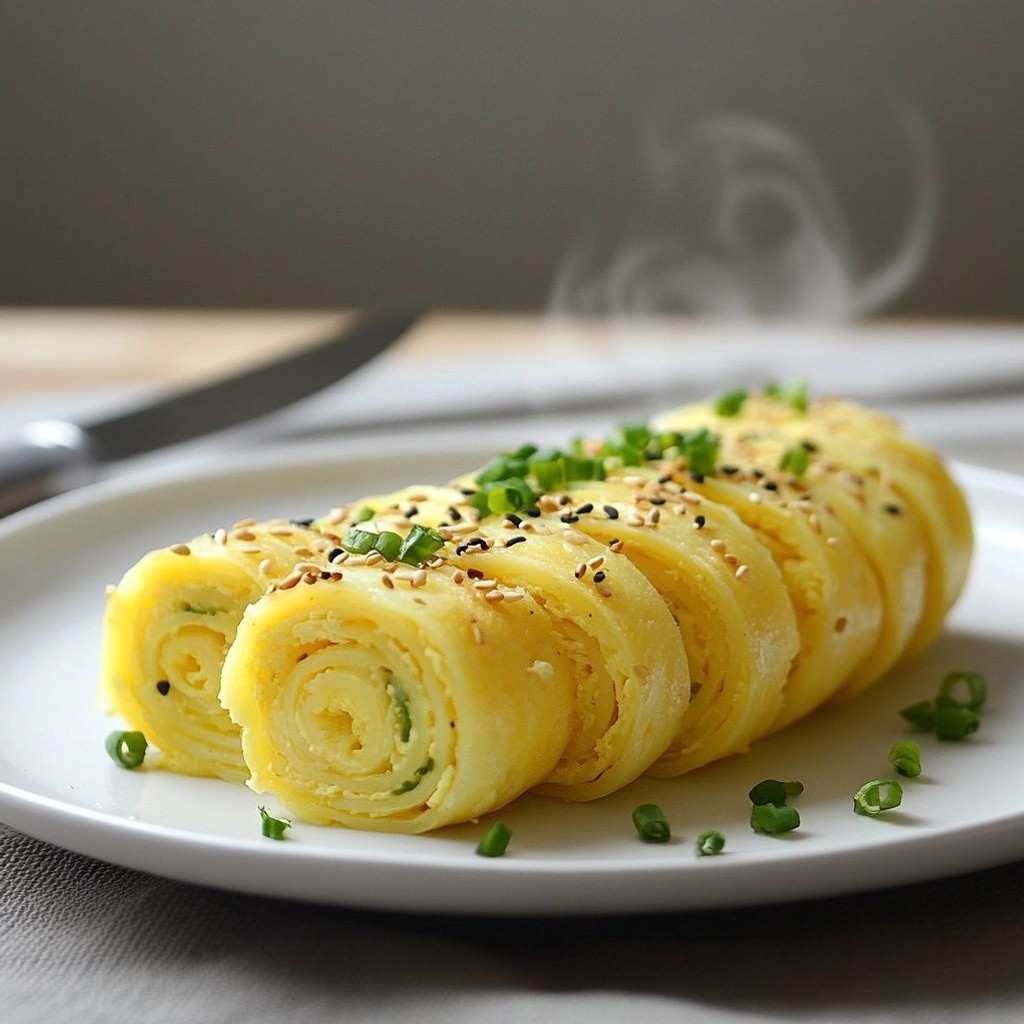
Imagine a breakfast that feels like a warm hug on a busy morning, a savory treasure wrapped in delicate layers that glisten with a hint of sweetness. Easy Gyeran Mari, the Korean rolled omelette, is not just a dish—it’s an artful technique that transforms simple ingredients into something unexpectedly elegant and irresistibly comforting. The moment the skillet meets the pan, you’ll hear the soft sizzle that promises a kitchen filled with gentle steam and the faint aroma of eggs, sesame, and subtle sweetness. With every fold, you create a compact, glossy log that reveals a tapestry of pale gold and pale yellow, each slice offering a tender bite that melts on the tongue. It’s versatile enough for a lazy weekend brunch, a fast weekday breakfast, or a light, flavorful addition to a bowls-and-bento night. The beauty of this recipe lies in its simplicity: a few basic ingredients, careful technique, and a mindful approach to heat that yields a texture that’s both firm and silky, with layers that invite the palate to explore the gentle sweetness and savory depth in every mouthful.
The Story Behind the Dish
Gyeran Mari, literally translated as “egg rolled,” is a beloved staple in Korean homes and school lunches. Its roots stretch across generations of home cooks who perfected the art of turning a humble scrambled-egg mixture into an elegant, rollable creation. In Korea, lunchbox culture (dosirak) popularized compact, portable dishes that could be enjoyed on the go, and gyeran mari rose to be a favorite for its balance of texture, flavor, and adaptability. The technique—diligently layering thin sheets of egg in a greased pan and rolling them to form a neat log—feels almost ceremonial, with each turn shaping the final cylinder into something that looks almost store-bought, yet carries the warmth and personality of a home kitchen. Over time, families added their own twists: a whisper of sugar for a touch of sweetness, a splash of soy for umami, or finely chopped vegetables for color and freshness. In modern kitchens worldwide, cooks have embraced gyeran mari not just as a breakfast staple, but as a quick, comforting lunch box hit or a charming side dish that pairs well with rice, kimchi, or a bowl of congee. This Easy Gyeran Mari version honors those traditions while offering a streamlined approach that respects the technique without demanding culinary mastery.
Why You’ll Love This Recipe
- Fast and forgiving: Start-to-finish in under 20 minutes, with guidance that helps you master the rolling technique without stress.
- Versatile flavor: A delicate balance of savory and a hint of sweetness, with room for customization to suit your taste or dietary needs.
- Kid-friendly and crowd-pleasing: Gentle flavors that appeal to younger palates while still delivering a charming, restaurant-like presentation for grown-ups.
- Perfect for meal prep: Slice into neat rounds and tuck into lunch boxes, bento sets, or quick weeknight meals.
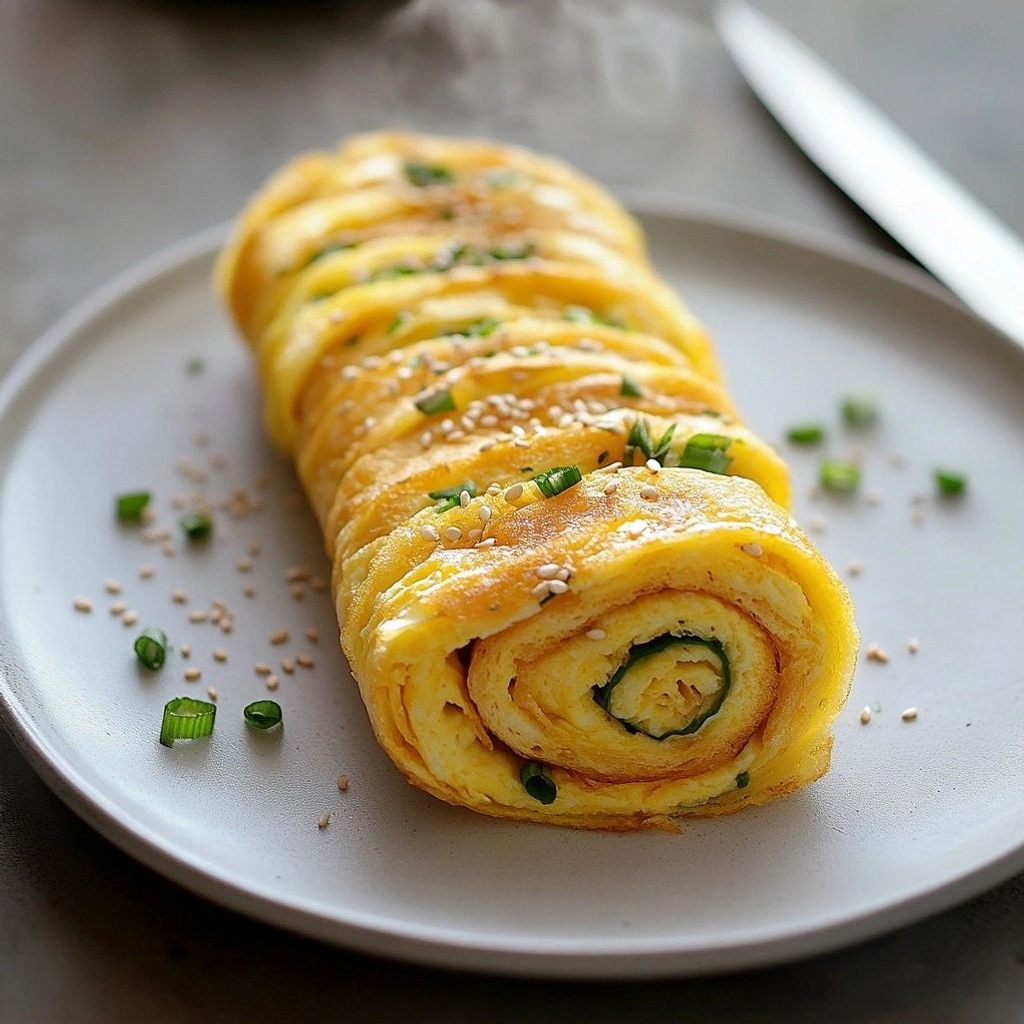
- Texture triumph: Thin, tender egg layers that yield to a soft, almost custard-like interior, contrasted by the slightly crisp edges from careful pan technique.
- One-pan wonder: Minimal equipment, minimal cleanup, maximum satisfaction.
- Glorious presentation: The rolled log, when sliced, reveals even, uniform circles that look polished and appetizing on the plate.
Flavor Profile & Texture
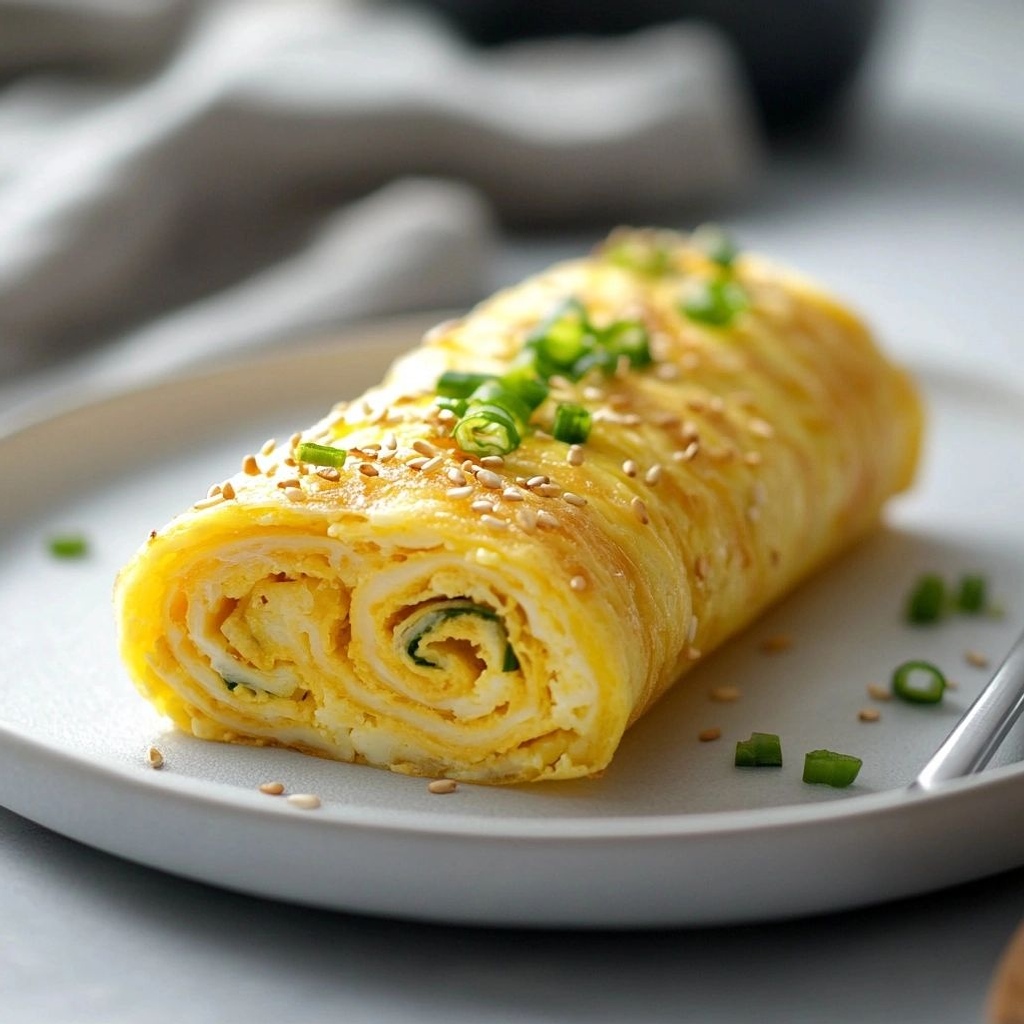
The essence of gyeran mari is its gentle sweetness, subtle saltiness, and a delicate nuance of sesame oil and soy that whisper rather than shout. The eggs are whisked to light airiness, then cooked in ultra-thin layers that set quickly, turning each layer into a pliable sheet. When you roll them, you trap a faint caramelized sheen on the exterior from the skillet’s heat, while the interior remains soft and almost silky. Depending on how you season, you’ll taste:
- Umami depth from a whisper of soy sauce or dash of dashi, if used.
- Sweet undertones from a touch of sugar or mirin, which helps balance the savoriness.
- Toasty richness from a small amount of sesame oil, which also adds a fragrant, nutty note.
- Gently saline edges from finishing salt or a light soy glaze, enhancing the omelette without overpowering the eggy sweetness.
- Texture contrast between the tender center and the slightly firmer edges, creating a pleasing mouthfeel with each bite.
The color palette—soft yellow with a hint of caramel at the edges—gives a comforting, inviting look. The aroma is a warm symphony: eggs warming in butter or oil, a kiss of sesame, a whisper of sweetness, and the faint scent of green onions or scallions if you choose to include them. This is a dish that smells like home and tastes like a gentle celebration of simple ingredients elevated through technique.
Occasions & Pairings
Easy Gyeran Mari shines in a variety of settings. Consider these occasions and pairings to make the most of its versatility:
- Weeknight breakfast: A quick, nourishing option that pairs beautifully with steamed rice, miso soup, or a light salad.
- Brunch centerpiece: Slice into rounds and arrange on a platter with fresh herbs, pickled vegetables, and a light dipping sauce.
- Lunch box favorite: Layer with slices of cucumber, lettuce, and a dab of spicy mayo for a balanced bento-style meal.
- Picnic or potluck friendly: Easy to transport, slices hold up well and taste great at room temperature.
- Thanksgiving or holiday brunch alternative: A delicate, elegant egg dish that adds color and a gentle touch of sophistication to a festive spread.
Pair it with:
- Side dishes: Steamed white rice, brown rice, or barley; pickled vegetables; a crisp cucumber salad; or a light kimchi to add tanginess.
- Soups and bowls: Miso soup, seaweed soup, or a miso-based vegetable soup make a comforting duo.
- Drinks: Green tea, barley tea (boricha), or a light sparkling water with citrus to refresh the palate between bites.
- Desserts (optional): A small fruit cup or a light sesame or ginger candy can complement the eating experience if you’re doing a long brunch spread.
Tips, Variations & Substitutions
Want to tailor Easy Gyeran Mari to your pantry or dietary needs? Here are practical ideas to experiment while preserving the technique’s integrity:
- Vegetarian/vegan options: Use aquafaba or chickpea flour-based egg replacer, though the texture will differ. Alternatively, make a traditional gyeran mari with eggs but omit any meat-based additions and rely on sesame oil and green onions for flavor.
- Gluten-free: The dish is naturally gluten-free if you use gluten-free soy sauce (tamari) or omit soy entirely and rely on salt and sesame oil for seasoning.
- Low-sugar version: Skip sugar or mirin; rely on the natural sweetness of the eggs and a touch of salt for balance.
- Herb-forward: Fold in finely chopped chives, parsley, dill, or green onions to brighten the aroma and add color. Fresh herbs make the dish feel lighter and more vibrant.
- Cheesy twist: Stir a tablespoon of finely grated parmesan or a mild cheese into the egg mixture for a slightly savory, creamy interior (note: this will change the texture and traditional flavor profile).
- Spice variation: Add a pinch of white pepper or a tiny amount of gochugaru (Korean chili flakes) for a gentle kick without overpowering the egg flavor.
- Protein boost: Mix in finely chopped shrimp, crab, or minced mushrooms to create a version that feels more substantial for lunch or dinner.
- More tender texture: Whisk eggs until slightly foamy and rest the mixture for a minute before cooking to help air incorporate and yield a lighter texture.
- Pan technique: Use a small nonstick skillet or a traditional round pan. Oil the pan lightly and maintain a consistent, medium-low heat to ensure thin, even layers without browning too quickly.
- Rolling method: Start with a narrow roll at one edge, then gradually roll more of the egg sheet over itself, letting each subsequent layer seal before adding the next. Practice will sharpen control and create a uniform log.
Storage & Make-Ahead Ideas
Here are practical tips to store, reheat, and even prep ahead of time:
- Storage: Refrigerate sliced gyeran mari in an airtight container for up to 3 days. Separate slices with parchment to prevent sticking.
- Freezing: While not ideal for the ultimate texture, you can freeze the rolled omelette in a tight container for up to 1 month. Thaw in the refrigerator and reheat gently in a skillet with a little water or steam to restore moisture.
- Make-ahead breakfast: Prepare the omelette the night before and refrigerate; reheat in a covered pan on low heat with a splash of water to soften the edges and revive moisture.
- Meal-prep flexibility: Slice into rounds and package with a small container of dipping sauce or a light soy-sesame dressing for quick assemble-and-eat meals.
- Reheating tips: Reheat gently to avoid drying the edges; cover the pan or use a damp paper towel to retain moisture during reheating.
Fun Facts & Trivia (Optional)
Gyeran mari is more than a recipe—it’s a glimpse into everyday Korean life and the creative ways families have preserved tradition while accommodating modern kitchens. A few tidbits you might enjoy:
- The name gyeran mari literally translates to “egg roll,” which captures the universal charm of turning a simple mixture into a neat, portable form.
- In dosirak (Korean lunchboxes), gyeran mari is often cut into perfect rounds, making it a visually pleasing, bite-sized addition to the box and a favorite for kids who appreciate color and shape.
- Variations across households reflect regional tastes and family quirks—some prefer sweeter notes with a touch of sugar, while others lean toward a more savory profile with soy and scallions.
- Technique emerges from a combination of careful heat control, patience, and practice; the roll is a symbol of precision that can be learned by home cooks with consistency and a light touch.
Cleaning Up the Kitchen: A Gentle Note
As with any delicate egg dish, a little care goes a long way in finishing touches. Use a nonstick pan or well-seasoned skillet to minimize sticking, grease lightly, and wipe down the pan between batches if you’re working with multiple layers. A clean, well-greased surface helps achieve those crisp edges and smooth, even layers that make gyeran mari so visually appealing and delicious. After you’re done, wash the pan with warm soapy water, allowing it to soak briefly if needed to loosen any stubborn egg residues. A quick wipe-down will ensure your next batch starts with the same level of ease and confidence.
Final Thoughts
Easy Gyeran Mari is a gentle celebration of technique wrapped in a comforting, approachable package. It invites you to slow down just enough to coax the eggs into thin, tender sheets, then to roll with care so each slice reveals a clean, uniform interior. Whether you’re cooking for yourself, feeding kids, or presenting a small-but-elegant addition to a weekend spread, this dish offers a luminous balance of texture, aroma, and flavor that feels both timeless and modern. It’s one of those recipes that travels well—from a quiet kitchen in your home to a bright, bustling table at a friend’s brunch—because it carries the warmth of home and the quiet confidence of a chef who knows how to coax maximum flavor from a few simple ingredients. If you’re new to gyeran mari, you’re about to unlock a technique that becomes a steady, reliable ally in your culinary repertoire. If you’re returning to it, you’ll find that the small adjustments you make—whether a dash more soy, a whisper of sugar, or a bright green onion—will deepen the dish’s character and make it distinctly yours. Enjoy the process as much as the plate, and savor every neat slice that tells a story of patience, balance, and home-cooked comfort.
Ingredients
Easy Gyeran Mari Korean rolled omelette
-
– 6 large eggs (room temperature)
→ The core of the dish, providing the soft, custardy folds characteristic of gyeran mari. Using eggs at room temperature ensures a smoother, more uniform mixture that cooks evenly and rolls easily. Beat until just blended to avoid over-airiness, which can cause cracks during rolling.
– 2 tablespoons water or milk (room temperature)
→ Adds lightness and helps create a slightly custardy texture inside the omelette. Milk will add richness, while water keeps the mixture lighter. Whisk in gradually to maintain a smooth consistency without overbeating.
– 1 teaspoon sugar
→ Balances the savory elements and enhances browning on the surface. Sugar also helps the omelette set with a gentle sheen. Adjust to taste if you prefer less sweetness in a traditional savory roll.
– 1/2 teaspoon salt
→ Essential seasoning that enhances egg flavor and helps the omelette carry through the folds. You can increase slightly if you like a more pronounced saline note; taste the beaten eggs before cooking to adjust.
– 1/4 teaspoon White pepper or black pepper (optional)
→ Adds a subtle warmth without overpowering the delicate egg flavor. White pepper remains less visible in the pale egg mixture; use black pepper for a more robust aroma if desired.
– 1 tablespoon neutral oil (for cooking)
→ Used to lightly oil the pan to prevent sticking and to promote even rolling. Choose a neutral oil like canola, sunflower, or peanut oil; avoid strongly flavored oils that will tint the egg. Wipe the pan between folds if needed to ensure smooth layers.
– 2 tablespoons finely chopped scallions (green parts only)
→ Provides fresh bite and color, reinforcing the traditional scallion-forward profile of gyeran mari. Chop finely so they distribute evenly and don’t poke through the rolled layers. Add to the egg mixture or as a filling layer.
– 1 tablespoon finely grated carrot (optional)
→ Adds color, sweetness, and moisture. Grate finely so it tucks neatly within the roll and doesn’t impede rolling. If using, lightly squeeze to remove excess moisture to keep the omelette from becoming soggy.
– 1 teaspoon toasted sesame seeds (optional)
→ Adds a gentle nutty aroma and a slight crunch. Toast seeds in a dry skillet until fragrant before adding, then mix into the egg or sprinkle on the surface as you roll for added texture.
– 1 teaspoon sesame oil (for aroma)
→ A small amount imparting classic Korean flavor. Drizzle into the beaten eggs or brush the pan lightly to infuse warmth without overpowering the delicate egg. If using both sesame oil and oil for the pan, balance to avoid excessive richness.
– Extra fillings (optional; choose one or more)
– 1–2 tablespoons finely chopped cooked shrimp or ham
→ For a savory protein boost. Make sure to dice into small pieces so they distribute evenly and roll smoothly without tearing the omelette.
– 1 tablespoon finely chopped spinach or 1–2 leaves blanched and chopped
→ Adds color and nutrition. Squeeze out excess moisture to prevent sogginess and ensure clean, even rolling.
– 1 tablespoon shredded cheese (such as mozzarella or cheddar)
→ Melts within the roll, adding oozey texture. Use in small amounts to avoid overwhelming the egg flavor and to keep the roll tidy when slicing.
– Optional finishing glaze or serving dip
– 1 teaspoon soy sauce with a dash of sugar or a light dipping sauce
→ Enhances umami and complements the egg. Serve on the side or brush lightly to finish the roll before slicing. If using soy sauce, opt for low-sodium to control saltiness.
Instructions
- Preheat your pan over medium-low heat and lightly oil the surface, ensuring an even, non-stick coating that allows the delicate omelette to set without tearing.
- Whisk 6 large room-temperature eggs with 2 tablespoons water or milk, 1 teaspoon sugar, 1/2 teaspoon salt, and 1/4 teaspoon white or black pepper until just combined and homogenous, avoiding overbeating to keep the texture tender.
- Stir in 1 tablespoon sesame oil and, if using, fold in 2 tablespoons finely chopped scallions and optional 1 tablespoon grated carrot or 1 teaspoon toasted sesame seeds to distribute flavor evenly.
- Lightly tilt the pan to spread a thin, even layer of egg mixture across the surface, and cook gently until the edge starts to set but the top is slightly runny, about 40–60 seconds, adjusting heat as needed.
- If you are adding extra fillings, sprinkle 1–2 tablespoons finely chopped cooked shrimp or ham, or 1 tablespoon chopped spinach or 1 tablespoon shredded cheese in a narrow strip along one side of the omelette, ensuring an even distribution and leaving space to roll.
- Using a spatula, start rolling from the filled edge toward the opposite edge, guiding the omelette into a tight cylinder while keeping the roll compact and seam-side down for stability.
- Push the rolled omelette to the far edge of the pan, wipe a thin layer of oil if needed, then ladle another thin layer of egg mixture into the pan, tilting to cover the exposed surface and cooking until just set.
- Rotate the pan slightly and roll the first cooked log over the new layer, repeating the process to form another compact cylinder, continuing until all egg mixture is used and a double-width roll is achieved.
- With the final roll formed, gently pat the surface to compact and seal, allowing the omelette to rest for 1–2 minutes off the heat so the steam settles and the layers set without cracking.
- Slice the rolled omelette into 1-inch (2.5 cm) pieces using a sharp, damp knife to prevent sticking, wiping the blade between cuts for clean, even slices.
- Arrange on a platter and, if desired, brush each piece lightly with 1 teaspoon soy sauce mixed with a dash of sugar or offer a light dipping sauce on the side to enhance umami without overpowering the egg flavor.
→ A properly heated, lightly oiled pan prevents sticking and helps create smooth, uniform folds that roll cleanly. Medium-low heat preserves moisture and avoids browning too quickly, which can crack the roll.
→ Room-temperature eggs blend more evenly and trap less air if overwhisked, resulting in a softer, custard-like roll. Gentle mixing minimizes air pockets that can rupture the layers during rolling.
→ Sesame oil adds aroma without overpowering the eggs; evenly distributed scallions and carrot color the omelette inside and prevent hotspots that could lead to uneven cooking. If you add carrot, squeeze out excess moisture to avoid soggy layers.
→ A thin layer cooks quickly and stacks neatly in layers; keeping the center slightly moist allows the next fold to adhere without tearing. If it sets too fast, reduce heat to maintain pliability.
→ Evenly distributed fillings create consistent bites and prevent air pockets; placing them along one edge guides a neat roll and reduces tearing during rolling.
→ Rolling tightly ensures clean layers and helps the omelette maintain shape as it cooks further; pressing gently as you roll prevents gaps that could cause the roll to unravel.
→ Building successive layers creates the classic multi-layered folds of gyeran mari; keeping each layer very thin ensures the roll remains pliable and easy to slice.
→ Rolling in stages builds the characteristic rolled structure with multiple delicate layers; uniform thickness helps with slicing and presentation.
→ Resting minimizes steam-induced separation and helps the omelette firm up, making slicing neater and reducing crumble during plating.
→ Dull or dry blades tear the roll; a warmed, moistened knife yields pristine rounds that showcase the delicate layers and maintain presentation.
→ A small glaze heightens savory notes and complements the subtle sweetness from the sugar; serving on the side allows guests to adjust salt and sweetness to taste.

Notes
These Easy Gyeran Mari Korean rolled omelette notes help you achieve the fluffy, tightly rolled layers that are the hallmark of this dish. Start with room-temperature eggs to ensure a smooth, cohesive mixture that cooks evenly and rolls without cracking. Beat just until blended to avoid over-airiness, which can cause gaps in the folds. Adjust the sugar to your preference; a touch enhances browning and helps the omelette set into a glossy finish.
For the texture, whisk in the water or milk gradually to create a light, custardy interior while keeping the surface tender. If you prefer a richer flavor, use milk; for a lighter roll, water works well. When adding sesame oil, drizzle sparingly to avoid overpowering the delicate egg aroma—a little goes a long way in delivering that classic Korean fragrance.
To keep the layers distinct and prevent sticking, lightly oil a small nonstick skillet and wipe between folds as you roll. A pan with a slightly curved edge makes rolling easier, but any small skillet works as long as you practice steady technique. If you’re using optional fillings, dice or grate them finely and distribute evenly so the roll stays neat. For greens, squeeze out excess moisture to prevent sogginess; for carrots, grate finely and pat dry before mixing.
Season gradually and taste the beaten eggs before cooking. A pinch more salt can elevate the egg flavor, but remember that some optional fillings (like soy sauce or cheese) may add saltiness. Finish with a light glaze or dipping sauce if desired—low-sodium soy sauce with a touch of sugar is a classic pairing that enhances the savory-sweet balance without overpowering the eggs.
Storage and reheating: the rolled omelette can be cooled, wrapped, and refrigerated for up to 2 days. To reheat, warm gently in a skillet over low heat, rolling once or twice to maintain the layer structure. Sliced portions are excellent for bento boxes or as a protein-rich breakfast. If you’re serving guests, slice with a clean, sharp knife to reveal clean, even layers that showcase the roll’s color and texture.
Tips
Tips for a perfect Easy Gyeran Mari:
- Use room-temperature eggs to ensure a smooth mixture that folds evenly. If your eggs are cold, gently warm them by placing the eggs in warm (not hot) water for a few minutes before cracking.
- Beat the eggs just until blended. Over-beating can incorporate too much air, causing cracks when rolling. A gentle whisk or fork mix yields tender, cohesive layers.
- Whisk the water or milk in gradually to maintain a silky texture. If you want a richer interior, use milk; for a lighter roll, use water and consider a splash more than 2 tablespoons if needed.
- Season evenly in the mixture. Taste the beaten eggs lightly before cooking and adjust salt, sugar, or pepper to balance savory and slight sweetness.
- Prepare the pan properly: lightly oil a medium nonstick skillet and wipe away excess oil so the layers don’t slip. A well-oiled surface helps the rolled layers glide and form clean folds.
- Cook over medium-low heat for even setting. A hotter pan drives rapid browning but can hinder rolling; slow, steady cooking yields a pliable, custardy interior.
- Keep the filling light and evenly distributed. Finely chop any add-ins (shrimp, ham, spinach, cheese) and spread or mix in small amounts to avoid bulky pockets that hinder rolling.
- For the carrot and spinach, squeeze out excess moisture to prevent soggy spots. Moisture can crack the roll and dull the texture.
- Layer technique: pour a thin egg layer, let it just set, then roll partially with a spatula or chopsticks, pushing the roll forward as you add more egg. Repeat to build tight, neat folds without squeezing too hard.
- Season and glaze: if using a glaze or dipping sauce, brush lightly on the surface after rolling or serve on the side to control sweetness and saltiness balance.
- Rest briefly after cooking. Let the roll sit for 1–2 minutes off the heat to settle and improve slice cleanly without crumbling.
- Slice with a sharp, damp knife to prevent sticking and achieve clean, even rounds. Wipe the blade between cuts for best results.
- Makeahead and storage: store sliced gyeran mari in a tightly covered container in the refrigerator for up to 2–3 days. Reheat gently in a skillet over low heat or in a microwave at 50% power to avoid toughening the layers.
- Serving ideas: serve with a light soy dip or sesame oil drizzle and a sprinkle of extra sesame seeds for aroma and presentation.
FAQ
What is Gyeran Mari?
A Gyeran Mari is a Korean rolled omelette made by layering thin portions of seasoned egg and rolling them into a cylindrical shape, creating a soft, slightly sweet, and savory omelette.
What ingredients do I need?
Typical ingredients include eggs, a splash of milk or water, a pinch of sugar, salt, oil for the pan, and optional fillings like diced vegetables, ham, cheese, or scallions.
Can I use dairy-free or vegan substitutions?
You can use water or plant-based milk instead of dairy, and omit eggs or use a chickpea-flour or tofu-based alternative for a non-egg version. The texture will differ from the traditional rolled omelette.
How do I prepare the eggs for folding?
Beat eggs well with a pinch of sugar and salt, then strain or whisk until smooth. A little extra air makes the layers light and helps with even rolling.
What fillings work well?
Classic fillings include finely julienned carrots, scallions, bell peppers, zucchini, diced ham, cheese, or mushrooms. Add fillings sparingly to avoid tearing the omelette.
What pan size and heat should I use?
Use a small to medium nonstick frying pan (8–10 inches/20–26 cm) over medium-low heat. You want the egg to set slowly in thin layers to roll nicely.
How do I roll the omelette properly?
– Lightly oil the pan.
– Pour a thin layer of egg, swirl to cover.
– When it just sets, add a small amount of filling.
– Roll from one side to the center, push the roll to the far edge, and add more egg to create another layer.
– Repeat until all egg is used, then shape and slice.
What are common mistakes and how to avoid them?
Common issues: eggs sticking or tearing, rolls cracking, or omelette being too thick. To avoid: keep heat low, use fresh eggs, oil the pan lightly, and add egg in thin layers. Rest briefly between layers.
How should I cut and serve it?
Cut into 1/2 to 1-inch rounds after it cools slightly. Serve warm or at room temperature with a dipping sauce like soy sauce, sesame oil, or a light vinegar dip.
Can I prep this in advance?
Yes. You can cook the omelette layers ahead, roll them, and refrigerate. Reheat gently in a pan or microwave with a splash of water to restore moisture.