
Introduction / Hook
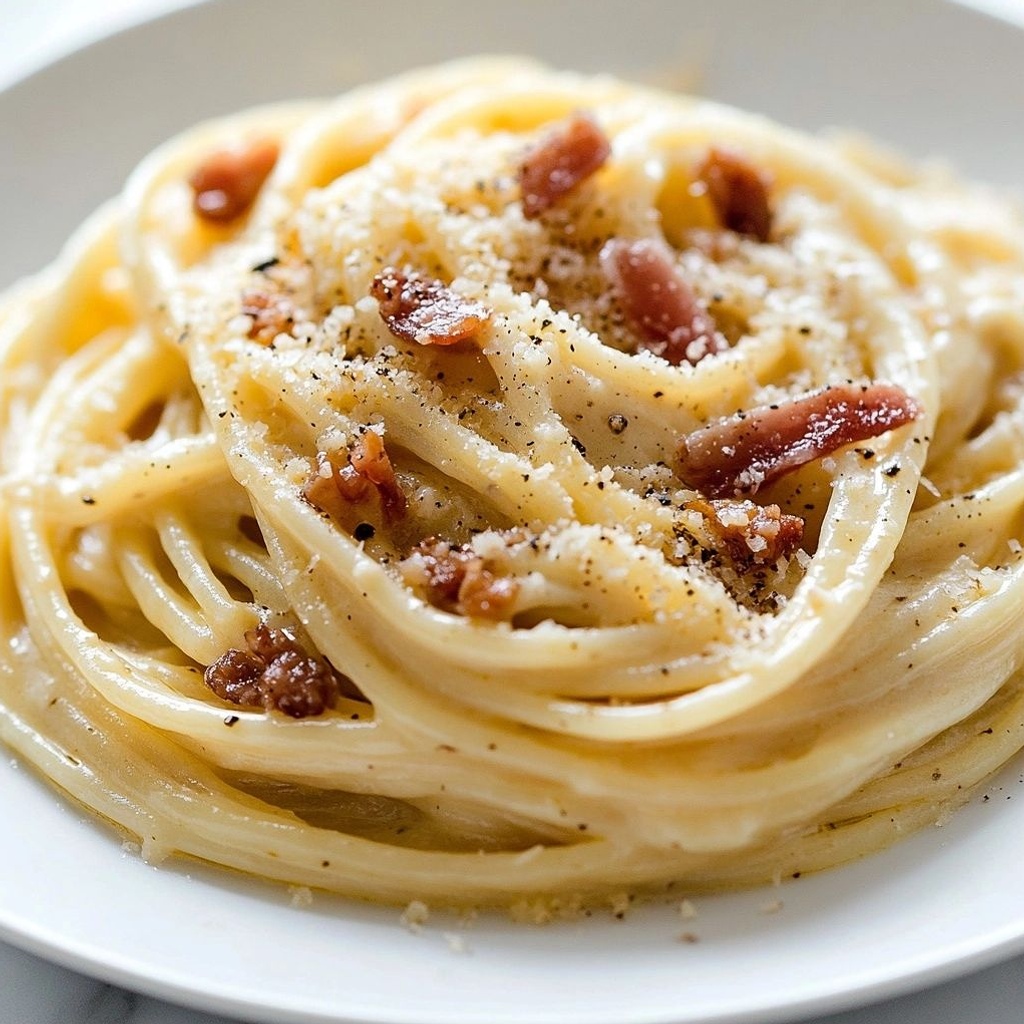
Imagine a plate of pasta that feels both comforting and indulgent, a silky silk sheen clinging to strands that gleam like polished satin. The moment you lift a forkful of Creamy Classic Spaghetti alla Carbonara, you’re met with a chorus of warm, soulful flavors: the salty kiss of pancetta, the creamy hush of eggs and cheese, and a whisper of black pepper that lingers on the tongue. This is the kind of dish that makes a kitchen feel like a home and a table feel like a gathering—the kind of meal you return to when you crave something familiar, timeless, and deeply satisfying. Carbonara has a way of turning simple pantry staples into a luxurious experience, and this recipe honors that tradition with a balance that is both elegant and approachable. It’s not about fuss; it’s about technique, patience, and respect for ingredients. When you plate it, you’re presenting not just a meal but a memory in the making—the kind that invites conversation, laughter, and that familiar sense of contentment that settles in after a perfect bite.
The Story Behind the Dish
Spaghetti alla carbonara is a dish with a few legends and even more heart. Its origins are the subject of friendly debates among food historians, yet the spirit of the dish remains remarkably consistent: a quick, stove-top treasure born from clever riffs on pantry staples. Some say carbonara emerged from Italian coal miners’ kitchens, where sturdy, accessible ingredients were combined into something delicious after long shifts. Others believe it’s a more modern invention, conceived in the mid-20th century as a melding of Italian technique with the inspiration of American influence. Regardless of its precise birthplace, the essence of carbonara is unmistakable—an emblem of Italian comfort that showcases restraint, technique, and a reverence for clean flavors that sing when left to their own devices.
What makes the current classic version so beloved is its simplicity. A handful of elements—the pasta, a generous amount of Pecorino Romano or Parmigiano-Reggiano, eggs, guanciale or pancetta, black pepper—are transformed through a quick, almost alchemical process into a sauce that coats every strand with a satin-glossy sheen. The story of carbonara is a testament to how good food often begins with humble ingredients treated with respect: a hot pan, a small, purposeful sizzle, and a moment of patience as the heat and emulsification create a luxuriously creamy sauce without a single drop of cream in sight.
For many cooks, the dish carries personal resonance. It’s the kind of recipe that gets handed down with stories rather than strict measurements, evolving with each kitchen, each family, and each climate. In some homes, a splash of pasta water is the secret glue that transforms the sauce into luscious ribbons. In others, the cheese choice—Pecorino for a sharp tang or a mix with Parmigiano for a milder, velvety finish—becomes a personal signature. This version respects that cherished flexibility while delivering the dependable creaminess and savory depth that define a great carbonara. It’s a dish that invites you to make it your own, to adjust, taste, and savor the moment you realize you’ve achieved that perfect balance between richness and brightness.
Why You’ll Love This Recipe
- Quick to prepare: A weeknight hero that feels special without requiring hours in the kitchen.
- Silky, restaurant-worthy texture: A creamy sauce that clings to pasta without clumping or greasing.
- Gently glossy finish: The emulsion of eggs, cheese, and hot pasta water creates a luxurious coating that’s smooth and satisfying.
- Bold but balanced flavor: Salty pancetta or guanciale brings depth, while pepper adds a refreshing kick that brightens the dish.
- Versatile and flexible: Suitable for a range of diets with thoughtful substitutions (vegetarian options, gluten-free pasta, etc.).
- Comforting and nostalgic: A dish that evokes memories of family meals, cozy nights, and the simple joy of sharing good food.
- Low-maintenance, high-recipe-reward ratio: With a few quality ingredients and careful technique, you pull off something sophisticated every time.
- Beautifully adaptable: Works well with seasonal ingredients or pantry staples, letting you tailor the dish to what you have on hand.
Flavor Profile & Texture
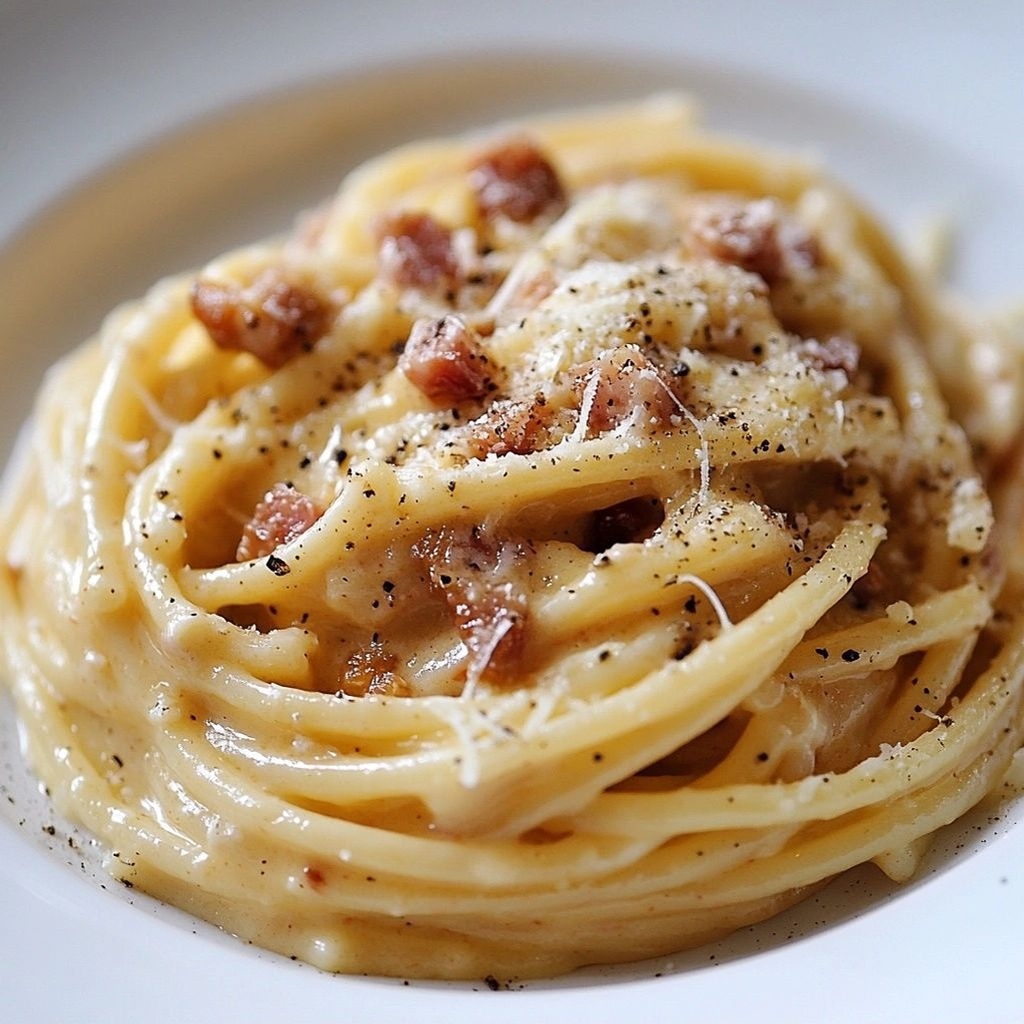
From first bite to the last, this Creamy Classic Spaghetti alla Carbonara revels in a harmonious dialogue of textures and tastes. The pasta—al dente, each strand perfectly firm—acts as a scaffold for the rest of the sauce. The sauce itself is an elegant emulsion, where eggs are whisked into a delicate creaminess that feels almost luxurious, yet remains bright and unfussy. Cheese provides a salty, tangy backbone; Pecorino Romano brings a bite that sharpens the palate, while Parmigiano-Reggiano lends a nutty, mellow sweetness that rounds the finish. The pancetta or guanciale contributes intra-sauce crunch and a smoky, savory depth. When crisped properly, those little cubes render their fat into the pan, creating a glossy glaze that enhances the sauce rather than weighing it down.
A generous crack of black pepper punctuates every bite, releasing warm, resinous spice that complements the richness and acts as a counterpoint to the silkiness of the sauce. The result is a balanced symphony: creamy without being heavy, savory without being saltier-than-sin, and comforting without tipping into fattier excess. You may notice subtle citrusy brightness from a pinch of zest in some versions or a whisper of garlic in others, though traditional carbonara relies primarily on the core components for its distinctive flavor. The texture is a study in contrast: a smooth, almost velvety coating that clings to each spaghetti strand, interspersed with occasional crispness from the pancetta—moments of textural surprise that keep the palate engaged and delighted.
If you’re curious about the science behind the magic, the heat from the pasta and the skillet gently cooks the eggs just enough to form a luscious, creamy sauce without scrambling. The starchy pasta water acts as a critical emulsifier, helping the sauce achieve its glossy cohesion and ensuring every strand is evenly coated. This gentle, controlled process is the heart of a truly great carbonara, and mastering it transforms a humble meal into something remarkable.
Occasions & Pairings
This dish shines in a variety of settings—from weeknight dinners that feel like a hug to special weekend gatherings where you want to impress without appearing to try too hard. It’s also an excellent choice for a cozy date night at home, a family celebration, or a casual dinner with friends who appreciate classic flavors done right. Because the recipe relies on pantry-friendly ingredients, it’s perfect for seasons when you crave warmth and simplicity.
Pair it with bright, simple accompaniments that let the carbonara take center stage. Consider:
- Simple green salads with a light vinaigrette to cut through the richness.
- Roasted vegetables (like asparagus, Brussels sprouts, or zucchini) for texture and color.
- A crusty loaf of bread or garlic bread to scoop up every last bit of sauce.
- Since carbonara is hearty, a crisp white wine works beautifully—think Pinot Grigio, Frascati, or a light Chardonnay for balance. For red wine lovers, a light to mid-weight option such as Chianti or Barbera can be delightful with listening notes of acidity that keep the dish feeling lively.
- For a lighter finish, a citrusy sparkling water with a twist of lemon acts as a palate cleanser between bites.
Tips, Variations & Substitutions
- Choosing the right fat: Traditional carbonara uses guanciale for an authentic flavor, but pancetta is a excellent stand-in. If you’re avoiding pork, consider a smoky mushroom variant or use a plant-based brisk texture and a touch of smoked paprika to mimic depth.
- Cheese choices: Pecorino Romano provides a sharp bite, while Parmigiano-Reggiano offers a milder, nutty sweetness. A classic approach is to use a 70/30 mix (more Pecorino for bite, more Parmigiano for creaminess). If you’re dairy-free, you can experiment with a high-quality grated firm nut cheese combined with olive oil and a splash of nutritional yeast for a cheesy vibe.
- Eggs: Use room-temperature eggs for a smoother emulsion. For extra safety and stability, whisk eggs with a tablespoon of water or cream before adding to the pasta off the heat.
- Make-ahead note: Carbonara is best fresh, as the texture can thicken if reheated. If you need to prep ahead, cook the pasta until just shy of al dente, cool it, and refrigerate separately. Reheat gently with a splash of hot water and add the sauce at the end off heat to recreate the creamy texture.
- Gluten-free and alternative pasta: Use your favorite gluten-free spaghetti or fettuccine made from corn, rice, or a chickpea blend. The key is to achieve the same al dente bite and keep the sauce glossy.
- Low-carb option: Use a keto-friendly pasta substitute or spiralized zucchini (zoodles). In this case, be mindful of the sauce balance so it remains silky rather than watery.
- Herbs and extras: A subtle addition of chopped flat-leaf parsley or chives can brighten the dish. Some people enjoy a tiny kiss of garlic; if you add it, do so very briefly in the pancetta fat to avoid overpowering the other flavors.
- Region twists: For a Roman-inspired finish, emphasize Pecorino Romano to heighten brightness. For a creamier, more decadent version, lean into Parmigiano-Reggiano and keep the egg mixture silky and slightly looser.
Storage & Make-Ahead Ideas
Fresh carbonara shines immediately after it’s tossed, but you can prepare components separately to ease busy weeknights. Here are practical tips to keep flavors optimal and texture satisfying:
- Leftovers: Store pasta and sauce separately in airtight containers in the refrigerator for up to 2 days. Reheating is best done gently with a splash of hot water or stock, then tossing quickly over low heat to re-emulsify. Do not microwave, as it can separate the sauce and make it watery.
- Freezing: The traditional sauce doesn’t freeze well due to the egg emulsion breaking. If you must freeze, store the cooked pasta separately and the sauce in a freezer-safe container, then re-emulsify when reheating, adding a little hot water or stock as needed.
- Make-ahead strategy: Par-cook the pasta and crisp the pancetta. Reheat the pancetta and toss with hot pasta off the heat, then whisk the egg and cheese into a small amount of hot water and pour over the pasta off the heat to finish emulsification. This approach preserves the glossy texture and minimizes risk of scrambling.
Fun Facts & Trivia (Optional)
– The name “carbonara” may derive from “carbone” (coal), hinting at the dish’s rugged, hearty origins and possibly the coal miner legends associated with its creation. Some culinary historians also link the word to the use of black pepper’s appearance on the pale sauce, reminiscent of pepper dust on coal dust.
– There is ongoing debate about whether traditional carbonara ever uses cream. Classic Roman recipes avoid cream entirely, relying on the emulsified eggs and cheese to create the signature creaminess. In some modern interpretations, cream appears, but purists insist the old technique still shines brightest when it’s left out.
– The technique of emulsifying warm pasta with egg and cheese is a masterclass in temperature control. It rewards cooks who understand the moment when the pan, heat, and pasta water converge to form a silky coating rather than a curdled mess. It’s a small act of culinary alchemy that makes this dish feel special, even when you’re cooking it at home with everyday ingredients.
Closing Thoughts
At its core, Creamy Classic Spaghetti alla Carbonara is a celebration of restraint and technique. It asks for patience, a light touch, and a respect for simple ingredients that, when combined with care, produce something far greater than the sum of its parts. It’s a dish that invites conversation and slow savoring—the kind of meal that becomes a favorite not because it’s flashy, but because it feels right in the moment, when the aroma, texture, and flavor align just so. Whether you’re cooking for a quiet night in or hosting a small gathering, carbonara offers the kind of pure, satisfying pleasure that stays with you long after the last forkful has disappeared. It’s comfort, it’s elegance, and it’s a timeless reminder that the simplest combinations—pasta, eggs, cheese, and a touch of fat—can deliver dishes of remarkable depth and soul. Enjoy the process as you craft your own version, and let each plate remind you why Italian cooking, at its best, is a celebration of good company, good ingredients, and the little rituals that make a meal memorable.
Ingredients
- Carbonara Base
-
– 12 oz (340 g) spaghetti (durum semolina or preferred)
→ The main starch backbone of the dish. Use spaghetti for traditional texture and a good surface for the creamy sauce. Cook in generously salted boiling water until al dente, then reserve a small amount of pasta water to loosen the sauce if needed.– 4 large eggs (2 whole eggs + 2 yolks)
→ The creamy emulsion that forms the sauce comes from a combination of whole eggs and extra yolks. Use room-temperature eggs to help them integrate smoothly with the hot pasta. For a lighter sauce, you can reduce yolk count slightly; for a richer mouthfeel, keep to this ratio.– 1 cup Pecorino Romano, finely grated
→ This sharp, salty cheese provides the signature tang and depth of traditional carbonara. Finely grate to ensure it melts quickly and evenly when tossed with the hot pasta. Use freshly grated for best flavor; you can mix with Parmesan if you prefer a milder profile, but Pecorino is classic.– 1/2 cup Parmesan (freshly grated, optional but recommended)
→ Adds a milder, nutty backdrop that balances Pecorino’s intensity. Use fresh grated for best aroma and texture. If avoiding dairy, consider a dairy-free hard cheese substitute, keeping in mind flavor will differ.– Salt for the pasta water (to taste)
→ Essential for seasoning the noodles from the inside out. Add generously to the boiling water so the spaghetti absorbs salt as it cooks, enhancing overall flavor. Do not rely on the cheese alone to season the dish. - Pancetta/Guanciale
-
– 4 oz (115 g) guanciale, pancetta as substitute, diced
→ The traditional fat-rendered meat that provides the savory core and textural bite. Guanciale has a richer, more porky flavor and renders fat to coat the pasta beautifully. If using pancetta, choose a higher-fat variety and cut into small, even pieces for uniform crisping.– 1 small garlic clove (optional)
→ Some cooks rub a halved clove in the pan for a hint of aroma, then discard. Traditional carbonara typically omits garlic, but a fleeting kiss of it can be used if you enjoy a touch of warmth. Do not add the garlic to the sauce itself, as it can overpower the balance. - Method and Finishing
-
– Freshly ground black pepper, to taste
→ The pepper provides the signature peppery bite that cuts through richness. Grind just before using for the most aromatic surface, and aim for a generous crack across the dish for a classic profile.– Fresh parsley, chopped, for garnish (optional)
→ Adds a touch of color and a light herbaceous note that brightens the plate. Used purely as a finishing touch; it does not influence the sauce’s texture. If you skip it, consider a light drizzle of olive oil as an alternative finishing note.– Extra Pecorino Romano or Parmesan for serving (optional)
→ A small extra grating at the table enhances personalization of saltiness and tang. Offer alongside the dish so guests can adjust to their preference.
Instructions
- Bring a large pot of water to a rolling boil and season it generously with salt so the pasta flavors the interior as it cooks.
→ The salted water seasons the noodles from the inside, ensuring the spaghetti tastes well seasoned without relying solely on the sauce. - Add 12 oz (340 g) of spaghetti to the boiling water and cook until al dente according to package directions, then reserve about 1/2 cup (120 ml) of the starchy pasta water before draining.
→ Keeping some pasta water on reserve helps loosen and emulsify the sauce later, giving a silkier coating on the noodles without making it watery. - In a medium bowl, whisk together 4 large eggs (3 whole eggs plus 1 yolk for extra richness if you prefer) with 1 cup finely grated Pecorino Romano and 1/2 cup freshly grated Parmesan, plus a generous crack of black pepper; set aside at room temperature.
→ This creates a smooth, cheesy base that will emulsify with the hot pasta; room temperature helps it blend without scrambling. Freshly grated cheese melts quickly and evenly for a creamy texture. - Render the fat from 4 oz (115 g) guanciale in a wide skillet over medium heat until the pieces are crisp and the fat has melted, about 5–8 minutes; if using pancetta, cook until the fat renders and the meat edges bronze.
→ The guanciale provides the signature savory depth and the rendered fat coats the pasta, creating a luscious medium for the sauce to emulsify with. - If you wish for a subtle aroma, rub a halved small garlic clove along the inside of the pan and discard it, then proceed to remove the garlic after it has imparted a light note.
→ Garlic can add warmth, but traditional carbonara relies on the pork fat and cheese for flavor; this step offers a controlled hint without overpowering the dish. - Turn off the heat under the guanciale and let the pan cool for about 1 minute to avoid scrambling the eggs during combination.
→ A brief cooling step prevents the hot fat from curdling the eggs when the sauce is formed, ensuring a silky texture. - Add the drained spaghetti directly into the guanciale and fat, tossing quickly to coat every strand with the rendered fat; use tongs to lift and twist the noodles so the fat evenly adheres.
→ Coating the pasta in fat creates a rich surface for the emulsion and helps the sauce cling to the noodles rather than pool on the plate. - Spoon a small amount of the warm pasta water into the egg-cheese mixture, then whisk vigorously to temper the eggs and prevent curdling; gradually add more tempered mixture to the pan with the pasta while tossing.
→ Tempering gently raises the eggs to temperature without cooking them into lumps, enabling a smooth, glossy sauce that clings to the spaghetti. - Continue tossing off the heat until the sauce emulsifies and coats the pasta, adding enough reserved pasta water just to reach a creamy, luscious coating that lightly glosses the noodles.
→ The starch in the pasta water helps thin the sauce to the perfect consistency without making it watery, while the eggs provide silkiness. - Season to taste with additional freshly ground black pepper and, if desired, a light dusting of extra Pecorino Romano or Parmesan at the table for guests to customize saltiness.
→ Fresh pepper brightens the dish’s flavor, and an optional extra grate at the table lets each diner adjust intensity to their liking. - Garnish with chopped fresh parsley if using and serve immediately while hot and creamy; avoid waiting too long as the sauce can thicken and cling less effectively.
→ Parsley adds color and a subtle fresh note; serving right away preserves the sauce’s sheen and the pasta’s al dente texture.
Notes
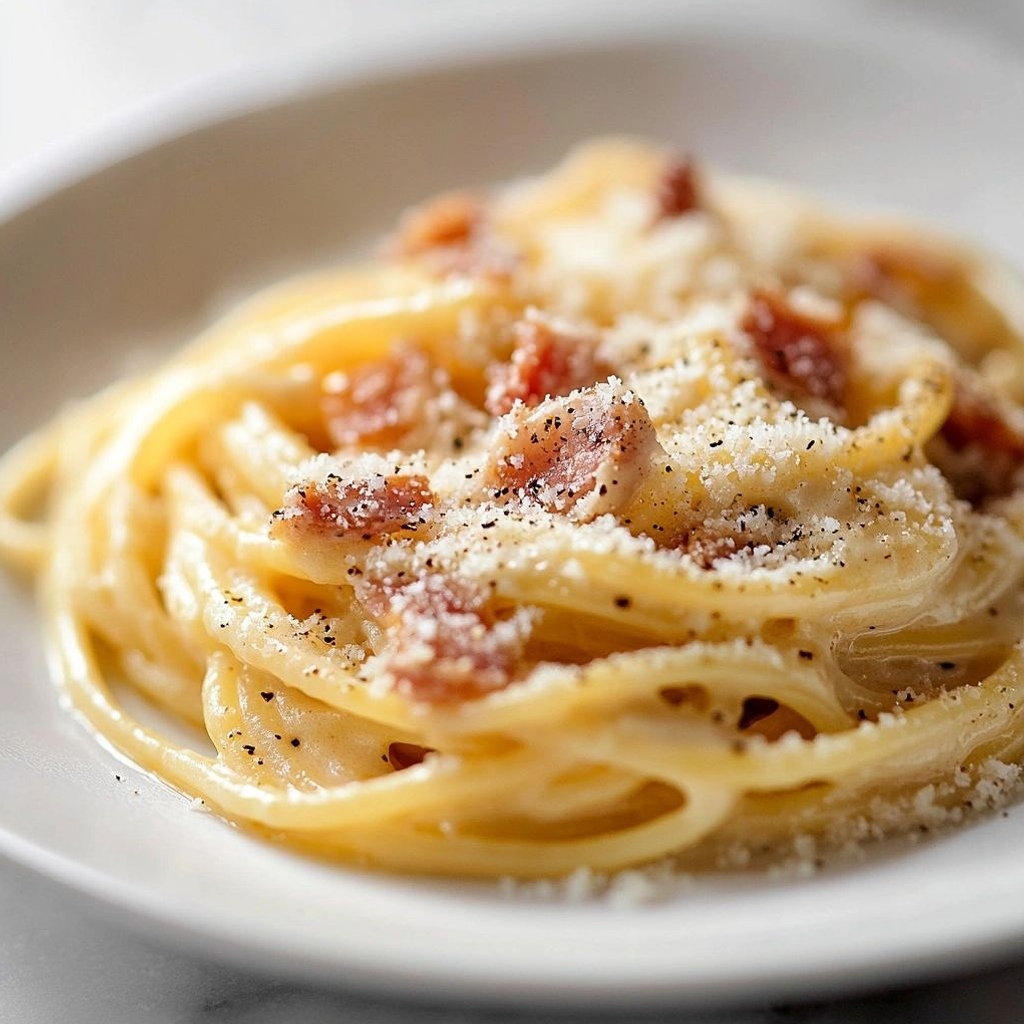
“These creamy classic spaghetti alla carbonara are a comforting, indulgent dish built on a silky egg-and-cheese emulsion balanced with rendered guanciale. To achieve a smooth sauce, temper the eggs by mixing with hot pasta water gradually and toss quickly off the heat, so the mixture thickens without scrambling. Use freshly grated Pecorino Romano for authenticity and finish with a touch of Parmesan if you prefer a milder edge. Reserve a splash of the starchy pasta water before draining to loosen the sauce as needed. For the best texture, cook the spaghetti in generously salted water until al dente and fold in the guanciale fat along with the egg mixture off the heat. If you want a traditional profile, stick to guanciale and do not add garlic; if you like a hint of aroma, rub a halved garlic clove in the pan and discard. This dish naturally pairs with cracked black pepper and a light parsley garnish for color. For gluten-free meals, substitute with gluten-free spaghetti; for dairy-free versions, substitute with a dairy-free hard cheese and a dash of extra olive oil, keeping in mind the flavor and texture will differ from the classic version.”
Tips
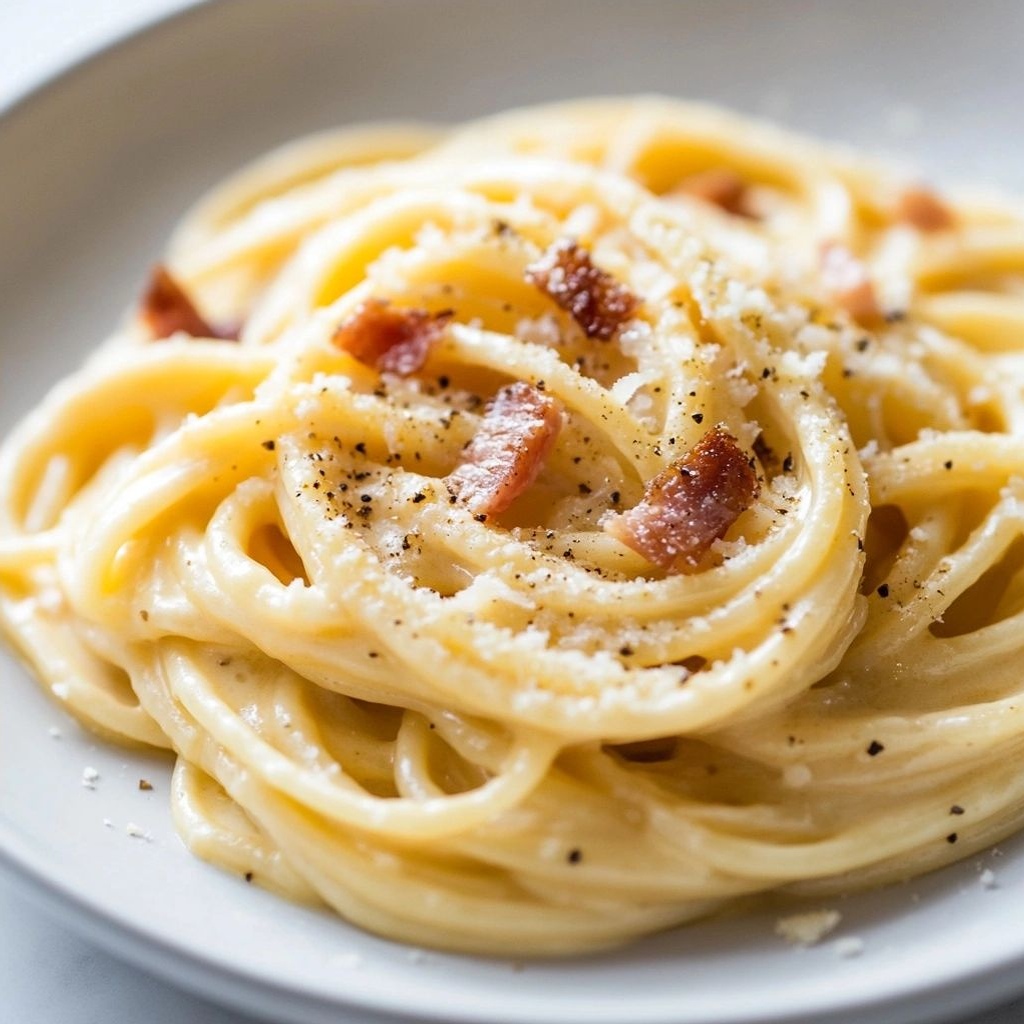
Tips for Perfect Creamy Classic Spaghetti alla Carbonara
- Temperature control is key: after draining the pasta, remove the pot from heat and whisk your egg-cheese mixture off the stove. The residual heat will gently emulsify the sauce without scrambling the eggs.
- Reserve pasta water: keep a small amount of the starchy cooking water. Add a splash or two to loosen the sauce if it becomes too thick; the starch helps the emulsion cling to the spaghetti.
- Whisk eggs and cheese well: whisk the whole eggs, yolks, and finely grated Pecorino/Parmesan until completely smooth. A smooth base prevents streaks in the final sauce.
- Grate cheese finely: freshly grated cheese melts more quickly and evenly, creating a silkier sauce. Consider pulsing in a food processor briefly if you don’t have a microplane.
- Heat the meat proper: render guanciale/pancetta over medium-low heat until the fat is translucent and the edges crisp. This fat is flavor-rich and should coat the pasta evenly—don’t rush it to high heat and scorch it.
- Avoid garlic in the sauce: if you use garlic, do so only by rubbing a halved clove in the pan for aroma and remove it, so it doesn’t overpower the dish.
- Season at the right stage: salt the pasta water generously; taste the sauce as you go since the cheese and cured meat contribute salt. You may need less additional salt than expected.
- Emulsify with steady motion: off the heat, pour the egg-cheese mixture into the hot pasta while tossing vigorously with tongs or a fork to create a creamy emulsion rather than a curdled mixture.
- Gentle pepper: crack fresh black pepper just before serving to preserve its aroma and bite. A generous crack is traditional and balances the richness.
- Finish with a light touch: finish with a final sprinkle of Pecorino/Parmesan at the table for guests to adjust saltiness and tang to taste. Fresh parsley is optional for color and a bright note.
- Storing and re-heating: carbonara sauce may separate upon reheating. It’s best enjoyed fresh. If needed, rewarm gently with a splash of hot pasta water while whisking to restore the emulsion.
FAQ
What is Spaghetti alla Carbonara?
A classic Italian pasta dish traditionally made with spaghetti, guanciale (or pancetta), eggs, Pecorino Romano, and black pepper. It aims for a silky, glossy sauce without using cream.
What ingredients do I need for Creamy Classic Spaghetti alla Carbonara?
Spaghetti, guanciale or pancetta, eggs (yolks or whole eggs), Pecorino Romano (or a mix with Parmesan), freshly ground black pepper, and salt. Optional: a splash of the cooking water to loosen the sauce.
Can I use cream in this dish?
Traditional carbonara does not include cream. This recipe uses eggs and cheese to create creaminess. You can add a small amount of cream for extra richness, but it will no longer be a classic carbonara.
What pasta should I use?
Spaghetti is classic, but rigatoni or linguine can work. Use spaghetti for an authentic texture and easy emulsification with the sauce.
How do I prevent the eggs from scrambling?
Cook the guanciale until crisp, then remove from heat. Whisk eggs and cheese off the heat, and add them to the hot but not boiling pasta, tossing quickly with a little pasta water to create a smooth emulsion.
What is the best way to cook the guanciale or pancetta?
Cook slowly in a skillet over medium heat until fat renders and the meat turns crisp. Reserve the rendered fat for flavor, but avoid burning. Use it to toss with the pasta before adding the egg mixture.
How do I achieve a creamy sauce without scrambling the eggs?
Use tempering: whisk eggs and cheese off the heat, then rapidly toss with hot pasta and a splash of reserved pasta water. The residual heat cooks the eggs gently, forming a glossy sauce.
How much salt and pepper should I use?
Season to taste. The cheese and cured meat are salty, so start with a small amount of salt, then add pepper generously for aromatics. You can adjust after tasting the sauce.
Can I make carbonara ahead of time or reheat it?
Carbonara is best served immediately. Reheating can cause the sauce to separate. If needed, gently rewarm with a splash of hot water or milk while stirring vigorously to bring it back together.