Introduction / Hook
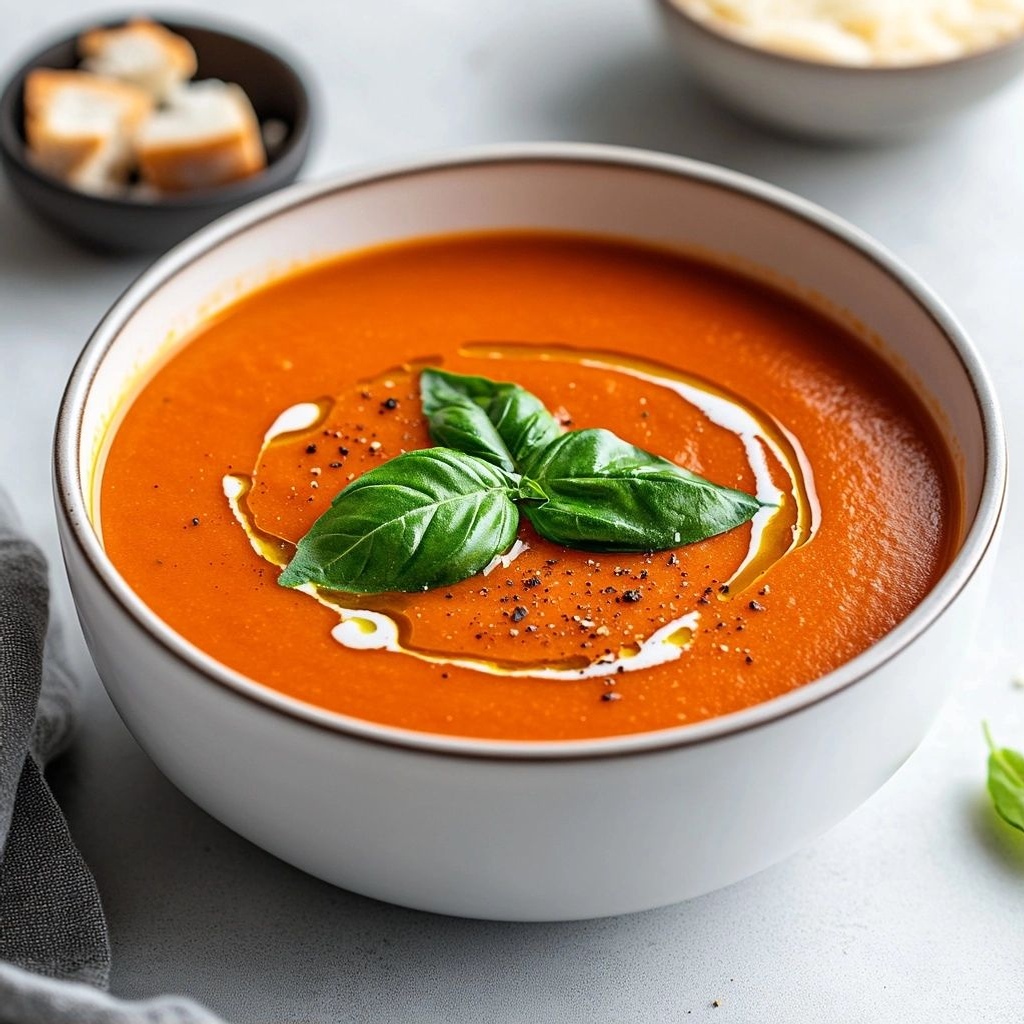
There’s something universally comforting about a bowl of tomato soup that tastes like sunshine and childhood afternoons spent splashing in kitchen steam. Creamy Best Homemade Tomato Soup, in its most inviting form, is a warm invitation to slow down, savor, and relish the simple pleasure of a homemade meal. From the moment you lift the lid, you’ll be greeted by a symphony of aromas: roasted tomatoes with caramelized edges, a whisper of garlic, and the soft sweetness of onions melting into a velvet base. This isn’t just soup; it’s a nourishing hug in a bowl, a memory you can recreate any night of the week. Each spoonful delivers a balance of bright acidity and lush creaminess, finished with a touch of herbs that raise the flavor to a level both comforting and refined. It’s a dish that can hold its own at a weeknight dinner, charm guests at a casual gathering, and pair perfectly with a grilled cheese or a crisp salad for a complete meal.
The Story Behind the Dish
Tomato soup traces its roots to kitchens around the world where tomatoes, once considered a delicate fruit, found a permanent home in hearty soups and sauces. The modern version—rich, smooth, and of a medium-thick consistency—owes much to the evolution of home cooking in the 19th and 20th centuries, when pantry staples like canned tomatoes, cream, and stock became accessible to more households. This particular rendition embraces a timeless technique: slow-roasted tomatoes for depth, onions sweating to release their sweetness, and a gentle simmer that invites all the flavors to mingle without losing their character. The result is a soup that tastes like a memory of sunlit gardens, summer markets, and a family kitchen where comfort food was made with love and patience. If you’ve ever wondered how to coax a deeper, richer tomato flavor from a humble can or a fresh harvest, this recipe delivers a story you can taste—the story of tomatoes grown with care, transformed through careful technique, and finished with a touch of cream to create a coat of creamy silk that lingers on the palate.
Why You’ll Love This Recipe
- Simple ingredients, extraordinary flavor: Everyday pantry staples come together to create a soup that feels elevated without being fussy.
- Silky, comforting texture: The cream adds luxe creaminess without weighing the soup down, producing a smooth finish that coats the spoon beautifully.
- Balanced brightness: Roasted tomatoes lend natural sweetness and umami, while a splash of acidity keeps the flavor vibrant and not cloying.
- Versatile for meals: Perfect as a starter, a light lunch, or a cozy dinner with a grilled cheese, panini, or a rustic bread roll on the side.
- Make-ahead friendly: The soup stores wonderfully, and flavors deepen with time, making it ideal for meal prep or weekend batch cooking.
- Customizable: Easy to adapt for dairy-free, vegan, gluten-free, or low-sodium diets with simple substitutions.
Flavor Profile & Texture
Imagine taking a spoonful and being greeted by a bouquet of ripe tomato brightness softened into a silk of cream. The initial bite carries the natural sweetness of roasted tomato, enhanced by a hint of caramelized onion. There’s a subtle echo of garlic, not sharp but warm, like a cozy kitchen on a rainy day. The body is lush and velvety, thanks to a careful blend of cream or cashew cream for dairy-free versions, which glides across the tongue rather than weighing down the palate. A whisper of thyme or basil can be folded in to introduce an herbal lift, while a pinch of black pepper adds a touch of peppery brightness that awakens the tomatoes rather than overpowering them. The texture is smooth but not paste-like; there’s a gentle body that lets you notice the thickness while still feeling light enough to drink with ease. The finish is creamy with a mild linger of roasted sweetness, a touch of savory depth, and a final, satisfying note of tomato’s bright character. Overall, the dish achieves a harmonious balance between comfort and sophistication—creamy serenity with a sun-kissed edge.
Occasions & Pairings
This Creamy Best Homemade Tomato Soup is remarkably versatile and shines in many settings:
- Weeknight comfort: A quick starter that elevates any simple dinner.
- Cozy weekends: Pair with a grilled cheese sandwich for a nostalgic, crowd-pleasing duo.
- Casual gatherings: Serve in small cups or bowls as a welcome or starter at a casual dinner party.
- Fall and winter menus: A warm, plant-forward option that pairs beautifully with crusty bread or a rustic sourdough.
- Lunch-ready: A satisfying, bowl-sized lunch when you want something comforting but not heavy.
Pairing ideas to complement the soup:
- Grilled cheese sandwiches with sharp cheddar or gouda to contrast the creamy sweetness.
- Garlic croutons or a drizzle of extra-virgin olive oil for texture and richness.
- A light green salad with lemon vinaigrette to balance the richness.
- A dollop of sour cream or a swirl of yogurt for tang and creaminess (omit for dairy-free versions).
- Herbed crostini topped with roasted tomato slices for an elegant, bistro-style presentation.
Tips, Variations & Substitutions
Here are practical ideas to tailor the soup to your taste, dietary needs, or what you have on hand:
- Dairy-free or vegan: Use coconut cream or almond milk to achieve a creamy texture; for extra richness, blend in a little olive oil or cashew cream. If using cashews, soak a handful and blend with broth until smooth before combining with tomatoes.
- Low-sodium option: Use unsalted stocks and taste before adding any salt. Roasted garlic and a pinch of sugar can help balance acidity without extra salt.
- Roasting depth: For a deeper flavor, roast the tomatoes longer at a lower temperature to caramalize edges further; this adds a smoky, umami note to the base.
- Herbal lift: Add fresh basil, thyme, or a bay leaf during simmering, then remove before blending to keep the flavor bright. A pinch of smoked paprika can introduce warm, subtle depth.
- Texture variations: For a chunky version, reserve some roasted tomato halves and fold them back in after pureeing, or finish with a few toasted breadcrumbs for crunch.
- Herbal substitutes: If you don’t have thyme, oregano or marjoram can give a similar fragrant note; chives or parsley added at the end offer a fresh contrast.
- Silken finish: A small amount of cream, yogurt, or plant-based cream swirls in at the very end to preserve the glossy look and silkiness.
Storage & Make-Ahead Ideas
Tomato soup develops flavor with time, making it an excellent candidate for advance preparation:
- Make ahead: Prepare the base (without cream) a day in advance and reheat gently. Stir in the cream just before serving to preserve the texture and sheen.
- Refrigeration: Store in an airtight container for up to 3–4 days. Reheat slowly over low heat, whisking to restore silkiness. If the soup thickens, add a splash of broth or water to loosen to your desired consistency.
- Freezing: This soup freezes well. Cool completely, transfer to a freezer-safe container, leaving room for expansion. It can be frozen for up to 3 months. Thaw overnight in the refrigerator and reheat gently, adding cream at the end.
- Make-ahead weeknight plan: Roast the tomatoes and onions in advance, store in the fridge, and blend with stock and cream on the day you plan to serve for a speedy weeknight dinner.
Fun Facts & Trivia (Optional)
Tomatoes have a storied history in Western cuisine. Once considered a harmless ornamental plant in some households, they were initially viewed with suspicion due to their relatives—nightshade family—being toxic in large quantities. It took centuries for tomatoes to become a staple in kitchens worldwide. In many cultures, tomato soup is not merely a starter but a comforting bowl that signals home and hospitality. Creamy tomato soup is a modern refinement of traditional tomato-based soups and sauces, blending the bright acidity of the fruit with the indulgence of dairy or dairy-free cream to create a balanced, satisfying dish that transcends seasons. The simple act of roasting tomatoes to concentrate their flavor is a technique that amplifies umami and depth, a technique found in many classical soups and gravies because it elevates the natural sweetness of the tomatoes without masking their character.
Ingredient-Inspired Storytelling
While the exact recipe may be straightforward, think of each component as a note in a well-composed melody. The tomatoes arrive with sunshine and sweetness—their natural acidity kept in check by the mellowing of onions and the gentle kiss of garlic. A touch of stock provides the foundation, a stage upon which these flavors perform. The dairy or dairy-free cream floats in to soften the edges, creating that satin texture that makes a spoonful feel luxurious. Salt and pepper behave like a conductor, guiding the flavors to sing in harmony. If you close your eyes and take a moment, you can hear the simmering pot as it sings a soft, reassuring lullaby—one that says, “You’re about to experience something familiar, yet wonderfully new.”
What Makes This Recipe Stand Out
Beyond the classic combination of tomatoes and cream, this recipe distinguishes itself through technique and balance:
- Slow-roasting of tomatoes to intensify sweetness and create a deeper flavor foundation.
- Layering of aromatics (onions, garlic) to build a comforting, savory base without bitterness.
- A careful simmering process that retains vibrant tomato character while achieving a silky texture.
- Flexible finishing options that accommodate dairy and non-dairy diets without compromising mouthfeel.
Serving Suggestions
Consider presenting the soup in a way that enhances the experience from first glance to the last bite:
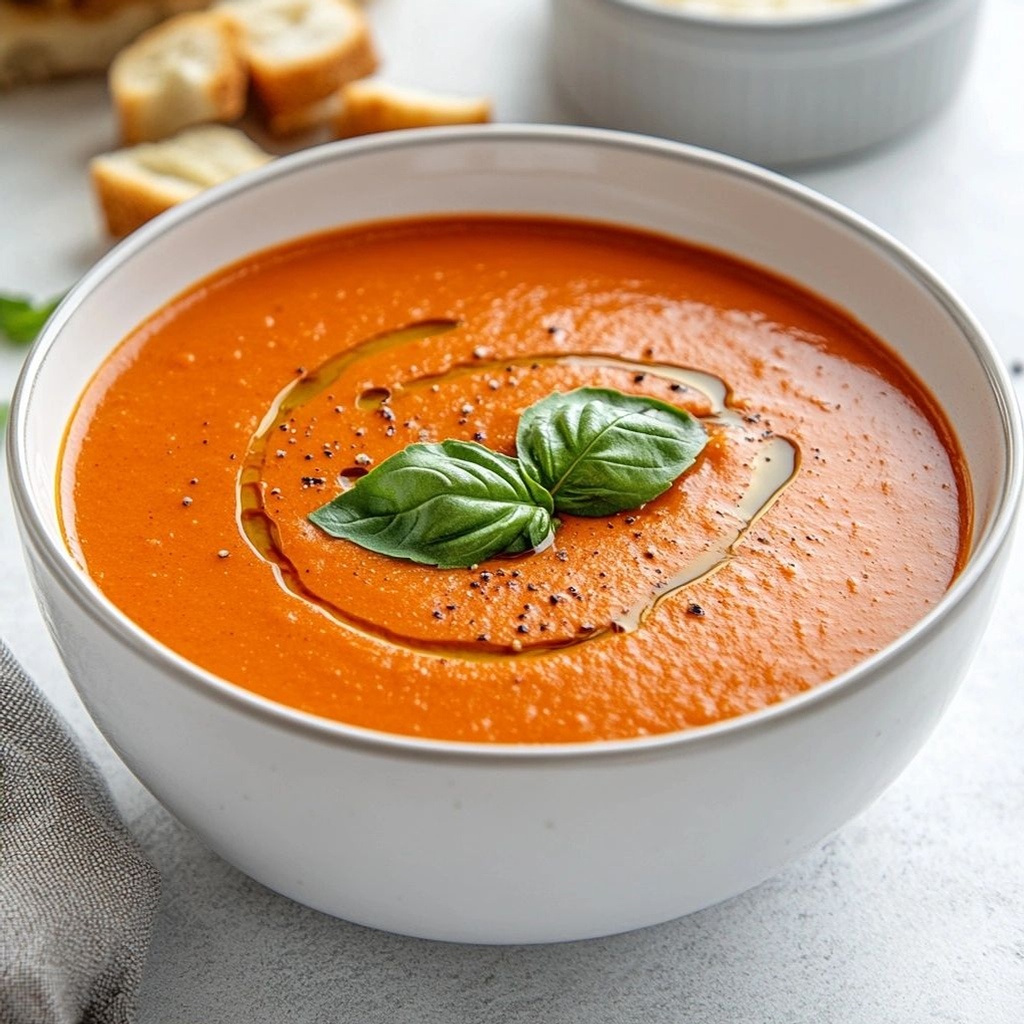
- Serve in warm bowls to emphasize the comforting warmth; garnish with a drizzle of cream or olive oil and a few fresh herbs.
- Pair with a golden, crispy grilled cheese or a toasted baguette with garlic butter for a classic duo.
- Offer a small plate of roasted tomato crostini with a smear of ricotta or almond butter for a textural contrast.
- For a light, elegant touch, add a small spoonful of basil pesto on top just before serving.
Final Thoughts
Creamy Best Homemade Tomato Soup is a celebration of simple ingredients elevated through thoughtful technique. It invites you to slow down, savor the aroma as it fills your kitchen, and enjoy a soup that tastes like it came from a cherished family recipe yet feels perfectly modern. Whether you’re feeding a crowd or just yourself, this recipe offers warmth, depth, and a sense of nourishment that goes beyond the bowl. It’s the kind of dish that inspires conversation, sparks memories, and, with a few flavorful variations, can become a household staple you turn to again and again. So, heat the pot, crush a few garlic cloves, and let the tomatoes do their quiet magic. In minutes, you’ll be rewarded with a creamy, comforting soup that makes every spoonful feel like a small celebration of home.
Ingredients
-
Olive oil
→ Serves as the flavor base and helps to soften aromatics without browning them too aggressively. Use extra-virgin olive oil for richer taste, and temper it gently with the onions to prevent scorching. Drizzle or measure the oil before starting to avoid excess fat in the final soup. -
White or yellow onion, finely chopped
→ Provides the foundational sweetness and depth of flavor. Chop the onion evenly and sauté in oil until translucent and lightly golden to release natural sugars. For a smoother soup, you can puree the onions with a portion of the tomatoes after cooking. -
Garlic cloves, minced
→ Adds aromatics and a bright kick to the tomato base. Mince to a consistent size so it distributes evenly; add after the onions have softened to prevent burning, which can produce bitter notes. If you prefer milder garlic, crush and remove the skin, then sauté briefly. -
Canned crushed tomatoes (or whole peeled tomatoes, crushed by hand)
→ Core tomato flavor and body of the soup. If using whole peeled tomatoes, crush by hand or with a spoon to achieve a rustic texture; for a smoother soup, blend after simmering. Look for tomato quality labeled as “no salt added” if you want to manage seasoning yourself. -
Tomato paste
→ Intensifies tomato flavor and deepens color. Stir it in with the onions and garlic to bloom the acidity and sweetness before adding liquids, allowing it to caramelize lightly for a richer, more rounded soup. If time is short, you can skip, but expect a milder tomato depth. -
Vegetable broth (or chicken broth)
→ Provides the liquid medium and adds savory backbone. Use low-sodium broth to better control salt; adjust with salt at the end. For a vegetarian version, choose vegetable broth; for a fuller body and more mouthfeel, you can reduce a portion and add water as needed during simmering. -
Heavy cream or coconut cream (optional for dairy-free)
→ Contributes creaminess, silkiness, and a gentle tang that balances acidity. Add at the end off the heat and whisk in gradually, or swirl in a thin stream while blending for a velvety texture. For dairy-free, use full-fat coconut cream and avoid coconut milk watered down, which can thin the body. -
Salt and freshly ground black pepper
→ Essential to season and bring out tomato brightness. Add gradually, tasting as you go; soups often taste under-seasoned before simmering but become balanced after resting. A pinch of sugar can help counter acidity if desired, but adjust only after the final taste test. -
Fresh basil leaves (torn) or parsley for finish
→ Bright, herbal note to finish the soup just before serving. Tear basil by hand to release aroma and avoid bruising; add hot just before serving to preserve its fragrance. If using parsley, chop finely and sprinkle over the top for color contrast and freshness. -
Optional garnish: Grated Parmesan or vegan cheese
→ Adds a salty, umami finishing touch and a subtle salty contrast to the tomato base. Shave or finely grate over bowls just before serving for best aroma and melting texture. If dairy-free, skip or substitute with nutritional yeast for a cheesy note.
Instructions
- Warm a heavy-bottomed pot over medium heat and add olive oil, allowing it to shimmer but not smoke, so the aromatics soften without browning aggressively.
→ This establishes a flavorful base and prevents scorching, which can impart bitter notes to the soup. - Add the finely chopped onion to the pot and sauté, stirring frequently, until the onion is translucent and just starting to turn pale gold, about 5 to 7 minutes.
→ Sweating the onions releases natural sugars and sweetness, building depth without harshness; keep the heat steady and avoid high color. - Stir in the minced garlic and cook for 30 to 60 seconds until fragrant, keeping the garlic moving to prevent scorching.
→ Garlic can burn quickly, turning bitter; gentle heat unlocks aroma without compromising brightness. - Add the tomato paste and cook, stirring constantly, for 1 to 2 minutes until it deepens in color and begins to smell caramelized.
→ Blooming the paste concentrates tomato sweetness and reduces raw acidity for a fuller body. - Pour in the canned crushed tomatoes (or crushed whole tomatoes) and stir to combine with the onion, garlic, and paste, breaking up any large chunks with a spoon.
→ This integrates flavors evenly and sets the texture for a cohesive soup base; rougher texture will affect creaminess later. - Pour in the vegetable or chicken broth, adding enough to cover the base by about 1 inch, and bring the mixture to a gentle simmer.
→ The liquid provides body; starting with a modest amount helps control concentration and prevents over-thinning during reduction. - Season with a pinch of salt and a few grinds of black pepper, then reduce heat to maintain a steady simmer and partially cover the pot.
→ Salt at this stage concentrates flavors as the tomatoes reduce; adjust later after tasting for final balance. - Let the soup simmer uncovered for 20 to 25 minutes, stirring occasionally and breaking up any large tomato pieces to a consistent texture.
→ Gentle simmering melds flavors, thickens slightly, and softens tomato acidity; avoid a roiling boil which can emulsify ingredients unevenly. - If you prefer a smoother soup, remove the pot from heat and use an immersion blender to blend until velvety, or blend in batches in a countertop blender, then return to the pot.
→ Blending creates a silkier mouthfeel and helps integrate the tomato’s natural sugars with creaminess if using dairy later. - Stir in the heavy cream or coconut cream off the heat, pouring in a thin steady stream and whisking to emulsify, then resume a gentle simmer for 2 to 3 minutes.
→ Off-heat addition prevents curdling and ensures a smooth, luxurious texture; whisking helps the cream integrate evenly. - Taste and adjust the seasoning, adding more salt, pepper, or a pinch of sugar if the tomato acidity needs balancing, and simmer briefly to meld the flavors.
→ Tasting mid-process ensures the final soup is bright but balanced; acidity varies by tomato brand and variety. - Finish with torn fresh basil leaves stirred in or sprinkled over the surface just before serving to preserve aroma, then ladle into bowls.
→ Fresh herbs brighten the soup and impart a vibrant contrast; tearing releases essential oils more effectively than chopping. - Offer optional garnish of grated Parmesan or vegan cheese atop bowls for a salty, umami contrast, and serve immediately while hot and velvety.
→ Finishing with cheese adds depth and a pleasing melt that enhances the soup’s richness; dairy-free guests can enjoy without the topping or substitute with nutritional yeast.
Notes
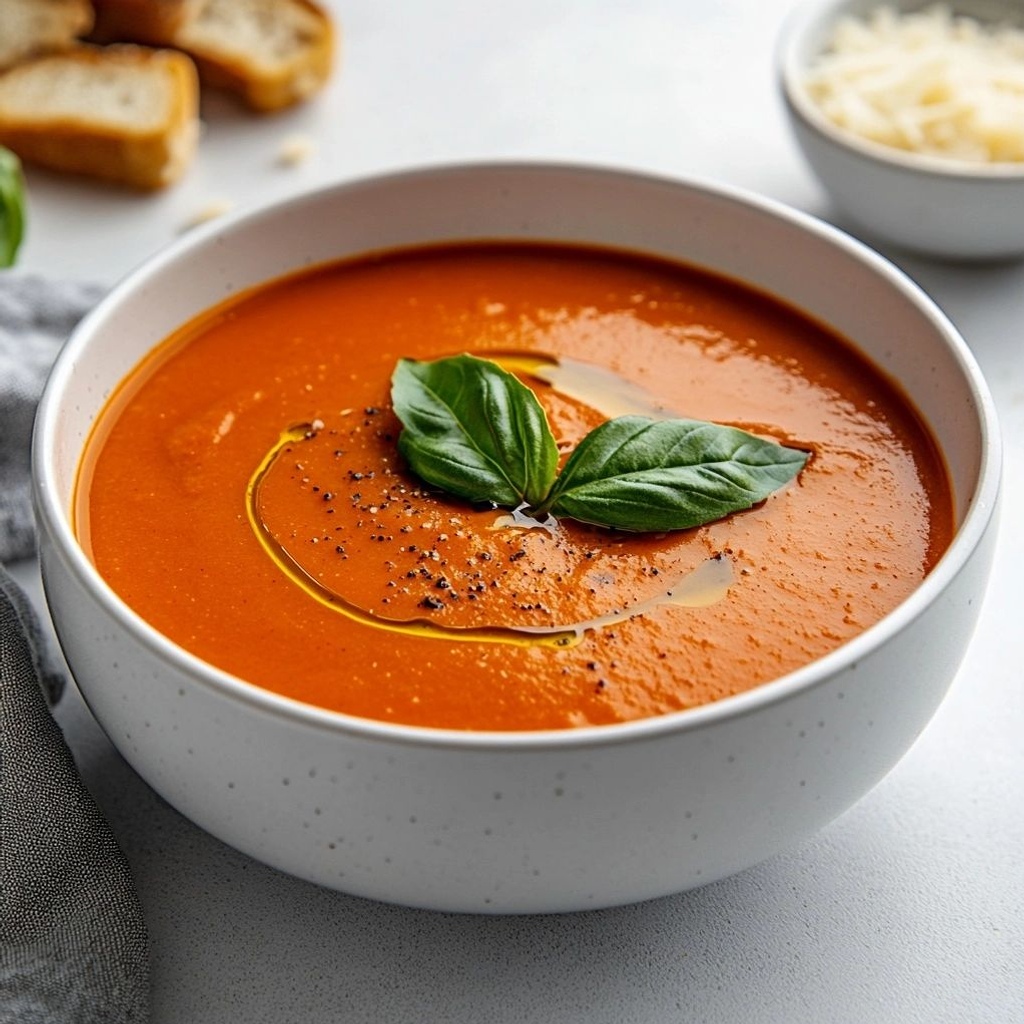
These creamy homemade tomato soup with a silky finish rely on a gentle base of olive oil and onions, then bloom garlic and tomato paste to deepen the flavor before simmering with broth. For the smoothest texture, sauté the aromatics until the onions are translucent and lightly golden, then stir in tomato paste to caramelize its sugars and enhance color. Crushed or hand-crushed tomatoes provide body; simmer long enough to meld flavors, then blend to your preferred consistency—leave some texture if you like rustic soups, or blend fully for a velvety finish. If you’re dairy-free or watching calories, skip the cream and swirl in coconut cream at the end or omit entirely, adjusting with a splash of broth to keep it luscious. Season gradually with salt and pepper, tasting as you go; a small pinch of sugar can balance acidity if needed after simmering. Finish with torn fresh basil or parsley for bright aroma and color, and offer a final garnish of grated Parmesan or vegan cheese for a salty, umami note. This soup keeps well in the fridge for several days and freezes beautifully in portions—reheat gently and whisk in a splash of cream or coconut cream at serving for extra silk. For customization, try a touch of chili flakes for warmth, a swirl of olive oil, or a spoonful of coconut milk to vary richness. Always adjust salt after simmering, as the tomatoes and broth contribute their own saltiness.
Tips
Tips for Perfect Creamy Tomato Soup
- Use a wide, heavy-bottom pot to promote even heating and prevent scorching of aromatics. A simmering surface helps the flavors bloom without sticking.
- Keep the onion sizes uniform and sauté until they’re translucent with a light golden edge. This sweetness forms the base of the soup’s depth.
- When adding garlic, stir and cook just until you can smell its aroma. Overcooked garlic can develop a bitter note; if your garlic is very fresh or potent, add it later in the sauté to control bite.
- Bloom the tomato paste with the onions and garlic for 1–2 minutes to deepen flavor and color. Don’t rush this step—gentle caramelization enhances natural sweetness.
- If you prefer a smoother texture, puree a portion of the tomatoes with the onions after they’ve softened, then reintroduce to the pot before adding broth.
- For richer tomato flavor, toast the crushed tomatoes in the pot for a couple of minutes before adding liquid, allowing sugars to concentrate briefly.
- Choose your broth carefully: low-sodium helps you control salt, while using half broth and half water can lighten the body if you plan to finish with dairy.
- When adding dairy (cream or coconut cream), temper it by whisking a few tablespoons of hot soup into the dairy first, then pour back into the pot off the heat to avoid curdling. Add in a slow, thin stream while stirring.
- Season gradually: start with a modest amount of salt and pepper, then taste after simmering 10–15 minutes. A pinch of sugar can balance acidity if the tomatoes are particularly tart.
- For a vibrant finish, add torn fresh basil just before serving to preserve its aroma. Parsley can be used as a lighter alternative or garnish.
- If making ahead, cool completely before refrigerating. Reheat gently and adjust seasoning as flavors meld further with a short simmer.
- To keep the soup from feeling heavy, you can blend it until smoother and then strain through a fine mesh sieve for an ultra-silky texture.
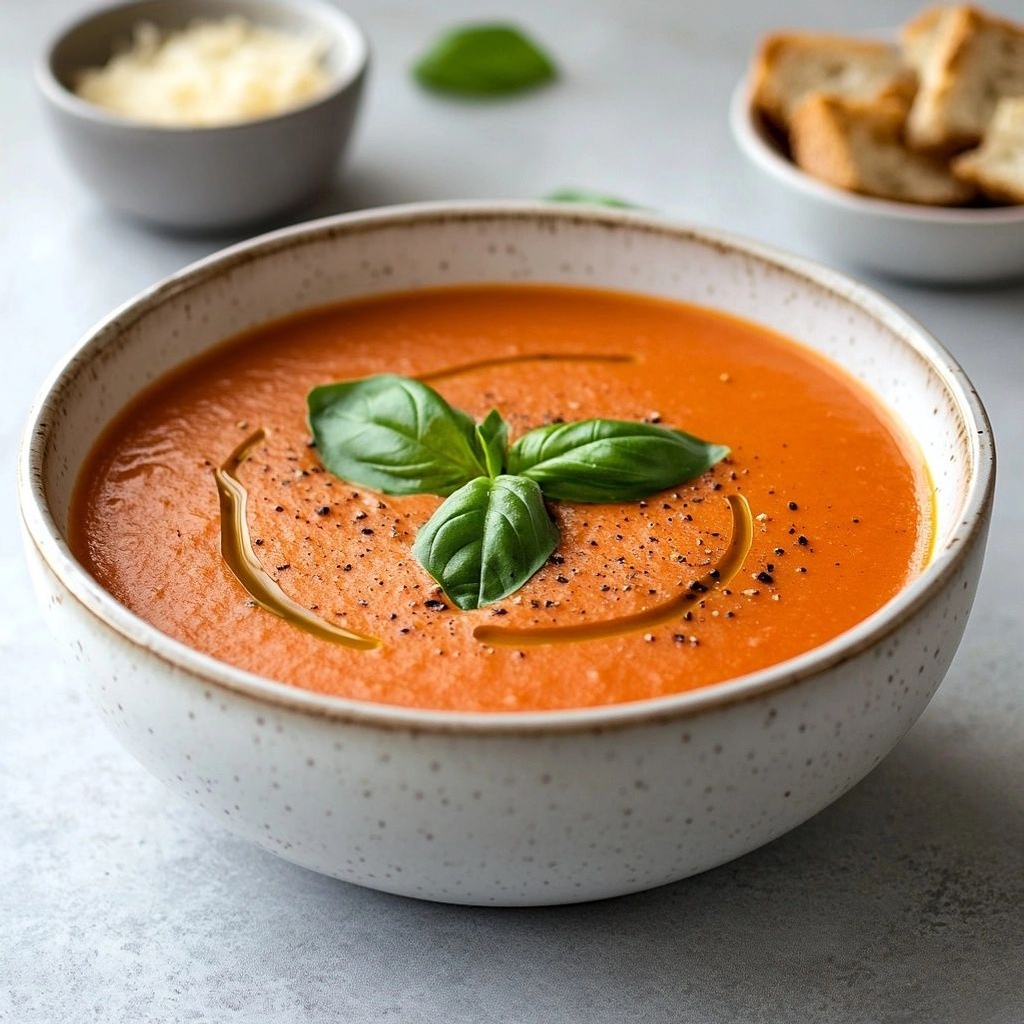
- Garnish ideas: a swirl of cream or coconut cream, a pinch of chili flakes for warmth, or a dusting of grated Parmesan or nutritional yeast for a cheesy finish.
FAQ
What makes this tomato soup creamy without dairy?
The recipe uses a touch of cream or coconut milk to finish, which adds richness. For a dairy-free version, simmer in roasted tomatoes with a little cashew cream or a splash of coconut milk and blend until silky smooth.
Can I use fresh tomatoes instead of canned?
Yes. Use ripe, juicy tomatoes and roast or simmer longer to develop flavor. You may need to adjust the liquid slightly to achieve the same thickness.
What quality tomatoes work best?
Roma or plum tomatoes are great for their sweetness and low moisture. Vine-ripened or garden tomatoes also work well if they’re flavorful and not too watery.
How do I achieve a restaurant-quality smooth texture?
After simmering, blend the soup in batches using a high-speed blender or an immersion blender until completely smooth. Strain through a fine-mesh sieve for extra silkiness if desired.
Can I make this soup ahead of time?
Yes. It stores well in the refrigerator for up to 4 days or freezes for up to 3 months. Reheat gently on the stove and adjust seasoning with a touch of salt or sugar if needed.
How do I adjust the acidity for balanced flavor?
Tomatoes can vary in acidity. If too tart, add a pinch of sugar or a splash of cream to mellow the brightness. If too sweet, a squeeze of lemon juice can brighten the finish.
What dairy substitutes can I use?
For dairy-free options, use coconut milk, almond milk, or cashew cream stirred in at the end. Add a little extra salt to balance flavors since some substitutes are less creamy.
Can I add toppings or mix-ins?
Yes. Try a swirl of cream or yogurt, a drizzle of olive oil, roasted garlic, fresh basil, croutons, or a pinch of chili flakes for extra warmth.
What is the best way to season the soup?
Season in layers: start with onions and garlic sautéed in olive oil, add tomatoes and stock, then finish with salt, black pepper, and a touch of sugar if needed. Finish with fresh herbs like basil or thyme for aroma.