Introduction / Hook
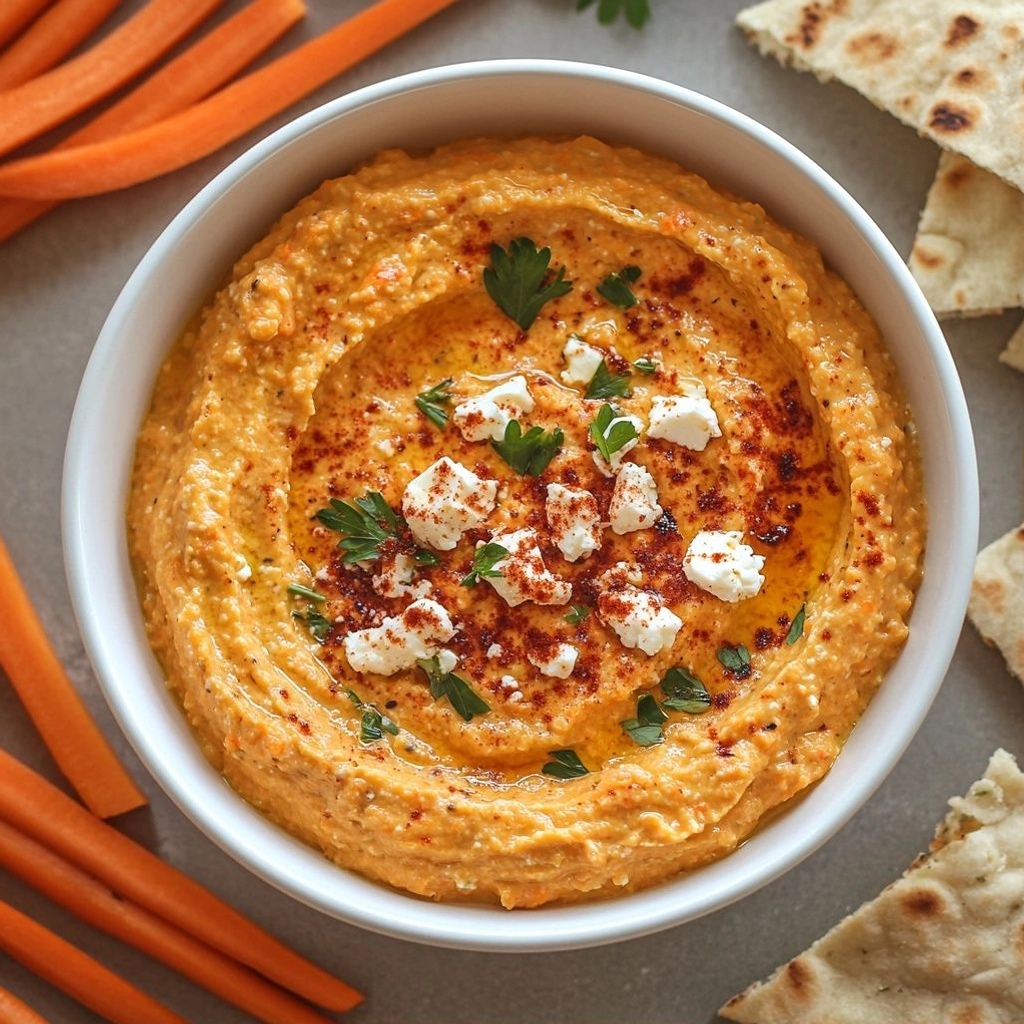
Imagine a sunlit bowl bright with the warmth of summer vegetables and the tang of tangy feta, all blended into a silky dip that whispers of Mediterranean markets and cozy evenings. The Carrot & Roasted Red Pepper Feta Dip blends roasted sweetness with a savory, creamy tang, delivering a spread that feels like a celebration in a single scoop. When you dip a crusty piece of bread, a crisp cracker, or a fresh celery stick into this vibrant mixture, you’re met with a chorus of flavors: roasted peppers with a smoky kiss, carrot sweetness that softens into a mellow depth, and feta’s distinctive, briny bite. It invites you to slow down, gather friends or family, and turn a simple snack into a memory. The aroma alone—smoky, caramelized, and bright—prepares your palate for the first bite, making this dip the perfect centerpiece for gatherings, tapas-style suppers, or a casual weeknight treat that tastes like a hug in a bowl.
The Story Behind the Dish
This dip is a modern homage to the flavors of the Mediterranean and the comfort of rustic cooking. Roasted red peppers bring a sweet, jammy depth that compliments the sharpness of feta, while carrots introduce a gentle, natural sweetness that rounds out the richness. The idea for this mash-up came from a kitchen experiment in which a sharp cheese was softened with roasted vegetables and a drizzle of olive oil, then brightened with a splash of lemon and a pinch of herbs. It’s the kind of recipe that travels well across menus and seasons—elevated enough for a dinner party, simple enough to throw together on a busy weeknight. In many cultures, dips like this are more than appetizers; they are social glue—finger foods that start conversations, spark laughter, and invite you to linger around the table a little longer. The feta’s saltiness acts as a culinary anchor, while the peppers lend a roasted sweetness that mirrors the comforting notes of home-cooked meals. The carrots, often overlooked in dip recipes, step into the spotlight here, offering color, warmth, and a subtle vegetal backbone that makes the entire dish feel wholesome and nourishing.
Why You’ll Love This Recipe
- Quick and accessible: A simple roast, blend, and season approach means you can have this dip ready in under an hour, with minimal hands-on time.
- Vibrant and versatile: The bold color and flavor make it a standout at parties, yet it’s gentle enough to pair with everyday pantry staples.
- Comforting yet bright: The creamy feta provides richness, while roasted peppers and carrots add natural sweetness and depth that lift the palate.
- Customizable: Easily adapt to dietary needs or flavor preferences with substitutions or add-ins—no one will miss the meatiness when you amplify umami with herbs or spices.
- Make-ahead friendly: This dip can be prepared in advance and kept chilled, letting flavors mingle and mellow for a more cohesive taste.
Flavor Profile & Texture
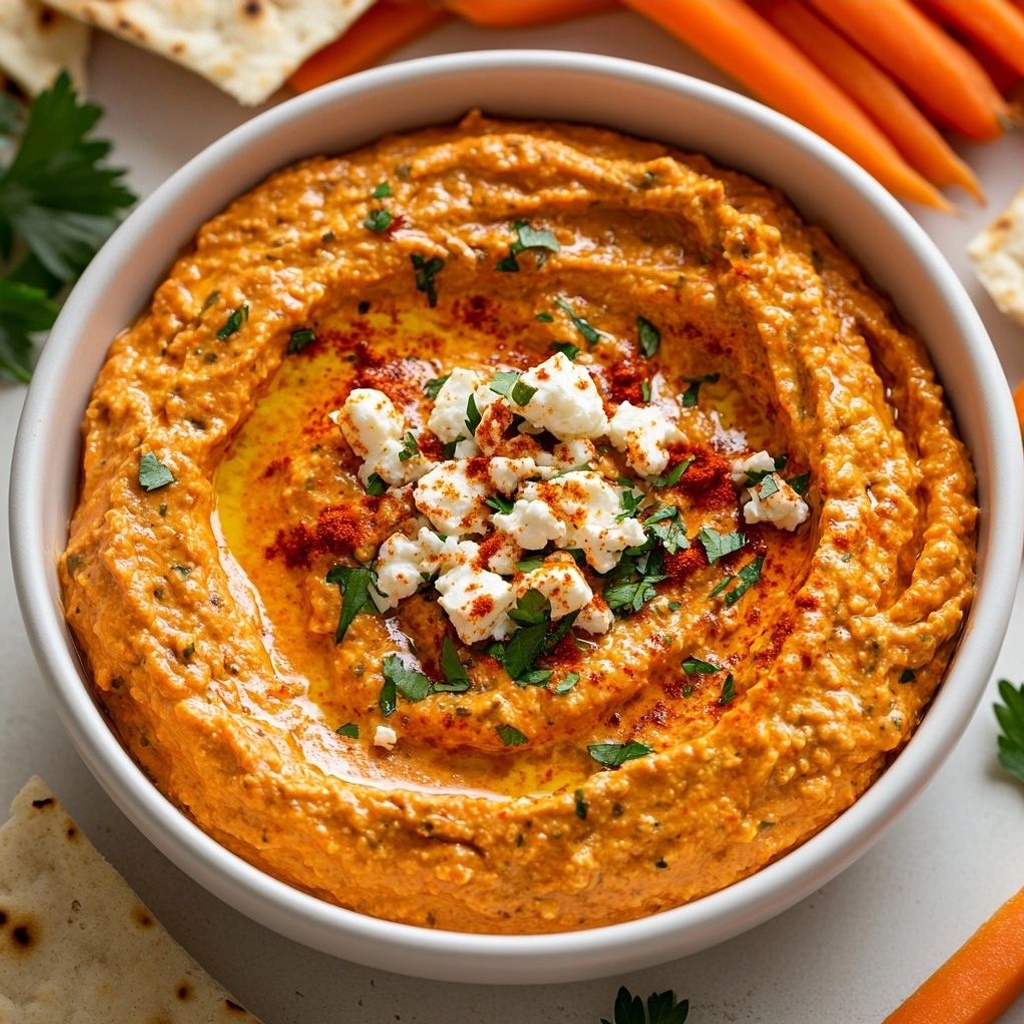
This dip is a symphony of textures and tastes designed to satisfy multiple cravings in one bite. The roasted red peppers offer a luscious, jammy sweetness that lingers on the tongue, with a faint smoky edge from the roasting process. Carrots bring a gentle earthiness and natural sweetness that balances the peppers, creating a nuanced foundation rather than a one-note flavor. The feta adds a briny, tangy punch—a savory contrast that makes the dip feel lively and vibrant. When blended together, the mixture transforms into a creamy, spreadable, slightly chunky texture that is not too smooth, allowing small flecks of pepper and carrot to provide pleasant bursts of flavor and mouthfeel. A hint of olive oil glides across the palate, enriching the dip and giving it a luxurious mouthfeel. Finish with a squeeze of lemon to brighten the profile, and a dusting of fresh herbs for aromatics and color. The overall experience is comforting and familiar, yet with a contemporary twist that makes it perfect for modern entertaining.
Texture Notes
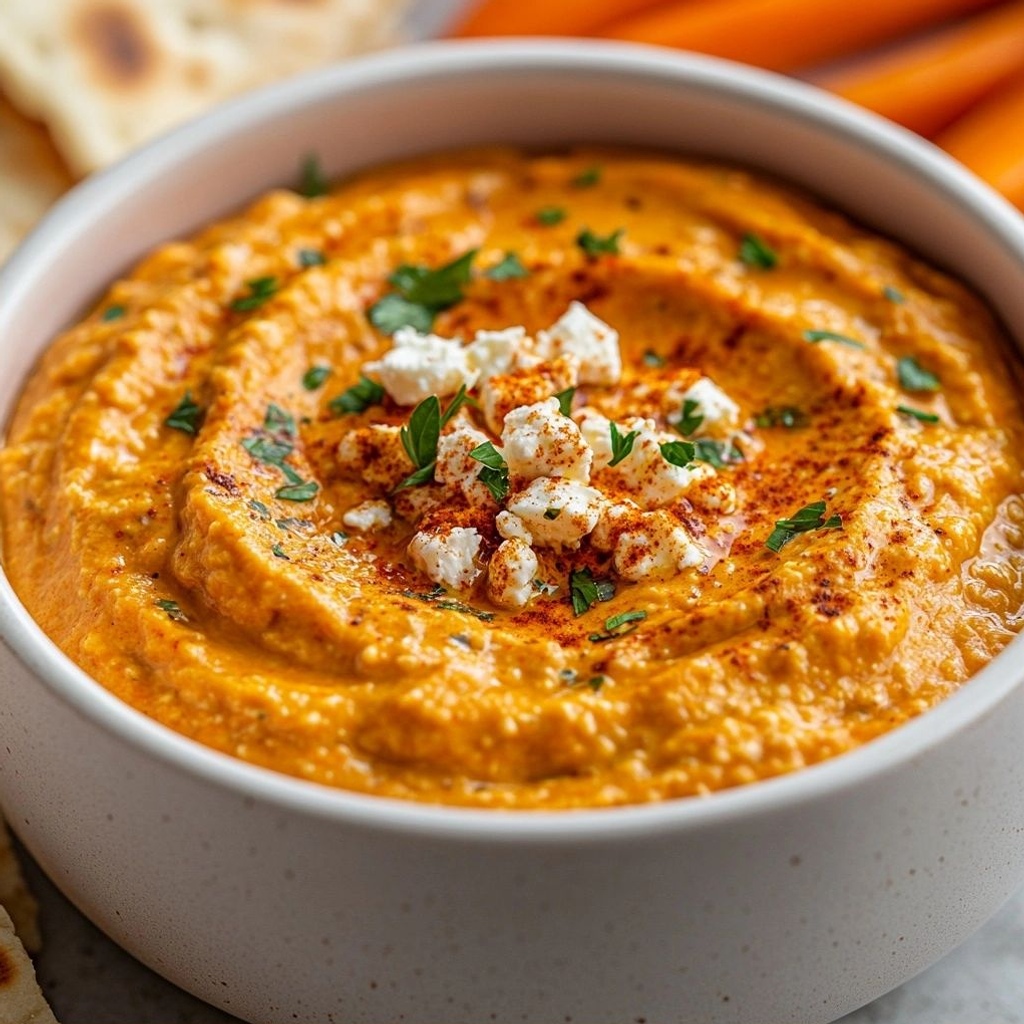
The dip intentionally carries a bit of rustic charm: a smooth base with tiny bits of roasted pepper and shredded carrot for texture, ensuring each dip delivers a little chew and a lot of character. If you prefer a silkier texture, you can blend a bit longer or add a touch more olive oil. For a chunkier, more rustic feel, pulse the ingredients just enough to break them into small, irregular pieces. The contrast between the crumbly feta and the velvety roasted vegetables gives a dynamic mouthfeel that keeps every bite interesting.
Occasions & Pairings
This dip shines in a variety of settings. It makes a fantastic starter for dinner parties, a bright addition to a holiday nibble board, or a fast, casual snack when friends drop by unannounced. Its adaptability means it pairs beautifully with a wide range of accompaniment choices:
- Crusty bread, warm pita wedges, or a crisp baguette—ideal for scooping and soaking up every last bit of flavor.
- Crudités such as cucumber rounds, carrot sticks, celery, endive spears, and radish slices for a refreshing crunch that contrasts the dip’s creaminess.
- Grilled vegetables or roasted pita chips to echo the roasted notes and add a smoky multiplier.
- Herby olive oil drizzles or a tart, zesty lemon wedge to brighten each bite.
Pairing ideas to elevate the experience:
- Wine: A crisp, citrusy white like Sauvignon Blanc or Vermentino can mirror the brightness of the dish, while a light rosé offers a refreshing counterpoint to the feta’s saltiness.
- Drinks: A sparkling soda with a splash of lemon or a dry cider can pair nicely, providing a lively sip that complements the dip’s tang.
- Parties: Build a Mediterranean-inspired board with olives, roasted peppers, marinated feta, cucumber ribbons, and flatbreads to create a cohesive spread around this dip.
Tips, Variations & Substitutions
Here are thoughtful tweaks to tailor the dip to your pantry, preferences, or dietary needs:
- Vegan version: Substitute feta with a tangy vegan feta or use a cream cheese base plus a generous pinch of nutritional yeast and lemon juice for brightness. You can add a touch of tahini for a richer depth instead of dairy.
- Gluten-free: This dip is naturally gluten-free. Serve with gluten-free crackers, rice crackers, or sliced vegetables.
- Low-fat variant: Use a reduced-fat or lactose-free feta and a splash of light olive oil. Blend until smooth but keep some texture for mouthfeel.
- Herbaceous lift: Add minced fresh dill, chives, or parsley to brighten the dip. A whisper of smoked paprika can intensify the roasted flavors.
- Spice it up: A touch of red pepper flakes or a pinch of cumin can introduce warmth without overpowering the main flavors. For a smoky edge, incorporate a drop or two of liquid smoke or a pinch of chipotle powder.
- Roasting variations: If you don’t have fresh peppers, you can use jarred roasted peppers; drain them well and pat dry to avoid excess moisture when blending. Alternatively, char bell peppers quickly under a broiler for smoky depth.
- Texture play: For a chunkier dip, pulse fewer times, leaving larger flecks of vegetables. For a silkier version, blend longer and whisk in additional olive oil after blending for gloss and creaminess.
- Make-ahead tip: Roast peppers and carrots a day ahead, refrigerate, and blend with feta just before serving. The flavors will meld beautifully with time.
Storage & Make-Ahead Ideas
This dip stores well and often benefits from a little resting time in the fridge. For best results:
- Fridge: Transfer to an airtight container and refrigerate for up to 4 days. The flavors deepen as they mingle overnight.
- Freezing: Not ideal for all dips, but if you need to freeze, freeze briefly after blending, then thaw and stir to regain creaminess. Note that the texture may change slightly after thawing due to the feta and vegetables.
- Make-ahead strategy: Prepare the roasted vegetables in advance and refrigerate. When you’re ready to serve, blend with feta and olive oil, re-season as needed, and serve immediately for a fresh, vibrant dip.
- Serving temperature: This dip can be enjoyed chilled, at room temperature, or warmed gently. Warming slightly can intensify the flavors and soften the feta’s mouthfeel for a comforting warm dip.
Fun Facts & Trivia (Optional)
Did you know that roasting peppers brings out a natural sweetness that often goes unnoticed when peppers are eaten raw? The gentle caramelization that occurs at high heat concentrates sugars and releases deep, smoky notes that pair incredibly well with tangy cheeses like feta. Carrots, traditionally associated with sweetness, provide a rooty, earth-forward balance in Mediterranean-inspired dishes, where vegetables, dairy, and olive oil play off one another to create a harmonious, satisfying bite. Feta’s role in dip recipes across the Mediterranean is as much about texture as it is about flavor; its crumbly, salty profile acts like a culinary anchor that helps unify diverse ingredients into a cohesive, comforting spread. This particular combination—carrot, roasted red pepper, and feta—encapsulates a modern celebration of simple ingredients transformed through heat, salt, and a touch of lemon zest to lift the overall brightness.
Make It Your Own: A Craft-Your-Own Story
Recipes are stories you write with your pantry, your pantry’s moods, and your guests’ tastes. This Carrot & Roasted Red Pepper Feta Dip invites you to craft your own narrative around it. Perhaps you’re hosting a brunch with a Mediterranean twist and want a dip that can gracefully pair with both savory and sweet accompaniments. Or maybe you’re planning a weeknight supper that feels special without requiring hours in the kitchen. The foundational flavors—the sweetness of roast peppers, the gentle sweetness of carrots, and the salt-and-kiss of feta—offer a flexible canvas. Consider adding roasted garlic to introduce a mellow, creamy savor, or fold in chopped olives for a briny contrast that spices up the flavor profile. A squeeze of lemon at the end can transform the dip from comforting to bright and crisp, perfect for bright sunlit afternoons or as a prelude to a flavorful main course.
Closing Thoughts
Ultimately, this Carrot & Roasted Red Pepper Feta Dip is more than a recipe; it’s an invitation to savor a moment of shared flavor. It’s the kind of dish that makes parties feel intimate, conversations flow freely, and music seems to sound just a little better. It’s a celebration of vegetables elevated by cheese, a reminder that simplicity, when done with care, can astonish. Whether you’re feeding a crowd or treating yourself to a cozy night in, this dip offers a reliable path to satisfaction—creamy, bright, and irresistibly dip-worthy. As you serve it, watch the smiles spread as quickly as the aroma fills the room, and let the lingering taste of roasted peppers and feta transport you to sunlit terraces and warm gatherings, wherever you are. Enjoy the journey from blender to bowl to bite, and let each scoop become a small ritual of comfort and joy.
Ingredients
-
1 cup roasted carrots, finely chopped
→ The carrots provide sweetness and body to the dip. Roasting concentrates their sugars and softens texture, so chop them finely to create a smooth, cohesive base when blended with the feta and peppers. Use carrots that are well-roasted (deep golden edges) for maximum flavor. -
1 cup roasted red peppers, drained and chopped
→ Roasted red peppers contribute a smoky sweetness and vibrant color. Drain well to prevent a watery dip, and chop into small pieces to ensure even distribution and a silky texture when blended with the other ingredients. If using jarred peppers, pat dry before chopping. -
200 g feta cheese, crumbled
→ Feta provides salt, tang, and creaminess that anchors the dip. Crumble finely so it dissolves into the mixture rather than clumping. For a milder dip, you can use part feta and part ricotta or cream cheese. If using block feta, crumble directly into the bowl and mash slightly before combining. -
1/2 cup plain Greek yogurt (or labneh)
→ Adds creaminess and helps emulsify the dip for a velvety texture. Use full-fat yogurt for richer flavor; if the mixture seems too thick, whisk in a teaspoon of water or olive oil. For a dairy-free version, substitute with unsweetened almond yogurt or cashew yogurt and adjust salt accordingly. -
2 tablespoons extra-virgin olive oil
→ Enhances mouthfeel and carries the roasted flavors. Use a good-quality, fruity olive oil and drizzle in gradually as you blend to reach the desired consistency. If you want a richer finish, increase to 3 tablespoons. -
1 garlic clove, minced
→ Garlic adds aromatic depth and a punch of sharp flavor that cuts through the richness of feta. Mince finely or grate to distribute evenly; if you’re sensitive to garlic, start with half a clove and adjust to taste. For a milder profile, you can sauté the garlic briefly in a tiny bit of olive oil before adding. -
1 tablespoon fresh lemon juice
→ Lemon juice brightens and balances the savory richness, and helps offset the saltiness of feta. Use fresh juice rather than bottled for a cleaner, more vibrant acidity. Taste and adjust; add a little zest for extra lift if desired. -
1/2 teaspoon sea salt (adjust to taste)
→ Feta is naturally salty, so add salt gradually and taste as you go. If your feta is very salty, you may need less. Salt also helps harmonize the roasted carrot sweetness with the tang of feta; add in small increments and reassess after blending. -
1/4 teaspoon freshly ground black pepper
→ Black pepper adds subtle warmth and rounds the flavors. Freshly ground pepper gives a brighter aroma than pre-ground. You can also add a pinch of smoked paprika or a tiny pinch of cumin for a hint of warmth that complements the peppers. - Optional Add-ins
-
1/4 teaspoon smoked paprika
→ Adds a light smokiness that echoes the roasted peppers. Sprinkle in during blending or fold in after to retain a bit of texture. If you love heat, use hot smoked paprika or a dash of chili powder instead. -
1/8 teaspoon red pepper flakes (adjust to taste)
→ For a subtle kick, include a small amount of heat. Increase gradually if you prefer more spice. To keep the texture smooth, crush the flakes slightly before adding. - Optional Garnish and Serving
-
Fresh chopped parsley or dill, for garnish
→ Adds a fresh, herbal contrast to the creamy dip. Chop herbs fine and sprinkle just before serving to preserve color and brightness. You can also drizzle with a little extra olive oil and a few chopped peppers for presentation. - Optional Serving Vessel
-
Pita, crusty bread, or veggie sticks for dipping
→ Choose sturdy dippers that hold up to the creamy texture. For a gluten-free option, serve with sliced cucumbers, carrots, celery, or gluten-free crackers. If you prefer a lighter dip, serve with raw vegetables for a crisp counterpoint.
Instructions
- Blend the feta, Greek yogurt, and garlic together in a food processor or high-powered blender until the mixture is smooth and the feta is fully incorporated into the creaminess; this creates a cohesive base that coats the roasted vegetables evenly.
→ Process to break down the feta’s firmness, which helps the dip emulsify and prevents graininess in the final texture. - Add the roasted carrot pieces and chopped roasted red peppers to the processor and pulse briefly to combine while still leaving some small flecks for texture; avoid over-processing to maintain a silky yet textured dip.
→ Gentle pulsing preserves a rustic mouthfeel and prevents a completely uniform puree that can feel monotonous. - With the processor running, drizzle in the extra-virgin olive oil in a thin, steady stream to emulsify the mixture; stop to scrape the sides as needed to ensure even distribution.
→ The oil loosens and smooths the emulsion, carrying roasted flavors and improving gloss and mouthfeel. - Add fresh lemon juice, then blend briefly to distribute the brightness throughout the dip, tasting as you go to calibrate acidity.
→ Fresh lemon brightens the savory depth and balances the natural sweetness from the carrots and the saltiness of the feta. - Season with sea salt and freshly ground black pepper, starting with the amounts listed and adjusting in small increments after a quick blend, to avoid over-salting the dip.
→ Feta’s inherent saltiness varies; gradual tasting ensures a harmonious balance without masking other flavors. - Optionally sprinkle in smoked paprika and/or red pepper flakes during blending or fold them in after to introduce a layer of warmth and a touch of smokiness; adjust quantity based on desired intensity.
→ These add depth that echoes the roasted peppers while allowing you to tailor heat and aroma. - Scrape the mixture into a serving bowl and smooth the surface with a spatula, preparing for garnish and final tasting.
→ A flat surface helps identify seasoning and ensures even presentation when garnished. - Let the dip rest for at least 20 to 30 minutes at room temperature or refrigerate for up to 2 hours to allow flavors to meld; bring back to room temperature briefly before serving if chilled.
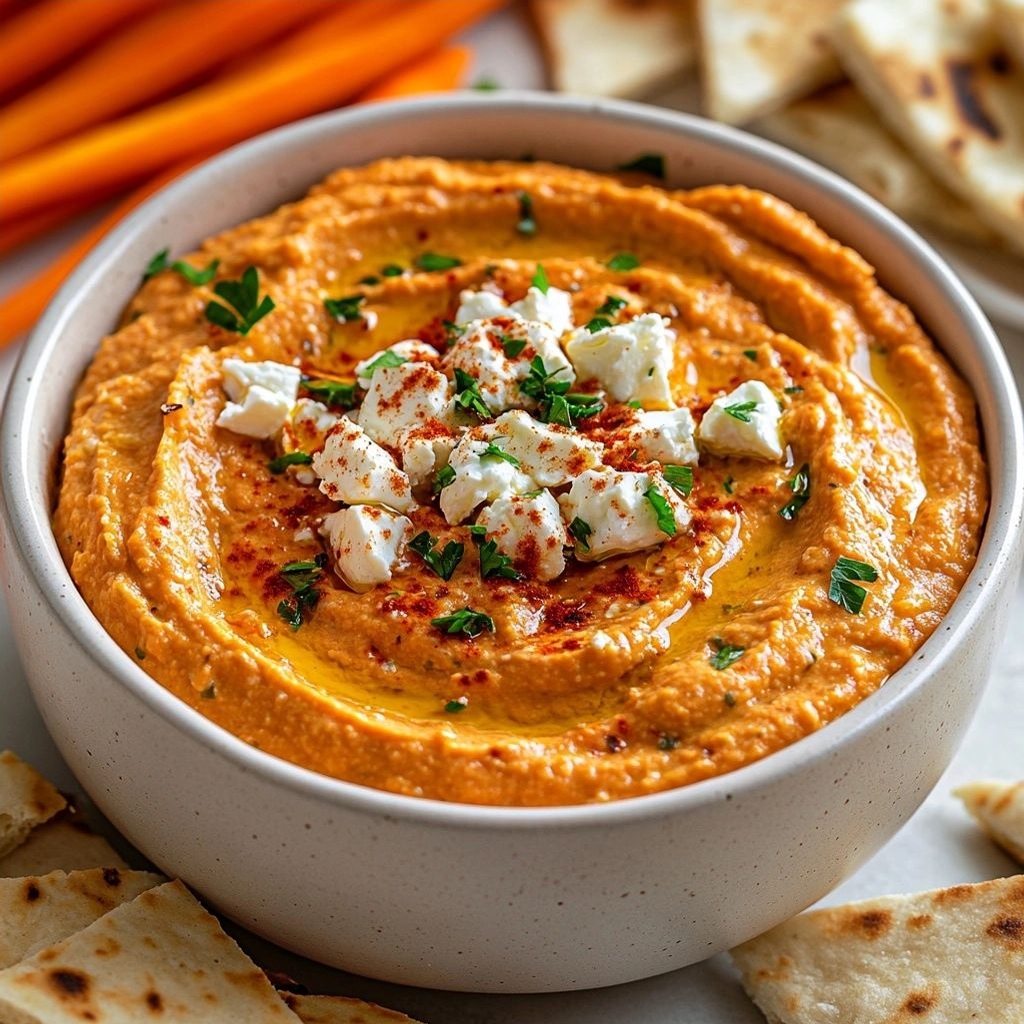
→ Resting relaxes the fats and softens the textures, resulting in a more cohesive, flavorful dip. - Garnish with freshly chopped parsley or dill for bright color and a herbal counterpoint, then drizzle with a thin veil of extra olive oil to shine the surface and invite dipping.
→ Fresh herbs add aromatic lift and contrast to the creamy base, while the oil sheen enhances mouthfeel and presentation. - Arrange pita wedges, crusty bread, or crisp vegetable sticks on a platter around the dip for an inviting serving setup; consider gluten-free options like cucumber or carrot sticks for a lighter pairing.
→ Appropriate dipping vessels ensure structure and accessibility, inviting guests to scoop without tearing or crumbling. - Serve the dip at a cool to warm temperature depending on preference, with a final taste check and a light flick of salt if needed just before guests arrive.
→ Temperature affects perceived creaminess and salt perception; a quick final adjustment ensures optimal flavor upon serving.
Notes
These carrot and roasted red pepper feta dip is a vibrant, crowd-pleasing appetizer that balances sweet roasted carrot sweetness with tangy feta and smoky peppers. You can tailor the richness by adjusting feta-to-yogurt ratio or swapping Greek yogurt for a dairy-free alternative like avocado crema or cashew yogurt, keeping the dip creamy without sacrificing flavor. For a smoother texture, blend until completely silky and warm the dip gently after blending to loosen if needed; if you prefer more body, pulse the peppers and carrots a few times to keep a little texture. To lighten it, swap half the feta for ricotta or use strained yogurt to reduce moisture. This dip pairs beautifully with warm pita, crusty gluten-free bread, or crisp veggie sticks; for a gluten-free option, ensure your dippers are gluten-free and consider serving with cucumber rounds or endive boats. Make-ahead note: blend and refrigerate up to 2 days, then bring to room temperature or re-warm gently before serving for the best creaminess. Storage tips: keep in an airtight container in the fridge for up to 3 days, and if it thickens, whisk in a teaspoon or two of water or olive oil to reincorporate its velvety texture. For a colorful presentation, garnish with chopped parsley or dill and an extra drizzle of olive oil, and offer optional add-ins like smoked paprika or a pinch of red pepper flakes for guests who like a bolder kick.
Tips
Tips for Carrot & Roasted Red Pepper Feta Dip
Maximize flavor and texture by roasting the carrots and peppers properly. Deep golden edges on the carrots signal caramelization, which adds depth. For peppers, smoky sweetness comes through best when they are well-drained and chopped finely before blending.
- Achieving a silky, cohesive dip: Crumble feta finely and blend gradually with the yogurt and olive oil. If the mixture seems stiff, whisk in a teaspoon of water, olive oil, or a splash of yogurt to loosen it without thinning the flavor.
- Balancing saltiness: Feta is naturally salty, so add salt in small increments and taste after blending. If using salty feta, you may need little to no extra salt.
- Olive oil as a flavor carrier: Add the oil in a slow, steady stream while blending to emulsify the dip. A fruity extra-virgin olive oil will carry the roasted flavors best; you can adjust to 3 tablespoons for a richer finish.
- Garlic and brightness: Mincing or grating garlic helps distribute its flavor evenly. If you’re sensitive to garlic, start with half a clove and adjust later. A splash of fresh lemon juice brightens the dip and offsets richness.
- Texture control: For a very smooth dip, blend until fully homogeneous. If you prefer some bite, pulse briefly to leave small flecks of carrot and pepper.
- Optional spices: Smoked paprika adds a hint of smokiness that pairs with roasted peppers. Red pepper flakes give a gentle kick; adjust to taste and crush flakes slightly for even distribution.
- Make-ahead tips: The dip can be made a day ahead; refrigerate covered. Let it come to room temperature and give it a gentle stir before serving to restore creaminess.
- Serving suggestions: Plate with pita, crusty bread, or sturdy veggie sticks. For a gluten-free option, serve with sliced cucumbers, carrots, and celery. A drizzle of extra olive oil and a scatter of chopped fresh herbs elevate the presentation.
- Texture tweaks with add-ins: If you want extra tang or creaminess, blend in a tablespoon of ricotta or cream cheese with the feta. For dairy-free versions, substitute with unsweetened almond yogurt or cashew yogurt and adjust salt.
- Vegetable prep: If you’re using jarred roasted peppers, pat them very dry to prevent a watery dip. For the roasted carrots, aim for well-roasted batches with deep edges to maximize sweetness.
Storage: Keep in an airtight container in the refrigerator for up to 3 days. Stir before serving; you may need a splash of olive oil or yogurt to refresh the texture.
FAQ
What is Carrot & Roasted Red Pepper Feta Dip?
A creamy, savory dip made by blending roasted red peppers, cooked carrots, feta cheese, and seasonings until smooth. It’s perfect with pita, crackers, or fresh veggies.
What ingredients do I need?
Common ingredients include roasted red peppers, cooked carrots, feta cheese, olive oil, garlic, lemon juice, salt, pepper, and optional herbs like parsley or dill. Some variations add yogurt or cream cheese for extra creaminess.
Can I make this vegan or dairy-free?
Yes. To make it vegan, substitute feta with a plant-based feta or crumbled tofu, and replace olive oil with a little dairy-free yogurt or tahini for creaminess. Nutritional yeast can add a cheesy note.
How do I roast the red peppers?
Roast peppers by charring them under a broiler or over an open flame until the skins blister. Place in a bowl covered with plastic wrap for 10 minutes, then peel off the skins and remove seeds.
Can I make this ahead?
Yes. The dip can be prepared a day ahead. Store in an airtight container in the refrigerator. Bring to room temperature and give it a quick stir before serving.
What should I serve with this dip?
Try warm pita bread, pita chips, crackers, carrot sticks, cucumber slices, or a colorful veggie platter. It also pairs well with grilled chicken or as a spread for wraps.
How long does it take to make?
Active prep and blending typically take about 15–25 minutes, plus a few minutes for roasting peppers if you’re starting from fresh. Total time is around 30–40 minutes including roasting.
What are common substitutions or add-ins?
Add a pinch of smoked paprika for a smoky note, or a spoonful of tahini for extra creaminess. Swap feta for ricotta or cream cheese if you prefer a milder flavor. Fresh herbs like parsley or dill brighten the dip.
Is there a low-sodium option?
Yes. Use low-sodium feta and unsalted roasted peppers, and reduce added salt. You can also balance with a squeeze of lemon and extra herbs to enhance flavor without salt.