Introduction / Hook
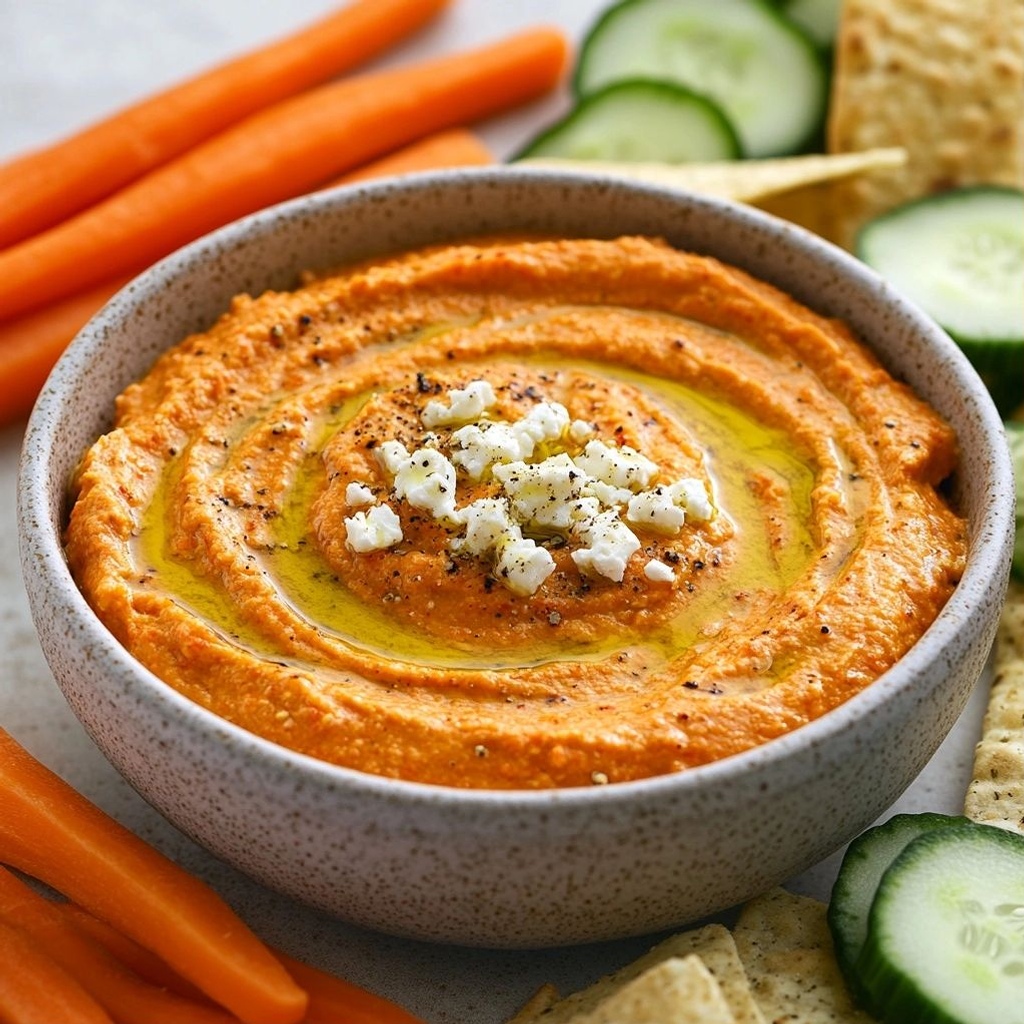
Imagine a vibrant, sunlit bowl that instantly elevates any gathering from casual to unforgettable. A carrot and roasted red pepper feta dip is not just a condiment; it’s a celebration in a single scoopable scoop. The sweetness of roasted carrots mingles with the smoky, caramelized peppers, while tangy feta provides a creamy, savory backbone that ties every note together. This dip is the kind of crowd-pleaser that disappears as fast as you can bring it to the table, leaving behind only happy conversations, satisfied mouths, and the lingering aroma of roasted vegetables and warm feta. It’s the kind of recipe you reach for when you want a dish that looks as good as it tastes, that requires minimal effort but delivers maximum wow-factor. If you’re hosting a party, game night, potluck, or a casual weekend gathering, this dip is your secret weapon—bold, balanced, and irresistibly dip-worthy.
What makes this dip truly special is its balance of textures and temperatures. Smooth, velvety in consistency, with tiny bits of char from the peppers and carrot flecks that catch the light, it offers a tactile experience as satisfying as its flavor. The roasted carrots bring a natural sweetness that echoes a hint of honey, while the roasted red peppers contribute a smoky depth that reminds you of late-summer gardens. Feta adds a briny brightness that cuts through the sweetness, ensuring every bite feels complete and rounded. The result is a dip that’s both comforting and exciting—a little indulgent, a little cheeky, and wholly satisfying with a crusty loaf, fresh vegetables, or crisp crackers.
The Story Behind the Dish
Dip cultures are a tapestry of global flavors, and this carrot, roasted red pepper, and feta combination weaves in threads from several culinary traditions. Feta, with its briny brightness, hails from the Mediterranean region and has a long, storied history in recipes that celebrate simple, high-quality dairy. Roasting vegetables to deepen their flavors is a technique that appears in countless cuisines, turning humble carrots and peppers into caramelized marvels with a smoky whisper. The idea of pairing roasted vegetables with cheese for a party-friendly spread is a testament to how everyday ingredients can be transformed into something that feels festive without requiring a formal occasion.
Personally, this dip often travels with me to gatherings where I want to create a sense of warmth and hospitality quickly. The ritual of roasting the vegetables fills the kitchen with a comforting aroma, and the moment I stir in the feta, the dip takes on a luxurious, creamy character that still feels approachable. It’s a dish that invites people to dip, talk, and linger—an edible invitation to slow down and enjoy the moment. In many households, jars and bowls of colorful dips become the unofficial menu for extended conversations and spontaneous celebrations. This particular recipe captures that spirit: it’s easy to prepare in larger quantities for a party, yet it remains bright and fresh—an ideal centerpiece when friends arrive with a bottle of something sparkling and you’re trying to create a welcoming atmosphere with minimal fuss.
Why You’ll Love This Recipe
- Easy to scale for any crowd: whether you’re hosting a few neighbors or a bustling party, this dip remains simple and flexible.
- Make-ahead friendly: roasted vegetables can be prepared in advance, and the dip can be blended or finished just before serving for maximum freshness.
- Flavor-forward without being heavy: the natural sweetness of carrots and peppers balances the bite of feta, delivering a satisfying taste without overwhelming richness.
- Versatile serving options: pairs beautifully with pita wedges, sourdough crisps, carrot sticks, cucumber rounds, or even sturdy crackers and pretzels.
- Vegetarian-friendly and adaptable: naturally meatless and easy to adapt for vegan or dairy-free diets with simple substitutions.
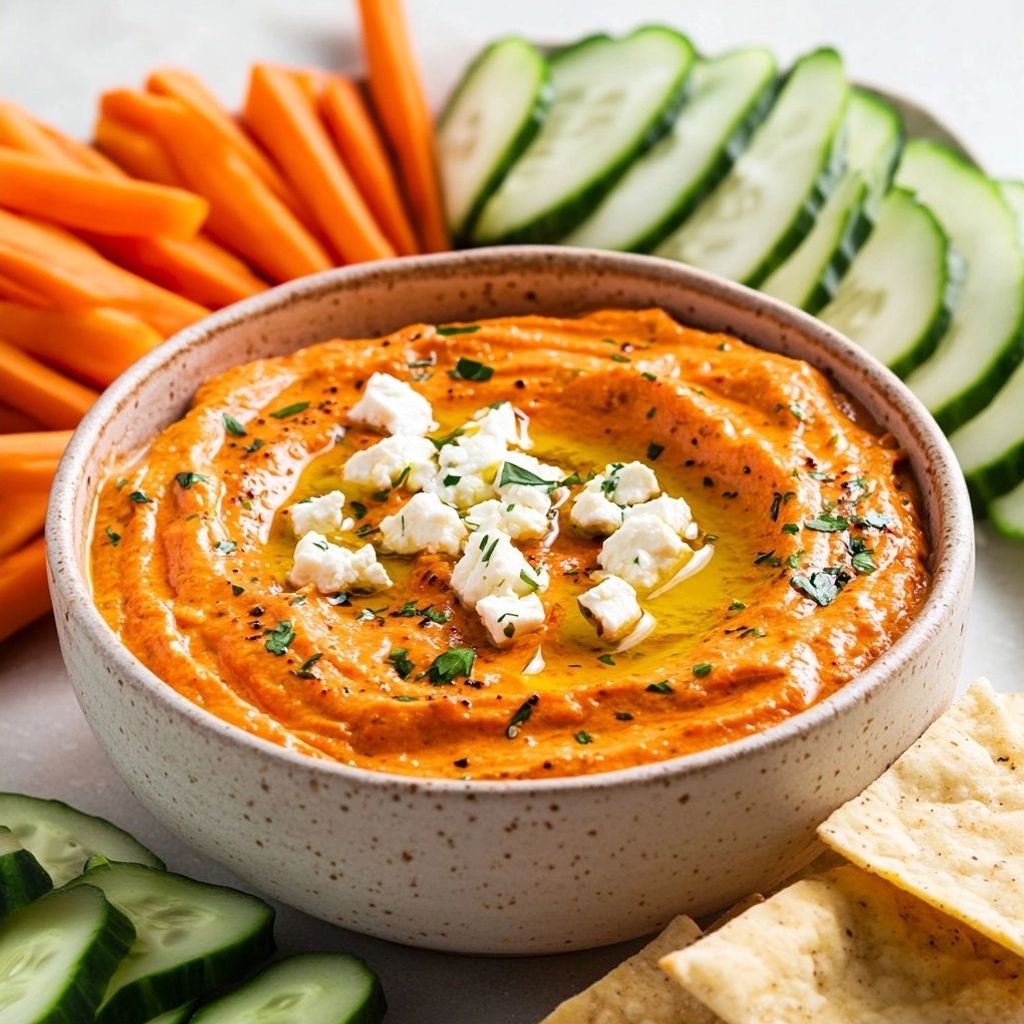
- Colorful presentation: the bright orange of carrot, the ruby-red glow of roasted peppers, and the snowy feta create a visually stunning centerpiece that doubles as a conversation starter.
- Comforting yet sophisticated: this dip bridges casual gathering vibes with a touch of indulgence, making it suitable for both weeknight entertaining and weekend celebrations.
Flavor Profile & Texture
The flavor profile of this dip is a dance of contrasts in the most harmonious way. The roasted carrots bring a honeyed sweetness with a hint of earthiness, grounding the brightness of the peppers. The roasted red peppers add a smoky, slightly tangy element that lingers on the palate, like a fond memory of summer evenings around a grill. When you blend all of that with feta, you introduce a salt-briny punch that brightens every mouthful and prevents the sweetness from tipping too far in one direction. The feta’s creaminess is essential; it binds the vegetables into a luscious, scoop-ready texture that’s neither too thick nor too loose. The result is a dip that feels substantial and comforting, yet feels fresh enough to kick off conversations with a crisp, clean finish on the finish.
In terms of mouthfeel, you want a balanced texture: smooth enough to scoop gracefully, but with a few small bits of roasted pepper or carrot to catch on the tongue and provide surprise bursts of flavor. If you prefer a silkier texture, you can blend longer; if you want more rustic charm, pulse briefly to leave more texture. A touch of olive oil adds a silken gloss and helps carry the flavors, while a pinch of black pepper or a hint of paprika can nudge the warmth of the dish into a more savory or slightly smoky direction, depending on your mood and audience. Aromatics like garlic or a splash of lemon juice can brighten the dip without overpowering the primary vegetable flavors, giving it a little extra zing that makes the dip feel crisp and contemporary.
Occasions & Pairings
This dip shines in a variety of settings and can be the star of a relaxed night with friends or a polished addition to a more formal spread. Consider these occasions and pairing ideas to maximize its impact:
- Casual game night or movie night: serve with a rainbow of dippers—fluffy pita wedges, carrot sticks, celery, cucumber rounds, and tortilla chips for a playful crunch.
- Brunch or potluck: pair with grilled flatbreads, crostini, or lightly toasted baguette slices. A dollop of yogurt or a drizzle of olive oil can add a luxurious touch.
- Party centerpiece: present the dip in a shallow, wide bowl with a pile of fresh herbs and a handful of sesame seeds or crushed red pepper for color.
- Appetizer buffet: lay out a colorful spread with roasted veggies, olives, marinated artichokes, and a selection of cheeses to create a Mediterranean-inspired grazing board.
- Wine and cheese night: the feta’s brininess plays beautifully with a range of white wines, from Sauvignon Blanc to Pinot Grigio, while a rosy or light red can harmonize well with the smoky notes.
Suggested Pairings
To elevate the experience, consider these complementary items:
- Crusty bread or toasted baguette slices
- Pita wedges, pita crisps, or flatbread chips
- Fresh vegetable crudités: cucumber, bell pepper, carrot sticks
- Olives and marinated mushrooms for a savory contrast
- A light, crisp white wine or a sparkling beverage to lift the flavors
- A small dollop of yogurt or labneh on top for extra creaminess (optional)
Tips, Variations & Substitutions
One of the joys of a dip like this is how versatile it is. Here are ideas to customize, adapt for dietary needs, or give the recipe a regional twist:
- Vegan variation: replace feta with a tangy, crumbly cashew cheese or a plant-based feta alternative. Add a touch of nutritional yeast for extra savoriness if desired.
- Gluten-free option: the dip itself is naturally gluten-free; ensure dippers are gluten-free (gluten-free crackers, corn chips, or gluten-free bread).
- Low-fat approach: use low-fat feta or a portion-controlled amount of cheese, and blend with a splash of water or vegetable stock to reach your preferred consistency.
- Spice it up: stir in a pinch of smoked paprika, cumin, or crushed red pepper flakes to introduce a deeper heat or smoky edge.
- Herbaceous lift: finish with a handful of chopped fresh herbs such as parsley, chives, or dill to introduce bright, fresh notes that contrast the roasted flavors.
- Regional twists: swap peppers for roasted yellow squash or zucchini for a lighter variant, or incorporate roasted fennel for an anise-like sweetness that pairs surprisingly well with feta.
- Texture play: for a chunkier dip, pulse vegetables briefly and mix with crumbled feta; for a silkier spread, blend until extra smooth and glossy, possibly with a touch of cream cheese to increase creaminess.
- Make-ahead flavor development: roast the vegetables the day before, refrigerate, and then blend with feta just before serving to enhance ease and depth of flavor.
Storage & Make-Ahead Ideas
The beauty of this dip is that it scales well with time and can be prepared in advance to reduce party day stress. Here are practical tips for storage and make-ahead planning:
- Make-ahead: roast the carrots and peppers a day ahead. Store them in an airtight container in the refrigerator. When you’re ready to serve, blend with feta and any optional additions, and adjust seasoning to taste.
- Storing leftovers: refrigerate any leftover dip in an airtight container for up to 3 days. The flavors often deepen overnight, so give it a quick stir and taste before serving again.
- Freezing: while not ideal for all dips, this one can be frozen for longer storage. Freeze in an airtight container for up to 1 month. Thaw in the refrigerator and blend to re-emulsify the texture, adding a splash of olive oil if needed.
- Reheating: if the dip thickens in the fridge, warm gently on the stove with a splash of water or olive oil to loosen. Do not overheat, as feta can seize or separate if exposed to too much heat for too long.
Fun Facts & Trivia (Optional)
Did you know that roasted vegetables carry a magical transformation power? The Maillard reaction—the chemical process that creates the brown, caramelized edges—imparts deeper flavor notes that you simply don’t get when vegetables are boiled or steamed. Roasting carrots and peppers brings out their natural sweetness while adding smoky complexity that pairs perfectly with feta’s salty tang. Feta itself has ancient roots; it’s been a staple in Mediterranean cooking for centuries, valued for its crumbly texture and refreshing saltiness that counters heavy, rich dishes. When you combine these elements, you’re not just making a dip—you’re tapping into a lineage of techniques and flavors that have fed generations with simple, honest ingredients transformed through heat and harmony.
There’s also a little culinary psychology at play: color stimulates appetite. The bright orange of the carrots and the ruby-red glow of the roasted peppers create an inviting, visually appealing dish that makes guests curious to try it. This is the kind of recipe that works as a conversation starter—people want to know what’s in it, how you achieved that balanced sweetness, and how it complements the other items on the table. It’s a dish that invites sharing, tasting, and storytelling, which are perhaps the most delicious parts of any gathering.
Closing Thoughts
In the end, this carrot and roasted red pepper feta dip is more than a recipe. It’s a social catalyst—the kind of dish that helps people slow down, mingle, and savor both the food and the company. It’s adaptable, approachable, and elegantly simple, proving that the best party foods are the ones that feel effortless while delivering big flavors. So next time you’re planning a get-together, consider starting the table with this dip and watching as everyone gravitates toward it—dipping, passing, and chatting, as if the bowl was a conductor guiding the rhythm of your gathering. With a handful of pantry staples, a few vegetables roasted to perfection, and a generous crumble of feta, you’ll create a moment that tastes like welcome and celebration in every bite.
Ingredients
-
– 2 cups roasted carrots, chopped (cooled)
→ Roasted carrots provide natural sweetness, color, and body to the dip. Pat them dry if they released a lot of moisture during roasting; chopping ensures even blending and a smooth texture when pureed.
– 1 cup roasted red peppers, drained and chopped
→ Roasted peppers contribute smoky-sweet notes and vibrant color. Remove excess liquid to prevent a watery dip; pat dry if needed before blending.
– 8 oz feta cheese, crumbled
→ Feta adds tang, salt, and a creamy, crumbly texture that helps set the dip’s structure. For a smoother version, blend longer or whisk with cream cheese to emulsify.
– 4 oz cream cheese, softened (or 1/4 cup Greek yogurt)
→ Cream cheese or yogurt adds silkiness and helps bind the ingredients. Use softened dairy at room temperature to prevent lumps; substitute with Greek yogurt for a lighter tang if desired.
– 2–3 tbsp extra-virgin olive oil
→ Adds richness and helps achieve a luscious, scoopable consistency. Start with 2 tablespoons and adjust to taste and texture; choose a high-quality olive oil for best flavor.
– 1 clove garlic, minced
→ Provides savory depth and aroma. If you prefer milder garlic, roast the clove briefly before mincing, or use 1/2 clove.
– 1 tbsp lemon juice, freshly squeezed
→ Brightens the dip and balances richness. Fresh juice yields the best flavor; strain seeds if necessary.
– 1/2 tsp ground cumin (or smoked paprika)
→ Adds warmth and complexity; smoked paprika gives a subtle smoky edge that complements roasted peppers and feta. Adjust to taste.
– Salt and black pepper to taste
→ Essential for layering flavors. Add gradually, tasting as you go to avoid oversalting due to the feta’s natural saltiness.
-
– 1 tbsp chopped fresh parsley or dill
→ Fresh herbs brighten the dip and provide a pop of color. Fold in after blending or sprinkle on top as a garnish to preserve herby aroma.
– 1/4 cup Greek yogurt (optional)
→ Use to lighten and further emulsify the dip if you want a creamier, tangier finish. Add gradually to reach your preferred consistency; keep in mind it will thin the mixture slightly.
– 1/4 tsp red pepper flakes (optional)
→ Adds a gentle heat that contrasts with the sweetness of the carrots. Increase if you like more spice, or omit for a milder dip.
-
– 2 tbsp chopped Kalamata olives (optional)
→ Briny olives create a savory contrast and deepen flavor complexity. Dice finely so they distribute evenly throughout the dip.
– Fresh herb sprigs (parsley or dill) for garnish
→ Visual appeal and a final burst of fresh aroma right before serving. Torn or chopped just before plating keeps them vibrant.
Instructions
- In a large mixing bowl, pat the roasted carrots dry if any moisture collected during roasting and chop them into even 1/2-inch pieces to ensure uniform blending and a smooth dip texture.
→ Drying and uniform chop prevent excess moisture from thinning the dip and help the processor achieve a cohesive body. - Drain the roasted red peppers well and chop them finely, removing as much liquid as possible to avoid a watery final dip and to maintain vibrant color and flavor.
→ Excess liquid dilutes the dip and can hinder emulsification; thorough draining keeps the mixture thick and creamy. - Crumble the feta cheese into a bowl and lightly crumble again with your fingers or a fork to break up any large chunks, ensuring even distribution during blending.
→ Fine crumbles integrate more smoothly into the base, contributing tang and structure without gritty pockets. - In a food processor or high-powered blender, combine the feta, softened cream cheese (or Greek yogurt if using), and roasted carrot pieces; pulse briefly to break them down, then blend until a thick, cohesive paste forms.
→ Gentle pulsing avoids over-processing and preserves a velvety texture; stop as soon as the mixture is uniformly coarse to avoid heat buildup that can alter taste. - With the processor running on low, drizzle in 2 tablespoons of extra-virgin olive oil, then continue blending until the mixture appears glossy and cohesive; add more oil by teaspoons if the dip seems stiff.
→ The oil acts as an emulsifier, creating a smooth, scoopable consistency; add gradually to control texture and mouthfeel. - Add the minced garlic, freshly squeezed lemon juice, and ground cumin (or smoked paprika) to the blend, then pulse to incorporate and distribute these aromatics evenly.
→ Even distribution of garlic and citrus brightens the dip, while cumin or paprika adds warmth; pulsing prevents over-dicing and ensures a balanced flavor. - Taste and season with salt and black pepper in small increments, adjusting so the feta’s saltiness is balanced without overpowering the carrot and pepper sweetness.
→ Feta can be salty; seasoning gradually prevents an overly salty dip while allowing the flavors to sing in harmony. - Scrape the sides of the processor bowl, then add the chopped parsley (or dill) and, if using, the 1/4 cup Greek yogurt; pulse briefly to fold in without breaking down the herbs completely.
→ Folding in fresh herbs at the end preserves their brightness and aroma; yogurt can lighten and emulsify if a creamier texture is desired. - Transfer the dip to a serving bowl and, if desired, whisk in the optional 1/4 teaspoon red pepper flakes for gentle heat, balancing the sweetness of the carrots with a subtle kick.
→ A touch of heat enhances complexity and keeps the flavor profile from feeling flat; adjust to personal heat tolerance. - Garnish the dip with the optional 2 tablespoons chopped Kalamata olives scattered evenly and a few fresh herb sprigs; the olives add briny contrast, while herbs add a fresh aroma just before serving.
→ Finishing touches elevate visual appeal and provide a final aroma burst that complements the roasted flavors. - Let the dip rest at room temperature for about 15–20 minutes before serving to allow the flavors to meld; if desired, cover and chill for 1 hour for a more set texture.
→ Resting helps the flavors become more integrated and makes the dip easier to scoop; chilling can firm it slightly if you prefer a thicker consistency. - Serve the carrot and roasted red pepper feta dip with pita wedges, crusty bread, raw vegetables, or crackers, and present alongside fresh lemon wedges or extra olive oil for optional finishing touches.
→ Providing a variety of dippers enhances texture and allows guests to customize each bite; citrus and oil can brighten or enrich as desired.
Notes
These carrot & roasted red pepper feta dip party-ready notes offer tips to achieve a creamy yet chunky texture, balanced tang, and vibrant color that will wow guests. The base relies on roasted vegetables for natural sweetness, feta for tang, and cream cheese or Greek yogurt for silkiness. Adjust texture by controlling moisture and blending time, and fine-tune flavor with herbs, citrus, and spice.
Texture & consistency tips
- Pat the roasted carrots dry before blending to prevent a watery dip. If you find the mixture too loose, fold in an extra 1–2 tablespoons of crumbled feta or a touch of cream cheese to tighten the texture.
- For a ultra-smooth finish, blend the base longer and then whisk in the olive oil gradually. If you prefer a chunkier dip, pulse briefly to keep some carrot and pepper pieces intact.
- Let the dip rest for 15–30 minutes after blending to allow flavors to meld and the oils to emulsify, which helps achieve a scoopable yet velvety texture.
Flavor balance & adjustments
- Feta saltiness can vary; taste after blending and adjust with a pinch of salt or a squeeze of lemon to brighten. If the feta seems too salty, balance with a touch more lemon juice or roasted pepper.
- To lean into deeper warmth, increase cumin by 1/4 teaspoon or swap half the cumin for smoked paprika to echo the roasted peppers’ smoky notes.
- Optional Greek yogurt adds tang and creaminess; add gradually to reach your desired consistency and tanginess. If using yogurt, be mindful it may thin the dip slightly.
Make-ahead, storage & reheating
- Dip can be prepared a day in advance; store in an airtight container in the refrigerator. Bring to room temperature or gently warm (not hot) before serving to re-emulsify if separated.
- Expect slight separation after refrigeration. Stir or whisk to reincorporate; freshen with a splash of olive oil or lemon juice if needed.
- Leftovers will keep well for up to 3 days in the fridge. Freeze is not recommended due to dairy texture changes, but you can freeze roasted carrot and pepper mix separately and re-blend with fresh feta/yogurt if needed.
Serving ideas & garnishes
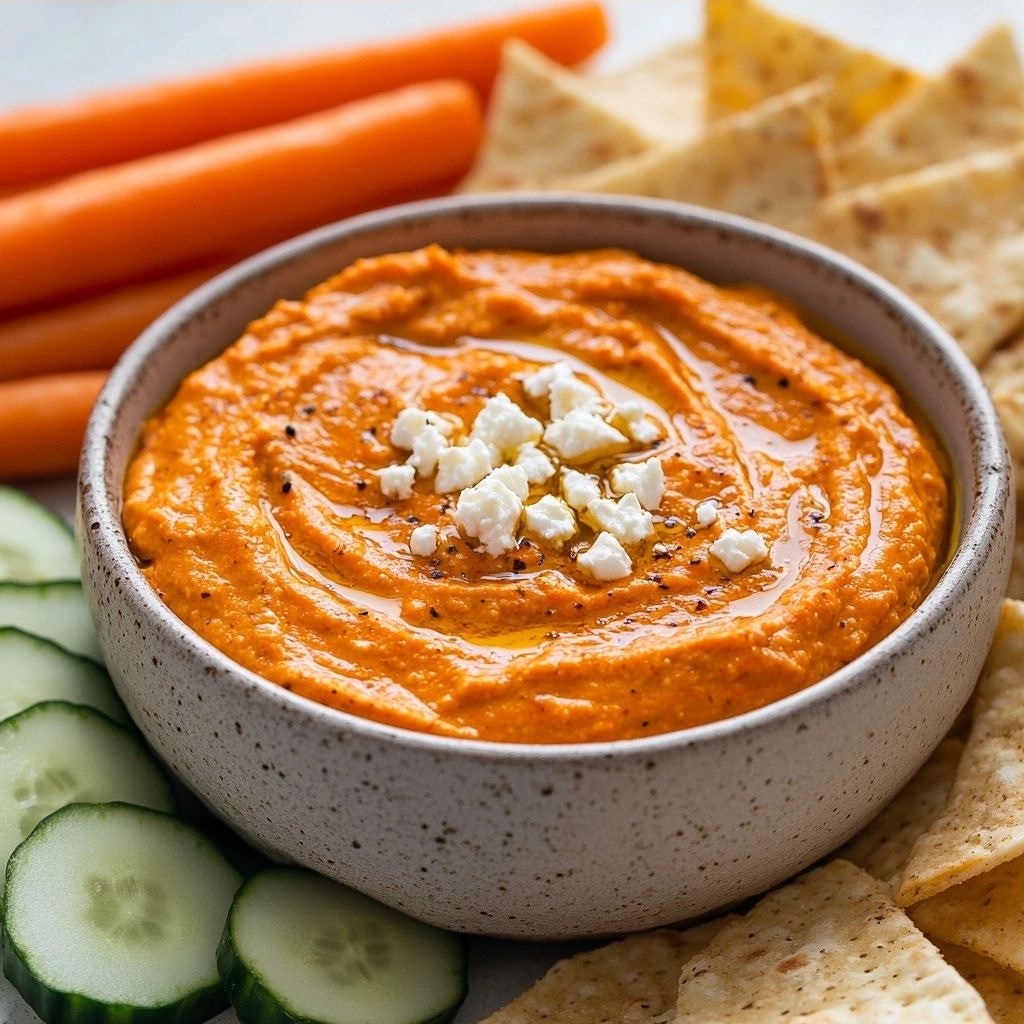
- Serve with an assortment of dippers: warm pita wedges, cucumber rounds, carrot sticks, bell pepper strips, crostini, or robust crackers.
- Finish with optional garnishes: chopped parsley or dill, a drizzle of extra-virgin olive oil, or a few chopped Kalamata olives for a briny contrast.
- For a lighter presentation, swap cream cheese for Greek yogurt and top with a sprinkle of red pepper flakes for a gentle kick.
Substitutions & dietary notes
- For dairy-free: use a creamy cashew yogurt or almond yogurt in place of cream cheese and omit feta or replace with a dairy-free feta alternative.
- Gluten-free: the dip itself is naturally gluten-free; ensure olives and any add-ins are produced in gluten-free facilities if cross-contamination is a concern.
- Vary the heat: add 1/4 teaspoon red pepper flakes for a mild kick, or omit to keep it kid-friendly.
Tips
- Roast and cool carrots and peppers up to a day ahead. This helps develop deeper sweetness and makes blending easier. Pat dry any released moisture before blending to keep the dip from becoming watery.
- Use room-temperature feta and cream cheese for smoother blending. If you’re short on time, cut the feta into smaller cubes and let it sit out for 20–30 minutes to take the chill off.
- Start with 2 tablespoons of olive oil and blend. If the mixture feels thick, drizzle in a teaspoon at a time until you reach a creamy, scoopable texture.
- For a lighter dip, substitute Greek yogurt for cream cheese and add a little extra lemon juice or olive oil to maintain richness.
- To intensify flavor, toast the minced garlic in a dry skillet for 30 seconds before adding it to the blender. This mellowing step reduces raw bite and adds depth.
- Balance saltiness by tasting after adding feta and before serving; you may need less salt than you expect due to feta’s brine.
- Enhance color and brightness by folding in chopped fresh parsley or dill after blending to preserve vibrant aroma and appearance.
- Adjust spice gradually: add red pepper flakes in increments, tasting as you go. If serving with mild dippers, a touch more heat can be nice.
- Garnish generously for presentation: sprinkle Kalamata olives and fresh herbs just before serving to add a pop of contrasting color and flavor.
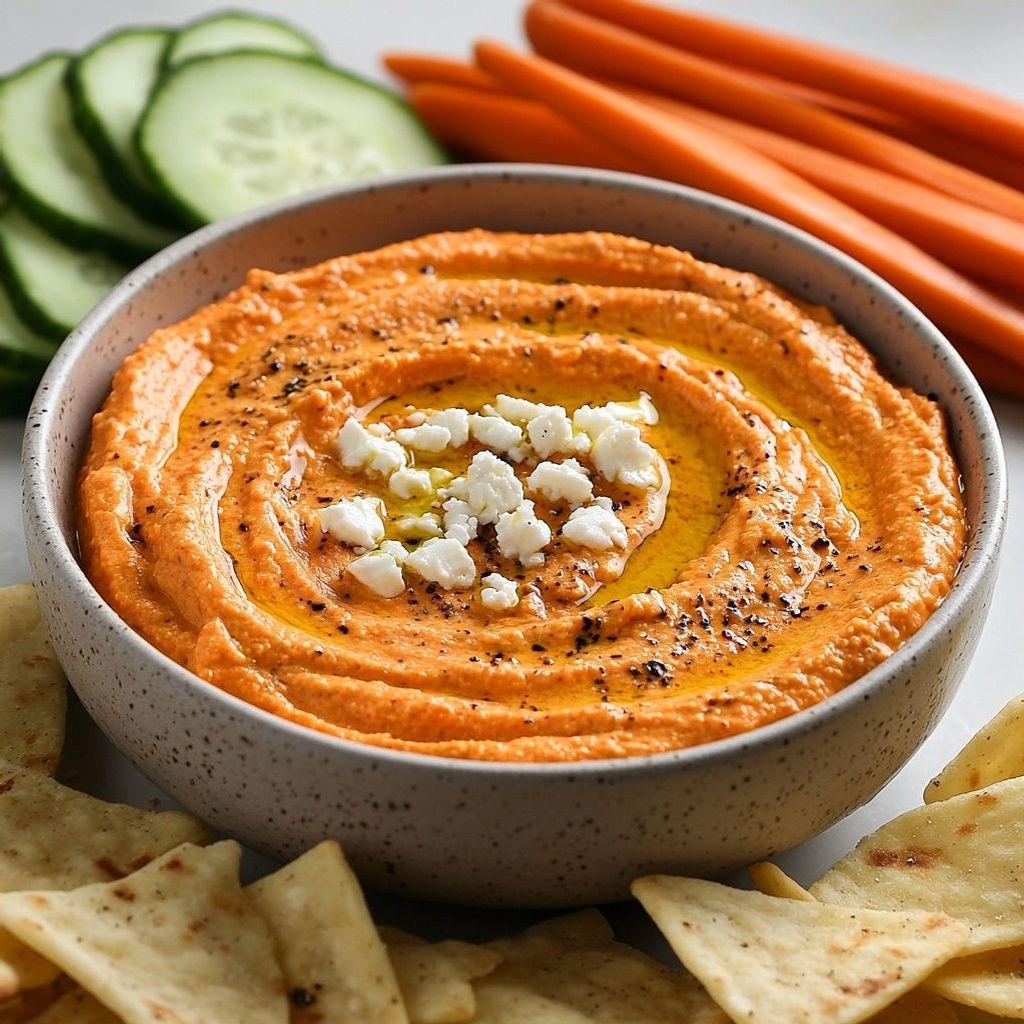
- Serving suggestions: offer alongside warm pita wedges, sliced cucumbers, or crudités for a vibrant party appetizer with textural variety.
- Make-ahead idea: prepare the dip a day in advance and store covered in the refrigerator. Bring to room temperature for about 20 minutes and re-stir before serving for best texture.
FAQ
What are the main ingredients in Carrot & Roasted Red Pepper Feta Dip?
A creamy blend of roasted carrots, roasted red peppers, feta cheese, garlic, olive oil, lemon juice, and a touch of herbs. Optional yogurt or crumbled feta on top for extra richness.
Can I make this dip ahead of time?
Yes. Prepare the dip up to a day in advance and refrigerate in an airtight container. Re-blend or pulse briefly before serving to restore texture.
What substitutions work well for dietary restrictions?
You can:
– Use dairy-free feta or goat cheese for a different tang.
– Replace feta with a cashew or almond-based cheese spread for a vegan version.
– Swap olive oil for avocado oil if needed.
What is the best method to roast the peppers and carrots?
Roast peppers under a broiler or over a gas flame until charred and blistered, then peel. Roast carrots until tender and slightly caramelized (roasting at 400°F/200°C for about 25–30 minutes). Let cool before blending.
How should I serve this dip for a party?
Serve with pita chips, sliced baguette, cucumber rounds, carrot sticks, or crudités. Garnish with chopped parsley, crumbled feta, and a drizzle of olive oil for presentation.
What are the nutrition considerations per serving?
Nutrition varies by portion and exact ingredients. A typical serving (2–3 tbsp) provides a balance of protein from feta, healthy fats from olive oil, and fiber from roasted carrots and peppers. For precise values, calculate using your exact brands and quantities.
How long does the dip stay fresh in the fridge?
Stored in an airtight container, it should stay fresh for 3–4 days. For best flavor, consume within 2–3 days.
Can I freeze this dip?
Freezing is not ideal because feta and roasted vegetables may separate upon thawing. If you must, freeze in an ice-tray portioned format and blend after thawing to regain the texture.
What equipment do I need?
A blender or food processor, a baking sheet for roasting (or a grill), a chef’s knife, cutting board, and an airtight container for storage.
Is this dip spicy or can I adjust the heat?
The dip is mild by default. If you want more heat, add a pinch of red pepper flakes, roasted garlic, or a dash of hot sauce to taste.