
Introduction / Hook
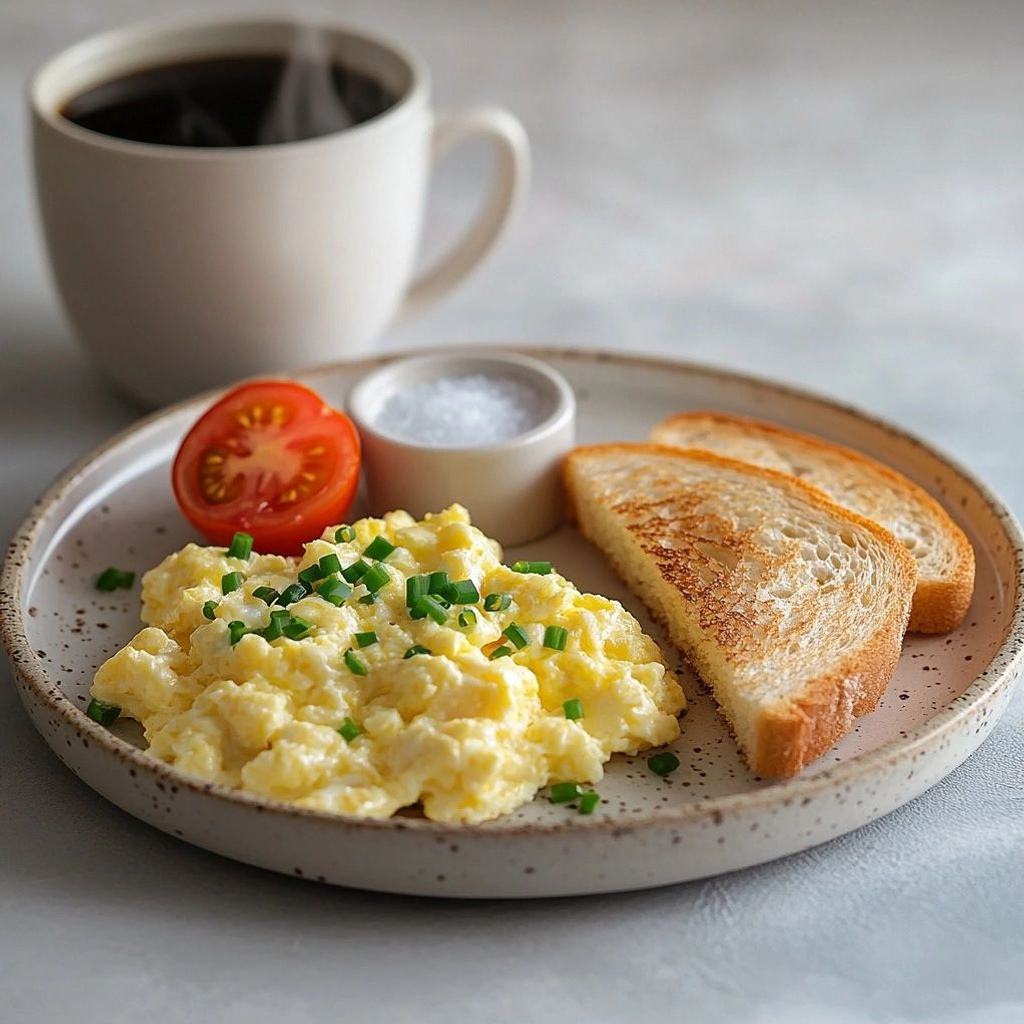
Imagine starting your day with a breakfast that costs less than your daily coffee run, comes together in a flash, and still feels like a treat. Welcome to the world of five-minute breakfasts designed for broke college students—the golden hour between waking and sprinting to class, where you can feed your body with energy without draining your savings or your schedule. This is not a list of elaborate brunches or time-sucking kitchen experiments. It’s a practical, creative guide to fueling your busiest semesters with minimal effort, maximum flavor, and a sprinkle of joy in every bite. The magic of these breakfasts lies in their simplicity: pantry staples, quick assembly, and the confidence that you can conquer the morning even when the wallet is light and the alarm is loud. Picture a bowl that tastes like a comforting hug, a mug that warms your hands and your ambitions, and a plate that proves you don’t need a gourmet kitchen to start the day with purpose.
The Story Behind the Dish
Every student knows that mornings on campus can feel like a sprint. The first class at dawn, the late-night cram session, the errand run between lectures, and the longing for a breakfast that doesn’t require a $7 smoothie from the campus café. This collection of five-minute breakfasts grows out of a universal student experience: the need to feed yourself quickly, cheaply, and well. It’s inspired by dorm-friendly realties—limited utensils, a tiny fridge, a busy schedule, and the desire to nourish body and mind without falling into the trap of overpriced convenience foods. The concept borrows from classic comfort foods, reimagined for speed and economy. Think pantry staples like oats, eggs, yogurt, fruit, bread, and pantry spices that can be transformed into breakfast saviors in minutes. The story here is practicality meeting creativity: resources you already own, used in smart, flavorful ways, turning ordinary mornings into small victories that set a positive tone for the day.
Why You’ll Love This Recipe
- Fast and efficient: each idea is designed to be ready in five minutes or less, ideal for the hustle of campus life.
- Budget-friendly: uses inexpensive staples and adaptable ingredients to stretch a tight meal plan.
- Versatile for dorm living: no fancy equipment required—just a microwave, a toaster, or a hot kettle.
- Nutritious and satisfying: balanced options that combine protein, fiber, and energy-boosting carbohydrates.
- Kid-tested comfort with adult-friendly twists: familiar flavors that also offer punchy, exciting variations.
- Customizable: easily adapted for dietary needs (vegetarian, vegan, gluten-free, dairy-free) without losing speed or taste.
Flavor Profile & Texture
These breakfasts lean into bold contrasts and comforting textures that wake up the palate. Think creamy yogurt or smooth peanut butter pairing with crunchy granola or crisp toast. A soft, fluffy scramble meets the zing of pepper, herbs, or hot sauce. A microwave-briefened omelet has a light, souffle-like texture, while oats can be stirred with cinnamon and fruit for a warm, homey bowl. The goal is a symphony of textures—creamy, crunchy, chewy, and bright—along with a balance of flavors: sweetness from fruit or honey, tang from yogurt or citrus, savoriness from eggs or cheese, and a touch of spice or acidity to keep things interesting. Even when there’s only a handful of minutes, you can craft something that feels thoughtfully composed rather than rushed. The sensory experience—steam rising from a mug, the aroma of toasted bread, the sweetness of ripe fruit—transforms a quick meal into something you genuinely look forward to eating.
Occasions & Pairings
These five-minute breakfasts are incredibly versatile and fit a range of mornings on campus and beyond:
- Weekday mornings when time is tight but hunger is real—snappy solutions to start the day with purpose.
- Post-workout refueling—protein-forward options that help with recovery and energy restoration.
- Study mornings or exam weeks—brain-boosting combinations that support concentration and memory.
- Late-night study sessions followed by early classes—light yet satisfying choices to tide you over.
Pairing ideas to elevate these quick breakfasts without complicating your routine:
- With beverages: a strong coffee, a glass of milk, or a plant-based smoothie shake can complement the flavors and provide a balanced morning ritual.
- Side options: a small fruit bowl, a piece of whole-grain toast, or a handful of nuts to add crunch and extra nutrition.
- Occasional desserts: a drizzle of honey, a sprinkle of cinnamon, or a few dark chocolate chips for a touch of indulgence without going overboard.
Tips, Variations & Substitutions
One of the joys of five-minute breakfasts is their adaptability. Here are practical tips to tailor these meals to your taste, dietary needs, and what’s in your fridge:
- Time-saving tricks: pre-portion oats or yogurt into small containers for the week. Keep toppings like nuts, seeds, or dried fruit in a jar for quick access.
- Protein upgrades: add a scoop of protein powder to oatmeal or yogurt, or scramble eggs lightly with a touch of cheese for a richer texture.
- Dairy-free options: use almond milk, coconut yogurt, or soy yogurt in place of dairy; pair with avocado toast or a plant-based protein spread.
- Gluten-free tweaks: use gluten-free bread or oats certified gluten-free for oat-based bowls or porridge.
- Vegan-friendly ideas: opt for plant-based milks, nut butters, no eggs, and fruit-based toppings or chia seed puddings for a creamy, satisfying base.
- Regional twists: swap in regional flavors—cinnamon apple for a cozy autumn vibe, mango and lime for a tropical touch, or sesame-tcented toast with a drizzle of soy glaze for an Asian-inspired lift.
- Make-ahead strategies: overnight oats or yogurt parfaits prepared the night before can save precious minutes in the morning, while still delivering a premium taste experience.
- Texture play: for crunch, sprinkle seeds or nuts; for creaminess, blend banana into oats or use a spoonful of cottage cheese or yogurt.
Storage & Make-Ahead Ideas
Even though these breakfasts are designed to be made in minutes, you can still plan ahead to shave off minutes on busy days. Here are practical storage and make-ahead strategies:
- Overnight oats: combine rolled oats, milk, yogurt, and a touch of sweetener in a jar. In the morning, top with fruit, nuts, or a drizzle of nut butter.
- Grab-and-go cups: layer yogurt, fruit, and granola in portable containers. Keep in the fridge and grab on your way out the door.
- Toast prep: pre-sliced bread stored in a sealed bag can be toasted in minutes. Add spreads and toppings that are ready to spread ready-made the night before.
- Egg-based make-ahead: whisk eggs with a dash of milk and seasonings, store in a mug or small container, and microwave quickly when ready to eat. You can add cheese, veggies, or herbs for a tastier result.
- Fruit readiness: portion out chopped fruits into containers so you can finish a bowl in seconds or top your yogurt quickly with a neat, ready-to-use fruit mix.
- Freezer-friendly options: freeze ripe bananas for smoothies, and freeze small portions of oats or egg cups that you can reheat in minutes.
Fun Facts & Trivia (Optional)
Here are a few light, surprising notes that connect food, science, and student life:
- Five-minute breakfast ideas aren’t just modern hacks; they echo traditional pantry meals that relied on quick, nourishing staples to start a day of labor or study.
- Many quick breakfasts rely on the power of protein and fiber to sustain focus, a combination supported by nutrition science as a way to manage energy and appetite through the morning.
- The simple act of pairing crunchy textures with creamy elements can significantly enhance perceived taste and satisfaction, a social science insight that explains why parfaits and toast combos feel so satisfying fast.
Frequently Asked Questions
Below are quick answers to common questions about making five-minute breakfasts for busy college days.
- Are these meals truly five minutes or less? Yes. The goal is to assemble from ready-to-use ingredients in about five minutes or less, with a few exceptions for cooking steps that can be done in parallel or prepped ahead of time.
- Can these meals be made entirely vegan or gluten-free? Absolutely. Most items can be adapted by swapping dairy or gluten-containing ingredients for plant-based or gluten-free alternatives while preserving taste and speed.
- What if I don’t have a microwave or toaster? Many versions rely on cold or room-temperature elements (yogurt, fruit, peanut butter on toast if you have a toaster, or no-cook bowls). A kettle or a small amount of hot water can sometimes substitute for light heating needs, depending on the ingredient.
- Can these breakfasts be scaled for multiple people in a dorm suite? Yes. Batch-prep simple components like overnight oats, yogurt parfaits, or a pre-assembled toast stack to share with roommates—just adjust portions accordingly.
Closing Thoughts
Five-minute breakfasts for broke college students aren’t a luxury; they’re a practical, empowering routine. They prove that delicious, nourishing mornings don’t have to come with a long list of ingredients, expensive gadgets, or hours spent in the kitchen. By leaning on smart combinations of pantry staples, quick assembly methods, and a splash of creativity, you can start your day with confidence, savings, and a smile. The recipes you’ll find in the corresponding section are designed to be accessible, adaptable, and relentlessly efficient—an edible reminder that you can take control of your mornings even when time and funds are tight. So next time you wake up to a looming to-do list and the clock ticking, remember that you have a toolbox of five-minute breakfasts at your disposal: fast, flavorful, practical, and uniquely yours. Your day begins with a small victory—and a delicious one at that.
Ingredients
-
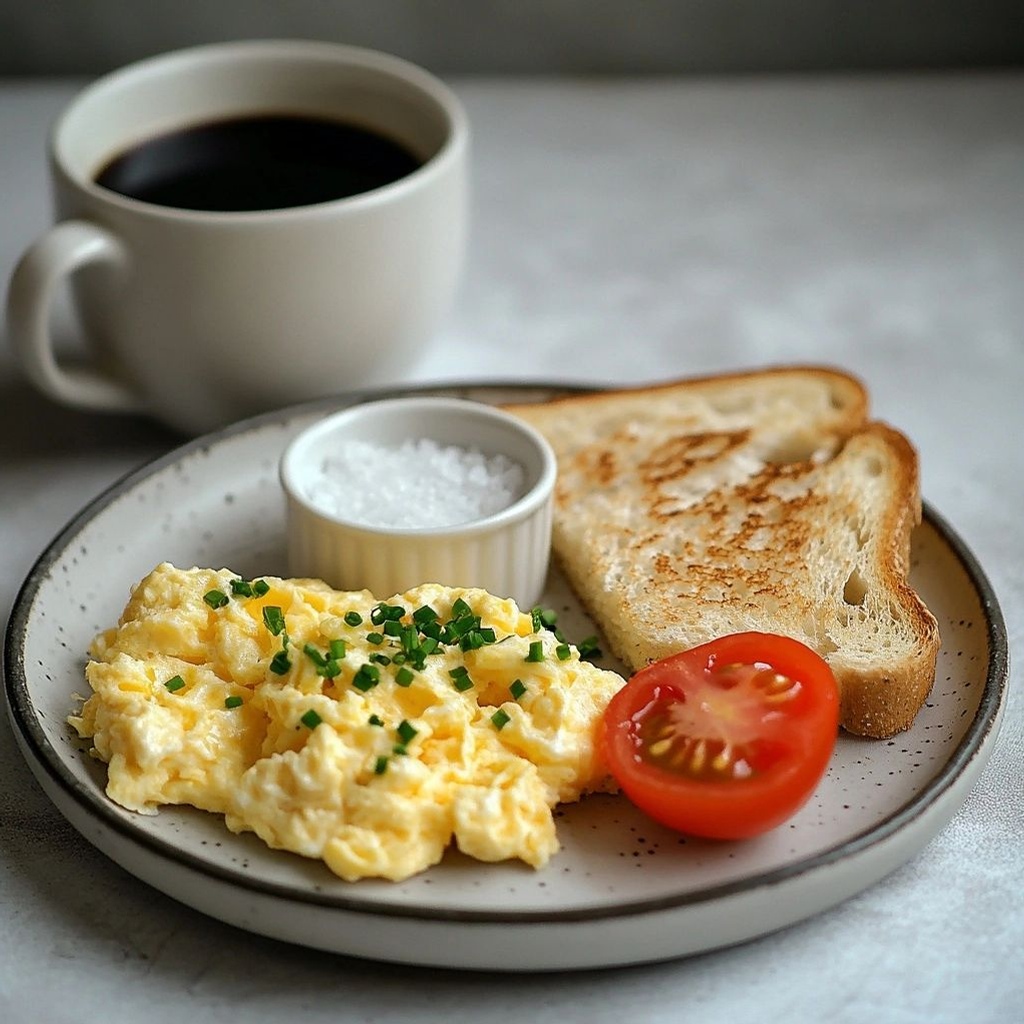
– 1 cup rolled oats (old-fashioned or quick-cooking)
→ Acts as the base for quick, filling breakfasts like mug oats or simple bowls. Use quick-cooking oats for the fastest texture, or old-fashioned oats for more chew. If using plant-based milk, the oats will absorb liquid quickly, creating a creamy, hearty start to the day.
– 2 cups milk or plant-based milk (almond, soy, oat)
→ Provides moisture, creaminess, and a gentle sweetness. Choose unsweetened varieties to control sugar. For a dairy-free option, almond or oat milk works well without overpowering flavors. Warm briefly to speed microwave prep.
– 1 large banana (mashed or sliced)
→ Natural sweetness, binding, and moisture. Mashed bananas work best for mug oats or smoothies, while sliced can top toast for texture. Use very ripe bananas for maximum flavor and smooth blending in smoothies.
– 2 tablespoons peanut butter or almond butter
→ Adds richness, protein, and satiety. Stir well to combine with hot oats or smoothies. For crunchy texture, choose natural nut butter with visible nut bits; for a smoother finish, blend thoroughly.
– 1 teaspoon ground cinnamon or apple pie spice
→ Introduces warmth and depth to the breakfast. Cinnamon also helps balance sweetness and can pair nicely with banana and oats. Use freshly ground for stronger aroma.
-
– 1 large egg
→ Provides protein and structure for a quick, savory mug omelet. Whisk with a pinch of salt and pepper before adding to the mug to ensure a smooth, set texture. If avoiding eggs, substitute with 2 tablespoons chickpea flour mixed with 3 tablespoons water for a vegan alternative.
– 2 tablespoons shredded cheese (cheddar, mozzarella, or pepper jack)
→ Melts into a creamy top and adds savory flavor. Shred or grate cheese for quick melting; add after the egg begins to set for a glossy finish. For a lighter option, use reduced-fat or omit entirely.
– 2–3 tablespoons milk or water
→ Delivers moisture and prevents the mug from drying out as it cooks. Use enough liquid to create a loose batter; adjust by microwave duration if your mug is overloaded.
– Pinch of salt and pepper
→ Enhances the egg’s flavor. Salt slightly more if using low-sodium cheese; pepper adds a subtle kick. You can also add a pinch of paprika or hot sauce for a morning zing.
– Optional add-ins: chopped spinach, diced tomato, or cooked bacon bits
→ Vegetables add color and nutrition; proteins like bacon bring savoriness. If adding greens, sauté briefly in the microwave before folding in to avoid sogginess. Cooked bacon should be crisp and portion-controlled for quick meals.
-
– 2 slices whole-grain bread or sourdough
→ The base for quick avocado or peanut butter toast. Whole-grain options provide more fiber and staying power. Toast to your preferred level of crunch before applying toppings. For a gluten-free option, choose certified GF bread.
– 1 avocado (small, ripe)
→ Creamy, healthy-fat spread for a creamy toast or bowl topping. Mash with a squeeze of lemon or salt to prevent browning and to boost flavor. If very ripe, it spreads easily; use firm-flesh avocados for more structure on toast.
– 1 small avocado, mashed (optional topping)
→ Extra richness for bowls or toast. Use lime juice to brighten and help maintain vibrant green color. If not using immediately, store with a thin layer of lemon or lime juice to slow browning.
– 2 tablespoons hummus or Greek yogurt
→ Adds protein and creaminess as a topping or spread. Hummus pairs well with vegetable toppings; yogurt provides tanginess and extra protein. Use plain yogurt for a neutral flavor that won’t overpower other toppings.
– 1 cup assorted veggies (cucumber, tomato, spinach)
→ Fresh crunch and nutrients. Slice evenly for even distribution and quicker eats. For a morning rush, prep veg the night before and store in an airtight container.
-
– 1 cup frozen berries (strawberries, blueberries, or mixed)
→ Provides natural sweetness, vibrant color, and antioxidants. Frozen fruit eliminates the need for ice and yields a thicker texture. Use a mix of berries for depth of flavor.
– 1 banana (frozen or fresh)
→ Creamy texture and natural sweetness that helps mimic a milkshake without added sugar. Freezing before blending makes smoothies thicker; peel before freezing to avoid browning.
– 1/2 cup plain yogurt or non-dairy yogurt
→ Adds creaminess and protein. If dairy-free, choose unsweetened yogurt made from almond, coconut, or soy. For thicker smoothies, use Greek-style yogurt or strain non-dairy yogurt briefly.
– 1 tablespoon chia seeds or flaxseed
→ Provides omega-3 fatty acids, fiber, and helps with thickening as they hydrate in liquid. Let the smoothie sit a minute after adding chia to allow thickening, or blend for a smoother texture.
– 1 cup water, milk, or juice
→ Adjusts consistency. Water keeps it light; milk makes it creamier; juice adds sweetness and tang. For a thicker shake, use less liquid; for a thinner smoothie, add more liquid gradually.
-
– 1 tablespoon honey or maple syrup (optional)
→ Optional for extra sweetness if needed, especially with very tart berries or yogurt. Start with a small amount and adjust to taste. Pure maple syrup offers a nuanced flavor compared to honey.
– 2 tablespoons chopped nuts (walnuts, almonds, or pecans)
→ Adds crunch and healthy fats. Toast nuts lightly before adding to boost aroma; store roasted nuts in an airtight container to maintain crispness. For nut-free options, use seeds like pumpkin or sunflower for similar texture.
– 1 tablespoon chia seeds or hemp seeds
→ Extra fiber, protein, and healthy fats. Soak chia seeds briefly in liquid if you want a pudding-like texture in bowls or smoothies. Hemp seeds offer a delicate nutty flavor without changing texture much.
– 1/4 cup dried fruit (raisins, cranberries)
→ Natural sweetness and chewy texture. Rehydrate briefly in warm water if they are very dry to keep them plump. Avoid adding too early in toast recipes to prevent sogginess.
– 1 scoop protein powder (vanilla or unflavored)
→ Increases protein content for a balanced breakfast, especially after workouts or long days. Choose a powder that blends well with dairy or non-dairy milks; avoid gritty textures by using a blender or shaker thoroughly.
Instructions
- Prepare mug oats by combining 1 cup rolled oats with 1 cup milk or plant-based milk in a microwave-safe mug. Stir to distribute the oats evenly so they hydrate uniformly; this prevents clumps and ensures a smooth, creamy texture as they cook.
→ Uniform hydration helps avoid chewy pockets and promotes even heating in the quick microwave bake. - Add 1 large mashed banana to the mug and fold it through the oats; the banana provides natural sweetness and moisture while acting as a binding agent that keeps the mixture cohesive as it thickens.
→ Mashing banana fully integrates flavor and improves texture so the oats stay creamy rather than crumbly. - Whisk in 2 tablespoons peanut butter or almond butter until fully incorporated to distribute fat and protein for satiety; the nut butter also contributes a rich, silky mouthfeel.
→ Proper emulsification prevents separation and yields a uniform, creamy bowl or mug dish. - Stir in 1 teaspoon ground cinnamon or apple pie spice to introduce warmth and depth; this balances sweetness and complements banana’s aroma.
→ Spices bloom with heat, releasing their essential oils for a richer flavor profile. - Season with a pinch of salt and pepper to enhance the overall flavor and to counterbalance sweetness; if using low-sodium cheese or toppings later, adjust salt accordingly.
→ Salt heightens the other flavors and helps set the oats’ sweetness without tasting dull. - Microwave the mug on high for 1 minute, then stir and continue microwaving in 30-second bursts until the mixture is set to your liking; testing with a spoon ensures you avoid overcooking or undercooking.
→ Short intervals prevent scorching and give you control over the final texture, from custardy to fully set. - Remove the mug from the microwave and sprinkle 2 tablespoons shredded cheese on top while the oats are still hot so it melts into a glossy crust; if avoiding dairy, skip or substitute with dairy-free cheese that melts well.
→ Melting cheese adds a savory contrast and a creamy top without requiring extra utensils. - Alternatively, if you prefer a savory mug, whisk the egg with a pinch of salt and pepper, pour over the oat mixture, and microwave until the egg is set and opaque; this creates a quick mini-omelet inside the mug.
→ The egg provides extra protein and structure, making the mug more substantial for a rapid breakfast. - In a separate toaster or skillet, toast 2 slices of whole-grain bread until golden and crisp; this provides a sturdy vehicle for spreads and toppings while adding wholesome fiber.
→ Toasting enhances aroma and crunch, making toppings like peanut butter or avocado feel more vibrant. - Prepare avocado toast by mashing 1 ripe avocado with a squeeze of lemon or salt to taste; spread on warm toast for a creamy, flavorful base and added healthy fats.
→ Lemon juice slows browning and brightens the flavor, while salt enhances the avocado’s natural sweetness. - As a topping or accompaniment, arrange 1 cup assorted veggies (cucumber, tomato, spinach) on the plate to provide color, freshness, and crunch that balance the creamy oats.
→ Vegetables add vital nutrients and texture, making the meal feel complete and balanced. - For a smoothie option, combine 1 cup frozen berries, 1 banana (frozen or fresh), 1/2 cup plain yogurt, 1 tablespoon chia seeds, and 1 cup liquid (water, milk, or juice) in a blender; blend until smooth and thick, stopping to scrape the sides as needed for an even texture.
→ Frozen fruit yields a thicker, frosty consistency, while chia seeds provide thickness and fiber that help keep you full longer. - If desired, add optional add-ins such as 1 tablespoon honey or maple syrup, 2 tablespoons chopped nuts, or 1 scoop protein powder to tailor sweetness, crunch, and protein to your needs; incorporate gradually and taste to adjust.
→ Small adjustments prevent overpowering flavors while boosting nutrition and satisfaction.
Notes
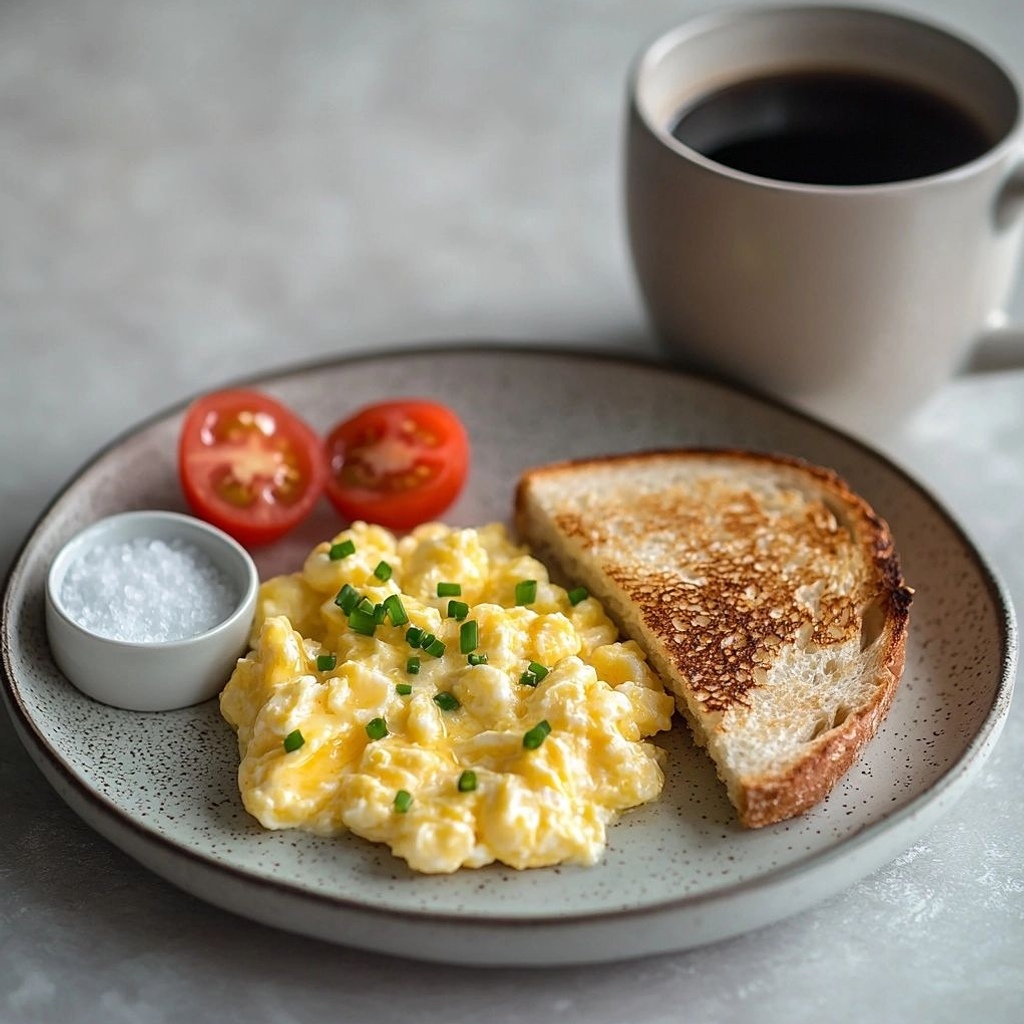
These quick pantry-based breakfasts are perfect for broke college students who need something warm and satisfying in minutes. Build each mug or bowl starting with 1 cup of rolled oats and 2 cups of milk or plant-based milk for a creamy base, then fold in 1 large mashed banana and 2 tablespoons of peanut or almond butter for natural sweetness and staying power. Microwave mug breakfasts come together with 1 large egg, 2–3 tablespoons of milk or water, 2 tablespoons shredded cheese, and a pinch of salt and pepper, with optional add-ins like chopped spinach, diced tomato, or cooked bacon bits to switch from sweet to savory. For toast or bowls, top 2 slices of whole-grain bread with 1 ripe avocado (toss with a squeeze of lemon to prevent browning) and a spread of hummus or Greek yogurt, then pile on 1 cup of assorted veggies for color and crunch. If you prefer smoothies, blend 1 cup frozen berries, 1 banana, 1/2 cup yogurt, 1 tablespoon chia or flaxseed, and 1 cup liquid for a thick, protein-rich grab-and-go option. Customize further with optional add-ins such as a drizzle of honey or maple syrup, 2 tablespoons chopped nuts, a scoop of protein powder, or additional seeds to boost texture and nutrition. These dishes adapt to dairy-free, gluten-free, or higher-protein preferences by choosing unsweetened plant milks, certified gluten-free grains, and alternative protein sources; batch-prep oats and veggie toppings the night before to shave minutes off your morning routine, and freeze extra mug portions or smoothie portions for ultra-fast breakfasts on busy days. Always adjust liquid amounts and microwave times to your equipment, and store perishables like avocado and yogurt properly to maintain freshness.
Tips
Tip 1: Maximize speed with mug oats. Use 1/2 cup oats and 1 cup milk or plant-based milk in a microwave-safe mug. Start with 1 minute on high, stir, then 30–45 seconds more until creamy. For old-fashioned oats, give them a 1–2 minute extra cook time.
Tip 2: Control sweetness and calories. Start with your banana and optional honey or maple syrup after tasting. Use unsweetened milk and mature bananas for natural sweetness without added sugar.
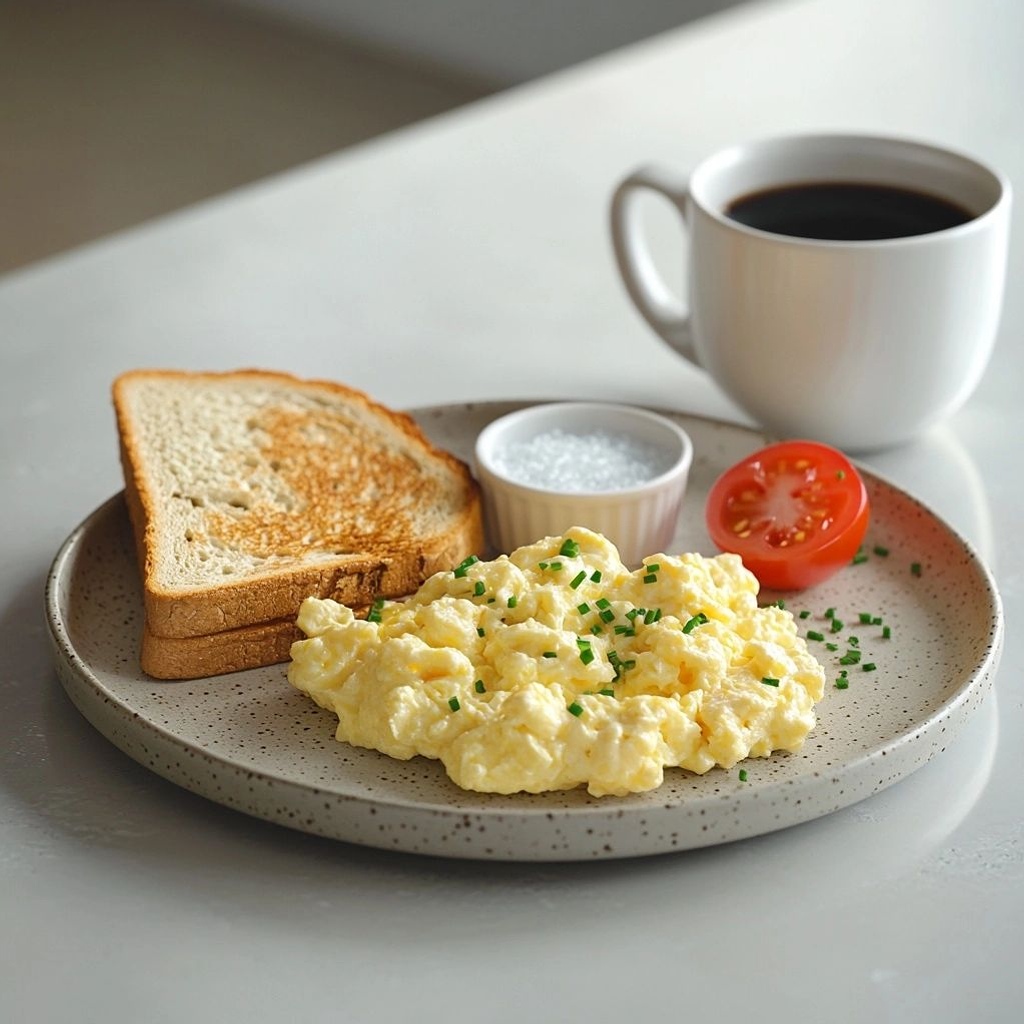
Tip 3: Build a balanced mug omelet. Whisk the egg with a pinch of salt and pepper, then microwave as directed. Top with shredded cheese after the egg sets for a glossy finish. If avoiding eggs, swap in 2 tablespoons chickpea flour mixed with 3 tablespoons water for a quick vegan option.
Tip 4: Layer flavors in toast. Mash avocado with a squeeze of lemon and a pinch of salt to prevent browning. Add sliced tomato or cucumber for brightness. If you’re using avocado as a topping, keep portions modest for budget-friendly meals.
Tip 5: Quick bowls with oats and toppings. After cooking oats, fold in mashed banana, a spoon of peanut or almond butter, and a pinch of cinnamon. Add chia seeds or nuts for texture and staying power.
Tip 6: Smoothie prep for busy mornings. Freeze the banana and berries beforehand in a single-serve bag. In the morning, blend with yogurt, chia or flax seeds, and your chosen liquid. For extra protein, add a scoop of protein powder.
Tip 7: Prep in batches to save time. Chop veggies (tomato, cucumber, spinach) and store in airtight containers. Ready-to-sling toppings speed up toast or bowl assembly during morning rush.
Tip 8: Budget-friendly protein options. If you don’t want to use eggs every day, rotate with Greek yogurt, hummus as a topping, or canned beans lightly warmed for texture and protein without much cost.
Tip 9: Flavor boosters that don’t break the bank. Keep cinnamon, vanilla, or cocoa powder on hand to vary the taste of oats or smoothies without added sugar. Fresh lemon or lime juice brightens avocado and yogurt bowls.
Tip 10: Microwave safety and texture. If your mug is crowded, reduce liquid slightly and cook in shorter bursts, stirring between sessions to prevent scorching and ensure even texture.
Tip 11: Texture and crunch. Toast nuts lightly in a dry pan or toaster oven to bring out aroma before adding to bowls or toast. For nut-free versions, use pumpkin or sunflower seeds for similar crunch and healthy fats.
Tip 12: Storage tips for leftovers. Cook oats or egg-based mug meals in advance and store in airtight containers in the fridge for up to 2 days. Reheat gently with a splash of milk to restore creaminess.
Tip 13: Make it vegetarian-friendly. Swap meat toppings for sautéed veggies like spinach, tomatoes, or peppers. Use plant-based cheeses or dairy-free yogurt to keep it dairy-free if needed.
Tip 14: Customizable add-ins. Keep optional add-ins like dried fruit, hemp seeds, or protein powder on hand to tailor each breakfast to mood, budget, or nutrition goals without needing extra trips to the store.
FAQ
What counts as a 5-minute breakfast for busy college mornings?
A breakfast you can prepare and eat in about five minutes from start to finish, using simple ingredients and minimal cooking time (or no cooking at all).
What budget-friendly ingredients should I stock for quick breakfasts?
Oats, peanut butter, bananas, eggs, yogurt, canned beans, tortillas, frozen fruit, granola, shelf-stable milk or plant-based milk, and inexpensive spices. These staples mix well for fast, filling options.
Which 5-minute breakfast ideas are the easiest to make?
Examples include overnight oats (prepared the night before), peanut butter banana toast, yogurt parfaits, microwave scrambled eggs, a smoothie with frozen fruit, and avocado toast with a splash of lemon.
What basic equipment do I need to whip up these quick meals?
A microwave or hot plate (if allowed), a toaster or toaster oven, a good knife, a cutting board, a bowl, a spoon, and a mug for oatmeal or hot drinks. A blender helps for smoothies, but is optional.
How can I make these breakfasts more filling on a tight budget?
Add protein and fiber: add yogurt or eggs, peanut butter, beans, or chia seeds to oats or toast. Include fruit for natural sweetness and fullness without a lot of sugar.
Are there vegan or dairy-free 5-minute options?
Yes. Try overnight oats with plant-based milk, peanut butter banana toast, hummus and veggie wraps, avocado toast, or a smoothie with non-dairy milk and spinach. Use beans or tofu for protein.
How can I customize breakfast to fit my dorm kitchen restrictions?
Use no-cook or minimal-cook options (overnight oats, yogurt bowls, peanut butter on bread), and leverage school amenities like a shared microwave or hot water from a kettle. Keep ingredients portable and easy to store in a small fridge or cabinet.
What are some quick topping ideas to add flavor without breaking the bank?
Banana slices, cinnamon, honey or maple syrup, cocoa powder, fresh or frozen berries, sliced strawberries, jam, crushed nuts, chia seeds, salsa on eggs, or a squeeze of lemon on avocado.
How can I turn these into a week-long plan without extra stress?
Prep a few components on Sundays or days off: portion oats for several servings, pre-slice fruit, boil eggs in advance, and keep simple sauces ready. Then mix and match during the week for variety.