
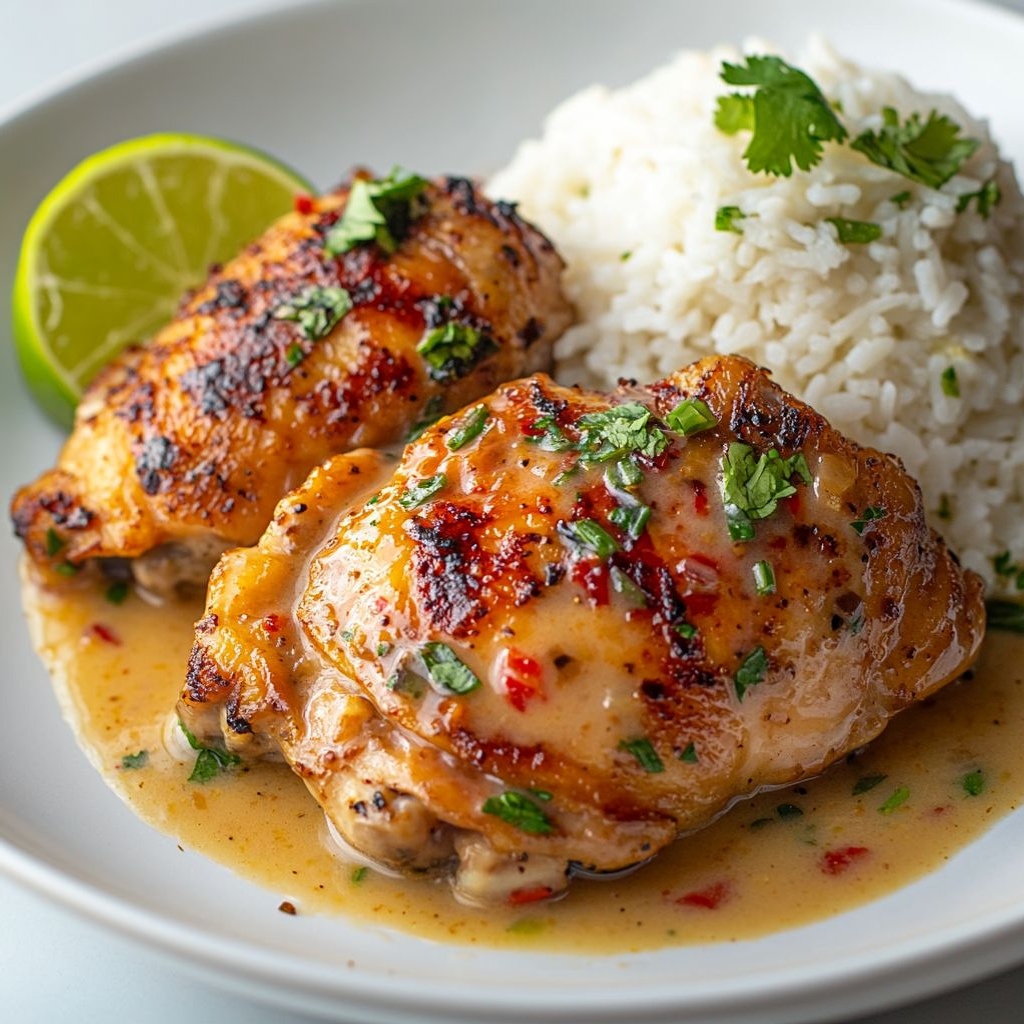
Introduction / Hook
Spicy Brazilian Coconut Chicken invites you to close your eyes and be transported to sun-drenched shores where the heat of tropical peppers meets the cool, whispering sweetness of coconut. Imagine a skillet perfumed with sizzling chicken, garlic, and onion, catching a kiss of radiant lime and a splash of coconut milk that glides across the palate like a tropical breeze. This dish is not merely dinner; it’s an experience—a sensory celebration that begins with a crackle of searing meat, grows into a lush, creamy sauce, and finishes with a bright, lingering finish that lingers long after the last bite. The heat is lively but balanced, the coconut is luxurious without being heavy, and every mouthful carries a hint of tradition, of coastal markets, and of cheerful gatherings where friends and family lean in close to share stories as the plates empty and refill again. In short, this is comfort with an adventurous edge, a bright burst of sunshine in a bowl, and a reminder that bold flavors can feel both familiar and exciting at the same time.
What makes this dish special is how it harmonizes contrasts: the fire of peppers tempered by the mellow sweetness of coconut, the richness of a creamy sauce with the clean zing of lime and cilantro, and the rustic simplicity of home cooking elevated by a touch of Brazilian soul. There’s a story in every bite—the way coconut milk rounds out the heat, the way lime oils brighten the sauce, and the way a few fresh herbs finish the dish with color and fragrance. It’s a recipe that feels festive enough for a celebration, but forgiving enough for a weeknight simmer, making it a versatile treasure for cooks who crave something that’s both comforting and exciting. As you read on, you’ll discover how this dish marries culinary influences into a single, vivid experience—one that invites you to cook with confidence, to adjust the heat to your liking, and to savor the journey from skillet to table.
Beyond flavor, the dish carries a sense of place: a coastal Brazilian kitchen where the scent of tropical fruit blends with the aroma of roasted garlic and onion, where palm oil or a neutral oil carries the warmth of the pan, and where the act of sharing a plate becomes a small ceremony. It’s a recipe that honors tradition while offering modern ease—an invitation to bring a little Brasil to your home with minimal fuss and maximum joy. If you’ve ever wanted something that feels exotic without being intimidating, that tastes lush but is simple to prepare, and that can stand up to a crowd or sit comfortably on a quiet weeknight, you’ve found a favorite in Spicy Brazilian Coconut Chicken. Let this dish become your gateway to other vibrant coastal flavors—a launching point for rice, beans, plantains, and a chorus of fresh herbs that brighten every bite.
The Story Behind the Dish
The origins of this dish trace a delicious crossroads where Brazilian culinary traditions meet the sun-loving flavors of coconut and the vibrant heat of peppers. Brazil’s coastline has long been a crossroads of ingredients—tender chicken from inland farms, coconut milk from palm groves near the sea, chili peppers traded along bustling marketplaces, and aromatic herbs that grow in warm, humid climates. The result is a culinary tapestry that feels both familiar and exciting, an edible expression of the country’s diverse influences—from Indigenous cooking methods that emphasize fresh, bright flavors to Afro-Brazilian and Portuguese influences that bring depth, savor, and a touch of indulgence. In coastal cities, cooks have often turned to coconut milk to mellow the heat of peppers and to lend a silky, luxurious mouthfeel to sauces. The addition of lime and cilantro brings brightness that cuts through richness, much like a seaside breeze that cools and refreshes after a sun-filled afternoon.
Imagine a story passed from grandmother to grandchild, each generation adding a small flourish—perhaps a pinch more malagueta, perhaps a squeeze of lime that wakes the dish up just a touch more. In many Brazilian kitchens, chicken is a versatile canvas, able to soak up the flavors of the sauce and to mingle with starches like rice, beans, and farofa. Coconut milk offers a gentle sweetness that balances the spiciness, while garlic and onion provide a savory foundation that makes the dish feel both comforting and exciting. The dish’s spirit sits at the heart of a family table: simple ingredients, a shared skillet, and the energy of friends gathered around to enjoy a meal that tastes like sunshine and stories. While every cook might have their own version, the essence remains the same—a fragrant, creamy, and boldly seasoned dish that invites you to linger at the table, savor the aroma, and celebrate the moment with good company and good food.
There’s also a playful modern twist to consider. In some homes, cooks incorporate dendê oil—a palm oil with a distinctive color and depth—to impute a more pronounced, almost caramelly richness and a subtle earthiness. In others, cooks prefer a lighter neutral oil and a lighter hand with the heat, relying on the coconut milk to carry the dish’s body. Either path leads to a dish that feels both grounded in tradition and elevated by the sensibilities of contemporary cooking. The beauty of Spicy Brazilian Coconut Chicken is that it can be adapted to your kitchen, your pantry, and your preferred heat level, while still evoking the sunny shores and festive kitchens of Brazil. Whether you’re celebrating a special occasion or simply treating yourself after a long day, this dish offers a sense of place and a sense of home in every mouthful.
Why You’ll Love This Recipe
- Bold, balanced flavor: a lush coconut sauce warmed by garlic, onion, and a lively pepper kick, brightened with lime and cilantro.
- Versatile heat: tailor the spice to your preference, from a gentle glow to a confident, pulse-quickening roar.
- One-pan elegance: the dish comes together in one pan, with minimal fuss and maximum flavor, making weeknights feel festive.
- Comforting yet exciting: a comforting creamy sauce that doesn’t weigh you down, paired with the vibrant brightness of citrus and herbs.
- Family-friendly adaptability: easy to scale for gatherings or to keep as leftovers that taste even better the next day.
- Beautifully complementary pairings: ideal with white rice, black beans, farofa, fried plantains, or roasted yuca, creating a complete, satisfying meal.
- Bright, fresh finish: a final squeeze of lime and a handful of herbs lift and refresh with every serving.
- Tradition with a modern touch: rooted in Brazilian coastal flavors yet flexible enough to accommodate vegan or gluten-free modifications.
Flavor Profile & Texture
This dish sits at the intersection of tropical richness and peppery warmth. The coconut milk provides a luxurious, creamy base that envelopes the chicken in a silky sauce, slowly soaking into every fiber of the meat. The intensity of the heat rises from a chorus of peppers—think a spectrum from mild to bold—creating a dynamic spiciness that crawls across the palate without overwhelming the coconut’s natural sweetness. Garlic and onion anchor the sauce with their aromatic, savory notes, ensuring it never veers too far into dessert territory. A squeeze of fresh lime brightens the sauce, giving the dish a zesty lift that cuts through the richness and brings balance to the overall flavor.
Texture plays a pivotal role in delivering satisfaction. The chicken should feel tender and juicy, the sauce velvety enough to cling to each piece, and the vegetables (if present) retain a slight bite that offers contrast. The final garnish—fresh cilantro or parsley—adds a whisper of herbaceous brightness, while a final ring of citrus or a sprinkle of zest can intensify the citrus facet. If you choose to use dendê oil or toasted coconut, you introduce a subtle caramel undertone that enriches the sauce and deepens its complexity. The result is a dish that feels indulgent and comforting yet clean and lively, a rare combination that invites you to inhale deeply, savor slowly, and return for another spoonful with a smile.
Occasions & Pairings
This Spicy Brazilian Coconut Chicken shines in a variety of contexts. It’s equally at home on a weeknight table when you’re craving something flavorful but not fussy, and on a weekend gathering when you want to serve something that feels special without requiring heroic time in the kitchen. The dish pairs beautifully with simple starches and bright greens, allowing the sauce to shine and the flavors to play off each other. Consider these occasions and pairing ideas:
- Weeknight dinners: a quick, richly flavored dish that comes together with minimal fuss and leaves you with leftovers that taste even better the next day.
- Weekend gatherings: serve alongside a vibrant bean dish, a fluffy white rice, and a crisp salad for a colorful and satisfying spread.
- Holidays with a tropical twist: celebrate with a Brazilian-inspired menu that features this dish as a centerpiece, complemented by festive sides and a citrus-forward cocktail.
- Pairings: white rice or coconut rice, black beans or feijão tropeiro, farofa for texture, fried plantains or roasted yuca for sweetness and crunch, and a fresh green salad with lime vinaigrette.
- Drinks: a bright caipirinha or a sparkling citrus drink to echo the lime and coconut notes, or a light beer with a citrusy finish to keep the meal refreshing.
Tips, Variations & Substitutions
Tips for Success
To achieve the best balance of heat, sweetness, and brightness, start with a moderate level of spice and adjust toward your preference. Use fresh lime juice at the end to keep the dish lively and aromatic. If using coconut milk from a carton but want more body, consider a small amount of coconut cream stirred in toward the end to enrich the sauce without overpowering the brightness. For a deeper, more complex flavor, you can briefly sauté the aromatics to bloom their essential oils before adding the coconut milk. Don’t rush the sauce; a gentle simmer helps the flavors meld and the chicken soak up the sauce’s warmth.
Substitutions & Dietary Variations
- Make it vegan: replace chicken with firm tofu, tempeh, or chickpeas. Use vegetable stock and coconut milk; add a touch more lime and herbs to maintain balance, and ensure any additional sauces are vegan-friendly.
- Gluten-free: the dish is naturally gluten-free, but check any store-bought sauces or thickeners you might add to the sauce to ensure they are certified gluten-free.
- Low-spice version: reduce or omit the hot peppers, but preserve garlic, onion, lime, and coconut for a bright, comforting flavor.
- Herbal variations: swap cilantro for chopped parsley or a combination of cilantro and Thai basil for a different aromatics profile.
- Regional twists: add a spoonful of dendê oil for a more traditional Bahian depth, or mix in roasted red peppers for color and sweetness.
Make-Ahead & Flavor-Building Variations
Though best enjoyed fresh, the dish holds well for meal prep. You can marinate chicken pieces briefly in a light blend of salt, pepper, and a hint of lime juice, then sear before finishing in the sauce. If you’re planning ahead, consider preparing a coconut-lime base separately and combining it with pre-seared chicken when you’re ready to serve, which can save time on busy evenings. For a more pronounced coconut character, increase the coconut milk proportion, but do so gradually to maintain balance with the heat and acidity. A handful of chopped fresh herbs stirred in at the end brings everything to life and adds a burst of color that elevates the plate visually as well as gastronomically.
Storage & Make-Ahead Ideas
Leftovers are a treasure with this dish. Store any cooled portions in an airtight container in the refrigerator for up to 3 days. The flavors indeed mellow and meld over time, sometimes becoming even more satisfying the next day as the chicken absorbs more of the coconut and spice profile. Reheating tips:
- Reheat gently on the stovetop over low to medium heat, stirring occasionally, until just warmed through. This helps prevent the sauce from separating and keeps the chicken tender.
- You can also reheat in a microwave, in short 30–60 second bursts, stirring in between to maintain a creamy texture.
- Freezing is possible for the sauce, but the texture can become a bit grainier upon thawing. If you freeze, re-emulsify the sauce with a quick whisk or a splash of warm coconut milk while reheating.
Make-ahead ideas include preparing the sauce base in advance (garlic, onion, spices, and coconut milk) and storing it refrigerated. When you’re ready to cook, simply simmer the chicken in the warmed sauce, finish with lime and herbs, and serve. This approach saves time while preserving the dish’s fresh, vibrant character.
Fun Facts & Trivia (Optional)
- Brazilian cooking often highlights coconut milk in regional specialties, particularly in coastal regions where coconut palms are abundant and the flavors of the sea mingle with tropical fruit and heat.
- Dendê oil, used in some versions of Brazilian coconut dishes, brings a distinctive nutty, slightly smoky flavor and a warm golden color that can transform a sauce into something deeply rich.
- The bright acidity of lime plays a crucial role in balancing coconut richness, a classic technique in many Latin American and Caribbean dishes to maintain a lively, refreshing edge.
- Fresh herbs—like cilantro—are essential to finishing the dish, providing a contrast to the creaminess of the coconut and the boldness of the peppers.
- Spicy coconut recipes often pair beautifully with simple starches to let the sauce shine—rice, beans, and plantains work together to create a satisfying, well-rounded meal.
- Many coastal Brazilian families consider meals that combine coconut, citrus, and heat as a celebration of their connection to land and sea—a reminder that food can be both comforting and adventurous.
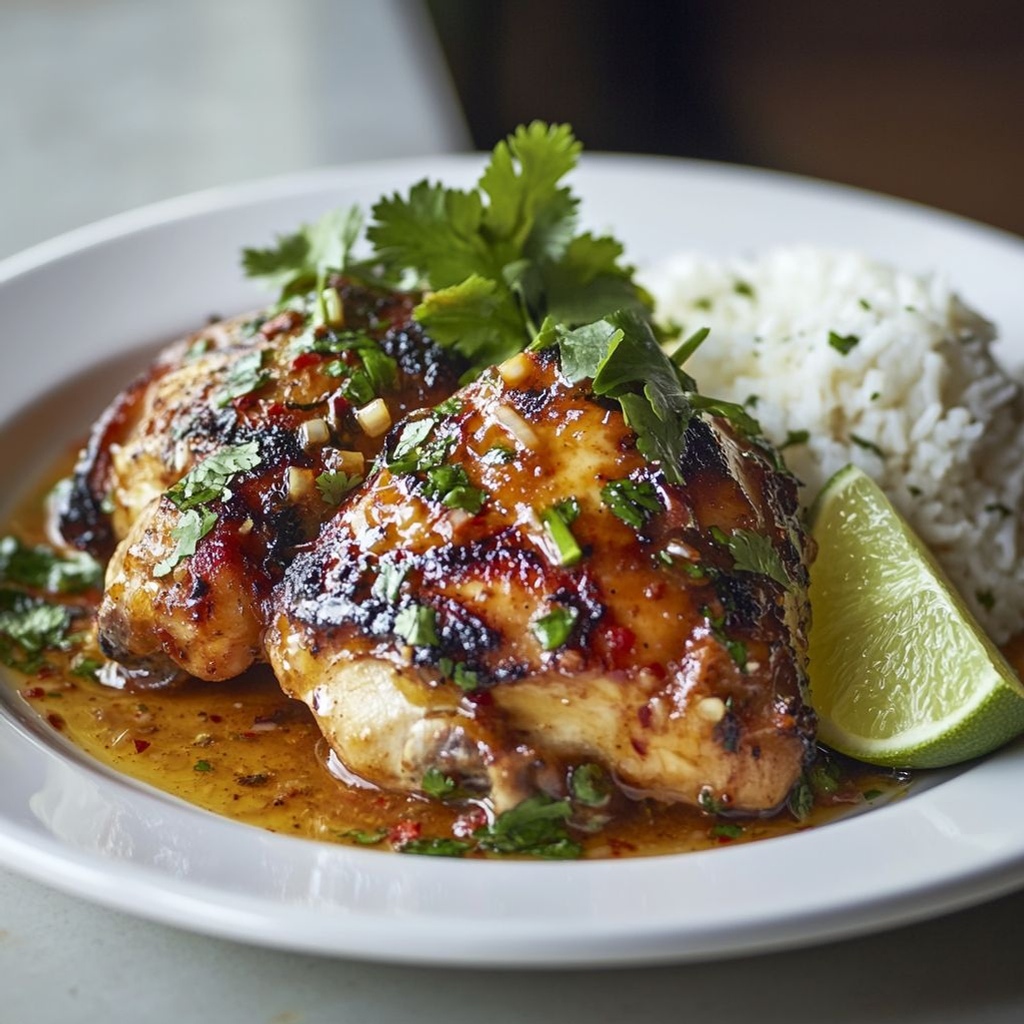
Ingredients
- Mains & Marinade
- 1.5 pounds boneless, skinless chicken thighs, cut into 1-inch pieces
→ The chicken provides rich flavor and remains moist when cooked with the coconut sauce. Thigh meat stays juicier than breasts during simmering. Cut evenly to ensure uniform cooking; pat dry before sautéing to promote browning. - 2 cloves garlic, minced
→ Garlic builds the aromatic foundation of the dish. Mince finely so it disperses evenly in the sauce; if you prefer a milder profile, reduce to 1 clove or crush into a paste for smoother integration. - 1 small onion, finely chopped
→ Onions add sweetness and depth to the base; finely chopped ensures they soften and meld into the sauce. Sauté with the aromatics to release their sugars and flavor before adding the chicken. - 1 red bell pepper, diced
→ Adds color, sweetness, and texture; peppers soften as the sauce simmers and help balance heat. Dice uniformly for even cooking and integration into the dish. - 1–2 fresh hot chili peppers (malagueta or jalapeño), minced
→ Imparts authentic Brazilian heat; adjust quantity to taste and remove seeds for milder heat. Malagueta is traditional; substitute with jalapeño or serrano if needed. For a smoky profile, char peppers briefly before adding. - 1 tablespoon fresh lime juice
→ Brightens the marinade and helps keep the chicken tender by adding a touch of acidity. Add to the pan as you sear to aid deglazing and lift flavors from the fond. - 1 teaspoon sea salt, 1/2 teaspoon black pepper
→ Essential layer of seasoning; salt enhances overall flavor and helps draw moisture for searing. Pepper adds aroma and a mild heat. Taste and adjust at the end to balance the dish. - Coconut Sauce & Creaminess
- 1 can (14 oz / 400 ml) full-fat coconut milk
→ Provides creamy, tropical richness that carries the spice. Full-fat milk yields a silky sauce; light coconut milk will be thinner. Shake well before opening to ensure the emulsion stays integrated. - 1/2 cup unsweetened shredded coconut, plus 2 tablespoons for garnish (optional)
→ Adds texture and intensified coconut flavor throughout the sauce. Toast the shredded coconut lightly in a dry pan to deepen aroma before stirring in, and reserve a portion for garnish to enhance presentation and mouthfeel. - 1/2 cup chicken broth or water
→ Helps achieve a saucy consistency and can deglaze the pan after browning the chicken. Use low-sodium broth to better control the final salt level. - 1 tablespoon palm sugar or brown sugar (optional)
→ Balances the heat with a touch of sweetness common in Brazilian flavor profiles. If unavailable, use light brown sugar; add gradually and taste as you go to avoid oversweetening. - 1–2 teaspoons dendê oil (palm oil) or 1 tablespoon extra-virgin olive oil as substitute
→ Dendê oil gives a traditional moqueca-like richness and a distinctive color and flavor. Use sparingly due to its strong character; if unavailable, olive oil provides a rich alternative without altering color drastically. - Finish & Garnish
- Fresh cilantro leaves, chopped (optional, for garnish)
→ Adds a bright, herbaceous finish. Chop finely and sprinkle just before serving to preserve fresh aroma. If cilantro isn’t preferred, parsley can be used as a milder alternative. - Lime wedges, for serving
→ Offer a fresh burst of citrus at the table; a squeeze over the finished dish enhances brightness and balances the coconut richness. - Steamed white rice, to serve
→ Provides a neutral bed that soaks up the sauce and balances the bold flavors. Rinse rice well before cooking and simmer with a pinch of salt for fluffy grains. Alternatively, serve with Brazilian farofa for added texture. - Toasted shredded coconut (additional garnish, optional)
→ Extra coconut adds aroma and a touch of crunch when sprinkled on top. Toast in a dry skillet until golden and fragrant, then sprinkle over the dish just before serving.
Instructions
- Pat dry the chicken thighs with paper towels to remove surface moisture, which helps achieve a golden sear; season evenly with 1 teaspoon sea salt and 1/2 teaspoon black pepper so the meat flavors penetrate and the exterior browns uniformly.
→ Dry surfaces brown better, while correct salting at this stage builds flavor in the crust without relying solely on the sauce. - Prepare the aromatics and peppers: finely mince garlic, finely chop the onion, dice the red bell pepper into uniform 1/2-inch pieces, and finely mince the hot chili peppers; if you prefer milder heat, remove seeds and membranes from the chiles before mincing.
→ Evenly sized pieces ensure uniform cooking and a balanced distribution of heat and aroma throughout the sauce. - Toast the shredded coconut: heat a dry skillet over medium heat and add 1/2 cup shredded coconut, stirring constantly for 2–3 minutes until it is golden and fragrant; transfer to a plate and reserve 2 tablespoons toasted coconut for garnish.
→ Toasting deepens the coconut’s aroma and flavor, which enhances the coconut sauce; reserving garnish boosts aroma and texture at serving. - Warm the cooking fat: place a wide skillet or Dutch oven over medium-high heat and add 1–2 teaspoons dendê oil (palm oil) or 1 tablespoon extra-virgin olive oil; swirl to coat the pan and heat until shimmering.
→ Dendê oil imparts traditional color and a distinct, rich finish; olive oil is a workable substitute that still carries body and sheen without altering color as strongly. - Brown the chicken in batches: add the seasoned chicken pieces to the hot pan in a single layer without crowding and sear until evenly browned on all sides, about 2–3 minutes per side; flip with tongs as needed to achieve uniform color.
→ A proper sear creates flavorful fond that will enrich the sauce; overcrowding causes steaming and pale crusts, so work in batches if necessary. - Transfer the browned chicken to a plate and set aside; reduce the heat to medium so the aromatics won’t scorch while you build the base for the sauce.
→ Resting the meat prevents carryover cooking from overheating the edges, and a cooler pan prevents garlic from burning and turning bitter. - Sauté the vegetables: add the chopped onion and red bell pepper to the pan and cook 3–4 minutes until softened and lightly caramelized; then add the minced garlic and hot chili peppers and cook 1 minute more until very fragrant, stirring frequently.
→ Sweating the vegetables concentrates sweetness and body, while the garlic and chiles release their aromatics without burning if you control the heat. - Deglaze with lime juice: pour 1 tablespoon fresh lime juice into the pan and scrape up any browned fond with a wooden spoon; this lifts concentrated flavor from the bottom and brightens the base of the sauce.
→ Deglazing prevents waste, adds acidity to balance richness, and creates a glossy, cohesive sauce. - Stir in the coconut components and broth: pour in 1 can (14 oz / 400 ml) full-fat coconut milk, 1/2 cup chicken broth, and, if using, 1 tablespoon palm sugar; add 1/2 cup toasted shredded coconut and 1–2 teaspoons dendê oil (or 1 tablespoon olive oil) and bring the mixture to a gentle simmer while whisking to combine.
→ Full-fat coconut milk provides silkiness; broth adds body; sugar tempers heat, while toasted coconut intensifies flavor; oil adds gloss and richness; whisking prevents separation and ensures even emulsification. - Return the chicken to the pan and simmer: nestle the browned chicken back into the sauce, reduce the heat to a gentle simmer, and cook for 12–15 minutes until the chicken reaches an internal temperature of 165°F (74°C) and the sauce lightly thickens.
→ Slow simmering finishes cooking without drying the meat and lets flavors meld; checking temperature ensures it is safely cooked. - Finish and taste: adjust seasoning with a pinch more salt or a splash more lime juice if desired, and optionally whisk in an extra 1–2 teaspoons dendê oil off heat for aroma and color; scatter the chopped cilantro if using.
→ Balancing salt, acidity, and heat at the end refines the dish; finishing oils and fresh herbs heighten aroma and freshness just before serving. - Serve with steamed white rice and garnish: mound fluffy steamed rice on plates, spoon the spicy coconut chicken and sauce over the top, place lime wedges on the side, and sprinkle the reserved 2 tablespoons toasted coconut and chopped cilantro over the dish for fragrance and texture.
→ The rice acts as a neutral bed to absorb the luscious sauce; fresh garnishes elevate color, aroma, and contrast with each bite.
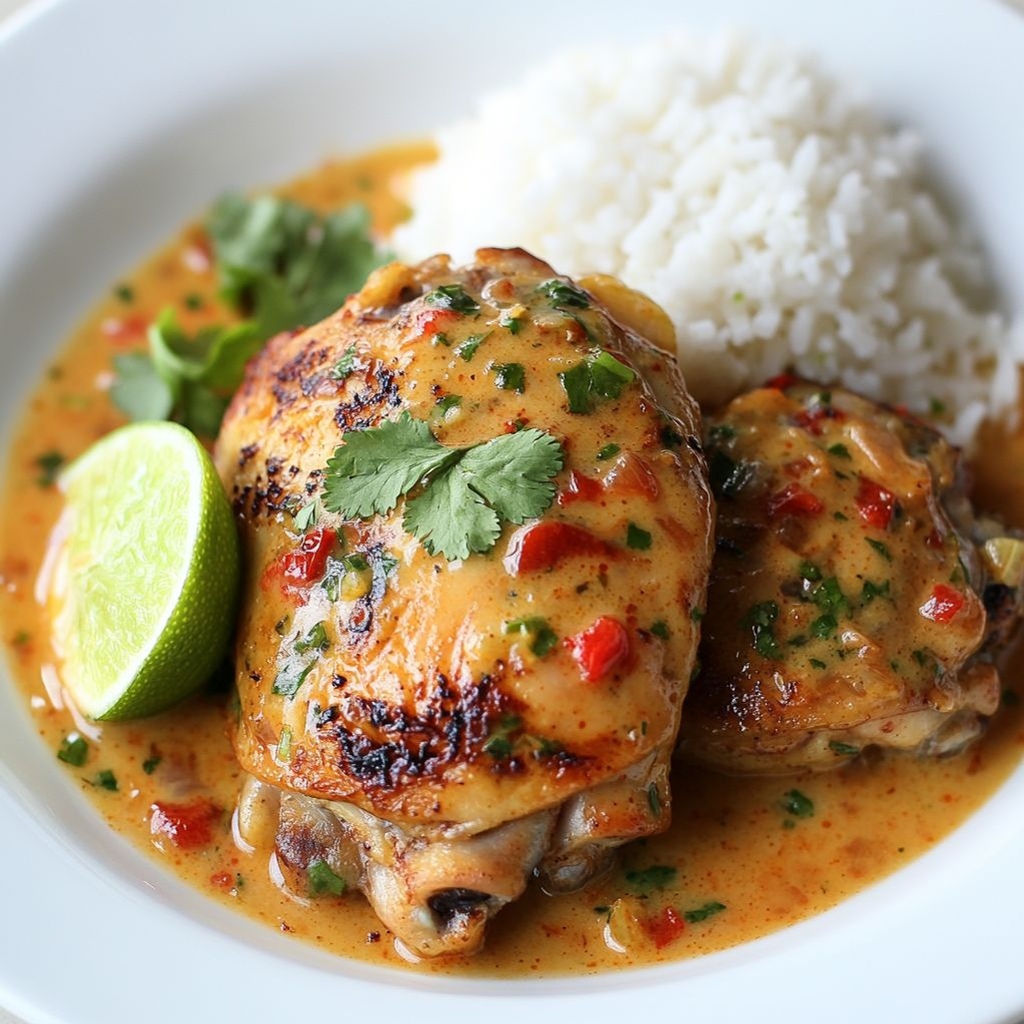
Notes
This spicy Brazilian coconut chicken is a vibrant, comforting dish that layers garlic, onion, red pepper, and hot chilies into a rich coconut sauce. It shines with a touch of lime and the distinctive aroma of dendê oil, delivering bold Brazilian flavors in a weeknight-friendly skillet. You can tailor the heat to your liking by adjusting the peppers or removing seeds; serve with rice or farofa for a complete meal.
- Prep and sear: Pat the chicken thighs dry and cut evenly to promote uniform browning. Sear in a hot skillet in batches until well-browned, then set aside to keep moist.
- Aromatics and base: In the same pan, sauté the onion, garlic, and red pepper until the onion is translucent and the peppers have softened to release their sweetness.
- Build the sauce: Deglaze with the lime juice, scraping up the fond. Stir in the coconut milk, shredded coconut, broth, and palm sugar if using. Let the sauce simmer gently to thicken and meld the flavors.
- Heat and oil: Add dendê oil for authentic flavor and color. If unavailable, substitute with extra-virgin olive oil, adding gradually to taste; color will be lighter but the dish will still be rich.
- Seasoning: Add salt and pepper; taste and adjust to balance the brightness of lime, the richness of coconut, and the chicken’s savoriness.
- Finish: Return the chicken to the sauce and simmer until cooked through and tender, about 8–12 minutes. Finish with chopped cilantro and lime wedges; garnish with toasted shredded coconut for extra aroma and texture.
- Rice and serving: Serve over steamed white rice and optionally Brazilian farofa for added crunch. A squeeze of lime at the table brightens the dish.
- Make-ahead and storage: The sauce can be prepared a day in advance; reheat gently and finish cooking the chicken. Store leftovers in the fridge for up to 3–4 days, or freeze for longer storage. Reheat slowly to prevent coconut milk from separating.
- Tips and substitutions: If you prefer a milder heat, use 1 chili or remove seeds; for a smoky note, char peppers briefly before mincing. For a vegan option, substitute chicken with firm tofu or tempeh and use vegan palm oil if desired. Always shake canned coconut milk before opening to ensure emulsified texture.
Always ensure your canned coconut milk and any processed ingredients are gluten-free if you have gluten intolerance.
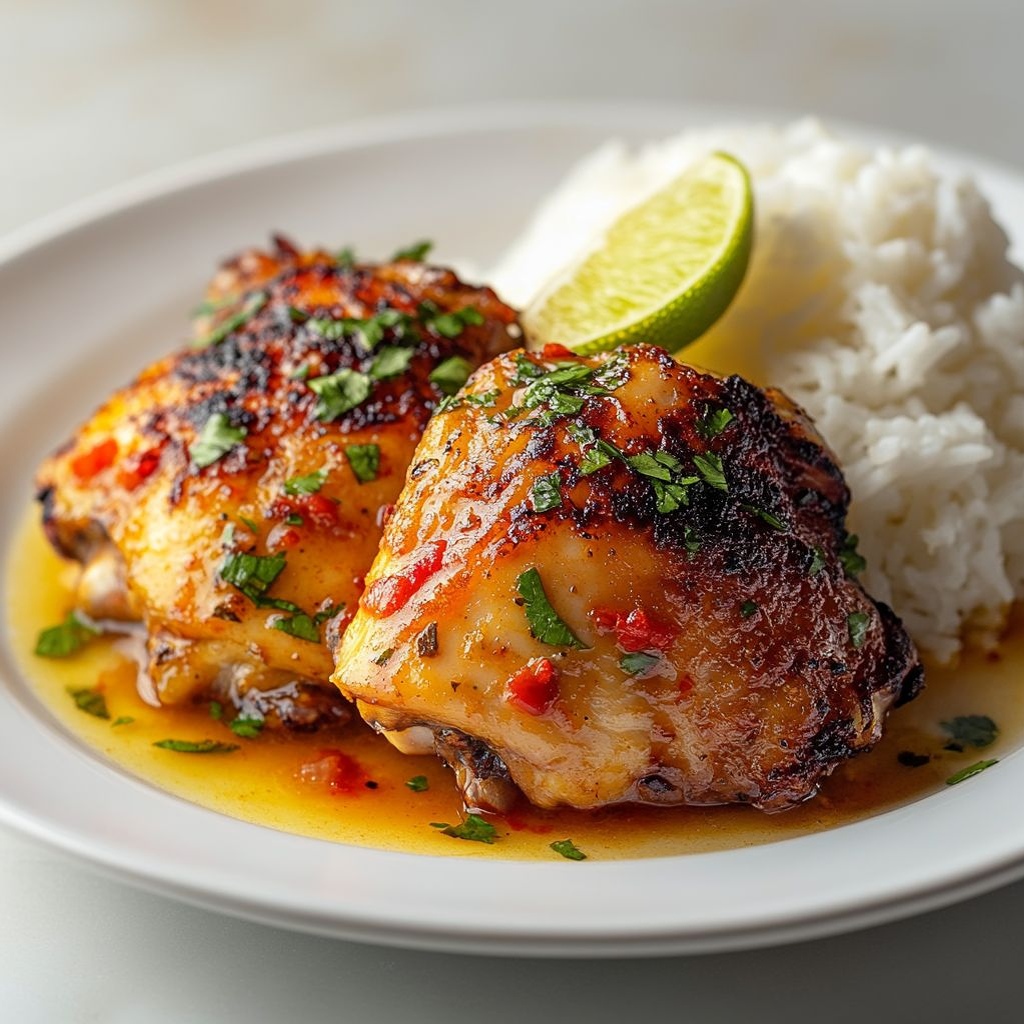
Tips
Prep and Browning
Aromatics and Flavor Base
Chili Heat and Balance
Coconut Sauce and Texture
Sugar, Acidity, and Seasoning
Finish and Garnish
FAQ
Spicy Brazilian Coconut Chicken — FAQ
What are the key ingredients in Spicy Brazilian Coconut Chicken?
- Chicken (thighs recommended for juiciness; cut into 1–2 inch pieces)
- Coconut milk (full-fat for creaminess)
- Onion and garlic
- Red bell pepper (or mixed peppers)
- Malagueta peppers or fresh red chilies for heat
- Dendê (palm) oil or olive oil as the cooking fat
- Lime juice and chopped cilantro for brightness
- Salt, pepper, and optional spices like paprika or cumin
How spicy is this dish and how can I adjust the heat level?
The heat comes mainly from malagueta peppers or fresh chilies. For milder heat, reduce or remove seeds and membranes, use a smaller pepper, or substitute with jalapeño. To increase spiciness, add more malagueta or a pinch of cayenne or chili flakes—taste as you go.
Can I use chicken breasts instead of thighs?
Yes. Chicken breasts work well if you prefer leaner meat. Cut into chunks and be careful not to overcook, as breasts can dry out faster. Thighs stay juicier and are traditionally preferred for Brazilian coconut curries.
What is dendê oil and can I substitute it?
Dendê oil is palm oil with a nutty, tropical flavor common in Bahian cuisine. If you don’t have it, use olive oil or another neutral oil and consider adding a small pinch of smoked paprika or ground coriander to mimic some of the depth. The dish will still be delicious without dendê.
How long does it take to cook Spicy Brazilian Coconut Chicken?
Plan about 30–40 minutes total. Sear the chicken (about 6–8 minutes), then simmer the sauce with coconut milk for 15–20 minutes until thickened and the chicken is cooked through. Finish with a quick 2–3 minute simmer and a squeeze of lime.
Is this recipe dairy-free or gluten-free?
Yes. It uses coconut milk and oil, with no dairy. It’s also naturally gluten-free, as long as you use gluten-free stock or sauces if any are added. If you’re cooking for allergies, check labels on all packaged ingredients.
What should I serve it with?
Common accompaniments include white rice or brown rice, black beans, and Brazilian farofa. A side of sautéed greens or a fresh lime wedge and chopped cilantro on top complements the flavors nicely.
How should I store leftovers?
Cool completely and store in an airtight container in the refrigerator for up to 3–4 days. Reheat gently on the stove or in the microwave, stirring to re-emulsify the sauce. Do not boil vigorously, as coconut milk can separate.
Can I freeze this dish?
You can freeze the chicken with sauce, but note that coconut milk may separate after thawing. For best texture, freeze without the coconut milk and add it when reheating, or re-emulsify by simmering gently and stirring well after thawing. Consume within 2–3 months.
Can I prepare this ahead for meal prep?
Yes. Chop vegetables and marinate the chicken ahead of time. You can also cook the chicken and veg base; refrigerate, then finish with coconut milk and heat through when ready to serve. This helps keep flavors vibrant when you reheat.
What makes this dish “Brazilian” in flavor?
It draws on Brazilian coastal flavors: coconut milk for creaminess, bright lime, and cilantro, with a touch of heat from malagueta peppers. If you have dendê oil, its palm-oil aroma adds an authentic Bahian note, though it’s optional and can be substituted with olive oil plus a pinch of paprika or coriander for similar depth.