Introduction / Hook
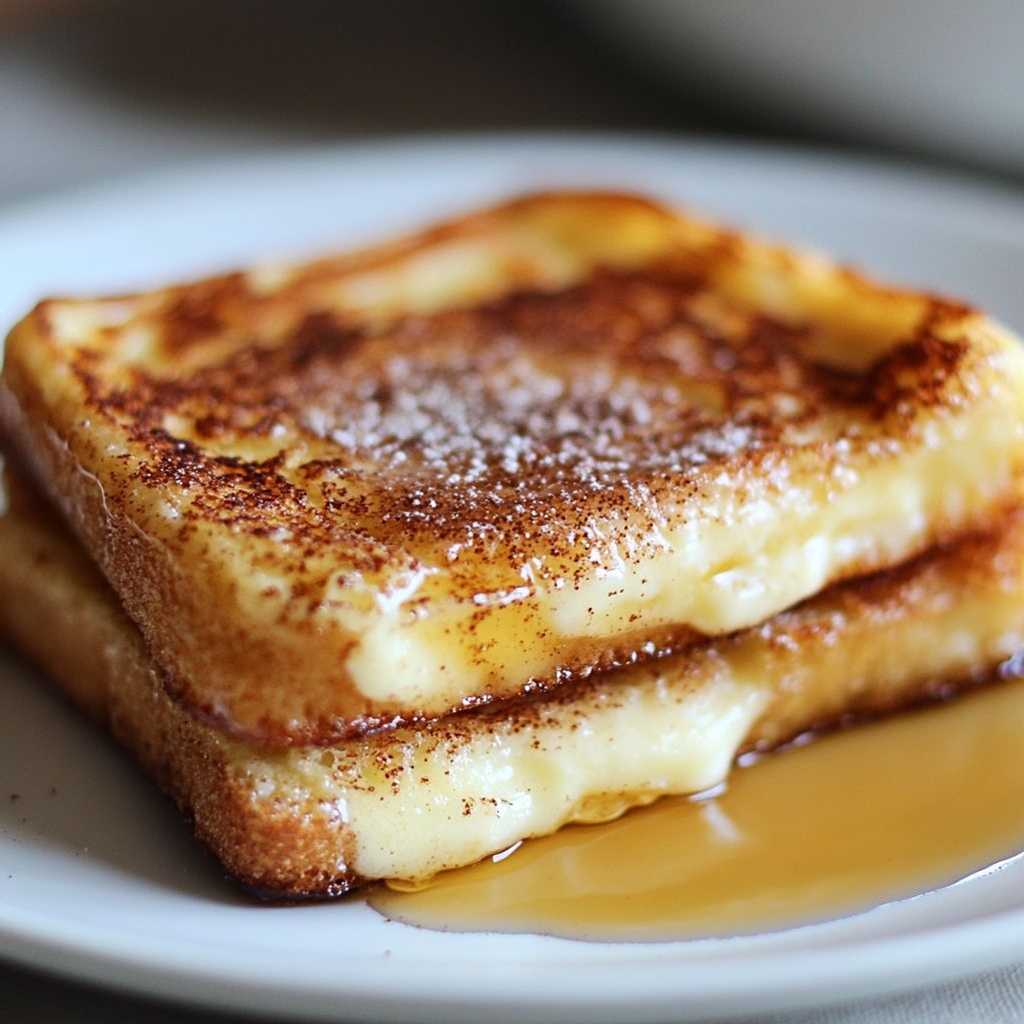
Imagine a sunrise in a slice of breakfast magic: a thick, plush slice of bread, gilded with a whisper of cinnamon sugar, its edges crackling softly as it meets a velvety cream cheese center. The first bite releases a warm, creamy kiss that melts into a caramel-sweeter edge, like sunrise on your tongue. This Cinnamon Sugar French Cheese French Toast is more than a brunch idea; it’s a celebration of contrasts—the toasty exterior giving way to a luxuriously soft interior, the sweet-cinnamon aroma swirling with a tangy, creamy surprise. It’s comfort with a playful twist, a dish that feels indulgent without being fussy, and it comes together in a way that makes even a sleepy morning feel like a small, celebratory event. If you’re seeking a recipe that blends nostalgic warmth with a modern, irresistible center, you’ve found it. Crisp edges, plush inside, a hint of vanilla, a delicate drizzle of maple, and a cheese-infusion that keeps every bite soulful and memorable. Welcome to a morning that tastes like a hug in edible form.
From the moment the butter hits the skillet to the last syrupy splash, this dish surrounds you with a comforting scent—the bakery-sweet perfume of toasted bread, the fragrant spice of cinnamon, and the creamy tang of cheese that unexpectedly deepens the flavor profile. It’s a dish that invites slow savoring, conversation, and that wonderful sense of creation you feel when a simple breakfast becomes a tiny, joyful ritual. This is not just French toast; it’s a cheeky upgrade—a diner-worthy treat you can proudly serve to guests, or to your household on a Sunday when you want to press pause on the rush and press play on the kind of morning that lingers in memory long after the last bite.
The Story Behind the Dish
Every great breakfast has a story, and this Cinnamon Sugar French Cheese French Toast sprang from a kitchen where the ordinary became extraordinary with a little curiosity. It started as a weekend experiment: a classic French toast loaded with warmth and spice, paired with a Cupid’s-arrow of creamy cheese that softened and married with the egg-batter sweetness. The idea wasn’t to reinvent the wheel, but to honor two beloved textures—airy, custardy interior and a crisp, caramelized crust—while introducing a gentle tang that only cream cheese can offer. The outcome felt like a cross between a French pastry and a comforting home-style breakfast, a fusion that honors tradition while inviting families and friends to gather and linger at the table. There is something wonderfully nostalgic about dipping bread into a bath of eggs, vanilla, and warm spices, then watching it transform into a golden, luscious slice. And when you tuck a silky thread of cream cheese into the center, the experience becomes a tiny, edible story—one that invites you to pause, smile, and enjoy the moment of shared warmth.
Legends of French toast stretch across continents and centuries, but this version borrows a playful, modern twist from the era of indulgent brunches and playful flavor experiments. It nods to the simplicity and elegance of French techniques, while embracing the universally loved combination of cinnamon, sugar, and a touch of creaminess. The result is a dish that feels both timeless and current—a comforting classic that appeals to grandparents and grandkids alike, a plate that can anchor a Sunday breakfast, a celebratory brunch, or a spontaneous weekday treat when you need a little extra sunshine on your plate.
Why You’ll Love This Recipe
- Luxurious texture with a crisp exterior and a soft, custardy interior that feels bakery-fresh at home.
- Delightfully balanced flavors: warm cinnamon sugar, creamy tang from the cheese, and a hint of vanilla and maple sweetness.
- Simple to assemble with pantry staples, yet feels special enough for guests or weekend brunch.
- Highly customizable to accommodate different dietary preferences and flavor twists.
- Pairs beautifully with fruit, coffee, or a celebratory bellini; it adapts from intimate breakfasts to festive gatherings.
What makes this recipe truly satisfying is its versatility. It’s not a one-note dish; it invites you to tailor it to different moods, seasons, and dietary needs without losing its essence. If you love the way cinnamon warms the air, if you crave the creamy surprise tucked inside each slice, and if you appreciate the joy of a dish that can be both comforting and a little playful, you’re in for a treat. The concept is simple, the result is memorable, and the process—slicing bread, dusting with cinnamon sugar, and assembling a luscious cheese center—feels like a morning ritual worth repeating.
Flavor Profile & Texture
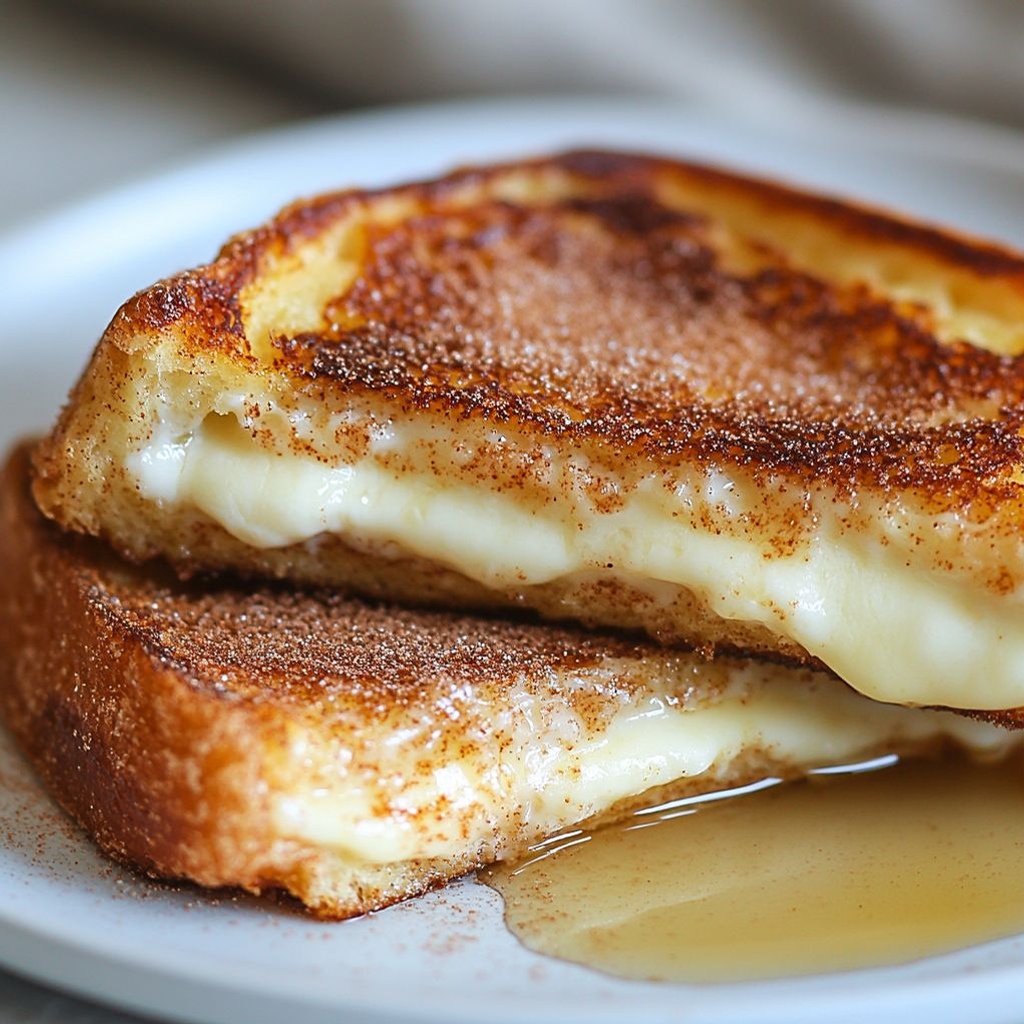
The flavor profile of Cinnamon Sugar French Cheese French Toast is a balanced ballet of sweet, spice, and dairy tang. The cinnamon sugar coating delivers a fragrant, warm sweetness that instantly evokes cozy mornings and bakery aromas. The bread itself acts as a sponge, soaking up egg mixture with a gentle custard-like richness that envelops each slice. But the true surprise is the creamy center—soft, mild, and slightly tangy—introduced by the French cheese element. This cheese presence doesn’t overpower; it rather elevates and rounds out the sweetness, adding depth and a smooth, luscious mouthfeel that lingers on the palate.
Texture-wise, you’ll experience a satisfying contrast: a crisp, lightly caramelized crust around the outside, a tender, airy interior, and a creamy, delicate core. The surface crackles with a satisfying bite, releasing a warm steam that carries vanilla and cinnamon notes. The interior remains plush and almost soufflé-like, light yet deeply flavorful. When you bite into it, the cheese center provides a subtle density that prevents the dish from feeling too light or strictly sweet, ensuring that each mouthful feels luxurious rather than merely sugary. If you drizzle a touch of maple syrup or a dollop of fruit compote, you add a layer of tart brightness that makes the dish sing even more. This balance—sweet, spice, tang, and creaminess—creates a multi-sensory experience that’s both comforting and intriguingly sophisticated.
Consider aroma as part of the flavor journey: as the toast cooks, the air fills with the scent of toasted bread, butter melting into the surface, vanilla whispering through the steam, and cinnamon curling into the room like a soft, edible perfume. The scent alone can awaken the appetite and set the stage for a memorable breakfast moment. The cheese element subtly perfumes the tongue with a mild tang that perfectly complements the sweetness, making every bite feel like a small revel—comforting, indulgent, and distinctly memorable without feeling heavy or overpowering.
Occasions & Pairings
This dish shines in a variety of settings, from quiet weekend mornings to lively brunch gatherings. It’s ideal for holidays when you want something special yet approachable, or for a casual Sunday with family where everyone deserves a little extra sweetness to start the day. The richness of the cheese center makes it a natural fit for celebratory occasions, where a little decadence goes a long way without needing elaborate plating.
Pairing ideas to elevate the experience:
- Beverages: a strong black coffee, a creamy latte, chai tea, or a mimosa for a festive touch.
- Fruits: sliced apples, pears, fresh berries, or a citrusy orange segments add brightness and balance the richness.
- Spreads & syrups: pure maple syrup, honey, or a ribbon of fruit compote can create different sweetness profiles.
- Side dishes: a light yogurt parfait, a small green salad with citrus, or a few buttery roasted potatoes for a heartier brunch.
- Dessert-inspired twists: a dusting of cocoa, a swirl of berry reduction, or a touch of almond butter for nutty depth.
Occasionally you’ll want to serve this with sparkling or still beverages that complement its warm, comforting profile. For holiday tables, consider a cinnamon stick garnish and a dusting of powdered sugar to give the presentation a festive touch. For weekday mornings, keep garnishes simple—a light drizzle of maple syrup and a handful of fresh berries will do. The dish is forgiving in serving size and style, making it an excellent choice for both intimate breakfasts and larger celebrations.
Tips, Variations & Substitutions
One of the best parts of this recipe is how easily it adapts to your pantry, dietary needs, and flavor preferences. Here are practical ways to customize without losing the dish’s essential character:
- Bread choices: brioche or challah yield the richest texture; rye or whole grain adds more bite and nutty flavor; dairy-free or gluten-free breads can be used with appropriate substitutions to keep the custardy texture intact.
- Cheese options: traditional cream cheese is classic, but you can experiment with mascarpone for extra silkiness, ricotta for a lighter texture, or a dairy-free cream cheese alternative for a vegan version.
- Flavor boosters: add a pinch of nutmeg or cardamom to the cinnamon sugar for a warming, more complex spice note. A hint of orange or lemon zest can brighten the dish beautifully.
- Sweetness level: adjust the sweetness by reducing or increasing the sugar in the coating, or by choosing a darker maple syrup for a richer finish.
- Texture twists: for an even crisper crust, finish the toast in a hot, lightly oiled pan or oven broiler for a minute or two after assembly.
- Diet-friendly adjustments: use plant-based butter and dairy-free cheese to create a vegan version; choose egg substitutes that provide binding and color if needed, or use a vegan egg wash in the batter.
- Regional twists: fold in a little espresso powder for a coffee-kissed variant, or swap in Southern pecan praline bits for a crunchy, caramelized surprise.
- Make-ahead flavor layering: spice the batter slightly more on day-of preparation if you’ll let flavors rest overnight, then reheat gently to preserve custardy texture.
Storage & Make-Ahead Ideas
To keep this dish as fresh and delicious as possible, consider both make-ahead and storage strategies. Proper handling helps maintain texture and flavor so that leftovers, if any, still feel special rather than dried out or soggy.
- Make-ahead: assemble the bread slices with the cheese in a shallow tray, cover and refrigerate overnight. In the morning, allow a short warm-up at room temperature before cooking to ensure even heat and thorough cooking.
- Storage: refrigerate any leftovers in an airtight container for up to 2 days. Reheating is best done in a skillet over medium-low heat to re-crisp the crust while gently warming the center; you can also reheat in a toaster oven for a few minutes.
- Freezing: individual slices can be frozen after cooling; reheat directly from frozen in a skillet with a little butter to restore texture, or warm in a low-temperature oven covered with foil to prevent over-browning.
- Texture preservation: to keep the interior moist, avoid overcooking; if you’re reheating, add a light splash of milk or plant-based milk to restore tenderness before warming.
Fun Facts & Trivia (Optional)
Food lore surrounding French toast is rich and varied, with roots that stretch across many cultures and centuries. While the name suggests a French origin, many cultures have their own beloved versions of stale bread revived with eggs, milk, and sugar. The term “French toast” itself can be traced to a variety of historical references and languages, with similar preparations appearing as far back as ancient Roman times under different names. The idea of reviving bread with dairy and eggs is a universal one—a testament to how resourceful and comforting this concept can be. Cinnamon, too, has a history that travels across continents, with ancient traders and spice routes weaving its story into countless cuisines. The pairing of cinnamon with a creamy center adds a dimension that’s both traditional in its spice and modern in its textural surprise. Cream cheese, a relatively modern dairy product in culinary history, brings a gentle tang that brightens the dish without overpowering the sweetness. Collectively, these elements create a dish that feels both timeless and contemporary—a brunch favorite that could become a family tradition or a guest-pleasing showpiece.
For food lovers who enjoy trivia, you might note how the scent of toasted sugar and cinnamon has the remarkable ability to trigger memories and mood. The culinary science behind the caramelization at the crust’s surface (the Maillard reaction) not only tells you why the toast looks beautifully browned but also why its aroma feels so inviting. The cream cheese center, melted during cooking, adds a silken texture that’s scientifically pleasing to the palate because of its fat content and smooth mouthfeel. And so, this dish isn’t merely about feeding hunger—it’s about creating a sensory moment that’s joyful, comforting, and a touch whimsical.
Conclusion
In the end, Cinnamon Sugar French Cheese French Toast is more than a recipe title on a page. It’s a mood, a memory-in-the-making, and a versatile platform for creativity at the breakfast table. It brings together the familiar warmth of cinnamon-sugar toast with the unexpected delight of a creamy cheese center, wrapped in a husk of perfectly cooked bread. It invites you to savor not just taste, but texture, aroma, and the simple pleasure of a dish that makes ordinary mornings feel special. Whether you’re feeding a hungry family, hosting friends for a slow Sunday brunch, or treating yourself to a luxurious weekday wake-up call, this dish delivers comfort, charm, and a touch of culinary whimsy in every bite.
Ingredients
-
– Bread and Cream Cheese Base
– 6 thick-sliced brioche or challah bread slices (about 1 inch thick; day-old preferred)
→ The bread should be sturdy to soak up the custard without becoming soggy; day-old bread has a drier crumb that soaks evenly and crisps nicely when cooked. Trim crusts if desired to ensure uniform sandwiches.
– 8 oz cream cheese, softened
→ Softened cream cheese spreads easily and yields a creamy, tangy filling when paired with cinnamon. Beat briefly with a pinch of sugar and a dash of vanilla if you’re using it as a filling.
– Dipping Custard
– 4 large eggs
→ The eggs act as the binding agent, coating the bread so the interior stays custardy while the exterior sets to a crisp.
– 1 cup milk or half-and-half
→ For richer texture, use half-and-half; for lighter, use whole milk. Whole milk yields a firmer set, while half-and-half adds creaminess.
– 1 teaspoon vanilla extract
→ Adds depth to the custard; use real vanilla extract or paste for best aroma.
– 1/4 teaspoon salt
→ Balances the sweetness and enhances overall flavor perception.
– 1 tablespoon granulated sugar
→ Adds a touch of sweetness to assist browning and give a gentle glaze as it cooks.
– 1/2 teaspoon ground cinnamon
→ Gives warm spice to the custard; adjust to taste if you want a milder or stronger cinnamon note.
– Cinnamon Sugar Coating
– 1/4 cup granulated sugar
→ Creates a crackly, sweet crust on the cooked toast; you can reduce or omit for less sweetness.
– 1 teaspoon ground cinnamon
→ Classic pairing with sugar for a cinnamon-touched crust; for a stronger vibe, use up to 1½ teaspoons.
– Cooking Fat
– 2-3 tablespoons unsalted butter
→ Used for frying the toast to achieve a golden crust and rich flavor; keep heat at medium to prevent burning and to ensure even cooking.
– Toppings and Serve
– Pure maple syrup for serving
→ Pairs beautifully with cinnamon and cream cheese; drizzle lightly to avoid oversaturation of the toast.
– Fresh berries or sliced bananas for serving
→ Adds brightness and texture; prepare fruit close to serving time to maintain color and firmness.
Instructions
- Choose six thick-sliced brioche or challah bread slices about 1 inch thick and lay them out on a clean cutting board. Trim crusts if desired to ensure uniform thickness and even soaking, and reserve any scraps for toasting or crumb garnish if you like.
→ Using sturdy, day-old bread helps the slices soak the custard evenly without falling apart while frying, and trim ensures consistent thickness for uniform cooking. - Soften the 8 oz of cream cheese at room temperature for 30–40 minutes or microwave in 10-second bursts until pliable, then beat with a pinch of sugar and a dash of vanilla until completely smooth and creamy.
→ Soft cream cheese spreads evenly, prevents lumps, and blends with the custard to create a lush filling when the sandwiches are assembled. - Assemble three stuffed sandwiches by spreading a thin layer of the softened cream cheese on the inner side of each of three bread slices, topping with the remaining slices to form three sandwiches, and pressing gently to seal the edges.
→ Proper sealing traps the filling inside during soaking and frying, preventing leaks and creating a clean slice when served. - Whisk the custard by combining 4 eggs, 1 cup milk or half-and-half, 1 teaspoon vanilla, 1/4 teaspoon salt, 1 tablespoon granulated sugar, and 1/2 teaspoon ground cinnamon in a medium bowl until fully combined and smooth, with no visible streaks.
→ A homogeneous custard coats the bread evenly and sets into a creamy interior without curdling or uneven flavor pockets. - Dip each stuffed sandwich into the custard, turning to soak evenly on both sides, and let it sit about 20–30 seconds per side for 1-inch-thick slices; avoid oversoaking to prevent the bread from disintegrating.
→ A brief soak ensures interior custard while maintaining structural integrity for frying; too long leads to a soggy, floppy sandwich. - Prepare the cinnamon-sugar crust by whisking together 1/4 cup granulated sugar and 1 teaspoon ground cinnamon in a shallow plate, then press the soaked bread on both sides into the mixture to form a fragrant, crackly coating.
→ The coating creates a crisp, caramelized exterior that complements the creamy filling and cinnamon notes inside. - Preheat a heavy skillet or griddle over medium heat and melt 2–3 tablespoons unsalted butter, swirling to coat the surface evenly and watching for a gentle sizzle; do not let the butter burn.
→ The butter adds richness and helps achieve an even, golden crust without sticking; medium heat prevents scorching of the sugar crust. - Gently place the coated sandwiches in the pan and cook until the bottom is deeply golden brown and crusty, about 3–4 minutes, adjusting the heat if the color develops too quickly.
→ A thorough sear locks in the creamy filling and develops flavor through Maillard browning for a complex crust. - Flip the sandwiches carefully with a wide spatula and cook the second side for another 2–4 minutes until the exterior is golden and crisp and the filling is warmed through; if edges look pale, lower the heat slightly and cook a bit longer.
→ Even browning ensures a crisp crust on both sides while the interior reaches a safe, creamy temperature without scorching the exterior. - Transfer the finished French toast to a warm plate or an oven set to 200°F (93°C) to rest briefly while you cook the remaining sandwiches, loosely covering with foil if needed to retain warmth without trapping steam.
→ Resting keeps the crust crisp and prevents sogginess as you complete the batch, ensuring consistent serving temperature. - To serve, slice diagonally if desired for elegant presentation, then drizzle with pure maple syrup and arrange fresh berries or sliced bananas alongside; serve immediately for optimal texture and bright contrast of flavors.
→ Immediate serving preserves the contrast between the warm, creamy filling, the crisp cinnamon-sugar crust, and the fresh fruit and maple sweetness.
Notes
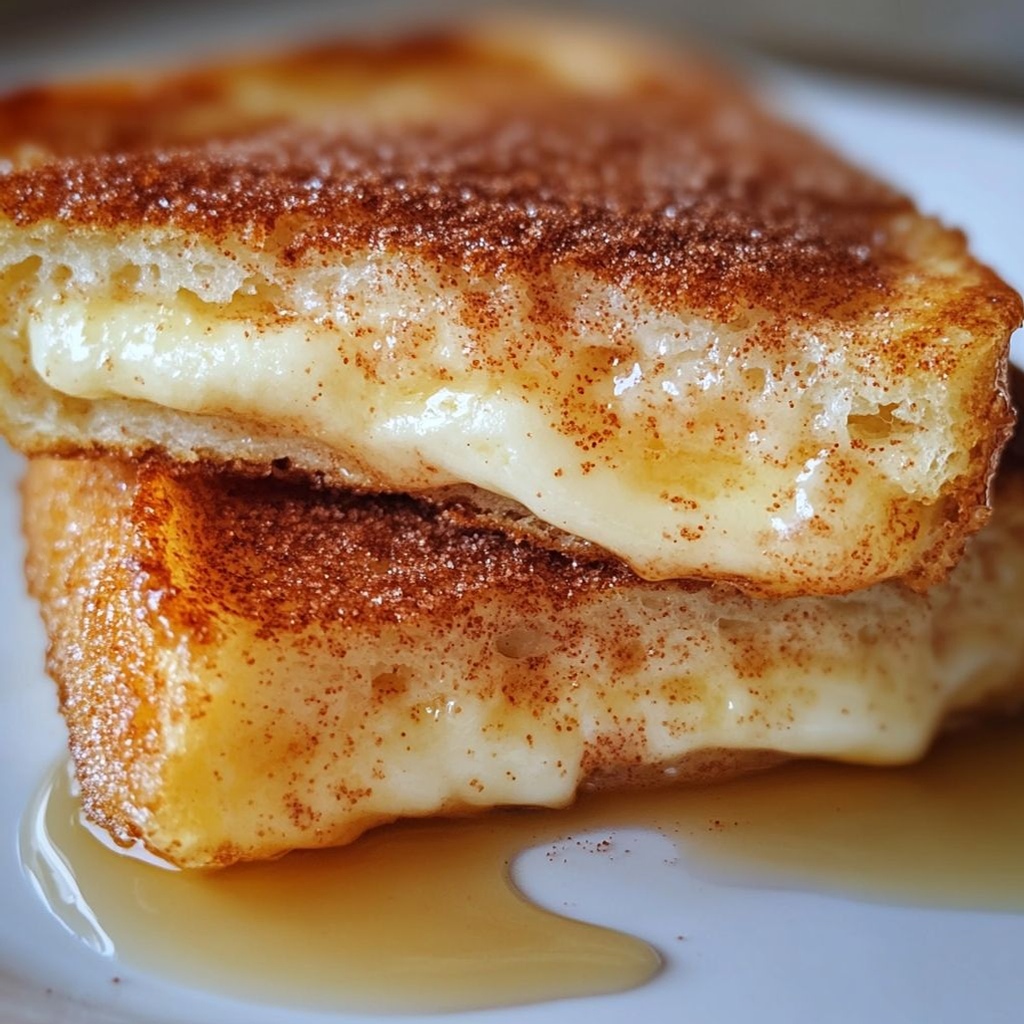
These Cinnamon Sugar French Cheese French Toast are a decadent brunch treat featuring a creamy cream cheese filling, a crackly cinnamon-sugar crust, and a custard-soaked brioche exterior fried to a golden perfection. For best results, use sturdy day-old brioche or challah and trim crusts if desired to ensure uniform sandwiches.
Filling: Soften the 8 oz cream cheese until scoopable, then spread on one side of each bread slice or spoon a generous dollop between two slices. For extra flavor, beat the cream cheese with a pinch of sugar and a dash of vanilla to create a smoother, lightly sweetened filling that blends beautifully with cinnamon.
Dipping Custard: Whisk together 4 large eggs, 1 cup milk or half-and-half, 1 teaspoon vanilla extract, 1/4 teaspoon salt, 1 tablespoon granulated sugar, and 1/2 teaspoon ground cinnamon. This custard should be smooth and slightly sweet; adjust sugar to taste. Dip each sandwich quickly to soak but not overly soggy; the goal is a custardy interior with a crisp exterior.
Cinnamon Sugar Coating: In a shallow dish, combine 1/4 cup granulated sugar and 1 teaspoon ground cinnamon. After assembling and filling, press the outer surfaces of the sandwiches into the coating to create a crackly, cinnamon-sugar crust as they fry. You can reduce sugar or skip coating if you prefer less sweetness.
Cooking: Melt 2-3 tablespoons unsalted butter in a skillet over medium heat. Fry the coated sandwiches in batches until the bread is deeply golden and the filling is warm and set, about 3-4 minutes per side. Keep heat moderate to avoid burning the crust; you want a crisp exterior and creamy center.
Serving and storage: Serve hot with pure maple syrup and fresh berries or sliced bananas for brightness. Leftovers can be refrigerated for a couple of days and reheated in a skillet or oven to refresh the crust. For a lighter version, use whole milk or half-and-half and a lighter coating; dairy-free options can be made with dairy-free cream cheese and plant-based milk, though the texture may differ. If you have gluten intolerance, ensure your bread is certified gluten-free.
Tips
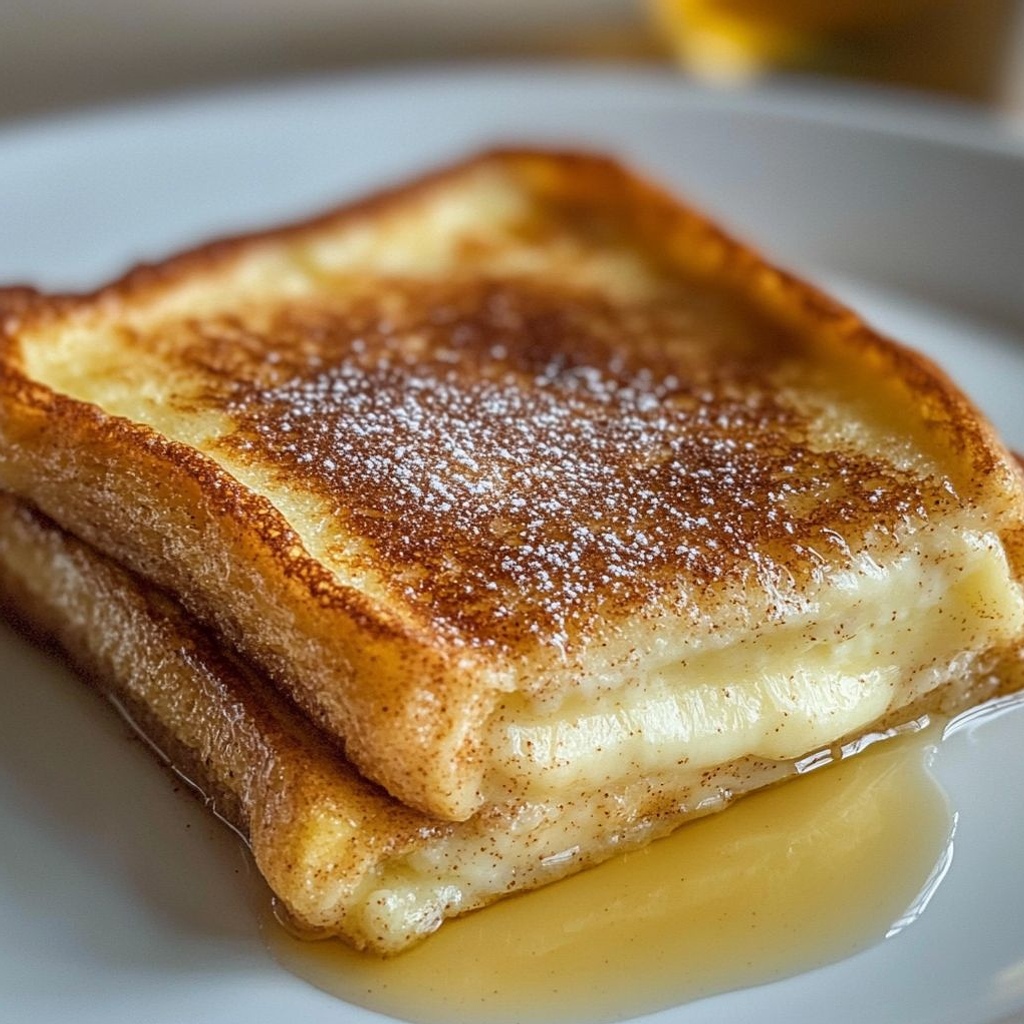
Tips for Perfect Cinnamon Sugar French Cheese French Toast
- Bread selection: Thick slices of brioche or challah work best because they soak up custard without falling apart. If your bread is very fresh, dry it slightly at room temperature or toast lightly to reduce sogginess.
- Cream cheese filling: Soften the cream cheese fully for a smooth spread. For extra flavor, blend a pinch of sugar and a dash of vanilla into the cream cheese, or mix in a touch of cinnamon to create a flavored filling.
- Custard technique: Whisk eggs, milk or half-and-half, vanilla, salt, sugar, and cinnamon until completely blended. Strain if you see bubbles to promote even browning. The cinnamon can be added directly to the custard for even spice distribution.
- Sandwich assembly: For a classic stuffed style, spread a thin layer of cream cheese on a slice, place another slice on top to form a sandwich, then dip the whole sandwich in custard. Alternatively, spread cream cheese on one slice and top with another slice before dipping as a whole.
- Soaking time: Dip each sandwich briefly and let it soak 20–60 seconds per side depending on bread thickness. Thick, day-old bread will soak gradually; avoid over-soaking to prevent a soggy center.
- Cinnamon sugar coating: Mix cinnamon and sugar well; press the coating onto the surface after soaking so it adheres. For a extra crunchy crust, re-coat lightly after dipping or a second pass just before cooking.
- Cooking fat and temperature: Use 2–3 tablespoons unsalted butter per batch and cook over medium heat. Too hot and the crust will burn before the center sets; if needed, add a touch of oil to stabilize the fat.
- Pan technique: A heavy skillet or cast iron heats evenly and yields a crisper crust. Preheat the pan before adding butter, and maintain a steady sizzle rather than aggressive bubbles.
- Checking doneness: Cook until deep golden-brown on both sides, about 2–3 minutes per side depending on thickness. Flip carefully to keep the filling intact.
- Serving strategy: Drizzle with pure maple syrup and top with fresh berries or sliced bananas for balance. Pat fruit dry if it’s very juicy to prevent sogginess on the toast.
- Make-ahead tips: Prepare the custard and cream cheese filling ahead and refrigerate. Assemble sandwiches just before cooking for best texture. Leftovers can be reheated in a 350°F (175°C) oven for a few minutes to restore crispness.
- Flavor variations: Add a pinch of cardamom or nutmeg to the custard for warmth, or a little lemon zest for brightness. You can also swap half-and-half for whole milk for a firmer set if you prefer a lighter texture.
FAQ
What is Cinnamon Sugar French Cheese French Toast?
A stuffed French toast that features a creamy cream cheese filling, a cinnamon-sugar flavor, and a custardy egg batter. The bread is cooked until golden and crisp on the outside with a creamy, melt-in-the-middle cheese filling for a comforting weekend brunch treat.
What ingredients do I need to make it?
For 4–6 servings, you’ll typically need:
- 8 slices thick bread (brioche or challah are best)
- 4 oz (120 g) cream cheese, softened
- 4 large eggs
- 1 cup (240 ml) milk or half-and-half
- 1 tsp vanilla extract
- 1/2 tsp ground cinnamon (plus extra for cinnamon-sugar)
- 2 tbsp granulated sugar (for the custard)
- Pinch of salt
- 2–3 tbsp unsalted butter, for cooking
- Optional toppings: maple syrup or powdered sugar
- Cinnamon-sugar topping: 2 tbsp granulated sugar + 1 tsp ground cinnamon
How do I make the cream cheese filling?
Beat the cream cheese with 1–2 tbsp sugar and 1/2 tsp vanilla until smooth and fluffy. You can add a pinch of cinnamon or a little lemon zest for brightness. Spread this filling between two slices to make a sandwich or layer it on slices before dipping.
How should I assemble the stuffed French toast?
Spread the cream cheese filling on one slice, top with another slice to form a sandwich, and repeat with remaining slices. If you prefer, you can spread a thin layer of filling on each slice and then stack or dip as you go.
How do I make the custard batter for dipping?
In a bowl, whisk together 4 eggs, 1 cup milk, 1 tsp vanilla, 2 tbsp sugar, 1/2 tsp cinnamon, and a pinch of salt until well combined. This custard will soak into the stuffed bread just enough to bind and flavor it.
How long and at what temperature should I cook it?
Dip each stuffed sandwich briefly in the custard, then cook in a skillet over medium heat with 2–3 tbsp butter for about 3–4 minutes per side, until golden and the filling is warmed through. If you’re making in batches, keep finished portions warm in a low oven (around 200°F/90°C).
What tips help prevent soggy or undercooked toast?
Use sturdy bread (brioche or challah works best), avoid over-drenching the bread in custard, and don’t overcrowd the pan. Let the skillet heat well and use enough butter to promote crisp edges. If the filling oozes, reduce the amount of filling slightly.
Can I bake this recipe instead of pan-frying?
Yes. Preheat the oven to 375°F (190°C). Assemble the stuffed toast and dip as directed, then place on a parchment-lined sheet. Bake for about 12–16 minutes, flipping once halfway, until the outside is golden and the filling is warm. You can finish under the broiler for 1–2 minutes to melt the cheese a bit more.
How should I store leftovers and how long will they last?
Store any leftovers in the refrigerator for 1–2 days. Reheat in a skillet over medium heat, or in a toaster oven until hot and the outside is crisp again. For best results, reheat pieces individually rather than microwaving, which can make them soggy.
Are there variations or substitutions I can try?
Absolutely. Try these ideas:
- Use ricotta or neufchâtel cheese in place of cream cheese for a lighter filling.
- Add orange or lemon zest to the filling for a citrus note.
- Swap maple syrup for honey or caramel sauce as a topping.
- Try dairy-free milk and dairy-free cream cheese for a vegan option (note: you’ll need non-dairy bread and eggs to keep it cohesive).
- Mix in a pinch of nutmeg or pumpkin spice for fall flavors.