
Introduction / Hook
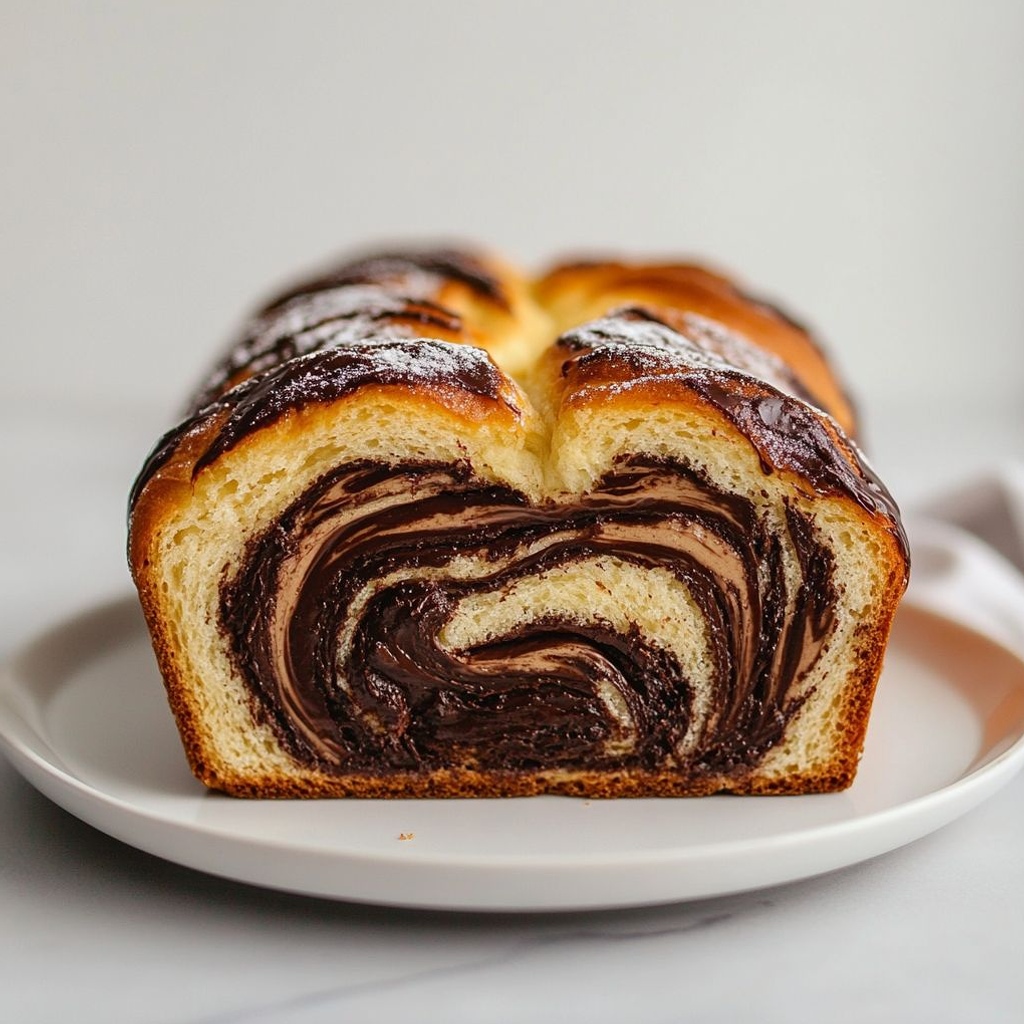
Imagine a loaf that feels like a warm hug in bread form: a loaf that wears a glossy, honey-kissed crust on the outside, while the inside stays impossibly tender, almost cloud-like. Chocolate Swirl Brioche Bread is that comforting, celebration-worthy treat you reach for on a quiet weekend morning or when you want to turn an ordinary breakfast into a small, luxurious moment. The first bite releases a soft, melt-in-your-mouth crumb, rich with buttery depth, and then the swirl of chocolate unfurls like a ribbon of velvet across the slice. The aroma alone—vanilla, almond, cocoa, and a whisper of caramelized sugar—has the uncanny ability to draw people to the kitchen before you even finish the batter’s alchemy. It’s not just bread; it’s a sensorial experience you can share with family or friends, sliced thick for toast, or tucked into a brunch spread as a show-stopping centerpiece.
The Story Behind the Dish
Brioche is one of those kitchens’ treasures that seems to whisper prestige without taking itself too seriously. It hails from France, where butter is treated as a fifth essential element of pastry, and patience is the secret ingredient that deepens flavor. Brioche dough is rich with eggs and butter, yielding a supple, almost velvet-like crumb that can hold its own against a hearty filling or a generous spread. The chocolate swirl in this loaf is a modern homage to the long, comforting tradition of chocolate breads and pastries that traveled across cultures—think of the chocolaty heart of a babka or the chocolate-studded loaves that appear in bakeries around Europe and the Mediterranean. The idea of folding a glossy ribbon of chocolate into a tender dough is a celebration of balance: the sweetness and aroma of the dough temper the intensity of the chocolate, while the chocolate adds a kiss of depth that lingers long after the loaf has cooled. In many kitchens, this kind of loaf became a weekend ritual—a bread that requires patience (the rising, the laminating, the gentle handling) but yields a result that makes every bite feel like a small victory. This dish is a bridge between everyday comfort and a dash of café-worthy elegance, a testament to the idea that bread can be as indulgent as a dessert and as versatile as a breakfast staple.
Why You’ll Love This Recipe
- Luxuriously soft and fluffy interior: The enriched dough creates a crumb that remains tender for days, while the crust develops a delicate, just-crisp edge that provides a perfect contrast to the melt-in-your-mouth inside.
- Irresistible chocolate ribbon: Each slice reveals a generous swirl of chocolate that tastes like a velvety ganache turned into bread—rich, slightly bitter, and beautifully complementary to the butter-rich dough.
- Versatile for many occasions: Great for weekend brunch, an indulgent breakfast, or a cozy gift loaf, wrapped in parchment and tied with twine.
- Fragrance that lingers: The scent of vanilla, citrus zest (if you choose to add it), and warm butter fills the room, turning any morning into a small celebration.
- Balanced sweetness: Not cloying; the sweetness comes through in layers—the dough’s natural sweetness, the chocolate’s deep cacao notes, and a subtle glaze or dusting if you desire.
- Customizable and forgiving: The basic concept adapts to your pantry—swap dark chocolate for milk chocolate, add orange zest for a citrus lift, or fold in toasted nuts for texture and depth.
- Excellent for make-ahead moments: The dough can be prepared ahead and given time to develop flavor, then baked when you’re ready, turning a long-process recipe into a convenient, impressive finish.
Flavor Profile & Texture
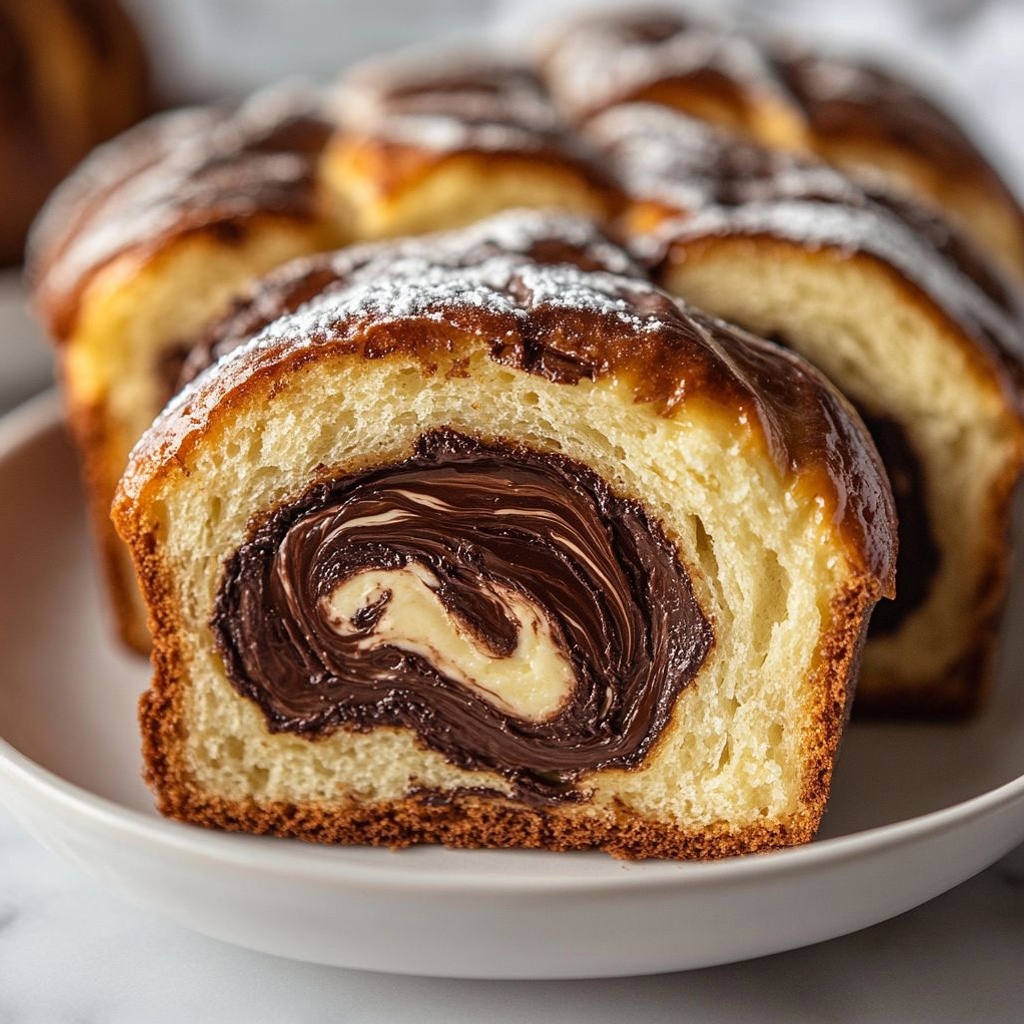
The Chocolate Swirl Brioche Bread delivers a symphony of textures and flavors that work in harmony. The crust delivers a gentle caramelized snap—a testament to a properly baked loaf—while the interior is exquisitely tender, almost bouncy, with a silkiness that hints at satin. The butter content in brioche is the star here; it lends a lush mouthfeel and a slightly sweet, toasty note that lingers pleasantly. When you reach the center of a slice, the chocolate swirl reveals itself as pockets of deeply flavored cocoa, each ribbon highlighting the bread’s richness without overpowering it. The chocolate crackles slightly as it heats, offering a delicate snap that gives way to a melt-in-your-mouth center. If you add a touch of vanilla or almond extract, or a hint of orange zest, you’ll notice a bright finish that keeps the loaf from feeling too dense or heavy—an airy balance that makes this bread feel almost celebratory every time you slice it.
In aroma terms, this loaf is an invitation: imagine walking into a warm kitchen where butter is melting softly, vanilla is blooming, and chocolate notes weave through the air like a comforting story you’ve heard a hundred times and never tire of. The texture is a study in contrast—the crust’s crumbly, crisp edges meet a pillowy, springy interior that yields to the bite with barely a resistance. The overall sensation is indulgent but not suffocating, a gentle sweetness that feels luxurious yet approachable—something you could pair with a morning coffee or a sparkling beverage without overwhelming your palate.
Occasions & Pairings
Chocolate Swirl Brioche Bread is a versatile guest at the table. It shines as a centerpiece for weekend brunch, a decadent breakfast on a holiday morning, or a thoughtful gift loaf for someone who deserves a small moment of joy. Here are some ideas to maximize its magic:
- Served warm with a pat of butter and a drizzle of espresso syrup or a light dusting of powdered sugar for a simple, elegant treat.
- Pairs beautifully with coffee, cappuccino, or a dark, fruity tea. A glass of sparkling wine or a port can elevate a late-m brunch or dessert course.
- Turn it into French toast by slicing thick and soaking briefly in a lightly beaten egg mixture, then pan-frying until the edges caramelize; the chocolate swirls become even more decadent.
- As a gifting loaf, wrap in parchment and tie with a ribbon; include a note about the moment it’s best enjoyed—fresh and warm, with a cup of something comforting.
- Pair with fresh berries, citrus zest, or a light mascarpone spread to brighten the richness without competing with chocolate.
Tips, Variations & Substitutions
The beauty of a brioche-based loaf lies in its adaptability. Here are ideas to tailor Chocolate Swirl Brioche Bread to your tastes, dietary needs, or available ingredients. Each variation preserves the essence of the bread—the tender crumb and the chocolate swirl—while offering a new twist that can become your signature version.
Make-Ahead & Storage Tips
One of the practical pleasures of brioche is that it can be prepared in advance and still feel fresh and luxurious when you bake or toast it later. You can:
- Prepare the dough a day ahead and refrigerate during the final rise. This slows fermentation in a controlled way and helps you manage your schedule.)
- As soon as the dough is shaped into a loaf and formed with the chocolate swirl, you can refrigerate the shaped loaf and bake the next day for a just-made experience.
- Once baked, let the loaf cool completely, then wrap tightly. Store at room temperature for 2–3 days; for longer storage, freeze slices or the entire loaf; reheat lightly in the oven to restore softness and aroma.
Vegan & Dairy-Free Options
Brioche is traditionally rich with eggs and butter, but you can craft a delicious dairy-free or vegan version with careful substitutions. Consider:
- Use a high-fat plant-based butter substitute and plant milk with a touch of olive oil to mimic the fat content and tenderness.
- Replace eggs with a flax or chia egg for binding; this will alter the crumb slightly but still yield a delicious loaf.
- Be mindful that the texture may become a touch denser; you can compensate with a slightly greater rise time and a longer resting period before shaping.
Chocolate Variations
The chocolate swirl is the heart of this bread. Explore different chocolates to tailor the depth of flavor:
- Dark chocolate with 70% cacao provides a bold, bittersweet balance that plays well with the dough’s sweetness.
- Milk chocolate yields a creamier, sweeter swirl that is particularly kid-friendly or suited to tea-time treats.
- White chocolate offers a lighter, creamy sweetness that contrasts strikingly with the brioche crumb; pair with orange zest for a bright twist.
- Flavor-enhanced chocolates—orange-infused, coffee-flavored, or almond-filled bars—can add another layer of aroma and taste.
Flavor Twists
To keep the loaf interesting across seasons, consider these gentle twists:
- Add a teaspoon of orange or lemon zest to the dough for a citrus lift that brightens the overall profile.
- Stir a pinch of cinnamon or cardamom into the dough for warmth that pairs beautifully with chocolate.
- Fold finely chopped toasted hazelnuts, almonds, or pistachios into the dough for texture and a nutty finish.
- Sprinkle a light dusting of flaky sea salt over the top just before baking for a dramatic sweet-salty balance.
Storage & Make-Ahead Ideas
Proper storage keeps the brioche at its best and makes it easier to enjoy over several days. Here are practical guidelines to maximize freshness and flavor:
- Store cooled brioche in a paper bag for the first 24 hours to preserve a slight crust, then transfer to an airtight container or resealable bag to keep it soft.
- For longer storage, wrap tightly in plastic and freeze. When ready to enjoy, thaw at room temperature and warm gently in a low oven to restore aroma and softness.
- If you plan to make-ahead, consider shaping the loaf and conducting part of the proof in the refrigerator; finish the rise and bake when you’re ready. This method allows you to enjoy nearly-fresh bread on a schedule that suits you.
- Leftover slices can be transformed into decadent toasts, French toast, or a quick bread pudding by adding eggs, a splash of milk, and a touch more chocolate.
Fun Facts & Trivia (Optional)
Here are some delightful tidbits that deepen the appreciation for this indulgent bread:
- Brioche literally translates to “face bread” in French, a nod to its rich, round shape and the soft, pillow-like crumb that rises to fill the loaf’s contour.
- The technique of enriching dough with plenty of eggs and butter yields a crust that is not as hard as a traditional loaf, and a crumb that’s almost cake-like in its tenderness. This makes brioche a favorite for those seeking bakery-like quality at home.
- Chocolate in bread has a long history across Europe and the Mediterranean. While many associate it with pastries, including a chocolate swirl in brioche is a modern, comforting twist that bridges dessert and bread culture.
- In many cafés and bakeries, a slice of brioche becomes a canvas for toppings—from a simple smear of jam to a more luxurious spread of mascarpone and a dusting of cocoa powder.
- Bringing a chocolate swirl into brioche creates a visual and gustatory moment—watching the swirl reveal itself as you slice is almost as satisfying as the first bite.
Ingredients
Brioche Dough Base
- 4 cups bread flour (500 g)
→ The main structure-building flour provides the gluten network that traps gas and yields a light, tender brioche crumb. Use bread flour for higher protein and elasticity. If you only have all-purpose flour, the crumb will be a little softer and slightly denser. Measure by weight for accuracy and sift to remove lumps before mixing. - 1/3 cup granulated sugar (67 g)
→ Adds subtle sweetness and helps with browning; it also feeds the yeast slightly to promote a gentle rise. Use fine sugar to avoid gritty pockets; you can reduce slightly if you want a less sweet loaf. - 2 1/4 teaspoons active dry yeast (7 g)
→ Primary leavening that creates brioche’s fluffy, airy crumb. If proofing separately, dissolve in warm water or milk with a pinch of sugar until foamy (about 5 minutes). If using instant yeast, mix with dry ingredients and proceed, but ensure liquids are warm to wake the yeast. - 1 1/4 teaspoons salt (7 g)
→ Balances sweetness and strengthens gluten development for a better texture. Add with the flour to ensure even distribution; salt should not come into direct contact with the yeast before mixing. - 4 large eggs, room temperature
→ Provide moisture, richness, and structure; eggs improve emulsification for a tender, velvety crumb. If eggs are cold, warm them in a bowl of warm water for a few minutes to bring them to room temperature before mixing. - 1/2 cup unsalted butter, softened (115 g)
→ Imparts luxurious tenderness, moisture, and flavor. Softened butter blends more smoothly into the dough when added after the initial mixing; add gradually in small pieces to maintain an even emulsion. Do not melt; melted butter can weaken structure. - 1/4 cup warm whole milk (60 ml)
→ Hydrates the dry ingredients and helps activate the yeast. Keep the milk warm (about 105–110°F / 40–43°C) to wake the yeast without killing it. If using a dairy-free alternative, adjust hydration accordingly. - 1 teaspoon vanilla extract (optional)
→ Adds depth and aroma to the brioche. Use pure vanilla for best flavor; if omitted, the dough will still be rich from eggs and butter.
Chocolate Swirl Filling
- 6 oz dark chocolate, finely chopped (170 g)
→ Creates the signature rich chocolate swirl throughout the loaf. Finely chop so it melts evenly and distributes smoothly when swirled. Opt for 60–70% cacao for a balanced bitterness that complements the brioche sweetness. - 2 tablespoons unsalted butter
→ Helps create a glossy, spreadable swirl paste when melted with the chocolate. Cut into small pieces so it melts evenly; if the mixture seems too thick, whisk in a teaspoon of milk or cream for smoothness. - 1–2 tablespoons milk or heavy cream (to loosen)
→ Adjusts the consistency of the filling so it can be swirled through the dough without seeping excessively. Add gradually until the paste is spreadable but not runny.
Finish and Assembly
- 1 large egg, beaten with 1 tablespoon water (egg wash)
→ Produces a glossy, golden crust and helps toppings adhere. Brush lightly on the shaped loaf just before the final proof to achieve a beautiful finish; avoid over-wetting to prevent a soggy crust. - 1 tablespoon coarse sugar or pearl sugar for topping (optional)
→ Adds a subtle crunch and sparkle. Sprinkle evenly on the loaf after shaping or just before baking for a decorative, textural finish. Pearl sugar creates pockets of sweetness that stay visibly bright after baking.
Optional Add-ins
- 1/2 cup chocolate chips or chopped nuts (optional)
→ Extra texture and bursts of flavor. If using nuts, toast lightly to enhance aroma and chop finely for even distribution; if using chips, choose larger chips for visible pockets of chocolate in the bread.
Instructions
- Preheat your oven to 350°F (175°C) and grease a 9×5-inch (23×13 cm) loaf pan or line it with parchment paper.
→ This ensures the bread bakes evenly and releases cleanly from the pan for clean slices. - Warm 1/4 cup (60 ml) of the whole milk to about 105–110°F (40–43°C) and stir in the active dry yeast with a pinch of granulated sugar until the mixture becomes foamy after about 5 minutes.
→ Blooming confirms the yeast is alive and ready to leaven, preventing a dense loaf. - In a large mixing bowl, whisk the bread flour, granulated sugar, and salt until evenly distributed; sift the flour to remove lumps so the dough hydrates uniformly and gluten develops smoothly.
→ Uniform dry ingredients ensure consistent rise and crumb, and sifting avoids gritty pockets that can hinder gluten bonding. - Beat the 4 eggs and vanilla (if using) in a separate bowl and lightly whisk to combine; pour the bloomed yeast mixture into the eggs to create a combined liquid, then add this mixture to the dry ingredients and mix on low until a shaggy dough forms.
→ This ensures the liquids are evenly incorporated and the dough starts with a cohesive structure before the butter is added. - With the mixer running on low or using a sturdy wooden spoon, gradually incorporate the softened butter, adding a few tablespoons at a time and waiting for each addition to be fully absorbed before adding more; continue until the dough is smooth, glossy, and slightly elastic—test by stretching a tiny piece between your fingers until it becomes translucent (windowpane) without tearing.
→ The emulsion of fat into the gluten network creates brioche’s characteristic tender crumb and rich mouthfeel; do not add melted butter to avoid weakening structure. - Scrape the dough into a lightly oiled bowl, cover, and let it rise in a warm spot until doubled in size, about 1 to 1.5 hours; avoid overproofing by checking that the dough has visibly puffed and sprung back slowly when gently pressed.
→ Bulk fermentation develops flavor and gas retention; Brioche relies on time and temperature to achieve its signature softness. - While the dough proofs, prepare the chocolate swirl filling: in a microwave-safe bowl or over gentle heat, melt 6 oz (170 g) dark chocolate with 2 tablespoons unsalted butter until smooth; whisk in 1–2 tablespoons milk or heavy cream and continue whisking until the mixture is spreadable but not runny; let cool slightly so it does not seize the dough.
→ A properly tempered, glossy paste spreads evenly and swirls smoothly through the dough without seeping too much. - If you are using optional add-ins, fold 1/2 cup chocolate chips or chopped nuts into the dough during the final minutes of the first rise or press them lightly into the dough after you roll it out to encourage even distribution.
→ Adds texture and flavor pockets; toasting nuts lightly enhances aroma and flavor; distribute chips evenly to avoid large clumps. - Gently punch down the risen dough and turn it out onto a lightly floured surface; roll into a rectangle roughly 12 by 9 inches (30 by 23 cm) with the longer side facing you.
→ A uniform rectangle ensures consistent swirl depth and a balanced final loaf; rolling to a precise size aids even filling and shaping. - Spread the cooled chocolate swirl filling in a thin, even layer over the dough, leaving about 1/4 inch (0.6 cm) along all edges; then roll the dough tightly along the long edge to form a log, pinching the seam to seal.
→ A tight spiral prevents the filling from oozing and ensures distinct chocolate ribbons inside the loaf; sealing the seam keeps the log from unrolling during proofing and baking. - Place the log into the prepared loaf pan, seam side down; if desired, gently reshape to fit the pan width and ensure the log sits evenly in the pan for uniform rise.
→ Proper placement ensures the loaf bakes evenly and maintains an even height across the loaf, avoiding bulges or tunneling. - Cover the pan and allow the dough to undergo a second rise until it crowns the pan and looks airy and puffy, about 45–60 minutes; the dough should spring back slowly when lightly pressed and be about 1 inch (2.5 cm) above the rim at peak.
→ The second rise develops structure and volume for a tall, tender loaf; under-proofed dough will be dense, over-proofed dough may collapse in the oven. - Right before baking, brush the loaf with the prepared egg wash (beat 1 large egg with 1 tablespoon water) to promote a glossy, golden crust; if desired, scatter 1 tablespoon coarse sugar or pearl sugar evenly over the top.
→ The egg wash adds color and a slight sheen; the sugar adds a subtle crunch and decorative sparkle that complements brioche. - Bake in the preheated oven at 350°F (175°C) for 30–40 minutes, rotating the pan halfway if your oven bakes unevenly; tent loosely with foil if the top browns too quickly to avoid burning while the interior finishes cooking; test for doneness with an internal thermometer reading 190–200°F (88–93°C) in the center.
→ Thorough heat ensures the dough cooks through without a gummy center; the loaf should sound hollow when tapped and feel firm to the touch. - Remove the loaf from the oven and let it cool in the pan for 10–15 minutes, then transfer to a rack to cool completely before slicing; brioche needs time to set its crumb and finish gelatinizing sugars for clean slices.
→ Cooling stabilizes the crumb and makes slicing neat; slicing too soon yields a crumb that seems doughy or gummy.
Notes
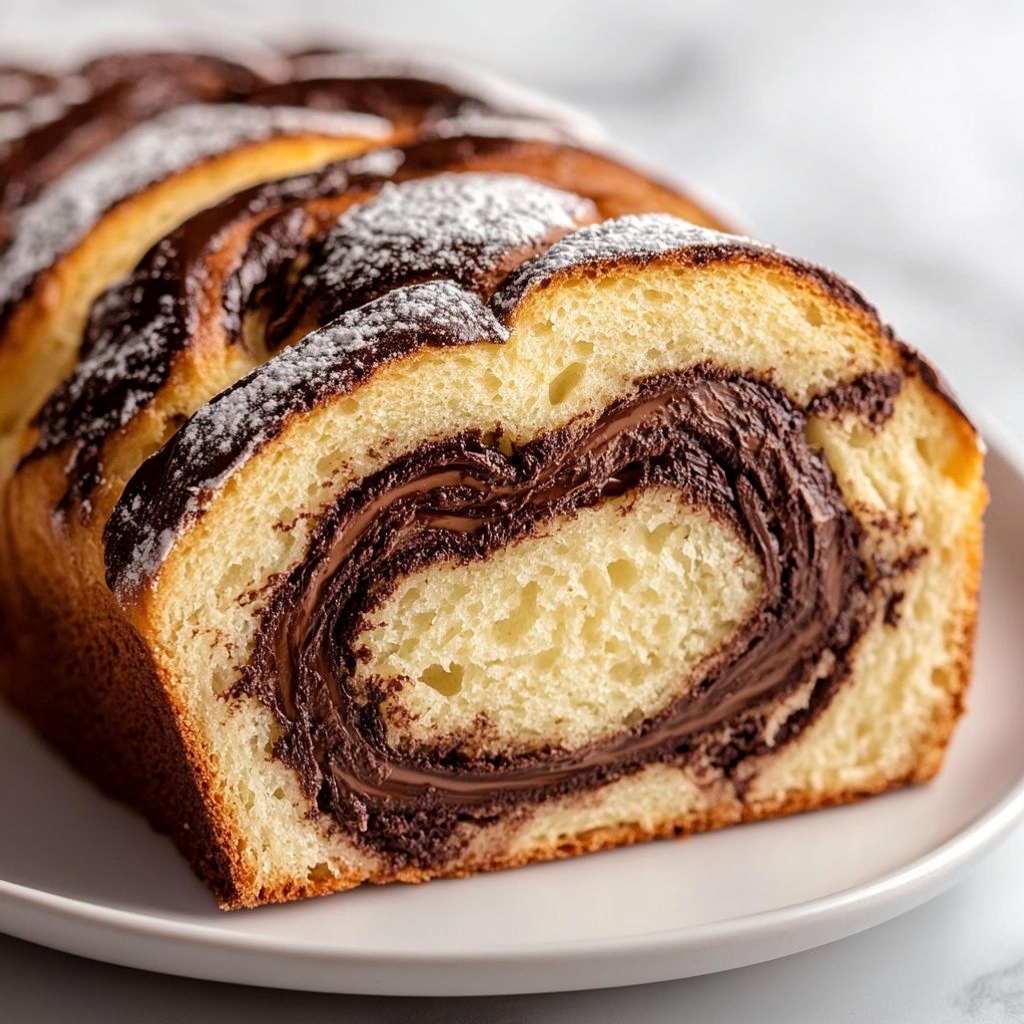
These chocolate swirl brioche bread loaves are decadently tender with a glossy crust and ribbons of chocolate throughout. To achieve the best brioche texture, work the dough until smooth and elastic, and incorporate the butter gradually after the initial structure forms to maintain a stable emulsion. If using active dry yeast, bloom it in the warm milk with a pinch of sugar; with instant yeast, you can mix it with the dry ingredients but keep the liquids warm to wake the yeast. Let ingredients come to room temperature to aid mixing and fermentation. For the chocolate swirl, melt the dark chocolate with the butter and just enough milk to create a spreadable paste, then chill briefly so it swirls evenly without leaking. Roll the dough into a rectangle, spread the chocolate paste in an even layer, then roll tightly and shape into a loaf. Proof until the dough is puffy and almost doubled, about 60–90 minutes at warmth; if you have time, a slow overnight cold ferment in the fridge will deepen flavor—bring the dough to room temperature before shaping. Brush with the egg wash (1 large egg beaten with 1 tablespoon water) just before baking for a shiny, golden crust, and sprinkle optionally with coarse sugar for subtle texture. Bake until deeply browned and a skewer comes out clean; rotate the pan halfway for even color. For extra depth, you can add a touch of vanilla to the dough. Storage: once cooled, wrap tightly; the loaf keeps well for 2–3 days at room temperature and can be frozen for longer storage. Always ensure your bread flour is fresh and your yeast active for the best rise and crumb.
Tips
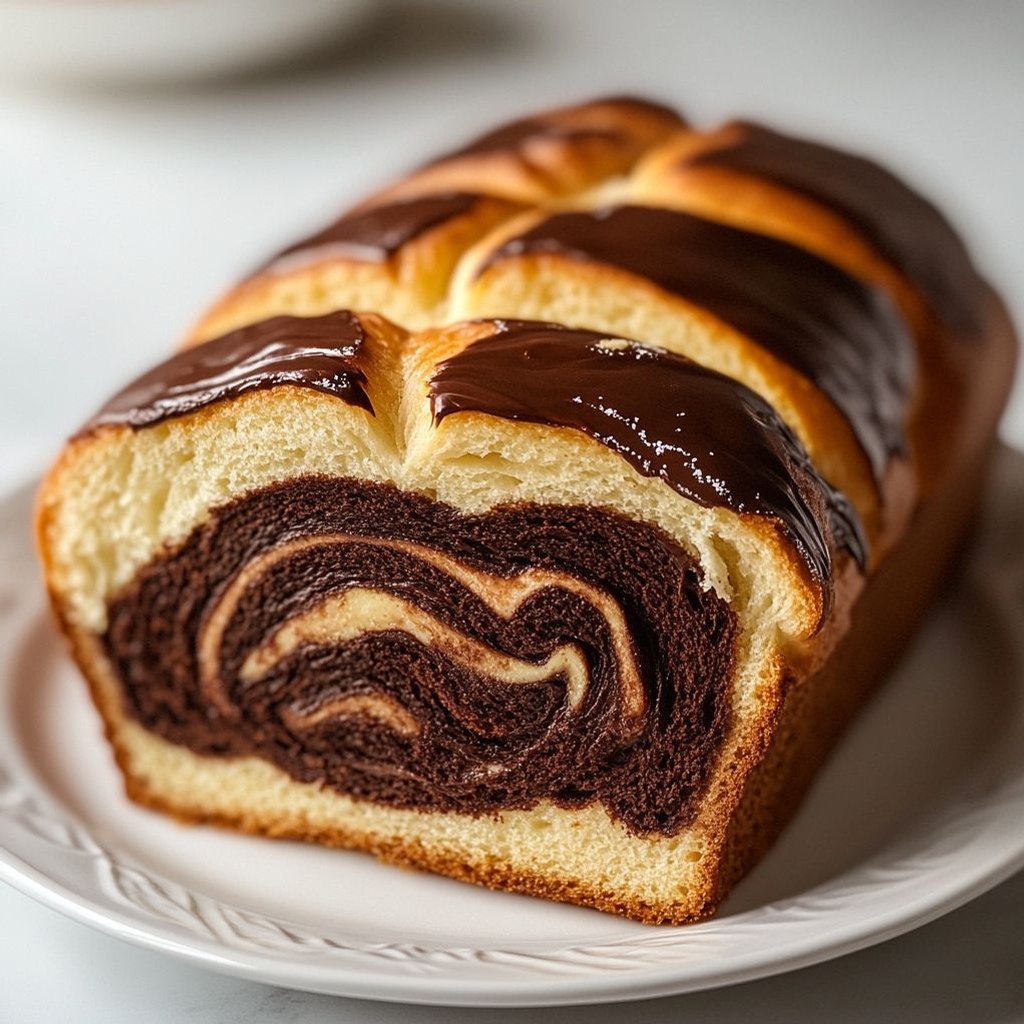
Tips for Chocolate Swirl Brioche Bread
- Weigh all ingredients by grams or ounces when possible. Brioche relies on precise ratios for a light, tender crumb, and weighing helps you achieve consistency loaf to loaf.
- Activate the yeast properly: if using active dry yeast, proof it in warm water or milk with a pinch of sugar until foamy (about 5–10 minutes). If using instant yeast, mix it with the dry ingredients and proceed, but keep liquids warm (105–110°F / 40–43°C) to wake the yeast without killing it.
- Use room-temperature eggs and soft, not melted, butter. Soft butter emulsifies more smoothly and prevents greasy pockets in the dough. Add butter gradually in small pieces to maintain a stable emulsion.
- To help the butter incorporate, mix the dough with a stand mixer: start with the paddle to bring ingredients together, then switch to the dough hook and gradually add the softened butter. Avoid overworking once butter is added, or the dough can become greasy or greasy-looking.
- Let the dough rest after the initial mix (about 10–15 minutes) to relax the gluten before adding butter; this makes the dough easier to handle and helps achieve an even swirl.
- Hydrate the dry ingredients properly with warm liquids (milk and eggs). If using dairy-free milk, adjust hydration as needed because coconut/almond milks can behave differently in enriched doughs.
- For the chocolate swirl filling, melt the chocolate with a little butter and whisk in enough milk or cream to form a spreadable paste. If the mixture is too thick, loosen with a touch more milk; if too loose, chill it briefly so it holds its shape when swirled.
- Chop chocolate finely (or use larger chips) for even distribution. Finely chopped chocolate melts quickly and distributes evenly, creating visible swirls throughout the loaf.
- Roll the dough into a rectangle and spread the filling evenly, leaving a small margin at edges. Roll tightly to create a well-defined swirl; pinch the seam to seal and prevent the filling from leaking during baking.
- Chill the shaped loaf for 20–60 minutes before baking. Cold dough holds its shape better and helps the butter in the swirl set, which makes for cleaner slices after baking.
- Second proof should be until the loaf is puffed and nearly doubled, but not overly risen. Overproofing can cause the loaf to collapse in the oven and result in a coarse crumb.
- For a glossy crust, brush the loaf with the egg wash just before baking. Keep the wash light to avoid soggy edges; a heavy wash can hinder browning.
- Preheat the oven well and consider steam for a shiny crust: place a shallow pan of hot water on the bottom rack or spritz the oven walls with water just after placing the loaf in the oven.
- Bake until deeply golden and the internal temperature reaches about 190–200°F (88–93°C). If the crust browns too fast, tent with foil and finish baking.
- Cool completely on a wire rack before slicing. Enriched breads continue to set as they cool, and the crumb will firm up, making cleaner slices.
- Storage tips: Brioche is best on day 1, but freezes well. Wrap tightly in plastic and refrigerate for up to 3 days, or freeze for up to 1 month. Slice after thawing for easy portions, and rewarm gently to restore softness.
- Variations: add a pinch of orange zest or vanilla for aroma. If using optional add-ins like chocolate chips or nuts, toast nuts lightly and chop finely for even distribution; fold in just before the final shaping.
FAQ
What is Chocolate Swirl Brioche Bread?
A rich, tender brioche loaf with a chocolate swirl running through the dough. It’s an enriched bread with eggs and butter that creates a moist crumb and a glossy crust, with ribbons of chocolate throughout for a delightful marbled effect.
What ingredients do I need?
Core brioche dough: flour, sugar, salt, eggs, milk, butter, and yeast. For the chocolate swirl: dark or semi-sweet chocolate (melted or finely chopped) and a touch of cream or milk to loosen the filling. Optional vanilla adds fragrance. If you prefer a lighter fill, you can use cocoa powder with a small amount of sugar and butter instead of melted chocolate.
Can I make this bread without a stand mixer, or by hand?
Yes. You can knead by hand or use a mixer. If kneading by hand, beat the dough until smooth, then gradually incorporate softened butter in small pieces. The dough will be soft and slightly sticky—use a lightly floured surface and a bench scraper. A short rest after kneading helps the dough relax before shaping.
How do I prepare the dough for the chocolate swirl?
After the first rise, gently deflate the dough and roll it into a rectangle. Create a chocolate filling by melting chocolate with a splash of cream or milk (or using a cocoa-sugar-butter mix) and spread it evenly over the dough, leaving a small margin around the edges. If using melted chocolate, let it cool slightly before spreading to prevent tearing the dough.
How do I create the chocolate swirl?
Spread a smooth layer of melted chocolate (or chocolate ganache) over the dough, or mix cocoa powder with a little sugar and melted butter to form a paste. For a more pronounced swirl, you can layer two or three thinner pastry sheets with filling, then roll tightly jelly-roll style before shaping.
How do I shape the loaf with the swirl?
Roll the dough into a long rectangle with the filling evenly distributed. Starting from a long edge, roll it up tightly to form a log. Pinch the seam, then place the log seam-side down in a greased loaf pan. For a more decorative swirl, twist or coil the log gently before placing it in the pan.
What temperature and how long should I bake it?
Bake at about 350°F (180°C). Bake until the loaf is deeply golden and the internal crumb reaches about 190°F (88°C). This typically takes 30–45 minutes, depending on your oven and loaf size. If the top browns too quickly, loosely tent with foil.
How do I know when it’s done?
Look for a deep golden crust and a hollow-sounding crust when tapped. An internal thermometer should read around 190°F (88°C). If you insert a skewer or thermometer into the center and it comes out with wet dough, give it more time.
Can I make this ahead or freeze it?
Yes. You can (1) refrigerate the shaped, unbaked loaf for a slow secondary rise overnight, then bake the next day; (2) bake the loaf and freeze it once completely cooled, either whole or sliced. To reheat, warm slices in a low oven or toaster oven until just warm and fragrant. For longer storage, wrap tightly to prevent freezer burn.
Any tips or common pitfalls?
Tips: keep ingredients at room temperature for easier mixing, ensure the butter is fully incorporated to avoid greasy dough, don’t rush the first rise—it adds flavor and tenderness. If the dough seems very sticky, give it a 15–20 minute rest and knead again. When spreading filling, avoid the edges to prevent overflow during baking.