Introduction / Hook
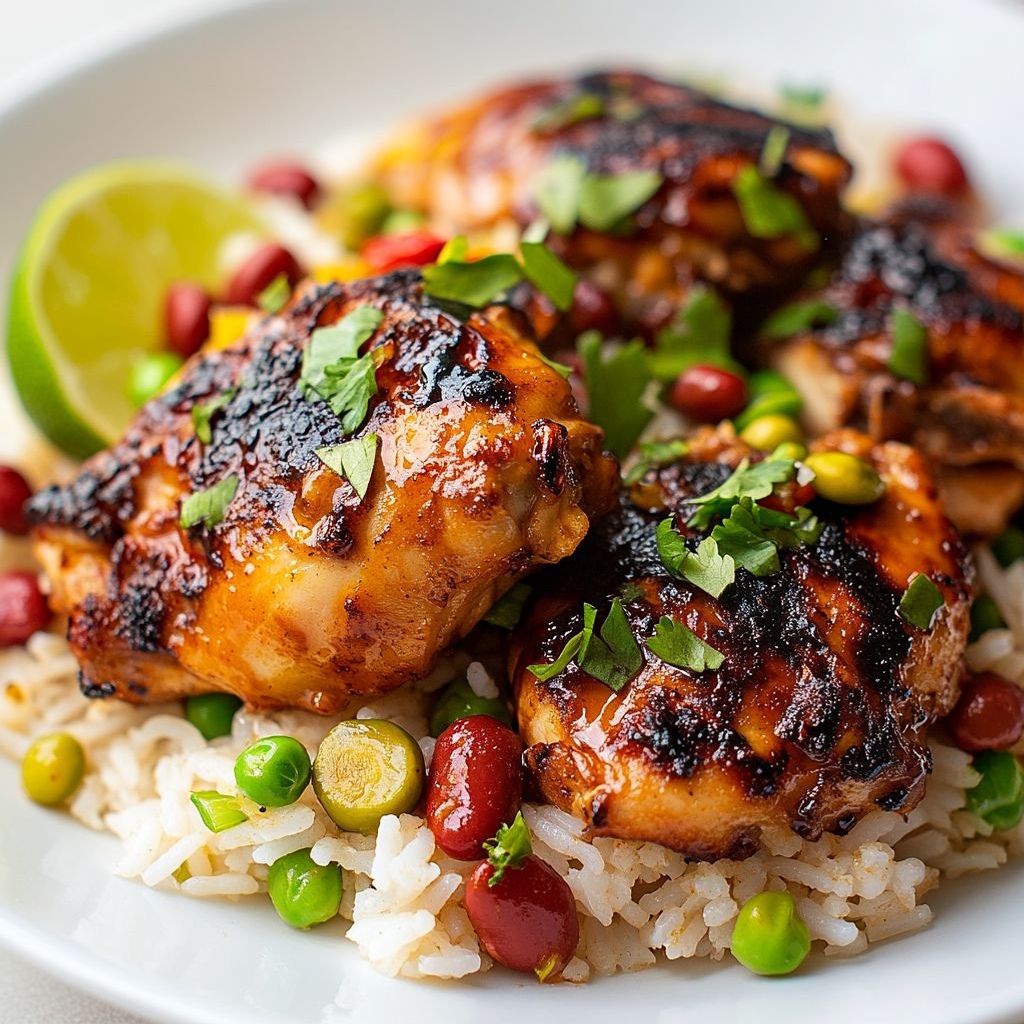
Step into a kitchen where the air feels like a warm breeze curling off a sunlit sea. You hear a soft whisper of sizzling edges, a rhythm that invites you to relax and linger. The scent swirls around you—savory, sweet, a hint of citrus and warmth—like a Caribbean evening that you wish could stretch forever. Caribbean Chicken and Rice is not merely a dinner; it’s a celebration that begins the moment the pan meets heat and continues until the last forkful vanishes in a fond, contented sigh. It’s comfort with character, familiarity that carries a spark of the tropics, and a sense of hospitality that makes even a simple weeknight feel like a feast shared with family and friends. The dish speaks in layers: a mellow, tender protein; a bed of grains that drink up every nuance; and aromatics that mingle until they’re impossible to separate. Each bite offers a chorus of textures and flavors—the gentle resilience of the chicken, the soft, fluffy embrace of rice, and the whisper of a bright finish that lingers on the palate. This is the kind of meal that fills a room with warmth, invites conversation, and invites you to press pause on the ordinary and press play on something memorable and soul-satisfying.
There’s a certain poetry in a dish like this: the way years of culinary blending across the Caribbean islands have stitched together continents, climates, and tastes into one harmonious plate. It’s a culinary map you can taste—Africans, Spaniards, Indigenous ancestors, Indian and Chinese influences weaving through every bite. The result is a dish that feels both tropical and homely, adventurous and accessible. You don’t need a long cookbook to master it; what you do need is a willingness to lean into the aroma, to allow the flavors to unfold slowly, and to trust that simplicity, when done well, can be utterly, irresistibly delicious.
As the first forkful lands on your tongue, you’ll notice a quiet balance: a comforting richness that doesn’t overpower, a bright lift that keeps things lively, and a texture that satisfies. It’s a meal that welcomes quick weeknights yet has enough depth to charm guests on a weekend. It’s the kind of dish you can make with pantry staples and a few fresh accents, turning everyday ingredients into something with personality and heart. And while it’s deeply satisfying on its own, it also opens the door to a chorus of pairings and adaptations—without losing the soul of the dish.
The Story Behind the Dish
Caribbean Chicken and Rice embodies a mosaic of history, geography, and family lore. The Caribbean is a place where heavy ocean winds cross trade routes and carry not just ships, but stories—stories of colonization and exchange, of enslaved communities and immigrant labor, of farmers and fisherfolk who turned whatever grew in their backyards into meals that fed more than just hunger. Rice, a humble staple, arrived on the archipelago’s shores through a long arc of commerce and culture. It became a canvas for local ingenuity, soaking up a tapestry of flavors, from the smokiness of charred peppers to the sweetness of fruit and the warmth of spices. When chicken joins the scene, it’s often prepared as a comfort in homes where Sunday meals double as reunions, where the pot simmers with talk and laughter as much as with broth and aromatics.
Over generations, cooks on different islands added their own notes—layers of herb, heat, and brightness that reflected local harvests, family preferences, and festive occasions. Some families favor a one-pot approach that marries protein with starch and vegetables in a single fragrant vessel; others prefer a more nuanced simmer that builds depth through the careful toasting of aromatics and the gentle absorption of savory liquids. What remains constant is the sense that this dish is meant to bring people together: a shared plate, a shared moment, a shared smile as the steam rises and the flavors bloom. The dish is a tribute to seaside kitchens and to the resilience of home cooks who transform simple ingredients into something celebratory—something that tastes like memory and promise at once.
Even beyond its comforting familiarity, Caribbean Chicken and Rice carries a story about adaptability. The Caribbean region is a living pantry of global influences, and this dish reflects that cosmopolitan spirit while staying anchored in its own identity. It’s a reminder that great cooking often comes from balancing tradition with a touch of personal flair—honoring the past while inviting new ideas, substitutions, and textures. In every mouthful, there’s a nod to sailors who carried spices across long journeys, to farmers who tended fields under bright sun, and to cooks who, in their kitchens, turned a pot into a passport—one that can take you from the warmth of a family kitchen to the glow of a summer gathering in a backyard, and back again without losing the thread of its soul.
Why You’ll Love This Recipe
- One-pot comfort with adventurous flavor: a satisfying blend of savory depth and bright, tropical notes.
- Effort-friendly yet impressive: it feels special enough for guests while remaining approachable for busy weeknights.
- Balanced textures: tender protein, fluffy grains, and a gentle crust or savoriness from the pan that adds character without fuss.
- Family-friendly appeal: familiar ingredients transformed into a dish that everyone looks forward to.
- Versatile base for customization: adaptable to your pantry, dietary needs, and seasonal produce.
- Make-ahead potential: the flavors deepen with time, making it ideal for meal prep or leisurely weekend meals.
- Lean into playfulness: it invites bright accoutrements and side dishes that highlight and elevate the main course.
Flavor Profile & Texture
At the heart of Caribbean Chicken and Rice is a dance of contrasts and harmony. The protein—pulse-soft and succulently seasoned—provides a savory, comforting anchor, while the grains offer a light, fluffy counterpoint that soaks up every accent without becoming mushy. The overall mouthfeel is satisfying and homey, yet with a lingering complexity that keeps you returning for more. You’ll likely notice a gentle sweetness that feels natural and not cloying, a whisper of citrus or tang that brightens rather than overpowers, and an aromatic bite from herbs and warm spices that lingers on the palate. The dish often carries a subtle smoky undertone from toasting or caramelization, which adds depth when the pan’s surface has touched heat just long enough to develop a light kiss of char. Texture-wise, the surface can offer delicate crispness in places, while the interior remains tender and juicy—an inviting contrast that makes each bite interesting.
Flavor-wise, think comfort meeting brightness. The core is a satisfying, meaty depth, but it is never heavy; it’s balanced with a citrusy lift or herbaceous freshness that keeps the palate engaged. If you close your eyes, you can imagine a seaside breeze, the sound of a distant steel drum or live music, and the gentle chatter of friends and family gathered around a shared plate. The aroma alone could turn a routine dinner into a moment of celebration. The interplay of spice and sweetness, acidity and softness, offers a rounded, pantry-friendly profile that works beautifully with a variety of accompaniments or slight adaptations—whether you prefer a milder, creamier finish or a more robust, pepper-forward bite.
Occasions & Pairings
This dish is a versatile centerpiece that shines in many settings. It’s equally at home on a weeknight table as it is at a weekend gathering or a casual holiday meal. Consider these occasions and pairing ideas to complete the experience:
- Weeknights with flair: quick, comforting dinner that feels special without requiring a marathon in the kitchen.
- Family gatherings: a generous shareable main that invites conversation and slows down the evening for togetherness.
- Potlucks and casual parties: a vibrant, crowd-pleasing dish that travels well in a warm dish and remains comforting when served at room temperature.
- Holidays with a tropical twist: pair with bright sides and a refreshing mocktail or light cocktail to echo the island vibe.
Pairing ideas to complement the flavors include simple greens or beans for a fresh contrast, plantain chips or fried plantains for a sweet-savory counterpoint, and a bright fruit salsa or pickled slaw to echo any citrus or herb notes. For drinks, consider lighter, citrusy beverages or a respectfully spiced rum punch that nods to Caribbean spirit without overpowering the dish. If you prefer wine, look for a medium-bodied white with good acidity or a light red that won’t overwhelm the dish’s gentle richness. The beauty of this recipe is that it plays nicely with both familiar comfort drinks and more adventurous pairings, making it a flexible centerpiece for many occasions.
Tips, Variations & Substitutions
Tips for Success
While this description is not a recipe, consider these high-level ideas to ensure a well-balanced, flavorful result when you approach your own cooking or adaptation. Focus on layering flavor at a few key moments, using a gentle toasting of aromatics to unlock their aroma, and allowing the starch to absorb flavors without turning pasty. Seek balance between richness and brightness so that the dish remains comforting yet lively. If you like a bit more texture, introduce a quick sear on the protein before combining with grains, or finish the dish with a brisk, fresh herb note to lift the finish.
Variations
Adapt this concept to suit different dietary needs or preferences, while preserving its spirit. Possible variations include:
- Vegan/plant-forward: swap the protein for skillet-roasted chickpeas or jackfruit, ensuring a robust, flavorful base with the same aromatic foundation and a starch that remains tender and absorbing.
- Gluten-free friendly: the base concept is naturally gluten-free, so simply confirm any seasonings or flavor boosters you introduce are gluten-free.
- Low-carb or lighter: use a smaller portion of grain and pair with extra vegetables—think bell peppers, zucchini, or squash to keep the dish vibrant and satisfying.
- Regional twists: draw on local produce and herbs to reflect regional flavors—add a touch of smoke from a familiar spice blend, or incorporate fresh herb varieties that thrive in your climate.
Substitutions
To customize the dish without losing its essence, consider substitutions that maintain balance. For example, if you’re avoiding certain aromatics, you can lean into cumin, thyme, or allspice spice notes for warmth. For a lighter finish, reduce any creamy or dairy-involved elements and emphasize citrus zest or juice for brightness. If a sweet-savory contrast appeals to you, a touch of sweetness from fruit or a hint of natural sugar can be used judiciously to create a pleasing counterpoint without overpowering the dish’s core.
Storage & Make-Ahead Ideas
One of the many virtues of a well-composed dish is its capacity to travel well across time. This Caribbean-inspired plate benefits from resting a little after cooking, which helps the flavors meld and the starches settle into a cohesive, comforting harmony. When you’re finished at mealtime, store any leftovers in an airtight container in the refrigerator. They typically keep well for up to 3–4 days, during which the flavors may actually intensify as the dish rests. Reheating should be done gently to maintain tenderness and texture; aim for a low heat and a little moisture to prevent the grains from drying out. If freezing is part of your plan, freeze in meal-sized portions, and thaw slowly in the refrigerator before reheating, checking that the grains remain tender rather than dry. Make-ahead options abound: you can prepare the base ahead of time (or elements of it) and bring everything together quickly when you’re ready to serve, making weeknights feel like a breeze rather than a scramble.
Leftovers can also be repurposed creatively. A day later, you could transform the dish into a hearty bowl for another meal by adding fresh greens, some citrus zest, or a splash of a bright, light dressing. The dish’s flexible character makes it an excellent candidate for bulk cooking and subsequent quick dinners, lunches, or even a casual picnic. If you’re feeding a crowd, consider keeping components separate (protein, starch, and vegetables) and letting guests assemble their plates with a choice of toppings or sauces to customize their portions.
Fun Facts & Trivia (Optional)
- The Caribbean is a melting pot of culinary traditions, where African, Indigenous, European, Indian, and Asian influences merge to create a distinctive regional palate that loves bold spices and bright freshness.
- Rice has been a staple across many Caribbean kitchens for generations, often serving as the comforting backbone that carries more delicate, aromatic flavors throughout the dish.
- One-pot meals like this are a celebration of home cooking’s practicality: minimal cleanup, maximum flavor, and the warmth of a shared table do not have to come with fuss.
- Family-friendly dishes in Caribbean households are frequently designed to be flexible and forgiving, inviting improvisation and personalization to suit every family’s taste.
Ingredients
- Marinated Chicken
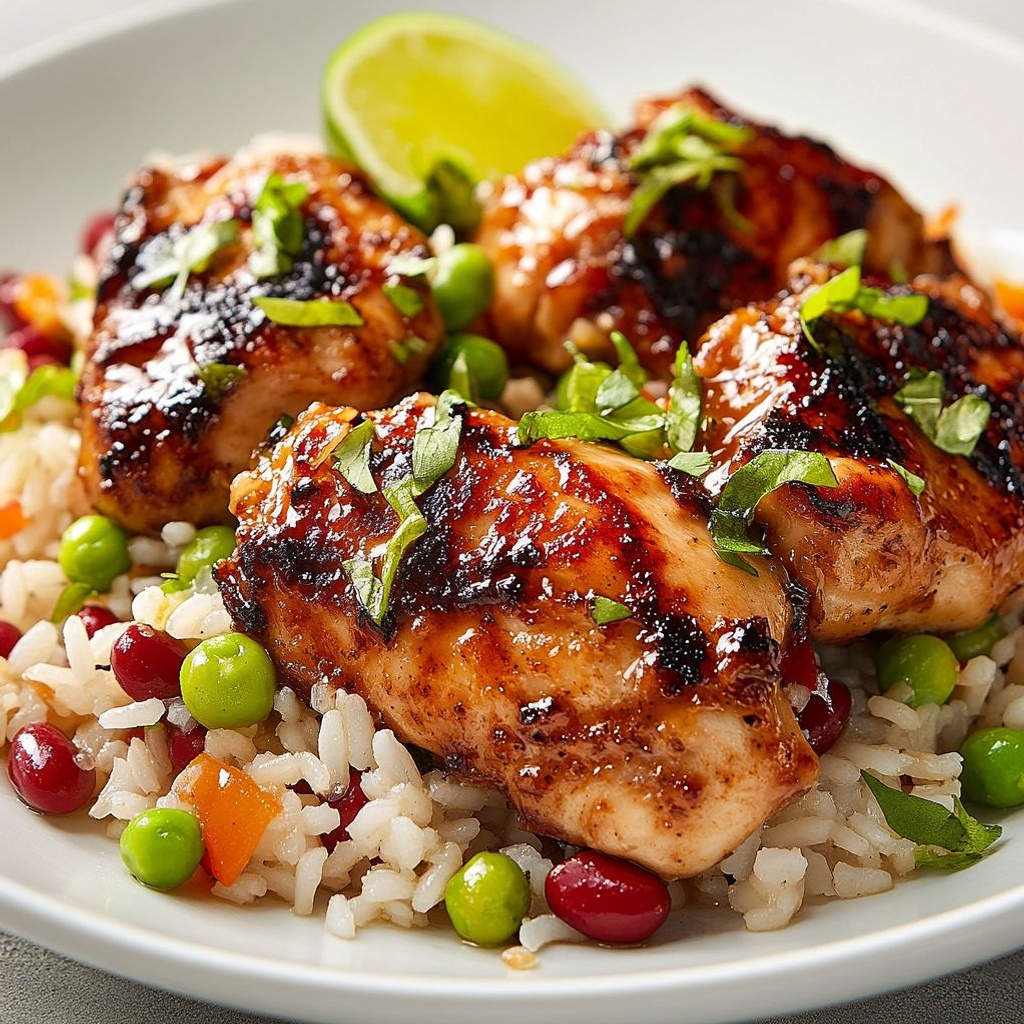
- 2 lb (900 g) chicken thighs, bone-in, skin-on
→ For maximum flavor and juiciness; the bone adds depth and the skin crisps nicely when seared. Pat dry before marinating to ensure the surface browns well. If you prefer lighter texture, you can use boneless, skinless thighs, but cooking time will be shorter and moisture may be less. - 4 cloves garlic, minced
→ Garlic forms the aromatic backbone of the marinade, delivering a robust base flavor. Mince finely or grate to maximize surface contact and even distribution. If you’re sensitive to bite, press garlic to a paste or use a garlic press. - 1 tablespoon fresh ginger, grated
→ Ginger adds a warm, zesty note typical of Caribbean profiles. Grate to a paste so it blends evenly with other spices; remove any fibrous strands and use fresh for the brightest flavor. - 2 tablespoons lime juice
→ Provides bright acidity to balance sweetness and heat, while helping to tenderize the chicken slightly. Use freshly squeezed lime juice for the freshest tang; avoid bottled concentrate if possible. - Zest of 1 lime
→ Adds aromatic oils and citrus brightness without extra liquid. Zest before juicing to capture the essential oils; grate finely and avoid the white pith to prevent bitterness. - 2 tablespoons brown sugar
→ Creates a subtle caramel sweetness that enhances browning and rounds the heat. You can substitute coconut sugar for a deeper tropical note; adjust to taste so it doesn’t overly sweeten the dish. - 1 tablespoon soy sauce or tamari (optional)
→ Adds umami and salt to the marinade; if using gluten-free tamari, ensure it’s certified gluten-free if needed. If avoiding soy, substitute with a pinch of salt plus a dash of lime juice. - 1 tablespoon ground allspice (pimento)
→ The signature Caribbean spice that imparts warm, fruity depth. If you only have a jerk seasoning blend, you can use 1–2 teaspoons of that instead. Freshly grind whole allspice berries for a more intense aroma if available. - 1/2 teaspoon dried thyme
→ Earthy herb that anchors the spice profile. Use dried if fresh isn’t available; rub the dried leaves between your fingers to release more aroma before adding to the marinade. - 1/4 teaspoon ground cinnamon
→ Subtle warm spice that complements allspice without overpowering the mix. Use sparingly to keep the profile balanced. - 1/4 teaspoon ground nutmeg
→ Adds a delicate, nutty warmth common in Caribbean cooking. Freshly grate for maximum aroma and avoid overusing to prevent bitterness. - 1–2 Scotch bonnet pepper, finely chopped (seeds removed for milder heat)
→ Delivers authentic Caribbean heat and fruity warmth. Adjust the amount to your heat tolerance; wear gloves when handling and remove seeds to reduce intensity. For a milder dish, substitute with a hot pepper sauce or omit entirely. - 1 tablespoon vegetable oil
→ Helps distribute the marinade on the chicken and prevents sticking during searing. Neutral oil with a high smoke point is ideal; you can use coconut oil for extra tropical aroma. - Salt and black pepper, to taste
→ Essential for layering flavor; add gradually after tasting the marinade since the soy sauce contributes additional salt. Freshly ground pepper enhances aroma and bite.
- 2 lb (900 g) chicken thighs, bone-in, skin-on
- Rice, Coconut Base
- 2 cups long-grain rice, rinsed until the water runs clear
→ Rinsing removes surface starch for fluffy, separated grains; skip only if you prefer a plainer texture. For a stickier version, you can reduce rinsing slightly. - 1 can (14 oz / 400 ml) coconut milk
→ Imparts creamy tropical richness and a slight sweetness; shake well before opening to distribute solids. Use full-fat coconut milk for a richer result; light coconut milk yields a lighter dish. - 2 cups chicken stock or water
→ The liquid base to cook the rice; use low-sodium stock if possible to better control salt. Increase by 1/4 cup if you prefer softer grains, or reduce for firmer texture. - 1 small onion, finely chopped
→ Builds the aromatic foundation of the rice; sauté until translucent to release sweetness. If avoiding onion, substitute with 1 teaspoon onion powder. - 1 red bell pepper, diced (optional)
→ Adds color, sweetness, and a touch of crunch; sauté with the onion to meld flavors. You can omit if you want a simpler, milder rice. - 1 cup kidney beans, drained and rinsed
→ Adds protein, texture, and heartiness to the dish; using canned beans keeps the recipe quick. If using dried beans, soak and cook until tender before adding. - 1 tablespoon lime juice
→ Brightens the rice and balances the richness of the coconut; stir in after cooking and fluff with a fork for even distribution. - 1/2 teaspoon salt, or to taste
→ Seasoning for the rice; adjust after tasting along with the marinated chicken’s saltiness from soy sauce and beans. - 1 tablespoon oil (vegetable or coconut)
→ Used to sauté onion and pepper, helping release flavor and prevent sticking. Coconut oil adds a tropical aroma that pairs well with coconut milk.
- 2 cups long-grain rice, rinsed until the water runs clear
- Finish and Garnish
- Fresh cilantro or parsley, chopped, to taste
→ Brightens the final plate with a fresh, herbal note. Chop finely for even distribution; substitute with scallions if preferred. - Lime wedges, for serving
→ Provide a punch of acidity at the table; a squeeze over the chicken and rice brightens flavors and enhances the tropical vibe.
- Fresh cilantro or parsley, chopped, to taste
Instructions
- Pat the chicken thighs dry with paper towels and set them aside to ensure the skin browns properly during searing.
→ A dry surface promotes Maillard browning, which creates flavor and a crisp texture; moisture on the skin will steam rather than brown, dulling color and taste. - Whisk together the marinade components in a large bowl: minced garlic, grated fresh ginger, lime juice, lime zest, brown sugar, soy sauce or tamari, ground allspice, dried thyme, cinnamon, nutmeg, finely chopped Scotch bonnet pepper (seeds removed for milder heat), and vegetable oil; season with a pinch of salt and freshly ground black pepper.
→ Uniformly mixing ensures even distribution of aromatic and warm spices across every piece of chicken, which is critical for authentic Caribbean depth. - Toss the chicken with the marinade until every piece is thoroughly coated, then cover and refrigerate for at least 2 hours or up to 12 hours to allow the flavors to penetrate and tenderize the meat.
→ Prolonged contact transports sugars and spices into the meat, enhancing aroma and juiciness; refrigerating keeps the poultry safe and lets the backbone flavors develop. - Remove the chicken from the fridge and let it come to room temperature for about 15 minutes; this reduces temperature disparity during searing and promotes even browning.
→ Bringing the meat closer to room temperature helps you achieve a uniform cook and crisp skin without overcooking the interior. - Heat a large, heavy-bottomed Dutch oven or skillet over medium-high heat and add the remaining 1 tablespoon vegetable oil; once shimmering, place the marinated chicken skin-side down and sear until the skin is deeply golden and crisp, about 6–8 minutes; resist moving the pieces early to allow a strong crust to form.
→ A good sear locks in moisture, builds flavor through fond, and creates an appealing texture foundation for the dish. - Flip the chicken to sear the other side for 3–4 minutes, then transfer the pieces to a plate and set aside, leaving the rendered fat and browned bits in the pan to build a rich base for the aromatics.
→ The fond left in the pan is where substantial flavor comes from; keeping it intact enriches the entire pot. - Reduce the heat to medium and add the finely chopped onion and red bell pepper to the pan; sauté until translucent and lightly caramelized, about 5 minutes, to develop sweetness and depth.
→ Sautéing vegetables awakens their sugars and releases aromatics that marry with the spices and chicken. - Stir in any remaining marinade or spices clinging to the plate to bloom them in the fat for 30–60 seconds, then add the rinsed long-grain rice and toast it in the pan for 2–3 minutes to develop a nutty aroma and prevent the grains from breaking apart in the subsequent simmer.
→ Toasting rice builds flavor and helps keep grains separate during cooking, yielding a lighter, fluffier texture. - Pour in the coconut milk and chicken stock, add the drained kidney beans, then stir in 1 tablespoon lime juice and 1/2 teaspoon salt; bring to a gentle boil to evenly distribute heat and dissolve the salt for balanced seasoning.
→ The liquid ratio and beans create a hearty, Caribbean-style bed for the rice while the lime brightens the overall palate. - Return the seared chicken to the pot, nestling it on top of the rice with the skin facing up; reduce the heat to low, cover tightly, and simmer until the rice is tender and the chicken reaches an internal temperature of 165°F (74°C), about 18–22 minutes; avoid lifting the lid frequently to trap steam.
→ Gentle, contained simmering ensures even heat distribution, preventing dry chicken and underdone rice while preserving the coconut-infused broth. - Remove the pot from heat, keep it covered, and let it rest for 5–10 minutes to finish steaming and to let flavors meld, which also firms up the crust on the chicken for easier slicing.
→ Resting relaxes the proteins, redistributes moisture, and consolidates flavors before you portion and plate. - Fluff the rice with a fork, fold in freshly chopped cilantro or parsley to brighten the dish, and adjust salt if needed after tasting; serve with lime wedges on the side for a bright, citrusy finish.
→ Finishing herbs add a fresh contrast to the creamy coconut base, while lime wedges provide a refreshing acidity that elevates the entire dish.
Notes
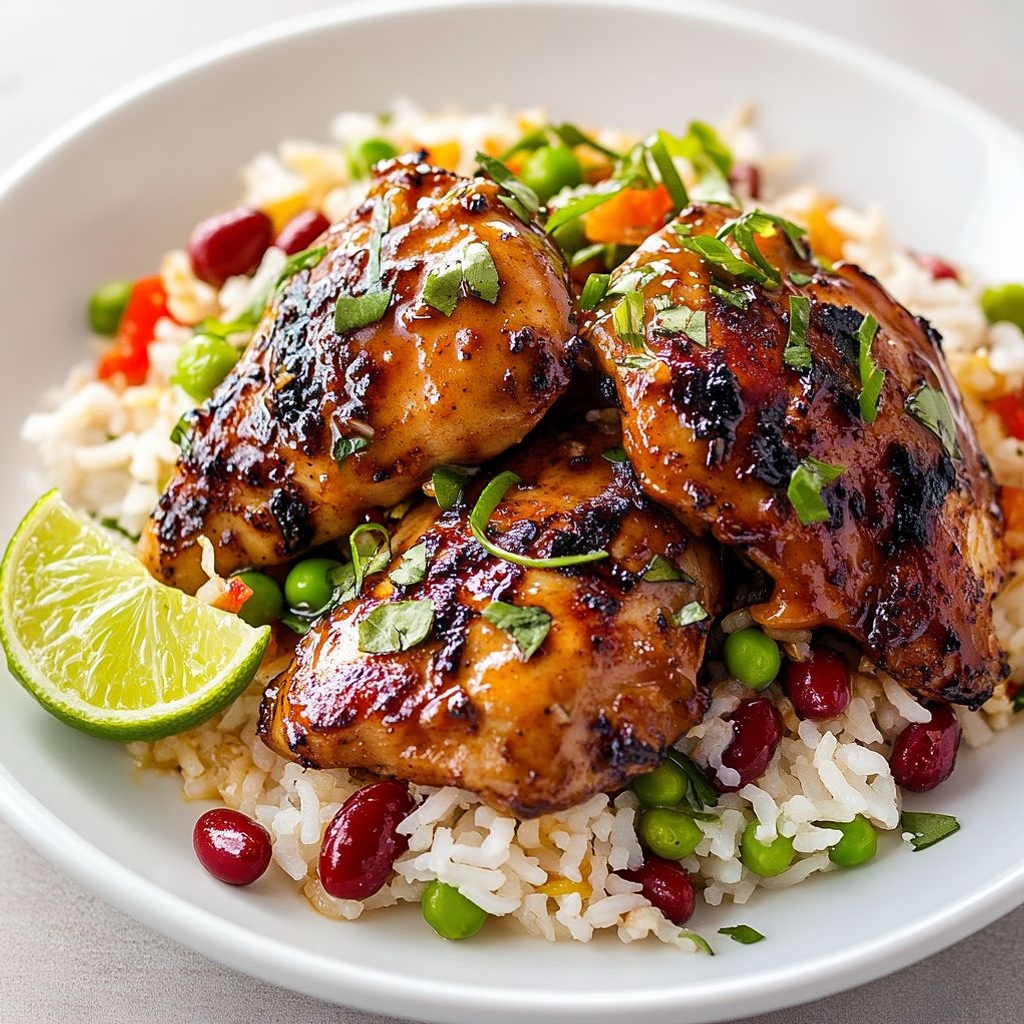
This Caribbean chicken and rice is a vibrant one-pot dish featuring marinated chicken thighs seared to a bronzed finish, then simmered in coconut milk with lime, warm allspice, and a touch of Scotch bonnet heat, served over fragrant rice with kidney beans. You can customize it by swapping in chicken breasts, adding extra vegetables such as bell peppers, peas, or corn, or adjusting the heat with more Scotch bonnet or hot sauce. It reheats well and can be made ahead; store leftovers in an airtight container for up to 3 days or freeze portions for 2–3 months. Finish with chopped cilantro and lime wedges for bright contrast; a dollop of natural yogurt or a sprinkle of toasted coconut is optional for extra richness. Always check that your soy sauce or tamari is gluten-free if you need to avoid gluten, and use freshly squeezed lime juice and well-stirred coconut milk for the best tropical aroma.
Tips
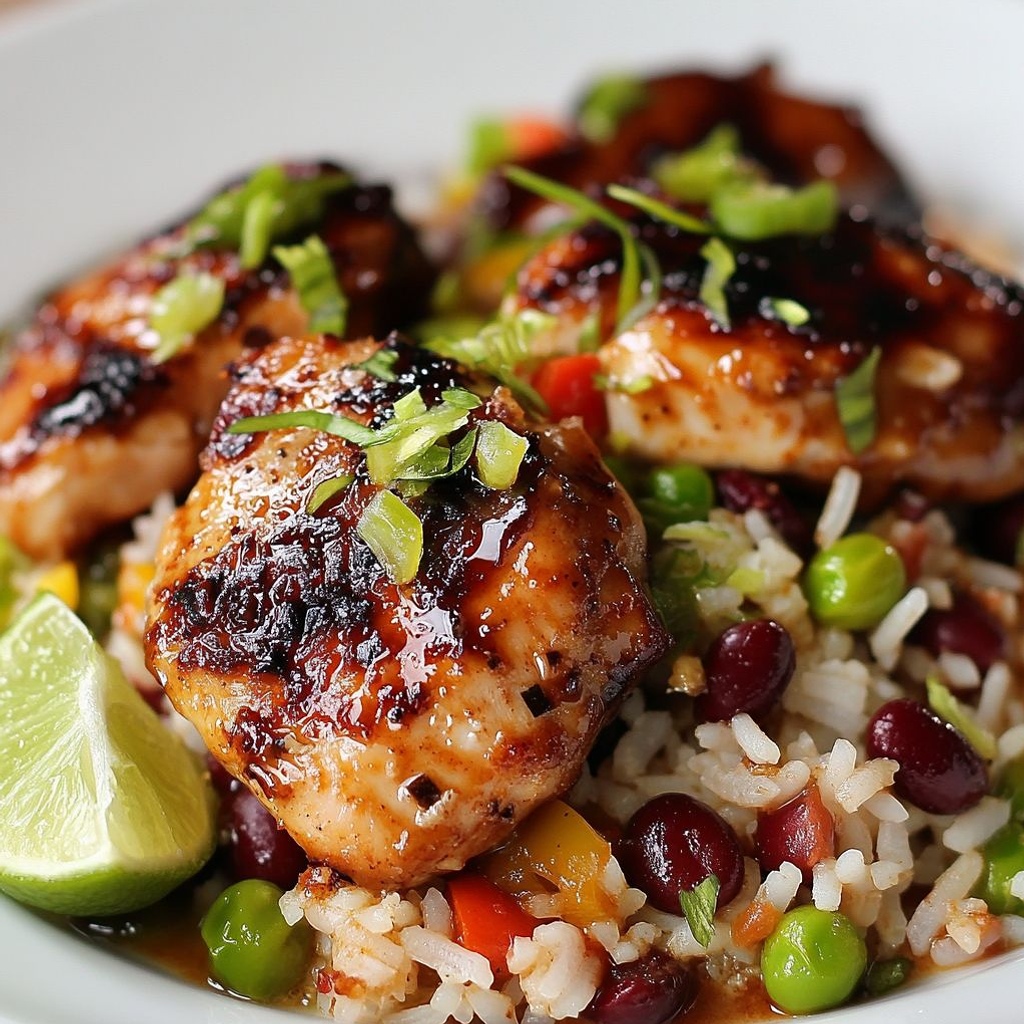
Tips for Caribbean Chicken and Rice
Marinated Chicken tips
- Pat the chicken dry well before adding to the marinade. A dry surface helps the skin crisp when searing and promotes even browning.
- Marinate for depth: 2–12 hours in the fridge yields the best flavor and juiciness. If you’re short on time, even 30 minutes will impart some perfume of the spices.
- Handle Scotch bonnet peppers with care. Wear gloves when chopping and remove seeds for milder heat; for a gentler option, substitute with a small amount of hot sauce at the end.
- Bone-in, skin-on thighs stay juicier; if you opt for boneless, skinless thighs, reduce total cooking time and monitor for doneness to prevent drying out.
- When using soy or tamari, taste the mixture first to avoid oversalting; you can always add salt at the end after tasting the finished dish.
Searing and cooking the chicken
- Dry the surface again just before searing to ensure a crisp, golden skin rather than a pale finish.
- Sear the thighs skin-side down in a heavy skillet orDutch oven over medium-high heat until deeply browned, then flip and finish cooking as part of the one-pot rice method or transfer to a preheated oven to finish.
- If finishing in the oven, aim for an internal temperature of 165°F (74°C) in the thickest part of the meat for safety and juiciness.
Rice and coconut base tips
- Rinse the rice until the water runs clear to remove surface starch; this helps keep grains separate and fluffy.
- Shake the coconut milk well before opening to distribute the cream and solids; full-fat coconut milk yields richer, creamier rice.
- Use low-sodium stock if possible to better control saltiness, especially since the marinade and beans contribute salt.
- Choose a heavy-bottom pot and keep the lid on during the simmer. After the liquid comes to a gentle boil, reduce heat to the lowest setting and cook undisturbed for even grains.
- Stir in lime juice after cooking to brighten the dish, and fluff with a fork to separate the grains without breaking them.
- Drain and rinse kidney beans well if using canned beans; add them toward the end to avoid turning the rice mushy.
Finish and garnish tips
- Fresh cilantro or parsley adds a bright contrast; scallions are a tasty substitute if you don’t have herbs on hand.
- Serve with lime wedges for table-side brightness; a quick squeeze over the plate lifts the tropical flavors.
- Taste and adjust salt at the end. The combination of soy sauce, beans, and coconut milk can shift the salt balance, so add sparingly.
Substitutions and flexibility
- Heat level: for milder heat, reduce the Scotch bonnet or substitute with jalapeño; you can add a dash of hot sauce at the table for individual preference.
- Allspice: if you don’t have ground allspice, a pinch of ground cloves plus cinnamon can approximate the warmth; you can also use a small amount of jerk seasoning if balanced carefully.
- Oil choices: coconut oil enhances tropical aroma, but neutral oil works well if you prefer a milder fragrance.
FAQ
What is Caribbean Chicken and Rice?
Caribbean Chicken and Rice is a flavorful one‑pot dish where chicken is braised with aromatic herbs and spices, and long‑grain rice cooks in a creamy coconut broth with onions, peppers, and garlic. It’s bright, slightly spicy, and well-seasoned with thyme and allspice (pimento) for a true Caribbean vibe.
What ingredients do I need?
Core ingredients:
- Chicken thighs (bone-in or boneless), or a mix
- Long-grain rice (washed)
- Cat coconut milk
- Chicken stock or water
- Onion and bell pepper
- Garlic
- Thyme, allspice (pimento), paprika, salt, pepper
- Optional: Scotch bonnet or habanero pepper for heat, lime juice, peas (optional)
Is it spicy and how can I adjust the heat?
Authentic versions use Scotch bonnet pepper for heat. To adjust:
- For milder heat: use half a jalapeño or omit peppers entirely.
- Remove the seeds and membranes to cut spiciness.
- Add a small amount at a time and taste as you go.
Can I make this in one pot?
Yes. Sauté the aromatics and seasoned chicken in a sturdy pot or Dutch oven, then stir in the rice, coconut milk, and stock. Bring to a simmer, cover, and cook until the rice is tender and the chicken is cooked through. Let it rest a few minutes before serving.
Can I use chicken breast instead of thighs?
Chicken thighs stay juicier and more flavorful in this dish. If you must use breasts, reduce the cooking time slightly to prevent dryness and consider adding a bit more liquid to maintain moisture.
How should leftovers be stored and reheated?
Cool completely, then transfer to an airtight container. Refrigerate up to 3–4 days. Reheat gently on the stove or microwave, adding a splash of stock or coconut milk to loosen if needed.
Can I freeze this dish?
Yes. Freeze cooled leftovers in a freezer-safe container for up to 2–3 months. Thaw in the fridge overnight and reheat on the stove with a little extra liquid to restore texture.
What substitutions or dietary tweaks work well?
Variations:
- Use light or coconut milk alternative (or dairy-free substitutes) if needed.
- Skip spices you don’t like; keep thyme and allspice for Caribbean flavor.
- Make it vegetarian by using vegetable broth and adding beans or chickpeas.
What should I serve with Caribbean Chicken and Rice?
Serve with fresh lime wedges, chopped cilantro or parsley, a simple avocado salad, fried plantains, or a side of mango salsa for a bright contrast.
How long does it take from start to finish?
Typically about 45–60 minutes total: 10–15 minutes prep and 30–40 minutes cooking, depending on your stove and whether you use bone-in thighs.