Introduction / Hook
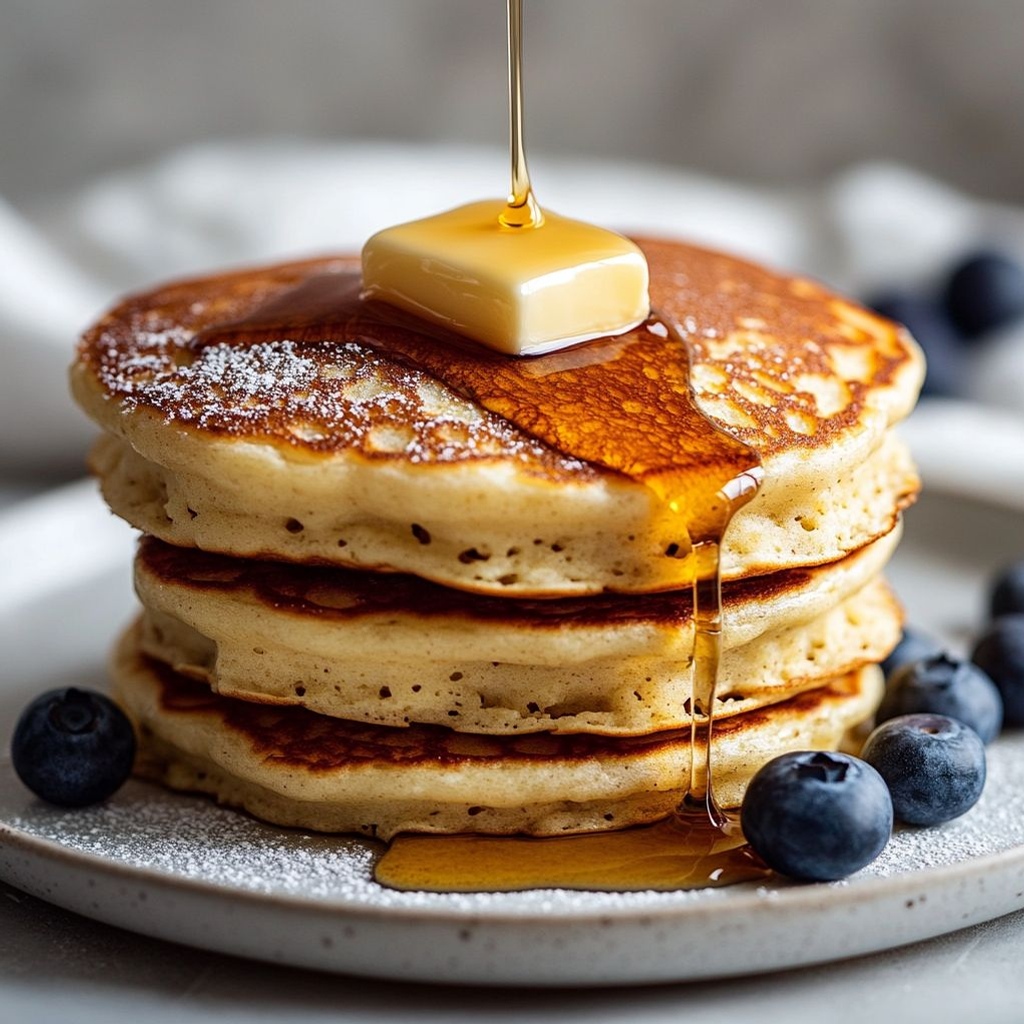
Imagine a breakfast that tastes like a warm Sunday and feels light enough to wear a spring breeze—yet comes together in about half an hour. 30-Minute Cottage Cheese Pancakes are the kind of family-friendly treat that turns a rushed weekday morning into a tiny celebration. They’re tender and airy, with a whisper of tang from the cottage cheese that keeps each bite exciting rather than heavy. The batter comes together with minimal fuss, and before you know it, your skillet is singing with sizzling circles that puff into soft, cloudlike discs. Drizzle them with maple, crown with fruit, or simply spread a smear of creamy butter, and you’ve got a breakfast that feels indulgent without being indulgent in time or effort. The magic lies in the science of moisture and air: tiny curds of cottage cheese punctuate the batter, locking in moisture, while gentle whisking creates enough structure to stand up to a touch of heat without becoming stiff. It’s breakfast that respects your morning routine while still delivering a comforting, nostalgic hug in every bite.
The Story Behind the Dish
Cottage cheese has a humble, almost unassuming reputation—a pantry staple that travels quietly from fridge to plate. Yet its role in breakfast is a quiet revolution. Historically, cottage cheese was valued by households for its protein-packed goodness and its ability to stretch a few ingredients into something satisfying. In rural kitchens and early-morning farmhouses, cooks learned to fold soft curds into batters to add moisture and lift without relying on heavy dairy or lots of fat. The idea of turning cottage cheese into a pancake batter feels both familiar and refreshingly modern: you get the tenderness and tenderness without the density, a pancake that’s as comforting as a classic but with a contemporary, light-as-air texture. Over the years, bakers and home cooks have embraced cottage cheese as a secret weapon for fluffy cakes, baked goods, and yes—pancakes that breakfast table dreams are made of. The recipe you’re reading today is a celebration of that lineage: a practical, weeknight-friendly method that honors the cottage cheese’s natural tang and dairy brightness, while leveraging simple pantry staples to achieve a pancake that’s quick to come together but generous in character.
In many households, breakfast is the most democratic meal of the day—the one where everyone’s appetite is different, yet all want something that feels special. The 30-Minute Cottage Cheese Pancakes strike that balance perfectly: they’re sturdy enough to hold up to fruit and syrup, yet delicate enough to melt on the tongue. The story of this dish echoes a larger story about modern home cooking: taking a few core ingredients, treating them with respect, and letting technique do the heavy lifting. A little lemon zest or vanilla adds a note of brightness that feels like a nod to grandmother’s kitchen, while the cottage cheese keeps the batter moist and lively. It’s a recipe that invites memories to mingle with new morning routines, turning a simple plate into an occasion you’ll look forward to all week.
Why You’ll Love This Recipe
- Fast and dependable: ready to plate in about 30 minutes, from pantry to table.
- Protein-forward breakfast that feels indulgent without being heavy, thanks to cottage cheese’s moisture and structure.
- Light, fluffy texture with a delicate tang—perfect for topping with fruit, yogurt, or a drizzle of maple syrup.
- Versatile base: adaptable to sweet or lightly savory toppings, and easily customized for dietary preferences.
- Kid-friendly and crowd-pleasing, making it an ideal Saturday-brunch staple or a quick weekday treat.
- Minimal equipment and simple ingredients, so you can whip up a batch even on busy mornings.
Flavor Profile & Texture
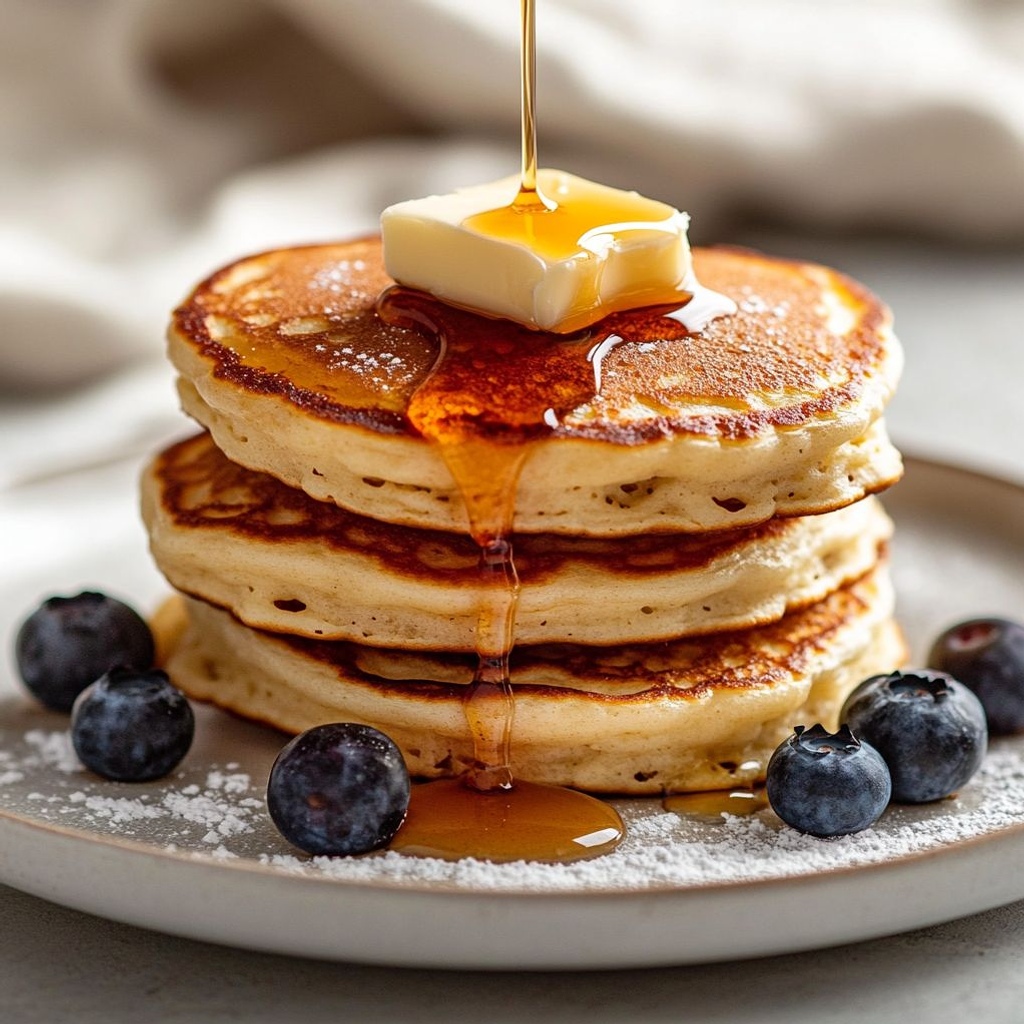
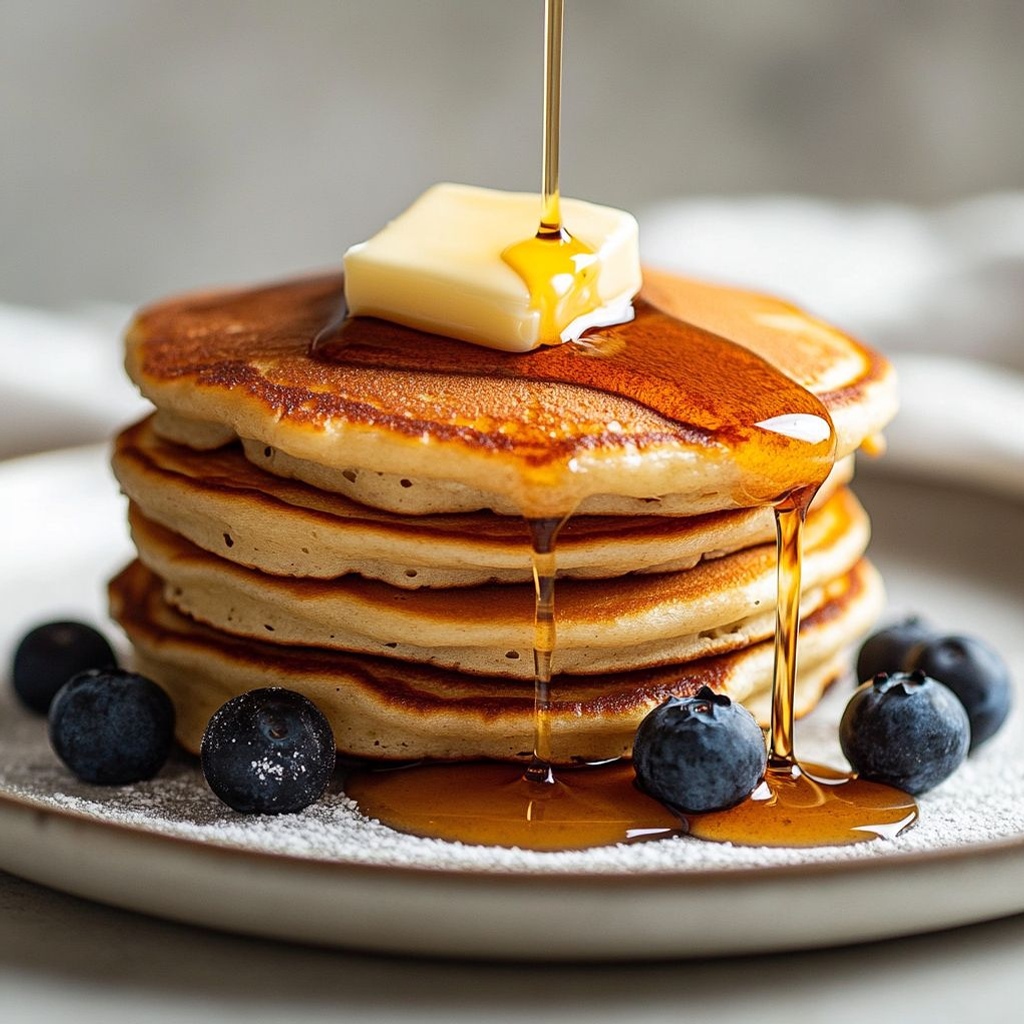
These pancakes offer a harmonious balance between lightness and richness. The cottage cheese contributes small, creamy curds that punctuate the batter with soft pockets of moisture. The result is a pancake that stays tender well beyond the first bite, resisting the dryness that can plague thinner batters. A touch of vanilla lends warmth, while optional lemon zest introduces a whisper of brightness that lifts the flavors without turning the pancakes tart. When cooked in a well-oiled skillet, the edges crisp ever so slightly, creating a subtle contrast to the fluffy, almost soufflé-like center. If you’re in the mood for something a touch more decadent, a light brushing of melted butter against a warm pancake and a generous shower of real maple syrup creates a glossy sweetness that glazes the surface without overpowering the gentle tang inside.
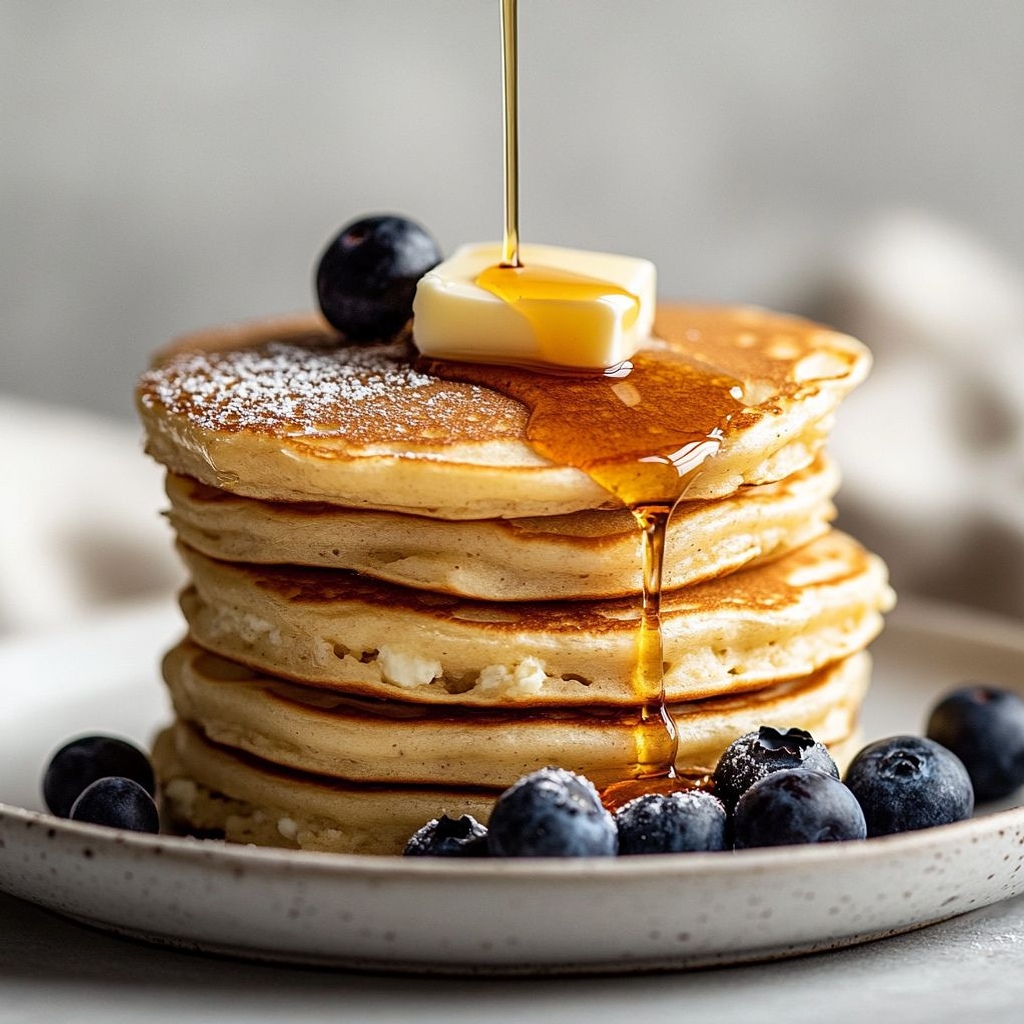
The texture is a study in contrasts: you bite into a pancake that is soft and cushiony, then encounter a tiny, pleasing tang from the cottage cheese that reminds you this isn’t a sugary airiness but a balanced, satisfying bite. The crumb is finer than traditional wheat-only batters, yet it isn’t dense, thanks to the extra moisture and the air you whip into the batter. The result is a pancake that feels almost like a cross between a classic pancake and a souffle, with the ease of a quick breakfast and the elegance of a well-made batters-based treat. As toppings, you might pair fresh berries and a dollop of yogurt for a light, fruity-lactic contrast, or go for caramelized apples and cinnamon for a warm, comforting moment—the pancake is a perfect stage for a broad range of accompaniments.
Occasions & Pairings
This pancake recipe shines in a variety of settings, from intimate mornings to casual weekend gatherings. Here are some ideas to help you plan the perfect plate.
- Weekday mornings: a fast, comforting breakfast when time is tight and appetite is honest. Pair with a glass of milk or a quick smoothie for a balanced start to the day.
- Brunch with friends or family: stack a few pancakes high, offer a trio of toppings (berries, yogurt, maple syrup), and let guests build their own perfect bite.
- Celebratory weekend breakfast: transform the plate with a fruit compote, a yogurt skir unf, or a dusting of powdered sugar and citrus zest for a festive feel.
- Kids’ morning favorite: creamy, mild flavors that appeal to young palates, with fun toppings like sliced bananas, chocolate chips, or fruit slices.
- Late-night comfort: a quick, cozy option when you crave something warm and satisfying but don’t want a heavy dessert.
Pairings that complement the pancake experience include a light, acidic beverage to cut through the sweetness (orange juice with a splash of sparkling water, a citrusy tea, or a mild latte). Savory accompaniments are also delightful: a side of crisp bacon or a few slices of ham, some softly scrambled eggs, or a dollop of herbed yogurt can create a balanced breakfast plate that keeps you full without weighing you down. For a more decadent brunch, try maple-salted butter, a spoonful of ricotta, or a fruit compote that adds brightness and color to the plate.
Tips, Variations & Substitutions
The beauty of this recipe is in its flexibility. Below are ideas to customize, adapt, and reinvent the pancakes to suit your pantry, dietary needs, or mood.
Make it lighter or fluffier
- Whisk the batter briefly but thoroughly to introduce air, then let it rest for a few minutes to hydrate the flour and soften the curds.
- A pinch of baking powder or a tiny amount of baking soda can help with extra lift if your cottage cheese is particularly dense, but use sparingly to avoid an airy, cake-like texture.
- Separate and whip the egg whites (if using eggs in the batter). Fold them into the batter at the end for an even lighter, soufflé-like pancake.
Vegan or dairy-free variations
- Use a dairy-free cottage cheese alternative or a soft silken tofu blended until smooth to replace the dairy component. You may need a splash of non-dairy milk to reach the right batter consistency.
- Choose almond or oat milk in place of dairy milk, and ensure your other toppings and additions align with vegan requirements.
- Replace eggs with a flax or chia seed slurry (1 tablespoon flaxseed meal or chia seeds whisked with 2.5 tablespoons water per egg) to maintain structure.
Gluten-free and grain-friendly options
- Swap all-purpose flour for a gluten-free blend that contains xanthan gum (or add 1/4 teaspoon xanthan gum per cup of flour) to maintain binding and tenderness.
- Try a naturally gluten-free base like finely milled oats (gluten-free oats) or a mix of almond flour with a small amount of tapioca starch for structure.
Flavor twists
- Add citrus notes with lemon or orange zest for a brighter flavor that pairs beautifully with berries.
- Swirl in a spoonful of ricotta or cream cheese to intensify creaminess, or fold in a few handfuls of fresh blueberries for bursts of fruity sweetness.
- Sprinkle cinnamon, nutmeg, or pumpkin spice into the batter for a warm, cozy variation in autumn and winter.
Regional twists
- Fold in finely chopped apples or pears and a pinch of cinnamon for a North American-country breakfast vibe.
- In a Mediterranean-inspired twist, top with Greek yogurt, honey, and crushed pistachios for a creamy, nutty finish.
- Use olive oil or browned butter in the pan to impart a subtle savory depth that complements fruit toppings beautifully.
Storage & Make-Ahead Ideas
These pancakes shine not only when freshly made but also when you plan ahead. Here are practical tips to keep you cooking with confidence, even on the busiest mornings.
- Leftovers: store cooled pancakes in an airtight container in the refrigerator for up to 2–3 days. Reheat briefly in a skillet, toaster, or oven to regain a little of their initial crispness.
- Freezing: layer cooled pancakes with parchment or waxed paper to prevent sticking, then freeze in a resealable bag for up to 1 month. Reheat directly from frozen in a skillet or toaster oven until warmed through and lightly crisped on the edges.
- Make-ahead batter: you can mix a batch of batter ahead of time and refrigerate for up to 24 hours. Give it a gentle stir before cooking to recombine any separated ingredients. If the batter thickens, whisk in a splash of milk to reach the desired consistency.
- Storage tips for toppings: keep fresh berries and yogurt separate and add them just before serving to maintain texture and brightness.
Fun Facts & Trivia (Optional)
Did you know that cottage cheese has been a pantry staple for centuries, admired for its versatility and privacy in the kitchen? Here are a few tidbits that add flavor to your pancake-making story:
- Cottage cheese owes its soft texture to curd formation, where casein proteins link into curds that trap moisture, giving a unique creaminess even when the cheese is lean.
- In many cultures, soft-curd cheeses are a breakfast staple because they pair so well with fruit, honey, and bread—embracing a philosophy of balancing sweetness and acidity from the start of the day.
- The pancake format is one of the most forgiving canvases in a home kitchen. When you introduce cottage cheese, you’re bringing in extra moisture and tenderness, which can transform a simple batter into pancake perfection with minimal effort.
- Maple syrup, a quintessential pancake companion, has a history intertwined with North American forests and Indigenous culinary traditions. Pairing it with a tangy, protein-rich pancake creates a bright, satisfying breakfast that’s both comforting and adventurous.
Ingredients
Pancake Batter Base
- 1 cup cottage cheese, blended until smooth
→ Cottage cheese provides a high-protein, tender base that keeps pancakes moist without needing heavy fats. Blending until silky ensures the batter pours smoothly and cooks evenly, yielding a light, fluffy texture. For best results, use small-curd cottage cheese and blend until completely uniform; if you prefer a chunkier texture, pulse the cottage cheese briefly instead of fully blending. - 3 large eggs
→ Eggs act as binders and help structure the pancakes while contributing to the lift and moisture. Use eggs at room temperature to promote better emulsification with the cottage cheese, which yields a smoother batter. If you’re avoiding yolk-heavy richness, you can separate the whites and whisk them to soft peaks, then fold in for extra fluff, but this is optional. - 3/4 cup all-purpose flour (or gluten-free all-purpose flour)
→ Flour provides the primary structure for the pancakes. If you’re gluten-free, substitute with a 1:1 GF all-purpose blend and add 1/4 teaspoon xanthan gum if your blend lacks it. Sift the flour to remove lumps and whisk gently to avoid overworking the batter, which can make the pancakes tougher. - 1/2 cup milk (any kind)
→ Milk adds moisture and helps achieve a pourable batter. Adjust the thickness by adding more milk if the batter seems too thick; dairy or non-dairy options work. For thicker pancakes, a touch less milk works well; for lighter, thinner pancakes, add an extra tablespoon or two. - 1 teaspoon baking powder
→ Baking powder provides gentle lift, helping the pancakes stay soft and fluffy. Use fresh baking powder for consistent leavening; distribute it evenly by whisking with the flour before combining with the wet ingredients to prevent uneven rising. - 1/4 teaspoon baking soda
→ A small amount of baking soda can aid browning and lift when paired with the acidity of cottage cheese. This is optional; if you omit it, you may still achieve good texture with the baking powder alone. If used, ensure even distribution by whisking with the dry ingredients. - 2 tablespoons granulated sugar
→ Provides a light sweetness and helps with browning on the griddle. You can reduce or swap for an equal amount of honey or maple syrup in the batter if you prefer a less refined sweetness. Taste the batter and adjust if you like a sweeter pancake. - 1/4 teaspoon salt
→ Enhances overall flavor and balances sweetness. A pinch more can intensify the pancake’s flavor, but keep it moderate to avoid tasting salty; salt also helps with browning during cooking. - 1 teaspoon pure vanilla extract
→ Adds warmth and depth to the batter. Use high-quality vanilla for a noticeable difference; if you’re using vanilla bean, scrape the seeds for a stronger, more aromatic flavor. Avoid artificial vanilla if possible for best taste. - 1 tablespoon melted butter or neutral oil
→ Helps keep the pancakes tender and adds a subtle richness to the crumb. If you prefer a dairy-free option, use a neutral oil like canola or light olive oil. Do not overmix; whisk until just combined to maintain a light texture. - 1 teaspoon lemon or orange zest (optional)
→ Rind zest adds a bright citrus note that complements the cottage cheese’s tang and the vanilla. Zest is optional but brightens the flavor; avoid zesting too deeply to prevent bitterness.
Optional Add-ins
- 1/2 cup fresh blueberries
→ Blueberries bring bursts of sweetness and color. Gently fold them into the batter to avoid breaking them; if using frozen berries, thaw and pat dry, then toss with a teaspoon of flour to prevent color bleed and sinking. Fresh berries cook quickly and pair beautifully with the cottage cheese crumb. - 1/4 cup mini chocolate chips
→ Chocolate chips add indulgence without overpowering the cheesy flavor. Toss chips with a tablespoon of flour before folding to help distribute evenly and reduce sinking to the bottom of the pancake while cooking. Use dairy-free chips if needed.
Toppings
- Butter for cooking and serving
→ A small pat of butter melted on the griddle or on hot cakes adds flavor and helps create a crisp edge. If dairy-free, substitute with a light neutral oil or dairy-free butter alternative for cooking and serving. - Maple syrup for serving
→ Real maple syrup provides a classic pairing with cottage cheese pancakes. Warm the syrup slightly for a smoother pour and better distribution over the pancake surface. - Fresh fruit for serving (e.g., berries, sliced peaches)
→ Fresh fruit adds brightness and acidity that balance the richness of the cheese and pancakes. Rinse berries and slice stone fruits just before serving to maintain texture and color.
Instructions
- Blend the cottage cheese until smooth using a blender, food processor, or vigorous whisking to create a silky base that emulsifies with the other ingredients.
→ A smooth cottage cheese base creates an even batter that yields tender, uniform pancakes and prevents the crumb from feeling grainy or dense. - Whisk the eggs into the smooth cottage cheese until fully emulsified and homogeneous.
→ Room-temperature eggs emulsify more easily with the dairy, improving lift and texture; whisk thoroughly to avoid streaks and ensure a cohesive batter. - Whisk together the dry ingredients in a separate bowl: all-purpose flour, baking powder, baking soda, sugar, and salt.
→ Distributing leavening and seasonings evenly prevents uneven rises and ensures balanced sweetness across every pancake. - If using citrus zest, stir in lemon or orange zest with the dry ingredients to distribute the bright aroma evenly.
→ Zest releases essential oils that perfume the batter; mixing with dry ingredients prevents uneven pockets of zest. - Whisk the milk, vanilla extract, and melted butter (or neutral oil) in a small bowl until combined.
→ This wet mixture integrates fat and flavor into the batter and helps with tenderness; melted fat also improves the crumb’s softness. - Pour the wet ingredients into the dry ingredients and whisk just until combined, stopping as soon as the batter comes together.
→ Gentle incorporation prevents overdeveloped gluten or dense pancakes; a few small lumps are acceptable and will cook out during heat application. - If using fresh blueberries, fold them in gently with a spatula, distributing them without crushing.
→ Gentle folding preserves berry integrity and avoids turning the batter purple or creating uneven pockets of moisture. - If using mini chocolate chips, toss them with a tablespoon of flour to coat, then fold into the batter evenly.
→ Coating chips helps prevent sinking to the bottom and ensures even distribution in each pancake. - Let the batter rest for 5 to 10 minutes at room temperature to hydrate the flour and activate the baking agents.
→ Resting enhances batter viscosity and improves rise and tenderness during cooking without requiring extra leavening time. - Preheat a large nonstick skillet or griddle over medium heat until hot, then add a thin coat of butter or neutral oil and swirl to coat the surface.
→ A properly heated, lightly oiled surface prevents sticking and promotes an even golden crust on each pancake. - Test the pan with a small drop of batter; adjust the heat so the batter sizzles gently without scorching.
→ This confirms the pan is at the right temperature for consistent browning and cooked centers. - Pour about 1/4 cup of batter per pancake onto the skillet, spacing them evenly to allow room for spreading.
→ A measured portion yields uniform pancakes that cook through without merging together. - Cook the pancakes until the edges look set and bubbles form on the surface, about 2 to 3 minutes, then glide a wide spatula under and flip.
→ Waiting for structure before flipping prevents tearing; the bubbles indicate the interior is setting and cooking evenly. - Cook for another 1 to 2 minutes on the second side until golden brown and cooked through, adjusting the heat as needed to avoid burning.
→ Proper browning and internal doneness ensure a flavorful crust with a tender crumb inside. - Transfer the finished pancakes to a warm plate or keep them in a 200°F (90°C) oven to hold while finishing the remaining batter.
→ Keeping pancakes warm prevents sogginess and lets you serve a stack at the optimal temperature. - Serve the cottage cheese pancakes with butter and maple syrup, and add fresh fruit if desired for brightness and contrast.
→ Fat and syrup enhance the flavor balance, while fruit provides acidity and freshness that lift the overall dish.
Notes
These 30-minute cottage cheese pancakes are a protein-packed, quick breakfast option. They start with cottage cheese blended until silky for a tender, moist base and are lightly lifted by eggs, a touch of baking powder, and a pinch of baking soda. For a gluten-free version, substitute 3/4 cup all-purpose flour with a 1:1 gluten-free flour blend and add 1/4 teaspoon xanthan gum if your blend lacks it. Use eggs at room temperature to promote silky emulsification; if you want extra fluff, separate the whites and fold in softly beaten whites. The batter includes 2 tablespoons granulated sugar, 1 teaspoon vanilla, 1 tablespoon melted butter or neutral oil, 1/4 teaspoon salt, and optional citrus zest to brighten the flavor. Whisk the dry ingredients (flour, baking powder, baking soda, salt) separately and whisk them into the wet ingredients just until combined; avoid overmixing to keep the pancakes tender. If the batter seems too thick, whisk in a splash of milk; for thinner pancakes, add another tablespoon or two. Let the batter rest 5-10 minutes to hydrate the flour and relax the gluten (or give structure to GF blends). Cook on a lightly oiled nonstick skillet over medium heat, flipping when bubbles form and edges look set; cook until golden and cooked through. Fold in berries (1/2 cup fresh blueberries) or mini chocolate chips if desired, tossing chips with a teaspoon of flour to prevent sinking. Toppings include butter, maple syrup, and fresh fruit. These pancakes refrigerate well for 2-3 days and can be frozen for longer storage; reheat in a skillet or toaster oven until warmed through. Always use fresh ingredients and measure carefully for consistent results, and adjust the batter with milk or flour as needed to reach your preferred thickness.
Tips
Tips for Perfect 30-Minute Cottage Cheese Pancakes
- Blend cottage cheese until completely smooth and uniform. If you prefer a bit more texture, pulse briefly rather than blending all the way to smooth.
- Use room-temperature eggs. They emulsify more easily with the cottage cheese, yielding a smoother batter and lighter pancakes.
- Whisk dry ingredients (flour, baking powder, baking soda, salt) together first and sift if possible. This helps distribute leavening evenly and prevents lumps that can toughen the texture.
- Let the batter rest for 5–10 minutes after mixing. This hydrates the flour and relaxes the starch, resulting in tender pancakes.
- Adjust batter thickness by fluidly adding milk. If the batter seems too thick, add milk a tablespoon at a time until it pours but still coats the back of a spoon.
- Keep your baking powder fresh for reliable lift. If you’re unsure, test with a tiny amount of batter to ensure it bubbles promptly on the pan.
- Preheat your skillet to medium and lightly grease with butter or a neutral oil. Too hot and the pancakes will brown too quickly; too cool and they may be pale and dense.
- For evenly sized discs, use a 1/4 cup (60 ml) measure per pancake and gently spread to a uniform circle. This helps them cook through without thick centers.
- Flip when the edges look set and bubbles form on the surface. A gentle flip preserves the tender crumb; over-flipping can yield tougher results.
- Aim for a light golden-brown color. If browning too quickly, lower the heat slightly; if they’re pale, give them a little more time or raise the heat a touch for a quick finish.
- Fold in add-ins like blueberries or chocolate chips carefully. Toss berries or chips with a teaspoon of flour before folding to prevent sinking and uneven distribution.
- Make ahead and storage: batter can be refrigerated for up to 24 hours. Cooked pancakes reheat well in a skillet or toaster; freeze individually on a tray and transfer to a bag for longer storage.
- If making dairy-free or gluten-free, substitute with 1:1 gluten-free flour and a dairy-free milk. Add a pinch of xanthan gum if your GF blend isn’t pre-gummed, and choose dairy-free butter or oil for cooking.
- Top with warm maple syrup, fresh fruit, or a dollop of yogurt for contrast. A squeeze of lemon or orange zest can brighten the flavors further if you enjoy citrus notes.
FAQ
30-Minute Cottage Cheese Pancakes – Frequently Asked Questions
What ingredients do I need to make these pancakes?
Common ingredients (adjust for dietary needs):
– 1 cup cottage cheese (drained)
– 2 large eggs
– 1/2 cup all-purpose flour (or gluten-free flour blend)
– 1–2 tablespoons sugar (to taste)
– 1/2 teaspoon baking powder
– 1/4 teaspoon salt
– 1/2 teaspoon vanilla extract
– 2–4 tablespoons milk (optional, to thin batter)
– Butter or oil for cooking
Tip: For gluten-free, use a 1:1 gluten-free flour blend and ensure baking powder is gluten-free.
How long does it take to make these pancakes?
From start to finish, about 20–25 minutes. This includes mixing, resting the batter briefly, and cooking 2–3 minutes per batch. It yields roughly 8–10 medium pancakes depending on size.
Can I use low-fat cottage cheese?
Yes. Low-fat cottage cheese works fine, though it may yield a slightly lighter, airier texture. If the batter seems too thick, add a splash of milk to adjust.
How many pancakes does this recipe yield?
Approximately 8–10 medium pancakes (about 3 inches in diameter). The exact number depends on how large you make each pancake.
What should I do if the batter is too thick or too runny?
If too thick: whisk in a little more milk (1 tablespoon at a time) until you reach a pourable consistency. If too runny: whisk in a bit more flour (1 tablespoon at a time) or add a touch more cottage cheese. Let the batter rest about 5 minutes to hydrate.
Can I customize the batter with add-ins?
Absolutely. You can fold in:
– 1/2 cup blueberries or sliced bananas
– 1–2 tablespoon chocolate chips
– 1/4 teaspoon cinnamon for extra warmth
Add them after mixing wet and dry ingredients and before cooking.
Are there gluten-free or dairy-free options?
Gluten-free: Use a 1:1 gluten-free flour blend and ensure your baking powder is gluten-free. You may want to add 1/8 teaspoon xanthan gum if your blend doesn’t include it.
Dairy-free: The recipe relies on cottage cheese, which is dairy. To make it dairy-free, you could try a cottage-cheese substitute suitable for dairy-free diets or blend silken tofu with a splash of non-dairy milk to mimic the texture, then proceed with the rest of the ingredients. Results may vary in texture and flavor.
How should I store and reheat leftovers?
Store cooked pancakes in an airtight container in the refrigerator for 3–4 days. Reheat in a skillet over medium heat with a little butter or oil, or warm in a toaster/ microwave until heated through. They reheat best when warmed evenly to avoid drying out.
Can I freeze batter or cooked pancakes?
Cooked pancakes freeze well: place them on a tray to flash-freeze, then transfer to a freezer bag for up to 1 month. Reheat in a toaster or skillet until warm. Freezing the batter is less ideal, but you can refrigerate dry ingredients mixed together for up to 24 hours before cooking.
What toppings pair well with these pancakes?
Great options include maple syrup, fresh berries, sliced bananas, yogurt, nut butter, chopped nuts, and a dusting of powdered sugar. A dollop of yogurt or a drizzle of honey also works nicely.
How do I keep the pancakes from sticking to the pan?
Use a well-seasoned nonstick skillet or griddle, and brush or melt a small amount of butter or oil before cooking each batch. Preheat the pan to a medium heat before adding batter for even cooking.