Introduction / Hook
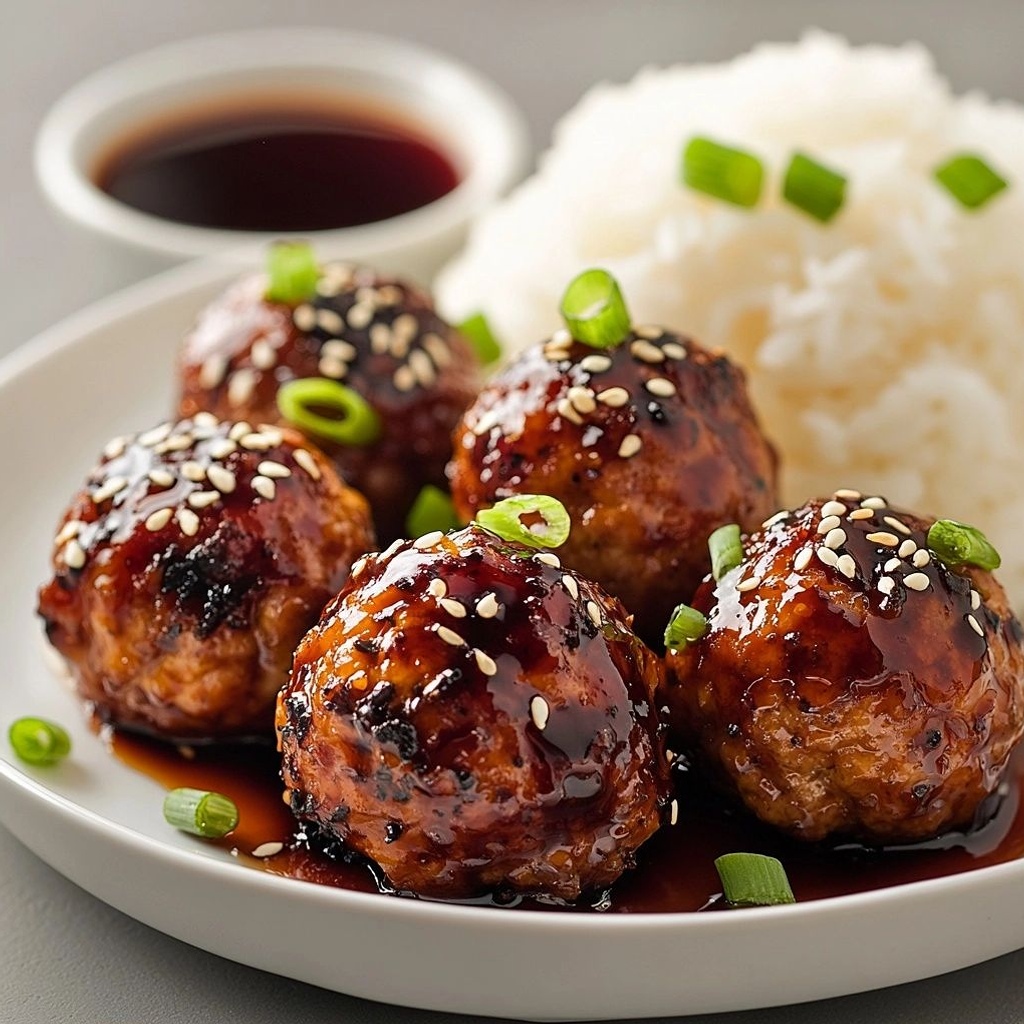
Imagine tender, golden chicken meatballs lacquered in a shiny, amber glaze that smells like a warm evening on a busy street in a faraway market. The teriyaki aroma mingles with garlic, ginger, and a hint of sesame, drawing you in with the first whiff. Each bite delivers a gentle yet satisfying chew, a savory-sweet balance that hits all the right notes without being cloying. This is not your average meatball; it’s a humble, weeknight-friendly star that can transform a simple dinner into a small celebration. The Teriyaki Chicken Meatballs marry the comforting familiarity of home-cooked comfort foods with the bright, glossy sheen of classic teriyaki—robust enough to stand on their own, approachable enough to please picky eaters, and flexible enough to adapt to your pantry and your cravings. Prepare to fall in love with a dish that tastes like it took hours of careful simmering, yet comes together in minutes when you know the tricks.
The Story Behind the Dish
Meatballs are one of the globe’s most enduring culinary forms: humble, adaptable, and endlessly customizable. Across cultures, they appear in countless guises—meatballs in tomato sauce, in creamy gravies, in spicy broths, or skewered with smoky char. Teriyaki, meanwhile, is a year-round favorite in Japan and beyond, a simple glaze built from soy, mirin, sugar, and often a touch of ginger and garlic. The magic happens when these two ideas collide: ground poultry shaped into spheres and brushed with a lacquer that caramelizes into a glossy crust. The result is a fusion of comfort and brightness—a dish that feels both familiar and novel.
In many households, chicken meatballs appear as a lighter option to traditional beef or pork variants. They hold onto moisture better than some cuts and stay tender when baked or pan-seared. Teriyaki adds a narrative of contrast: soy-salted depth, gentle sweetness, a kiss of tang, and a whisper of sesame that hints at the far corners of the globe. The dish you’ll make today embodies that cross-cultural balance—homey, satisfying, and universally appealing, with enough personality to spark conversation at the table. Whether you’re cooking for a busy weeknight or a weekend gathering, these meatballs offer a small luxury: they look like a treat, yet they’re simple enough to produce with confidence in your own kitchen.
Why You’ll Love This Recipe
- Weeknight friendly: Quick to mix, shape, and cook, with a glaze that comes together in a snap.
- Versatile serving options: Serve over rice, noodles, or even on a bed of sautéed greens for a lighter finish.
- Balanced flavor: A harmonious blend of salty, sweet, and savory notes with a fragrant garlic-ginger kick.
- Moist and flavorful: Ground chicken stays juicy when bound with a touch of moisture and a gentle breadcrumb or alternative binding.
- One-pan potential: The glaze can be simmered in the same pan you finish the meatballs in, minimizing cleanup.
- Customizable: Easy to adapt for gluten-free, dairy-free, paleo, or low-sugar diets with small tweaks.
- Family-friendly: A kid-pleaser with a glossy, approachable appearance that encourages everyone to dig in.
Flavor Profile & Texture
The essence of these Teriyaki Chicken Meatballs lies in the interplay between savoriness and sweetness, with a bright, almost citrusy lift from ginger and garlic. The meatballs themselves are tender—courtesy of a light binding that keeps them cohesive without becoming dense. When seared or baked, they develop a delicate crust that seals in juices, giving you a satisfying bite that yields to a soft interior. The teriyaki glaze is the star of the show: a glossy, lacquered coating that clings to the meatballs and reduces to a silky sauce that coats every surface. Expect umami-rich soy, a mild tang from a touch of rice vinegar, and a touch of sweetness that could come from brown sugar, honey, or maple, depending on your pantry.
If you taste the dish in layers, you’ll notice:
- A savory, almost toasty note from the seared exterior.
- A bright, aromatic profile from fresh ginger and garlic.
- A caramelized glaze that delivers a whisper of sweetness without becoming syrupy.
- A gentle sesame finish—either toasted sesame oil in the glaze or sprinkled sesame seeds as a final flourish.
- A light peppery spark from black pepper or a pinch of chili flakes, if you like a subtle heat.
Texture-wise, you’ll experience a contrast that makes the dish engrossing: crisp edges from pan-searing, a tender, almost juicy center, and a silky glaze that lightly coats each meatball. The sauce’s viscosity matters—too thin and it won’t cling; too thick and it may feel heavy. The ideal glaze clings with a delicate gloss, inviting you to swirl the meatballs through it for even coating while preserving their individual shape.
Occasions & Pairings
Teriyaki Chicken Meatballs are ideal for a variety of occasions:
- Weeknights: A quick, comforting dinner that feels special without taking all evening.
- Family gatherings: A crowd-pleaser that adapts to kids’ tastes and adults’ cravings alike.
- Potlucks & parties: Easy to transport and reheat, with a visually appealing glaze that makes them stand out on a buffet.
- Meal-prep: Cook a batch, portion with rice or vegetables, and reheat for fast, satisfying lunches.
- Asian-inspired dinners: A perfect centerpiece for a night of noodle bowls, steamed greens, or a simple miso soup starter.
Pairings to consider for a complete meal:
- Starches: Steamed jasmine rice, brown rice, or soba noodles soak up the glossy sauce beautifully. For a lighter option, cauliflower rice or a vegetable-forward quinoa bowl works well.
- Vegetables: Quick-sautéed bok choy, baby bok choy, broccoli florets, or glazed carrots provide color and crunch.
- Green garnishes: Thinly sliced scallions, sesame seeds, and a sprinkle of toasted sesame oil drizzle add aroma and visual appeal.
- Accompaniments: A small bowl of pickled ginger or quick-pickled cucumbers can brighten the palate between bites.
- Drinks: A crisp, light beer or a glass of cold sake pairs nicely; for non-alcoholic options, a sparkling lemon tea or yuzu soda complements the glaze.
Tips, Variations & Substitutions
These tips will help you tailor the dish to your kitchen and dietary needs, while keeping the core balance intact.
- Binding alternatives: If you want a lighter texture, use a smaller amount of breadcrumbs or substitute with finely grated zucchini or grated onion to add moisture. For a gluten-free version, use gluten-free breadcrumbs or crushed rice crackers as the binder.
- Protein options: Ground turkey, chicken thigh you could mix, or even plant-based ground “meat” with a similar glaze, though cooking times may vary.
- Glaze adjustments: For a deeper glaze, reduce the sauce a bit longer until it coats the meatballs in a glossy sheen. If you prefer a more balanced sweetness, add a splash of rice vinegar or a teaspoon of tamari for extra depth.
- Spice & heat: Add a pinch of crushed red pepper flakes, a drop of chili-garlic paste, or a drizzle of hot sesame oil to introduce a subtle kick without overpowering the teriyaki sweetness.
- Glaze-free option: If you’d rather not glaze, simply bake or pan-sear the meatballs with a light brushing of soy sauce and honey for minimal glaze on the surface.
- Make-ahead tips: Shape meatballs and refrigerate up to 24 hours before cooking. This helps them hold shape when plated. The glaze can be prepared separately and warmed just before serving to preserve gloss and texture.
- Vegan adaptations: Use plant-based ground “chicken” alternatives and a teriyaki-style glaze made from soy sauce, maple or agave, ginger, garlic, and a touch of cornstarch to thicken.
Storage & Make-Ahead Ideas
These meatballs hold well for meal-prep and can be stored safely to maintain moisture and flavor. Here are practical guidelines to extend their life and quality:
- Refrigeration: Store cooked meatballs in an airtight container with a light layer of glaze. They will stay good for 3–4 days in the fridge.
- Freezing: For longer storage, freeze the cooked meatballs in a single layer on a sheet tray, then transfer to a freezer-safe bag or container. They can be frozen for up to 3 months. Thaw overnight in the fridge before reheating.
- Reheating: Reheat gently in a skillet with a little water or glaze to re-create the gloss. Alternatively, reheat in a low oven (around 325°F / 165°C) until warmed through, to avoid drying out.
- Make-ahead glaze: Prepare the glaze in advance and keep refrigerated. Reheat in a small saucepan, then toss cooked meatballs in the warm glaze just before serving to re-emulsify and re-lacquer.
Fun Facts & Trivia (Optional)
Teriyaki itself is a technique as much as a flavor profile. The word “teriyaki” comes from two Japanese words: “teri” meaning to shine or polish, and “yaki” meaning to grill, broil, or flame-broast. The glaze is traditionally brushed on during grilling or broiling, allowing surface sugars to caramelize into a luminous lacquer. In Western kitchens, it’s common to see teriyaki adapted into skillet-friendly sauces and meatball variations, where the glaze is simmered until thick and glossy. The dish you’re about to prepare honors that fusion spirit—an everyday dish elevated by a touch of Japanese technique and a lot of home-cooking heart.
Practical Essentials for Success
To ensure each bite is as satisfying as possible, here are a few practical reminders that help when cooking Teriyaki Chicken Meatballs:
- Keep the meat mixture lightly seasoned but not overly heavy with salt; the glaze will contribute most of the saltiness and depth.
- Don’t overwork the ground chicken. Mix just until combined to keep the meatballs tender.
- Start with a hot pan for a quick sear to develop color, then finish with a gentle simmer in the glaze to coat the meatballs evenly.
- Batch-cooking is your friend. If you’re feeding a crowd, brown all meatballs first, then simmer them all in the glaze at once to save time and ensure even flavor.
Closing Thoughts
Teriyaki Chicken Meatballs are a testament to how simple ingredients can become something surprisingly special with the right technique and balance. They invite you to pace your cooking with a relaxed confidence, to savor the moment when you plate the glossy, fragrant morsels, and to share a dish that feels both comforting and adventurous. Whether you’re crafting a quiet weeknight dinner, planning ahead for a busy week, or presenting a dish that will earn praise from guests, these meatballs offer a warm invitation to gather, share, and enjoy the satisfying symphony of flavors that emerge when soy, ginger, garlic, and a hint of sweetness come together in perfect harmony. Welcome this dish into your kitchen, and you’ll discover that a simple bowl of meatballs can become a memorable, comforting centerpiece for almost any occasion.
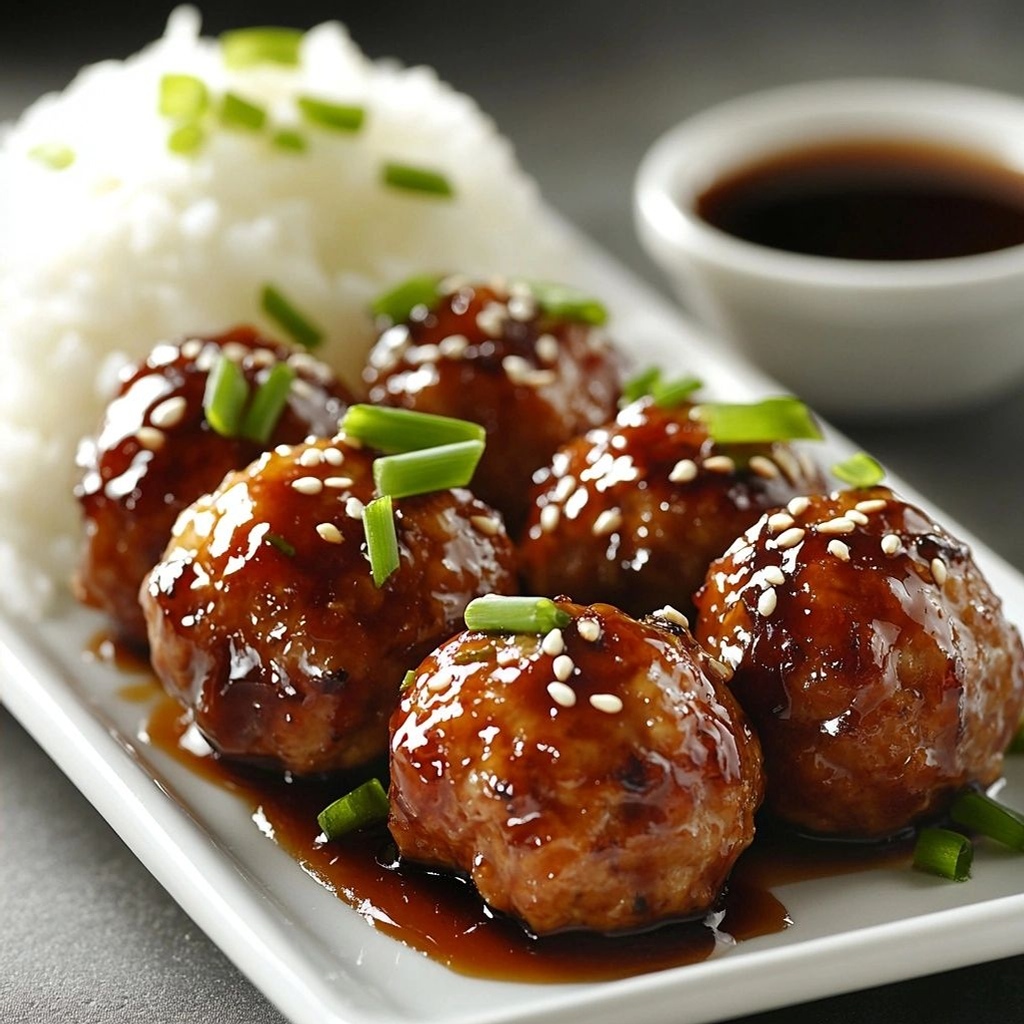
Ingredients
-
Meat and Binder
– 1 pound ground chicken (preferably thigh or a mix of thigh and breast)
→ Provides moisture and protein; thigh meat gives juicier meatballs due to higher fat content. Keep the meat cold and handle briefly to avoid dense texture. For a lighter version, you can substitute turkey, but chicken is traditional for this dish.
– 1/4 cup panko breadcrumbs (or gluten-free breadcrumbs)
→ Acts as a binder to help the meatballs hold together. If you’re gluten-free, use certified gluten-free breadcrumbs or crushed gluten-free crackers. If your mixture seems loose, you can add an extra tablespoon or two of breadcrumbs to reach the desired consistency.
– 1 large egg, lightly beaten
→ Binds the mixture and retains moisture during cooking. Let the egg come to room temperature for better emulsification; if avoiding eggs, substitute with 2 tablespoons aquafaba or 1/4 cup mashed ripe avocado for binding.
Aromatics and flavors
– 2 cloves garlic, minced
→ Infuses the meat with savory aroma and depth; mince finely so no large bits remain and to ensure even distribution throughout the meatballs.
– 1 teaspoon grated fresh ginger
→ Adds a subtle warm, peppery note characteristic of teriyaki flavors; grate finely for smooth integration. If you don’t have fresh ginger, you can use 1/4 teaspoon ground ginger but reduce other liquids to balance.
– 2 tablespoons finely chopped green onions (scallions)
→ Provides freshness and a mild onion bite; include both white and green parts for color and flavor. They also help with binding and moisture retention.
– 1 teaspoon toasted sesame oil
→ Adds a rich, nutty aroma that complements the glaze; use sparingly as a finishing touch if you’re sensitive to strong sesame flavor. If you don’t have sesame oil, you can substitute a neutral oil, but flavor will be less pronounced.
Sauce and glaze
– 1/4 cup soy sauce (low-sodium)
→ Forms the salty, savory base of the glaze; using low-sodium helps control saltiness and allows the sweetness to come through. For gluten-free needs, ensure the soy sauce is certified gluten-free; tamari is a good alternative.
– 2 tablespoons rice vinegar
→ Provides acidity to balance sweetness and fat, and adds brightness to the glaze. If you don’t have rice vinegar, you can use white wine vinegar in a pinch, but start with a smaller amount and taste as you go.
– 2 tablespoons honey or maple syrup
→ Sweetness to balance salt and soy; helps create a glossy glaze as it caramelizes. Adjust to taste; for vegan or stricter diets, maple syrup works well as a direct substitute.
– 1 tablespoon mirin or 1 teaspoon extra sugar (optional)
→ Adds depth and a gentle sweetness with a subtle alcohol note that cooks off. If using mirin, you may reduce the honey to maintain balance; if avoiding alcohol, omit mirin and add an extra teaspoon of sugar or a pinch of salt to balance.
– 1 teaspoon cornstarch dissolved in 2 tablespoons water (slurry)
→ Thickens the glaze to a glossy, clingy coating on the meatballs. Stir the slurry into the simmering sauce and cook until glossy and slightly thickened. If you prefer a thinner glaze, use less slurry or skip it altogether.
Cooking and finishing
– 1–2 teaspoons neutral oil (for pan searing)
→ Helps prevent sticking and gives the meat a light sear for flavor and color. Use a light hand; too much oil can make the meatballs greasy. Heat the pan well before adding the meatballs to achieve a good crust.
– Sesame seeds for garnish
→ Adds a toasty, nutty crunch and visual appeal. Lightly toast the seeds in a dry skillet for 1–2 minutes to deepen flavor before sprinkling on top. Don’t let them burn.
– Chopped green onions or fresh cilantro for garnish
→ Finishing greens provide a fresh contrast to the rich glaze. Garnish just before serving to maintain color and crunch.
Instructions
- Chill the ground chicken and prepare the binding components so the meatballs stay cohesive during cooking.
→ Keeping the mixture cold helps fat and moisture stay in emulsion, preventing a dense, crumbly texture; cold hands reduce overworking the meat. - In a medium bowl, combine the ground chicken, panko breadcrumbs, and lightly beaten egg; mix just until combined with minimal handling.
→ Gentle mixing prevents overworking the proteins, which can make the meatballs tough; the breadcrumbs will hydrate slightly from the egg and moisture, aiding binding. - Add the minced garlic, grated fresh ginger, chopped green onions, and toasted sesame oil; fold in evenly to distribute aromatics without overmixing.
→ Even distribution of aromatics ensures a balanced bite in every meatball; folding helps maintain a light, tender texture. - Divide the mixture into evenly sized portions and form into 1.5-inch meatballs using a gentle rolling motion on a lightly dampened surface.
→ Uniform size ensures even cooking and consistent glaze bonding; roll gently to avoid compacting the meat, which can create a dense center. - Preheat a nonstick or well-seasoned skillet over medium-high heat and add 1–2 teaspoons neutral oil; swirl to coat and heat until shimmering.
→ A hot pan creates an immediate sear that develops flavor through Maillard browning and helps prevent sticking. - Sear the meatballs in batches, turning occasionally, until all sides are evenly browned and a light crust forms, about 2–3 minutes per side; transfer browned meatballs to a plate.
→ Browning locks in juices and provides depth of flavor; avoid overcrowding the pan to prevent steaming and uneven color. - Meanwhile, in a small saucepan, whisk together soy sauce, rice vinegar, honey (or maple syrup), and mirin (if using) to create the glaze base; bring to a gentle simmer.
→ Heating the sauce helps dissolve sweeteners and extract depth from the soy, while simmering reduces raw flavors and blends the components for a glossy finish. - Cook the glaze for 2–3 minutes, then stir in the cornstarch slurry to thicken; simmer until the mixture coats the back of a spoon and looks glossy.
→ The slurry activates quickly and creates a clingy glaze that adheres to the meatballs without being watery; adjust thickness by cooking a bit longer or adding a touch more slurry if needed. - Return the browned meatballs to the skillet and reduce the heat to medium; pour the glaze over them and rotate to coat evenly.
→ The heat encourages the glaze to set on the surface, forming a sticky, flavorful lacquer that adheres to the meatballs as they finish cooking. - Simmer the meatballs in the glaze until they reach an internal temperature of 165°F (74°C) and the glaze is deeply caramelized and glossy, about 6–8 minutes; spoon the sauce over the meatballs during cooking.
→ Safe internal temperature ensures doneness and moisture retention; continuous spooning helps build multiple glaze layers for a shiny finish. - Remove from heat and let rest for 2–3 minutes; this allows the juices to redistribute and the glaze to set slightly for easier serving.
→ Resting prevents juice runoff when bitten into and helps the sauce cling better as it thickens a touch on contact with the meat. - Garnish with sesame seeds and chopped green onions or fresh cilantro just before serving to add color, aroma, and a fresh contrast to the rich glaze.
→ Finishing greens provide a bright note that cuts through the sweetness and saltiness, while sesame seeds add a toasty crunch.
Notes
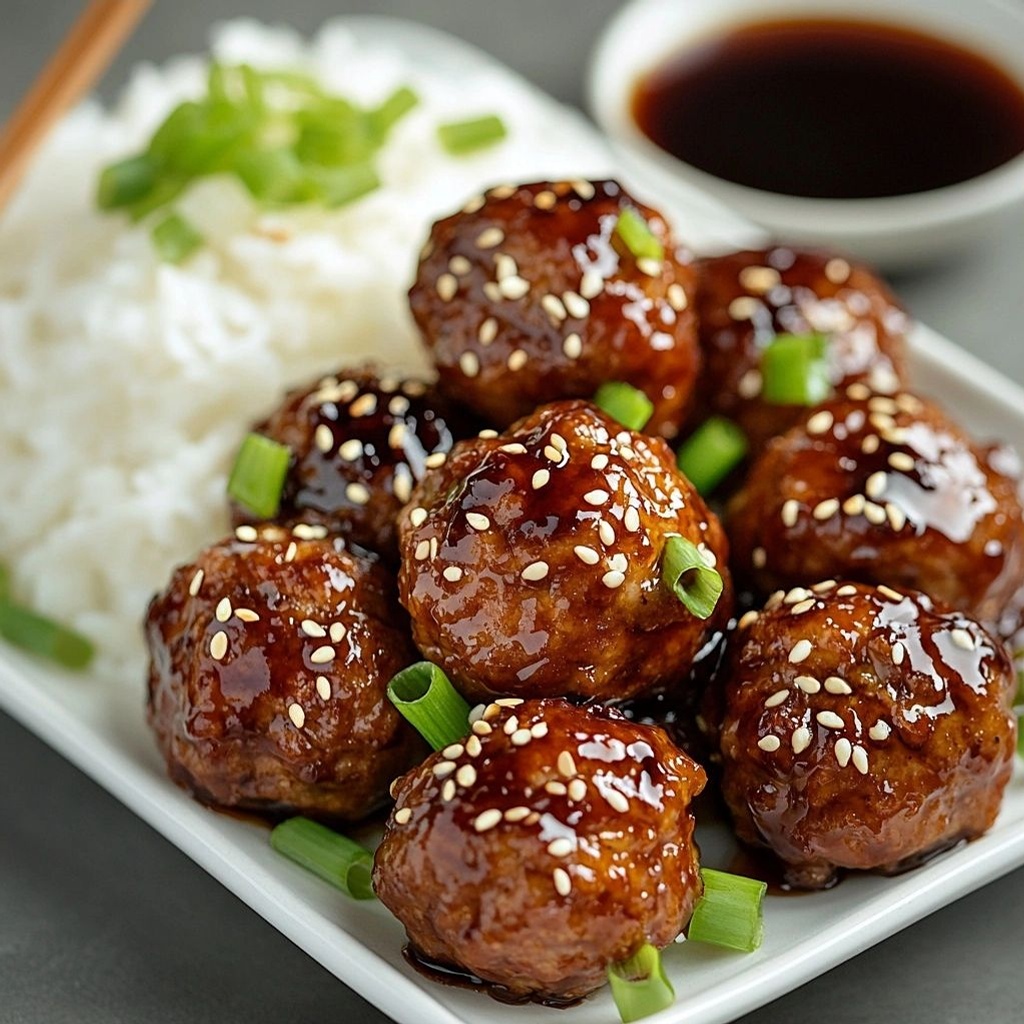
These Teriyaki Chicken Meatballs are juicy, flavorful, and lightly glazed with a glossy, soy-based sauce. For best results, keep the meat mixture cold while shaping and sear the meatballs to develop a rich crust before glazing. You can customize the glaze by adjusting honey, maple syrup, or mirin to taste, and you can finish with a sprinkle of sesame seeds and fresh green onions for color and aroma. If you’re gluten-sensitive, use certified gluten-free breadcrumbs and tamari in place of soy sauce. They pair beautifully with steamed rice, roasted vegetables, or sautéed greens.
- Keep the meat mixture cold: Chill the ground chicken mixture for about 15–20 minutes before shaping to help the meatballs hold together better during cooking.
- Shaping tip: Lightly oil your hands or use a small cookie scoop to form uniform meatballs, about 1 to 1.5 inches in diameter, for even cooking.
- Searing technique: Sear the meatballs in a hot pan with a neutral oil just until browned on all sides, then finish cooking in the glaze to coat each ball evenly.
- Glaze control: To achieve a glossy, clingy glaze, whisk the slurry into the simmering sauce and cook until it thickens to a syrupy consistency that coats the meatballs.
- Gluten-free option: If needed, use certified gluten-free breadcrumbs and tamari instead of soy sauce to keep the dish gluten-free without sacrificing flavor.
- Make-ahead: You can shape the meatballs up to 1 day ahead and refrigerate on a parchment-lined tray; cover and store. Sauté and glaze just before serving.
- Freezer-friendly: Freeze uncooked meatballs on a tray until solid, then transfer to a bag. Thaw before cooking and glaze as directed for a quick weeknight meal.
- Serving suggestions: Serve over steamed jasmine or brown rice, with steamed broccoli or snap peas, and garnish with sesame seeds and chopped green onions for a bright finish.
Tips
Tips for Teriyaki Chicken Meatballs
- Keep the meat mixture cold before shaping. Place the bowl in the fridge for 15–20 minutes after mixing to help the panko bind and prevent the mixture from becoming dense when cooked.
- When forming meatballs, lightly dampen your hands to prevent sticking. Roll them gently to keep a uniform size for even cooking.
- If your mixture feels loose, add 1 tablespoon of breadcrumbs at a time until the balls hold their shape. For a lighter texture, use more chicken thigh than breast and avoid overworking the meat.
- To maximize moisture, avoid overmixing with the egg. Mix just until combined, then stop to prevent a dense texture.
- Brown the meatballs first in a hot pan with a little neutral oil to develop a flavorful crust, then finish in the glaze so the sauce clinges to them.
- When making the glaze, simmer the sauce until it thickens to about spoon-coating consistency. If it thickens too much, whisk in a teaspoon of water or broth to loosen.
- For gluten-free versions, ensure breadcrumbs are certified gluten-free and use tamari or gluten-free soy sauce if needed.
- Adjust sweetness and saltiness by tasting the glaze before glazing. If using mirin, reduce the honey slightly to maintain balance.
- To control salt, use low-sodium soy sauce and add a splash of water or broth if the glaze tastes too salty as it reduces.
- Make-ahead tip: Shape meatballs up to 2 hours in advance and refrigerate on a tray; glaze and finish cooking just before serving to keep them juicy.
- Stovetop versus oven: Pan-searing yields a better crust; finishing in the glaze on the stove keeps meatballs moist. If baking, bake at 400°F (200°C) for 12–15 minutes, then toss in glaze.
- Storage: Refrigerate leftovers in an airtight container for up to 3 days. Reheat gently on the stove or in the microwave, tossing with a little extra glaze to refresh the coating.
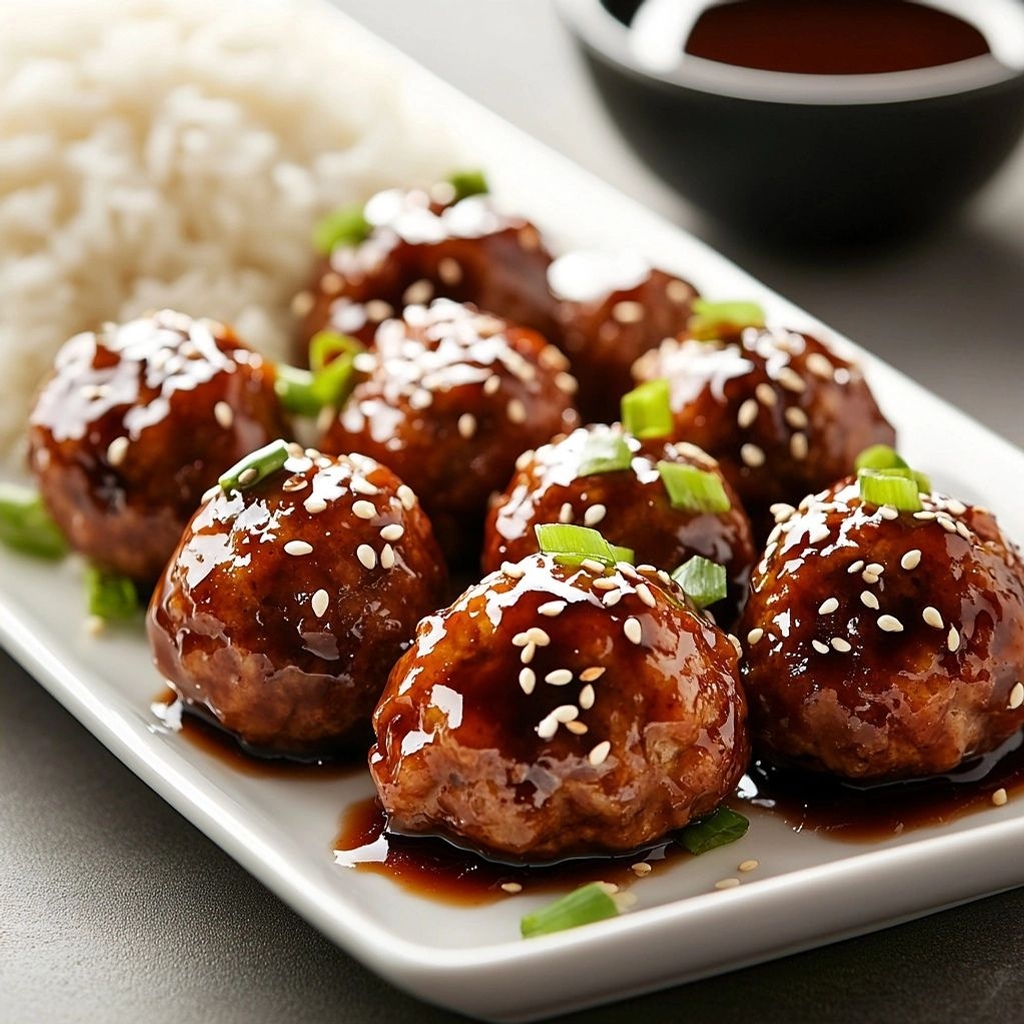
- Fusion idea: Serve over steamed rice or cauliflower rice with steamed broccoli or snap peas for a complete meal. A sprinkle of sesame seeds adds extra crunch and aroma.
Optional garnish ideas
- Finish with a drizzle of sesame oil or a few drops of toasted sesame oil just before serving for extra aroma.
- Scatter chopped cilantro in addition to green onions for a fresh, bright finish.
FAQ
What are teriyaki chicken meatballs?
A savory dish made with ground chicken mixed with aromatics and seasonings, shaped into meatballs, and glazed with a teriyaki-style sauce (soy, mirin or sugar, and ginger).
What ingredients do I need to make teriyaki chicken meatballs?
Ground chicken, breadcrumbs or grated zucchini (optional for moisture), minced garlic, grated ginger, green onions, soy or tamari, egg, sesame oil, and a teriyaki glaze (soy sauce, honey or brown sugar, rice vinegar, and optional cornstarch for thickening).
Can I bake or only pan-fry the meatballs?
Both work. Bake at 400°F (200°C) for 15–20 minutes until cooked through. You can also pan-fry until browned and glaze with teriyaki sauce in the last few minutes.
How do I know when the meatballs are cooked?
Internal temperature should reach 165°F (74°C). They should be no longer pink in the center and are cooked through when juices run clear.
How do I make the teriyaki glaze?
Combine soy sauce or tamari, mirin or rice wine, and brown sugar or honey in a small saucepan. Simmer until slightly thickened, then optionally whisk in a slurry of cornstarch and water to reach desired thickness.
Can these meatballs be made gluten-free?
Yes. Use gluten-free soy sauce or tamari and gluten-free breadcrumbs (or omit breadcrumbs and use grated vegetables for moisture). Ensure all other ingredients are gluten-free.
Are there dairy-free or low-carb variations?
Teriyaki chicken meatballs are typically dairy-free. For a lower-carb version, reduce breadcrumbs and use undefined substitutes like finely grated zucchini for moisture. For dairy-free, simply avoid any dairy in the glaze; the sauce is naturally dairy-free if you use plant-based sweeteners.
How should I store leftovers?
Store cooled meatballs in an airtight container in the refrigerator for 3–4 days. Reheat gently on the stovetop or in the microwave, and glaze with extra sauce if desired. Freeze for longer storage.
Can I freeze the meatballs?
Yes. Assemble and cook the meatballs, then cool completely. Freeze on a tray, then transfer to an airtight container. Reheat from frozen, or thaw in the refrigerator before reheating. The glaze can be added after reheating.
What sides pair well with teriyaki chicken meatballs?
Steamed jasmine or brown rice, fried rice, or quinoa, plus steamed or roasted vegetables like broccoli, bok choy, or snap peas. A simple cucumber salad also complements the flavors nicely.