Introduction / Hook
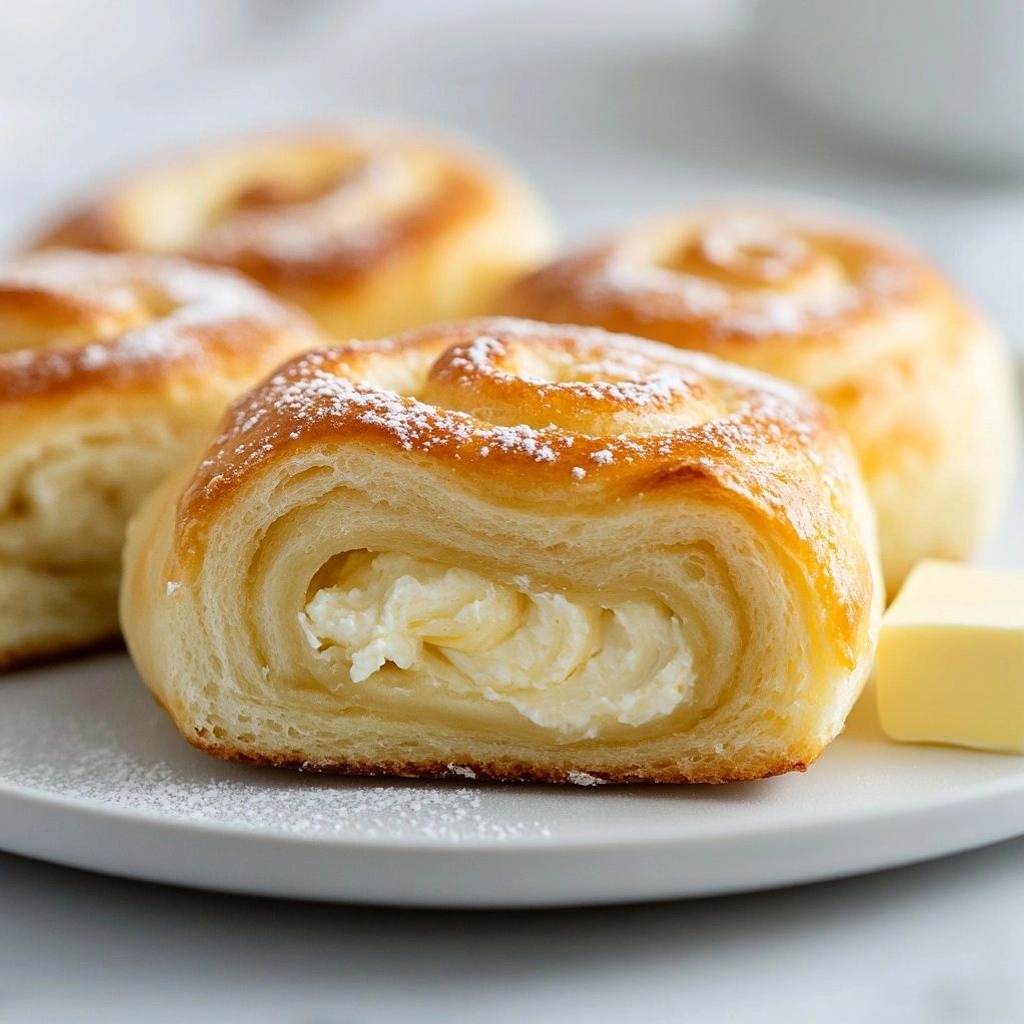
There’s something irresistibly comforting about a soft, pillowy roll that carries a whisper of sweetness and a dollop of creamy goodness in every bite. Ricotta Sweet Rolls are the kind of pastry that makes a weekend breakfast feel like a warm embrace from an old friend. They rise to a sun-kissed golden brown, speckled with delicate sugar crystals, and reveal a tender crumb that melts on the tongue. The magic lies not just in their plush texture but in the subtle, elegant balance of ricotta’s mild richness with a kiss of vanilla, citrus, and a touch of sugar that makes them feel both rustic and refined at once. As they bake, the kitchen fills with a comforting aroma—think fresh bread blooming in the morning light, with a hint of lemon zest and a whisper of vanilla—inviting everyone to gather, share, and savor the moment. These rolls are more than a breakfast pastry; they’re a small celebration of care, crafted for moments when you want to slow down, smile, and savor the simple joy of something wonderfully homemade.
The Story Behind the Dish
Ricotta Sweet Rolls grew from a tapestry of family memories and Italian-inspired bakery mornings. The idea began with a pantry staple that everyone keeps on hand: ricotta. In many Italian households, ricotta is not only a filling but a soft, creamy companion to sweet and savory dishes alike. It’s a texture that lends body without heaviness, a gentle silkiness that harmonizes with citrus and vanilla. The first experiments were humble—swirls of ricotta tucked into a yeasted dough, a splash of citrus zest, a dusting of sugar—and the result was a roll so delicate and comforting that it quickly became a weekend ritual. The name itself evokes a sense of warmth: rolls that are sweet enough to feel like dessert, yet grounded enough to pair with coffee or a savory egg dish. Over time, the recipe evolved to emphasize a balance between the ricotta’s mellow flavor and the roll’s soft sweetness, creating a pastry that’s versatile enough for Easter brunches, Christmas mornings, or a cozy autumn morning with a mug of tea. The dish embodies a cross-cultural kiss—the Italian love of soft, creamy textures and the American tradition of blissfully indulgent, shareable baked goods—resulting in something that feels timeless, comforting, and just a little bit luxurious.
Why You’ll Love This Recipe
- The ricotta enriches the dough, creating a tender, pillowy interior that stays soft for longer.
- A gentle swirl of sweet filling and a hint of vanilla keeps the rolls pleasantly sweet without tipping into cloying territory.
- Lemon zest and a touch of vanilla give a bright aroma that pairs beautifully with coffee, tea, or a glass of milk.
- These rolls can be assembled in advance and baked fresh, making busy mornings feel like a treat rather than a rush.
- They’re elegant enough for special occasions, yet cozy enough for everyday indulgence.
- You can add a cream cheese glaze, a dusting of cinnamon sugar, or a simple icing depending on your mood.
- With thoughtful substitutions, they can be adapted for dairy-free or lighter diets without sacrificing too much texture.
Flavor Profile & Texture
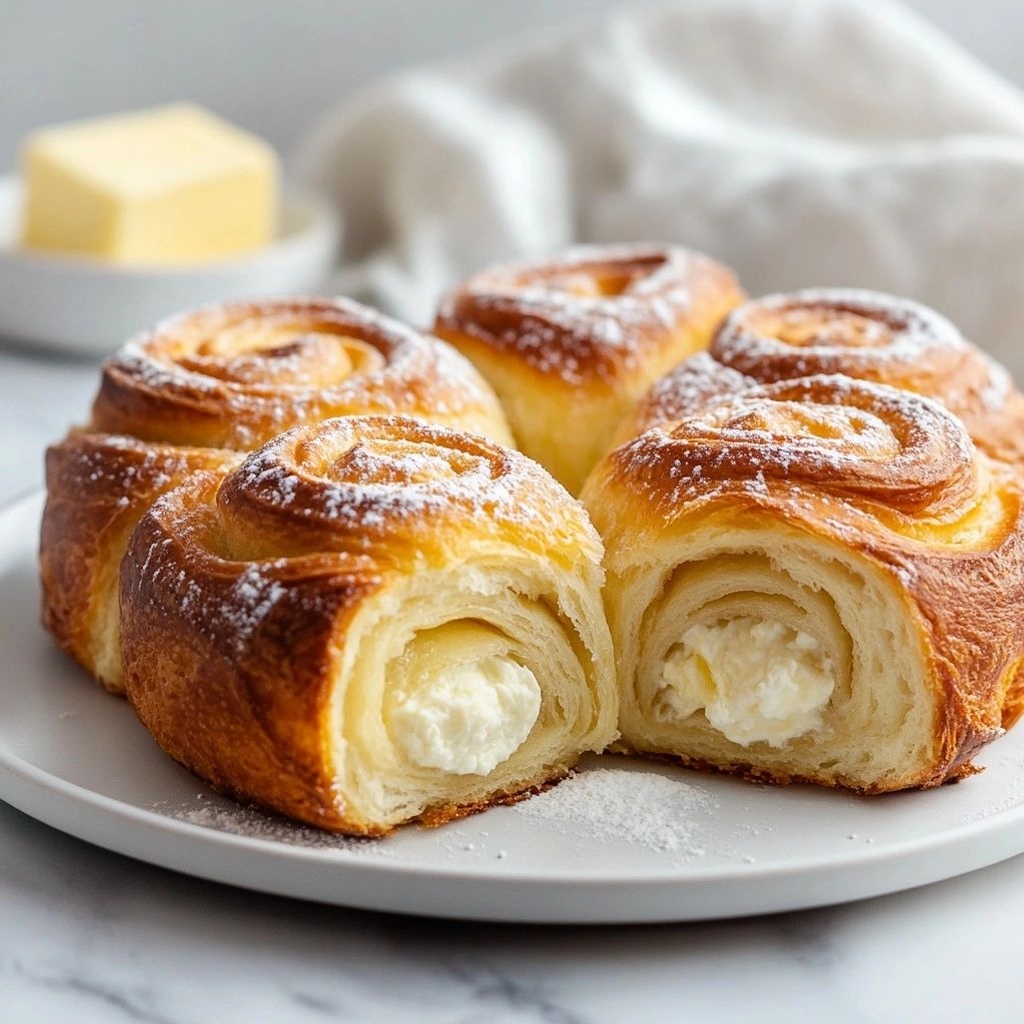
Expect a symphony of soft, airy layers and a creamy, indulgent core. The dough is enriched with ricotta, which contributes a subtle tang and a luxurious mouthfeel that contrasts beautifully with the roll’s lightness. The lemon zest lends a bright, sunlit note that wakes up the palate, while a whisper of vanilla adds warmth and depth. The cinnamon or vanilla-sugar accents—depending on your preference—bring a gentle sweetness that doesn’t overwhelm. When you bite into a Ricotta Sweet Roll, you’ll notice:
- Crumb: An ultra-tender, almost cloud-like interior that pulls apart in delicate strands rather than tearing apart abruptly.
- Texture harmony: A slight chew from the dough, a soft, creamy interior from the ricotta, and a gentle squish of sweet filling—an experience that lingers pleasantly on the tongue.
- Aroma: Fresh-baked bread mingled with citrus zest and vanilla—an inviting fragrance that makes any morning feel like a celebration.
- Flavor balance: The filling provides a subtle sweetness and flavor contrast, while the zest brightens the profile, ensuring the rolls feel refreshing rather than heavy.
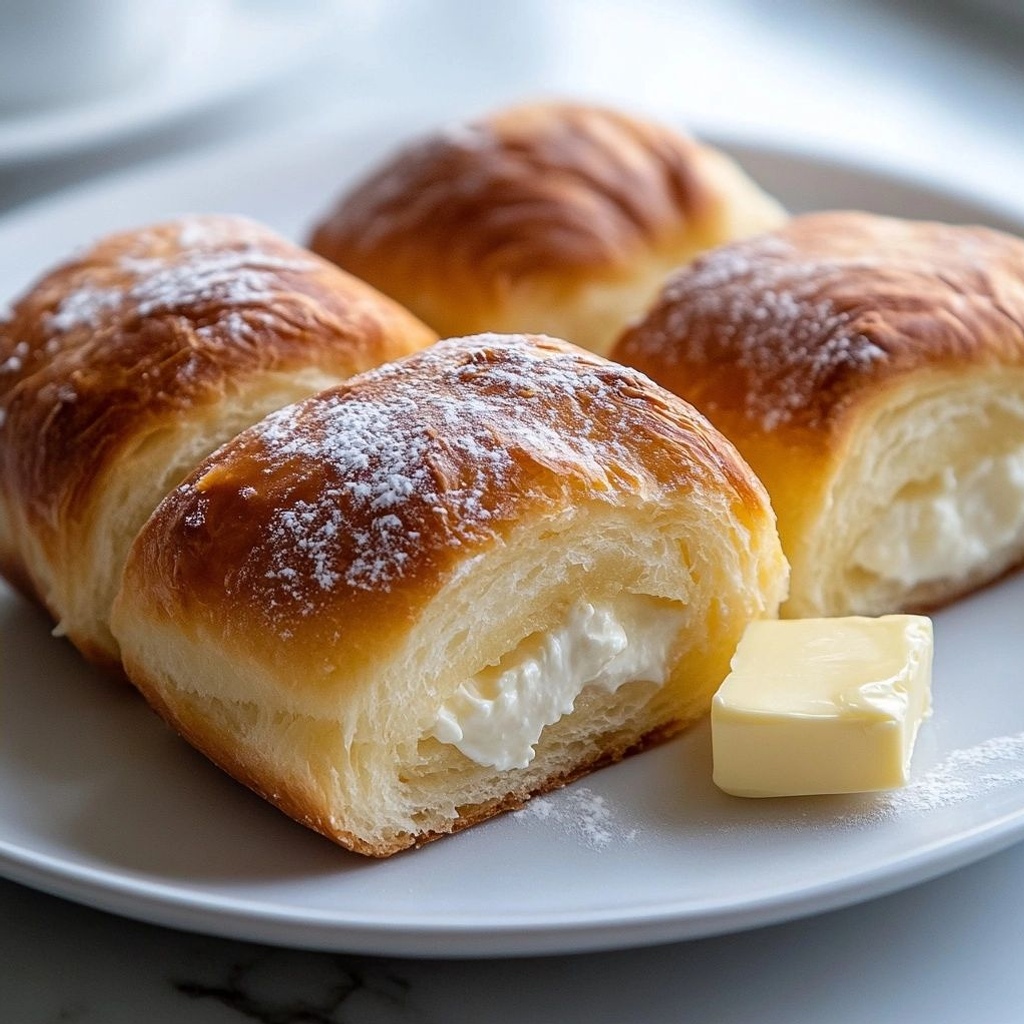
These rolls shine when served warm, with a thin glaze or a dusting of powdered sugar that glistens like morning frost. They also pair beautifully with a dollop of ricotta or mascarpone on the side, for those who want a richer bite. The balance of creamy richness and light pastry makes them forgiving and adaptable: they welcome a drizzle of honey, a smear of lemon-curd, or a simple sugar glaze, depending on your mood and occasion.
Occasions & Pairings
Ricotta Sweet Rolls are ideal for a breadth of moments. Here are ideas to help you plan the perfect serving occasion:
- Weekend brunch: Serve warm rolls with a coffee bar, fresh fruit, and a light yogurt parfait for a comforting, crowd-pleasing spread.
- Birthday breakfasts: A special treat that feels festive without being fussy. Add a glass of sparkling water or mimosa for a celebratory touch.
- Easter and holiday mornings: The soft, comforting texture pairs well with lighter dishes like fruit salads and roasted vegetables, creating a balanced holiday table.
- Tea-time or coffee break: A refined accompaniment to afternoon tea or a mug of strong coffee; the citrus note keeps it from feeling heavy.
- Brunch-to-go: These rolls reheat beautifully, making them a reliable choice for busy weekend schedules or meal-prep menus.
Pairing ideas to elevate the experience:
- Drizzle with a light vanilla glaze or lemon glaze for extra sheen and sweetness.
- Serve alongside fresh berries or a citrus fruit salad to balance the richness with brightness.
- Offer a small dollop of ricotta or crème fraîche on the side for those who want an extra creamy bite.
- Complement with a warm beverage—espresso, a cinnamon-forward chai, or a creamy latte.
Tips, Variations & Substitutions
Here are some practical tips and ideas to customize Ricotta Sweet Rolls to your taste, dietary needs, or seasonal ingredients:
- For a dairy-free version: Use a plant-based ricotta in the filling and a dairy-free butter substitute in the dough. You may need to adjust hydration slightly to maintain the dough’s softness.
- Gluten-free option: Substitute with a gluten-free flour blend designed for yeast doughs, plus a little extra hydration. Texture may vary; consider adding a teaspoon of psyllium husk powder to help structure.
- Flavor twists: Swap lemon zest for orange or lime zest for a different citrus note. Add a pinch of cardamom or almond extract for a fragrant twist.
- Fillings and toppings: Add a thin layer of lemon curd, a sprinkle of white chocolate shavings, or a swirl of almond paste for a deeper flavor profile. A light glaze made with powdered sugar and citrus juice is a classic finishing touch.
- Healthier approach: Reduce sugar in the dough slightly and increase the citrus zest to maintain brightness. Use a leaner ricotta with lower moisture to keep the dough from getting too sticky.
- Make-ahead tips: Assemble the rolls, cover tightly, and refrigerate overnight. The second rise will take a bit longer, but you’ll wake up to ready-to-bake rolls.
- Make-ahead glaze: If applying glaze, you can whisk it separately and drizzle just before serving for a fresh, glossy finish.
Storage & Make-Ahead Ideas
Storing and reheating Ricotta Sweet Rolls is straightforward, designed to keep their texture intact and flavors fresh:
- Short-term storage: Store cooled rolls in an airtight container at room temperature for up to 2 days. If you refrigerate, they may become slightly denser; reheat gently to restore softness.
- Freezing: Freeze unbaked rolls after a full rise in a well-sealed container or freezer bag. Thaw in the fridge overnight, then allow to come to room temperature before baking as directed. You can also freeze baked rolls; reheat gently at a low temperature to restore softness, and consider a light glaze to refresh the surface.
- Make-ahead strategy: Prepare the dough and filling in separate bowls ahead of time. Refrigerate both for up to 24 hours, then assemble, proof, and bake when ready. This approach makes weekend mornings feel almost effortless.
- Moisture management: If you notice the dough drying out slightly during resting, brush lightly with a bit of melted butter or milk to keep it pliable and flavorful.
Fun Facts & Trivia (Optional)
Delightful tidbits that connect the dish to broader culinary history can enrich your cooking experience and conversation:
- The use of ricotta in sweet pastries has roots in various Mediterranean and Italian-inspired traditions, where the distinction between sweet and savory is often blurred in clever and comforting ways.
- Enriched doughs, such as those containing ricotta, were historically a way to stretch dairy and grains, turning simple ingredients into luxurious morning treats that felt special enough for guests yet comforting for everyday enjoyment.
- When you zest citrus into a dough, you’re waking up the essential oils of the fruit, which release aromatic compounds that heighten perception of sweetness and freshness—an elegant trick that makes modest amounts of sugar feel more indulgent.
- Rolls like these have a long lineage in home bakers’ repertoires because they are flexible: you can swap flavors, fillings, and toppings with relative ease, creating a yearly ritual that reflects seasonal ingredients or family favorites.
Make It Your Way: A Short Guide to Personalizing Your Ricotta Sweet Rolls
While the base recipe provides a deeply comforting and refined result, you can adapt it to suit your kitchen, guests, and dietary needs. Here are a few quick ideas to personalize your Ricotta Sweet Rolls without losing the essence of the dish:
- For a brunch centerpiece, make a larger batch and slice into thicker rounds to present on a platter, allowing the aroma to fill the room as they bake.
- Introduce a savory contrast for a brunch hybrid by serving with a small herb-llecked ricotta dollop on the side and a light drizzle of olive oil and sea salt.
- Turn them into a dessert roll by adding a thin line of chocolate-hazelnut spread before rolling, then glaze with a chocolate or vanilla glaze after baking.
- Celebrate seasonal fruit by folding in a small amount of finely chopped berries or stone fruits into the filling for a juicy surprise in every bite.
Conclusion: A Recipe Worth Keeping
Ricotta Sweet Rolls embody a delicate balance of comfort and sophistication. They are a reminder that baking can be both everyday indulgence and a thoughtful gesture—something you can share with a friend over coffee, or present as a warm homemade gift to welcome someone into your home. The soft, creamy interior, the gentle citrus glow, and the tender crumb all combine to create a pastry that feels timeless yet contemporary, familiar yet novel. If you’re looking for a staple pastry that elevates a simple morning into a small celebration, these rolls deserve a place in your baking repertoire. They invite you to slow down, savor the moment, and create memories that rise long after the oven timer goes off. So preheat your oven, gather your ingredients, and let the comforting scent of ricotta and citrus guide you toward a batch of rolls that’s as memorable as it is delicious. Enjoy the process, and enjoy the warm, comforting results—the kind of pastry that makes sharing breakfast something worth waking up for.
Ingredients
- Muffin Base
- 3 cups all-purpose flour (or bread flour for a chewier texture)
→ Provides the structure for the roll dough. If you prefer a softer crumb, you can substitute 1/2 cup with gluten-free all-purpose flour, but flour choice will affect gluten development and rise. Sift to remove lumps for an even dough. - 1/4 cup granulated sugar
→ Adds gentle sweetness and helps feed the yeast in the early rise. It also contributes to browning on the surface of the rolls. If you’re reducing sugar for a lighter filling, you can adjust to 2–3 tablespoons. - 2 1/4 teaspoons active dry yeast (1 packet)
→ Leavens the dough, creating a soft, fluffy interior and a light, airy crumb. Activate in warm milk (not hot) with a pinch of sugar for about 5–10 minutes until foamy; this confirms the yeast is alive and ready to work. - 1 cup warm milk (110°F / 43°C)
→ Hydrates the flour and activates the yeast. The temperature is crucial: too hot will kill the yeast, too cool will slow fermentation. If dairy-free, use almond or soy milk with similar fat content. - 1/2 cup ricotta cheese
→ Adds creamy moisture and tenderness to the dough, enriching the flavor with a subtle tang. Use full-fat ricotta for best texture; drain briefly if very watery to avoid soggy dough. - 2 large eggs
→ Bind the dough and contribute to a richer, more cohesive crumb. Room temperature eggs mix more evenly, helping to distribute fat and moisture without shocking the yeast during kneading. - 1/3 cup unsalted butter, melted and cooled
→ Provides richness and helps the dough stay tender after proofing. Cooling prevents heat from killing the yeast and ensures a smooth dough that doesn’t leak fat during shaping. - 1/2 teaspoon salt
→ Balances sweetness, enhances gluten development, and intensifies overall flavor. If using salted butter, reduce the added salt by half to avoid oversalting. - 1 teaspoon vanilla extract
→ Elevates the aroma of the dough with a warm, comforting vanilla note that complements the ricotta filling. Use pure vanilla extract rather than imitation for a richer flavor; you can also add a pinch of lemon zest for brightness. - Zest of 1 lemon (optional)
→ Brightens the dough with citrus aroma that pairs beautifully with ricotta. Zest finely to prevent large pieces from tearing the dough and to distribute the fragrance evenly. - Ricotta Filling
- 1 cup ricotta cheese
→ The creamy core of the rolls, providing a mild, slightly tangy center. For smoother filling, whip the ricotta briefly or pass it through a fine sieve to remove any graininess before mixing with sugar. - 1/2 cup powdered sugar
→ Sweetens the filling without adding gritty texture, creating a smooth, creamy sweetness that contrasts with the dough. If you prefer less sweetness, start with 1/3 cup and adjust to taste. - 1 teaspoon vanilla extract
→ Enhances the ricotta flavor and adds depth to the filling. For a citrusy twist, add an additional 1/2 teaspoon lemon zest or a splash of orange liqueur. - 1 tablespoon lemon zest
→ Adds a fresh, bright contrast to the creamy filling. Use zest from a fresh lemon and avoid white pith to prevent bitterness. - 1/4 cup finely chopped candied citrus (optional)
→ Provides bursts of sweetness and chewy texture that complement the smooth ricotta. If using, chop finely so it distributes evenly and doesn’t tear the dough when rolled. - 1 large egg yolk (for brushing, optional)
→ Creates a glossy, golden finish on the baked rolls when brushed on before baking. If you skip the glaze, you can omit this or substitute with a little milk. - Glaze & Finish
- 1 cup powdered sugar
→ Forms a smooth, sweet glaze that lightly coats the rolls, adding shine and a touch of sweetness upon serving. Sift to remove lumps and whisk with liquid until smooth. - 2–3 tablespoons milk (or lemon juice for a tangy glaze)
→ Adjusts the glaze to the desired pourable consistency. Start with 2 tablespoons and add more as needed; dairy-free milk works well here as well. - 1/2 teaspoon vanilla extract
→ Deepens the glaze flavor and pairs well with the ricotta and citrus notes. Use a high-quality vanilla for best aroma; you can also substitute a pinch of almond extract for a different profile. - Optional Toppings
- Turbinado sugar or coarse sugar for topping
→ Adds a subtle crunch and visual appeal to the rolls’ tops. Sprinkle lightly just before baking to ensure the sugar adheres and doesn’t dissolve into the dough during proofing.
Instructions
- In a large bowl, proof the yeast by sprinkling 2 1/4 teaspoons of active dry yeast over 1 cup warm milk (110°F / 43°C) with a pinch of sugar, and let sit for 5–10 minutes until foamy to confirm the yeast is active and will leaven the dough.
→ Foamy yeast ensures proper rise; if no foam appears, discard and start with fresh yeast as dead yeast will yield dense rolls. - In a separate bowl whisk together 3 cups all-purpose flour (or bread flour for a chewier texture), 1/4 cup granulated sugar, and 1/2 teaspoon salt, ensuring the dry ingredients are evenly distributed to promote uniform gluten development.
→ Even distribution prevents dense pockets and ensures consistent loaf structure throughout the dough. - Add 2 large eggs to the foamy yeast mixture, then whisk in 1/2 cup melted and cooled unsalted butter, 1 teaspoon vanilla extract, and lemon zest (optional) to form a cohesive wet base before introducing the dry ingredients.
→ Eggs add binding and richness; warm fat blends with the liquid to create a smooth dough without lumps, while vanilla and zest provide aroma. - Pour the dry ingredients into the wet and mix with a wooden spoon or stand mixer fitted with a dough hook on low speed until a shaggy dough forms, then increase to medium speed and knead for 6–8 minutes until the dough is smooth, elastic, and passes the windowpane test.
→ Proper kneading develops gluten for structure and a tender crumb; the windowpane test confirms enough gluten development without overworking the dough. - Lightly grease a clean bowl, place the dough inside, cover with plastic wrap or a damp towel, and let it rise in a warm, draft-free spot for 1 to 1 1/2 hours until doubled in size.
→ Proofing builds flavor and lightness by enabling yeast to ferment sugars, expanding the dough and creating a soft crumb. - Meanwhile, prepare the ricotta filling by combining 1 cup ricotta cheese, 1/2 cup powdered sugar, 1 teaspoon vanilla extract, lemon zest, and optional finely chopped candied citrus in a bowl, stirring until completely smooth and creamy; if grainy, whip briefly or pass through a fine sieve.
→ A smooth filling ensures even distribution and prevents cracking when rolling; citrus zest brightens the filling without introducing moisture pockets. - If using, lightly drain any excess moisture from the ricotta base before mixing to prevent soggy dough; fold in finely chopped candied citrus and set aside to firm slightly.
→ Excess moisture weakens dough structure and can cause seams to open during baking; resting helps flavors meld. - Once the dough has risen, punch it down to release gas, transfer to a lightly floured surface, and roll into a 16×12 inch rectangle with a thickness of about 1/4 inch to ensure even rolling and consistent filling distribution.
→ Flattening the dough to an even thickness guarantees uniform layers and prevents dough from tearing when rolled with filling. - Spread the ricotta filling evenly over the dough, leaving a 1/2-inch border, and sprinkle additional zest or a light dusting of powdered sugar if desired for aroma; roll tightly from the longer edge to form a log, then seal seam by pinching the dough.
→ A tight roll prevents filling from leaking and ensures even spirals; sealing the seam helps maintain shape during proofing and baking. - Slice the log into 12 equal pieces using a sharp knife or dough scraper, then arrange the rolls cut-side up in a greased 9×13-inch baking dish or on a parchment-lined sheet pan, spacing evenly to allow for expansion.
→ Uniform slices bake evenly and prevent sticking; spacing lets heat circulate for an even bake and a soft topside. - Cover the arranged rolls with a clean towel and let them proof for 30–45 minutes in a warm spot until puffy and visibly risen; prepare the optional egg wash by whisking 1 large egg yolk with a teaspoon of water and brush lightly if you desire a glossy finish.
→ A second rise yields a lighter crumb and more defined spirals; the wash adds shine and helps toppings adhere, if used. - Preheat your oven to 350°F (175°C) and bake the rolls for 25–30 minutes until the tops are golden brown and the centers reach an internal temperature around 190–195°F (88–90°C); if the tops brown too quickly, tent with foil.
→ Controlled heat ensures thorough baking without drying out the exterior; the internal temp confirms doneness without underbaking the center. - While the rolls bake, whisk 1 cup powdered sugar with 2–3 tablespoons milk (or lemon juice for a tangier glaze) and 1/2 teaspoon vanilla extract until smooth; adjust thickness to a pourable consistency and set aside.
→ A smooth glaze provides a glossy, sweet finish that complements the ricotta filling without overpowering it; lemon juice adds brightness that echoes the citrus zest. - Remove the rolls from the oven when golden and let them rest 5–10 minutes before glazing; then spoon or drizzle the glaze over the warm rolls, allowing it to set slightly for a silky finish.
→ Resting stabilizes the crumb and prevents glaze from sliding off; glazing while warm helps it absorb and adhere for a polished look. - If desired, sprinkle optional turbinado sugar on top just before baking for a subtle crunch and decorative sparkle that enhances the visual appeal and texture.
→ The coarse sugar adds a tempting crunch and caramelization on the surface, elevating the overall eating experience. - Serve the Ricotta Sweet Rolls warm or at room temperature, with the soft interior contrasted by the glossy glaze and delicate citrus aroma; store leftovers in an airtight container for up to 2 days or freeze baked rolls for longer keeping.
→ Freshness is best on day-of baking, but proper storage preserves moisture and flavor for later enjoyment; reheating gently helps restore tenderness.

Notes
These Ricotta Sweet Rolls are a soft, tender yeasted pastry loaded with a creamy ricotta filling and a bright lemon-vanilla note. The combination of ricotta in the dough and filling yields a moist crumb with subtle tang, while the glaze adds a glossy sweetness that complements the citrus aroma.
Key technique tips:
- Activate the yeast in warm milk (around 105–110°F / 40–43°C). If the mixture doesn’t foam after 5–10 minutes, your yeast may be inactive. Start over with fresh yeast to ensure a good rise.
- When mixing the dough, ensure the melted butter has cooled enough not to kill the yeast. Too-hot fat can hinder fermentation and weaken the dough structure.
- For a softer crumb, you can substitute up to 1/2 cup of the all-purpose/bread flour with a softened, fully integrated gluten-free blend if you need a GF option; note this will affect rise and texture and may require adjustments in hydration.
- Drain ricotta briefly if very watery in the dough to prevent soggy dough. If you want an ultra-tine filling, whip the ricotta briefly or pass it through a fine sieve.
- Roll the dough gently and evenly to ensure uniform layers. If the dough tears, let it rest a few minutes to relax the gluten before continuing.
Dough and filling preparation:
- Proof the dough in a warm, draft-free spot until it doubles in size. This usually takes 1–1.5 hours, depending on room temperature and yeast activity.
- Mix the ricotta filling until smooth with powdered sugar, vanilla, lemon zest, and optional candied citrus. A smooth filling helps prevent gaps when rolling and baking.
- Roll the dough into a rectangle, spread the filling evenly, and roll tightly into a log. Slice into even rounds or spiral rolls for uniform baking.
Baking and finishing:
- Brush the tops with an egg yolk before baking if you want a deeply golden finish, or skip brushing for a lighter crust. If you skip the glaze, you can brush with a little warm honey for shine.
- The glaze should be thick but pourable. Start with 2 tablespoons of liquid and whisk in 1/2 teaspoon vanilla. If too thick, add a touch more liquid; if too thin, add a pinch more sugar.
- Optional toppings like turbinado sugar add a subtle crunch and visual appeal; apply just before baking to prevent dissolving into the dough.
Make-ahead and storage tips:
- Rolls can be assembled, wrapped, and refrigerated overnight after shaping and before final proof. Bake them the next day when they have come to room temperature and puffed again.
- Leftover rolls store well in an airtight container for 2–3 days. Rewarm gently in the microwave or oven to revive softness.
- Freeze baked rolls, wrapped tightly, for up to 2 months. Thaw and reheat gently to maintain tenderness and prevent the glaze from becoming hard.
Tips
Tips for Ricotta Sweet Rolls
- Yeast activation: Verify your yeast is active by dissolving it in the warm milk (110°F/43°C) with a pinch of sugar. If it doesn’t foam within 5–10 minutes, start again with fresh yeast or check your milk temperature.
- Flour choice and structure: All-purpose flour yields a softer crumb, while bread flour gives more chew and structure. If you’re avoiding gluten, substitute with a quality gluten-free blend and expect a denser result; you may also need to adjust hydration slightly.
- Prevent soggy dough: If your ricotta is very watery, drain briefly or pat dry before incorporating into the dough. Excess moisture can weaken gluten development and result in a sticky dough.
- Temperature control for the dough: Keep butter and eggs at room temperature to promote even mixing. Cold ingredients can shock the yeast and slow fermentation.
- Sweetness balance: The sugar in the dough feeds the yeast, so avoid cutting sugar drastically or you may shorten the rise. If you want a lighter roll, reduce sugar in the filling rather than the dough to keep moisture balanced.
- Flavor boosters: The lemon zest in the dough and lemon zest plus vanilla in the filling provide brightness. If you love citrus, add a touch of orange zest or a splash of citrus liqueur to the filling, but avoid overpowering the ricotta flavor.
- Ricotta texture: For a smoother filling, whip the ricotta briefly or pass it through a fine sieve before mixing with sugar. This helps prevent graininess in the center of the rolls.
- Assembling with care: Roll the dough evenly to a uniform thickness to ensure even baking. If the filling is uneven, use a spatula to spread it consistently, leaving a small border for sealing.
- Egg yolk glaze option: The brushed egg yolk creates a glossy finish. If you prefer not to use egg, substitute with a little milk or heavy cream, but expect a softer gloss.
- Glaze consistency: Start with 2 tablespoons of liquid for the glaze and whisk until smooth. Adjust with more milk or lemon juice until it’s pourable but not runny. A too-thin glaze won’t cling to the warm rolls.
- Make-ahead and storage: You can assemble and refrigerate the shaped rolls for up to 8–12 hours before baking. Allow them to come to room temperature and proof fully before baking. Leftover glazed rolls can be stored up to 2 days in an airtight container; reheat gently to soften.
- Freezing option: Unbaked rolls freeze well after shaping. Freeze on a tray, then transfer to a bag. Bake from frozen, adding extra 8–12 minutes to the bake time. For best results, glaze and finish after reheating.
- Glaze with dairy-free option: If you’re dairy-free, use a non-dairy milk (almond, soy) for the glaze and a dairy-free powdered sugar. Lemon juice in the glaze adds a bright tang that complements the ricotta nicely.
- Optional toppings: Turbinado or coarse sugar adds a subtle crunch and a nice crust. Sprinkle just before baking so the sugar doesn’t dissolve into the dough during proofing.
FAQ
What are Ricotta Sweet Rolls?
Ricotta Sweet Rolls are fluffy yeast rolls enriched with ricotta cheese, giving them a soft, moist crumb and a slightly creamy flavor. They are lightly sweetened and often glazed or dusted with sugar.
What ingredients do I need?
Common ingredients include all-purpose flour, active dry yeast, warm milk, ricotta cheese, eggs, sugar, melted butter, and a pinch of salt. Optional: vanilla extract, lemon zest, and a simple glaze or powdered sugar dusting.
Can I substitute ricotta with another cheese?
You can substitute part of the ricotta with cream cheese for a richer filling, or use mascarpone for a silkier texture. For a milder flavor, use a bit of cottage cheese blended until smooth. Note that the texture may vary slightly.
Are Ricotta Sweet Rolls gluten-free?
Traditional recipes use wheat flour. To make gluten-free, replace with a gluten-free all-purpose flour blend and follow the package guidelines for hydration. The dough may require adjustments in rising time.
How do I know the dough is rising properly?
The dough should double in size after the first rise, about 1 to 1.5 hours depending on room temperature. It should feel soft and spring back gently when lightly pressed.
What temperature should I bake them at?
Bake at 350°F (175°C) until the rolls are golden brown and fully cooked in the center, typically 15–20 minutes for smaller rolls or 20–25 minutes for larger ones. Pipes or a thermometer can help check doneness.
How do I roll and shape the rolls?
Roll the dough into a rectangle, spread a ricotta-sugar mixture, then roll it up tightly like a jelly roll. Slice into evenly sized portions and place in a greased baking dish or on a parchment-lined sheet. Allow them to rest briefly before baking.
Can I freeze Ricotta Sweet Rolls?
Yes. You can freeze shaped and unbaked rolls. Freeze on a tray, then transfer to a bag. Bake from frozen, adding a few extra minutes to the bake time. You can also freeze baked rolls and reheat gently.
How should I store leftovers?
Store cooled rolls in an airtight container at room temperature for up to 2 days. For longer storage, refrigerate for up to 5 days or freeze. Reheat in a warm oven or microwave until soft and fresh-tasting.
Can I add mix-ins or toppings?
Yes. Consider adding lemon zest, orange zest, vanilla, or a bit of almond extract to the dough. Toppings like a simple glaze, powdered sugar, or a light cinnamon-sugar dusting pair well with Ricotta Sweet Rolls.